Showing posts with label heroism. Show all posts

Monday, February 09, 2026

Medal of Honor Monday: Navy Lt. Carlton Hutchins

Navy Lt. Carlton Barmore Hutchins was a skilled aviator who did his best to save his crew during one of the worst naval air disasters before World War II. He kept his damaged plane in the air long enough for a few crewmates to parachute out. Hutchins went down with his aircraft, but his bravery and selflessness earned him the Medal of Honor.  
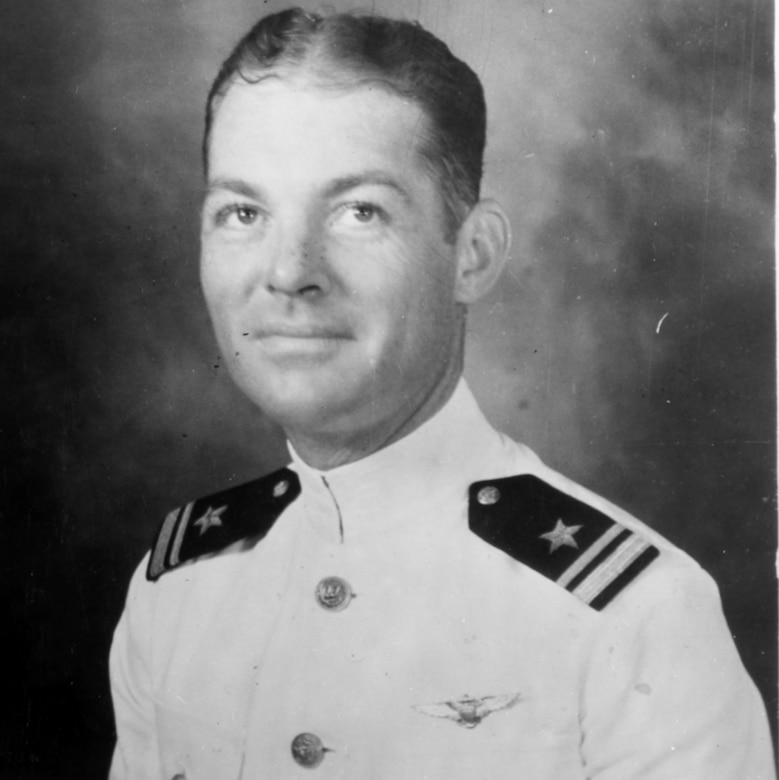
A man wearing a white Navy uniform poses for a photo.

Hutchins was born Sept. 12, 1904, to Walter and Clara Hutchins. He had two younger brothers and grew up in Albany, New York, before graduating high school in 1922 and attending the U.S. Naval Academy.

After commissioning into the Navy in 1926, Hutchins served on the USS Pennsylvania until 1928, when he went to flight training school in Pensacola, Florida. That same year, he married his girlfriend, Elizabeth Poehler. The couple later had a son, Walter.

By February 1929, Hutchins had earned his wings as a naval aviator. He spent the next few years flying fighter aircraft and scouting planes before studying aeronautical engineering at the California Institute of Technology. In 1937, he served with a seaplane squadron in the Caribbean before being transferred to Patrol Squadron 11 aboard the USS Langley based at Naval Air Station San Diego (now Naval Air Station North Island).
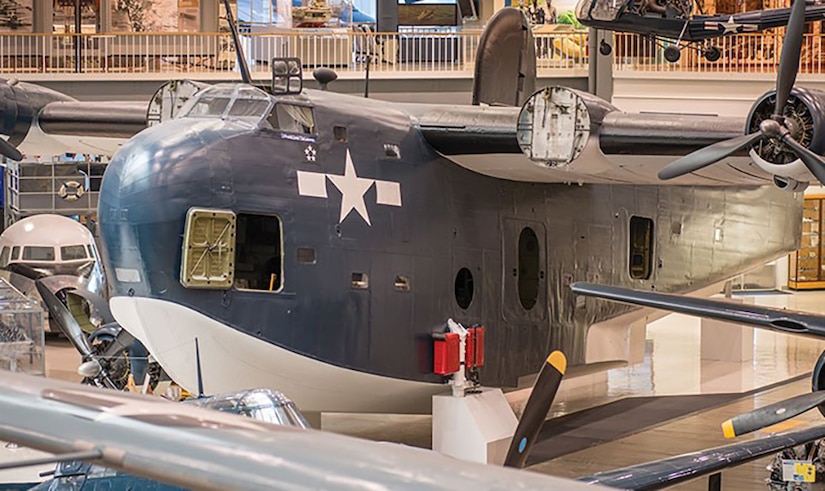
A large seaplane sits on the tiled floor of a museum. Other aircraft and their wings can be seen nearby.

On Feb. 2, 1938, Hutchins was piloting one of several PBY-2 Catalina seaplanes that were taking part in one of the largest fleet exercises of the time about 70 miles off the California coast. According to the Naval History and Heritage Command, nine aircraft were flying in formation at night during a bombing training run when a sudden rain squall began and they flew into a cloud bank without warning. Because of the sudden lack of visibility, Hutchins' aircraft collided with another seaplane.

While the second aircraft crashed immediately, killing all seven on board, Hutchins managed to keep his failing aircraft in the air long enough to give his crewmates the chance to parachute to safety. He was only able to keep the aircraft afloat for a few minutes, but that was enough for four of the six men to jump out. The remaining two were in the plane's forward compartment with Hutchins and died with him as the plane went down.

One of the men who parachuted out died the following day, but three survived thanks to Hutchins' ability to keep calm and steady the aircraft for as long as possible.
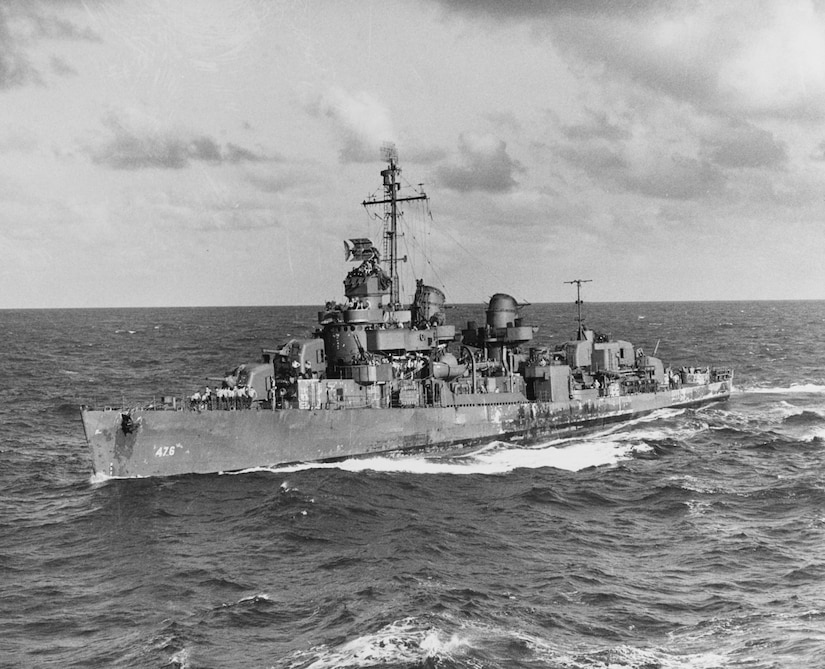
A large ship moves through the ocean.

The crash killed a total of 11 men. At the time, it was considered one of the worst aircraft disasters in Navy history.

On Aug. 3, 1938, Secretary of the Navy Claude Swanson announced that Hutchins would receive the Medal of Honor for his bravery. The nation's highest honor for valor was presented to his widow in a ceremony 10 days later.

Sadly, Hutchins' remains were never recovered.

In his memory, the destroyer USS Hutchins was commissioned in November 1942 and used throughout World War II.

At the Naval Academy's Bancroft Hall, one of the world's largest collegiate dormitories, Hutchins has a room dedicated to him, as do all other Medal of Honor recipients who attended the prestigious school.

Monday, December 08, 2025

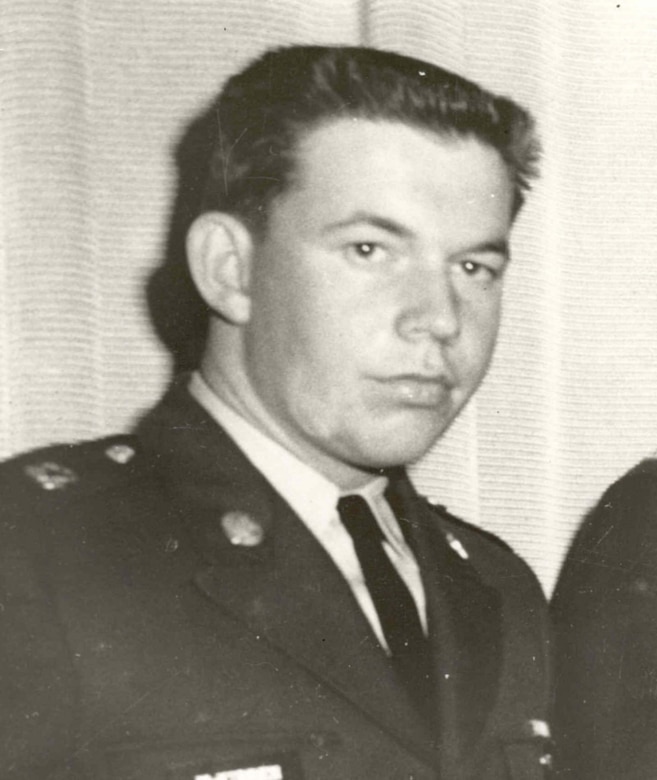
Medal of Honor Monday: Army Sgt. Ray McKibben

On his third deployment to Vietnam, Army Sgt. Ray McKibben went after the enemy on numerous occasions when his unit was unable to do so themselves. McKibben didn't survive his tour of duty, but his courage and dedication to the mission led him to receive a posthumous Medal of Honor. 

A man in a military dress uniform looks stoic for a photo.

McKibben was born Oct. 27, 1946, in Felton, Georgia, to Albert and Dottie McKibben. He had an older brother named AJ.

Little has been published about McKibben's childhood, but he attended Buchanan High School before following in his brother's footsteps by joining the Army in the early 1960s.

According to a 1970 article in The Atlanta Constitution newspaper, McKibben had been in the Army for five years and was on his third tour of duty in Vietnam when he gave his life to save his comrades.

On Dec. 8, 1968, McKibben led a unit at the head of a reconnaissance patrol of Troop B of the 7th Squadron, 17th Cavalry Regiment, 1st Aviation Brigade. They were in enemy territory near Song Mao in southeast Vietnam, where the U.S. Army had a base.

As McKibben led his team along a well-traveled trail, they came under heavy automatic-weapons fire from a fortified bunker, forcing them to take cover. McKibben appraised the situation before charging through bamboo and heavy brush toward the position, killing its gunner and securing the weapon before directing his patrol to keep moving forward.

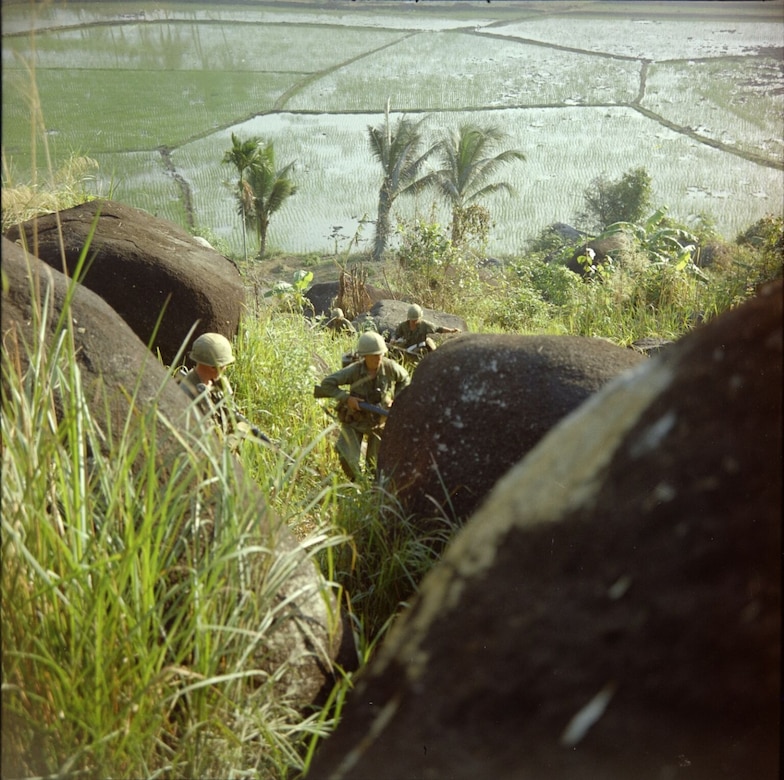
Men in combat gear move up a rocky, grassy slope.

As his men continued on, McKibben noticed enemy movement to the patrol's flank. He quickly called in a helicopter gunship for close-air support to neutralize the threat.

When the patrol rounded the bend of a river, they were hit by heavier automatic-weapons fire, this time from camouflage bunkers. When one soldier fell wounded, McKibben ignored the intense gunfire all around him and ran to the man's side, pulling him to safety behind a rock before giving the soldier rudimentary first aid.

McKibben then noticed more of his fellow soldiers were pinned down and unable to take out the enemy bunkers. So, he went on a one-man mission to take them out himself. McKibben charged through the brush amid a hail of gunfire to get to the first bunker, where he killed the enemy inside with his rifle before securing its weapon.

McKibben then charged the next bunker, using his rifle and the captured enemy gun as he went. When both weapons ran out of ammunition, he finished the bunker off with hand grenades.

Reloading his rifle, McKibben provided cover for his fellow soldiers as they continued moving. When he noticed yet another bunker blocking their advance, he once again took it upon himself to assault the position.

Sadly, his luck had run out. As McKibben got close, he was hit by gunfire and didn't survive. However, he was able to shoot one final burst from his weapon, once again killing the enemy inside.

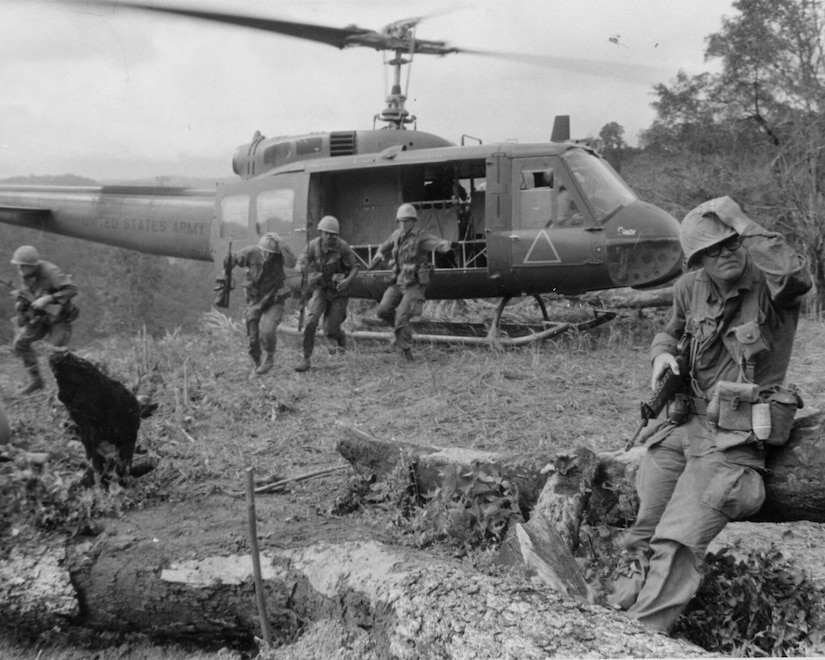
Four men wearing military combat gear move away from a helicopter hovering just off the ground. In the forefront, another man in similar attire sits on a log.

McKibben's courage and commitment helped save the lives of his fellow soldiers and allowed them to finish their mission.

On April 7, 1970, McKibben's widow, Anna, received the Medal of Honor on his behalf from President Richard M. Nixon during a White House ceremony. Twenty other fallen Vietnam soldiers also received the nation's highest medal for valor that day.

McKibben is buried at the Center Baptist Cemetery in his Georgia hometown, where he has not been forgotten. A portion of Highway 120 near where he grew up was renamed in his honor in the 1990s.

The military continues to honor his sacrifice as well. In 1984, a renovated building was renamed McKibben Hall at the now-closed Fort Gillem, Georgia. In 2008, the 7th Squadron that he was once a part of dedicated a conference center and a memorial to him at the unit's new headquarters at Fort Campbell, Kentucky. 

Monday, December 01, 2025

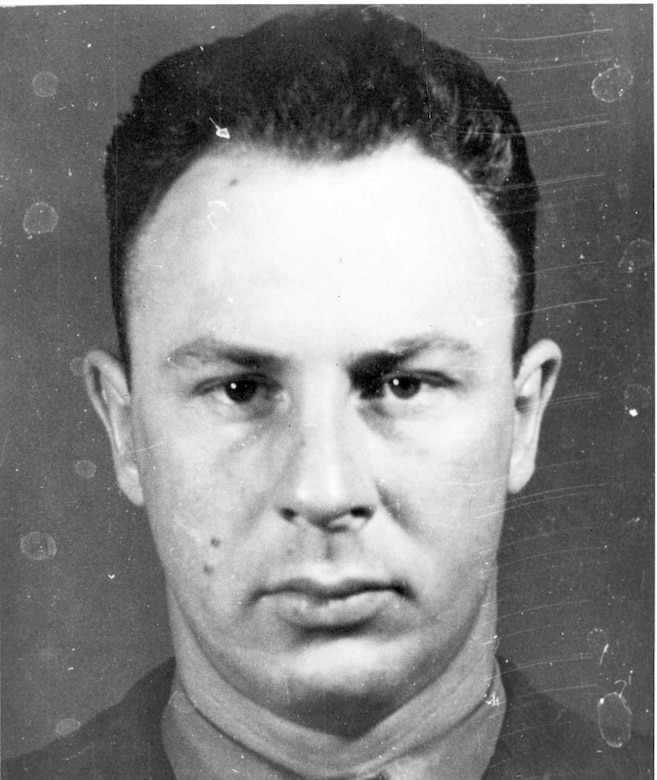
Medal of Honor Monday: Marine Corps Staff Sgt. William Windrich

Marine Corps Staff Sgt. William Gordon Windrich was only in Korea for a short time, but the skills he'd honed during World War II helped him lead his cold, dirty and disheveled comrades to freedom during one of the most savage battles in modern military history.  

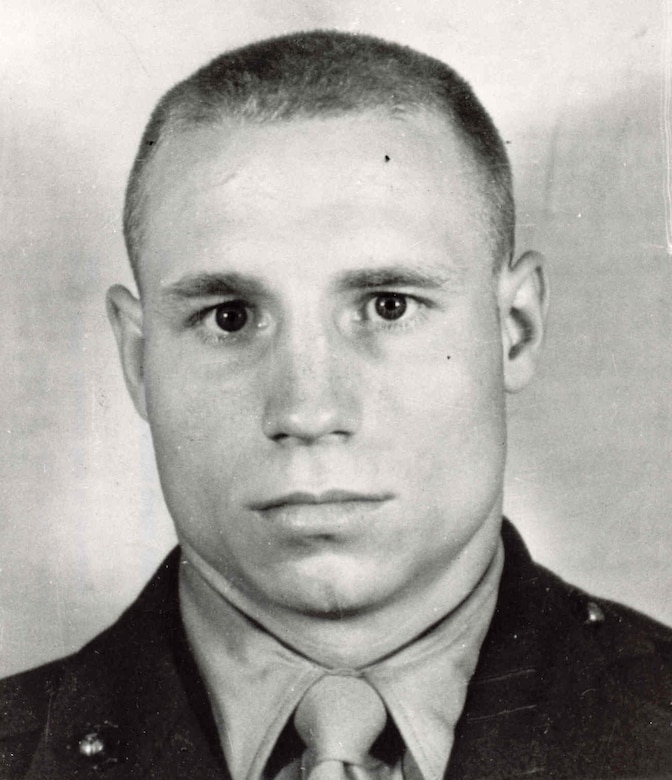
A man poses stoically for a photo.

Windrich didn't survive the Battle of Chosin Reservoir to tell his own story, but his heroics led him to posthumously receive the Medal of Honor.  

Windrich was born May 14, 1921, in Chicago to World War I veteran Herman Windrich and his wife, Marguerite. He had a sister named Virginia. 

When Windrich was young, the family moved to nearby Hammond, Indiana, where their father worked as a foreman at the city's only oil refinery.  

Windrich attended several public schools before dropping out and enlisting in the Marine Corps Reserve in June 1938. By November 1940, he was called up to active duty. 

During World War II, "Windy," as he was called, spent nearly two years in the South Pacific as a machine-gunner, seeing action during the Battle of Tarawa in the Gilbert Islands. He was discharged soon after the war ended and, after returning home, earned his GED diploma. At some point, he married his hometown girlfriend, Margaret. They had a daughter named Alita.  

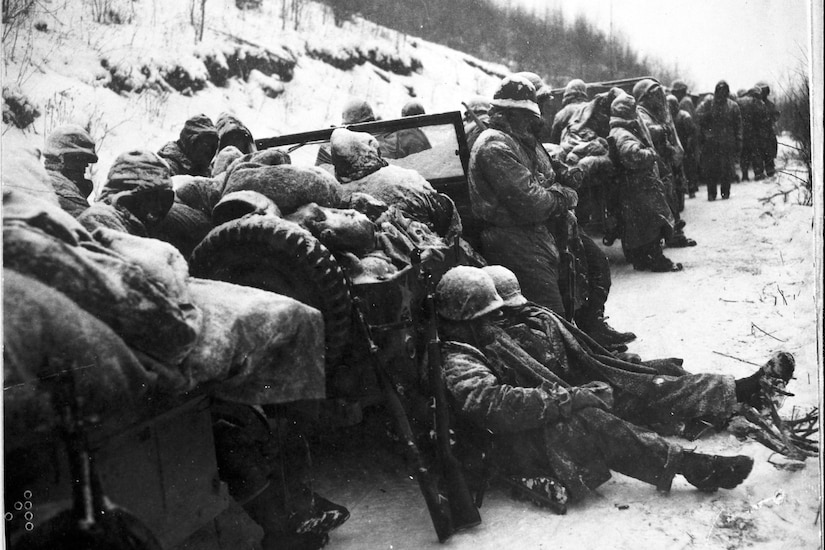
Dozens of men in cold-weather gear lounge near a line of military vehicles in the snow.

Civilian life didn't suit Windrich, however. So, in February 1946, he reenlisted in the Marine Corps. That summer, while serving aboard the USS Mount McKinley, Windrich took part in the atomic bomb testing at Bikini Atoll. In the years that followed, he served in positions in around Washington and in China.  

Windrich was on military police duty at Camp Pendleton, California, when the Korean War broke out in the summer of 1950. As part of the 1st Provisional Marine Brigade, he was one of the first Marines to see action in the conflict. He took part in the Inchon landing and the capture of Seoul before being transferred to Company I of the 3rd Battalion, 5th Marines, 1st Marine Division.  

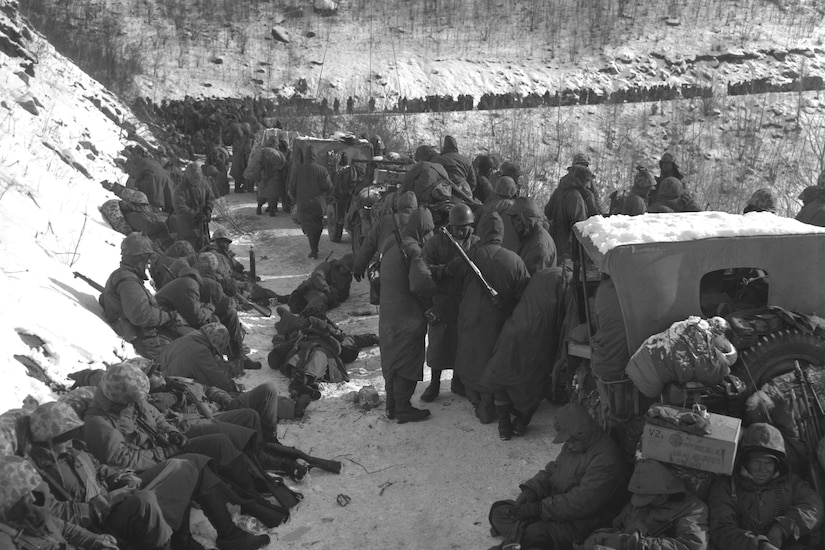
Windrich was the company's platoon sergeant during the infamous Battle of Chosin Reservoir, where about 30,000 troops from the United Nations, many of whom were U.S. Marines and soldiers, chased defeated North Korean army soldiers up the Korean Peninsula to try to force them over the border into China. When they reached the Chosin Reservoir, however, about 120,000 Chinese troops surged south over the border instead, ambushing U.N. troops and cutting them off from their main supply route.  

The nearly three-week battle was one of the most brutal in military history, waged in below-zero temperatures, heavy snow and frigid winds.  

Hundreds of men in cold-weather gear sit and stand alongside a line of military vehicles on a mountainside in the snow.

On the night of Dec. 1, 1950, the enemy launched a sudden attack on the forward elements of Company I's position on Hill 1520. As Marines fell, Windrich organized a group of men and spearheaded an assault toward the top of the hill to confront the enemy forces.  

Despite intense enemy automatic weapons, mortar and grenade fire, the group was able to effectively hold back the attackers while the remaining troops withdrew to safer ground. However, the assault group was decimated in the process. Most of the men were either wounded or killed, including Windrich, who suffered a head wound from a bursting grenade.

Windrich fell back to where his company had repositioned themselves. After refusing medical attention, he organized a new group of volunteers to evacuate the fallen Marines on the frozen hillside.  

Windrich then placed the rest of the troops on the left flank of the defensive sector as the enemy attacked again. Windrich was severely wounded in the leg and couldn't stand, but he refused to leave the fight, shouting words of encouragement and directing his team's fire until the attack was pushed back. Even then, he continued to direct his platoon to set up defensive positions. Eventually, Windrich succumbed to the bitter cold and excessive blood loss.  

"He allowed himself to be placed on a stretcher, and as he lay down, he told one of the men carrying him that he just wanted to go to sleep. Then he died," read a 1985 article on Windrich in his hometown newspaper, The Times. 

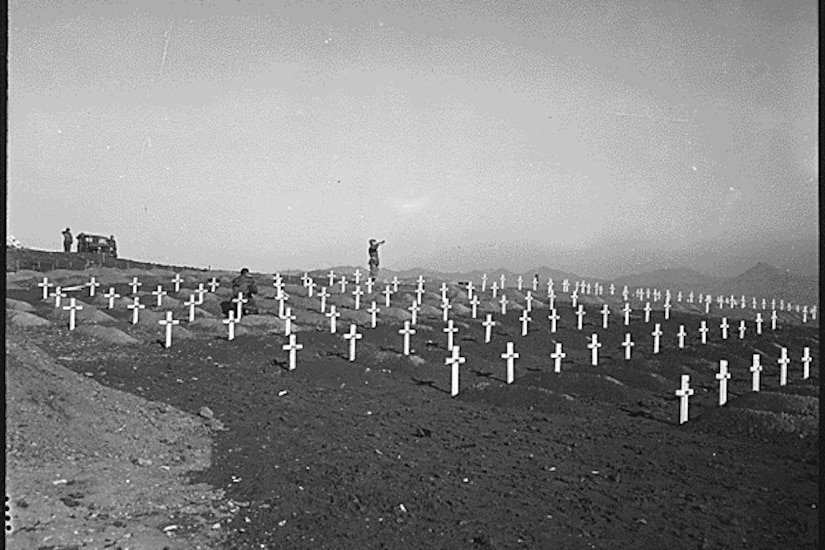
A man plays a bugle in the middle of a graveyard full of white crosses.

Windrich's bravery and devotion to duty inspired the men around him to hold the line despite the tremendous odds against them. Eventually, they were able to fight their way south to freedom. But the battle took its toll. The U.S. reported more than 12,000 casualties, including more than 3,000 dead. 

Windrich's fellow Marines weren't able to carry his body down the 70 miles of mountainous terrain, so he was left behind with the promise from commanders that they would come back for all the fallen Americans when they could.  

Windrich is one of 17 men who received the Medal of Honor for valiant actions during the battle. On Feb. 8, 1952, his widow and daughter received the nation's highest honor for valor on his behalf during a Pentagon ceremony.  

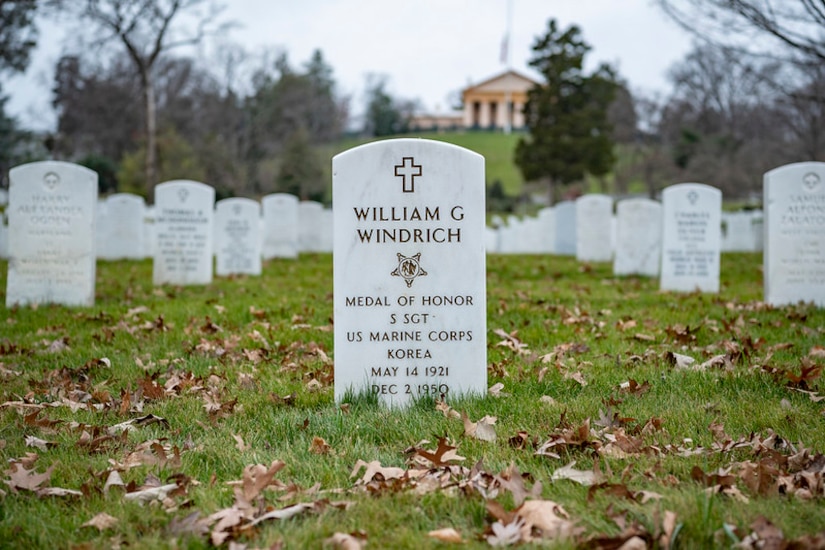
A grave marker is highlighted prominently among a field of other matching grave markers.

More than four years after the Battle of Chosin Reservoir ended, the promise to bring Windrich's body home was fulfilled, and his remains were repatriated. On July 29, 1955, he was buried in Arlington National Cemetery, Virginia. 

Near his hometown in Lake County, Indiana, residents and visitors can read about Windrich's heroics on a section of the Korean War veterans memorial that's dedicated to him. The National Museum of the Marine Corps in Triangle, Virginia, has also erected a Chosin Few Battle Monument in honor of those who fought there. 

Monday, November 24, 2025

Medal of Honor Monday: Army Lt. Col. Edward Silk

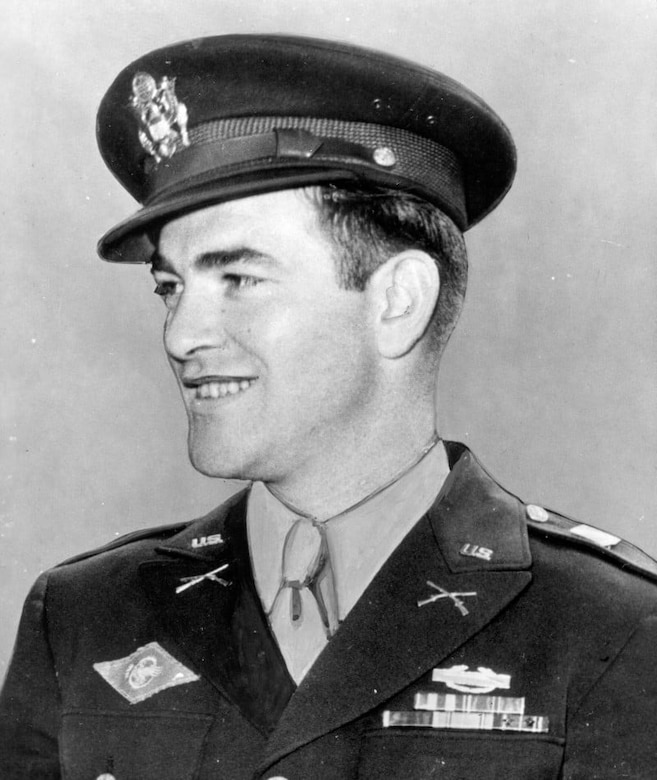
When Army Lt. Col. Edward A. Silk realized that his platoon wasn't going to put a dent in the enemy positions firing at them in France during World War II, he went on a one-man rampage to take the guns out himself. Miraculously, his mission succeeded. For his heroics, he received the Medal of Honor.

A man in a uniform and cap poses for a photo.

Silk was born June 8, 1916, in Johnstown, Pennsylvania, to Irish immigrants Michael and Mary Silk. He was the youngest of 11 children.

When Silk was 2, his father died in an accident at the local Bethlehem Steel mill, according to the newspaper The Daily Herald out of Everett, Washington. His mother tried to care for all 11 children on her own, but she couldn't, so she eventually moved with her four youngest to Illinois to live at Mooseheart Child City, a residential child care community run by the Loyal Order of Moose, of which Silk's father was part. Mooseheart provides children and families in need with stability, support and education.

Silk did well at Mooseheart. According to the Moose organization, he played football for the high school and chose to stay an extra year due to job scarcity from the Depression so he could get training in ornamental concrete work. After graduating in 1935, he attended St. Bonaventure College in western New York for a time before eventually dropping out to join the workforce.

In April 1941, months before the U.S. entered World War II, Silk joined the Army Reserve. At some point he married his girlfriend, Dorothy Weimer, and had a son named Jerry. 

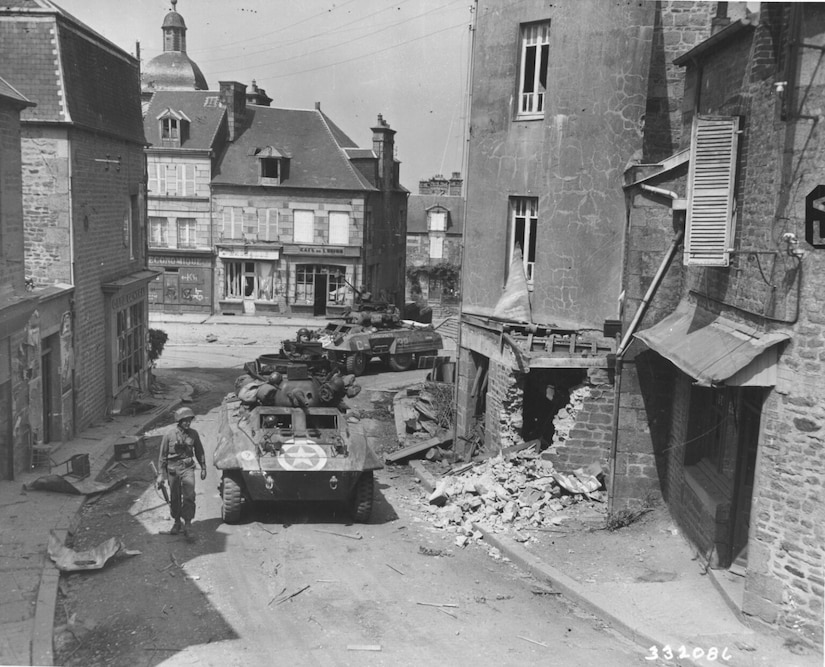
Two tanks move through small, winding streets in a dilapidated town.

Silk was ordered to active duty Aug. 31, 1942. He earned a commission at Fort Benning, Georgia, before being sent to France in October 1944 with the 398th Infantry, 100th Infantry Division. About two months later, his brazen courage earned him the nation's highest medal for valor.

On Nov. 23, 1944, then-1st Lt. Silk's battalion was tasked with seizing high ground overlooking Moyenmoutier, France, ahead of a planned attack to liberate the city. Silk was commanding a weapons platoon in Company E that took the lead at dawn. By noon, they'd reached the edge of the woods near St. Pravel, where scouts saw in the valley below an enemy sentry standing guard outside a farmhouse.

Almost immediately, the scouting squad was pinned down by intense gunfire coming from within the house. Silk's platoon returned fire, but after about 15 minutes, there was no letting up in the enemy gunfire. So, Silk decided to take matters into his own hands.

He ran 100 yards across an open field before taking shelter behind a low stone wall directly in front of the farmhouse. After firing into the door and windows with his carbine, Silk then vaulted over the wall sheltering him and dashed another 50 yards through a hail of enemy gunfire to the left side of the house. He then tossed a grenade through an open window. The explosion that followed silenced the enemy machine gun and killed its two gunners.

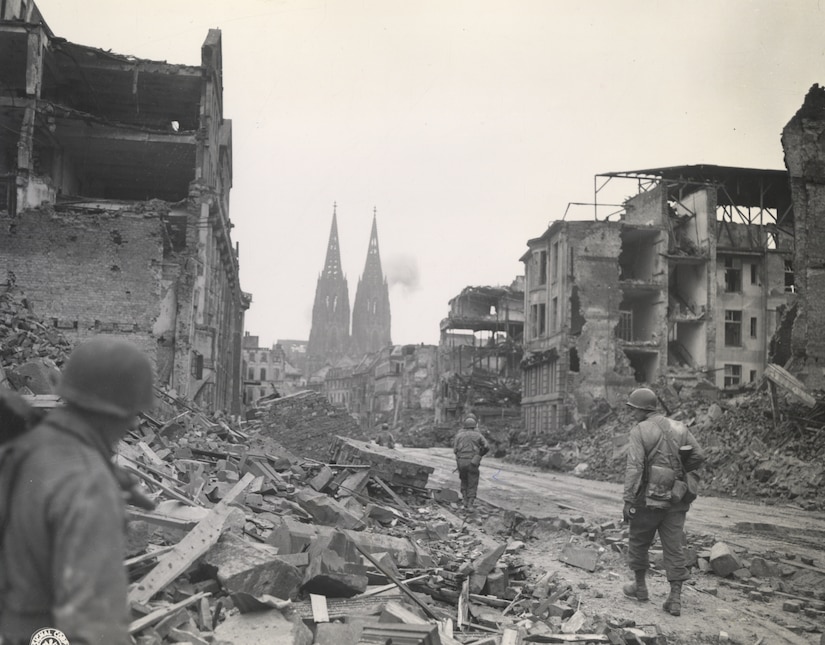
Soldiers walk past rubble in a destroyed city.

When Silk tried to move to the right side of the house, another enemy machine gun began firing on him from a nearby woodshed. Summoning every ounce of courage he had, Silk rushed that position head-on, dodging direct fire to get close enough to throw more grenades, which destroyed that gun and its gunners as well.

By that point, Silk had run out of grenades — but not fortitude. Silk ran to the back side of the farmhouse, where he began to throw rocks through the window, demanding the remaining enemy soldiers' surrender. "Twelve Germans, overcome by his relentless assault and confused by his unorthodox methods, gave up to the lone American," Silk's Medal of Honor citation said.

Thanks to his decision to take on the burden of the attack alone, Silk's battalion was able to continue its advance on Moyenmoutier and eventually liberate the city.

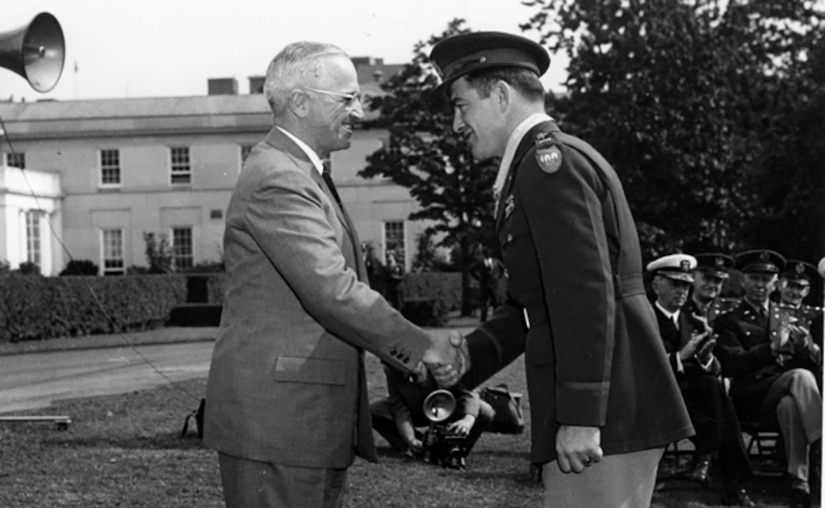
Two men smile and shake hands on a lawn. Others sit in chairs in the background, clapping.

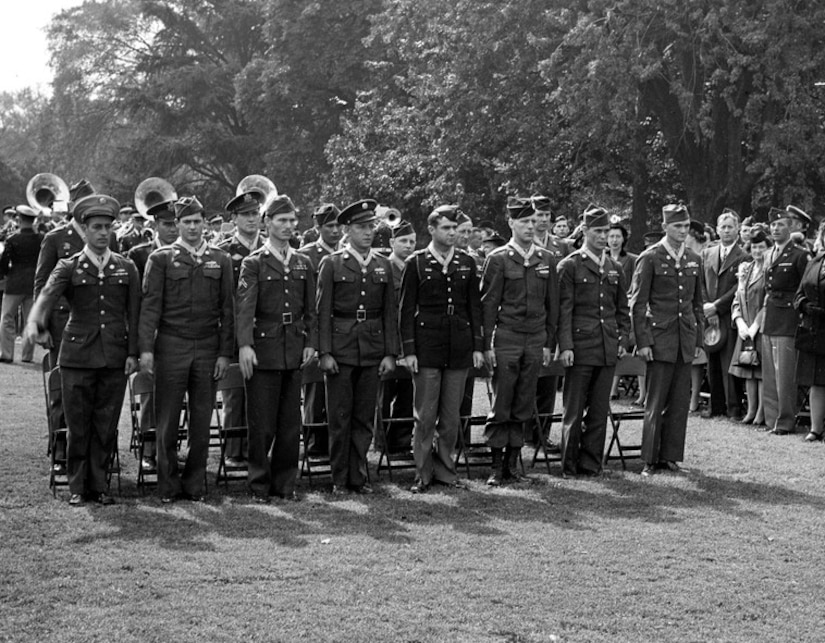
Silk returned home in September 1945 as a hero. On Oct. 12, 1945, he and 14 other deserving service members received the Medal of Honor from President Harry S. Truman during a White House ceremony.

Silk remained in the Army after the war, working for a time while still on active duty as a patient consultant for the Department of Veterans Affairs. One of his last posts was with the 7822nd Station Complement Unit in Stuttgart, Germany.

By 1952, Silk had risen to the rank of lieutenant colonel. He and his wife went on to have two more children, Judith and Daniel.

In December 1954, Silk took command of the ROTC unit at Canisius College (now university) in Buffalo, New York, as a professor of military science and tactics.

Two rows of service members stand at attention on a lawn. A band and an audience are in the background.

Sadly, about 10 months later, Silk fell critically ill due to intestinal ulcers. He underwent at least three surgeries at a local military hospital before succumbing to complications on Nov. 19, 1955. He was only 39.

During his funeral services, the newspaper The Buffalo News reported that 600 ROTC cadets from Canisius marched behind Silk's hearse for 3 miles to St. Joseph's Cathedral, where his services were held. Silk was then buried in Arlington National Cemetery.

In 2004, Johnstown renamed a bridge in the hometown hero's honor. At the time, his daughter told newspapers that her father was a strict disciplinarian, but he was kind and had a great sense of humor.  

This article is part of a weekly series called "Medal of Honor Monday," in which we highlight one of the more than 3,500 Medal of Honor recipients who have received the U.S. military's highest medal for valor. 

Tuesday, November 18, 2025

Medal of Honor Monday: Marine Corps Pfc. Richard Kraus

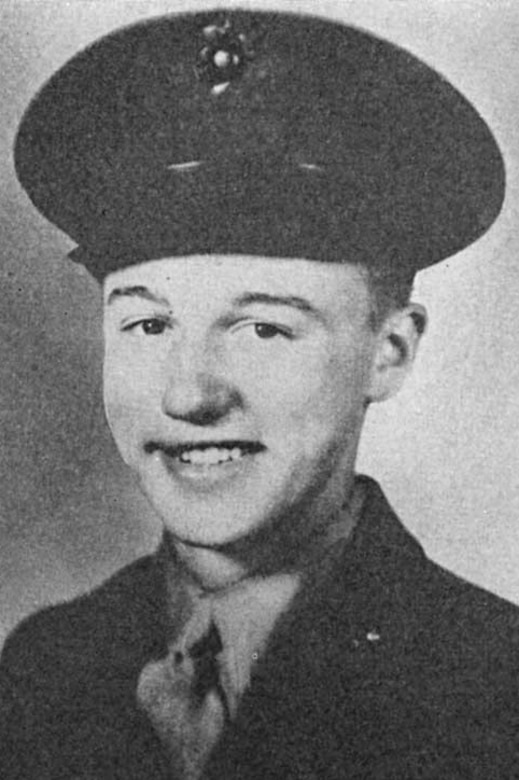
Marine Corps Pfc. Richard Edward Kraus had only been overseas for three months during World War II when he gave his life to save his fellow Marines. For making the ultimate sacrifice, the 19-year-old received a posthumous Medal of Honor.  

A man wearing a military dress uniform and cap poses for a photo.

Kraus was born Nov. 24, 1925, in Chicago to Hazel and August Kraus. He had a sister, Yvonne. When his mother later remarried, he gained two sisters, Gail and Marlys.  

When Kraus was 7, his family moved to Minneapolis. His parents described him as an average boy who attended church, liked sports and was "full of fun," according to a July 1945 article in the Minneapolis Star newspaper.  

Kraus graduated from Edison High School in 1943, as World War II raged. By the end of that year, he'd turned 18 and enlisted in the Marine Corps Reserve. Kraus spent the first half of 1944 training in San Diego at Camp Pendleton. In early July 1944, he was deployed to the Pacific, where he served with the 8th Amphibious Tractor Battalion, 3rd Amphibious Corps, Fleet Marine Force. 

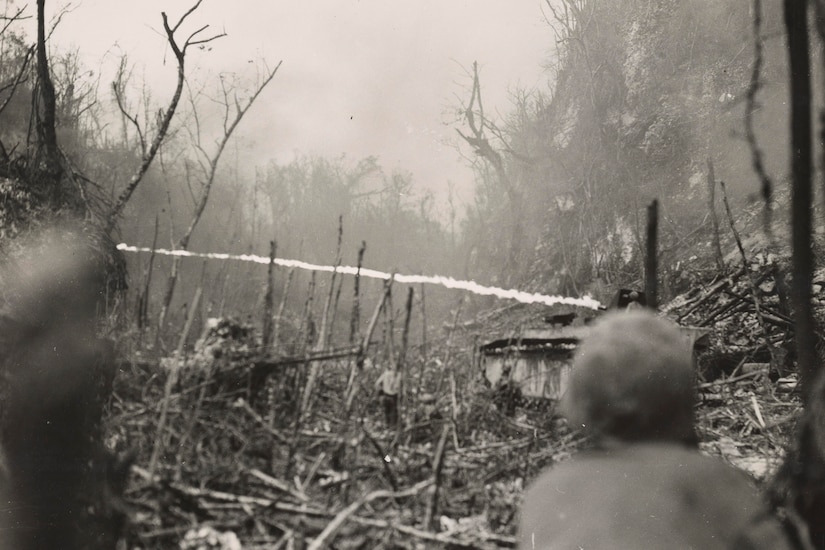
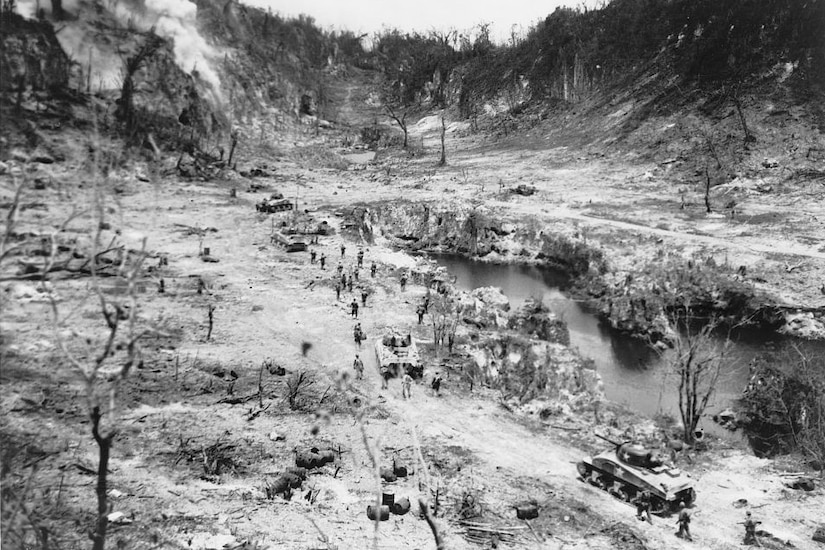
The first and only major offensive in which Kraus took part was the Palau Islands campaign. By mid-September, Kraus landed on the island of Peleliu. Within weeks, Marines and soldiers made headway in securing the island from Japanese forces.  

A person wearing a military uniform looks forward at the edge of a burned-down forest. Another person in a military uniform walks in the distance, and a line of flame from a flamethrower rips from a tank sitting in the middle of the carnage.

On Oct. 5, 1944, Kraus and three other Marines volunteered to evacuate a wounded comrade from the front lines. Despite the extreme danger, the small group courageously made their way across enemy lines with a stretcher. They made it a good distance before the enemy began throwing a barrage of hand grenades in their direction, forcing them to take cover before eventually abandoning the mission.  

As the four men headed back, two men dressed like Marines approached them. When Kraus asked them for a password to prove they were who they said they were, the pair didn't answer. Instead, one of them threw a grenade into the middle of the four Marines.  

Without hesitating, Kraus threw himself on top of the explosive device, covering it with his body so he would absorb the impact of the blast, sparing his comrades. Kraus gave his life to save his fellow Marines.  

An aerial view of tanks and people walking through a burned-out ravine.

On Aug. 2, 1945, Kraus' mother received the Medal of Honor on her son's behalf during a ceremony in downtown Minneapolis. Seven other Marines received the nation's highest honor for valor for their actions in Peleliu.  

Kraus was initially buried in an American cemetery on Peleliu, but his remains were repatriated in 1948. He was reburied in Fort Snelling National Cemetery in Minneapolis.  

Kraus has not been forgotten. The destroyer USS Richard Kraus was commissioned in his name in May 1946. It served through the Vietnam War and remained in service until its decommissioning in July 1976.  

A main street on Camp Pendleton was also named in Kraus' honor.  

Monday, September 29, 2025

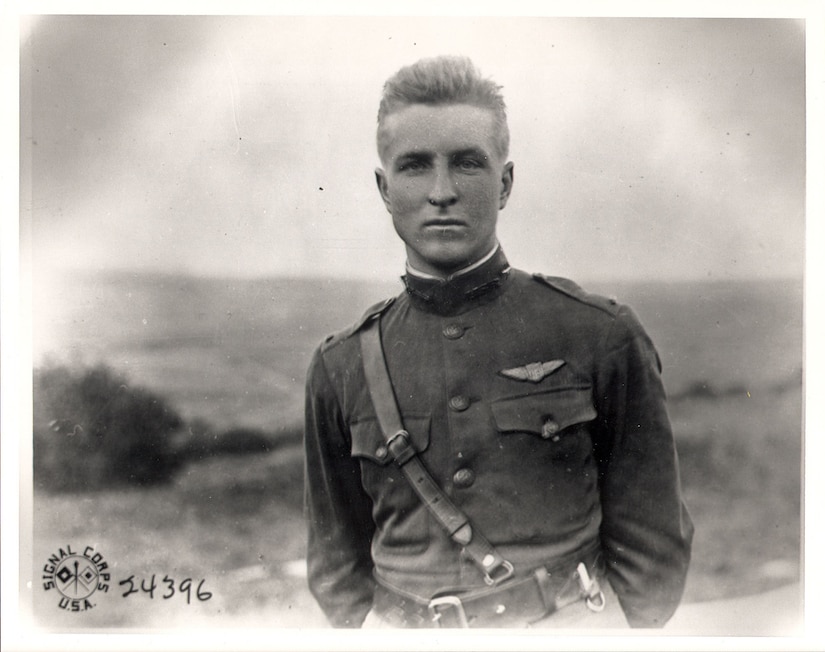
Medal of Honor Monday: Army 1st Lt. Frank Luke Jr.

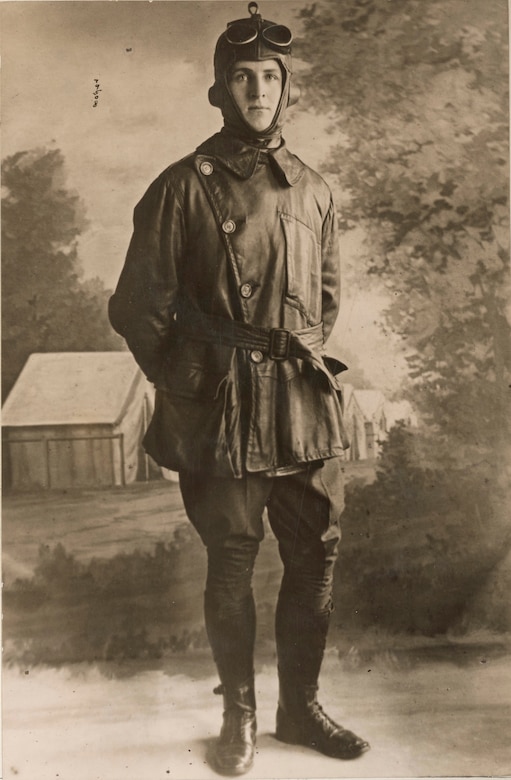
Aviation was in its infancy during World War I, but Army 1st Lt. Frank Luke Jr. took to it like a duck to water. Earning the nickname the "Arizona Balloon Buster" for the high number of enemy observation balloons he shot down, Luke was known as the most spectacular air fighter of the war. He didn't make it home, but his heroics in the sky made him the first Army aviator to receive the Medal of Honor.  

A man in a military dress uniform poses stoically for a photo.

Luke was born May 19, 1897, in Phoenix. He was the fifth of nine children born to his parents, Tillie and Frank Luke Sr.  

Luke grew into a strong young man. He was known as one of the best athletes at Phoenix Union High School, where he was the track team captain and a member of the basketball and football teams. According to a speaker at his Medal of Honor ceremony, one time he even saved the life of a friend who was struggling to cross a stream when they went camping.  

In September 1917, a few months after the U.S. entered World War I, Luke enlisted in the Army Signal Corps' Aviation Section, which transformed in April 1918 to the Army Air Service. Luke learned to fly aircraft at Rockwell Field in San Diego, receiving his wings and a commission to second lieutenant in January 1918.  

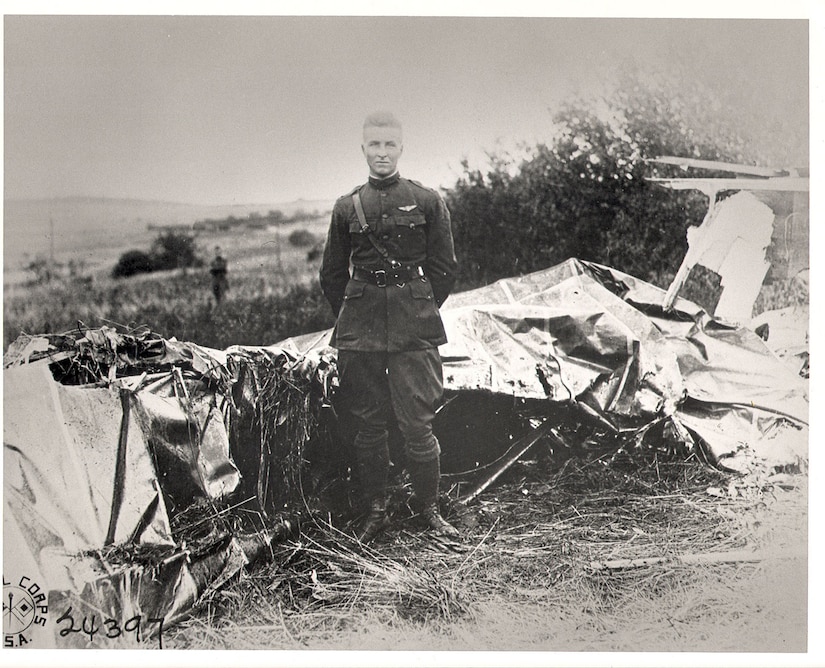
A man dressed in a military uniform stands stoically in front of a crumpled pile of metal.

Soon after, Luke was sent to France for additional combat training, which he completed in May 1918. From there, he went to Cazaux, France, to serve on the Western Front with the 1st Pursuit Group, 27th Aero Squadron. On Aug. 16, 1918, Luke took down his first enemy aircraft in combat.  

In the short amount of time Luke spent overseas, he earned the reputation of being a bit of a loner who occasionally ignored orders and sought to destroy the enemy on his own. He did, however, team up with a friend, Army 1st Lt. Joseph Wehner, during the mid-September St. Mihiel Offensive. During that time, Luke shot down three aircraft, and the pair destroyed five German observation balloons, which Luke attacked frequently.  

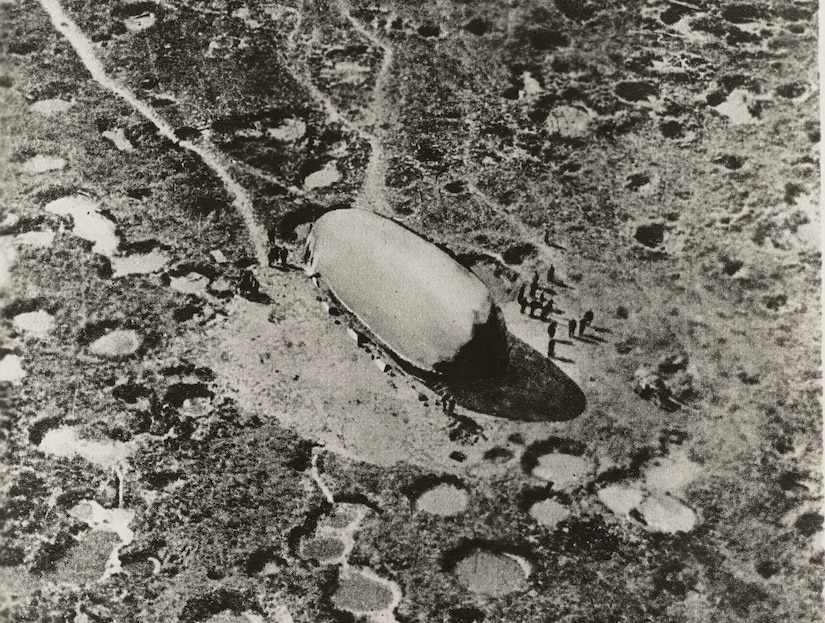
While tethered balloons don't sound like a difficult target, they were one of the toughest any pilot could face during World War I. The hydrogen-filled balloons were critical to the war's trench warfare environment, serving as observation posts that enabled both sides to look deep behind enemy lines. Observers in the balloons communicated with their leaders and adjusted artillery fire on the ground in real time to increase accuracy.  

A massive balloon sits on the ground with craters scattered around it. About a dozen people stand beside the balloon.

Because the balloons had such great tactical value, most were protected by heavy antiaircraft gun batteries, and there were often squadrons of airplanes ready to pursue anyone who considered going after them. Pilots who continually targeted the balloons were considered to have a death wish, historians said.  

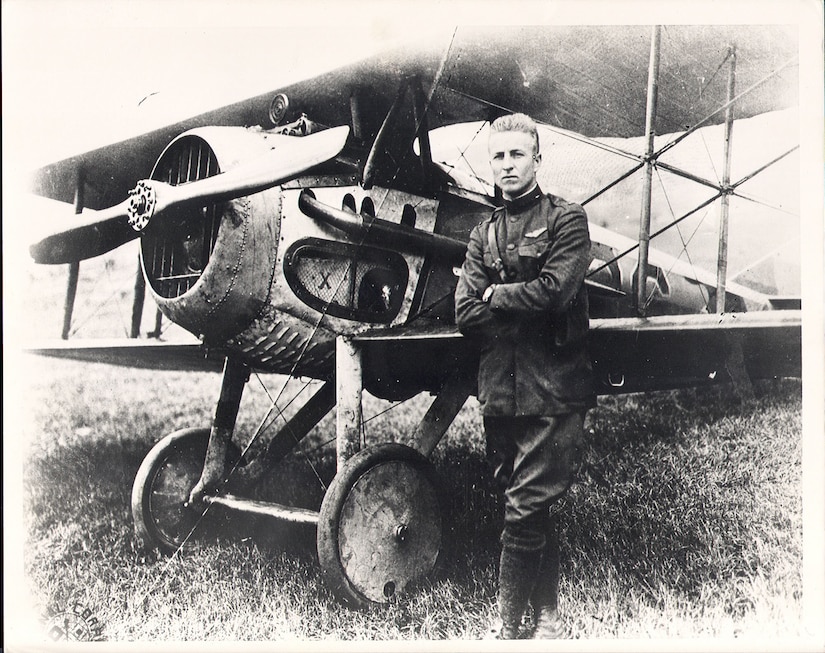
Luke's last flight — and his most valiant — happened on Sept. 29, 1918, near Murvaux, France. That day, he took to the skies in a French-built Spad XIII aircraft to go after enemy observation balloons, even though he hadn't received the proper permission, according to Air Force historians.  

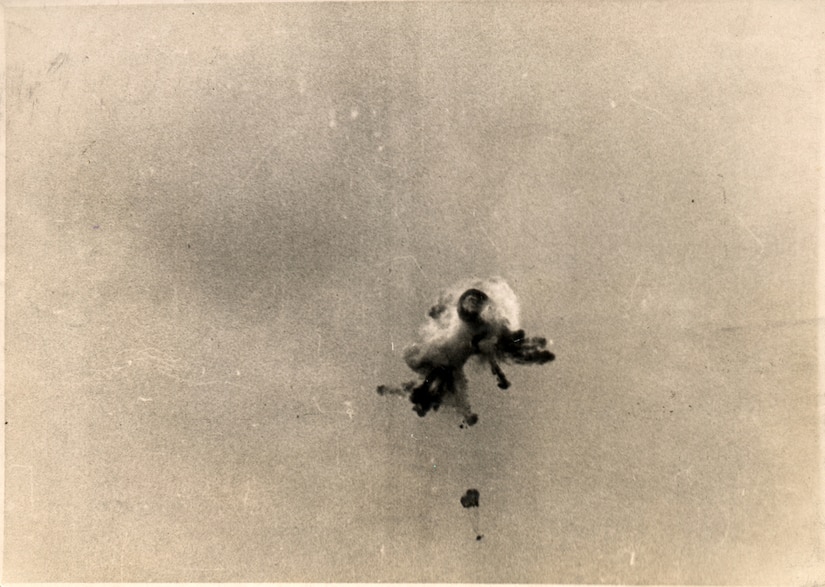
When Luke neared the enemy balloon line, eight German planes that were protecting it came after him. Despite the heavy fire he took from those planes and the ground batteries below, Luke didn't hesitate to attack back, shooting down three balloons. He then descended to within 50 meters of the ground and, with at least a dozen villagers watching, opened fire on enemy troops, killing six and wounding many more.  

Smoke and debris hang in the sky. A small parachute can be seen below the debris.

During the melee, Luke was also hit and severely wounded in the right shoulder. He was then forced to make an emergency landing in hostile territory. Surrounded by German forces on all sides who called on him to surrender, Luke refused. Instead, he drew his automatic pistol and fought back until he was killed.  

In Luke's brief career, he took down four airplanes and 14 balloons. His record of 18 "kills" stands second only to Army Capt. Eddie Rickenbacker's 26, according to the National Museum of the U.S. Air Force.  

Aside from the French villagers who made a sworn affidavit to what they saw Luke do that day, the fallen aviator's comrades also couldn't say enough about his bravery.  

A man in a World War I-era flight suit poses for a photo.

"No one had the sheer contemptuous courage that boy possessed. He was an excellent pilot and probably the best flying marksman on the Western Front," said Army Maj. H.E. Hartney, Luke's commander. "We had any number of expert pilots, and there was no shortage of good shots, but the perfect combination — like the perfect specimen of anything in the world — was scarce. Frank Luke was the perfect combination." 

On May 29, 1919, Luke's father received the Medal of Honor on his son's behalf from Army Brig. Gen. Howard R. Hickok. Luke, who also received two Distinguished Service Crosses, was then posthumously promoted to first lieutenant.  

Rickenbacker also received the Medal of Honor for his actions during the war, but it wasn't awarded to him until 1930.  

Luke was initially buried by the Germans in the area where he fell; however, he was later moved and buried in a grave in the Meuse-Argonne Cemetery in Romagne-sous-Montfaucon, France.  

His Medal of Honor was donated to the National Museum of the U.S. Air Force at Wright-Patterson Air Force Base, Dayton, Ohio.  

A man wearing a military uniform with his arms crossed over his chest stands in front of a propeller aircraft.

Luke's valor has certainly not been forgotten. On Armistice Day in 1930, before it became known as Veterans Day, a statue of his likeness was unveiled at the grounds of the Arizona State Capitol building in Phoenix. Luke Avenue on Joint Base Elmendorf-Richardson, Alaska, was also named for him.  

But perhaps his best-known namesake would be the one right near where he grew up: Luke Air Force Base outside of Phoenix was named in his honor in 1949. 

Monday, September 22, 2025

Medal of Honor Monday: Marine Corps Cpl. Jack Davenport

Do I save others or save myself?  

That's a question an unknown number of service members have asked themselves during battle throughout the ages. It's one Marine Corps Cpl. Jack Arden Davenport didn't hesitate on. During an attack in Korea, he chose to save his comrade's life instead of his own. That selfless decision led him to receive a posthumous Medal of Honor.  

A man looks stoically at the camera for a photo.

Davenport was born Sept. 7, 1931, in Kansas City, Missouri, to Fred and Gloria Davenport. He had a sister named Jane and a twin brother, Karl, who served in the Navy.  

Davenport was an active child who always liked to be on the go, his parents told the Kansas City Times in 1952. Throughout high school, he played baseball and was a paperboy for the Kansas City Star newspaper, where his father worked.  

After graduating from Paseo High School in 1949, Davenport studied for a year at the University of Kansas, where he played on the school's football team. He was also an amateur boxer who participated in at least one Golden Gloves tournament.  

However, when the Korean War broke out, Davenport decided to trade in studying for the fight against communism. He enlisted in the Marine Corps July 1950. After basic training, he was stationed at Camp Pendleton outside of San Diego, where he earned the nickname "Dynamite" from other Marines. In December of that year, he was deployed to join the 3rd Battalion, 5th Marine Regiment, 1st Marine Division in Korea.  

According to newspaper reports of the time, Davenport was on the front lines almost continuously until the day he made the ultimate sacrifice.  

Early on Sept. 21, 1951, Davenport was serving as a squad leader with Company G in the Songnae-dong area of Seoul, South Korea, when they were attacked by enemy troops trying to infiltrate their sector.  

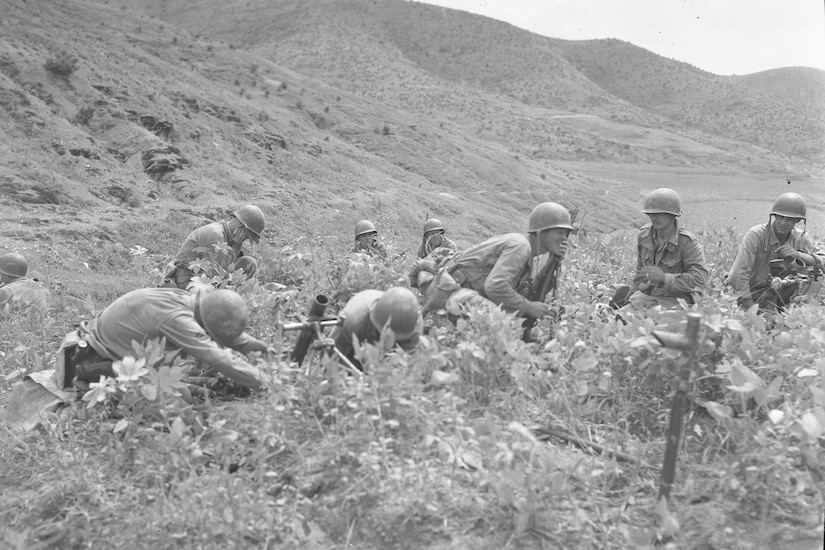
Nearly a dozen people in combat uniforms and helmets huddle in tall grass.

Davenport directed his comrades to defend their position. He and a fellow Marine, Pfc. Walter Barfoot, were doing so from a foxhole. Suddenly, an enemy grenade fell at their feet.  

Without any concern for his own life, Davenport jumped on the deadly projectile, which killed him. Barfoot was spared, however, and their unit managed to repulse the enemy, largely in part to Davenport's calm leadership.  

Many of Davenport's fellow Marines wrote to his family after his death, according to a December 1952 issue of the Kansas City Times.  

"He was the best. They didn't come finer or more courageous that little ole Dynamite," one Marine wrote to Davenport's mother.  

The fallen 20-year-old's body was returned to the U.S. in January 1952 and buried in Mount Moriah Cemetery in Kansas City.  

About a year later, Davenport posthumously received the nation's highest honor for valor. The Medal of Honor was presented to his father on his behalf during a Pentagon ceremony. Davenport's brother, Karl, was flown in by the Navy from Japan on special leave for the ceremony.  

In the late 1980s, a gymnasium at Camp Pendleton was named in Davenport's honor.  

Monday, September 08, 2025

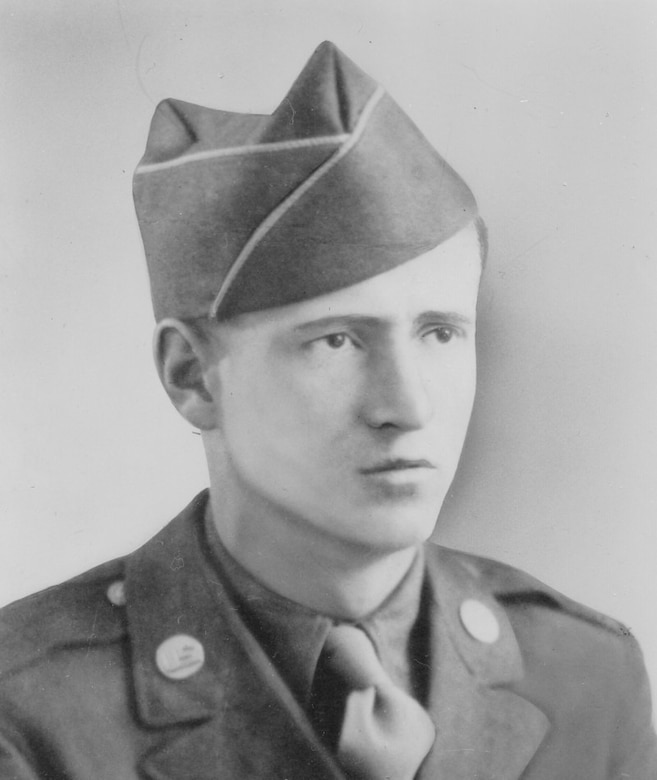
Medal of Honor Monday: Army Pfc. Ernest Prussman


Army Pfc. Ernest William Prussman fearlessly led his squad into battle as the Allies pushed into Europe to free the continent from tyranny during World War II. Prussman didn't survive the mission, but his bravery demoralized the enemy and helped several battalions move forward. For his actions, Prussman was awarded a posthumous Medal of Honor. 

A man wearing a military uniform poses for a photo.

Prussman was born Sept. 15, 1921, in Baltimore, Maryland, to Herbert and Helen Prussman. He had a twin brother named Earl. Two other brothers, Calvin and Henry, also served during World War II.  

When Prussman was 5, his family moved to Brighton, Massachusetts, outside of Boston, where he grew up and graduated from Brighton High School.  

Prussman worked as a chain store clerk before joining the Army in October 1942. In July 1944, weeks after the Allies had regained a foothold on the European continent, Prussman's unit, the 13th Infantry Regiment, 8th Infantry Division, was sent to France. 

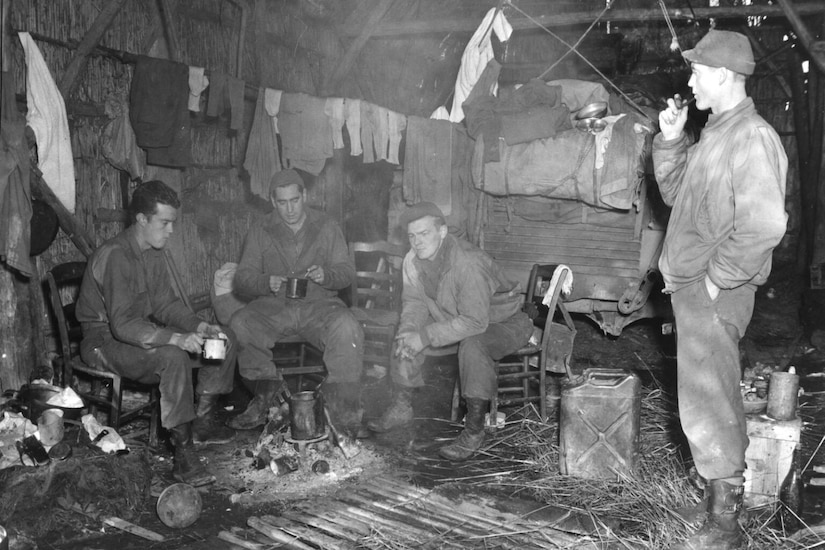
Three men sit in chairs in a shed filled with gadgets. A fourth man stands, smoking a pipe.

Two months later, Prussman gave his life in the fight for freedom.   

On Sept. 8, 1944, Prussman was with two battalions moving through the northwest Brittany region of France when their advance was halted by intense enemy mortar, machine gun and sniper fire. The assault was coming from an enemy fortification on Prussman's left, so he quickly prepared his squad to assault that position. 

Prussman took the lead and hurdled a hedgerow before disarming two enemy riflemen. He then led his squad across an open field to another hedgerow before advancing to a machine gun position, destroying the gun and capturing its crew and two additional enemy riflemen.  

Prussman continued to move ahead of his squad. This time, however, he was mortally wounded by an enemy bullet. But before he fell to the ground, he was able to throw a hand grenade, which killed one more enemy fighter.  

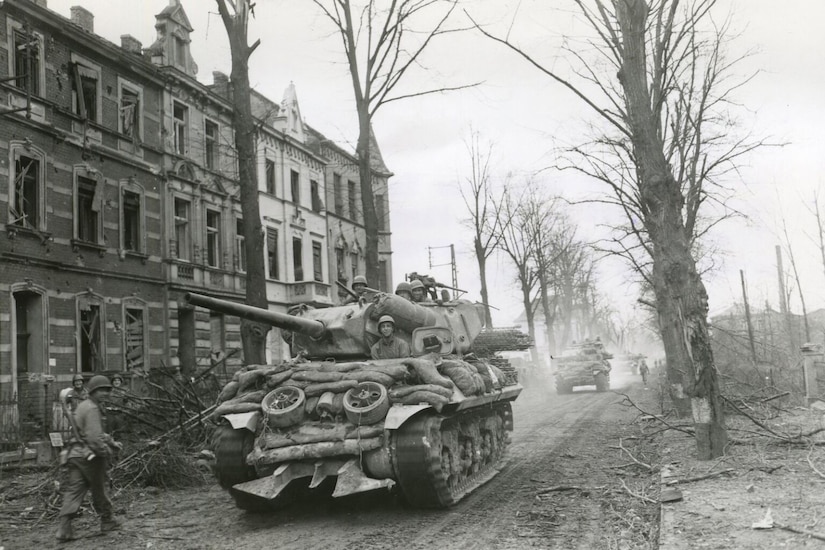
A tank rolls along a dirt road in a destroyed city.

While Prussman didn't survive, his leadership and heroic actions demoralized the enemy enough that their resistance collapsed, which allowed the Allied battalions to continue their march.  

On April 19, 1945, Prussman's parents and twin brother accepted the Medal of Honor on his behalf from Army Maj. Gen Sherman A. Miles during a celebration in Boston. Prussman also received the French Croix de Guerre with Bronze Star for his selfless actions. 

Prussman is buried in the Brittany American Cemetery in St. James, France.  

The young private has not been forgotten. At Army Garrison Rheinland-Pfalz in Germany, Prussman Avenue was named in his honor. A Medal of Honor monument was also established in Boston in 2016 in remembrance of his legacy. 

This article is part of a weekly series called "Medal of Honor Monday," in which we highlight one of the more than 3,500 Medal of Honor recipients who have received the U.S. military's highest medal for valor. 

Monday, September 25, 2023

The Air Force Gallant Unit Citation: Honoring Exceptional Valor

The Air Force Gallant Unit Citation, an esteemed military decoration, represents a profound recognition of exceptional valor and unwavering commitment to duty. This prestigious award is not only a testament to the gallantry of its recipients but also a symbol of the enduring legacy of bravery within the United States Air Force. In this article, we delve into the origin, history, design, and notable recipients of the Air Force Gallant Unit Citation.

Origin and Significance

The Air Force Gallant Unit Citation, commonly referred to as the Gallant Unit Citation (GUC), was established on March 18, 2004, by the Secretary of the Air Force. This citation was created to honor units of the United States Air Force and other branches of the military that demonstrated extraordinary heroism in the face of enemy opposition.

The GUC is a unit award, meaning it is presented to a collective group of individuals, typically an Air Force unit, rather than individual service members. It is granted in recognition of acts of valor, courage, and dedication that go above and beyond the call of duty, often under extreme circumstances.

Design and Criteria

The Gallant Unit Citation features a ribbon with a blue background flanked by two vertical white stripes near the edges. In the center, there is a vertical red stripe with a blue star on either side. The colors and design symbolize the bravery and sacrifice of those who have received this esteemed recognition.

Units eligible for the Gallant Unit Citation must meet stringent criteria. They must have demonstrated extraordinary heroism while engaged in military operations against an enemy of the United States. This valorous conduct must have been witnessed and documented, and it should have significantly contributed to the success of the overall mission.

Notable Recipients

Over the years, several Air Force units have been recognized with the Gallant Unit Citation for their remarkable acts of valor. Some notable recipients include:

  1. 1st Special Operations Wing: Awarded for its exceptional performance during Operation Urgent Fury in Grenada in 1983. The wing played a crucial role in rescuing American citizens and military personnel.

  2. 56th Rescue Squadron: Recognized for its outstanding bravery during the Battle of Mogadishu in Somalia in 1993, which inspired the book and film "Black Hawk Down."

  3. 352nd Special Operations Group: Honored for its remarkable actions during the Battle of Takur Ghar in Afghanistan in 2002. The group was instrumental in the rescue and recovery operations in hostile territory.

  4. 720th Special Tactics Group: Awarded for its valorous service during Operation Anaconda in Afghanistan in 2002. The group displayed unwavering courage and commitment in the face of heavy enemy fire.

These units, among many others, exemplify the highest standards of bravery and selflessness. Their actions serve as a testament to the exceptional dedication and heroism found within the United States Air Force.

Conclusion

The Air Force Gallant Unit Citation stands as a beacon of honor and valor within the U.S. military. It pays tribute to the extraordinary sacrifices made by Air Force units in the face of adversity, ensuring that their courageous actions are forever etched into the annals of history. As new conflicts arise and challenges emerge, this citation continues to symbolize the indomitable spirit and unwavering commitment of those who proudly serve in the United States Air Force.

Friday, August 11, 2023

Honoring Heroism: Medal of Honor Recipients of the Korean War

The Korean War, often referred to as the "Forgotten War," holds a significant place in history as a conflict that tested the resolve of nations and showcased the extraordinary bravery of individuals. Amid the challenges of this war, many remarkable acts of valor and heroism took place on the battlefield. The Medal of Honor, the United States' highest military decoration, was bestowed upon numerous individuals who exhibited extraordinary courage and selflessness during the Korean War. Let's take a moment to honor some of these recipients and their incredible feats.

Corporal Tibor Rubin (April 28, 1929 – December 5, 2015) Corporal Rubin, born in Hungary, displayed immense valor while serving as a rifleman during the Korean War. He was captured by Chinese forces but managed to escape and joined American and UN forces as a guerrilla fighter. Rubin was recognized for his exceptional dedication and saved the lives of countless fellow prisoners by diverting enemy fire. He was finally awarded the Medal of Honor in 2005, decades after his heroic actions.

Lieutenant Colonel Don C. Faith Jr. (August 31, 1920 – December 2, 1950) Lieutenant Colonel Faith, commander of the 32nd Infantry Regiment, exhibited extraordinary leadership and courage during the Battle of Chosin Reservoir. Despite overwhelming odds and being heavily outnumbered, he led his men in defending Hill 902. Faith's bravery and sacrifice inspired his troops to hold their ground, ultimately enabling others to withdraw safely. Tragically, he lost his life during the battle, but his legacy of unwavering leadership lives on.

Private First Class William R. Charette (March 29, 1932 – March 18, 2012) Private First Class Charette, a Navy corpsman attached to the Marine Corps, displayed unparalleled courage in the face of danger. Despite being wounded himself, he repeatedly risked his life to provide medical aid to wounded Marines. His selflessness and determination to save lives earned him the Medal of Honor and the eternal gratitude of those he served alongside.

Master Sergeant Woodrow W. Keeble (May 16, 1917 – January 28, 1982) Master Sergeant Keeble, a Dakota Sioux Native American, exemplified bravery during the Korean War. Despite being wounded, he led his platoon in a critical assault on enemy positions. He single-handedly silenced two machine gun bunkers and killed several enemy soldiers. His actions saved countless lives and paved the way for his platoon's success. Keeble's Medal of Honor was posthumously awarded in 2008.

Private Hector A. Cafferata Jr. (November 4, 1929 – April 12, 2016) Private Cafferata's valorous actions during the Battle of Chosin Reservoir earned him the Medal of Honor. Despite being wounded, he held his position and defended against waves of enemy attacks. His bravery inspired his comrades, and his unwavering determination ensured the safety of his fellow Marines.

These are just a few of the many individuals whose actions during the Korean War epitomized courage, honor, and sacrifice. Their stories serve as a reminder of the immense sacrifices made by servicemen and women to defend freedom and protect their fellow soldiers. As we reflect on their heroism, let us ensure that their legacy is never forgotten, and let their valor continue to inspire future generations.

Tuesday, August 01, 2023

The Navy Cross: Honoring Extraordinary Valor and Heroism

The Navy Cross is one of the most prestigious military decorations awarded by the United States Navy and the U.S. Marine Corps. It holds a distinguished history of recognizing exceptional acts of valor and heroism displayed by service members in the face of danger. In this article, we delve into the origin, history, and notable variations of the Navy Cross, as well as highlight seven examples of its courageous recipients.

Origin and History:

The Navy Cross was established on February 4, 1919, by an act of Congress to recognize heroic actions during World War I. Originally, it was solely awarded to members of the U.S. Navy. However, in 1942, its eligibility was extended to include the U.S. Marine Corps and became the second-highest military decoration for valor after the Medal of Honor.

The Black Widow Variation:

During World War II, a rare and unique version of the Navy Cross emerged, known as the "Black Widow." This variation featured a black enamel background behind the traditional gold cross. It was awarded to submarine crew members who demonstrated exceptional bravery in hazardous underwater missions. The Black Widow Navy Cross has since become a highly sought-after collectible among military enthusiasts.

Notable Recipients:

  1. John F. Kennedy - Lieutenant John F. Kennedy received the Navy Cross for his leadership and heroism as a patrol boat commander in the Pacific during World War II. Despite sustaining injuries, he led the rescue of crew members from a sinking ship, earning him the distinction.

  2. Robert Leckie - Marine Corporal Robert Leckie earned the Navy Cross for his actions during the Battle of Guadalcanal. Despite being wounded, he valiantly held off enemy attacks, contributing to the success of his unit.

  3. John Basilone - Marine Gunnery Sergeant John Basilone received the Navy Cross for his bravery during the Battle of Guadalcanal. He held a critical position against waves of attacking Japanese forces, providing time for his fellow Marines to reorganize.

  4. Doris Miller - Messman Third Class Doris Miller became the first African American recipient of the Navy Cross for his heroism during the attack on Pearl Harbor. Despite not being trained for combat, he took control of a machine gun, engaging enemy aircraft and saving numerous lives.

  5. Carlos Hathcock - Marine Gunnery Sergeant Carlos Hathcock was awarded the Navy Cross for his actions during the Vietnam War. Known as one of the most accomplished snipers in history, Hathcock displayed extraordinary skill and courage in numerous engagements.

  6. Dakota Meyer - Marine Corporal Dakota Meyer received the Navy Cross for his heroic actions during the Battle of Ganjgal in Afghanistan. He repeatedly exposed himself to enemy fire to rescue wounded comrades, saving the lives of 36 fellow Marines and Afghan soldiers.

  7. Kyle Carpenter - Marine Lance Corporal Kyle Carpenter earned the Navy Cross for his selfless act of shielding a fellow Marine from a grenade blast with his own body during combat in Afghanistan. His actions saved his comrade's life, but Carpenter sustained severe injuries.

Conclusion:

The Navy Cross remains a symbol of exceptional valor, courage, and selflessness among the U.S. Navy and Marine Corps. Its distinguished history and the bravery of its recipients inspire admiration and gratitude for the men and women who serve their country with extraordinary heroism. From World War I to modern conflicts, the Navy Cross continues to be awarded to those who exemplify the highest ideals of military service, cementing their place as true American heroes.

Saturday, July 29, 2023

The Silver Star Medal: Honoring Heroism and Valor

The Silver Star Medal, one of the highest military decorations in the United States, holds a storied history of recognizing extraordinary acts of bravery and valor. Throughout its existence, the medal has symbolized the selfless sacrifice of service members who have demonstrated exceptional courage in the face of danger. In this article, we delve into the origin, history, and development of the prestigious Silver Star Medal, as well as provide six examples of service members who received this esteemed honor.

Origin and History:

The Silver Star Medal traces its origins back to World War I. Originally established as the Citation Star on July 19, 1918, it served as an award to commend individuals for gallantry in action. Later, on February 22, 1932, the medal's name was changed to the Silver Star, and its criteria were expanded to include not only acts of gallantry but also instances of valor and heroism.

Development and Criteria:

Over the years, the Silver Star's criteria have evolved to recognize different levels of heroic actions and extraordinary service. The medal is awarded to members of the U.S. Armed Forces for acts of valor during combat operations against enemy forces. It may also be awarded to individuals who distinguish themselves through outstanding achievements in non-combat situations, involving exposure to great personal risk.

Examples of Honored Service Members:

  1. Audie Murphy: The most decorated soldier in World War II, Audie Murphy received the Silver Star for his actions in Holtzwihr, France. Despite being outnumbered, he single-handedly held off a German infantry company, inflicting heavy casualties and allowing his unit to regroup and counterattack.

  2. Douglas MacArthur: General Douglas MacArthur was awarded the Silver Star for his leadership and bravery during World War II. He organized a successful defense of the Philippines against the Japanese invasion, earning him this prestigious honor.

  3. Mary Edwards Walker: Dr. Mary Edwards Walker, a pioneering female surgeon, was the only woman to receive the Silver Star during the Civil War. She risked her life to provide medical care to wounded soldiers on the battlefield and was recognized for her unwavering dedication.

  4. Roy P. Benavidez: Green Beret Roy P. Benavidez was posthumously awarded the Silver Star for his actions in Vietnam. Despite being severely wounded, he saved the lives of eight fellow soldiers during a harrowing six-hour battle against overwhelming enemy forces.

  5. Lori Piestewa: The first Native American woman to die in combat, Private First Class Lori Piestewa was awarded the Silver Star for her bravery in Iraq. She sacrificed her life to protect her comrades during an ambush in Nasiriyah.

  6. Michael A. Monsoor: Petty Officer Second Class Michael A. Monsoor was posthumously awarded the Silver Star for his heroism in Iraq. He sacrificed himself by smothering a grenade with his body to save the lives of nearby teammates.

Conclusion:

The Silver Star Medal stands as a testament to the courage, valor, and selflessness displayed by service members throughout history. It serves as a tribute to those who have gone above and beyond the call of duty, often at great personal risk, to protect their fellow soldiers and uphold the values of the United States. As the Silver Star continues to be awarded for exceptional acts of heroism, it reminds us of the unwavering commitment and sacrifice made by those who wear the uniform in service to their country.

Friday, July 07, 2023

Honoring Heroism: A Journey through the History of the Airman's Medal

The Airman's Medal stands as one of the United States Air Force's highest non-combat awards, recognizing exceptional acts of heroism in non-combat situations. Throughout its history, this prestigious medal has been bestowed upon brave airmen who have risked their lives to save others, often in perilous and life-threatening circumstances. This article delves into the captivating history and significance of the Airman's Medal.

Origins and Establishment: 

The Airman's Medal traces its roots back to the establishment of the United States Air Force in 1947. Originally known as the Soldier's Medal, it was awarded to members of the U.S. Army for acts of heroism that did not involve direct participation in armed conflict. In 1960, with the inception of the Air Force as a separate branch of the military, the Soldier's Medal was replaced by the Airman's Medal, exclusively recognizing the extraordinary valor exhibited by airmen.

Criteria and Recognition: 

The Airman's Medal is awarded to members of the U.S. Air Force, Air National Guard, Air Force Reserve, and civilian personnel for acts of heroism performed while involved in flight or aviation-related activities. It recognizes individuals who, at the risk of their own lives, distinguish themselves by displaying courage and selflessness in the face of significant danger.

Notable Examples of Heroism: 

Over the years, numerous individuals have been honored with the Airman's Medal for their remarkable acts of heroism. One such example is the incredible story of Airman First Class William Pitsenbarger, who, during the Vietnam War, voluntarily descended into an intense firefight to aid and rescue wounded soldiers. Despite being wounded himself, Pitsenbarger continued to provide medical assistance until he made the ultimate sacrifice. His bravery and selflessness earned him the posthumous award of the Airman's Medal.

Evolution and Recognition: 

Since its establishment, the Airman's Medal has evolved to adapt to changing times. In 2007, the criteria for the award were expanded to include acts of heroism performed outside of aviation-related activities, further broadening the scope of recognition for exceptional acts of valor by airmen.

Symbolism and Legacy: 

The Airman's Medal is represented by a bronze medal displaying an eagle with wings spread, clutching lightning bolts. The reverse side features an inscription that reads "FOR VALOR" within a laurel wreath. This enduring symbol serves as a testament to the courage, dedication, and sacrifice exhibited by those who have received this prestigious honor.

Conclusion: 

The Airman's Medal represents the pinnacle of heroism within the United States Air Force. It stands as a tribute to the brave airmen who have gone above and beyond the call of duty, risking their lives to save others. Through its rich history and legacy, the Airman's Medal reminds us of the remarkable valor and selflessness displayed by the men and women who serve in the Air Force, and it continues to inspire future generations to embody the same spirit of heroism and service.

Tuesday, June 06, 2023

V Corps DCG welcomes heroes to 79th anniversary observance


Maj. Gen. Jeff Broadwater, deputy commanding general, V Corps, talks with U.S. Army WWII veteran, and former V Corps Soldier, Jake Larson at a welcoming ceremony for 42 WWII veterans during D-Day 79 commemorations June 1, 2023, in Douville, France. While we will never know the countless acts of heroism that occurred on D-Day, we remain forever indebted to the “Greatest Generation” for their selfless service and sacrifice in defense of global peace and security. (U.S. Army photo by, Spc. Joshua Zayas 4th Infantry Division) (Spc. Joshua Zayas)