Exercise Justified Accord 2026 the U.S. Africa Command's largest annual, multinational exercise in East Africa, officially began yesterday across Djibouti, Kenya and Tanzania.
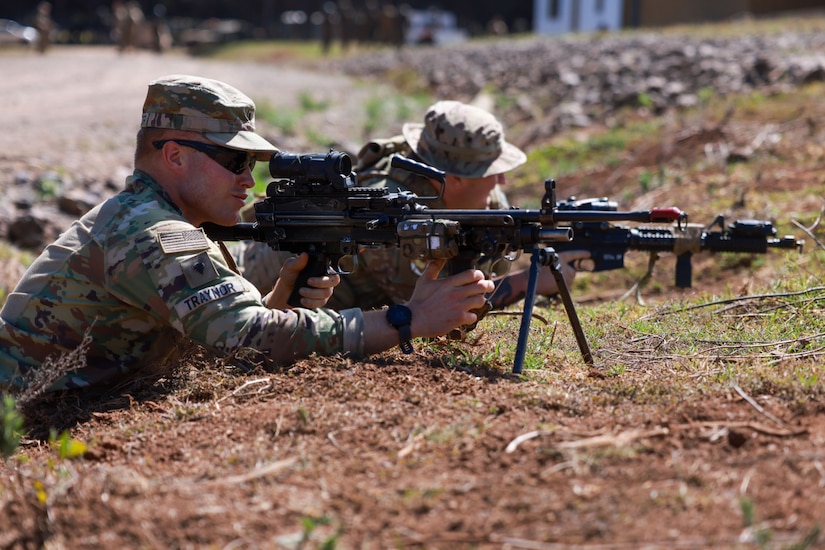
Led by U.S. Army Southern European Task Force, Africa, JA26 integrates approximately 1,500 personnel from Djibouti, Kenya, Tanzania, the United States and several other nations to build readiness, deepen partnerships and strengthen regional security.
The exercise, that continues through March 13, is designed to strengthen cooperation and advance regional security by enabling partner-led security operations against shared counterterrorism threats. It serves as a premier innovation hub in East Africa to validate new technologies in austere environments.
"The true strength of Justified Accord lies in our partners taking the lead," said Army Lt. Col. Jason Fernandez, the Justified Accord branch chief assigned to SETAF-AF. "This exercise embodies the principle of burden sharing, creating a powerful, partner-led security network capable of shouldering the responsibility for a stable and prosperous East Africa."

JA26 features a training approach tailored to shared regional security needs.
In Kenya, activities focus on enhancing joint command and control, including a multinational live-fire exercise, a command post exercise integrating special operations and conventional forces, air-to-ground integration, and defensive cyber operations centered in Nairobi and Isiolo.
In Tanzania, the focus is on readiness, global force projection and joint readiness for crisis response. The exercise features a bilateral field training exercise on jungle warfare and counter-improvised explosive devices, alongside a medical readiness exercise to support local communities and increase U.S. medical readiness.
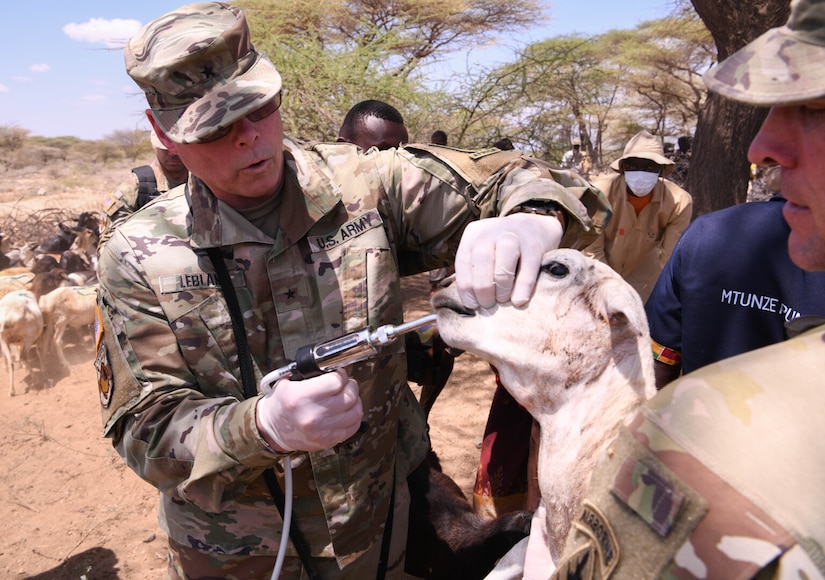
JA26 heavily leverages the National Guard Bureau's State Partnership Program to deepen long-term military relationships.
The Massachusetts National Guard continues its decade-long partnership with Kenya, leading complex kinetic training, while the Nebraska National Guard builds on its newly developed partnership with Tanzania, focusing on expeditionary medical and ground force readiness.
The training concludes with distinguished visitor days, showcasing the tangible return on investment of this multinational partnership and shared security cooperation.
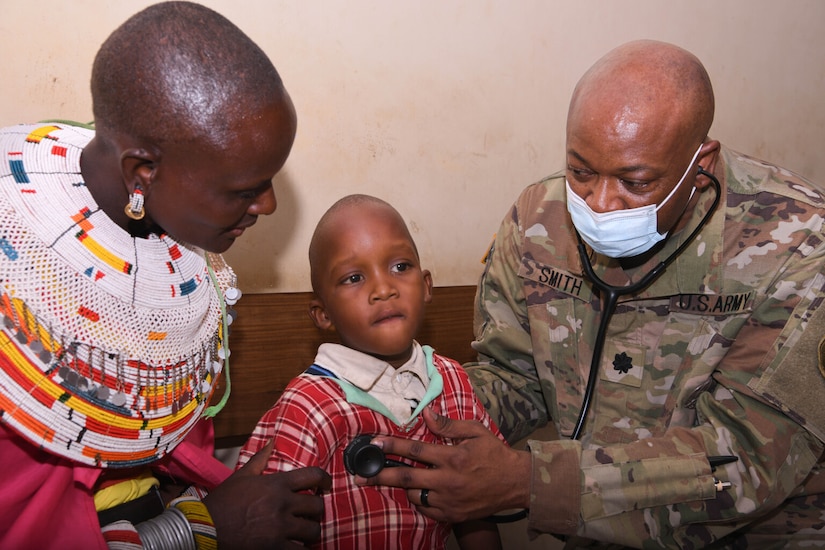
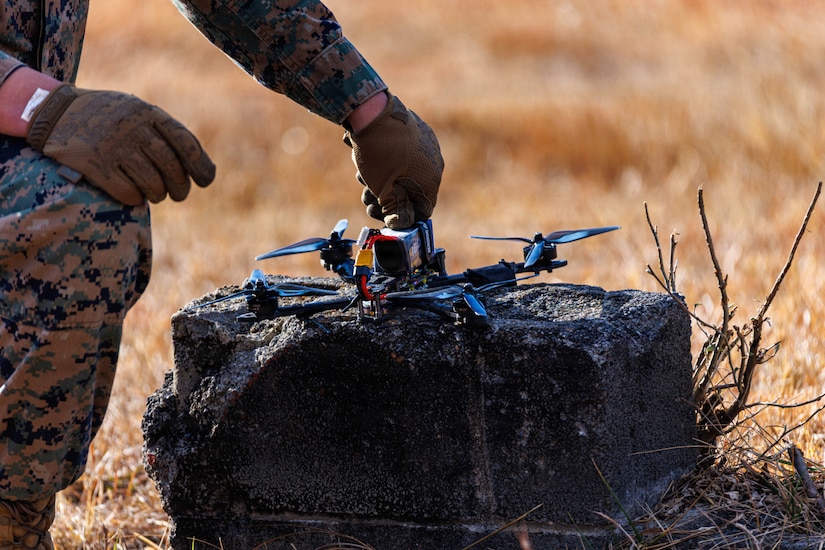
During the JA26 distinguished visitor days, in coordination with the U.S. military and the U.S. Department of Commerce (U.S. Embassy Nairobi), selected U.S. and African vendors will set up technology expositions. The industry day will directly connect commercial technological solutions with military and interagency end-users, fostering collaboration and aligning innovation with operational requirements focused on counterterrorism, unmanned aerial systems, and counter-UAS capabilities.
"A truly resilient joint force is powered by a thriving defense ecosystem," Fernandez said. "What you will see is that ecosystem in action, a strategic partnership between our warfighters and commercial innovators from both the U.S. and our partners."





 Posts
Posts

