Blending lightweight polymers with a rugged steel
shell, the U.S. Army Combat Capabilities Development Command Armaments
Center's new SixPAC system marks a groundbreaking leap in small-caliber
ammunition packaging, one intended to reshape how soldiers use
munitions.
The SixPAC, named for its capacity to hold 6.8 mm cartridges, consists
of two lightweight polymer ammunition containers in a steel outer pack.
After successful implementation with the cartridges, the system is
planned for adaptation across multiple legacy small-caliber ammunition
production lines.
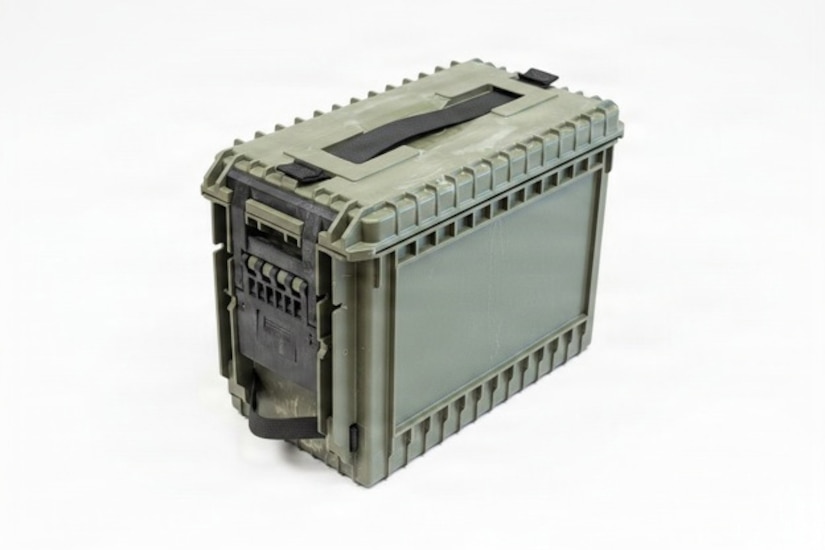
This initiative serves as the first major overhaul of small-caliber
ammunition packaging since World War II. Supply chain vulnerabilities,
rising costs and a need to prepare for tomorrow's military operations in
varied climates necessitated a reevaluation of current munitions
packaging. The system is designed with a lighter tactical inner pack,
which will broaden its manufacturing base and increase efficiency.
The system is defined by the absence of a traditional outer wood box,
which often required remediation, had to be assembled manually and was
susceptible to mold. It also reduces reliance on chemical wood
preservative treatments, lowering environmental impacts and the risk of
supply chain disruption.
The polymer inner pack reduces weight, enables easier transport and is more efficient to manufacture. The steel outer pack reduces the logistical footprint by allowing more containers and ammunition per pallet and has a notably larger supply base than its legacy wood counterpart.
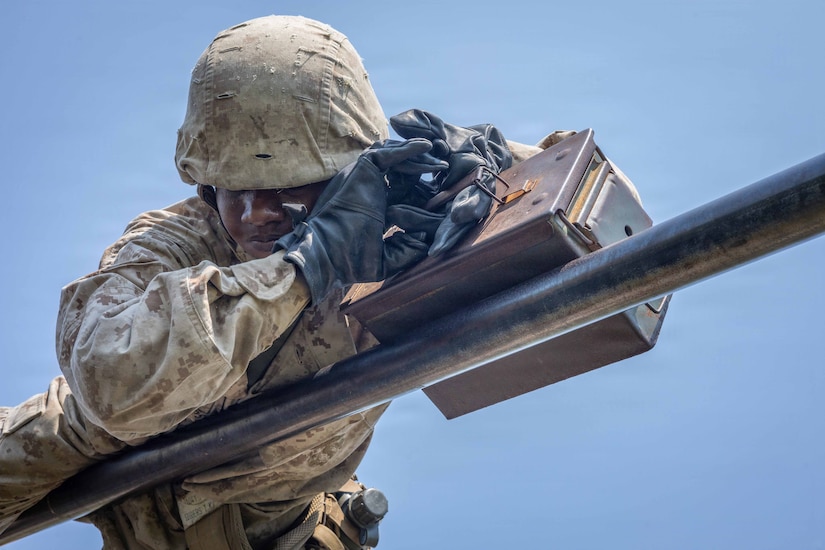
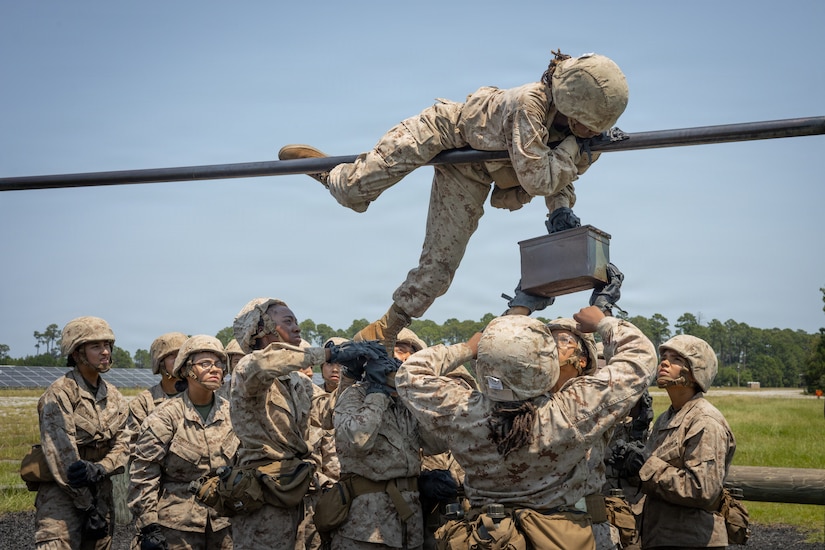
This decision, he added, comes out of necessity — polymers aren't yet as proven in the U.S. as they are in other countries. However, the U.S. must be ready to engage at any time and fight in various climates, all with their own difficulties and needs. To meet military standards, polymers must hold up no matter the locale, even after years of storage.
"It's a developing field, and polymers are unique — you can modify them, include additives that improve impact performance, stiffness or dimensional stability," said Edward Lucas, a mechanical engineer and polymer designer at the center. "You can add more ingredients to the cauldron and your potion will come out different, trading some characteristics for others."
Several designs are in development, with inner tactical polymer containers expected to weigh about half as much as legacy steel containers. This weight savings will reduce the load on soldiers.
The decrease will also be advantageous, particularly on weight-sensitive platforms such as light watercraft and aircraft. Weight affects whether these platforms can launch and plays a part in their agility.
Beyond that, injection molding for these inner packs will offer supply chain advantages. More than 800 injection molders in the U.S. can likely produce these packs, creating competition, slashing costs and lowering barriers to entry for new suppliers.
Additionally, polymer inner packs can be produced largely through injection molding, where most components are formed in a single custom mold and do not require large dedicated fabrication lines. Because the same press can be used for other products by swapping molds, polymer production requires a much smaller footprint and fewer dedicated tools.
Soldiers tested the SixPAC throughout 2024-2025 and gave valuable feedback, much of it positive. Several service members pointed out that when aboard watercraft or aircraft, "every ounce counts" and that the new system will allow them to carry more ammunition.The polymer inner pack design is currently undergoing refinement, with an ongoing evaluation of options. The armaments center plans to continue investing in multiple container designs and will share pertinent information, such as performance requirements, dimensional constraints and lessons learned with industry partners.
The new SixPAC system represents a critical step toward modernizing ammunition logistics and will allow the War Department to meet future challenges and demands more easily, Runell said.


 Posts
Posts

