Monday, August 31, 2026

Dolly Parton Supported America's Military for Over 50 Years

A woman in a pink outfit holds a guitar and sings into a microphone on a stage outside with a band behind her. People sit in chairs to her left and mountains are in the distance.

Dolly Parton, the singer-songwriter whose six-decade career made her one of country music's most recognizable voices, died Aug. 25 in Nashville, Tennessee. She was 80. President Donald J. Trump directed American flags at all public buildings, military installations and U.S. territories to fly at half-staff in her memory through sunset tomorrow.

She never wore the uniform, but for more than 50 years, Parton found ways to reach those who did.

In the early 1960s, a teenage Parton fell for a young Nashville man serving in the Army National Guard. Carl Dean completed his service, and in 1966, the couple wed, beginning a marriage that lasted nearly 60 years.

In the 1970s, a syndicated radio program called "Country Cookin' with Lee Arnold" carried a single line before every broadcast: "Presented by the United States Army Reserve." Surviving recordings list Parton among the featured country artists.

A woman in patriotic attire walks and smiles in front of a military aircraft that says, "Knoxville, Tennessee," on the wing.

In 1991, weeks after soldiers of the 1st Cavalry Division at Fort Hood, Texas, returned from Operation Desert Storm, Parton drew cheers and chants after climbing onto the shoulders of an Army major near a pair of M1 tanks. "I've got an all-American heart," she told Vanity Fair, the magazine covering the visit.

On Veterans Day 2003, Parton released "For God and Country," an album pairing patriotic standards with original songs, among them "Welcome Home," written for a parent waiting on a son deployed overseas. "We can't give them enough praise and honor and thanks," Parton said of veterans, service members and military family members.

The tribute followed quickly. On Sept. 8, 2004, Parton stood on the flight line at McGhee Tyson Air National Guard Base in Tennessee, where airmen of the 134th Air Refueling Wing had painted her likeness onto the nose of a KC 135 Stratotanker and named it "Miss Dolly." She signed the artwork and performed for the airmen and their families.

Then, in April 2005, came the Baghdad broadcast. The Grand Ole Opry partnered that night with the War Department's "America Supports You" campaign, and Parton hosted, with then Defense Secretary Donald Rumsfeld joining her onstage to thank the performers and country fans supporting U.S. troops. American Forces Television carried the broadcast to 177 stations worldwide, including a live feed reaching Baghdad before sunrise — photographs from that night capturing both ends of it: Parton under the Opry lights, and soldiers in Iraq watching from a screen half a world away.

A woman in formal attire stands on a stage and sings into a microphone with a band behind her. Projected on a screen on the back wall are people in camouflage military uniforms sitting, smiling and clapping.

Offstage, Parton was growing an international literacy effort that would touch millions of lives — including the military families she devoted herself to. Dolly Parton's Imagination Library, which started as a program that mailed free books to local children in her home county of East Tennessee, was inspired by her father, who never learned to read or write.

In 2024, nearly three decades after its founding, the Imagination Library's Washington state affiliate partnered with the Government Employees Health Association on a $15,000 grant expanding free books to military families. Half a century after a vinyl record shipped to country radio stations with her name on it, children of service members were still finding Dolly Parton waiting for them — this time in a mailbox instead of on a dial.

In Cumberland County, North Carolina, home to Fort Bragg, every baby born at Womack Army Medical Center receives an Imagination Library book at birth, then a new one every month until age five. In June, two months before Parton's death, Womack received a regional Beacon Award for the program. "Early literacy begins the moment a child enters the world," said Army Col. Stephanie Mont, the hospital's commander, standing beside a cardboard likeness of Parton to accept the award.

A book arriving at a military child's front door. A television signal reaching Baghdad. A radio program. An Army post. A patriotic album. An airplane bearing her name. Different decades, different settings, the same idea repeated for more than 50 years: Parton had so much to give, and she gave it.

And as flags at installations across the country are lowered in her memory, the military salutes the life of a woman who, in every era and in every way, stood steadfastly by those who serve.

Medal of Honor Monday: Marine Corps Brig. Gen. Robert Edward Galer

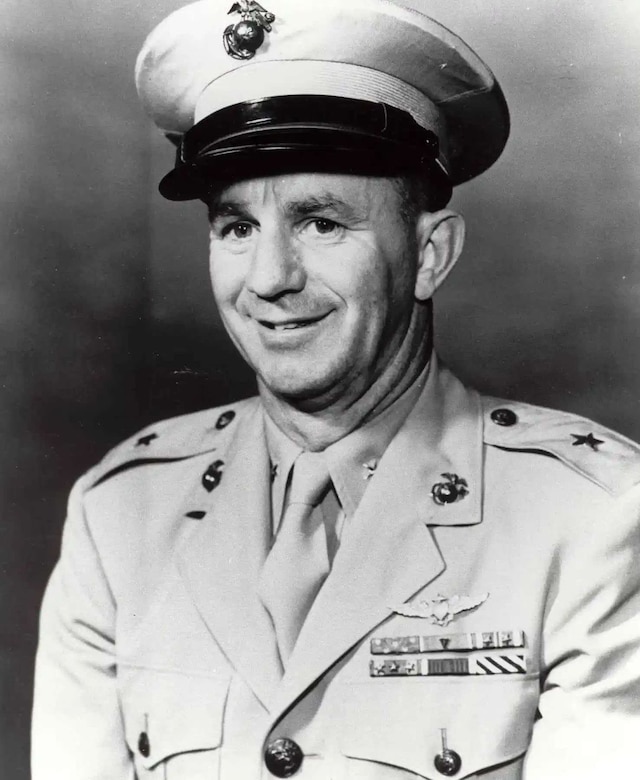
Marine Corps Brig. Gen. Robert Edward Galer was a fighter pilot during World War II and went on to serve more than 20 years on active duty. He received the Medal of Honor for his actions in the skies over Guadalcanal in 1942.

A man in a formal military uniform poses for a photo.

Galer was born Oct. 23, 1913, in Seattle. He was the youngest son of Frederick George Galer and Mary Loretta Leahy, and he had two older brothers, Vincent and Fred Galer Jr. 

Galer went to Queen Anne High School, where he excelled in sports, playing basketball, football, baseball and tennis, as well as running track. After high school, he attended the University of Washington in Seattle, where he was an All-American basketball player and a member of Navy ROTC. He graduated in 1935 with a bachelor's degree in industrial engineering. Following graduation, he enlisted in the Marine Corps because he wanted to fly quicker than an officer commission would allow. Galer began flight training at Naval Air Station, Pensacola, Florida, and about halfway through the course, he was offered an officer commission and became a second lieutenant in July 1936. 

In April 1937, he was assigned to the 1st Marine Brigade, Marine Corps Base Quantico, Virginia, for duty with Aircraft One. Over the next year, he served at The Basic School in Philadelphia, and he was briefly assigned to the Brooklyn Navy Yard before being ordered to St. Thomas in the U.S. Virgin Islands, where he served with Marine Scouting Squadron-3.

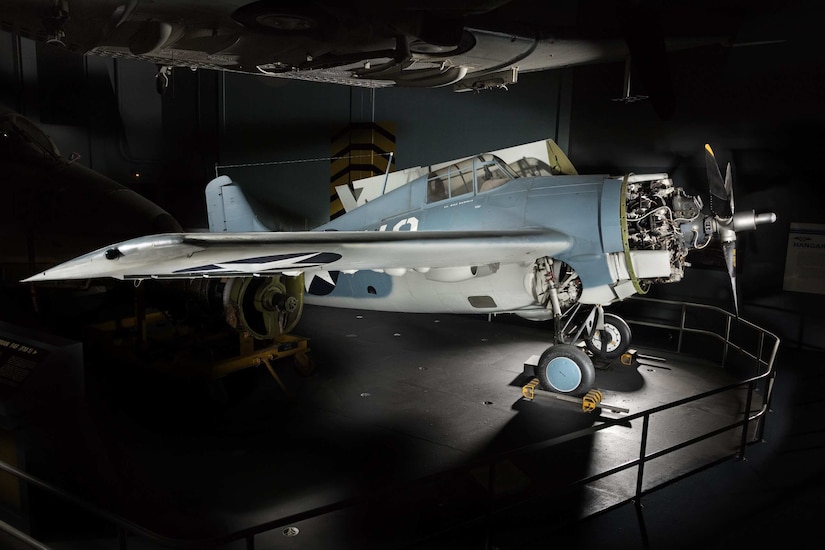
A propeller aircraft is displayed in a dark museum with a spotlight shining on it.

He married his first wife, Dorothy Beyer, shortly before the start of World War II. They had two children: Vincent and Robert Tipton Galer, who later retired as a colonel from the Air Force. Galer's first marriage ended in divorce, and he married his second wife, Sharon Alexander, in 1981; he became the stepfather to her children, Charles and Christine. 

Galer transferred to Marine Corps Air Station Ewa Field on Oahu, Hawaii, in January 1941. In an August 1998 interview, he described the days leading up to the Dec. 7, 1941, Japanese attack on Pearl Harbor. 

"There was practically no mention of trouble with Japan," Galer said. "In fact, the Saturday before the attack, we lined up the airplanes, wingtip-to-wingtip, and nobody even mentioned that we should scatter them."  

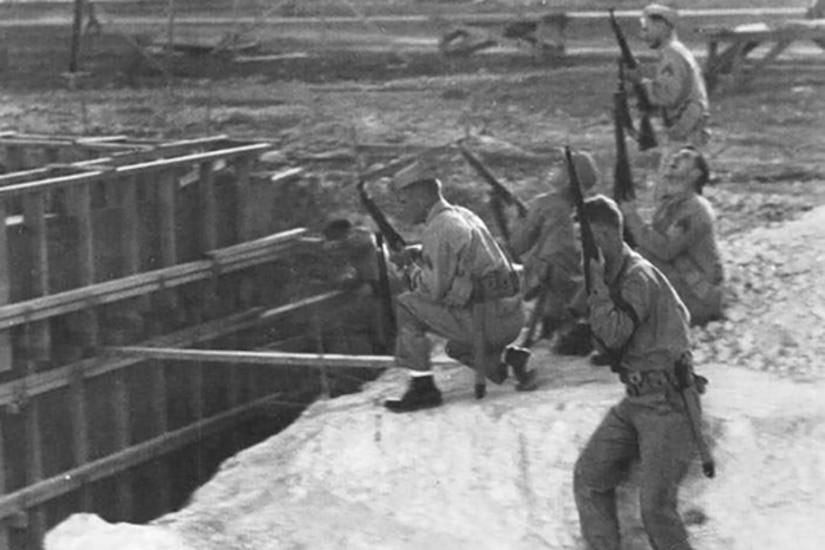
Ewa had very little damage from the attack, except for the airplanes. Galer said none of them were operational, so the Marines were issued rifles. 

Four Marines at Ewa were killed during the attacks, becoming some of the first American casualties of World War II. Galer and his fellow Marines on the ground fought back with machine guns, rifles and pistols.

Five men in World War II-era military uniforms crouch and stand outside as they point their rifles toward the sky.

From Aug. 30 to Sept. 28, 1942, the dates of his Medal of Honor action, Galer, now a major, was the commander of Marine Fighter Squadron 224, Marine Aviation Group 21, flying over the skies around Guadalcanal in the Solomon Islands in the South Pacific in an F4F-4 Wildcat. 

His citation reads that he led his squadron in aerial combat with enemy forces in daring and aggressive raids against Japanese aerial forces, which were vastly superior in numbers.  

He availed himself of every favorable attack opportunity, shooting down 11 enemy bomber and fighter aircraft over a period of 29 days. Though suffering the extreme physical strain attendant upon protracted fighter operations at an altitude above 25,000 feet, the squadron, under his zealous and inspiring leadership, shot down a total of 27 Japanese planes. 

Galer received the Medal of Honor from President Franklin D. Roosevelt during a White House ceremony held March 24, 1943. 

The following month, he was assigned to Marine Corps Air Depot Miramar, in Southern California, where he was the assistant operations officer. He was promoted to lieutenant colonel and returned to Ewa in November 1943, where he was chief of staff, Marine Air, Hawaiian Area. During his 1998 interview, Galer said he was told Medal of Honor recipients wouldn't fly again, so he trained units on "this new-fangled radar." 

In July 1945, he took command of a cadet regiment at Marine Barracks, Naval Air Training Base, Corpus Christi, Texas, a position he held for two years before he attended the Armed Forces Staff College in Norfolk, Virginia. 

Galer remained on active duty another 10 years, with assignments at Marine Corps Air Station Cherry Point in North Carolina, Naval Air Station San Diego and the 1st Marine Aircraft Wing in South Korea. He was promoted to colonel in March 1951. 

On Aug. 5, 1952, while flying an AU-1 Corsair, Galer was shot down by antiaircraft fire over North Korea, while leading a squadron attack near Wonsan. After parachuting safely to the ground, he evaded capture by hiding in a cornfield.  

Upon his rescue, Galer said, "I do know that every pilot flying in this theater should have the highest possible morale with the knowledge that so many are ready and willing to risk so much to get them [when they are shot down]." 

After being hospitalized for two months for injuries sustained from ejecting from his aircraft, Galer was assigned as the assistant chief of staff for personnel at Marine Corps Air Station El Toro, California.  

His final assignment was with the Guided Missiles Division for the Department of the Navy, in Washington, where he served as the assistant director and then the acting director in January 1956. 

Galer retired from the Marine Corps July 31, 1957, and he was meritoriously promoted to brigadier general. That same year, he graduated from George Washington University in Washington with a master's degree in engineering administration. 

Following his retirement, Galer moved to Dallas, where he worked in the defense industry and then at a real estate firm.

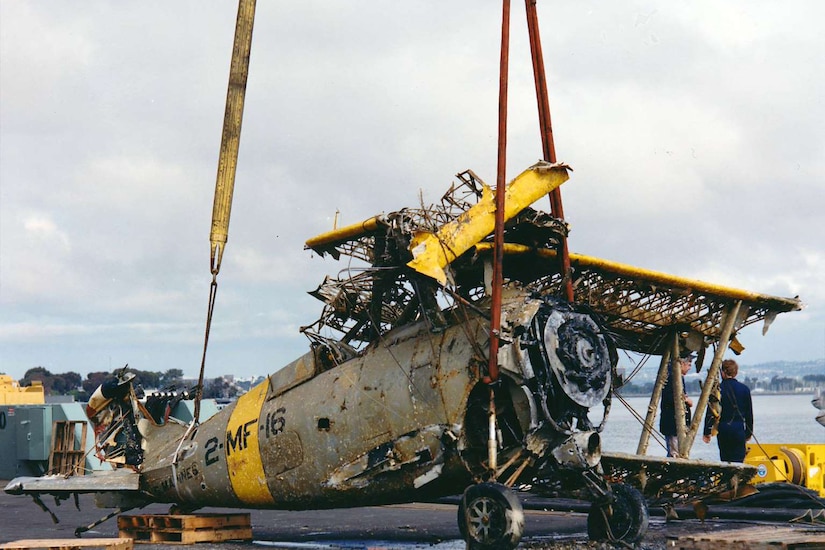
A wrecked World War II-era plane is lowered to the ground near an ocean.

In the early 1990s, he collaborated with the San Diego Air and Space Museum to restore the F3F biplane that he had ditched off the coast of San Diego in 1940 due to a mechanical failure. It was recovered from the ocean floor April 5, 1990, at a depth of 1,800 feet. 

Galer died June 27, 2005. He is buried alongside his wife, Sharon, in the Texas State Cemetery in Austin, Texas. 

In addition to the Medal of Honor, he also received the Legion of Merit with Valor, the Distinguished Flying Cross with one gold star, the Air Medal with four gold stars and the Purple Heart. 

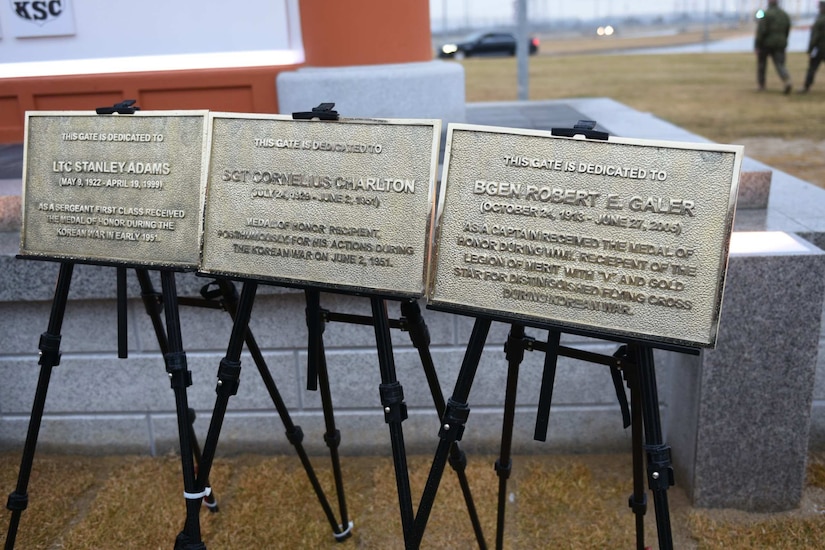
Three plaques, each dedicated to service members, are displayed on easels outside during a ceremony.

On Dec. 17, 2020, a plaque was dedicated to Galer at Camp Humphreys, South Korea. There's also a monument dedicated to him and other military alums on the campus at the University of Washington in Seattle. 

DoW Secures 7-Year Agreements With General Dynamics and Lockheed Martin to Triple PAC-3 and Quadruple THAAD Production

WASHINGTON — The Department of War (DoW) announced the signing of two pivotal framework agreements with General Dynamics Ordnance and Tactical Systems (GD-OTS) and Lockheed Martin. These agreements initiate seven-year multiyear procurement (MYP) contracts designed to increase production quantities and accelerate delivery schedules for critical missile subcomponents supporting the Terminal High Altitude Area Defense (THAAD) and Patriot Advanced Capability-3 Missile Segment Enhancement (PAC-3 MSE) interceptor programs.

"Today's announcement represents an example of the evolution of how we partner with industry to expand the Arsenal of Freedom, outpace emerging threats, and ensure the Warfighter never faces a fair fight," said Under Secretary of War for Acquisition and Sustainment Michael P. Duffey. "General Dynamics and Lockheed Martin have answered the call. We are cutting red tape, shortening timelines, and rapidly scaling our domestic manufacturing capacity to deliver the advanced air and missile defense capabilities."

General Dynamics will execute the rapid scale-up of highly specialized interceptor components. Key production goals under the new frameworks include:

•    Tripling the production capacity of PAC-3 MSE interceptors.

•    Quadrupling the production capacity of THAAD interceptors.

•    Ramping up manufacturing for essential sub-components, including motor cases, seeker housings and midsections, and shroud deployment systems.

The funding for these transformative agreements is subject to annual appropriations. These agreements provide industry with a stable, long-term demand signal by guaranteeing minimum annual procurement quantities which empowers General Dynamics and its lower-tier suppliers to make generational investments in workforce expansion, bulk material purchases, and facility upgrades.

About the OUSW(A&S)

The Office of the Under Secretary of War for Acquisition and Sustainment (OUSW(A&S)) equips the Joint Force and allies with secure, resilient, and decisive capabilities.  Driven by an unwavering commitment to the Warfighter, A&S executes a portfolio-driven strategy to field advanced technologies at speed and scale.  By accelerating acquisition and modernizing critical infrastructure, A&S is actively rebuilding the Arsenal of Freedom and securing our nation's enduring military advantage against any pacing threat.

Sunday, August 30, 2026

Guard Program Links Global Partnership to DOW Priorities

Senior leaders and security cooperation personnel from across the War Department gathered for the 2026 National Guard Bureau State Partnership Program conference in Atlanta, Aug. 13. 

The goal of the annual conference was to align activities and engagements with National Defense Strategy Lines of Effort, administration arms transfer reform objectives and rigorous data-driven evaluation to prove return on investment for the American taxpayer. 

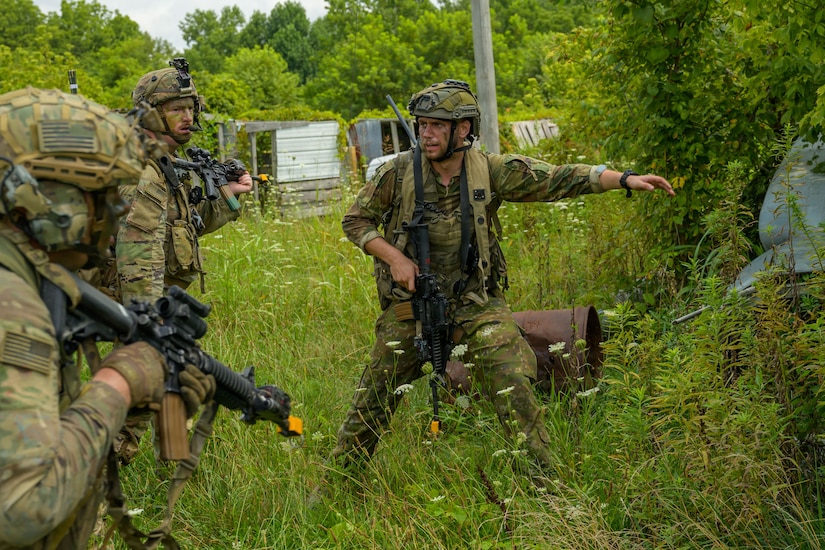
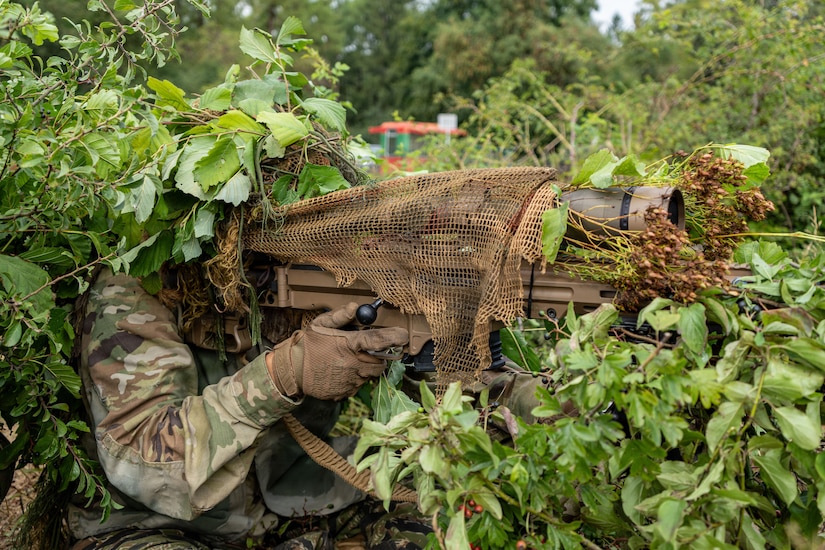
A man in a camouflage military uniform and helmet carries a weapon as he leads two other people in similar attire through a wooded area with tall grass.

In addition to DOW, the event included speakers from the Defense Security Cooperation Agency, Defense Security Cooperation University and the National Guard Bureau's International Affairs Directorate, including the assessment, monitoring and evaluation, foreign disclosure and integration teams. 

Throughout the event, speakers tied ongoing SPP achievements to the four NDS LOEs: defend the Homeland; deter China in the Pacific region through strength, not confrontation; increase burden-sharing with U.S. allies and partners; and supercharge the U.S. defense industrial base. 

Keynote speaker Christopher Mamaux, deputy assistant secretary of war for security cooperation, highlighted the program's critical role in operationalizing national security objectives. 

"As we look to the future, we must transition our partnerships from a default of security dependence to operational independence," Mamaux said. "We want to focus our energy on developing model allies, partners who are willing to spend on their own defense and contribute meaningfully to regional security." 

Mamaux emphasized the asymmetric advantage built over decades of state-level engagement. "With 117 partner nations, we have built a network of trust over decades that our strategic competitors cannot hope to replicate," he said. 

David Ferrari, the Defense Security Cooperation Agency advisor to the director, focused on the intersection of the SPP and the defense industrial ecosystem under Executive Order 14383, the America First Arms Transfer Strategy. Ferrari characterized guard personnel in the field as an "early-warning system" for foreign military sales requirements.   

"This is exactly where the SPP's persistent engagement is a strategic enabler, as you are in these countries year after year and can help partners identify what they need before they submit a request," he said, noting that this operational alignment creates a reinforcing cycle between procurement and capability development. 

"As we improve FMS processes to help partners buy more U.S. equipment, we are directly scaling the arena for SPP activities," Ferrari said. 

He concluded with a direct call to action for guard leaders to leverage partner investment to strengthen mutual readiness. 

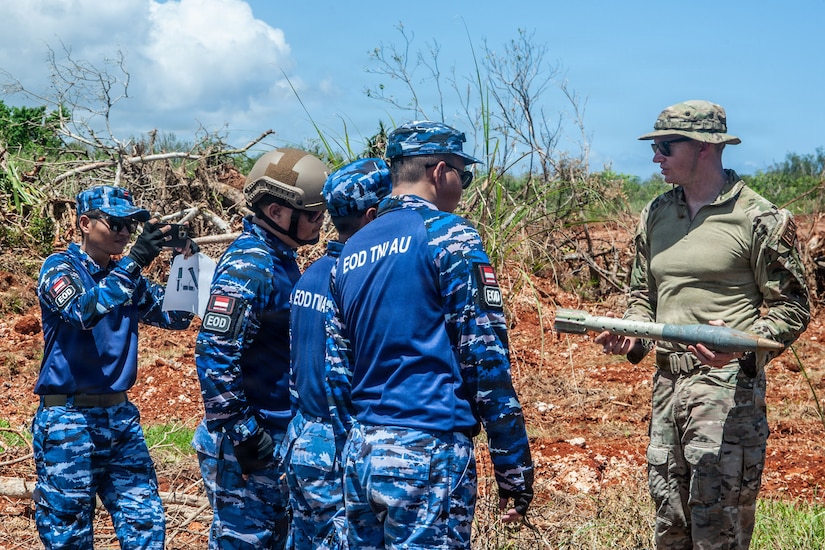
A man in a camouflage military uniform holds a military weapon outside in a grassy terrain while talking with a group of people in similar attire.

"As you conduct your persistent engagements this year, look at your partners through the lens of [the America First Arms Transfer Strategy]," he said. "Help us identify where partner capital can invest in mutual capacity, and help us transition them to modern, standard U.S. systems. We cannot reindustrialize the arsenal of freedom without the guard leading the way on the ground." 

Regarding workforce development, Sonya Finley, the dean of workforce education and development at the Defense Security Cooperation University, outlined key milestones in the professionalization of security cooperation. 

Under DSCU, the SPP has been officially designated as a distinct functional area within the War Department's Security Cooperation Workforce Certification 2.0 Program — a major step toward codifying and standardizing global partnership management across the joint force. 

Conference sessions also underscored the importance of maintaining high-quality data processes. Recent policy guidance has institutionalized assessment, monitoring and evaluation as a mandatory mechanism to measure performance, demonstrate accountability and justify resourcing for SPP activities. 

Mamaux reinforced that strategic alignment applies directly to resource stewardship.  

"We must prove that our resources are aligned with the NDS lines of effort and provide a very clear return on our investment," he said. "Every dollar you spend across the program must be logical, transparent and benefit the American people." 

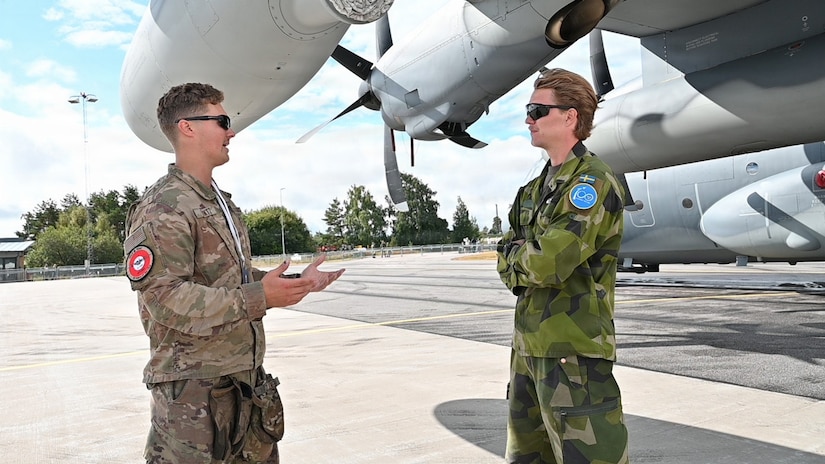
Two men in camouflage military uniforms stand and speak under a military aircraft.

Presenters highlighted real-world examples of guard activities that have delivered strategic outcomes. In one instance, military planners maximized space on existing training transport to deliver equipment to Albania, achieving a critical delivery while eliminating commercial transportation costs. 

In another example of interstate collaboration, when Bulgaria's state partner, the Tennessee National Guard, identified a requirement for Stryker platforms outside its force structure, it coordinated with the Washington National Guard to fill the gap seamlessly. 

Regarding the program's future expansion, Mamaux noted that growth will remain deliberate and value driven.  

"Under our current strategic policy, we anticipate accepting only two to three new partnerships per year," he said. "Every pairing must offer a clear benefit to United States national security interests and align with the NDS."

Sky Soldiers Train for Modern Conflict in Europe's Premier Crucible Event

More than 2,300 paratroopers assigned to the 173rd Airborne Brigade, along with more than 2,100 allied and partner forces from 10 nations are participating in Exercise Saber Junction 26 at the Joint Multinational Readiness Center in Hohenfels, Germany.

Two people wearing military combat gear walk through a forest.

Overseen by U.S. Army Southern European Task Force, Africa, the rotation is designed to validate warfighting readiness, strengthen NATO interoperability and prepare forces for large-scale combat operations across the European theater. 

Exercise Saber Junction 26 tests the brigade's ability to rapidly deploy, conduct joint forcible entry, execute offensive and defensive operations, and regenerate combat power in a contested environment. The exercise incorporates lessons learned from ongoing conflicts, including electronic warfare, unmanned aerial systems, dispersed maneuver and contested communications.  

Southern European Task Force, Africa serves as the division-level higher command for the rotation, integrating U.S. and allied formations, issuing division orders, maintaining the common operating picture, and rehearsing mission command essential for operations across Europe and Africa. 

"Saber Junction is where our soldiers and our allies prove they are ready for the demands of modern war," said Army Maj. Gen. Matthew W. Brown, Southern European Task Force, Africa commander. "This rotation is a crucible event — designed to expose gaps, accelerate learning and ensure that formations are trained and lethal. The 173rd continues to demonstrate that disciplined application of the fundamentals, ground-up innovation and persistence remain the hallmarks of a combat-credible force. The brigade is ready — and the lessons we gather here help our Army scale innovation at pace and strengthen NATO's collective readiness."

The exercise also highlights modernization efforts within the 173rd Airborne Brigade, including the work of the bayonet innovation team, the brigade's internal innovation cell comprised of paratroopers, engineers, warrant officers and technical specialists. The team designs, builds and fields low-cost, high-impact technologies such as first-person view drones, intelligence, surveillance and reconnaissance platforms, ground robots and artificial intelligence-enabled tools. It operates a facility that can produce drones in-house and integrates lessons from Ukraine, Joint Multinational Readiness Center rotations and multinational exercises to help the brigade adapt rapidly and strengthen NATO interoperability.

"Our standards are nonnegotiable: disciplined, lethal and relentless. Saber Junction is where we put those expectations to the test," said Army Col. Mark E. Bush, 173rd Airborne Brigade commander. "This exercise validates our ability to deploy at the time of need, fight and succeed regardless of the mission environment or enemy capability and posture the brigade for future operations. Through the character, competence and commitment of our Sky Soldiers, we will deliver overwhelming firepower, maneuver aggressively and accomplish the mission alongside our allies." 

Exercise Saber Junction 26 includes participants from Belgium, Bosnia and Herzegovina, Czech Republic, Germany, Hungary, Italy, Kosovo, Lithuania, Poland, Ukraine, and the United States. The exercise strengthens multinational interoperability and accelerates combined decision making across the European theater.

Thursday, August 27, 2026

Global Strike Reimagines Readiness With Tactical Training Simulator

To ensure operational readiness and maintain the tactical edge, airmen must train their brains with the same rigor as their bodies. Air Force Global Strike Command is looking to accelerate and modernize this effort with MindGym, a tactical training simulator.

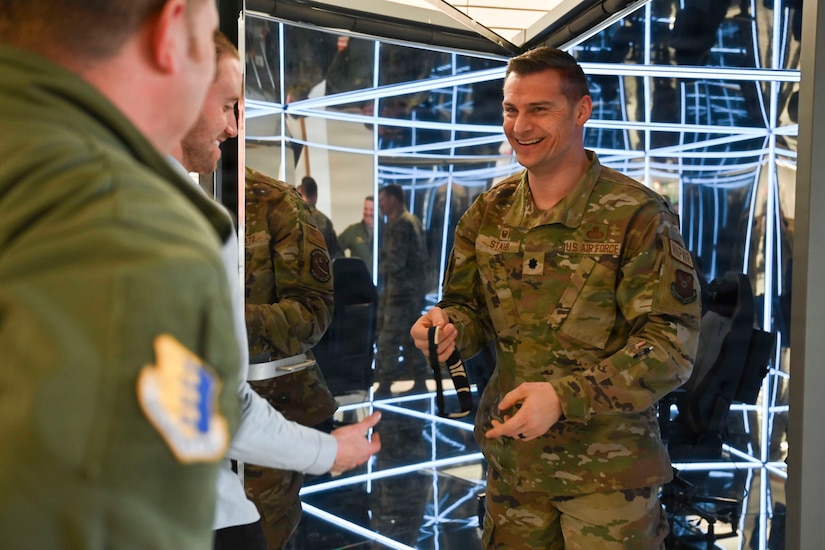
A man wearing a camouflage military uniform smiles at two other men while inside a mirrored room covered in uniform light strips.

"No different than investing in modernization efforts for weapon systems, such as the B-21 Raider, Sentinel [intercontinental ballistic missile] program and the new fleet of Grey Wolf helicopters, Global Strike senior leadership recognizes the importance of modernizing how they advance their most important asset: Global Strike airmen," said Air Force Col. Erich Schroeder, Global Strike command surgeon.   

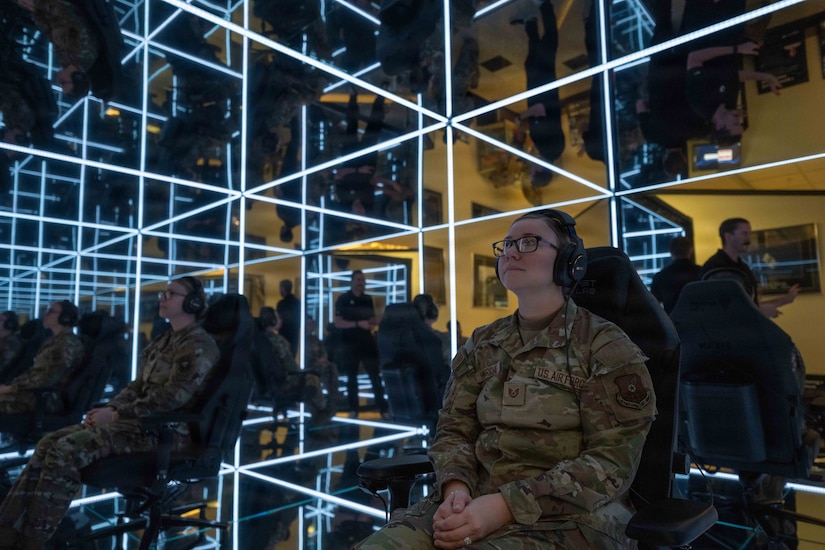
MindGym, originally developed through a partnership with a defense contractor, is a safe, painless and highly-controlled environment designed to sharpen focus, accelerate reaction times and enhance decision-making under pressure. The 7-by-7-foot reflective cube room provides low lighting, calming music and guided exercises. Participants wear an electroencephalogram biosensor headband that assesses brain functions, providing insight into areas such as task management, mental clarity and relaxation.  

This readiness resource is already available to airmen and civilians across the command's eight bases. Regardless of rank, unit or workplace — a flightline or a missile field — MindGym is available for anyone in Striker Nation looking to perform at a higher level by sharpening their cognitive control, focus, mental clarity and energy required to thrive on and off duty.

A dark mirrored room is covered in light strips.
A woman dressed in a camouflage military uniform sits in a chair inside a mirrored room scattered with uniform light strips. A man in all black stands near her. Their reflection can be seen multiple times on the mirrored walls.
MindGym is a commercial system that does not collect specific military identifiers like rank, unit or Air Force specialty code. Just as the audio file for the 20-meter high aerobic multishuttle run lets airmen practice timing their shuttles before their physical fitness readiness assessment, airmen can build mental fortitude with MindGym.   

While this tool is optimal for Global Strike Command airmen regardless of rank, job or location, it is another resource available to help sharpen physical and mental fitness.   

"MindGym is another example of how Global Strike Command directly invests in our airmen," said Air Force Col. Nekitha Little, Global Strike Manpower and Personnel Directorate director. "Striker airmen are fundamental to mission success. Well-being is vital to ensuring that Strikers are always ready to provide long-range precision strike, anytime and anywhere."

The Capital's Defenders: Two Centuries After Historic Battle, Citizen-Soldiers are Recognized

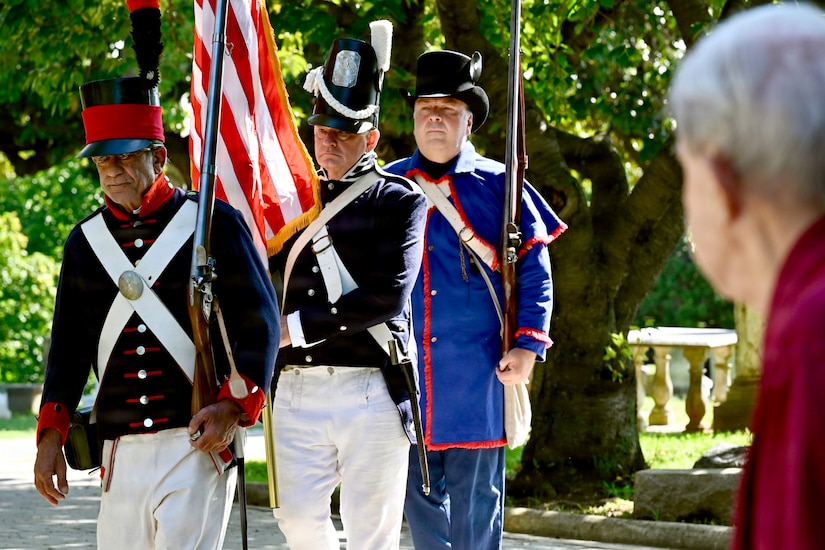
Three men dress in historical military uniforms stand in a line; the man in the middle is holding the American flag while the other two men are holding muskets.

As America celebrates 250 years of independence, the District of Columbia National Guard, citizens and other government staff gathered at the Congressional Cemetery in Washington, Aug. 23, to look back 212 years — to a moment when ordinary citizens answered an extraordinary call and stood in defense of the young nation's capital during the Battle of Bladensburg.

The wreath-laying ceremony connected America's Freedom 250 commemoration with the citizen-soldier tradition that helped defend the nation in its earliest years and continues today with the National Guard. Held among the gravesites of those who lived that history, the ceremony honored their courage while examining the lessons their service left for future generations.

"Whether you're describing acts of bravery or military chaos, the story [of that battle] cannot be told without recognizing the role of the citizen-soldier," said Mark Hudson, executive director of the cemetery. "The local militia joined the desperate fight to defend our young nation."

Historian Glenn Williams placed their service within the broader Chesapeake campaign during the War of 1812. With much of the nation's military strength committed elsewhere, he said the Washington area was defenseless except for the citizen-soldiers of the militia as British forces advanced toward the capital.

Williams described how American riflemen initially engaged and counterattacked the British advance before reinforcements shifted the balance. Outnumbered three to one and eventually outflanked, the American defense collapsed, clearing the way for British forces to enter Washington and burn several prominent public buildings.

Army Brig. Gen. Leland D. Blanchard II, interim commanding general of the D.C. National Guard, said approximately 1,000 D.C. militia members assembled to defend the capital in 1814.

"They were ordinary Americans who answered an extraordinary call," he said. "They stood in defense of a young capital, a young government and an independence won only a generation earlier."

For Blanchard, remembering the battle also means confronting the lessons that came from defeat. The militia members who assembled in 1814 possessed courage and commitment, but courage alone could not overcome their shortcomings in preparation, organization and coordination.

"Bladensburg reminds us that courage is essential, but courage must be matched by readiness," Blanchard said. "Training matters. Leadership matters. Command and control matter. And the relationships we build before a crisis matter when that crisis arrives."

Reflections on the D.C. Militia Legacy

Those lessons, he said, remain relevant more than two centuries later as the National Guard confronts an increasingly complex mission set spanning domestic response, homeland defense and support to global operations.

"Readiness is not something we begin building when the emergency starts," Blanchard said. "It is built every day — through training, preparation and trust between the people and organizations who may one day be called to respond together."

While the Battle of Bladensburg ended in defeat, Blanchard emphasized that its enduring value lies in what America carried forward from the experience.

"Winning independence and preserving independence are not the same thing," he said. "One required a generation to establish a nation. The other requires every generation to remain prepared to defend it."

That responsibility, he said, has always depended on more than one organization or institution.

A.J. Orlikoff, cemetery director of programming, brought the commemoration from military history to personal remembrance. Through research, Orlikoff has positively identified 26 D.C. militia veterans of the Chesapeake campaign buried at the Congressional Cemetery, while noting many more may remain unidentified.

"These defenders of the capital came from all walks of life — clerks, craftsmen, public officials, businessmen — all stepped up to defend the city," he said, before reading aloud the names of all 26 identified militiamen, restoring individual identities to men whose graves, in some cases, are unmarked.

"By reading their names and visiting their graves, we are doing much more than simply remembering a battle," Orlikoff said. "We're restoring their identity as people; we're restoring the memory of their service."

Following the remarks, Hudson and Blanchard laid a wreath at the grave of one of the fallen militiamen. A color guard then rendered a ceremonial volley in honor of those who defended the capital.

For Blanchard, the connection between 1814 and 2026 remains clear. The uniforms, technology, missions and threats have changed, but the responsibility to remain ready— and the citizen-soldier and airmen tradition behind it — endures.

"The citizen-soldier is not simply part of our history," Blanchard said. "It is a living tradition. Today, ordinary men and women continue to step away from their families, their careers and their communities when the nation calls."

That continuity carries particular meaning in Washington, where today's D.C. National Guard traces its heritage to the militia tradition that helped defend the capital more than two centuries ago.

Wednesday, August 26, 2026

Army Armaments Center Unveils New Ammo Packaging System

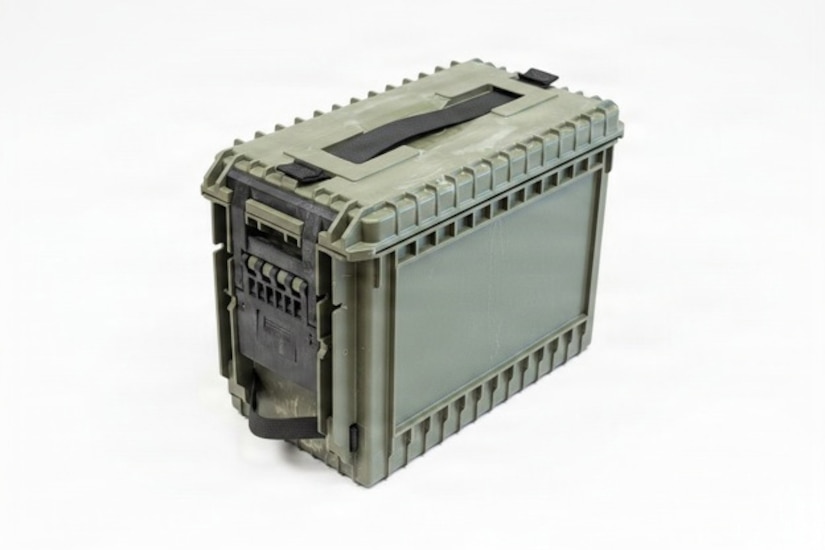
Blending lightweight polymers with a rugged steel shell, the U.S. Army Combat Capabilities Development Command Armaments Center's new SixPAC system marks a groundbreaking leap in small-caliber ammunition packaging, one intended to reshape how soldiers use munitions. 
 
The SixPAC, named for its capacity to hold 6.8 mm cartridges, consists of two lightweight polymer ammunition containers in a steel outer pack. After successful implementation with the cartridges, the system is planned for adaptation across multiple legacy small-caliber ammunition production lines.

A large ammo can is on the floor in a room.

This initiative serves as the first major overhaul of small-caliber ammunition packaging since World War II. Supply chain vulnerabilities, rising costs and a need to prepare for tomorrow's military operations in varied climates necessitated a reevaluation of current munitions packaging. The system is designed with a lighter tactical inner pack, which will broaden its manufacturing base and increase efficiency. 
 
The system is defined by the absence of a traditional outer wood box, which often required remediation, had to be assembled manually and was susceptible to mold. It also reduces reliance on chemical wood preservative treatments, lowering environmental impacts and the risk of supply chain disruption. 

The polymer inner pack reduces weight, enables easier transport and is more efficient to manufacture. The steel outer pack reduces the logistical footprint by allowing more containers and ammunition per pallet and has a notably larger supply base than its legacy wood counterpart. 

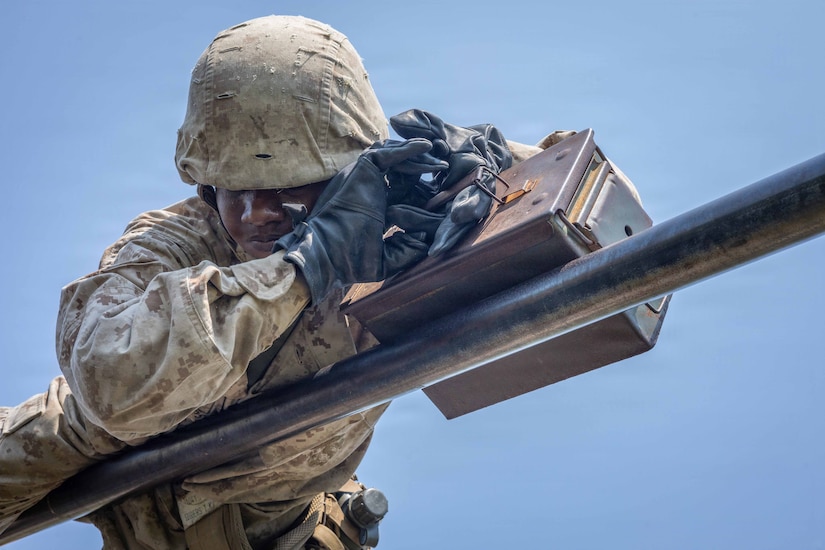
A person wearing a camouflage military uniform holds onto an ammo can while moving across an elevated pipe.
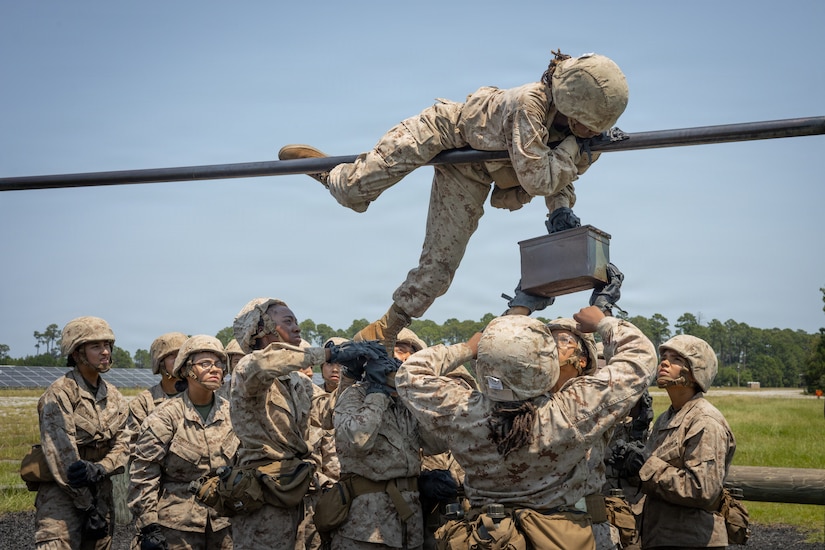
A group of Marine Corps recruits help a fellow recruit hanging on a horizontal line while carrying an ammo can against a blue sky.
According to the project's technical lead, Jason Runell, the SixPAC was partly driven by a desire to do away with the wooden box and largely pursued to modernize for present-day logistics, portability and supply chain challenges. His team tested several materials and received feedback from various user communities before landing on a polymer inner pack and a steel outer pack. 
 
This decision, he added, comes out of necessity — polymers aren't yet as proven in the U.S. as they are in other countries. However, the U.S. must be ready to engage at any time and fight in various climates, all with their own difficulties and needs. To meet military standards, polymers must hold up no matter the locale, even after years of storage. 
 
"It's a developing field, and polymers are unique — you can modify them, include additives that improve impact performance, stiffness or dimensional stability," said Edward Lucas, a mechanical engineer and polymer designer at the center. "You can add more ingredients to the cauldron and your potion will come out different, trading some characteristics for others." 
 
Several designs are in development, with inner tactical polymer containers expected to weigh about half as much as legacy steel containers. This weight savings will reduce the load on soldiers. 
 
The decrease will also be advantageous, particularly on weight-sensitive platforms such as light watercraft and aircraft. Weight affects whether these platforms can launch and plays a part in their agility. 
 
Beyond that, injection molding for these inner packs will offer supply chain advantages. More than 800 injection molders in the U.S. can likely produce these packs, creating competition, slashing costs and lowering barriers to entry for new suppliers. 

Additionally, polymer inner packs can be produced largely through injection molding, where most components are formed in a single custom mold and do not require large dedicated fabrication lines. Because the same press can be used for other products by swapping molds, polymer production requires a much smaller footprint and fewer dedicated tools.

Soldiers tested the SixPAC throughout 2024-2025 and gave valuable feedback, much of it positive. Several service members pointed out that when aboard watercraft or aircraft, "every ounce counts" and that the new system will allow them to carry more ammunition. 
 
The polymer inner pack design is currently undergoing refinement, with an ongoing evaluation of options. The armaments center plans to continue investing in multiple container designs and will share pertinent information, such as performance requirements, dimensional constraints and lessons learned with industry partners. 
 
The new SixPAC system represents a critical step toward modernizing ammunition logistics and will allow the War Department to meet future challenges and demands more easily, Runell said.

Tuesday, August 25, 2026

U.S., Brunei Forces Build Readiness, Trust During Exercise Pahlawan Warrior

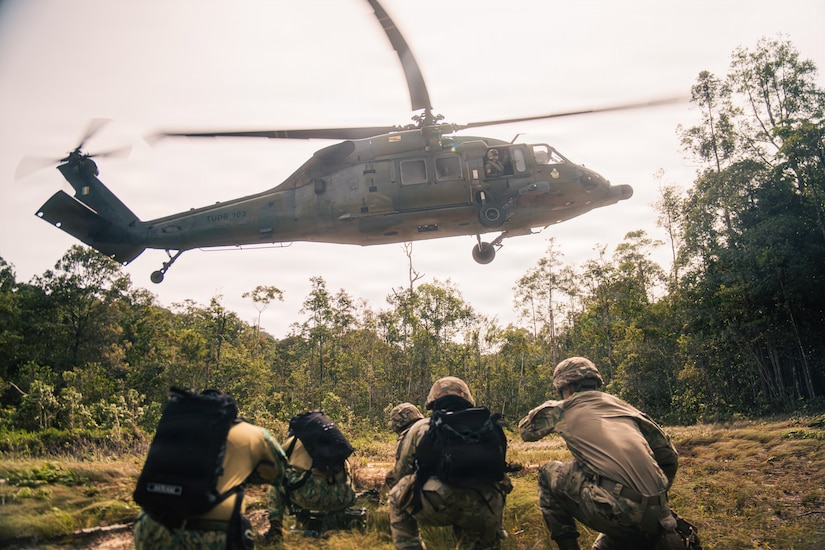
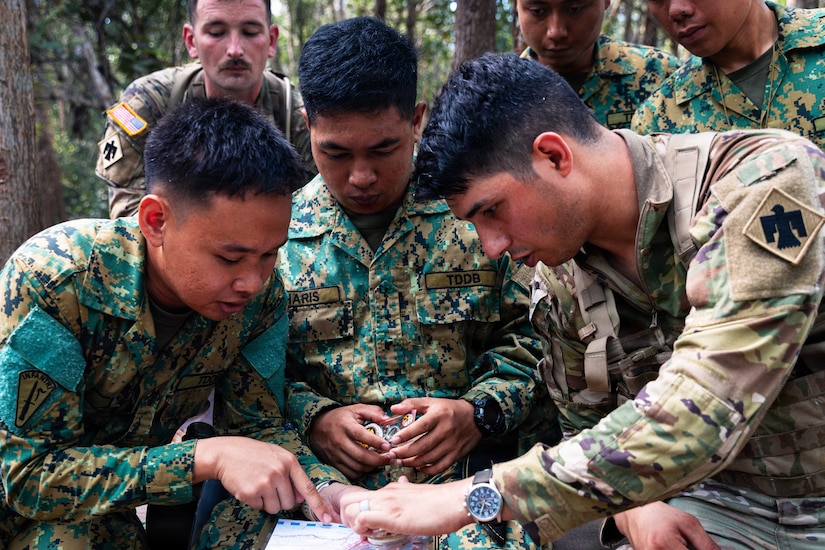
U.S. soldiers and Oklahoma National Guardsmen partnered with Royal Brunei Land Forces soldiers to sharpen their skills during Exercise Pahlawan Warrior 26 at Tutong Camp, Brunei, Aug. 11-21, increasing readiness through shared tactics, jungle training and relationship-building.

Five people in camouflage military uniforms kneel in an open area of the jungle as a military helicopter hovers overhead.

Pahlawan Warrior 26 brought approximately 130 U.S. personnel to Brunei for the biennial exercise under Operation Pathways. Led by the 1st Squadron, 180th Cavalry Regiment, Oklahoma National Guard, U.S. participants trained alongside Bruneian counterparts in tactical operations and subject matter expert exchanges spanning cyber defense, medical operations and public affairs.

Throughout the exercise, each force brought its own experience to the training, creating opportunities to compare techniques, share expertise and adapt lessons from one another to their own formations.

"For me, leadership requires adaptability," said Royal Brunei Land Forces Lt. Col. Mohammad Sufrien bin Johan. "We are not here to determine which method is better, which country does better, but to identify what works, why it works and how it can be adapted to our respective forces."

The exchange was evident throughout the exercise, with U.S. and Bruneian personnel sharing their expertise, while tactical training allowed each force to bring its own strengths to the table — from U.S. experience in live-fire range operations to RBLF expertise in jungle operations.

"Our soldiers have showed a lot of grit, but the Royal Brunei Land Forces go through this like they do it every day, because they do," said U.S. Army Maj. Kent Turner, commander of U.S. personnel during the exercise. "Their ability to navigate on different analog systems and go from one hilltop to the other at a rapid pace is just amazing."

That experience also gave RBLF leaders an opportunity to see how U.S. soldiers adapted to an unfamiliar environment.

"[They] are highly adaptable, resilient and ready to thrive anywhere, side by side with the troops of the Royal Brunei Land Forces on the exact opposite side of the globe," said RBLF Col. Erwan bin Haji Ibrahim.

Three people in camouflage military uniforms coordinate a location on a map while three other people in similar attire stand behind them in the jungle.

Working through those challenges together did more than build tactical proficiency. Integrating U.S. and Bruneian soldiers at the small-unit level gave them opportunities to understand how their counterparts communicate and operate while developing relationships.

"They really are becoming friends," Turner said. "I'm sure that some of the people, when they leave, they will remain in contact with them throughout. And what that's done is, it's picked up both sides, Royal Brunei [Land Forces] and also with our U.S. forces. Everybody is excited to be here."

That trust also created an environment where junior leaders were expected to adapt, make decisions and lead through the challenges of unfamiliar terrain and limited communications.

"We want to test the junior leadership in terms of decision-making," Sufrien bin Johan said. "For the soldiers, it's about the communication, coordination and understanding. ... The major focus here is so that they understand each other's procedures and try to adapt it into a realistic tactical situation."

For Oklahoma National Guard leaders, those lessons extended beyond tactical decision-making to the challenges of moving, supporting and leading a formation thousands of miles from home.

"It's much different than being a junior leader back in Oklahoma for a drill weekend," said U.S. Army Brig. Gen. Colby Wyatt, Oklahoma National Guard joint staff director. "Now you're having to travel all the way around the world, communicate with people who speak a different language, and you're not just leading — there's an operational piece, there's a logistical piece. They learn at such a faster pace, and then they're able to take that information back to their unit and train those that maybe didn't get to make the trip."

The relationships developed throughout Pahlawan Warrior 26 extended beyond formal training. U.S. soldiers learned Malay phrases, Bruneian soldiers picked up Oklahoma slang, and participants exchanged patches, shared meals and spent time getting to know each other.

"I sincerely hope our Oklahoman friends had at least a little time to explore the beauty of Brunei Darussalam and taste our local food," Haji Ibrahim said. "The true value of Pahlawan Warrior is in the human connection. Lifelong friendships have been forged here. I hope this experience inspires [U.S. service members] to return to this region in the future."

Those relationships built at the individual level also contributed to the exercise's broader strategic purpose.

"It's really a tactical operation with strategic impact," Wyatt said. "We can take soldiers at the tactical level, put them into an environment like this, and they can gain the training that they need. But the strategic impact is what it means for the United States and for our soldiers to have a relationship with another country."

For Sufrien bin Johan, those personal connections contributed to an outcome that lasts beyond the individual training events or even the exercise itself.

"Our mission with Pahlawan Warrior is to contribute to a sustained and mature defense relationship between Brunei Darussalam and the United States of America," he said. "Beyond that, the real measurement of success is not only during this one exercise, but the trust and coordination between both nations and our commitment toward peace and stability in the region."

The relationship between the Oklahoma National Guard and Brunei has grown since Oklahoma National Guardsmen first participated in Pahlawan Warrior in 2024. The connections developed during this iteration continued that training at the tactical, operational and strategic levels.

Partners in Life, Partners in Service: Newlyweds Enlist Together

When many newlyweds are focused on building a home and starting careers, one young married couple in their 20s decided to do something different. Lance and Riley Qualls enlisted in the Army together. 

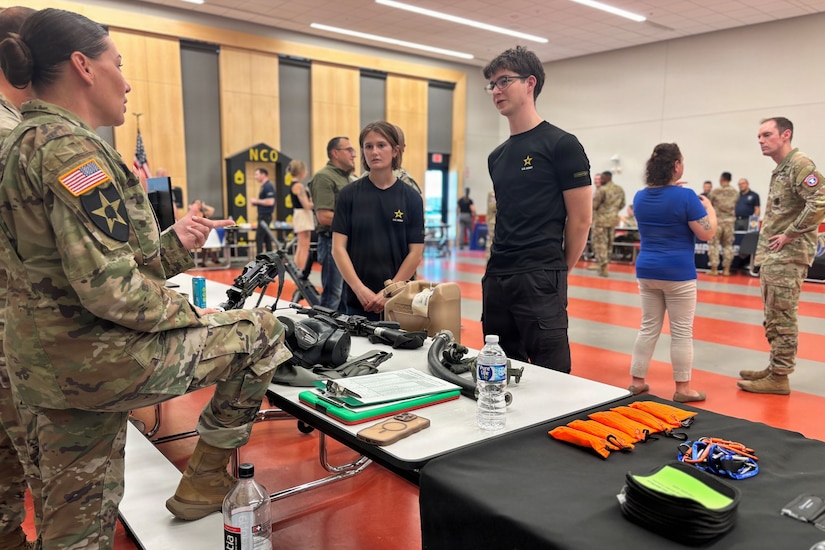
A man and woman in casual attire talk to a woman in a camouflage military uniform.

Lance is heading to active duty as an infantry recruit, with hopes of earning a spot in the elite 75th Ranger Regiment. Riley has chosen to join the Army Reserve, where she will serve as a paralegal specialist. 

"It was actually my idea first," Lance said. "Riley wanted to join the Army and then I kind of started searching for my path." 

Riley explored a career in emergency medical services but felt it wasn't the right fit. When her husband committed to enlisting, she saw an opportunity. 

"I wanted something along the same lines," she said. "The Army was close enough, and he was already doing it. There's no better time than now." 

The couple's decision highlights both the challenges and opportunities facing dual-military marriages. While Lance will serve on active duty and Riley in the reserve, both will fall under the Married Army Couples Program, which works to keep spouses together when possible. 

For Riley, the reserve component offers the balance she was seeking.

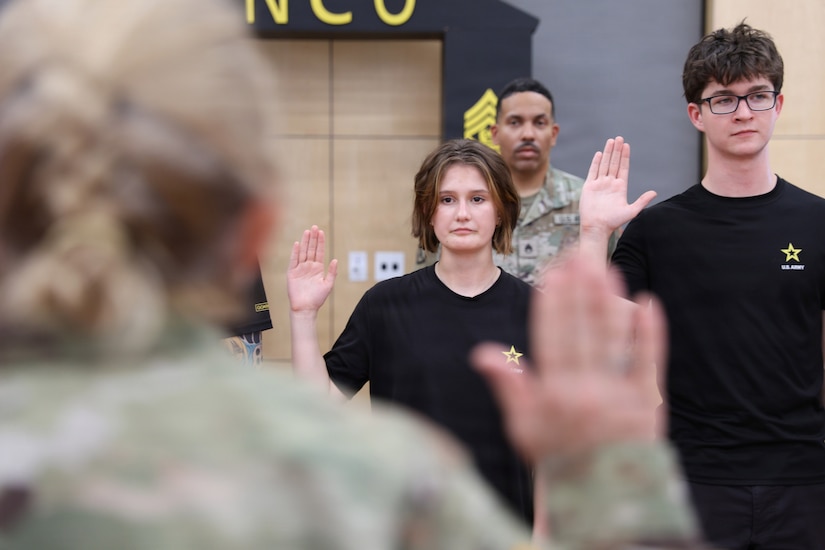
Two people in casual attire hold up their right hands. A person in the foreground in a camouflage military uniform also holds up their right hand.
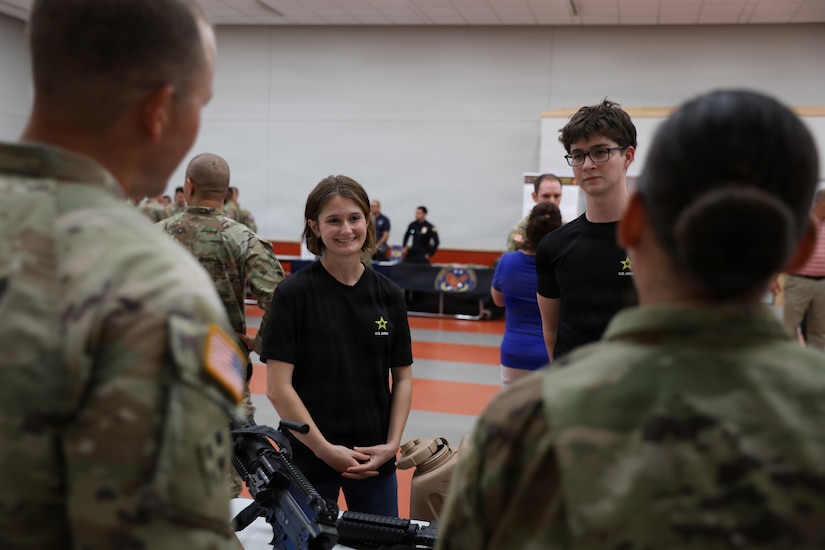
A woman and a man in casual attire speak to two people in camouflage military uniforms.
"It gives me a part-time job," she said. "That peace of mind of knowing that I have something to do when he's gone." 

Riley also sees long-term civilian value in her military occupational specialty. As a paralegal specialist, she will support the Judge Advocate General's Corps by preparing legal documents, assisting with military justice matters and providing legal help to soldiers and families — skills that translate directly to civilian paralegal and administrative careers. 

Lance, who originally considered other options before settling on infantry, is embracing the physical and mental demands ahead.  

Both said the decision has brought them closer. Instead of one spouse pursuing military service while the other stays behind, they are building their marriage around a shared sense of purpose and sacrifice. 

The couple's story is the kind recruiters love to share. In an era when many young adults report feeling directionless, these two have chosen structure, service, financial stability and mutual growth. More importantly, they said they believe the shared experience will strengthen their marriage over the long term. They will speak the same military language, understand the demands of service and be able to support each other through deployments, training and the unique stresses that come with wearing the uniform. 

For this young couple, enlisting together wasn't a leap of faith. It was a deliberate step toward a future they chose as partners — one that combines service to country with a shared vision for their life together.

Monday, August 24, 2026

Medal of Honor Monday: Army Air Forces Maj. Ralph Cheli

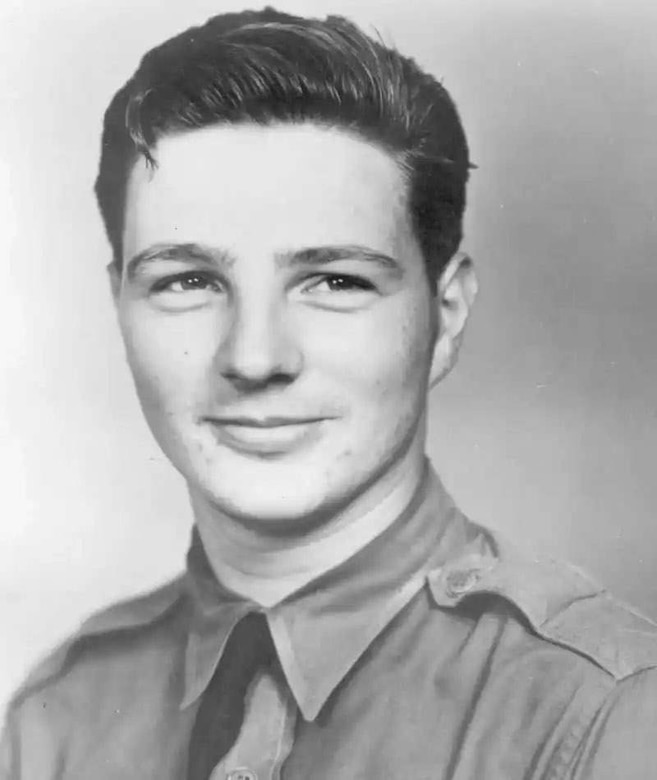
Army Air Forces Maj. Ralph Cheli, a bomber pilot, was posthumously presented with the Medal of Honor for conspicuous gallantry during World War II.

Cheli was born to Robert Alfred Cheli, an Italian immigrant, and Julia Cheli, Oct. 29, 1919, in San Francisco. He was an only child.

A black and white photo of a man posing for a photo while wearing a military uniform.
He dropped out of Lehigh University in Bethlehem, Pennsylvania, to enlist as a flying cadet in the Army Air Corps in early 1940. He trained at Randolph Field and Kelly Field, both in Texas. He was commissioned as a second lieutenant in November 1940. 

He married Geraldine Reilly, and they had a son, Ralph Cheli Jr. 

Following his tour at Kelly Field, he flew B-17 Flying Fortress bombers for the 21st Reconnaissance Squadron at MacDill Field, Florida. He then attended chemical warfare school at Edgewood Arsenal, Maryland.  

Following his promotion to first lieutenant in February 1942, Cheli joined the 43rd Bombardment Squadron and flew B-17s on reconnaissance and antisubmarine patrols in the Caribbean. 

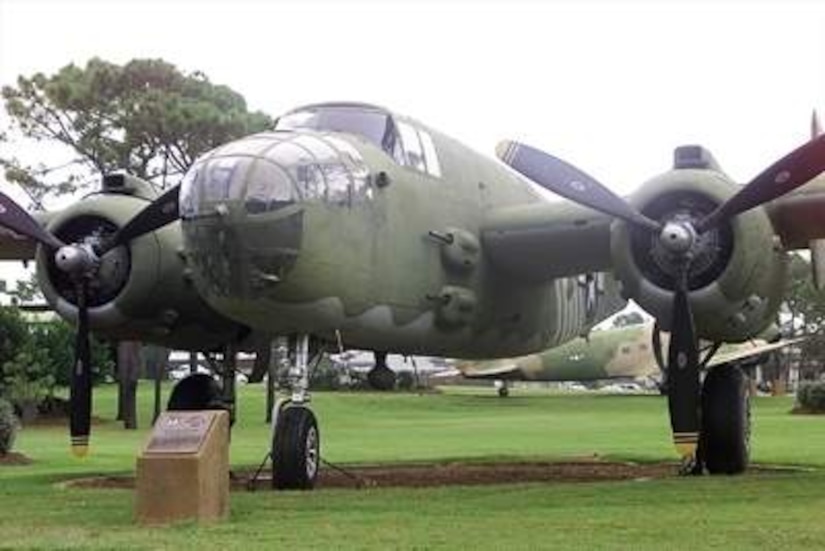
In June 1942, he joined the 405th Bombardment Squadron at Barksdale Field, Louisiana. In August 1942, he flew from Hamilton Field, California, to Breddan Aerodrome in Queensland, Australia, in a B-25 Mitchell bomber and in October 1942, he flew to Durand Airfield in Port Moresby, Papua New Guinea, where he took command of the 405th Bombardment Squadron, 38th Bombardment Group, 5th Air Force. 

He was promoted to major in February 1943, making him one of the youngest commanders in the Army Air Forces. 

Cheli led 39 combat missions during the Battle of the Bismarck Sea in March 1943, attacking Japanese shipping. These missions earned him the Distinguished Flying Cross and the Air Medal.

An airplane is displayed in a grassy field.

On Aug. 18, 1943, while he was flying a B-25D-1 Mitchell bomber near Wewak, Papua New Guinea, and leading the 405th in an attack of the heavily defended Dagua Airfield, he was intercepted by enemy aircraft. They centered their fire on his plane, causing it to burst into flames while still 2 miles from the objective. 

His speed would have enabled him to gain the necessary altitude to parachute to safety, but this action would have left his formation disorganized and exposed to the enemy.  

Although a crash was inevitable, he courageously elected to continue leading the attack in his blazing plane, an action that led to him posthumously receiving the Medal of Honor. From a minimum altitude, the squadron made a devastating bombing and strafing attack on the target. With the mission completed, Cheli instructed his wingman to lead the formation and then crashed his bomber into the sea. 

After impact, Cheli and the surviving crew members were captured by the Japanese and held at Rabaul, a town on the island of New Britain in Papua New Guinea, and later at Tunnel Hill Prisoner of War Camp. Records indicate he was treated harshly and beaten for refusing to provide any information beyond his name, rank, service number and birth date. 

Cheli and other POWs were executed in the Tunnel Hill Massacre, March 6, 1944, and buried in a mass grave. The Japanese falsely claimed the POW deaths were caused by Allied bombings. After the war, investigators found mass graves using confessions of those who had committed the war crimes. 

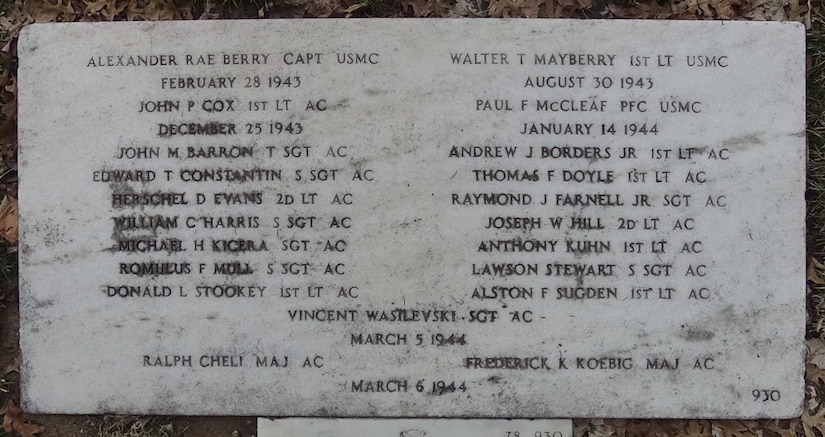
His probable remains and those of other executed POWs were transferred to the Jefferson Barracks National Cemetery in St. Louis, and buried together, March 21, 1950. Beneath the group grave marker at the burial site is a dedicated marker commemorating Cheli with a gold inlay of the Medal of Honor and an inscription with his name, rank and date of death. 

"I wish he had gone down with the plane, unfortunately," said his great niece, Janet Bizjak, in a 2020 interview with The Morning Call newspaper in Allentown, Pennsylvania.

A grave marker with many names.

His widow was presented the Medal of Honor by President Franklin D. Roosevelt, Oct. 28, 1943. Cheli was also posthumously awarded the Distinguished Flying Cross, Air Medal, Purple Heart and Prisoner of War Medal. 

Cheli Air Force Station in Los Angeles was named for him in 1947, and was closed in 1961. Also, the Cheli School Age Care on Misawa Air Base, Japan, bears his name. 

In 1968, a painting of him was unveiled in a ceremony and hung in Grace Hall at Lehigh University. The chapter of the Arnold Air Society at Lehigh was named in his honor.

Friday, August 21, 2026

Readout of the 16th U.S.-Kuwait Joint Military Commission

From August 19-20, Deputy Assistant Secretary of War (DASW) for Near East and Central Asia Michael P. DiMino IV and Kuwait's Chief of the General Staff Lieutenant General Khaled al-Shriaan co-chaired the 16th U.S.-Kuwait Joint Military Commission (JMC) at the Pentagon alongside representatives from U.S. Central Command, the Joint Staff, the Maryland National Guard, and the State Department.  Exemplified by recent operations and decades of cooperation, the delegations emphasized their commitment to a strong, reciprocal, and enduring defense partnership and formalized operational roadmaps that will further advance our mutual defense interests.

During the dialogue, the delegations exchanged assessments of regional security challenges and discussed opportunities for Kuwait to continue bolstering its defense capabilities against shared threats. They discussed mitigating such threats through greater interoperability, expanding cooperation on maritime security, and enhancing regional integrated air and missile defense architectures. Both leaders highlighted how the proliferation of unmanned aircraft systems (UAS) has transformed warfare, underscoring the critical importance of deeper integration.  Kuwait is committed to deepening its investment in its own defense and in the U.S. Defense Industrial Base, highlighted by a pending $1.98 billion acquisition of Anduril counter-small UAS (C-sUAS) systems as part of a broader Kuwaiti plan to expand foreign military sales (FMS).  Additionally, the delegations discussed the America First Arms Transfer Strategy and related efforts to streamline FMS processes and accelerate the modernization of Kuwait's armed forces.

Additionally, DASW DiMino formally announced Kuwait's acceptance into the State Partnership Program and its pairing with the Maryland National Guard (MDNG), represented at the JMC by Adjutant General Major General Janeen Birckhead.

Navy Advances MH-60 Modernization, Identifies Industry Performers for Prototype Project

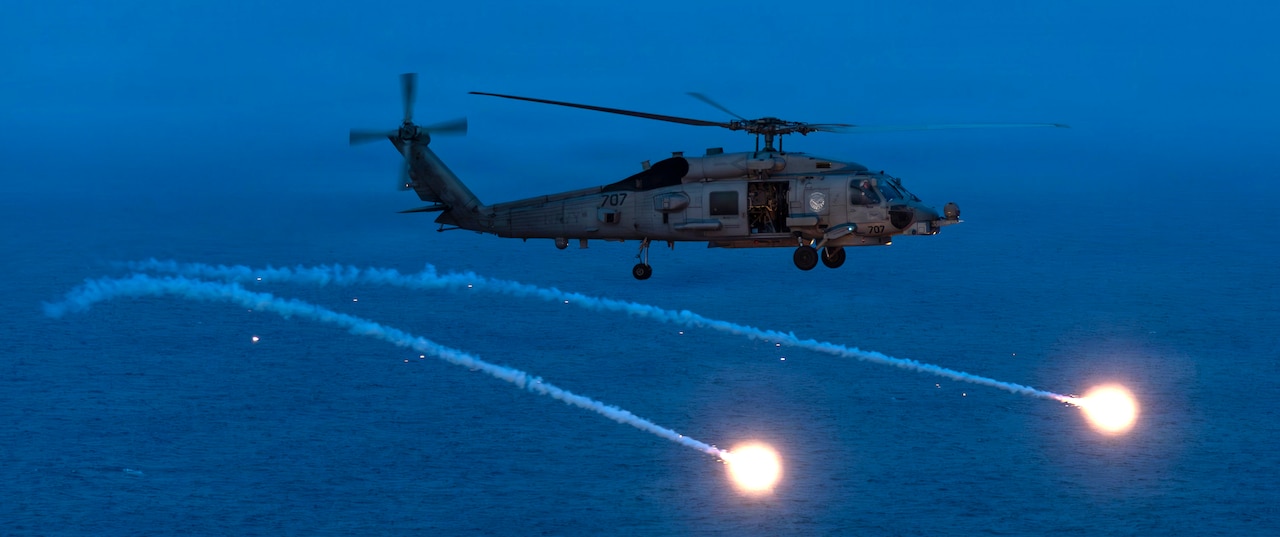
A helicopter flies at night over a body of water while deploying flares.

In a critical step to ensure long-term fleet readiness and secure dominance in the maritime domain, the Navy's MH-60 Sea Hawk helicopter service life modernization program recently announced the industry performers identified to proceed to the first phase of a statement of work collaboration for the MH-60 tailorable architecture leveraging open systems prototype project.

Led by the H-60 Multi-Mission Helicopter program office, in a joint cooperative effort with the Royal Australian Navy, the prototype project will simultaneously modernize the MH-60 avionics and mission system architecture while resolving multiple obsolescence issues.

The project is designed to deliver a cost-effective platform that can rapidly respond to emerging threats, adapt to new fleet requirements and support MH-60 sustainment through the 2050 timeframe. Through collaborative digital engineering and open-system design, this joint effort strengthens U.S. and allied maritime forces' ability to outpace emerging global threats for decades to come.

To execute this modernization strategy, the government is using another transaction authority agreement facilitated by the Naval Aviation Systems Consortium to engage industry partners across three critical roles:

Lead aircraft integrator: Sierra Nevada Corp was identified to design the physical and structural integration for the MH-60S variant. Lockheed Martin Rotary and Mission Systems was identified to design the physical and structural integration for the MH-60R variant.

Segment lead integrator-flight critical avionics segment: Rockwell Collins Inc., and Lockheed Martin Rotary and Mission Systems were identified as the segment lead integrators responsible for hardware and software architecture design, interface management, and system-level software integration for the flight critical avionics segment and the digital backbone system.

Open system verification demonstration third-party integrator: Technology Security Associates Inc., was identified to support the government's assessment of how segment integrators implement a modular open systems approach in the flight critical avionics segment and the digital backbone system, including open system verification demonstrations.

This does not constitute formal contract or agreement awards, which remain contingent upon successful negotiation and finalization of the Phase 1 statements of work, laying the groundwork for a major leap in naval aviation technology and marking a critical step toward potential prototype development for the flight critical avionics segment and the digital backbone system.

Under this phased acquisition approach, Phase 1 will focus on the preliminary fight critical avionics segment and the digital backbone system design, establishing the collaborative digital engineering environment and characterizing the baseline aircraft through physical integration, structural modification, A-kit fabrication, and preparation for aircraft-level testing. Phase 2 will focus on prototype development and verification activities.

By using modern digital acquisition practices and modular open systems approach standards, the prototype project will support MH-60 Sea Hawk key business drivers while also streamlining future vertical lift development with portable open core architecture.

The MH-60R specializes in antisubmarine warfare, surface warfare, electronic warfare, and command and control. The MH-60S is used for performing antisurface warfare, combat search and rescue, special warfare support and airborne mine countermeasures.

Corps of Engineers Modernizes Historic Fort Sill Barracks

Built in 1939, ahead of World War II, Building 900 at U.S. Army Garrison, Fort Sill, Oklahoma, looks much the same on the outside as it did over eight decades ago.  

The building features the same historic architecture as neighboring buildings. But behind the historic facade, the U.S. Army Corps of Engineers, Tulsa District, is overseeing and executing a high-tech modernization project that will make this one of the most structurally reinforced buildings on the installation.  

A beige building with the number 900 on it. Another building is just behind it.

As part of the military construction mission, USACE provides engineering, construction and project management support for military installations, helping deliver facilities that support readiness and quality of life for soldiers. This construction project is transforming the 43,000-square-foot building to meet current unaccompanied enlisted personnel housing standards.  

"This building has housed enlisted personnel and Marines for decades," said Joe Krachinsky, quality assurance representative, USACE, Tulsa District. "This project will completely change the layout of the building to support today's needs."  

The historic shell of the building will remain intact, but the interior is being completely renovated and updated for modern living.  

When the renovation is complete, the barracks will house 72 soldiers. Each will have a private bedroom and bathroom, with two soldiers sharing each kitchen. Each floor will also have new day rooms, common areas and enhanced laundry facilities. 

The building will have entirely new heating, ventilation and air conditioning systems, lighting, fire alarms and sprinkler systems.  

Aligning with the USACE mission to build faster, smarter and together, engineers on the project are using innovative construction methods to reinforce the aging structure.  

The inside of a building under construction. A man in construction safety gear is in the background.

"Because Fort Sill is located in a region known for severe weather, the building is being designed to withstand tornadoes as well as seismic activity," said Jessica Goodin, construction manager, USACE, Tulsa District. "The reinforcement goes from the basement to the roof and works as one interlocking lattice."  

Engineers are retrofitting the existing building with a progressive collapse design, a structural engineering approach that ensures localized damage won't cause the entire building to collapse. The method reinforces the existing structure, so losing a column does not cause a significant portion of the building to collapse. Instead, the load is redistributed to surrounding structural columns, allowing the building to remain stable long enough for occupants to evacuate.  

Shotcrete, a concrete mixture sprayed onto a surface at high velocity, will be applied to the existing concrete structural system to reinforce and strengthen it to meet the progressive collapse design requirements.  

"Building 900 marks the first use of progressive collapse design in the district," Krachinsky said. "This project will also be the first use of shotcrete on Fort Sill as a final protective coating."  

Concrete footings, steel and dowels establish a secure foundation. Rebar is installed on each level, starting in the basement and fished through holes drilled into the concrete, locking the floors to the beams. Even the windows, a naturally weak point, are fortified with steel plate headers, mounted studs and carbon fiber wraps so the rebar can lock the walls and headers together.  

The ceiling roof trusses of a building under construction.

At the top of the structure, the team wrapped the roof trusses in steel, reblocked them and reinforced them with three-quarter-inch plywood and metal strapping to lock the roof to the beams.  

To ensure structural integrity the team conducts rigorous pull tests on the footings and the carbon fiber anchored to the walls and concrete. Engineers use a hydraulic pump attached to floor rings or anchors to test the load capacity of the wrapped beams and other structural reinforcements, ensuring the building meets safety specifications.  

By using technology and applying modern science and engineering to a historic building's footprint, USACE is delivering a facility that honors the history of Fort Sill and the Army while providing a safe, modern home for the soldiers of today and tomorrow.

Wednesday, August 19, 2026

Learning With Every Launch: Inside Exercise Cold Raptor

After more than 50 micro-high-altitude balloon launches over the past year, a specialized team of soldiers assigned to the Multi-Domain Command – Europe learned no two flights are exactly alike, though every launch provides lessons the team can apply to the next one.

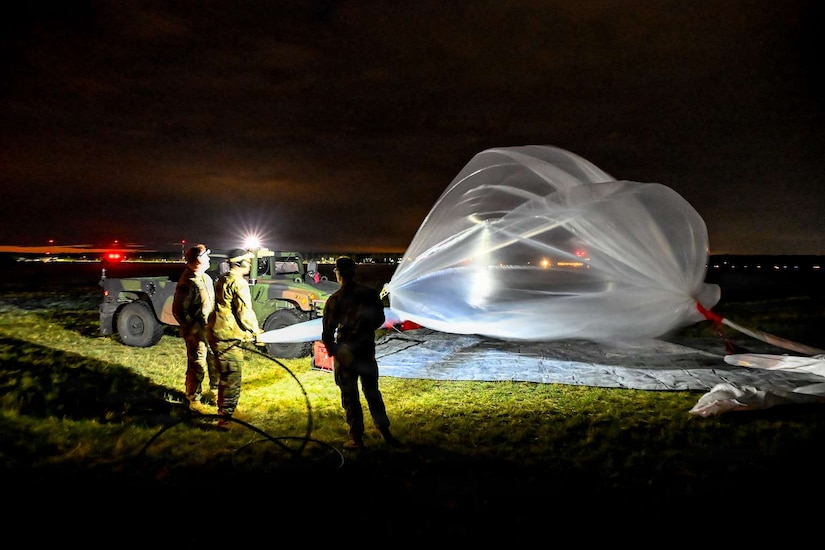
Three men wearing camouflage military uniforms control a large balloon at night in an open field.

The team recently conducted a week of balloon launches in Poland during Exercise Cold Raptor. The training supported NATO's Eastern Flank Deterrence Initiative, a NATO-led regional initiative supported by U.S. Army Europe and Africa that integrates emerging technologies to strengthen deterrence and readiness along NATO's eastern flank.

Cold Raptor gave soldiers hands-on experience launching, tracking and operating tactical balloons in a European environment while refining the procedures they will use during future missions.  

Decentralized Operations and Multidomain Readiness  

Soldiers assigned to the Extended Range Sensing and Effects Company, 2nd Multi-Domain Effects Battalion, conducted the training. Many on the team are qualified satellite communication systems operator-maintainers and are applying their signal expertise to emerging high-altitude systems.  

Army Sgt. Eric Atwater Jr., a signal sergeant, said the exercise tested the team's ability to operate from separate locations.  

"The purpose of Cold Raptor was to see how our launch team and our pilot team can operate from decentralized points," Atwater said. "We wanted to maintain communications while balloons go up in one location, while the flight trajectory is managed and monitored by another team off-site."  

For Army Sgt. Shakir Claxton, a fellow high-altitude balloon operator, improvement comes from repetition.  

"The biggest thing is getting us out in the field, setting everything up, making sure we have a solid timeframe we can work within and doing as many launches as we can," Claxton said. "The more repetitions we get, the better we get at the job."

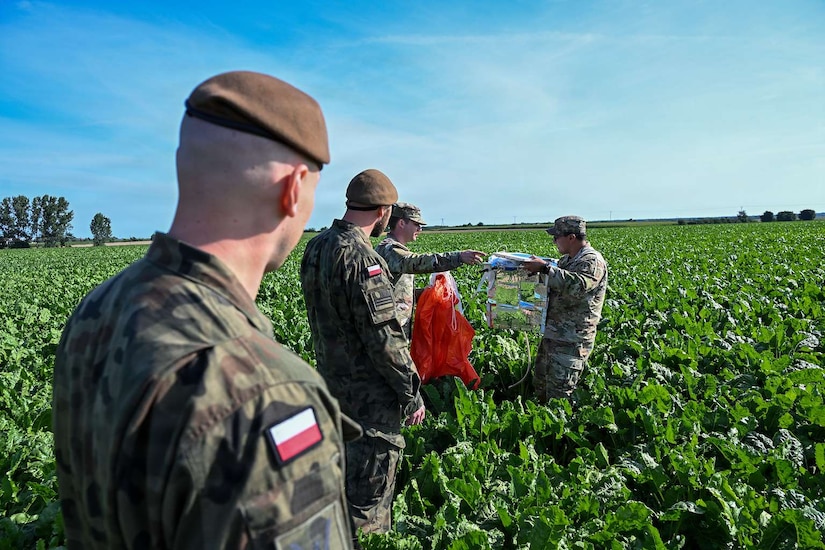
Men wearing camouflage military uniforms retrieve a military balloon from an open field.

The training also supported the company's broader multidomain mission. Claxton compared their capabilities to the three prongs of a trident, each contributing to the sensing mission.  

"We put up the balloons to give a certain kind of view of an area, while other parts of our company, like [unmanned aircraft systems] and [electronic warfare], work hand in hand on the sensing aspect," he said.  

Adapting to Changing Conditions  

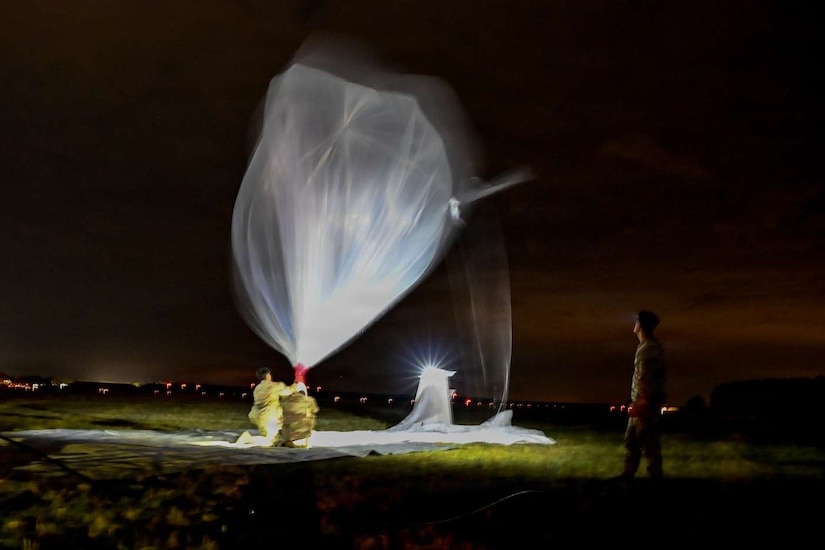
During the exercise, the team conducted launches from Powidz, Poland. Some of the balloons ascended into the stratosphere, reaching altitudes between 60,000 and 70,000 feet — approximately 18,300 to 21,400 meters — while carrying experimental payloads designed to extend communications and improve domain awareness.  

Operating in the stratosphere requires precision. Teams must account for changing weather conditions while meeting strict aviation schedules.  

"We have specific windows when these balloons need to go up to meet mission requirements," Atwater said. "Whenever we're contacting airspace control, they're expecting these terminals to be in the air at specific times. If something goes wrong, you have to think quickly on your feet, troubleshoot and find the cause in a timely manner."  

Micro-high-altitude balloon technology continues to evolve and operating the experimental equipment throughout the week presented the team with real-world challenges. By troubleshooting problems as they occurred, soldiers successfully completed flights throughout the exercise and collected data to support continued experimentation.  

The lessons learned during Exercise Cold Raptor also contribute to a broader effort to strengthen deterrence along NATO's eastern flank. The Eastern Flank Deterrence Initiative is not a single unit or location, but a distributed system of capabilities operating across domains and nations. The concept aligns land forces with NATO's regional defense plans and connects mission command systems, networks and data so allied forces can share a common operating picture and make decisions faster. Exercises like this help determine how emerging technologies can contribute to the larger effort.

At night in an open field a person wearing a yellow safety suit holds onto a large balloon. Another person in a camouflage military uniform stands by to watch.

"The Eastern Flank Deterrence Initiative operationalizes all-domain deterrence for NATO through a data-enabled posture that harnesses the changes in the character of war," said Army Brig. Gen. Steven P. Carpenter, commanding general of Multi-Domain Command – Europe. "Experimentation with emerging technologies allows us to better understand the operational environment, refine how we integrate capabilities across domains and strengthen our ability to deter aggression alongside our NATO allies."  

Allied Interoperability and Airspace Coordination  

Launching from Poland required more than preparing the balloons and monitoring their flights. The team also coordinated closely with Polish authorities to ensure each launch met host nation airspace requirements.  

"Airspace coordination is a major priority with this kind of mission," Claxton said. "We have an excellent communication pipeline and a strong working relationship with our Polish partners."  

That coordination extended to the flight line, where the launches drew interest from Polish partner forces. Because Polish forces had not previously worked with this type of platform in Poland, U.S. soldiers provided hands-on demonstrations of the equipment and launch process. The demonstrations allowed Polish soldiers to see the technology up close and build a shared understanding of the capability.  

For the soldiers on the ground, helping develop the emerging capability carries responsibility and opportunity.  

"Initially trained as a 25 Sierra [satellite communication systems operator-maintainer], the Army already entrusted me to support established communications equipment," Atwater said. "Being introduced to something new and experimental is an honor. What feels like growing pains for us right now will end up being the foundation that future soldiers rely on."  

For him, the mission also connects to a childhood dream.  

"When I was a kid, I wanted to be an astronaut," Atwater said. "What I would say to my younger self is: you might not be the one going up to the stars, but you'll be the reason everyone looks to the sky and knows you sent something up to the very edge of space. They'll feel safer knowing you put it there."