On his third deployment to Vietnam, Army Sgt. Ray McKibben went after the enemy on numerous occasions when his unit was unable to do so themselves. McKibben didn't survive his tour of duty, but his courage and dedication to the mission led him to receive a posthumous Medal of Honor.
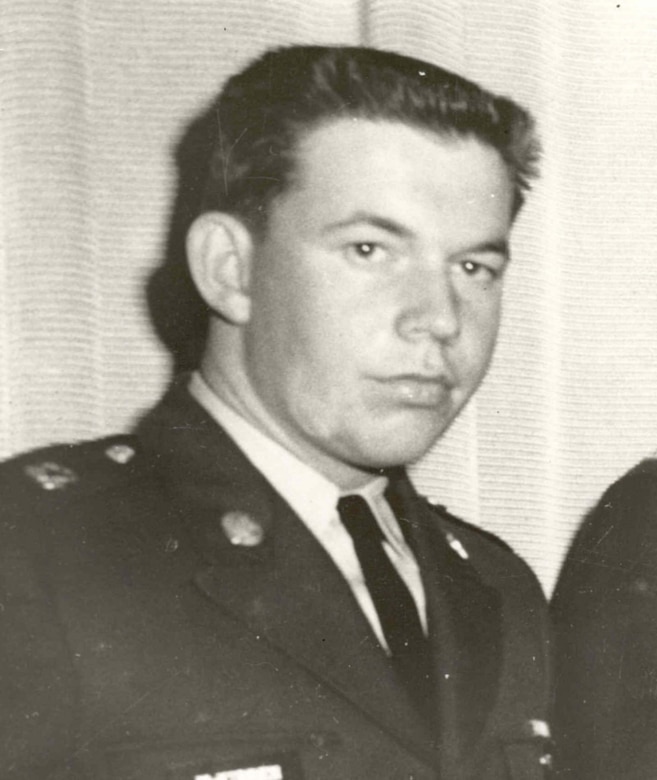
McKibben was born Oct. 27, 1946, in Felton, Georgia, to Albert and Dottie McKibben. He had an older brother named AJ.
Little has been published about McKibben's childhood, but he attended Buchanan High School before following in his brother's footsteps by joining the Army in the early 1960s.
According to a 1970 article in The Atlanta Constitution newspaper, McKibben had been in the Army for five years and was on his third tour of duty in Vietnam when he gave his life to save his comrades.
On Dec. 8, 1968, McKibben led a unit at the head of a reconnaissance patrol of Troop B of the 7th Squadron, 17th Cavalry Regiment, 1st Aviation Brigade. They were in enemy territory near Song Mao in southeast Vietnam, where the U.S. Army had a base.
As McKibben led his team along a well-traveled trail, they came under heavy automatic-weapons fire from a fortified bunker, forcing them to take cover. McKibben appraised the situation before charging through bamboo and heavy brush toward the position, killing its gunner and securing the weapon before directing his patrol to keep moving forward.
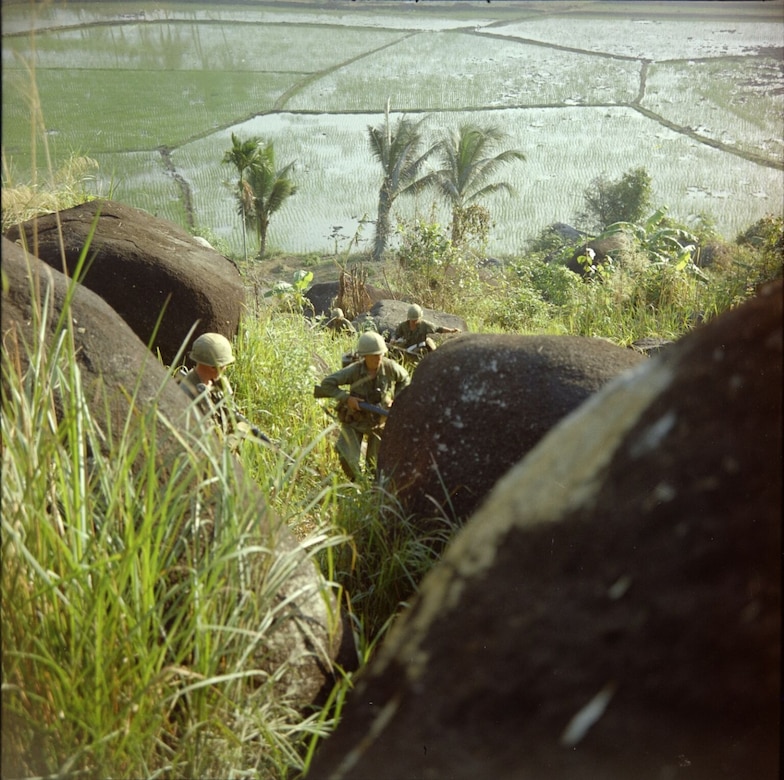
As his men continued on, McKibben noticed enemy movement to the patrol's flank. He quickly called in a helicopter gunship for close-air support to neutralize the threat.
When the patrol rounded the bend of a river, they were hit by heavier automatic-weapons fire, this time from camouflage bunkers. When one soldier fell wounded, McKibben ignored the intense gunfire all around him and ran to the man's side, pulling him to safety behind a rock before giving the soldier rudimentary first aid.
McKibben then noticed more of his fellow soldiers were pinned down and unable to take out the enemy bunkers. So, he went on a one-man mission to take them out himself. McKibben charged through the brush amid a hail of gunfire to get to the first bunker, where he killed the enemy inside with his rifle before securing its weapon.
McKibben then charged the next bunker, using his rifle and the captured enemy gun as he went. When both weapons ran out of ammunition, he finished the bunker off with hand grenades.
Reloading his rifle, McKibben provided cover for his fellow soldiers as they continued moving. When he noticed yet another bunker blocking their advance, he once again took it upon himself to assault the position.
Sadly, his luck had run out. As McKibben got close, he was hit by gunfire and didn't survive. However, he was able to shoot one final burst from his weapon, once again killing the enemy inside.
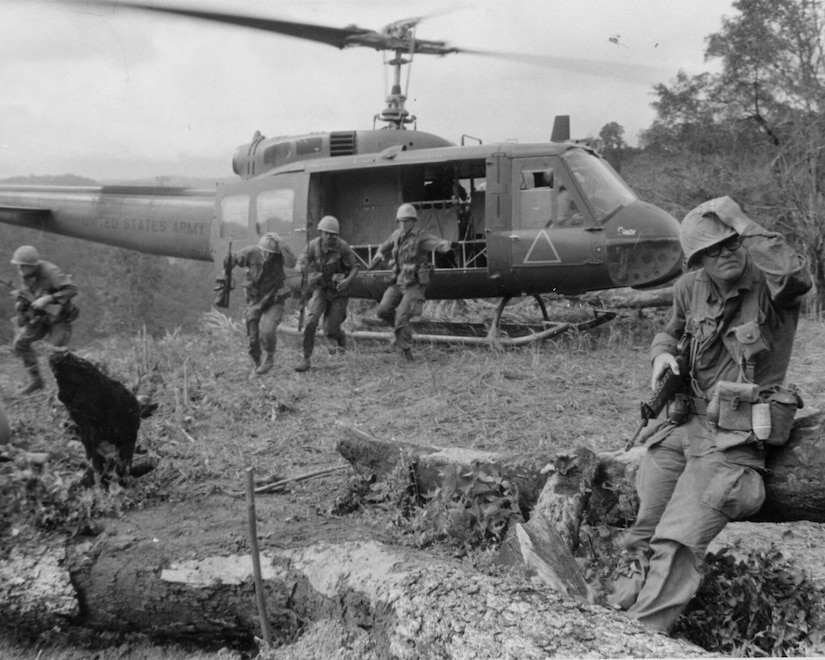
McKibben's courage and commitment helped save the lives of his fellow soldiers and allowed them to finish their mission.
On April 7, 1970, McKibben's widow, Anna, received the Medal of Honor on his behalf from President Richard M. Nixon during a White House ceremony. Twenty other fallen Vietnam soldiers also received the nation's highest medal for valor that day.
McKibben is buried at the Center Baptist Cemetery in his Georgia hometown, where he has not been forgotten. A portion of Highway 120 near where he grew up was renamed in his honor in the 1990s.
The military continues to honor his sacrifice as well. In 1984, a renovated building was renamed McKibben Hall at the now-closed Fort Gillem, Georgia. In 2008, the 7th Squadron that he was once a part of dedicated a conference center and a memorial to him at the unit's new headquarters at Fort Campbell, Kentucky.


 Posts
Posts


No comments:
Post a Comment