Showing posts with label medal of honor. Show all posts

Monday, September 28, 2026

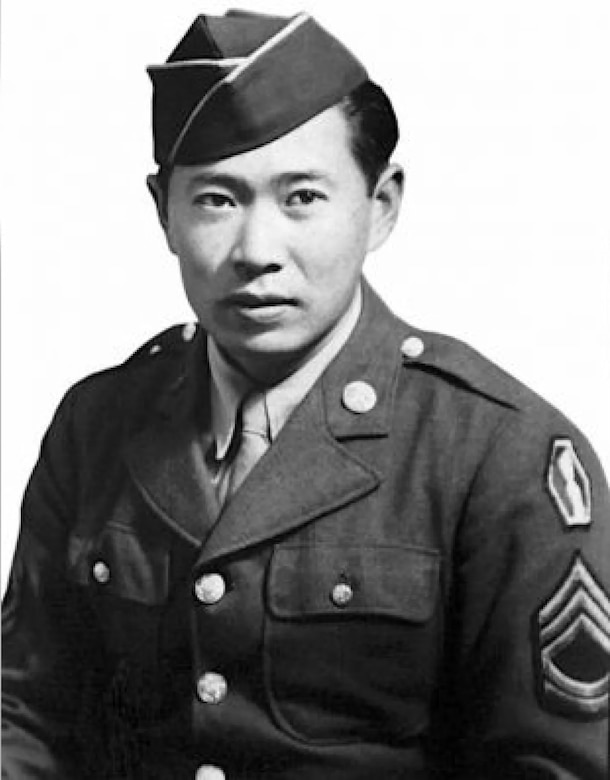
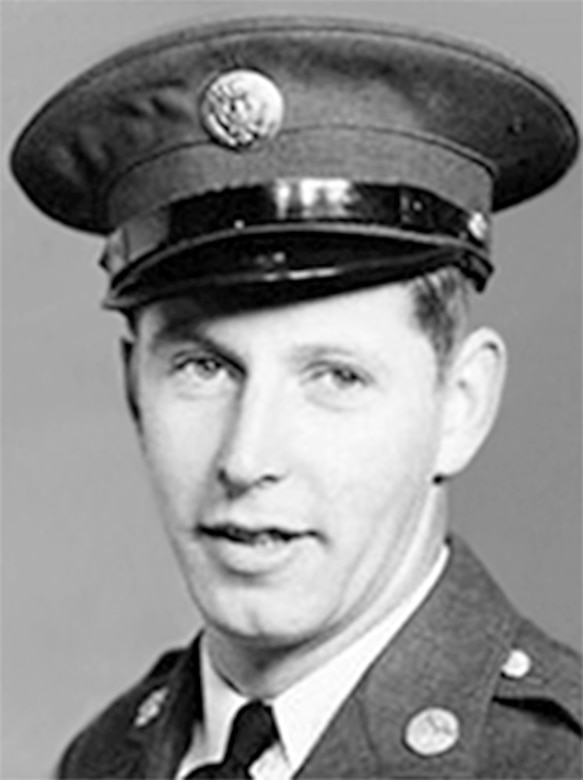
Medal of Honor Monday: Army Sgt. 1st Class Charles William Turner

Army Sgt. 1st Class Charles William Turner, an infantryman, posthumously received the Medal of Honor for distinguishing himself with conspicuous gallantry and intrepidity during the Korean War, near Yongsan, South Korea. 

Turner was born to Charles William Turner Sr. and Hazel O. Turner in Boston, May 28, 1921. He had one brother, Harry Turner. 

On Jan. 20, 1941, Turner enlisted in the Massachusetts National Guard, which was federalized six days later, as it appeared that war was inevitable.

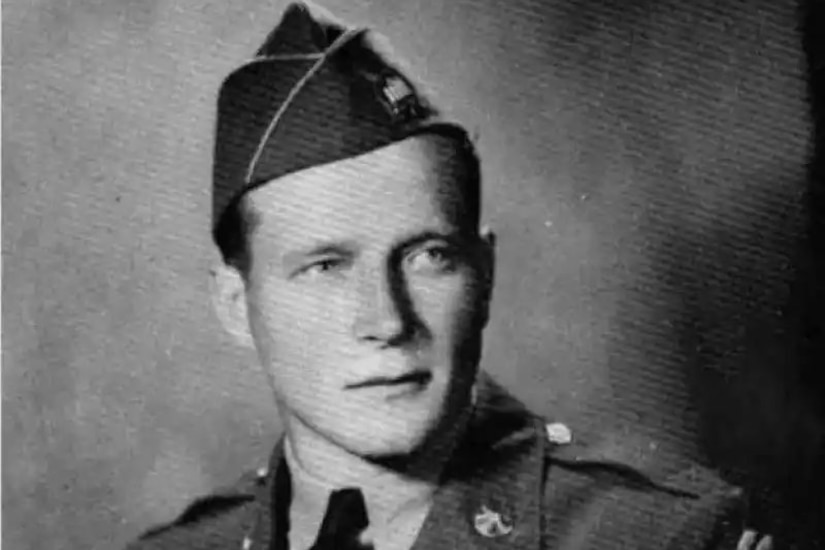
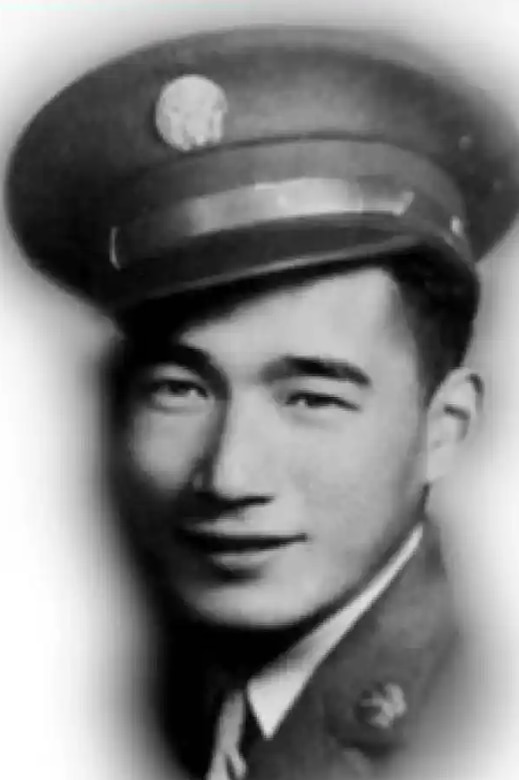
A man wearing a military dress uniform smiles.

His unit landed in North Africa in the summer of 1943, where they prepared for Operation Husky, the invasion of Sicily, which started July 10, 1943. 

For the next 22 days, his unit pushed through Sicily and then invaded Italy. In November 1943, he was taken prisoner, as his unit was outnumbered and cut off from the rest of the regiment by German soldiers, near the town of Venafro in south-central Italy. He was brought to a prisoner of war camp in Germany, which was liberated in May 1945. He returned to the U.S. a month later. 

During the Korean War, he was assigned to the 2nd Reconnaissance Company, 2nd Infantry Division at Fort Lewis, Washington. While there, he participated in cold weather training and tactical maneuvers. His unit also deployed to Alaska for additional cold weather training. 

His unit deployed on the troop transport ship USNS General A. W. Brewster and landed in Busan, South Korea, July 23, 1950. The war began a month earlier, when North Korean forces crossed the 38th parallel to invade South Korea. 

On Sept. 2, 1950, the date of Turner's Medal of Honor action, he was a company section leader. His unit was engaged in the Battle of Nakdong Perimeter, which was part of the Battle of the Pusan Perimeter, an overall defensive operation. 

His platoon encountered a large North Korean enemy force that launched mortar rounds and fired automatic weapons at them. Turner quickly organized his unit for defense and then observed that the attack was directed at a tank section 100 yards away.  

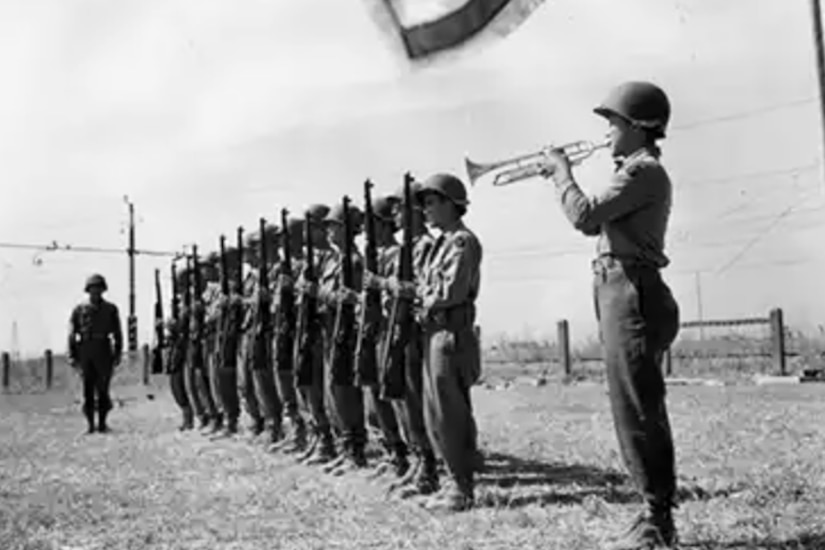
A tombstone in a cemetery with the inscription "Charles W. Turner, Medal of Honor, SFC, U.S. Army, Korea, May 28, 1921-Sep. 2, 1950."
Statues of men in military uniforms with weapons with the backdrop of colorful autumn foliage.
Leaving his secure location, he dashed through a hail of fire to the threatened position and climbed up a tank to man an exposed turret machine gun. Disregarding the intense enemy fire, he calmly held his position, delivering deadly accurate fire and pointing out targets for the Sherman tank's 75 mm gunner.  

His action destroyed seven enemy machine-gun nests. Although severely wounded, he remained at the gun shouting encouragement to his comrades. During the action, the tank received more than 50 direct hits; the periscopes and antenna were shot off and three rounds hit the machine-gun mount. Despite his precarious position, he remained at his post until a burst of enemy fire killed him.  

Turner's heroic action enabled the platoon to withdraw and later launch an attack that routed the enemy.  

For their actions during that battle, seven other soldiers assigned to the 2nd Infantry Division also received the Medal of Honor. 

President Harry S. Truman presented the Medal of Honor to Turner's mother during a White House ceremony, Jan. 9, 1951. 

On Sept. 22, 2027, Army Maj. Gen. Scott McKean, 2nd Infantry Division commanding general, paid tribute to those eight Medal of Honor recipients and their comrades during a ceremony commemorating the battle with a newly erected monument in Daegu, South Korea. 

"Having had an uncle who served here on this very ground, and was wounded here during the breakout on Sept. 2, 1950, the meaning for me is a personal one," McKean said. "It's the sacrifice that all of these great veterans have made and need to be recognized for." 

Turner was buried at Arlington National Cemetery in Arlington, Virginia. The Turner Fitness Center at Camp Humphreys, South Korea, is named for him.

Monday, September 21, 2026

Medal of Honor Monday: Army Cpl. Luther H. Story

Army Cpl. Luther H. Story, an infantryman, posthumously received the Medal of Honor for his heroic actions during the Korean War.

A man, wearing a military dress uniform, smiles.

Story was born July 20, 1932, in Buena Vista, Georgia. His parents were Mark and Florence, both sharecroppers in Plains, Georgia, on land owned by James Earl Carter Sr., the father of future President Jimmy Carter. 

The family later moved to Americus, Georgia, where Story attended Americus High School. He left school during his sophomore year in 1948 when he was only 16 to enlist in the Army. His mother falsified his birthdate so he could join.  

Story completed basic training at Fort Jackson, South Carolina, and his first duty station was Fort Lewis, Washington, where he was assigned to Company A, 9th Infantry Regiment, 2nd Infantry Division.

A ship with two smokestacks sails the sea.

His unit departed Seattle, July 17, 1950, aboard the troop transport ship USNS General John Pope and arrived in Busan (formerly Pusan), South Korea, July 23, 1950. The Korean War had started June 25, 1950, just a month earlier.  

Pfc. Luther Story was a squad leader. On Sept. 1, 1950, the date of his Medal of Honor valorous action, his company was near Agok, a village on the Nakdong River, during the Battle of Yongsan. 

His citation notes that the 9th Infantry Regiment was attacked by three divisions of the North Korean People's Army. 

Company A fought off several banzai attacks but was bypassed and in danger of being cut off and surrounded.  

Story was heavily engaged in stopping the early attacks and had just moved his squad to a position overlooking the Nakdong River, when he observed a large number of enemy soldiers crossing the river to attack his company.  

Seizing a machine gun from his wounded gunner, he used it to kill or wound an estimated 100 enemy soldiers, according to his citation. Facing certain encirclement, the company commander ordered a withdrawal.  

During the withdrawal, Story noticed an enemy truck approaching, loaded with troops and towing an ammunition trailer. Alerting his comrades to take cover, he fearlessly stood in the middle of the road, throwing grenades into the truck.

When he ran out of grenades, he crawled to his squad, gathered additional grenades and attacked the vehicle again. The company was attacked by superior numbers and forced to deploy into a rice field. Story was wounded in this action, but, disregarding his wounds, rallied his men, who repelled the attack.  

Realizing that his wounds would hamper his comrades' movements, he refused to retire to the next position, remaining to cover the company's retreat, which was successful. When last seen, he was firing every weapon available and fighting off another hostile assault. It was assumed he died at his position. 

On June 21, 1951, General of the Army Omar Bradley presented the Medal of Honor to Story's father at the Pentagon. Story was posthumously promoted to corporal. 

For decades, Story's remains were unaccounted for. The Army issued a presumptive finding of death Sept. 1, 1953, and his remains were determined to be nonrecoverable. 

In October 1950, 11 sets of remains were recovered near Sangdepo, South Korea, and eight sets were identified. One set of remains was thought to be Story, but investigators at the Central Identification Unit in Kokura, Japan, did not have enough identifying data to identify him positively. Those unknown remains were later buried at the National Memorial Cemetery of the Pacific, also known as the Punchbowl, in Honolulu. 

On April 6, 2023, the Defense POW/MIA Accounting Agency announced that Story's remains had been identified. 

To make the identification, DPAA scientists used dental and anthropological analysis. Additionally, Armed Forces Medical Examiner System scientists used mitochondrial DNA analysis obtained from relatives.

A soldier salutes and six others hold an American flag over a coffin.

Story was buried at Andersonville National Cemetery in Andersonville, Georgia, May 29, 2023. Army Maj. Gen. Thomas Carden, adjutant general of the Georgia National Guard, spoke at the funeral.  

"Cpl. Story left us a legacy that we must honor and uphold if we hope to remain the most free and prosperous nation on Earth," Carden said. "Today is a physical demonstration that America never forgets its heroes."  

Story's Medal of Honor is displayed at the National Infantry Museum in Columbus, Georgia, just outside the United States Army Maneuver Center of Excellence at Fort Benning, Georgia. 

President Joe Biden and South Korean President Yoon Suk Yeol attended a ceremony April 25, 2023, at the Korean War Veterans Memorial in Washington, and met with Story's relatives. 

Monday, September 14, 2026

Medal of Honor Monday: Army Capt. Daniel W. Lee Sr.

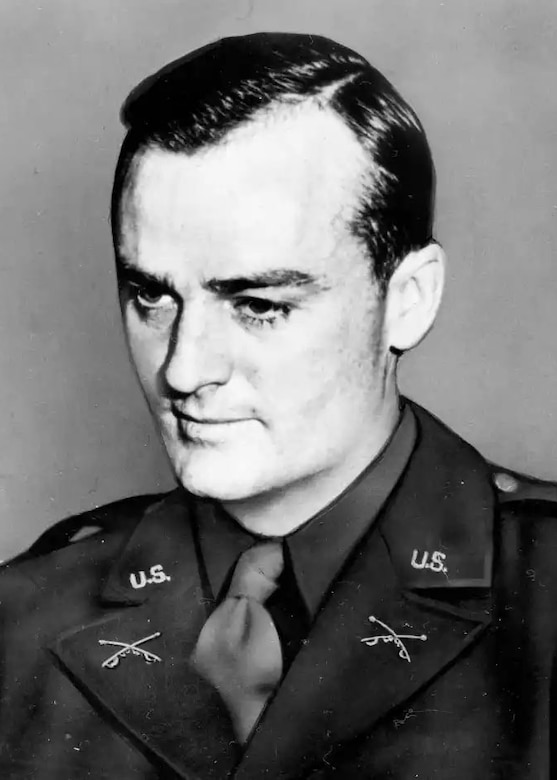
Army Capt. Daniel W. Lee Sr. was a platoon leader during World War II. He earned the Medal of Honor for valorous action in southeast France in 1944, during Operation Dragoon. 

Lee was born June 23, 1919, in Alma, Georgia. His parents, Daniel M. Lee and Ida Hyres, were farmers. Lee and his six siblings grew up working on the family farm.

A man wearing a formal military uniform poses for a portrait.

After graduating from Alma High School in 1937, Lee attended the University of Georgia, paying his way by working odd jobs; he worked for a professor, typed papers for fellow students and surveyed crops. He graduated in 1941 with a bachelor's degree in agriculture and began his career in soil management. 

In December 1942, Lee married Sallie Davis, and they had three children after his service ended in World War II: Daniel W. Lee Jr., James and Elizabeth. 

Shortly after being denied entry into the Air Force because he was colorblind, Lee was drafted into the Army in March 1942. He was commissioned a second lieutenant later that year, and his unit, the 117th Cavalry Reconnaissance Squadron, shipped to England for training. They arrived in northern Algeria in 1943, but by then, the enemy had already surrendered. His unit then engaged in combat during the Italian Campaign, from May to August 1944. 

On Sept. 2, 1944, Lee was the leader of Headquarters Platoon, Troop A, 117th Cavalry Reconnaissance Squadron, 7th Army in Montrevel, France, when his Medal of Honor valor occurred. 

According to the medal citation, the Germans had mounted an hourslong attack against the outnumbered Americans when Lee organized a patrol to knock out their mortars.  

He led his men to the edge of town, neutralizing enemy riflemen on a ridge. Atop the ridge, he observed seven Germans manning two large mortars near an armored half-track about 100 yards down the slope.  

Armed with a rifle and grenades, Lee left his men on the high ground and crawled to within 30 yards of the mortars, where the enemy discovered him and unleashed machine-gun fire — shattering his right thigh.

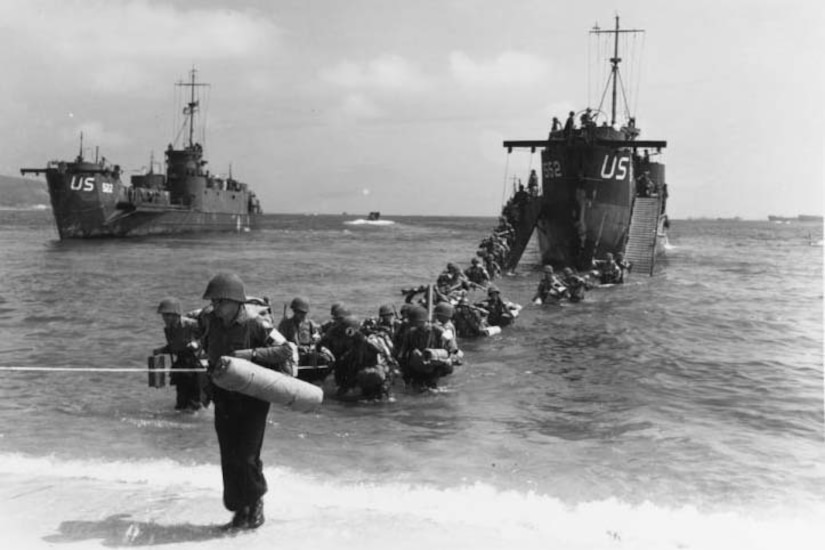
Soldiers wade from ship to beach.

"Scorning retreat, bleeding and suffering intense pain, he dragged himself relentlessly forward," the citation reads. 

Lee killed five Germans with rifle fire, and the others fled before he reached their position. While being fired on by an armored car, he took cover behind the German military vehicle and used a discarded German antitank weapon to neutralize the threat.  

"Despite his wounds, he inched his way toward the car through withering machine-gun fire, maneuvered into range and blasted the vehicle with a round from the rocket launcher, forcing it to withdraw," the citation reads.  

Lee struggled back to his men, where he collapsed from pain and loss of blood.  

During a 2022 interview, Lee's daughter provided further details. Outnumbered, Lee's platoon surrendered, and the Germans took many of the American soldiers but left Lee because of his injuries. 

"Dad told my brother that a German soldier made the decision to leave him there rather than kill him or take him, as he would not have made it. Dad was forever grateful," Beth Lee von Mersveldt said. 

Lee was promoted to first lieutenant, and despite his severe wounds, chose to remain in the military. He transitioned to the Army Reserve, then known as the Organized Reserve Corps. 

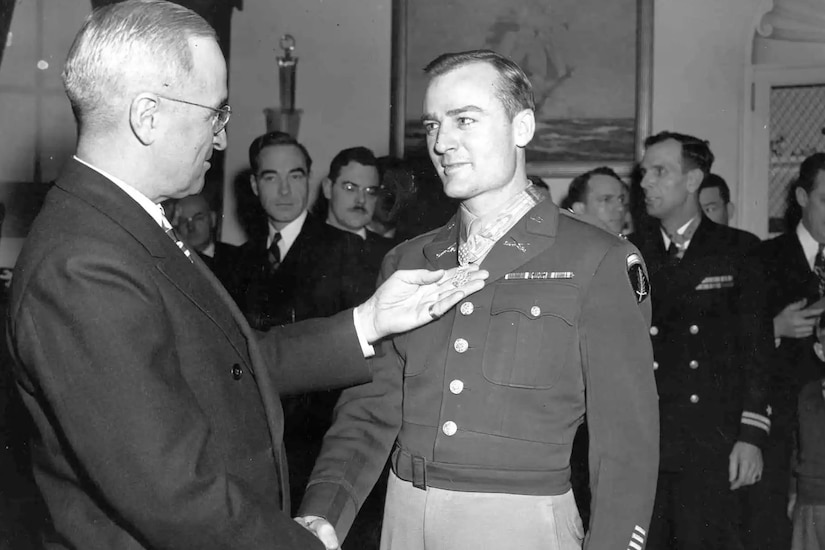
A man wearing business attire shakes hands with a man in a formal military uniform.
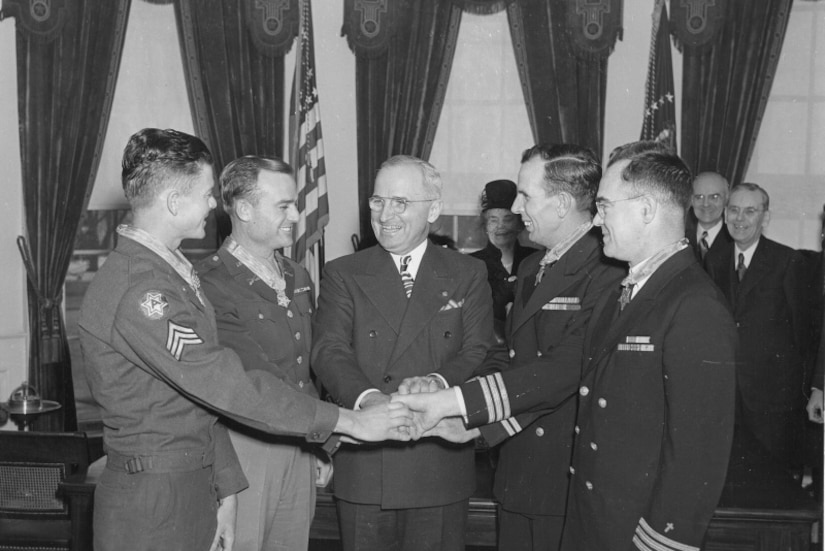
Four men wearing formal military uniforms and wearing medals around their necks, form a circle and join hands with a man in business attire.
President Harry S. Truman presented the Medal of Honor to Lee in a White House ceremony, Jan. 23, 1946. During the ceremony, Truman reportedly told Lee and three others receiving the same award, "I would rather have that medal — the Congressional Medal of Honor — than to be president of the United States." 

After his recovery, Lee worked for the Veterans Administration in Valdosta, Georgia, assisting returning veterans with accessing healthcare, education and other benefits. 

He was recalled to service at the start of the Korean War in June 1950. He was promoted to captain and served as a combat training officer at Fort Knox, Kentucky, until 1952. Lee returned to civilian life, rising to the position of senior vice president of the Southwest Region of Military Service Company, the oldest division of EBSCO Industries. 

Lee died Jan. 22, 1985, at the age of 65, and is buried in Rose Hill Cemetery in Alma. His wife, Sallie, eventually remarried; she died Oct. 1, 2016. 

In April 1996, a bridge near his hometown was dedicated as the Daniel Warnell Lee Memorial Bridge. 

Tuesday, September 08, 2026

Medal of Honor Monday: Army Cpl. Freddie Stowers

Army Cpl. Freddie Stowers served as an infantryman during World War I and was posthumously awarded the Medal of Honor more than 70 years after his heroic actions in France in September 1918.

Stowers was born Jan. 12, 1896; he was one of Wylie and Annie Stowers' 12 children. His father was a farmer, and his mother was a laborer. Stowers grew up in Sandy Springs, South Carolina, and worked on the family farm.

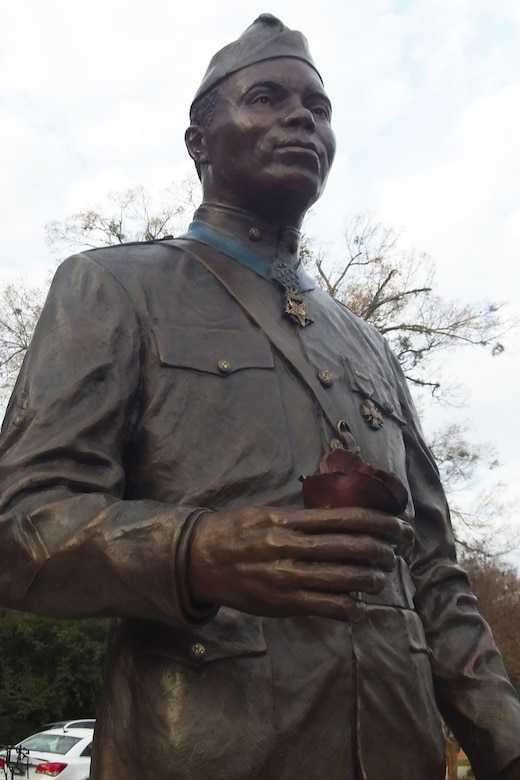
A bronze statue of a man in a World War I-era uniform and wearing a Medal of Honor stands outside.

In October 1917, Stowers was 21 when he was drafted into the Army and sent to basic training at Camp Jackson, now Fort Jackson, South Carolina. His wife, Pearl, and their daughter, Minnie Lee, named for one of his sisters, stayed in Sandy Springs, which was nearly two hours away.

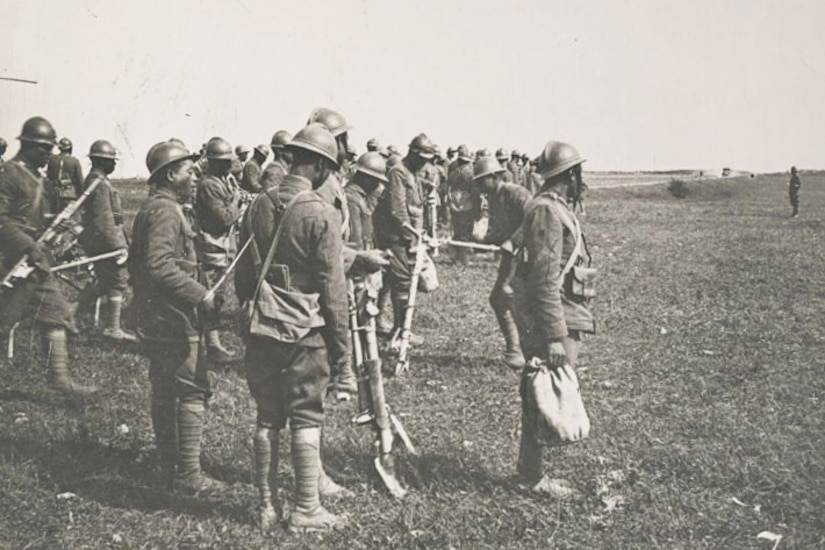
Demonstrating his leadership early on, Stowers was promoted to private first class within two months and then to corporal upon arriving in France in April 1918. He was assigned to Company C, 371st Infantry Regiment, 93rd Infantry Division — one of two buffalo soldier, all-Black divisions — which was ordered to support the 157th French Army.

On Sept. 28, 1918, while serving as a squad leader, Stowers' company came under attack on Hill 188, in the Champagne-Marne Sector of northeastern France. Shortly after the attack began, the Germans ceased firing and climbed onto the parapets of the trenches, holding up their arms as if to surrender. However, it was a trap. As the American forces advanced and reached within about 100 meters of the trench line, the Germans jumped back into their trenches. They opened fire with machine guns and mortars, killing or wounding half of Stowers' company, including his lieutenant and senior noncommissioned officers.

More than a dozen Black men in World War I-era uniforms and helmets hold weapons outside in a grassy field.

With complete disregard of personal danger and under devastating fire, Stowers took command, crawled forward and led his squad toward the enemy machine-gun nest. After fierce fighting, it was destroyed.

While crawling forward and urging his men to continue the attack on a second trench line, Stowers was hit. Although mortally wounded, he continued to lead his troops and pressed forward, urging the members of his squad until he died.

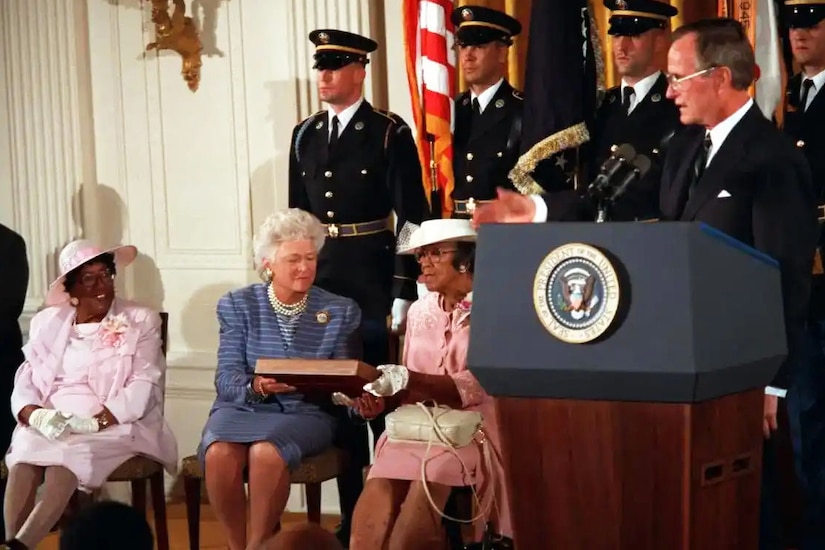
A man in business attire stands at a lectern and speaks into a microphone as three women sit in chairs. The middle woman hands a wooden award case to the woman on her left; four men in formal military uniforms stand at attention in the background.

Inspired by his heroism and display of bravery, the company continued the attack against incredible odds, contributing to the capture of Hill 188 and causing heavy enemy casualties.

After the war, Stowers' commanding officer recommended him for the Medal of Honor, but it was never processed. After a records review in the early 1990s, the recommendation was found, and President George H.W. Bush posthumously presented the Medal of Honor to Stowers. Two of his sisters, Georgiana Palmer and Mary Bowens, accepted the medal on behalf of the family during a White House ceremony held April 24, 1991.

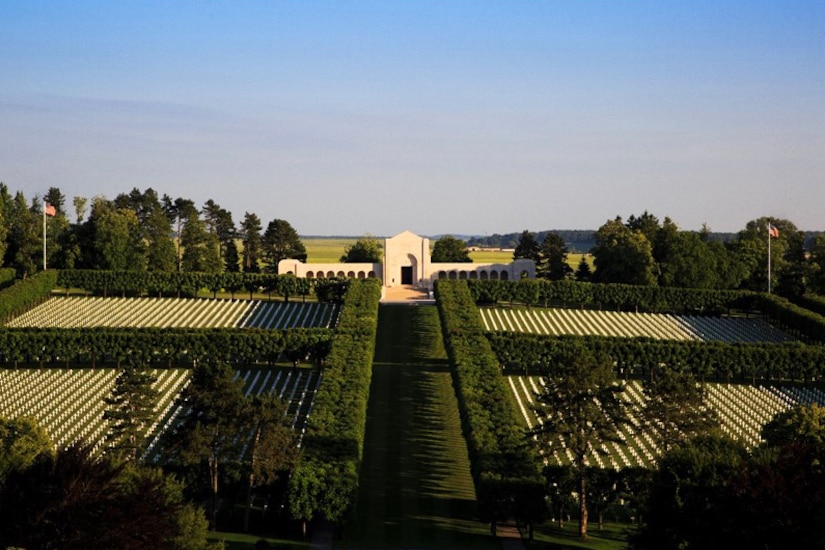
An aerial view of a cemetery with thousands of tombstones, trees and greenery under a blue sky; American flags wave from poles in the distance.

Stowers is buried in the Meuse-Argonne American Cemetery in Meuse, France.

A bronze statue of him was unveiled Nov. 10, 2015, on the campus of Anderson University in Anderson, South Carolina, a few miles from his birthplace.

There's a Stowers Elementary School at Fort Benning, Georgia, and a Freddie Stowers Single Soldiers Complex at Fort Jackson, South Carolina, as well as a Freddie Stowers Veterans Memorial in Anderson County, South Carolina.


Monday, August 31, 2026

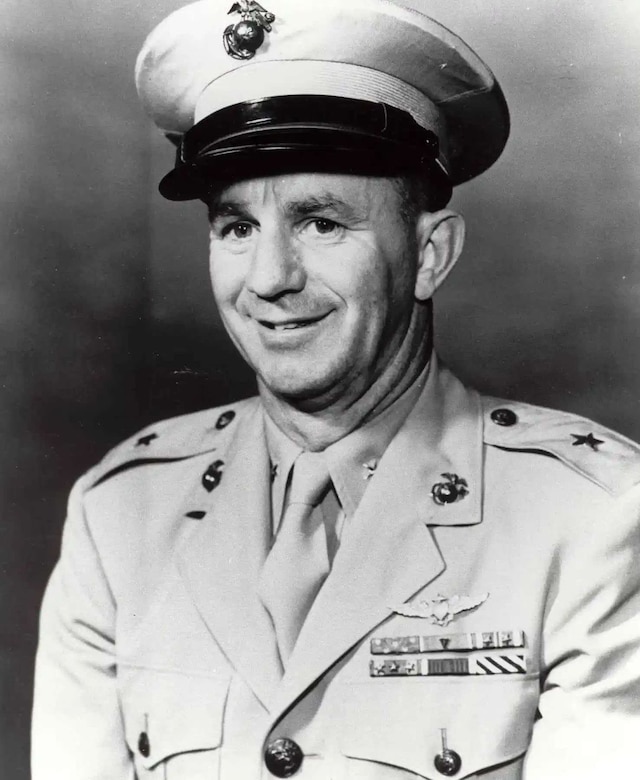
Medal of Honor Monday: Marine Corps Brig. Gen. Robert Edward Galer

Marine Corps Brig. Gen. Robert Edward Galer was a fighter pilot during World War II and went on to serve more than 20 years on active duty. He received the Medal of Honor for his actions in the skies over Guadalcanal in 1942.

A man in a formal military uniform poses for a photo.

Galer was born Oct. 23, 1913, in Seattle. He was the youngest son of Frederick George Galer and Mary Loretta Leahy, and he had two older brothers, Vincent and Fred Galer Jr. 

Galer went to Queen Anne High School, where he excelled in sports, playing basketball, football, baseball and tennis, as well as running track. After high school, he attended the University of Washington in Seattle, where he was an All-American basketball player and a member of Navy ROTC. He graduated in 1935 with a bachelor's degree in industrial engineering. Following graduation, he enlisted in the Marine Corps because he wanted to fly quicker than an officer commission would allow. Galer began flight training at Naval Air Station, Pensacola, Florida, and about halfway through the course, he was offered an officer commission and became a second lieutenant in July 1936. 

In April 1937, he was assigned to the 1st Marine Brigade, Marine Corps Base Quantico, Virginia, for duty with Aircraft One. Over the next year, he served at The Basic School in Philadelphia, and he was briefly assigned to the Brooklyn Navy Yard before being ordered to St. Thomas in the U.S. Virgin Islands, where he served with Marine Scouting Squadron-3.

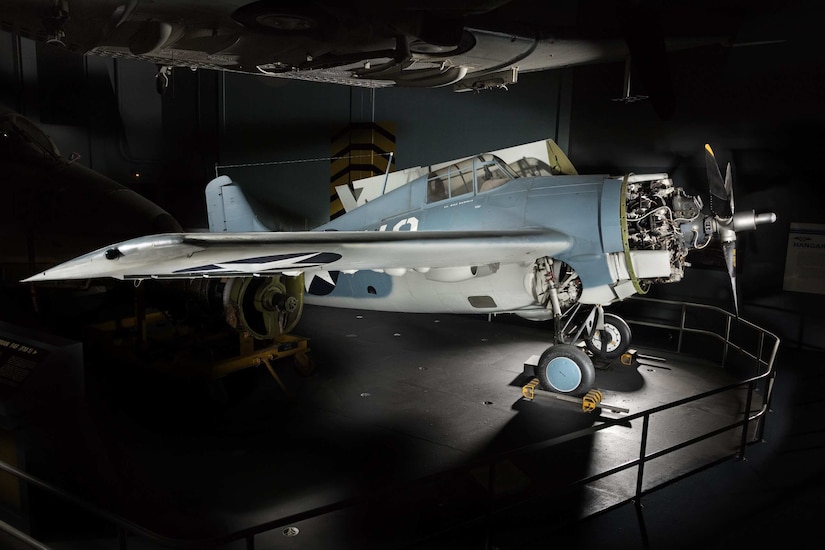
A propeller aircraft is displayed in a dark museum with a spotlight shining on it.

He married his first wife, Dorothy Beyer, shortly before the start of World War II. They had two children: Vincent and Robert Tipton Galer, who later retired as a colonel from the Air Force. Galer's first marriage ended in divorce, and he married his second wife, Sharon Alexander, in 1981; he became the stepfather to her children, Charles and Christine. 

Galer transferred to Marine Corps Air Station Ewa Field on Oahu, Hawaii, in January 1941. In an August 1998 interview, he described the days leading up to the Dec. 7, 1941, Japanese attack on Pearl Harbor. 

"There was practically no mention of trouble with Japan," Galer said. "In fact, the Saturday before the attack, we lined up the airplanes, wingtip-to-wingtip, and nobody even mentioned that we should scatter them."  

Ewa had very little damage from the attack, except for the airplanes. Galer said none of them were operational, so the Marines were issued rifles. 

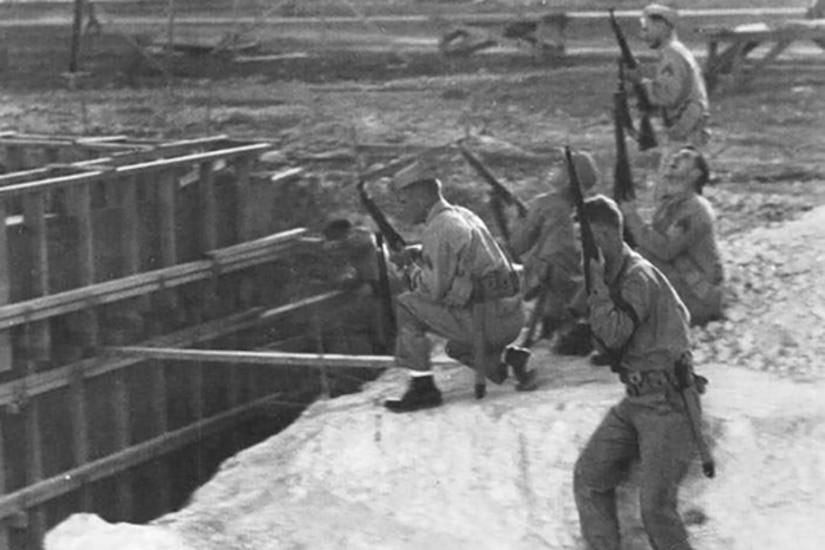
Four Marines at Ewa were killed during the attacks, becoming some of the first American casualties of World War II. Galer and his fellow Marines on the ground fought back with machine guns, rifles and pistols.

Five men in World War II-era military uniforms crouch and stand outside as they point their rifles toward the sky.

From Aug. 30 to Sept. 28, 1942, the dates of his Medal of Honor action, Galer, now a major, was the commander of Marine Fighter Squadron 224, Marine Aviation Group 21, flying over the skies around Guadalcanal in the Solomon Islands in the South Pacific in an F4F-4 Wildcat. 

His citation reads that he led his squadron in aerial combat with enemy forces in daring and aggressive raids against Japanese aerial forces, which were vastly superior in numbers.  

He availed himself of every favorable attack opportunity, shooting down 11 enemy bomber and fighter aircraft over a period of 29 days. Though suffering the extreme physical strain attendant upon protracted fighter operations at an altitude above 25,000 feet, the squadron, under his zealous and inspiring leadership, shot down a total of 27 Japanese planes. 

Galer received the Medal of Honor from President Franklin D. Roosevelt during a White House ceremony held March 24, 1943. 

The following month, he was assigned to Marine Corps Air Depot Miramar, in Southern California, where he was the assistant operations officer. He was promoted to lieutenant colonel and returned to Ewa in November 1943, where he was chief of staff, Marine Air, Hawaiian Area. During his 1998 interview, Galer said he was told Medal of Honor recipients wouldn't fly again, so he trained units on "this new-fangled radar." 

In July 1945, he took command of a cadet regiment at Marine Barracks, Naval Air Training Base, Corpus Christi, Texas, a position he held for two years before he attended the Armed Forces Staff College in Norfolk, Virginia. 

Galer remained on active duty another 10 years, with assignments at Marine Corps Air Station Cherry Point in North Carolina, Naval Air Station San Diego and the 1st Marine Aircraft Wing in South Korea. He was promoted to colonel in March 1951. 

On Aug. 5, 1952, while flying an AU-1 Corsair, Galer was shot down by antiaircraft fire over North Korea, while leading a squadron attack near Wonsan. After parachuting safely to the ground, he evaded capture by hiding in a cornfield.  

Upon his rescue, Galer said, "I do know that every pilot flying in this theater should have the highest possible morale with the knowledge that so many are ready and willing to risk so much to get them [when they are shot down]." 

After being hospitalized for two months for injuries sustained from ejecting from his aircraft, Galer was assigned as the assistant chief of staff for personnel at Marine Corps Air Station El Toro, California.  

His final assignment was with the Guided Missiles Division for the Department of the Navy, in Washington, where he served as the assistant director and then the acting director in January 1956. 

Galer retired from the Marine Corps July 31, 1957, and he was meritoriously promoted to brigadier general. That same year, he graduated from George Washington University in Washington with a master's degree in engineering administration. 

Following his retirement, Galer moved to Dallas, where he worked in the defense industry and then at a real estate firm.

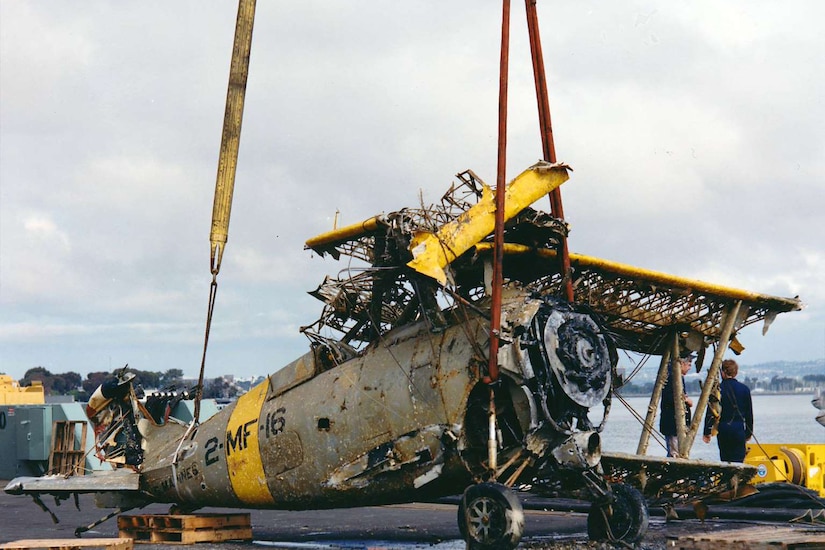
A wrecked World War II-era plane is lowered to the ground near an ocean.

In the early 1990s, he collaborated with the San Diego Air and Space Museum to restore the F3F biplane that he had ditched off the coast of San Diego in 1940 due to a mechanical failure. It was recovered from the ocean floor April 5, 1990, at a depth of 1,800 feet. 

Galer died June 27, 2005. He is buried alongside his wife, Sharon, in the Texas State Cemetery in Austin, Texas. 

In addition to the Medal of Honor, he also received the Legion of Merit with Valor, the Distinguished Flying Cross with one gold star, the Air Medal with four gold stars and the Purple Heart. 

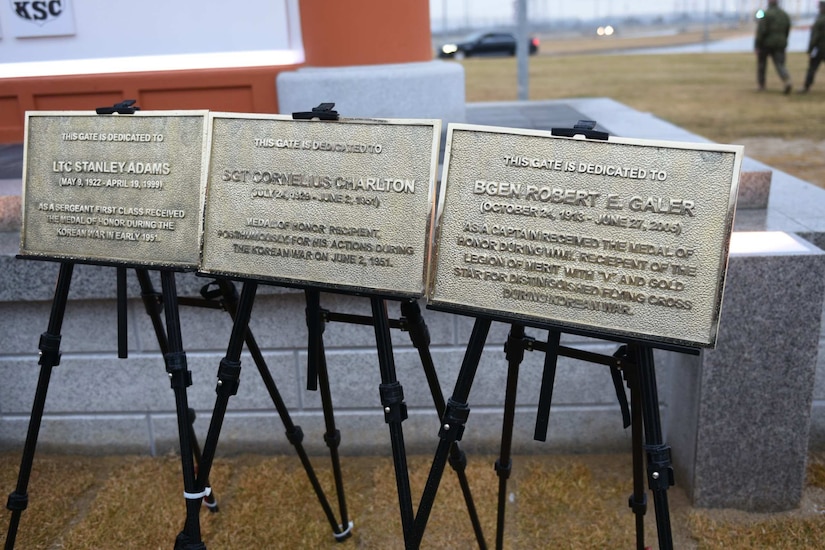
Three plaques, each dedicated to service members, are displayed on easels outside during a ceremony.

On Dec. 17, 2020, a plaque was dedicated to Galer at Camp Humphreys, South Korea. There's also a monument dedicated to him and other military alums on the campus at the University of Washington in Seattle. 

Monday, August 24, 2026

Medal of Honor Monday: Army Air Forces Maj. Ralph Cheli

Army Air Forces Maj. Ralph Cheli, a bomber pilot, was posthumously presented with the Medal of Honor for conspicuous gallantry during World War II.

Cheli was born to Robert Alfred Cheli, an Italian immigrant, and Julia Cheli, Oct. 29, 1919, in San Francisco. He was an only child.

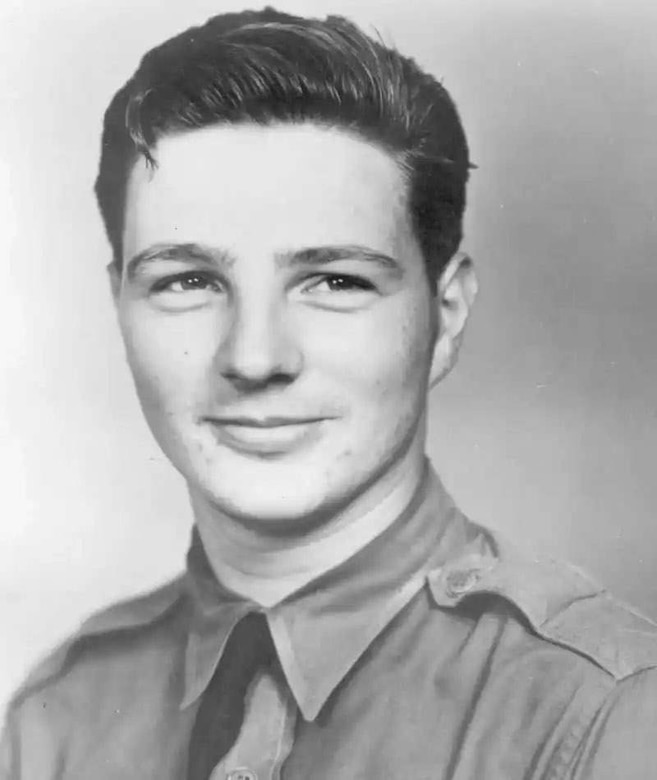
A black and white photo of a man posing for a photo while wearing a military uniform.
He dropped out of Lehigh University in Bethlehem, Pennsylvania, to enlist as a flying cadet in the Army Air Corps in early 1940. He trained at Randolph Field and Kelly Field, both in Texas. He was commissioned as a second lieutenant in November 1940. 

He married Geraldine Reilly, and they had a son, Ralph Cheli Jr. 

Following his tour at Kelly Field, he flew B-17 Flying Fortress bombers for the 21st Reconnaissance Squadron at MacDill Field, Florida. He then attended chemical warfare school at Edgewood Arsenal, Maryland.  

Following his promotion to first lieutenant in February 1942, Cheli joined the 43rd Bombardment Squadron and flew B-17s on reconnaissance and antisubmarine patrols in the Caribbean. 

In June 1942, he joined the 405th Bombardment Squadron at Barksdale Field, Louisiana. In August 1942, he flew from Hamilton Field, California, to Breddan Aerodrome in Queensland, Australia, in a B-25 Mitchell bomber and in October 1942, he flew to Durand Airfield in Port Moresby, Papua New Guinea, where he took command of the 405th Bombardment Squadron, 38th Bombardment Group, 5th Air Force. 

He was promoted to major in February 1943, making him one of the youngest commanders in the Army Air Forces. 

Cheli led 39 combat missions during the Battle of the Bismarck Sea in March 1943, attacking Japanese shipping. These missions earned him the Distinguished Flying Cross and the Air Medal.

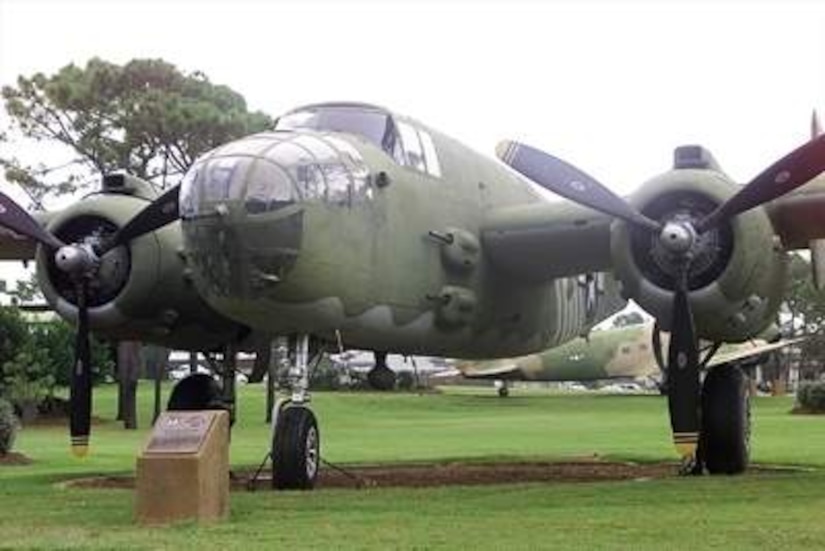
An airplane is displayed in a grassy field.

On Aug. 18, 1943, while he was flying a B-25D-1 Mitchell bomber near Wewak, Papua New Guinea, and leading the 405th in an attack of the heavily defended Dagua Airfield, he was intercepted by enemy aircraft. They centered their fire on his plane, causing it to burst into flames while still 2 miles from the objective. 

His speed would have enabled him to gain the necessary altitude to parachute to safety, but this action would have left his formation disorganized and exposed to the enemy.  

Although a crash was inevitable, he courageously elected to continue leading the attack in his blazing plane, an action that led to him posthumously receiving the Medal of Honor. From a minimum altitude, the squadron made a devastating bombing and strafing attack on the target. With the mission completed, Cheli instructed his wingman to lead the formation and then crashed his bomber into the sea. 

After impact, Cheli and the surviving crew members were captured by the Japanese and held at Rabaul, a town on the island of New Britain in Papua New Guinea, and later at Tunnel Hill Prisoner of War Camp. Records indicate he was treated harshly and beaten for refusing to provide any information beyond his name, rank, service number and birth date. 

Cheli and other POWs were executed in the Tunnel Hill Massacre, March 6, 1944, and buried in a mass grave. The Japanese falsely claimed the POW deaths were caused by Allied bombings. After the war, investigators found mass graves using confessions of those who had committed the war crimes. 

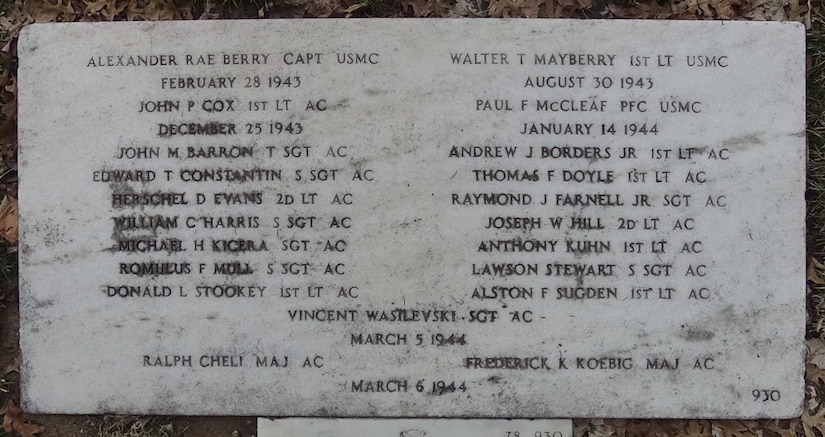
His probable remains and those of other executed POWs were transferred to the Jefferson Barracks National Cemetery in St. Louis, and buried together, March 21, 1950. Beneath the group grave marker at the burial site is a dedicated marker commemorating Cheli with a gold inlay of the Medal of Honor and an inscription with his name, rank and date of death. 

"I wish he had gone down with the plane, unfortunately," said his great niece, Janet Bizjak, in a 2020 interview with The Morning Call newspaper in Allentown, Pennsylvania.

A grave marker with many names.

His widow was presented the Medal of Honor by President Franklin D. Roosevelt, Oct. 28, 1943. Cheli was also posthumously awarded the Distinguished Flying Cross, Air Medal, Purple Heart and Prisoner of War Medal. 

Cheli Air Force Station in Los Angeles was named for him in 1947, and was closed in 1961. Also, the Cheli School Age Care on Misawa Air Base, Japan, bears his name. 

In 1968, a painting of him was unveiled in a ceremony and hung in Grace Hall at Lehigh University. The chapter of the Arnold Air Society at Lehigh was named in his honor.

Monday, August 17, 2026

Medal of Honor Monday: Army Staff Sgt. Stanley Bender

Army Staff Sgt. Stanley Bender was an infantryman during World War II whose unwavering courage under extreme fire earned him the Medal of Honor. 

Bender was born to Andrew and Eva Bender Oct. 31, 1909, in Carlisle, West Virginia. His parents emigrated from the Lithuanian region of Russia. His father was a World War I Army veteran and a coal miner. 

A man wearing a military dress uniform poses for a photo.

His brothers were John, Tony and George and his sisters were Maggie and Eva. 

Bender attended school in Carlisle but dropped out after seventh grade.

The family moved to Chicago at the start of the Great Depression. Bender worked as a truck driver for 10 years before enlisting in the Illinois National Guard in December 1939. He also was a chauffeur for a department store. 

Bender married Esther Marie Tincher, April 9, 1945, and they had two daughters, Shirley Ann and Evelyn Marie. 

His Medal of Honor action took place Aug. 17, 1944, near La Londe-les-Maures, France. At the time, he was assigned to Company E, 2nd Battalion, 7th Infantry Regiment, 3rd Infantry Division. 

That day, Bender climbed on top of an inoperable tank in full sight of the enemy to locate the source of the withering machine-gun fire that had halted the advance of his company. 

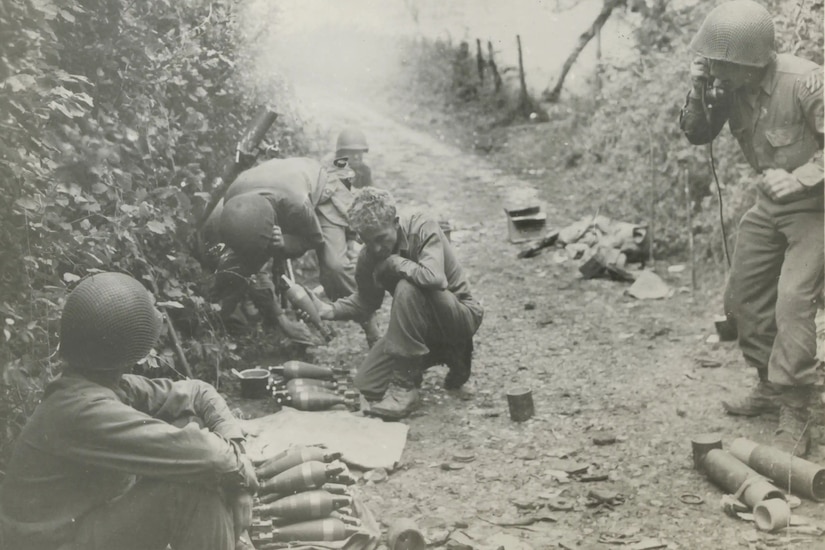
Soldiers on a dirt road operate weapons and a field radio.

Although bullets ricocheted off the turret near his feet, he nevertheless remained standing upright on the tank for more than two minutes. 

Locating the enemy machine guns on a knoll 200 yards away, Bender ordered two squads to cover him and led his men down an irrigation ditch, running a gauntlet of intense machine-gun fire that completely blanketed 50 yards of his advance and wounded four of his men.  

While the Germans hurled hand grenades at the ditch, Bender stood his ground until his squad caught up with him, then advanced alone in a wide flanking approach to the rear of the knoll.  

Bender walked 40 yards, without cover, in full view of the Germans and under a hail of enemy and friendly fire, to the first machine gun and knocked it out with a single short burst. Then he made his way through the strongpoint, despite bursting hand grenades, toward the second machine gun, 25 yards away, whose two-man crew fired two bursts at him. He walked calmly through the fire, reached the edge of the emplacement and dispatched the crew. 

Signaling his men to rush the rifle pits, Bender then walked 35 yards further to kill an enemy rifleman and returned to lead his squad in the destruction of the eight remaining Germans in the strongpoint.  

Bender's audacity so inspired the remainder of the assault company that the men charged out of their positions, shouting and yelling, to overpower the enemy roadblock and sweep into town, knocking out two antitank guns, killing 37 Germans and capturing 26 others.  

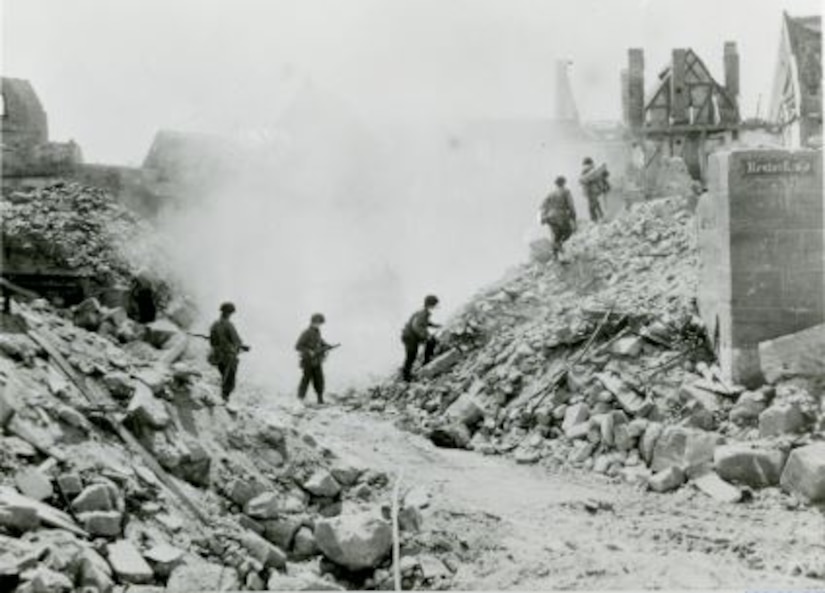
Soldiers wander through the rubble of a destroyed town.

He led the assault company in an attack that overwhelmed the enemy, destroyed a roadblock, took a town, seized three bridges over the Maravenne River and captured commanding terrain dominating the area. 

What makes his feat even more incredible is that he was 35, one of the older soldiers. 

Prior to fighting in France, he participated in Operation Torch in North Africa in 1942, the invasion of Sicily in 1943, and the invasion of Italy and liberation of Rome in 1944. His highest rank was technical sergeant, equivalent to an E-7 in World War II-era rankings. 

After Aug. 17, 1944, he continued with his unit, fighting in France and then in Germany until the war's end in 1945.  

Army Lt. Gen. Alexander M. Patch III, commander of the Seventh Army, presented the Medal of Honor to Bender in France on Jan. 21, 1945. He was honorably discharged on May 19, 1945. 

After the war, Bender worked for the Veterans Administration in Beckley, West Virginia. He was a member of the American Legion and Veterans of Foreign Wars, advocating for veterans' benefits. 

He died June 22, 1994, and is buried in High Lawn Memorial Park in Oak Hill, West Virginia, along with his wife, who died in 2006. 

The Stanley Bender Memorial Bridge on the West Virginia Turnpike was named in his honor Nov. 9, 1954. It was later demolished as part of a highway realignment project. A second bridge on the West Virginia Turnpike was named for him in 1987. 

There is also a Sergeant Stanley Bender Bridge in La Londe-les-Maures, France, close to where his Medal of Honor action occurred. 

Bender, along with legendary Air Force Col. Chuck Yeager, participated in a June 1963 Centennial Day parade in Charleston, West Virginia. 

The Darius-GirÄ—nas American Legion Post dedicated a memorial to Bender in the Brighton Park area of Chicago. He was a member of that post following the war. 

His Medal of Honor is on display at the West Virginia State Museum in Charleston, West Virginia.

Monday, August 10, 2026

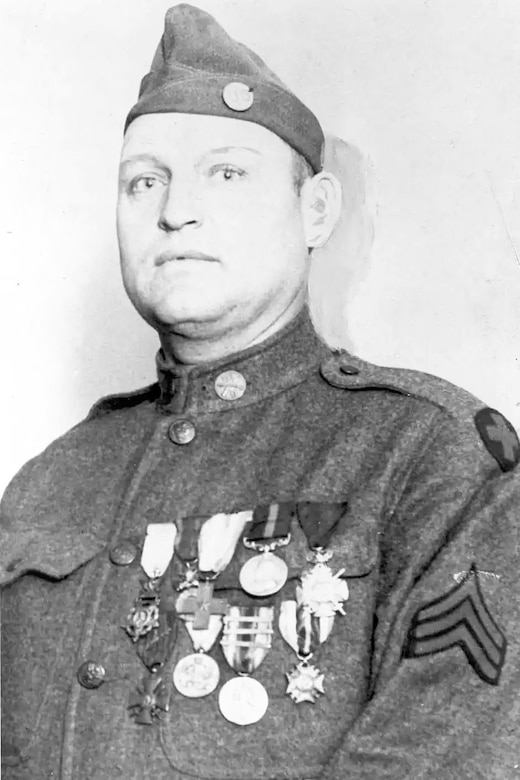
Medal of Honor Monday: Army Sgt. William Shemin

Army Sgt. William Shemin, a rifleman, posthumously received the Medal of Honor in 2015 for extraordinary heroism during World War I combat operations in France.

Shemin was born Oct. 14, 1896, in New York City. Soon after his birth, the family moved to Bayonne, New Jersey. He was born to Russian Jewish immigrants Harris and Bessie Shemin. He had one sibling, a sister named Minnie.

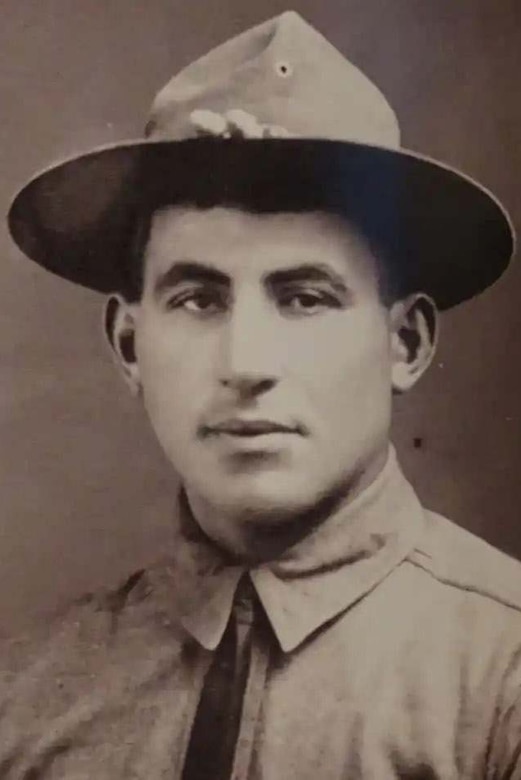
A black and white photo of a man as he poses in his military uniform.
He went to high school in Bayonne and after graduating attended a training class with the New York State College of Forestry. After finishing the course, he returned home to work as an assistant city forester.

Shemin enlisted in the New York National Guard in 1916 and then registered for the draft in June 1917 after the U.S. declared war on Germany. However, the minimum age to be selected for military service at the time was 21.

He enlisted in the Army in October 1917 and attended basic training at Camp Greene, North Carolina. He was assigned to the 47th Infantry Regiment, 4th Infantry Division, and, along with thousands of other soldiers, departed for Europe.

The regiment joined the Aisne-Marne Offensive in northeast France in the summer of 1918, helping the Allies score an important victory at the Second Battle of the Marne, pushing the German force farther north before digging in for another round of fighting along the Vesle river.

In August 1918, the Allied forces fell under heavy artillery and machine-gun fire. Seeing his comrades in trouble, Shemin left cover, exposing himself to enemy fire, and ran 150 yards into open ground three times to retrieve wounded soldiers, even after getting hit by shrapnel.

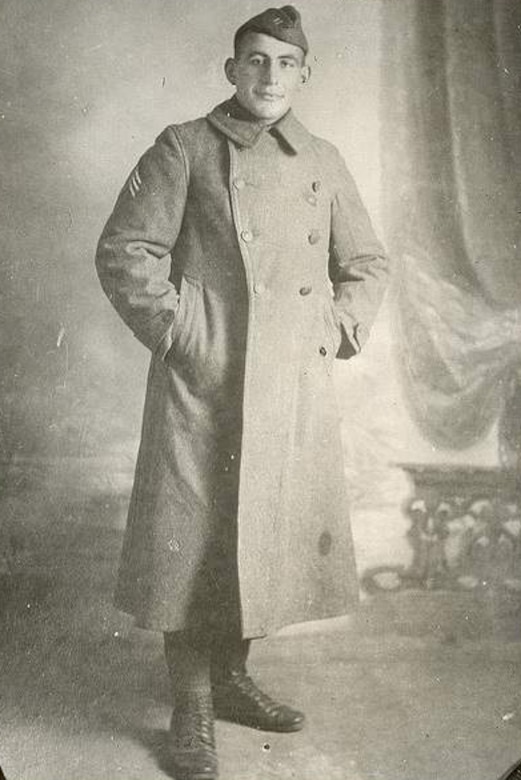
A black and white photo of a man in a military uniform posing with his hands in the pockets of his winter overcoat.
With his leadership all killed or injured, Shemin took command of the unit. According to his Medal of Honor citation, he displayed great initiative under fire and, despite being wounded, refused evacuation for medical treatment until all of his men were safe.

He was found unconscious the next day and taken to a nearby field hospital. He was hospitalized for three months and later received light duty until his tour in Europe ended.

He was honorably discharged from the Army in August 1919, after being awarded the Distinguished Service Cross for battlefield valor.

After leaving the service, he used his veteran's benefits and attended college at Syracuse University in Syracuse, New York, graduating with a bachelor of science degree in 1923. He played lacrosse and football while at the university.

He married Bertha Schiffer in 1928, and they had three children, two daughters and a son. His son served in the armed forces during the Korean War.

After college, he started the Ivy Floral and Landscape Company in the New York City. In 1955, his son took over the company, renaming it Shemin Nurseries and moving it to Greenwich, Connecticut.

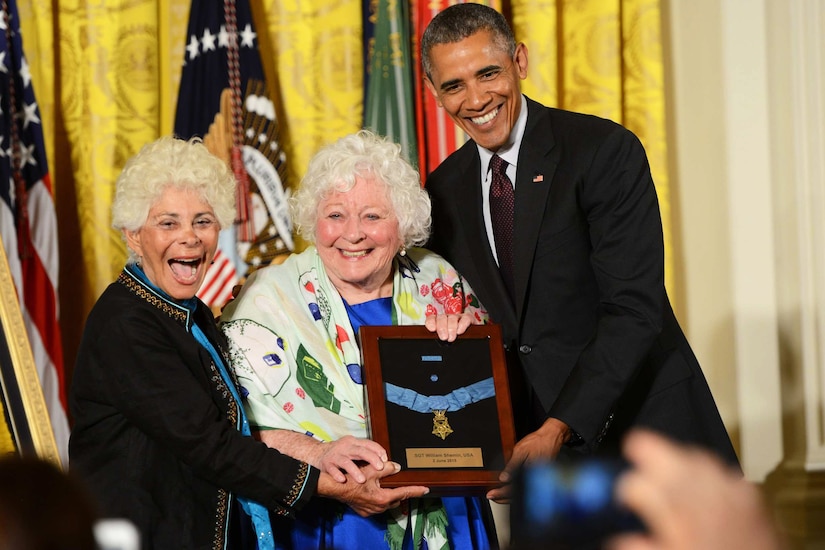
He died in 1973 and was buried at the Baron Hirsch Cemetery in New York City. His wife died in 1993 and was buried alongside him. His Distinguished Service Cross was later upgraded to the Medal of Honor and presented to his daughters by President Barack Obama in a White House ceremony, June 2, 2015. During the same ceremony, Obama presented a posthumous Medal of Honor to Army Pvt. Henry Johnson.

Two elderly women and a man smile while holding a framed medal with a ribbon.

"It has taken a long time for Henry Johnson and William Shemin to receive the recognition they deserve," the president said, speaking about both men who served on the battlefields of France and risked their lives to save others.

They both left us decades ago, before we could give them the full recognition that they deserved, but it is never too late to say thank you, Obama said, adding the country is what it is because of people like them.

"The least we can do is to say: We know who you are. We know what you did for us. We are forever grateful."

Shemin repeatedly ventured out of the trenches into the open field to rescue wounded comrades. The open space separating the Allies from the Germans was a "bloodbath."

"Soldier after soldier ventured out, and soldier after soldier was mowed down," Obama said. "Those still in the trenches were left with a terrible choice: die trying to rescue your fellow soldier, or watch him die, knowing that part of you will die along with him."

Shemin served at a time when the contributions and heroism of Jewish people in uniform were too often overlooked, the president continued.

"William Shemin saved American lives. He represented our nation with honor, and so it is my privilege, on behalf of the American people, to make this right and finally award the Medal of Honor to Sgt. William Shemin," he said.

Shemin was a wonderful, hardworking, generous man who loved serving his country, said his daughter, Elsie Shemin-Roth, in an interview a week before the ceremony. He had high expectations for his three children and 14 grandchildren.

"He told us all to always do more than you are asked," she said, adding that he taught the entire family how to properly salute and fold a flag.

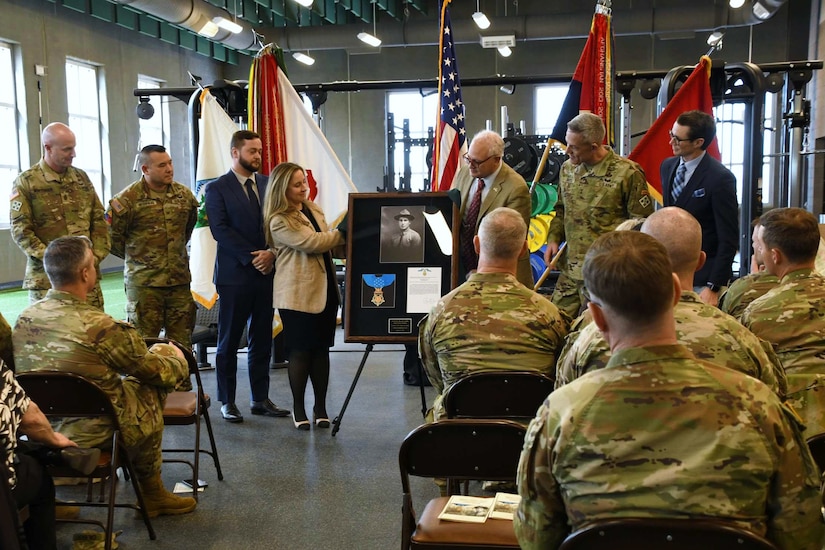
A man and a woman in business attire unveil a plaque in a large room with other people in similar attire and camouflage military uniforms standing on the side and sitting in chairs.

While he couldn't sleep well at night, had painful wounds from the war and shrapnel in his back, was deaf in one ear, and had post-traumatic stress disorder, he still had the "most wonderful sense of humor," she said.

"He directed our lives to be good, productive Jewish American citizens," she said. "We all loved him dearly. But we also know that he'd been through much too much."

His name continues to be remembered across the country. The Shemin Fitness Center at Fort Carson, Colorado, was named for him, as was the William Shemin Midtown Community School in Bayonne. Syracuse University has a Hall of Honor plaque for him.
Tuesday, August 04, 2026

Medal of Honor Monday: Army Cpl. Jake Allex

 Aug. 3, 2026 | By David Vergun, Pentagon News

Army Cpl. Jake Allex earned the Medal of Honor for extraordinary courage while leading his men forward under heavy fire during the Battle of Amiens in World War I.

Allex was born Angelko Allex Mandushich July 13, 1887, in Streska, near Prizren, in the Kosovo Vilayet of the Ottoman Empire, present-day Kosovo. He was of ethnic Serbian descent, born to Sava A. Mandushich and Savka Sosevich.

A man wearing a combat uniform stands at attention.
He married Valinka Mandushich, per the 1930 U.S. census. They had two daughters and a son.

Allex immigrated to the United States, sailing from Bremen, Germany, about June 1912, according to his 1919 form requesting naturalization and a passport, and changed his name to Jake Allex.

He enlisted in the Illinois Army National Guard on April 27, 1917, just weeks after the United States entered World War I, April 6, 1917.

On the day Allex earned the Medal of Honor, Aug. 9, 1918, he was assigned to Company H, 131st Infantry Regiment, 33rd Infantry Division, at Chipilly Ridge, France, about 75 miles north of Paris.

His citation reads that at a critical point in the fighting, when the platoon commander and all the noncommissioned officers of his platoon become casualties, he took command and led the men forward until the advance was stopped by enemy machine-gun fire.

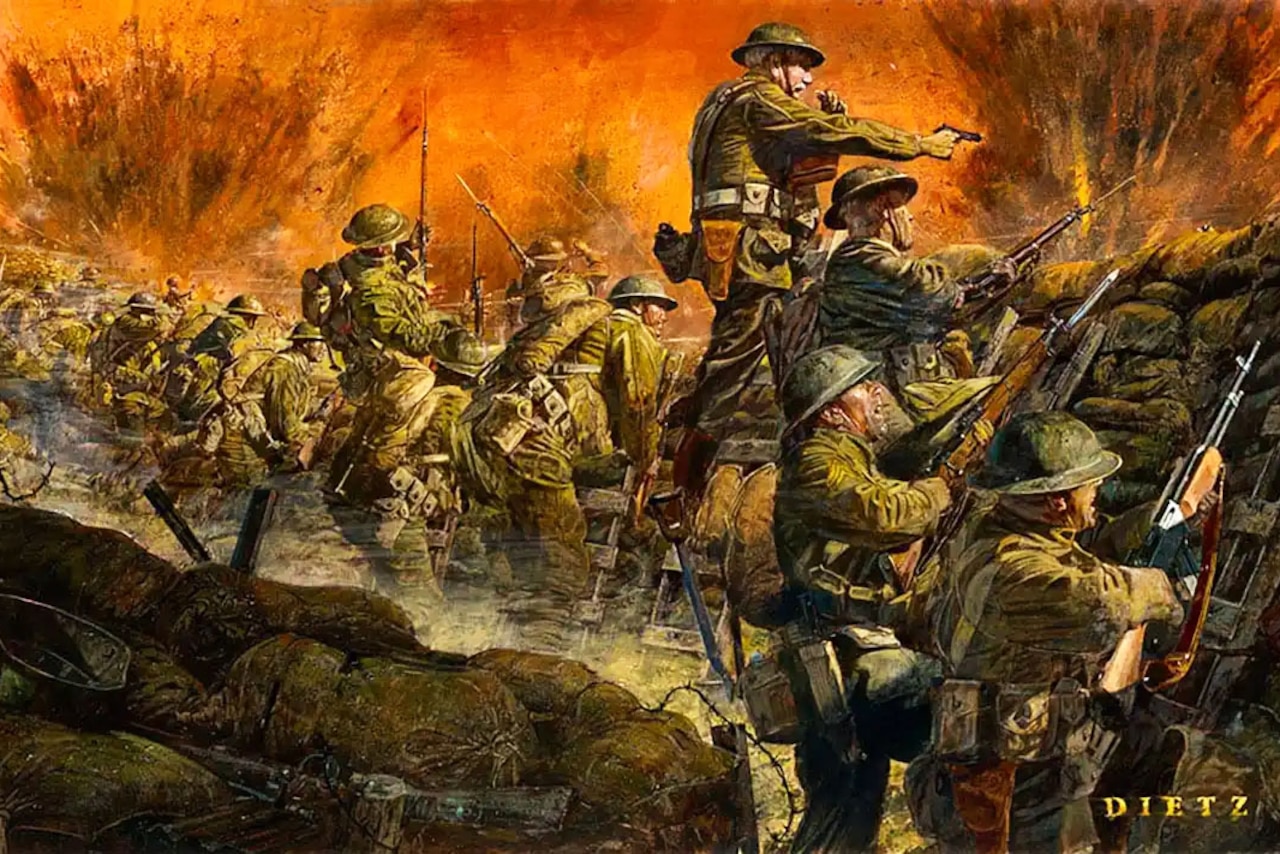
Allex then advanced alone for about 30 yards in the face of intense enemy fire and attacked the machine-gun nest. He killed five enemy soldiers with his bayonet, and when it broke, he used the butt of his rifle to smash the enemy. During the fighting, he captured 15 prisoners.

A painting of soldiers fighting behind a berm.

The action at Chipilly Ridge occurred during the Battle of Amiens, which took place Aug. 8-11, 1918. Allex and the rest of the 33rd Infantry Division would later fight in the Meuse-Argonne Offensive, the Second Battle of the Somme and the Battle of Saint-Mihiel.

A man wearing a military uniform has medals around his left pocket.
The Medal of Honor was presented to Allex on April 22, 1919, in Ettelbruck, Luxembourg, by Army Gen. John J. Pershing, who commanded the American Expeditionary Forces during World War I.

Allex was honorably discharged from the Army on June 4, 1919, as a sergeant. He became a naturalized U.S. citizen Sept. 16, 1919.

After returning from the war, he worked for a time at the Morris & Co. meat-packing plant in Chicago, where the employees referred to him as Sgt. Jake. The 1930 U.S. census lists Allex as a construction foreman in Cook County, Illinois, and it also lists the value of his home at $1,800.

In 1931, Allex, who was a member of the Veterans of Foreign Wars, was invited by the Illinois governor to attend an address by President Herbert Hoover at the Lincoln Tomb in Springfield, Illinois, which he accepted.

Allex retired from the Chicago municipal water department in 1954. In December 1958, the Disabled American Veterans of Illinois presented him with a color television. Most people had black-and-white televisions at that time.

He died Aug. 28, 1959, and was buried at the Serbian Orthodox Cemetery and Monastery of Saint Sava in Libertyville, Illinois.

Monday, July 27, 2026

Medal of Honor Monday: Army Tech. Sgt. Ted Takayuki Tanouye

Army Tech. Sgt. Ted Takayuki Tanouye posthumously received the Medal of Honor for his heroic actions in western Italy during World War II.

Tanouye was born to Nikuma and Momoye Tanouye Nov. 14, 1919, in Torrance, California. He was the eldest of six children.

A man is wearing a military dress uniform.

He graduated from Torrance High School in 1938, where he played on the football team and excelled in academics. After high school, he worked for a time in the grocery industry in Torrance.

Tanouye enlisted in the Army Feb. 20, 1942. His parents and siblings were interned in the Jerome War Relocation Center and later the Rohwer War Relocation Center, both in Arkansas, because of growing suspicion of Japanese Americans following the Dec. 7, 1941, attack on Pearl Harbor, Hawaii. They were held until the end of the war.

After serving as a cook in several stateside locations, including at Camp Robinson in Arkansas — ironically, the state where his family was interned — he was deployed to Italy in May 1944.

On July 7, 1944, the day of his Medal of Honor action, Tanouye was assigned to Company K, 3rd Battalion, 442nd Regimental Combat Team, in the hilly countryside near Molino a Ventoabbto, Italy, during the in the Rome-Arno Campaign. 

Tanouye led his platoon in an assault to seize the summit of a strategically important hill that had minimal natural cover. When he observed an enemy machine gun crew setting up, he quietly maneuvered into position and opened fire on the position, killing or wounding three and causing two others to flee. 

Then, shots came from an enemy position. Tanouye returned fire and killed or wounded three more enemy soldiers. A grenade burst came in quick succession, wounding his left arm. 

Sighting an enemy-held trench, Tanouye raked the position with a submachine gun and wounded several of the enemy.

His men were pinned down by enemy fire, so Tanouye crawled forward a few yards and threw a hand grenade into the position, silencing it. He then located another machine gun firing down the hillside and silenced that position as well.

Drawing fire from a machine pistol nest located above him, Tanouye opened fire on it and wounded three of its occupants. After securing his objective, he organized a defensive position on the reverse slope of the hill before accepting first aid treatment and evacuation.

Tanouye recovered from his wound and returned to the front lines. He was wounded again Sept. 1, 1944, after kneeling to inspect a landmine along the Arno River. Another soldier accidentally tripped the wire and Tanouye took most of the blast fragments, saving the life of the soldier beside him. He died Sept. 6, 1944, from wounds suffered from the explosion.
In a letter of condolence to his family from Tanouye's commanding officer, he was described as being an "excellent soldier, a loyal American who was respected and admired by everyone in the company."  

In the years after the war, only one Japanese American soldier received the Medal of Honor: Army Pfc. Sadao Munemori, who died in battle. Tanouye posthumously received the Distinguished Service Cross, the nation's second-highest military award for valor. 

During the war, the approximately 14,000 Japanese American soldiers who served in the 442nd Regimental Combat Team received 18,143 awards, including seven Presidential Unit Citations. 

In 1996, legislation sponsored by Sen. Daniel Akaka of Hawaii and others led to an official review of the many Distinguished Service Cross awards received by Black and Japanese American troops for their heroics during World War II. The review resulted in the military upgrading 19 of the 52 Distinguished Service Crosses to Medals of Honor, which included Tanouye. 

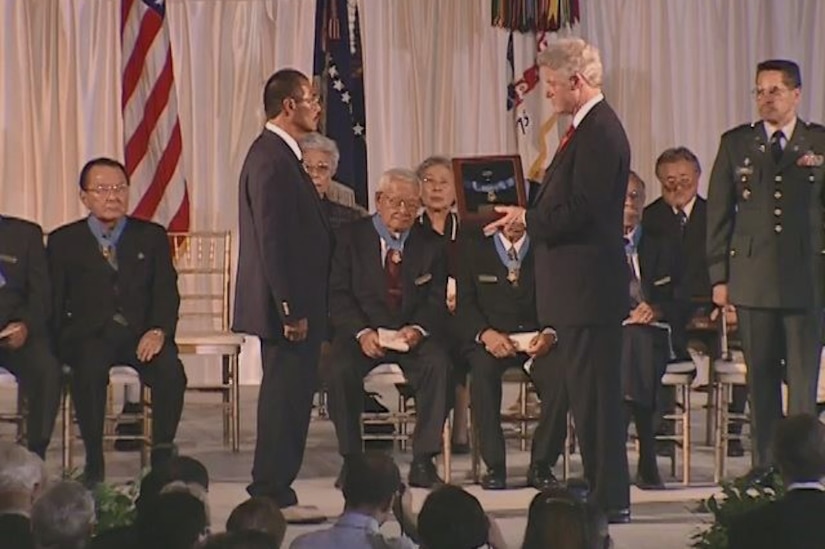
The Medal of Honor was presented to several Japanese American soldiers assigned to the 100th Infantry Battalion and the 442nd Regimental Combat Team during the June 21, 2000, White House ceremony. President Bill Clinton presented the Medal of Honor to Tanouye's younger brother, Isao Tanouye.

Tanouye is buried in Evergreen Memorial Park Cemetery in Los Angeles, alongside a battle buddy, Army Staff Sgt. Akira Shimatsu, who was killed July 16, 1944, in Italy. Also buried nearby are Tanouye's parents and younger brother, Army Pvt. Yukiwo Tanouye, who was killed during the Korean War.

Tanouye's Medal of Honor is on display in the Torrance Historical Society Museum, along with his story.

The National Guard Armory in Torrance was renamed the Ted Tanouye National Guard Armory May 19, 2002. A memorial to him was dedicated in July 2004 at Triangle Park, California, near Torrance High School.

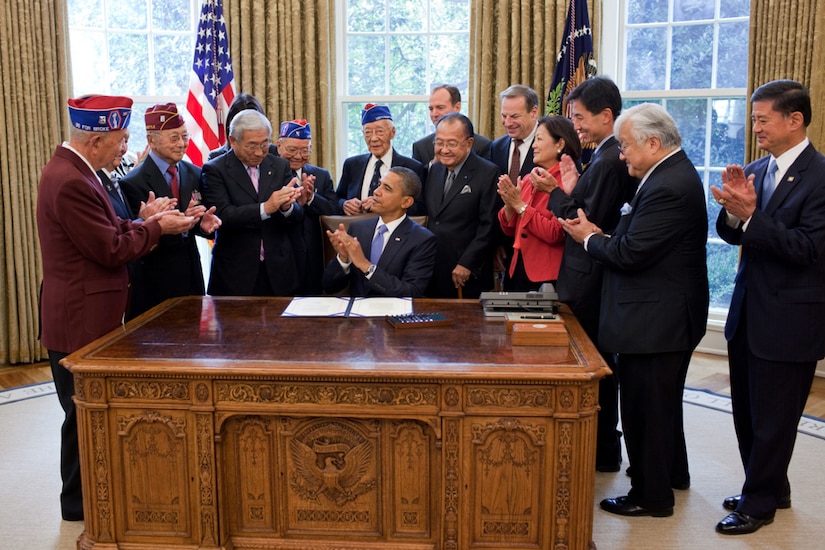
A man sits at a desk while people around him are smiling and clapping.

The 442nd Regimental Combat Team was collectively awarded the Congressional Gold Medal in 2011 through Public Law 111-254 that was signed by President Barack Obama Oct. 5, 2010.

Monday, July 20, 2026

Medal of Honor Monday: Army 2nd Lt. Robert Craig


A man in a formal military uniform.

Army 2nd Lt. Robert Craig was an infantryman during World War II. He posthumously received the Medal of Honor for his heroic actions in Sicily during Operation Husky. 

Craig was born in Scotland on June 7, 1919, to William Craig Sr. and Jane Montgomery Craig. He had an older brother, William, and a younger sister, Jane. 

When he was 4 years old, Craig's family left Scotland and eventually settled in Toledo, Ohio. Growing up, he played baseball, football and golf, and, according to a May 1944 press release from the War Department, "spent much of his time tinkering with cars and radios." 

After graduating from Libbey High School, Craig worked as a stock clerk at a grocery store in Toledo. He joined the Army in February 1941, and was commissioned Dec. 1, 1941, just six days before the attack on Pearl Harbor, Hawaii. 

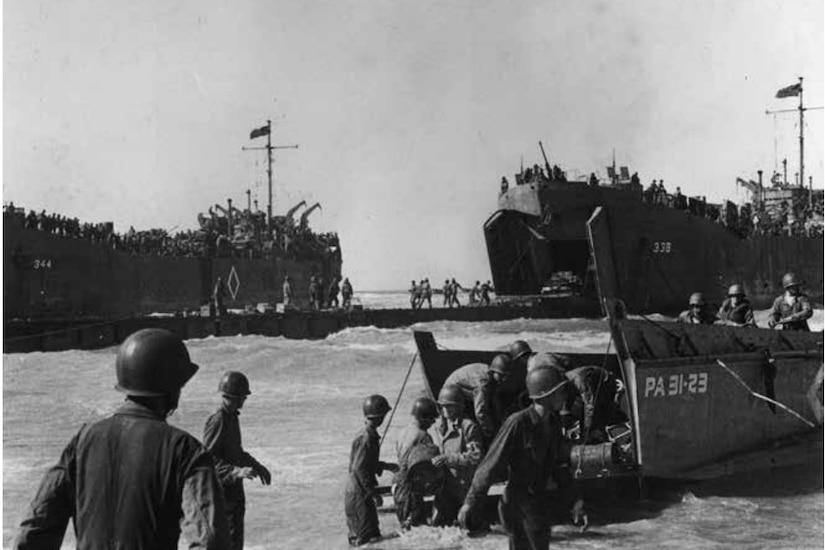
In January 1942, Craig deployed to Europe with L Company, 15th Infantry Regiment, 3rd Infantry Division and six months later, he was part of the July 1943 landings in Sicily, known as Operation Husky. 

Troops in landing boats disembark and move through shallow water toward a beach.

On July 11, 1943, the 15th Infantry was advancing near Favarotta, Sicily, when it was stopped by enemy machine-gun fire. Despite failed attempts by three other soldiers, Craig and Army Cpl. James E. Hill volunteered to leave their position to locate and destroy the hidden gunner.  

Craig located the gun and came within 35 yards of the hostile position before being discovered. 

Hill said Craig "ran head-on through the machine-gun fire … reached the gun position miraculously unhurt, and, standing over the crew, killed all three of them with his carbine," according to the War Department press release. 

Now that the hidden machine-gunner was gone, the company moved forward. However, as it moved down the forward slope of a ridge, Craig and his platoon encountered approximately 100 enemy soldiers. With utter disregard for his own safety, Craig elected to sacrifice himself so that his platoon could continue. 

His Medal of Honor citation states, "He ordered his men to withdraw to the cover of the crest while he drew the enemy fire to himself. With no hope of survival, he charged toward the enemy until he was within 25 yards of them. He killed five and wounded three enemy soldiers. While the hostile force concentrated fire on him, his platoon reached the cover of the crest.  

"Craig was killed by enemy fire, but his intrepid action so inspired his men that they drove the enemy from the area, inflicting heavy casualties on the hostile force." 

Army Maj. Gen. Alan W. Jones, 106th Infantry Division commander, presented the Medal of Honor to Craig's father May 26, 1944, during a ceremony at Camp Atterbury, Indiana. 

In July 1946, the cargo ship Bowling Green Victory, operated by the War Shipping Administration, was transferred to the Army Transportation Service and renamed the Lt. Robert Craig. In 1950, the ship was transferred from the Maritime Commission to the Navy and remained in service until 1973. 

In 1957, Craig's hometown dedicated the Robert Craig Memorial Bridge to him. According to the Toledo Gazette, more than 2,000 people attended the ceremony on a cold January day, including Craig's parents and siblings. 
Craig is buried in Toledo Memorial Park Cemetery in Sylvania, Ohio, near his parents.   

Friday, July 17, 2026

Medal of Honor Recipient Welcomes Newest Student Naval Aviators

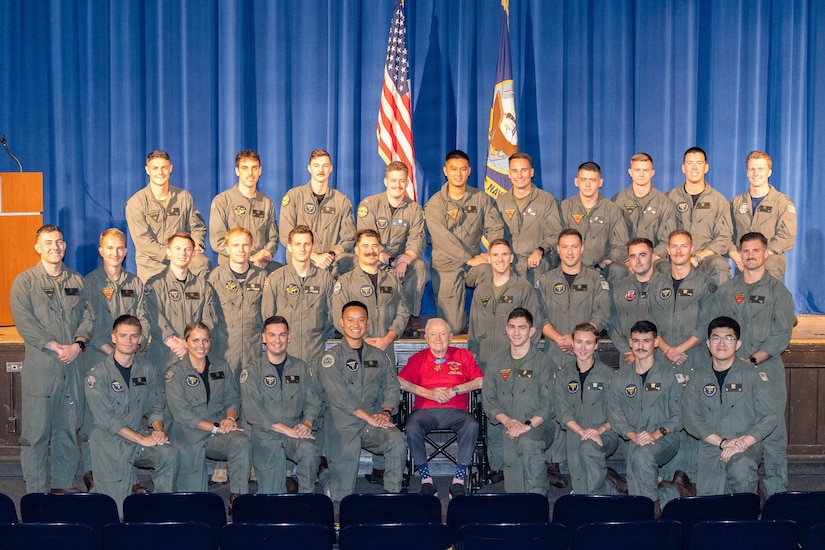
The oldest living Medal of Honor recipient returned to the base where he earned his gold wings July 15, joining Naval Aviation Schools Command in congratulating 29 student naval aviators who completed their introductory flight evaluation training, the first milestone on the path to those same wings.

An elderly man in a wheelchair poses for a photo in an auditorium with dozens of men in flight suits.

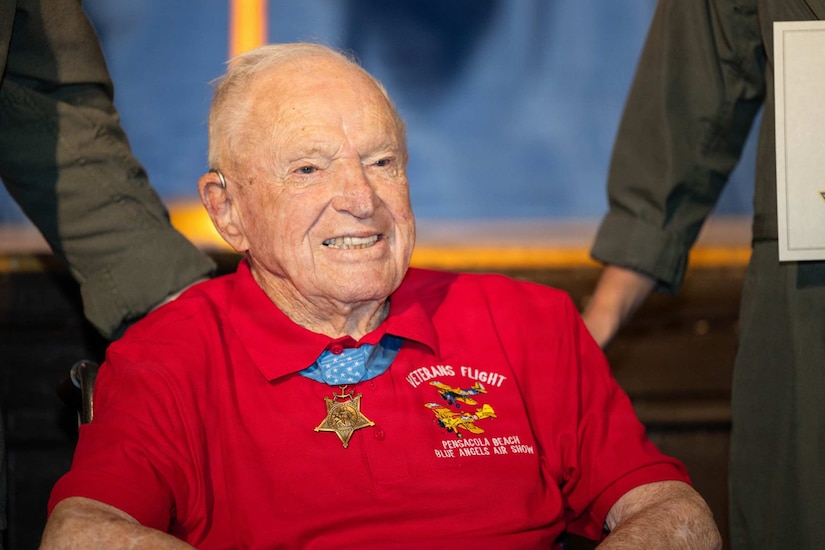
Retired Navy Capt. E. Royce Williams, 101, enlisted during World War II and earned his wings at Naval Air Station Pensacola, Florida, in August 1945, going on to fly combat missions in the Korean and Vietnam Wars.

He received the Medal of Honor Feb. 24, 2026, for a 1952 solo engagement against seven Soviet MiG-15 jets that remained classified for more than 50 years. He is the only living Medal of Honor recipient from the Korean War.

For the student naval aviators seated in front of him, the medal was not the point; the wings were. Williams earned his at the end of the same training pipeline these students have entered, and, 81 years later, he came back to tell them what carried him through it.

An elderly man in a wheelchair smiles while posing for a photo with a medal around his neck.

"He is the living, breathing standard, the embodiment of what it means to be a United States naval aviator," said Navy Capt. Ron Rumfelt, NASC commanding officer. "This is the history and heritage you join today."

NASC, a subordinate command of Naval Education and Training Command, trains and develops future naval aviators, naval flight officers and aircrew for the Navy, Marine Corps and Coast Guard. The flight evaluation training is the entry point of that pipeline, combining aviation ground school and introductory flight instruction to screen and prepare students before they report to primary flight training.

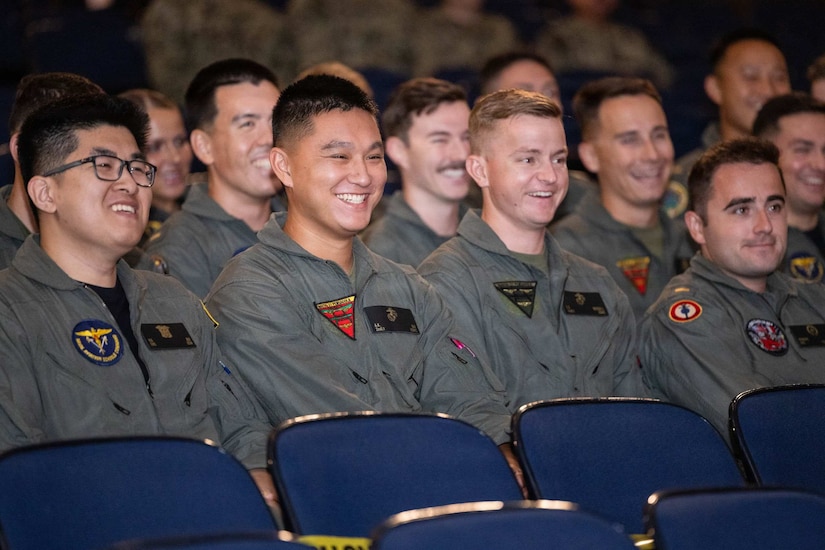
Dozens of men in flights suits laugh while sitting in an auditorium.

Rumfelt told the graduates that the connection between Williams' era and theirs is the training itself.

"We are the best-trained aviators in the world. We do it better than anybody," he said. "It starts with preparation. It ends with debriefs. We call that the relentless pursuit of perfection, because you do not know when that training is going to be called upon, when you will be challenged like Capt. Williams was challenged."

After the ceremony, Williams took questions from the graduates. When asked what advice he would give a student naval aviator to be successful, he pointed to the same standard.

"You have to want it. The word that comes to mind is push. Be diligent," Williams said. "Each one of you is different, but you are all trying to attain the same goal, [be] the best you can. I took every activity as a challenge."

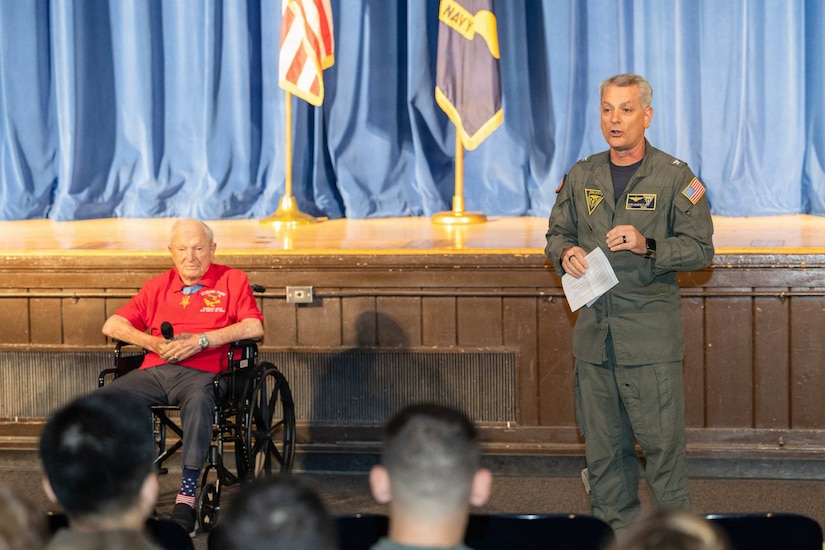
A man in a flight suit speaks to a group of people sitting in an auditorium while an elderly man in a wheelchair holds a microphone next to him.
That approach, he told the students, never changed across a career that spanned three wars and ended with his retirement as a captain in 1980.

"It was not a game. It was business," he said. "I applied myself, and the rewards were good."

The graduates now report to primary flight training, where they will fly the T-6B Texan II or enter the helicopter training track on the way to their own wings.

Monday, July 13, 2026

Medal of Honor Monday: Army Pfc. William Kenzo Nakamura

Army Pfc. William Kenzo Nakamura was a World War II hero. He received the Medal of Honor for risking his life to save his platoon during combat in Italy, July 4, 1944.

Nakamura was born in Seattle, Jan. 21, 1922, and grew up with a brother and a sister. His parents worked as barbers in Seattle after immigrating from Japan.

A black and white photo of a man wearing a military dress uniform and hat posing for a photo.
After graduating from Garfield High School in 1939, he attended the University of Washington.

His mother died of cancer in January 1942, two months before Japanese Americans living in the Puget Sound area were moved to relocation centers.

Nakamura and the rest of his family arrived at the Minidoka War Relocation Center in Jerome County, Idaho, Aug. 21, 1942, according to the final accountability roster from the War Relocation Authority.

His father and sister remained in the center until 1945, but Nakamura and his brother left the center for military service in July 1943.

On the day of his Medal of Honor action, Nakamura was assigned to Company G, 442nd Regimental Combat Team, in the hilly countryside near Castellina, Italy.

According to his Medal of Honor citation, his platoon became pinned down by enemy machine-gun fire from a concealed position during a firefight. On his own, he crawled 20 yards toward the hostile position with enemy machine-gun fire barely missing him.
After getting within 15 yards of the enemy, he threw four grenades, killing or wounding at least three of them. With their weapons silenced, Nakamura crawled back to his platoon, which was able to continue its advance thanks to his courageous action.
Later, his company withdrew from their position so a mortar barrage could occur. However, Nakamura remained in position to cover his comrades' withdrawal.

While moving toward the safety of a wooded area, his platoon again became pinned down by machine-gun fire. Nakamura acted quickly, crawling to a point where he could fire on the enemy. He engaged and pinned them down, allowing his platoon to withdraw safely.

Nakamura was not so lucky, he was killed during this heroic stand.

In the years after the war, only one Japanese American soldier received the Medal of Honor: Army Pfc. Sadao Munemori, who died in battle. Nakamura instead posthumously received the Distinguished Service Cross, the nation's second-highest military award for valor.

During the war, the approximately 14,000 Japanese American soldiers who served in the 442nd received 18,143 awards, including seven Presidential Unit Citations.

In 1996, legislation sponsored by Sen. Daniel Akaka of Hawaii led to an official review of the many Distinguished Service Crosses received by Japanese Americans for their heroics during World War II, despite the discrimination they faced at the time. The review resulted in the military upgrading 19 of the 52 Distinguished Service Crosses to Medals of Honor, as well as one Silver Star Medal.

The Medal of Honor was awarded to several Japanese American soldiers assigned to the 100th Infantry Battalion and the 442nd Regimental Combat Team during a June 21, 2000, White House ceremony.

June Oshima, Nakamura's sister, was at the ceremony to accept the medal on his behalf from President Bill Clinton.

She gave an interview to the Longview Daily News newspaper, which was published in the May 29, 2000, issue.

They, Nakamura and his brother, "thought if they joined, they could get rid of the prejudice," she said. "They wanted to show that Japanese Americans were not the enemy. It makes me sad to think of it."

Decades since Nakamura's brave actions, tributes have continued. In 2000, Congress voted unanimously to pass legislation officially naming the Seattle federal courthouse the William Kenzo Nakamura United States Courthouse. There's also a memorial for him at the University of Washington.

Nakamura is buried at Evergreen Washelli Memorial Park in Seattle.