For recruits assigned to the 926th Wing at Nellis Air Force Base, Nevada, their journey starts long before basic military training. Before ever setting foot on the drill pad, these future airmen are already learning exactly what it takes to succeed in the Air Force Reserve.
Serving as the catalyst for this transition, the 926th Wing Development and Training Flight bridges the gap between civilian life and operational military service. By coming in regularly alongside current wing members, trainees get a firsthand glimpse into their future. During this time, they are introduced to the core tenets of military life, learning essential customs and courtesies, drill procedures and rank structure to establish a baseline of knowledge.
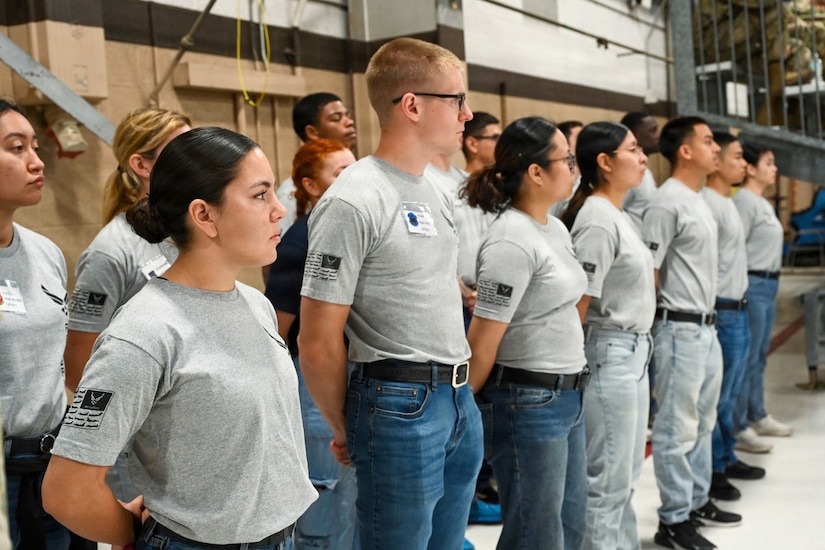
However, the training flight goes one step further with an initiative specifically designed to start building the wing from within. Beyond military fundamentals, trainees also embed with operational squadrons to gain firsthand experience with units they may eventually join.
"The development and training flight is built for newly enlisted reservists that come into our wing," said Air Force Tech. Sgt. Bench Riche Lagus, a program coordinator assigned to the 926th. "It helps them prepare for [basic military training] and tech school, but it also helps them get integrated with the wing that they're about to work for."
Trainees recently observed the 555th Rapid Engineer Deployable Heavy Operational Repair Squadron Engineers and traveled to Creech Air Force Base, Nevada, to witness security forces field operations.
For trainees like Abril Fonseca, a future vehicle mechanic with the 555th, this early exposure eases the transition into military life and provides a tangible goal.
"It's cool to see what our day-to-day [life] is going to look like," Fonseca said. "Everybody is just so pumped."
"The other trainees around me that have been there longer helped me out," Fonseca said. "It's a cycle; the people who have been here the longest help the newbies out, and then we just carry that on."
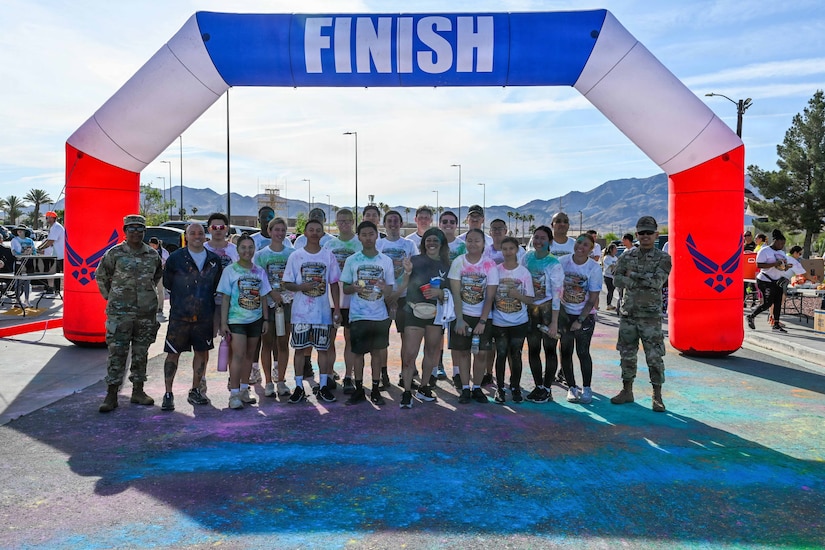
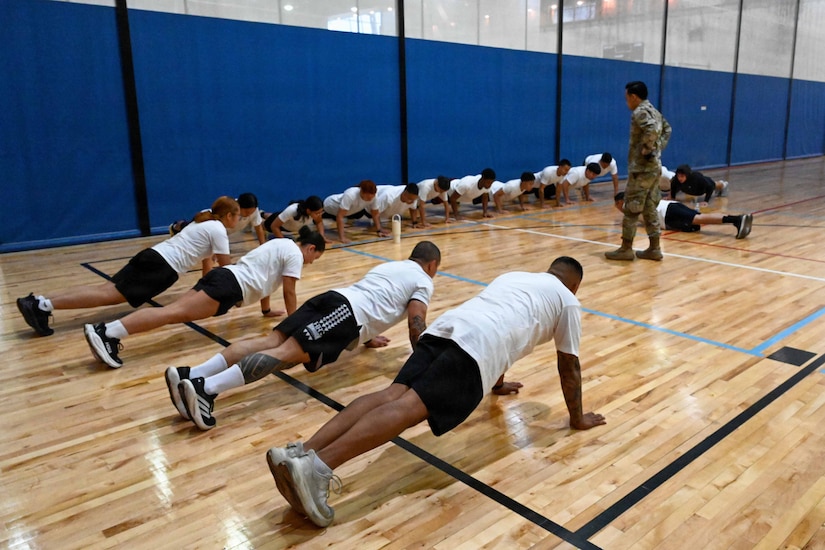
Alongside military fundamentals and wing integration, physical readiness remains a cornerstone of the development and training flight curriculum. The program incorporates monthly fitness tests, group workouts and participation in wing fitness events to familiarize trainees with Air Force fitness standards.
This proactive approach ensures recruits arrive at basic training already equipped with the physical resilience required for military service. For many trainees, the group environment provides the exact motivation they need.
"I was not good at working out consistently before I got to the flight," Fonseca said. "But now it feels like I can actually do it. What makes it better for me is that I have my teammates around me supporting and pushing me."


 Posts
Posts


No comments:
Post a Comment