The 24th Marine Expeditionary Unit — operating as Littoral Combat Force 24 — transited the Panama Canal, Aug. 1, aboard the amphibious transport dock USS San Antonio.
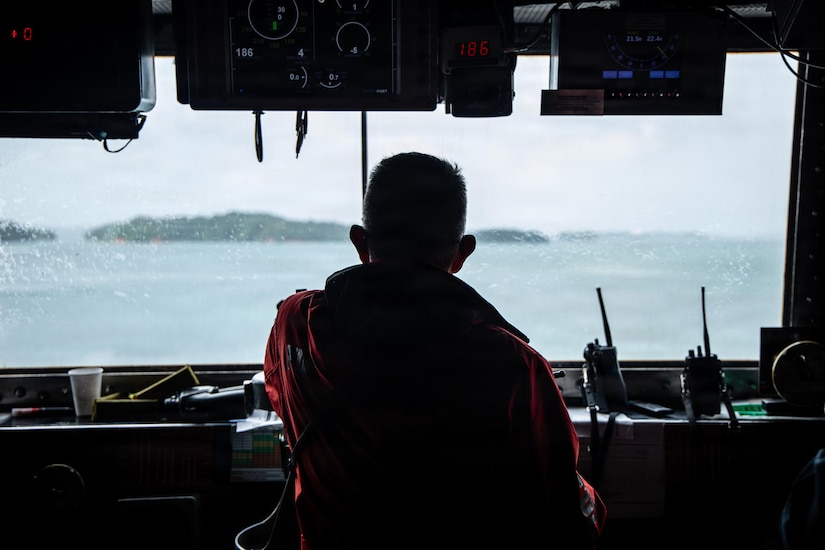
Marking the first time a Marine expeditionary unit has navigated the canal since 2008, this large-scale maneuver is a demonstration of the Marine Corps' capacity for rapid global mobility, maritime dominance and seamless power projection.
"This historic transit is a powerful testament to the flexibility and readiness of Littoral Combat Force 24," said Marine Corps Col. Ryan Lynch, LCF 24 commanding officer. "Our ability to seamlessly navigate this critical waterway alongside our Navy partners, aboard the USS San Antonio, demonstrates our capability to rapidly project power and respond to crises anywhere in the [U.S.] Southern Command area of responsibility. We are ready to operate straight from the sea, at a moment's notice."
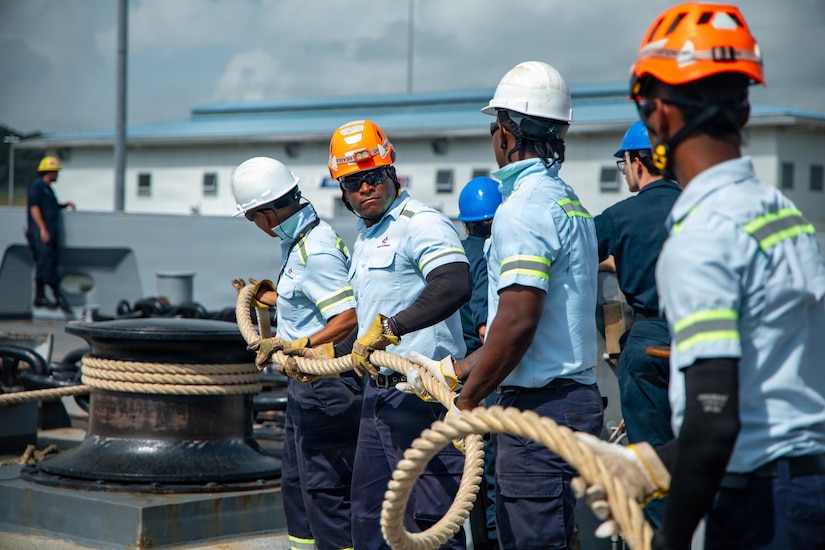
The transit serves as a validation of the littoral combat force concept and the modern Marine air-ground task force. It proves the unit's ability to navigate narrow waterways and project assets ashore without relying on established military basing, underscoring the Marine Corps' enduring role as the nation's premier readiness force, perfectly calibrated for contested littoral regions.
The foundation of this capability is the unbreakable teamwork between the Navy and the Marine Corps. The interoperability displayed highlights a fully integrated naval force supporting combatant commander objectives.
Since its completion, the Panama Canal has served as a vital strategic pathway for the U.S. and its allies. The canal allows naval vessels to rapidly shift between the Atlantic and Pacific theaters, saving weeks of travel around South America.
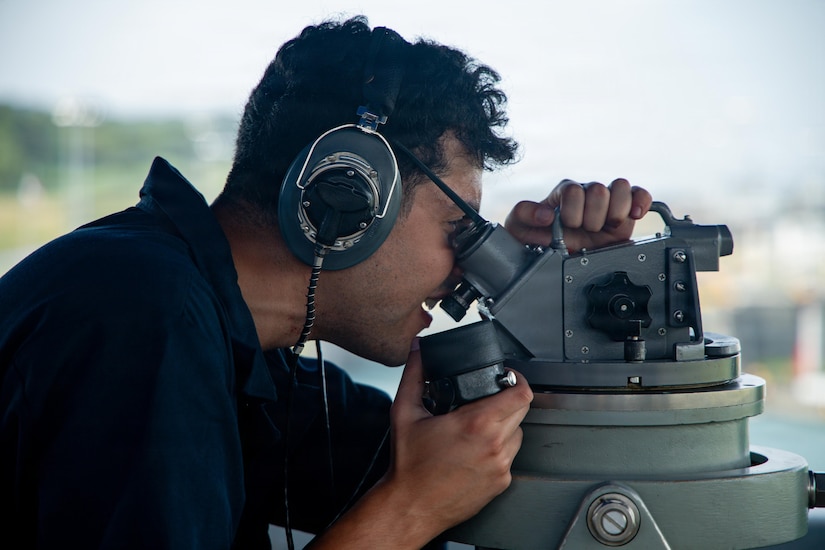
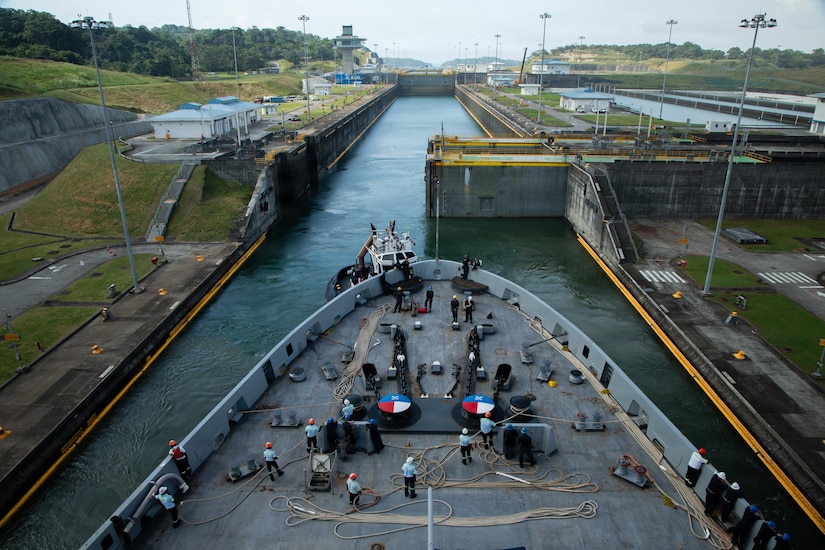
By moving fluidly through the canal, the team proved its unrestricted access to the U.S. Southern Command area of responsibility, which spans Central and South America, and the Caribbean. Whether tasked with humanitarian disaster relief, bolstering regional partnerships or deterring aggression, this force can reach anywhere in the region to deliver tailored, decisive effects.


 Posts
Posts


No comments:
Post a Comment