Airmen assigned to 12th Air Force, Air Forces
Southern, joined approximately 40 military personnel from across the
Americas during Panamax 2026, a U.S. Southern Command-sponsored
multinational exercise focused on an integrated approach against
simulated threats to the Panama Canal and the region.
The exercise continues until Aug. 14 and provides participating
forces from 19 nations with an opportunity to conduct combined security
and stability operations, enhance interoperability, and strengthen their
collective capability to support Panama in defending the canal and
preserving regional security.
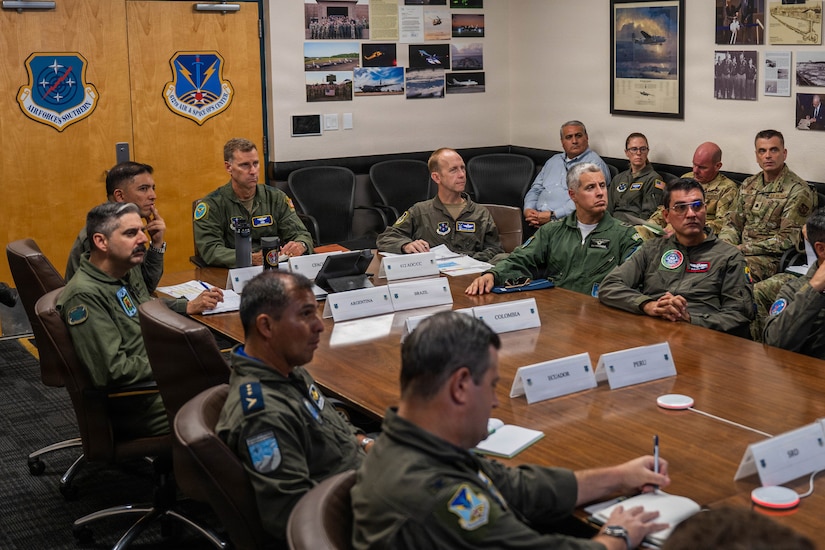
Approximately 40 military personnel from Ecuador, Peru, Colombia, the
Dominican Republic, Argentina, Brazil, Paraguay, Honduras, Guatemala
and El Salvador are working together to synchronize multinational air
component planning, command and control, and decision-making in response
to simulated threats to the Panama Canal and regional security.
Air Forces Southern led the combined air component in one of the
Western Hemisphere's premier multinational exercises at Davis-Monthan
Air Force Base, Arizona.
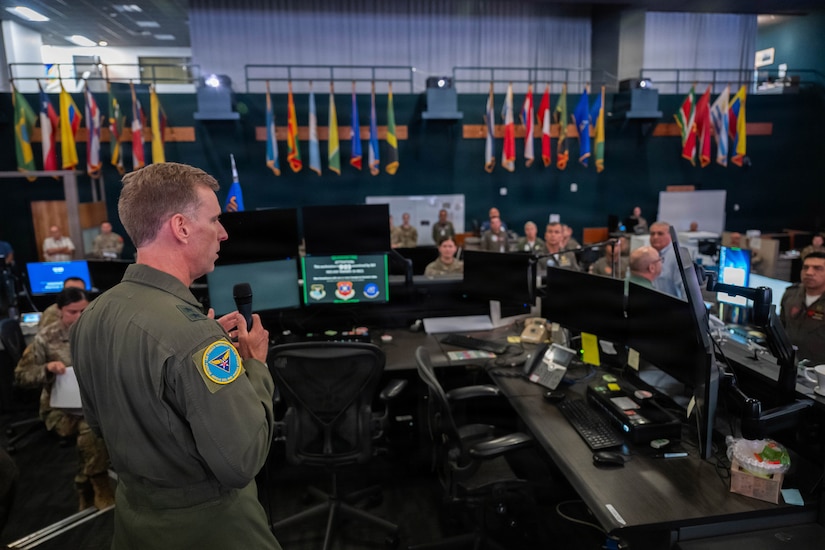
"We are proud to host Panamax here at Davis-Monthan and to work
alongside our partner nations as we train to protect one of the most
strategically important waterways in the world," said Air Force Maj.
Gen. David Mineau, 12th Air Force commander. "This exercise helps us
sharpen the coordination, trust and readiness needed to support Panama
in the defense of the canal and preserve regional security."
The biennial exercise reinforces the enduring commitment of the
United States and partner nations to regional security through
cooperation, transparency and shared responsibility. By training
together before a crisis occurs, participating nations build the trust,
professional relationships and interoperability that enable faster, more
effective responses when real-world events demand coordinated action.
"This opportunity was the first time Ecuador brought air force
intelligence personnel, and the immense value of this training for our
force and our partners is already clear," said Ecuadorian air force Lt.
Col. Andres Acosta, an operations, intelligence and analysis officer.
"Exchanging operational perspectives and discussing air doctrine
face-to-face builds the mutual trust and understanding essential for our
shared security."
The exercise scenario is designed to challenge participants in a
realistic multinational environment while strengthening each nation's
ability to operate alongside allies and partners during a coalition
response to a notional contingency.
For Air Forces Southern, Panamax supports the command's commitment to
strengthening partnerships across the Western Hemisphere by improving
readiness, reinforcing integrated deterrence and enhancing the
collective ability of allied and partner air forces to respond to
evolving regional security challenges.
"Panamax is more than a multinational exercise; it is an opportunity to
bring together talented professionals from across the hemisphere, learn
from one another and strengthen the partnerships that underpin regional
security," Mineau said. "That cooperation is essential to ensuring we
are ready to respond together to future challenges."
Beyond tactical and operational training, the exercise strengthens
the professional networks and institutional relationships that enable
long-term cooperation throughout the region. It provides participants
the opportunity to exchange best practices, improve communication
procedures and develop a shared understanding of multinational planning
and execution.
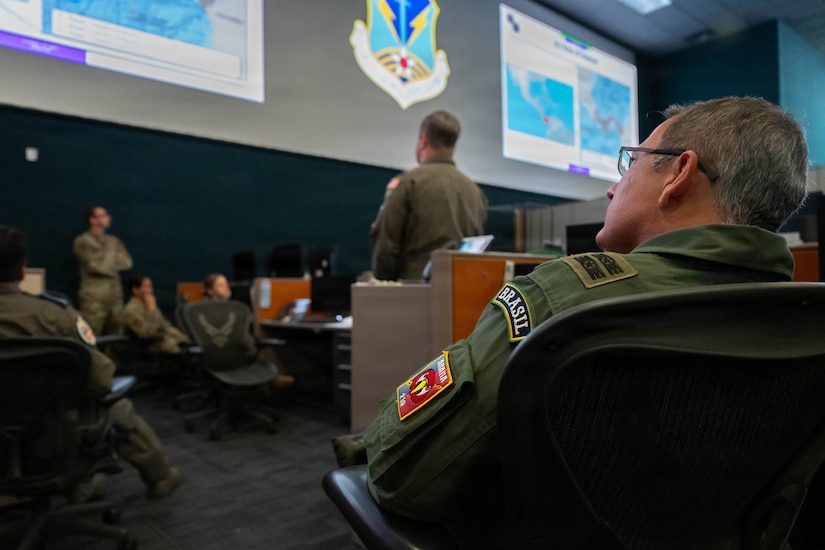
"Collaborating in a combined air component environment allows us to
synchronize our procedures and learn from each other's expertise,"
Acosta said. "This training ensures that if we are called upon to
respond to a real-world contingency, we can operate seamlessly as one
united team to preserve regional stability."
Since its inception, Panamax has evolved into a premier multinational
exercise demonstrating the value of enduring partnerships, shared
commitment and collective readiness. Each iteration builds upon previous
exercises, strengthening interoperability and ensuring participating
nations remain prepared to operate together in support of regional
security and stability.
"It is an honor to welcome our partners to Panamax and train together
in support of a mission that matters to the hemisphere," Mineau said.
"By rehearsing how we integrate, communicate and operate as one team, we
improve our collective ability to protect the Panama Canal, strengthen
deterrence and meet the shared security responsibilities we all carry."




 Posts

