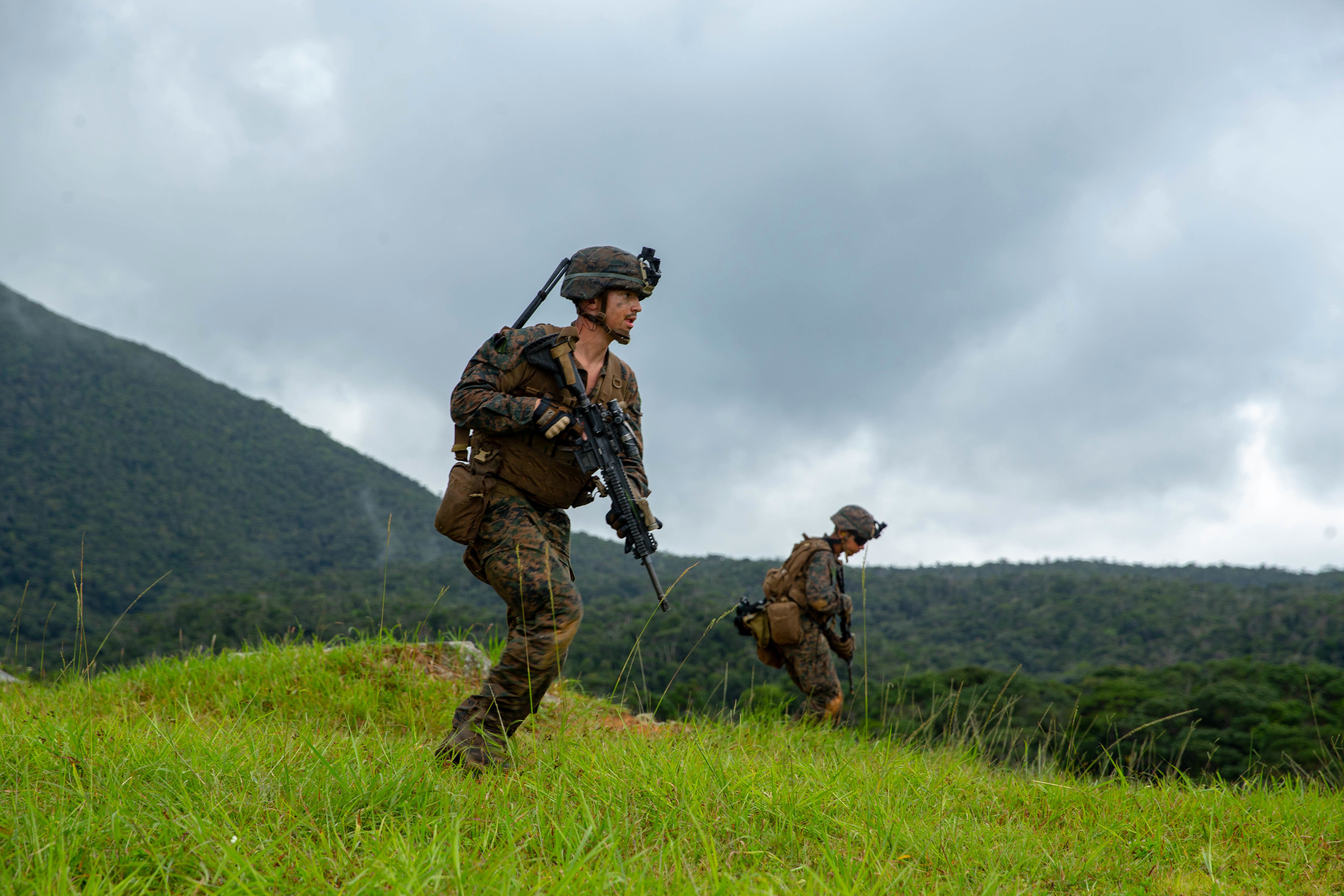
Marines participate in an exercise at Camp Schwab in Okinawa, Japan, Sept. 30, 2020.
Providing up-to-date information, news and original content on American Military issues.

Marine Corps Cpl. Robert McArtor applies camouflage paint during Noble Fury at Camp Schwab in Okinawa, Japan, Oct.7, 2020. Noble Fury is a joint training exercise involving Marines and sailors assigned to the III Marine Expeditionary Force and U.S. 7th Fleet.

Marine Corps recruits participate in a swim qualification at Marine Corps Recruit Depot Parris Island, S.C., Oct. 6, 2020.
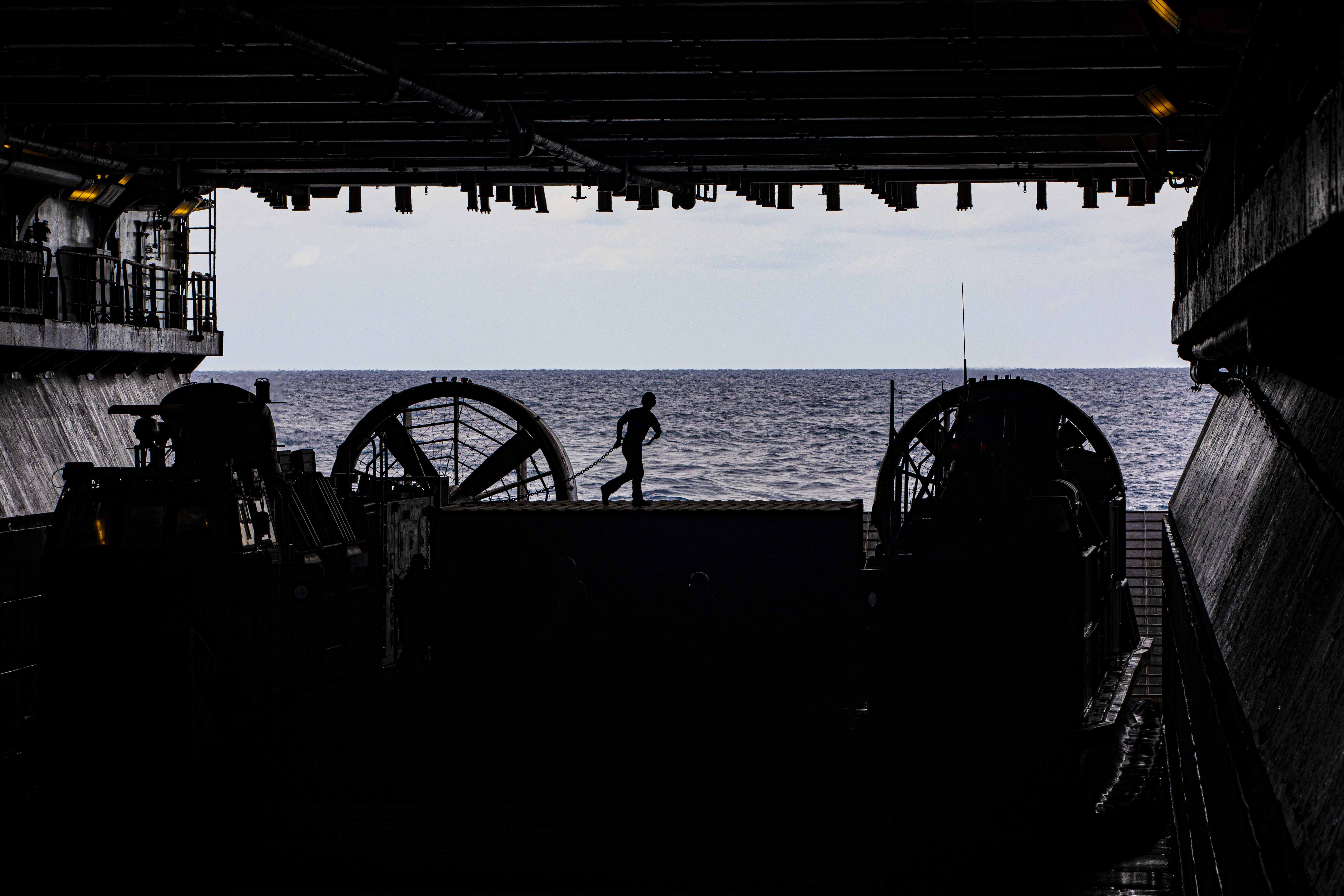
Navy Petty Officer 2nd Class Casey Horton unloads cargo aboard the USS Iwo Jima in the Atlantic Ocean, Oct. 10, 2020.
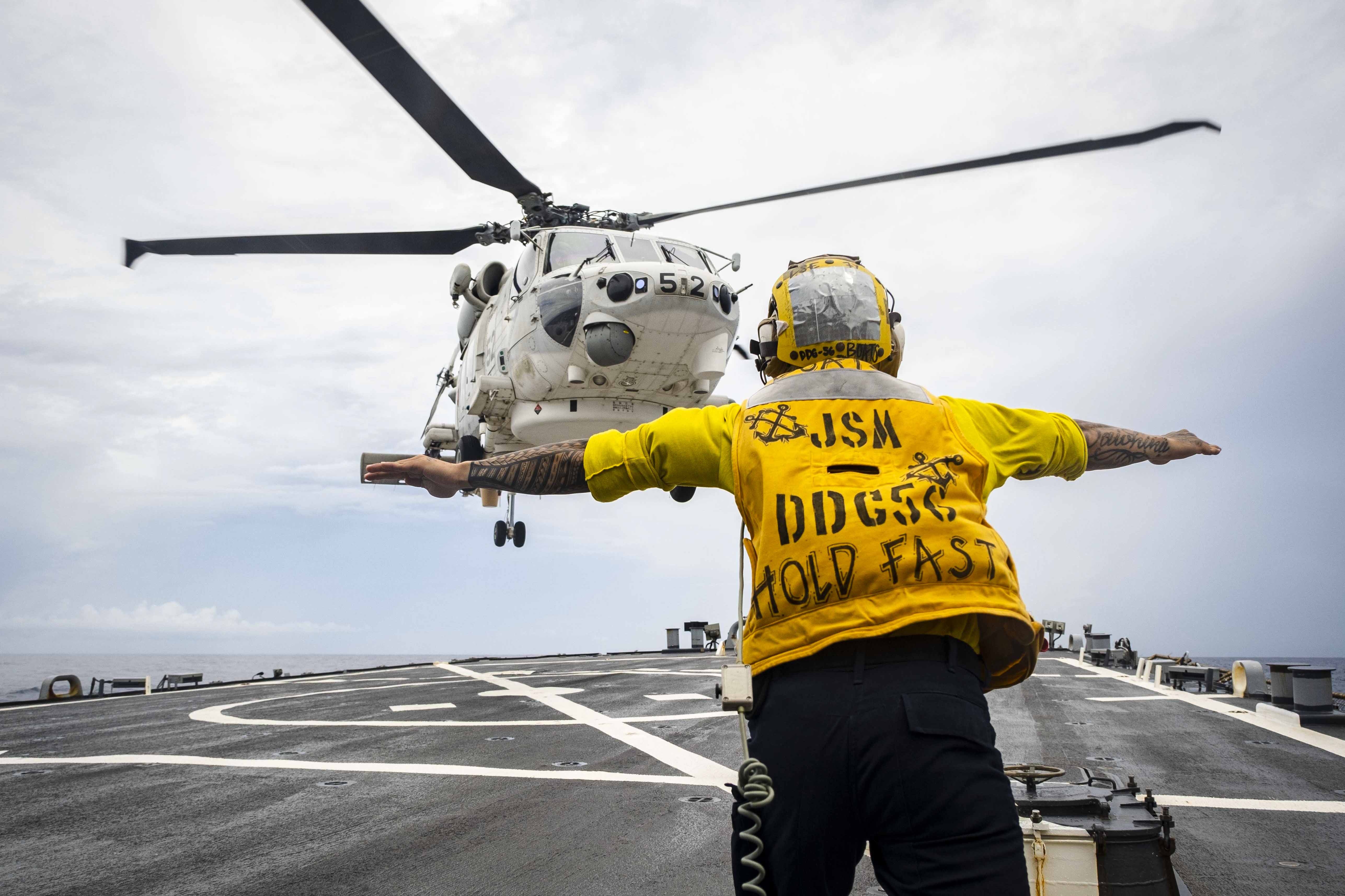
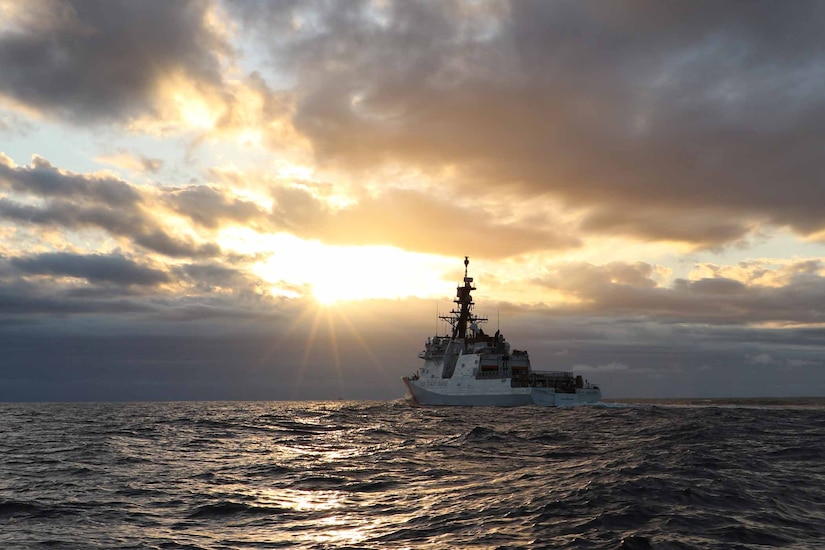
Navy Petty Officer 3rd Class Zachary Kai signals a Japanese helicopter to land on the flight deck of the USS John S. McCain during flight operations in the South China Sea, Oct. 12, 2020.
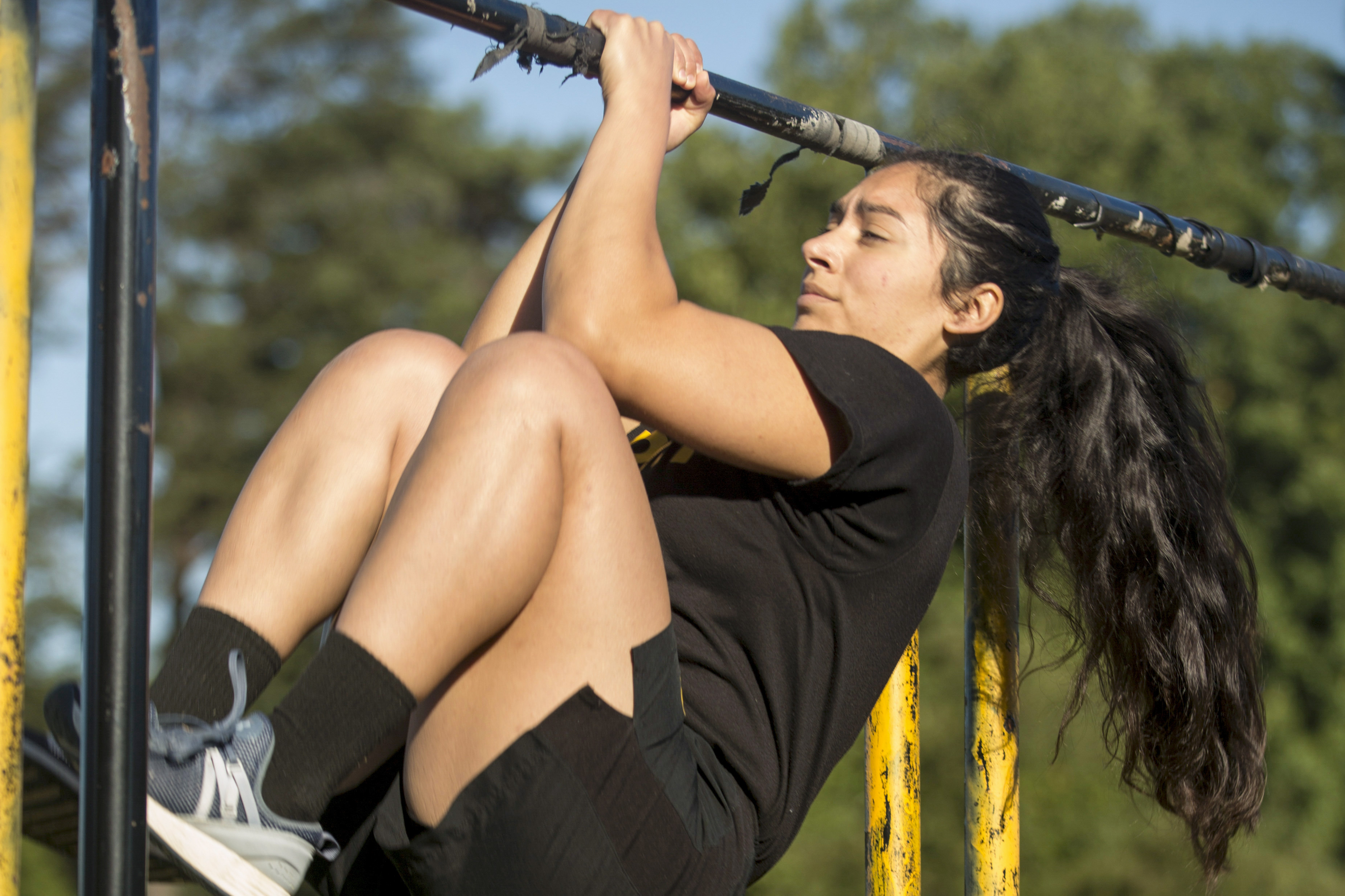
Army Spc. Genesis Miranda participates in the 2020 Headquarters Department of the Army Best Warrior Competition at Fort George G. Meade, Md., Sept. 19, 2020.

Marines guide their parachutes after a free-fall jump during an airborne operations training event at Camp Shelby, Miss., Oct. 6, 2020.
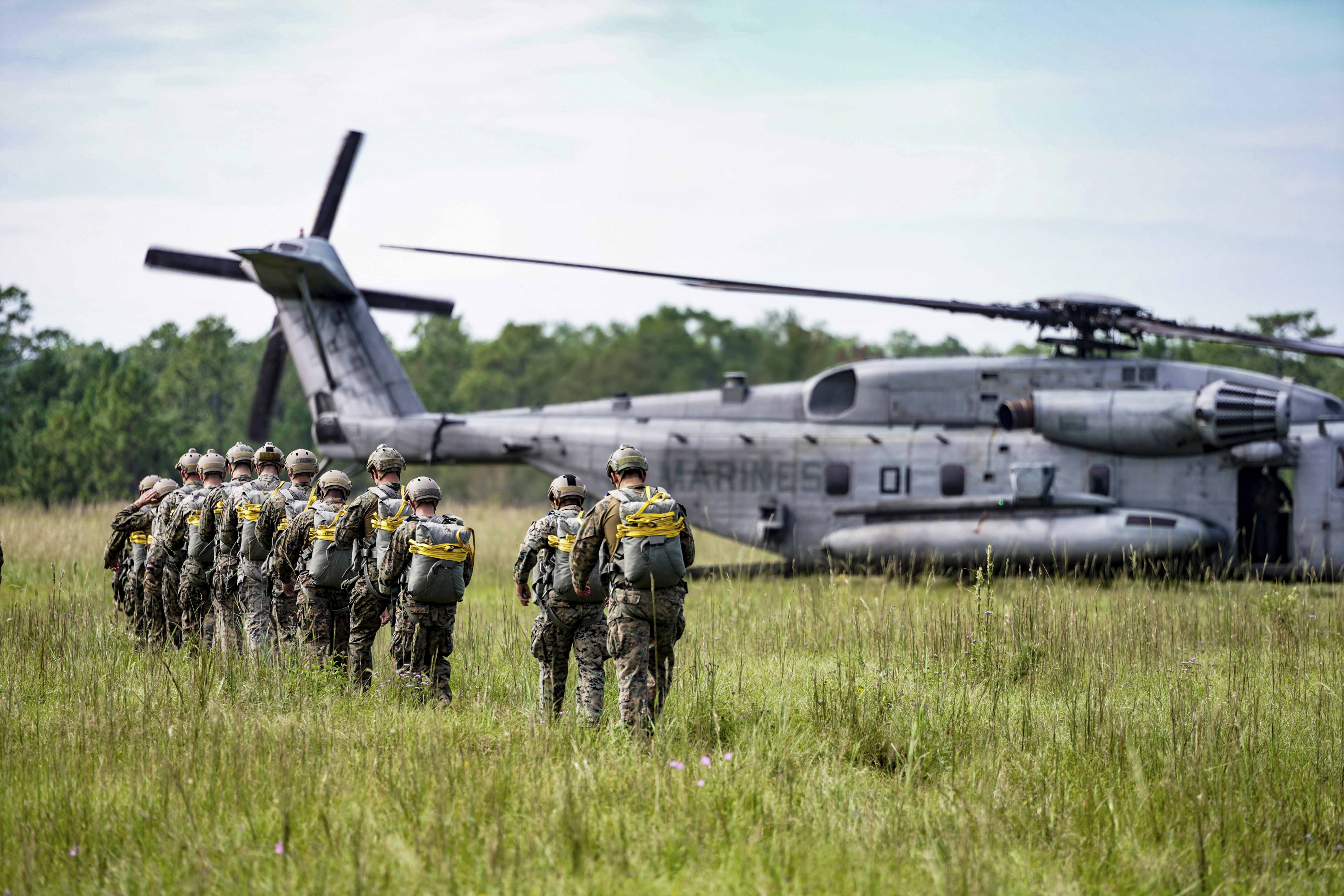
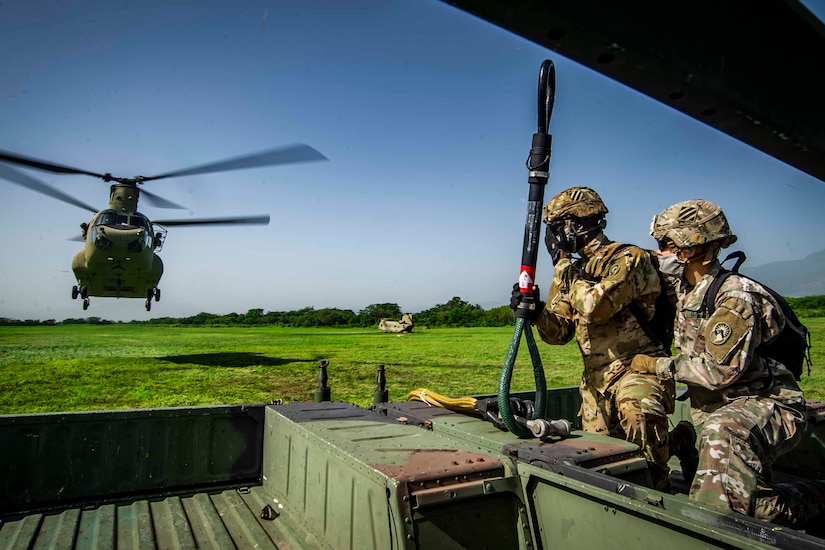
Marines board a CH-53 Super Stallion helicopter during an airborne operations training event at Camp Shelby, Miss., Oct. 6, 2020.
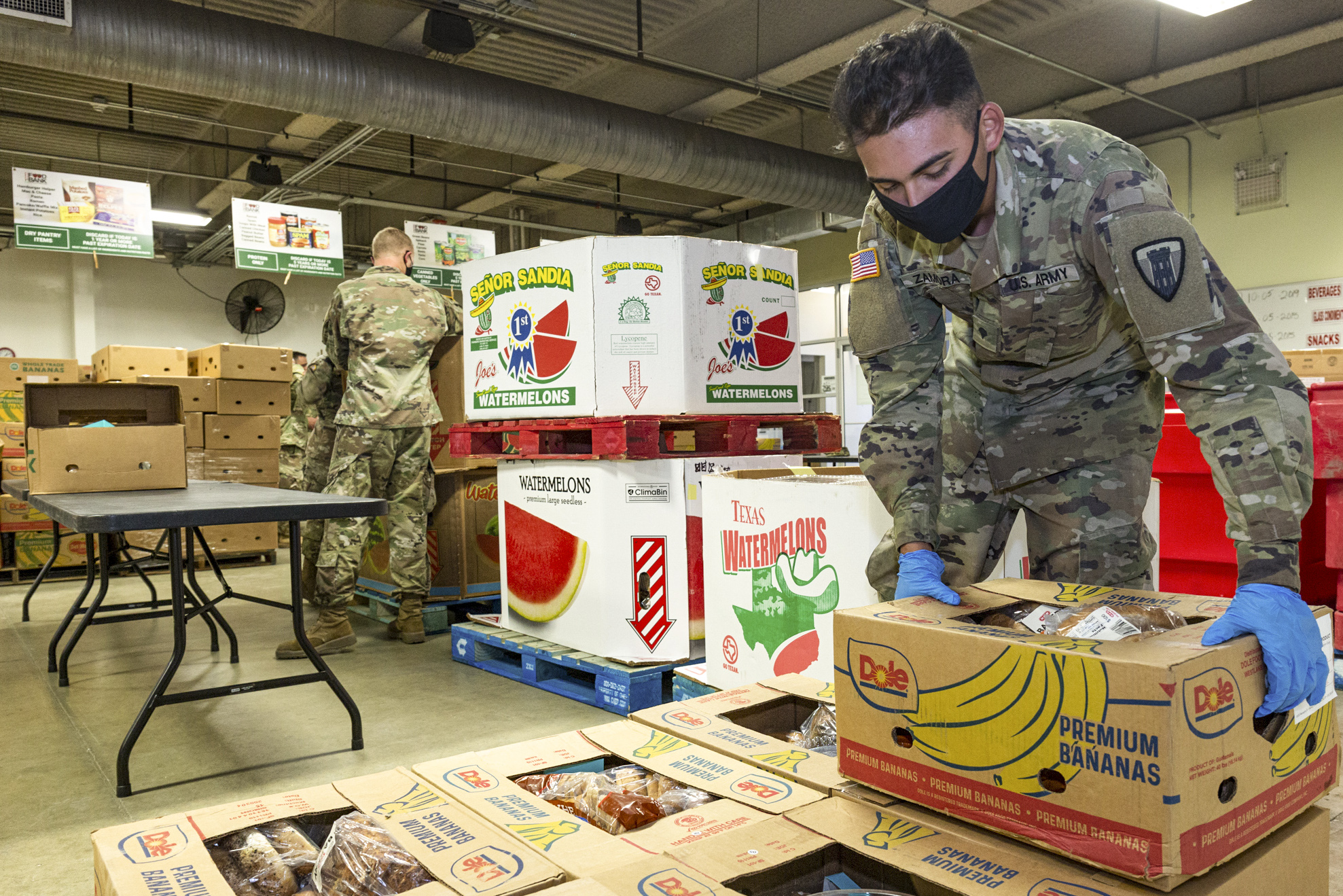
Guardsmen with the Texas National Guard attached to Joint Task Force - Longhorn provide stocking and distribution support to the San Antonio Food Bank in San Antonio, Texas , Oct. 5, 2020. Since April, the guardsmen have been mobilized across the state of Texas to augment local food banks in order to meet an unprecedented increase in demand due to the COVID-19 pandemic.

A Marine assigned to amphibious dock landing ship USS Comstock conducts COVID-19 mitigation procedures on sailors aboard Patrol Boats Mk VI assigned to Commander, Task Force 75 in the Philippine Sea, Oct. 6, 2020. Maritime Expeditionary Security Forces and Explosive Ordnance Disposal Mobile Unit sailors assigned to Commander, Task Force 75 embarked and are conducting integrated littoral maritime security operations from the amphibious dock landing ship USS Comstock with the Marines and sailors already deployed as Task Force Ellis from I Marine Expeditionary Force.
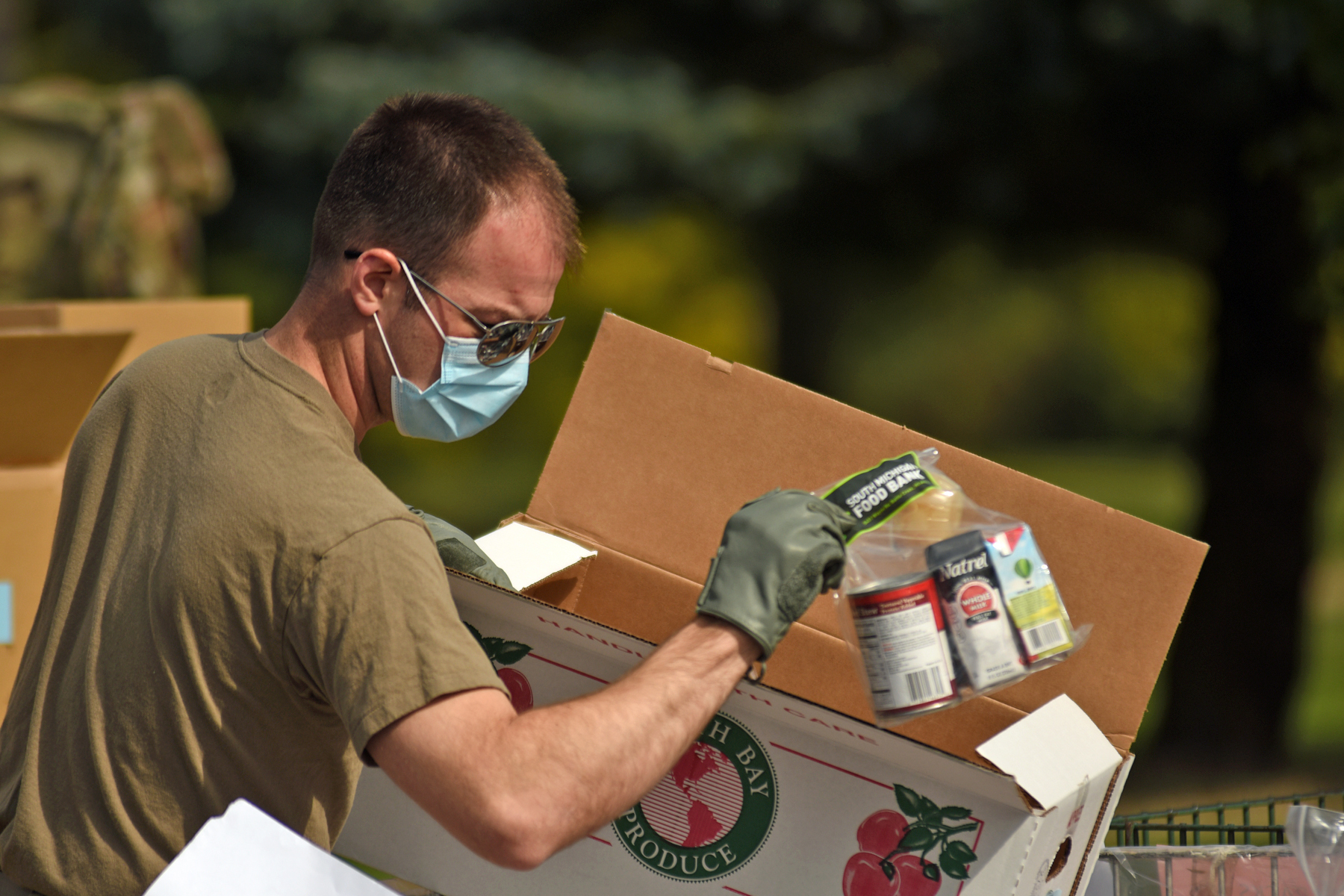
Members assigned to the 110th Wing, Battle Creek Air National Guard Base, Mich., now part of the Michigan National Guard COVID-19 Joint Task Force, work with the Food Bank of South Michigan, preparing and delivering boxes of groceries to over 500 area residents in Battle Creek, Oct. 6, 2020. The Food Bank warehouse serves eight counties consisting of 285 food pantries in southern Michigan. Since March, Michigan National Guard teams have supported food banks across Michigan, distributing more than 7 million pounds of food to local communities.

Guardsmen of the Texas National Guard attached to Joint Task Force - Longhorn provide stocking and distribution support to the San Antonio Food Bank in San Antonio, Texas, Oct. 5, 2020. Since April, the guardsmen have been mobilized across the state of Texas to augment local food banks in order to meet an unprecedented increase in demand due to the COVID-19 pandemic.
Oct. 13, 2020 | BY HOLLIE D. JAMES
After realizing he had lost his sense of taste and smell, Mike Kerr immediately isolated himself. Kerr, the safety manager for the Tulsa, Oklahoma, district of the Army Corps of Engineers, then got tested for COVID-19.
According to the Centers for Disease Control and Prevention, there is anecdotal evidence that loss of smell and taste were reported by people with COVID-19. Patients also reported fever and chills, cough, shortness of breath or difficulty breathing, fatigue, muscle or body aches, headache, sore throat, congestion or runny nose, nausea or vomiting and diarrhea.
"Upon initial symptoms, I self-isolated from my family members and we cleaned everything in the house — over and over again," Kerr said.
"Knowing that my test results could take a couple of days, I immediately notified friends and co-workers, who were in close contact with me, that I was being tested for the virus."
I didn't know anyone who had the virus before me, so I really didn't know what to expect, Kerr stated.
"The scariest part was getting it early and the unknown of what to expect," Kerr said. "There was not a lot of information in the U.S., and all we really heard was about how rapidly the virus was spreading and the deaths in places like the Seattle area."
After recovering, Kerr realized that he could help other people and donated 650 ml of convalescent plasma.
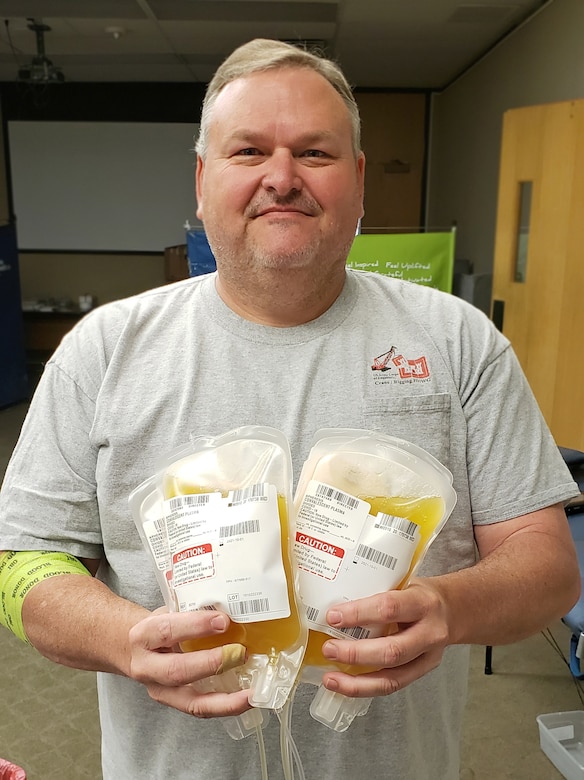
"I felt as though I had a responsibility to give plasma to help other Oklahomans in their recovery. I was approached by a local hospital, and they started the process with Oklahoma Blood Institute," Kerr said.
According to the Oklahoma State Department of Health website, to date, Oklahoma has identified 94,352 cases across the state with 13,066 active cases, 80,211 people recovered and 1,075 cases resulting in death.
Kerr was notified by letter that all of his plasma had gone to recipients suffering from the virus.
"I'm glad that, through our suffering, we helped someone who was suffering worse," Kerr said.
(Hollie D. James is assigned to the U.S. Army Corps of Engineers).
Oct. 13, 2020 | BY David Vergun , DOD News
Bill Bradley is a former professional basketball player and U.S. senator. He also served in the Air Force during the Vietnam War.
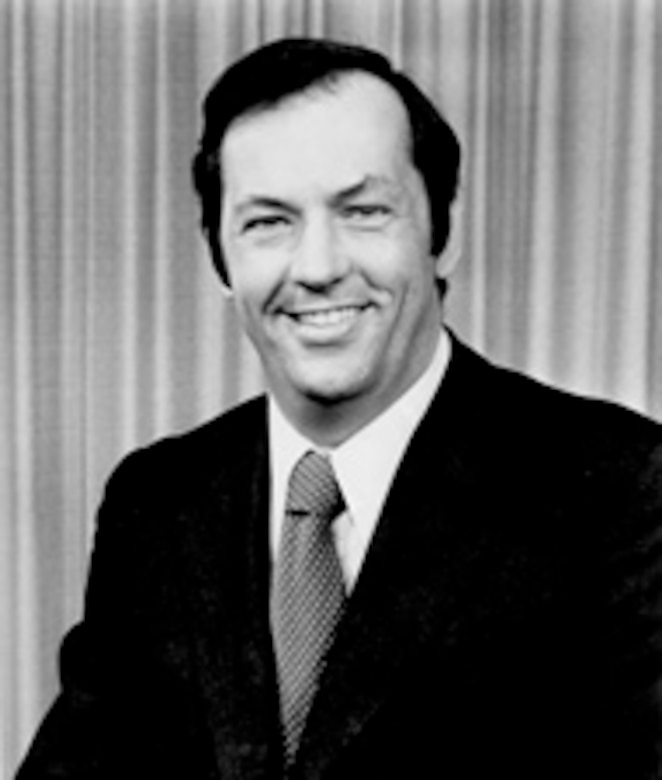
At age 9, Bradley began playing basketball, and he soon realized that it was what he wanted to do in life. Not only did he play well, but he also had the physique. By the time he was in eighth grade, he was already 6 feet, 1 inch, and he grew to 6 feet, 5 inches by age 15.
Besides his love for the sport and natural abilities, Bradley also worked hard at the game, spending an average of about 5 hours practicing each day while in high school and throughout college.
By the time Bradley graduated from high school in 1961, he was considered to be the top high school basketball player in the United States.
In the fall of 1961, Bradley was enrolled in Princeton University in Princeton, New Jersey, and began playing basketball for the Princeton Tigers.
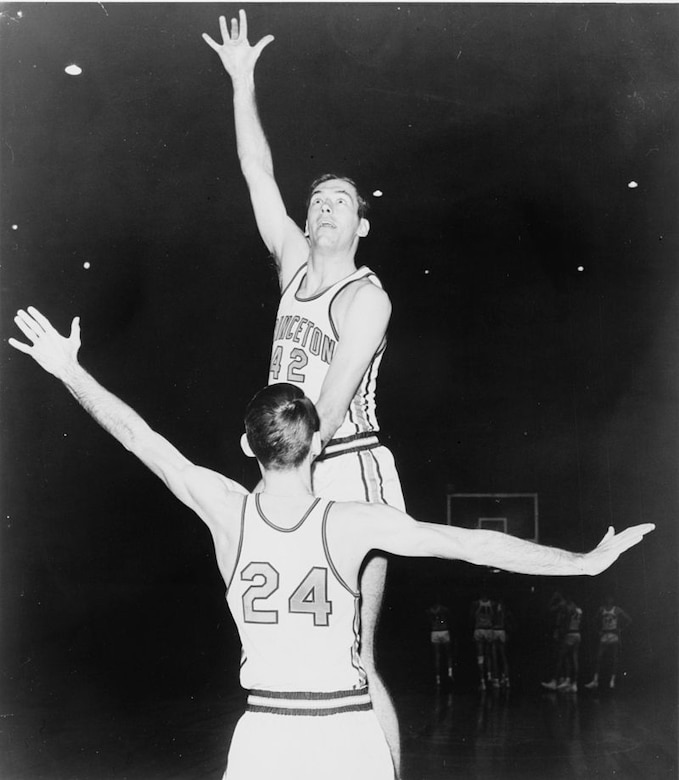
Success came quickly. As a freshman, he averaged over 30 points per game. He also set a National Basketball Association record for successfully making 57 consecutive free throws.
Bradley also found time to play baseball for Princeton, hitting an average .316 as a first baseman.
His excellence on the court earned him a spot on the U.S. Olympic team, which took the gold medal at the 1964 games in Tokyo.
After graduating from college in 1965, Bradley was selected to play for the New York Knickerbockers. However, he didn't immediately sign and, instead, began studying at Oxford University, where he commuted regularly from England to Milan, Italy, to play for the Olimpia Milano basketball team during the 1965-1966 season. That season, the team won the European Champions Cup.

In April 1967, after graduating from the University of Oxford in England, Bradley joined the Air Force, completing Officer Training School at Lackland Air Force Base, Texas, where he was commissioned as a second lieutenant in the Air Force Reserve.
After completing administration training at Amarillo AFB, Texas, he was stationed at McGuire Air Force Base, New Jersey, and served in a number of administrative and personnel assignments.
It was fortuitous that Bradley was stationed at McGuire because it was an easy commute for him to play basketball for the New York Knicks, beginning in 1967.
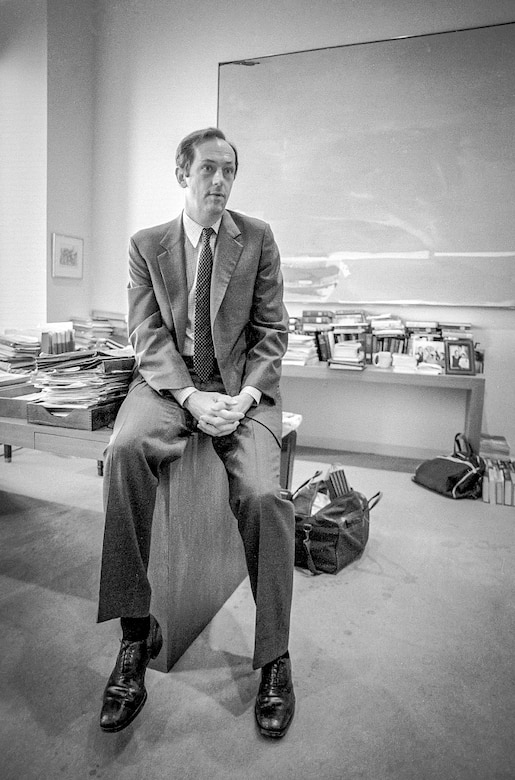
He served six months of active duty and four years in the Air Force Reserve, drilling one weekend a month and serving on active duty two weeks each year.
Bradley attained the rank of first lieutenant before leaving the service with an honorable discharge, March 3, 1978.
Bradley's time with the Knicks lasted from 1967 to 1977. He did so well that his No. 24 jersey was retired in 1977; in 1982, he was elected into the Basketball Hall of Fame.

Besides Bradley's love of basketball, he also loved politics. He ran successfully for the U.S. Senate, representing New Jersey from 1979 to 1997. Tax reform and child support enforcement were among the issues he championed.
He also authored a number of books.
Oct. 9, 2020 | BY Jim Garamone , DOD News
In January, when the first inklings of a new, dangerous virus in China was on the horizon, Defense Department personnel alerted a well-established and internationally-connected departmental team to be prepared for a pandemic, said Stephanie Hammond, acting deputy assistant secretary of defense for stability and humanitarian affairs.
Overall, DOD has provided more than $105 million to 139 countries to aid testing, diagnostic support, infection control, personal protective equipment, contact tracing and more. This has been accomplished through the Humanitarian Assistance and Response Operations team within Hammond's Pentagon office.
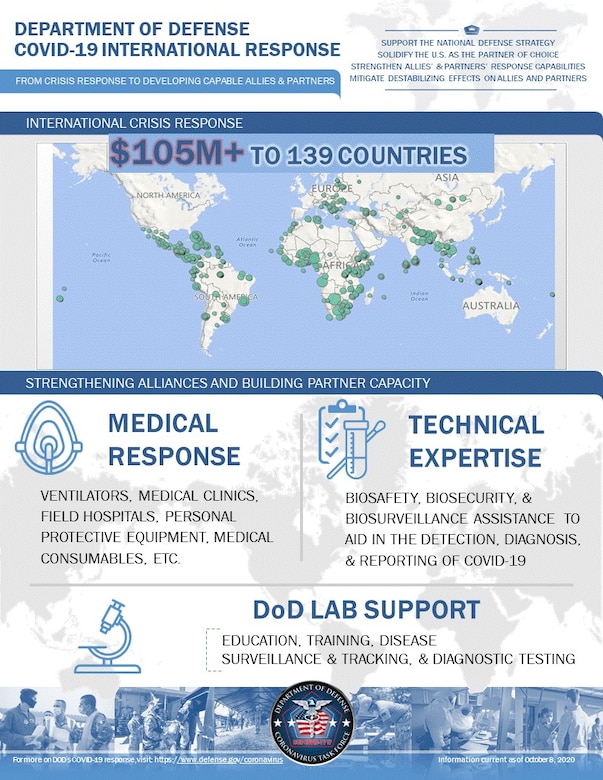
"We know that COVID is an international problem that requires an international solution," said Deputy Secretary of Defense David L. Norquist. "As such, the United States is doing its part to save lives and defeat the pandemic. Across our government, people are working diligently to provide Americans, as well as our allies and partners, with medical equipment, supplies and technical assistance to support a global response capacity to a global issue."
When the coronavirus first appeared, no one knew how quickly it would spread, nor did medical personnel know exactly how it would spread, how deadly it would be, or what defenses work against it.
HARO is the nerve center of DOD's response internationally. The department — with personnel in countries around the globe — is uniquely positioned to assist U.S. civilian agencies, as well as international allies and partners.
"The HARO team, ready to respond 24/7/365, helps DOD quickly scale up its unique capabilities to support whole-of-government efforts in an international crisis response, including the COVID-19 pandemic," Hammond said.
The department's response to international humanitarian needs is built on experiences shared and best practices learned from previous global crises. The department's response to the 2010 Haiti earthquake, the 2014-15 Ebola crisis, the 2016 Caribbean hurricane, to name just a few, combined with DOD's ongoing going health initiatives and humanitarian assistance activities have yielded, over time, a system of best practices that only firsthand experience can provide.
"There is not a corner of the globe that DOD and the HARO team have not worked to meet the critical humanitarian needs of our international allies and partners," Hammond said.

DOD's dedicated involvement in the U.S. government's overseas crisis and humanitarian responses over the last 25 years taught us both the need and the value that a team of specialists with unique backgrounds in military, humanitarian, health and foreign affairs can bring to bear on the needs of others, according to Hammond.
DOD's first involvement in the COVID-19 crisis really came with cruise liners, defense officials said speaking on background. "That's when we really started to get an inkling that things were not normal," the official said.
The department helped get Americans off the affected cruise liners, back to the United States, and then quarantined the people at military posts.
But even before that, the office activated the department's global health engagement council and working group. The group grew out of experiences during the Ebola epidemic in West Africa in 2014-2015. That experience showed the breadth of capabilities needed to combat a pandemic. The group — which existed before — picked up advisors from many different portions of DOD and includes personnel from the State Department and the U.S. Agency for International Development.
While tens of thousands of military personnel have helped fellow citizens combat COVID-19, there are thousands more making a difference overseas, where friends, allies and partners are struggling with the same coronavirus threats.
Engaging closely with the Department of State, the U.S. Agency for International Development, the Centers for Disease Control and Prevention, and the Department of Health and Human Services, the HARO team evaluates international requests for assistance with the department's ability to support and complement — versus duplicate — others' efforts.
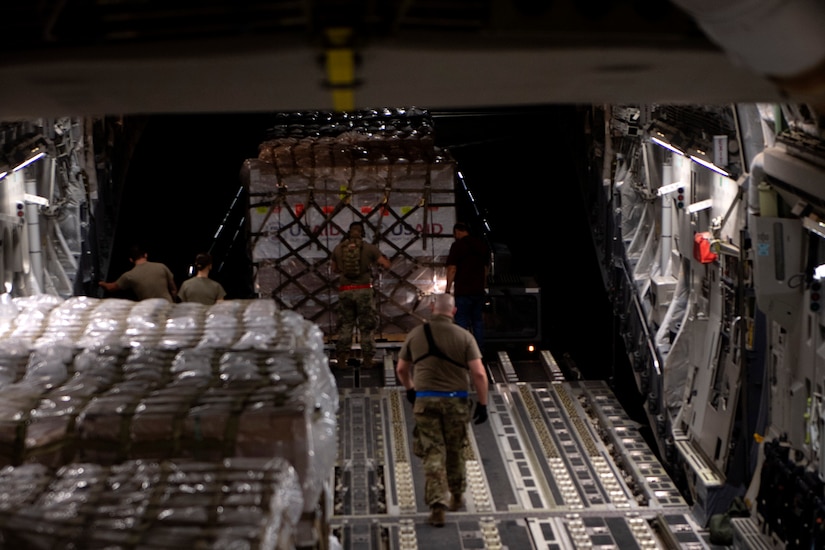
The heavy DOD involvement in the interagency response to Ebola, for example, really called for a more robust team within Hammond's office. The team was operational before COVID-19, "so DOD could scale up the unique capacity that it has within the interagency," Hammond said.
This includes the vast network of international medical lab centers, diagnostic centers and equipment and a worldwide transportation web.
"The team paid dividends right from the get-go," a defense official said.
In March, in addition to more U.S. efforts, there were more international efforts, too. "We really focused on what were the most acute needs of allies and partners," Hammond said. "We were working with State [Department] and USAID to make sure that we were complementing and not duplicating efforts."
Protective equipment, diagnostic tests and more were requested. The DOD office sorted the requests and acted. DOD shipped a field hospital to Mexico that had been requested months before COVID-19 was identified. The $2 million facility arrived just before the pandemic started, and U.S. and Mexican officials worked together to reconfigure it to handle COVID-19 patients. The Mexicans split it into two parts to serve more people. It was funded via OHDACA — the Overseas Humanitarian, Disaster Assistance and Civic Aid fund.
Italy was hit hard in the early days of the pandemic, and Hammond's office provided almost $10 million in OHDACA funding. The program helped Italy build its internal capacity to respond to the pandemic, Hammond said. The aid will help the country improve its in-house capacity to respond to anticipated second and third waves of the pandemic.
OHDACA is not simply a transfer of funds, but a transfer of equipment, materials, expertise or a combination of all. It is an immediate boost to capacities, not something that has to be bought and brought in, officials said.
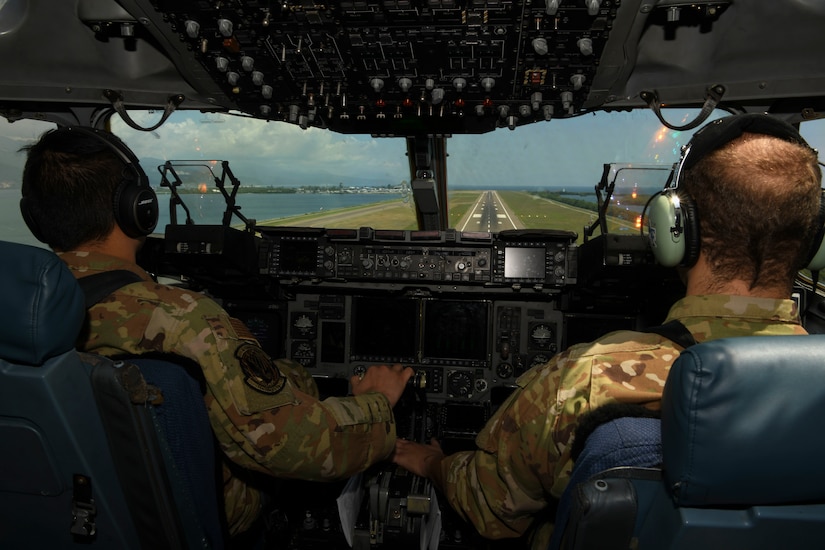
The six combatant commands are each involved in the process. For example, U.S. Northern Command helped with the Mexico transfer. U.S. European Command helped with Italy. U.S. Africa Command provided public health subject matter expertise to the African Union and the Africa CDC. U.S. Southern Command has just shipped a field hospital to Jamaica.
U.S. Indo-Pacific Command worked closely with USAID to deliver ventilators to Indonesia and train Cambodian field epidemiologists.
DOD programs are helping allies and partners obtain therapeutic drugs and learn the latest in how to treat COVID-19 patients.
The United States stands by this help also. U.S. personnel help to ensure that the local officials know how to use the equipment and maintain it. The U.S. can provide people who can explain the latest treatment techniques and preventive measures. All of this benefits the people of those regions and creates stability so that they have a better opportunity to survive, prosper and thrive, officials said.
DOD scientists are involved in every aspect of the COVID-19 vaccination effort, and the office is well-versed in progress on that front. It stands ready — once a vaccination is developed and deemed safe — to assist allies and partners build their own programs.
"We want to be very responsive to allies and partners in need of pandemic assistance," Hammond said. "What distinguishes us from the response of other actors, particularly China, is that the U.S. commitment is enduring. We are there for our allies and partners to improve their own internal capacity in a way that serves them best so that they may successfully respond to this global pandemic."
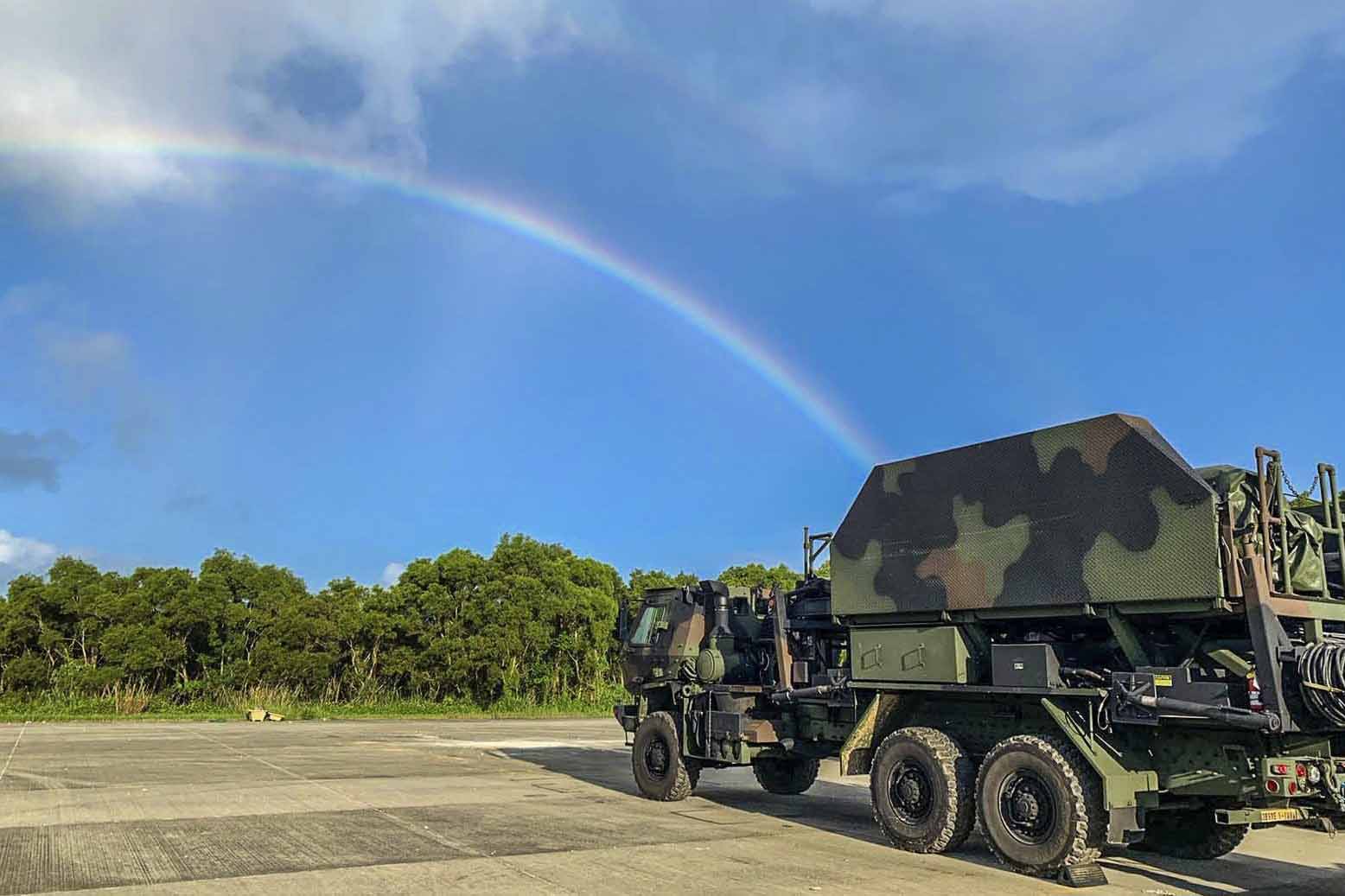
An Army vehicle sits parked during a gunnery event in Okinawa, Japan, Sept. 25, 2020.
Oct. 9, 2020 | BY Jim Garamone , DOD News
A sign outside an office in the Pentagon summarizes the feelings of the people inside the office: "The Western Hemisphere Is the Best Hemisphere."
Sergio De La Peña, the deputy assistant secretary of defense for Western Hemisphere affairs, says that, despite some problems, the "neighborhood" is safe and prospering. Still, this condition requires constant attention and involvement.
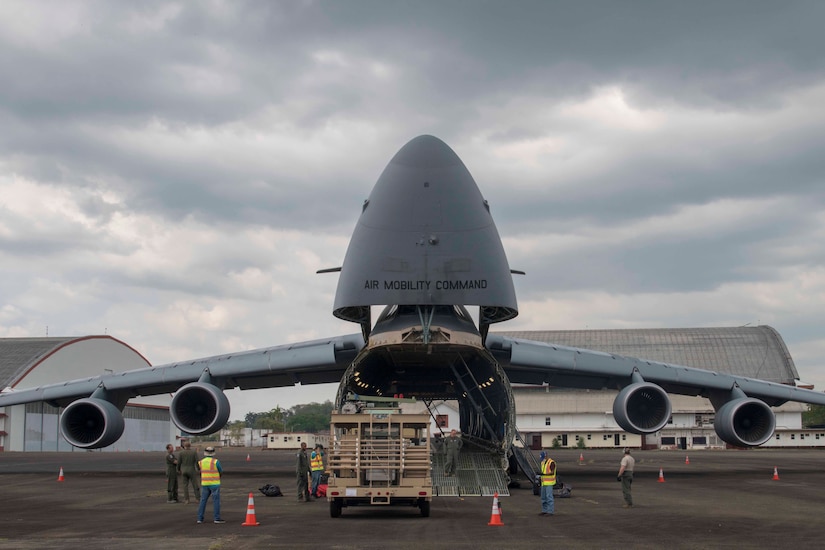
De La Peña's office provides policy guidance for U.S. Northern Command and U.S. Southern Command. It has responsibility stretching from the Arctic to the Antarctic. It is half the globe.
De La Peña is the only deputy assistant secretary for the region. In contrast, the rest of the globe has eight deputy assistant secretaries.
The Western Hemisphere is relatively peaceful compared to the rest of the world, but it isn't without problems. Transnational criminal organizations call the hemisphere home. Drug and human trafficking are vast problems throughout the hemisphere. Economic disparities exacerbate migration trends and there are a few countries — Cuba, Venezuela and Nicaragua — that just can't get with the program, De La Peña said.
And the hemisphere is not immune to problems arising in other parts of the world. China and Russia are rising great power competitors of the United States and they see some countries in the region as ripe targets. China and Russia look for any way to sow dissension among friends and create doubt and uncertainty in alliances.
Terrorist organizations, too, look for ungoverned or under-governed areas in which to establish safe havens. The terrorist groups also look to cooperate with transnational criminal organizations.
Countering these threats requires constant monitoring, communication and effort. Thankfully, De La Peña said, the extent and level of cooperation among the nations of the hemisphere may be at its highest levels to date.
"We are a collaborative, prosperous and secure hemisphere," he said. The United States is working with nations of the hemisphere to improve lives throughout the region. The United States is not imposing its will, he said, but listening to its neighbors as cooperatively, the region moves forward.
"Transparency, the rule of law, human rights, the rights of … minorities," are all values shared among the nations of the Western Hemisphere, De La Peña said. It has been a tough row to get to this point as many of the nations emerged from dictatorships. The progression has been a "whole-of-governments" effort — meaning all elements of U.S. influence and power worked with the elements of influence and power in partner nations. Democracy cannot be imposed on a nation or people, but must be the desire of the population.
Economic, diplomatic and intelligence/information is part of the effort, but the military plays a role in the effort, as well.
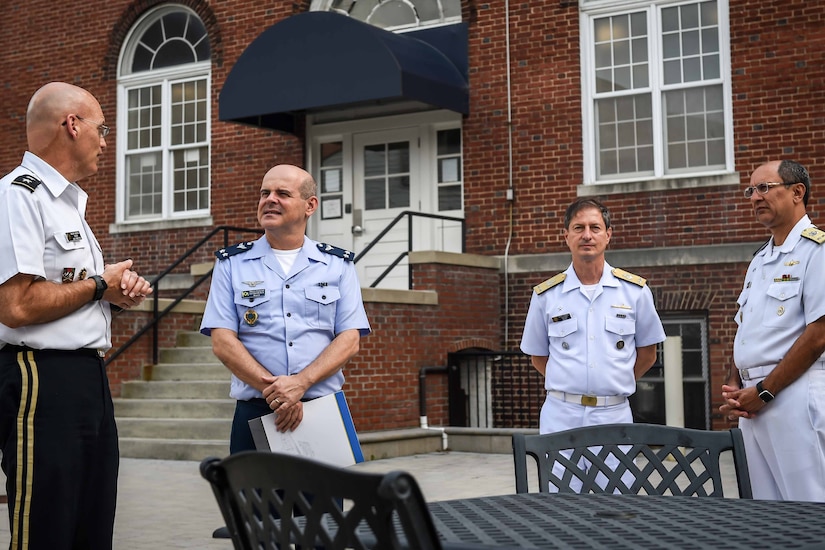
U.S. Southern Command has outstanding contacts and relations with the nations of Central and South America and the Caribbean, De La Peña said.
The main U.S. military effort is helping the nations of the region build capabilities to guard their sovereignty. The militaries must answer to their civilian leaders and respect the human rights of their citizens.
This is working. Many of the Central and South American militaries have embraced this effort and, frankly, have become "exporters" of security. Colombia and El Salvador provided forces in Iraq in the early days of Operation Iraqi Freedom. Other hemispheric nations are providing trained, professional forces to United Nations missions.
But the most important aspect of this is the nations are working together in the region in ways they did not in the past.
Many hemispheric nations are exchanging intelligence and information on shared threats. Service members are working bilaterally with the United States and multilaterally to improve responses and interoperability.
"What we are asking is for them to be situationally aware of their own environment and then be willing to share as they see fit," De La Peña said. "It's like a neighborhood watch; nations must have situational awareness over their own sovereign space."
Maintaining situational awareness over land, sea and air is tough enough, but, now, the new domains of space and cyber add new levels of complexities to an already daunting task, he said.
But those new domains are key to understanding threats and combating them.
There are very few threats that reside completely within the borders of one nation. Cooperating and sharing is absolutely essential to beating back those threats.
On the military-to-military relations side of the equation, leaders have good relationships. They have a common understanding of threats, and they can advise civilian leaders on the strategies necessary to defeat them, De La Peña said.
"Militaries can help provide guidance and leadership," De La Peña said. "That security is key because if you don't have security, you're not going to have prosperity."
The United States will continue its close work with hemispheric nations. The Inter-American Defense College at Fort Lesley J. McNair in Washington is a premiere venue for collaboration. Professional military education – officer and noncommissioned officer – are other ripe areas where U.S. and allied officers can get to know one another and learn how each thinks and acts.
The interaction among the neighbors requires constant maintenance, De La Peña said. The United States cannot take hemispheric allies for granted.

Marine Corps Lance Cpl. Lennon Dregoiw participates in a fitness competition at Marine Corps Air Station Iwakuni, Japan, Sept. 30, 2020.
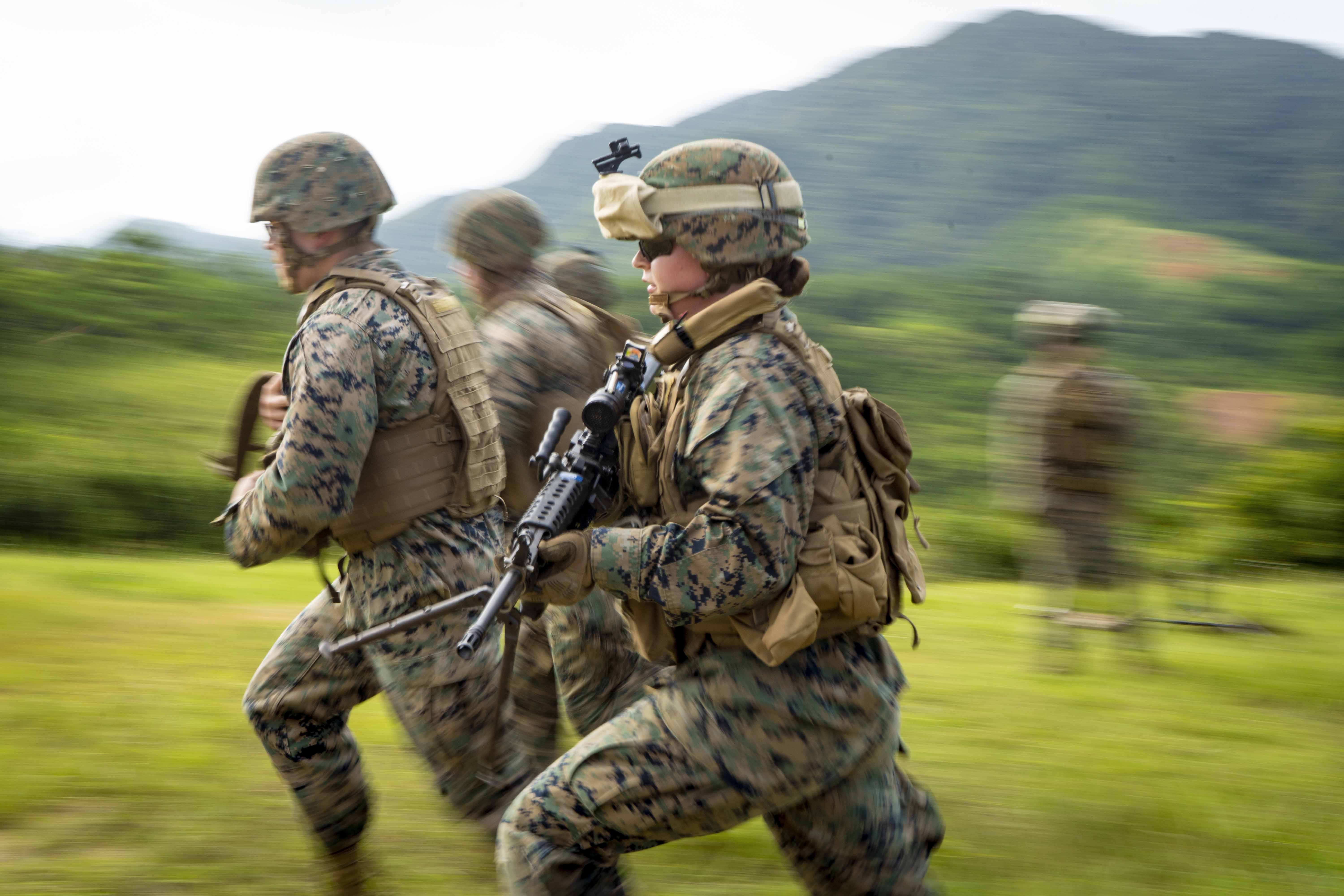
Marine Corps Lance Cpl. Mackenzie K. Price participates in a gun run during training at Camp Hansen in Okinawa, Japan, Sept. 30, 2020.

The commanding officer of Naval Station Rota, Spain, joins the elementary school principal in leading students in the pledge of allegiance on their first day back in school after holding classes remotely since late August, Oct. 5, 2020.




 Posts
Posts

