
An Air Force F-22 Raptor prepares to receive fuel from a KC-135 Stratotanker during Exercise Red Flag over Alaska, Aug. 5, 2020.
An Air Force F-22 Raptor prepares to receive fuel from a KC-135 Stratotanker during Exercise Red Flag over Alaska, Aug. 5, 2020.

Soldiers prepare to hook a pallet of equipment to the underside of a CH-47 Chinook helicopter during sling-load training at Grafenwoehr Training Area, Germany, Aug. 5, 2020.

Air Force Airman Steffon Brownjohnson signals that a Navy C-2A Greyhound is ready to launch abroad the USS Ronald Reagan in the Pacific Ocean, Aug. 6, 2020.
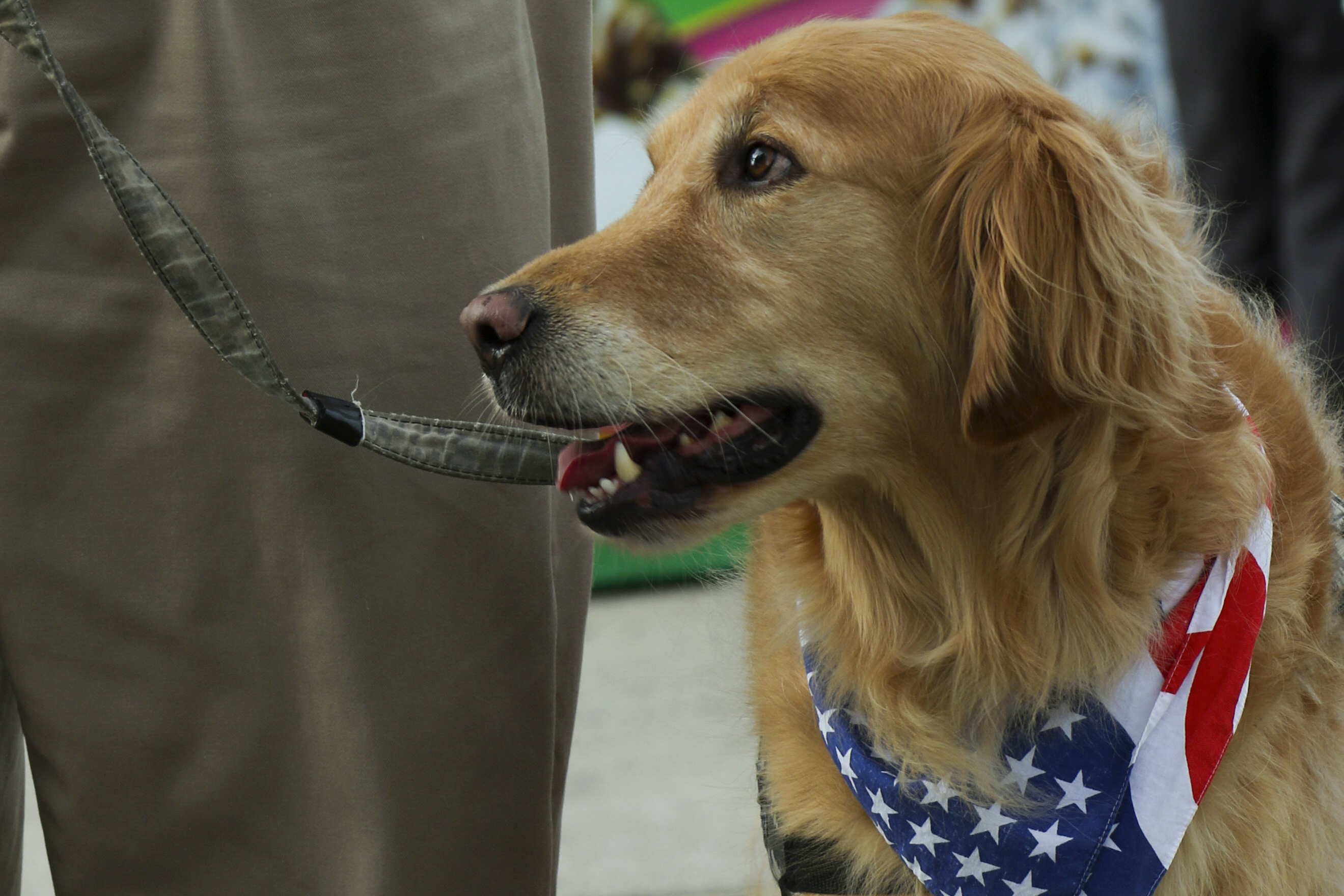
Brutus, a Golden Retriever with the Kare 9 Military Ministry, attends the August Daily Herald Cruise at Bloomingdale Court, Illinois, August 6 2020. All dogs of the ministry are purebred Golden Retrievers, with the original eight being named after military working dogs that were killed in the line of duty in Vietnam. (U.S. Army photo by Spc. Maximilian Huth)

Aircraft assigned to the Thunderbirds, the Air Force’s flight demonstration team, perform aerial maneuvers at Joint Base Andrews, Md., Aug. 6, 2020.
Secretary of Defense Dr. Mark T. Esper announced today that the president has made the following nomination:
Air Force Lt. Gen. David D. Thompson for appointment to the rank of general, with assignment as vice chief of space operations, U.S. Space Force, Pentagon, Washington, D.C. Thompson is currently serving as vice commander, Air Force Space Command (redesignated U.S. Space Force), Pentagon, Washington, D.C.
Aug. 7, 2020 | , Marine Corps Installations Pacific
Okinawa Government representatives met with Marine Corps Installations Pacific leaders and medical professionals to discuss COVID-19-related information at Camp Foster Naval Hospital.
Testing capabilities, tracing efforts and reporting procedures of both the Okinawa prefect and U.S. military entities were among the many topics discussed during the July 15 meeting.
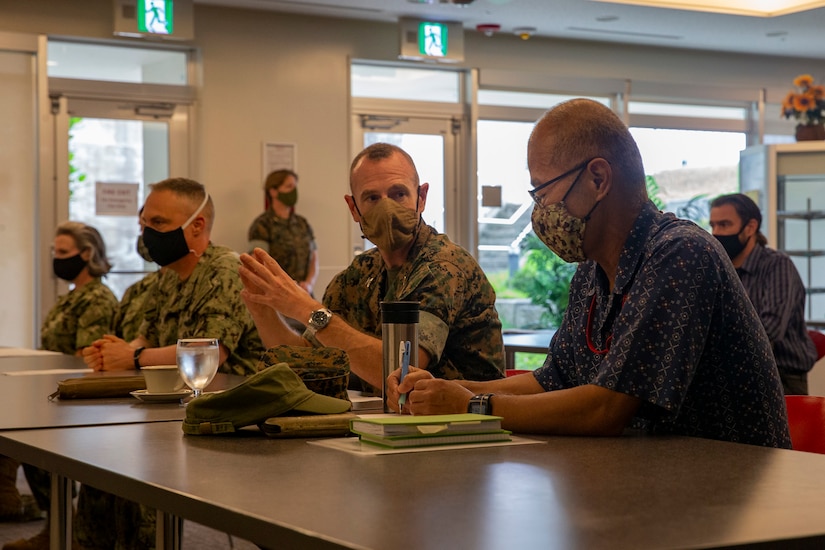
"We are genuinely open to communicating so that both the U.S. military and Okinawa government can fight the spread of COVID-19," said Marine Corps Col. Neil Owens, director of government and external affairs for Marine Corps Installations Pacific.
Members of each party expressed their concerns and ideas regarding Okinawa's current COVID-19 situation. One topic of importance was the preventive measures each entity has put in place to fight the spread of COVID-19. MCIPAC recently enacted enhanced protective measures, limiting on-base activities and prohibiting off-base activities as part of their combined efforts.
Navy Capt. David Krulak, commanding officer of U.S. Naval Hospital Okinawa, reassured the Okinawa government representatives that the hospital has aggressively tested large numbers of people at once. He also expanded upon tracing efforts, noting that the naval hospital contact-trace teams investigate asymptomatic individuals back at least 10 days to locate any close contacts who indicate a need for testing.
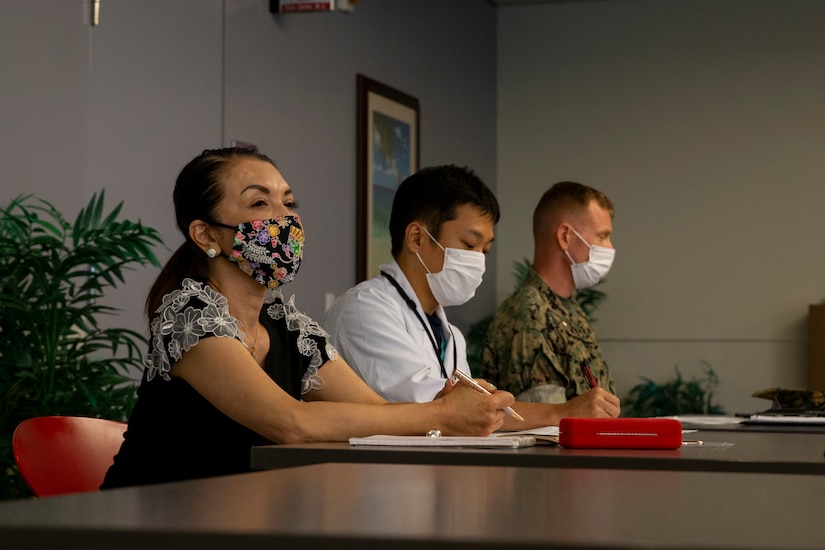
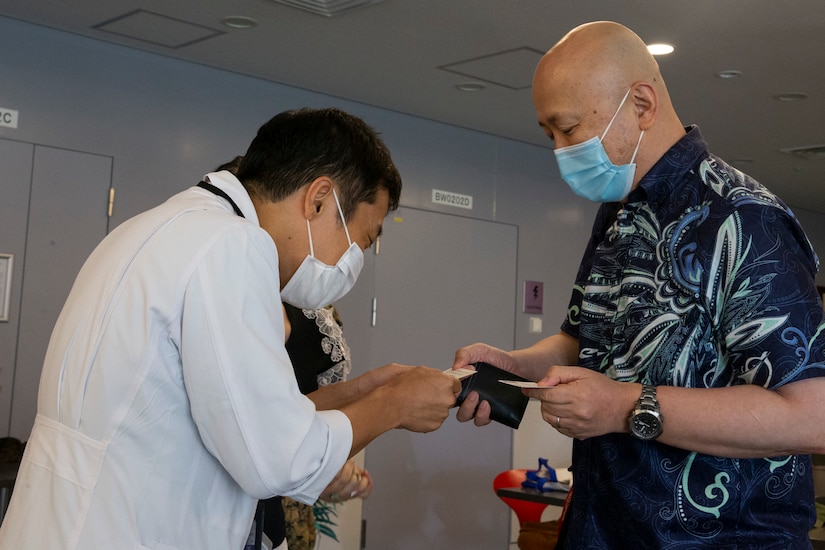
The military and government leaders agreed to continue open communication and to meet regularly via teleconference to ensure proper protective measures are in place.
"We will continue to work closely to ensure the health of all people on the island," Krulak said during his closing remarks.
Aug. 7, 2020 |
To encourage donations, as well as to assist current COVID-19 patients with recovery, the Armed Services Blood Program at Fort Bliss, Texas, is screening all blood donations for COVID-19 antibodies.
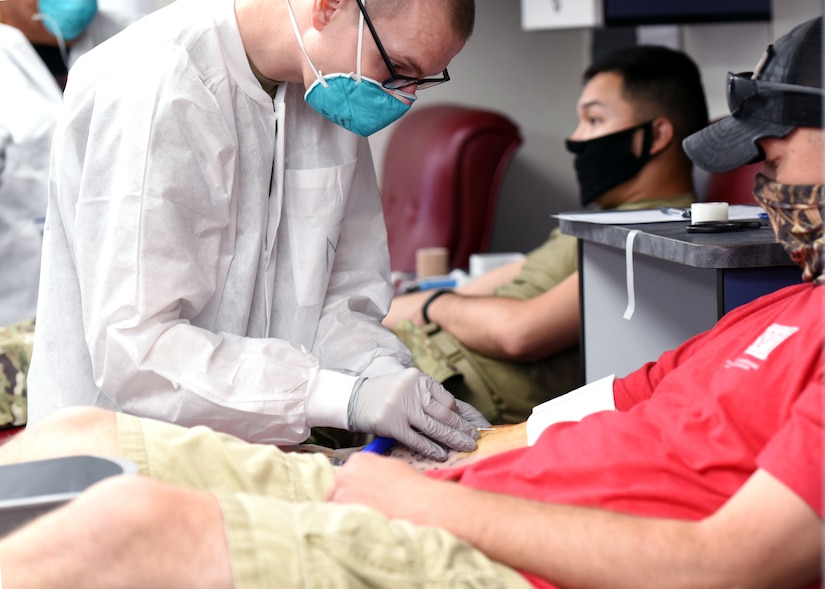
''With the COVID-19 antibody testing, the patient experience is exactly the same as a traditional blood donation; there is nothing different,'' said Army Spc. Christi McRae, a laboratory specialist with the 440th Blood Support Detachment at Fort Bliss. ''The blood is sent to an offsite testing location to see if there are any antibodies within the plasma. If there are, it indicates the patient came into contact with the COVID-19 virus at some point, and their body has built up antibodies to fight against it.''
McRae said the antibodies do not indicate immunity from the virus. It simply means the patient was exposed to it. ''It could mean they had it and recovered,'' she explained, ''or they just came into contact with [the virus] and their body was able to react and develop those antibodies without actually getting ill.''
After donation, the patient will not be contacted again if their blood tests negative for coronavirus antibodies. If it tests positive, they will be called and encouraged to donate plasma, because research shows the antibodies help current coronavirus patients recover much faster.
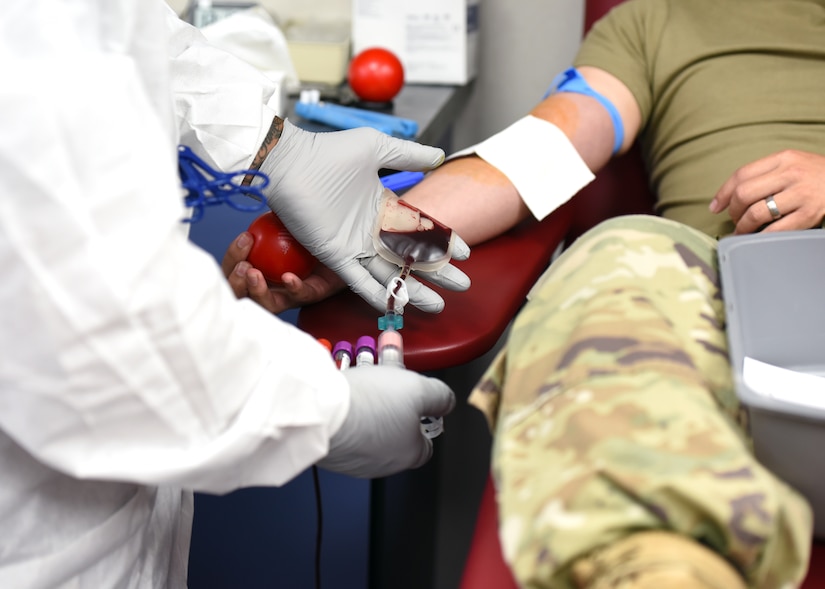
''Your body is super intelligent,'' McRae said. ''Once you have been exposed to something you make those antibodies, so, when and if you come into contact with it again, your body already has an answer and knows how to react. We do not know how long COVID-19 antibodies remain in each individual's system, so it is important to donate blood soon after recovery or suspected exposure.''
McRae hopes the antibody testing will encourage more people to donate blood because the Defense Health Agency has been tasked to collect 8,000 to 10,000 units of COVID-19 antibody-containing plasma before Sept. 30.
The Armed Services Blood Program at Fort Bliss routinely hosts blood drives with its blood donation bus. Army Staff Sgt. Chris Frost with the 2nd Battalion, 501st Aviation Regiment, said he saw the bus and stopped to donate because he has blood type O negative, which he said is always in high demand.
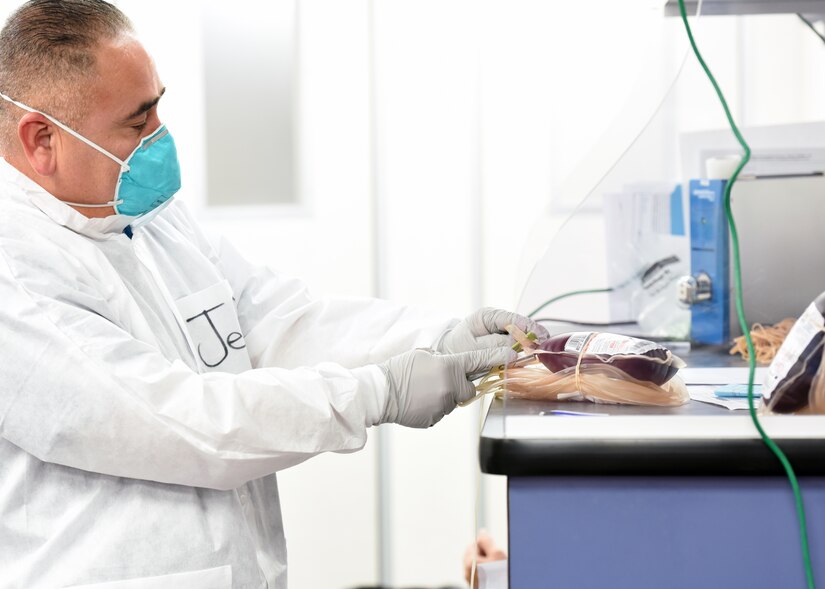
''A few minutes of my time could mean the lifetime of somebody else, because this blood is potentially on its way over to Afghanistan to save somebody's life,'' he said. ''So, a little bit of my time to save some of my brothers, I'm OK with it.''
Nearly all blood products collected at Fort Bliss are sent downrange, McRae said. ''Even though we are here fighting COVID-19, we still have missions around the globe. We have to keep that in mind and make sure we have the lifesaving blood products we need to ensure our men and women come back home safely.''
(Michelle Gordon is assigned to Fort Bliss.)
Fort Jackson, South Carolina, supported the Midlands' pandemic efforts by hosting drive-thru COVID-19 testing just outside of the post's Palmetto Falls Water Park.
Historically, the installation provides millions of dollars to the local economy when thousands of family members flock to the post each week to witness Basic Combat Training graduations. Fort Jackson trains roughly 50% of all soldiers and more than 60% of all women entering the Army each year.
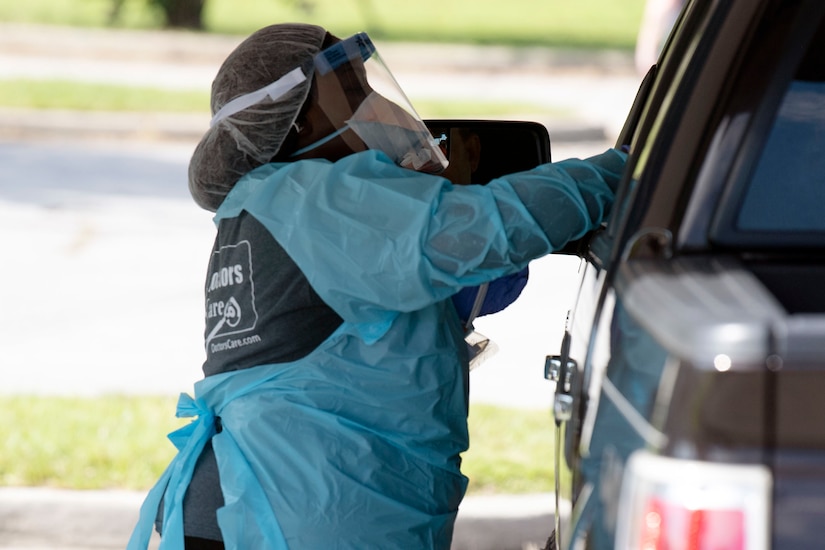
Army Training Center and Fort Jackson Commander Brig. Gen. Milford H. "Beags" Beagle Jr. recently spoke with Columbia Mayor Stephen K. Benjamin regarding COVID-19 mobile testing opportunities on Fort Jackson. They agreed that hosting a mobile testing site would help reduce stress for off-post testing sites and ensure accurate testing results to help battle and contain the spread of the virus.
"We are all-in to be good community partners," Beagle said.
The post coordinated with the Medical University of South Carolina, to offer those with access to the installation two days of testing free of charge. Roughly 800 total tests were administered at the event. MUSC supplied the medical providers and resources for its mobile testing site.
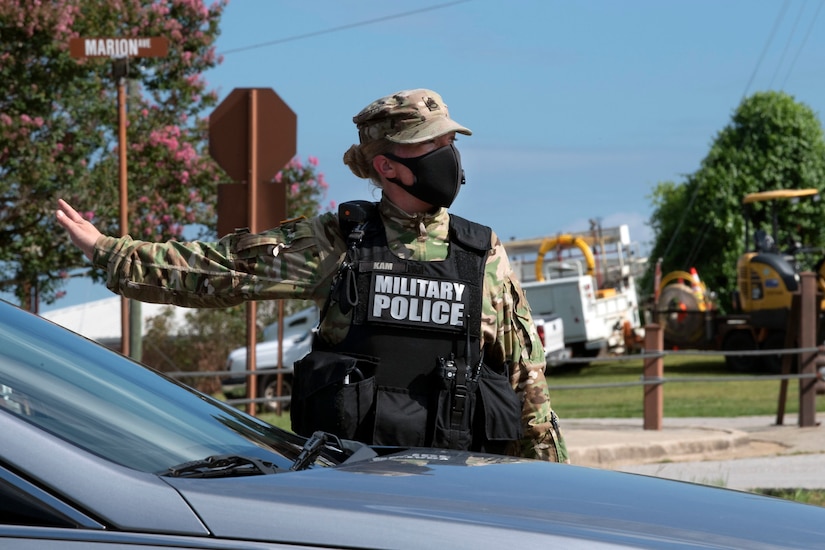
Fort Jackson currently allows retirees, veterans with Veteran Health identification cards and their beneficiaries to access installation only on Sunday, Monday, Tuesday, Friday and Saturday to help protect soldiers from virus exposure, as part of a "protective bubble," officials said.
Each day of testing was geared for specific groups. Testing was held for soldiers, their family members and the civilian workforce July 8, and testing was available for others with installation access July 10.
"It's extremely important for [retirees and beneficiaries] to come on and get tested," Beagle said. "It's not a 'me' thing, it's a 'we' thing. We need to do the right thing so that we can help protect others."
Trainees were not tested at the mobile sites. Each trainee is tested and quarantined for 14 days upon their arrival to Fort Jackson as they in-process at the installation.
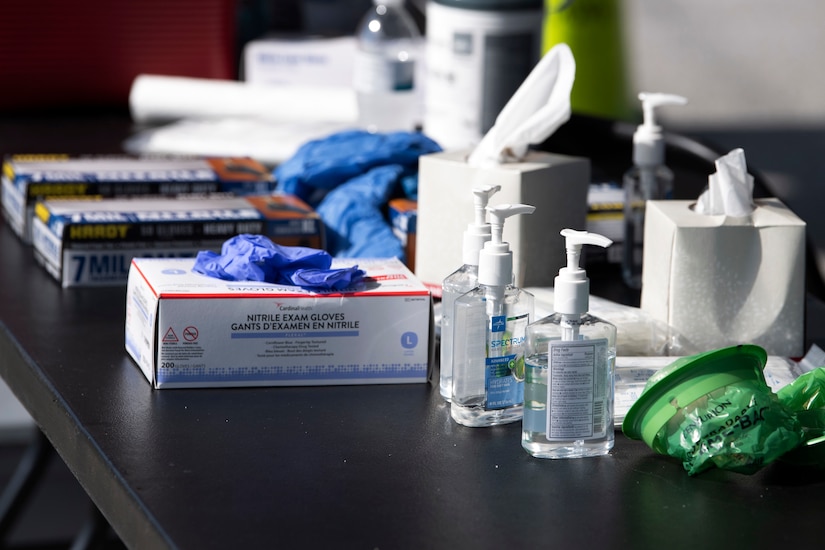
The South Carolina Department of Health and Environmental Control has reported a surge in positive test results in the state the past month. DHEC also recently stated that asymptomatic patients, or those who have the virus but show no or minimal virus signs and symptoms, are also on the rise.
"About 20% testing positive for coronavirus are symptomatic," said Dr. Curtis Franke, president of Doctors Care, the firm that performed the testing for MUSC. He added that about 7-10% of positive tests at similar events across the state are asymptomatic.
People tested at the mobile testing site were able to access their test results online in five to seven days through a link provided by email during the application process. All participants who tested positive were contacted directly by MUSC staff.
Amid the COVID-19 pandemic, the 507th Operations Group at Tinker Air Force Base, Oklahoma, has ensured that aircrew members and maintainers stay safe by implementing new operating standards for daily missions refueling aircraft from Alaska to Texas.
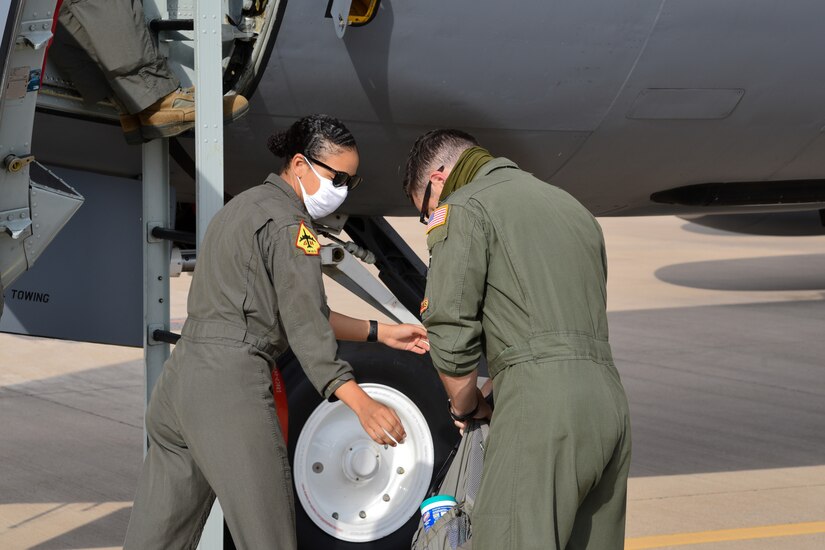
Air Force Col. Kenneth Humphrey, 507th Operations Group commander, said the ability to conduct the refueling mission is integral to the nation's defense. However, the concerns over COVID-19 and its tendency to spread in close quarters prompted the 507th OG to adapt.
"Human nature and the closeness of our personnel make it difficult to ensure proper safeguard measures are adhered to in the aircraft, briefing rooms and crew transportation," Humphrey said. "The aircraft poses multiple challenges due to the close confines and required interaction of personnel."
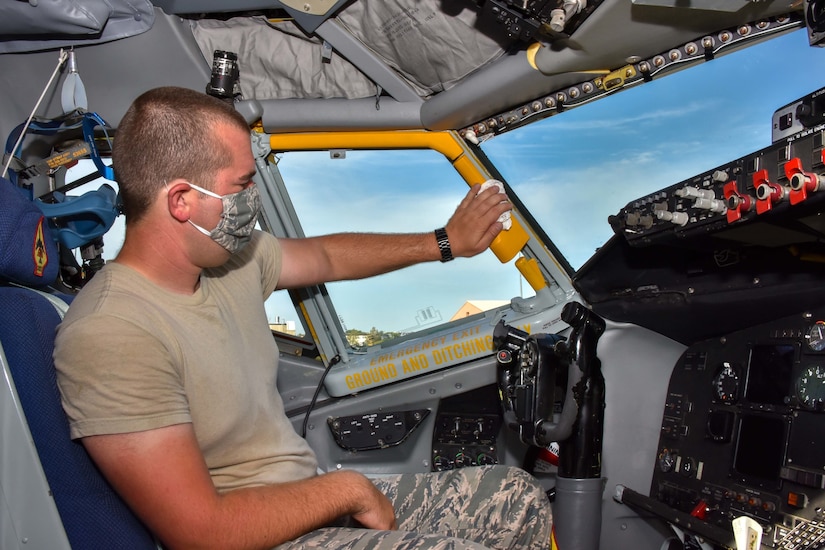
With the help of the 507th Air Refueling Wing safety office, the Air Force Reserve Command logistics directorate, and mission partners at the 730th Air Mobility Training Squadron at Altus Air Force Base, Oklahoma, the operations group implemented new flight operating standards to ensure a clean and safe environment to meet mission requirements.
Rigorous sanitizing measures and the use of personal protective equipment were put in place. The new procedures include wearing masks, minimizing nonessential crew contact during preflight inspections and limiting the number of personnel on board the aircraft to reduce the chances of exposure.
"Contamination across the flight line can easily be spread across the base and city," Humphrey said. "Our [U.S. Strategic Command] and conventional missions remain a top priority. Additional crews have been designated and assigned that could be used in the event primary aircrew come down with the virus."
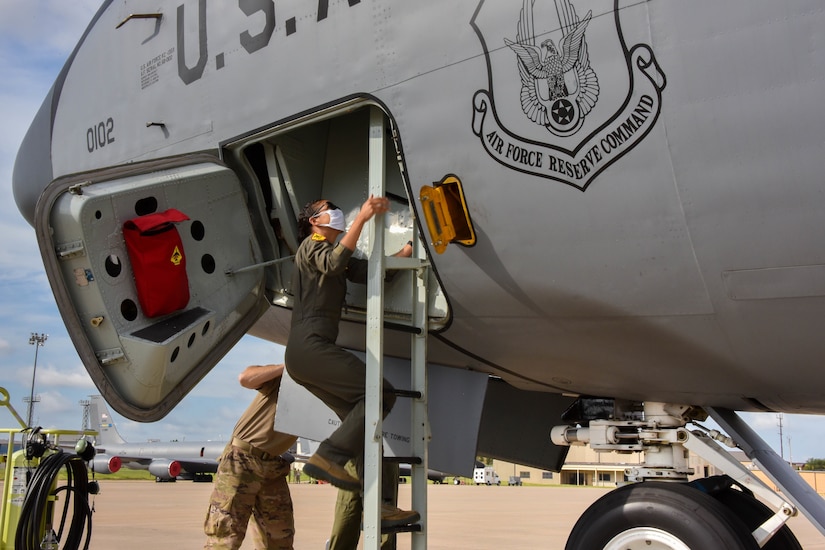
Pilot and crew training and currency requirements are a priority. The ability to adapt and overcome has facilitated the ops group's ability to maintain readiness. "Our local flying schedule has been sufficient to meet these requirements ensuring we have safe, qualified aircrew to perform the mission and keep the jets flying," Humphrey added.
Air Force Col. Miles Heaslip, 507th ARW commander, said he thinks the members of the wing have done an outstanding job making sure all missions run safely and effectively. "The measures implemented by the ops group once again prove we can overcome anything," he said.
(Air Force Senior Airman Mary Begy is assigned to the 507th Air Refueling Wing.)
''Our secretary of defense did a great job of making it perfectly clear what his expectations were,'' Dana Deasy said yesterday during a discussion with Martin Giles of the Forbes media company. ''Very early on, he said, 'Protect our employees.' I took that to mean from an IT standpoint that anybody and everybody who needed to work outside their normal environment could do that without any failure. Failure was never going to be an option for us.''
Esper also emphasized that the mission must be protected as well and that the department could not fail in its responsibility to protect the United States, Deasy said.
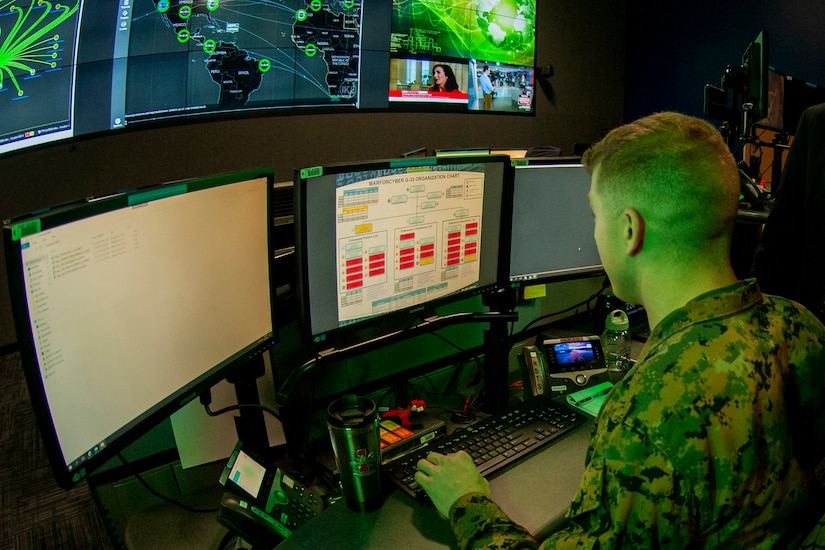
''That means Protect our country,''' Deasy said. ''That means anywhere around the world, any mission that needed to be done, there could be no interruption. From a technology standpoint, that simply meant [that] while we were driving a lot of people outside the Pentagon and to home, we need to somehow to make sure those same people that were now working from home were going to be able to support the mission.''
Protecting the workforce and keeping the mission on track involved significant involvement from the CIO workforce — in particular, with implementing telework capability to a large number of employees, Deasy said.
Before COVID-19, he said, about 80,000 to 90,000 people per day were teleworking across the department. The numbers of people who would need to be able to work from home once COVID restrictions were put in place weren't known at the time, the CIO noted. ''We now know it was a 10 times growth,'' he said. ''We are supporting somewhere between 1 and 1.2 million people concurrently, all working from home at the same time.''
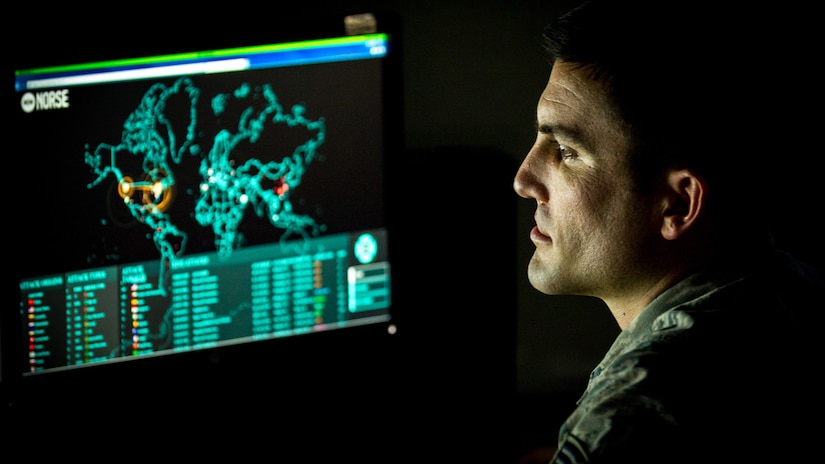
A big part of making that happen, Deasy said, was the department's implementation of the ''Commercial Virtual Remote'' tool, which allows teleworking employees to form teams and collaborate online. Within two weeks, he said, about a quarter million employees were connected with the CVR. Within 90 days, he said, that was up to a million.
The defense secretary also emphasized the department's commitment to contribute to the whole-of-government effort to combat COVID-19, Deasy said. From the CIO's perspective, that involved providing IT and networking support to a variety of missions, including the Army Corps of Engineers setting up field hospitals in convention centers, National Guard efforts in local communities, and Navy hospital ships in New York and Los Angeles.
Deasy also discussed efforts to evaluate how the department's digital modernization strategy might be accepted by the DOD workforce — in particular, the service members at the tactical edge who might be affected by changes.
The department's digital modernization strategy touches on cybersecurity, artificial intelligence and cloud computing. All are common factors in similar modernization plans for private-sector companies, but Deasy pointed out that a unique focus of DOD's strategy is command, control and communications, or C3.
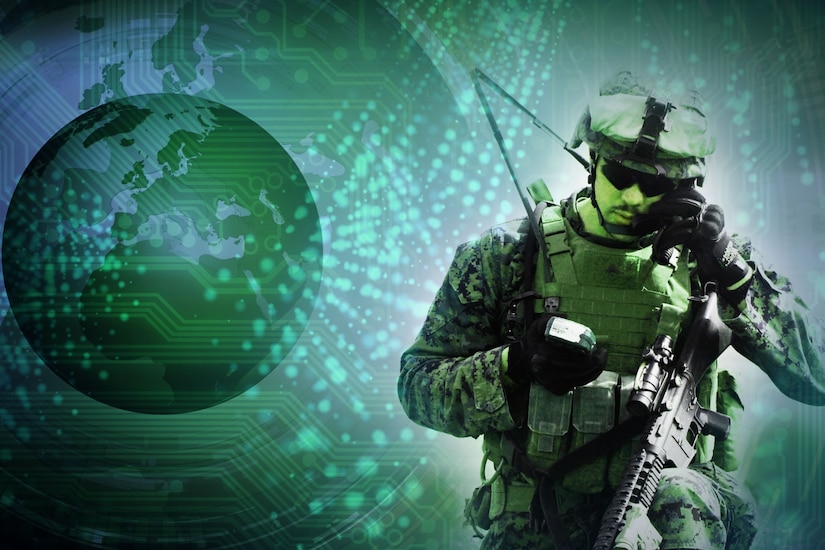
''What I think was quite fascinating was how we went about actually testing whether that strategy was going to make sense to the warfighter,'' he said.
In his first six months as the CIO, Deasy said, he traveled to Afghanistan to meet with warfighters and commanders who might be most affected by DOD's digital modernization strategy.
''I [talked with] the warfighters that were going out every night on a mission — whether that was to a village, whether it was in caves, the side of the mountain — and actually have them show me how they were using the stuff we were putting into our digital modernization strategy,'' he said.
Service members are not shy about sharing their opinions, Deasy said, and they made it clear the strategy was good.
''They're very clear to tell you how they feel about your digital monetization,'' he said. ''They were in environments where they were constantly getting degraded, they were getting denied by the adversary. So the C3 strategy was actually validated by looking about what you could and could not do.''
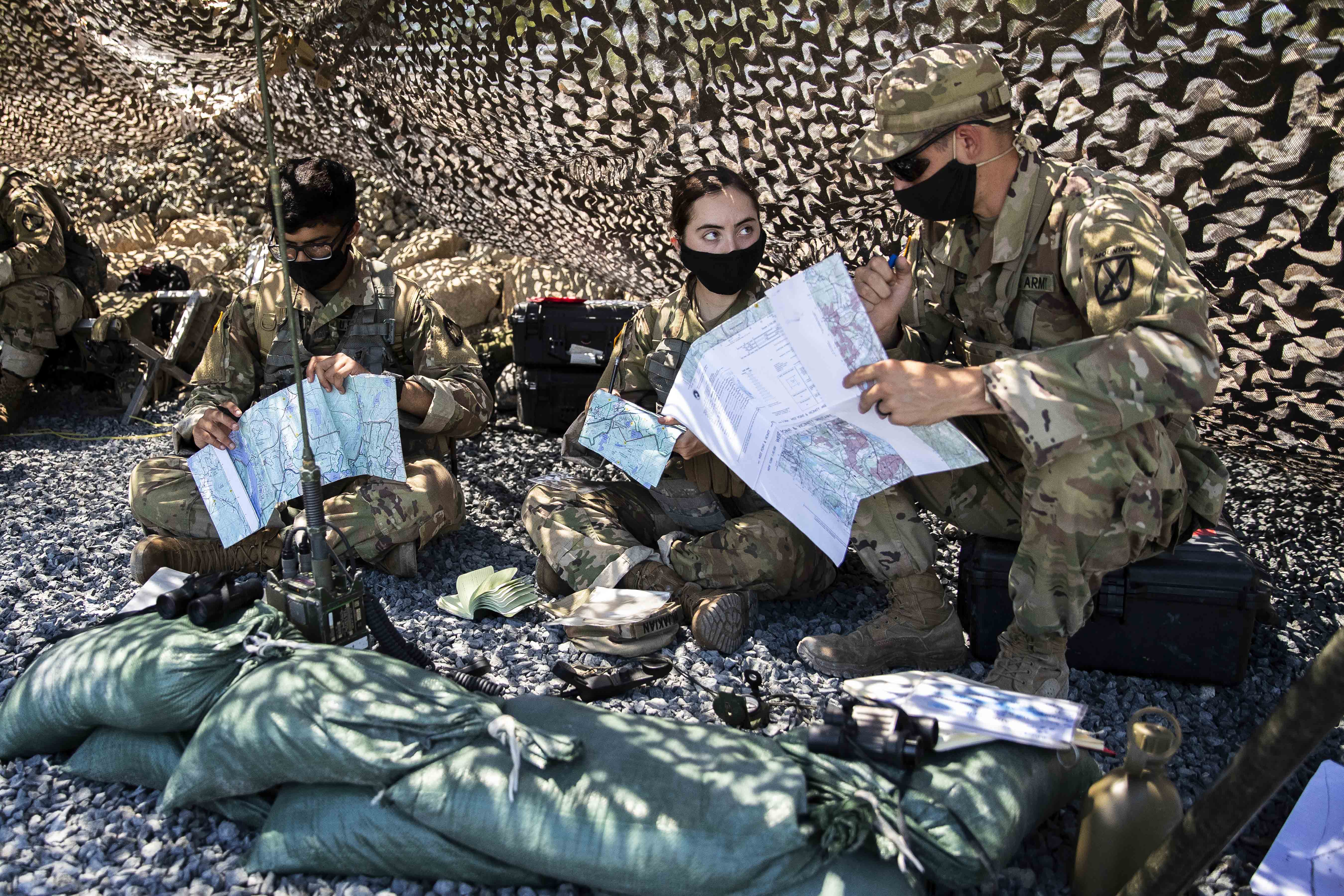
U.S. Military Academy cadets learn how to conduct fire missions during field training at West Point, N.Y., July 21, 2020.

A Marine Corps AH-1Z Viper, Navy MH-60R Seahawk and two MH-60S Seahawks conduct amphibious task force training during Exercise Trident Storm at San Clemente Island, Calif., July 30, 2020. During Trident Storm, Marines worked alongside their Navy counterparts focusing on long-range strikes and air-to-ground support.
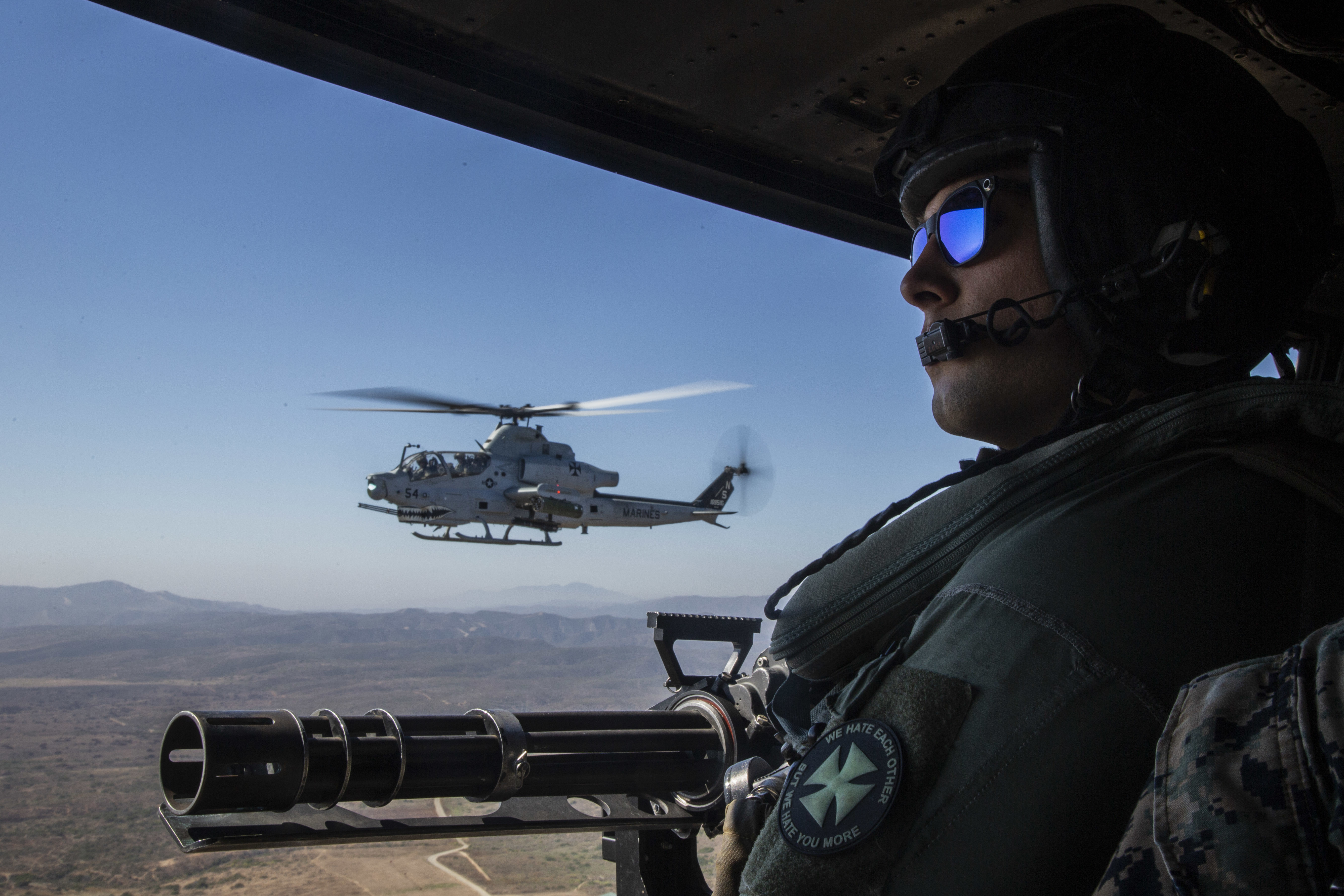
Marine Corps Sgt. Tanner Olsen, a helicopter crew chief, observes his surroundings during Exercise Trident Storm at Marine Corps Air Station Camp Pendleton, Calif., July 30, 2020. During Trident Storm, Marines worked alongside their Navy counterparts focusing on long-range strikes and air-to-ground support.
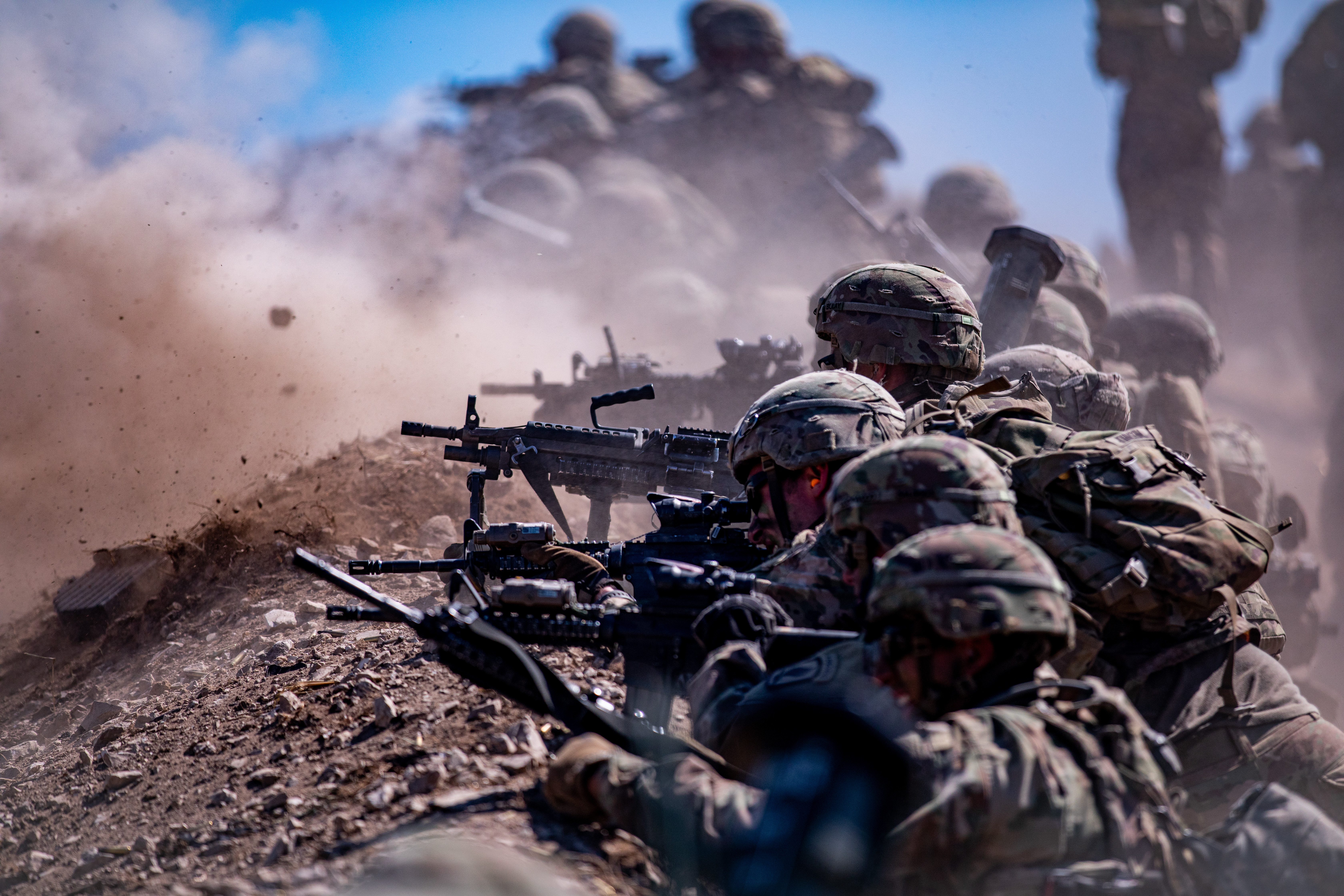
Soldiers fire at targets during a live-fire training at Grafenwoehr Training Area, Germany, July 31, 2020.
On August 4, the Department of Defense’s (DOD) Joint Acquisition Task Force (JATF), in support of the Department of Health and Human Services’ (HHS) Strategic National Stockpile (SNS), awarded $104 million in contracts to procure syringes and safety needles, enabling the nationwide administration of a U.S. Food and Drug Administration (FDA)-approved COVID-19 vaccine, once one is available. The syringes and safety needles are critical to the nation’s COVID-19 vaccination strategy, providing a total of 500 million safety syringes over a 12-month period, with more than 134 million of the total number delivered by the end of 2020.
The syringes and safety needles will be placed into the SNS so they will be readily available to quickly and efficiently vaccinate the U.S. population once a safe and efficacious COVID-19 vaccine is developed. This procurement is the latest in a series of recent contracts highlighting a collaborative “whole-of-government” approach in response to the COVID-19 threat.
The Joint Program Executive Office for Chemical, Biological, Radiological and Nuclear Defense (JPEO-CBRND) partnered with HHS and the Army Contracting Command – Aberdeen Proving Ground (ACC-APG), to select and award contracts to six companies: Duopross Meditech Corporation ($48 million), Cardinal Health Inc. ($15 million), Gold Coast Medical Supply, LP ($14 million), HTL STREFA Inc. ($12 million), Quality Impact, Inc. ($9 million), and Medline Industries, Inc. ($6 million). The companies represent a mix of large and small medical product manufacturers and distributors.
“This effort demonstrates skillful collaboration between the interagency and our industry partners, and moves the nation farther forward in its fight against COVID-19,” said Joint Program Executive Officer for Chemical, Biological, Radiological and Nuclear Defense, Douglas Bryce. “Immediate procurement and prepositioning of syringes will enable rapid vaccination of the U.S. population once an FDA-approved vaccine becomes available. We are pleased to be part of this unprecedented and critical undertaking.”
This CARES Act funded effort is part of the ongoing collaboration between DOD and HHS to support replenishment of the SNS with critical medical resources.
Defense Secretary Dr. Mark T. Esper discussed the National Defense Strategy and U.S. great-power competition, the challenges COVID-19 brought to the Defense Department and his initiatives on diversity and inclusion in a virtual address to the Aspen Security Conference.
"When I was confirmed over a year ago, … one of the things I made clear is my top priority would be implementing the National Defense Strategy," the secretary said in today's remarks. "As you know, the NDS says we are now in an era of great power competition, [and] our chief competitors are China and Russia, in that order."
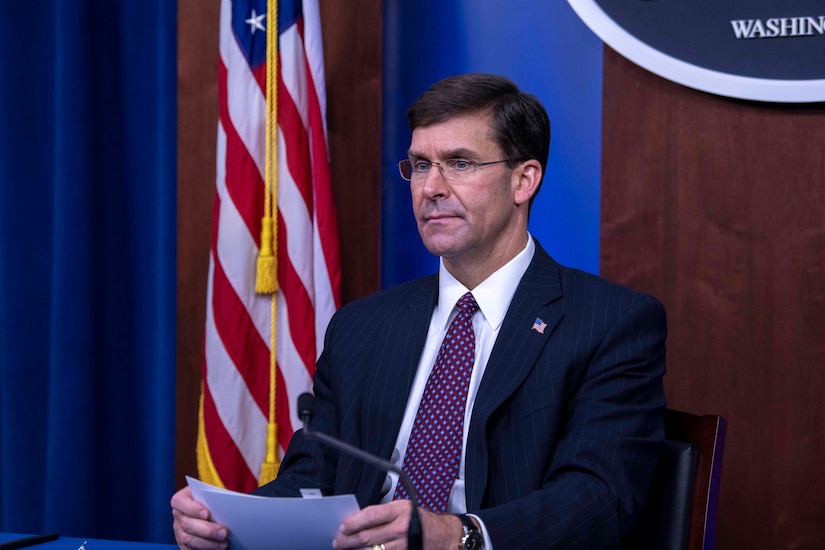
A second tier of countries must be addressed, he added, such as North Korea and Iran, and the enduring threat of violent extremist organizations also figures into the equation.
Since Esper took office, DOD has been moving out for nearly 13 months
in terms of implementing the NDS and its three lines of effort:
One of the challenges DOD has faced over the previous seven months is the impact of COVID-19, which hit the department in January, the secretary said.
"I've been tracking this since mid-January, and the department received its first U.S. citizens from China in late January," he said. DOD put its global defense plan into effect Feb. 1.
"We've been at this for seven months, and I'm really proud of the Department of Defense," Esper said. "I think at our high point, there were over 60,000 service members on the streets of America, in many of the hot spots — particularly the National Guard — whether it was medical professionals helping out in hospitals to [those] distributing supplies."
"I'm very proud of what the United States military did — often putting themselves at risk," the secretary said.
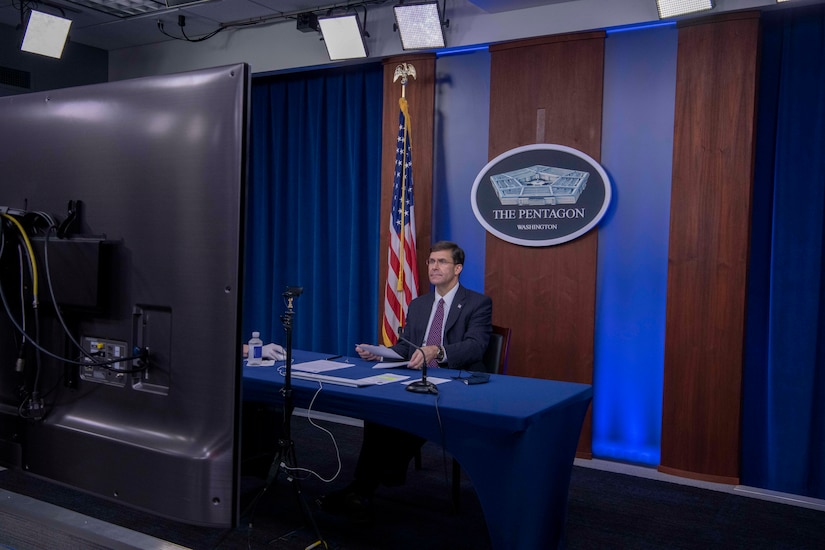
And during that challenging time, the secretary outlined three priorities: to take care of DOD's people and their families, ensure the department could maintain our readiness to execute the national security mission and to support the whole-of-government effort.
On top of that, he noted, DOD dealt with civil unrest in the wake of the murder of George Floyd. "Our service members again did extremely well in serving their state governors … making sure that Americans had the right to exercise their First Amendment right of freedom of speech and assembling to protest, and to do that peacefully, so I've been very proud of our Guard in that manner," Esper said.
The civil unrest led the secretary to pursue three initiatives to address racial discrimination, diversity and inclusion in the military ranks.
"Clearly, while the U.S. military has been a leader in dealing with discrimination in its ranks and making sure it is not part and parcel of our force, we are not immune to what's happening in broader society, so we're taking a number of actions to do that for two reasons," the secretary said.
"First, it's the right thing to do. But secondly, it's important to our readiness," he said. "We need to be able to recruit the best and the brightest and to make sure they all feel respected, regarded and have all the opportunities that everybody else does in our force. And that applies not just to persons of color, but to ethnic differences, gender, sexual orientation, you name it. We want to represent the American people that we've sworn an oath to protect and defend."
DOD is focused inward and is helping inward and at the same time, maintaining its national security capabilities and defending the country, Esper said. "And we see that as our top priority," he added, "and [we] are committed to continue to do so as we move forward."
''It's a challenge,'' said Marine Corps Lance Cpl. Preston Batson, the assistant barracks manager for the Joint Reception Center Marines. New Marines are required to fulfill a 14-day restriction-of-movement order when they arrive on Okinawa. ''The JRC staff and I are always on the go,'' Batson said. ''While we wear masks and stay 6 feet apart, there's always a chance to be exposed to COVID-19. We are surrounded by Marines new to the island who have executed the 14-day restriction of movement and Marines whose flight has just landed to Okinawa.''
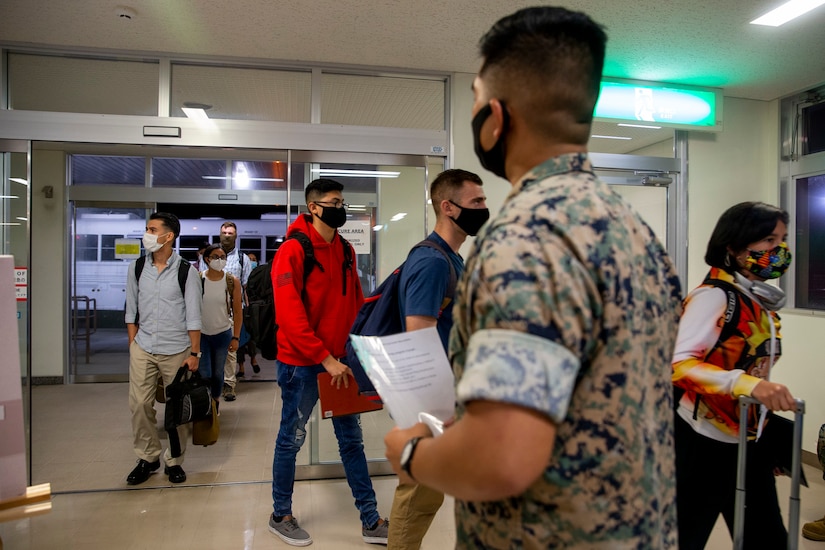
Despite COVID-19 restrictions, JRC Marines have continued to assist hundreds of accompanied and unaccompanied service members with their overseas transition.
New, unaccompanied Marines who are E-5 and below and ''greenside'' sailors — Navy personnel attached to a Marine Corps unit — step off the Patriot Express into the Kadena Air Base terminal to be greeted by the JRC staff. Batson, eager to welcome the Marines and sailors, helps facilitate the process of checking in the Marines and ensuring their well-being.
''Our job is continuous,'' said Batson, also a driver for JRC. ''We live with the JRC Marines, so when we go home we are still with them — always on call.''
Though all inbound personnel to Okinawa must comply with the 14-day restriction of movement, the JRC staff helps ensure their safety by conducting wellness checks three times a day, bringing meals to them and ensuring cleanliness.
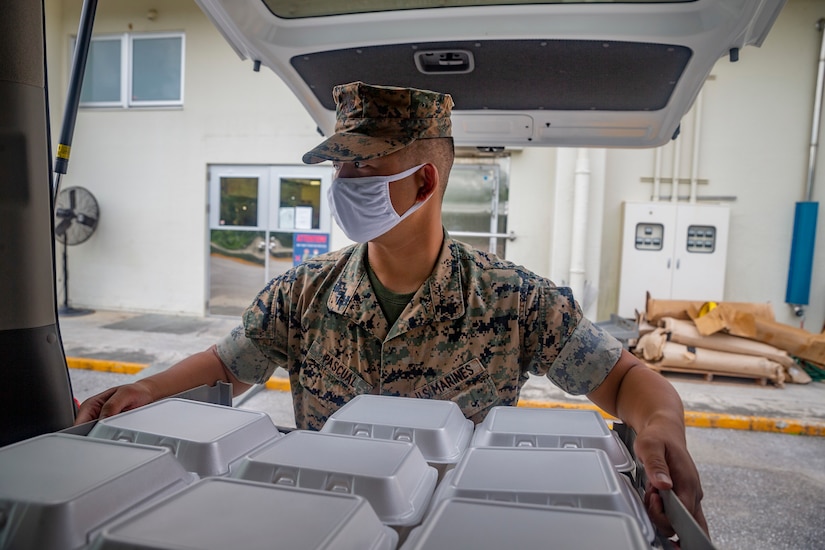
''On average, we have 60 or more Marines and sailors in both barracks,'' said Batson. ''COVID-19 has not stopped JRC; we have only adjusted what we do.''
After the 14-day ROM cycle, the Marines execute their week-long orientation to the island. Before the pandemic, the JRC Marines had classes every day, and, toward the end of the week, they would visit Hacksaw Ridge. Health protection condition restrictions limit the staff to teaching only the most vital classes. Under current conditions, the battle site tours have been suspended.
''COVID-19 has put a hold on some of the things we do, but we always adapt and overcome,'' said Marine Corps Cpl. Daniel Chavez, a troop handler with JRC. ''It's kept us on our toes, and we adjusted, as needed, to continue helping the Marines in JRC.''
With COVID-19 still prevalent, it has caused an adjustment to the organization and procedures of JRC; however, the staff has worked hard to overcome and push forward.
''There is a lounge for the JRC Marines to interact with one another — of course, staying 6 feet apart and wearing a mask,'' Batson said. ''There is a TV, video games, board games and books for them to use. The biggest thing is to make sure they are OK. I don't like to see a Marine sad. I want to do everything I can to make them smile and know we are here for them.''
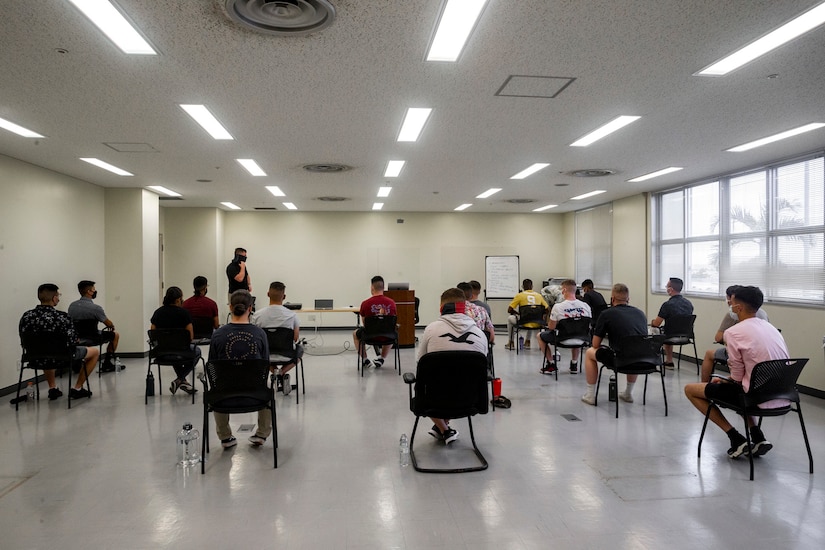
The JRC staff helps establish principles for other noncommissioned officers to uphold when placed in a leadership position with Marines under their command.
''In a way, we are a mentor to these Marines,'' said Chavez. ''NCOs should be watching out for their Marines, making sure they get chow, and be somebody who helps with anything they need.''
The main effort of the JRC staff is to take care of every Marine and sailor who comes through the program.
''At the end of the day, it's our job as the JRC staff to make sure the new Marines and sailors are safe,'' said Batson. ''A part of keeping them safe is checking on them multiple times a day and ensuring they are healthy, physically and mentally. They are important.''
(Marine Corps Lance Cpl. Karis Mattingly is assigned to Marine Corps Installations Pacific.)
"I'm just grateful to help during this time," said Navy Petty Officer 2nd Class Jon Doliana, a hospital corpsman. Doliana was deployed to the COVID-19 respiratory clinic activated at Great Lakes.
"I love being here doing whatever the Navy needs me to do," the Nashville, Tennessee, native said.
As COVID-19 became a global concern, the Lovell Health Care Center altered many of its practices to safeguard patients and staff, but the mission didn't change. Since it was established in 2010 as the nation's first fully integrated federal health care center in support of both the Defense and Veterans Affairs departments, one of the center's main missions is medically preparing Navy recruits for military service. The pandemic has not diminished the need for military readiness and it has greatly increased the amount of medical resources needed to accomplish that goal.
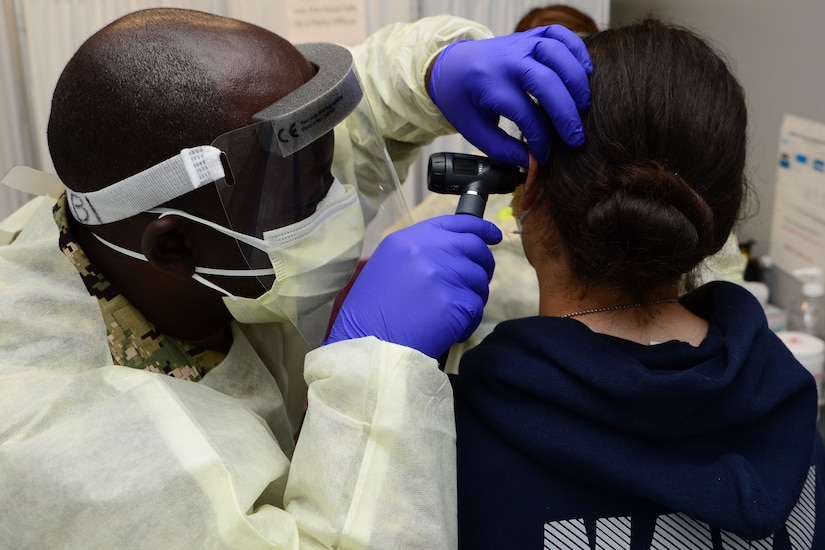
On June 3, a select team of 81 Navy Reserve medical personnel mobilized to Great Lakes as part of the DOD's response to the pandemic. Reservists were deployed from their hometowns and from multiple units — including the Expeditionary Medical Facility Bethesda, Maryland, and the Naval Reserve Center Nashville, Tennessee — to augment the fleet's active-component staff. The team is led by Navy Capt. Rebecca Zornado from Oceanside, California. Teams include hospital corpsmen and members of the Medical Service Corps, Medical Corps, Nurse Corps, and other enlisted support staff, including personnel support and yeomen.
As part of the strategy to prevent the spread of COVID-19 throughout the boot camp population, the Navy restricted the off-base movement of all Navy recruits at a nearby lodge and hotels before they began their boot camp, and the nursing staff checks the "pre-recruits" daily for COVID-19 symptoms. The screening includes an evaluation for both typical and atypical symptoms.
"It's been a huge benefit having the reservists onboard," said Navy Cmdr. (Dr.) Robert Senko, who usually is the director of primary care medicine at Lovell FHCC but has been overseeing the recruit restriction-of-movement process since it was implemented. Senko said the reservists have stepped up and taken charge of the respiratory clinics and sick call, as well as restriction-of-movement medical procedures.
The nurses assigned to the staff teams supervise the delivery of care and nasopharyngeal swabbing procedures to ensure optimal screening standards and appropriate use of personal protective equipment, which all medical staff in direct contact with recruits use. The nurse practitioners also are responsible for screening, diagnosing and treating recruits.
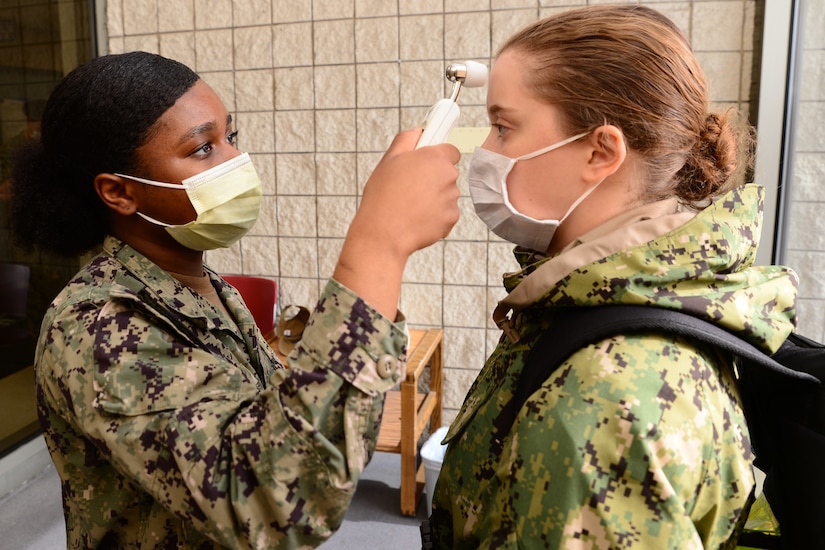
The extra manpower is necessary as Lovell FHCC allows more face-to-face appointments with veterans and more recruits enter the restricted-movement period.
In addition to the extra effort needed to control the spread of COVID-19, Lovell FHCC's usual recruit health and dental care mission continues. Annually, it involves about 40,000 recruits. The facility operates three RTC branch medical clinics. At USS Red Rover, recruits receive immunizations and other medical procedures before being declared fit for full duty; the USS Osborne provides a full spectrum of dental services for recruits. But the USS Tranquility is the busiest, providing services from that range from sick call to mental health care and special physicals. The reservists have lightened the load.
Each reserve team implemented standard operating procedures for health protection in their work environment, including the use of personal protective equipment.
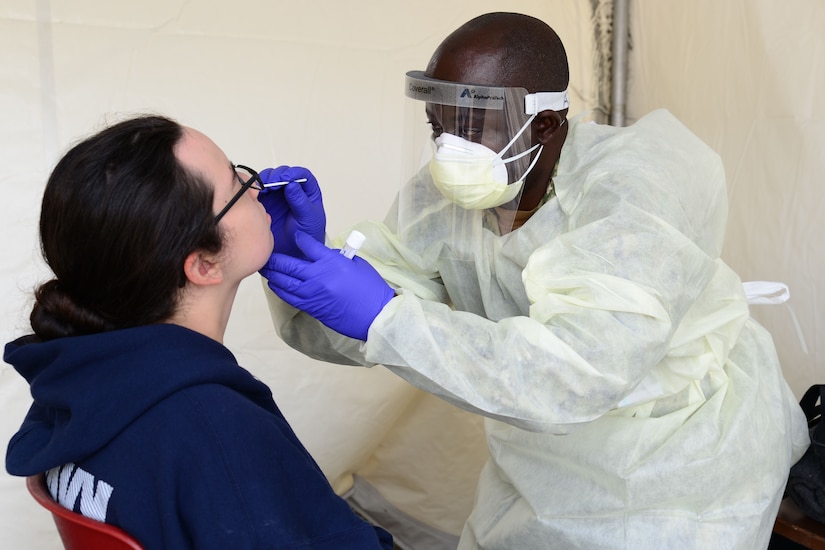
When asked what the biggest challenge of being deployed to Great Lakes during the COVID-19 pandemic is, Navy Chief Petty Officer Lisa Tran, a hospitalman from Houston, is unequivocal.
"Keeping up with the current research, which may change the next day, and keeping our corpsmen trained on the best medicine, the best practice at the time is somewhat of a challenge," she said. "But it's nothing we can't handle."
(Navy Seaman Recruit Minh-Thy Chu is assigned to the Captain James A. Lovell Federal Health Care Center.)
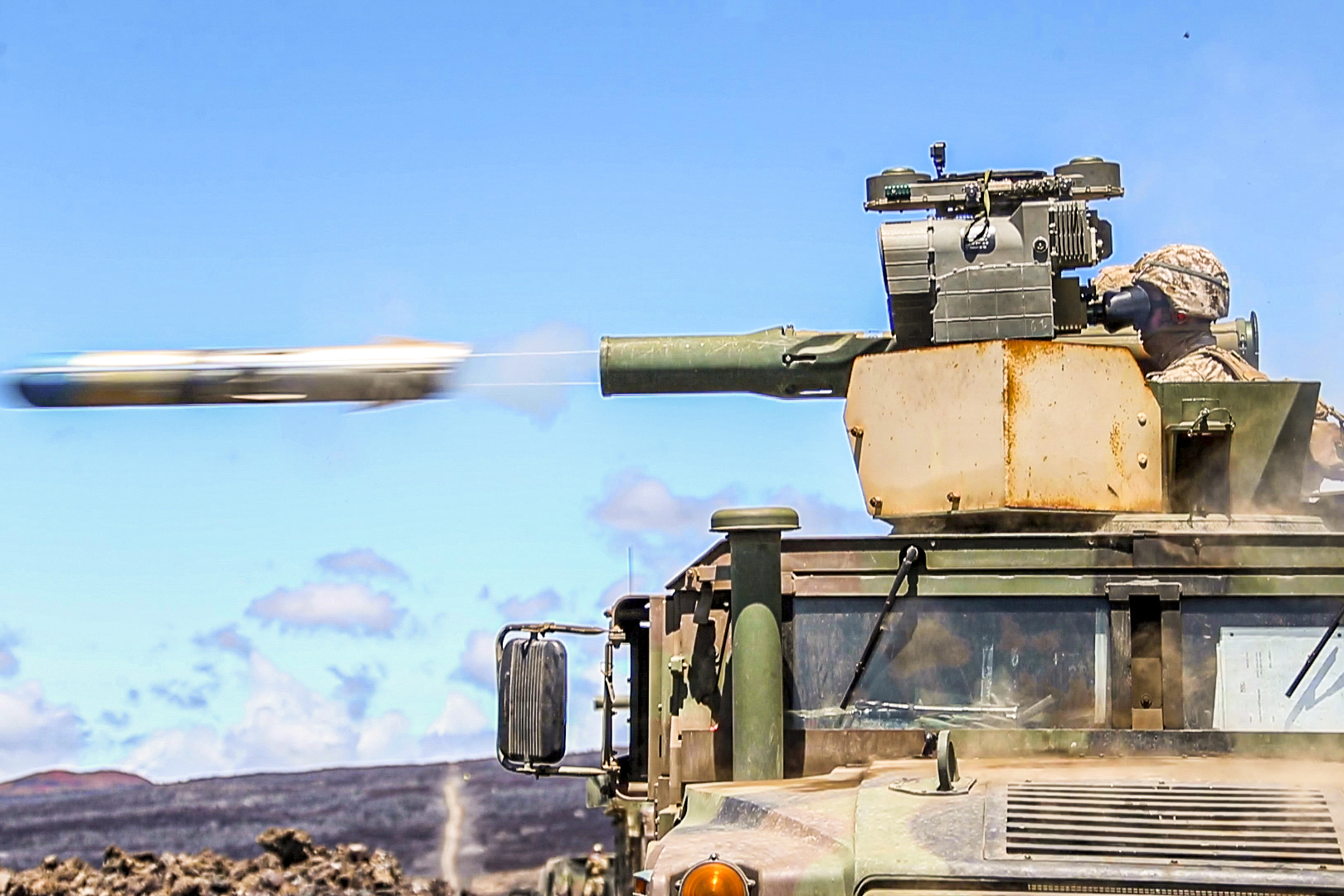
Marine Corps Pfc. Bart Bryant fires a tube-launched, optically-tracked, wireless-guided missile during at Pohakuloa Training Area, Hawaii, July 18, 2020, during Bougainville II, the second phase of a predeployment exercise designed to increase combat readiness through complex and realistic live-fire training.


 Posts
All Comments
Posts
All Comments
Posts
All Comments
Posts
All Comments


