Thursday, July 23, 2020

DOD Awards $4.9 Million Contract to Pall Corporation to Increase Industrial Base Expansion for Medical Ventilator Components

July 23, 2020

The Department of Defense (DOD) awarded Pall Corporation a firm fixed price undefinitized contract action, not to exceed $4.9M, to increase the domestic industrial base capacity for ventilator filters. This award includes, but is not limited to, special molding and tooling equipment, facility build costs, and FDA certifications.

As the need for ventilators has increased over the course of the COVID-19 public health crisis, critical component manufacturers were unable to meet demand. DOD and the Department of Health and Human Services (HHS) worked together with industry to determine how to support increasing the domestic capacity of critical component suppliers, and this effort is a result of those collaborations. Pall’s prior production rate of ventilator filters was 485K units/month. With this award, Pall Corporation is expected to increase their domestic manufacturing by another 650K units/month starting in 16 months post-award; their production facility is located in Puerto Rico.

Fiscal 2020 other procurement funds in the amount of $1,630,000.00 are being obligated at the time of award. Air Force Life Cycle Management Center, Robins Air Force Base, Georgia is the contracting activity (FA8576-20-P-0003).

This contract award is part of the ongoing collaboration between DOD and HHS, led by the Department’s Joint Acquisition Task Force (JATF) and funded through the CARES Act, to enable and support domestic industrial base expansion for critical medical resources.

Esper: DOD Involved in COVID-19 Fight 'From Day One'

July 23, 2020 | BY C. Todd Lopez , DOD News

Since the COVID-19 crisis first threatened the United States earlier this year, the Defense Department has been at the forefront of America's fight against the pandemic, said Defense Secretary Dr. Mark T. Esper.

"We've been in it from day one, going back to late January, when I started taking reports on COVID-19," said Esper, during a press briefing yesterday at Whiteman Air Force Base, Missouri. "If you recall, way back then, it was the Air Force. In fact, the Air Force Reserve, that opened up a base in California in late January to bring American citizens back from China to deal with it."

We've been ahead of the curve every step of the way. We will continue to be there."
Defense Secretary Dr. Mark T. Esper

Since that time, Esper said, the department has opened more bases to take care of Americans who've been repatriated and taken to the streets to bring assistance directly to citizens.

"At one point, well over 45,000 guardsmen [were] out distributing supplies, setting up testing stations in nearly all 50 states and territories," he said. "[It's] just a remarkable effort by the active duty and mostly the Guard to do that. And now, of course, we're all in with regard to Operation Warp Speed and driving toward a therapeutic and a vaccine to get there."

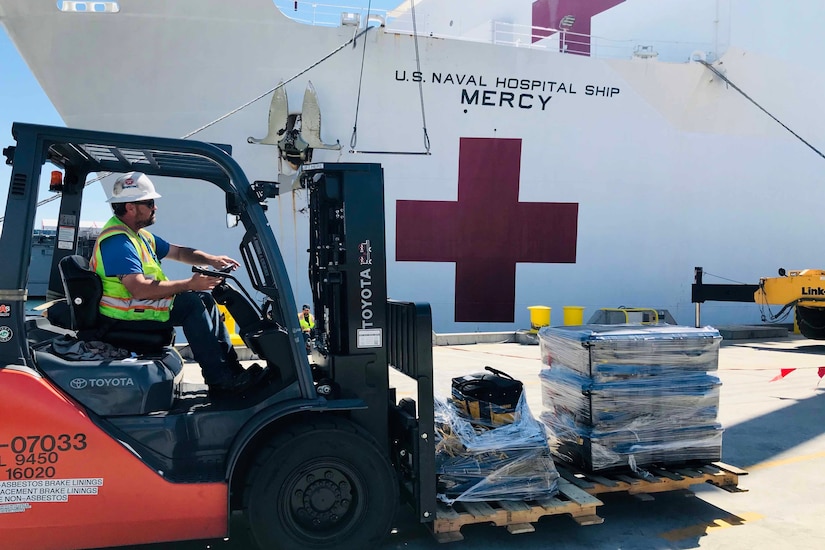
In the foreground, a forklift moves supplies. Behind the forklift is a Navy ship.
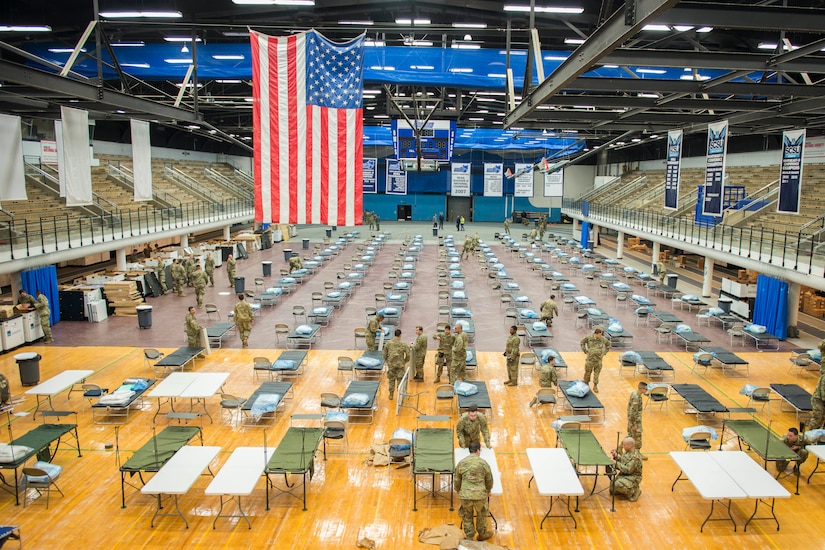
Dozens of cots are lined up on the floor of a sports arena.

America's soldiers, sailors, airmen and Marines, Esper said, continue to stand ready to provide support to the people of the United States in the fight against COVID-19.

"We've been there from day one. We've been ahead of the curve every step of the way. We will continue to be there," he said.

At Whiteman AFB, Esper also met with airmen and civilians to discuss issues related to diversity and equality within the department — something he said is critical to the department's strength.

Two men, one in a military uniform, the other in a suit, bump elbows.

Among the many issues discussed was finding ways to make the promotion process blind to both gender and race to avoid gender and race biases, he said.

"All those things we can do to get rid of things that might trigger conscious, more importantly, unconscious bias, I want to do to move forward," he said. "We need to be as meritocratic as possible in the military. That's our commitment. The military is very diverse. That's a strength of ours to be diverse. At the end of the day, it's all about improving cohesion, morale and readiness. And the more that we can have a diverse, inclusive force that everybody believes offers equal opportunity, the stronger we will be in defense of the American people."

Whiteman AFB, about 60 miles outside Kansas City, is home to the B-2 Spirit bomber, a wing-shaped stealth aircraft that’s operated at the installation by both the active duty 509th Bomb Wing and the Air National Guard's 131st Bomb Wing.

A wing-shaped aircraft moves down a runway.

At Whiteman, Esper said, he was impressed with the multi-component cooperation he witnessed between the guard and active duty personnel to carry out the mission.

"As some of you know, I served in both active duty and the ... Army Guard," he said. "I've never seen integration like this. Its hand-in-glove relationship is seamless, and I'm very impressed by what I saw today. I've got to say the Air Force overall does this very well."

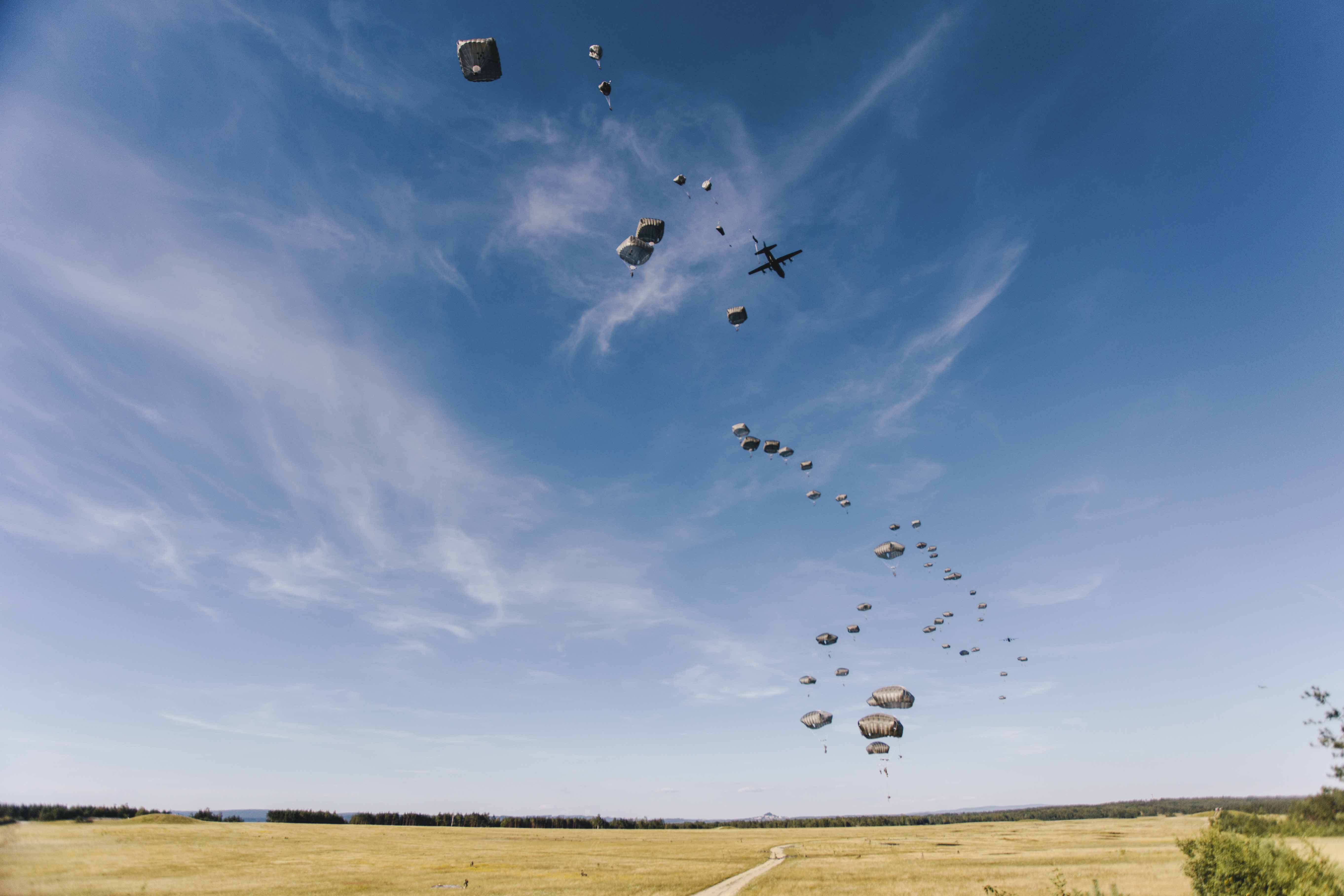
Germany Jump

Army paratroopers descend onto Bunker drop zone after exiting an aircraft at Grafenwoehr Training Area, Germany, July 22, 2020.

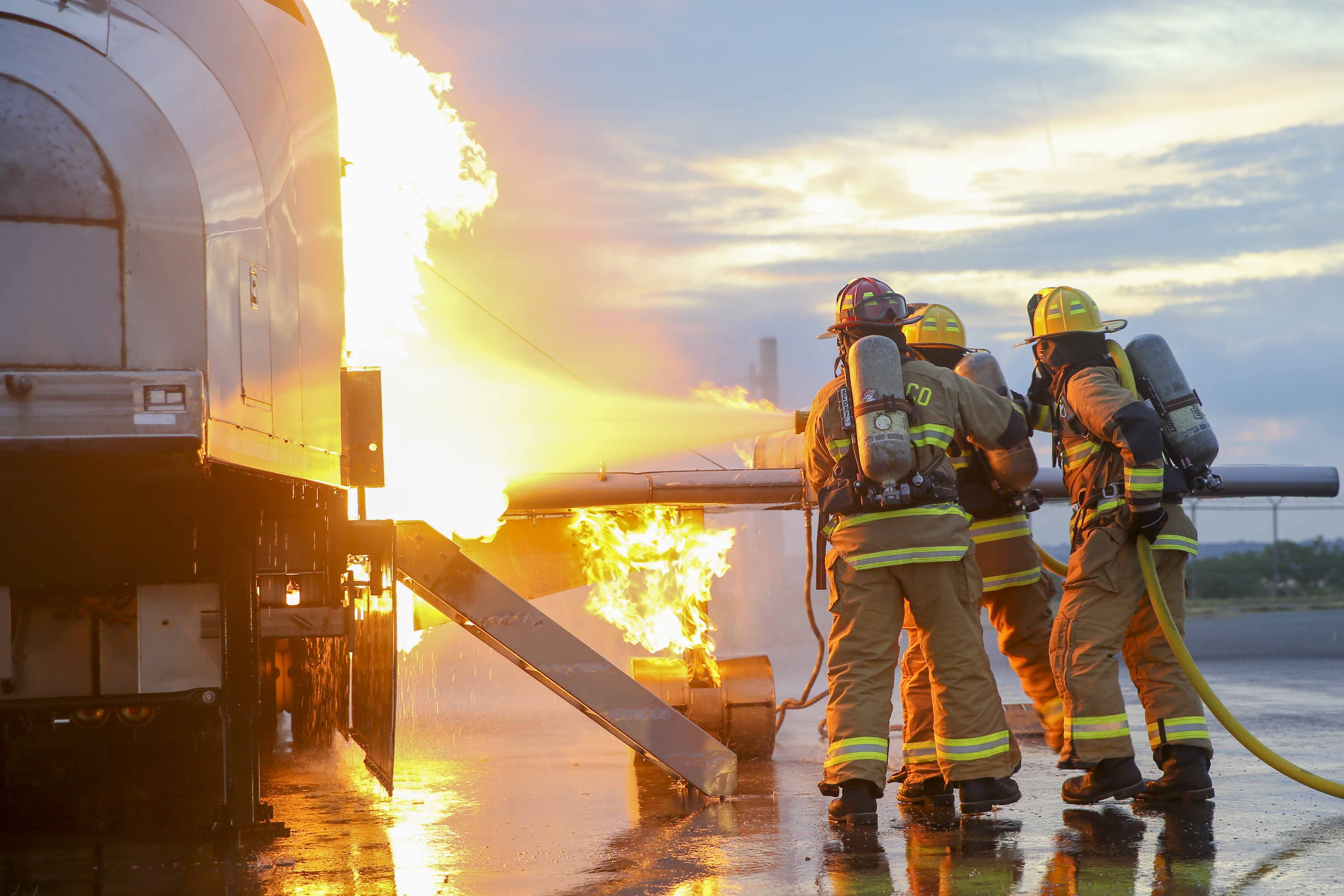
Fire Training

Marines participate in fire and rescue training at Marine Corps Base Quantico, Va., July 22, 2020.

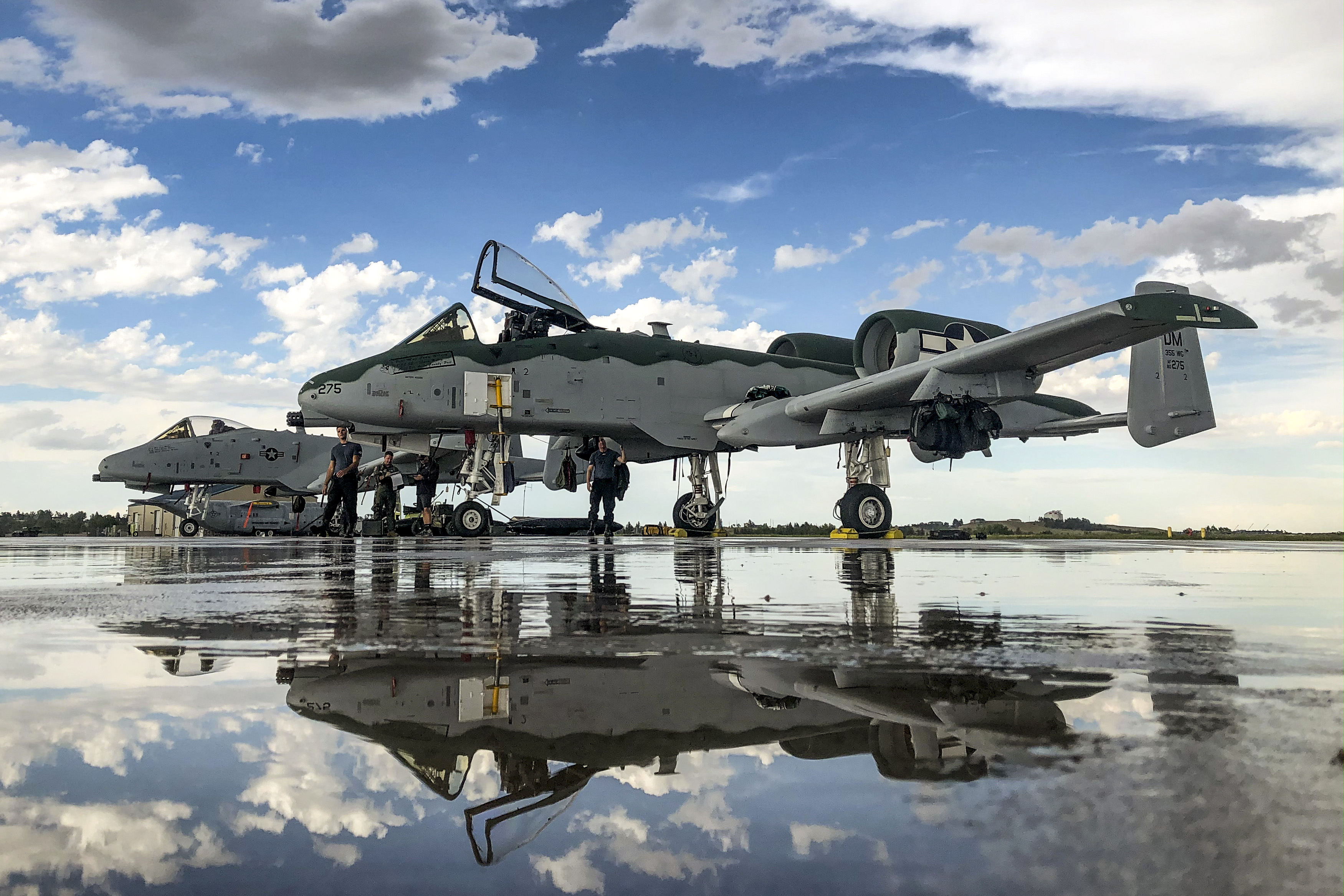
Plane Reflections

Air Force A-10 Thunderbolt II aircraft assigned to the A-10 Demonstration Team sit on a flightline in Wyoming, July 20, 2020.

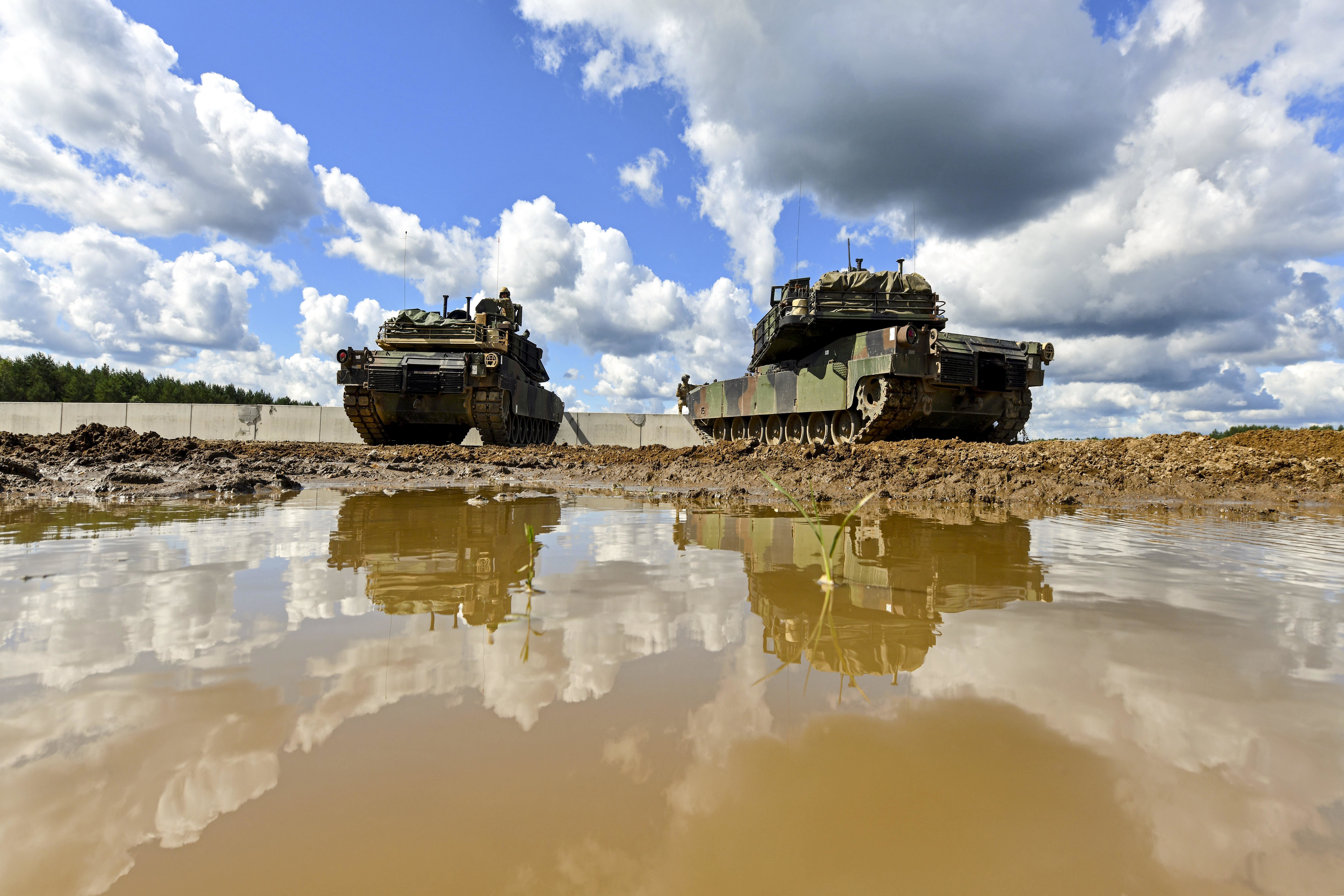
Tank Reflections

Army M1 Abrams tanks are positioned to fire at Drawsko Pomorskie Training Area, Poland, July 21, 2020, during Phase II of Defender-Europe 20, an exercise supporting the U.S. National Defense Strategy and NATO deterrence objectives.

Nebraska Guard Transitions COVID-19 Testing to Civilian Health Care Workers

July 23, 2020 | BY ARMY STAFF SGT. HEIDI MCCLINTOCK

After months of support, the Nebraska National Guard is transitioning its COVID-19 testing mission to civilian health care workers throughout the state.

As of July 1, full Nebraska National Guard testing teams are no longer activated to provide testing throughout Nebraska, but a small group of soldiers and airmen is still activated to provide training and knowledge to hospitals for the Test Nebraska campaign. Another small team is supporting the Omaha area.

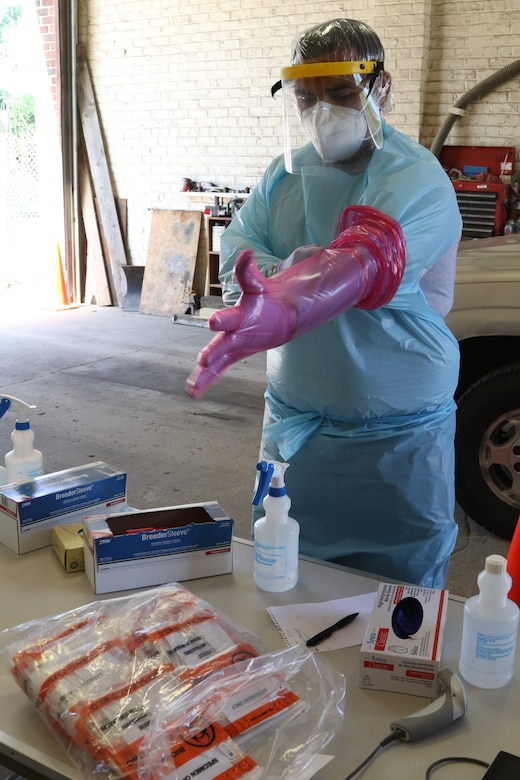
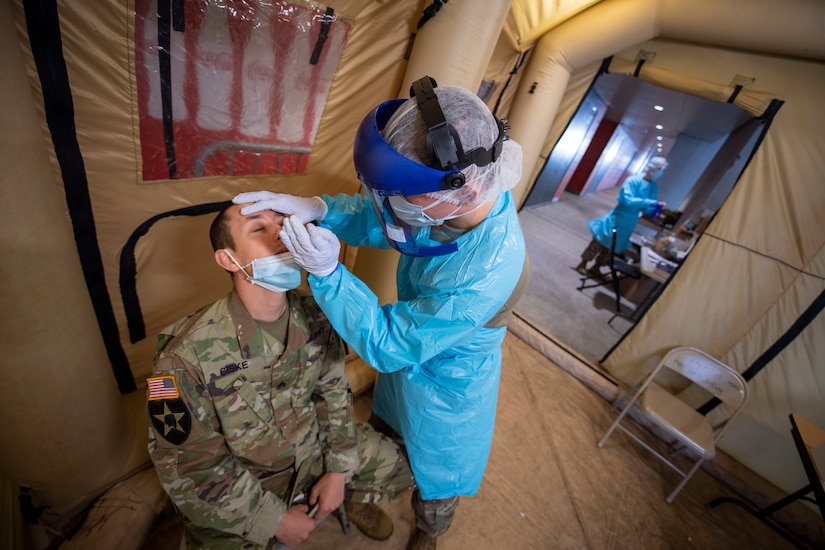
A man puts on full body protective gear.

''The transition has been going very well,'' said Army Maj. Angela Ling, the coordinator between the Nebraska Department of Health and Human Resources and the Nebraska National Guard. ''The current process is: if a hospital/clinic/health department is interested in running a Test Nebraska site, they contact DHHS, and together they get a contract signed. Once the contract is signed, my team receives the contract, and we call the hospital directly.''

''When we call the hospital, we work out their training needs, test kit, and [personal protective equipment] delivery and scheduling plan,'' Ling added. ''Once these details are solidified, we send an update to the Test Nebraska team to get them loaded into the scheduling system.''

The transition was put in place after several hundred Nebraska National Guard soldiers and airmen were activated in late March to support testing teams that traveled across the state for weeks on end.

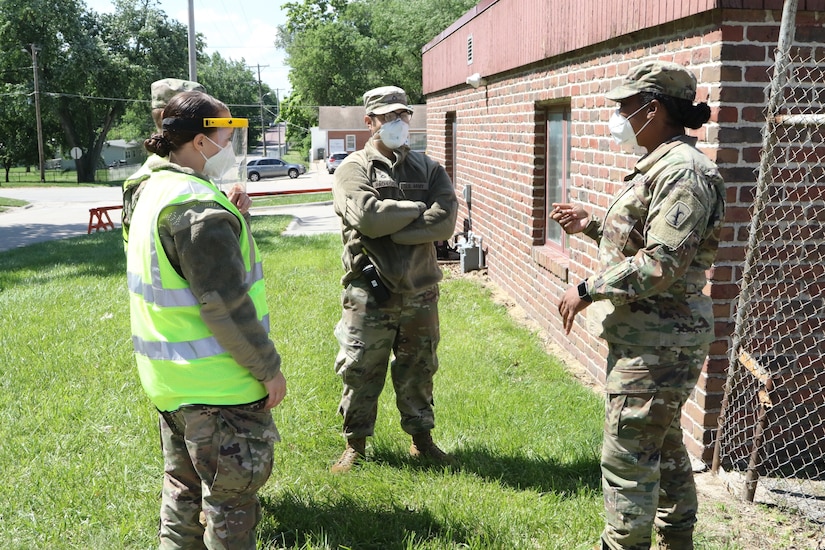
Three Nebraska National Guardsmen wearing face masks stand in grass.

''The civilian hospitals are doing a wonderful job with this transition,'' Ling said. ''They are eager to support this need for their communities.''

Over the past few months, the guard testing teams have been able to provide Test Nebraska sites wherever needed, including nursing homes, corrections facilities, meat processing plants, smaller towns and large cities alike.

The teams have helped to collect more than 80,000 samples for testing during the COVID-19 pandemic, supporting 53 counties and all 19 health departments.

''It's been a great honor for the governor to entrust his confidence in Nebraska National Guard soldiers and airmen to provide the testing for COVID-19 these past few months,'' said Army Maj. Gen. Daryl Bohac, Nebraska adjutant general. ''I couldn’t be more proud of the team we have had on orders to provide the support and capabilities for such an important mission. It goes without being said we have great soldiers and airmen in the state of Nebraska that are ready to respond at a moment's notice.''

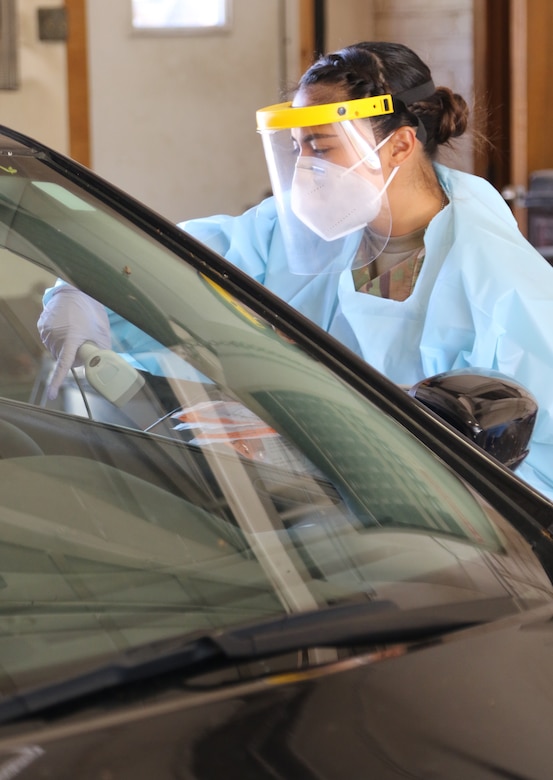
A woman in protective gear stands next to a car.

Throughout the pandemic, the guard has always pushed to ensure the safety of the soldiers and airmen supporting the COVID-19 response missions as well as their fellow citizens.

''I have three directives: [to] preserve the health of the force, protect our families in our communities and stay ready,'' Bohac said. ''If we take care of everyone, we take care of the other two, and that’s the direction we’re following.''

As the mission begins to wind down, the soldiers and airmen know that their hard work hasn’t gone unnoticed, and they are proud of their contributions during this time.

''Our team has enjoyed working with numerous agencies and filling a need for the state during this pandemic,'' Ling said.

(Army Staff Sgt. Heidi Mcclintock is assigned to the Nebraska National Guard.)

Marines Donate Plasma in Fight Against COVID-19

July 23, 2020 | BY Navy Petty Officer 3rd Class Jacob L. Greenberg

Marines assigned to Marine Corps Recruit Depot San Diego in California who have tested positive for COVID-19 donated plasma at Naval Medical Center San Diego.

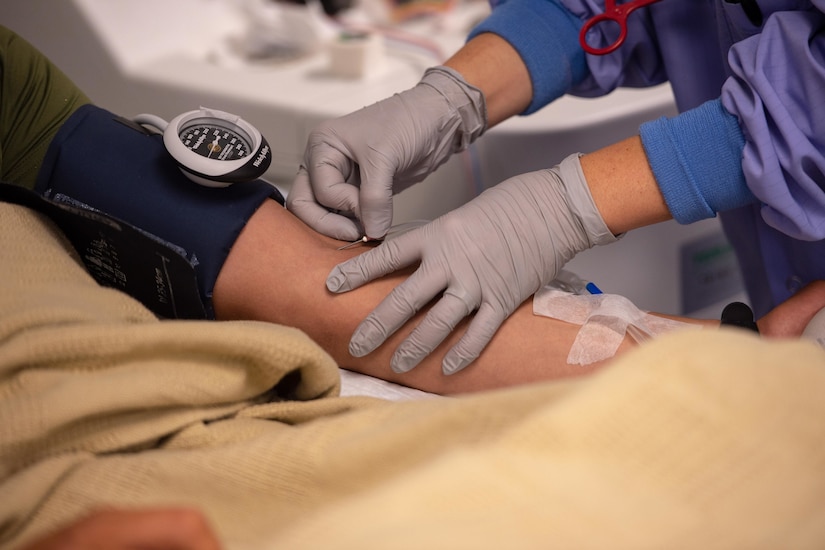
A phlebotomist drawing and testing blood.

In support of the development of an effective treatment, The Defense Department launched a campaign in late May to collect 8,000 units of plasma from patients who have recovered from COVID-19.

"The hope is that these Marines who have tested positive and recovered from COVID-19 will have developed antibodies," said Ellyn Alcantara, a clinical nurse assigned to the medical center's blood donor center. "These antibodies could lead to developments in a treatment for COVID-19."

All of the Marines volunteered to donate their plasma with the hope that their antibodies will help others.

"It makes me feel good to be a part of the solution to this pandemic," said Marine Corps Pfc. Xavier Flores, a recent donor.

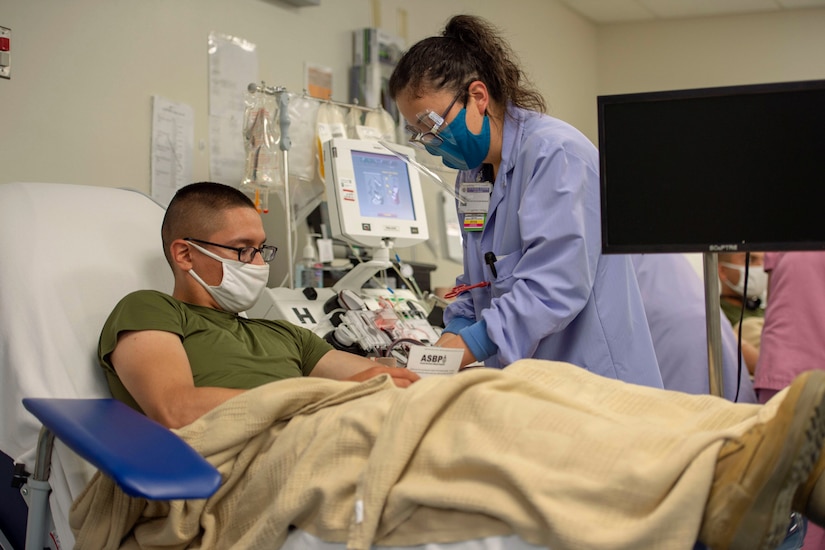
A Marine gets blood drawn while lying in a hospital bed.

Upon arriving at the donor center, the Marines were given a medical health screening to determine their donor eligibility. Once they are cleared to donate plasma, a complete blood count and hematocrit test ensures the proportion of red blood cells in the body is optimal for donation and would have no adverse effects on the donor.

"A transfusion transmissible infection test will be performed on all donors as a part of their screening process," said Navy Lt. Therica Reynolds, the officer in charge of the medical center's Blood Donor Center. "We're trying to maximize our plasma collection and do our part for patient care."

Reynolds said apheresis — the plasma donation process — takes about an hour from the beginning of the screening process to the end of the collection. Convalescent COVID-19 plasma, or CCP, from recovered COVID-19-positive patients has been used at the medical center to help symptomatic patients recover.

A phlebotomist drawing and testing blood.

"A qualified donor is eligible to donate every 28 days, and one person can potentially donate four doses, or bags, of CCP per visit," Reynolds said. "We highly encourage potential donors to make an appointment for one of our five apheresis machines. Anyone who has tested positive for COVID-19 and has recovered is encouraged to come into our [donation center] and get screened to donate."

NMCSD's mission is to prepare service members to deploy in support of operational forces, deliver high quality healthcare services and shape the future of military medicine through education, training and research. It employs more than 6,000 active duty military personnel, civilians and contractors.

(Navy Petty Officer 3rd Class Jacob L. Greenberg is assigned to Naval Medical Center San Diego.)

Wednesday, July 22, 2020

Massachusetts Man Sentenced for Illegally Retaining Classified National Defense Information Regarding U.S. Military Programs

BOSTON – A former Raytheon systems engineer was sentenced today for illegally retaining national defense information. The defendant retained 31,000 pages of information that was marked as classified, some of which pertained to U.S. missile defense and was classified at the SECRET level, and altered or obliterated the classification markings on documents.

Ahmedelhadi Yassin Serageldin, 67, of Sharon, was sentenced by U.S. District Court Judge Patti B. Saris to 18 months in prison, one year of supervised release and ordered to pay a fine of $10,000. In December 2019, Serageldin pleaded guilty to one count of willfully retaining national defense information.

Serageldin was a systems engineer at Raytheon Technologies in Massachusetts from August 1997 until he was terminated in May 2017. Serageldin had a SECRET level security clearance in order to complete his assignments on several defense contracts for the U.S. government involving military radar technology. 

After Raytheon raised suspicions to federal authorities about whether Serageldin was being candid during an internal investigation of his computer usage, agents followed Serageldin to a local library where they discovered that he was researching how to delete files from his computer. During the execution of search warrants, over 3,100 electronic files and over 110 paper documents belonging to Raytheon or the Department of Defense, over 570 of which were marked as containing classified information, were recovered. The documents marked as containing classified information totaled approximately 31,000 pages in length. Court documents list five specific documents, all of which pertain to U.S. military programs involving missile defense and are classified at the SECRET level. It was also determined that Serageldin had altered or obliterated the classification markings on approximately 50 documents.

United States Attorney Andrew E. Lelling; Assistant Attorney General John C. Demers of the Justice Department’s National Security Division; Joseph R. Bonavolonta, Special Agent in Charge of the Federal Bureau of Investigation, Boston Field Division; and Leo Lamont, Special Agent in Charge of the Naval Criminal Investigative Service, Northeast Field Office made the announcement today. Assistance with the investigation was provided by the Air Force Office of Special Investigations and the Internal Revenue Service’s Criminal Investigations in Boston. Raytheon Technologies has cooperated with the investigation, which was launched after they notified federal authorities about the suspicious conduct. Assistant U.S. Attorney Scott L. Garland, Deputy Chief of Lelling’s National Security Unit, prosecuted the case with assistance from Trial Attorney Scott Claffee of the Justice Department’s National Security Division.

Warm Welcome

A guardsman returning from deployment, greets her dog at the Wyoming Air National Guard base, Cheyenne, Wyo., July 21, 2020.

Indo-Pacific Commander Details Regional Deterrence Efforts

July 22, 2020 | BY Jim Garamone , DOD News

The Indo-Pacific is the most significant region for America's future, and it has become the nation's highest-priority theater, the commander of the Hawaii-based U.S. Indo-Pacific Command told the Defense Writers Group in Washington.

Navy Adm. Philip S. Davidson held a virtual meeting today with the nonprofit association of military and national security correspondents, and he repeatedly stressed the danger to the free world that is posed by the Chinese Communist Party's rule over the world's most populous country.

The region is about opportunity, as Indo-Pacific basin nations will represent two-thirds of the world's economy in 10 years, the admiral said. With its long Pacific coastline, he noted, the United States is an integral part of the region.

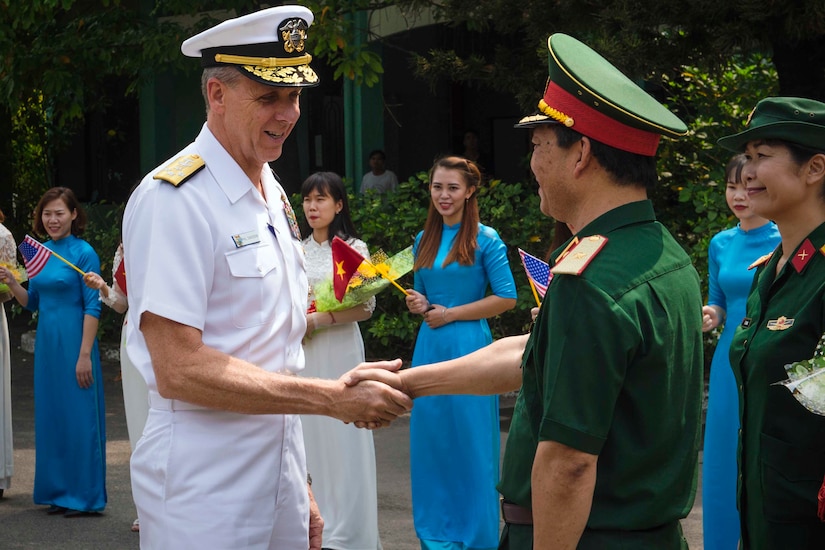
Two men dressed in military uniforms shake hands as others look on.

Since World War II, the nations of the region have taken advantage of the peace and developed at a phenomenal rate. Japan had been flattened during the war and grew to be the world's second-largest economy in the 1980s. South Korea was a developing nation in 1945. It is the world's 12th-largest economy today, making the leap from an agrarian economy to a high-tech, industrialized society in a generation. 

Other nations have also made impressive gains, including Thailand, Vietnam, Indonesia, Brunei, Malaysia and Singapore.

However, the country that made the biggest leap is China. Since the nation opened up to the West following President Richard Nixon's visit in 1972, the country has experienced immense growth and is now the world's second-largest economy. It has profited immensely from the rules-based international order.

U.S., Thai soldiers stand in formation.

Security is a requirement for such prosperity, and Davidson said he sees major security challenges in the Indo-Pacific region. "First and foremost, I think the greatest strategic challenge to the United States comes from the People's Republic of China," he said. Davidson also said Russia is a factor in the Indo-Pacific region, and North Korea continues to be a challenge. Indo-Pacom also faces the threat of violent extremist organizations in the region, most notably in the Philippines, the admiral told the group. "And, then, of course, we have natural and manmade disasters here," he added.

A natural disaster that has far-reaching consequences is the coronavirus pandemic. "I would say that the values of a free and open Indo-Pacific are even more critical today as we operate under the impacts of COVID-19," Davidson said. "We face increasing challenges to the established rules-based international order in that environment, as many nations are forced to divert substantial resources in the form of troops, money [and] certain mitigations … to handle the COVID-19 crisis [and] to help plan for future efforts."

Nations are hurt by the pandemic, and Davidson said he sees the Chinese Communist Party emboldened by that fact. "[The party] seeks to exploit this current global pandemic crisis, and they're doing so with more assertive military behavior, malign diplomatic and information behavior throughout the Indo-Pacific and, really, across the globe," he said.

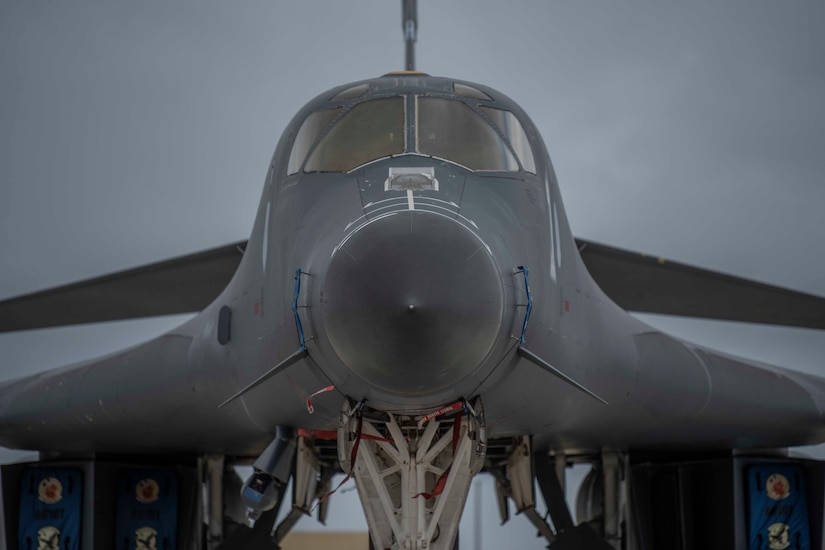
Nose-on view of a B-1.

"Make no mistake the party is actively seeking [to] supplant the established rules-based international order, trying to dictate new norms and behaviors [to] the international community —  one that they articulate as a new order with Chinese characteristics," the admiral said.

What the nation is doing against minorities inside China, disregarding the rights of those in Hong Kong, issuing threats to Taiwan, and continuing the militarization of the South and East China Seas gives all nations pause, he said. 

"Indeed, the region as a whole is in a strategic competition with Beijing," the admiral said. "But I want to make clear [neither] the international order nor the United States seeks to contain China, nor do we seek conflict."

Times have changed, and the nature of war is morphing, military leaders have said. "We remain aware that we can certainly lose without fighting in this environment as well," Davidson said. "So deterrence is critically important, and I'm a key advocate for that. It's important to keep Beijing from achieving its goal of overturning the rules-based international order in the pernicious manner in which they're trying to do it. We must ensure our diplomatic and economic efforts are reinforced by a strong military deterrent."

Deck Drill

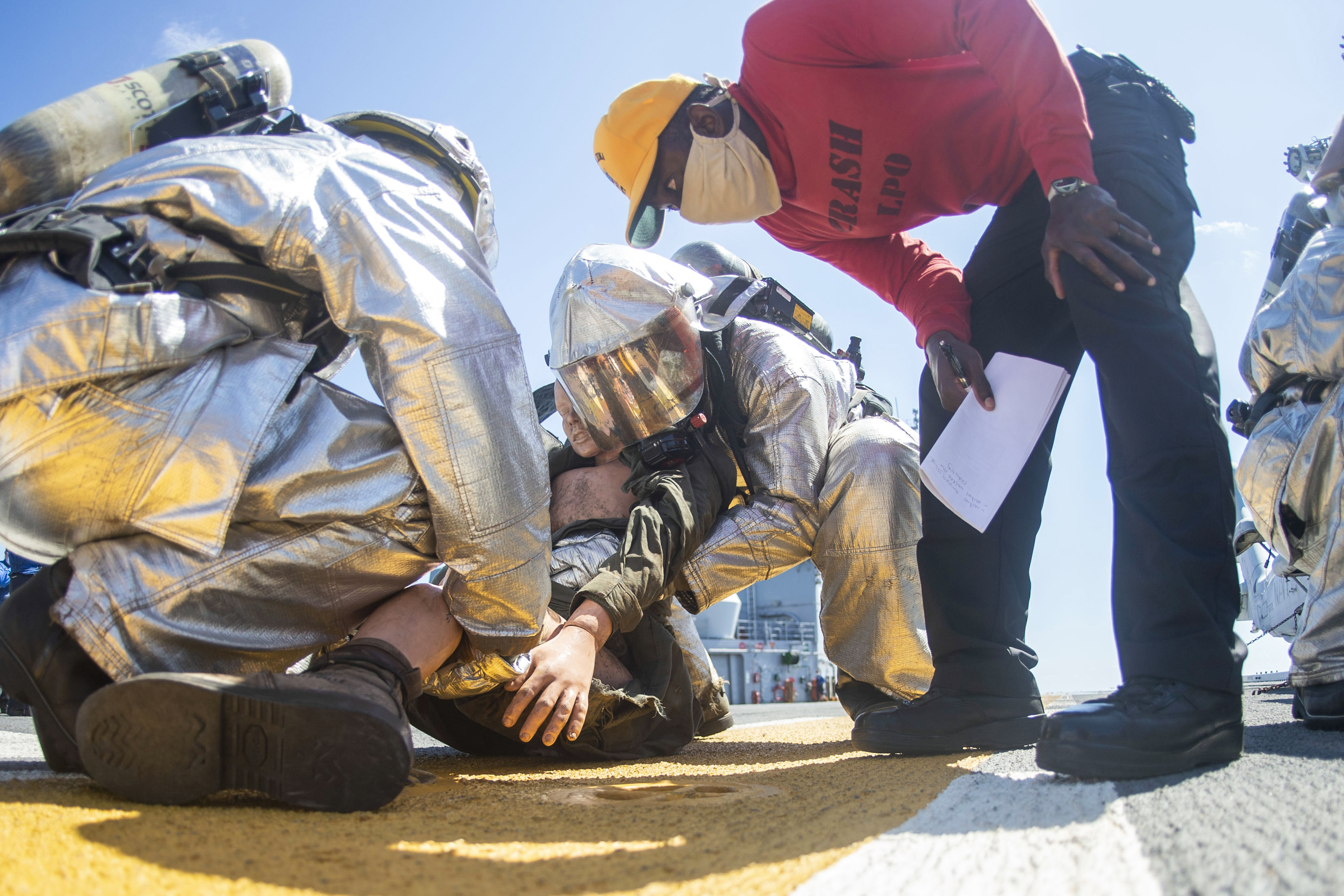
Navy crash and salvage team members transport a mock patient during a flight deck fire drill aboard the amphibious assault ship USS Iwo Jima in the Atlantic Ocean, July 19, 2020.

Breezy Departure

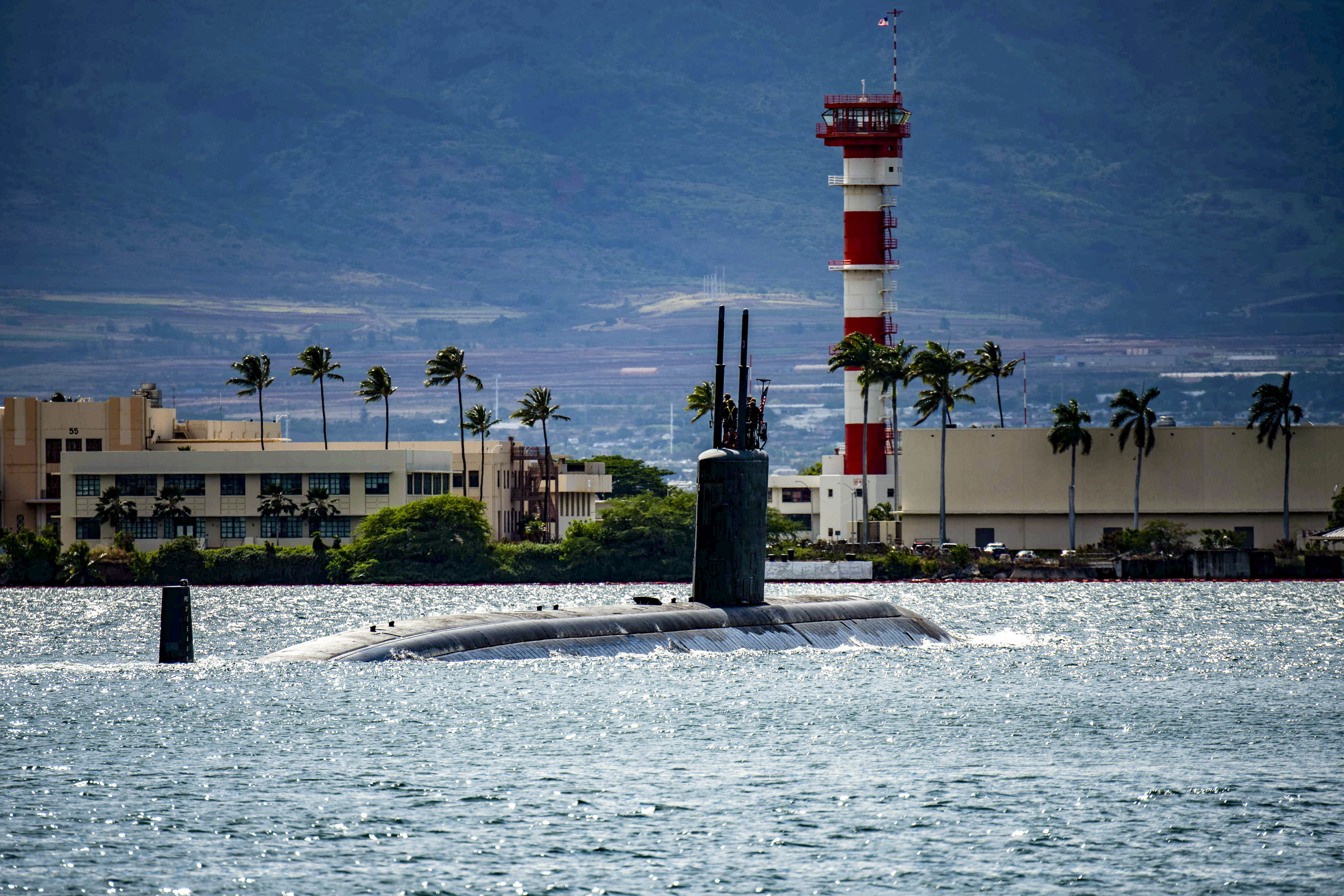
The fast-attack submarine USS Cheyenne departs from Joint Base Pearl Harbor-Hickam, Hawaii, for a scheduled deployment in the Indo-Pacific region, July 15, 2020.

Wife of U.S. Army Soldier Sentenced to Prison for Obstruction of Justice

The wife of a U.S. Army soldier was sentenced today to three years in prison, to be followed by one year of supervised release, the maximum statutory sentenced allowed under the law for obstruction of justice, Acting Assistant Attorney General Brian Rabbitt of the Justice Department’s Criminal Division and U.S. Attorney Robert Higdon Jr. of the Eastern District of North Carolina announced. 

Shanynn Kemp, 52, of Cameron, North Carolina, pleaded guilty on Dec. 11, 2019, to one count of obstruction of justice before U.S. District Court Chief Judge Terrence W. Boyle of the Eastern District of North Carolina, who sentenced Kemp earlier today and remanded her to the custody of the U.S. Marshals Service. 

According to facts presented in the guilty plea hearing, Shanynn Kemp’s husband, Daniel Kemp Sr., was employed by the U.S. Army as an active duty member when he forcibly raped a minor victim.  After an investigation into the aggravated sexual assault was underway, Shanynn Kemp intentionally harassed and dissuaded a witness from disclosing to law enforcement information about the sexual offense.  Daniel Kemp Sr. was sentenced to life in prison on July 8.

The investigation of the case was conducted by U.S. Army Criminal Investigation Command and the FBI.  This case is being prosecuted by Trial Attorney Kaylynn Foulon of the Criminal Division’s Child Exploitation and Obscenity Section (CEOS) and Assistant U.S. Attorney Charity Wilson of the U.S. Attorney’s Office in the Eastern District of North Carolina.

This case was brought as part of Project Safe Childhood, a nationwide initiative to combat the growing epidemic of child sexual exploitation and abuse, launched in May 2006 by the Department of Justice.  Led by U.S. Attorneys’ Offices and CEOS, Project Safe Childhood marshals federal, state and local resources to better locate, apprehend and prosecute individuals who exploit children via the Internet, as well as to identify and rescue victims.  For more information about Project Safe Childhood, please visit http://www.justice.gov/psc.

Kahuku Fire

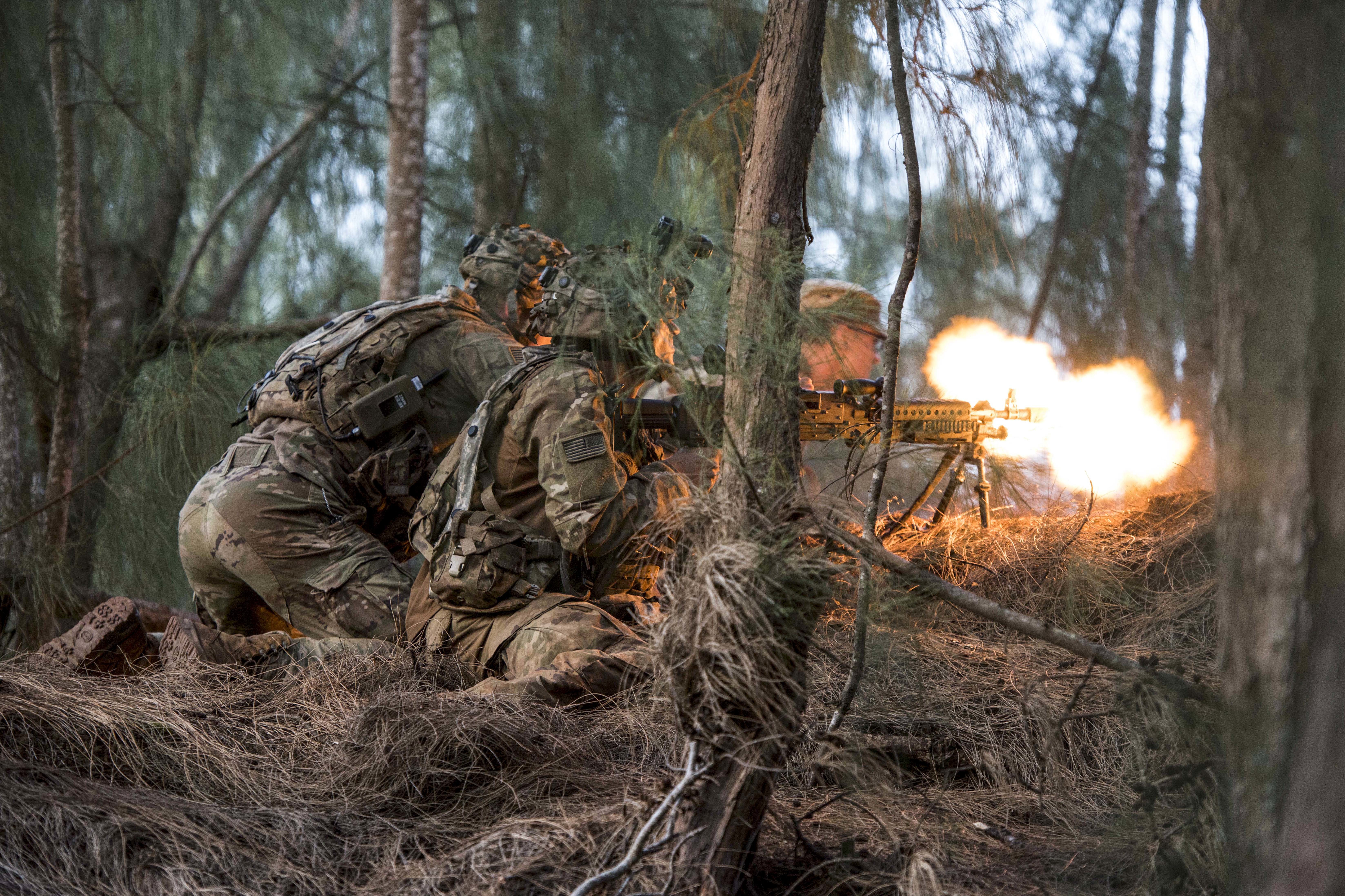
Soldiers simulate defending against opposing forces at Kahuku Training Area, Hawaii, July 15, 2020, during Lightning Forge, an annual training event that prepares infantrymen for future operations.

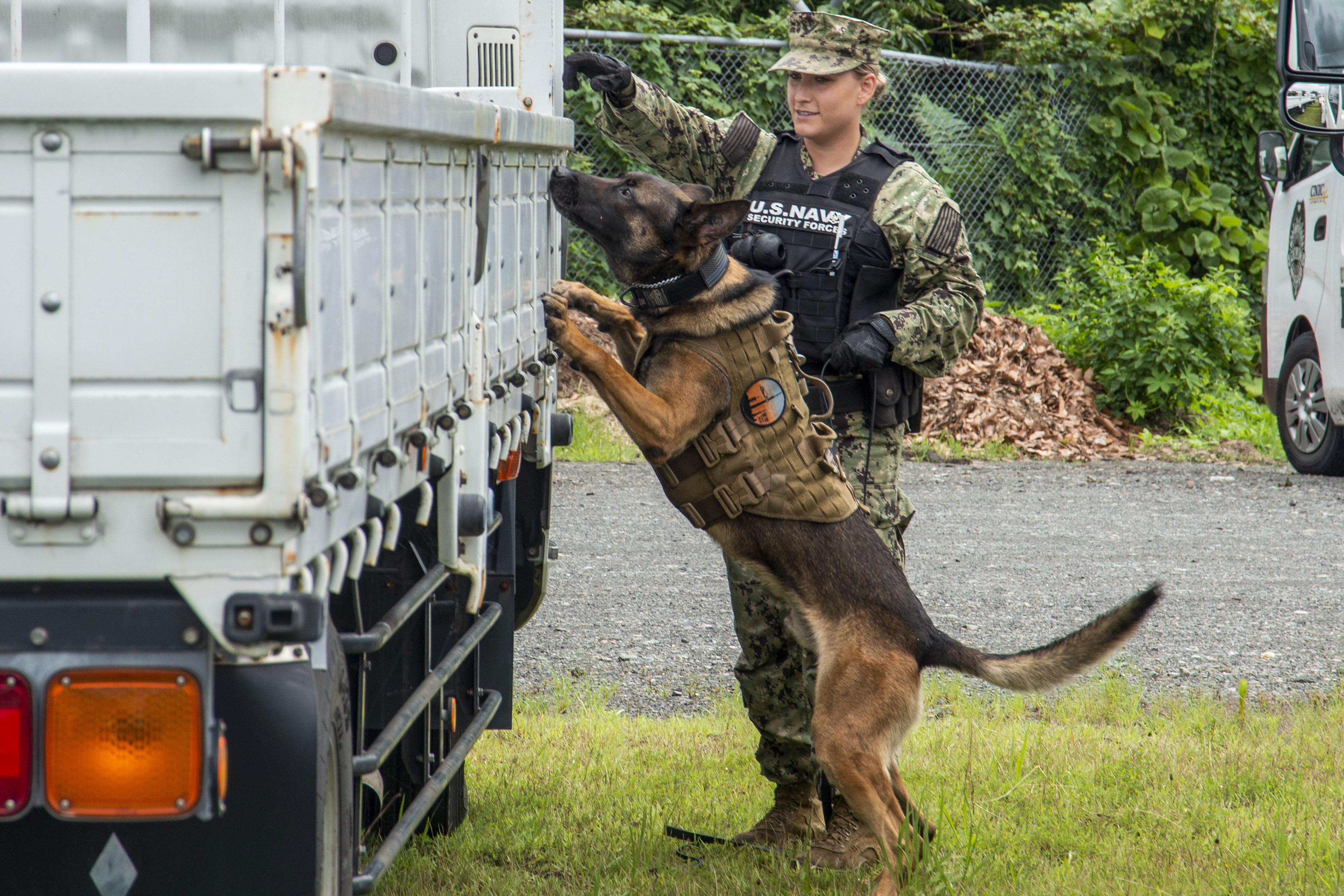
Sharp Sniffer

Navy Petty Officer 3rd Class Rachel Higuera practices detection training with military working dog Aci at Naval Air Facility Atsugi, Japan, July 16, 2020.

Defense Department Improves 'Ready for Issue' Rate for F-35 Parts

July 22, 2020 | BY C. Todd Lopez , DOD News

The Defense Department has been working to improve issues that affect the ready-for-issue rate for F-35 joint strike fighter parts, the undersecretary of defense for acquisition and sustainment told Congress.

Parts for the F-35 should be accompanied by an "electronic equipment log" through the jet's Autonomic Logistics Information System, but that doesn't always happen, Ellen M. Lord said. Without this log, dubbed EEL, parts are not deemed to be ready for issue and might not be able to be installed on the aircraft.

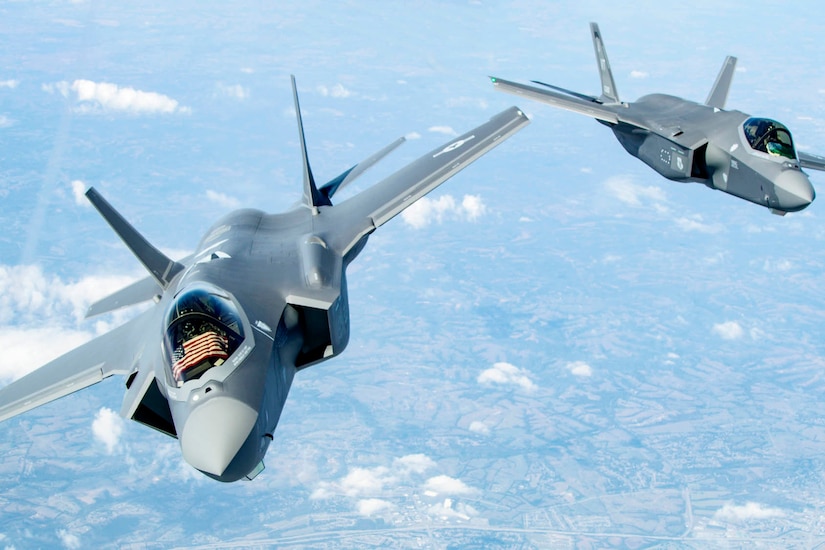
Two military fighter aircraft fly in formation.

"The department has taken near-term action to address key degraders of ready-for-issue or RFI rate," Lord said during testimony today before the House Oversight and Reform Committee. "But the long-term solution to the problem depends on the already underway effort to replace [the autonomic logistics information system] with a more stable, capable system."

Lord said those near-term actions have resulted in increased RFI rates at Hill Air Force Base, Utah; Luke Air Force Base, Arizona; and Marine Corps Air Station Yuma, Arizona. She said those rates have moved from about 43% in February to more than 70% in every month since April. In June, she said, the RFI rate achieved a high of 83%.

A more long-term solution to ensuring parts for the F-35 arrive with EELs will involve replacing the ALIS with a different system called the Operational Data Integrated Network, or ODIN, a government-owned product. Lord announced that system to Congress earlier this year.

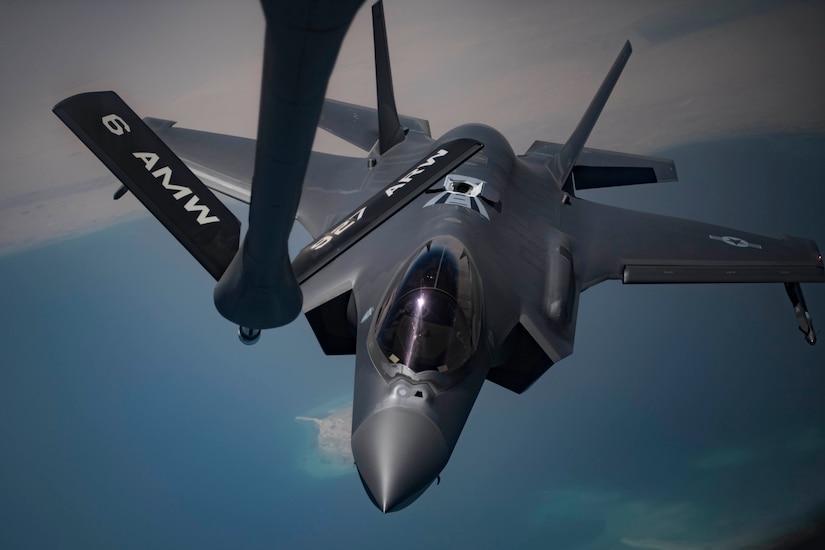
A military aircraft approaches a refueling boom.
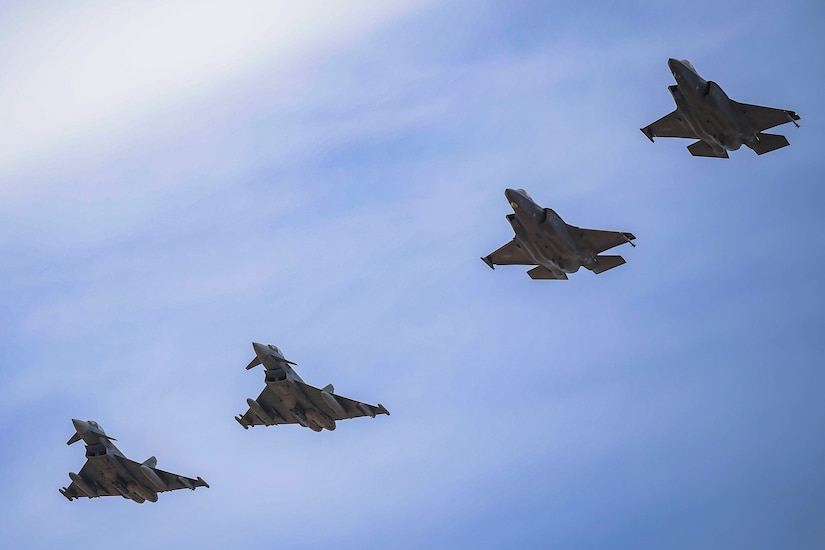
Four aircraft fly in formation.

"The department will introduce the first tranche of ODIN capability fleetwide by the end of 2021," she said. "In the interim, the department has been working to develop solutions to the legacy ALIS system to improve EEL's accuracy, tracking and transmission performance to reduce maintenance workarounds and to mitigate potential risks to the fleet."

Air Force Lt. Gen Eric T. Fick, program executive officer for the F-35 Lightning II Joint Program Office, explained to lawmakers why a missing EEL is a problem for aircraft maintainers.

"It takes a significant effort in time for maintainers to reconstruct the part history and create a digital record for that part," he said. "This activity diverts time from scheduled maintenance, increases the probability of human error, adding cost to the program. The bottom line is, we must receive our parts on time and with all the required identification markings and electronic records."

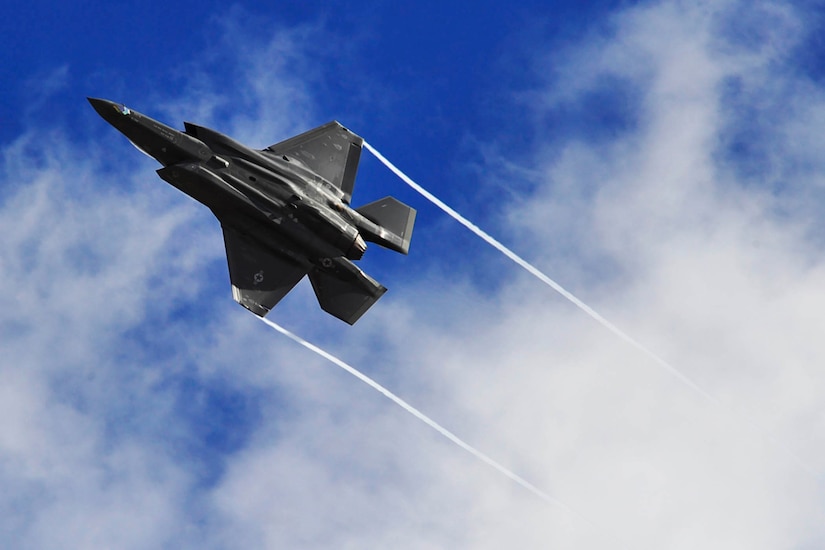
A fighter jet flies against clouds and a deep blue sky. Condensation trails from its wing tips.

Of about 50,000 parts on an F-35, only about 1,000 require an EEL, the general said.

"It's a very small number of parts that actually require EELs," Fick said. "We're actively looking to reduce the number of parts that have EELs, so we reduce this problem."

Sunshine Climb

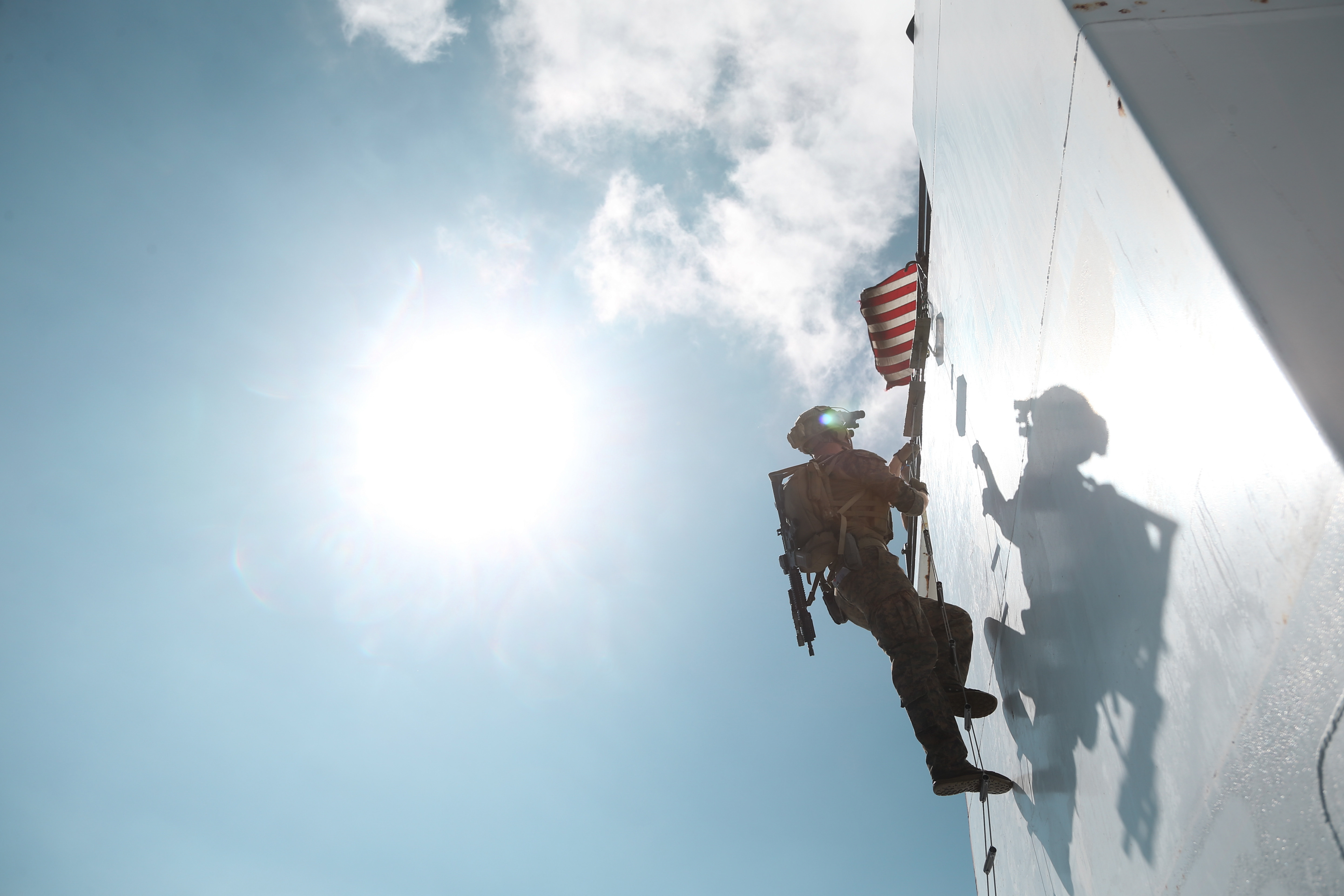
A Marine climbs a caving ladder to board an aerial target launch ship during a visit, board, search and seizure training exercise off the coast of Marine Corps Base Camp Pendleton, Calif., July 15, 2020.

Defense Logistic Agency Helps Small Businesses During COVID-19 Response

July 22, 2020 | BY Beth Reece , Defense Logistics Agency

From gowns, gloves and pharmaceuticals for the USS Comfort and Mercy to decontamination systems for medical workers' N95 masks, America's small businesses are helping to meet the nation’s demand for COVID-19 supplies.

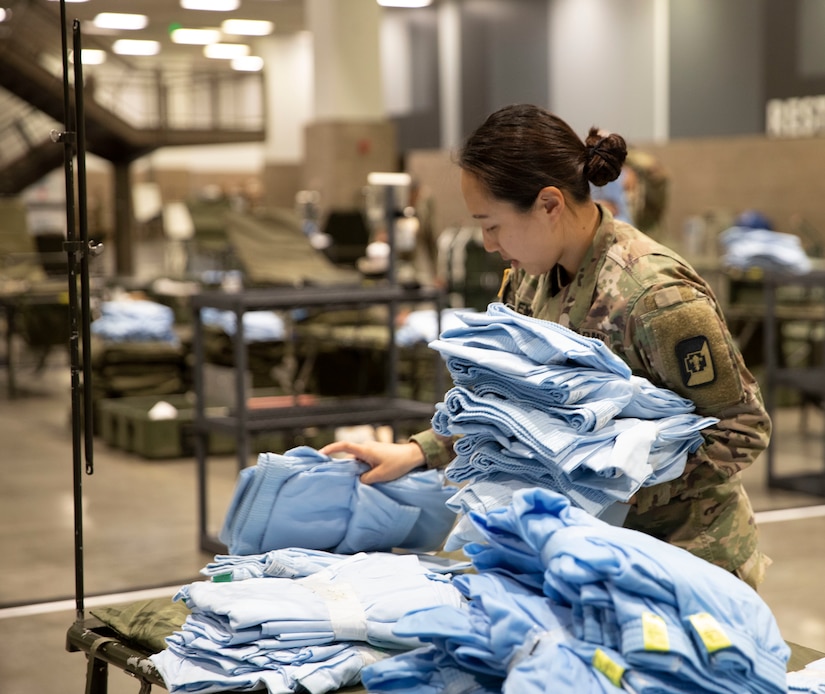
A soldier sorts through stacks of linens and hospital gowns on a table.

"We can rely on our small companies to stand toe-to-toe with us to help the American public overcome something most of us haven't seen in our lifetimes," said Dwight Deneal, the Defense Logistics Agency's director of small business programs. 

According to agency data, of the 12,000 companies DLA works with, about 9,000 are small businesses. Deneal said that despite the Defense Department-assigned goal of 32.36%, almost 40% of DLA's spending so far has gone to small businesses this fiscal year. He attributed the increase to the greater demand for personal protective equipment from military customers, the Department of Health and Human Services, and the Federal Emergency Management Agency. 

The Department of Homeland Security identified the defense industrial base as critical when local jurisdictions closed businesses in March to slow the virus's spread. Ellen M. Lord, undersecretary of defense for acquisition and sustainment, told defense industry leaders that they had a "special responsibility" to maintain normal work schedules. 

Despite economic disruptions, small business specialists at DLA Troop Support have been flooded with inquiries from business owners wanting to provide personal protective equipment to the government, said Mike McCall, who oversees small business programs at the Philadelphia-based activity. 

"Small businesses have really stepped up during the pandemic and have been integral to providing PPE to FEMA and HHS," he said. "In a lot of cases, they're more flexible than large suppliers because they can change their manufacturing processes, which are on a much smaller scale, quickly."

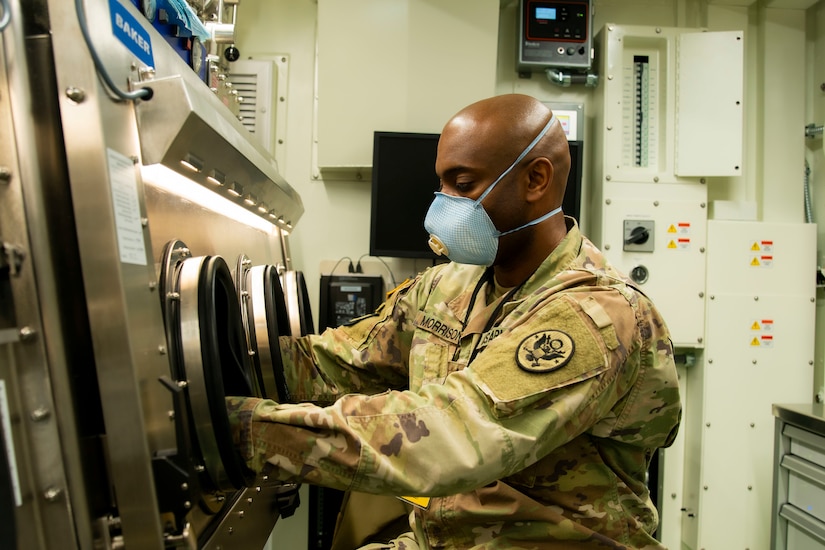
A soldier reaches through portholes in a medical testing module.

Though some new contracts for personal protective equipment have been awarded to businesses with previous government contracts, the urgent call for protective equipment has also drawn new vendors. A solicitation for small or large businesses to provide isolation gowns and nonsurgical face masks resulted in contracts with three small businesses new to DLA, McCall said. A separate contract for cloth face masks was awarded to a woman-owned small business that also had never worked with the agency. Small businesses have even sourced items for kits for medical staff at 15,500 nursing homes across the nation. And a small business supplied food for military members augmenting mobile hospitals in New York. 

The rising interest from vendors wanting to provide protective equipment prompted DLA Troop Support to create a vetting group that determines whether small business' products meet the standards set by the Food and Drug Administration and Centers for Disease Control and Prevention. The group is also answering questions on how to do business with the agency.

"We've gotten more and more small businesses owned by retired military or civil servants trying to provide things like N95 masks that they would get from 3M; so in some cases, we’re helping them learn how to do business with the government for the first time," McCall said. His staff of six small business specialists were still getting about five inquiries a day from prospective contractors in early July. 

With new partnerships has come the need to support small vendors who've felt the strain of local closures and social distancing. 

Increased sanitation measures and supply shortages are as challenging for business owners as they are for families, Deneal said, adding that the cost of new protocols has slashed companies' revenue. 

Recognizing that small businesses are essential to keeping warfighters supplied, small business specialists and acquisition professionals throughout the agency have monitored suppliers' status. Over 670 large and small companies tracked by DLA closed in April, said Glenn Starks, chief of DLA Acquisition Programs Division. 

A soldier wearing protective gear administers a COVID-19 test to another soldier.

Links to Small Business Administration resources were added to the small business page on DLA's website to help small businesses recover from pandemic struggles. The agency also made it easier for small business contractors to buy non-medical personal protective equipment by opening a new COVID-19 Contingency Store on FedMall. Outreach events and the annual DLA Industry Day have been replaced by video and web conferencing interactions, and a monthly Doing Business with DLA webinar provides information on acquisition processes.

"The only way we're going to be able to execute requirements and stay mission-ready in support of warfighters and the whole of government is by having the pulse of our small business industrial base," Deneal said. "That means having a way to reach out and touch companies from coast to coast even though we can't be in the same physical environment."

Tracking the health of small businesses is especially important in fragile areas such as clothing and textiles, McCall added. The number of vendors providing items such as uniform dress clothing has reduced to half in the past 10 years. In April, DLA Troop Support held a virtual Dress Clothing Industry Day to assess industry needs and connect with new vendors.

"During a pandemic like this, there's a real possibility that these companies could go out of business," he said. "That's a significant concern because everything we buy in the clothing area has to be manufactured in the U.S., but in many cases, the contracts we award keep these companies in business." 

The Procurement Technical Assistance Program that DLA manages in cooperation with state and local governments also helps ensure small businesses have access to DOD contracts. With over 300 centers in Washington, D.C., Puerto Rico, Guam and 48 states, PTAP services range from identification of contracting opportunities to instructions on bidding processes and registering in federal procurement systems. PTAP staff are providing consultations via video and phone conferences during the pandemic.

The focus on American small businesses began after the Great Depression, when many companies that provided parts the military needed for World War I folded. Realizing small business owners who produced wartime commodities lacked the money to keep afloat in peacetime, Congress initiated the Small Business Mobilization Act in 1942. It allowed the government to pay small businesses a price differential to help them maintain and accelerate production. 

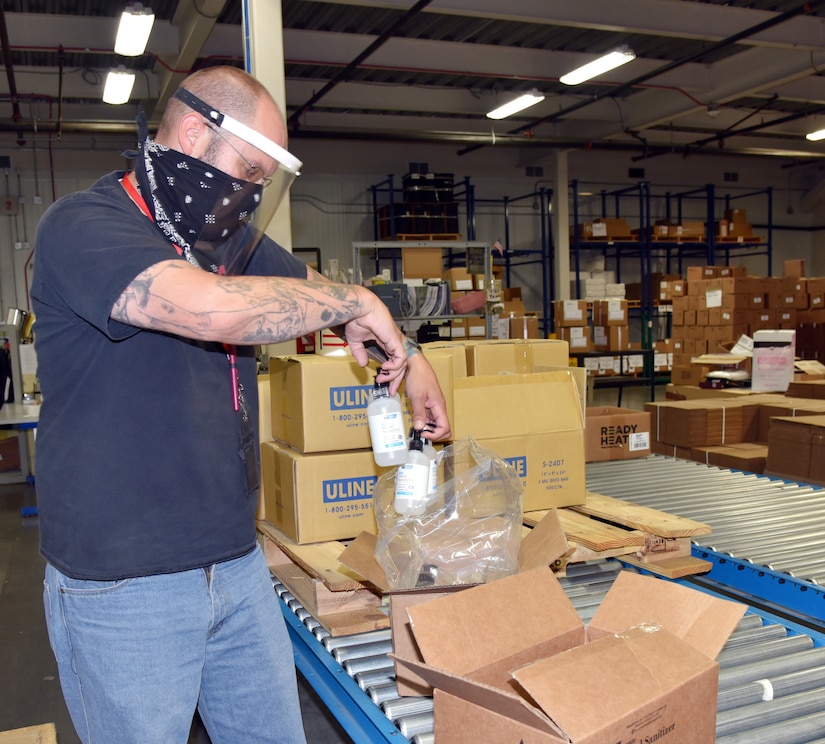
A man wearing a face mask and face shield puts personal protective equipment into plastic bags.

The Armed Service Procurement Act of 1947 later extended that policy to peacetime and required a "fair proportion" of federal contracting dollars be placed with small businesses. Today, DLA's small business specialists work with buyers and contracting officers to build acquisition strategies that attract small businesses to contracts worth over $10,000. 

Leading small businesses to potential DLA contracts is personally rewarding, McCall said, describing his work with a woman-owned small business that supplies flight vests. 

"You not only help them grow their business, but you help the whole area where they're located because sometimes these contracts establish jobs that weren't there before," he said. 

While small businesses' overall role in pandemic support remains to be seen, Deneal added that he's been moved by the resilience of the American small business community. 

"It's interesting to see how strong and flexible our small businesses have been, and their eagerness to support the federal government in a time like this," he said. "DLA truly values its small vendors."

(Beth Reece is assigned to the Defense Logistics Agency.)

Poland Blast

Soldiers fire an M1 Abrams tank during live-fire and screening training at Drawsko Pomorskie Training Area, Poland, July 21, 2020, during Defender-Europe, an exercise designed to build strategic readiness.