Commentary by Army Maj. Gen. Bryan Owens
USARAK commanding general
8/28/2015 - JOINT BASE ELMENDORF-RICHARDSON, Alaska -- Greetings
to the arctic warrior family. I am thrilled to lead this team and be
counted among the cold weather, cold region experts of U.S. Army Alaska.
I've been told my family arrived in Alaska during the best time of
year, and I have to say I agree completely.
The Alaska community has made us feel extremely welcome, and we look
forward to experiencing all the amazing landscapes, activities and
culture this state has to offer.
Today, I want to share my priorities for the arctic warriors during my
command. Over the coming months, I will be out meeting and talking to
our Soldiers, civilians and families to reinforce and expound on these
priorities.
My top priority is to provide our Army and our nation with trained and
ready forces to accomplish our current and future missions. To do this,
Soldiers, and especially leaders, must develop and sustain a field
mentality. Exercising field discipline will help Soldiers collectively
overcome many of the challenges they face.
Earlier in my Army career when we went to the field, there were only five times we were permitted to remove our helmets.
Those five allowances were during after-action reviews, religious
worship, and designated chow, sleep and personal hygiene times. That was
it. But it wasn't about the helmet; it was about discipline, a key
tenet of our profession and being a professional Soldier. Our leaders
enforced the standards, and we learned discipline.
Just as my leaders enforced our unit's helmet standard, I expect all
USARAK leaders to steadfastly enforce our standards every day to help
instill the necessary level of discipline and through that discipline
gain and maintain the trust of the American people.
Thus far, I have been very impressed with the quality of U.S. Army
Alaska's arctic tough leaders, the training facilities on our
installations and the unique environmental opportunities we have here on
the Last Frontier. To live up to our moniker as America's Arctic
Warriors, we must always continue to fine tune our skills as the best
cold-weather, cold-region combat troops on the planet.
An essential element of achieving a high state of readiness is trust. I
view trust as an equation: credibility + reliability + intimacy (the
effort and involvement with getting to know those you lead) divided by
the perception of self interest. We've got to maintain trust in each
other.
A lot of big changes are coming to our Army, and we don't have a clear
sight picture yet. There is a lot of conjecture and rumor about where
our Army is heading and especially what will happen here in Alaska. As I
get more information about USARAK's future, I will pass it along to our
Soldiers, civilians and families.
You are all winners in my book and have my complete trust until you
violate that trust. I ask that you in turn trust your leaders. As we
move forward in training our units to fight and win our nation's wars, I
am confident we will balance our readiness requirements with the
force-reduction challenges ahead.
We are working through a very deliberate mission analysis, and we will
work closely with our partners to continue achieving the same high
training and readiness standards while caring for our Soldiers and
families.
I ask that you all continue to be patient, focus on the mission, look out for each other and always give your very best.
Arctic warriors, arctic tough!
Sunday, August 30, 2015


Remembering Hurricane Katrina a Decade Later
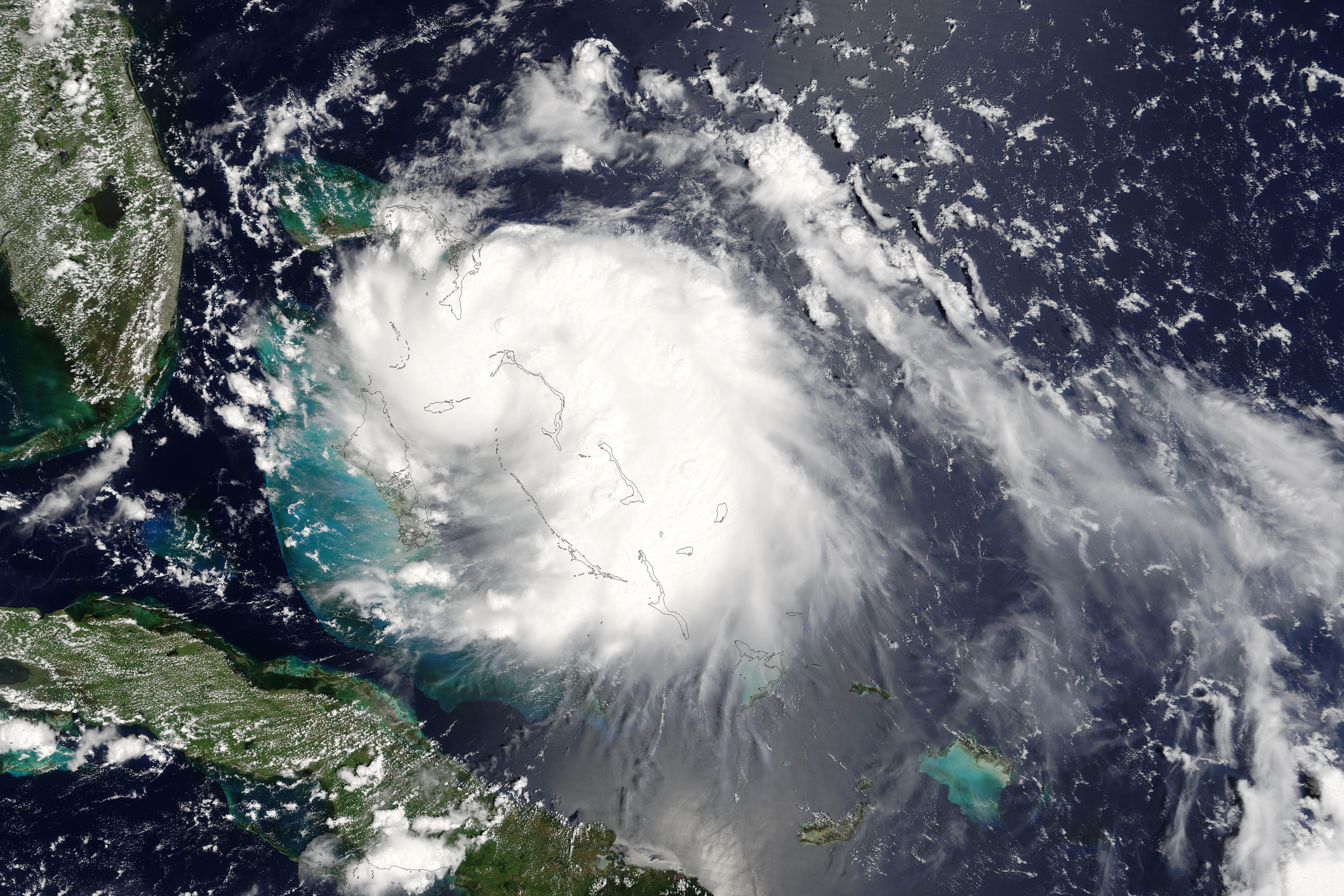
By Jim Garamone DoD News Features, Defense Media Activity
WASHINGTON, August 28, 2015 — Forecasters said the hurricane
would be bad, but no one expected a Katrina.
Hurricane Katrina hit the American Gulf Coast on Aug. 29,
2005, causing initial destruction from Texas to Florida. It wreaked such damage
over such a large area that it changed the way the U.S. government responds to
disasters.
According to the National Hurricane Center Katrina was
directly responsible for around 1,200 deaths, making it the third most deadly
hurricane in American history. It caused $108 billion in property damage,
making it the costliest hurricane to strike the U.S.
DoD personnel were in the middle of rescue and recovery
efforts for weeks and months after the storm hit.
More than 60,000 members of the U.S. military forces were on
the ground, first saving, then sustaining lives.
An Enormous Effort
It was an enormous effort with 18,000 active duty service
members joining 43,000 National Guardsmen that focused on Katrina relief
operations.
And they were needed. When Katrina hit, it caused a storm
surge that inundated whole coastlines, according to National Hurricane Center
Service measurements. The storm had sustained winds of more than 120 mph.
Portions of Louisiana and Mississippi received 15 inches of rain.
Katrina knocked out power and the communications grid
crashed. Bridges, underpasses and roads were all closed. Flooding forced relief
personnel to detour for miles.
Huge Storm
The size of the storm caused its own set of problems. The
storm surge in Mobile Bay -- fully 70 miles east of where Katrina hit land --
was still between 12 and 16 feet. Hurricane force winds lashed the Florida
Panhandle.
Typically, hurricanes lose force quickly once striking land.
Not Katrina. Tornadoes and rain lashed inland areas up into Georgia. Hurricane
Katrina affected over 93,000 square miles of the United States, an area almost
as large as Great Britain and left an estimated five million people without
power, according to the Federal Emergency Management Agency.
Levees protecting the city of New Orleans weren’t high
enough with the storm surge overtopping some of the protective berms, and
breaching others. At a U.S. Senate hearing after the storm, Army Corps of
Engineers officials said there were 55 breaches in the levee system protecting
the city.
New Orleans Residents Experience the Storm
New Orleans officials estimated that 80 percent of the
population evacuated, but that still left between 50,000 and 60,000 people who
were hunkering down in their homes or in “last-chance” shelters like the
Superdome. The levee failures flooded about 80 percent of the city. Some 26,000
people who had taken refuge in the Superdome were surrounded by water.
The city also sustained wind damage. The Hyatt Hotel in
downtown New Orleans had almost every window blown out on the north side of the
building.
The Mississippi coast was devastated. Pass Christian, a
pretty town along the Gulf Coast, disappeared. The storm surge and winds
scoured the town leaving nothing but concrete slabs where brick homes once
stood. The surge picked up whole section of a bridge that carried Route 90 and
deposited the huge concrete structure 200 to 300 meters inland. Strangely, the
other two lanes of the bridge remained in place. More than 80 percent of the
structures in Pass Christian were destroyed or rendered uninhabitable,
according to local officials who had set up a headquarters in a relatively
unscathed gas station.
In Biloxi the surge picked up freight train cars full of
chicken and the winds broke them apart. For weeks, the smell was something to
behold.
Seabees based in Gulfport, Mississippi, began work with
their base essentially underwater.
Rescue Efforts Commence
U.S. Coast Guard and National Guard personnel moved in as
soon as conditions allowed. Coast Guardsmen were the first on the scene with
any kind of organization. Coast Guard helicopters skittered across the city
rescuing people from rooftops, from flooded streets and providing the eyes for
those following in their wake. The Coast Guard helicopters were soon followed
by Coast Guard boats. The airport in Mobile became the world’s largest Coast
Guard base with choppers from around the service flying missions. Overall,
Coast Guard personnel rescued 33,544 people during Katrina operations, according
to their records. For its response, the Coast Guard received the Presidential
Unit Citation.
National Guardsmen tried to move into the city even as the
winds were blowing and the rain was falling. Fallen trees and flooded roads
stalled their progress, said Guardsmen. Many of the Guardsmen had lost their
homes, yet they were heading out to help others. There was confusion about what
powers Guardsmen had and who they reported to.
In New Orleans order had broken down. Shortly after the
hurricane passed looting began and reports out of the city mentioned everything
from murder to rape to carjackings. Later investigations found the reports were
exaggerated, but it was no exaggeration that the city was in dire straits.
Multi-Service Effort
National Guard forces entering the city conducted
humanitarian, search-and-rescue, evacuation and security missions, officials
reported. While Coast Guard, Air Force and Army helicopters sought out those
trapped in attics or roofs, National Guardsmen and police conducted
house-to-house searches. The doors marked with an X and information in the
various quadrants saying who searched the house, what was found and when the
search was conducted, soon became a familiar sign.
The Guardsmen were soon joined by active-duty soldiers and
Marines.
Navy and Coast Guard vessels sailed up the Mississippi River
to lend the help their crews and facilities could provide. In time, 28 ships --
21 Navy and seven Coast Guard -- were stationed in the affected region.
Coordinating the DoD effort was Army Lt. Gen. Russel L.
Honore, who commanded Joint Task Force Katrina. Honore, a Louisiana native,
became a legend for his gruff, no nonsense approach. “He got things done,”
then-New Orleans Mayor Ray Nagin said of Honore.
Getting Back to Normal
The Army Corps of Engineers set about mending the breached
levees and getting the pumping stations that usually kept the below-sea-level
city dry working again. It was October before the floodwaters were pumped out.
There are still signs of Katrina in New Orleans and along
the coast. Then-President George W. Bush said recovery would take years, and he
was right. A decade on, the area is still rebuilding. New, deeper levees were
emplaced, new water control apparatus erected. Some areas were elevated, while
others were cleared. It remains a work in progress.
Katrina has served as a warning against complacency, Federal
Emergency Management Agency officials said. It is an example of why people
should take evacuation orders seriously and be prepared for emergencies.
The loss of life and the damage from Katrina was so severe,
that the National Weather Service officially retired Katrina from the Atlantic
hurricane naming list.
15th CMSAF mentors Airmen

92nd Air Refueling Wing Public Affairs
8/26/2015 - FAIRCHILD AIR FORCE BASE, Wash. -- The 15th Chief Master Sgt. of the Air Force, Rodney J. McKinley, visited here Aug. 21, taking opportunities to mentor Airmen about doing the right thing, the value of people and getting the job done. He was also the guest speaker at the Senior NCO induction ceremony.
"The most important thing is being the best Airman that you can be and concentrate on doing what's right," the chief said. "Don't do things that you are going to regret, go out and do good things, not just to get that enlisted performance report bullet, but because doing the right thing is a good thing to do."
McKinley served as the highest enlisted member of the Air Force from June 2006 until June 2009. He promoted standardization across the board, including the enlisted performance reports, assisted in creating the Airman's Creed, promoted higher education for Airmen and their families, generated a tighter mission focus, and professional development programs.
"He's been very influential across the entire spectrum of the Air Force," said Master Sgt. Rory McKinnon, 92nd Force Support Squadron career assistant advisor. "We wouldn't be where we are today if not for him and the programs he put in place."
During his visit, McKinley gave advice to Airmen on the importance of doing the right thing and pushing one another to be successful and to get the mission done.
"Every person is valuable and every person needs to pull their own weight," McKinley said. "They may stumble and we may give an Airman a Letter of Counseling, but that doesn't mean we don't want them to succeed, we want them to be successful. We want Airmen to be successful and to get the mission done."
Since retiring from the Air Force, Chief McKinley travels from base to base as a guest speaker, mentoring Airmen whenever he can.
SecAF, CSAF, CMSAF present new "little blue book"

Air Education and Training Command Public Affairs /
Published August 27, 2015
JOINT BASE SAN ANTONIO-RANDOLPH, Texas (AFNS) -- Secretary
of the Air Force Deborah Lee James, Air Force Chief of Staff Gen. Mark A. Welsh
III and Chief Master Sgt. of the Air Force James A. Cody delivered the initial
handout of the pamphlet, “America’s Air Force: A Profession of Arms,” Aug. 27
to the Air Force’s newest Airmen at Airmen’s Week.
The pamphlet represents the next evolution of the “little
blue book,” and provides Airmen with instant access to the core guides, values,
codes and creeds that guide Airmen in their service in the profession of arms.
“Our people are the greatest part of our Air Force and when
America's sons and daughters chose to join our ranks, it is our responsibility
to develop them into Airmen," James said. "As Airmen, we are charged
with upholding a culture founded on professionalism, dignity and respect --
that's what our core values are about."
During the visit, Welsh explained the importance of
professionalism to the Airmen.
"What's in this document is nothing new to Airmen, but
is a reminder that service to one's country is no ordinary calling," Welsh
said. "America holds us in high regard because of what we stand for:
integrity, service and excellence. Those who wear this uniform should
continuously reflect on our commitment to our nation and each other."
Welsh added that the core values are a commitment found in
the oaths we take and are represented in large and small ways around our Air
Force every day.
Cody explained the significance of the little blue book and
stressed that content defines what is expected of Airmen.
"Today our all-volunteer professional force continues
to build on the legacy of those men and women who came before us in our chosen
Profession of Arms,” Cody said. “The professionalism of our force is
unprecedented because of our commitment to service, a dedication to holding
ourselves to higher standards, and an unyielding pursuit by Airmen to do
better. Service in our Air Force is a higher calling and we carry this legacy
forward for future generations of Airmen. This book is a guide to the meaning
of service and the principles that make us so strong."
The original little blue book, "Air Force Core
Values," has never been assigned an official publication number and
differs from Air Force Instruction 1-1, “Air Force Standards,” which is a small
printed book with a blue cover. The new pamphlet updates the original little
blue book and is now owned by the Profession of Arms Center of Excellence.
The little blue book is available in a variety of formats.
Airmen can download the PDF from the PACE website. The book is also available
as a free mobile application on Android. PACE anticipates a free mobile
application will be available for Apple devices in the near future. Airman can
download the application to their devices by searching “little blue book” in
the application store. Airmen will soon see a shortcut icon on their desktops
that will link to a web application. This book is also available at Air Force
e-Publishing and is linked under “Items of Interest,” as “Profession of Arms
Handbook.”
PACE will have instructions on their website Aug. 27,
explaining how units can order hard copies through the Defense Logistics
Agency.
‘I Will Wait’ Tells Stories of Generations of Military Spouses

By Jim Garamone DoD News, Defense Media Activity
WASHINGTON, August 28, 2015 — America sends its sons and
daughters to war, and a new play titled “I Will Wait” looks at the effect of
these deployments across the generations.
The brainchild of Amy Uptgraft, the play connects the
experiences of spouses from World War II, the Korean War, Vietnam, Desert
Storm, Afghanistan and Iraq. Uptgraft wrote the play with Gregory Stieber, who
also directed the play. It premiered July 31 in Fort Wayne, Indiana.
Uptgraft built on her experiences as an Army spouse. Her husband,
Jamie, has deployed four times so far in the course of their marriage. They
have lived the subhead used in advertising the play -- “For every one gone,
someone waits.” They live in Denver with their four children.
Uptgraft, who worked as an actress and taught theater, came
up with the idea for the play while visiting her home in Fort Wayne. “I was
sitting with Greg and a friend from college and talking about what we had been
through,” she said during an interview. “Greg said we ought to write a play.”
In the cold light of day, she said, it still sounded like a
good idea, and the two researched the subject. “The more stories you heard the
more, the more connections you saw across the generations,” she said. “This
just impacts such a huge population of people that we don’t always think about.
We obviously think about the soldier, and rightfully so. That’s where our focus
should be. But the ripple effects of war are huge, and there are just millions
of Americans who have experienced what it’s like to send soldiers to war and
welcome them home, and their lives are forever changed as well.”
World War II Spouses Remember
She started by visiting with three 92-year-old women who
waited while their husbands served in World War II. “When we sat down to talk,
they told me about where their husbands served and what they did,” Uptgraft
said. “But that was not what I wanted to hear, so I said, ‘That’s great, but
what did you do? What was life like for you? What was it like when he left?
What was it like when he came home?’
“I could tell they were so taken aback,” she continued. “But
they opened up. Seventy years later, those women still had it all right in
their hearts.”
She went on to speak with spouses of those who served in
Korea, Vietnam, Desert Storm, Afghanistan and Iraq. Characters in the play
portray spouses from each of those wars. Uptgraft and Stieber used experiences
from a number of people to write the parts for the characters. In between the
parts, actors read testimonials from spouses of the era.
After writing the play, the two decided to stage it to see
what they had. “We had no money or funding for the project,” Uptgraft said. “I
really needed to find people who I knew and trusted and knew to be very
talented artists, musicians and dancers who would be willing to do it,
potentially for free.”
She went back to her roots and contacted people she knew in
college. Stieber is the production manager with the Fort Wayne Ballet and
well-connected in the local community.
No Small Effort
This is not a small effort. The play has more than 40
characters, and the story is told with dialogue, music and dance. The cast was
excited to be a part of it, Uptgraft said. “Really, no one in the cast is
impacted by the military like I am, but they were honored to be a part of it,
and it was a really successful first run,” she added.
Through the research, Uptgraft found that the experiences
she was going through are not unique. “They are felt really by millions of
family members who send people off to war,” she said.
Uptgraft said she believes the play gets across the idea
“that we get through all this because we are together.”
“You have spouses that walked before you, and you will have
spouses that walk after you and people that walk beside you,” she said. “We get
through it together.”
The play received an “overwhelmingly positive reception,”
she said. “I was worried because I had so much invested,” she added. “My big
worry was, ‘What happens if no one cares?’ Fifteen minutes into the show and I
could hear people crying and being moved. When the play ended, people were
immediately on their feet.”
Hoping for Expansion
Now, Uptgraft said, she would like to see the play expand.
“Now that we saw it open and saw it did move people and people were very
excited and energized by it, I’m really anxious to see it grow,” she said. She
would like it to entertain and inform the general population, she said, but she
also would like to see it performed at bases and installations, incorporating
the experiences and feelings of local spouses into the mix.
An abbreviated version of “I Will Wait” will play in
Nashville next month, and it will be restaged in Fort Wayne. “I definitely feel
it has legs, and I was moved to see how much it moved people,” Uptgraft said.
“These stories don’t mean anything if there is no one to tell them to.”
Subscribe to:
Posts (Atom)


 Posts
Posts

