Tuesday, January 05, 2021

DOD and Mongolia Ministry of Defense Conduct 17th Annual Bilateral Consultative Council

 Jan. 5, 2021


U.S. Deputy Assistant Secretary of Defense Heino Klinck and Mongolia Ministry of Defense State Secretary D. Gankhuyag met virtually to conduct the 17th annual U.S.-Mongolia Bilateral Consultative Council, Jan. 5 (Washington, D.C.) and Jan. 6 (Ulaanbaatar, Mongolia).  Mongolian Minister of Defense G. Saikhanbayar provided closing remarks. 

Officials reaffirmed their commitment to the U.S.-Mongolia bilateral relationship and agreed to advance defense cooperation on matters of common interest to support a free and open Indo-Pacific.

DASD Klinck thanked State Secretary Gankhuyag for Mongolia’s commitment to international peace and stability, including Mongolia’s continued contributions to coalition efforts in Afghanistan and United Nations Peacekeeping Operations. DASD Klinck also discussed current regional security issues and ties between Mongolia and the United States under the third neighbor framework. 

Officials committed to enhance defense cooperation and collaboration to address current security challenges and to advance common interests. 

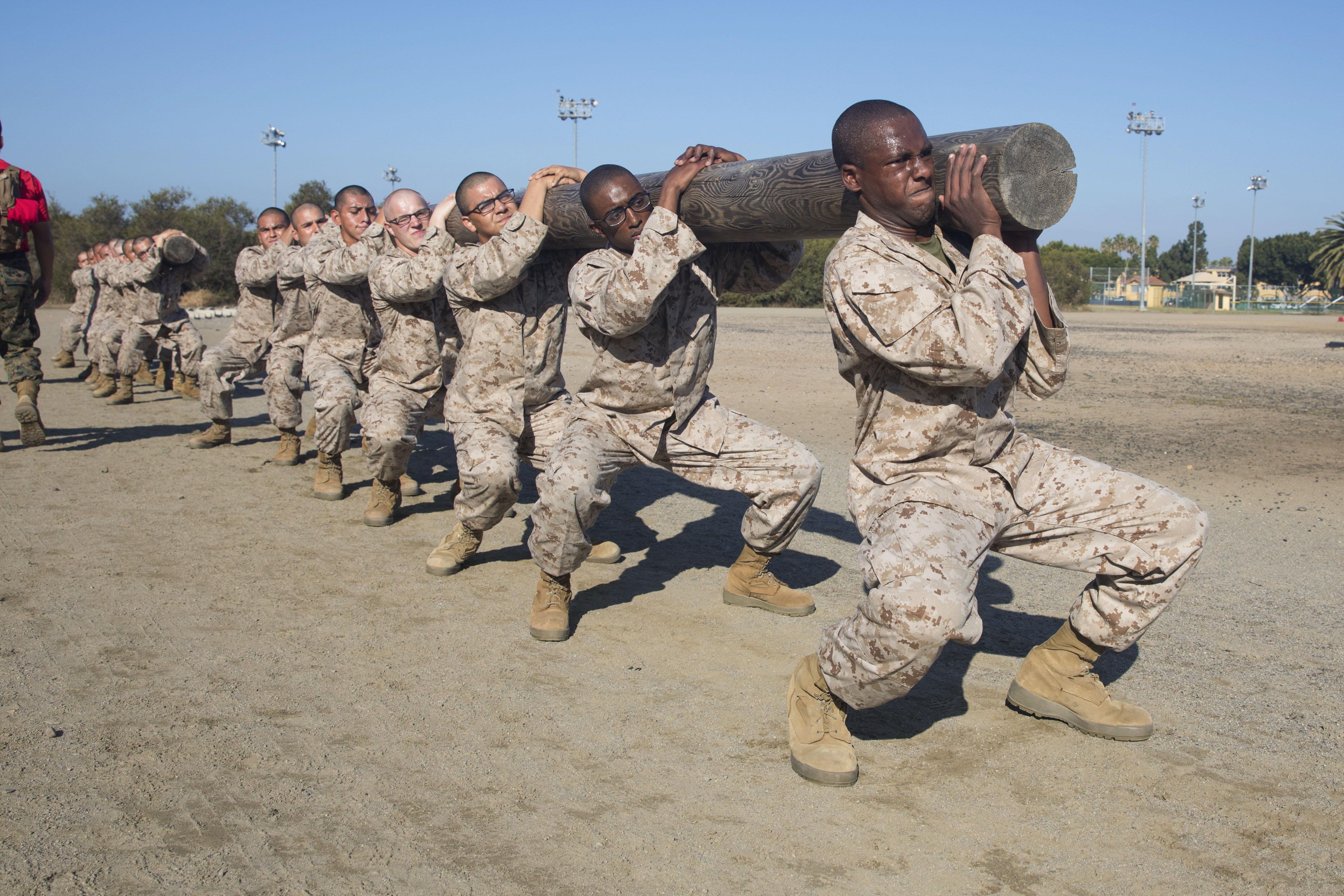
Log LIne


Marine Corps recruits participate in log drills at Marine Corps Recruit Depot, San Diego, Jan. 4, 2021.

Medical Center Provides COVID-19 Vaccine Program Update

 Jan. 5, 2021 | BY Elaine Sanchez , Brooke Army Medical Center

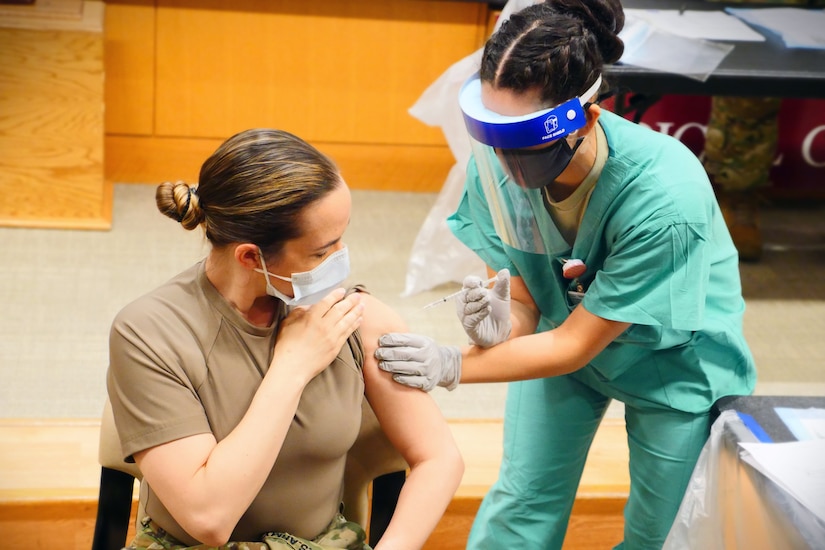
Brooke Army Medical Center administered its first Pfizer-BioNTech COVID-19 vaccines to frontline medical professionals Dec. 17, 2020, as part of the Defense Department's initial vaccine rollout.

A service member gets a vaccine.

"I'm ready to eradicate this virus," Army Capt. Rebecca Parrish, a COVID-19 intensive care unit nurse, said after she received BAMC's first vaccine.

In the weeks since, BAMC has expanded the program to inpatient and outpatient medical and support personnel from across the organization to ensure the vaccine supply is appropriately and effectively used.

"Our aim is to prevent the spread of COVID-19 to patients and other team members, while ensuring our staff remains healthy," Army Brig. Gen. Shan Bagby, BAMC commanding general, said. "Their health is critical to our mission of providing safe, quality care to our service members, retirees, family members and civilian emergency patients."

Following Centers for Disease Control and Prevention recommendations, the DOD's vaccine distribution plan has three phases. The first phase includes healthcare and support personnel, emergency services and public safety workers, as well as other essential workers and deploying personnel. The second phase encompasses high-risk beneficiaries, with the final phase moving to the healthy population. 

With a finite supply of vaccines, BAMC is working to ensure its "healthcare heroes" remain a top priority. BAMC recently implemented a "fast pass" style system in which frontline personnel, such as from the emergency department and ICUs, are moved to the front of the line.

"Our frontline professionals have been working tirelessly to help others since the pandemic started," Bagby said. "We want to do everything we can to expedite their ability to get the vaccine."

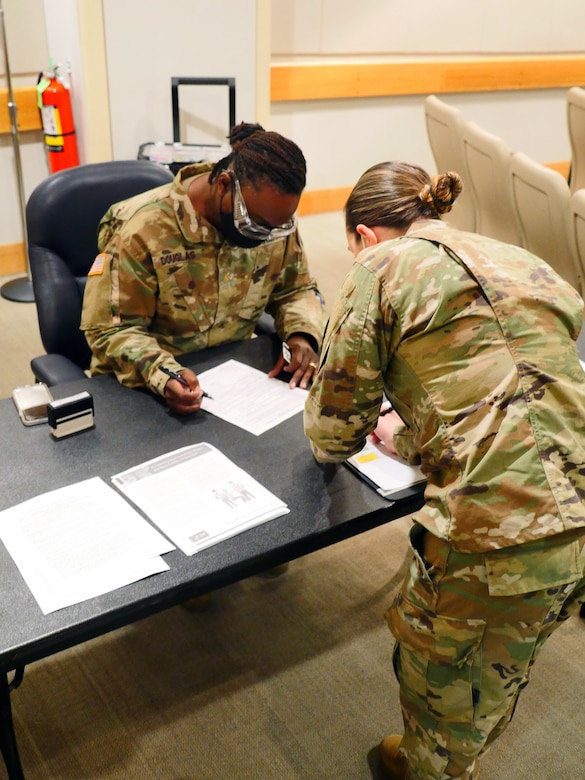
Soldiers complete paperwork on a desk.

As the vaccine supply increases, BAMC will announce the start of the next phase, which opens the program to high-risk beneficiaries, such as patients ages 65 and older, pregnant women and patients over the age of 16 with a pre-existing condition.

Once notification is made and this phase is underway, information will be posted online and on social media that will detail how high-risk beneficiaries can inquire about their eligibility to receive a vaccine and the process for administration.

"While our current focus is on the hospital staff to ensure we are able to protect our patients, we are absolutely keeping our valued military beneficiaries in mind as we move forward," Bagby said. "We will provide frequent updates to ensure we are keeping everyone informed about this important program."

The CDC recommends a combination of getting vaccinated and following safety recommendations — face coverings, handwashing and physical distancing — to achieve the best protection from COVID-19 and to help lower the public health risks associated with the pandemic.

BAMC leaders encourage those who are hesitant about getting the vaccine to discuss their concerns with medical experts or find out more information on the CDC and other government websites. 

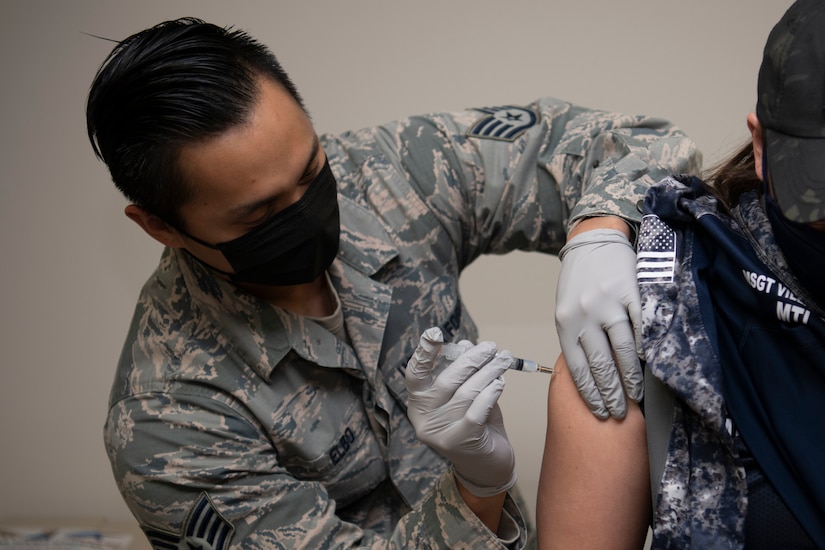
An airman administers a vaccine to another airman.

"We have a vaccine that represents an incredibly effective and safe solution that exceeds all of our initial expectations, performing well in all ages, all demographic groups tested, and with 95% efficacy," Air Force Col. Heather Yun, BAMC's deputy commander for medical services and an infectious disease physician, said. "It is my hope that we will look back at this time as a return to normalcy as we safely and efficiently roll out the vaccine program at BAMC and other sites across the nation."

Sports Heroes Who Served: Football Coach Recounts Lessons Learned in Army

 Jan. 5, 2021 | BY David Vergun , DOD News

Sports Heroes Who Served is a series that highlights the accomplishments of athletes who served in the U.S. military.

Louis "Lou" Leo Holtz has spent much of his life on the gridiron. From 1956 to 1957, he played football as a linebacker at Kent State University in Kent, Ohio.

While at Kent State, he was also enrolled in Army ROTC and was commissioned in the Field Artillery Branch of the Army Reserve when he graduated.

A man at a lectern speaks to a group of people in military uniforms.

In a career that spanned 44 years, Holtz held a variety of football coaching jobs at the college and National Football League levels.

He was assistant coach at: the University of Iowa in 1960; the College of William and Mary, 1961 to 1963; the University of Connecticut, 1964 to 1965; the University of South Carolina, 1966 to 1967; and Ohio State University, 1968.

Holtz was head coach at: the College of William and Mary, 1969 to 1970; North Carolina State University, 1972 to 1975; New York Jets, 1976; University of Arkansas, 1977 to 1983; University of Minnesota, 1984 to 1985; Notre Dame University, 1986 to 1996; and, the University of South Carolina, 1999 to 2004.

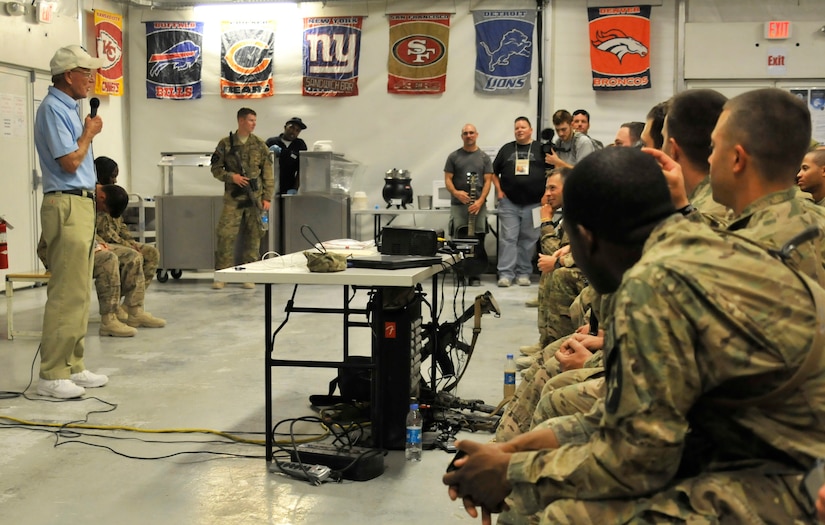
A man speaks to a group of soldiers.
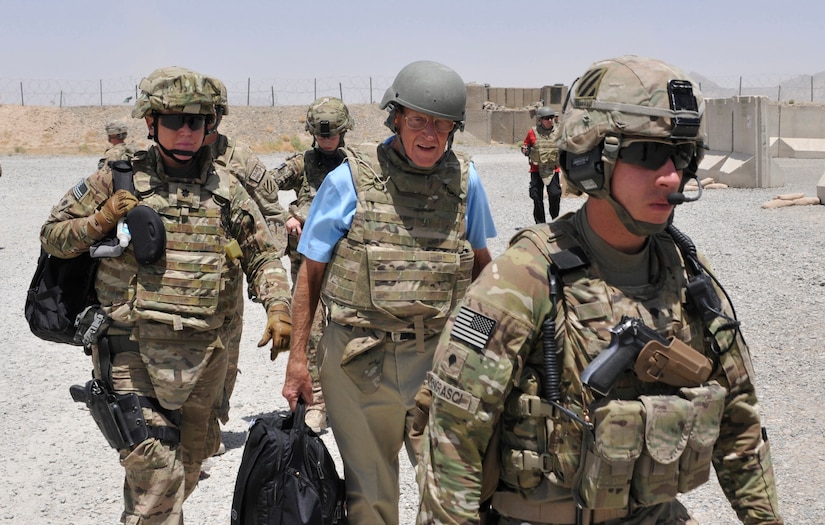
Three men dressed in combat gear walk together as service members stand behind them.

Despite moving around a lot, his college coaching record was stellar: 249-132-7. His NFL coaching record wasn't as impressive: 3-10.

Later, he became a football analyst for CBS Sports and ESPN.

Throughout his football fame, Holtz never forgot his Army roots. 

He has frequently visited U.S. troops in Iraq, Afghanistan and elsewhere, talking to them about football and leadership. He's also a member of the American Legion in Indiana.

He once said the Army and ROTC "have been a positive thing in my life because I wasn't very good in discipline or leadership skills. I learned lessons in leadership and self-discipline."

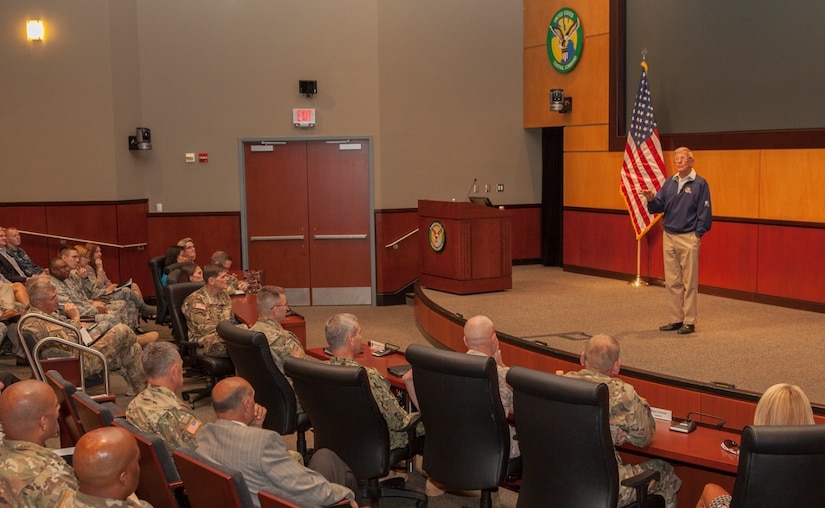
A man standing on a stage in an auditorium speaks to a group of people. An American flag is behind him.

On June 21, 2016, Holtz visited U.S. Central Command headquarters at MacDill Air Force Base, Florida, where he shared his football experiences and lessons learned.

''I am a big believer in accountability and responsibility, and I learned that from my time in the military,'' Holtz said. ''There is never a wrong time to do the right thing, just like there is no right time to do the wrong thing.''

He emphasized the importance of working as a team, setting goals, and caring for others.

''You've got to make a sincere attempt to have the right goals to begin with, and then go after them with appropriate effort,'' Holtz said. ''And remember that you can't really achieve anything great without the help of others.''

Holtz then expanded on the importance of teamwork in the military.

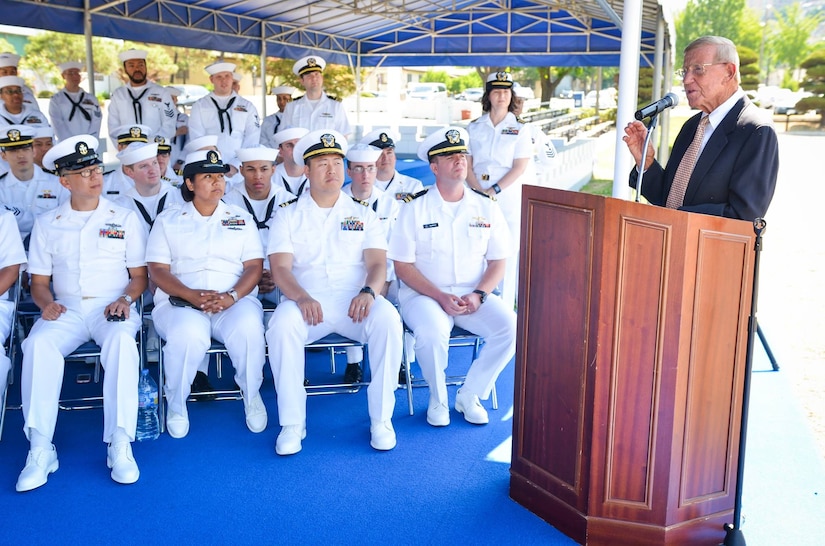
A man stands at a lectern and speaks into a microphone; the lectern is draped with a banner that reads "The American Legion."

''Our country has never faced greater challenges than we have right now,'' said Holtz. ''We need that teamwork, and we need to work together for that common cause. You can't be at your best without working together.''

In 2019, Holtz was presented with the American Legion's James V. Day ''Good Guy'' Award in Indianapolis.

''For many years, this coach and great American has contributed time and resources to charitable endeavors, including the Lou's Lads Foundation, the Holtz Charitable Foundation and numerous other great causes,'' American Legion past national commander Daniel M. Dellinger said while presenting the award.

Monday, January 04, 2021

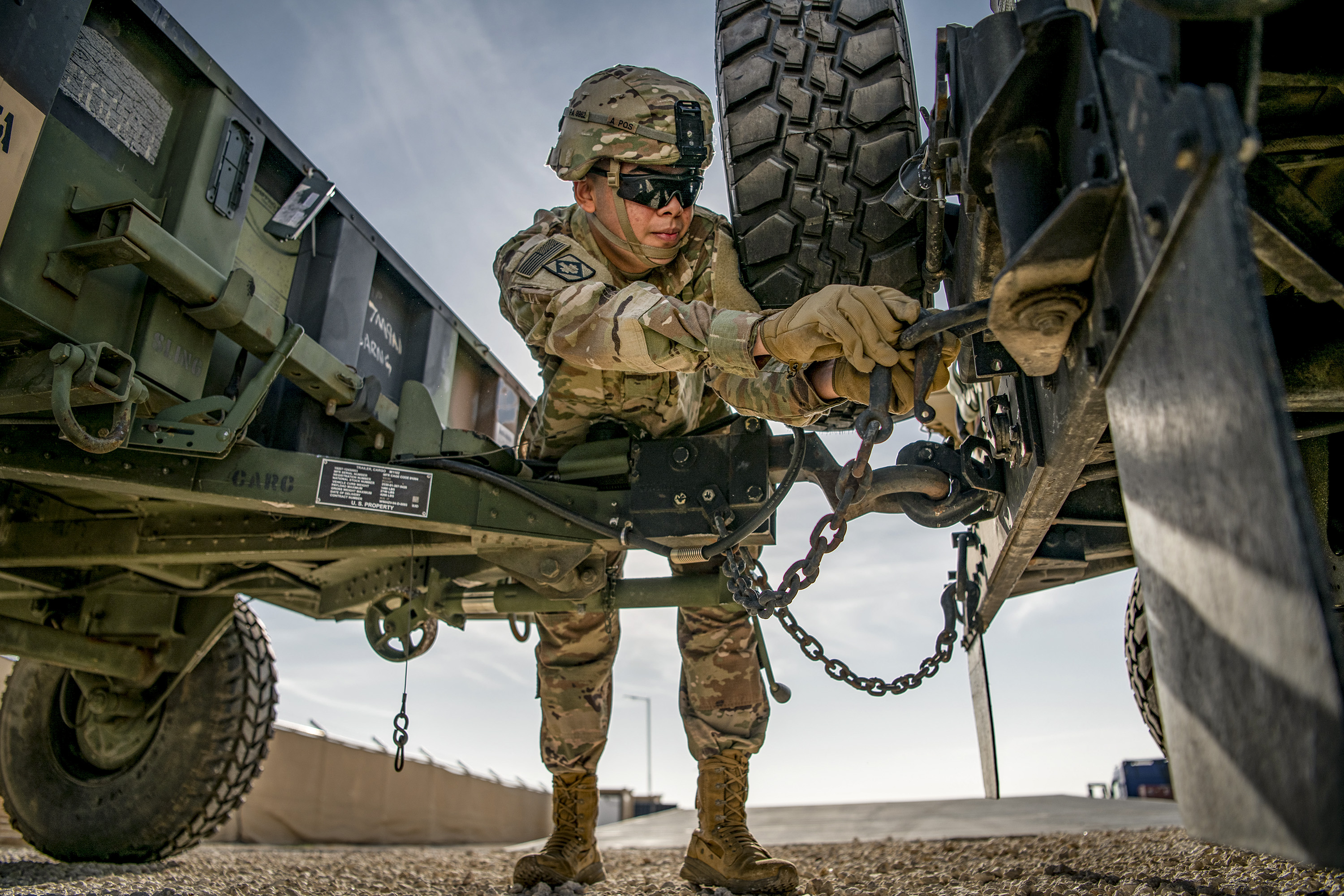
Humvee Hitch


Army Pfc. Pablo Aguirre secures a trailer to the back of a Humvee in Jordan, Dec. 22, 2020, while deployed to the Middle East to support operations Spartan Shield and Inherent Resolve.

Pacific Light


Sailors lower a pilot ladder from the guided missile destroyer USS John Finn during operations in the Pacific Ocean, Dec. 17, 2020.

Wheel Work


Navy Petty Officer 2nd Class James Han adjusts the tail wheel probe on an MH-60R Seahawk aboard the USS John Finn in the Pacific Ocean, Dec. 21, 2020.

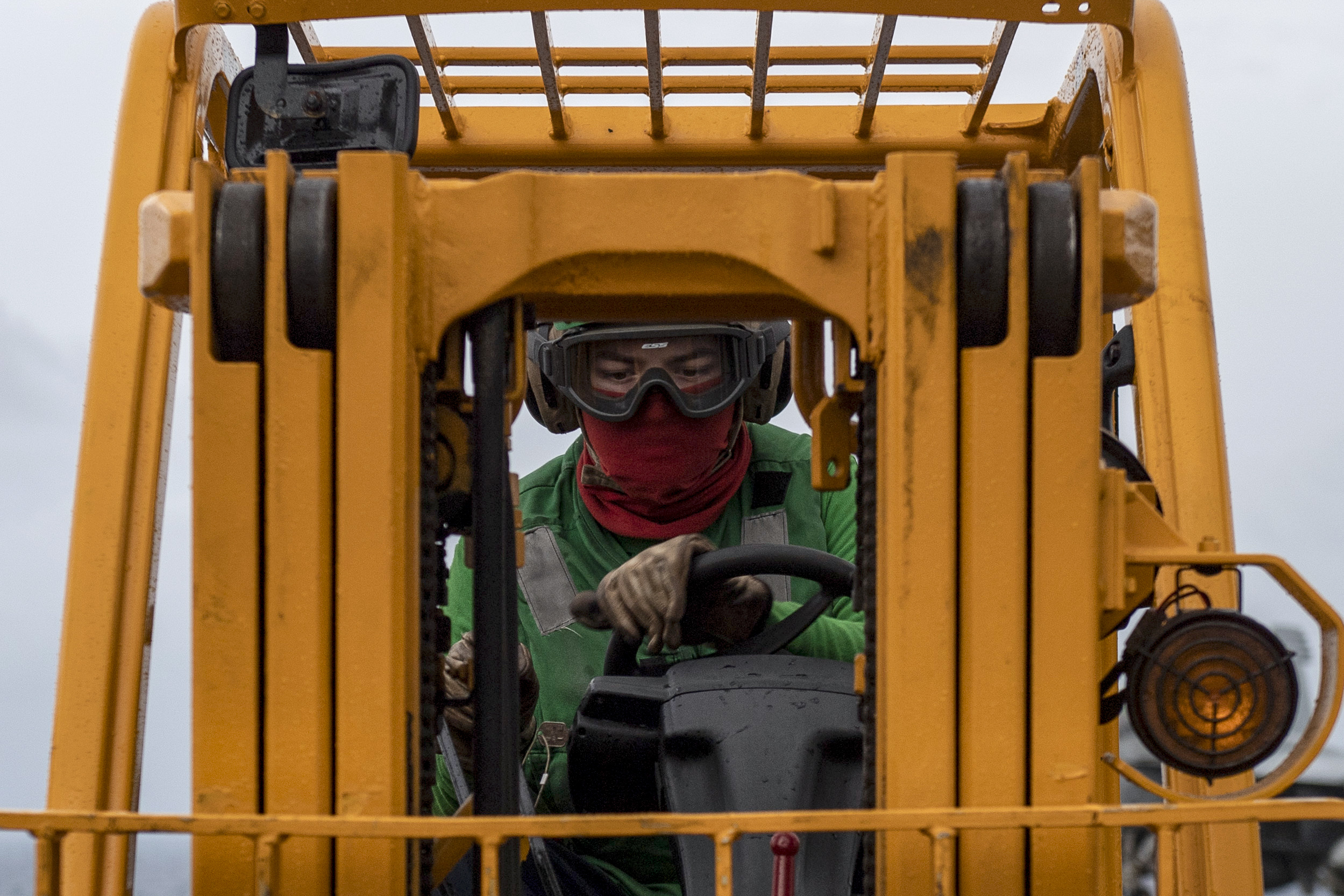
Forklift Focus


A sailor uses a forklift to move cargo on the flight deck of the aircraft carrier USS Nimitz during a replenishment in the Indian Ocean, Jan. 4, 2021.

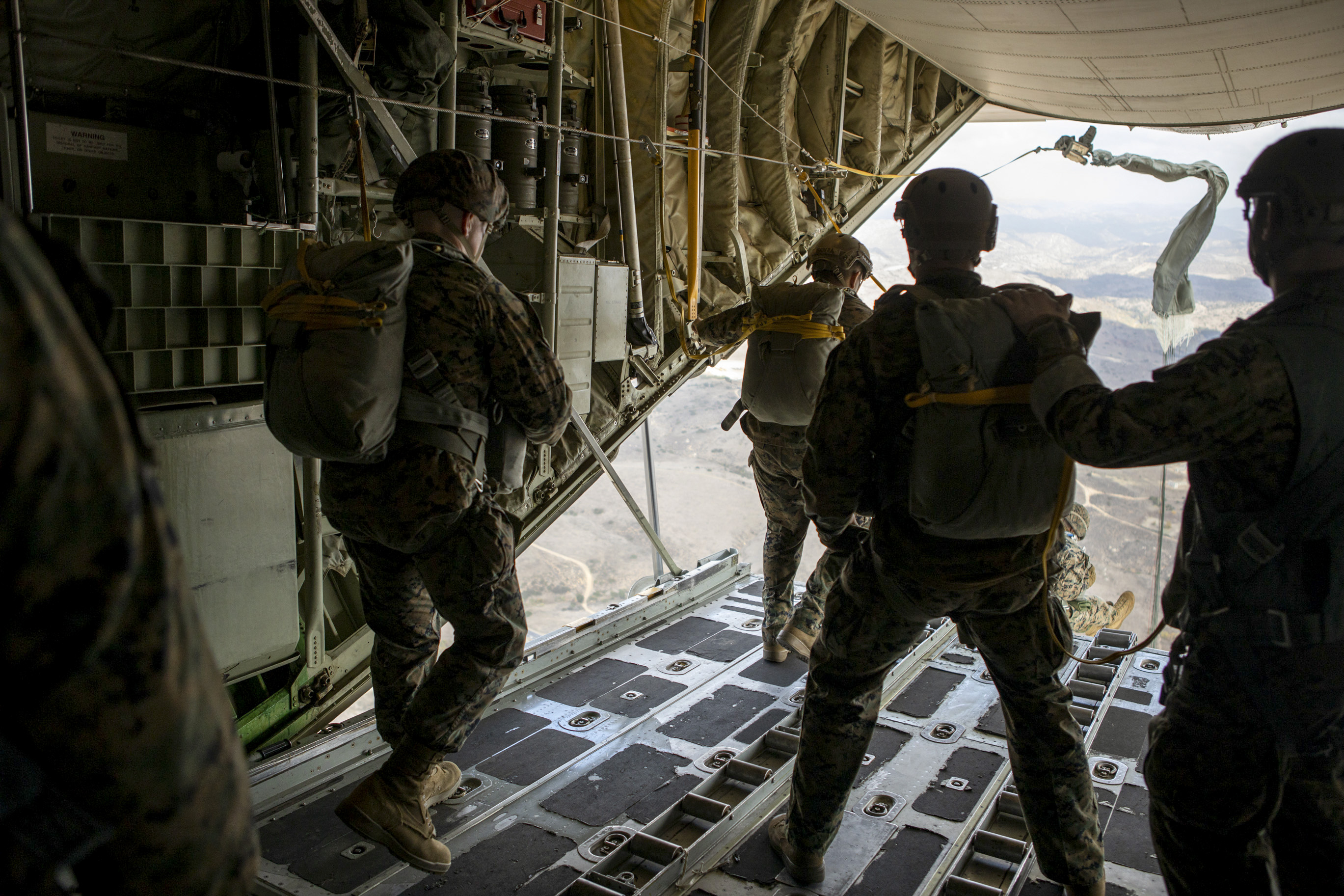
Airborne Exit


Marines prepare to exit from a KC-130J Super Hercules aircraft during a static-line parachute training jump over Marine Corps Base Camp Pendleton, Calif., Dec. 10, 2020.

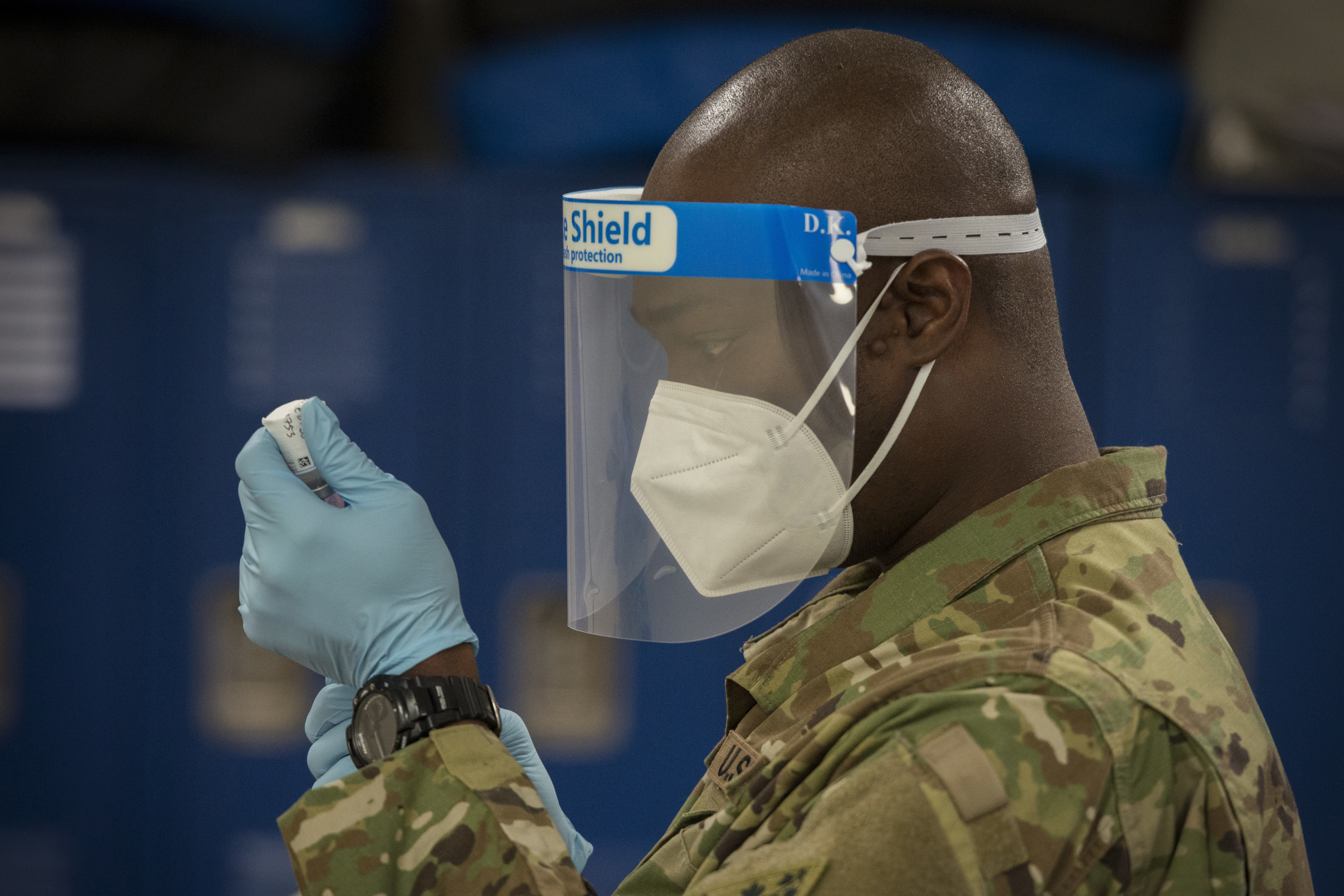
Vaccine Prep


Army Staff Sgt. Donnell Niles draws the Moderna COVID-19 vaccine from a vial into a syringe at Bradley Air National Guard Base in East Granby, Conn., Jan. 2, 2021. The Connecticut National Guard began administering the vaccine in accordance with the Defense Department’s COVID-19 vaccine distribution plan.

Vaccine Prep


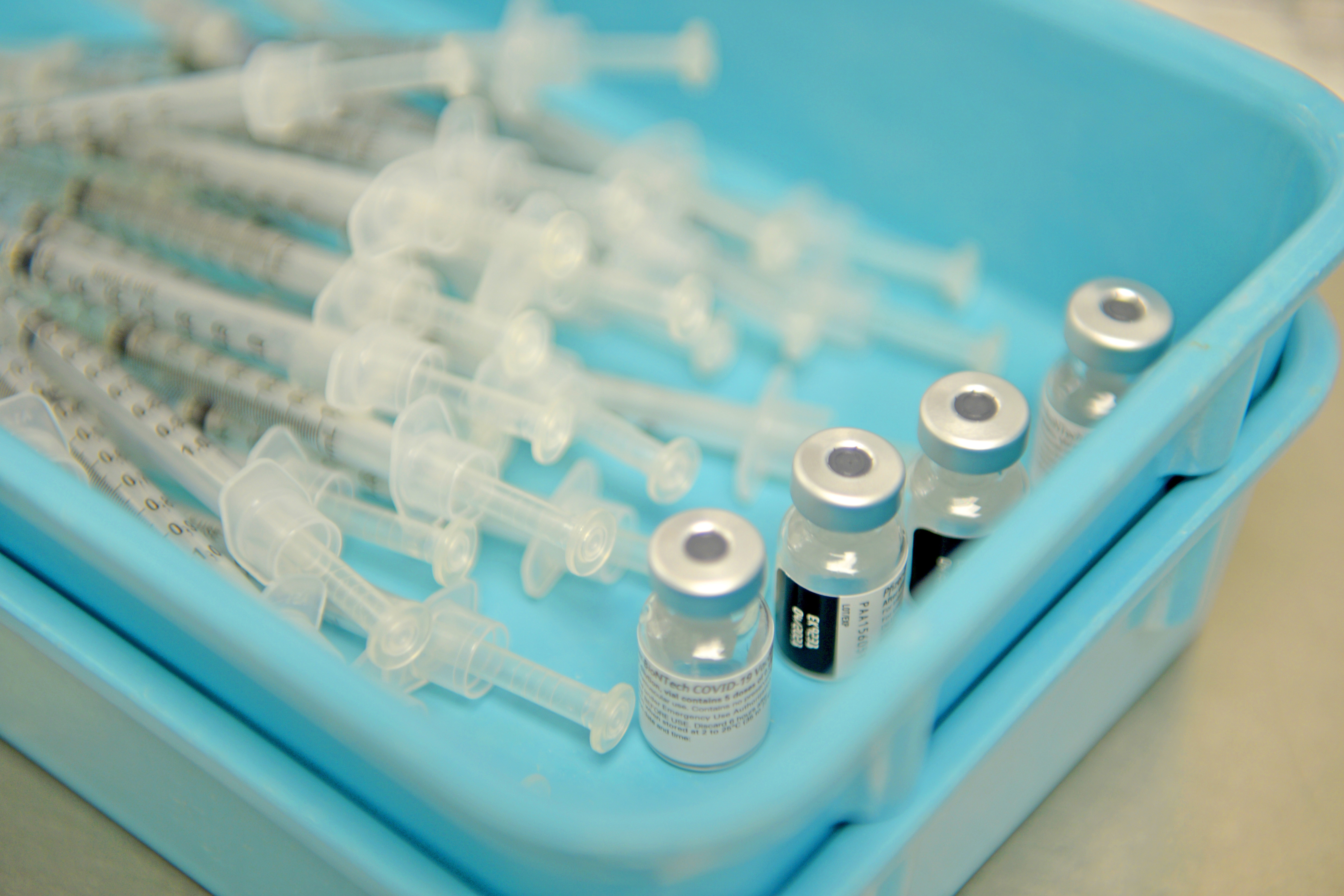
Syringes to be used for COVID-19 vaccinations sit in a tray at the CW Bill Young VA Medical Center in Bay Pines, Fla., Dec. 28, 2020. Syringes are filled each morning for use the same day in accordance with vaccine guidelines.

Sharp Shooter


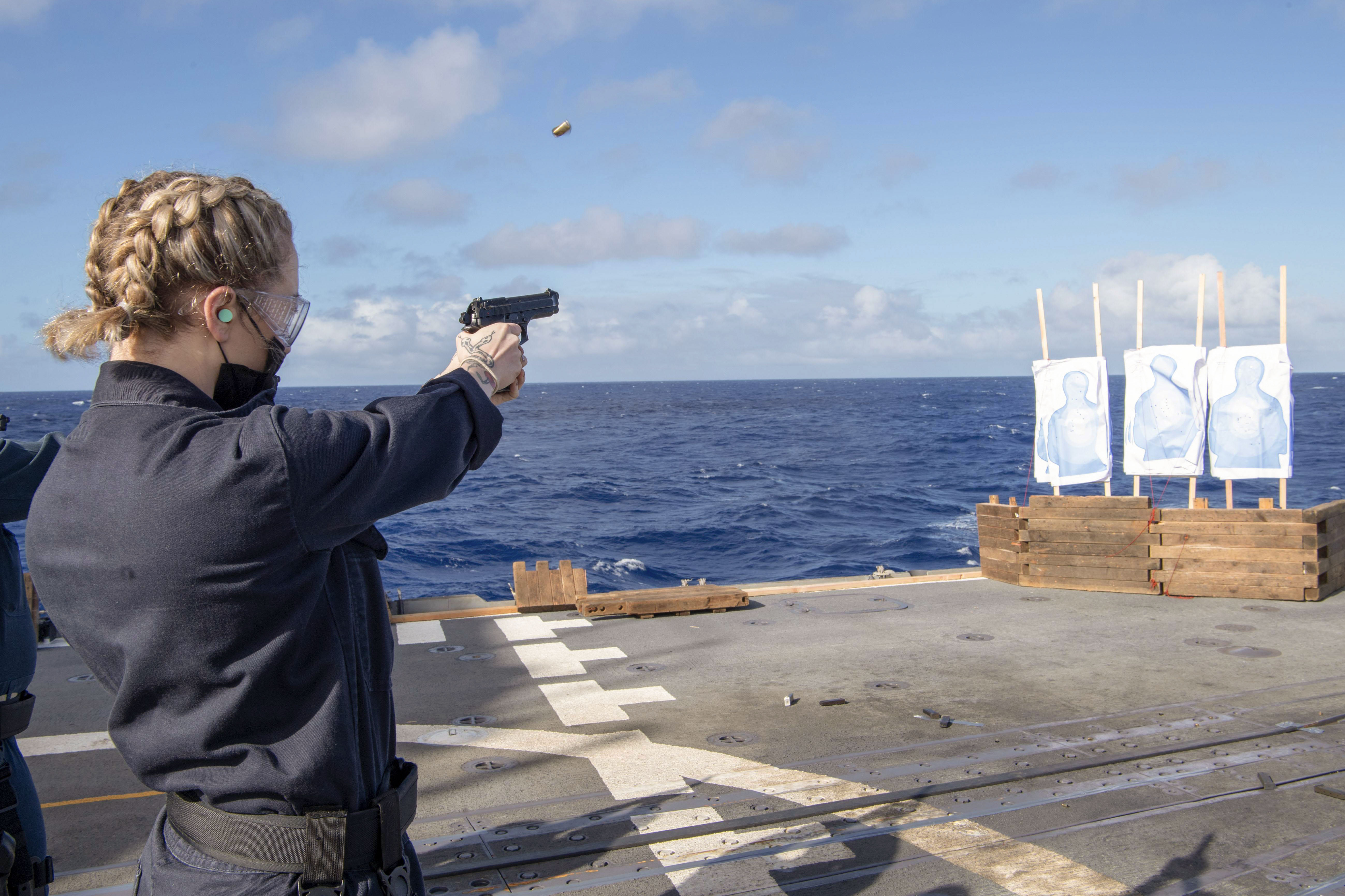
Navy Petty Officer 2nd Class Skyler Davis shoots an M9 pistol on the flight deck of the USS Bunker Hill during training in the Pacific Ocean, Dec. 28, 2020.

Puppy Love


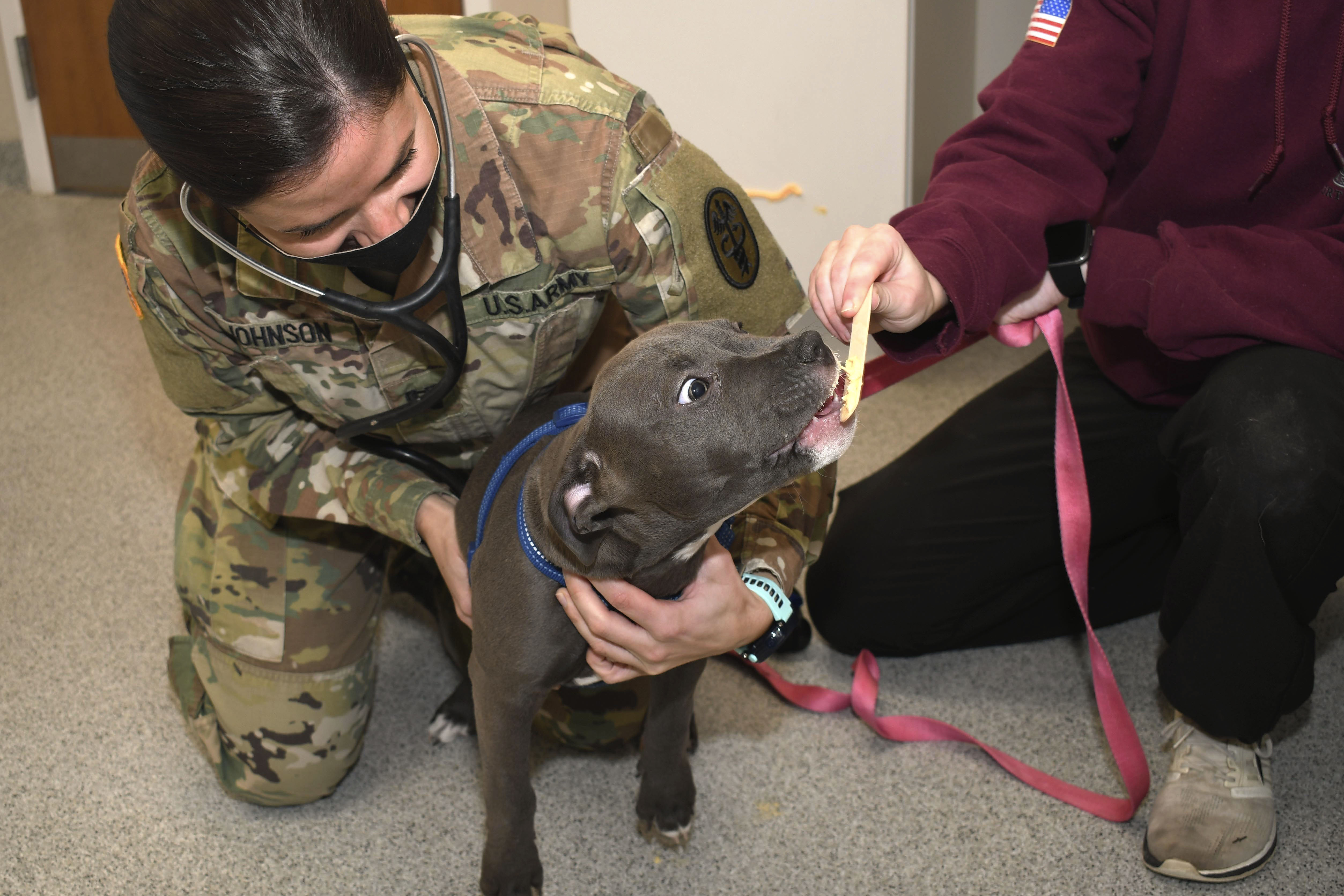
Army Capt. Breanna Johnson conducts a wellness check on a dog at Fort Drum, N.Y., Dec. 28, 2020.

Operation Octave Quartz


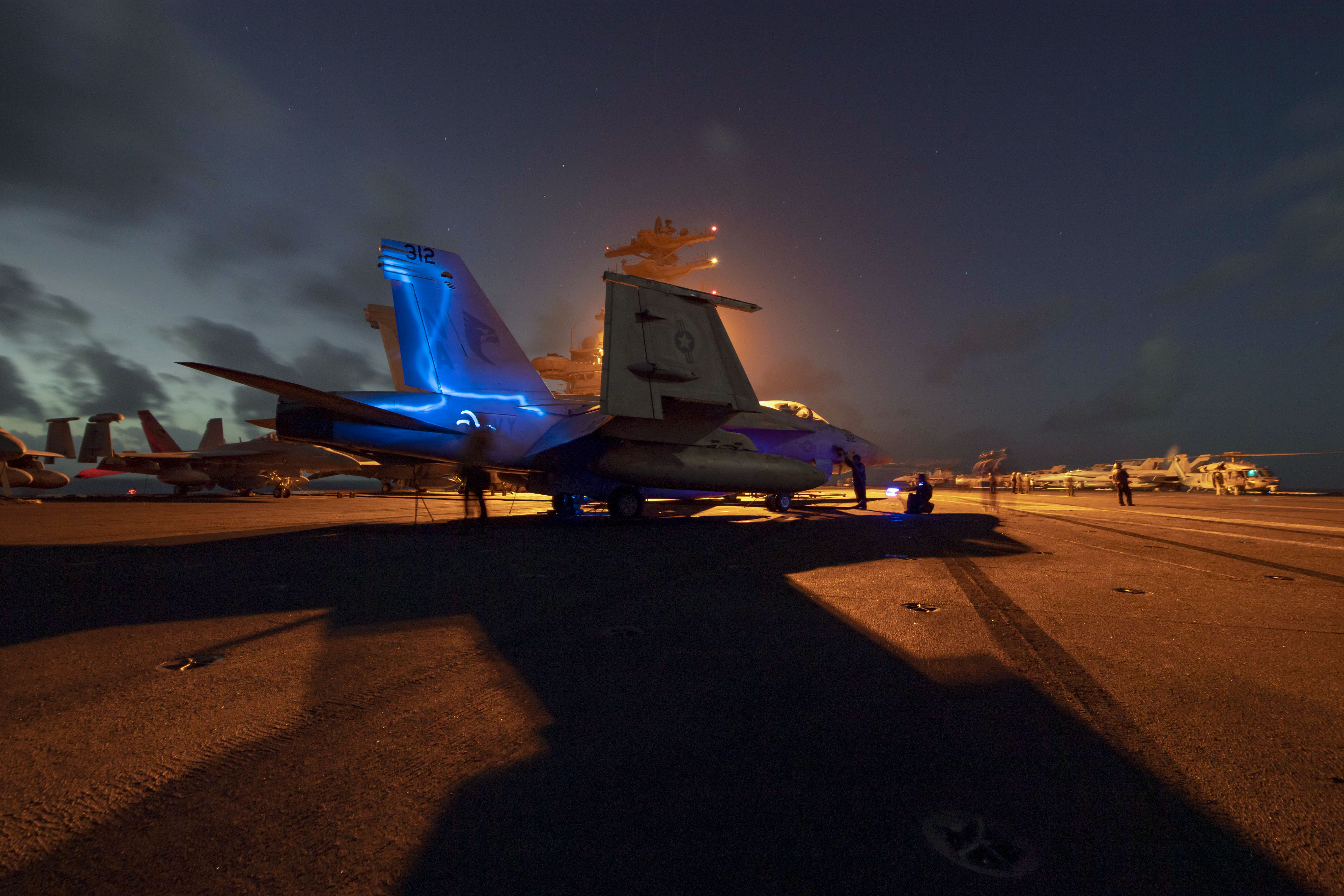
Sailors inspect an F/A-18E Super Hornet on the flight deck of the USS Nimitz during Operation Octave Quartz in the Indian Ocean, Jan. 1, 2021. During the mission, Defense Department forces in Somalia relocated to other East Africa operating locations.

COVID-19 Vaccination


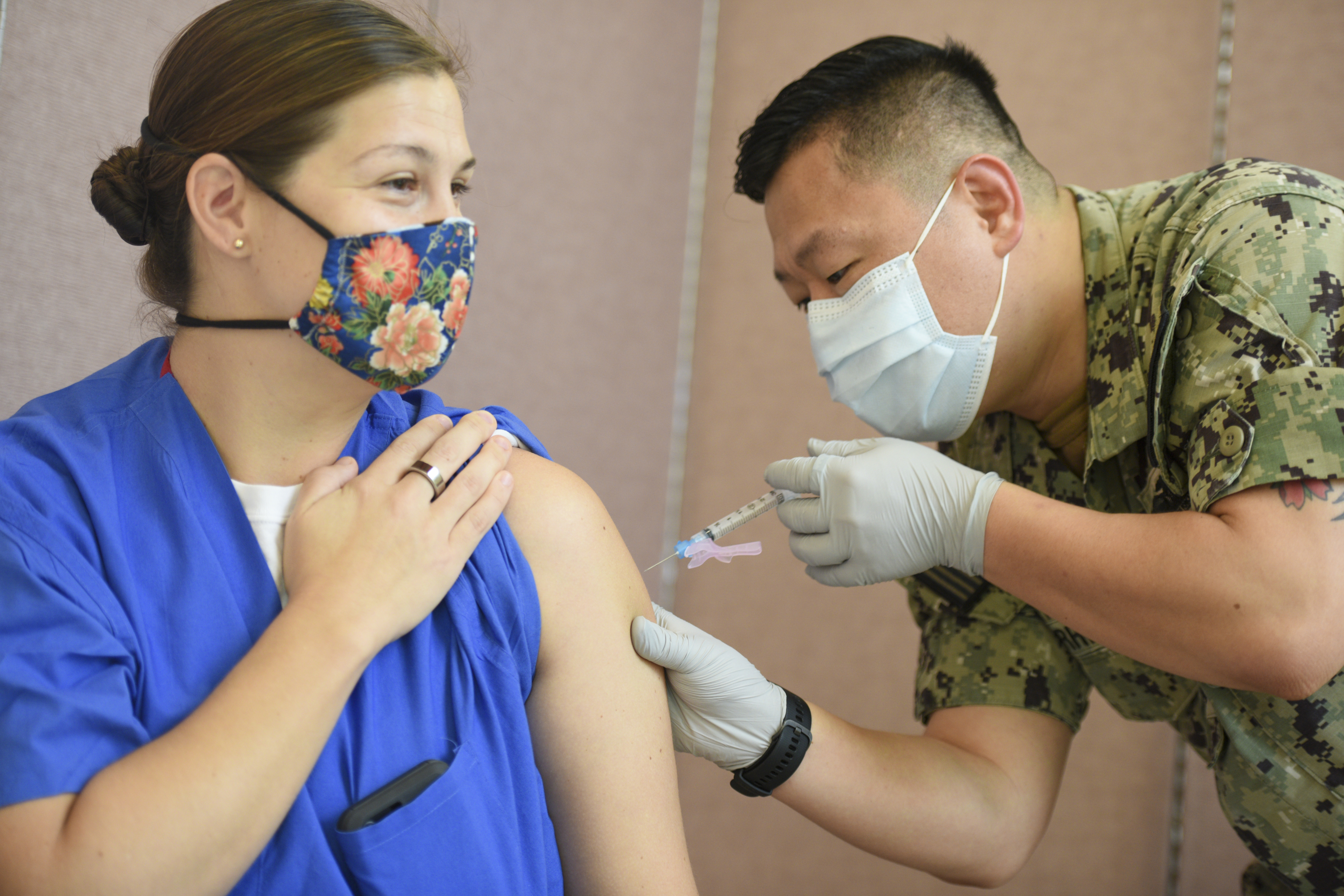
Navy Petty Officer 2nd Class Mark Forrey administers the COVID-19 vaccine to Navy Lt. Cmdr. Allison Wessner at U.S. Naval Hospital Guam, Jan. 4, 2021.

Detonation Demo


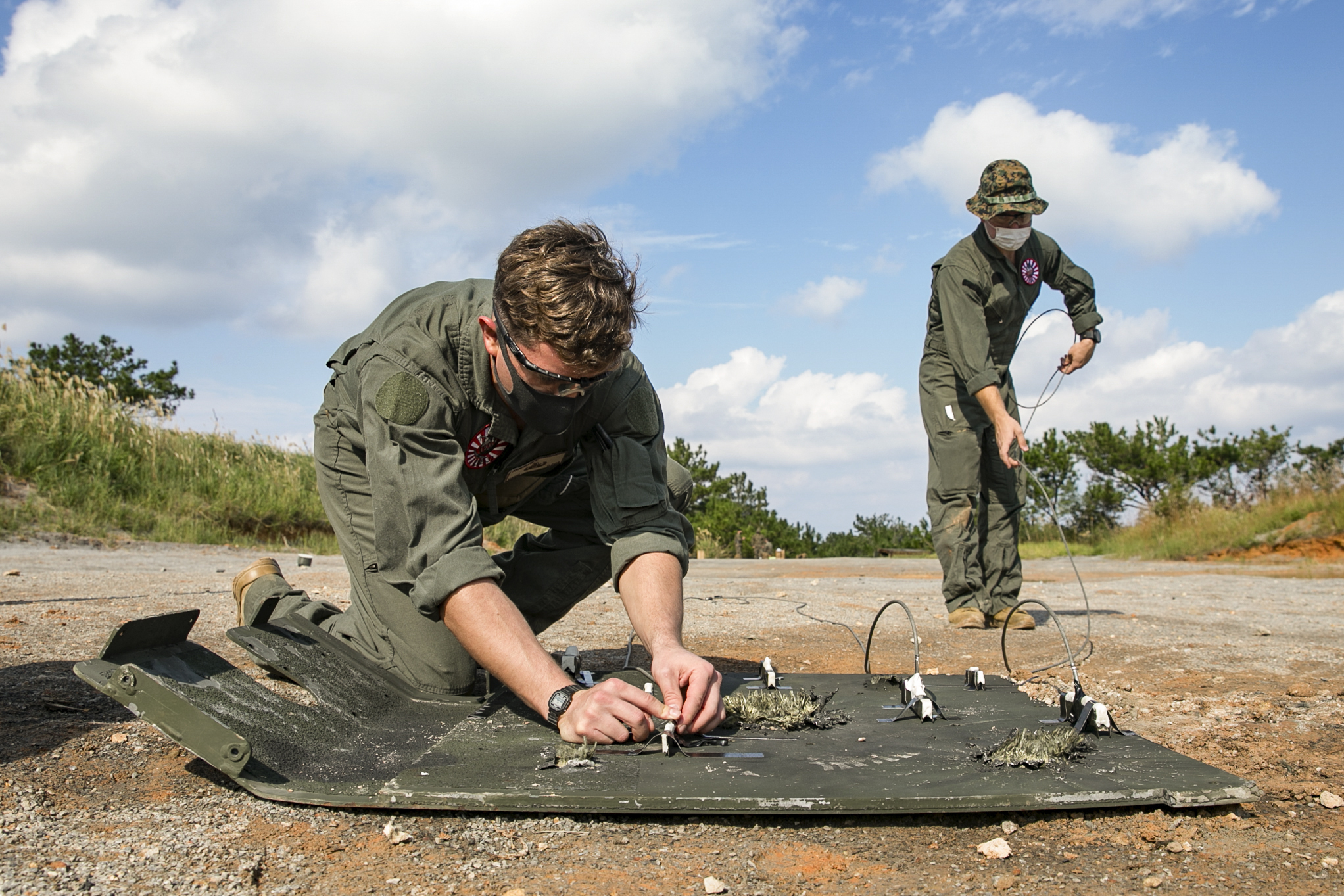
Marines attach detonation lines to C4 charges during an explosive ordnance disposal demolition range in Okinawa, Japan, Dec. 22, 2020.

Colorful Crew


Sailors move a pallet on the flight deck of the USS Theodore Roosevelt during a replenishment in the Pacific Ocean, Jan. 1, 2021.

Sunlit Sail


The aircraft carrier USS Theodore Roosevelt transits the Pacific Ocean, Jan. 1, 2021.

Face of Defense: A Public Health Tech's Role During COVID-19

 Jan. 4, 2021 | BY Katie Lange , DOD News

In 2020, public health workers — including service members — found themselves in the spotlight more than ever before. The COVID-19 pandemic forced them into overdrive to help those in need — a job that seems to be never-ending. 

Air Force Tech. Sgt. Jacob "LB" Linsenbigler, a public health technician with the Pennsylvania Air National Guard, has been on the front lines of the crisis since it unfolded. 

An airman in dress blues poses for a photo in front of a flag.

Linsenbigler has been with the Pennsylvania Guard for more than seven years and works full time with the 171st Medical Group. The 31-year-old's career field requires him to wear many hats — a skill that has served him well since the COVID-19 pandemic began. 

So, how have he and his colleagues dealt with the intensity of the past year? Linsenbigler fills us in on the toughest part of the pandemic, how he's personally coping with it, and how, as a unit, they're getting through it together.

Air Force Tech. Sgt. Jacob Linsenbigler
Job Title: Public Health Technician
Hometown: Pittsburgh, Pennsylvania
Stationed: Pittsburgh International Airport in Coraopolis, Pa.
Unit: 171st Medical Group, Pennsylvania Air National Guard

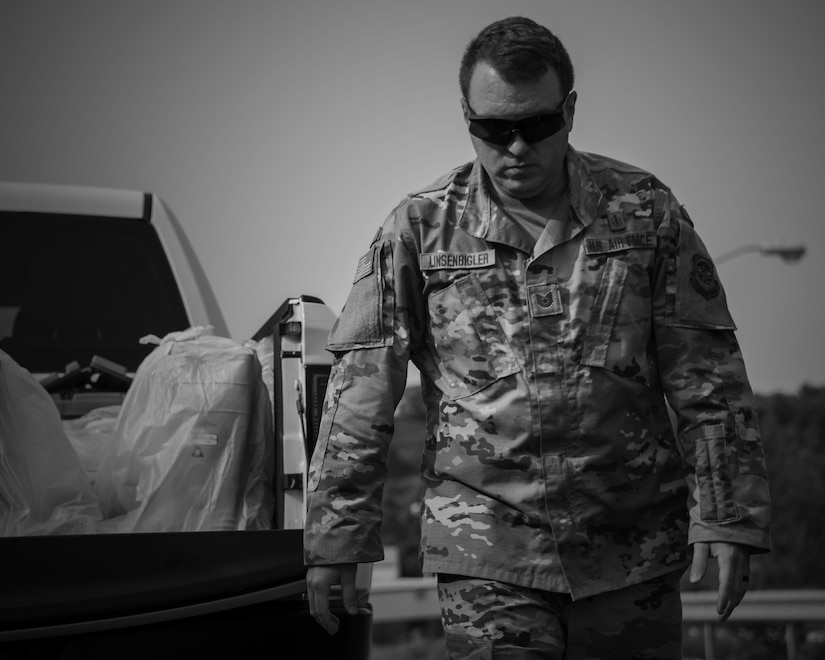
An airman in sunglasses walks away from a pickup truck loaded with supplies.

Tell me about your Air National Guard career and what it is you do.

When I first enlisted, I enlisted into Medical Logistics, which was an awesome career field. "Loggies" are the first line of defense in the medical world, making sure the hospitals and clinics have sufficient inventory of supplies — everything from prescriptions, personal protective equipment and medical hazardous materials to having contracts set up with vendors. 

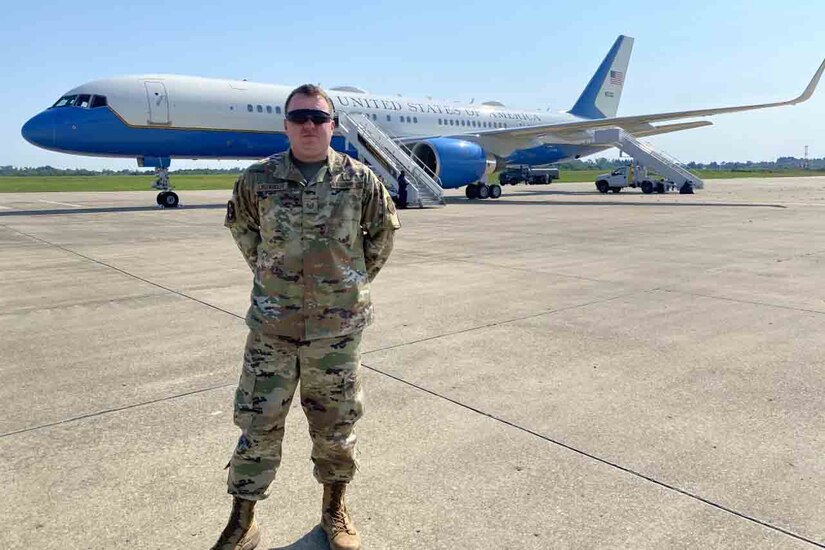
An airman stands on the tarmac in front of a passenger jet.

After a few years, I knew that public health was my true calling and switched careers. Since I was already militarily trained in that field, once a full-time position opened up, I jumped at the opportunity to be a public health technician. A public health technician is the pulse of the clinic and is involved in so many different entities of the clinic and base. We conduct audiograms, occupational health exams, occupational shop visits, fetal protection interviews and pregnancy profiles, food and hotel inspections either on base or in the community, base entomology and vector/pest surveillance — all of these to ensure the health and safety of our members. At the end of the day, we are the jacks-of-all-trade[s] of preventative medicine.

When COVID-19 came along, how did your job change? 

Public health went from being a base-wide entity to a countywide and DOD-wide asset. Our primary focus used to be audiograms and occupational health exams, deployment health readiness for members and food inspections. While those are still our focus, COVID-19 has been what most of our job focus went to for the time being. The public health career field has always had to wear multiple hats, and I think it helped equip us well for doing so now during the pandemic.

How has your wing been called upon to help the state get through this crisis?

We've had some of our medics volunteer to go onto state active-duty orders to help in response to COVID-19. Those same members have either gone into nursing homes to provide relief to staff or conduct COVID-19 testing to members who are getting ready to deploy, as well as making contact tracing phone calls on our behalf. They've worked long shifts, weekends and holidays to provide care and support for our commonwealth, and they're the best of the best our state and the Air National Guard has to offer.

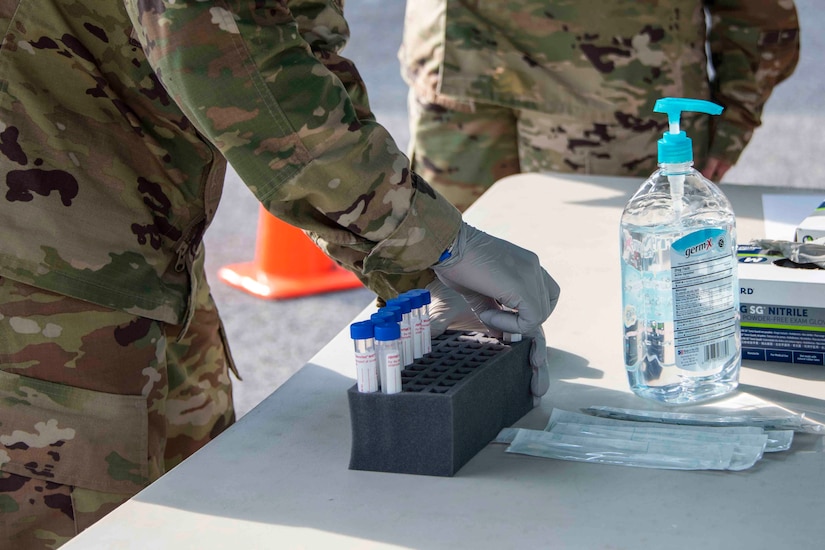
A person with gloved hands puts a vial into a secure container on a table.

We've been working with other local reserve units such as the 910th Airlift Wing in Youngstown, Ohio, and 911th Airlift Wing in Pittsburgh to ensure we all have the same information. We bounce ideas and guidelines off each other for implementation. We've also worked with the local county health department and hospitals to ensure cohesiveness throughout the community.

What's one of the toughest things you've dealt with as a public health worker? 

I believe the hardest part of being a public health worker during this pandemic was that, at the beginning, we actually had too much information. With this being a new virus, there was an information overload coming from all avenues. With that being said, it's not necessarily a bad thing that so many entities are involved — quite the opposite — but when one counterpart was saying one thing, another would be saying something slightly different. We've now gotten to the point where most of that has subsided, but the first few months of this were the equivalent of going 0-60 MPH on all fronts. Now that we've managed to get to a point where we are all relatively on the same page, it's been a lot easier to manage the pandemic from an information aspect.

A couple in wedding attire kiss as the sun shines down on them.
A man sits with his arms and legs up in the air on a dance floor.

As for my colleagues, we have members all throughout parts of Pennsylvania, Ohio and West Virginia who have been working in different hospital settings. They've faced staff shortages, PPE shortages, and they continue to battle each and every day to protect and save lives. Most continue to wear both hats, fighting on the front lines in their civilian jobs as well as volunteering for COVID-19 tasks in a military capacity. It's humbling to watch them work, knowing what they and their families have been through.

Has it been hard to manage your personal life while being on the front lines? 

My wife and I got married on Dec. 7, 2019, so we just celebrated our one-year anniversary together. The first year of marriage started by us taking our honeymoon to Puerto Rico in January, and we were "lucky" enough to be there during the 6.4 earthquake that rocked the island. Needless to say, with that and everything after, the first year was extremely challenging for both of us! But we have been very fortunate over the past year to be healthy, and we are expecting our first child in March. There are times where my wife knows how my day went and she tries to lighten the mood, and she's helped me out during this more than she'll ever know.

Does your team have any particular way of coping with the increased stress? 

Everyone on my team has their own way of cheering others up, whether it's stopping to get coffee for everyone, bringing in treats or just making sure everyone is getting the credit they deserve. My full-time supervisor, [Air Force] Maj. Lindsay Jones, has been extremely helpful and supportive during this whole endeavor. Like me, she's been on call 24/7. She'll bring us coffee and different treats to boost morale, and she's had no problem stepping in to field calls or deal with situations that need to be up-channeled to leadership. She's a physician's assistant, so she has the real-world knowledge and experience to deal with the new virus. 

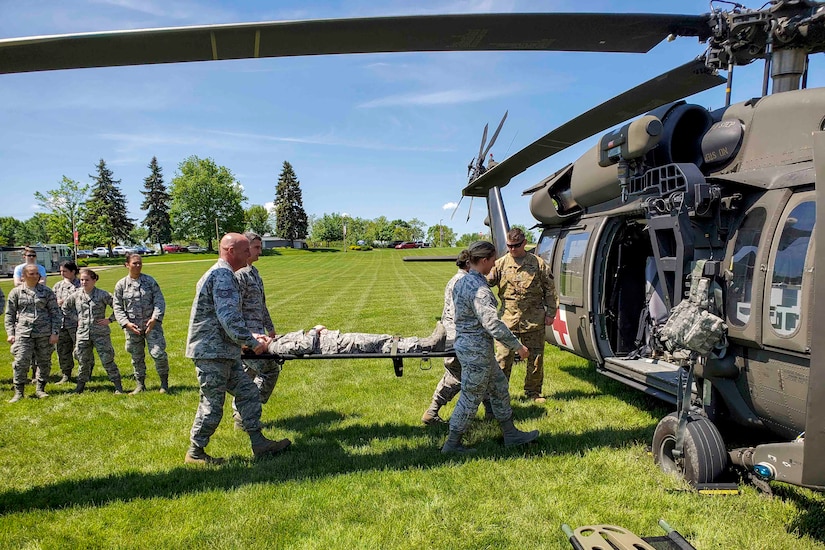
Airmen put a person on a stretcher into a waiting helicopter in a field.

Our full-time medical administration officer, [Air Force] Lt. Col. Joe Sullivan, has been kind enough to attend meetings on our behalf, talk to different Pennsylvania National Guard entities, and he buys us lunch when times are tough. I'm extremely fortunate and grateful to work with some of the most professional and yet kindest people I know.

How are part-time guardsmen helping your team? 

My whole team — both full-time and part-time — have been great and haven't missed a beat. When called upon, my part-time guardsmen have come in to help with contact tracing, attend meetings and answer questions from the base population. We've had individuals who used their annual training days, volunteered for state active-duty orders and used make-up drills — all to help out. We have a great team environment, and everyone is comfortable with one another. I've been very fortunate to have teammates like them and couldn't have made it through this without them.

Do you see a silver lining in this crisis, from a work perspective? 

Honestly, I believe the silver lining is getting to work with so many different people on base that we would not normally have any interaction with. We've been the hub for anything COVID-19-related and to be able to help the base as we have is not only rewarding but a great recruiting tool, too. For as busy as we've been, it's been extremely rewarding to talk to these individuals and shepherd them through a tough and confusing time in their lives.

When normalcy returns (relatively speaking), how do you think this will have changed the way you and your wing operate? 

I think that it will only make our wing function stronger. We've had subcommittee groups that have gotten together on Microsoft teams to go over rules and guidelines for base functions during the whole pandemic. Some of these are sections that have had limited to little interaction in regards to working together on a basewide undertaking such as this. Between that and our local medical partnerships that we've built in the private sector and community, I think once the dust settles we'll be able to look back on all of this and hold our heads high that we came through it together. 

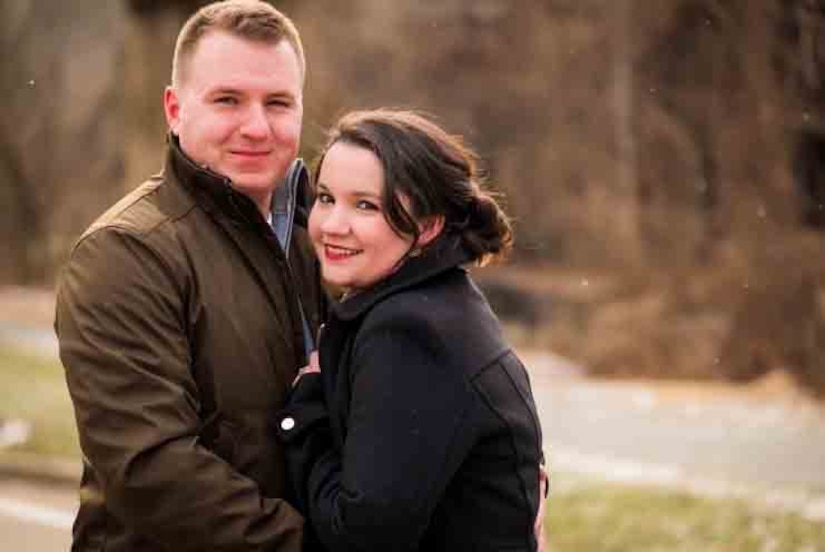
A couple in winter jackets huddles together outside.

What do you enjoy doing outside of the Guard? 

I feel like we've been in a pandemic for so long, I don't have any hobbies anymore! I've been a season ticket holder for the Pittsburgh Penguins for the past six years, and I've gotten to witness the team win the Stanley Cup two years in a row in 2016-2017. My family has a camp that we love going to about an hour and a half north of Pittsburgh. I'm sure in the next few months, with my daughter on the way, I'll enjoy sleeping a lot more when I get the chance, as well.

When COVID-19 has passed, what are you most looking forward to? 

I'm looking forward to public health being able to slide back under the radar! Before the pandemic, public health was the quiet entity of the base that most never realized had such a huge role to play. So, I'm looking forward to going back to being the quiet professionals … and I'd be lying if I didn't say not having to deal with the late-night and early-morning COVID-19 phone calls. Just like everyone else, I'm looking forward to life going back to as normal as it can be.

Airman Fights COVID-19 Behind the Scenes

Jan. 4, 2021 | BY AIR FORCE AIRMAN 1ST CLASS ERIN ZIMPFER

Since the beginning of the coronavirus pandemic, researchers have been working as quickly as possible to crack the code of the virus. Understanding ways the virus can be detected is an important aspect to the scientific research. 

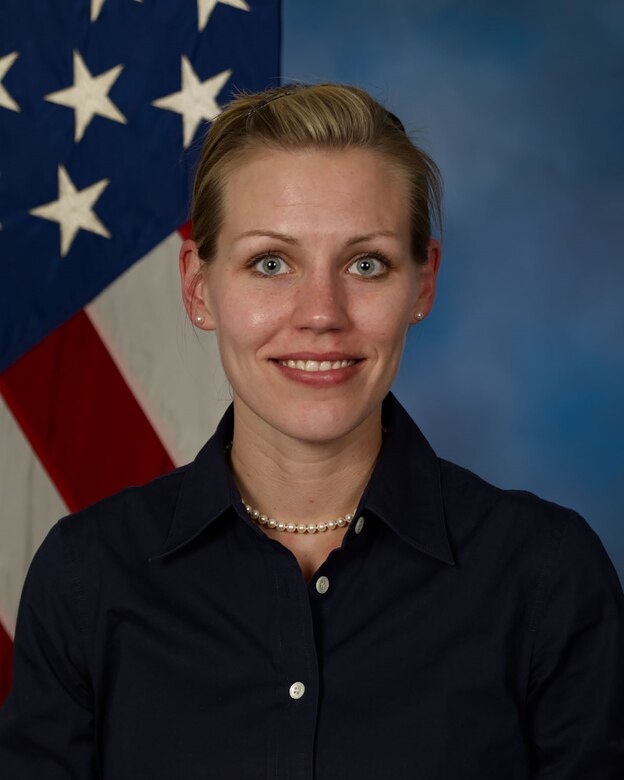
Air Force Senior Master Sgt. Sarah Katoski, superintendent of medical readiness at the 445th Aeromedical Staging Squadron, works as a molecular biologist in the bioscience's division of the Army's Chemical Biological Center at Aberdeen Proving Ground in Edgewood, Maryland.

A woman poses for a professional portrait in front of a U.S. flag.

"My research is centered on biological defense," Katoski said. "Our mission is traditionally standoff detection, which means minimal clinical work. However, due to our capabilities, we have been tasked with developing, testing and validating different efforts focused on coronavirus research to combat the pandemic."

Katoski's work has been focused on developing a rapid sequencing tool capable of detecting the virus not only in clinical but also in environmental samples such as air or water. Such a tool exists for detection of bacteria samples, but using it to identify a virus is more complex, she said.

"Since the outbreak, some of us have been deemed 'essential' to continue ruggedizing our system to make a field forward sequencing capability sensitive enough to detect the virus but equally reliable," Katoski explained. "This is ongoing."

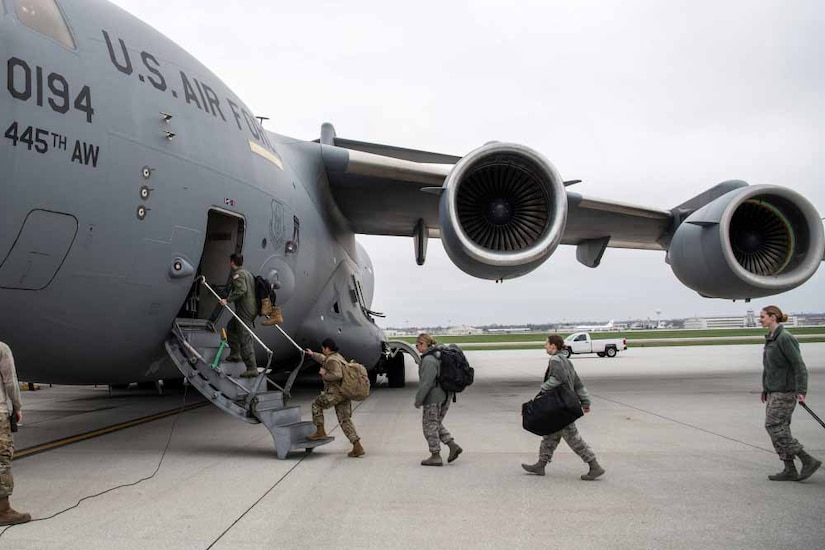
Doctors and nurses board plane.

Detecting the virus has been the focus of much attention since the pandemic began. According to the Centers for Disease Control and Prevention, two tests are available for COVID-19: viral tests and antibody tests. COVID-19 is primarily a respiratory illness caused by a coronavirus that can spread from person-to-person even asymptomatically.

The sergeant said her research is concentrated on being able to detect the virus in nature, such as air, soil and water, which is more difficult than isolating and diagnosing a virus from a human sample.

The amazing work the doctors, nurses and medical professionals are doing to combat COVID-19 on the front line while we, scientists, work from the laboratory to mitigate this and even those at home who help flatten the curve is extremely commendable.''
Air Force Senior Master Sgt. Sarah Katoski

"I am very excited about our work with air sampling and threat detection," Katoski said. "This type of science will help develop a technology that has the potential to directly impact our ATSO [ability to survive and operate] capabilities. For example, understanding the airflow of a C-17 and minimizing the recirculation of contaminated air by rapidly identifying, detecting and decontaminating the source will exponentially reduce ground time."

"Other efforts I am supporting are testing and evaluating clinical isolates on new COVID-19 diagnostic tests, some have already been deployed to the testing sites," Katoski said. "We have been working with our engineering group to develop mobile labs for the Army. We have to add certain pieces of equipment for rapid detection testing."

Additionally, the Edgewood facility has been supporting other agencies with personal protective equipment, providing face masks and gloves to both civilian and government entities.

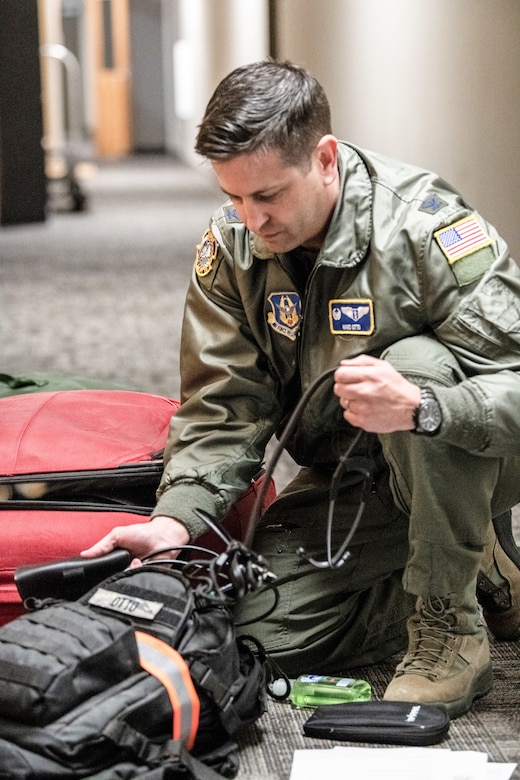
An airman checks his luggage for medical equipment.

"Moving forward, our goal is to leverage national resources, so that the DOD can support force health protection to better protect and posture the military to maintain operational readiness, assist FEMA lead national and local responses, and defend soldiers, civilians and their families in the national fight against pandemics," Katoski said. 

As a member of the 445th ASTS, Katoski supports the work of her fellow airmen and their frontline contributions to the ongoing pandemic; as some members of the unit recently deployed to New York to work in the hard hit areas of the state.

"The amazing work the doctors, nurses and medical professionals are doing to combat COVID-19 on the front line while we, scientists, work from the laboratory to mitigate this and even those at home who help flatten the curve is extremely commendable,'" Katoski concluded.

(Air Force Airman 1st Class Erin Zimpfer is assigned to the 445th Airlift Wing.)