Tuesday, September 01, 2020

Command Senior Enlisted Leader Assignment

 Sept. 1, 2020


The Office of the Senior Enlisted Advisor to the Chairman of the Joint Chiefs of Staff (OSEAC) announced today the following assignment:

Air Force Chief Master Sgt. Daniel C. Simpson, currently assigned as the command chief master sergeant for Eighteenth Air Force (Air Mobility Command), Scott Air Force Base, Illinois, has been selected to assume responsibility from Marine Corps Sgt. Maj. Vincent C. Santiago as the command senior enlisted leader for the Defense Security Cooperation Agency, Arlington, Virginia.

Diversity, Inclusion Board Seeks Input From All DOD Personnel

 Sept. 1, 2020 | BY DAVID VERGUN , DOD News

The Department of Defense Board on Diversity and Inclusion will report to the Secretary of Defense by Dec. 15 on ways to improve diversity and inclusion leading to broader opportunities for all department personnel, and they are looking for input from all Defense Department personnel.

The board will focus on actions to enhance diversity and inclusion and drive a cultural shift to create lasting change in the Defense Department, from recruiting, career track selection and retention; to accessions, assignments, schools and promotions; to military justice and everything in between and beyond.

All Defense Department personnel are encouraged to crowdsource feedback on ideas for improving diversity and inclusion via www.milSuite.mil. The closing date for input is Oct. 16.

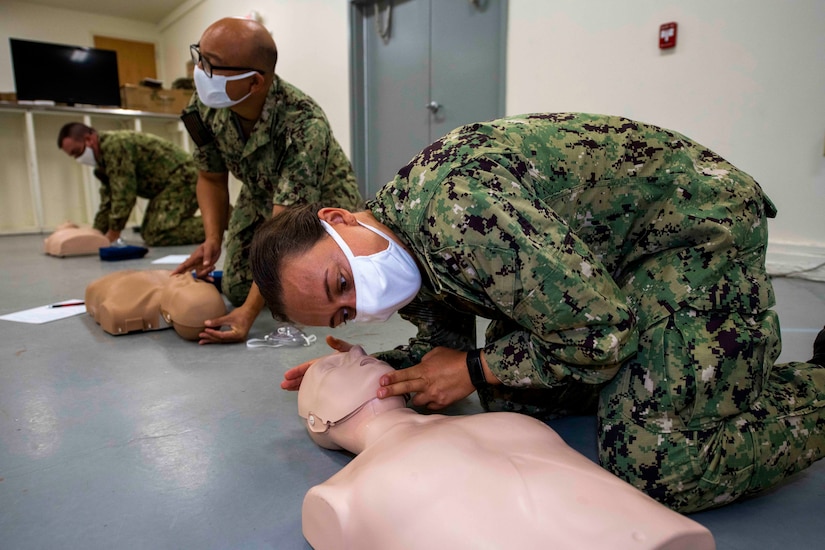
Sailors wearing masks perform CPR on mannequins.
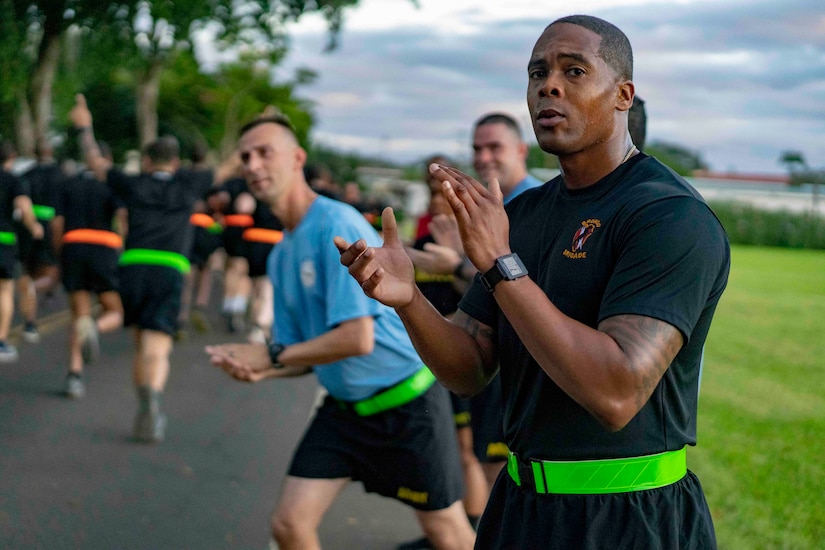
Soldiers in running clothes on the sidelines encourage runners.

"Hearing from our service members is critical in helping the Department of Defense make lasting changes to our military culture," Air Force Brig. Gen. Troy E. Dunn, the board's senior military member, said. "All members of the Department of Defense are invited to join this important conversation. Since solutions will not come from the Pentagon alone, we offer the milSuite link to seek your feedback through open and honest dialogue on diversity and inclusion."

There are four focal points of actions the board is taking:

1
Evaluating all military policies, programs and processes;
2
Surveying best practices of industry, academia and other non-DOD organizations;
3
Reviewing the scientific literature, past studies and reports, including recommendations on actions the department can take to improve diversity and inclusion; and
4
Generating actionable items and policies to improve diversity and inclusion.
There are six recommendations the board will provide to the Secretary of Defense:

1
Strengthening both community engagement and the narrative about military service opportunities during recruiting to attract more diverse candidates;
2
Retaining minorities beyond initial service commitment and into leadership ranks;
3
Addressing barriers confronted by minorities in the workplace;
4
Improving advancement opportunities, promotion boards, command selection, professional military education and assignments;
5
Addressing command and organizational climate issues that may negatively impact the retention of minorities; and
6
Promoting inclusion of minorities in military culture and strengthening aspects of individual and cultural identities such as hair and shaving standards and dress.
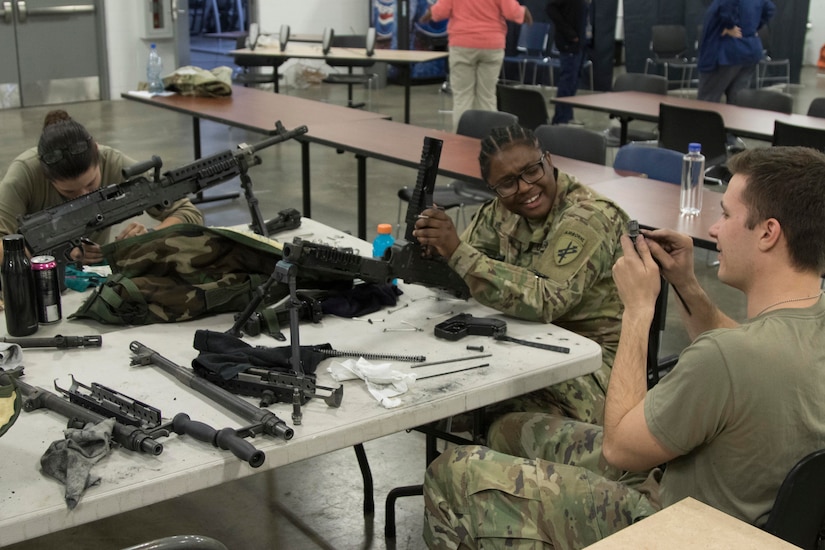
Three people in uniforms clean weapons.
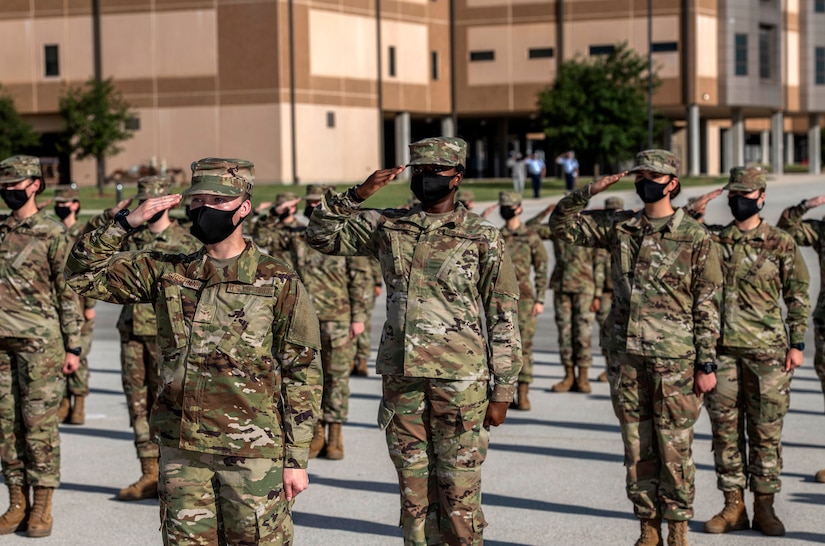
Air Force recruits in uniform and in formation salute.

The success of the board will be determined by improvements to policies, programs and processes that achieve broader diversity and inclusion.

The Secretary of the Air Force serves as board chair, supported by the senior enlisted advisor to the Chairman of the Joint Chiefs of Staff. 

Hurricane Cleanup


Members of the Louisiana National Guard clear roads in Lake Charles, La., Aug. 27, 2020, after Hurricane Laura made landfall in the southwestern part of the state.

Guard Performs COVID-19 Tests for Mission Critical Personnel

Sept. 1, 2020 | BY Air Force Lt. Col. Jim St. Clair

Due to an innovative partnership with Lexington Medical Center, airmen with the 169th Fighter Wing, South Carolina Air National Guard, are being rapidly tested for COVID-19 to ensure critical missions can continue uninterrupted.

"It started with an idea. Just sitting down one day and saying 'Hey, why can't we do this?'" said Air Force Master Sgt. James Bosley.

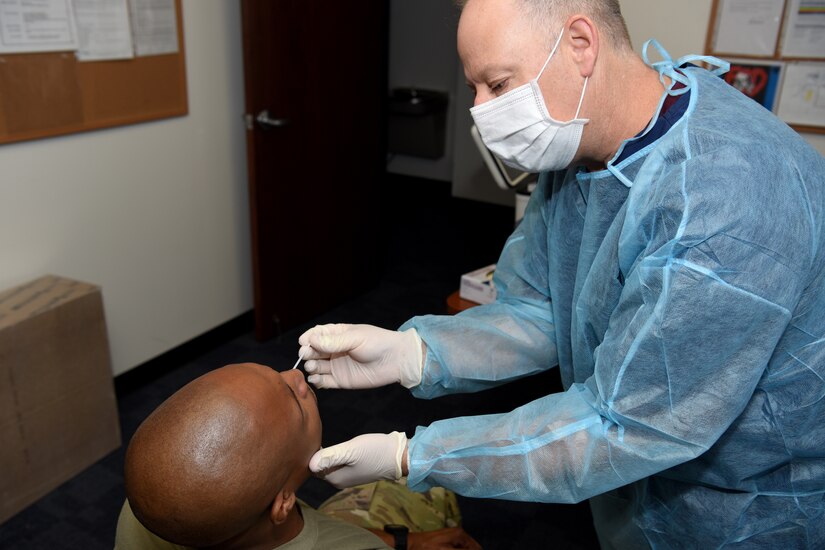
An airman wearing a face mask tests another airman for COVID-19.

Thanks to Bosley's civilian expertise, he was able to facilitate getting personnel returning from deployment tested and personnel assigned to the Aerospace Control Alert trained unit at McEntire Joint National Guard Base, South Carolina, tested.

Bosley works as a microbiology and molecular supervisor for Lexington Medical Center in Lexington, South Carolina, during the week. On drill weekends, he is the 169th Fighter Wing Drug Demand Reduction program manager with the 169th Medical Group.

When Air Force Col. Akshai Gandhi, 169th Fighter Wing commander, wanted to start testing mission critical personnel on base, 169th Fighter Wing Public Health reached out to Bosley because of his connections with a company that manufactures rapid COVID-19 tests.

"I realized that I could be doing this testing," Bosley said. "I could do it at my hospital. I went to my administration [at Lexington Medical Center] and said 'Here's the deal, we need to do COVID testing for our patients, but we also need to do it for the military.'"

Right now only returning deployers and Aerospace Control Alert assigned airmen are being tested weekly.

An airman wearing a face mask tests another airman for COVID-19.

Bosley performs testing twice a week along with Army and Air National Guard medical personnel who assist with sample collections. The medical personnel are provided by Air Force Col. (Dr.) Philip Latham's, SCANG state air surgeon, Medical Strike Team. The Medical Strike Team is an Army and Air National Guard medical collaboration that links Army National Guard medics with Air National Guard aerospace medical technicians. The Medical Strike Team has been performing COVID-19 testing across South Carolina at community testing sites, correctional facilities and other locations since May.

Bosley has the testing procedure down to a science.

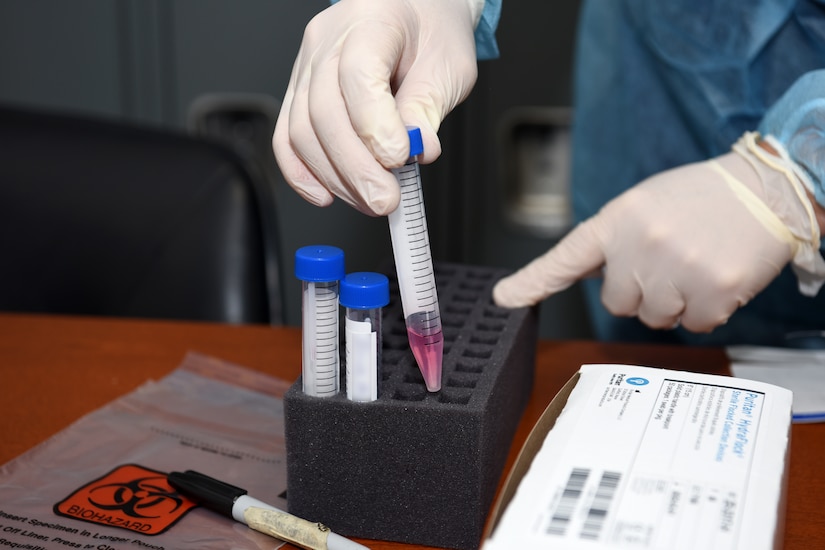
"I show up, and the people who will be tested are waiting for me," Bosley said. "I [put on] the proper PPE, put the gloves on and then do the nasopharyngeal swab. Then I have a tube of vial transport media, in Hank’s solution that I break the swab into. [Hank's] is a media that supports the growth of viruses and keeps them healthy until I get back to work."

It only takes two hours to get the results back. Bosley said the testing might be ramped up later to include other critical personnel on base.

(Air Force Lt. Col. Jim St. Clair is assigned to the South Carolina National Guard)

COVID-19 Patients Can Give Back

 Sept. 1, 2020 | BY AIR FORCE AIRMAN 1ST CLASS MELODY BORDEAUX

With the flu season fast approaching and no approved vaccine developed for COVID-19, supplies of life-saving measures such as blood and plasma are being put under strain.

To help hold back the tide, the Defense Department has established a goal of obtaining 10,000 units of donated COVID-19 convalescent plasma, or CCP, by Sept. 30, 2020, to combat the potential rise in cases.

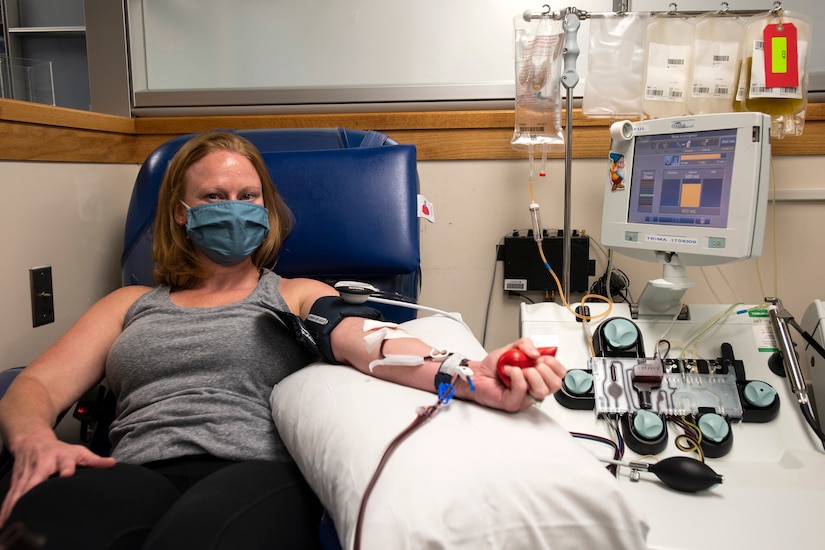
A patient donates blood.

A patient that has recovered from COVID-19 can donate within two to three weeks after recovery. Within this time frame, recovered patients have a concentrated group of antibodies that can help critically ill patients not producing enough antibodies on their own. Donating CCP allows doctors to treat other infections caused by the virus, such as pneumonia, while the antibodies strengthen the patient's immune system and fight against COVID-19.

All service members and DOD civilians that meet these conditions can help donate to the Armed Services Blood Bank Center. Each donation could save as many as three lives.

''Do for somebody what they can't do for themselves,'' said Air Force Staff Sgt. Kiersten Zardee, Armed Services Blood Bank Center noncommissioned officer in charge of aphaeresis operations. ''Giving antibodies saves lives.''

Even if a donor can't give plasma, they can still donate blood and support the everyday mission to provide blood products directly to military beneficiaries worldwide.

''Blood donated on military installations directly supports military beneficiaries and warfighters,'' said Air Force Maj. Sherry McWaters, director of the Armed Services Blood Bank Center. ''We really are asking [donors] to choose us right now, to come on to the base, because we are limited to only doing collections on federal property.''

While the prospect of donating plasma may seem daunting, especially in the uncertain world we now find ourselves in, the team at the Armed Services Blood Bank Center is happy to guide potential donors through the process.

''It's a scary time, there are a lot of things that we don't know, people have a lot of unanswered questions, but if you are nervous to donate just give us a call,'' reassured Air Force Lt. Col. Jeff Wisneski, commander of the 59th Medical Diagnostics and Therapeutics Squadron. ''We'll answer questions that you have so that you're not scared and that you're not nervous because at the end of the day we will find an answer.''

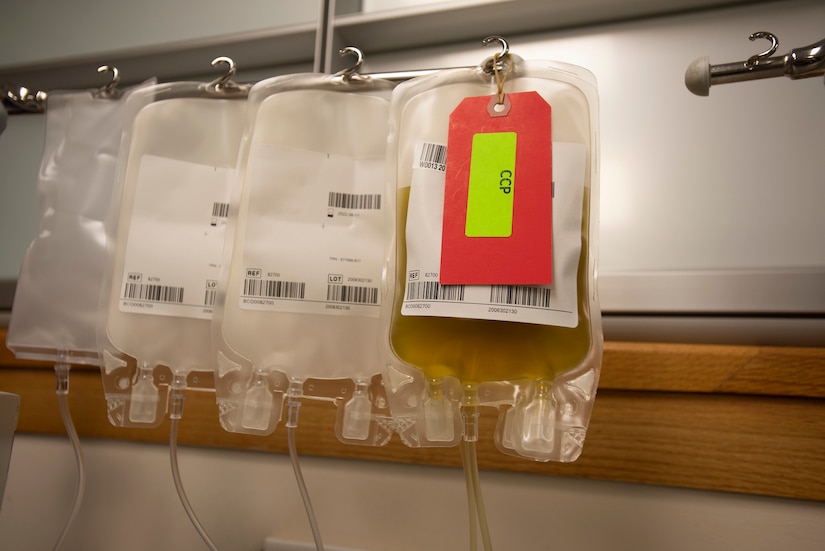
Plasma collection bags hang on a wall.

Once a patient comes in for a screening they will receive a $25 incentive and staff will determine if the recovered patient has the right amount of antibodies to donate. This incentive is only available until Sept. 30, 2020.

Even if a patient does not qualify to donate CCP, they will still receive the gift card and can still donate blood to support mission readiness, military beneficiaries and military treatment facilities around the world.

The process to donate CCP takes about 45 minutes to an hour, and they provide patients with snacks, a movie, seat warmer, pillow and blankets to relax.

When a patient donates, the automated blood collection machine separates the plasma from the blood cells and then returns the red blood cells rich in oxygen  to the patient, significantly reducing fatigue while still providing the most plasma, and antibodies, possible.

Many people have been affected by COVID-19 either personally or through the experience of their loved ones. Those who recover have the opportunity to help save someone else's life.

''Our donor center values the success of this CCP mission,'' McWaters said. ''We truly appreciate everyone who has and who will schedule an appointment to help our nation overcome this pandemic.''

(Air Force Airman 1st Class Melody Bordeaux is assigned to the 59th Medical Wing).

DOD Releases 2020 Report on Military and Security Developments Involving the People's Republic of China

 Sept. 1, 2020


The Department of Defense announces the release of its annual report on "Military and Security Developments Involving the People’s Republic of China." The congressionally mandated report serves as an authoritative assessment on military and security developments involving the PRC. 

This year's report highlights the links between China's national strategy and developments within China's armed forces.

Under the leadership of the Chinese Communist Party, the strategy calls for "the great rejuvenation of the Chinese nation" by 2049, including the transformation of the People's Liberation Army into a "world-class” military.

The report comes at a time when the world is witnessing the aggressive assertion of that strategy in the Indo-Pacific and beyond, where China continues to undermine the international rules-based order to advance their own interests. 

This report accounts for the PRC's national strategy and the drivers of China’s security behavior and military strategy, covers key developments in China's military modernization and reform, and provides new insights into China's strategic ambitions in the Indo-Pacific and beyond.

The report also discusses China's views of strategic competition, the broader purposes of its Military-Civil Fusion Development Strategy, and its ambitions for the PLA as a political entity of the party.

The National Defense Strategy identifies the Indo-Pacific region as the department's priority theater. As Secretary Mark Esper noted during his recent remarks at the Asia-Pacific Center for Security Studies, the department continues to take steps to address the strategic challenges posed by the PRC as we implement the NDS, including the modernization of our forces, strengthening our alliances and partnerships, and promoting interconnected security partnerships to advance our shared interests.

The report comes as the Secretary of Defense is wrapping up his trip to Hawaii, Palau and Guam, where he has met with senior leaders from across the region to address these very issues, and reaffirm the U.S. commitment to a free and open Indo-Pacific. 

The report can be found here.

Transcript: Defense Secretary Addresses Free and Open Indo-Pacific at APCSS

Stealthy Steps


Army infantrymen conduct training at Joint Base Elmendorf-Richardson, Alaska, Aug. 26, 2020, as part of an 18-day advanced leadership course.

Farewell Ceremony


Air Force medical providers and support staff assigned to COVID Theater Hospital-1 arrive for a farewell ceremony hosted by the staff of Eisenhower Hospital, Rancho Mirage, Calif., Aug. 28, 2020. The airmen have been supporting COVID-19 response efforts at Eisenhower Hospital since mid-July.

Sports Heroes Who Served: College Star Brought High-Achieving Ability as Army Aviator

 Sept. 1, 2020 | BY David Vergun , DOD News

Sports Heroes Who Served is a series that highlights the accomplishments of athletes who served in the U.S. military.

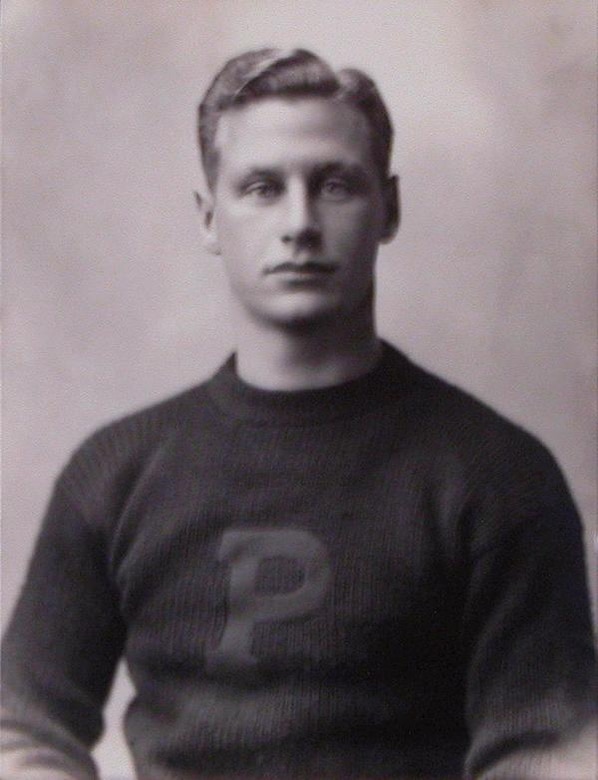
When Hobey Baker entered Princeton University in 1910, he joined the school's hockey, football and baseball teams. For a while he played outfield on the baseball team but he was told by school officials that he could play only two sports at one time, so he dropped baseball. It proved to be the right choice.

A man in a Princeton letter sweater poses for a photo.

As a freshman in one of his first football games with the Tigers, he helped defeat Ivy League rival Yale when he faked a drop-kick field goal and ran for a touchdown.

In 1911, Baker's second year, Princeton finished their ten-game season with eight wins, no losses and two ties. During a re-match against Yale, on Nov. 18, Baker set a school record that still stands: 13 punt returns for 63 yards. That same year, Baker scored 92 points, a school record that stood until 1974.

In 1912, Princeton also had a winning football season of seven wins, one loss, one tie.

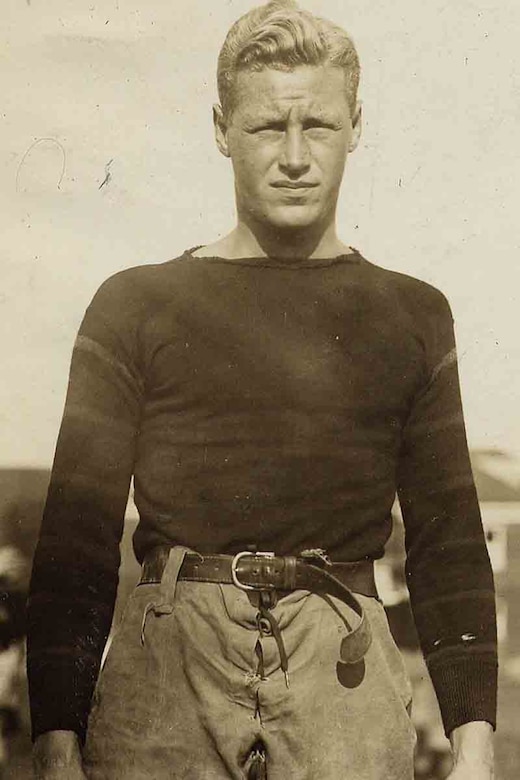
A man in a football uniform poses for a photo.
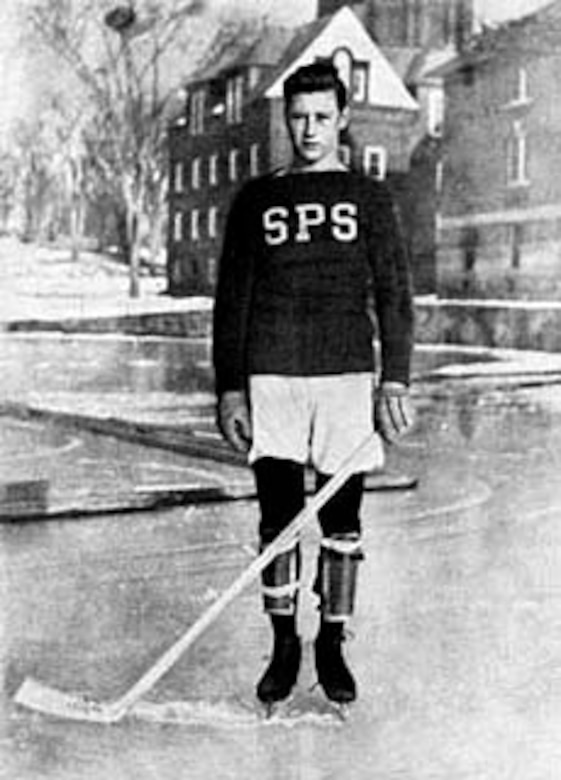
A man in a hockey uniform poses for a photo.

In 1913, his final season, Baker was named captain of the football team. He finished his senior year in 1914 with a winning record of five wins, two losses and one tie. 

In hockey, the Princeton Tigers finished the 1911-12 season eight wins and two losses, and in Baker's final hockey season that concluded in 1914, Princeton won the national championship with a ten-and-three record. 

Baker was noted for his good sportsmanship. After each hockey game, it was said he shook hands with each of the opposing team's players.

In 1916, two years after graduation, Baker joined an aviation unit in New York City that was tasked with training civilians who were interested in passing the reserve military aviator flying test and receiving commissions in the Army's aviation section of the Signal Corps. Baker, an aviator, enjoyed flying even more than playing sports.

A young man in school hockey gear poses for a photo.

On April 6, 1917, the United States entered World War I. That summer, Baker was part of a group of soldiers who were among the first to arrive in Europe. After training in the United Kingdom, he traveled to France where his achievements as a pilot were as illustrious as his collegiate sports record.

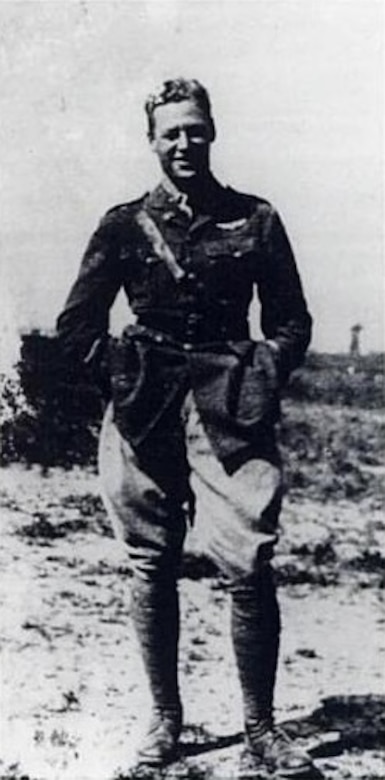
In April 1918, Baker joined the 103rd Aero Squadron in France. He downed his first German aircraft the following month and was awarded the French Croix de Guerre medal for valor.

That summer he joined the 13th Aero Squadron. He downed another aircraft and was given command of the 141st Aero Squadron's 26 pilots and 180 enlisted service members.

In October 1918, just four years after graduating from Princeton, Baker was promoted to captain. He shot down two more aircraft on Oct. 28 and Nov. 5.

The war ended Nov. 11, 1918.

A man in an aviator uniform poses for a photo.

On Dec. 21, 1918, Baker took his final flight from the 141st, based in Toul, France. His aircraft reportedly had mechanical difficulties and crashed, killing Baker.

Baker was inducted into the U.S. Hockey Hall of Fame in 1973 and the College Football Hall of Fame in 1975. He is the only person ever to be inducted into both.

The Hobey Baker Award was established in 1981 and is awarded annually to the best player in National Collegiate Athletic Association hockey.

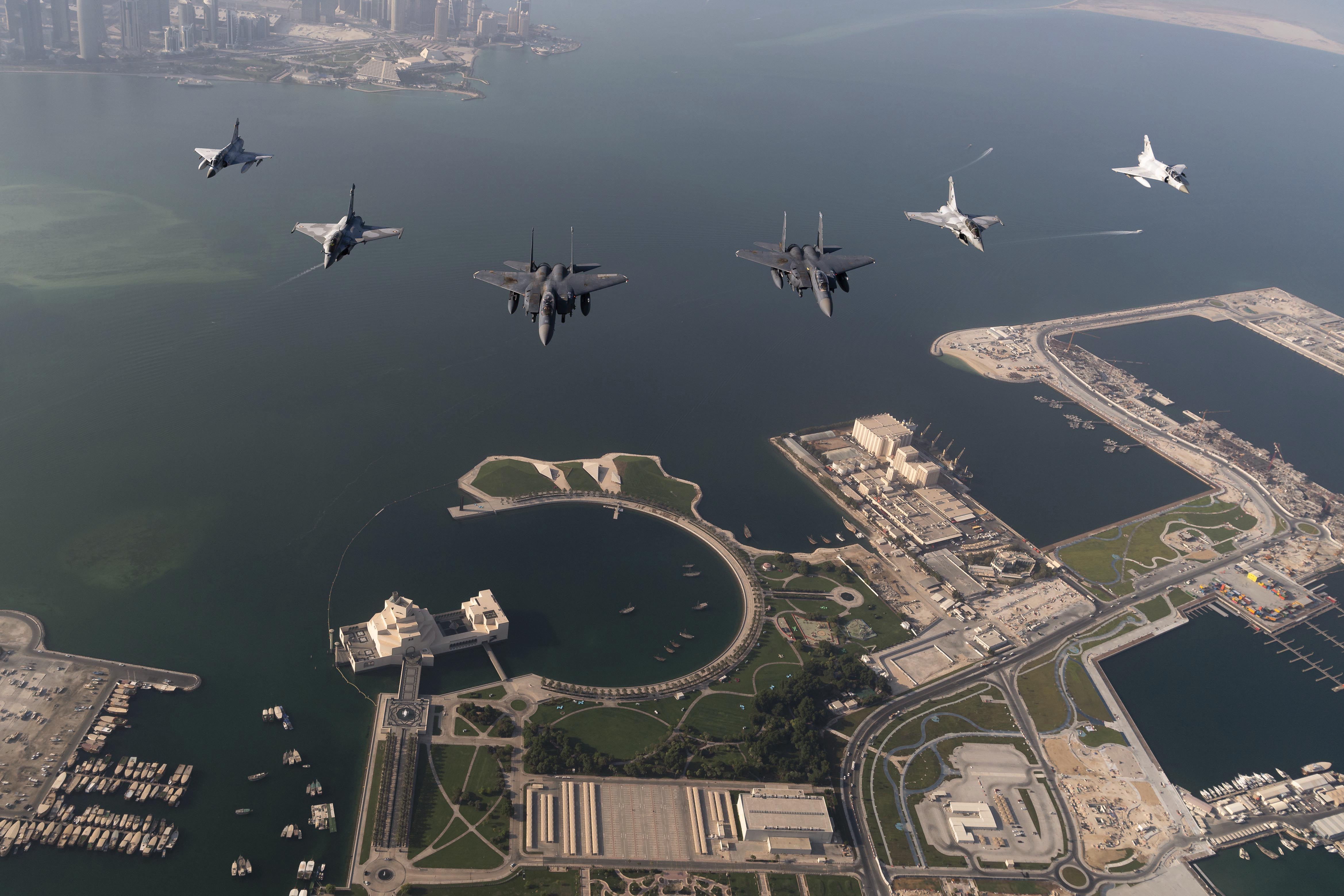
Force Formation


The U.S. Air Force and the Qatari air forces fly in formation over Doha, Qatar, Aug. 24, 2020.

Fighting Flames


Marines conduct live-fire training at Marine Corps Air Station in Iwakuni Japan, July 8, 20

Monday, August 31, 2020

Defense Department Aids U.S. Delivery of Ventilators to Indonesia

 Aug. 31, 2020 | BY David Vergun , DOD News

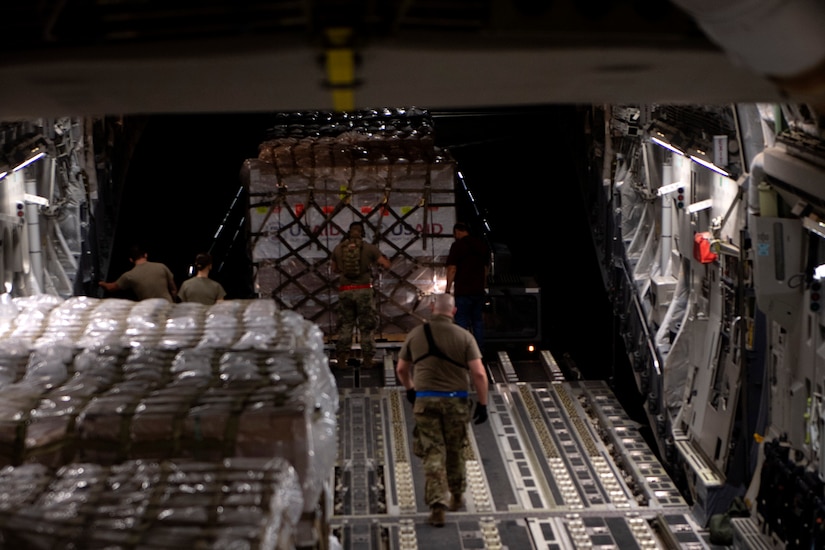
  • Indonesia received a shipment of 500 ventilators from the U.S. Agency for International Development, Aug. 30, 2020. The Air Mobility Command transported them from Travis Air Force Base, California, to Jakarta, Indonesia.
  • USAID also contracted with Korean Airlines to airlift 250 ventilators from the United States to Indonesia last week.
  • On July 21, 100 ventilators were delivered to Indonesia. A final shipment of 150 is expected to be delivered sometime in September, which will bring the total to 1,000.

Ventilators are an important clinical component in the treatment of many COVID-19 patients.

Airmen load pallets onto an aircraft.

"The Department of Defense is pleased to support the delivery of ventilators to our close partners in Indonesia," said Reed Werner, deputy assistant secretary of defense for South and Southeast Asia. 

The U.S. government's contribution of more than $12 million in COVID-19 assistance to Indonesia in addition to the 1,000 ventilators is testament to the strength of the relationship between the two countries, Werner said, adding that DOD's involvement in the shipment of the ventilators reflects the many ways the countries' militaries work together to advance shared interests.

Stephanie L. Hammond, acting special assistant to the deputy assistant secretary of defense for stability and humanitarian affairs, said: "The United States, through the generosity of the American people and the innovation of American private industry, is providing access to brand-new, high-quality ventilators to countries that urgently need them to fight COVID-19." 

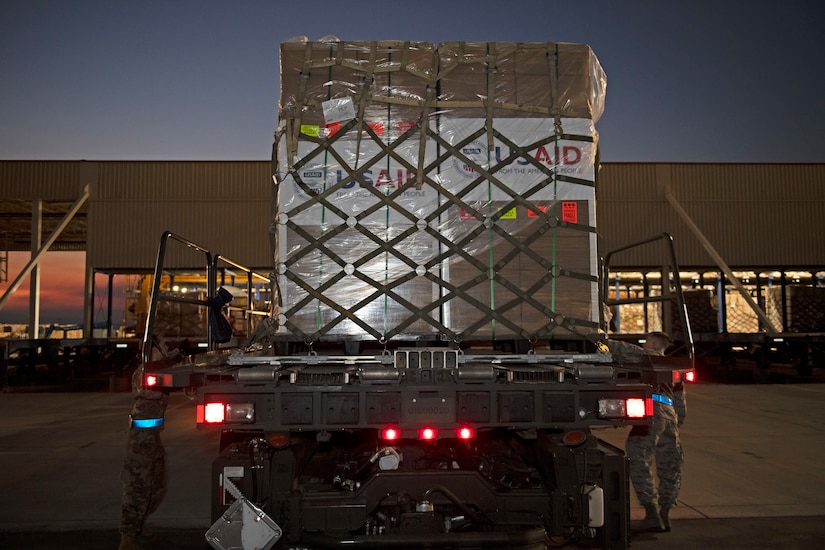
Service members secure pallets loaded with boxes to the back of a big truck.

Ezra Cohen, acting assistant secretary of defense for special operations and low intensity conflict, added: "The Defense Department continues to play a key role in the global response to COVID-19. From the beginning of this pandemic, the department was quick to support our allies and partners through the provision and transport of life-saving medical equipment and humanitarian aid.

"We are now shifting our efforts to focus on sustainable preparedness and prevention activities. In addition to delivering ventilators to Indonesia, we are also helping set up isolation clinics and providing testing equipment and training to build public health capacity and to help prevent, detect and respond to infectious diseases."

Jennifer E. Smoak, DOD's assistant director of Disaster Relief Policy, said, "Helping people gain access to basic needs and build strong, healthy, stable communities is rewarding and, in part, why I answered the call to public service. As a working mother who helps others meet basic, humanitarian needs I am able to model for my daughter how to pursue a dream of helping others."

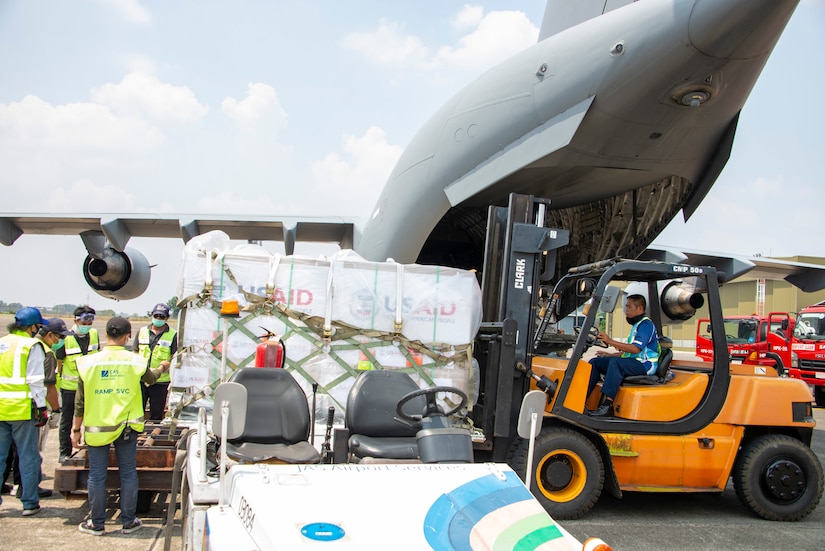
A man driving a forklift moves boxes secured to pallets from an airplane.
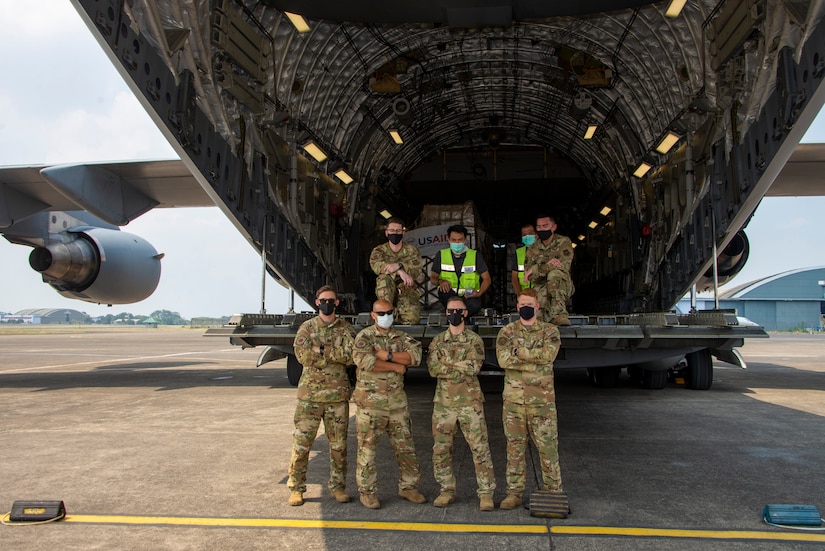
Eight service members wearing face masks stand at the back of a cargo plane and pose for a photograph.

Before the flight to Indonesia, Air Force Maj. Roger Gates, a 21st Airlift Squadron pilot at Travis AFB who flew on this mission, said that since the ventilators are urgently needed by the Indonesian people, the Air Force is doing what it can to expedite the shipment in a safe manner.

"Each one of those machines has the possibility to save an individual's life. These ventilators may end up saving many lives," he said.

"The American people are very generous and industrious, even when they're also hurting from the pandemic," Gates said.

"I think that that is one of the best parts about being an American is that we are helping people out even when we're getting punched in the face with a tornado or hurricane or in this case a virus that's killing hundreds of thousands of people," he mentioned.

With a large plane in the background, a group of more than 20 people pose for a photo while holding a banner with the words “USA-Indonesia Friends Help Friends in Time of Need.

Last week, Gates' squadron was impacted by the California wildfires, and some squadron members' houses were burned. Despite that, he said the missions they were tasked with continued.

In concert with USAID and the State Department, DOD has so far provided more than $92 million in support for allies and partners' COVID-19 needs for testing, lab diagnostic support, preventative infection control, personal protective equipment, and the provision and transportation of humanitarian commodities. "This support has helped countries in every geographic combatant command build sustainable public health capacity," Smoak said.

For nearly 60 years, USAID and DOD have partnered to provide humanitarian assistance and disaster relief, and promote economic growth and stability around the world, she added.

Swift Sub


The USS Newport News arrives at Naval Submarine Base New London, Conn., Aug. 31, 2020, for a scheduled homeport shift.

Marine Maneuver


Marines fast-rope out of an MV-22B Osprey during training aboard the USS America in the Philippine Sea, Aug. 23, 2020.

DOD Working Toward Networked Indo-Pacific

 Aug. 31, 2020 | BY Jim Garamone , DOD News

When Defense Secretary Dr. Mark T. Esper talks about the Indo-Pacific he talks about it becoming a "networked region" — not in the information technology sense, but as like-minded countries working together.

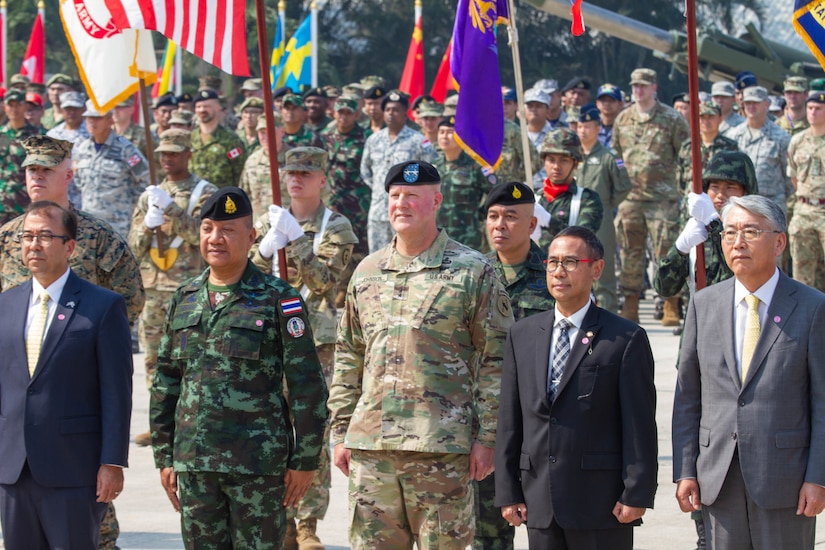
Officers, soldiers and civilian leaders from many different countries stand in formation.

His travels to the region this week and previously are to encourage this concept, said David Helvey, performing the duties of assistant secretary of defense for Indo-Pacific affairs.

"This is about countries that have common interests and shared interests that are willing to commit resources to work to support the folks to left and right in pursuit of a common task," Helvey said during an interview with reporters traveling with Esper.

The North Atlantic Treaty Organization binds together 30 nations in collective defense, but there is no comparable treaty organization in the Indo-Pacific. In the region, the United States has a series of bilateral, treaty-based alliance relationships and a set of partnerships. "When we talk about promoting a networked region, we're talking about building the relationships we have not only with our allies and partners, we're promoting the contacts, coordination, integration [among] our allies and partners themselves," Helvey said. "Sometimes that involves us, sometimes them, working together in support of shared interests."

The bottom line is a set of like-minded allies and partners who share values to support the principles of a free and open Indo-Pacific. "We are committing resources to work together to support it, uphold it and promote its resilience," he said. 

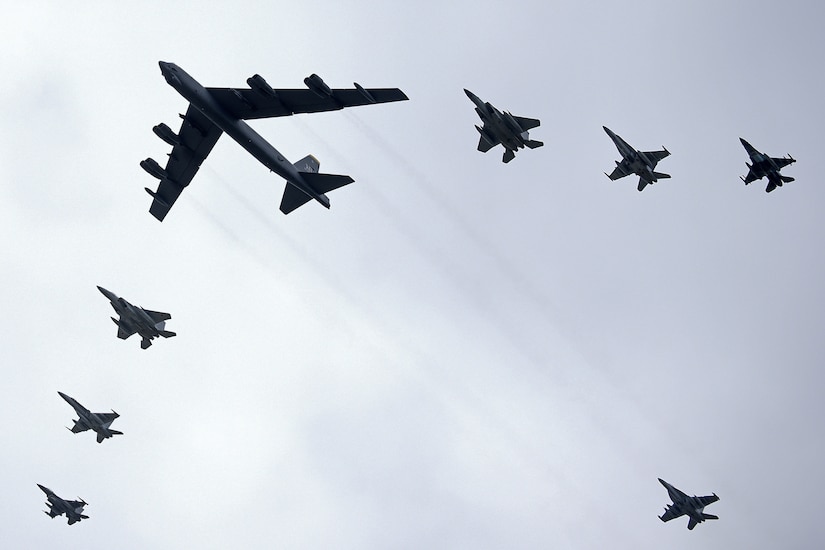
Aircraft fly in formation.

There are examples of this process. The nations of the region cooperate in enforcement of United Nations Security Council resolutions on North Korea. The United States, Japan, South Korea, the United Kingdom, France, Canada and Australia work together to pool resources and share information. This supports implementation of sanctions against North Korea.

Another example is Indonesia, Malaysia and the Philippines working together in the Sulu Sea to combat piracy, human trafficking and terrorism in that area. Singapore is another nation working with allies through its maritime fusion center or its new counterterrorism information facility. 

Exercises also help build the network, such as the Rim of the Pacific exercise that's going on now. There are other exercises that just include the United States, Japan and Australia and one with only the U.S., Japan and India. "We also have continued defense cooperation [with] the United States, Japan and South Korea," he said. "So, to the extent that we're able to not only have bilateral, also multilateral security cooperation is part and parcel of networked security measures."

Helvy also spoke about realignment in the region. Esper is looking at the force lay-down worldwide and the Indo-Pacific is, obviously, a large part of that effort. The secretary wants to make sure the United States has the right forces in the right places. 

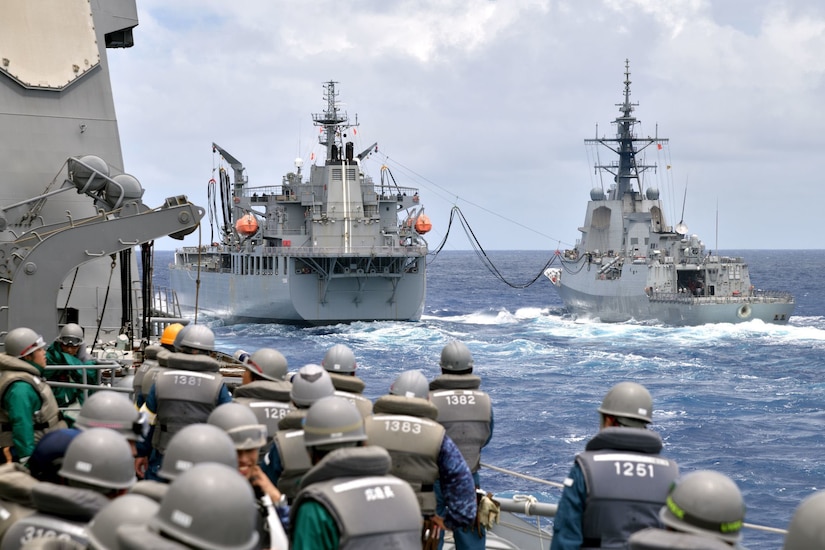
Two ships sit side-by-side in the ocean with a line stretched between them

"We are heavily concentrated in Northeast Asia," Helvey said. Some of these troops' placements are legacies of World WarII. "We'd like to be able to make our presence more geographically distributed, more operationally resilient," he said. "Maybe the future is going to be less about bases and more about places — being able to operate across a multiplicity of locations, which give us the flexibility and the agility to respond to a variety of different threats and challenges."

The build-up on Guam is one example of this. "[The Guam base] is going to allow us to be able to project power across and throughout the region and be able to distribute it rapidly," he said. 

The idea is to ensure the United States is resilient in the face of many different types of threats, including China, he said. 

China is the concern of many nations in the Indo-Pacific and beyond.

At a construction site, a man wearing a hard hat places a level on top of a concrete block.

"One of the key things in our strategy is talking about putting the relationship with China on a trajectory of transparency and non-aggression," Helvey said. "That's going to require a sustained, open channels of communication with the Chinese — the secretary has talked to his Chinese counterpart a number of times already."

These communications are tools for risk reduction or crisis management. 

The United States and China may have common interests where the two countries could work together. "I think we would have hoped that COVID would have been one of those areas where we can work together, but the Chinese have been unwilling," he said. 

A denuclearized North Korea is an area with a shared interest. "There's other areas where we may have opportunities to cooperate based on shared interest, but that's something we have to work in with Chinese to identify," he said.

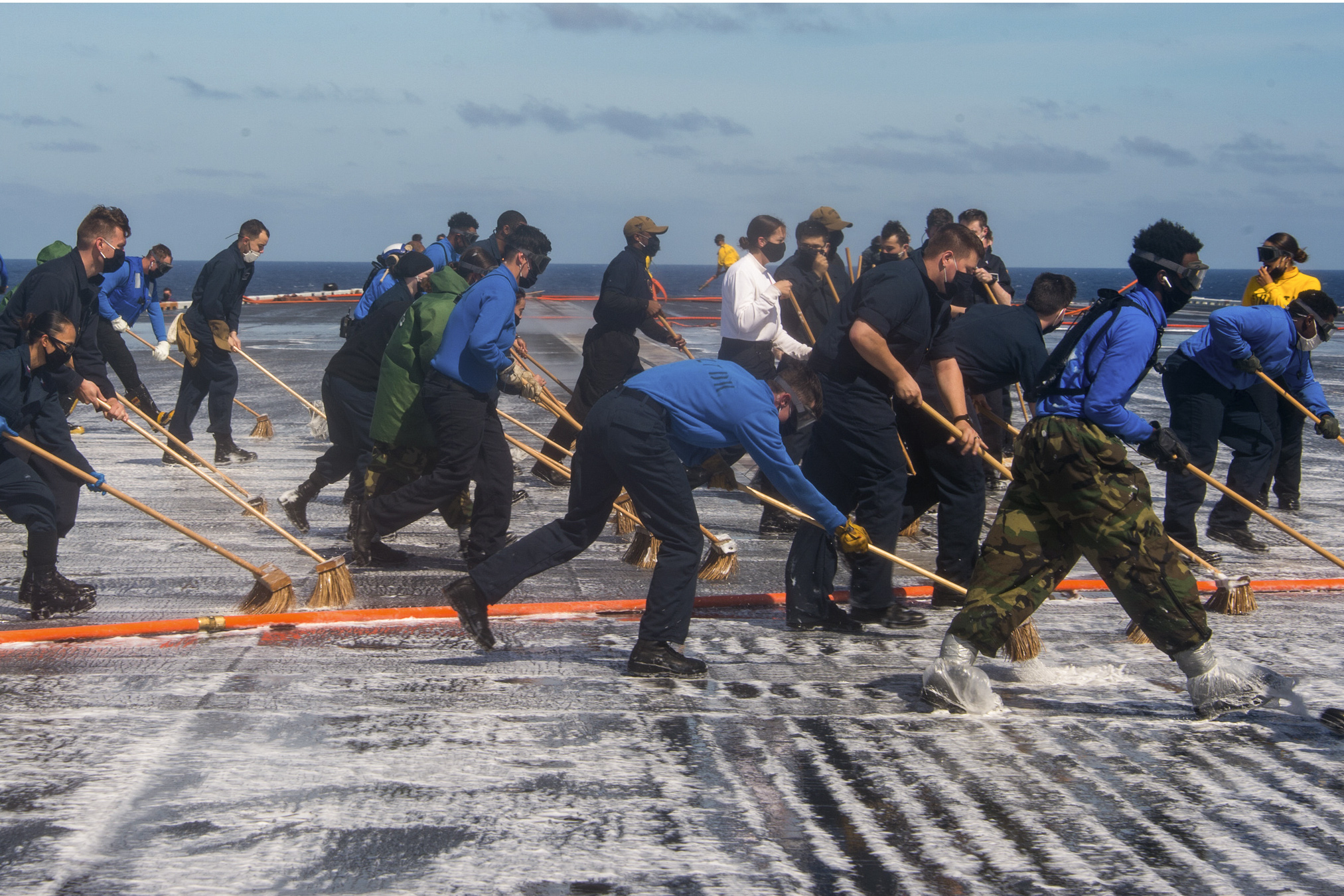
Scrubbing Sailors


Sailors sweep the USS Carl Vinson during testing of the ship’s aqueous film forming foam distribution system in the Pacific Ocean, Aug. 26, 2020.

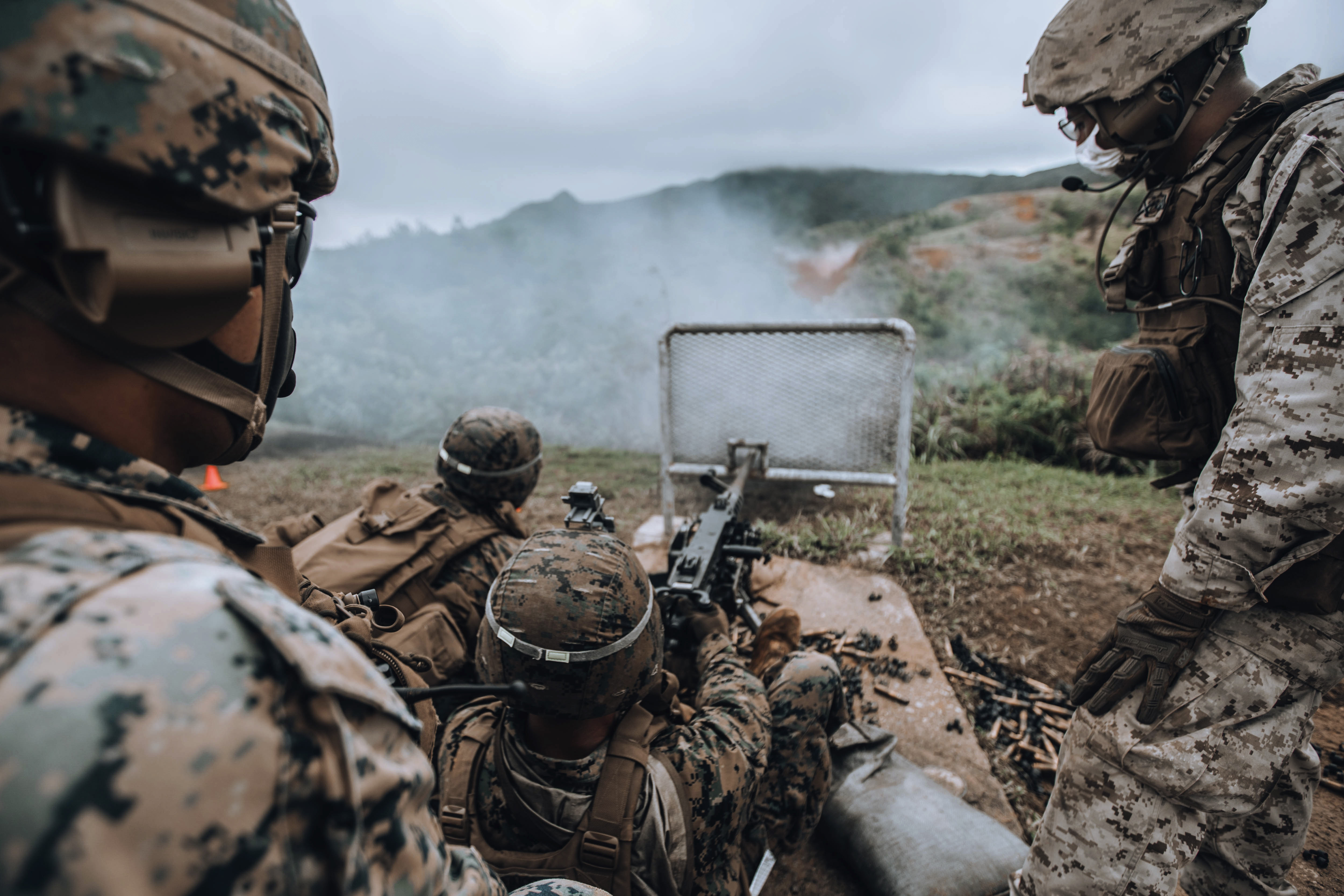
Smoky Scene


Marines fire a machine gun during training at Camp Hansen in Okinawa, Japan, Aug. 26, 2020.

Medics Keep RNC Support Teams Safe From COVID-19

 Aug. 31, 2020 | BY Army Staff Sgt. Mary Junell

Joint Task Force — Republican National Convention came together in Charlotte, North Carolina, Aug. 21-24, 2020, during the global pandemic to ensure the safety of citizens, delegates and critical infrastructure during the RNC event.

However, with the spread of COVID-19 a concern, the task force medical staff's priority was to develop and implement a plan to keep joint forces — consisting of North Carolina National Guardsman, active duty soldiers, Marines, airmen, and Defense Department civilians, safe.

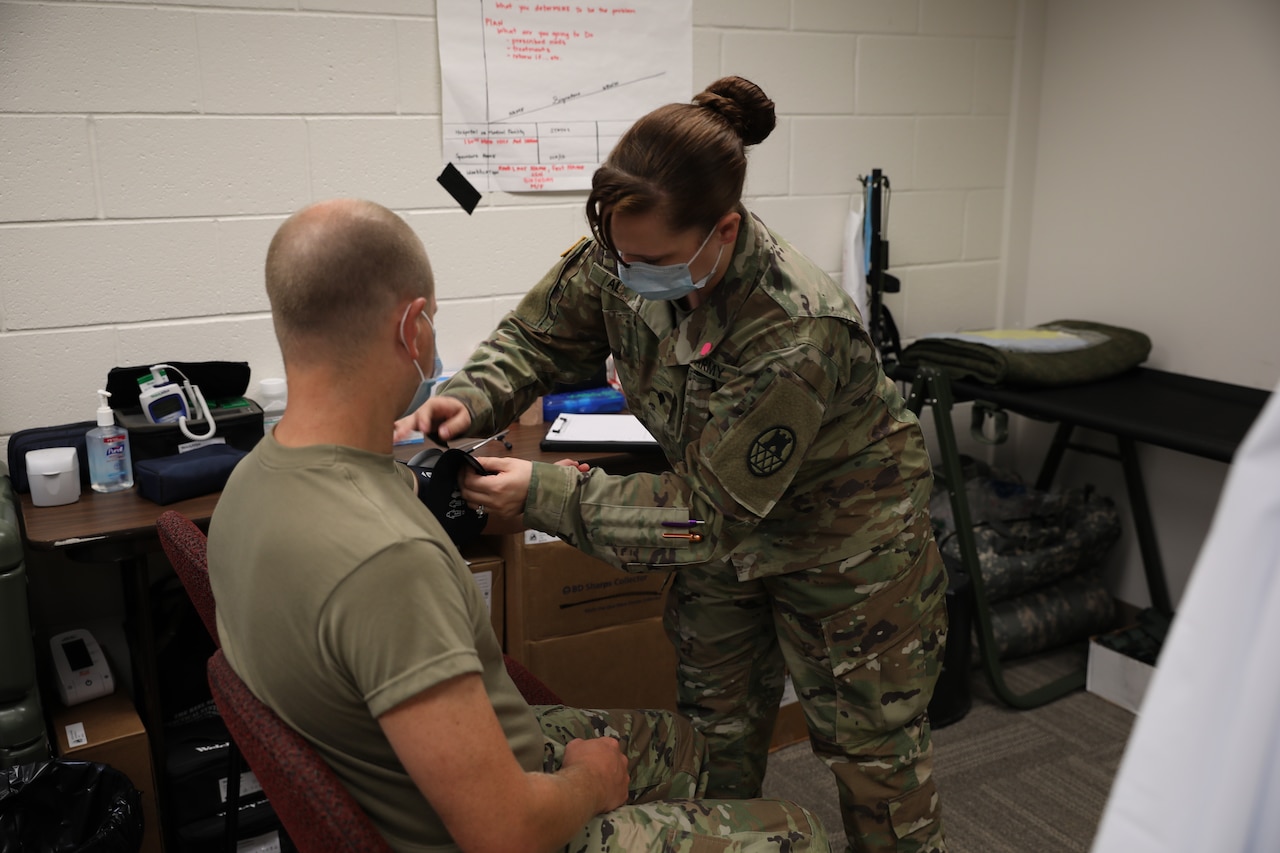
A soldier wearing a face mask checks another soldier’s blood pressure.

Army Staff Sgt. Stacy Tindle, the medical noncommissioned officer in charge for the 130th Maneuver Enhancement Brigade, had a primary responsibility to ensure the medical welfare of all the joint forces within the joint operations area — preventing the spread of COVID-19. Every person who entered the North Carolina National Guard Armory in Charlotte was required to wear a mask and advised to maintain 6 feet of separation whenever possible. They were also greeted with a list of questions — asking about possible contact with COVID-19-positive patients, signs or symptoms that could be associated with COVID-19 and if they had experienced an elevated temperature within the last 24 hours.

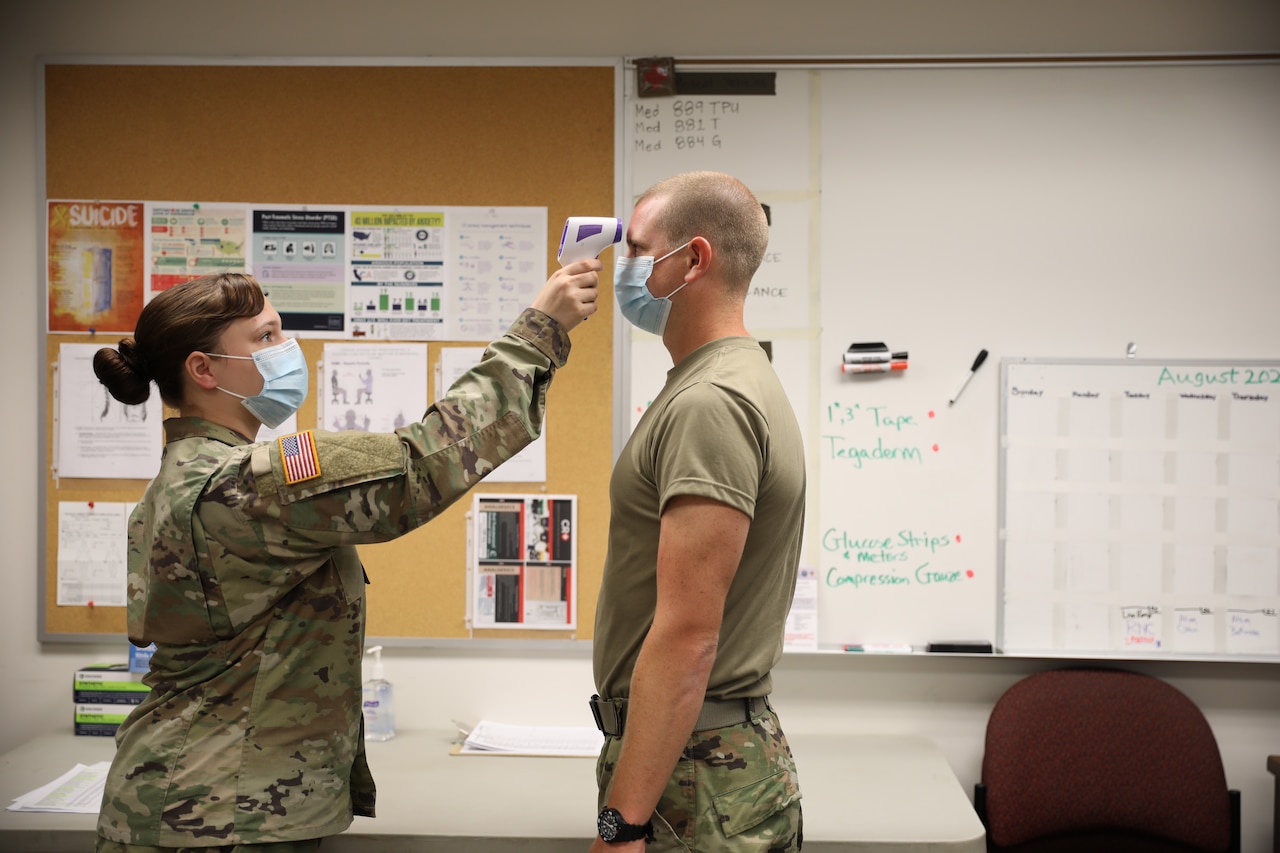
"We check the temperatures of every person coming inside the building," Tindle said. "We also provide medical support throughout the day whenever there's a need."

JTF-RNC participants were given a sticker with the color of the day to wear — indicating they went through a preliminary medical screening. If a person had a temperature or answered yes to any of the questions, they were not allowed to enter the building and required further medical attention.

The medical team, including Army Capt. Joseph Mintz, a physician's assistant with the 130th MEB, prepared for months to make sure they were ready to keep JTF-RNC safe during the event.

"We had a few drills where we had personnel here when we were doing these screenings and mask-wearing procedures," Mintz said. "We collaborated with other sections to make sure we had enough cleaning supplies and surfaces were being sanitized. We had [time] to get that system set up so it was already in place by the time we got here."
A soldier wearing a face mask takes the temperature of another soldier wearing a face mask.

Even though the convention was downsized due to the pandemic, the event still brought support teams from across the country, a concern for the medical team. Teams of medical personnel, physicians, nurses and medics went around the state to ensure everyone involved was complying with the Centers for Disease Control and Prevention guidelines.

"A huge number of [people] have come from all over the state, as well as Washington, to support the Republican National Convention," Tindle said. "This has been a huge undertaking. We've all been really excited about it, and it's just been a great honor, but the number of personnel is key because we want to make sure [everyone is] safe at all times."
The RNC was a large event bringing together military service members and Defense Department civilians from across the country, and the JTF-RNC medical team had the same priority they always do — health and safety.

"Our overall mission didn't really change much for the RNC," Mintz said. "Our primary mission is always safety and health; that's always our top priority no matter what's going on."

(Army Staff Sgt. Mary Junell is assigned to the 382nd Public Affairs Detachment)

On The Front Lines Against COVID-19

 Aug. 31, 2020 | BY RUSSELL TOOF, ARMY

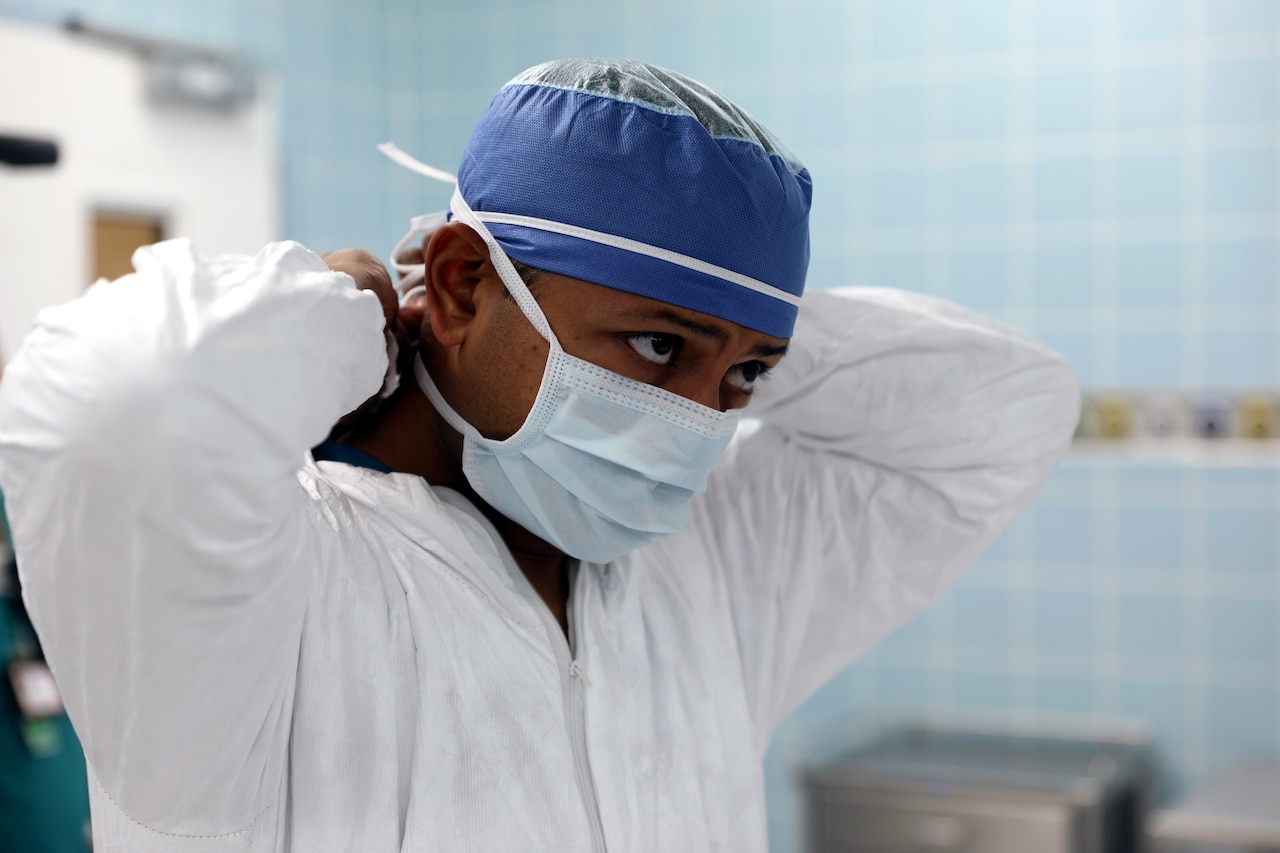
Army Maj. (Dr.) Neel Shah admits there is a preconceived notion about his job. 

"Most people think it's just putting patients to sleep for surgery, but it is so much more than that," Shah said, an anesthesiologist at Landstuhl Regional Medical Center, Germany. "We are the physicians whose job it is to keep you alive, so you can undergo whatever procedure you need. We study diseases and how they will affect a patient before, during and after surgery and try to decrease any risks associated with them."

Shah, originally from Nashua, New Hampshire, joined the Army after an opportunity to perform an observership at Walter Reed National Military Medical Center.

A doctor puts on a face mask in preparation for surgery.

"I saw doctors, nurses and other health professionals working tirelessly on wounded soldiers, sailors and airmen to get them safely back to their friends, families and battle buddies," Shah said. "It was a team that I wanted to be a part of, where I felt that I could contribute."

Shah, who joined the Army in 2009 when he started medical school, helps make sure the patient is optimized for their procedure before they ever set foot in an operating room.

"We meet with them before surgery to make sure that all of their other medical conditions are under control and ensure that the risk of surgery is not too great for them," Shah said. "Then in the operating room and after surgery, we make sure to execute an anesthetic plan that is perfect for that patient so that they can make it home safely to their families."

Shah's job, like most people's, has been affected by the COVID-19 pandemic.

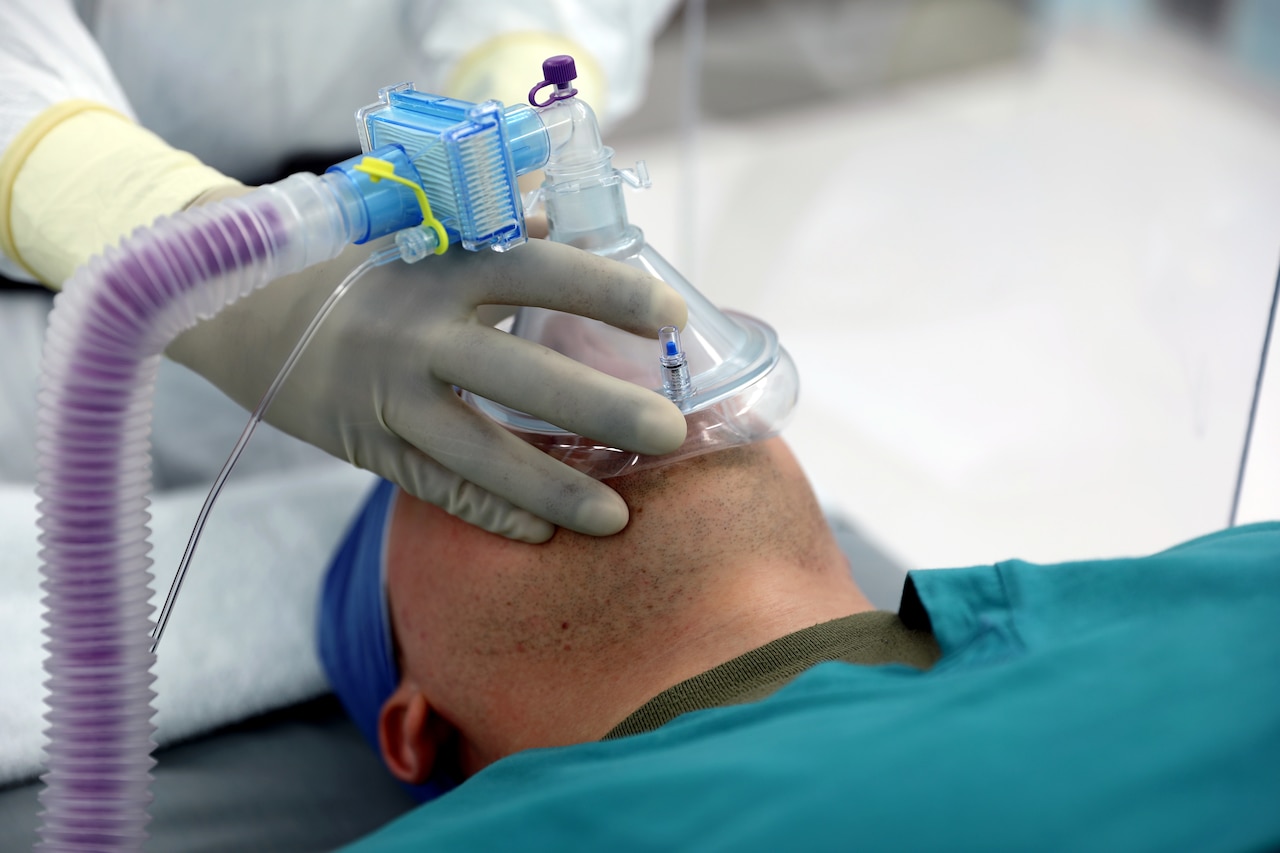
"The biggest problem for anesthesiologists and our certified registered nurse anesthetist colleagues is that we work every day on the parts of your body that shed the most virus — your nose, mouth and windpipe — and this puts us at significant risk for contracting COVID-19 from an infected patient," he said. "Worldwide, emergency room doctors and anesthesiologists are at the highest risk of contracting COVID-19 because we manage patient airways when they are the most ill. Because of this, we have had to use special protective equipment and protocols designed to minimize this risk. Luckily, here at LRMC, we have the equipment to keep us safe while managing these patients."

Despite the nature of his work, Shah is usually upbeat about it.

A hospital patient breathes through a surgical apparatus covering his nose and mouth.

"Although I love all the procedures I do in my work, my favorite part of this job is the team-based model of the operating room," Shah said. "I come to work every day and ensure my patients have a safe and successful surgery with an incredible team of surgeons, nurses and anesthesia colleagues."

Shah added that his patients make his job equally rewarding.

"They are the best patients that any doctor could ask for, because they are focused on one goal — to get back to the fight and support their teams," Shah said. "When you have patients like that, it makes the job that much more satisfying."

Landstuhl Regional Medical Center, is the largest American hospital outside of the U.S. and the only American level III trauma center overseas.

Regional Health Command Europe is responsible for the health care, public health, dental and veterinary services for Soldiers, their families and Defense Department beneficiaries throughout Europe.

(Russell Toof is assigned to Regional Health Command Europe).

Service Members Want Discussions on Race, Diversity, Inclusion

 Aug. 31, 2020 | BY Jim Garamone , DOD News

In meetings with Defense Secretary Dr. Mark T. Esper, service members in the Pacific said they want serious discussions about race, diversity and inclusion and want the military to confront racism and address conscious prejudice and institutional bias.

On every trip, the secretary makes time to speak with service members. Some of his talks include all hands and are on the record. Other talks are private and the secretary speaks in generalities about what he hears from service members.

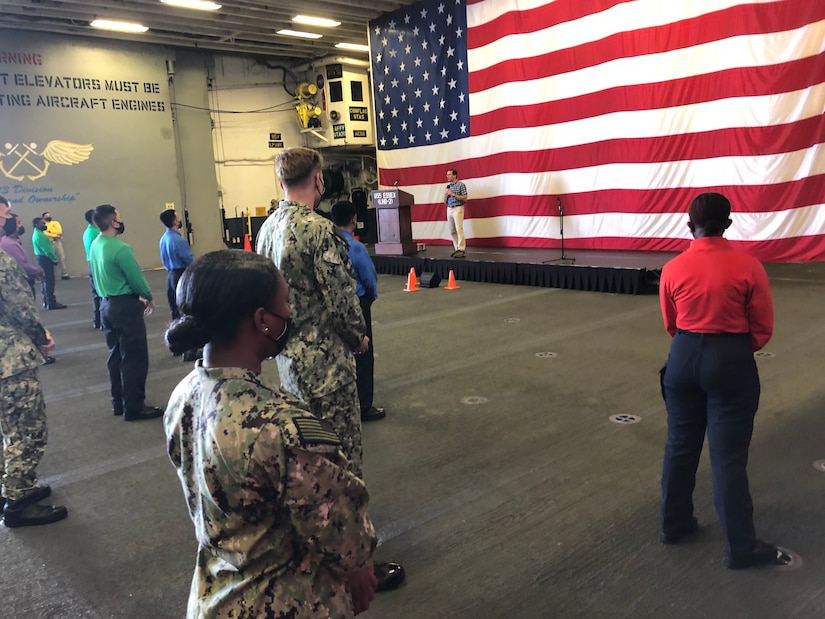
During this trip he spoke to an all-hands gathering aboard the USS Essex and with a small number of crew members on the ship. He spoke with Marines, a SeaBee civic action team in Palau, and with airmen at Andersen Air Force Base, Guam. He will have more opportunities in Hawaii.

A man standing in front of a large U.S. flag speaks to a group of people who are socially distanced.

''Most of my conversation was with the troops … talking, diversity, inclusion, and … on that particular topic, what they tell me is … any type of bias that they experienced has been mostly on unconscious bias,'' he said. 

But there is also conscious bias, and the service members discussed the need for understanding and education with Esper.

''I see a continuity in terms of their feedback, and ways to address bias in the ranks,'' he said. ''They all shared that there's a [discomfort] about discussing these issues, issues of race.''

They want more conversations. ''I don't believe anybody thinks there's a silver bullet,'' he said. ''They certainly want there to be more discussions, or would welcome more discussion — and less formalized discussion, more organic discussion.''

Service members do not want another PowerPoint presentation on equal opportunity, but an actual discussion seeking empathy and understanding.

''I come away encouraged,'' Esper said. He said service members have told him that, generally, their treatment within the military is different from that on the outside.