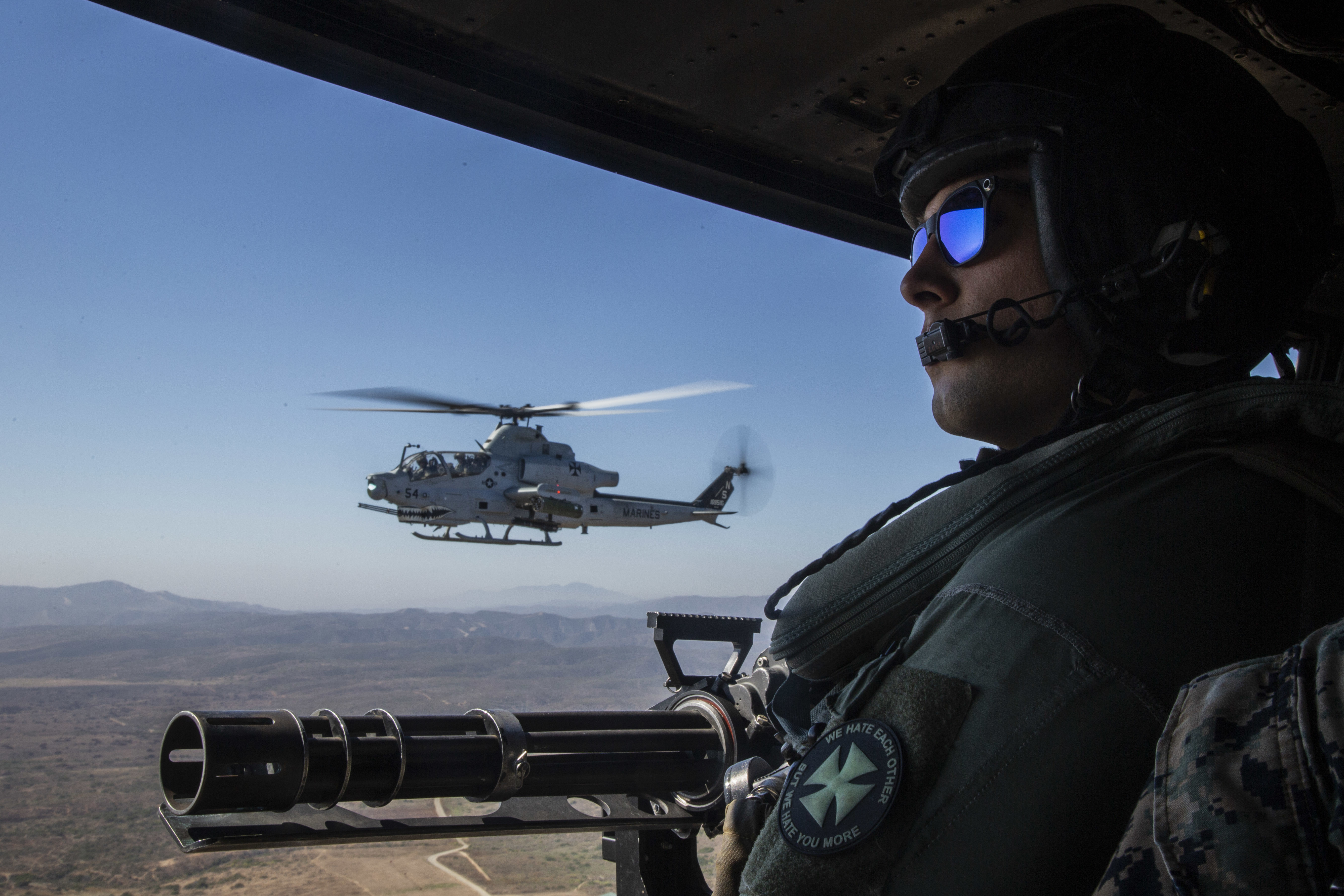
Marine Corps Sgt. Tanner Olsen, a helicopter crew chief, observes his surroundings during Exercise Trident Storm at Marine Corps Air Station Camp Pendleton, Calif., July 30, 2020. During Trident Storm, Marines worked alongside their Navy counterparts focusing on long-range strikes and air-to-ground support.
Thursday, August 06, 2020
Wednesday, August 05, 2020
Live Fire
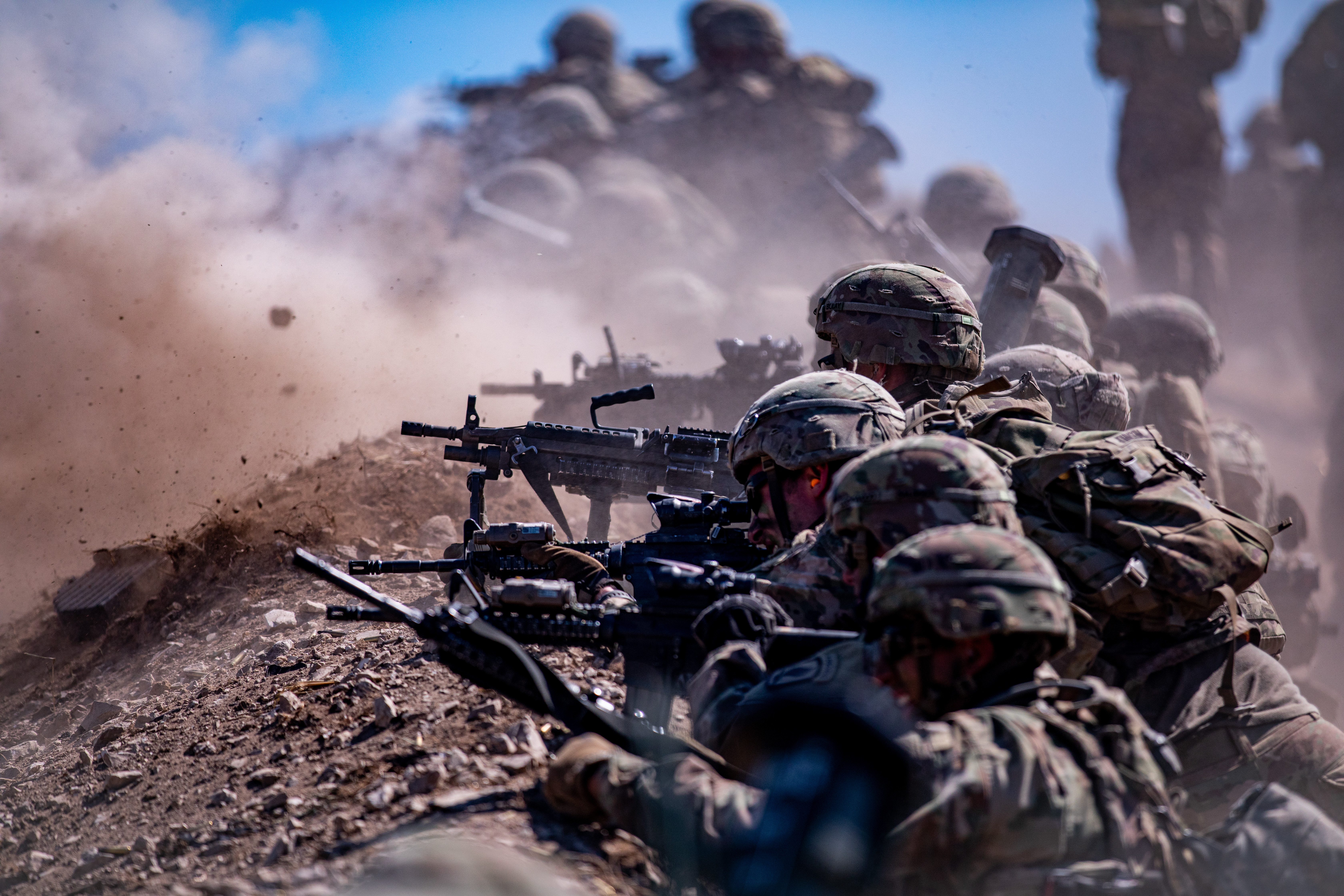
Soldiers fire at targets during a live-fire training at Grafenwoehr Training Area, Germany, July 31, 2020.
DOD Awards $104 Million for Procurement of Syringes in Support of U.S. COVID-19 Vaccination Campaign
On August 4, the Department of Defense’s (DOD) Joint Acquisition Task Force (JATF), in support of the Department of Health and Human Services’ (HHS) Strategic National Stockpile (SNS), awarded $104 million in contracts to procure syringes and safety needles, enabling the nationwide administration of a U.S. Food and Drug Administration (FDA)-approved COVID-19 vaccine, once one is available. The syringes and safety needles are critical to the nation’s COVID-19 vaccination strategy, providing a total of 500 million safety syringes over a 12-month period, with more than 134 million of the total number delivered by the end of 2020.
The syringes and safety needles will be placed into the SNS so they will be readily available to quickly and efficiently vaccinate the U.S. population once a safe and efficacious COVID-19 vaccine is developed. This procurement is the latest in a series of recent contracts highlighting a collaborative “whole-of-government” approach in response to the COVID-19 threat.
The Joint Program Executive Office for Chemical, Biological, Radiological and Nuclear Defense (JPEO-CBRND) partnered with HHS and the Army Contracting Command – Aberdeen Proving Ground (ACC-APG), to select and award contracts to six companies: Duopross Meditech Corporation ($48 million), Cardinal Health Inc. ($15 million), Gold Coast Medical Supply, LP ($14 million), HTL STREFA Inc. ($12 million), Quality Impact, Inc. ($9 million), and Medline Industries, Inc. ($6 million). The companies represent a mix of large and small medical product manufacturers and distributors.
“This effort demonstrates skillful collaboration between the interagency and our industry partners, and moves the nation farther forward in its fight against COVID-19,” said Joint Program Executive Officer for Chemical, Biological, Radiological and Nuclear Defense, Douglas Bryce. “Immediate procurement and prepositioning of syringes will enable rapid vaccination of the U.S. population once an FDA-approved vaccine becomes available. We are pleased to be part of this unprecedented and critical undertaking.”
This CARES Act funded effort is part of the ongoing collaboration between DOD and HHS to support replenishment of the SNS with critical medical resources.
Esper Discusses COVID-19, Inclusion, National Defense Strategy
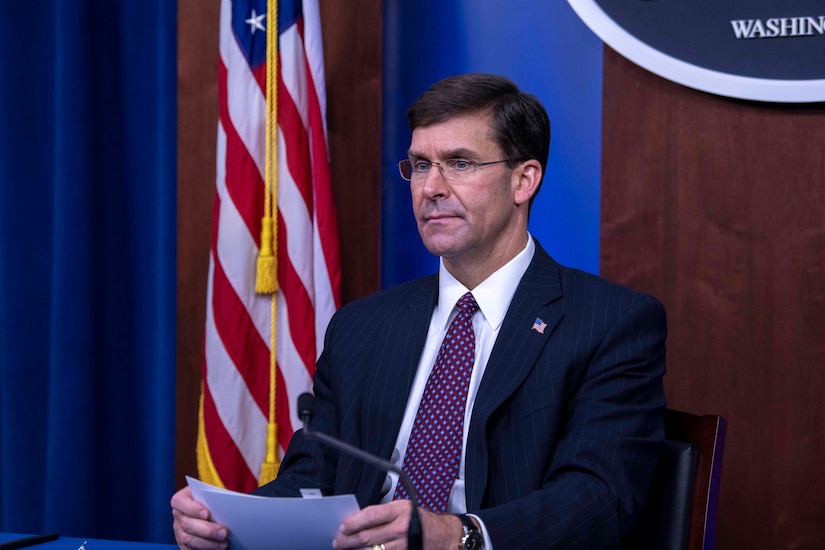
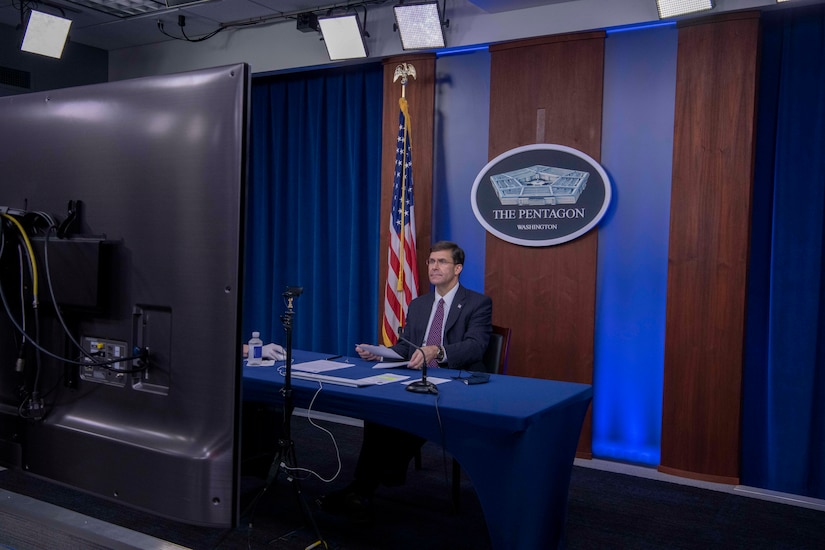
Defense Secretary Dr. Mark T. Esper discussed the National Defense Strategy and U.S. great-power competition, the challenges COVID-19 brought to the Defense Department and his initiatives on diversity and inclusion in a virtual address to the Aspen Security Conference.
"When I was confirmed over a year ago, … one of the things I made clear is my top priority would be implementing the National Defense Strategy," the secretary said in today's remarks. "As you know, the NDS says we are now in an era of great power competition, [and] our chief competitors are China and Russia, in that order."
A second tier of countries must be addressed, he added, such as North Korea and Iran, and the enduring threat of violent extremist organizations also figures into the equation.
Since Esper took office, DOD has been moving out for nearly 13 months
in terms of implementing the NDS and its three lines of effort:
One of the challenges DOD has faced over the previous seven months is the impact of COVID-19, which hit the department in January, the secretary said.
"I've been tracking this since mid-January, and the department received its first U.S. citizens from China in late January," he said. DOD put its global defense plan into effect Feb. 1.
"We've been at this for seven months, and I'm really proud of the Department of Defense," Esper said. "I think at our high point, there were over 60,000 service members on the streets of America, in many of the hot spots — particularly the National Guard — whether it was medical professionals helping out in hospitals to [those] distributing supplies."
"I'm very proud of what the United States military did — often putting themselves at risk," the secretary said.
And during that challenging time, the secretary outlined three priorities: to take care of DOD's people and their families, ensure the department could maintain our readiness to execute the national security mission and to support the whole-of-government effort.
On top of that, he noted, DOD dealt with civil unrest in the wake of the murder of George Floyd. "Our service members again did extremely well in serving their state governors … making sure that Americans had the right to exercise their First Amendment right of freedom of speech and assembling to protest, and to do that peacefully, so I've been very proud of our Guard in that manner," Esper said.
The civil unrest led the secretary to pursue three initiatives to address racial discrimination, diversity and inclusion in the military ranks.
"Clearly, while the U.S. military has been a leader in dealing with discrimination in its ranks and making sure it is not part and parcel of our force, we are not immune to what's happening in broader society, so we're taking a number of actions to do that for two reasons," the secretary said.
"First, it's the right thing to do. But secondly, it's important to our readiness," he said. "We need to be able to recruit the best and the brightest and to make sure they all feel respected, regarded and have all the opportunities that everybody else does in our force. And that applies not just to persons of color, but to ethnic differences, gender, sexual orientation, you name it. We want to represent the American people that we've sworn an oath to protect and defend."
DOD is focused inward and is helping inward and at the same time, maintaining its national security capabilities and defending the country, Esper said. "And we see that as our top priority," he added, "and [we] are committed to continue to do so as we move forward."
Okinawa Reception Center Welcomes Marines, Sailors Despite Pandemic
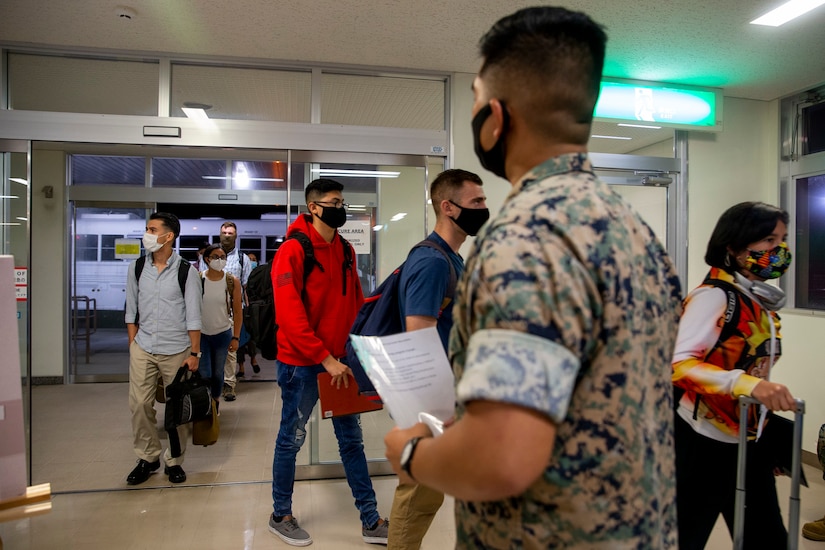
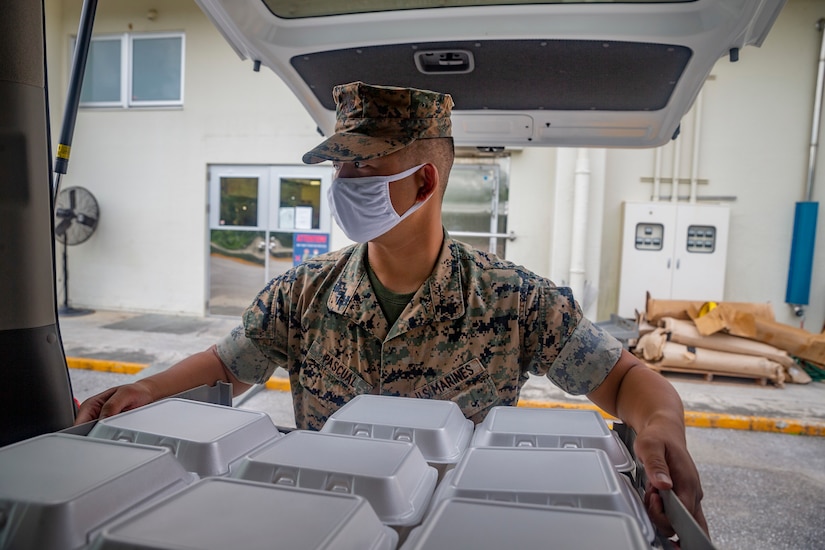
''It's a challenge,'' said Marine Corps Lance Cpl. Preston Batson, the assistant barracks manager for the Joint Reception Center Marines. New Marines are required to fulfill a 14-day restriction-of-movement order when they arrive on Okinawa. ''The JRC staff and I are always on the go,'' Batson said. ''While we wear masks and stay 6 feet apart, there's always a chance to be exposed to COVID-19. We are surrounded by Marines new to the island who have executed the 14-day restriction of movement and Marines whose flight has just landed to Okinawa.''
Despite COVID-19 restrictions, JRC Marines have continued to assist hundreds of accompanied and unaccompanied service members with their overseas transition.
New, unaccompanied Marines who are E-5 and below and ''greenside'' sailors — Navy personnel attached to a Marine Corps unit — step off the Patriot Express into the Kadena Air Base terminal to be greeted by the JRC staff. Batson, eager to welcome the Marines and sailors, helps facilitate the process of checking in the Marines and ensuring their well-being.
''Our job is continuous,'' said Batson, also a driver for JRC. ''We live with the JRC Marines, so when we go home we are still with them — always on call.''
Though all inbound personnel to Okinawa must comply with the 14-day restriction of movement, the JRC staff helps ensure their safety by conducting wellness checks three times a day, bringing meals to them and ensuring cleanliness.
''On average, we have 60 or more Marines and sailors in both barracks,'' said Batson. ''COVID-19 has not stopped JRC; we have only adjusted what we do.''
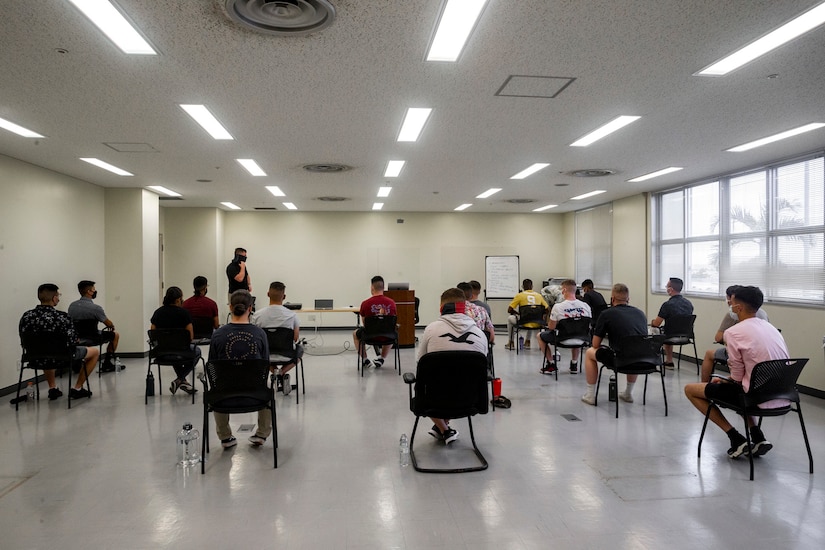
After the 14-day ROM cycle, the Marines execute their week-long orientation to the island. Before the pandemic, the JRC Marines had classes every day, and, toward the end of the week, they would visit Hacksaw Ridge. Health protection condition restrictions limit the staff to teaching only the most vital classes. Under current conditions, the battle site tours have been suspended.
''COVID-19 has put a hold on some of the things we do, but we always adapt and overcome,'' said Marine Corps Cpl. Daniel Chavez, a troop handler with JRC. ''It's kept us on our toes, and we adjusted, as needed, to continue helping the Marines in JRC.''
With COVID-19 still prevalent, it has caused an adjustment to the organization and procedures of JRC; however, the staff has worked hard to overcome and push forward.
''There is a lounge for the JRC Marines to interact with one another — of course, staying 6 feet apart and wearing a mask,'' Batson said. ''There is a TV, video games, board games and books for them to use. The biggest thing is to make sure they are OK. I don't like to see a Marine sad. I want to do everything I can to make them smile and know we are here for them.''
The JRC staff helps establish principles for other noncommissioned officers to uphold when placed in a leadership position with Marines under their command.
''In a way, we are a mentor to these Marines,'' said Chavez. ''NCOs should be watching out for their Marines, making sure they get chow, and be somebody who helps with anything they need.''
The main effort of the JRC staff is to take care of every Marine and sailor who comes through the program.
''At the end of the day, it's our job as the JRC staff to make sure the new Marines and sailors are safe,'' said Batson. ''A part of keeping them safe is checking on them multiple times a day and ensuring they are healthy, physically and mentally. They are important.''
(Marine Corps Lance Cpl. Karis Mattingly is assigned to Marine Corps Installations Pacific.)
Navy Reservists Aid Front-Line Medical Staff
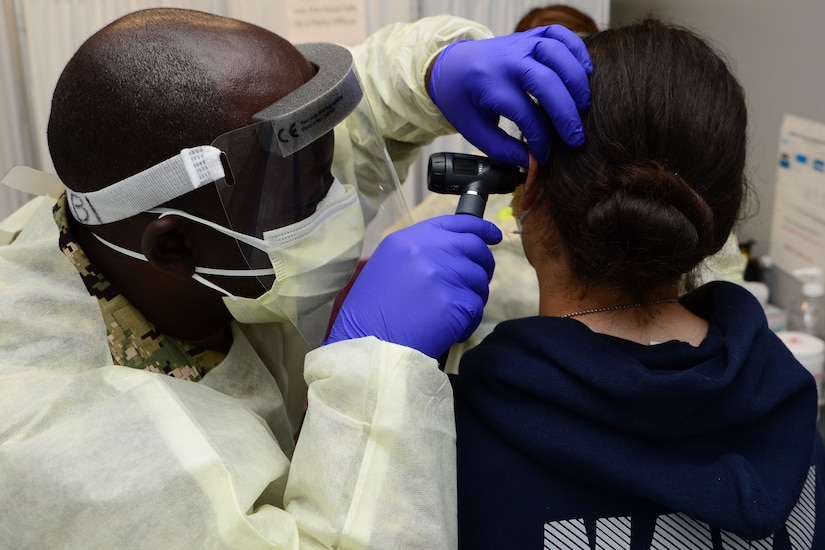
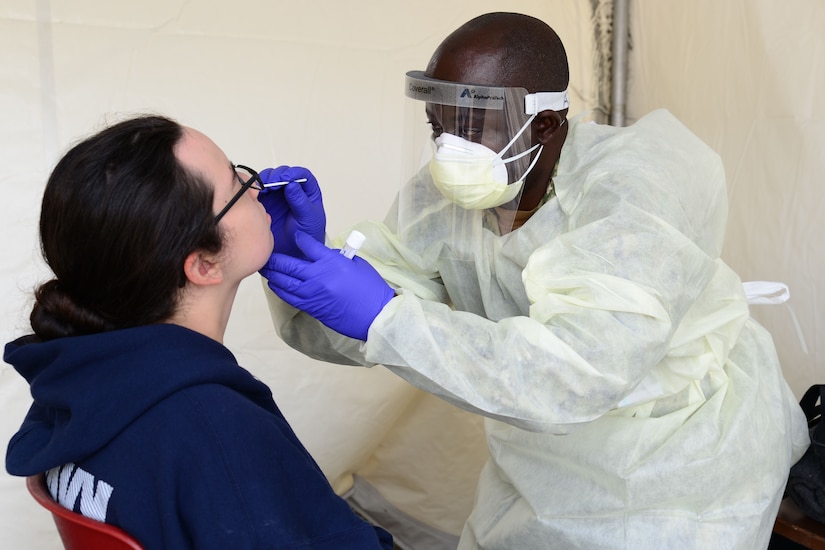
"I'm just grateful to help during this time," said Navy Petty Officer 2nd Class Jon Doliana, a hospital corpsman. Doliana was deployed to the COVID-19 respiratory clinic activated at Great Lakes.
"I love being here doing whatever the Navy needs me to do," the Nashville, Tennessee, native said.
As COVID-19 became a global concern, the Lovell Health Care Center altered many of its practices to safeguard patients and staff, but the mission didn't change. Since it was established in 2010 as the nation's first fully integrated federal health care center in support of both the Defense and Veterans Affairs departments, one of the center's main missions is medically preparing Navy recruits for military service. The pandemic has not diminished the need for military readiness and it has greatly increased the amount of medical resources needed to accomplish that goal.
On June 3, a select team of 81 Navy Reserve medical personnel mobilized to Great Lakes as part of the DOD's response to the pandemic. Reservists were deployed from their hometowns and from multiple units — including the Expeditionary Medical Facility Bethesda, Maryland, and the Naval Reserve Center Nashville, Tennessee — to augment the fleet's active-component staff. The team is led by Navy Capt. Rebecca Zornado from Oceanside, California. Teams include hospital corpsmen and members of the Medical Service Corps, Medical Corps, Nurse Corps, and other enlisted support staff, including personnel support and yeomen.
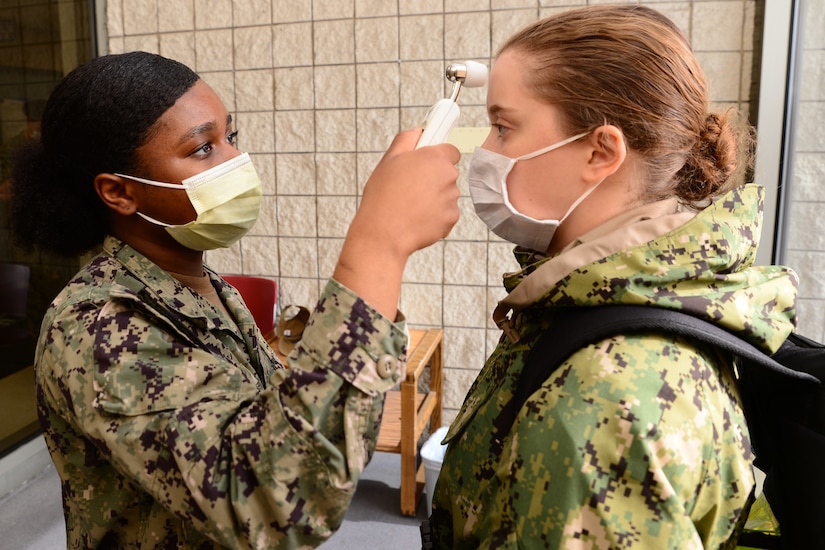
As part of the strategy to prevent the spread of COVID-19 throughout the boot camp population, the Navy restricted the off-base movement of all Navy recruits at a nearby lodge and hotels before they began their boot camp, and the nursing staff checks the "pre-recruits" daily for COVID-19 symptoms. The screening includes an evaluation for both typical and atypical symptoms.
"It's been a huge benefit having the reservists onboard," said Navy Cmdr. (Dr.) Robert Senko, who usually is the director of primary care medicine at Lovell FHCC but has been overseeing the recruit restriction-of-movement process since it was implemented. Senko said the reservists have stepped up and taken charge of the respiratory clinics and sick call, as well as restriction-of-movement medical procedures.
The nurses assigned to the staff teams supervise the delivery of care and nasopharyngeal swabbing procedures to ensure optimal screening standards and appropriate use of personal protective equipment, which all medical staff in direct contact with recruits use. The nurse practitioners also are responsible for screening, diagnosing and treating recruits.
The extra manpower is necessary as Lovell FHCC allows more face-to-face appointments with veterans and more recruits enter the restricted-movement period.
In addition to the extra effort needed to control the spread of COVID-19, Lovell FHCC's usual recruit health and dental care mission continues. Annually, it involves about 40,000 recruits. The facility operates three RTC branch medical clinics. At USS Red Rover, recruits receive immunizations and other medical procedures before being declared fit for full duty; the USS Osborne provides a full spectrum of dental services for recruits. But the USS Tranquility is the busiest, providing services from that range from sick call to mental health care and special physicals. The reservists have lightened the load.
Each reserve team implemented standard operating procedures for health protection in their work environment, including the use of personal protective equipment.
When asked what the biggest challenge of being deployed to Great Lakes during the COVID-19 pandemic is, Navy Chief Petty Officer Lisa Tran, a hospitalman from Houston, is unequivocal.
"Keeping up with the current research, which may change the next day, and keeping our corpsmen trained on the best medicine, the best practice at the time is somewhat of a challenge," she said. "But it's nothing we can't handle."
(Navy Seaman Recruit Minh-Thy Chu is assigned to the Captain James A. Lovell Federal Health Care Center.)
Bougainville Blast
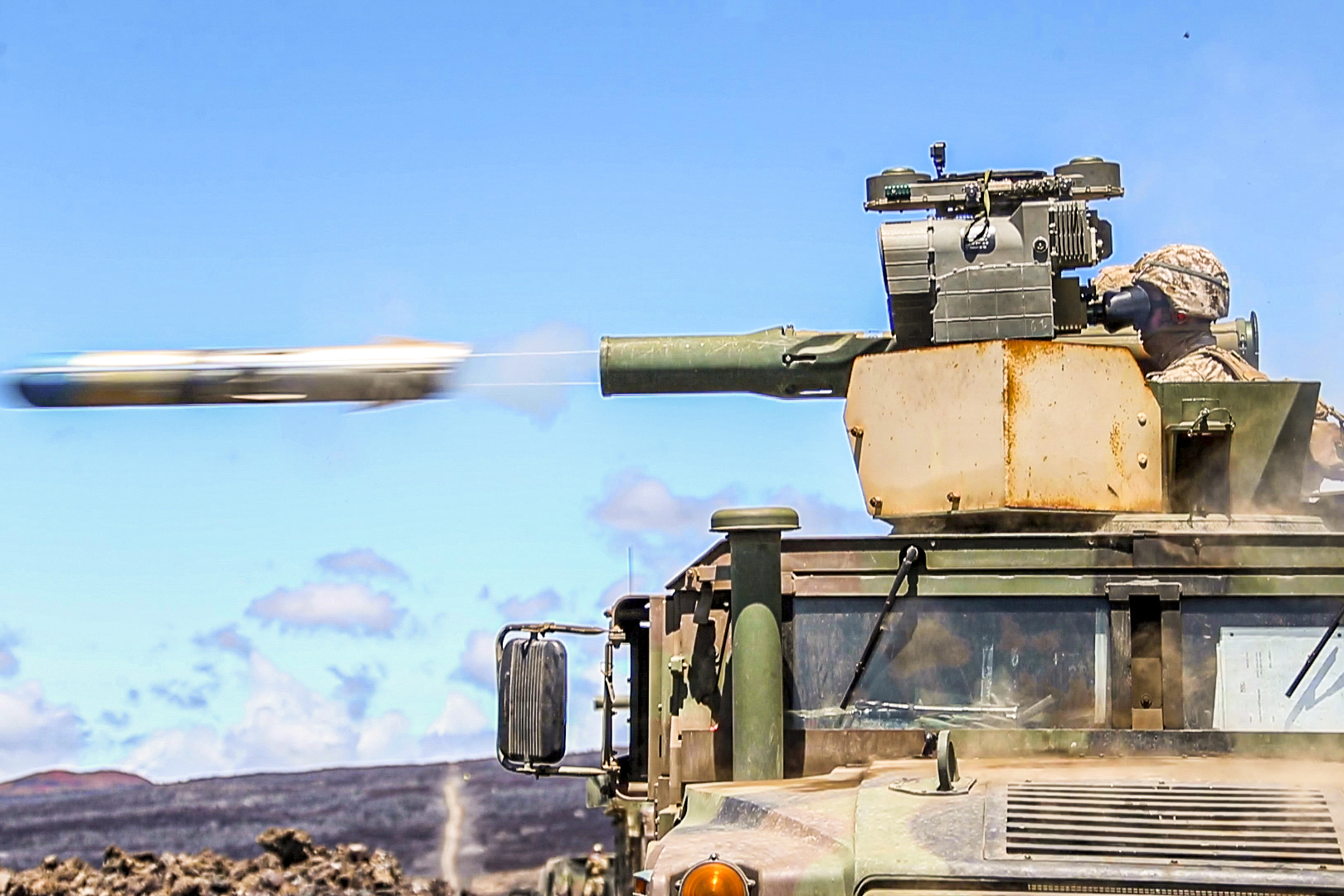
Marine Corps Pfc. Bart Bryant fires a tube-launched, optically-tracked, wireless-guided missile during at Pohakuloa Training Area, Hawaii, July 18, 2020, during Bougainville II, the second phase of a predeployment exercise designed to increase combat readiness through complex and realistic live-fire training.
HHS, DOD Collaborate With Johnson & Johnson to Produce Millions of COVID-19 Investigational Vaccine Doses
The U.S. Department of Health and Human Services (HHS) and Department of Defense (DoD) announced an agreement with the Janssen Pharmaceutical Companies of Johnson & Johnson, to demonstrate large-scale manufacturing and delivery of the company’s COVID-19 vaccine candidate. Under the terms of the agreement, the federal government will own the resulting 100 million doses of vaccine.
The vaccine doses could be used in clinical trials or, if the U.S. Food and Drug Administration (FDA) authorizes use as outlined in agency guidance, the doses would be distributed as part of a COVID-19 vaccination campaign.
“With the portfolio of vaccines being assembled for Operation Warp Speed, the Trump Administration is increasing the likelihood that the United States will have at least one safe, effective vaccine by 2021,” said HHS Secretary Alex Azar. “Today’s investment represents the next step in supporting Janssen’s vaccine candidate all the way through manufacturing, with the potential to bring hundreds of millions of safe and effective doses to the American people.”
This manufacturing demonstration project will take place while clinical trials are underway. Working in parallel this way expedites the traditional vaccine development timeline. This step builds toward the U.S. government’s Operation Warp Speed goal to begin delivering millions of doses of safe and effective vaccines to the American people by the end of the year.
The Biomedical Advanced Research and Development Authority (BARDA), part of the HHS Office of the Assistant Secretary for Preparedness and Response, collaborated with the DoD Joint Program Executive Office for Chemical, Biological, Radiological and Nuclear Defense and Army Contracting Command, to provide approximately $1 billion to support the manufacturing demonstration project including the ability to deliver vaccine doses to government-designated locations across the country. The government also can acquire additional doses up to a quantity sufficient to vaccinate 300 million people.
The project announced today includes fill-finish manufacturing in U.S.-based facilities. This fill-finish manufacturing step ensures vaccine doses are packaged and ready to ship immediately, subject to successful clinical trials and FDA authorization.
If these doses are used in a COVID-19 vaccination campaign, the vaccine would be available to the American people at no cost. As is customary with government-purchased vaccines, healthcare professionals could charge for the cost of administering the vaccine.
To date, BARDA has provided approximately $456 million for clinical trials and other vaccine development activities under an existing, long-term partnership with Janssen. The company’s investigational vaccine relies on Janssen’s recombinant adenovirus technology, AdVac, a technology used to develop and manufacture Janssen’s Ebola vaccine with BARDA support; that vaccine received European Commission approval and was used in the Democratic Republic of the Congo (DRC) and Rwanda during the 2018-2020 Ebola outbreak that began in the DRC.
About Operation Warp Speed
OWS is a partnership among components of the Department of Health and Human Services and the Department of Defense, engaging with private firms and other federal agencies, and coordinating among existing HHS-wide efforts to accelerate the development, manufacturing, and distribution of COVID-19 vaccines, therapeutics, and diagnostics.
About HHS, ASPR, and BARDA:
HHS works to enhance and protect the health and well-being of all Americans, providing for effective health and human services and fostering advances in medicine, public health, and social services. The mission of ASPR is to save lives and protect Americans from 21st century health security threats. Within ASPR, BARDA invests in the innovation, advanced research and development, acquisition, and manufacturing of medical countermeasures – vaccines, drugs, therapeutics, diagnostic tools, and non-pharmaceutical products needed to combat health security threats. To date, BARDA-supported products have achieved 55 FDA approvals, licensures or clearances. To learn more about federal support for the nationwide COVID-19 response, visit coronavirus.gov.
About the JPEO-CBRND:
The Joint Program Executive Office for Chemical, Biological, Radiological and Nuclear Defense (JPEO-CBRND) protects the Joint Force by providing medical countermeasures and defense equipment against chemical, biological, radiological and nuclear (CBRN) threats. JPEO-CBRND’s goal is to enable the Joint Force to fight and win unencumbered by a CBRN environment. JPEO-CBRND facilitates the rapid response, advanced development, manufacturing and acquisition of medical solutions, such as vaccines, therapeutics, and diagnostics, to combat CBRN and emerging threats such as COVID-19. To learn more about JPEO-CBRND’s COVID-19 response, visit https://www.jpeocbrnd.osd.mil/coronavirus or follow JPEO-CBRND on social media at @JPEOCBRND.
Tuesday, August 04, 2020
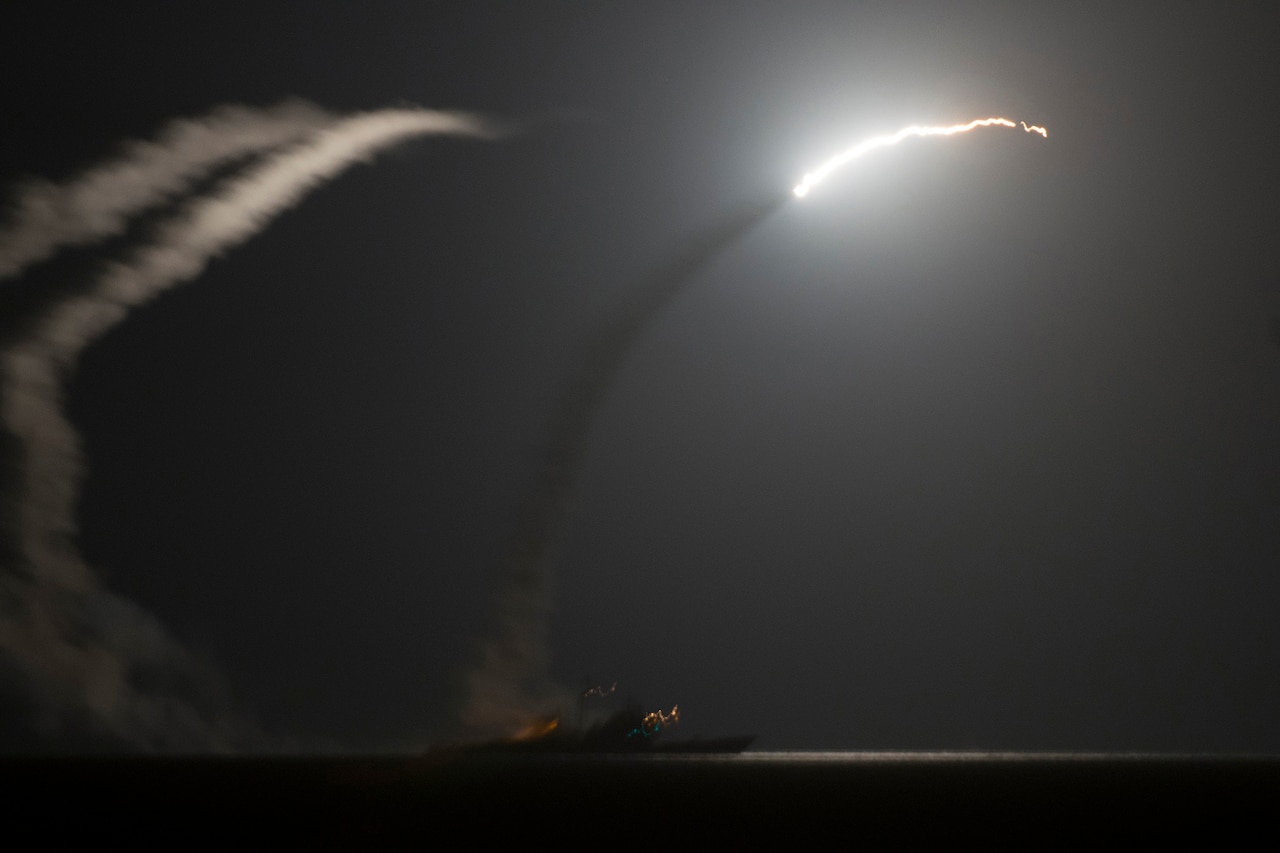
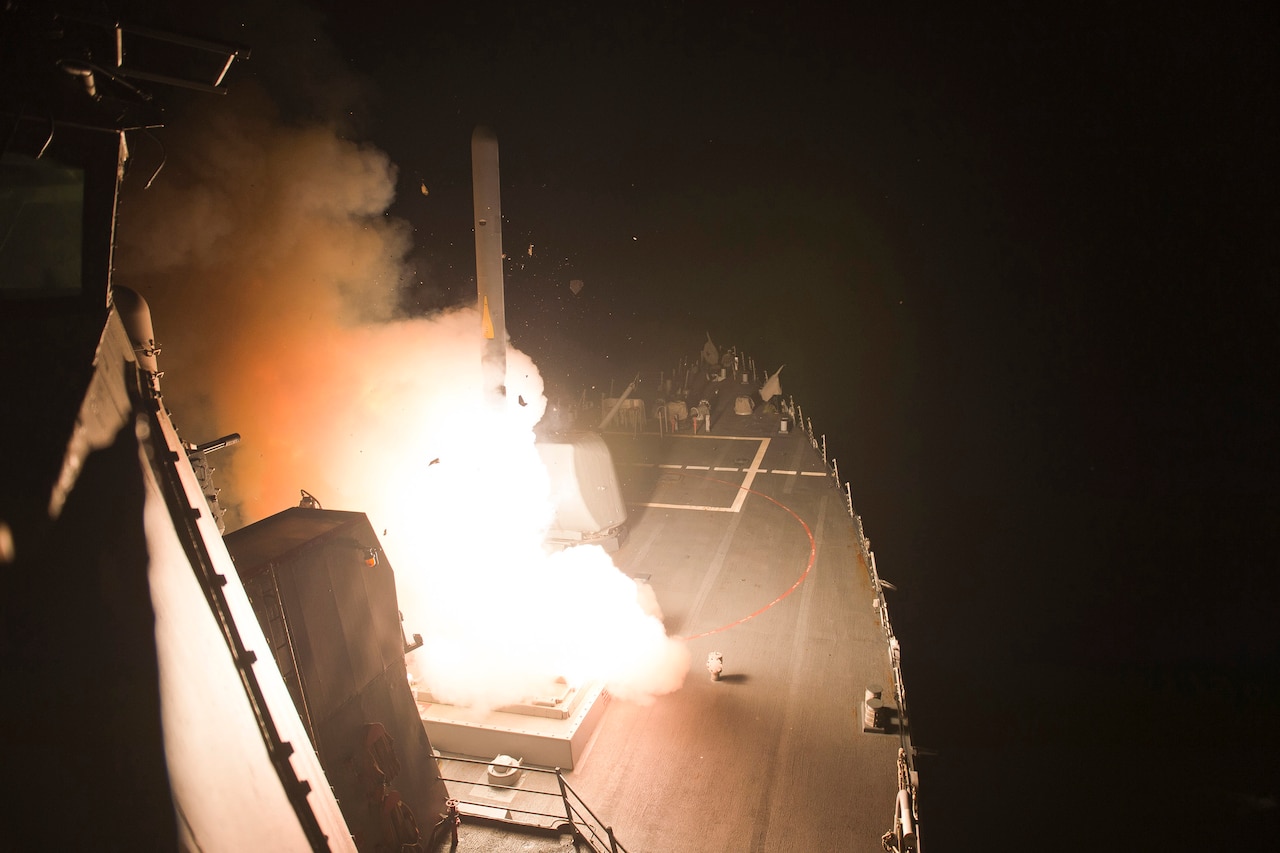
Nuke Sea-Launched Cruise Missile Would Bolster Deterrence, Officials Say
Developing and deploying a sea-launched nuclear cruise missile is essential to deter Russia, U.S. officials have said.
A recent State Department paper says the new weapon would help fill a gap identified in the 2018 Nuclear Posture Review.
The United States retired its last nuclear sea-launched cruise missile in 2010 — one of only two remaining U.S. theater or tactical ("non-strategic") nuclear weapons. In contrast, Russia continued a comprehensive program to modernize and expand its low-yield theater and tactical nuclear weapons. What is more disturbing, officials said, is that Russian strategy actually contemplates the use of these nuclear capabilities in conflict.
Russian strategic thought mistakenly believes that limited nuclear first use with low-yield weapons could provide Russia with a "coercive advantage" in a conflict, the State Department paper says.
Russia may have pursued this strategy because the United States, unlike Russia, retired most of its non-strategic nuclear systems. Russia may believe it can use theater or tactical weapons, the paper says, because the United States could not effectively respond and might be reluctant to escalate further by responding with strategic nuclear weapons..
The 2018 Nuclear Posture Review calls for adjustments to U.S. nuclear forces to close this perceived gap on the escalation ladder and reinforce deterrence against low-yield nuclear use, DOD officials said.
A nuclear-armed sea-launched cruise missile would address alarming developments in the forces and doctrine of nuclear competitors, the posture review says, adding that Russia and China both are investing significant sums to improve and expand their nuclear forces with no clear indication as to where that expansion will stop.
Russia's "adventurism" is the most immediate concern, officials said. The nation invaded Georgia in 2008 and still occupies two provinces. Russia illegally occupied Crimea in 2014 and sponsors a shooting war in the eastern part of Ukraine today. Russia has propped up the Assad regime in Syria and has prolonged the civil war in that nation. Russia has also sent forces to Libya, and Kremlin-associated contractors have seized two of its largest oil facilities. Finally, Russia has done its best to divide the North Atlantic Treaty Organization, seeking more leeway to intimidate the frontline states of Latvia, Estonia, Lithuania, Poland, Bulgaria and Romania.
There are credible concerns that theater and tactical nuclear capabilities are central to a Russian approach to regional conflict that envisions the early, limited use of non-strategic nuclear weapons to end a war on terms favorable to Russia.
"This approach may be premised on Russia's belief that its expanding anti-access/area denial networks will be able to neutralize the airborne nuclear deterrent forces of the United States and NATO," the 2018 U.S. Nuclear Posture Review concluded. "In the future, it is possible that China could adopt a similar doctrine. Developing and fielding (sea-launched cruise missile-nuclear) signal the leaders of nuclear competitors in a concrete way that the United States has the capability and will to maintain operationally effective nuclear options to deter regional aggression."
The SLCM capability could also help allay the concerns of regional allies shielded by the U.S. nuclear umbrella, officials said.
The United States having such a capability would make any adversary think twice about using nuclear weapons. Without requiring nuclear testing or violating any treaty, the SLCM "will lower the risks of nuclear conflict, bolster the confidence of allies and restore a degree of balance in non-strategic nuclear weapons that could create conditions more conducive to addressing this category of forces through arms control," the posture review says.
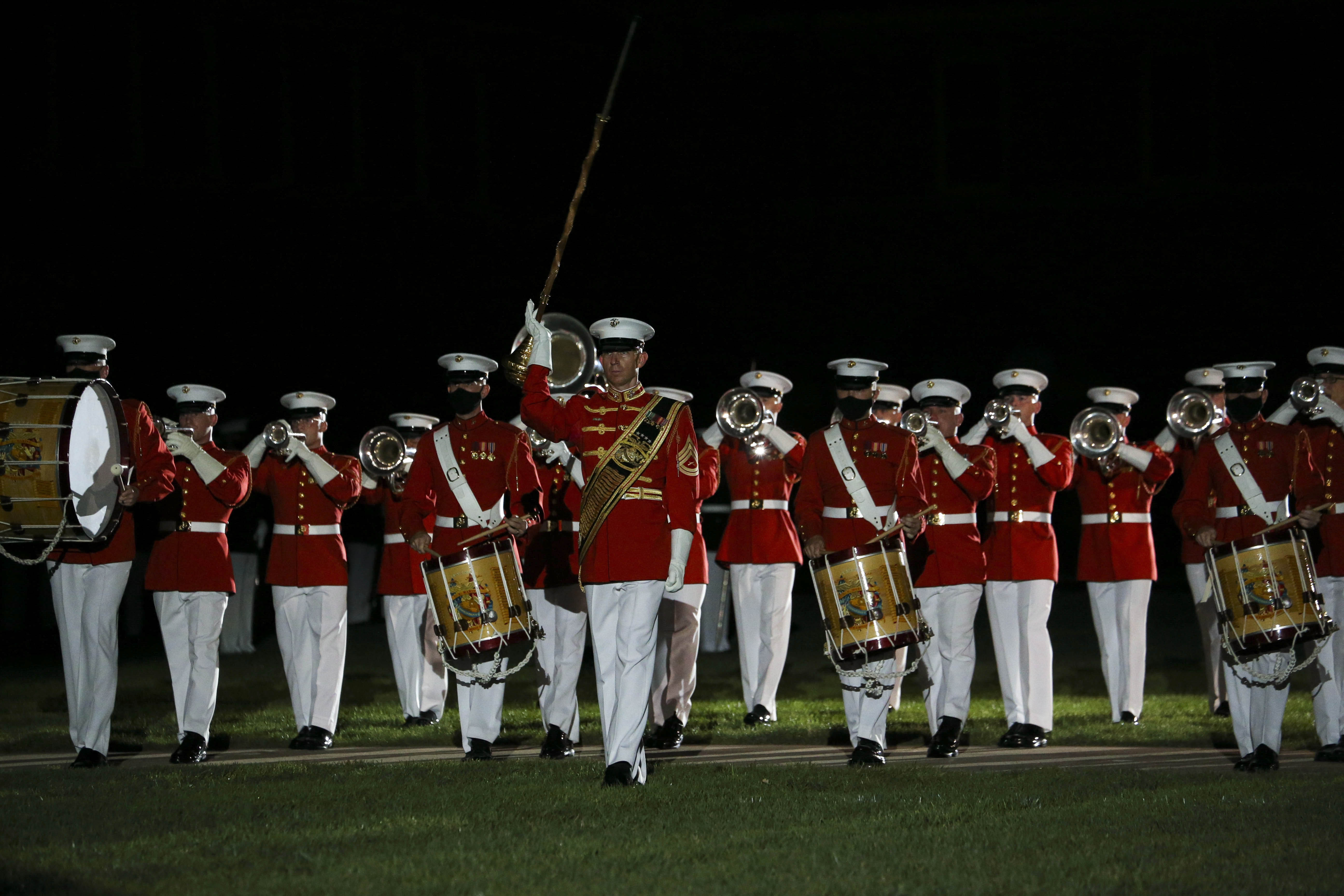
Marine March
Members of "The Commandant’s Own," the U.S. Marine Drum and Bugle Corps, perform during an evening parade at Marine Barracks Washington, D.C. July 31, 2020.
Unheralded DOD Agency is Key to Building International Partners
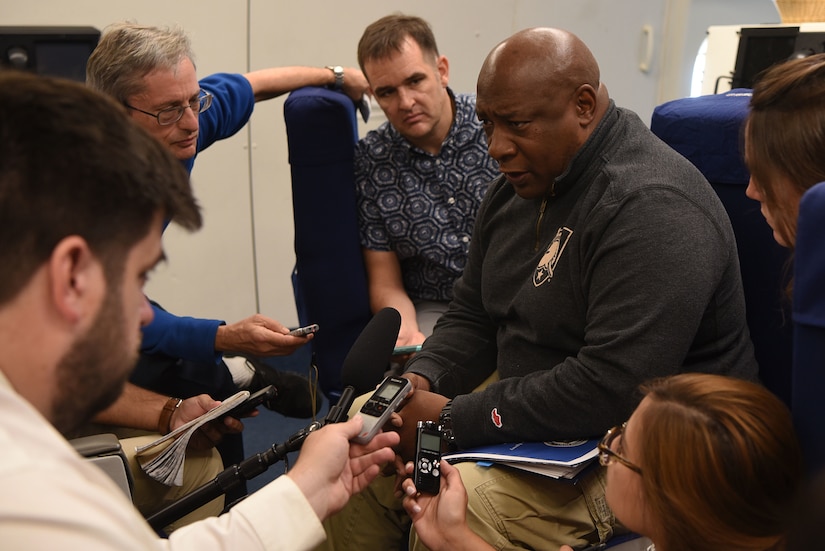
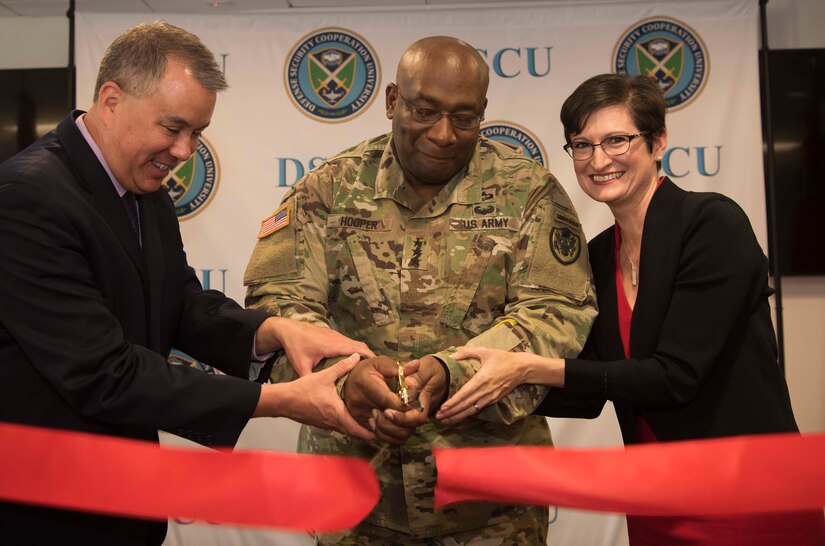
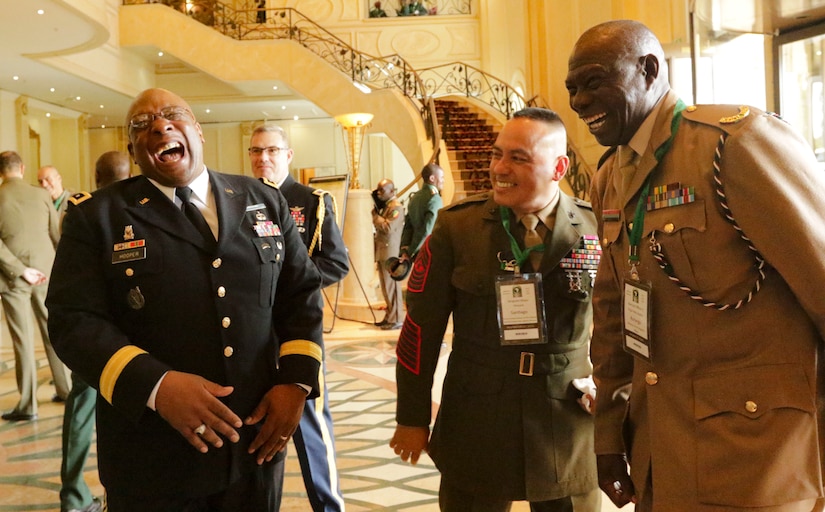
One crucial aspect of the National Defense Strategy is tending to and encouraging allies and partners, and the Defense Security Cooperation Agency is at the heart of that process, said Army Lt. Gen. Charles Hooper, the agency's outgoing director.
Hooper spoke to retired Army Gen. Carter Ham recently as part of the Association of the U.S. Army's podcast series.
The agency is little known outside Washington, but its effect on allies, partners and friends around the world is profound. The agency is the Defense Department entity responsible for all security cooperation, ranging from training to equipment to professional military education. Last year, the agency was responsible for more than $55 billion in sales under a myriad of programs, Hooper said.
Allies and partners using U.S. military equipment makes good sense from strategic and economic viewpoints, he noted. Common equipment leads to greater interoperability. The training foreign service members receive on American equipment also builds close personnel ties. Finally, the U.S. military sales mean jobs in the United States and keeps the defense industrial base healthy.
Hooper said that over the past three years, military sales have grown 16 percent. It has accelerated because the U.S. produces the best military capabilities in the world, he added, and because of streamlining efforts by the administration and Congress.
The agency reorganized as part of the National Defense Authorization Act of 2017. Congress wanted to make the agency more efficient and effective. That legislation also created a civilian career field for security cooperation and a schoolhouse to train them.
The administration streamlined authorities for conventional arms transfers. This served to ''compress those timelines between the identification of a capability necessary for our partners and its delivery,'' he said.
''The third thing that really helped was the National Defense Strategy,'' he said, adding that the strategy provided ''clear guidance to me as to what my mission is, and that is to strengthen alliances and attract new partners.''
The change in strategy for the United States military to operate ''by, with and through'' local military forces also gave impetus to the agency. ''I've seen security cooperation become a policy tool of first resort,'' Hooper said. ''Often in the past, it was kind of an afterthought — we'd come up with a security policy, … we'd implement that policy towards a country or an alliance, and then as an afterthought, we consider military capabilities. But with the second line of effort in the National Defense Strategy, security cooperation has become a tool of first resort.''
Another change tied to the National Defense Strategy is great power competition. China and Russia are U.S. near-peer competitors, and this forced a different approach at the agency. Hooper had to judge U.S. strengths and weaknesses against those of China and Russia.
''I came to the conclusion that there is a uniquely American approach to security cooperation, and that distinguishes us from our strategic competitors,'' he said. ''Instead of trying to mimic their procedures, we should leverage our strengths.''
U.S. competitors benefit from an autocratic streamlined arm sales processes and government-subsidized defense industries, he said. ''I have to determine how we maintain our competitive edge and continue to expand our market share when they have systems that allow them to react quickly, and are reflective, frankly, of their governmental systems,'' the general said.
''We have a democracy. And as we all know, democracy was designed for effectiveness, and not efficiency,'' he said. And that carries its own benefits.
U.S. high-quality, high-technology systems are in demand, and make American systems competitive. Hooper said he wants the idea of export for these systems built in from the beginning of research and development for the systems.
''We have to improve our ability to engineer exportability into the beginning of our research and development process and not at the end,'' he said. ''Right now, what we do is design a system for our own forces, and then we go back and re-engineered for export, we don't have the time to do that any more.''
Hooper said he also wants to compress decision timelines without sacrificing due diligence. ''Our system is set up to vet whether or not we want to share a capability or a system with our partners over a long period of time, then we finally make a decision and then we export it,'' he explained. ''We must compress those timelines if we're to remain competitive, but we understand there's always a cost-benefit analysis — the benefit of sharing these technologies and systems with our allies or partners against a potential cost of losing our technological edge.''
The American way of sharing is also much different from those of the Russians or Chinese. ''Our approach has always been not only to provide our partners with the systems themselves, but training, education, institutional capacity building, helping them to build the institutions that will help them to maximize the performance envelope with the equipment,'' Hooper said. ''This commitment is to a long-term relationship.''
There is value in this approach. He told about visiting Kenya last year, and seeing the Kenyan air force flying 40 year-old F-5 Tiger jets built by Northrup. The older jets were landing next to 3-year old Chinese grounded helicopters. ''Why are our 40-year-old aircraft still flying, and the 3-year-old Chinese aircraft not? The difference was we made a commitment to the Kenyan air force to help them to develop a culture of maintenance excellence that allows them to continue to repair and maintain their 40-year-old U.S. aircraft,'' he said. ''That's the distinction that separates us from our strategic competitors.''
Hooper is the most senior foreign-area officer in the U.S. Army, and he says that ''dollar for dollar, our international military student programs are the best investment we can make in security cooperation.''
Whether it is foreign students coming to the United States to learn to use U.S. military equipment or senior foreign military officers attending the war college classes, it is a way to build personal relationships. Hooper spoke of being the defense attache in Cairo during a difficult time in U.S.-Egyptian relations. Those relations were smoothed by the fact that many in the Egyptian government had studied at U.S. military war colleges, and there was a baseline of understanding among all.
''I was in China for seven years,'' he said. ''Very rarely did they answer my phone calls, but there was never a time where the Egyptian senior official did not answer my phone calls.''
U.S. students have an opportunity to forge relationships with the cream of the international military officers because only the best come to the United States. ''Those relationships that are forged here, the way we welcome international students, pays enormous dividends,'' Hooper said.
Helping Hand
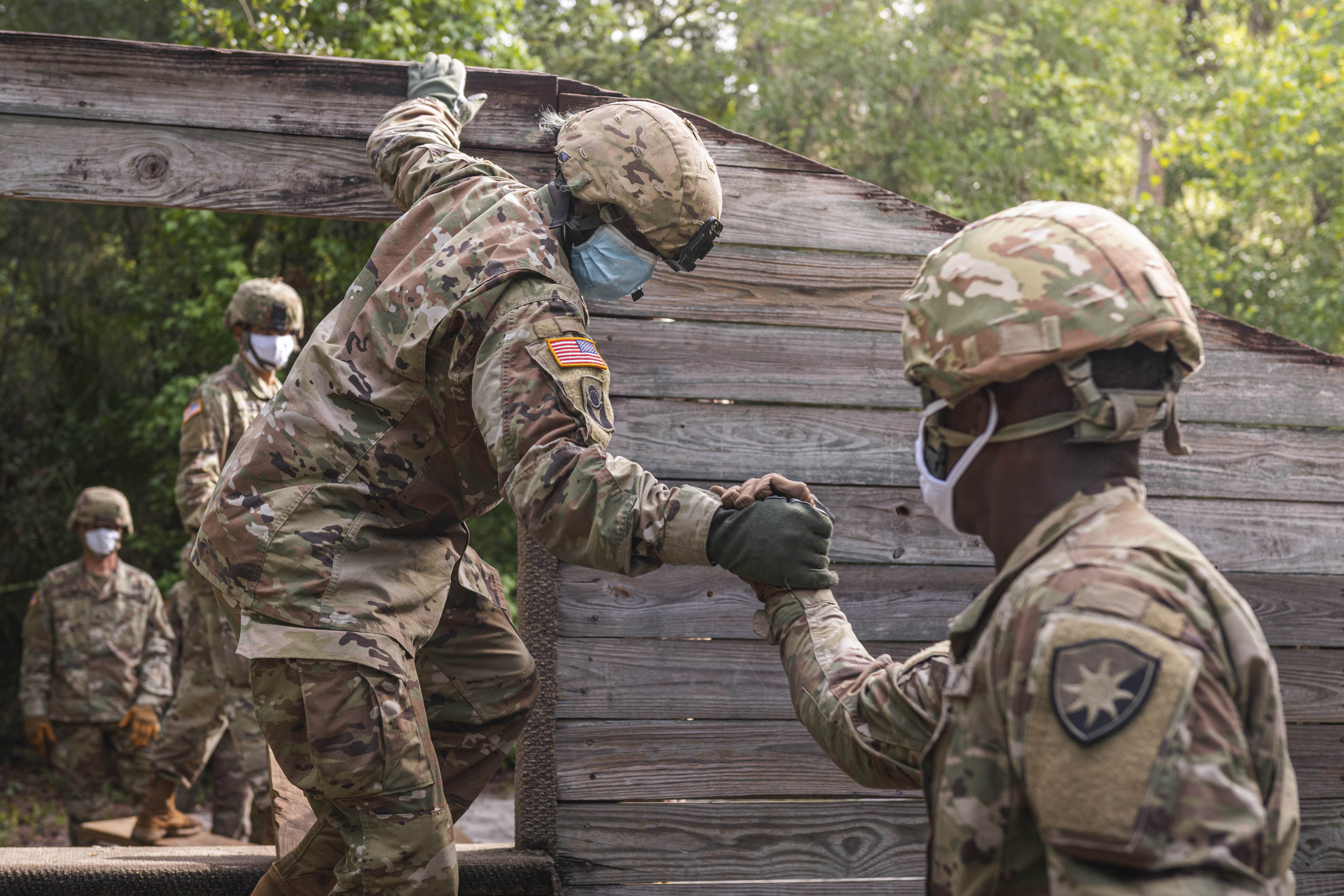
Soldiers participate in a joint security forces assistance brigade assessment and selection leadership reaction course at Camp Blanding, Fla., Aug. 3, 2020.
Missile Agency Director Describes Threat, Countermeasures
In recent years, threats from new missile systems against the homeland, deployed forces and friends and allies have arisen from Russia, China, North Korea and Iran, the director of the Missile Defense Agency said.
Navy Vice Adm. Jon A. Hill spoke today at the Space and Missile Defense Symposium in Washington.
At one time, the MDA focused on the ballistic missile threat. However, adversaries have designed extremely fast and maneuverable advanced cruise missiles and hypersonic weapons that make for "a very tough environment for defense," Hill said. The Missile Defense Review addressed these new threats, laying out a path to follow in developing new offensive and defensive measures, he added.
Though defense is a key part of deterrence, Hill said, "you can't shoot what you don't see." Providing that sight are sensors and radars aboard ships, on the ground and in space.
Space-based sensors are the ultimate, Hill said, because they can provide global coverage. Space tracking and surveillance systems collect data, intelligence and real-world missile testing, he said, but that capability is nowhere near where it needs to be.
Sensors start the kill chain by sending out a warning, the admiral explained. Then, radars track the missile, and fire control launches a defensive projectile.
This projectile can come from a Patriot system or Terminal High Altitude Area Defense system, all operated by the Army, or the Standard Missile 3 Block IIA or the Aegis Ballistic Missile Defense System, both operated by the Navy. Besides those defenses, ground-based interceptors, operated by the Army, are deployed at Fort Greely, Alaska, and at Vandenberg Air Force Base, California.
The command and control and battle management system, fully protected with cybersecurity measures, ties these systems together with the operators.
Many missile defense components are in the research, science and technology and demonstration phase, Hill said. For example, work is being done on the next-generation interceptor and long-range discrimination radar, as well as space-based sensors.
"Where we live today is we don't have everything we want deployed in space, nor do we have the terrestrial or mobile sea-based sensors where we want, where we need them at the right time," the missile agency director said.
Besides new, cutting-edge systems, Hill noted that current systems such as Aegis and command and control are receiving important upgrades as they become available.
MDA is working with the Army to integrate the THAAD and Patriot systems so operators can communicate with both and shoot with either, depending on the scenario, the admiral said.
Allies and partners are developing their own missile defense systems or buying them from the United States through the foreign military sales system, Hill said. These systems used by friends and partners furthers global security, he pointed out, and the Defense Department is working to better integrate those systems so they're even more effective.
Though the COVID-19 pandemic has presented challenges, Hill said, that hasn't affected MDA's ability to perform its mission: "If you ask me where we took risk during the global pandemic, we never took any risk in supporting the warfighter," he said. "We continue to deliver capability, we continue to support major movements around the globe." Delivery of systems caused some delay, he acknowledged, because assembly lines require people in confined and enclosed places.
Hill termed his MDA team and those in the services as stellar, and he said there's no nobler calling than defending America.
Hornet Launch
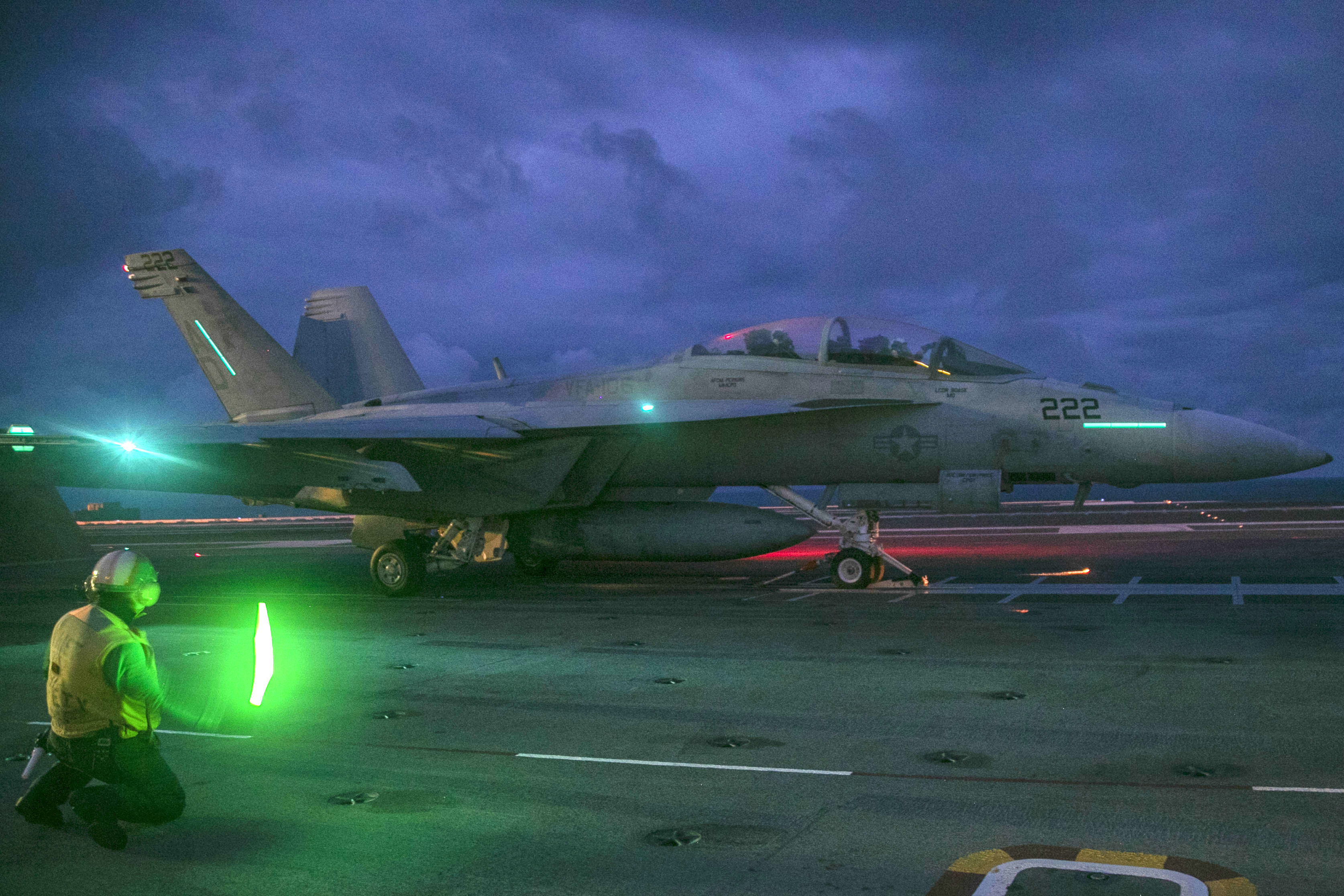
An F/A-18F Super Hornet prepares to launch from the flight deck of the aircraft carrier USS Gerald R. Ford during operations in the Atlantic Ocean, Aug 1, 2020.
Monday, August 03, 2020
Kansas engineers build state-wide readiness through facilities upgrades
Training facilities at the Smoky Hill Weapons Range,
Great Plains Joint Training Center, are being enhanced with the addition
of a new physical fitness field and irrigation pond, courtesy of the
242nd Engineer Company out of Coffeyville. After a last minute change in
training plans, the horizontal construction engineers have wasted no
time diving in to complete a project that will ultimately increase
readiness for units across the state.
The idea to build a physical fitness training field originated only
recently when range personnel at GPJTC observed a unit conducting
pre-mobilization training.
“We watched them and they were essentially doing PT anywhere they
could,” said Capt. Hans Stephensen, range officer-in-charge. “We
realized that we had a need for a PT field out here.”
Stephensen said that realization generated a conversation about picking a
site, and the team agreed on an empty space near the range control
headquarters that wasn’t being utilized. Selecting the site may have
been easy, but then the team became aware of some other challenges they
needed to address.
“It was pointed out to us that the site needed to be leveled and we
didn’t have enough dirt,” Stephensen said. “Also, we aren’t allowed to
use metered water to water it, so we would have to have our own water
source.”
After discussing options, GPJTC staff realized that digging a pond would
solve both the dirt problem and the water problem, since the pond could
be used to irrigate the new field. All they needed was a unit to make
it happen. When the 242nd Eng. Co. called searching for last minute
training opportunities because their original annual training plan fell
through due to COVID-19, it was a perfect fit.
“We asked them what their training objectives were,” Stephensen said.
“They asked to do some earth moving projects, so that made us expedite
the PT field project. Originally we were looking at a longer timeline,
but we saw that there was a great opportunity to seize this as both a
training objective for them, as well as accomplishing a major objective
for us in providing another training facility and venue for the units
that come out here.”
Once they gained all the proper approvals, GPJTC gave the 242nd the green light to get started.
“We came to it with open arms,” said Staff Sgt. Derek Redenius,
operations non-commissioned officer for the job site and acting platoon
sergeant for 1st Platoon. “We took every piece of equipment we had,
supplied all of our Soldiers and made it happen.”
The 242nd equipment inventory included scrapers, dozers, graders and
dump trucks. In addition to the PT field, the engineers are also using
their time at the GPJTC to complete other heavy construction work, like
culvert projects and road maintenance.
“The experience has been great,” Redenius said. “For the last three
years or so we’ve done more combat missions than we have construction
engineer missions. So for young Soldiers it has been kind of tough for
them to learn their jobs as engineers because we’ve been doing more
combat type training. With this job, we get to run our equipment and get
young Soldiers licensed.”
Redenius said the Soldiers have been enthusiastic about the work, which has been rewarding for him to see.
“My favorite part about being out here has been getting the young
Soldiers time in their equipment and seeing the morale raise,” Redenius
said. “We give them the chance to stop after dinner chow, and everybody
has wanted to come back out and continue until dark.”
Looking ahead, Stephensen said the PT field could potentially be used to
conduct the new Army Combat Fitness Test. And in the meantime, GPJTC
will be home to a new space open to any unit to facilitate all types of
physical fitness training. It will be a space Kansas Guardsmen can call
their own.
When combined with all the other facilities at GPJTC, the completion of
this project will allow units to increase training efficiency and
readiness by having access to everything they need, all in one location.
“The addition of this facility will allow the range complex out here to
host not only the ACFT, which is a major training event, but also
Soldier Readiness Programs and weapons qualifications,” said Stephensen.
“What we want is for units to want to train here and be able to
complete everything all in one drill weekend. That would help save
commanders training time by not having to break those events up into
three separate weekends.”
Schriever chaplains offer counseling, aid
The Schriever Air Force Base Chapel Corps provides
spiritual and emotional support to Airmen stationed here to keep morale
high and the mission advancing year-round.
The corps is a team of five Airmen who are dedicated to providing
counsel to those in need. They are trained in providing spiritual and
crisis counseling to support Airmen’s mental and spiritual health.
“The chaplain corps’ mission is to care for others,” said Staff Sgt.
Lathaniel Leigh, Schriever Chapel Corps religious affairs airman. “We’re
here for spiritual care, religious support and the overall well-being
of our Airmen.”
Although the office is only open during the duty day, the Airmen who
work in the shop are available 24/7, 365, to counsel and help Airmen in
need.
“We’re here to encourage Airmen,” said Capt. Ronald Lawrence,
Peterson-Schriever Garrison chaplain. “We’re not defined by the work we
do, we want to make sure Airmen know their identity. When you know your
identity and know your why, it can really make a big impact on yourself
and the people around you.”
The chaplain corps is the only agency in the Air Force to offer 100%
confidentiality, which means they do not share anything an Airmen tells
them with anyone.
“Airmen don’t have to be religious to talk to chaplains,” Leigh said. “I
think that holds a lot of people back, [but] Airmen can talk to us
about life questions, relationship problems and confusion at work. The
chaplains may not always be the best suited to help with your problems,
but they can help guide you in the right direction.”
Seeing a chaplain is completely voluntary, no one can be forced to see a chaplain..
“We’re here to be agents of hope,” Lawrence said. “We want to restore any hope an Airman may have lost.”
The chaplain corps offers a variety of resources and activities for
Airmen to enjoy, including the chapel resource room is located in Bldg.
300, Room 146.
One resource the chaplain corps provides as a means to unwind and
connect is the Lunch Box Games, which is every Tuesday from 11 a.m. - 1
p.m. in the Bldg. 300 Auditorium. Airmen can enjoy a lunch, play video
games, card and board games and watch movies.
Additionally, the chaplain corps records and posts Sacred Space videos
on the Schriever Air Force Base Facebook page. Sacred Space is a short
series of videos where chaplains aim to inspire Airmen and let them know
the chaplains are thinking of them and are available.
“Our office is embedded with the people,” Leigh said. “We want people to
be familiar with who we are and comfortable coming to us. Our main
mission is the people.”
To contact the chaplain’s office during the duty day, call 567-3705 or
visit Bldg. 300, Room 149. If it is after hours, call the command post
at 719-556-4555 and they will put you in contact with a chaplain to
assist immediately.