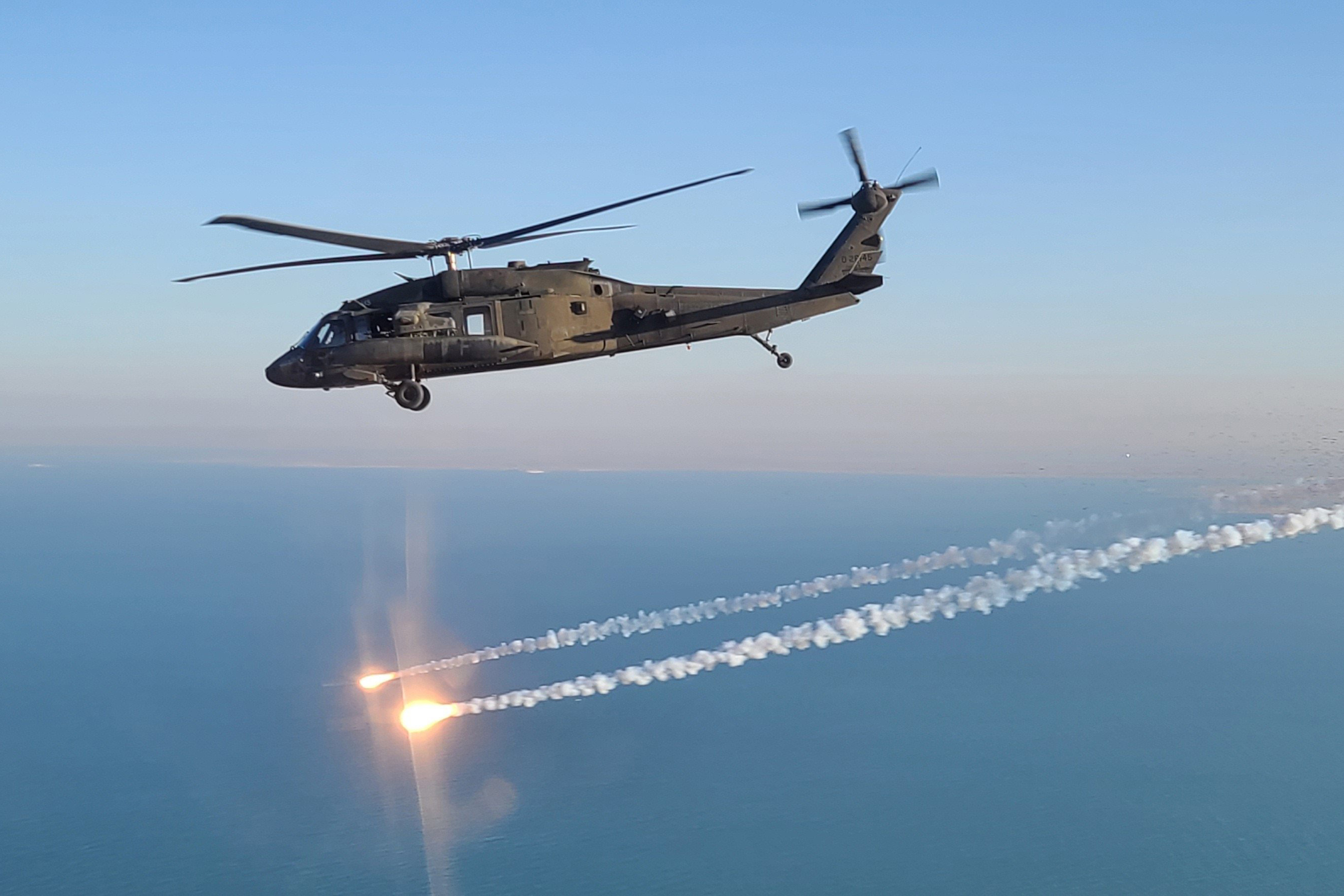
Navy Capt. Lissette Loughlin administers the oath of reenlistment to Staff Sgt. Logan Holbrook during a ceremony an Air Force RC-135 Rivet Joint aircraft in Greece, Jan. 4, 2021.
Navy Capt. Lissette Loughlin administers the oath of reenlistment to Staff Sgt. Logan Holbrook during a ceremony an Air Force RC-135 Rivet Joint aircraft in Greece, Jan. 4, 2021.
Jan. 7, 2021 | , DOD News
Once the reality of the assault on the U.S. Capitol became apparent, National Guard troops responded appropriately and with alacrity, DOD officials said in a phone briefing today.
"Yesterday was a horrible and shameful day here in the capital, and the nation at large," Army Secretary Ryan McCarthy said on the call. "The District of Columbia asked the Army for help, and our National Guard responded."
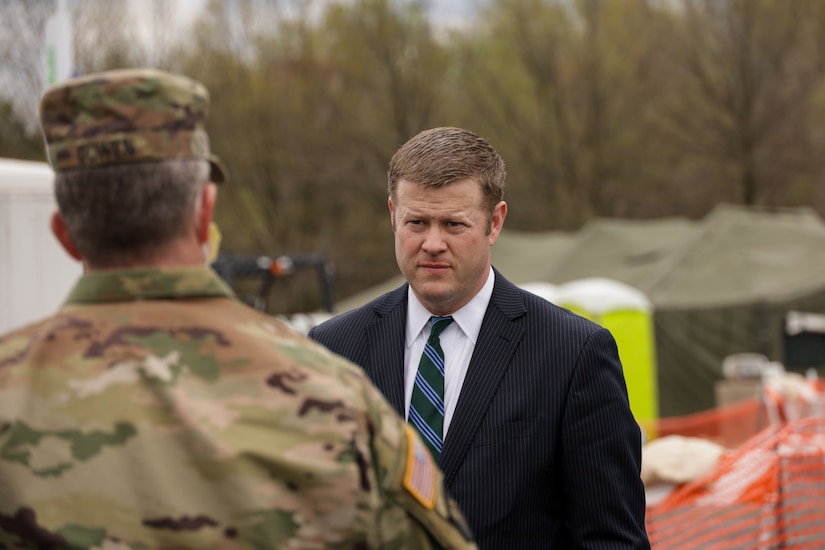
McCarthy, Pentagon spokesman Jonathan Rath Hoffman and Kenneth P. Rapuano, the assistant secretary of defense for homeland defense, put the timeline of the National Guard response in perspective during the call.
D.C. officials knew of the planned protests and had requested some assistance to help when the "first amendment demonstrations" were planned for January 5 and 6, McCarthy said. Based on this request, officials called up 340 National Guardsmen to help in the peaceful protests. The guardsmen were assigned mainly to traffic control, Metro crowd control, some logistics support and a 40-member quick reaction force to be based at Joint Base Andrews in Maryland.
"No other requests were made," the Army secretary said.
But the peaceful protests turned into a mob rioting through the halls, chambers and offices of the U.S. Capitol. At around 2 p.m., requests came from D.C. Mayor Muriel Bowser for more assistance. Acting Defense Secretary Chris Miller immediately called up 1,100 members of the D.C. National Guard.
At the same time, officials were collecting guardsmen at traffic points and Metro stations and returning them to the D.C. Armory to refit for a crowd control mission, the secretary said. They were tasked to support D.C. Metropolitan Police and Capitol Hill Police.
Guardsmen started flowing into the area of the Capitol soon after and reinforced Metro Police on the perimeter of the Capitol. This allowed the police and FBI personnel to clear the chambers and offices of the U.S. Capitol, McCarthy said. "By 7:15, both chambers and leadership offices were cleared, and members were able to return to business, and we began the planning for the following day," he said.
At 6 p.m., acting Defense Secretary Miller authorized the mobilization of up to 6,200 National Guardsmen from Maryland, Virginia, New York, New Jersey, Delaware and Pennsylvania. These service members will flow into the city over the next few days and will help secure the peaceful transfer of power to President-elect Joseph Biden on January 20.
"Yesterday's violence at the Capitol was reprehensible and contrary to the tenets of the United States Constitution," Miller said in a written release from the Pentagon. "In the midst of this tragedy, I was proud of the professionalism of our Department of Defense personnel. I want to specifically recognize the service of the District of Columbia National Guard. They performed with honor, integrity and alacrity to protect people and property from unlawful acts."
The DOD is in support of the Justice Department, which is the lead federal agency in this situation. They relied on estimates of the Metropolitan Police and Capitol Hill Police. Those organizations, which had experience with pro-Trump groups in November and December, believed the request they made for personnel was adequate. "We don't do domestic [intelligence] collection," Pentagon spokesman Hoffman said. "We rely on Capitol Police and federal law enforcement to provide an assessment of the situation. And based on that assessment that they had, they believed they had sufficient personnel and did not make a request."
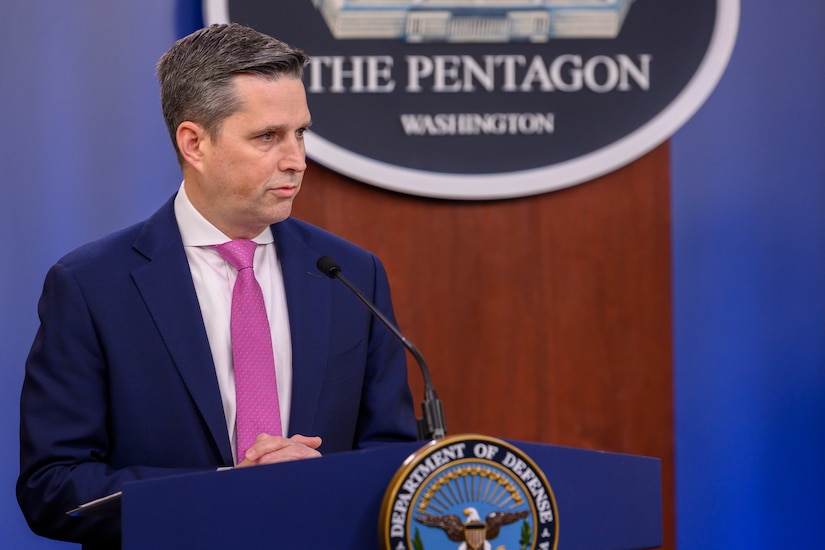
Estimates of the crowd size were all over the map, Rapuano said.
Today, there are 741 National Guardsmen on the Capitol grounds. Guardsmen are also manning traffic checkpoints. They have also put up a non-scalable fence around the Capitol grounds. More guardsmen will arrive in the days ahead.
"Our Republic may have been disrupted yesterday, but the resolve of our legislators to conduct the people's business did not waver," Miller wrote. "Due to their efforts, supported by local and federal law enforcement and the National Guard, the attempts of those who tried to stop our government from functioning failed. I strongly condemn these acts of violence against our democracy. I, and the people I lead in the Department of Defense, continue to perform our duties in accordance with our oath of office, and will execute the time-honored peaceful transition of power to President-elect Biden on January 20."

Sailors inspect a propeller on an E-2C Hawkeye on the flight deck of the aircraft carrier USS Theodore Roosevelt during operations in the Pacific Ocean, Jan. 5, 2021.

Hawaii National Guard members prepare to administer COVID-19 vaccines on a C-17 aircraft during Operation New Hope in Hilo, Hawaii, Jan. 5, 2021.
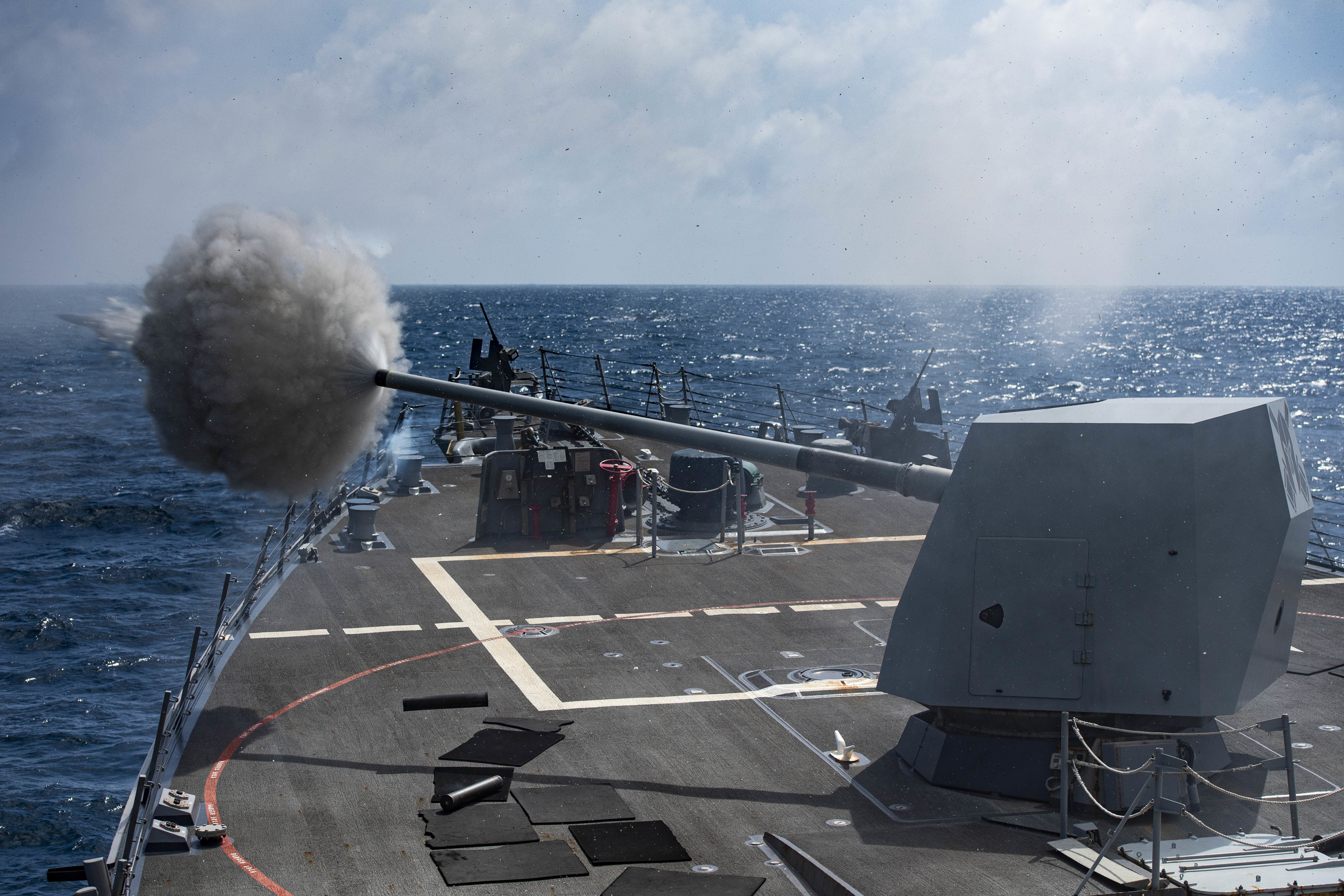
The guided missile destroyer USS Sterett fires a Mark 45 5-inch gun during a live-fire exercise in the Indian Ocean, Dec. 30, 2020.

Army National Guardsman Sgt. Thomas Foose helps evacuees into a UH-60 Black Hawk helicopter during a dynamic hoist lift exercise at Camp Bondsteel, Kosovo, Jan. 2, 2021.

Air Force Capt. Dustin McKenna receives the COVID-19 vaccine at a National Guard base in Lincoln, Neb., Jan. 5, 2021.

Army Spcs. Timothy Martin, left, and Shane Flores, middle, and Cpl. Dario Martinez prepare for a detonation during training in Boise, Idaho, Nov. 18, 2020.
Jan. 7, 2021
Acting Secretary of Defense Christopher C. Miller announced today that the president has made the following nominations:
Air Force Col. Terrence A. Adams for appointment to the rank of brigadier general. Adams is currently serving as the chief, Strategic Assessments Division, Deputy Chief of Staff, Intelligence, Surveillance, Reconnaissance, and Cyber Effects Operations, Headquarters U.S. Air Force, Pentagon, Washington, D.C.
Air Force Col. Curtis R. Bass for appointment to the rank of brigadier general. Bass is currently serving as the senior executive officer to the chief of staff of the Air Force, Headquarters U.S. Air Force, Pentagon, Washington, D.C.

Sailors assigned to the amphibious assault ship USS Bataan conduct maintenance and preservation on the ship's exterior in Portsmouth, Va., Dec. 28, 2020.
Jan. 7, 2021 |
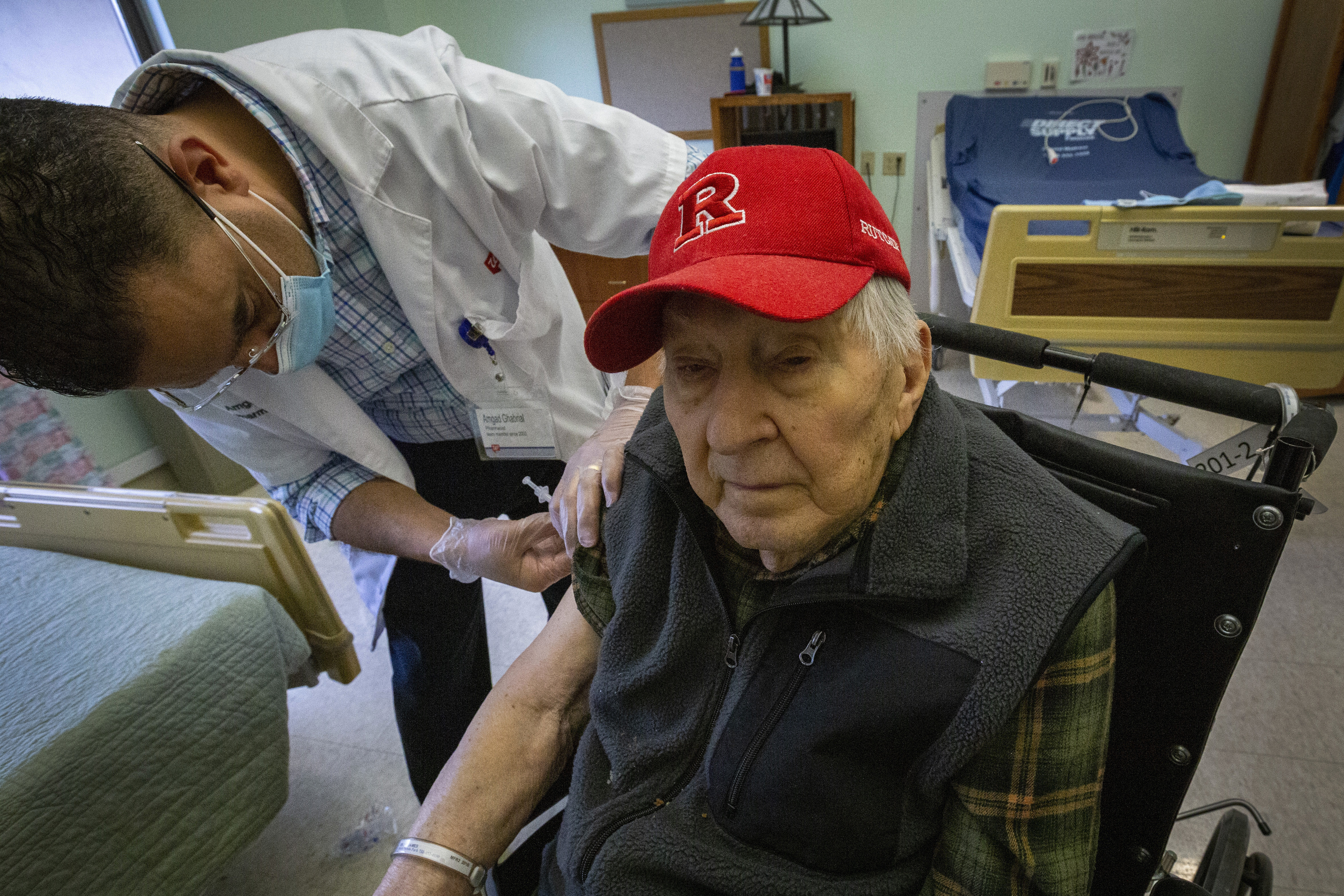
Spangdahlem Air Base, Germany, conducted its first inoculations of first responders and health care workers with the Moderna COVID-19 vaccine, Jan. 4, 2021.
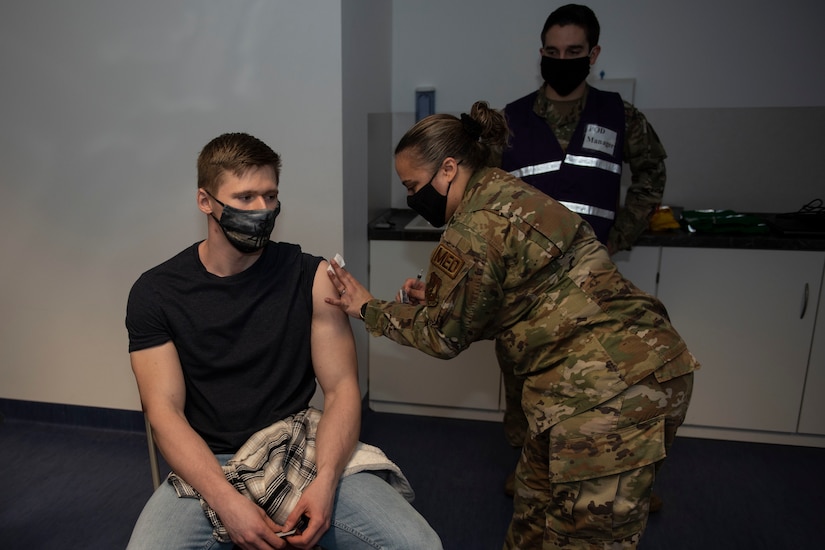
The arrival of the vaccine paves the way for a phased vaccine distribution plan to protect our military communities overseas against COVID-19.
"This is an important turning point towards normalcy," Air Force Col. David Epperson, 52nd Fighter Wing commander, said. "It does not eliminate the need to continue with public health measures that we have had instituted for COVID-19, such as wearing a mask, social distancing, practicing good hygiene and restricting movement, but it is something that will aid us. We need to use every available tool in order to fight this pandemic."
Vaccinations will be distributed using a phased approach determined by the Defense Department. Each phase of the vaccine distribution process is designed to safely protect Defense Department personnel from COVID-19 as quickly as possible.
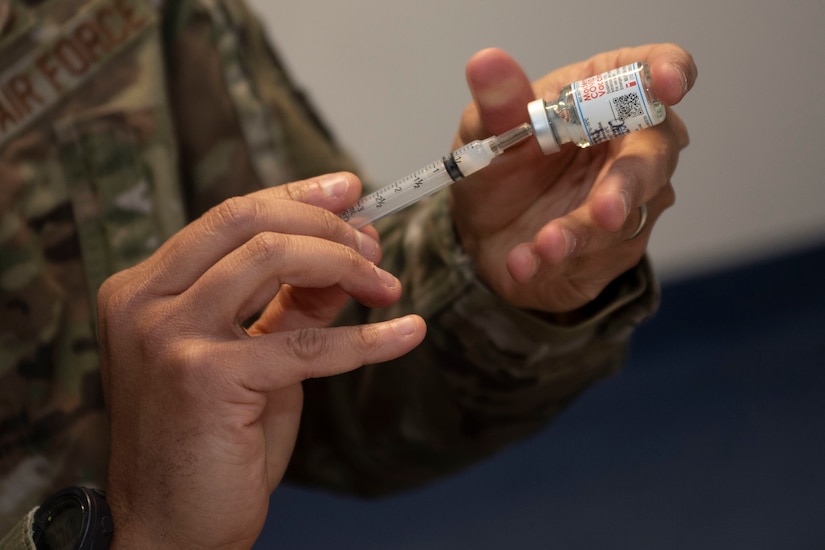
"We recognize that this is not your typical vaccine," Boggy continued. "So we're taking steps in the medical group to make sure that we are providing the necessary information so that all Sabers can feel comfortable with taking the vaccine."
Under the Food and Drug Administration emergency use approval, the vaccine is voluntary but recommended by the military.
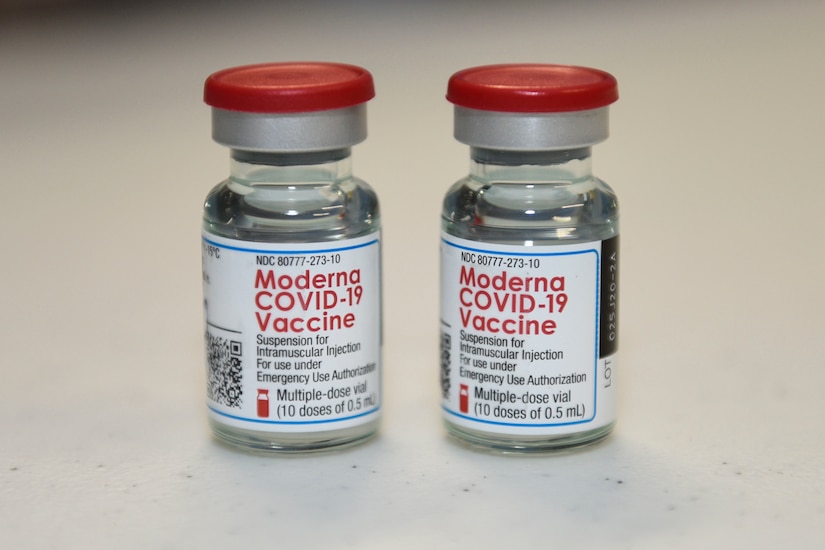
"The FDA only authorizes the use of a COVID-19 vaccine after careful and rigorous testing and trials," Army Brig. Gen. Mark Thompson, Regional Health Command Europe commanding general, said. "We are excited to be playing a role in providing a very safe and effective vaccine to our military community. This vaccine is a vital part of our way forward to protect our people, their families and the communities where we live and work."
All DOD personnel will continue to wear appropriate masks, practice physical distancing, wash hands, follow restrictions of movement and adhere to host nation restrictions for the safety of their communities, as a large portion of the population will need to be vaccinated before COVID-19 risks diminish.
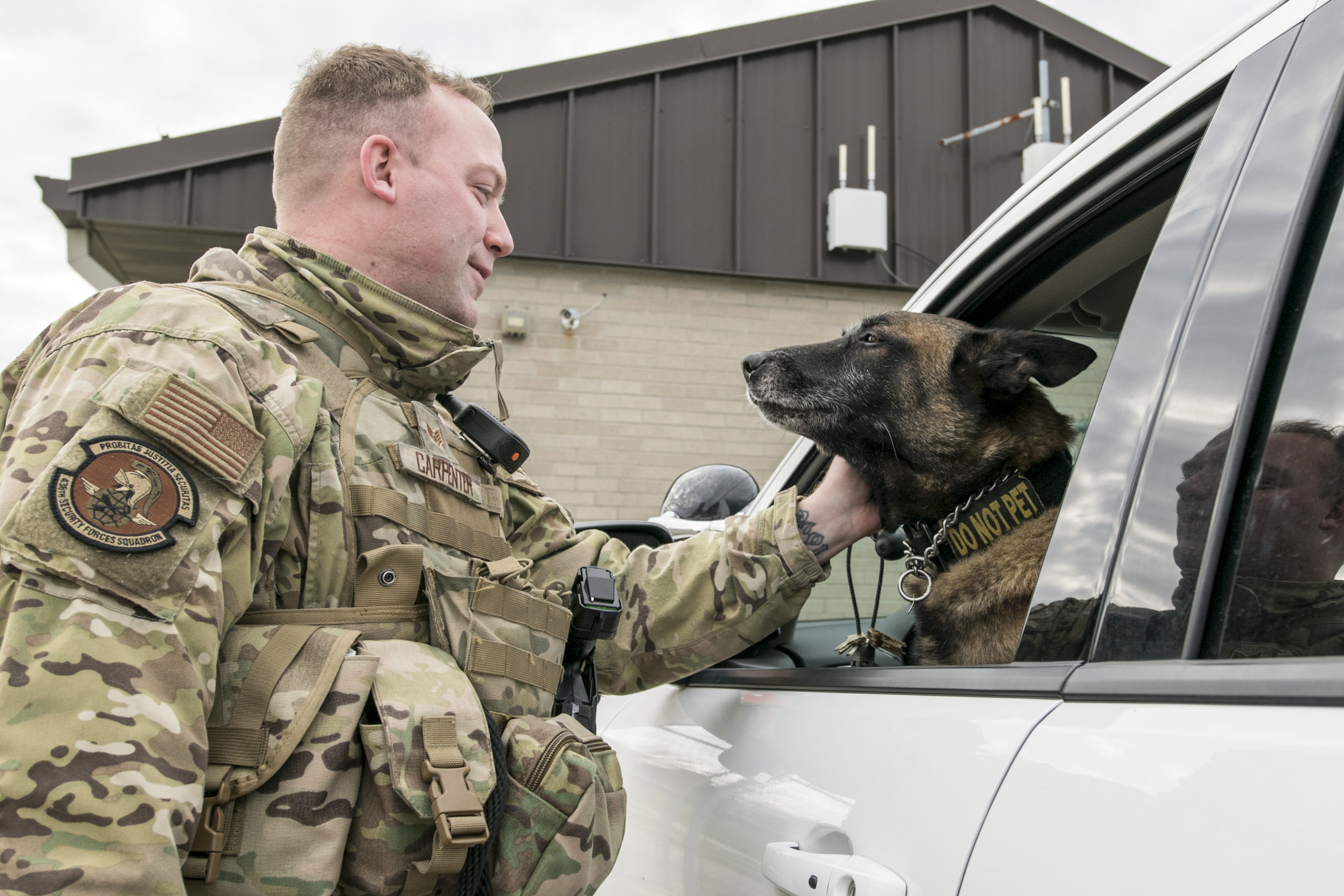
Air Force Staff Sgt. Ross Carpenter, a 436th Security Forces Squadron military working dog handler, greets Karlo before they conduct a patrol shift at Dover Air Force Base, Del., Dec. 28, 2020.

Col. Richard Bourquin, Space Delta 4 commander, has his Air Force Weapons School graduate patch placed on his Space Force uniform by his son at Buckley Air Force Base, Colo., Jan 5, 2021.

Air Force Staff Sgt. Brandon Thomas-Volkov inspects the underside of an F-15E Strike Eagle at Royal Air Force Lakenheath, England, Jan. 5, 2021.
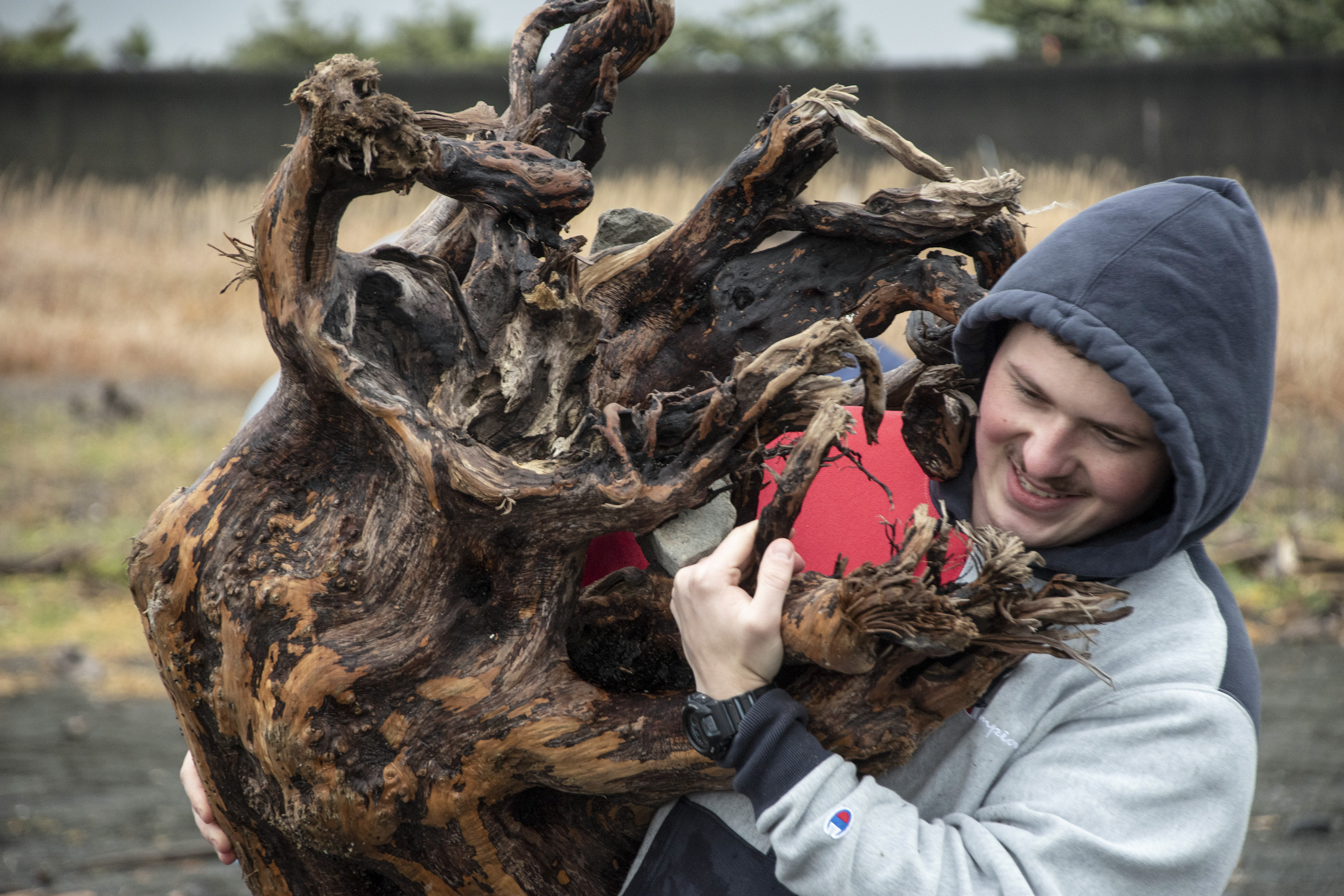
Marine Corps Lance Cpl. Christopher Mauney clears ocean debris from Numazu Beach Training Area in Shizuoka, Japan, Dec. 30, 2020. Service members cleared trash and ocean debris from the beach, which is used by joint U.S. forces and the Japan Maritime Self-Defense Force for air, ground and amphibious training.
Jan. 6, 2021
"Earlier this week, Mayor Bowser requested approximately 340 D.C. National Guardsmen to assist D.C. police in preparation for possible protests today. That request was approved. Today, the mayor requested the full activation of the D.C. Guard to support local and federal law enforcement as they respond to the situation at the Capitol. That request was approved. There have been no other requests from the D.C. government."
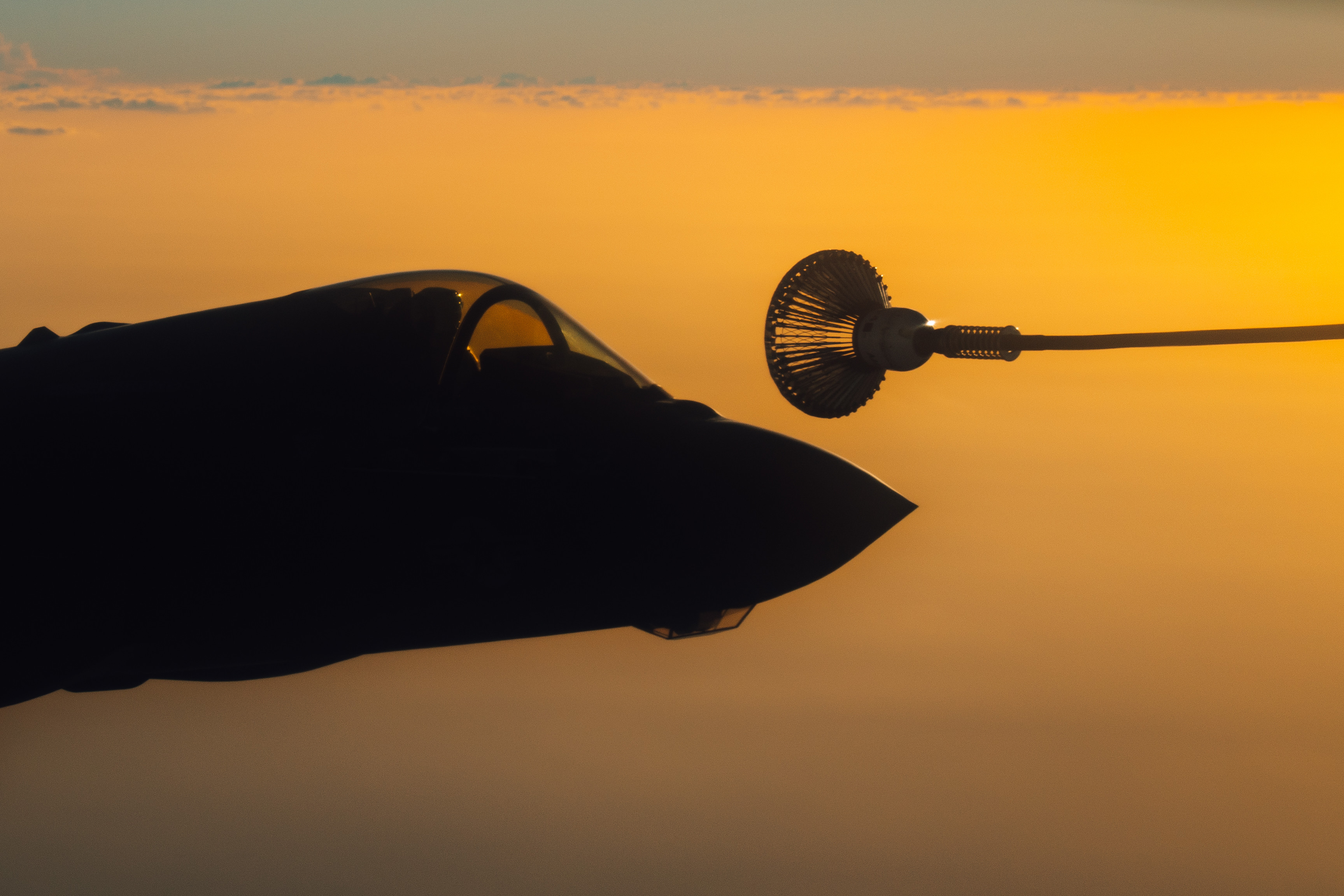
A Marine Corps F-35B Lightning II approaches an Air Force KC-135 Stratotanker for refueling during Operation Octave Quartz in Africa, Jan. 1, 2020.
An Army veteran who served in the Pacific theater in World War II was finally recognized for his courage in a ceremony on Jan. 4.
"Courage means to me that when the time came, that you were called upon to do the right thing, you did it," said Dan Crowley.
Crowley was awarded a Prisoner of War medal and an Army Combat Infantryman Badge; he was also promoted to sergeant.
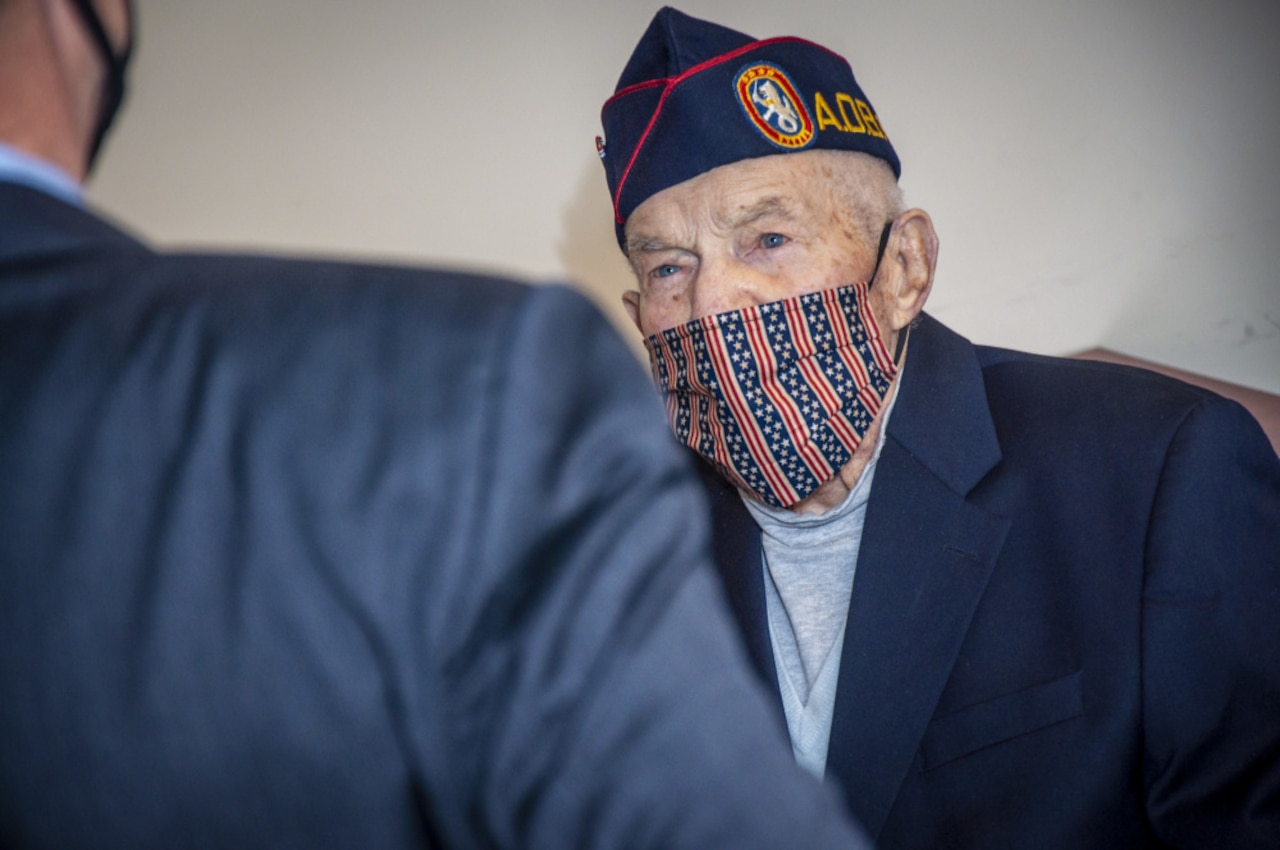
At an Air National Guard hangar in Windsor Locks, Connecticut, Gregory J. Slavonic, who is performing the duties of the Navy undersecretary, presented Crowley with the long-delayed honors and recognition.
"I have to say that to be able to do this today is a rare and humbling opportunity for me as the undersecretary of the Navy — to be able to recognize Dan for his many sacrifices and accomplishments," Slavonic said. "He truly represents members of the greatest generation, who did so much but asked so little from their country. The valor and professionalism demonstrated by you, Dan, has earned you a permanent place in the heart of every American."
A Connecticut native, Crowley joined the Army Air Corps in October 1940 at the age of 18. For his first duty assignment, Crowley was assigned to an aircraft unit on Nichols Field near Manila, the capital of the Philippines. He arrived there in March 1941. At the time, the U.S. was not involved in the world war that had ravaged so many other nations. But after being on station in the Philippines for just nine months, things changed dramatically.
On Dec. 7, 1941, the Japanese bombed Pearl Harbor, Hawaii. The U.S. declared war on Japan the same day. The following day, the Japanese bombed the Philippines, as well, and they eventually made their way to Nichols Field where Crowley was assigned.
Crowley wasn't trained in combat arms, but when the bombs started falling, he and other soldiers had to act.
"Dan and his unit participated in an improvised air defense at this location, welding antiquated [British machine guns] together to form a single, more powerful gun," Slavonic said.
The Japanese raid at Nichols Field destroyed all the hangars, most of the aircraft, and other infrastructure. While Crowley and others worked to defend the airfield against the Japanese attacks, their efforts ultimately proved unsuccessful.
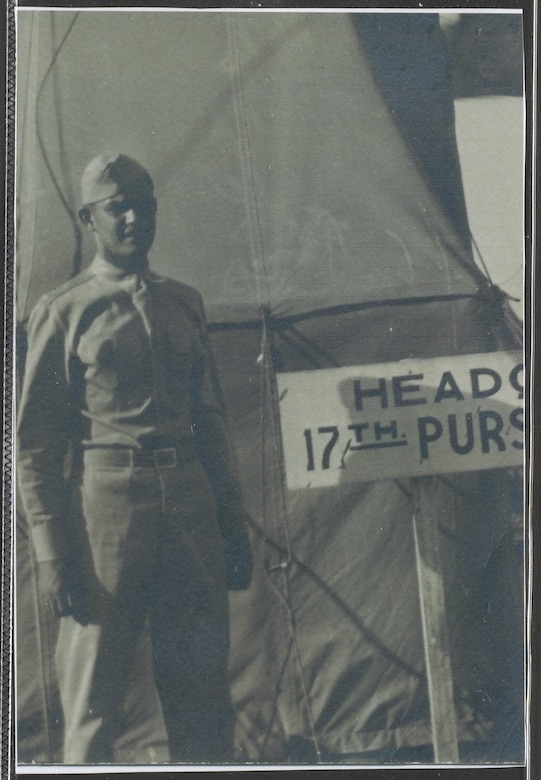
On Dec, 24, 1941 — about 15 days after the Japanese bombed Nichols Field — Crowley and others sailed about 25 miles across Manila Bay to the Bataan Peninsula in the dark of night, leaving their former home abandoned.
"The Japanese controlled the air over the Philippines, [and] completely eliminated the U.S. Far East Air Force as an effective defense of Asia," Slavonic said. "The Philippines now had to rely solely on its ground forces, which at the time had no lines of supply nor escape."
On the Bataan Peninsula, the fighting continued. The soldiers from Nichols Field — including Crowley — became part of the U.S. Army's Provisional Air Corps Infantry Regiment. The regiment was joined in their efforts by the Philippine Scouts.
"[They] worked hand-in-hand to fend off three amphibious landings by the Japanese on the west coast of Bataan in the Battle of the Points," Slavonic said. "Imagine the courage and determination it required for Dan to stay alive, yet remain engaged in these assaults."
After three and a half months of fighting, it was apparent the Japanese were going to prevail at Bataan. It was then, on April 9, 1942, the American leadership on the peninsula opted to surrender in order to prevent further casualties — something that had never before happened. As part of the surrender, they ordered troops to move south on the peninsula and congregate there in Mariveles.
While the U.S. forces had been ordered to surrender, Crowley wasn't in agreement with his leadership.
"The men did not surrender, either on Bataan or on Corregidor," Crowley said. "They were surrendered by their commanding officers to prevent a massacre, which was threatened by the Japanese commander."
Instead of surrendering, Crowley and others made other plans to escape the clutches of the Japanese.
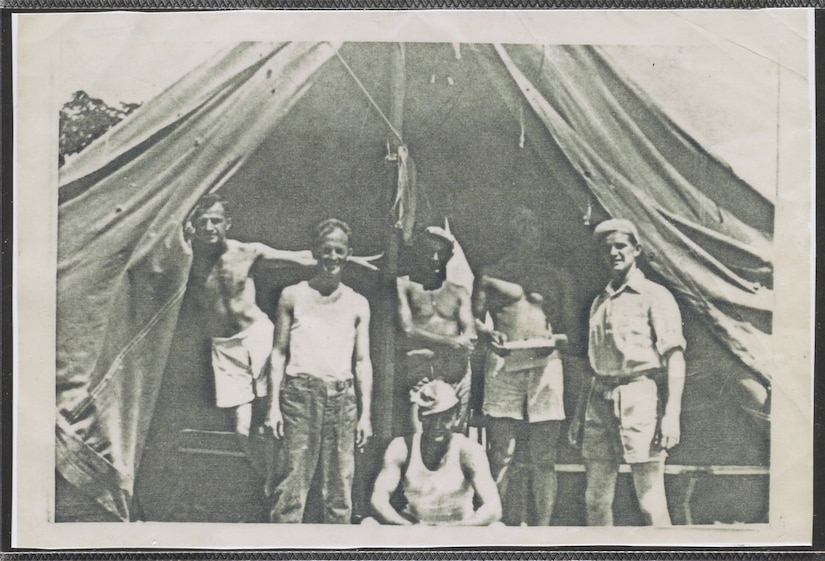
"Refusing to become prisoners, he and a number soldiers and sailors hid among the rocks in the breakwater near the shore, and, at nightfall, they made their way through the three miles of shark-infested waters, swimming to Corregidor and clinging to lifeboats or debris from the various ships that were bombed or scuttled," Slavonic said.
On Corregidor island, just off the southern tip of the Bataan Peninsula, Crowley and others were met by a Marine Corps unit — the 4th Marines Regimental Reserves. Crowley and the others who had escaped Bataan fought alongside Marines to keep Corregidor from falling into the hands of the Japanese.
"These Marines fought a dangerous and desperate shore defense until Corregidor fell on May 6, 1942," Slavonic said. "Dan, along with nearly 1,200 other POWs, were held at the 92nd Garage Area on Corregidor, an exposed beach with little water or food and no sanitation."
By the end of the month, Crowley and others were taken by boat from Corregidor to Manila where they were paraded through the city as part of the "March of Shame" on May 25, 1942. Eventually, he was housed as a POW at Camp Cabanatuan.
"To escape the unspeakable conditions of the camp, Dan volunteered to work the airstrip in Palawan Island where he and other laborers were given only hand tools to carve out the runway for the enemy," Slavonic said.
On Palawan Island, Crowley worked for nearly 18 months to build a runway for the Japanese. He was eventually returned to Manila in February 1944, but not everyone who'd gone to Palawan Island was returned.
"[The Japanese] burned alive a hundred-plus Americans on the island of Palawan," Crowley said. "The Japanese proved their threat of massacre was not an empty threat. They did proceed to murder about 150 Americans by burning [them] alive with gasoline. They forced them to dig a long ditch ... they were forced into it, and then [the Japanese] poured gasoline on them and the guards ... they ignited it with torches. Some men actually survived, so we have eyewitness accounts to it."
Back in Manila, Crowley had escaped that death sentence, but the Japanese had other plans for him. To support the Japanese war effort, he was to mine copper as a slave laborer. In March 1944, the Japanese put him on a boat bound for Japan.

"[Dan survived] a hellish transit that would last for weeks, ultimately arriving in Japan," Slavonic said. "The stories of what transpired on those 'hell ships,' have driven many sailors, as Dan has said, to have all sorts of nightmares and post-traumatic stress disorder. Ultimately, Dan would spend three-and-a-half years as a prisoner of war, enduring the most unspeakable tortures, and witnessing many of his closest friends suffer the most inhumane murders of the war."
On Aug. 6, 1945, the U.S. detonated a nuclear weapon over the city of Hiroshima, Japan. Three days later, the U.S. detonated another weapon over the city of Nagasaki. On Sept. 2, 1944, the Japanese signed documents of surrender aboard the USS Missouri. Just two days later, Crowley was liberated. After spending some time in an American hospital, he was able to return home to his family in Connecticut.
Crowley was honorably discharged from the Army in April 1946; however, Army records show he had been promoted to sergeant in October 1945, but Crowley never learned of that promotion.
On Monday, Crowley finally received the chevrons of an Army sergeant — bringing him into the ranks of the noncommissioned officer corps. Recognizing the three and a half years he spent as a prisoner of war at Corregidor, Manila, Palawan and Japan, he was awarded a POW medal. And, finally, in recognition of the armed combat he participated in at Nichols Field on Bataan and on Corregidor, he was given the Army's Combat Infantryman Badge.
"As every generation learns, freedom is not free," Slavonic said. "This is Dan's story. Many others like it remind other service members of the dedication and service displayed by the greatest generation. We have an obligation to remember these brave men and women who fought so hard and expected so little from their nation."
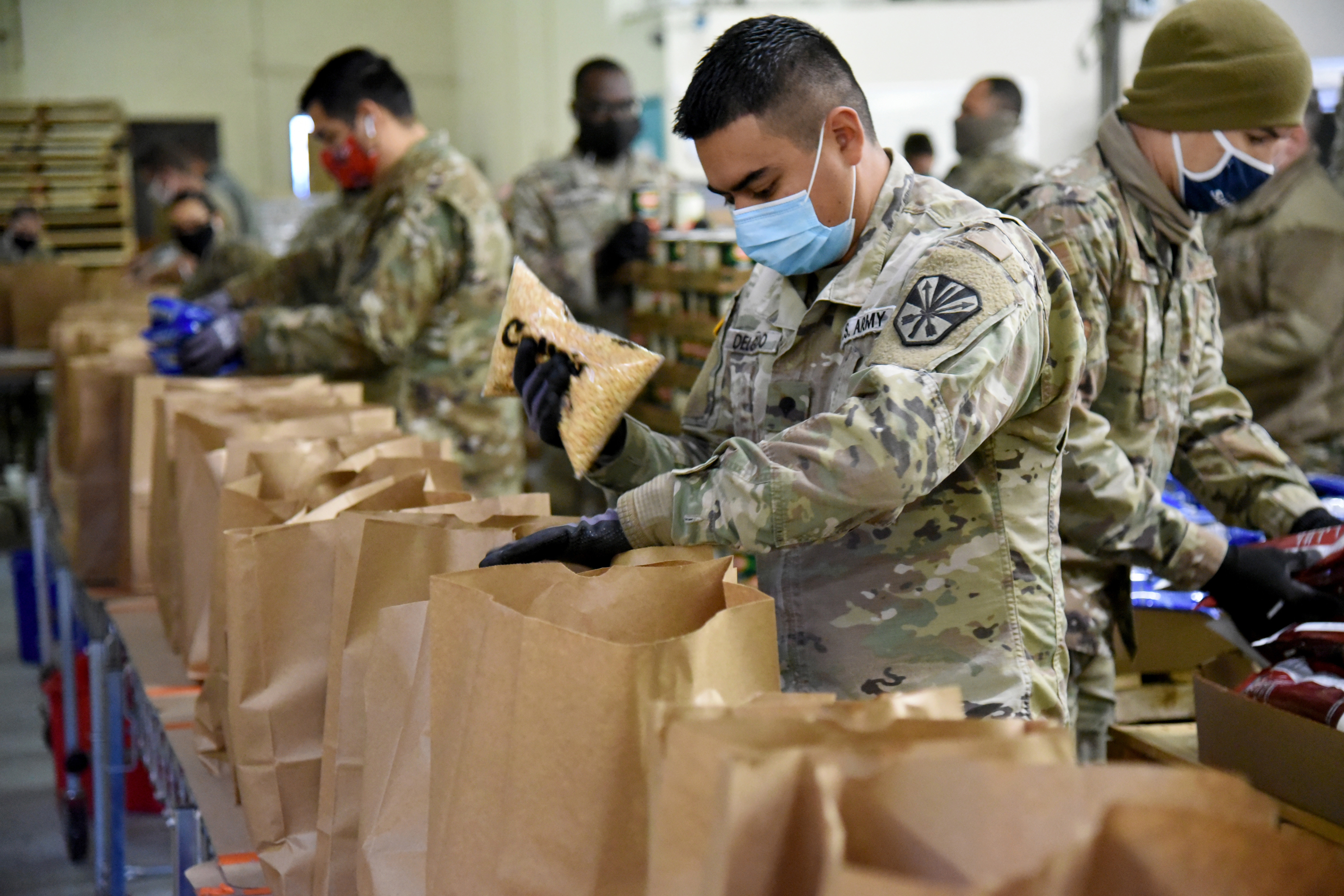
Arizona National Guard airmen and soldiers fill bags with groceries to be distributed to local citizens at a food bank in Tucson, Ariz., Jan. 5, 2021. More than 650 Arizona National Guardsmen continue to assist at vaccination sites, testing locations and food banks throughout the state.
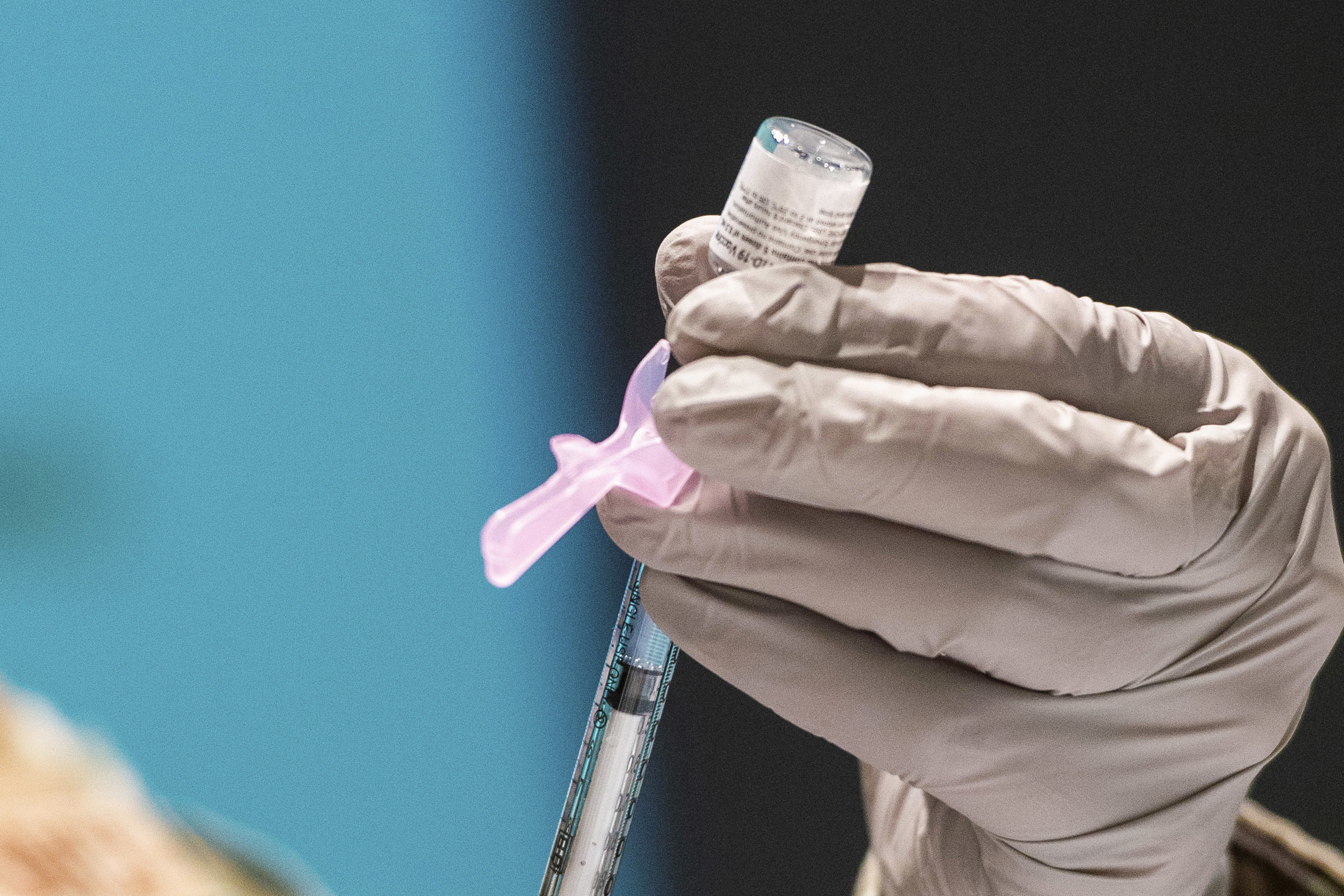
A technician loads a syringe with the COVID-19 vaccine for inoculating personnel at Wright-Patterson Air Force Base, Ohio, Jan. 5, 2021. Officials at the base are currently vaccinating health care providers, support staff, emergency services and public safety personnel.
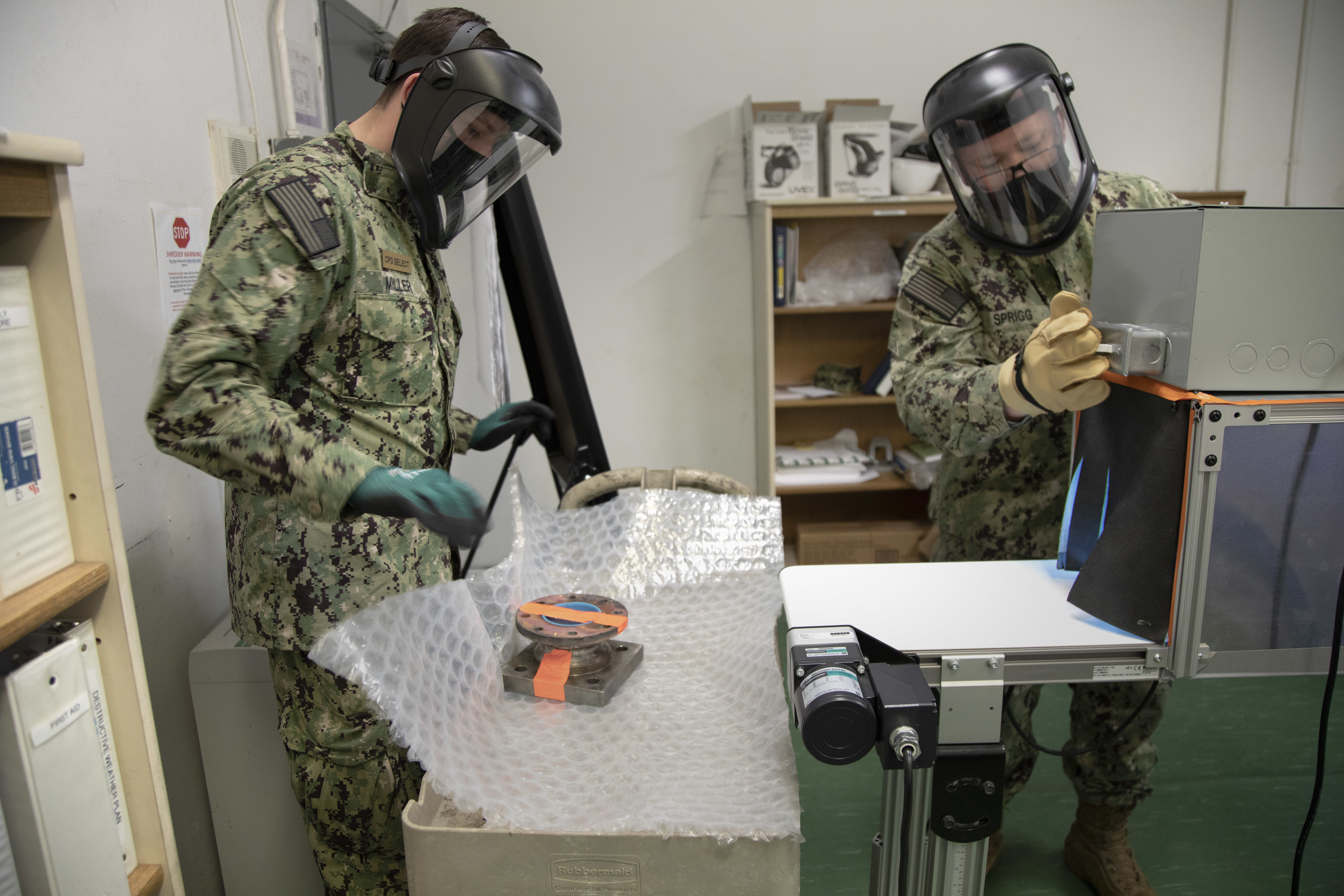
Two sailors use an ultraviolet conveyor to disinfect a repaired piece of piping before delivering it to a ship in Norfolk, Va., Dec. 29, 2020. The conveyor is a prototype built by the Naval Sea Systems Command’s COVID-19 Rapid Response Team organized to identify technologies and methods to sanitize surfaces and prevent the spread of COVID-19.
Bill establishes the Servicemembers and Veterans Initiative within the Civil Rights Division
On Jan. 5, 2021, President Donald J. Trump signed H.R. 8354, the Servicemembers and Veterans Initiative Act of 2020, a bill to permanently establish the Servicemembers and Veterans Initiative, or “SVI”, within the Civil Rights Division of the Department of Justice.
SVI’s mission is to support the department in its efforts to protect those who protect us all. The SVI is a proven and effective vehicle for coordinating the department’s servicemember-related litigation efforts as well as delivering training, technical assistance, and other support to Assistant U.S. Attorneys (AUSAs), servicemembers, veterans, and their families.
“We applaud both houses of Congress for their bipartisan action to recognize the important work that is being done within the Civil Rights Division and codify the role of the Servicemembers and Veterans Initiative within our organization,” said Assistant Attorney General Eric Dreiband of the Department of Justice’s Civil Rights Division. “The Civil Rights Division has been at the forefront of litigation and outreach intended to ensure that servicemembers, veterans and their families do not have to bear undue burdens caused by civil rights violations as a result of their military service.”
SVI coordinates with Department of Justice components and federal agencies to build a comprehensive legal support and protection network focused on serving servicemembers, veterans, and their families. The Civil Rights Division is the Department of Justice component that enforces the majority of servicemember-related statutes, including: the Servicemembers Civil Relief Act (SCRA), the Uniformed Services Employment and Reemployment Rights Act (USERRA), the Uniformed and Overseas Citizens Absentee Voting Act (UOCAVA), and the Americans with Disabilities Act (ADA). The initiative builds upon this critical enforcement work, as well as the work of other department components that serve the military community, by sharing information, identifying servicemember and veteran needs, and coordinating the distribution of resources. The SVI also coordinates its training programs with the Civil Division’s Consumer Protection Branch to investigate and prosecute reported fraud targeting servicemember and veterans. The SVI also regularly liaises with Department of Defense, the Consumer Finance Protection Bureau, the Federal Trade Commission, the Department of Labor, as well as nonprofits, professional associations, and law school clinics dedicated to serving our servicemember and veteran communities.
The Department of Justice, the Civil Rights Division, and the SVI are dedicated to its responsibilities to assist servicemembers and veterans. Since January 2017, the division has filed 23 SCRA complaints and entered into 21 consent decrees and settlement agreements providing $11 million in compensation to over 2,000 servicemembers, in addition to civil penalties. The division filed more SCRA lawsuits in fiscal year 2020 (eight) than in any prior fiscal year. Since the division assumed USERRA enforcement authority in 2004, it has filed 109 USERRA employment-related lawsuits and has favorably resolved 200 USERRA complaints either through consent decrees obtained in those suits or through facilitated private settlements. Since January 2017, the division has filed 10 complaints and resolved 34 claims through consent decree or settlement and has secured compensation to improperly reemployed or terminated servicemembers. Since UOCAVA was enacted in 1986, the division has filed over 50 lawsuits to enforce its terms. The division also has achieved many resolutions that did not require litigation to obtain the needed remedial actions by state officials. The division also has filed amicus briefs in litigation regarding UOCAVA to ensure that eligible military and overseas voters would have sufficient time to vote. Our partners in the Civil Division’s Consumer Protection Branch have also had success in their work. For example, in August 2019 the branch indicted five individuals for coordinating a million-dollar scheme to target thousands of servicemembers and veterans.
In just the past year, SVI has organized multi-day training programs for AUSAs in order to create a nationwide network of enforcement network. SVI has also conducted over 50 trainings, presentations and other events directly to servicemembers and Judge Advocates since 2018, including 18 virtual trainings since the onset of the COVID-19 pandemic. SVI has also engaged in legislative and policy changes impacting servicemembers.
As a result of Congress’s action, and President Trump’s support, the important work of the SVI can continue as an integral part of the Civil Rights Division’s enforcement and outreach portfolio. The civil rights of our servicemembers, veterans, and their families are of utmost importance to the Civil Rights Division and the codification of the SVI’s role in our organization ensures our continued efforts to protect those who sacrifice so much to protect all of us.
Jan. 6, 2021 | , 86th Airlift Wing
First responders and select medical personnel received the first dose of the COVID-19 vaccine, Jan. 4, 2021, at Ramstein Air Base's Southside Fitness Center Annex, Germany. After a long and daunting year, the initial shipment of COVID-19 vaccines mark what infectious disease experts predict will be a turning point in the pandemic.
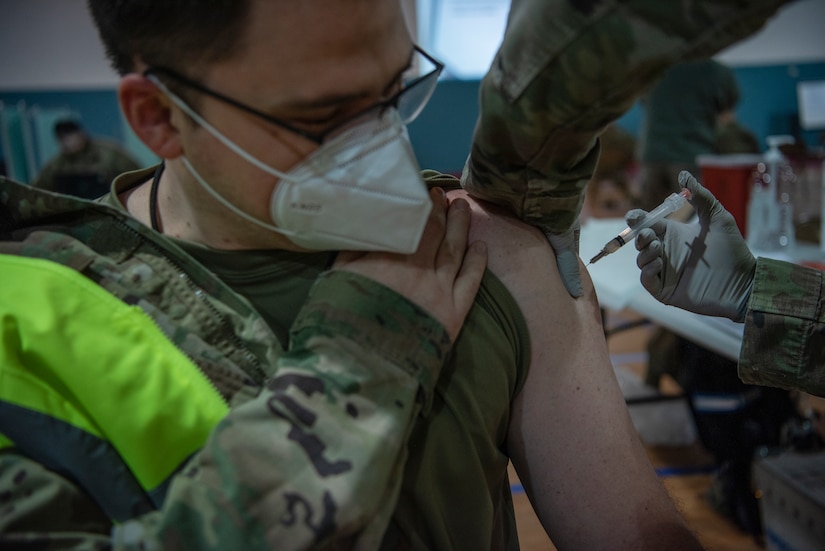
Medical logistics airmen worked late into the evening, Dec. 30, 2020, transporting vaccines to a cold-storage facility. Initial quantities are limited and will be distributed on a rolling delivery basis as more vaccines become available.
In accordance with Defense Department guidelines, Ramstein's vaccine distribution is following a phased approach, with initial doses offered to airmen operating on the frontlines of the pandemic. Although the vaccine is currently not mandatory, it is an important part of the way forward.
"The health of our community remains our top priority," Air Force Brig. Gen. Josh Olson, 86th Airlift Wing commander, said. "This vaccine is a critical addition to current public health measures. It's a critical step on the path to end the pandemic. We encourage all eligible personnel to receive the vaccine, when it is offered. This will both protect the community and preserve our ability to accomplish the mission."
Air Force Col. (Dr.) Ryan Mihata, 86th Medical Group commander, eagerly rolled up his sleeve for his initial dose.
"I'm not getting vaccinated only for my own benefit," Mihata said. "This is a way to help protect my daughter, my wife, my wingmen, and most importantly, our patients in high-risk categories."
Ramstein's medical clinic is one of 28 military treatment facilities in Europe that will receive initial shipments of the vaccine.
As the gateway to the world, Ramstein has a critical aeromedical evacuation mission. The base is home to the 86th Aeromedical Evacuation Squadron and the 10th Expeditionary Aeromedical Evacuation Flight. Both AE units triage, treat and transport wounded or ill service members to medical treatment centers. This team has transported hundreds of COVID-19 patients since the beginning of the pandemic. Ramstein is also home to one of the largest groups of first responders in the Air Force.
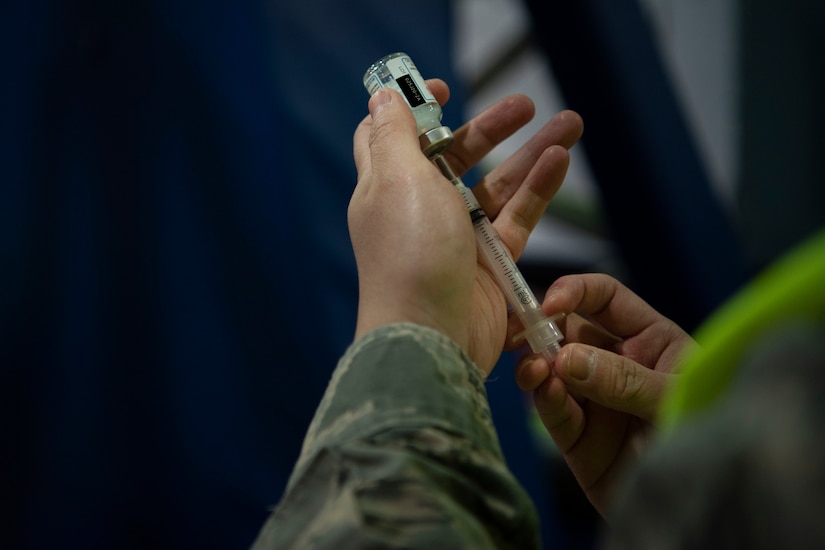
Administering the vaccines to Ramstein's huge population will be a monumental task for the 86th MDG over the next several months, requiring extensive manpower to administer the doses and annotate each member's records. The vaccine requires two doses per person, separated by about four weeks between doses. The medical clinic will need to redirect manpower from other sections within the clinic, which may result in a reduction in availability for routine medical care, Mihata said.
When the time comes for the larger distribution of the vaccine to the healthy population, all eligible personnel are encouraged to take the vaccine to contribute to lowering the public health risks associated with the COVID-19 pandemic.
"I highly recommend that anyone eligible for the vaccine go ahead and get it," Mihata urges. "Physical distancing and face coverings will still be required, but this extra layer of protection is one of the most advanced tools we have to help us navigate our way back to normal."
Jan. 6, 2021
The U.S. Department of Defense and the Ministry of Defense of the Maldives held their inaugural Defense and Security Dialogue January 5 in Male, Maldives. Mr. Anthony Tata, performing the duties of under secretary of defense for policy, co-chaired the meeting alongside Maldivian Minster of Defense Mariya Didi.
The DoD and the Maldivian MoD agreed on concrete steps to operationalize the Security and Defense Relationship Framework signed in September 2020, with a focus on four areas: exercises, logistics, information sharing and professional military education. Both sides reaffirmed their shared commitment to a free and open Indo-Pacific region and agreed on activities in 2021 that will advance shared priorities such as maritime security, counterterrorism, humanitarian assistance and disaster relief.
The DoD commended the Maldives’ success in rapidly mobilizing and responding to the COVID-19 pandemic, and both sides agreed to evaluate further cooperation opportunities in the area of COVID-19 vaccine distribution.
The DoD and Maldivian MoD affirmed the importance of the dialogue and look forward to holding the next Defense and Security Dialogue in 2022.
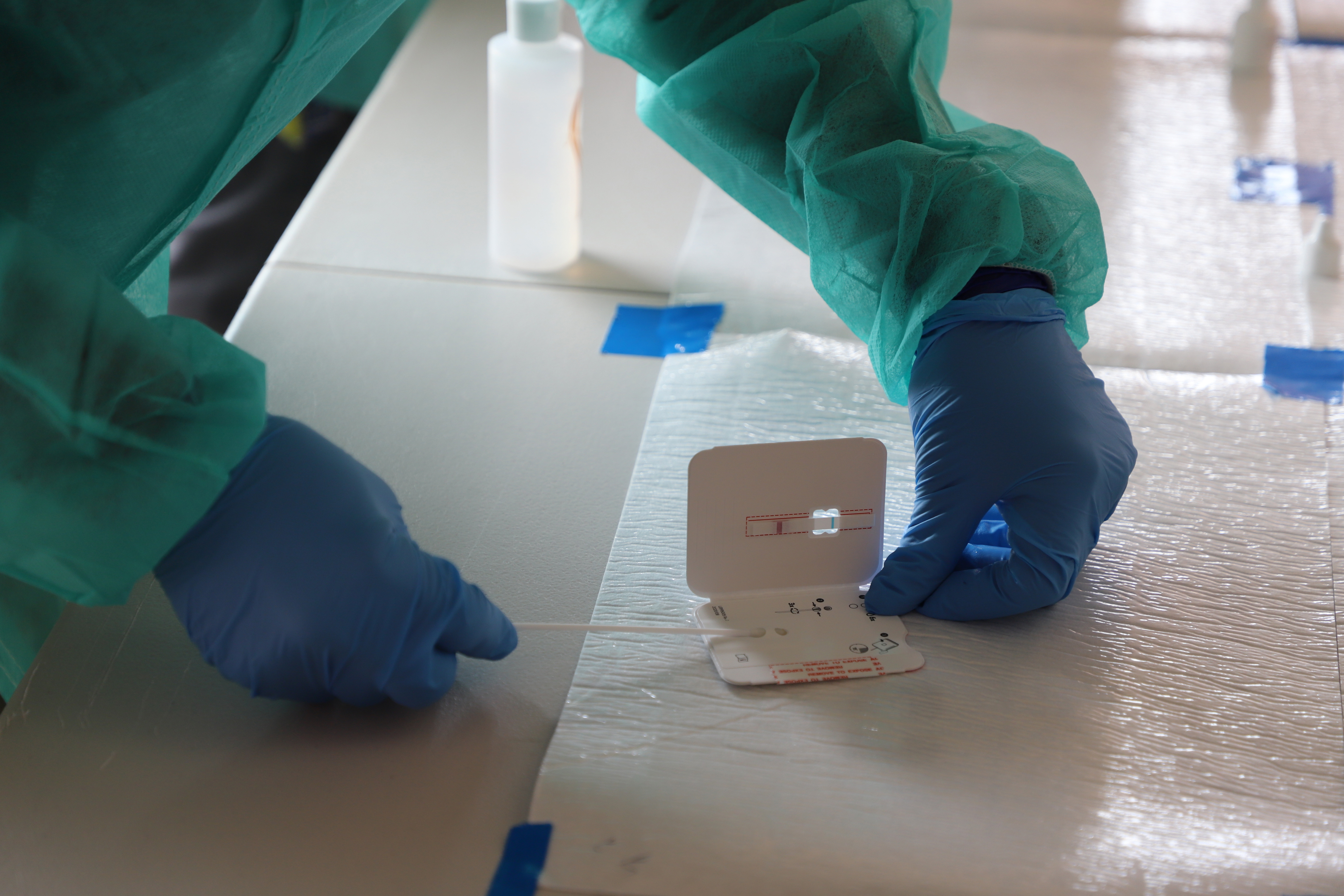
Army Sgt. 1st Class Luis Ayala assists with testing for COVID-19 at a clinic in the Virgin Islands, Jan. 4, 2021. The National Guard has been supporting efforts to safeguard the citizens of the Virgin Islands during the pandemic.
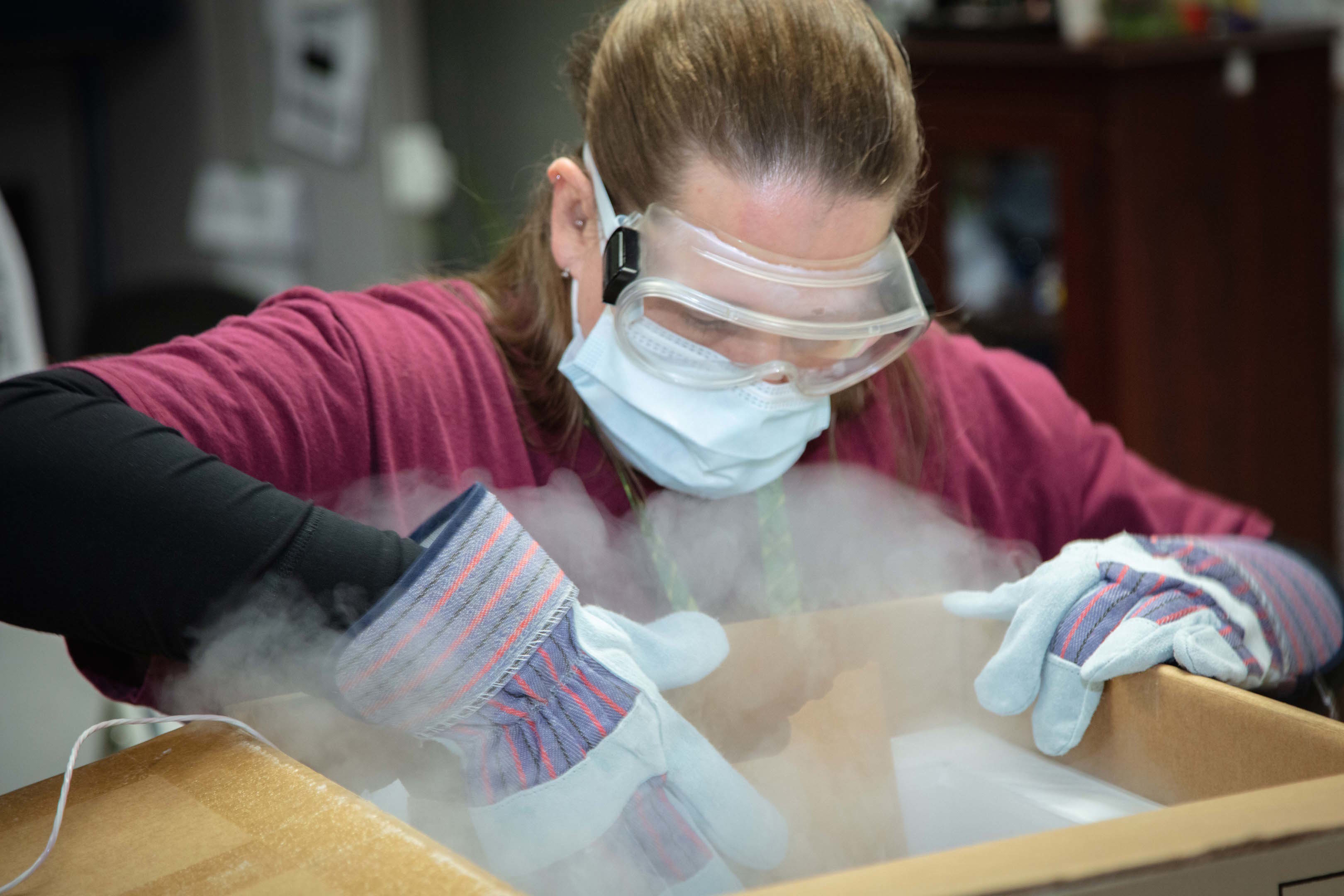
A pharmacy supply supervisor transfers the initial shipment of COVID-19 vaccine from container to freezer at Blanchfield Army Community Hospital, Fort Campbell, Ky., Dec. 31, 2020. The hospital began inoculating healthcare workers and first responders within hours, marking the start of its phased-in vaccination program to mitigate the spread of the virus.
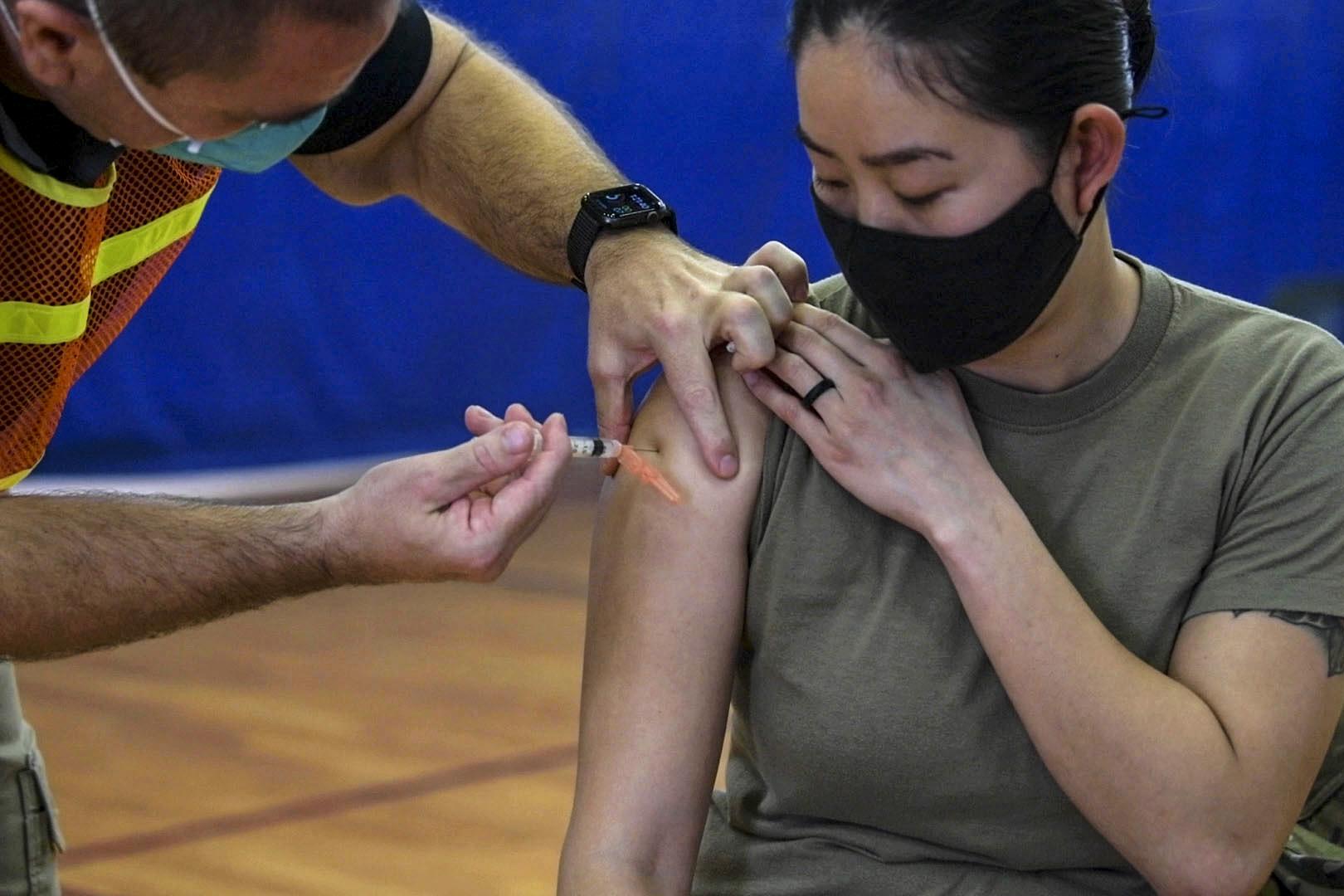
A Kadena Air Base first-line defender receives a Moderna COVID-19 vaccine at the base in Japan, Jan. 4, 2021. Red Cross volunteers and paramedics administered the vaccine.

Air Force Capt. Bradley Daniel, left, and Maj. Megan Russell prepare to land a KC-135 Stratotanker at Fairchild Air Force Base, Wash., Dec. 17, 2020.

Marines prepare to attach a Joint Light Tactical Vehicle Heavy Guns Carrier to a CH-53E Super Stallion aircraft during a helicopter support team training exercise at Kin Blue, Okinawa, Japan, Dec. 17, 2020. The training improves logistics proficiency and the ability to execute contingency missions.

An Arizona National Guardsman prepares to administer the COVID-19 vaccine in Payson, Ariz., Jan. 4, 2021. Arizona National Guardsmen are assisting at vaccination sites, testing locations and food banks throughout the state.
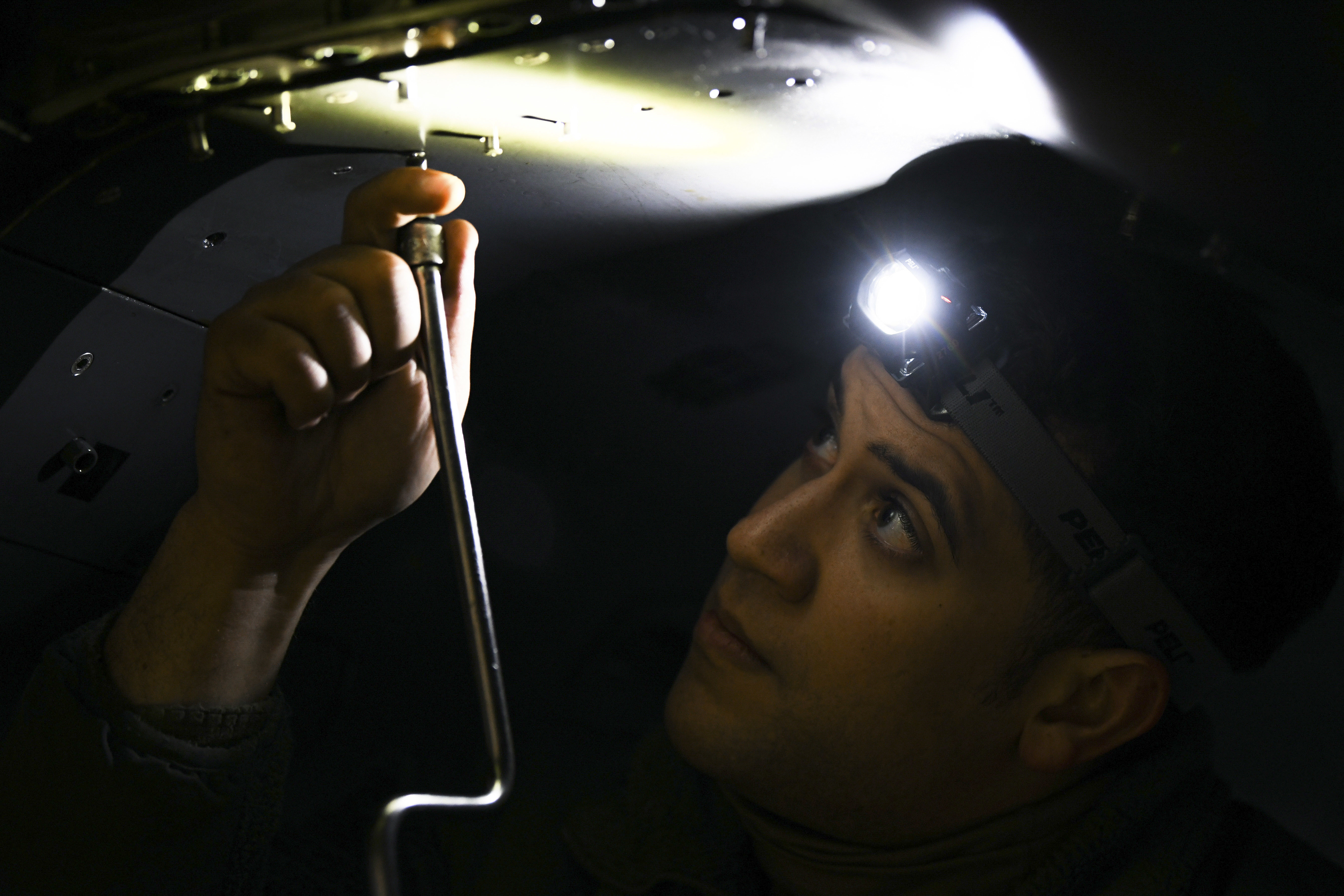
Air Force Staff Sgt. Brandon Thomas-Volkov tightens bolts to the underside of an F-15E Strike Eagle at Royal Air Force Lakenheath, England, Jan. 5, 2021.

Jan. 5, 2021
U.S. Deputy Assistant Secretary of Defense Heino Klinck and Mongolia Ministry of Defense State Secretary D. Gankhuyag met virtually to conduct the 17th annual U.S.-Mongolia Bilateral Consultative Council, Jan. 5 (Washington, D.C.) and Jan. 6 (Ulaanbaatar, Mongolia). Mongolian Minister of Defense G. Saikhanbayar provided closing remarks.
Officials reaffirmed their commitment to the U.S.-Mongolia bilateral relationship and agreed to advance defense cooperation on matters of common interest to support a free and open Indo-Pacific.
DASD Klinck thanked State Secretary Gankhuyag for Mongolia’s commitment to international peace and stability, including Mongolia’s continued contributions to coalition efforts in Afghanistan and United Nations Peacekeeping Operations. DASD Klinck also discussed current regional security issues and ties between Mongolia and the United States under the third neighbor framework.
Officials committed to enhance defense cooperation and collaboration to address current security challenges and to advance common interests.
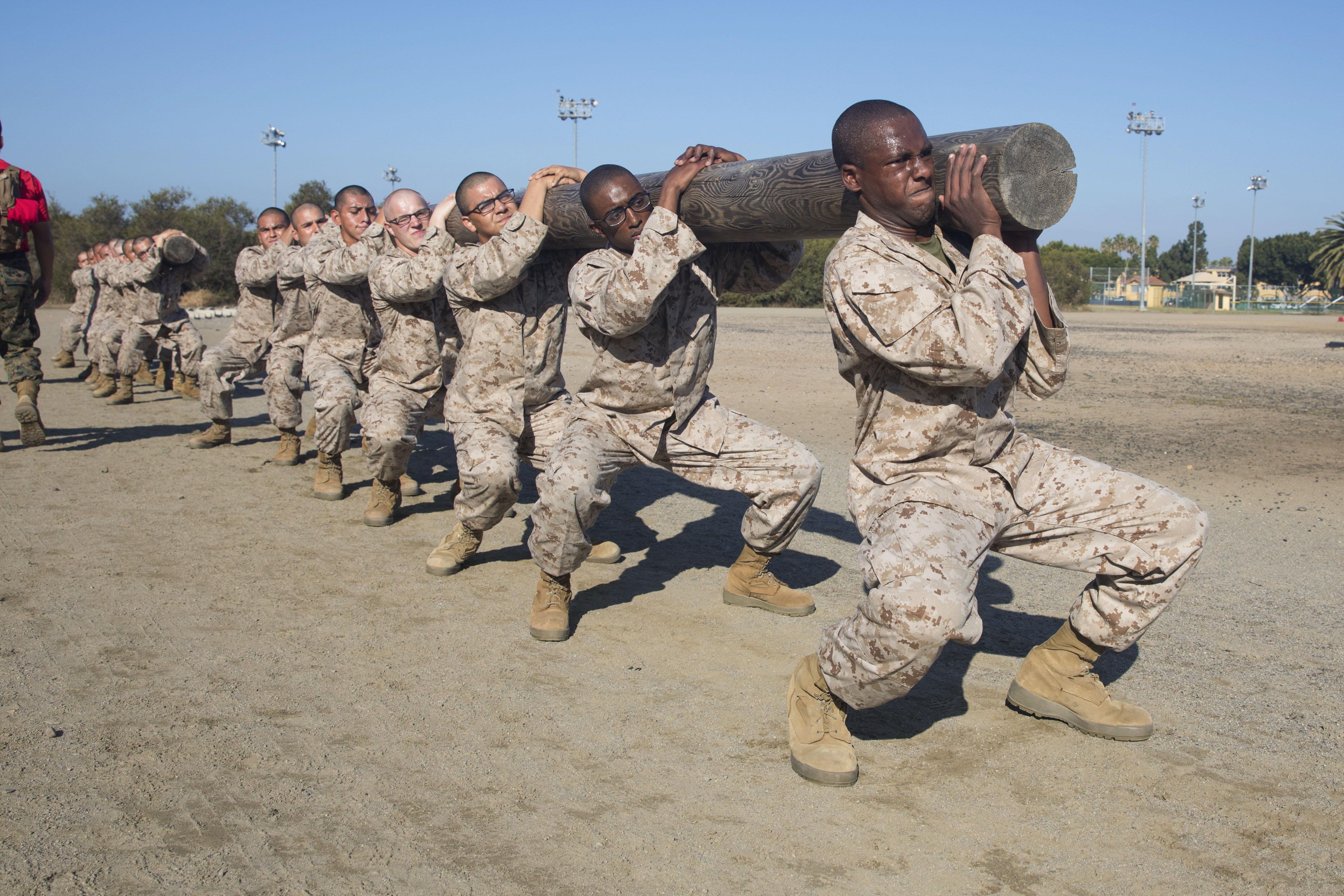
Marine Corps recruits participate in log drills at Marine Corps Recruit Depot, San Diego, Jan. 4, 2021.
Jan. 5, 2021 | , Brooke Army Medical Center
Brooke Army Medical Center administered its first Pfizer-BioNTech COVID-19 vaccines to frontline medical professionals Dec. 17, 2020, as part of the Defense Department's initial vaccine rollout.
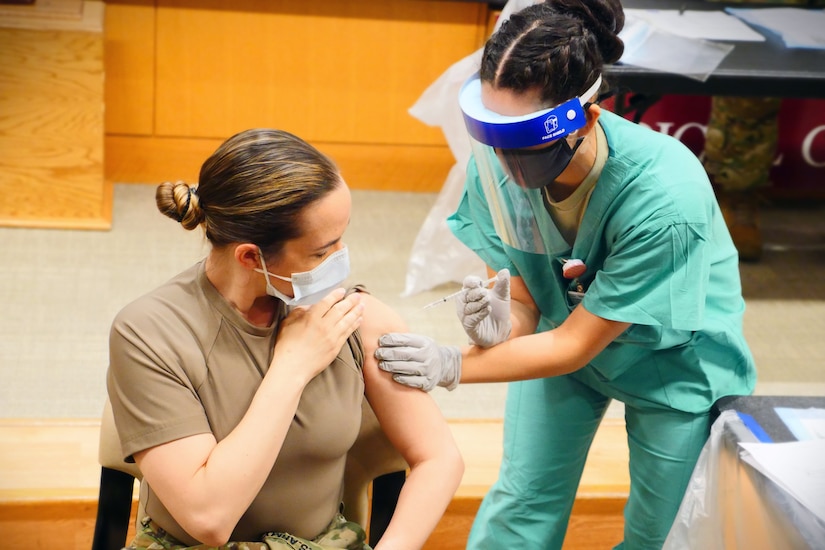
"I'm ready to eradicate this virus," Army Capt. Rebecca Parrish, a COVID-19 intensive care unit nurse, said after she received BAMC's first vaccine.
In the weeks since, BAMC has expanded the program to inpatient and outpatient medical and support personnel from across the organization to ensure the vaccine supply is appropriately and effectively used.
"Our aim is to prevent the spread of COVID-19 to patients and other team members, while ensuring our staff remains healthy," Army Brig. Gen. Shan Bagby, BAMC commanding general, said. "Their health is critical to our mission of providing safe, quality care to our service members, retirees, family members and civilian emergency patients."
Following Centers for Disease Control and Prevention recommendations, the DOD's vaccine distribution plan has three phases. The first phase includes healthcare and support personnel, emergency services and public safety workers, as well as other essential workers and deploying personnel. The second phase encompasses high-risk beneficiaries, with the final phase moving to the healthy population.
With a finite supply of vaccines, BAMC is working to ensure its "healthcare heroes" remain a top priority. BAMC recently implemented a "fast pass" style system in which frontline personnel, such as from the emergency department and ICUs, are moved to the front of the line.
"Our frontline professionals have been working tirelessly to help others since the pandemic started," Bagby said. "We want to do everything we can to expedite their ability to get the vaccine."
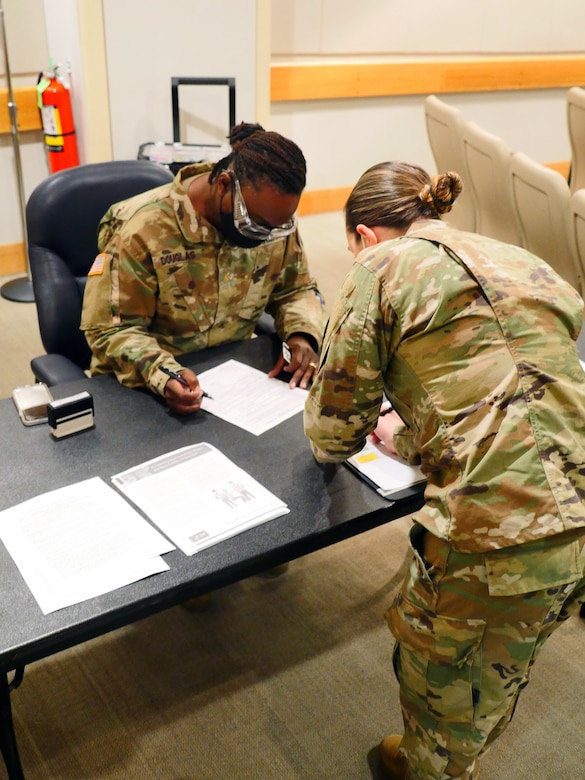
As the vaccine supply increases, BAMC will announce the start of the next phase, which opens the program to high-risk beneficiaries, such as patients ages 65 and older, pregnant women and patients over the age of 16 with a pre-existing condition.
Once notification is made and this phase is underway, information will be posted online and on social media that will detail how high-risk beneficiaries can inquire about their eligibility to receive a vaccine and the process for administration.
"While our current focus is on the hospital staff to ensure we are able to protect our patients, we are absolutely keeping our valued military beneficiaries in mind as we move forward," Bagby said. "We will provide frequent updates to ensure we are keeping everyone informed about this important program."
The CDC recommends a combination of getting vaccinated and following safety recommendations — face coverings, handwashing and physical distancing — to achieve the best protection from COVID-19 and to help lower the public health risks associated with the pandemic.
BAMC leaders encourage those who are hesitant about getting the vaccine to discuss their concerns with medical experts or find out more information on the CDC and other government websites.
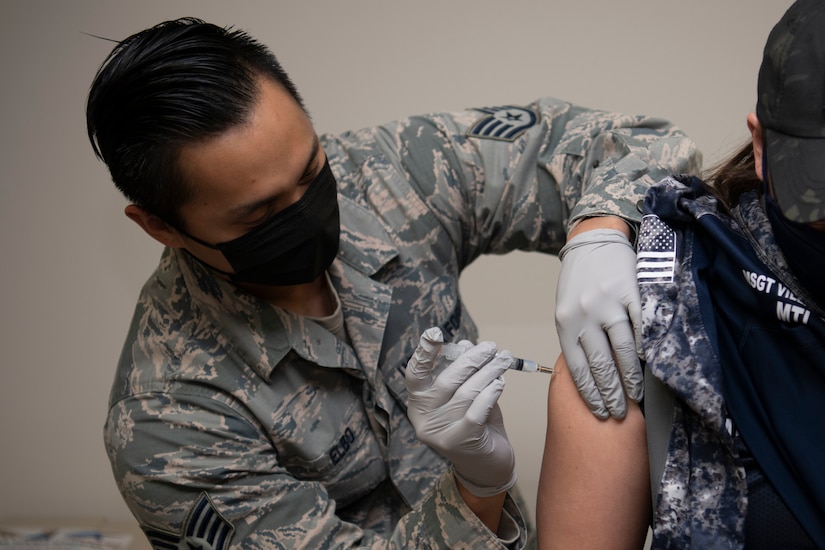
"We have a vaccine that represents an incredibly effective and safe solution that exceeds all of our initial expectations, performing well in all ages, all demographic groups tested, and with 95% efficacy," Air Force Col. Heather Yun, BAMC's deputy commander for medical services and an infectious disease physician, said. "It is my hope that we will look back at this time as a return to normalcy as we safely and efficiently roll out the vaccine program at BAMC and other sites across the nation."
Jan. 5, 2021 | , DOD News
Louis "Lou" Leo Holtz has spent much of his life on the gridiron. From 1956 to 1957, he played football as a linebacker at Kent State University in Kent, Ohio.
While at Kent State, he was also enrolled in Army ROTC and was commissioned in the Field Artillery Branch of the Army Reserve when he graduated.
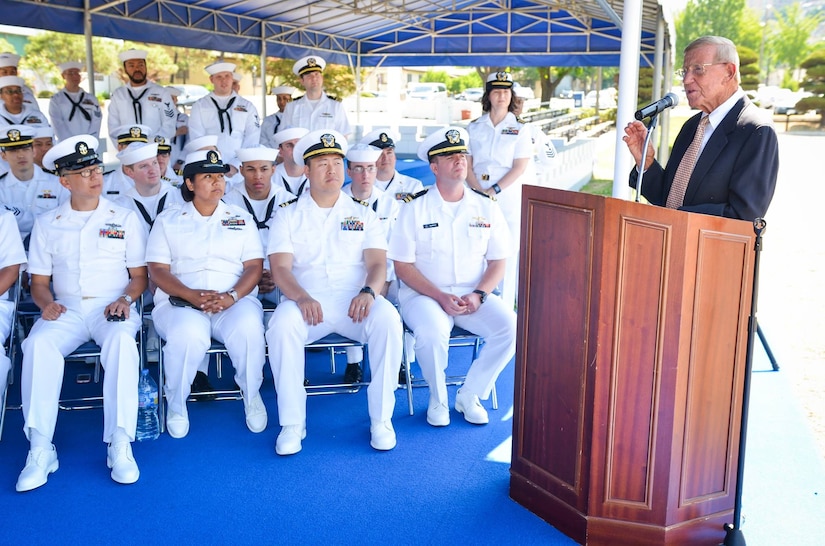
In a career that spanned 44 years, Holtz held a variety of football coaching jobs at the college and National Football League levels.
He was assistant coach at: the University of Iowa in 1960; the College of William and Mary, 1961 to 1963; the University of Connecticut, 1964 to 1965; the University of South Carolina, 1966 to 1967; and Ohio State University, 1968.
Holtz was head coach at: the College of William and Mary, 1969 to 1970; North Carolina State University, 1972 to 1975; New York Jets, 1976; University of Arkansas, 1977 to 1983; University of Minnesota, 1984 to 1985; Notre Dame University, 1986 to 1996; and, the University of South Carolina, 1999 to 2004.
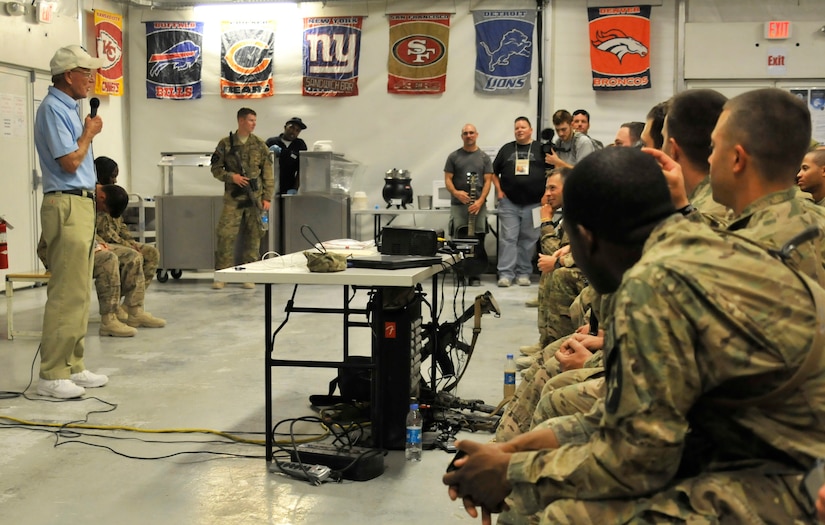
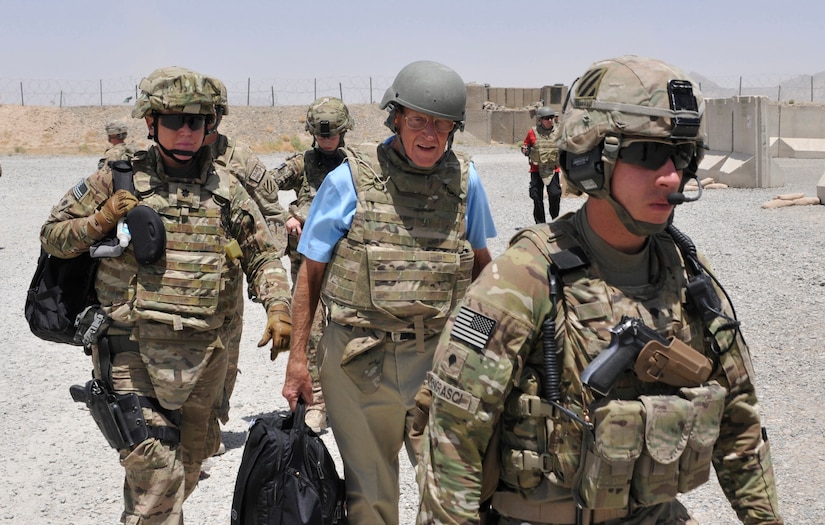
Despite moving around a lot, his college coaching record was stellar: 249-132-7. His NFL coaching record wasn't as impressive: 3-10.
Later, he became a football analyst for CBS Sports and ESPN.
Throughout his football fame, Holtz never forgot his Army roots.
He has frequently visited U.S. troops in Iraq, Afghanistan and elsewhere, talking to them about football and leadership. He's also a member of the American Legion in Indiana.
He once said the Army and ROTC "have been a positive thing in my life because I wasn't very good in discipline or leadership skills. I learned lessons in leadership and self-discipline."
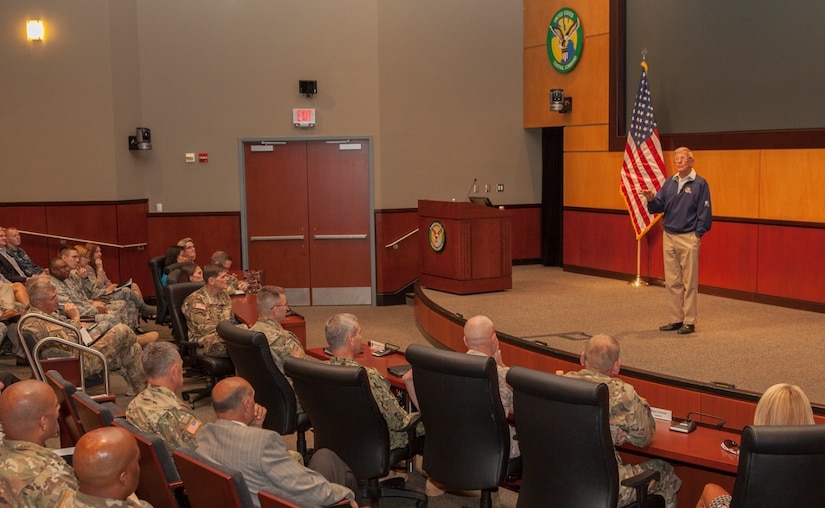
On June 21, 2016, Holtz visited U.S. Central Command headquarters at MacDill Air Force Base, Florida, where he shared his football experiences and lessons learned.
''I am a big believer in accountability and responsibility, and I learned that from my time in the military,'' Holtz said. ''There is never a wrong time to do the right thing, just like there is no right time to do the wrong thing.''
He emphasized the importance of working as a team, setting goals, and caring for others.
''You've got to make a sincere attempt to have the right goals to begin with, and then go after them with appropriate effort,'' Holtz said. ''And remember that you can't really achieve anything great without the help of others.''
Holtz then expanded on the importance of teamwork in the military.

''Our country has never faced greater challenges than we have right now,'' said Holtz. ''We need that teamwork, and we need to work together for that common cause. You can't be at your best without working together.''
In 2019, Holtz was presented with the American Legion's James V. Day ''Good Guy'' Award in Indianapolis.
''For many years, this coach and great American has contributed time and resources to charitable endeavors, including the Lou's Lads Foundation, the Holtz Charitable Foundation and numerous other great causes,'' American Legion past national commander Daniel M. Dellinger said while presenting the award.
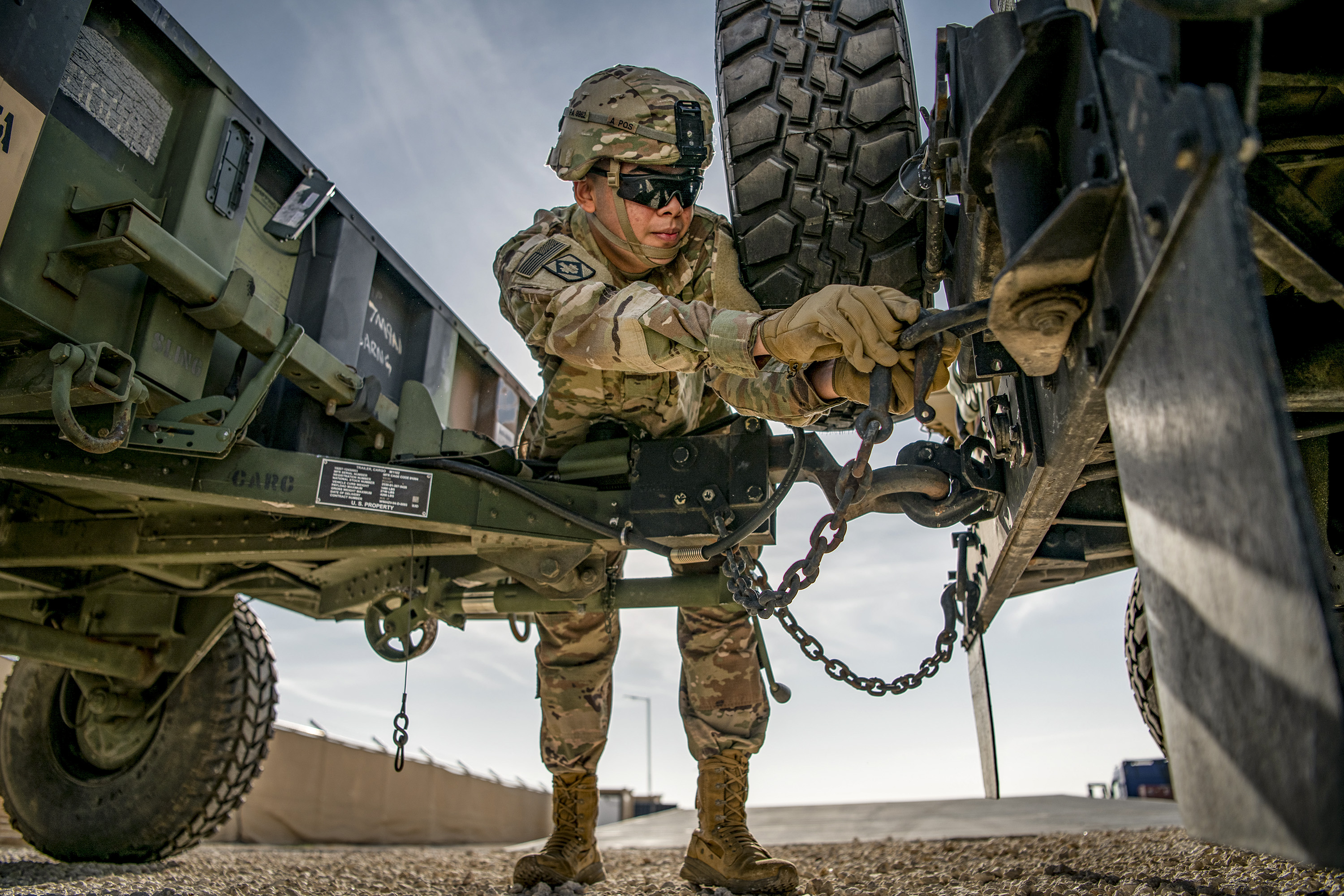
Army Pfc. Pablo Aguirre secures a trailer to the back of a Humvee in Jordan, Dec. 22, 2020, while deployed to the Middle East to support operations Spartan Shield and Inherent Resolve.

Sailors lower a pilot ladder from the guided missile destroyer USS John Finn during operations in the Pacific Ocean, Dec. 17, 2020.


 Posts
All Comments
Posts
All Comments
Posts
All Comments
Posts
All Comments