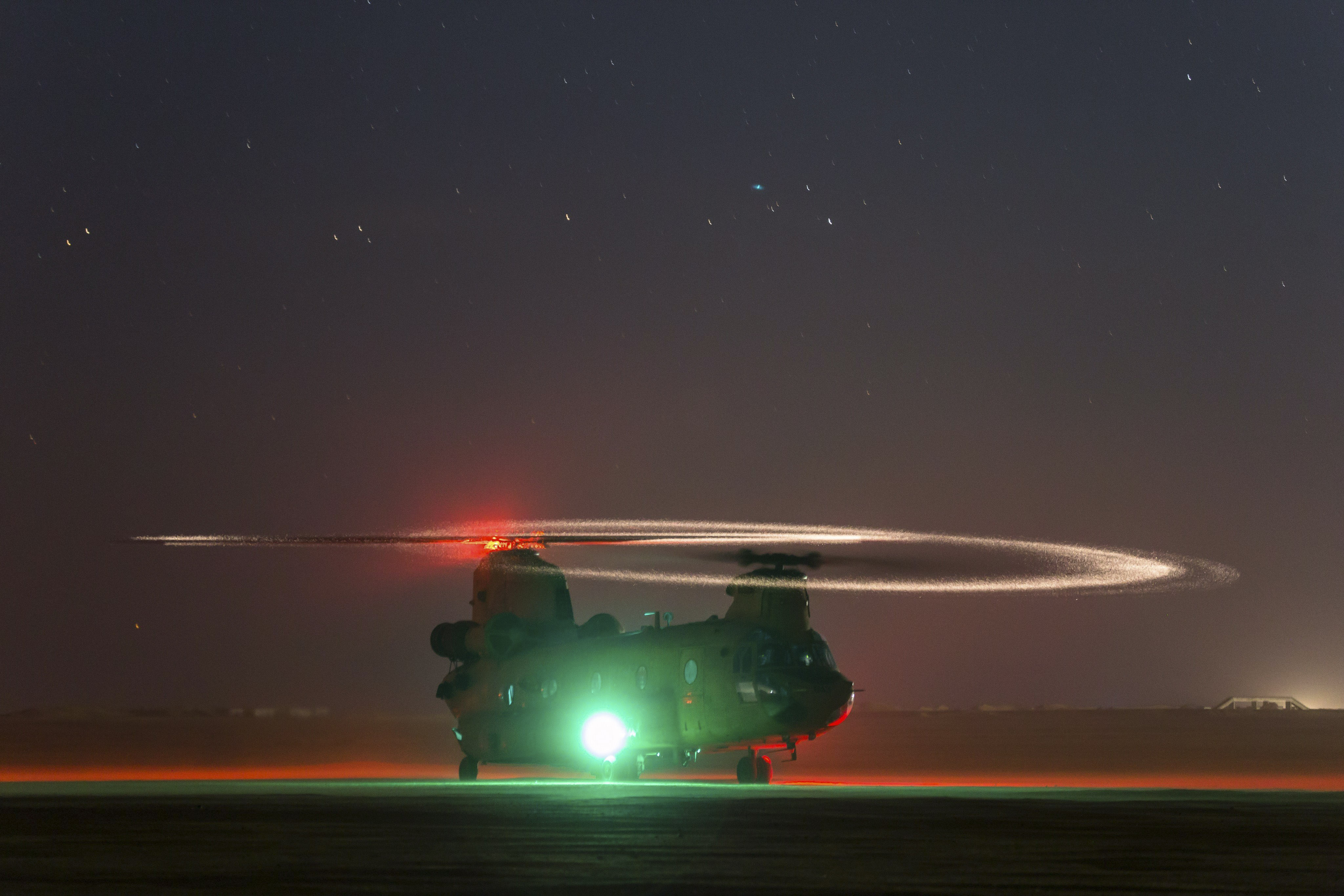
Navy Petty Officer 2nd Class James Han adjusts the tail wheel probe on an MH-60R Seahawk aboard the USS John Finn in the Pacific Ocean, Dec. 21, 2020.
Navy Petty Officer 2nd Class James Han adjusts the tail wheel probe on an MH-60R Seahawk aboard the USS John Finn in the Pacific Ocean, Dec. 21, 2020.
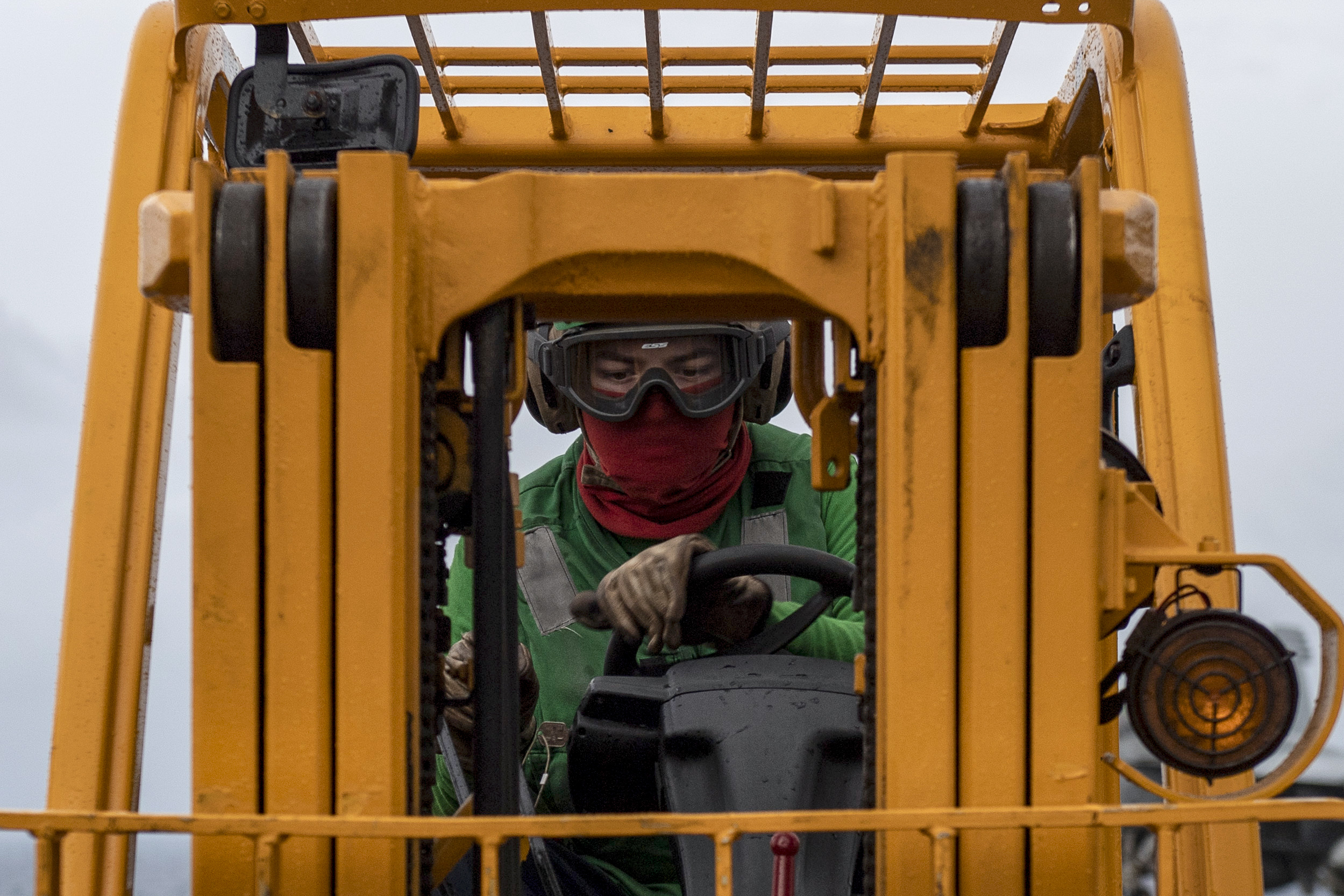
A sailor uses a forklift to move cargo on the flight deck of the aircraft carrier USS Nimitz during a replenishment in the Indian Ocean, Jan. 4, 2021.
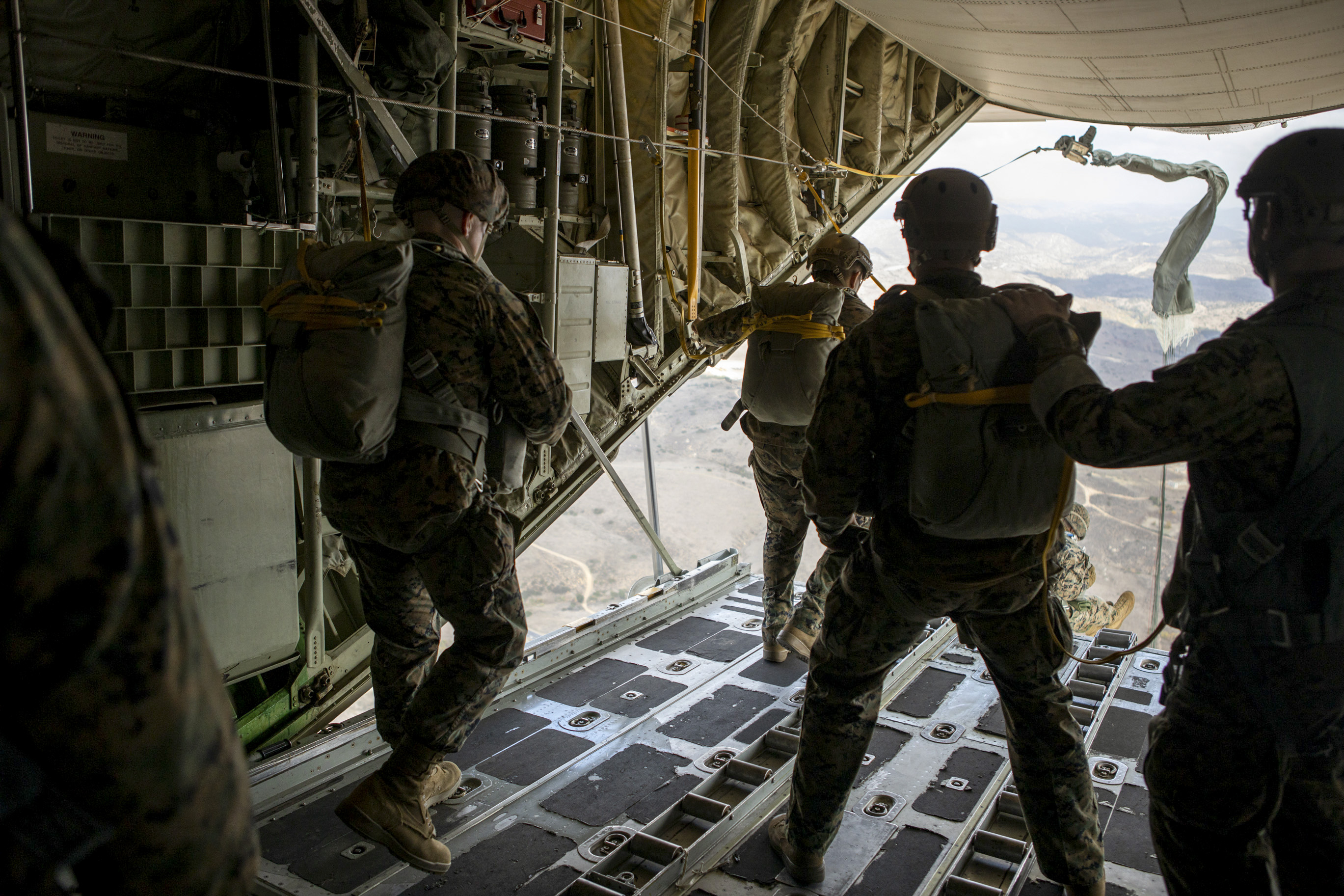
Marines prepare to exit from a KC-130J Super Hercules aircraft during a static-line parachute training jump over Marine Corps Base Camp Pendleton, Calif., Dec. 10, 2020.
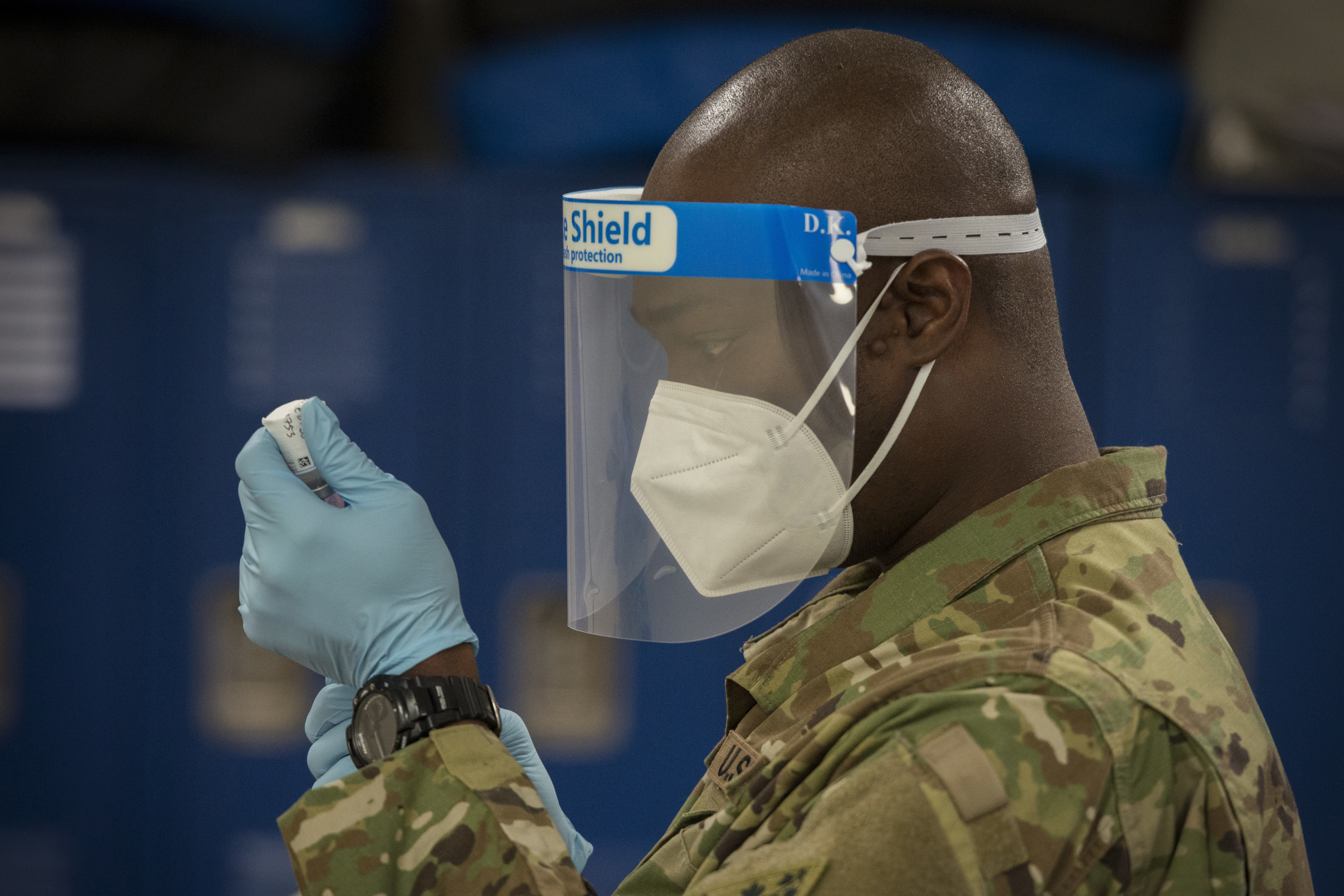
Army Staff Sgt. Donnell Niles draws the Moderna COVID-19 vaccine from a vial into a syringe at Bradley Air National Guard Base in East Granby, Conn., Jan. 2, 2021. The Connecticut National Guard began administering the vaccine in accordance with the Defense Department’s COVID-19 vaccine distribution plan.
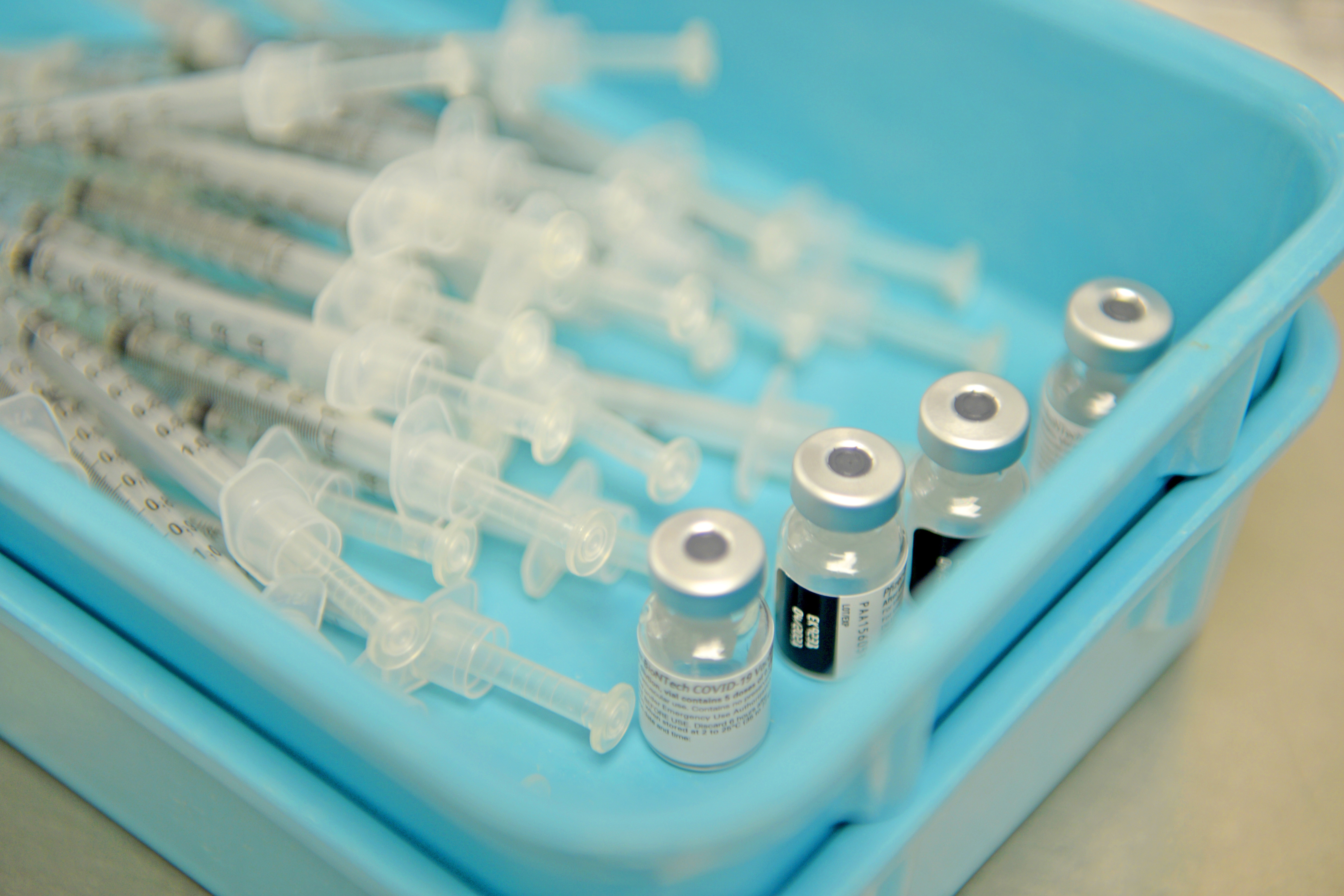
Syringes to be used for COVID-19 vaccinations sit in a tray at the CW Bill Young VA Medical Center in Bay Pines, Fla., Dec. 28, 2020. Syringes are filled each morning for use the same day in accordance with vaccine guidelines.
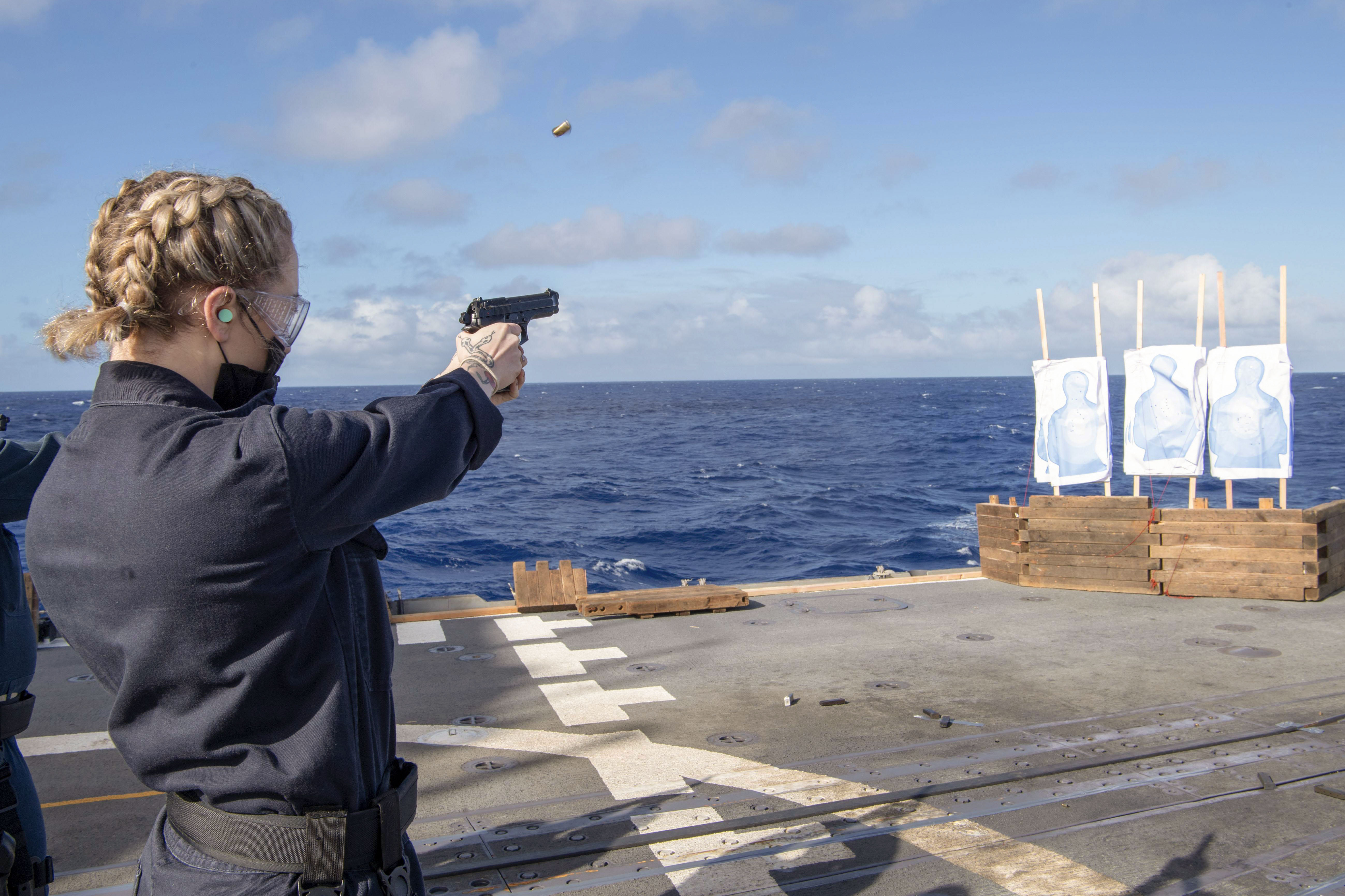
Navy Petty Officer 2nd Class Skyler Davis shoots an M9 pistol on the flight deck of the USS Bunker Hill during training in the Pacific Ocean, Dec. 28, 2020.
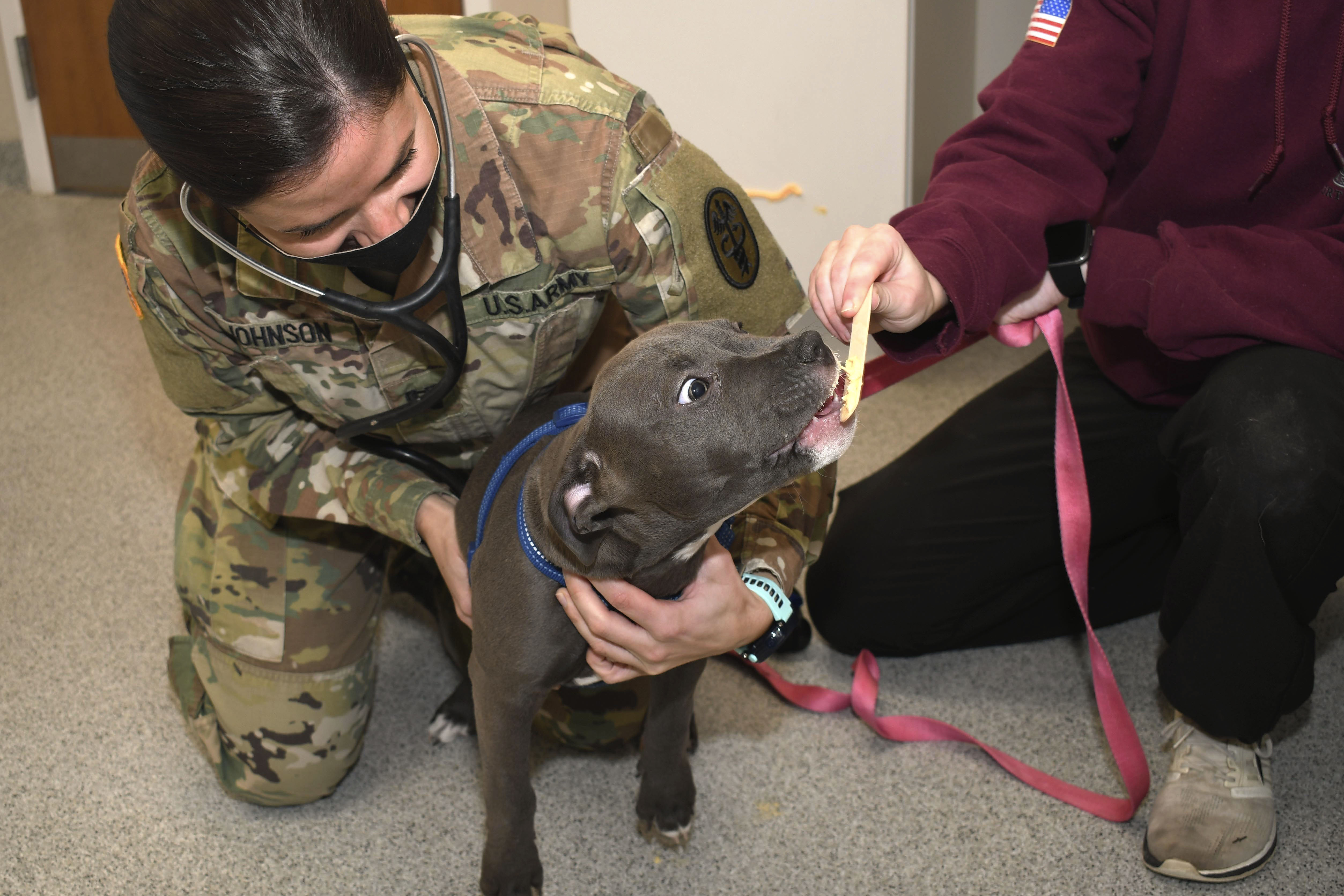
Army Capt. Breanna Johnson conducts a wellness check on a dog at Fort Drum, N.Y., Dec. 28, 2020.
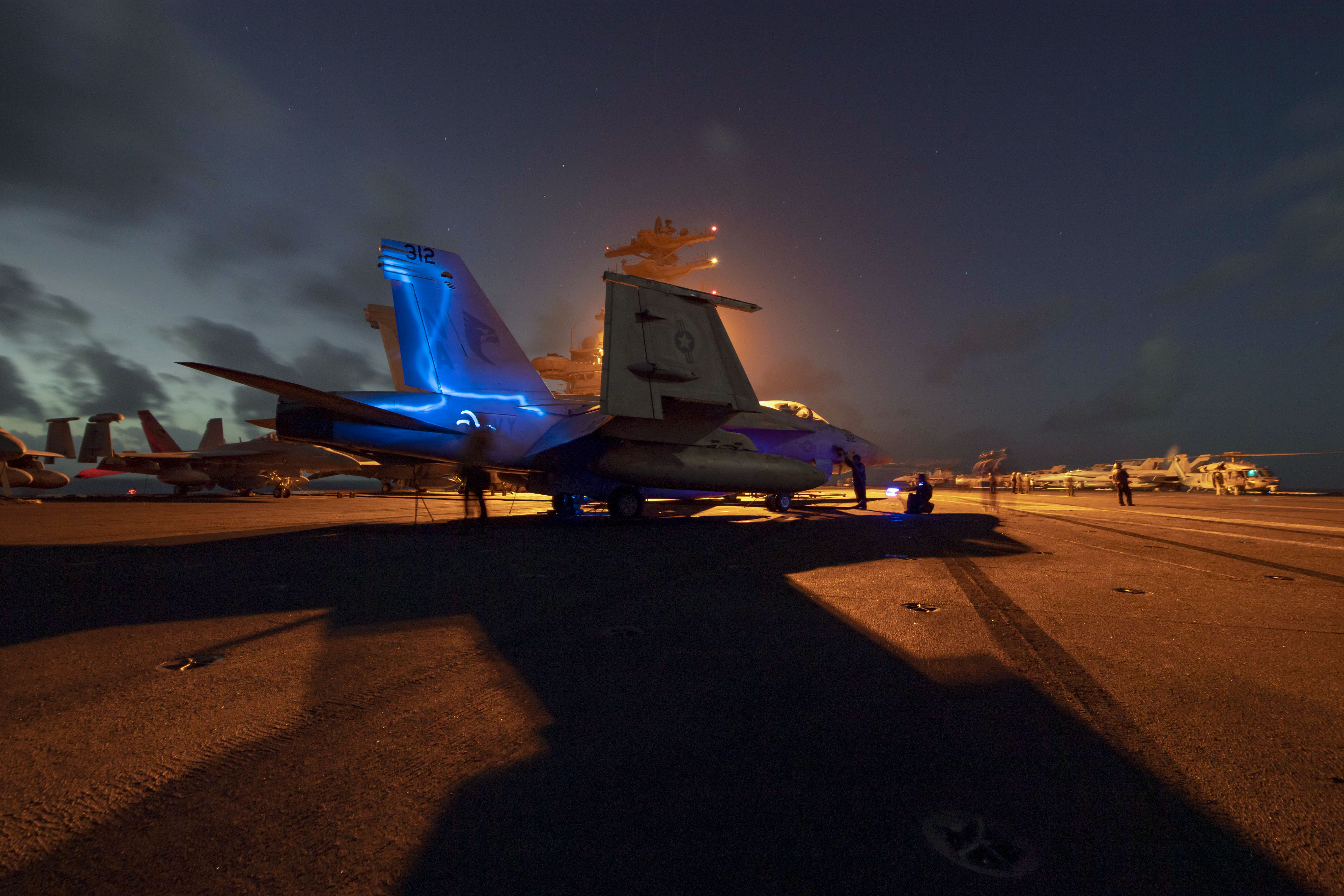
Sailors inspect an F/A-18E Super Hornet on the flight deck of the USS Nimitz during Operation Octave Quartz in the Indian Ocean, Jan. 1, 2021. During the mission, Defense Department forces in Somalia relocated to other East Africa operating locations.
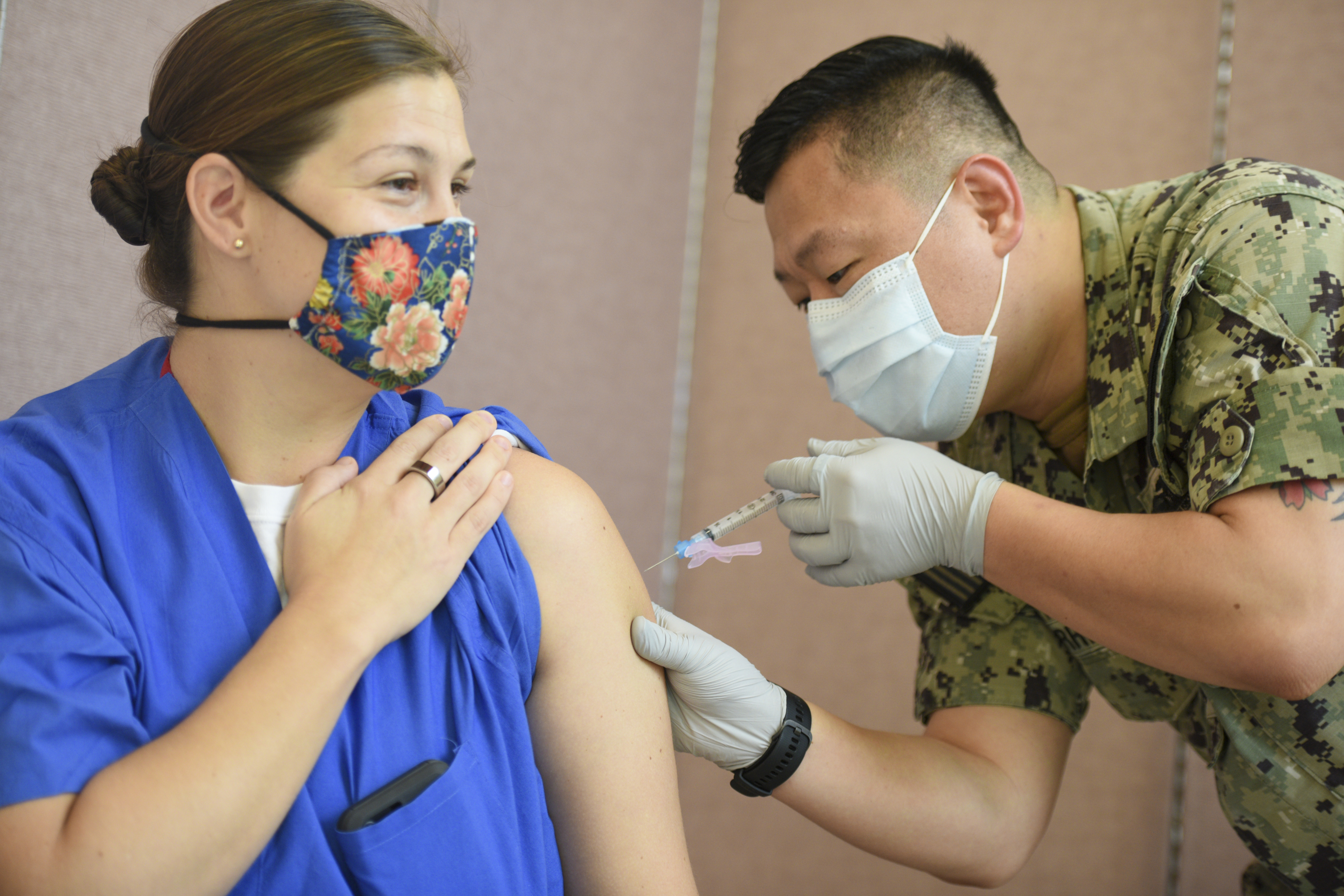
Navy Petty Officer 2nd Class Mark Forrey administers the COVID-19 vaccine to Navy Lt. Cmdr. Allison Wessner at U.S. Naval Hospital Guam, Jan. 4, 2021.
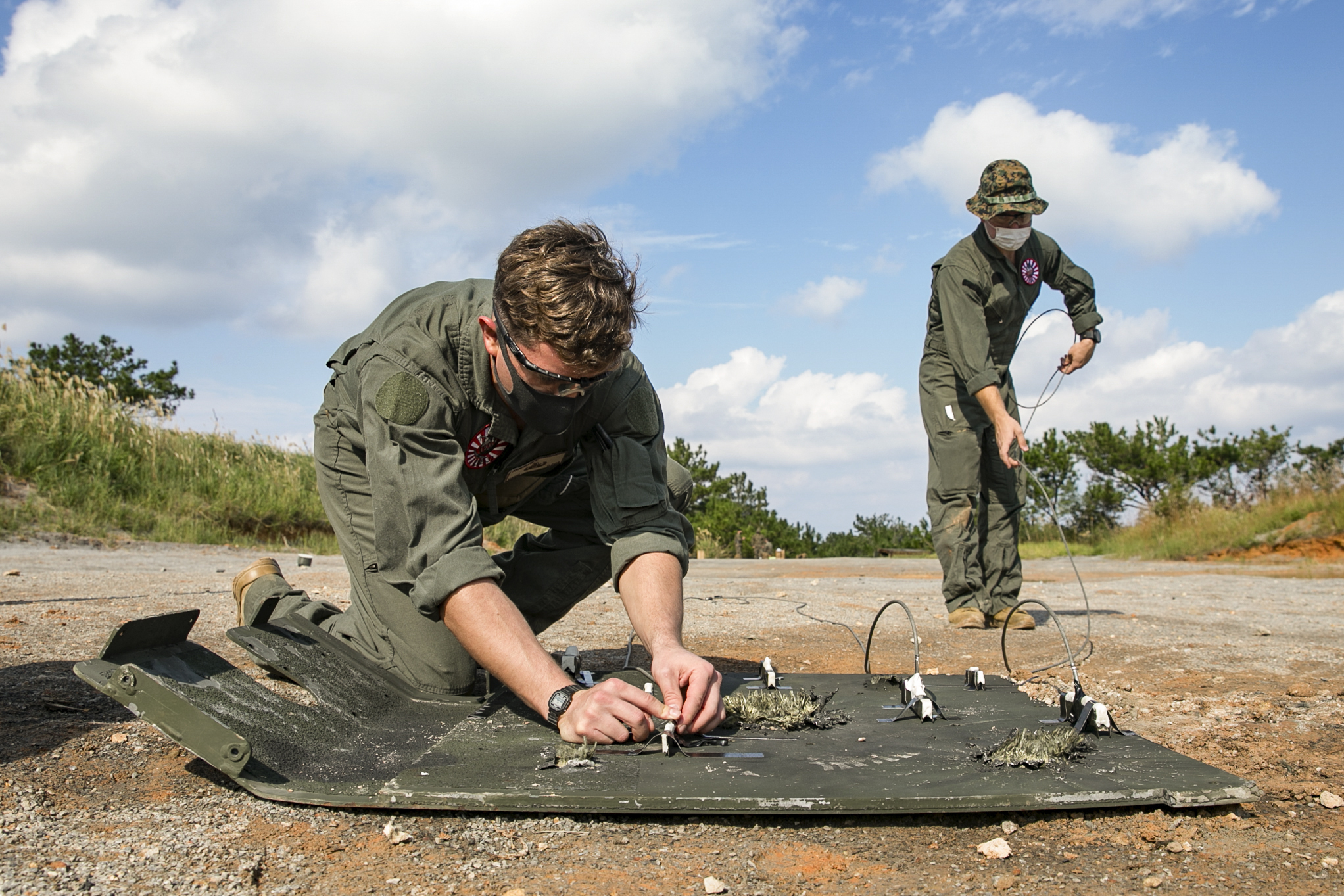
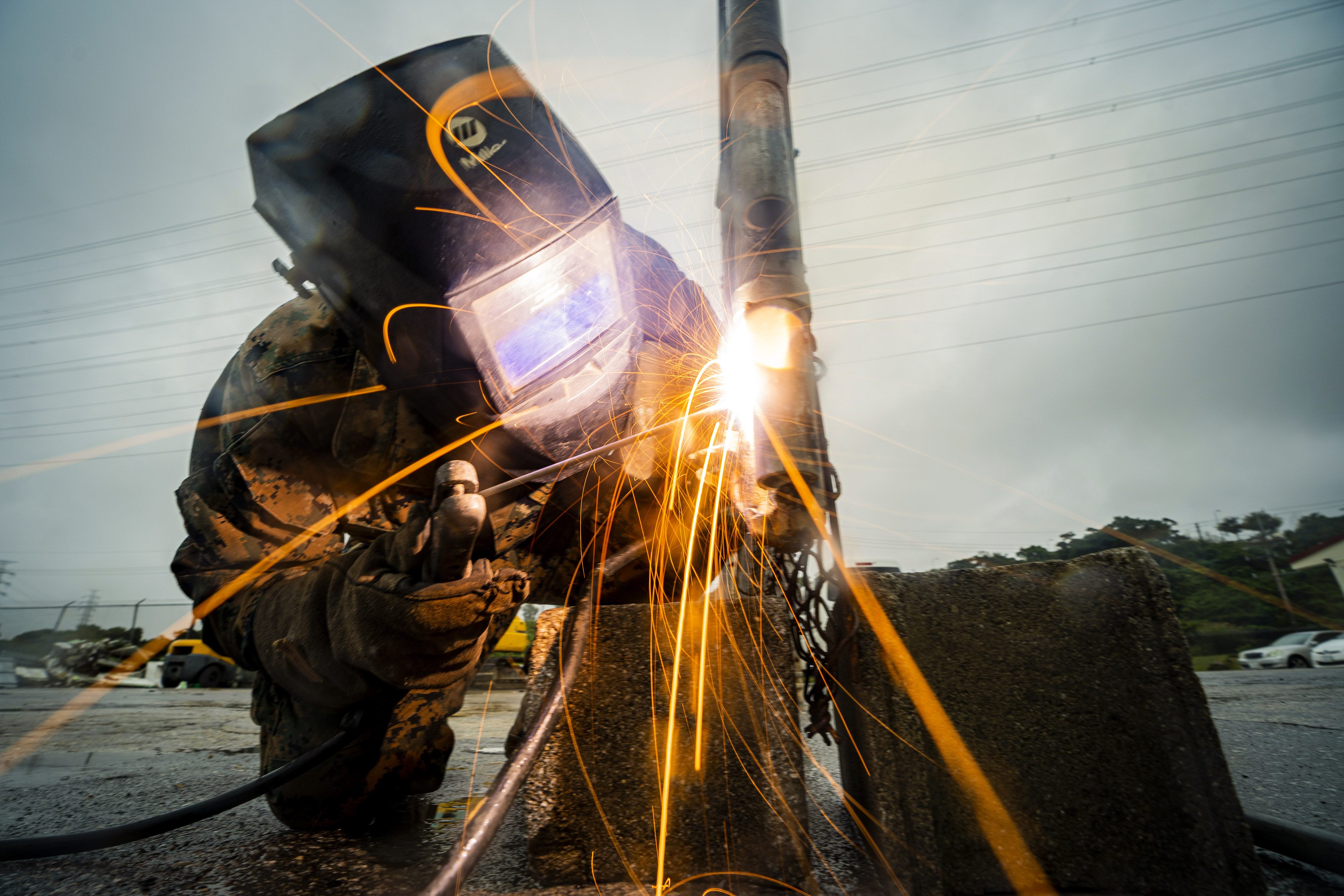
Marines attach detonation lines to C4 charges during an explosive ordnance disposal demolition range in Okinawa, Japan, Dec. 22, 2020.

Sailors move a pallet on the flight deck of the USS Theodore Roosevelt during a replenishment in the Pacific Ocean, Jan. 1, 2021.
Jan. 4, 2021 | , DOD News
In 2020, public health workers — including service members — found themselves in the spotlight more than ever before. The COVID-19 pandemic forced them into overdrive to help those in need — a job that seems to be never-ending.
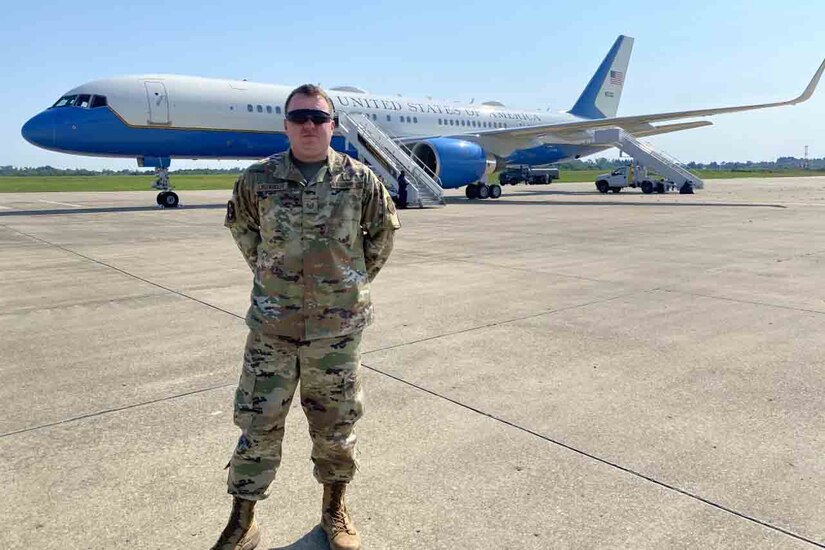
Air Force Tech. Sgt. Jacob "LB" Linsenbigler, a public health technician with the Pennsylvania Air National Guard, has been on the front lines of the crisis since it unfolded.

Linsenbigler has been with the Pennsylvania Guard for more than seven years and works full time with the 171st Medical Group. The 31-year-old's career field requires him to wear many hats — a skill that has served him well since the COVID-19 pandemic began.
So, how have he and his colleagues dealt with the intensity of the past year? Linsenbigler fills us in on the toughest part of the pandemic, how he's personally coping with it, and how, as a unit, they're getting through it together.
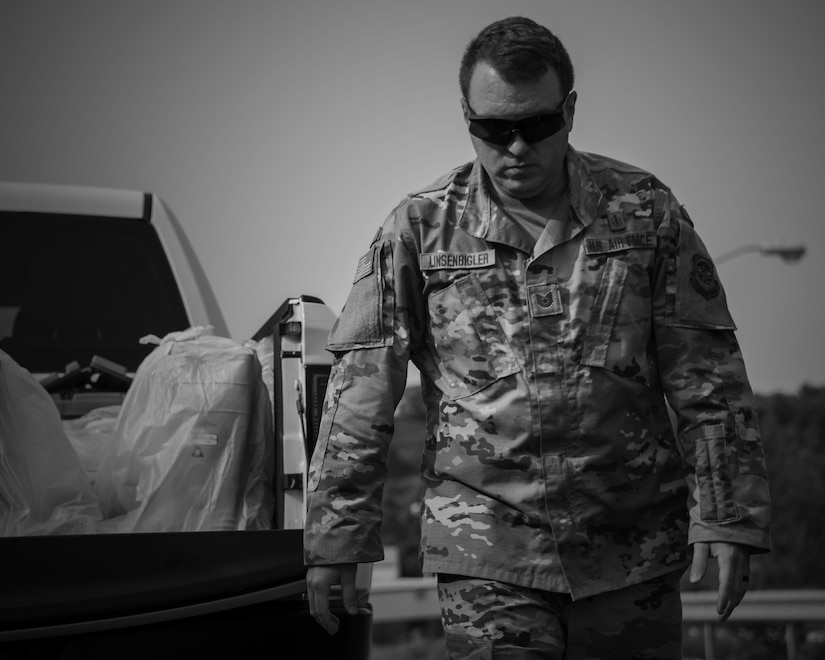
When I first enlisted, I enlisted into Medical Logistics, which was an awesome career field. "Loggies" are the first line of defense in the medical world, making sure the hospitals and clinics have sufficient inventory of supplies — everything from prescriptions, personal protective equipment and medical hazardous materials to having contracts set up with vendors.
After a few years, I knew that public health was my true calling and switched careers. Since I was already militarily trained in that field, once a full-time position opened up, I jumped at the opportunity to be a public health technician. A public health technician is the pulse of the clinic and is involved in so many different entities of the clinic and base. We conduct audiograms, occupational health exams, occupational shop visits, fetal protection interviews and pregnancy profiles, food and hotel inspections either on base or in the community, base entomology and vector/pest surveillance — all of these to ensure the health and safety of our members. At the end of the day, we are the jacks-of-all-trade[s] of preventative medicine.
Public health went from being a base-wide entity to a countywide and DOD-wide asset. Our primary focus used to be audiograms and occupational health exams, deployment health readiness for members and food inspections. While those are still our focus, COVID-19 has been what most of our job focus went to for the time being. The public health career field has always had to wear multiple hats, and I think it helped equip us well for doing so now during the pandemic.
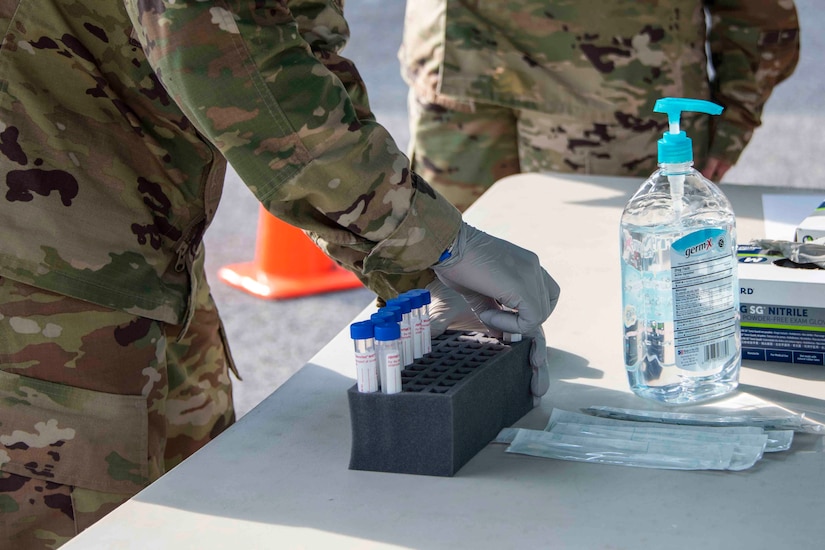
We've had some of our medics volunteer to go onto state active-duty orders to help in response to COVID-19. Those same members have either gone into nursing homes to provide relief to staff or conduct COVID-19 testing to members who are getting ready to deploy, as well as making contact tracing phone calls on our behalf. They've worked long shifts, weekends and holidays to provide care and support for our commonwealth, and they're the best of the best our state and the Air National Guard has to offer.
We've been working with other local reserve units such as the 910th Airlift Wing in Youngstown, Ohio, and 911th Airlift Wing in Pittsburgh to ensure we all have the same information. We bounce ideas and guidelines off each other for implementation. We've also worked with the local county health department and hospitals to ensure cohesiveness throughout the community.
I believe the hardest part of being a public health worker during this pandemic was that, at the beginning, we actually had too much information. With this being a new virus, there was an information overload coming from all avenues. With that being said, it's not necessarily a bad thing that so many entities are involved — quite the opposite — but when one counterpart was saying one thing, another would be saying something slightly different. We've now gotten to the point where most of that has subsided, but the first few months of this were the equivalent of going 0-60 MPH on all fronts. Now that we've managed to get to a point where we are all relatively on the same page, it's been a lot easier to manage the pandemic from an information aspect.


As for my colleagues, we have members all throughout parts of Pennsylvania, Ohio and West Virginia who have been working in different hospital settings. They've faced staff shortages, PPE shortages, and they continue to battle each and every day to protect and save lives. Most continue to wear both hats, fighting on the front lines in their civilian jobs as well as volunteering for COVID-19 tasks in a military capacity. It's humbling to watch them work, knowing what they and their families have been through.
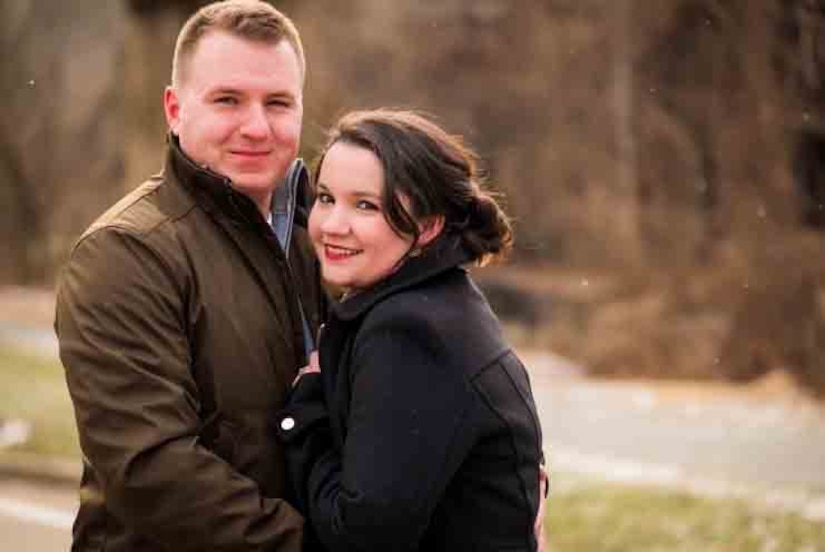
My wife and I got married on Dec. 7, 2019, so we just celebrated our one-year anniversary together. The first year of marriage started by us taking our honeymoon to Puerto Rico in January, and we were "lucky" enough to be there during the 6.4 earthquake that rocked the island. Needless to say, with that and everything after, the first year was extremely challenging for both of us! But we have been very fortunate over the past year to be healthy, and we are expecting our first child in March. There are times where my wife knows how my day went and she tries to lighten the mood, and she's helped me out during this more than she'll ever know.
Everyone on my team has their own way of cheering others up, whether it's stopping to get coffee for everyone, bringing in treats or just making sure everyone is getting the credit they deserve. My full-time supervisor, [Air Force] Maj. Lindsay Jones, has been extremely helpful and supportive during this whole endeavor. Like me, she's been on call 24/7. She'll bring us coffee and different treats to boost morale, and she's had no problem stepping in to field calls or deal with situations that need to be up-channeled to leadership. She's a physician's assistant, so she has the real-world knowledge and experience to deal with the new virus.
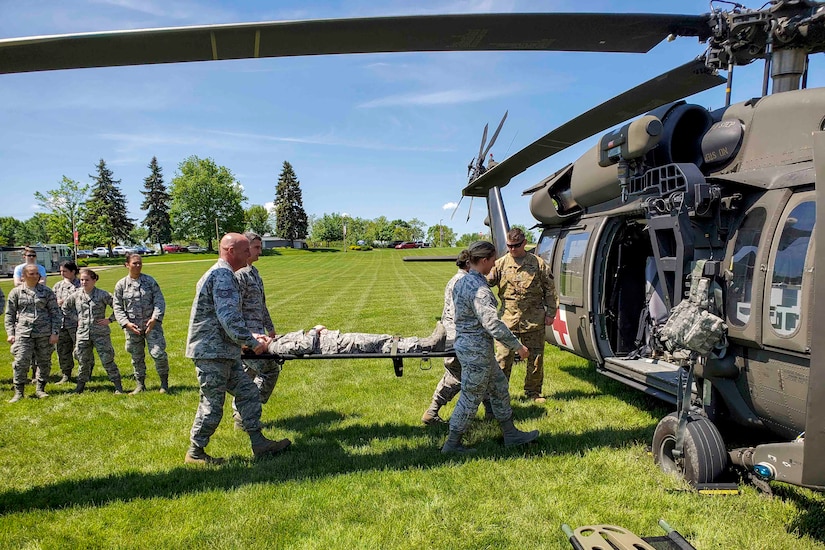
Our full-time medical administration officer, [Air Force] Lt. Col. Joe Sullivan, has been kind enough to attend meetings on our behalf, talk to different Pennsylvania National Guard entities, and he buys us lunch when times are tough. I'm extremely fortunate and grateful to work with some of the most professional and yet kindest people I know.
My whole team — both full-time and part-time — have been great and haven't missed a beat. When called upon, my part-time guardsmen have come in to help with contact tracing, attend meetings and answer questions from the base population. We've had individuals who used their annual training days, volunteered for state active-duty orders and used make-up drills — all to help out. We have a great team environment, and everyone is comfortable with one another. I've been very fortunate to have teammates like them and couldn't have made it through this without them.
Honestly, I believe the silver lining is getting to work with so many different people on base that we would not normally have any interaction with. We've been the hub for anything COVID-19-related and to be able to help the base as we have is not only rewarding but a great recruiting tool, too. For as busy as we've been, it's been extremely rewarding to talk to these individuals and shepherd them through a tough and confusing time in their lives.
I think that it will only make our wing function stronger. We've had subcommittee groups that have gotten together on Microsoft teams to go over rules and guidelines for base functions during the whole pandemic. Some of these are sections that have had limited to little interaction in regards to working together on a basewide undertaking such as this. Between that and our local medical partnerships that we've built in the private sector and community, I think once the dust settles we'll be able to look back on all of this and hold our heads high that we came through it together.
I feel like we've been in a pandemic for so long, I don't have any hobbies anymore! I've been a season ticket holder for the Pittsburgh Penguins for the past six years, and I've gotten to witness the team win the Stanley Cup two years in a row in 2016-2017. My family has a camp that we love going to about an hour and a half north of Pittsburgh. I'm sure in the next few months, with my daughter on the way, I'll enjoy sleeping a lot more when I get the chance, as well.
I'm looking forward to public health being able to slide back under the radar! Before the pandemic, public health was the quiet entity of the base that most never realized had such a huge role to play. So, I'm looking forward to going back to being the quiet professionals … and I'd be lying if I didn't say not having to deal with the late-night and early-morning COVID-19 phone calls. Just like everyone else, I'm looking forward to life going back to as normal as it can be.
Since the beginning of the coronavirus pandemic, researchers have been working as quickly as possible to crack the code of the virus. Understanding ways the virus can be detected is an important aspect to the scientific research.
Air Force Senior Master Sgt. Sarah Katoski, superintendent of medical readiness at the 445th Aeromedical Staging Squadron, works as a molecular biologist in the bioscience's division of the Army's Chemical Biological Center at Aberdeen Proving Ground in Edgewood, Maryland.
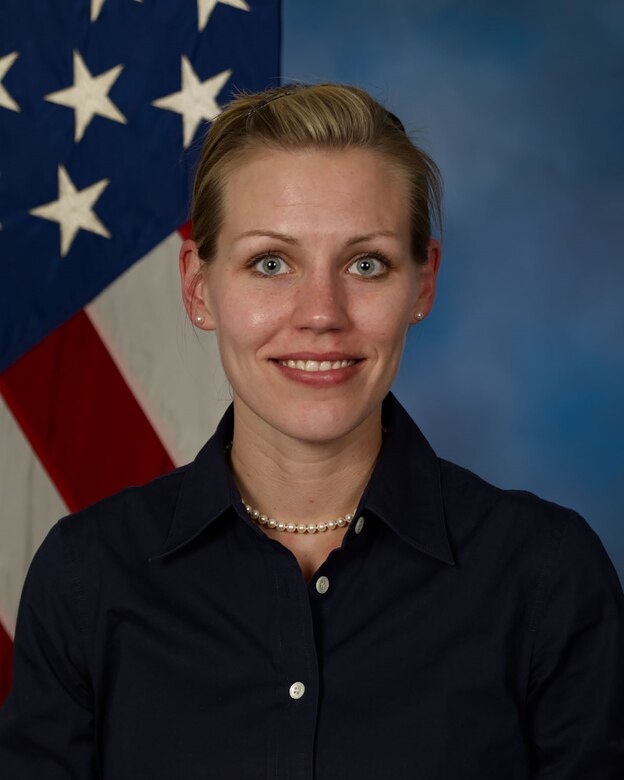
"My research is centered on biological defense," Katoski said. "Our mission is traditionally standoff detection, which means minimal clinical work. However, due to our capabilities, we have been tasked with developing, testing and validating different efforts focused on coronavirus research to combat the pandemic."
Katoski's work has been focused on developing a rapid sequencing tool capable of detecting the virus not only in clinical but also in environmental samples such as air or water. Such a tool exists for detection of bacteria samples, but using it to identify a virus is more complex, she said.
"Since the outbreak, some of us have been deemed 'essential' to continue ruggedizing our system to make a field forward sequencing capability sensitive enough to detect the virus but equally reliable," Katoski explained. "This is ongoing."
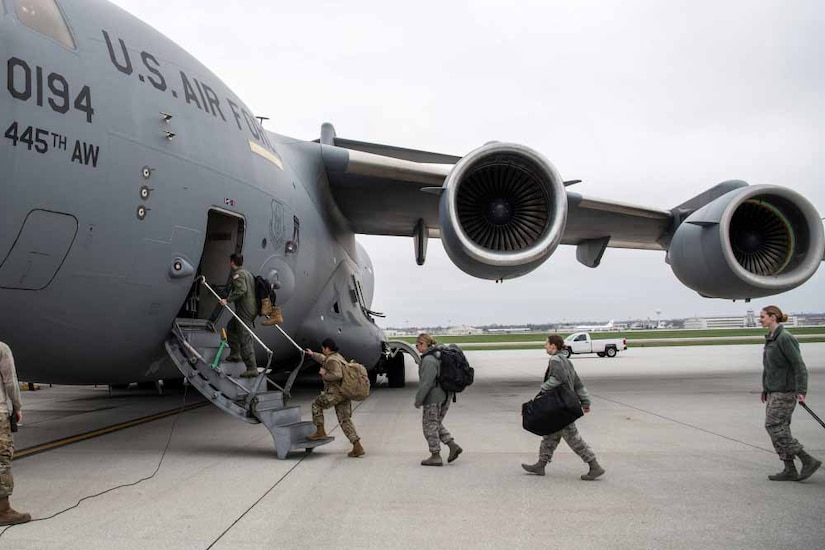
Detecting the virus has been the focus of much attention since the pandemic began. According to the Centers for Disease Control and Prevention, two tests are available for COVID-19: viral tests and antibody tests. COVID-19 is primarily a respiratory illness caused by a coronavirus that can spread from person-to-person even asymptomatically.
The sergeant said her research is concentrated on being able to detect the virus in nature, such as air, soil and water, which is more difficult than isolating and diagnosing a virus from a human sample.
"I am very excited about our work with air sampling and threat detection," Katoski said. "This type of science will help develop a technology that has the potential to directly impact our ATSO [ability to survive and operate] capabilities. For example, understanding the airflow of a C-17 and minimizing the recirculation of contaminated air by rapidly identifying, detecting and decontaminating the source will exponentially reduce ground time."
"Other efforts I am supporting are testing and evaluating clinical isolates on new COVID-19 diagnostic tests, some have already been deployed to the testing sites," Katoski said. "We have been working with our engineering group to develop mobile labs for the Army. We have to add certain pieces of equipment for rapid detection testing."
Additionally, the Edgewood facility has been supporting other agencies with personal protective equipment, providing face masks and gloves to both civilian and government entities.
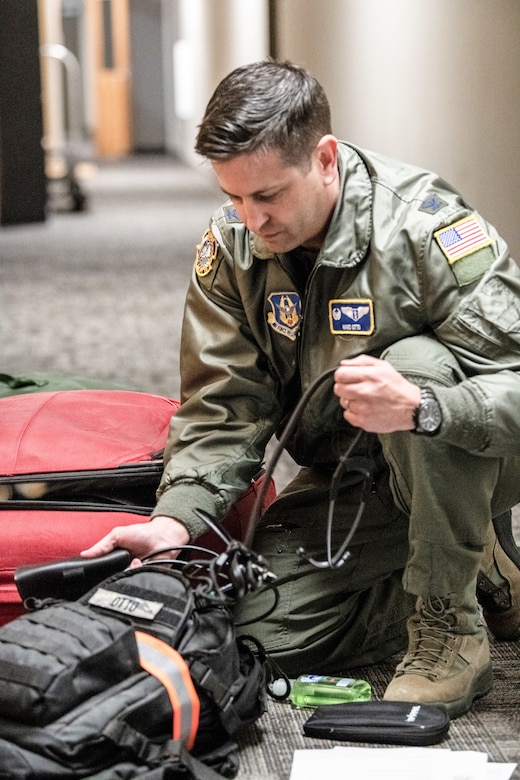
"Moving forward, our goal is to leverage national resources, so that the DOD can support force health protection to better protect and posture the military to maintain operational readiness, assist FEMA lead national and local responses, and defend soldiers, civilians and their families in the national fight against pandemics," Katoski said.
As a member of the 445th ASTS, Katoski supports the work of her fellow airmen and their frontline contributions to the ongoing pandemic; as some members of the unit recently deployed to New York to work in the hard hit areas of the state.
"The amazing work the doctors, nurses and medical professionals are doing to combat COVID-19 on the front line while we, scientists, work from the laboratory to mitigate this and even those at home who help flatten the curve is extremely commendable,'" Katoski concluded.
(Air Force Airman 1st Class Erin Zimpfer is assigned to the 445th Airlift Wing.)
Jan. 3, 2021
The following statement is attributable to Acting Secretary of Defense Chris Miller.
“Due to the recent threats issued by Iranian leaders against President Trump and other U.S. government officials, I have ordered the USS Nimitz to halt its routine redeployment. The USS Nimitz will now remain on station in the U.S. Central Command area of operations. No one should doubt the resolve of the United States of America.”
WASHINGTON – TriWest Healthcare Alliance Corp. has agreed to pay the United States $179,700,000 to resolve claims that it received overpayments from the U.S. Department of Veterans Affairs (VA) in connection with its administration of certain VA health care programs, the Department of Justice announced today.
TriWest, an Arizona corporation headquartered in Phoenix, is in the business of administering government health care programs, including those operated by the VA. TriWest is responsible for administering certain portions of the VA Patient-Centered Community Care Program (PC3) and the VA’s former Veterans Choice Program (Choice). Both programs have enabled veterans to obtain medical care from providers in their communities. As an administrator of these programs, TriWest is paid by the VA to coordinate medical appointments and make payments to health care providers.
The settlement resolves allegations that TriWest retained overpayments from the VA in connection with its administration of the PC3 and Choice Programs. The alleged overpayments included payments by the VA to TriWest twice for the same services as well as payments for services for which TriWest received full or partial reimbursement from certain health care providers.
“The VA’s PC3 and Choice Programs have provided significant benefits to our nation’s veterans,” said Acting Assistant Attorney General Jeffrey Bossert Clark of the Justice Department’s Civil Division. “The department will continue to support the VA and its Office of Inspector General in ensuring that the VA’s programs are administered properly and that taxpayer funds are used as intended.”
“The VA provides invaluable assistance to those who have sacrificed on our behalf,” said U.S. Attorney Michael Bailey for the District of Arizona. “It is vital that those who administer programs for the VA be held accountable to do so with the utmost care and integrity.”
“The VA Office of Inspector General works tirelessly to promote the economy, efficiency, and integrity of the VA’s programs and operations,” said VA Inspector General Michael J. Missal. “This settlement is integral to ensuring that the VA’s funds are spent for the benefit of our nation’s veterans. I appreciate the teamwork and dedication that led to this significant recovery.”
The settlement was the result of a coordinated effort by the U.S. Attorney’s Office for the District of Arizona, the Department of Justice Civil Division’s Commercial Litigation Branch, and the VA and its Office of Inspector General. The claims resolved by the settlement agreement are allegations only, and there has been no determination of liability.
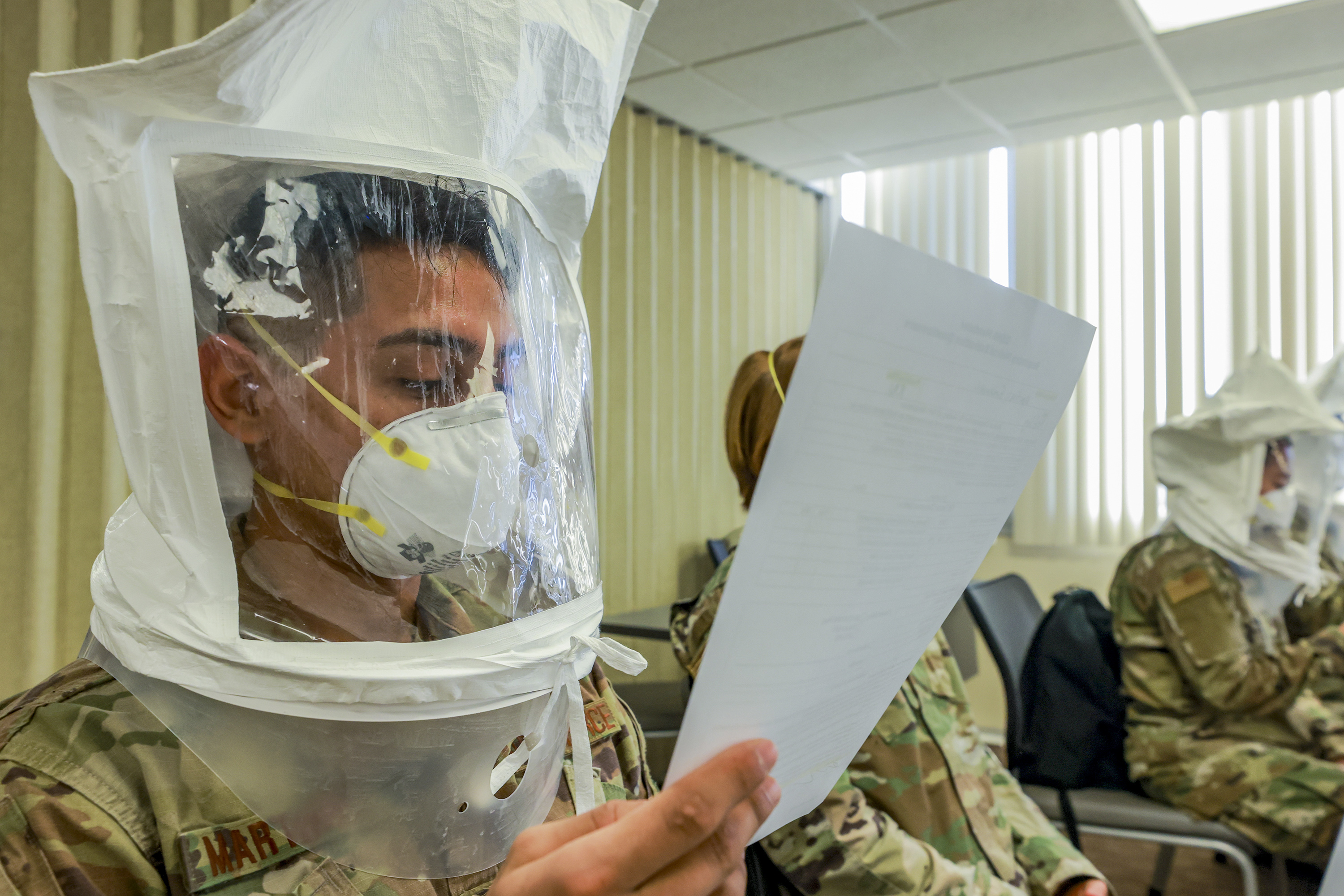
An Air Force medical provider participates in an N95 mask fit test at a hospital in Lodi, Calif., Dec. 29, 2020, as Defense Department teams prepare to integrate into California hospitals to provide medical support alongside hospital personnel in response to the COVID-19 pandemic.
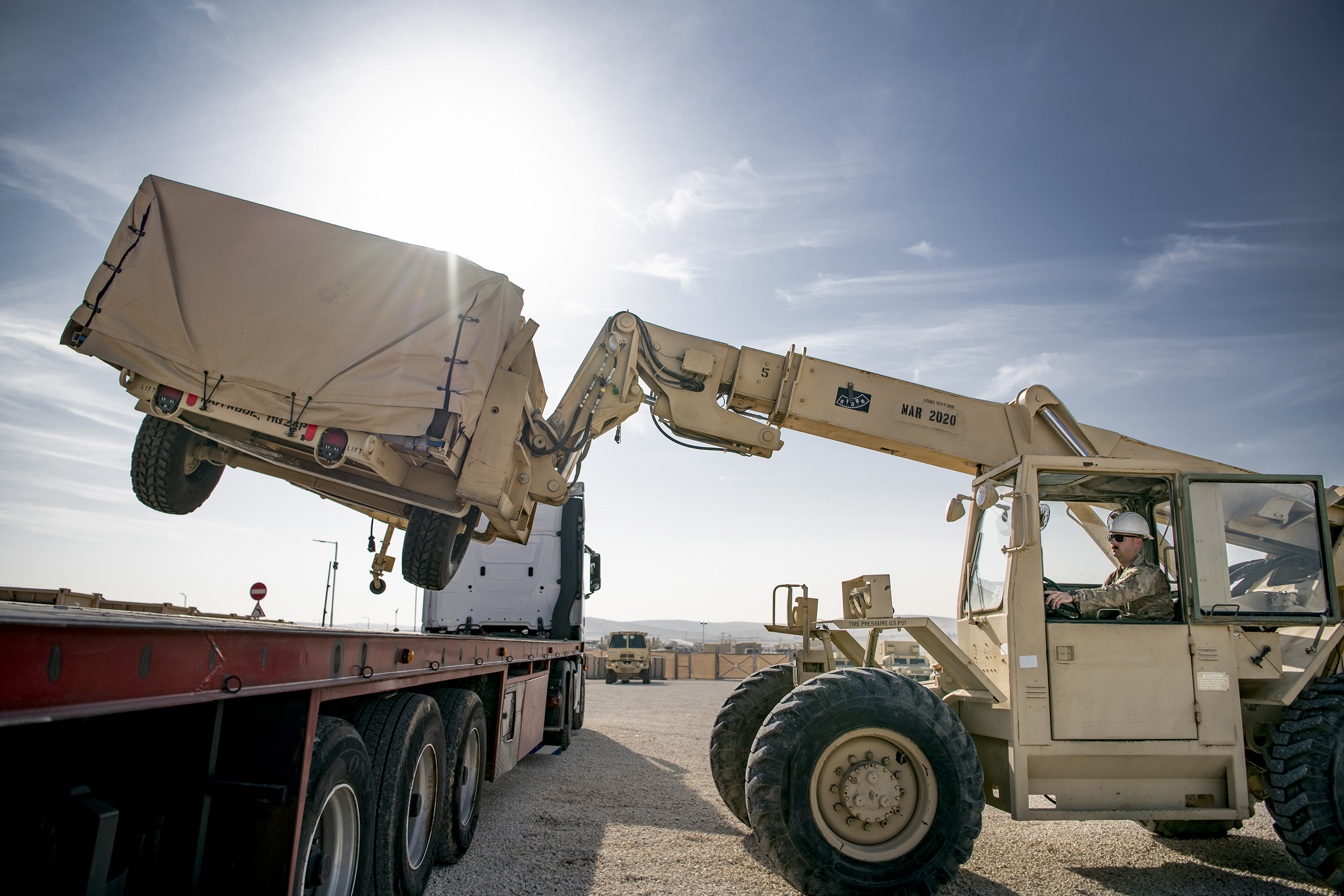
A soldier uses a forklift to receive and stage equipment in Jordan, Dec. 22, 2020, while deployed to support operations Spartan Shield and Inherent Resolve.

Service members participate in a live-fire training event at Schofield Barracks, Hawaii, Dec. 30, 2020, as part of Operation Wardog Kila, a joint Army-Marine Corps exercise.
Dec. 31, 2020 | , DOD News
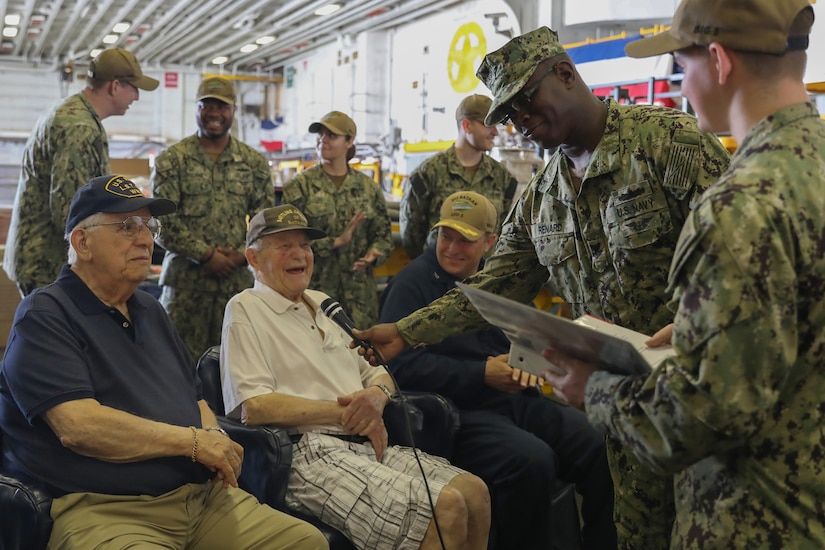
The Navy and the Connecticut National Guard on Monday will honor Connecticut native son Dan Crowley for fighting against the Japanese in the Philippines 75 years ago.

Gregory J. Slavonic, who is performing the duties of the Navy undersecretary, will present Crowley with an honorary Combat Infantryman Badge in recognition of the fighting he did while in the Philippines, and a Prisoner of War medal. Crowley will also be promoted because he attained the rank of sergeant in October 1945, but he was never notified. The Jan. 4 ceremony will be held at the Land Bradley International Airport in Windsor Locks, Connecticut, at 11:30 a.m.
Crowley enlisted in the U.S. Army Air Corps in October 1940 at the age of 18. Less than six months later, in March 1941, he arrived at the Nichols Field air base near Manila in the Philippines.

In December 1941, the Japanese bombed Pearl Harbor, Hawaii. Almost immediately afterward, they bombed airfields in the Philippines — including Nichols Field where then-Army Pvt. Crowley was stationed. That raid destroyed all the hangers there and other infrastructure. Crowley and others worked to defend that airfield against the Japanese attack, but their efforts ultimately proved unsuccessful.
Weeks after the bombing of Nichols Field, Crowley and others sailed about 25 miles across Manila Bay to the Bataan Peninsula in the dark of night.
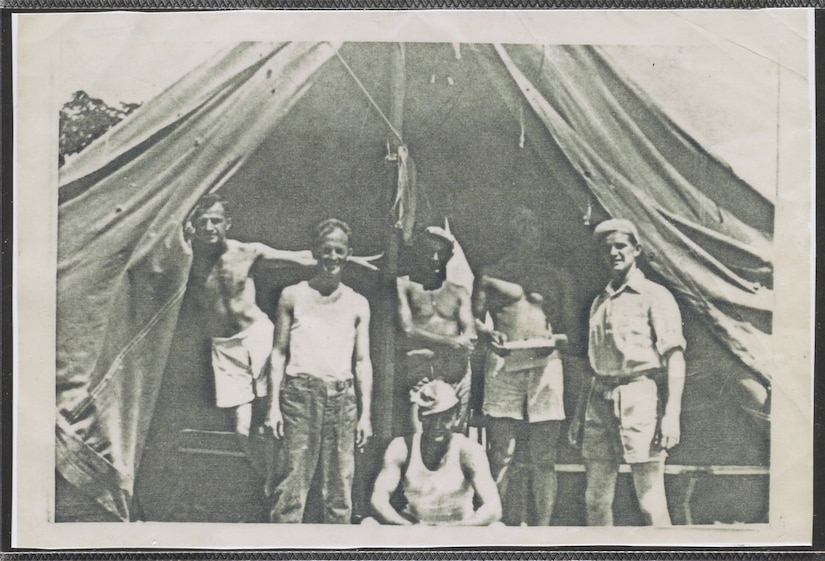
Fighting on the Bataan Peninsula eventually forced the Americans there to surrender — but Crowley and others didn't want to give up. Instead, they snuck off to Corregidor Island, which was about five miles south. But about a month after Bataan was surrendered, Corregidor also fell to the Japanese, and Crowley and others were held as prisoners of war.
The Japanese took the POWs from Corregidor back to Manila and held them at Camp Cabanatuan. To escape the horrid conditions at the camp, Crowley volunteered for a work detail to help build an airfield for the Japanese on Palawan Island. He and others worked to build an airstrip using only hand tools.
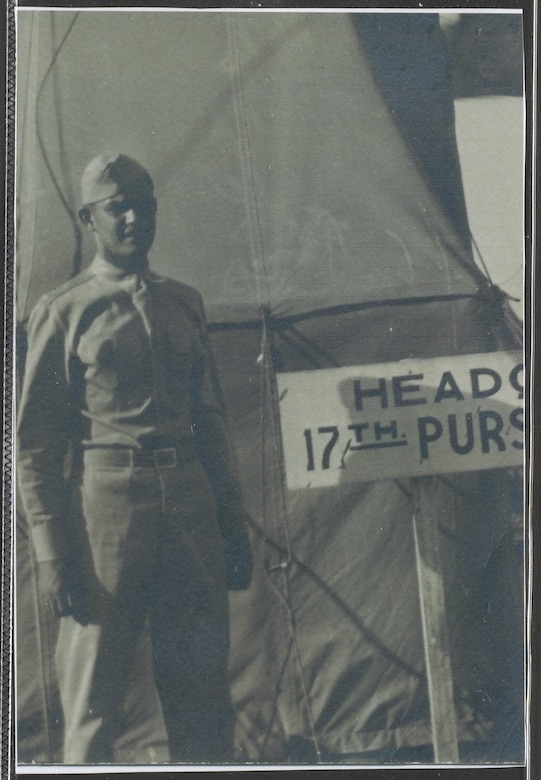
After Crowley and others returned from their work on the airstrip, Crowley was shipped off to Japan to be a slave laborer in a copper mine in March 1944.
After being liberated on Sept. 4, 1945, Crowley returned home to his family in Connecticut. He was honorably discharged from the Army in April 1956.
While in the Philippines, Crowley participated in combat against the Japanese as part of the Army’s Provisional Air Corps Infantry Regiment on Bataan and later with the 4th Marines Regimental Reserve.
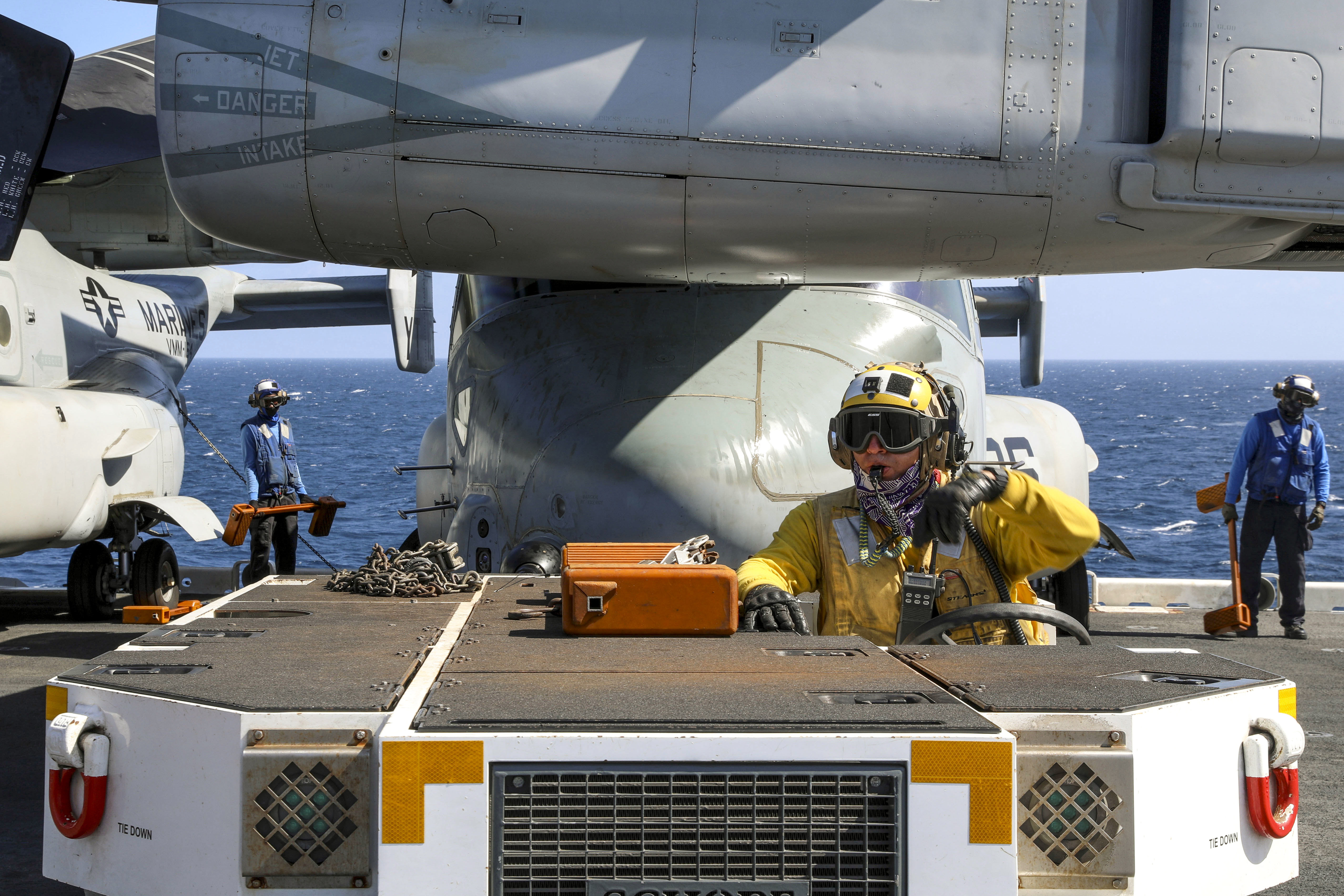
Navy Petty Officer 2nd Class Jajuan Mangual moves a Marine Corps MV-22 Osprey aircraft on the flight deck of the USS Makin Island in the Indian Ocean, Dec. 26, 2020.
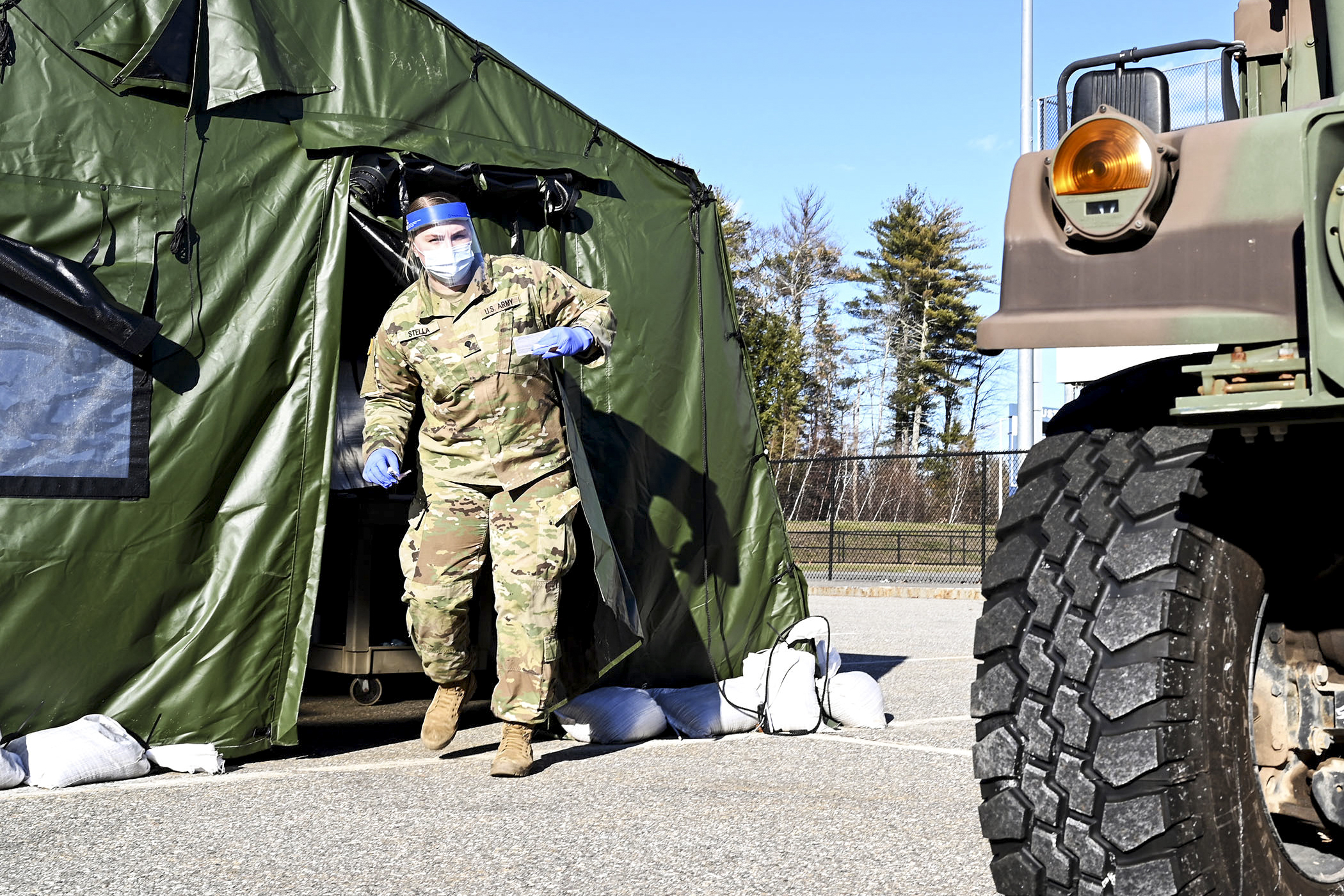
Army Spc. Madalyn Stella emerges from a medical tent with a COVID-19 vaccine for a waiting patient in Exeter, N.H., Dec. 29, 2020. Stella is one of 11 New Hampshire National Guardsmen assigned to the vaccination station, one of 13 across the state that has opened for New Hampshire first responders and high-risk ambulatory care providers.
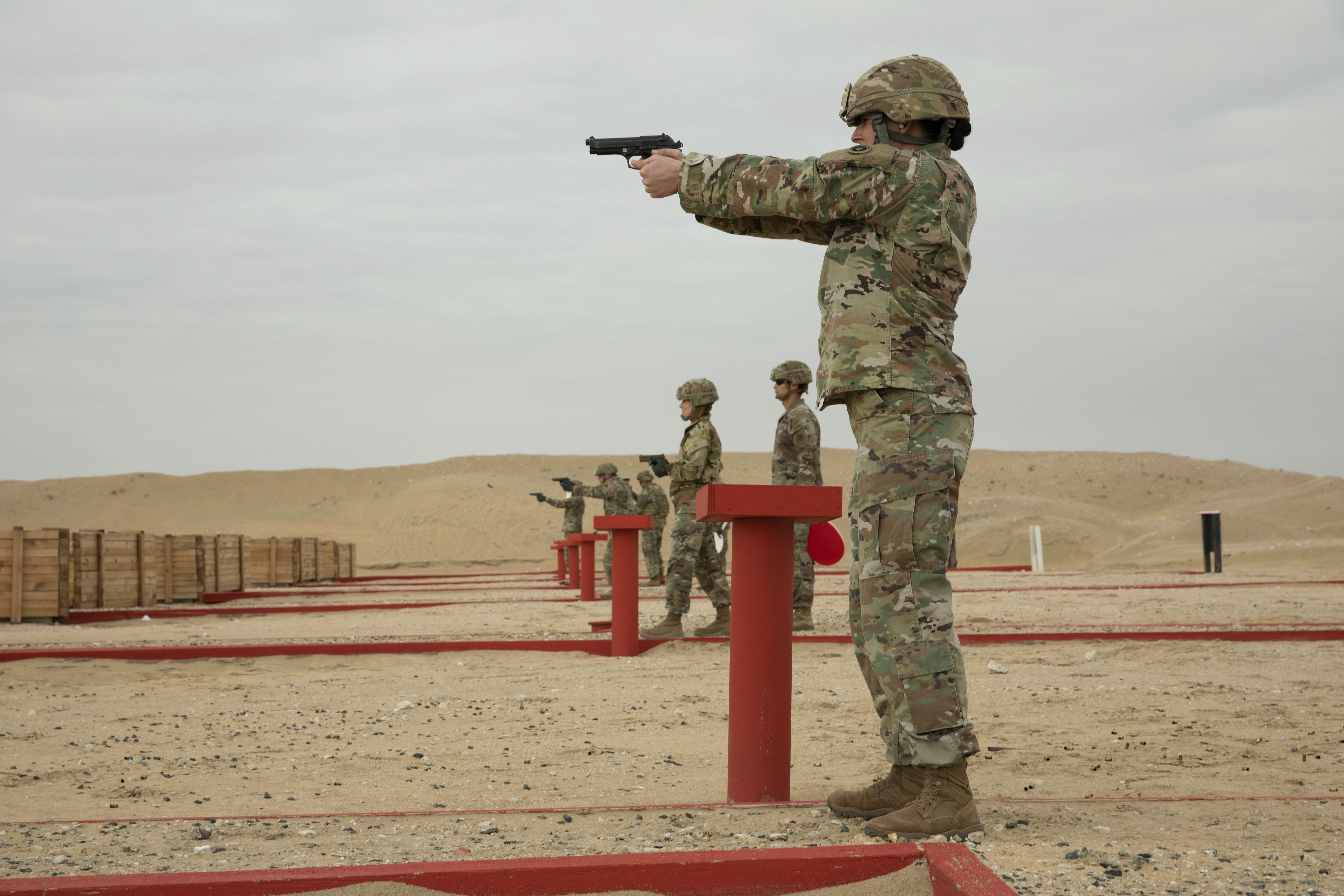
Army Lt. Col. Catherine Dunn fires during a pistol qualification course at the Udairi Range Complex in Kuwait, Dec. 28, 2020.
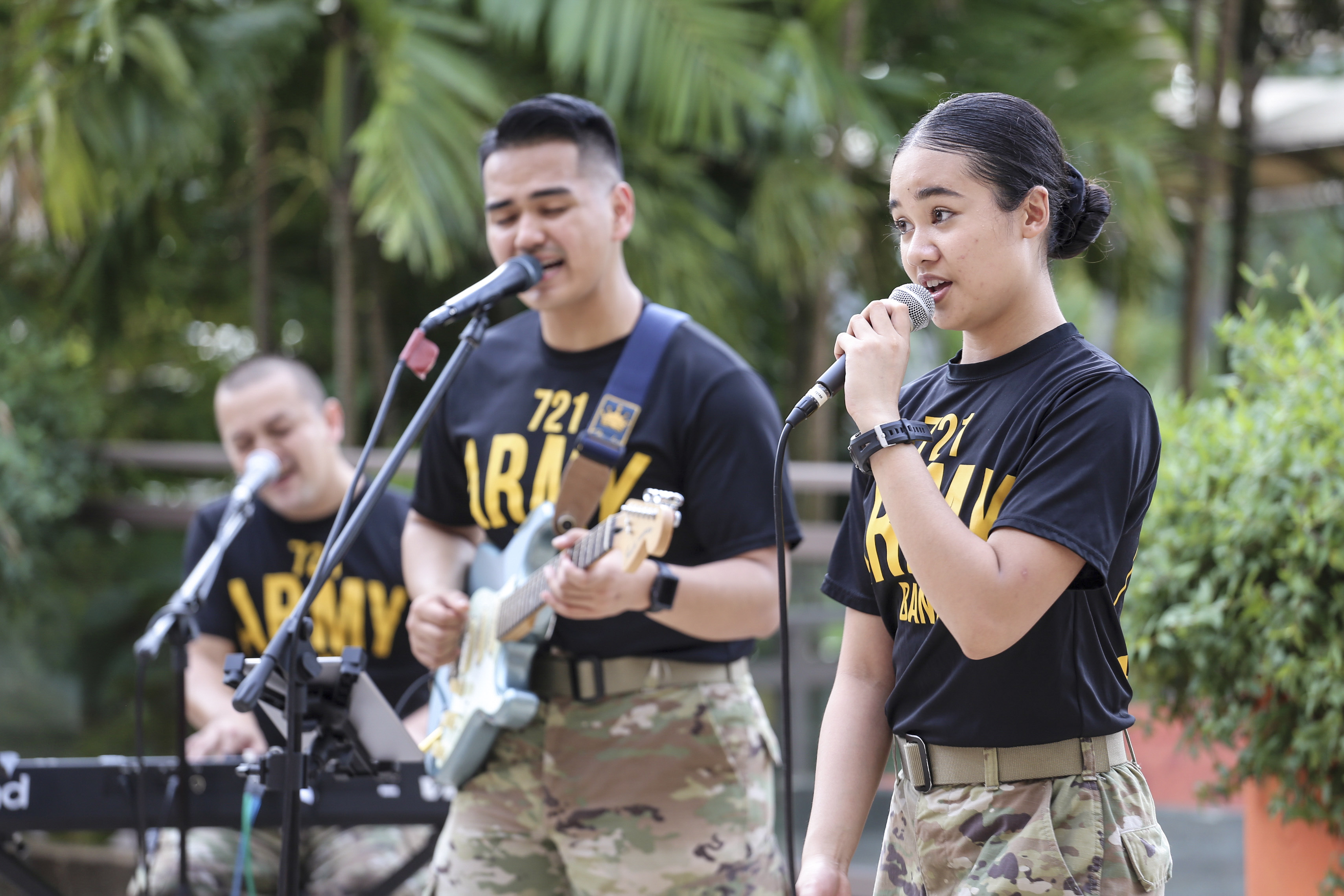
From right: Guam Army National Guard Spc. Syd Refugia, Spc. Christopher Bolus and Staff Sgt. William Cunningham III perform for guests in the COVID-19 quarantine facility at the Dusit Beach Resort in Tumon, Guam, Dec. 30, 2020.
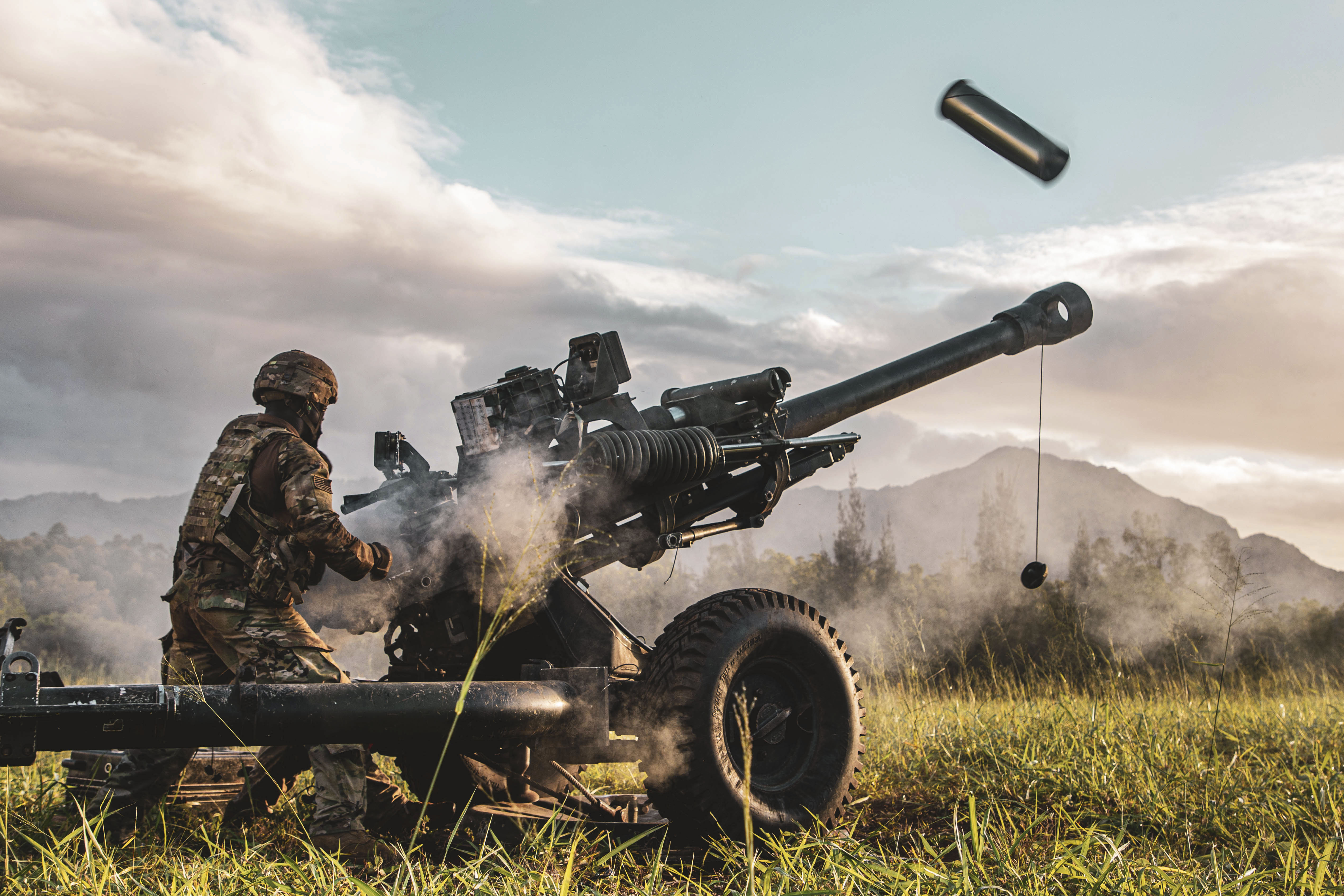
Service members participate in a live-fire event at Schofield Barracks, Hawaii, Dec. 30, 2020, during Operation Wardog Kila, a joint Army-Marine Corps exercise.
Dec. 31, 2020
Following its role in providing support to American troops in Somalia and the arrival of follow-on operational capability, Acting Secretary of Defense Chris Miller has directed that the USS Nimitz will transit directly home to complete a nearly 10-month deployment.
“The Secretary appreciates the hard work, commitment, and flexibility of more than 5,000 Sailors and Marines of the Nimitz Carrier Strike Group who repeatedly demonstrated operational excellence in providing air support to combat operations against terrorists in Iraq and Afghanistan and ensuring maritime security in critical waterways,” said Jonathan Rath Hoffman, Assistant to the Secretary of Defense for Public Affairs.
“The Nimitz team provided persistent air cover during the troop drawdowns in Afghanistan and conducted operations and exercises that strengthened enduring partnerships and alliances in the U.S. Central Command and U.S. Indo-Pacific Command areas of responsibility.
“They conducted themselves admirably throughout the deployment despite the many challenges presented by the coronavirus pandemic.
“The sacrifices and services of the Sailors, Marines, and their families is greatly appreciated by the entire Department of Defense and were in the finest traditions of the U.S. naval service. We are glad that we can conclude 2020 by announcing these warriors are headed home.”

Marines volunteer at a food drive at the Grainger Stadium parking lot in Kinston, N.C., Dec. 29, 2020. The event provided Kinston residents a free box of food and COVID- 19 testing.

Air Force Staff Sgt. Carmen Pontello introduces Hammer, a military working dog, to a Ghost Robotics Vision 60 semi-autonomous robot at Scott Air Force Base, Ill., Dec. 17, 2020. The Vision 60 resembles a dog but is not designed to replace military working dogs.

Service members assigned to U.S. Forces Korea wait to receive the first COVID-19 vaccines at Brian D. Allgood Army Community Hospital at U.S. Army Garrison Humphreys, South Korea, Dec. 29, 2020. The hospital is one of three Defense Department medical treatment facilities in South Korea inoculating medical staff and other key personnel during the initial worldwide distribution of the vaccine.
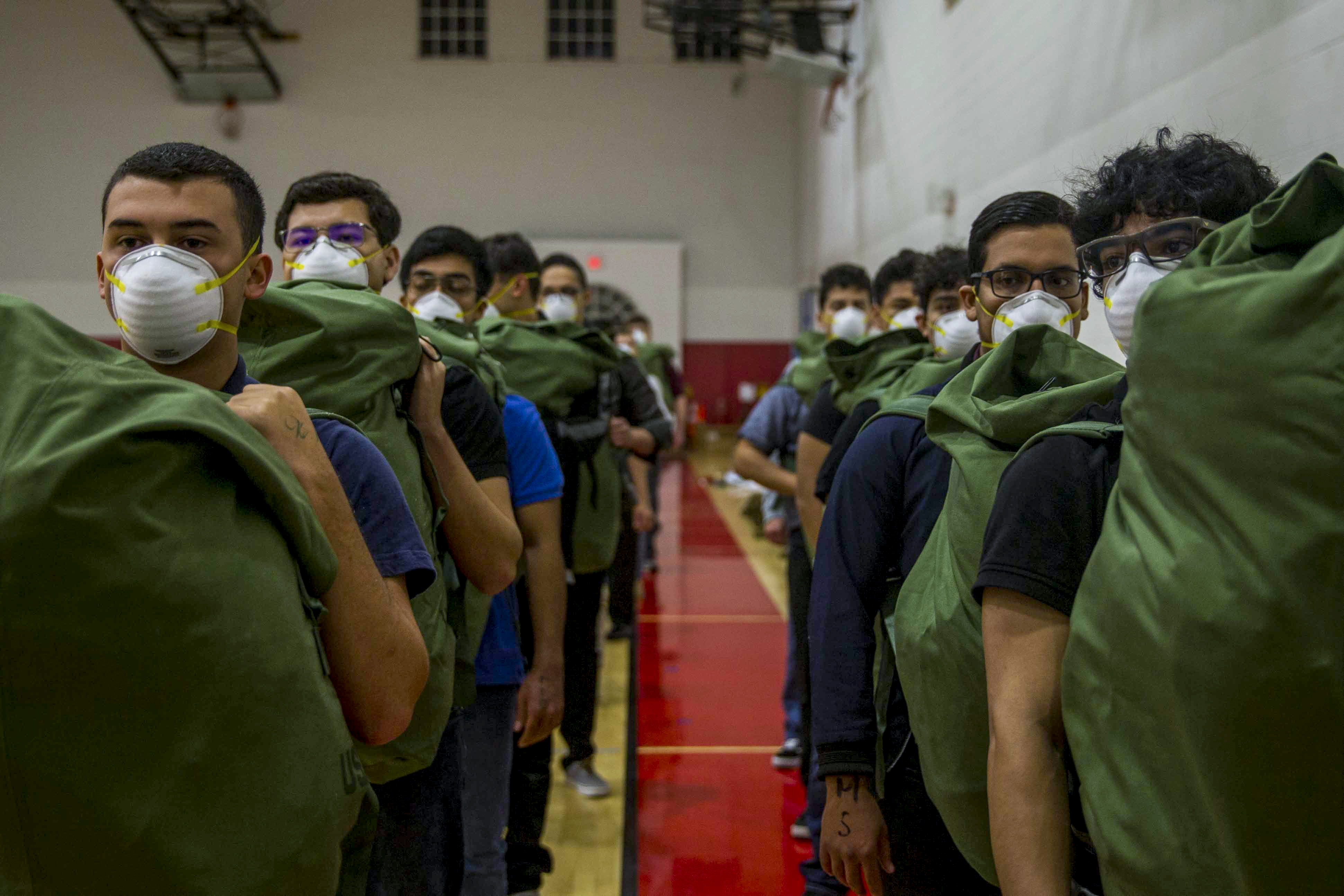
New recruits undergo screening after arriving at Marine Corps Recruit Depot San Diego, Dec. 28, 2020. Recruits will be tested for COVID-19 and go through a 14-day staging period before beginning recruit training.
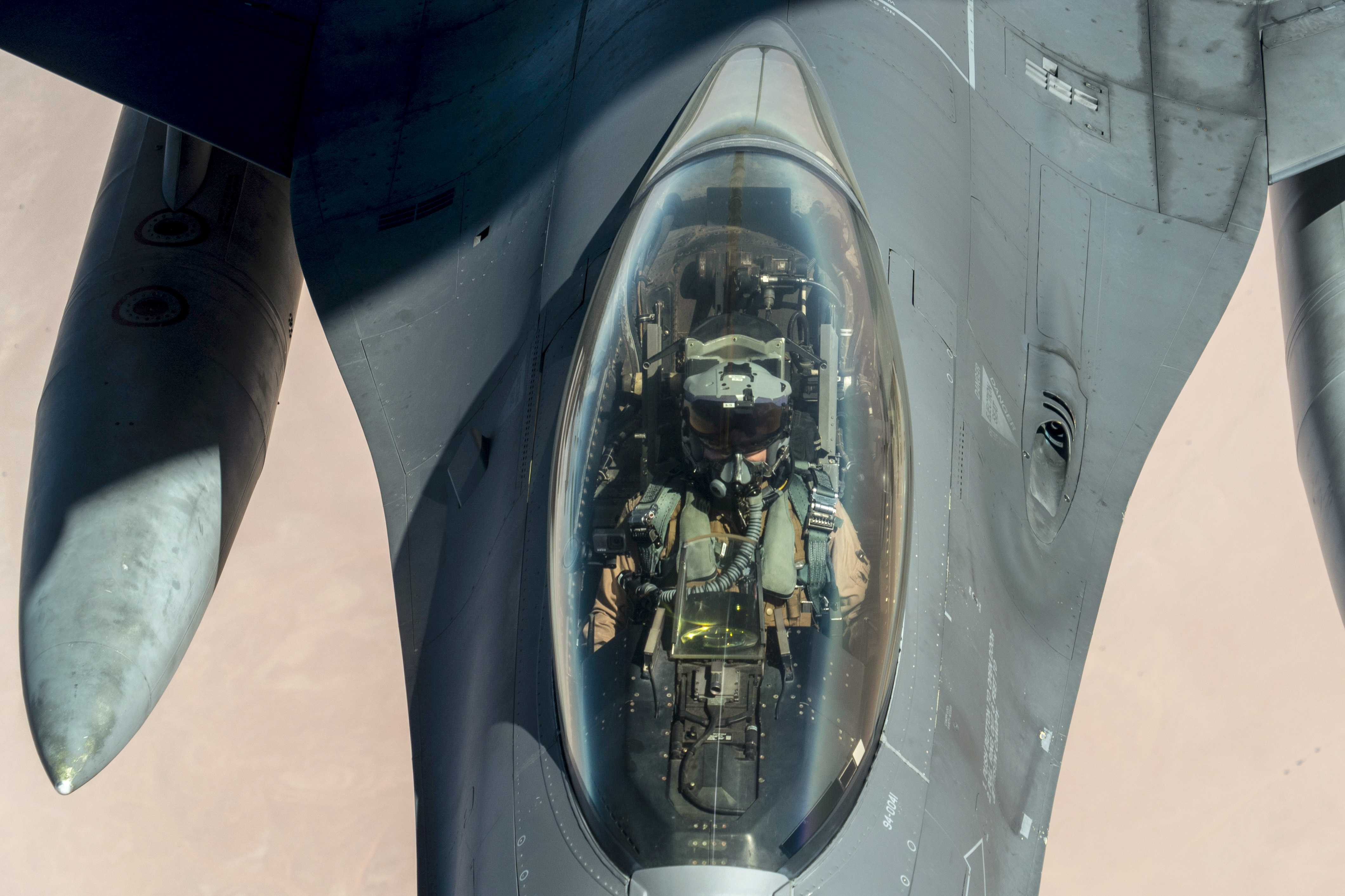
An Air Force F-16 Fighting Falcon receives fuel from a KC-135 Stratotanker over the U.S. Central Command area of responsibility, Dec. 30, 2020.

Air Force firefighters extinguish flames from a simulated car accident during an exercise at Kadena Air Base, Japan, Dec. 8, 2020.

Air Force Senior Airman Brendan Alverson inspects night vision goggles at Seymour Johnson Air Force Base, N.C., Dec. 18, 2020.
Dec. 30, 2020 | , 48th Fighter Wing
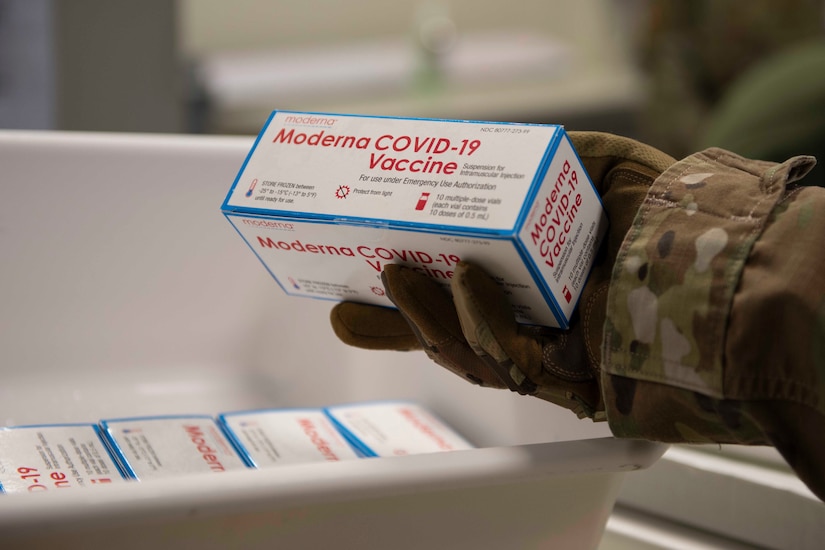
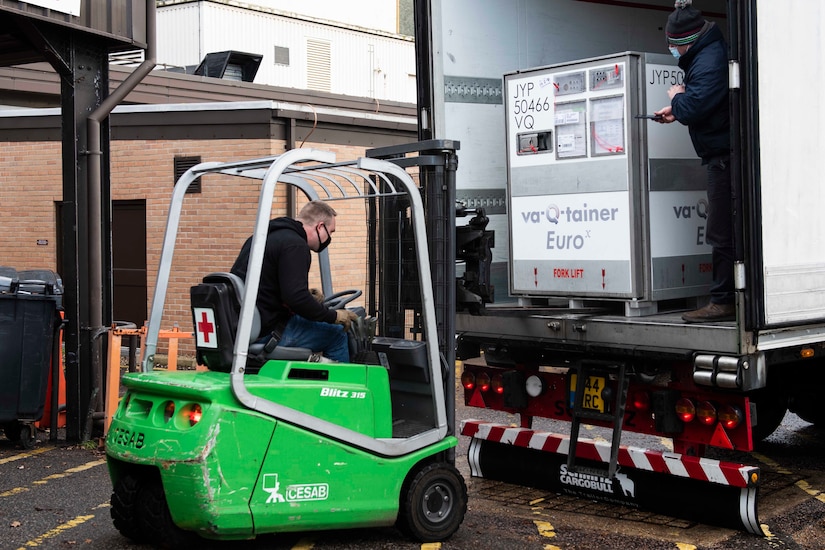
The 48th Fighter Wing received its first shipment of COVID-19 vaccines at Royal Air Force Lakenheath, England, Dec. 27, 2020.
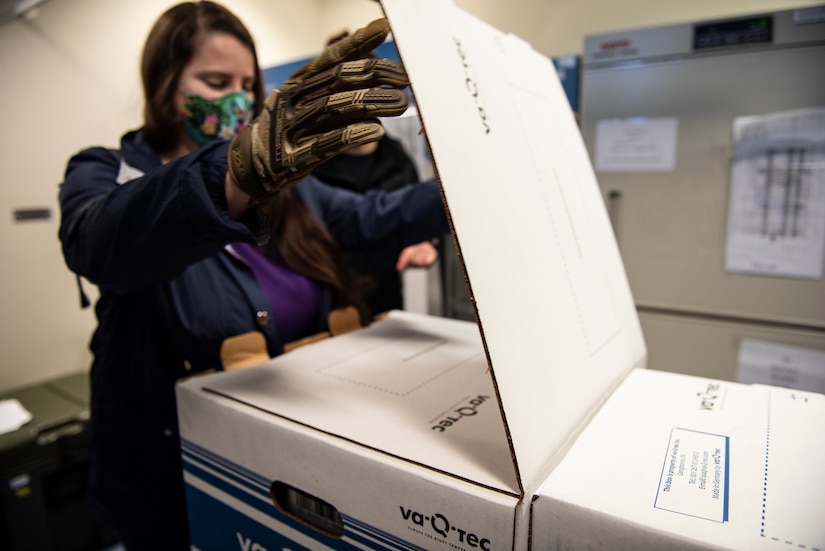
The United States government has purchased COVID-19 vaccines and is making them available to the Defense Department for distribution and administration to DOD personnel. Initially, the vaccine will be offered under an emergency use authorization, and vaccinations will be voluntary until achieving full Food and Drug Administration approval.
"The health of our force, families and communities always remains a top priority," said Air Force Col. Jason Camilletti, 48th Fighter Wing commander. "This vaccine is an important part of the way forward as we continue to care for the communities where we live and work."
Initial quantities of the vaccine are limited and will be distributed on a rolling delivery basis as more vaccines become available. Tri-base personnel (RAF Lakenheath, RAF Mildenhall, RAF Feltwell) will be prioritized to receive the vaccine based on the guidance from the Centers for Disease Control and Prevention and on the DOD COVID-19 Task Force's assessment of unique DOD mission requirements.
"At the medical group, we are excited and honored to be a part of the rollout of this historic vaccination program," said Air Force Col. Thomas Stamp, 48th Medical Group commander. "We have full confidence in the safety and efficacy of the vaccine and are eager to do our part to bring the COVID-19 pandemic to an end. Our team of experts is poised to begin vaccine administration in accordance with DOD guidelines, and we are available to answer any questions you may have regarding the vaccine."
Those providing direct medical care, maintaining essential national security and installation functions, deploying forces, and those beneficiaries at the highest risk for developing severe illness from COVID-19 will be among the first to receive the vaccine before other members of the installation population. The 48th FW personnel will be notified once the schedule of the COVID-19 vaccine administration has been determined.
"The vaccine will be made available to each of us, as detailed in DOD's priority scheme; we encourage personnel to take the vaccine as it becomes available in order to protect their health, their families, their community and lower the public health risks associated with the COVID-19 pandemic," Camilletti said.
Force health protection requirements will continue, including requirements to wear appropriate masks, physical distancing, hand washing, and restriction of movement to protect our safety as a large portion of the population will need to be vaccinated before COVID-19 risks diminish.
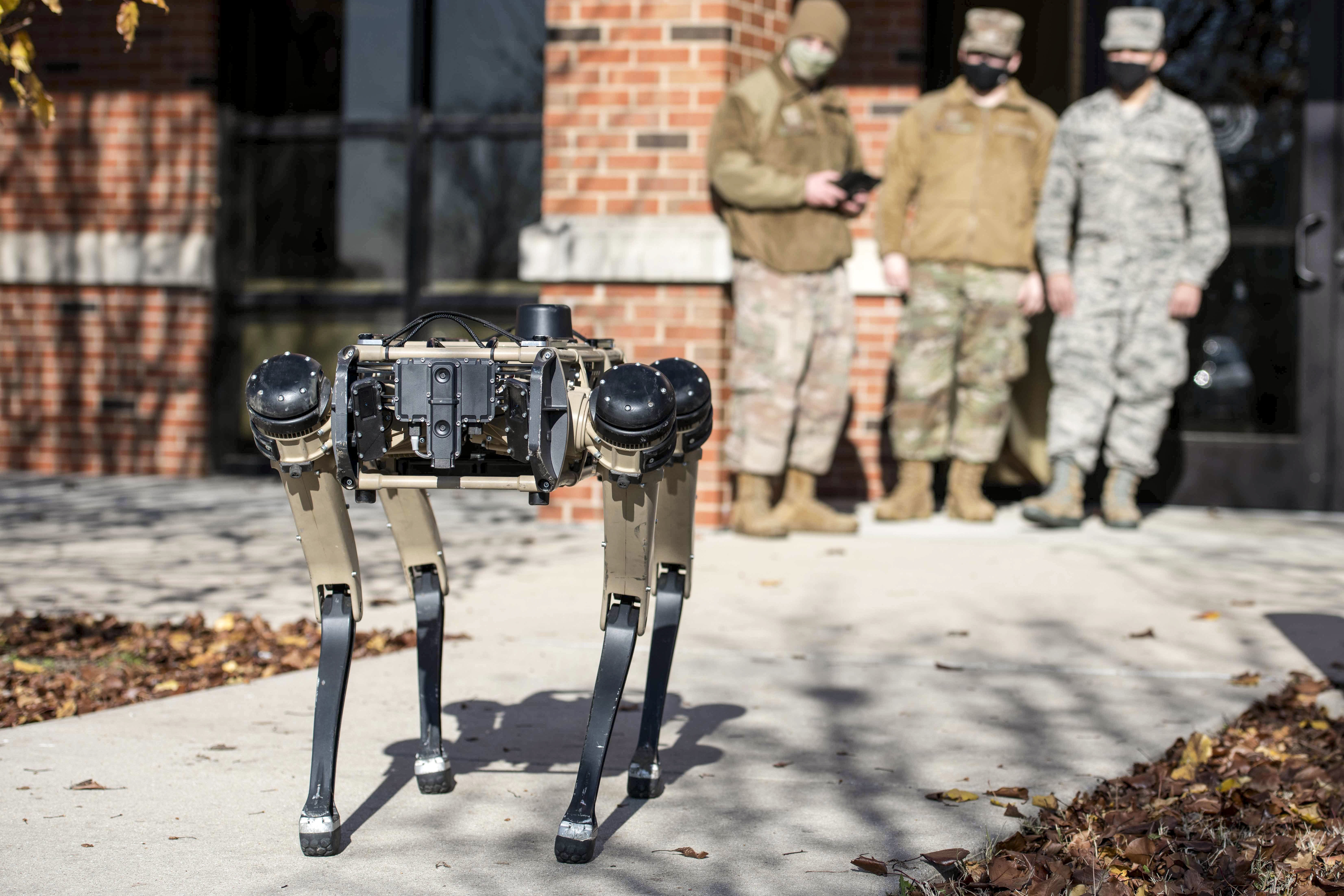
Airmen perform a function check on a Ghost Robotics Vision 60 semi-autonomous robot dog before a demonstration at Scott Air Force Base, Ill., Dec. 14, 2020. The robot dog uses an adaptive communication system that allows it to operate on a series of preset commands or when operated manually.
HOUSTON – Luxury Jeweler Harry Winston has paid a U.S. Army reservist to resolve a claim they violated the Uniformed Services Employment and Reemployment Rights Act of 1994 (USERRA) by refusing to offer him full-time employment.
“Discrimination against members of the National Guard or Reserve because of their service to our country is intolerable, violates the Uniformed Services Employment and Reemployment Rights Act, and the Department of Justice will not stand for it,” said Assistant Attorney General Eric S. Dreiband of the Civil Rights Division. “We honor all service members for their service to our nation, and this settlement signals the Justice Department’s ongoing commitment in protecting the rights of our men and women in uniform.”
“Our soldiers, sailors, airmen and marines fight for us. Fighting for their legal rights is the least we can do,” said U.S. Attorney Ryan K. Patrick for the Southern District of Texas (SDTX). “All service members, including members of the National Guard and Reserve, need to know that employers cannot discriminate against them based on their military service obligations. This settlement sends a strong message to employers that the U.S. Attorney’s Office will protect the rights of our service members.”
In December 2017, John Walker applied for a job with Harry Winston Inc. who ultimately denied his application. Walker alleged Harry Winston Inc. refused to hire him because of his military service obligations.
Congress enacted USERRA to encourage non-career service in the uniformed services by reducing employment disadvantages. It also intended to minimize the disruption to the lives of persons performing military service, their employers and others by providing for the prompt reemployment of such persons upon their completion of such service. USERRA also prohibits discrimination against persons because of their service in the uniformed services or if they pursue a claim.
Under the terms of the settlement, Harry Winston Inc. has agreed to fully compensate Walker for his back-pay and non-wage damages.
The Department of Labor - Veterans’ Employment and Training Service conducted the investigation.
Assistant U.S. Attorneys Keith Edward Wyatt and Annalisa Cravens handled the matter with Assistant Director Andrew Braniff of the Department of Justice’s Service members and Veterans Initiative and Senior Trial Attorney Alicia Johnson of the Civil Rights Division’s Employment Litigation Section. SDTX paralegal specialists Raymond Babauta and Nicole Robbins also provided assistance.
The Justice Department and the U.S. Attorney’s Office for the Southern District of Texas announced today that they resolved a claim that luxury jeweler Harry Winston Inc. violated the Uniformed Services Employment and Reemployment Rights Act of 1994 (USERRA) by refusing to offer full-time employment to U.S. Army National Guard Reservist John A. Walker because of his military service obligations.
“Discrimination against members of the National Guard or Reserve because of their service to our country is intolerable, violates the Uniformed Services Employment and Reemployment Rights Act, and the Department of Justice will not stand for it,” said Assistant Attorney General Eric S. Dreiband of the Civil Rights Division. “We honor all servicemembers for their service to our nation, and this settlement signals the Justice Department’s ongoing commitment in protecting the rights of our men and women in uniform.”
“Our soldiers, sailors, airmen and marines fight for us. Fighting for their legal rights is the least we can do,” said U.S. Attorney Ryan K. Patrick for the Southern District of Texas. “All service members, including members of the National Guard and Reserve, need to know that employers cannot discriminate against them based on their military service obligations. This settlement sends a strong message to employers that the U.S. Attorney’s Office will protect the rights of our service members.”
In December 2017, reservist Walker applied for a job with Harry Winston, Inc., which denied his application. Walker alleged that Harry Winston, Inc. refused to hire him because of his military service obligations. Under the terms of the settlement, Harry Winston, Inc. has agreed to fully compensate Walker for his back-pay and non-wage damages.
Congress enacted USERRA to encourage non-career service in the uniformed services by reducing employment disadvantages; to minimize the disruption to the lives of persons performing military service, their employers and others by providing for the prompt reemployment of such persons upon their completion of such service; and to prohibit discrimination against persons because of their service in the uniformed services or if they pursue a claim under USERRA.
The U.S. Department of Labor (DOL) referred this matter following an investigation by their Veterans’ Employment and Training Service. The U.S. Attorney’s Office for the Southern District of Texas and the Employment Litigation Section of the Department of Justice’s Civil Rights Division handled the case and work collaboratively with the DOL to protect the jobs and benefits of military members.
This investigation was led by Assistant U.S. Attorneys Keith Edward Wyatt and Annalisa Cravens and Paralegal Specialist Raymond Babauta of the Southern District of Texas, along with Assistant Director Andrew Braniff of the Department of Justice’s Servicemembers and Veterans Initiative and Senior Trial Attorney Alicia Johnson of the Civil Rights Division’s Employment Litigation Section.


 Posts
All Comments
Posts
All Comments
Posts
All Comments
Posts
All Comments