Friday, December 18, 2020

Government Officials Announce U.S. Strategy to Prevent Conflict, Promote Stability

 Dec. 18, 2020 | BY David Vergun , DOD News

Leaders with the Defense, State and Treasury Departments, along with other agency officials, held a virtual meeting today to announce the release of the "U.S. Strategy to Prevent Conflict and Promote Stability" document.

The strategy details partnerships across federal agencies designed to mitigate global conflict and promote stability and prosperity. The Global Fragility Act of 2019 directed the State Department to lead this whole-of-government strategy.

Stephanie Hammond, acting deputy assistant secretary of defense for stability and humanitarian affairs, said this strategy aims to prevent conflict and promote stability by focusing on interagency collaboration and fostering strong partnerships.

A woman faces forward with a screen behind her.

One of the main tools to support the interagency effort and implementation of the strategy, she said, is DOD's interagency support authority — known as the Defense Support to Stabilization.

This new authority allows DOD to provide logistical support, supplies and services to other federal agencies conducting stabilization activities, she said.

Defense support to stabilization ensures critical civilian expertise can get into hard-to-reach areas more quickly and efficiently and with more effective resources, creating a unity of effort that the agencies have lacked in the past, Hammond said.

This strategy looks to a complex future challenged by both regional and world powers, and allows the United States to work with a united front and build strong coalitions with civil society, think tanks, academia and international partners to meet the most difficult tasks, she said. 

"I believe this strategy will end up and serve as a foundational document for many years," she added.
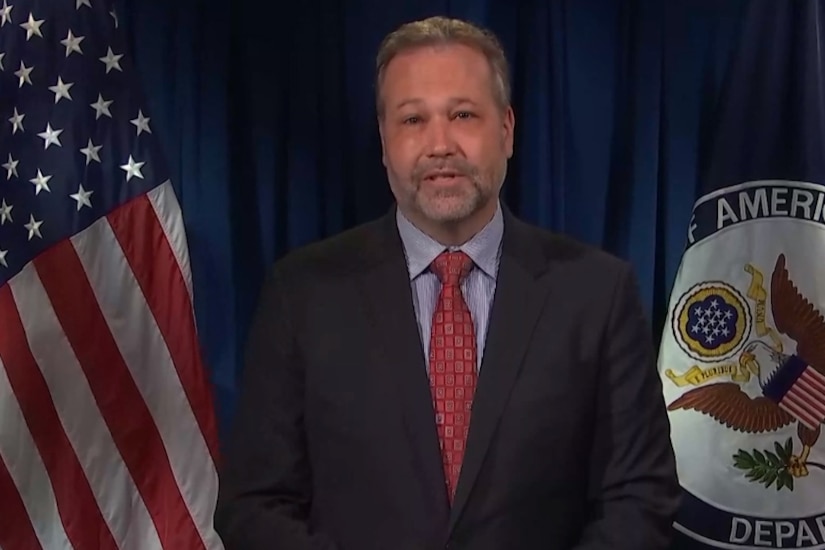
A man looks forward; a flag and a seal are behind him.

Jim Richardson, director of the Office of Foreign Assistance at the State Department, spoke about some of the shortcomings that led to the need for this strategy.

"Within the past five years, the U.S. has spent about $30 billion in foreign assistance in just the 15 most fragile countries," he said. "We're not alone. Nearly every donor around the world is doubling down in these spaces for a simple reason: weak and poorly governed states give rise to a host of challenges — including conflict, terrorism, crime and humanitarian crises."

"These challenges can also spill across borders, threaten regional and even global peace, as well as our own national security," he added.

Unfortunately, even with high levels of investments from the U.S. and other countries, progress has not been adequate, he said.
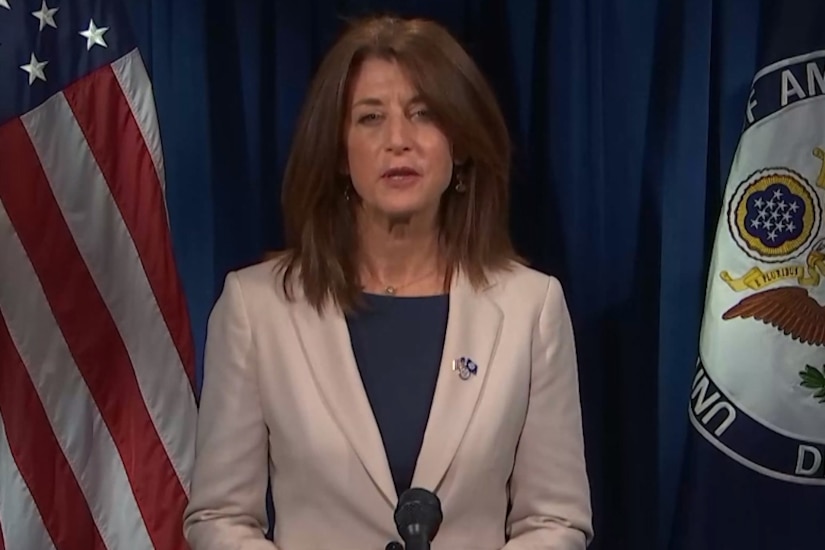
A woman flanked by a flag and a seal looks forward.

Dr. Denise Natali, assistant secretary of state for conflict and stabilization operations, said "the strategy is not old wine in a new bottle."

Rather than externally driven nation-building, the United States will support locally driven solutions that align with U.S. national security interests rather than fragmented and broad-based efforts, the United States will target the political factors that drive fragility. And rather than diffuse and open-ended efforts, the United States will engage selectively, based on measurable results, host-country political will, respect for democracy and human rights and cost sharing, Natali said.

Stephen Biegun, deputy secretary of state, said, "Our strategy reflects input from a broad range of experts and draws on lessons learned from decades of experience."
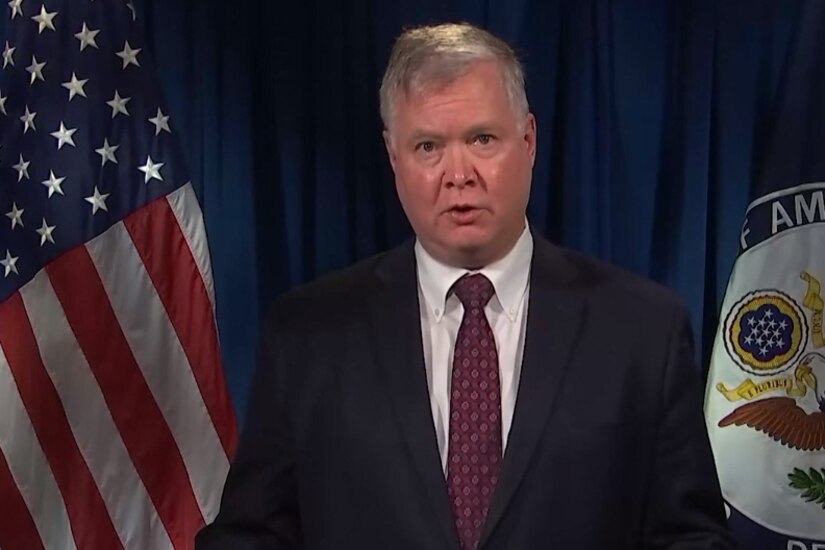
A man flanked by a flag and a seal looks ahead and speaks.

He added that the strategy, along with the Global Fragility Act of 2019, has had strong bipartisan support from Congress.

Other speakers included: Robert Jenkins, deputy assistant administrator for conflict prevention and stabilization at the U.S. Agency for International Development; Mathew Haarsager, deputy assistant secretary of international development, finance and policy at the Treasury Department; and Tjada D'Oyen McKenna, chief executive officer of Mercy Corps.

Space Force Leader to Become 8th Member of Joint Chiefs

 Dec. 18, 2020 | BY Jim Garamone , DOD News

The Joint Chiefs of Staff will grow by one member when Space Force Gen. John "Jay" Raymond joins the highest-ranking military, deliberative body in the Defense Department on Dec. 20.

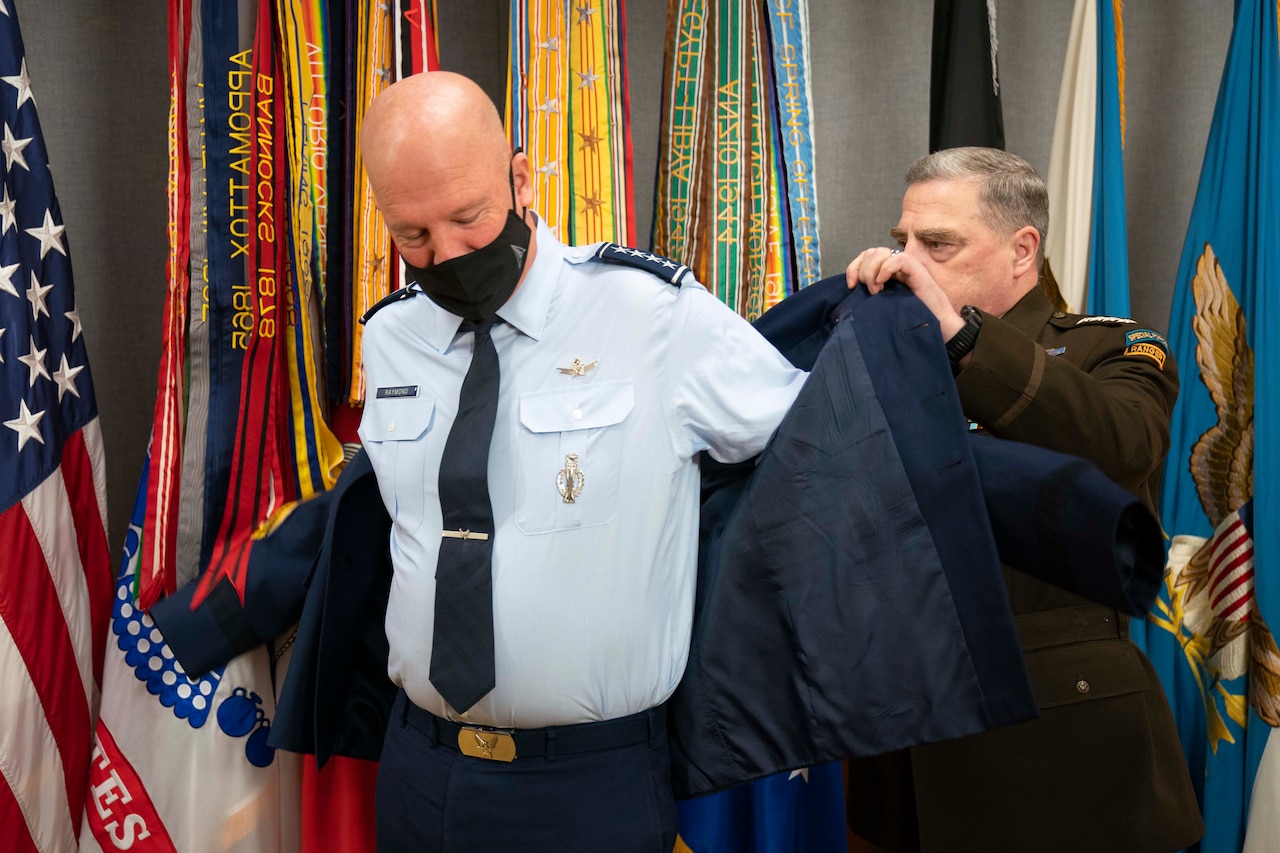
Chairman of the Joint Chiefs of Staff Army Gen. Mark Milley inducted Raymond, the chief of space operations, into the Joint Chiefs of Staff at a ceremony on Dec. 11. He becomes an official member of the body on the same day the Space Force celebrates its first anniversary as an official service branch.

The law stated that the chief of space operations would become a member of the Joint Chiefs a year after it was signed. "But under your leadership and under [the] leadership [of] the vice chairman, you said 'We're not going to wait!,' and you've treated me like a member ever since [the law was signed]," Raymond said during the ceremony at the Pentagon. "I can't thank you enough. I can't thank my teammates enough. It's a real privilege to sit at this table."

A man in a military uniform helps another man put on a jacket.

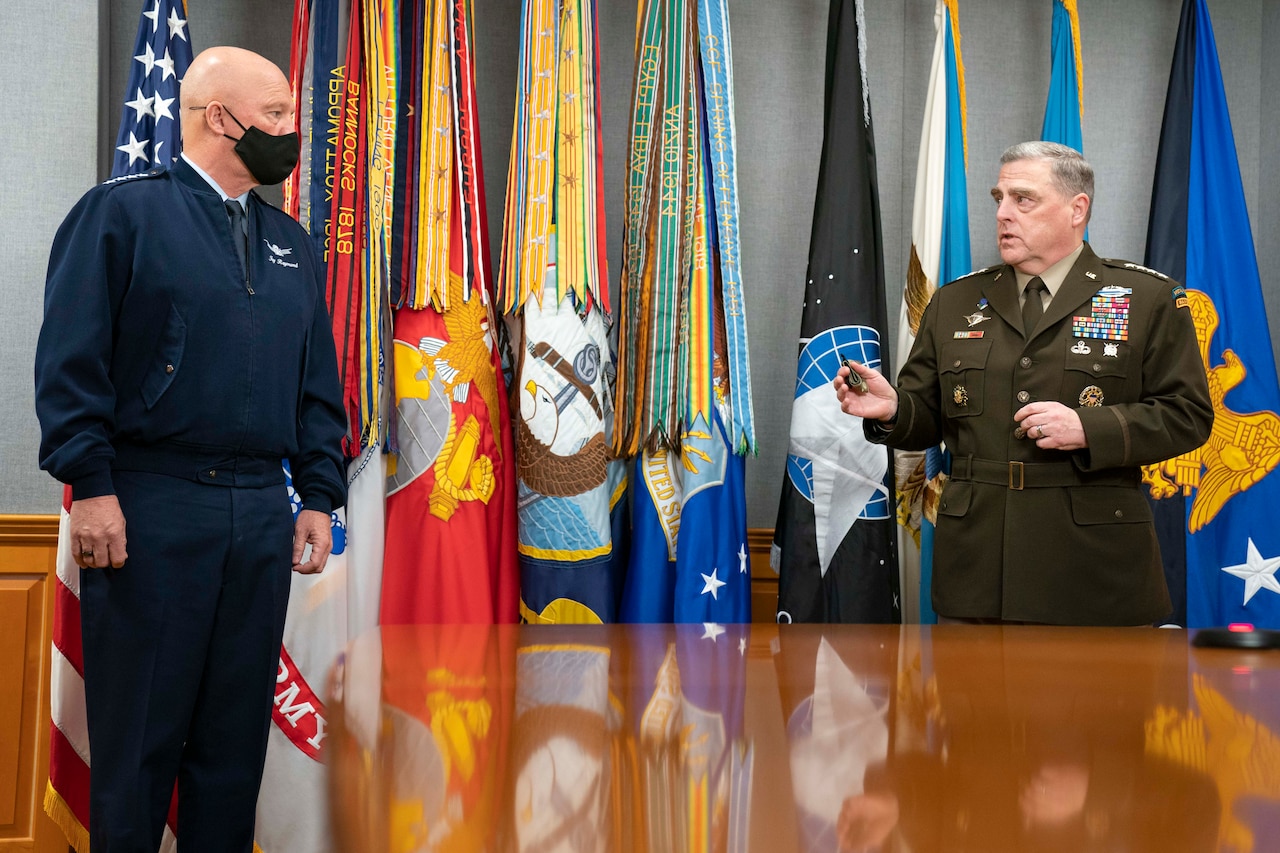
The induction of Raymond points to the growing importance of space in American life. It also highlights the increased importance of the domain to the military. "We recognize it clearly as a warfighting domain. And we also know that we, the United States, we've got to maintain capabilities in that domain if we are going to continue to deter great power war," Milley said during the ceremony. "This is an incredibly important organization for the United States military and for the United States as a country. And it's really important what we're doing today, which is [to] induct you as an official member into the Joint Chiefs of Staff."

The United States Space Force is a separate service under the Department of the Air Force. It will grow to about 20,000 members with most coming from the Air Force, but with other services also providing personnel. The Air Force will provide all the services the new force needs, allowing the space professionals to concentrate on their missions.

"How fitting: The Chief of Space Operations is now officially a member of the Joint Chiefs of Staff, in keeping with the pivotal role of space in national defense," said Air Force Secretary Barbara Barrett. "Incomparable Gen. Jay Raymond is building an agile, innovative and bold Space Force. With the other chiefs, Gen. Raymond will offer his best military advice to the president, National Security Council, Homeland Security Council and defense secretary as they implement the National Defense Strategy."

Two men separated by a table talk to one another; behind them is a row of flags.

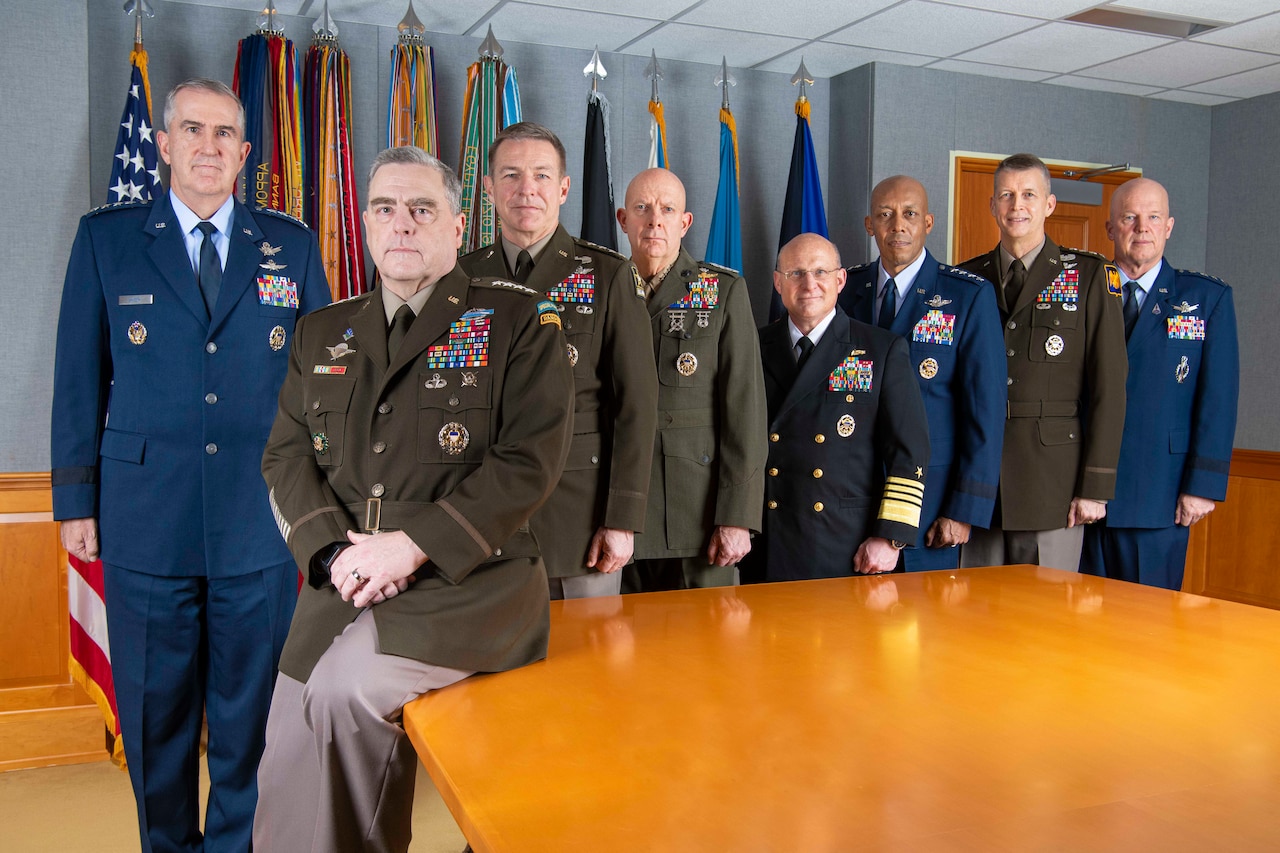
Membership on the Joint Chiefs of Staff is set by law. The members are the chairman of the Joint Chiefs of Staff, the vice chairman, the Army chief of staff, the commandant of the Marine Corps, the chief of naval operations, the Air Force chief of staff, the chief of the National Guard Bureau and, now, the chief of space operations. 

The body has grown and changed since it was formed out of the destruction of World War II. When formed, the Joint Chiefs were the chairman, the Army chief of staff, the chief of naval operations and the Air Force chief. The commandant of the Marine Corps was included when issues pertaining to the Marine Corps were discussed by the chiefs but he was not a member of the Joint Chiefs of Staff, said David Crist, Joint Staff historian. 

Through the Berlin blockade, the Korean War, the Cuban Missile Crisis of October 1962, the Vietnam War and its aftermath, the body remained the same. The first personnel change came in 1978 when the Marine Corps commandant became a full-fledged member of the body.

In 1986, came the Goldwater-Nichols Act. It would be hard to understate the legislation's effects on the Joint Chiefs of Staff. The legislation increased the visibility, responsibilities and reach of the chairman and added the office of the vice chairman of the Joint Chiefs of Staff. It changed the way the Joint Staff was manned and stressed the importance of joint duty for military officers and personnel.

The next change in the make-up of the body was the inclusion of the chief of the National Guard Bureau in 2012. 

Eight men wearing military uniforms gather around a table; a number of flags are in the background.

With the creation of the Space Force, comes the newest change.

Each chairman uses the body a bit differently, Crist said. The most recent three chairmen — Army Gen. Martin E. Dempsey, Marine Corps Gen. Joe Dunford and current chairman Army Gen. Mark A. Milley — convened the chiefs regularly for deliberations on many issues, Crist said. 

This is not to say the Joint Chiefs is a consensus organization. The chairman decides what the best military advice is for the defense secretary, president and the rest of the National Security Council. Still, the chairman can — and does — pass along dissenting opinions from the other members of the Joint Chiefs when appropriate.

The Army, Marine Corps, Navy, Air Force and Space Force members of the joint chiefs are responsible for manning, training and equipping forces. But when they enter "the Tank" — the room in the Pentagon where they convene — they are expected to think and act for the good of the joint force. Their experience as a soldier, Marine, sailor or airman may color their perspective, but as members of the JCS, they are expected to embrace the larger military culture, Crist said.

Naval Medical Center San Diego Receives First Shipment of COVID-19 Vaccine

 Dec. 18, 2020 | BY Navy Petty Officer 3rd Class Jacob L. Greenberg

Naval Medical Center San Diego  received its first shipment of coronavirus (COVID-19) vaccines Dec. 14, 2020. The vaccines are from the American pharmaceutical corporation Pfizer and are administered in a two-dose series.

"I'm very excited and proud that NMCSD is among the first [COVID-19] vaccine sites in the world," said Navy Cmdr. Jason Rice, NMCSD's director of public health and public health emergency officer. "I'm grateful that we have the opportunity to participate in such a historic public health event that will have a profound impact on the health of our staff and the Department of Defense family we serve.

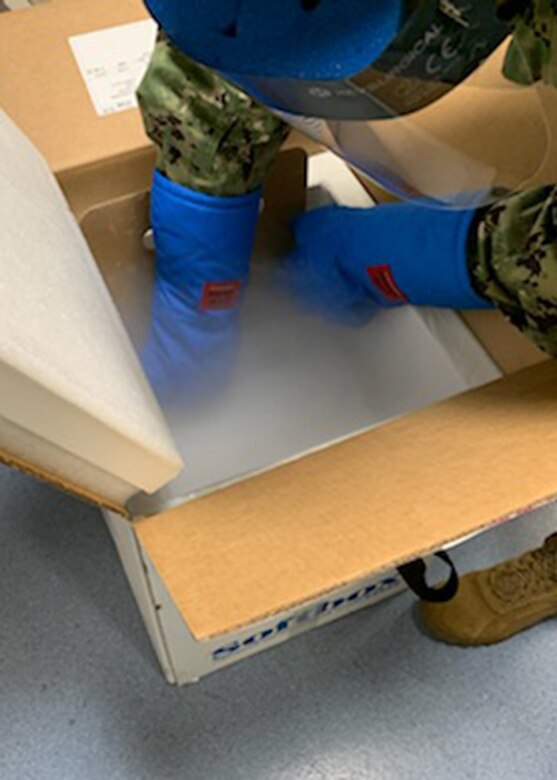
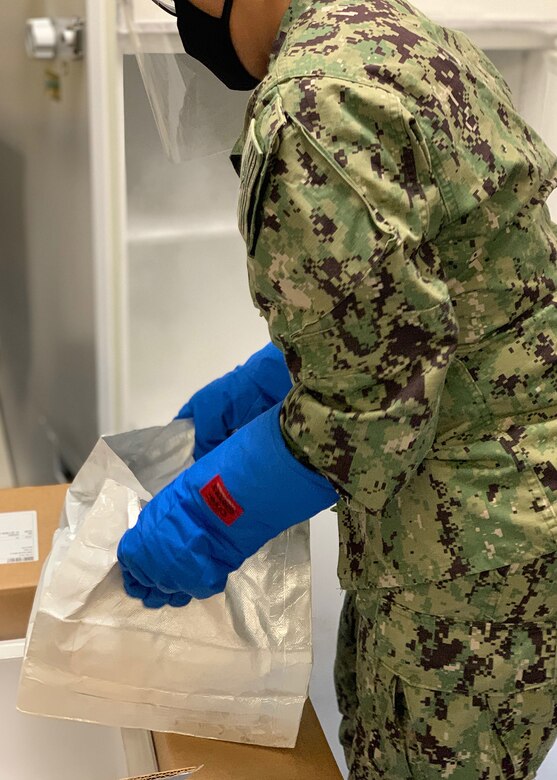
A sailor handles a box of vaccines.

The DOD COVID-19 vaccine distribution and administration plan will implement a phased, standardized and coordinated strategy for prioritizing, distributing and administering COVID-19 vaccines to protect our people, maintain readiness and support the national COVID-19 response. The Department of Health and Human Services  and Centers for Disease Control and Prevention  vaccine allocation data have informed the deliberate development of the DOD's feasible and scalable distribution and administration plan.

"For several weeks, our public health and material management teams have been working very hard to prepare for this event to ensure that we would be able to safely and effectively receive, store, handle and administer the vaccine," Rice said. "It has certainly been a challenge, given the unique requirements of this particular vaccine and the compressed timeline for its rollout. Our team has done an outstanding job in preparing to execute this mission, and we're excited to be a part of this critical, public health response effort."

NMCSD is coordinating with regional installation leadership to vaccinate volunteering first responders, such as frontline health care workers, emergency management service personnel and security forces.

"Now that we have successfully received the vaccine, we will begin administering it on Dec. 15," Rice said. "In this phase we are prioritizing our highest-risk health care workers and first responders from our local installations. Within phase 1, there are three sub-tiers. Sub-tier 1 consists of health care workers within the emergency department and intensive care unit, as well as local installation emergency medical services, fire and police departments from the six local Navy and Marine Corps installations that we support. Sub-tier 2 recipients include our NMCSD inpatient health care workers, and sub-tier 3 are their outpatient counterparts."

Rice said when NMCSD begins administering the vaccine, they will work to vaccinate sub-tier 1 personnel within 2-3 days, followed by sub-tier 2 and 3 personnel as vaccine supplies from this initial shipment permit.

A sailor prepares to handle a box of vaccines.

The implementation of phase 2 will begin when NMCSD receives its next shipment of vaccines from Pfizer.

"We anticipate that shipment arriving in the coming weeks," Rice said. "[That shipment will] cover the second dose for everyone who received their first dose this week, and with the remainder, we will move on to administering dose number one for additional healthcare workers."

The general reception of the vaccine around NMCSD has been positive.

"From my discussion with staff members throughout the command, including talks with leadership all the way down to the deck plates, my sense is that our staff are very receptive and excited about receiving the vaccine," Rice said. "As with any new vaccine or therapeutic that comes out, there will be some confusion and many questions; that is expected. We will have staff on hand to counsel patients and address their questions and concerns."

Rice said, “NMCSD will subsequently move on to vaccinating all active duty and eligible beneficiaries as per the DOD's prioritization schema. When NMCSD moves on to that phase of the rollout, our goal is to ensure that all beneficiaries are well informed about the vaccine. We look forward to continuing the process, beginning with our phase 1 health care providers, moving on to our supported active duty units as well as all of our beneficiaries."

NMCSD is committed to protecting the health and readiness of our sailors, Marines, civilian employees and their families, safeguarding our national security capabilities, and supporting the whole-of nation response. All DOD personnel will continue to wear appropriate face masks, practice physical distancing, wash hands and follow restriction of movement guidelines to protect themselves.

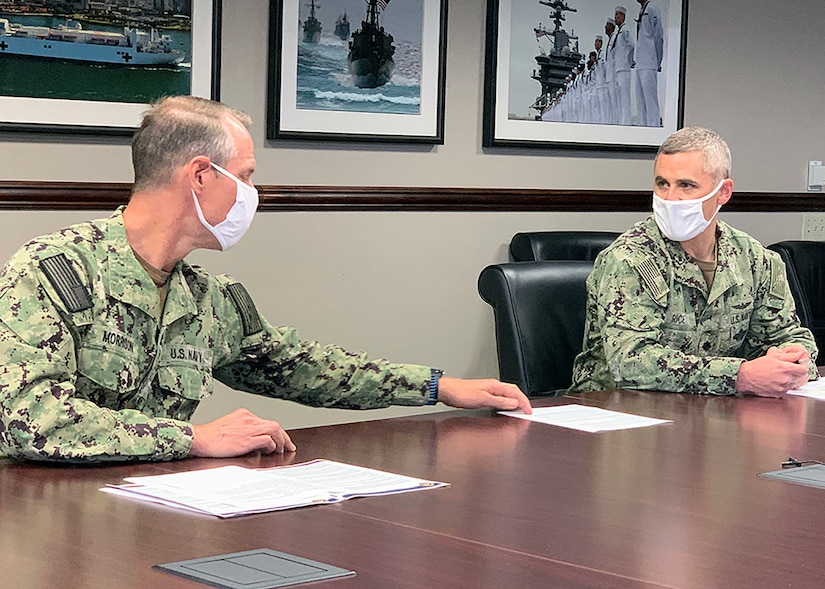
Two military leaders wearing face masks sit at a conference table.

NMCSD and Naval Hospital Camp Pendleton were selected by the DOD's COVID-19 Task Force to receive the first doses of Pfizer's COVID-19 vaccine, based on recommendations from the military services and the U.S. Coast Guard, to best support several criteria to include anticipated supply chain requirements, such as cold and bulk storage facilities, local population of at least 1,000 priority personnel across the military services and sufficient medical personnel to administer vaccines and actively monitor vaccine recipients.

NMCSD's mission is to prepare service members to deploy in support of operational forces, deliver high quality health care services and shape the future of military medicine through education, training and research. NMCSD employs more than 6,000 active duty military personnel, civilians and contractors in Southern California to provide patients with world-class care anytime, anywhere.

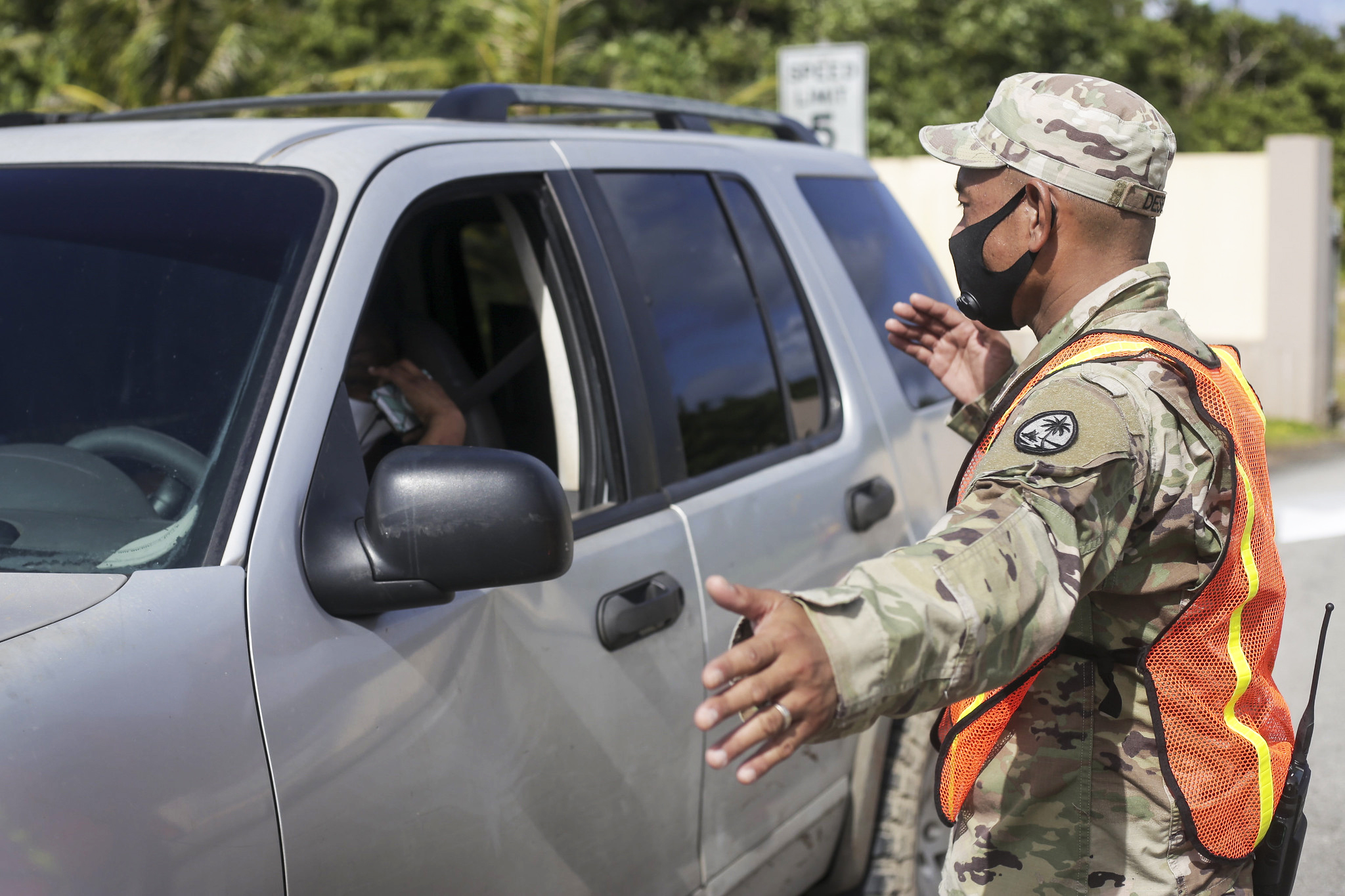
Directing Traffic


Army Spc. John Deseo,assigned to the Guam National Guard's Task Force Response, assists with traffic flow on the island's first day of COVID-19 vaccine administration in Dededo, Guam, Dec. 17, 2020.

Boston Beauty


The USS Constitution displays holiday lights and decorations during a snowstorm while moored to the pier at the Charlestown Navy Yard in Boston, Dec. 17, 2020. First launched in 1797, the USS Constitution is the world’s oldest commissioned warship afloat.

Swab Test


May Oliva, a clinical nurse assigned to Naval Medical Center San Diego, administers a nasopharyngeal swab to test a patient for the coronavirus during a trial for AstraZeneca’s candidate for the COVID-19 vaccine, Dec. 17, 2020. The trial is part of Operation Warp Speed, a national initiative to accelerate the development, production and distribution of COVID-19 vaccines, therapeutics and diagnostics.

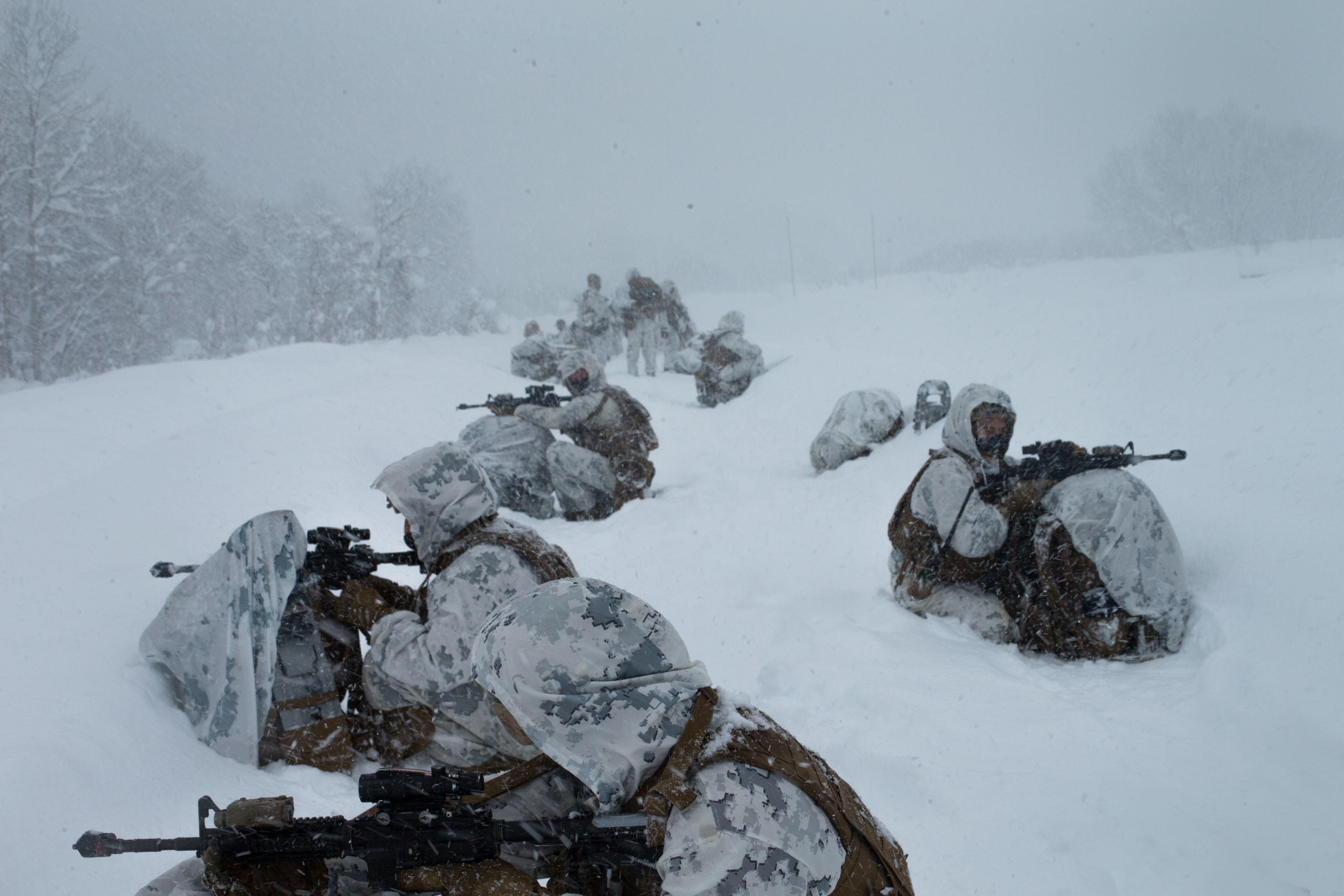
Snowy Security


Marines provide security in a snowstorm during Exercise Forest Light 21 in the Niigata Prefecture, Japan, Dec. 16, 2020. Forest Light is an annual bilateral training exercise that strengthens the interoperability and readiness of the Marine Corps and the Japan Ground Self-Defense Force.

Camouflage Cover


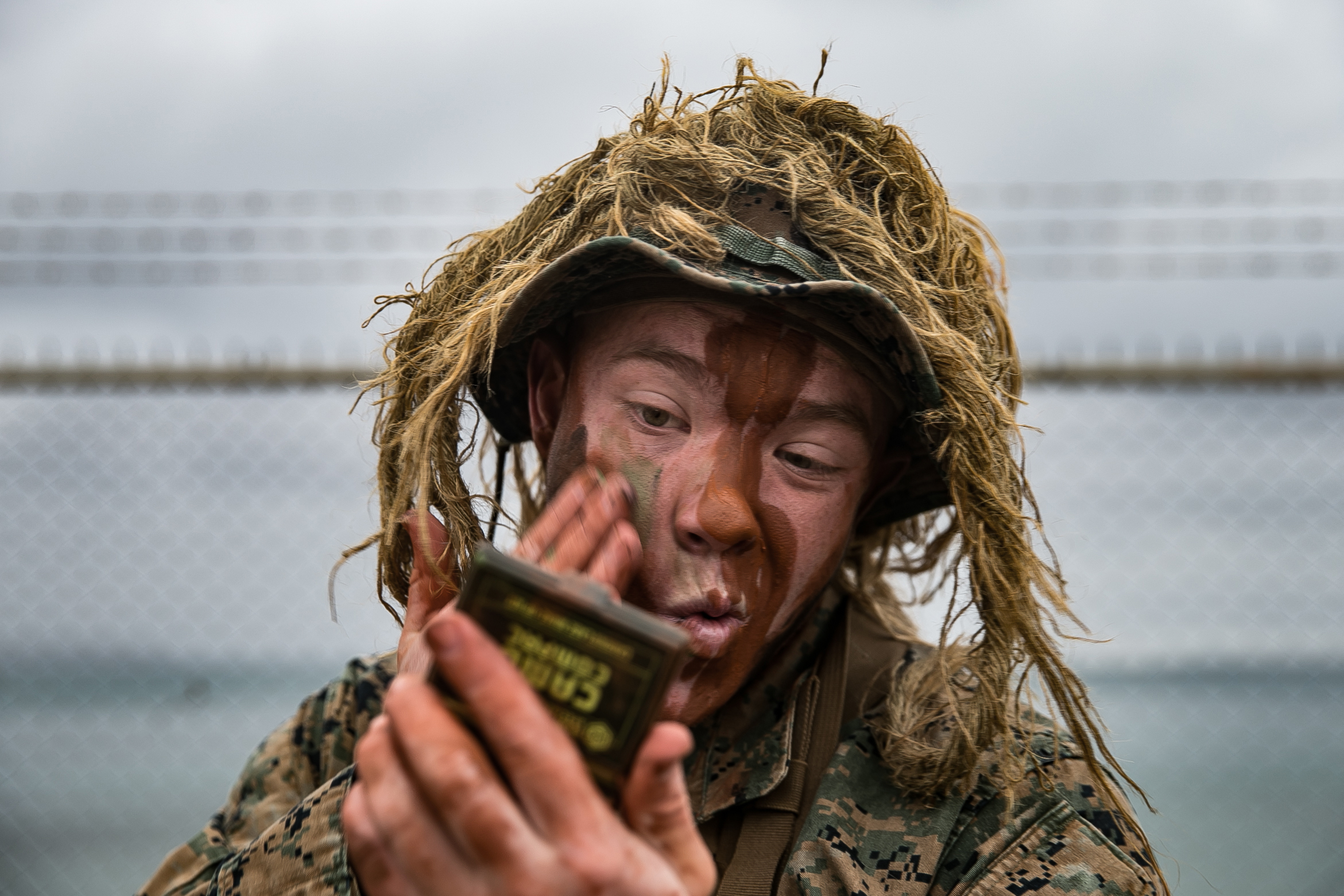
Marine Corps Lance Cpl. Jerren Strong covers his face with camo paint in preparation for a simulated boat raid at Kin Red, Okinawa, Japan, Dec. 16, 2020. The Marines conducted the raid in the dark to enhance proficiency for night operations.

Statement on Transition Activities by Acting Secretary of Defense Miller

 Dec. 18, 2020


Statement by Acting Secretary of Defense Miller:

The Department of Defense will continue to provide all required support to the Agency Review Team (ART) to keep our nation and her citizens safe. As of today, we have supported 139 interviews sessions more than 200 DoD personnel, 161 requests for information, and disclosed thousands of pages of non-public and classified documents, exceeding prior transitions.  At no time has the Department  cancelled or declined any interview.

Our key focus in the next two weeks is supporting essential requests for information on OWS and COVID-19 information to guarantee a flawless transition. This is my major focus area.

After the mutually-agreed upon holiday pause, which begins tomorrow, we will continue with the transition and rescheduled meetings from today.

Again, I remain committed to a full and transparent transition – this is what our nation expects and the DoD will deliver AS IT ALWAYS HAS.”

TRANSITION FACTS

To date, since November 23rd the Department has:

•            Conducted 139 interviews with 265 officials

•            Responded to 161 requests for information (RFI)

•            Provided 4,400 pages of controlled non-public information

•            Provided 900 pages of classified information

We continue to schedule interviews with senior leaders and career officials. Today, we are working to reschedule approximately 20 interviews with 40 officials until after January 1.

We continue to support with:

•            Reading materials,

•            reporting requirements,

•            and working with the Agency Review Team to validate a pilot for rapidly onboarding political appointees in a new administration.

This has all been done while:

•            taking all precautions to protect American lives from COVID-19 exposure

o            Operating under HPCON B – with only 40% of the workforce in the building and 60% teleworking.

o            Conducting all interviews virtually – something that has never been done before.

•            Implementing the National Defense Strategy

•            Supporting Operation Warp Speed to save American lives.

DoD continues to support the presidential transition aligned with the President Transition Act, White House and Biden-Harris Transition Team Memorandum of Understanding, and DoD policy.

In 2016, a total of approximately 175 RFIs were responded to and 180 interviews were conducted from November 19th through January 12th. Most of these interviews were with junior career officials, not senior leaders.  Implementing guidance from the Secretary, DoD has made available leaders at the highest levels of our organization, many senate-confirmed as well as other politically appointed leaders, and has ensured senior career officials and experts were also part of the interview process. 

Vaccine Preparations


New York National Guard Army Maj. Stephen Carson prepares the COVID-19 vaccination area at the Camp Smith Training Site Medical Readiness Clinic in Cortlandt Manor, N.Y., Dec. 16, 2020. The New York National Guard is participating in a Defense Department vaccine pilot program in which 44,000 doses of the Pfizer vaccine are being administered to frontline medical personnel at 16 locations around the world.

Thursday, December 17, 2020

The First Vaccinations


Army Staff Sgt. Victor Palomo, LPN, left; Army Capt. Patricia Nolan, RN, center; and Army Sgt. 1st Class Jeffrey Simmons, LPN, right, transport thawed Pfizer-BioNTech COVID-19 vaccines to the clinic to begin the first COVID-19 vaccinations at Madigan Army Medical Center on Joint Base Lewis-McChord in Tacoma, Wash., Dec. 16, 2020.

Aerial Exercise

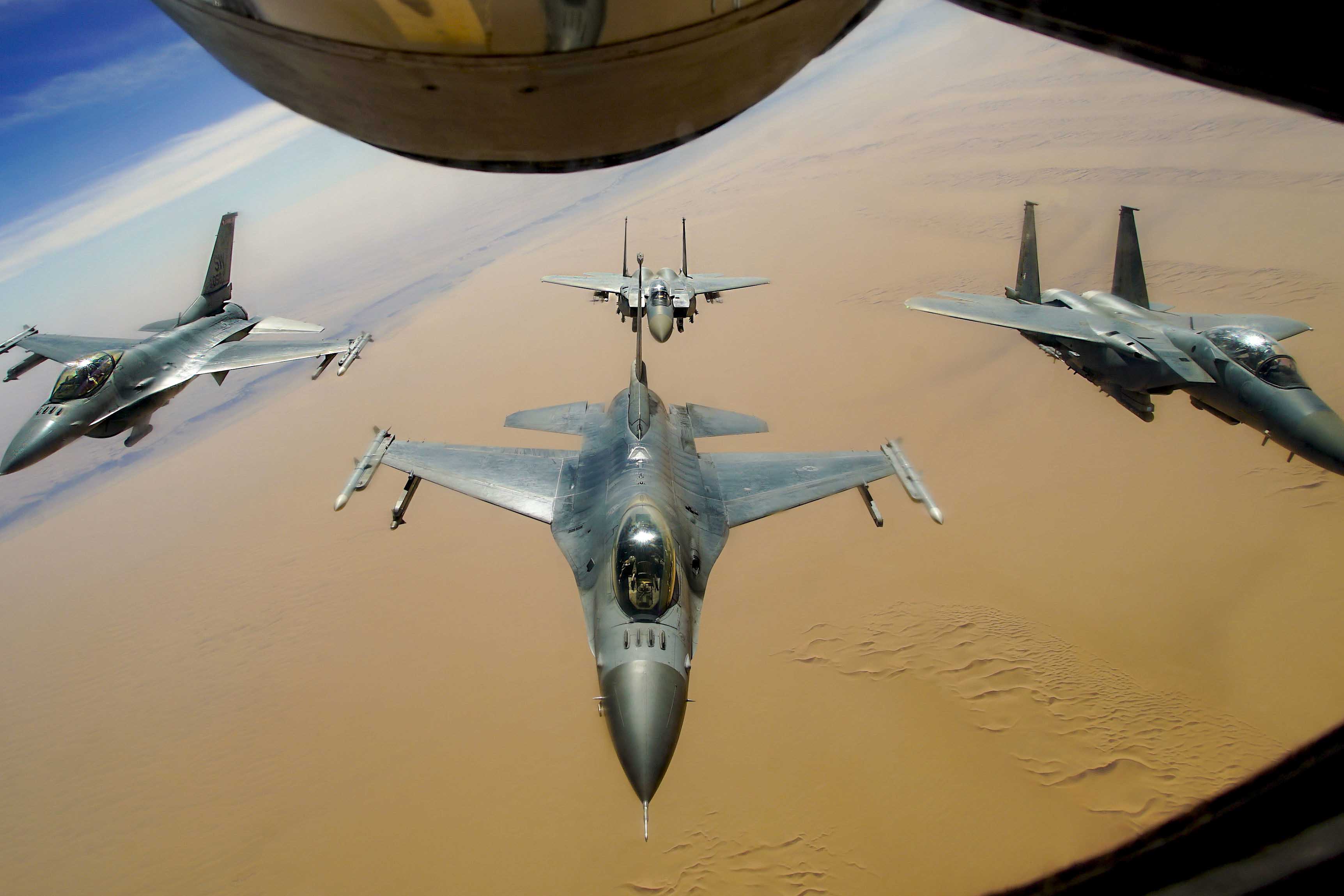
Two Air Force F-16 Fighting Falcons fly in formation with two Royal Saudi Air Force F-15E Strike Eagles after receiving fuel from an Air Force KC-135R Stratotanker during an exercise over Southwest Asia, Dec. 15, 2020.


Supplying PPE


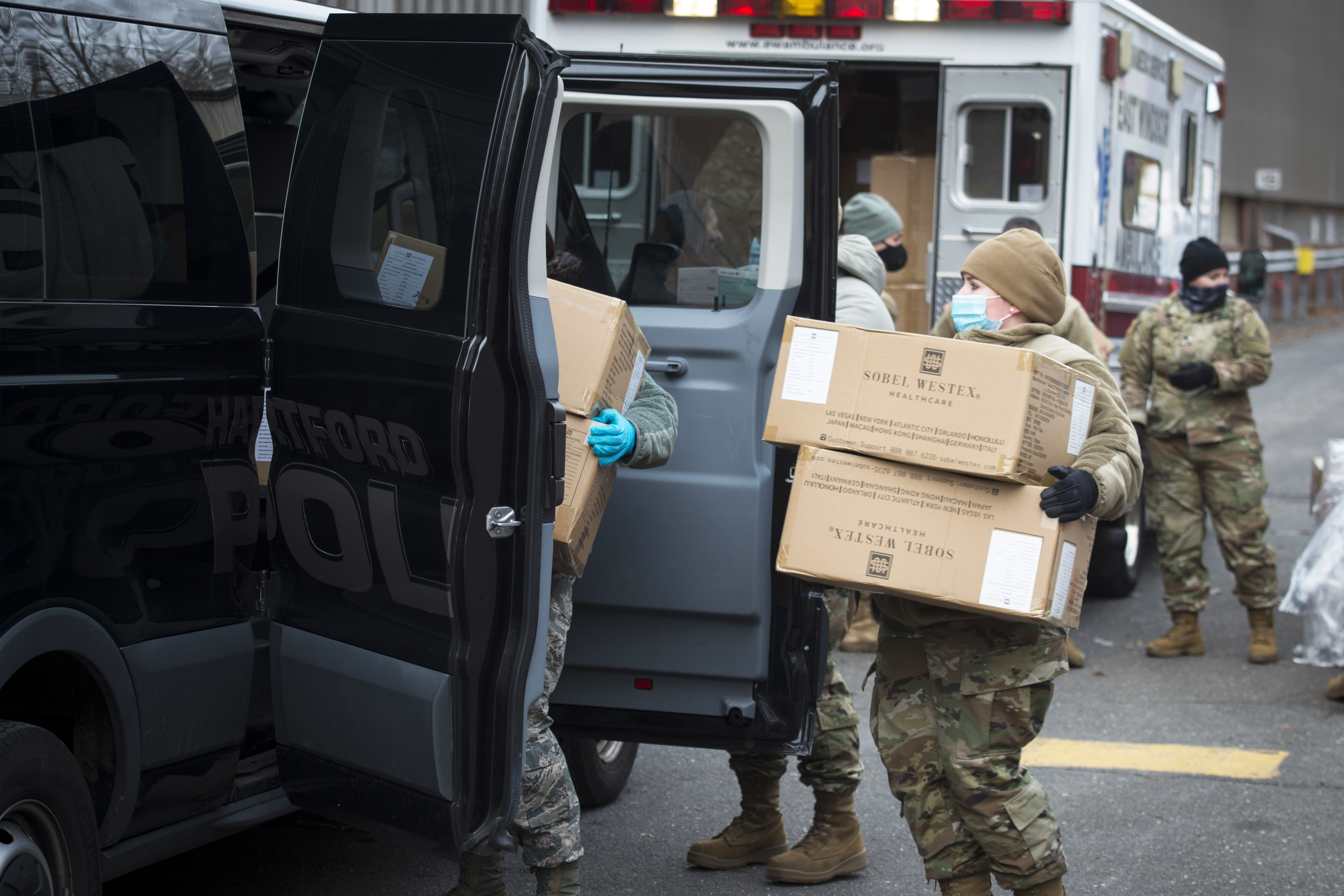
Soldiers and airmen assigned to the Connecticut National Guard load boxes of personal protective equipment into emergency response vehicles at the Connecticut Division of Emergency Management and Homeland Security commodities warehouse in New Britain, Conn., Dec. 16, 2020. The Connecticut National Guard assisted the Connecticut Department of Public Health in distributing masks and gowns to residential care facilities, long term care facilities, assisted living facilities, and local first responders in response to the COVID-19 pandemic.

Helocast Demonstration


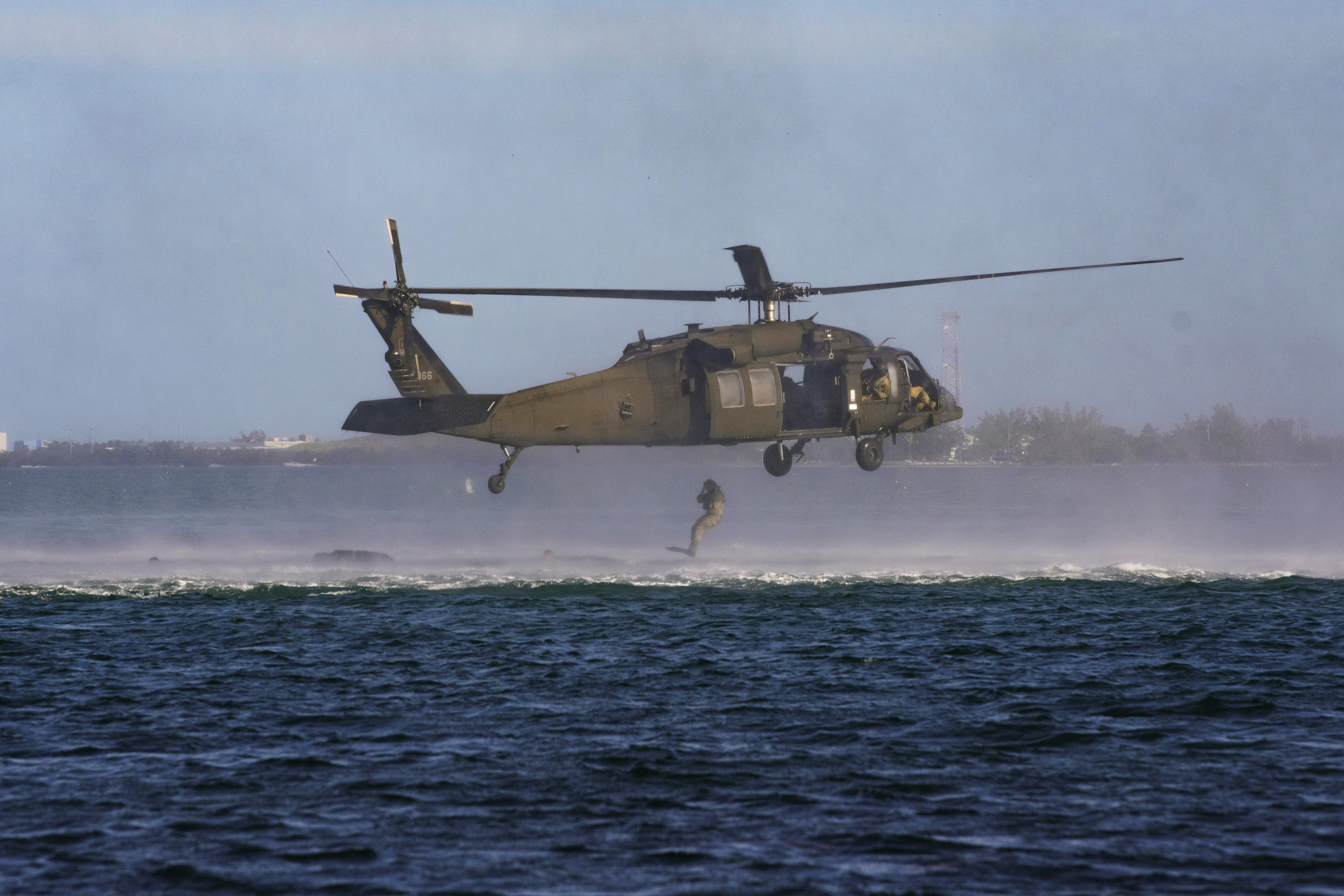
A soldier jumps from an Army UH-60 Black Hawk into the water during a helocast demonstration for Acting Defense Secretary Chris Miller in Key West, Fla., Dec. 16, 2020.

DOD Logistics Leader Ready to Ship Vaccine to Overseas Locations, Navy Fleet

Dec. 17, 2020 | BY Beth Reece , Defense Logistics Agency

With the first COVID-19 vaccine already in the arms of some health care workers, the Defense Logistics Agency is ready to ship doses for Defense Department employees outside the continental U.S. and the deployed U.S. Navy Fleet.

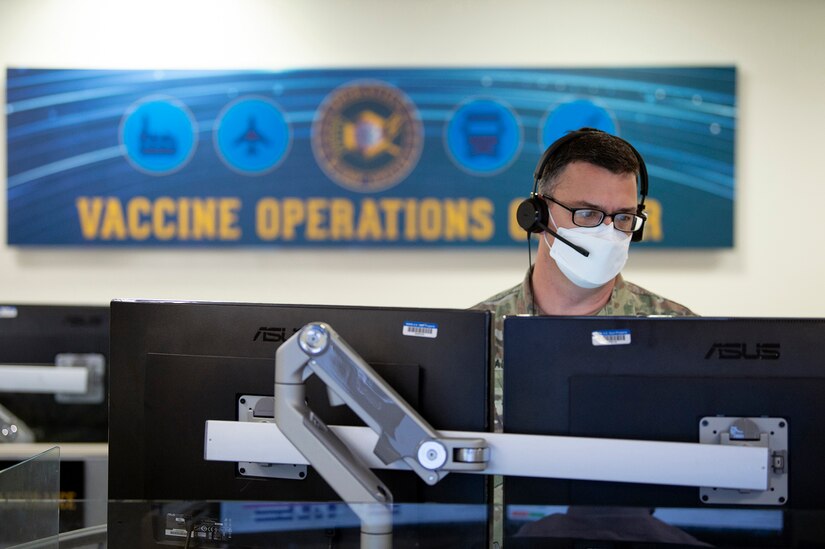
A man wearing a face mask and headset looks at two computer monitors.

DLA has spent months working with Operation Warp Speed and Defense Health Agency officials to refine its plan for delivering the vaccine as it becomes available from manufacturers. The agency already has well-defined, cold-chain management practices and has delivered the annual flu vaccine for 20 years.

"In some aspects, storage and distribution of the COVID-19 vaccine is pretty similar to what we've been doing all along with the flu vaccine, and DLA has had great success getting that to DOD employees around the world," Army Col. Anthony Bostick, who leads DLA's Operation Warp Speed operational planning team, said.

The agency has increased refrigerated storage space and can maintain almost 19 million doses of the 2-to-8-degree Celsius vaccine and 4.6 million of the minus 20-degree Celsius vaccine ahead of shipping products to customers. The agency hasn't been asked to distribute the minus 80-degree Celsius vaccine but has developed initial plans to provide support if necessary, Bostick added.

DLA Distribution manages six U.S.-based and four overseas centers capable of handling cold-chain items and began training additional employees in cold-chain management processes in June, Bob Garrettson of DLA Distribution's special commodities team said.

"We've been involved in very detailed, intense planning with DHA and other key players to make sure there's a coordinated response that gets the vaccine exactly where it's needed, and we have contingency plans in place in case they're needed," he said.

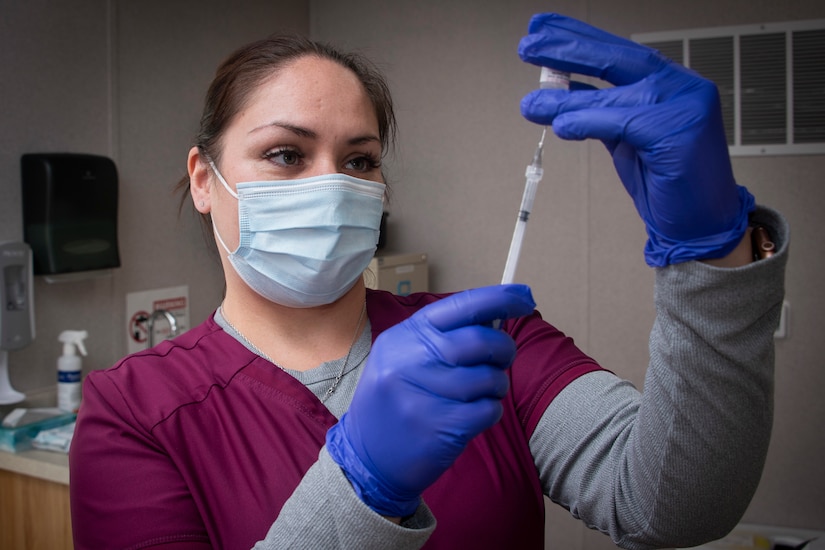
A woman wearing a mask uses a syringe to draw fluid from a small bottle she holds in her gloved hands.

Dana Dallas, DLA troop support's cold chain program manager, helps create policy for managing temperature-sensitive medical material throughout DOD. She works with DLA distribution to establish packaging and handling procedures that follow manufacturer guidelines.

"We have temperature-monitoring devices in all of our cold-chain shipments, so we can do quality analysis for any incidences on cold-chain material during either distribution or post-receipt, such as refrigerator malfunctions," she said.

Shipments from U.S.-based centers typically remain cold for up to five days, Garrettson added. Many shipments destined for overseas customers will be cross-docked at other DLA Distribution centers where material handlers will refresh packaging components to maintain cold temperatures. The agency is also coordinating with customers to ensure they're available to receive the vaccine upon arrival, Garrettson continued.

DLA has been involved in the nation's pandemic response since February and has provided over $2.5 billion in items ranging from face masks and ventilators to test kits.

Level Launch


Marines fire an MK-153 shoulder-launched multipurpose assault weapon during Fuji Viper at Combined Arms Training Center Camp Fuji, Japan, Dec. 10, 2020. The exercise allows infantry units to maintain their lethality and proficiency in infantry and combined arms tactics.

Load Team


Navy Petty Officer 3rd Class Alyssa Kozak, left, Petty Officer 2nd Class Austin Phillips, center, and Seaman Siane Nash load sonobuoys onto a P-8A Poseidon anti-submarine warfare patrol aircraft at Royal Air Force Lossiemouth, Scotland, Dec. 14, 2020.

Frosty Focus


Marine Corps 2nd Lt. Dakota Ford aims at a target in Japan, Dec. 16, 2020, during Forest Light, an annual bilateral exercise that strengthens the interoperability and readiness of U.S. and Japanese troops.

Cargo Mission


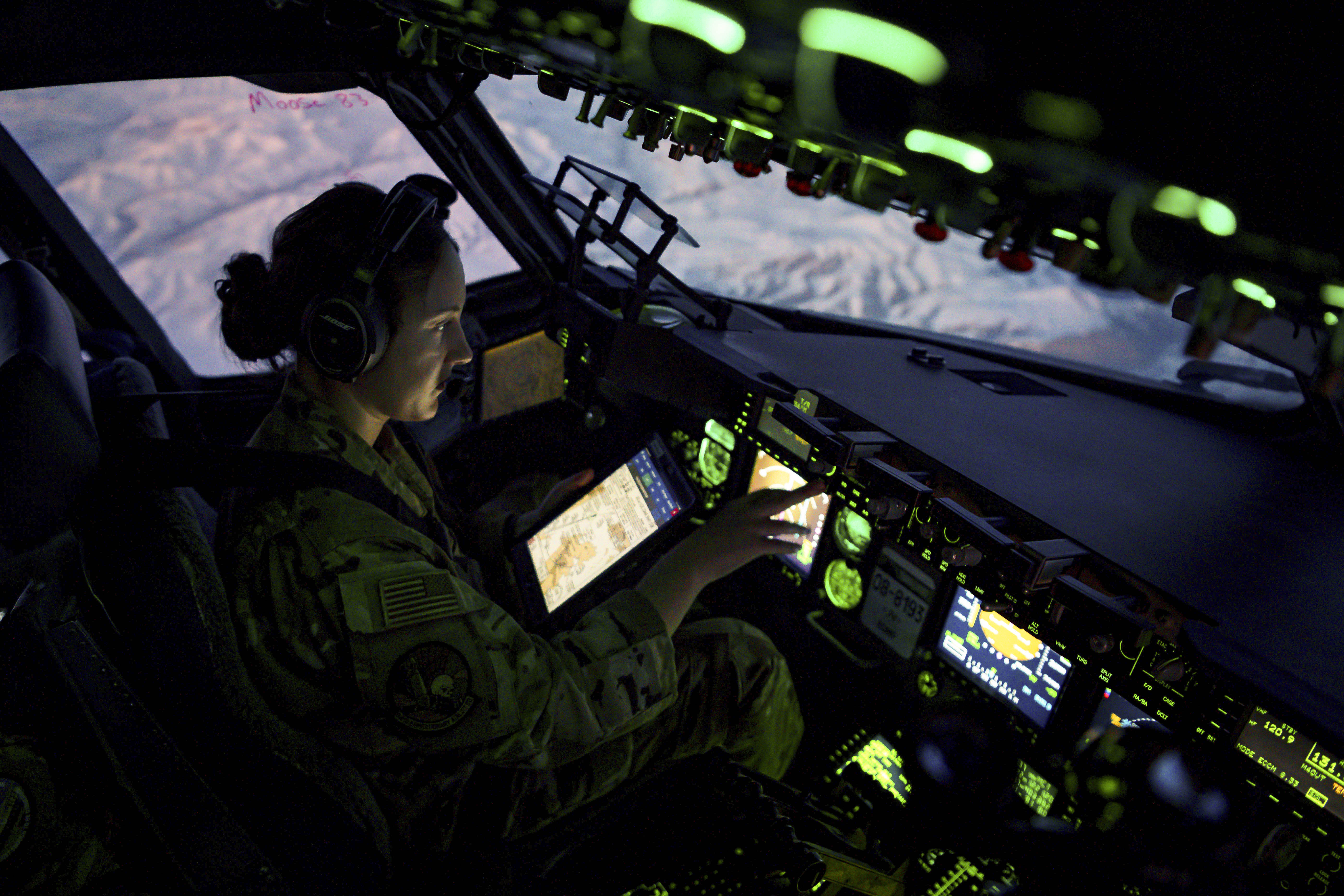
An Air Force C-17A Globemaster III pilot participates in a night cargo mission over Southwest Asia, Dec. 9, 2020.

Perpetual Vigil


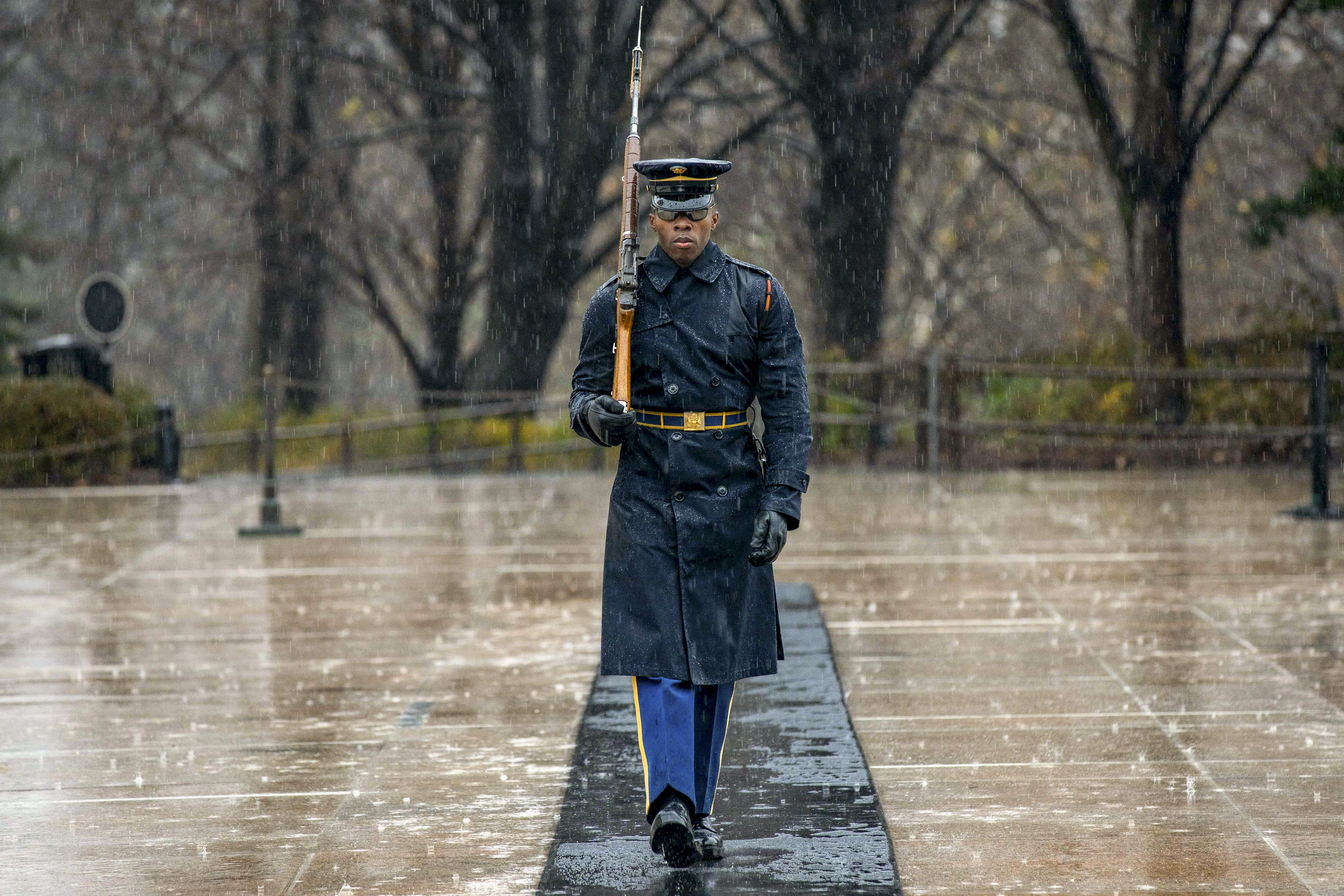
A soldier assigned to the 3rd U.S. Infantry Regiment, known as “The Old Guard” guards the Tomb of the Unknown Soldier at Arlington National Cemetery in Virginia, Dec. 14, 2020. The site has been guarded continuously since July 2, 1937.

Traffic Light


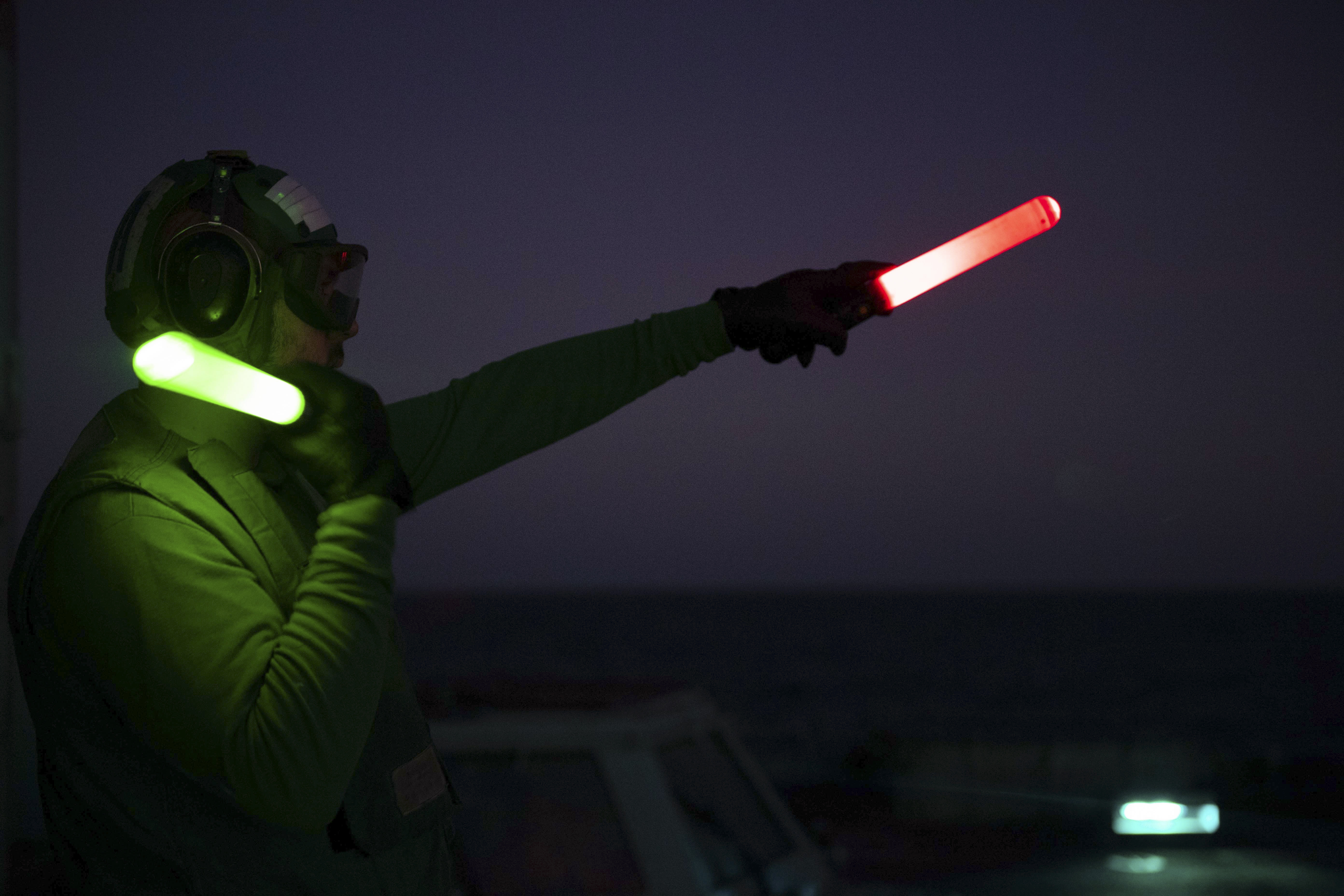
Navy Seaman Robert Murdolo signals to the pilots of an MH-60R Seahawk during night flight operations aboard the USS Princeton in the Arabian Sea, Dec. 15, 2020.

Orange Ops


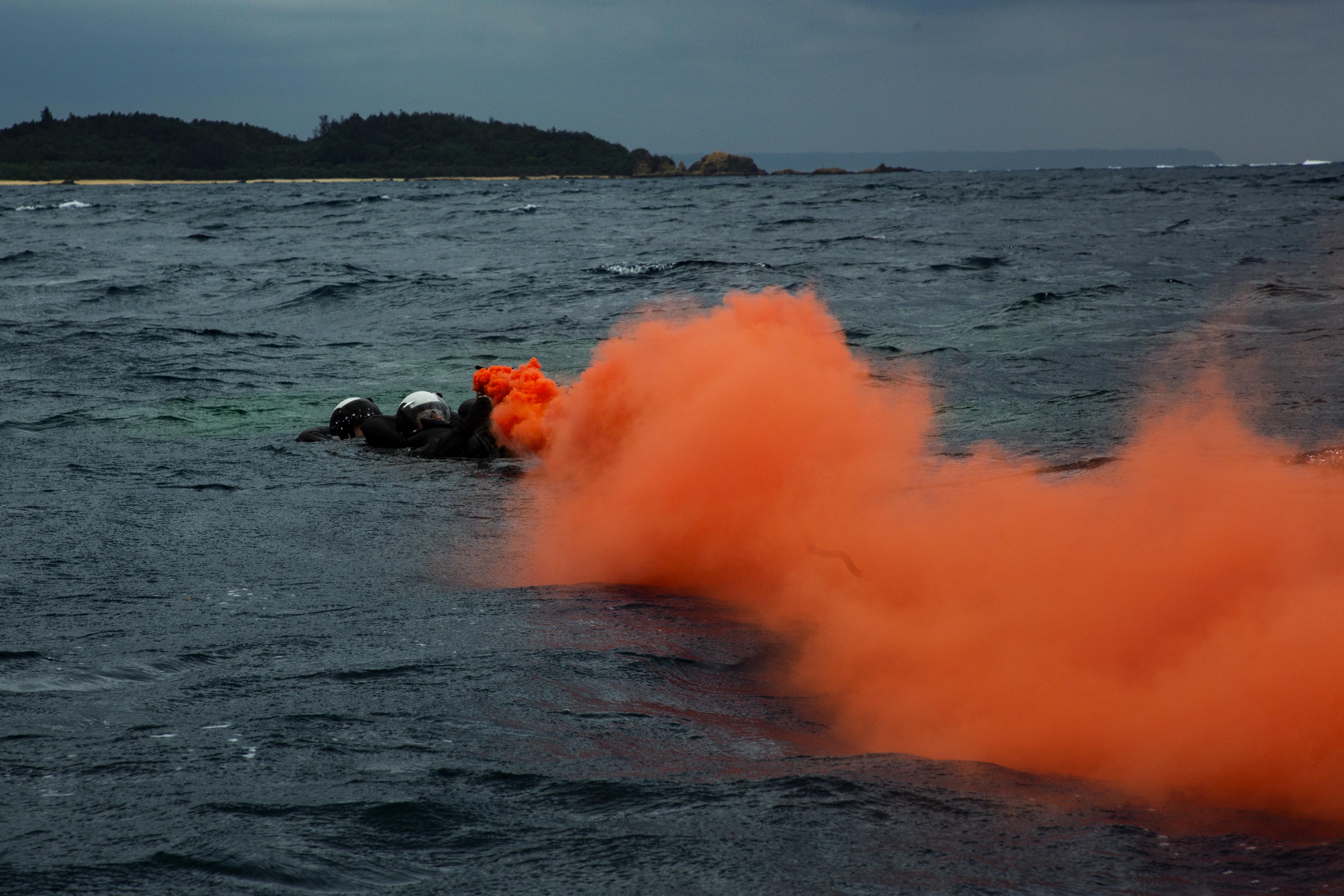
Marines use a smoke signal during a joint search and rescue exercise at Kin Blue Bay, Okinawa, Japan, Dec. 8, 2020.

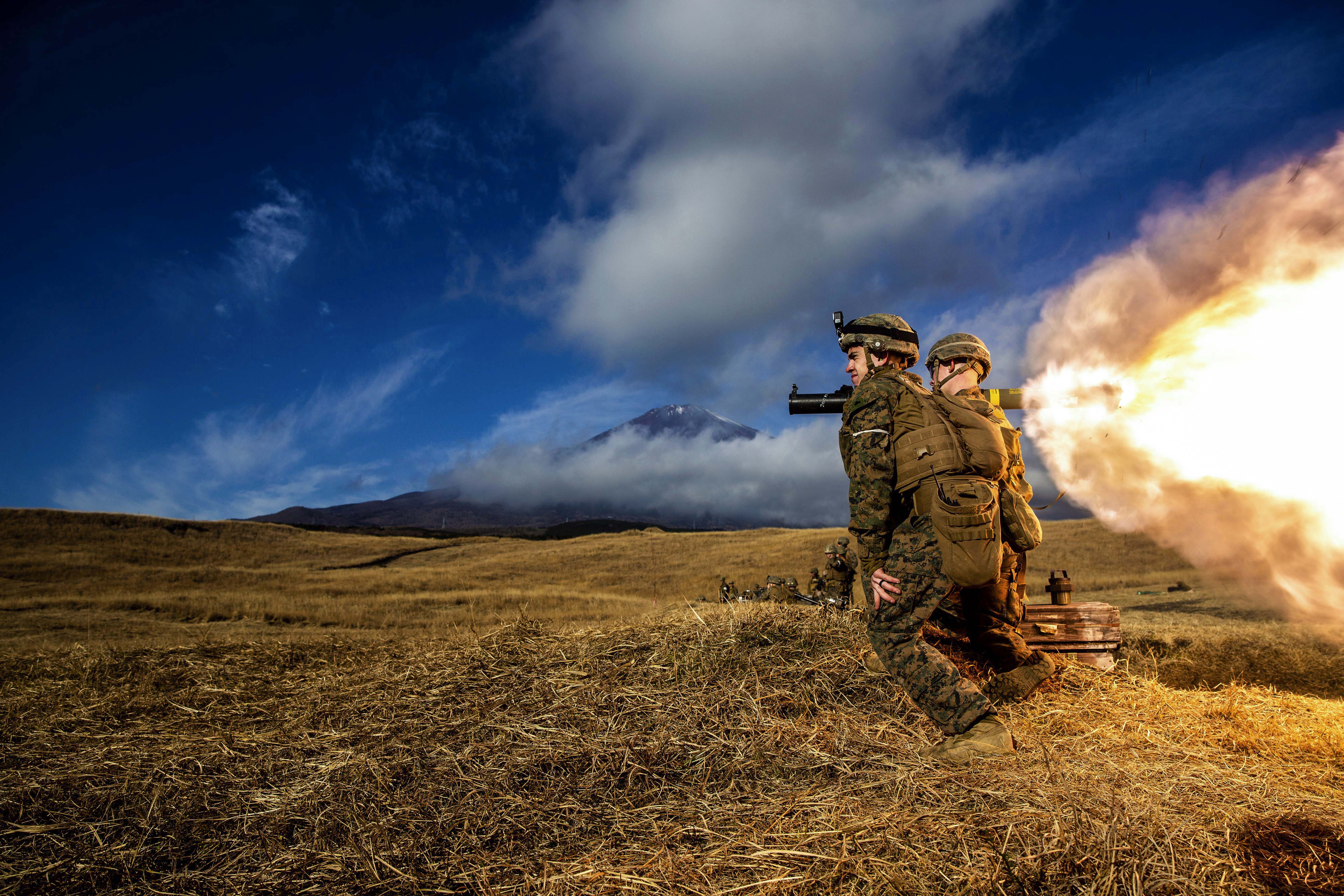
Force Fire


Marines fire an MK-153 shoulder-launched multipurpose assault weapon during Fuji Viper at Combined Arms Training Center Camp Fuji, Japan, Dec. 10, 2020. The exercise allows infantry units to maintain their lethality and proficiency in infantry and combined arms tactics.
Graduation Prep


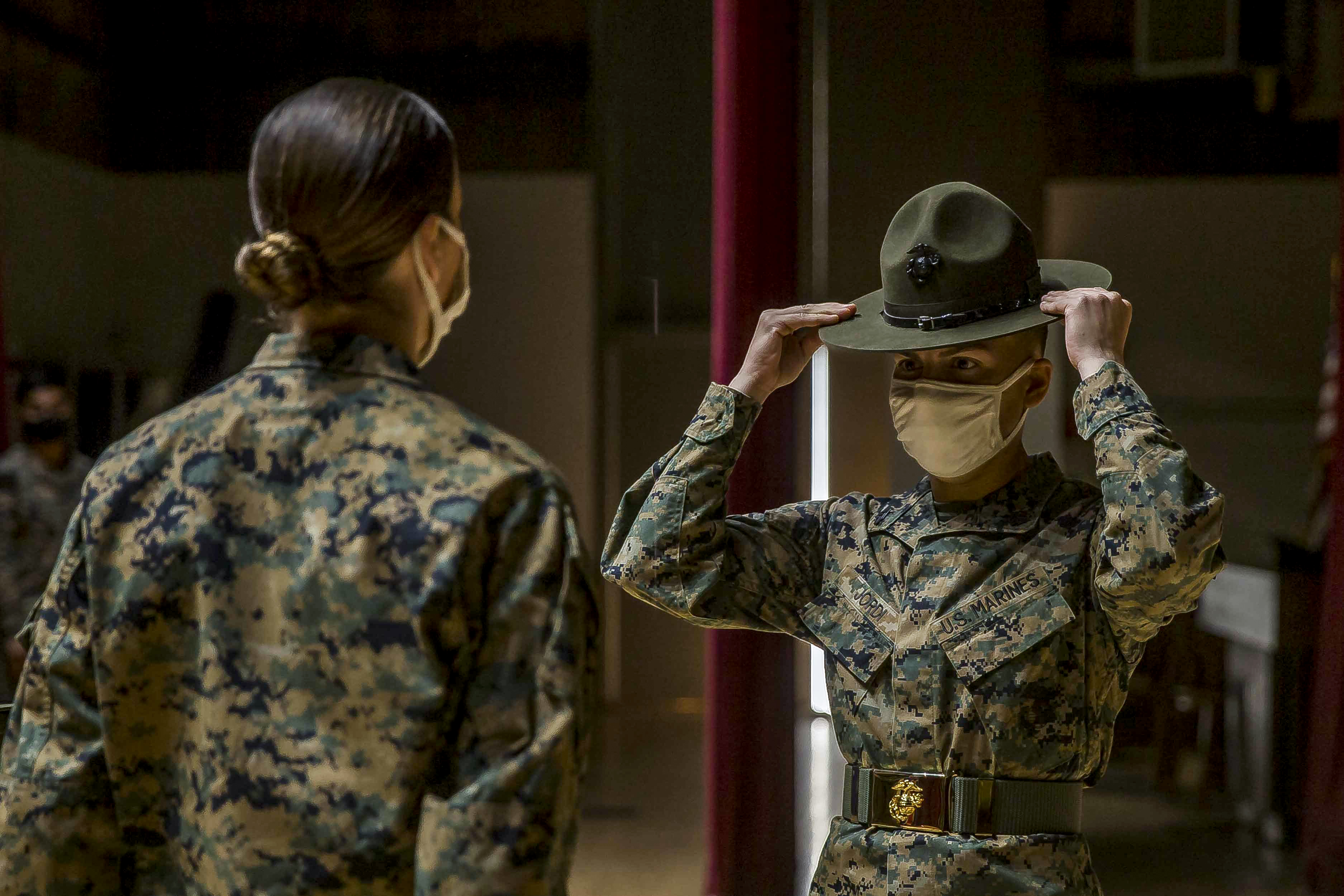
A Marine assigned to Drill Instructor School attends a graduation ceremony at Marine Corps Recruit Depot San Diego, Dec. 16, 2020.

National Guard Supports Vaccination Efforts for Michigan

 Dec. 17, 2020 | BY Penelope Carroll, Michigan National Guard

The Michigan National Guard received a request from the Michigan Department of Health and Human Services to support community health care organizations with logistical and medical assets for COVID-19 vaccinations across the state. Guard leadership has analyzed its medical assets and logistical requirements and plans to augment health care providers across the state, where requested, in the administration of the vaccine.

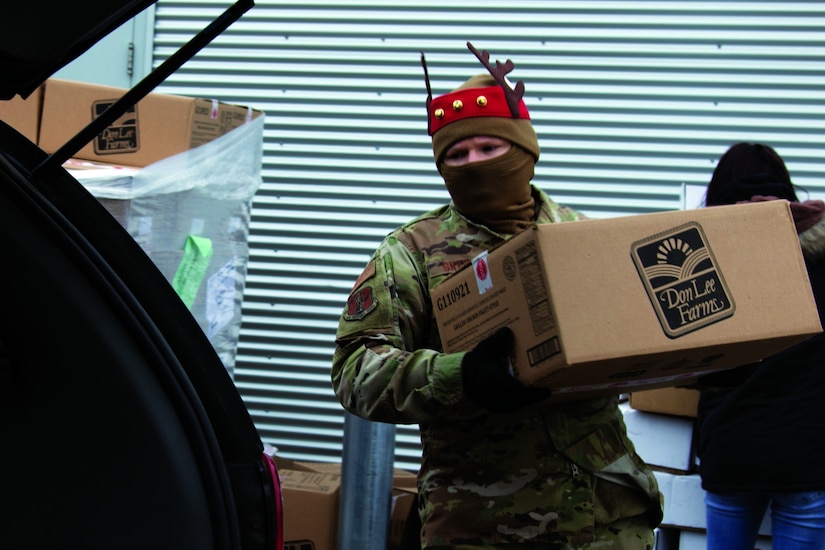
An airman loads a box.

The guard will first staff approximately 50 COVID-19 vaccination and testing teams, or CVTTs, that are composed of a uniformed medical technician and one or two administrative support personnel. The CVTTs will report to four hospital locations deemed priority by the state of Michigan.

"We will provide medics and administrative support to hospitals and local health care organizations and work to fill their needs," said Army Col. Ravindra Wagh, Michigan National Guard joint operations officer. "For some locations that will mean directly administering the vaccine to their staff.  We will also provide administrative support when needed, freeing up critical front-line hospital employees and allowing them to focus on the ongoing battle against COVID-19."

The first priority of the allocated vaccines in Michigan will be to front-line health care workers and the residents and staff of long term health facilities. After that, MDHHS says they will expand vaccinations to people who work in long-term care facilities, nursing homes, essential workers and those people who are at high-risk for severe COVID-19 illnesses. 

Two airmen help distribute food.

The guard is ready to surge their CVTT capacity when needed and in any location throughout Michigan's 83 counties. The COVID-19 vaccination mission will be an ongoing endeavor as the Michigan National Guard works to stay in front of the demands of the health care system throughout the state.

"The Michigan National Guard remains focused on supporting our communities, our neighbors, in this important task," said Army Maj. Gen. Paul Rogers, adjutant general and director of the Michigan Department of Military and Veterans Affairs. "They are professionals who have proven they have the tenacity and right skillset to support the state of Michigan's ongoing response to COVID-19."

The guard has been integrated into the state's emergency response to the pandemic since Gov. Gretchen Whitmer announced its activation on March 18. Across the state of Michigan, the guard continues to support COVID-19 testing and assisting at local food banks. There are currently several hundred Michigan National Guard members supporting these missions. COVID-19 vaccination support by the guard is expected to continue into spring 2021.

Michigan residents seeking more information about the COVID-19 vaccine can visit Michigan.gov/COVIDvaccine.

Defense Officials Discuss Special Operations, Irregular Warfare Initiatives

 Dec. 17, 2020 | BY David Vergun , DOD News

This year, the Defense Department released a declassified summary of its Irregular Warfare Annex to the 2018 National Defense Strategy. The annex details how the department seeks to institutionalize and operationalize this form of warfare amid the ongoing recalibration of its focus on peer and near-peer adversaries. 

In the annex, irregular warfare is defined as ''a struggle among state and non-state actors to influence populations and affect legitimacy.''

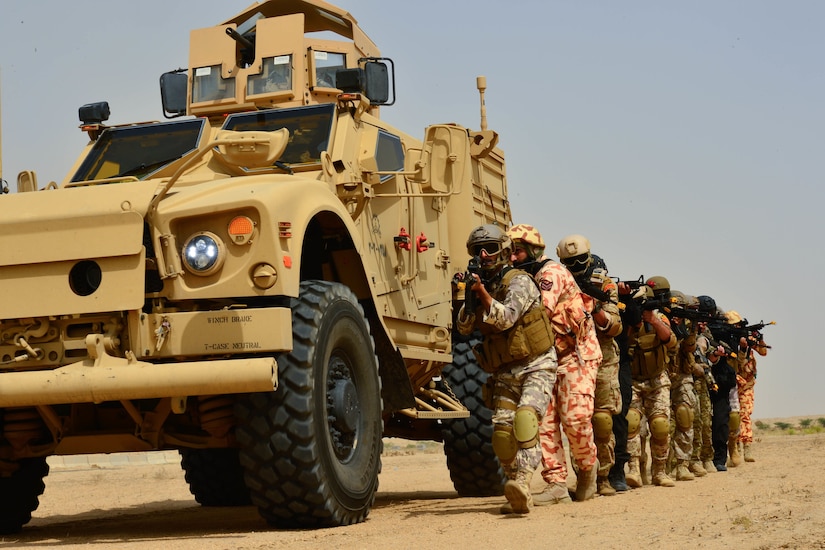
Troops with guns move forward next to truck

The DOD is currently working on crafting a new irregular warfare annex to the next NDS.

Kristen R. Hajduk, national security innovation network director of operations; Daniel ''Deak'' Roh, acting principal director for special operations and combating terrorism; and David Stephenson, director of the Joint Chiefs of Staff's office of irregular warfare, spoke about the topic on a National Defense Industrial Association panel discussion yesterday.

Irregular warfare doesn't necessarily mean that the struggle by a state or non-state actor has to involve violence, although it can, Stephenson said. It could also include influencing populations through propaganda or intimidation.

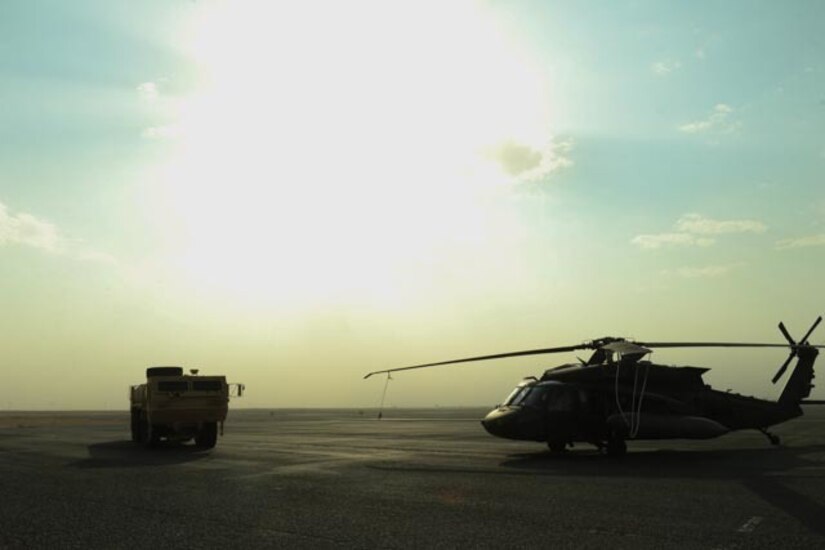
A helicopter and a vehicle sit on the desert floor.

In order to influence a population, they have to be able to trust you. They have to understand where your motivations are coming from, Haiduk added.

To succeed at irregular warfare, the department can't rely solely on special operations forces, Stephenson said. Partnerships play a bigger role —meaning with the joint force, industry and interagency partners including the State Department, Treasury Department and U.S. Agency for International Development, as well as allies and partners.

Haiduk agreed: "The operators that are most effective are those that have the best relationship with the country," she said, meaning that special operations forces and others serving abroad in a conflict zone are most effective if they gain the trust of the local military and government.

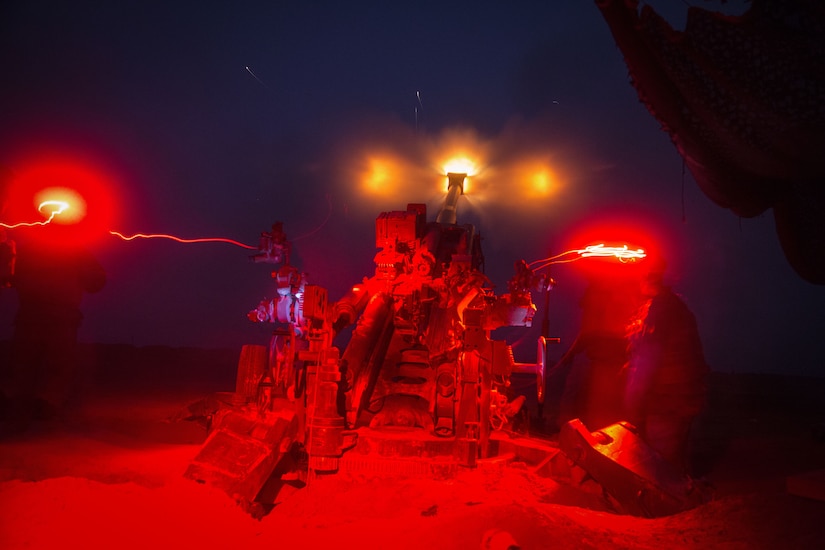
Artillery piece fires at night

It is not necessary for every warfighter to understand the concepts of irregular warfare, Roh said, but noncommissioned officers and field-grade officers should have a basic knowledge of why it is important and what it means in shaping the battlespace and the feelings of the local populace.

Stephenson noted that the young generation entering the military is digitally savvy and has an understanding about what role social media can play in influencing populations.

The NDS and the annex are not political documents, Stephenson emphasized. "They're based on the threats the nation faces and what capabilities there are to counter them," he said, expressing optimism about the incoming administration's approach to irregular warfare.

Mission Ready


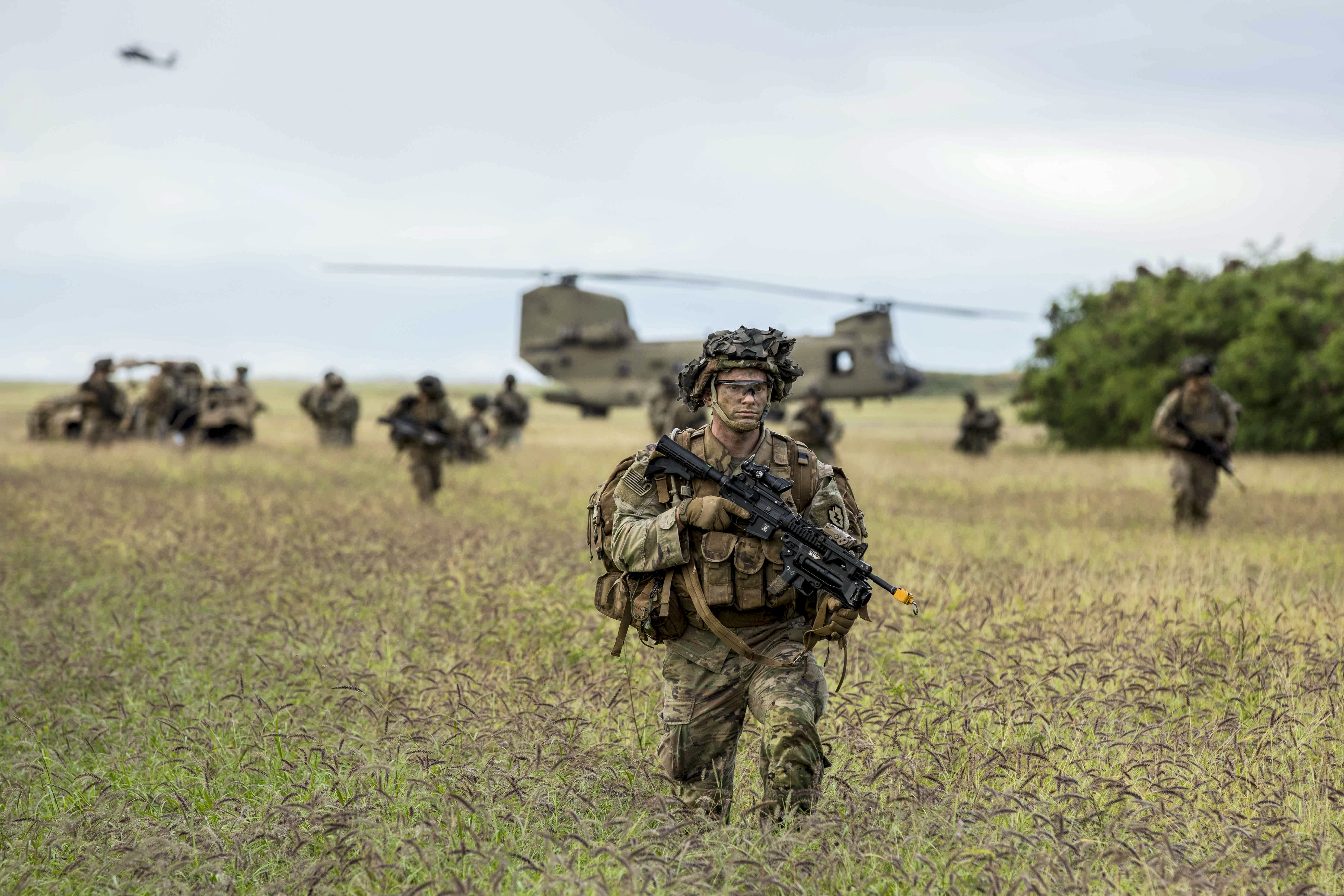
Soldiers conduct an emergency deployment readiness exercise mission at Pacific Missile Range Facility Barking Sands on the island of Kauai, Hawaii, Dec. 10, 2020. The exercise provided soldiers assigned to the 2nd Battalion, 35th Infantry Regiment an opportunity to rehearse and showcase the unit's ability to rapidly deploy to any location and successfully conduct any mission with which they are tasked.

Decorating Crew


Sailors decorate stockings during a USS Constitution holiday event in Boston, Dec. 11, 2020.

Searching Stares


Air Force Staff Sgt. Steven Matias and military working dog Eenoch provide perimeter security during Exercise Razor Talon 21-1 at Marine Corps Air Station Cherry Point, N.C., Dec. 2, 2020. The exercise provided agile combat employment using multi-functional airmen in an austere environment.

Wednesday, December 16, 2020

First Vaccine


Air Force Airman 1st Class Raymond De Jesus, assigned to the 59th Medical Wing as a medical logistics technician, and Air Force Staff Sgt. Romina Guridi, assigned to the 59th MDW as a medical logistics warehouse supervisor, pull out the first five cases of the San Antonio Military Health System’s Pfizer COVID-19 vaccine shipment at Wilford Hall Ambulatory Surgical Center, Joint Base San Antonio-Lackland, Tx., Dec. 14, 2020. The Defense Department's prioritization will be derived from the data-driven, national prioritization to help ensure fair and equitable access to everyone.

Thumbs Up!


Navy Seaman Norelle Dry, assigned to Naval Medical Center San Diego, completes prescreening paperwork for a COVID-19 vaccine in San Diego, Dec. 15, 2020. NMCSD’s mission is to prepare service members to deploy in support of operational forces, deliver high quality health care services and shape the future of military medicine through education, training and research.

Vaccination Volunteer


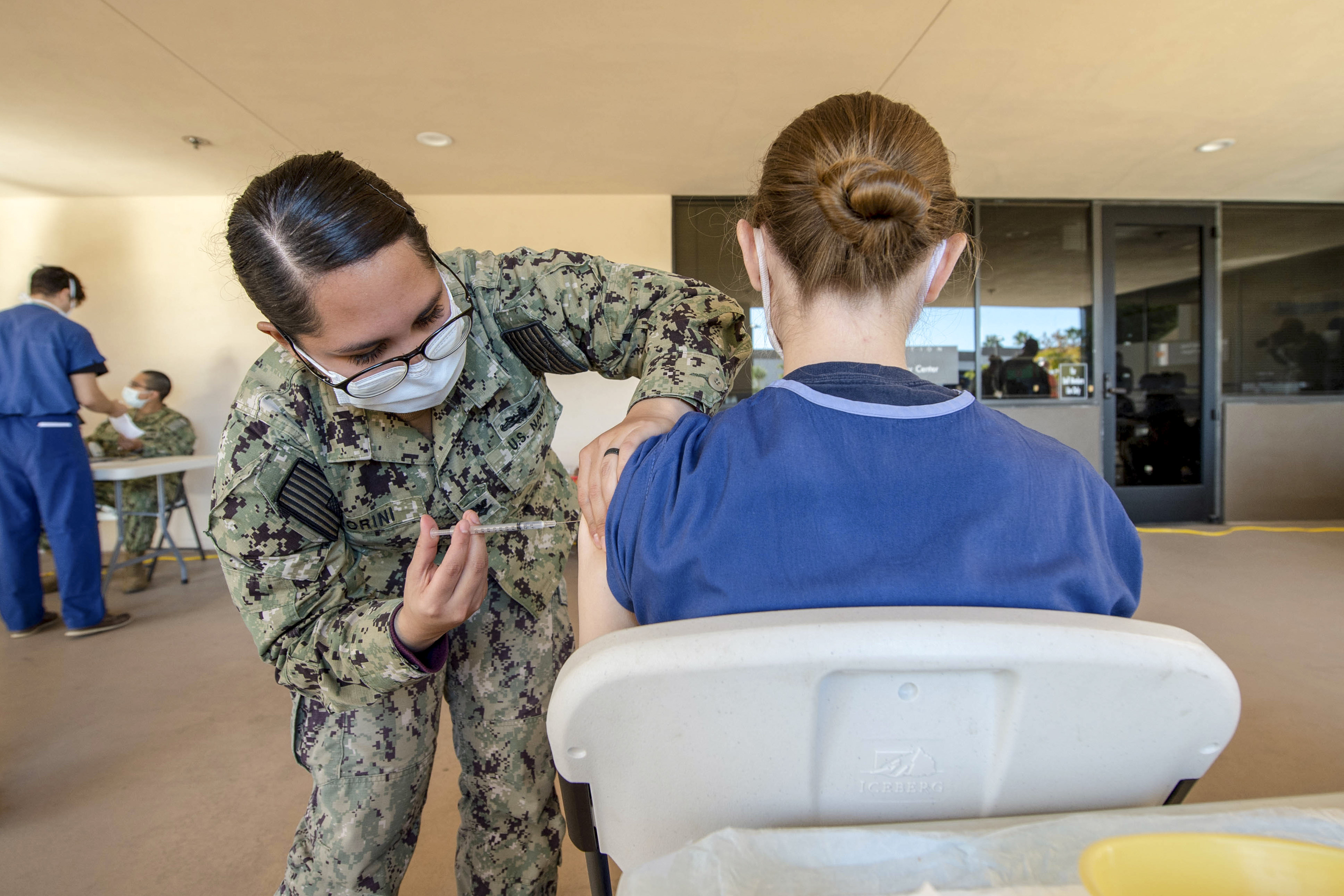
Navy Petty Officer 2nd Class Jasmin Fiorini, assigned to Naval Medical Center San Diego, vaccinates a volunteering service member in San Diego, Dec. 15, 2020. NMCSD’s mission is to prepare service members to deploy in support of operational forces, deliver high quality health care services and shape the future of military medicine through education, training and research.

Tube Inspection


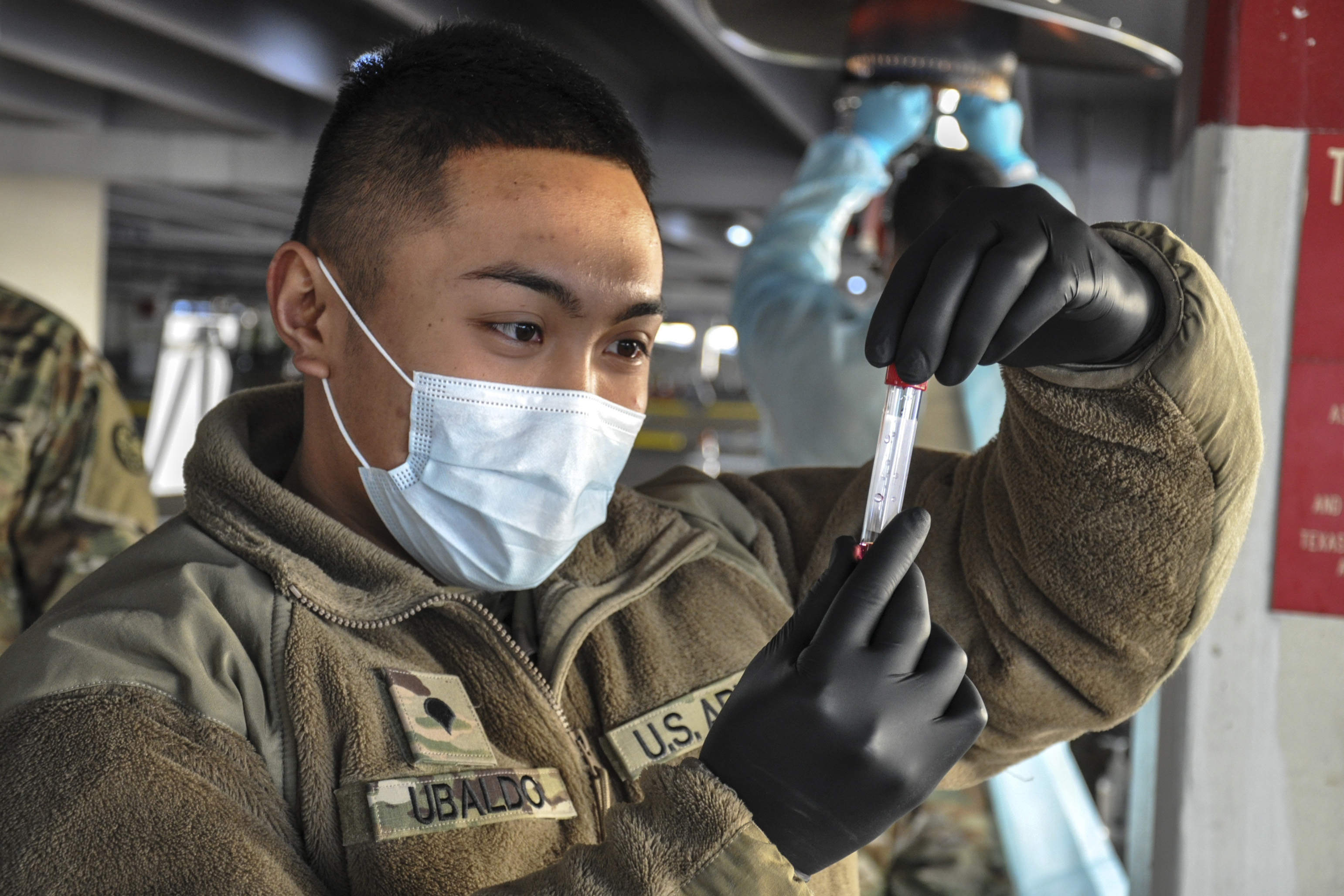
Army Spc. Emil Ubaldo, a motor transport operator assigned to the 1864th Motor Transportation Company, inspects a sample tube before assisting the medics at the Texas Station Hotel and Casino's COVID-19 community based collection site in Las Vegas, Dec. 4, 2020. Ubaldo works with the Nevada Army Guard’s Task Force South in response to the COVID-19 pandemic.

Vaccine Screening


Sailors assigned to Naval Medical Center San Diego fill out COVID-19 prescreening forms before being administered the COVID-19 vaccine in San Diego, Dec. 15, 2020. NMCSD employs more than 6,000 active duty military personnel, civilians, and contractors in Southern California to provide patients with world-class care anytime, anywhere..

Icy Unpack


Norberto Seda-Ortiz, with Tripler Army Medical Center's logistics division, unpacks a COVID-19 vaccine shipment from a dry ice container in Honolulu, Dec. 15, 2020.

Sunlit Shot


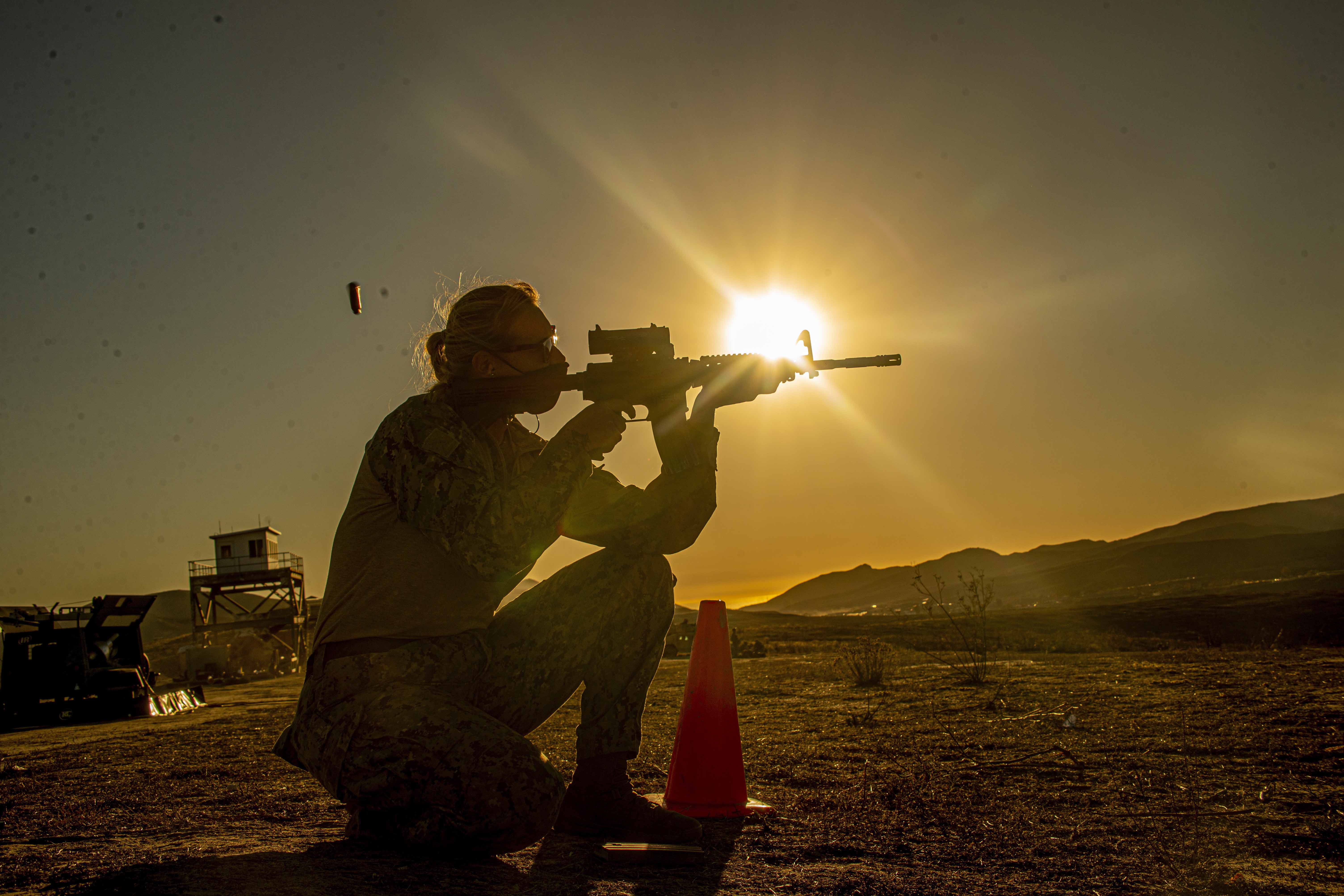
Navy Petty Officer 1st Class Amber Burns fires an M4 carbine rifle during live-fire training at Marine Corps Base Camp Pendleton, Calif., Dec. 15, 2020.

Lei'd Arrival


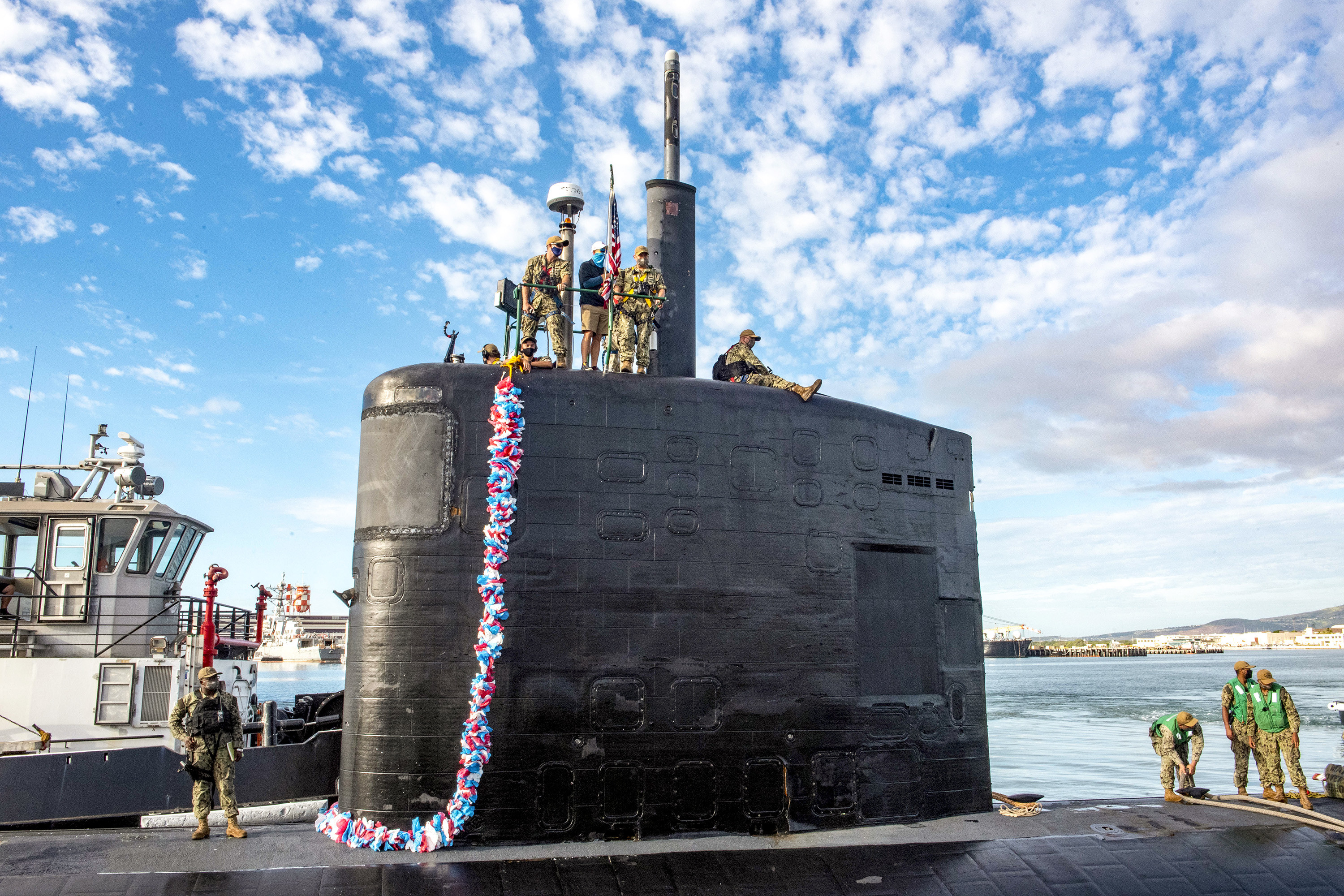
The fast attack submarine USS Topeka arrives in Pearl Harbor, Hawaii, Dec. 15, 2020, after completing a change of home port from Guam.

Mask Task


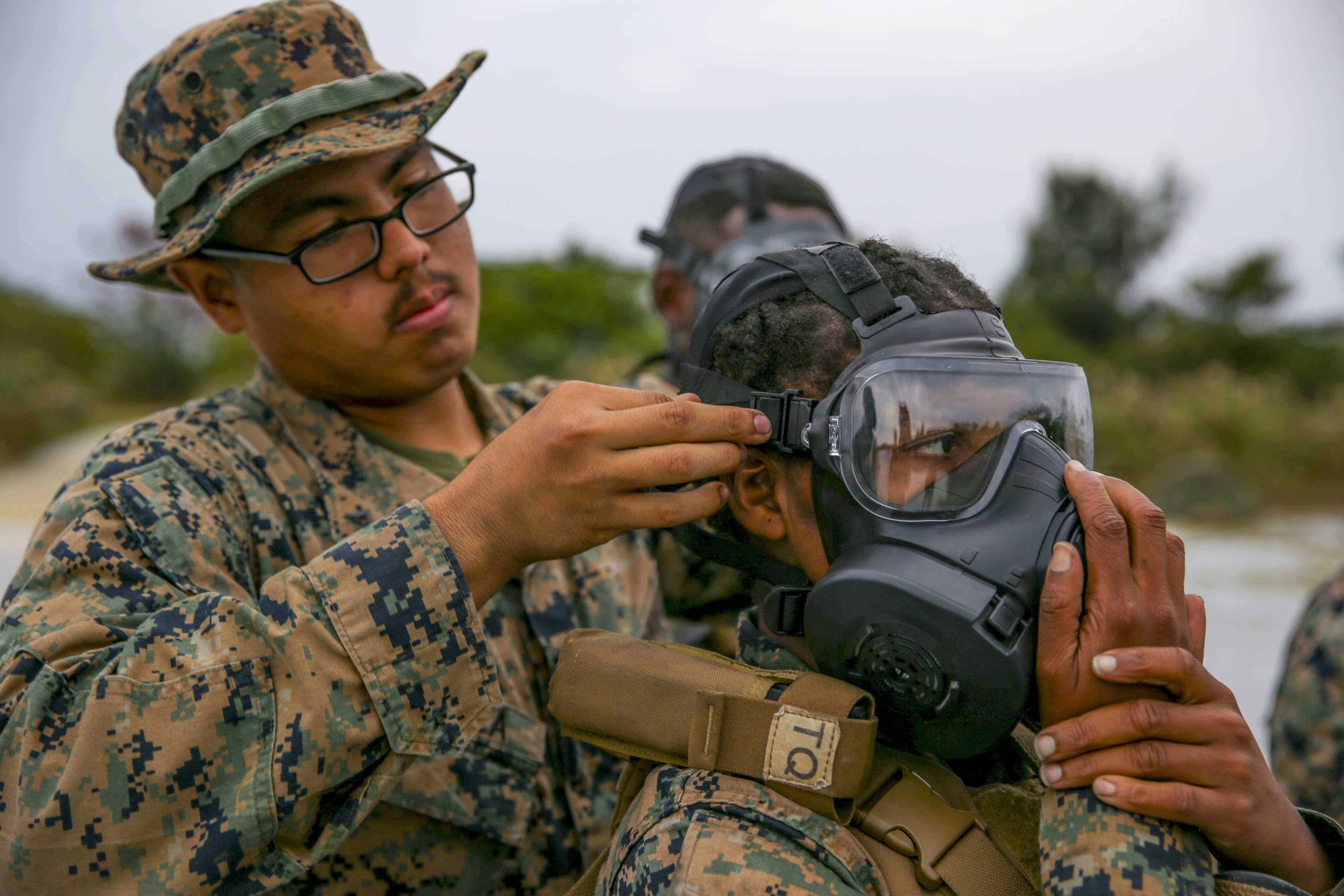
Marine Corps Lance Cpls. Eric Ariaza, left, and Abriel Joseph practice gas mask procedures during Exercise Samurai at Camp Hansen in Okinawa, Japan, Dec. 8, 2020. Marines demonstrated their ability to expeditiously stand up a command and control node during the exercise.

Ocean Ops


A Navy MH-60S Seahawk conducts a vertical replenishment on the flight deck of the USS Carl Vinson in the Pacific Ocean, Dec. 3, 2020.

Sharp Shooter


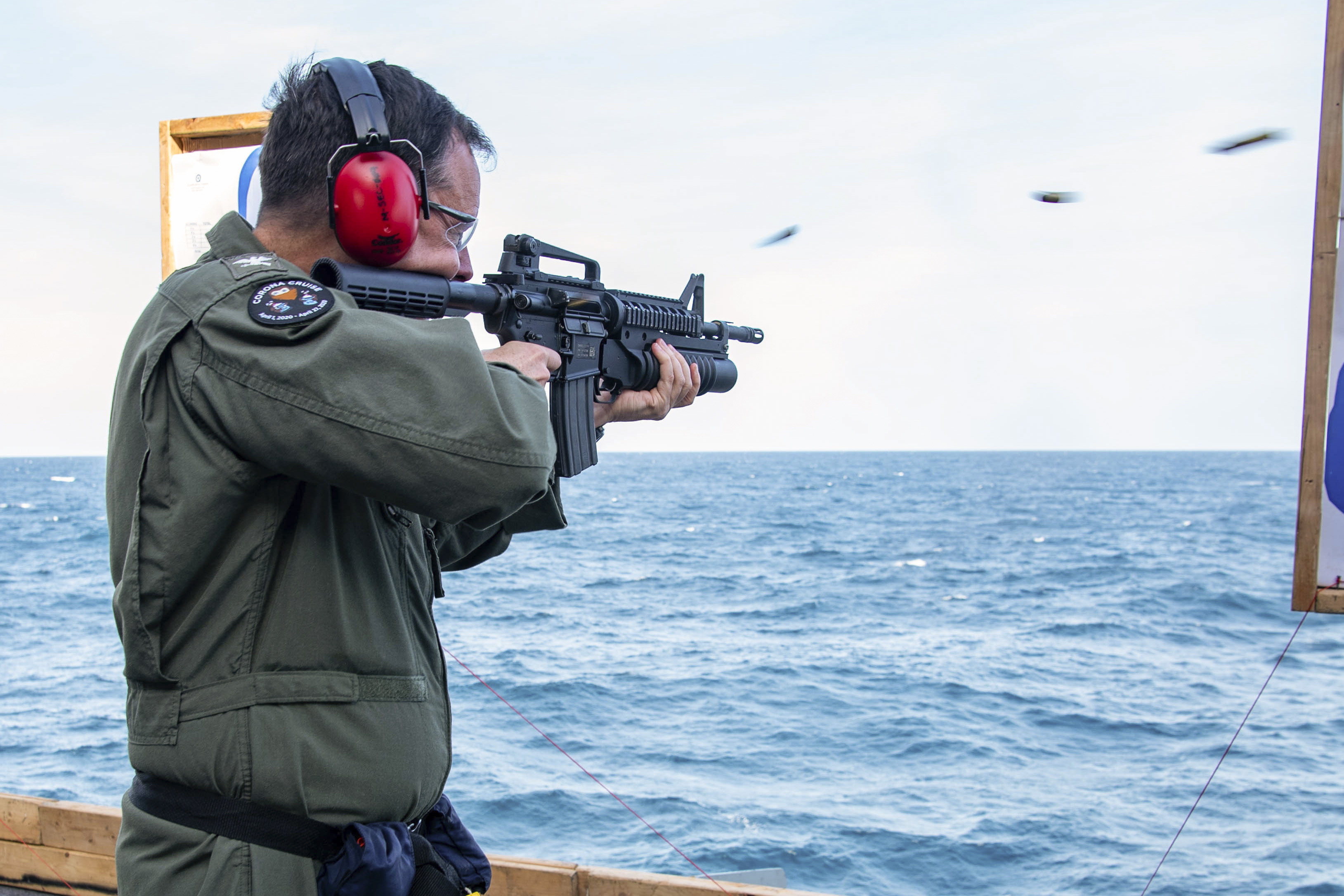
Navy Capt. Max Clark fires an M4A1 carbine during a qualification course aboard the USS Nimitz in the Arabian Sea, Dec. 15, 2020.

Chilly Chore


Navy Petty Officer 2nd Class Jason Noel knocks down ice dams from a building at Naval Air Facility Misawa, Japan, Dec. 16, 2020.

Needle Know-How


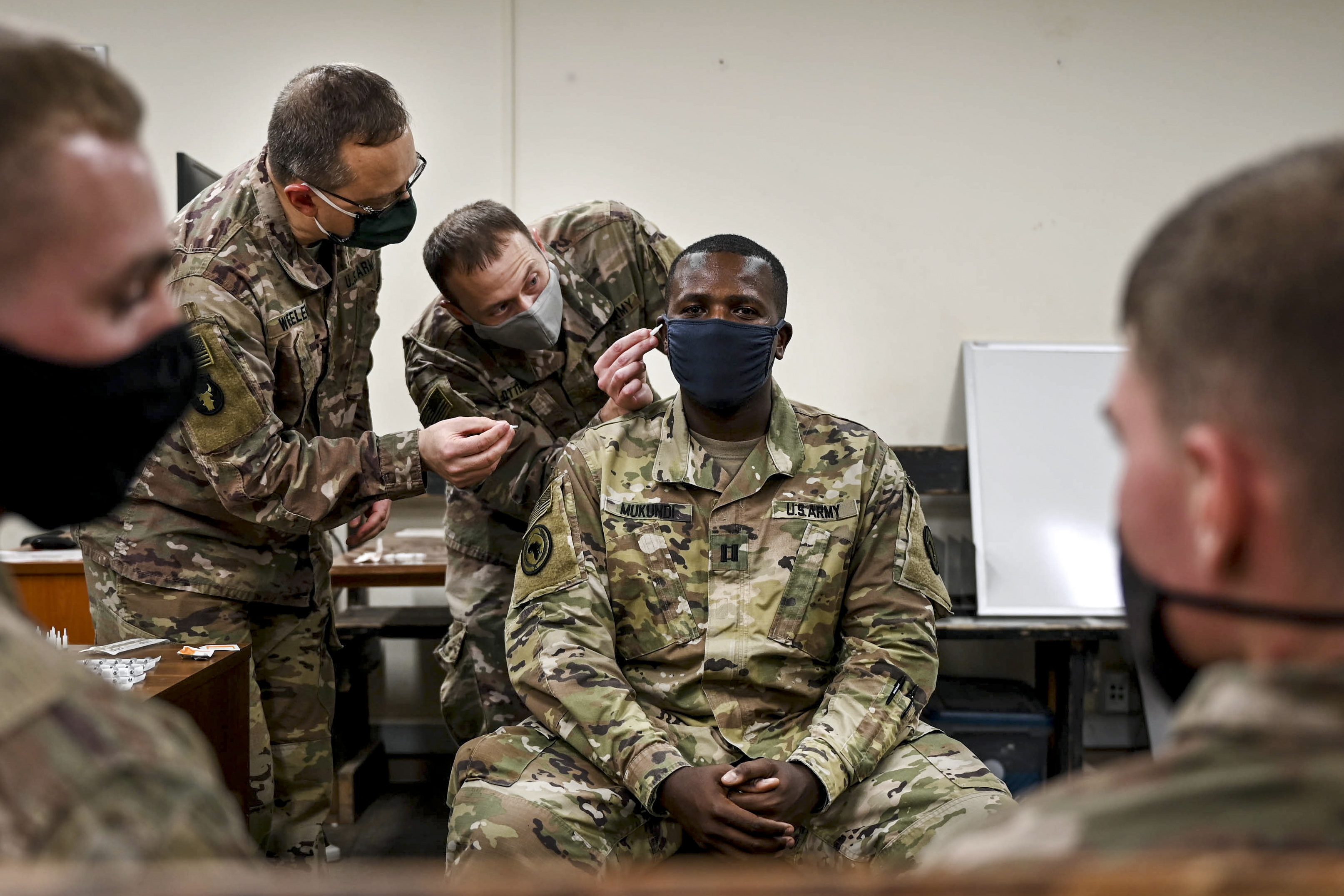
Army Maj. Ronovan Ottenbacher teaches a battlefield acupuncture class to soldiers at Camp Lemonnier, Djibouti, Dec. 14, 2020. Ottenbacher is a deputy joint force surgeon assigned to Combined Joint Task Force Horn of Africa.