Tuesday, November 10, 2020

Rules Describe Permitted, Prohibited Post-Election Activities

 Nov. 10, 2020

The 2020 election cycle is almost over. However, the rules that limit the political activities of federal government employees and service members still apply.

Those rules — the Hatch Act and Defense Department policy for civilians and DOD Directive 1344.10 for service members — describe what types of partisan activities are prohibited or permitted during various periods of the election cycle.

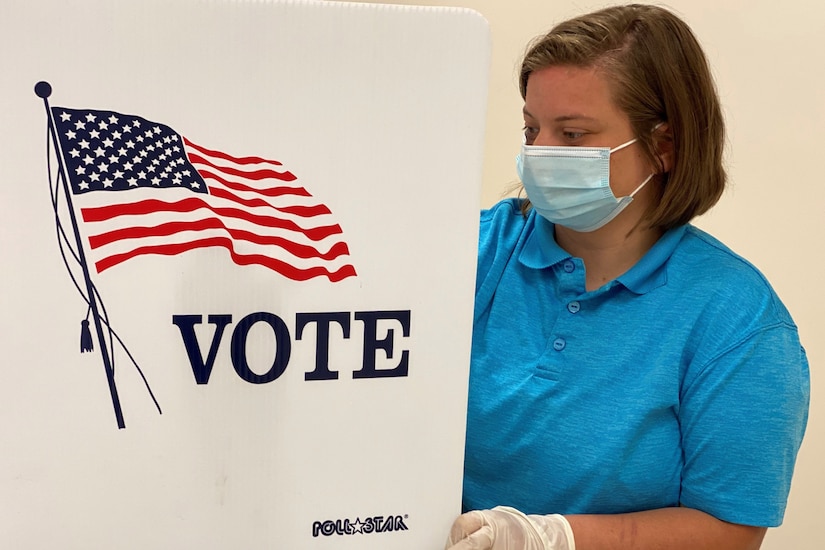
A woman sanitizes a voting station.

Prohibited Activities

While some DOD civilian employees may engage in certain political activities, the Hatch Act and DOD policy prohibit civilian employees from engaging in activity that shows support for or opposition to political parties or partisan political groups while on duty, in a government room or building, wearing an official uniform or insignia, or using a government vehicle.

These prohibitions do not change after Election Day. Specifically, civilian employees are always prohibited from engaging in political activity — defined as an activity directed toward the success or failure of a political party, partisan political group, or candidate for partisan political office — while on duty and while in a federal building.

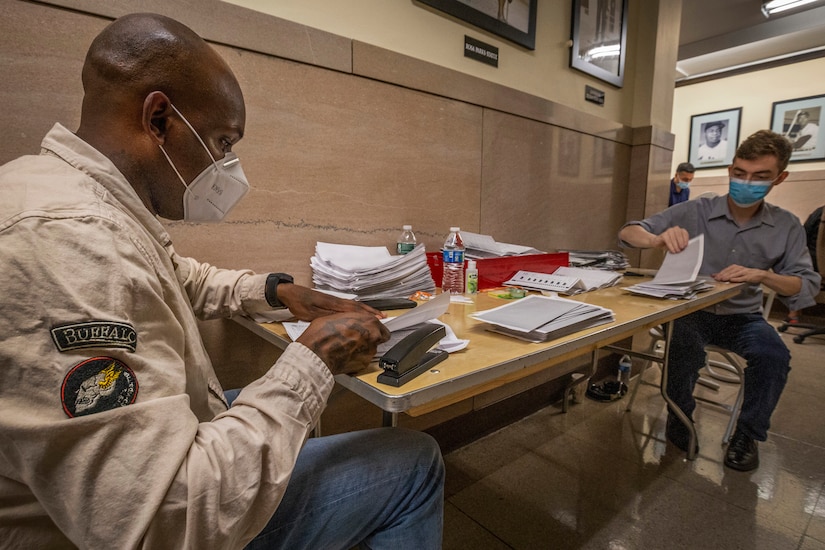
Soldiers sort ballots.
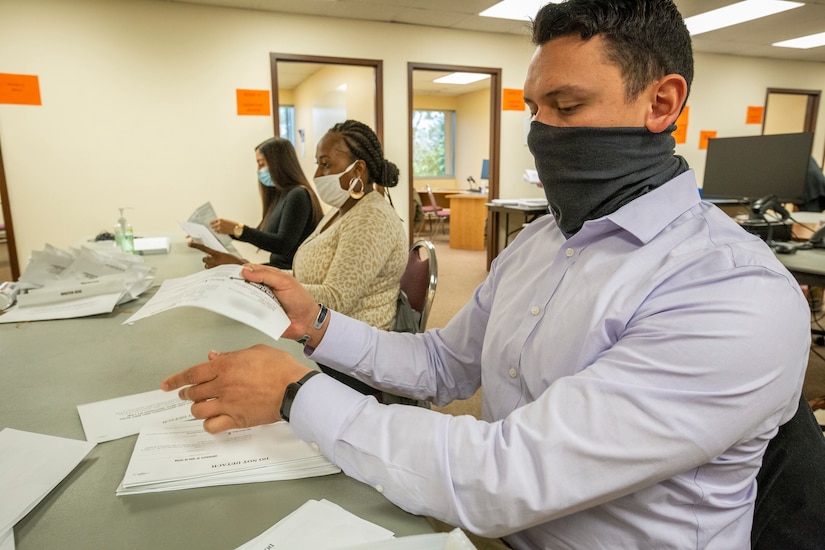
Airmen process ballots.

For example, displaying a sign or other item showing support for the Democratic or Republican parties is always prohibited, but a similar item supporting a nonpartisan movement, such as "save the whales," is permitted.  

Much like civilian employees of the DOD, service members should also avoid partisan political activities before, during and after election day. 

Permitted Activities

After Election Day, with a few exceptions such as runoff elections, the Hatch Act does not prohibit civilian employees from wearing or displaying a former candidate's campaign items while they are on duty, as long as the individual is no longer actively seeking partisan political office.

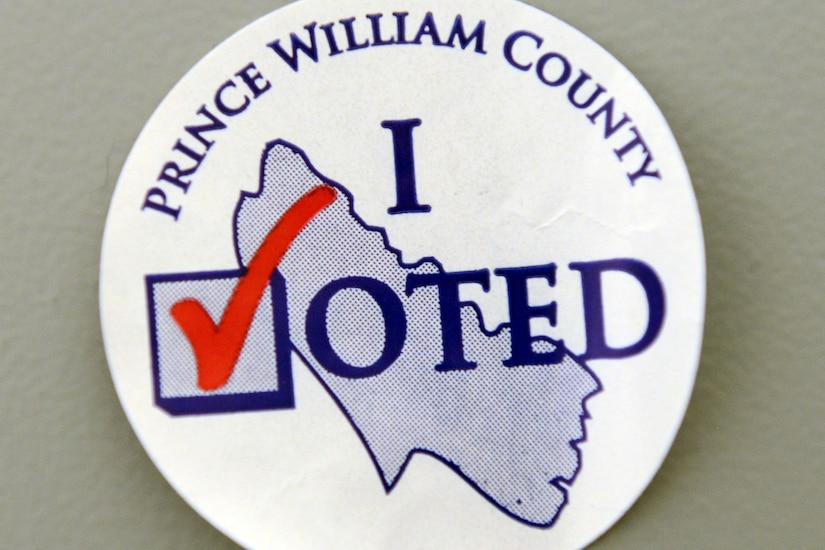
Voting Sticker.

For example, display of a campaign sign reading "Gore-Lieberman" or "Bush-Cheney" would be permitted at any time because their presidential candidacies have ended. But display of a sign reading "Trump-Pence" or "Biden-Harris" would not be permitted until the results of the current election have been certified.

DOD personnel must remain apolitical while performing official duties. Overall, any activity that may be reasonably viewed as directly or indirectly associating the DOD with partisan political activities should be avoided.

Blue Hue


Navy Lt. Yuma Kuwata monitors surface contacts aboard the USS John S. McCain in the Indian Ocean, Nov. 4, 2020, during Malabar, an India-led multinational exercise.

Keen Reach


Air Force Staff Sgt. Vincenzo Gallegos retrieves a parachute line during Keen Sword at the Ojojihara Training Area, Japan, Oct. 30, 2020. The exercise allows U.S. and Japanese troops to sharpen combat readiness and enhance long-range interception capabilities.

Sports Heroes Who Served: Brooklyn Dodgers Great Also Served in the Navy

 Nov. 10, 2020 | BY David Vergun , DOD News

Sports Heroes Who Served is a series that highlights the accomplishments of athletes who served in the U.S. military.

Harold Henry "Pee Wee" Reese, born July 23, 1918 at Ekron, Kentucky, was nicknamed Pee Wee because as a kid growing up, he earned the runner-up spot in a "Louisville Courier-Journal" newspaper-sponsored pee-wee marbles competition.

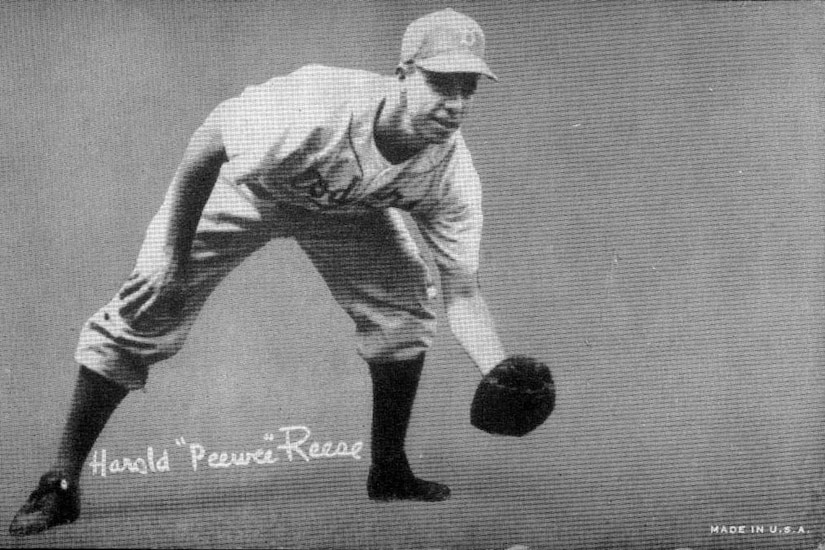
Baseball player holding a bat appears on a trading card.

Although his nickname wasn't related to his stature, he was somewhat short, at 5 feet, 9 inches, a height that prevented him from earning a spot on the duPont Manual High School baseball team in Louisville, Kentucky.

Thinking that he didn't have a career in baseball, he worked as a cable splicer for the Louisville telephone company. For recreation, he played amateur baseball for the Louisville Colonels, a local church team. That's how he acquired his second nickname, "the little colonel."

A Boston Red Socks scout noticed Reese's performance, picked him up, but then traded him to the Brooklyn Dodgers on July 18, 1939. The trade is considered the best ever made in baseball, for a receiving team, in this case the Dodgers.

Baseball player holds catchers mitt.

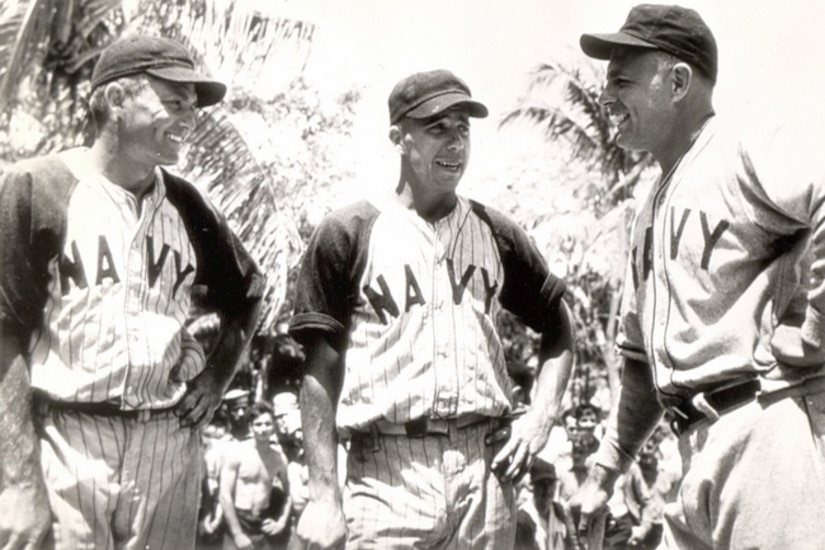
Reese's game debut with the Dodgers was April 23, 1940. He played until 1942. In 1943, he enlisted in the Navy.

In 1943, Reese was stationed at Norfolk Naval Air Station, Virginia, where he regularly played baseball. In 1944, he was sent to Hawaii and played for the Aiea Hospital team.

Then, he joined the Third Fleet team for the Navy's Pacific tour and was then assigned to Guam where he was shortstop and assistant coach for the 3rd Marine Division baseball team.

In 1946, following his honorable discharge from the Navy, Reese returned to the Dodgers, where he played until 1958. In his final baseball year of 1958, the Brooklyn Dodgers became the Los Angeles Dodgers.

Baseball players chat.

As the team's shortstop, Reese led the National League in walks, 104 in 1947; runs 132 in 1949; and stolen bases, 30 in 1952. Defensively, he led the league four times in putouts, twice in double plays and once each in fielding percentage and assists.

His other statistics: batting average, .269; hits, 2,170; home runs, 126; runs batted in, 885. Reese was a 10-time All Star in 1942 and 1946 to 1954; and, he was a member of the World Series champion team in 1955 as a player and 1959, as team coach.

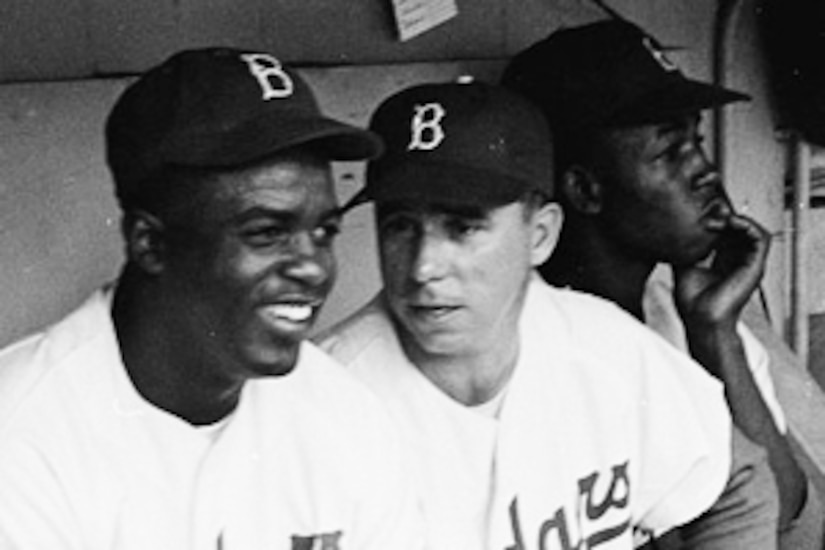
Although Reese is considered one of baseball's greats, he's probably more well known for his personal friendship of teammate Jackie Robinson.

In 2005, New York City Mayor Michael Bloomberg helped unveil a monument in Brooklyn, depicting Hall of Famers Reese and Robinson with Reese's arm around Robinson.

Baseball players chat.

It was designed to commemorate a moment that was said to have occurred in Cincinnati, Ohio, on May 13, 1947, during Robinson's inaugural season, which saw him break the color barrier to become the first African-American major leaguer.

Eye witnesses said Robinson was booed by Cincinnati fans because of his race. In a show of support, Reese temporarily left his position at shortstop and walked over to Robinson at first base and put his arm around the rookie, silencing the crowd.

In the 1960s, Reese became a baseball game announcer for CBS and then NBC.

In 1984, he was inducted into the National Baseball Hall of Fame and Museum.

Reese died on Aug. 14, 1999 at his Louisville home.

Ramstein Postal Operations Make Mail Move

 Nov. 10, 2020 | BY Air Force Senior Airman Noah Coger , 86th Airlift Wing

It's no secret that the holidays at Ramstein Air Base bring increased traffic to postal operations. Family members in the U.S. are sending packages to loved ones, active-duty members are ordering presents and taking advantage of Black Friday deals, and many are sending holiday greetings. Every year, the 786th Force Support Squadron postal clerks meet this surge head-on and do their best to ensure everyone gets their mail in time.

The onset of COVID-19 has presented a unique set of circumstances for the post office this year. They have been in "holiday mode" since mid-April, with no signs of slowing down as they enter the holiday season.

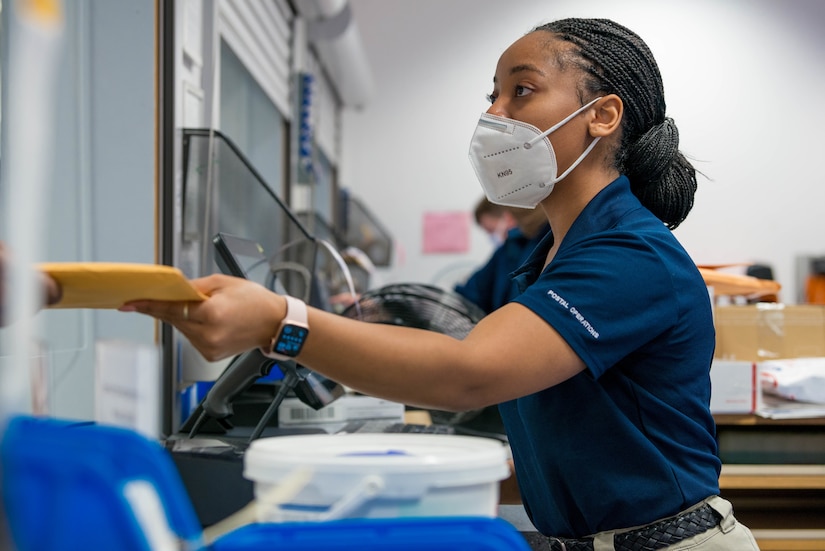
An airman receives mail.

"During the height of COVID-19 over the past year, the Northside Post Office saw a 61% increase for incoming packages," said Air Force Tech. Sgt. Darren Hinds-Webster, 786th FSS official mail manager. "Between mid-April and May, we saw the Postal Service Center deliver more than 90,000 packages."

Germany's lockdown measures earlier in the year saw many nonessential businesses close. This was done to help prevent the spread of COVID-19 but had an inverse effect on mail flow as more people turned to online shopping. Those same measures required squadrons on Ramstein to find ways to operate with minimal manning.

During those two months, packages delivered to the Northside Post Office amounted to approximately the same number as last year's holiday season. The post office not only had to navigate mitigating factors to prevent the spread of COVID-19 but also had to operate with limited manning while meeting the demands of increased operations.

As postmaster, I feel that I work with 52 of the greatest professionals."
Air Force Master Sgt. Dandre Broderick

"We understand the magnitude of our current climate," Hinds-Webster said. "We understand that our customers rely on various essentials: voting ballots, credit cards and other personal communication. For that reason, telework is not an option for us."

Despite the COVID-19 challenges, the post office remains dedicated to ensure timely processing of packages, incoming and outgoing. 

"As a postmaster, I enjoy serving our customers by delivering packages that are important to them," said Air Force Master Sgt. Dandre Broderick, 786th FSS postmaster. "You never know what might be in that letter or parcel that can make someone's day."

To achieve this objective, the post office has four main sections split among 52 airmen servicing more than 7,000 active mailboxes. They're all working toward one goal: customer satisfaction.

The postal service center consists of two smaller sections: receipt and dispatch, which is responsible for the receiving and delivery of all incoming personal mail; and directory service, which locates and re-routes first class mail with incorrect information that cannot be delivered as addressed. 

The customer service team fields all service related issues that include in-and-out processing of P.O. boxes, package inquiries, and forwarding or holding of mail for members that are deployed or doing temporary duty travel. In addition, they also handle the general directory program, which allows service members deployed to Ramstein to receive mail.

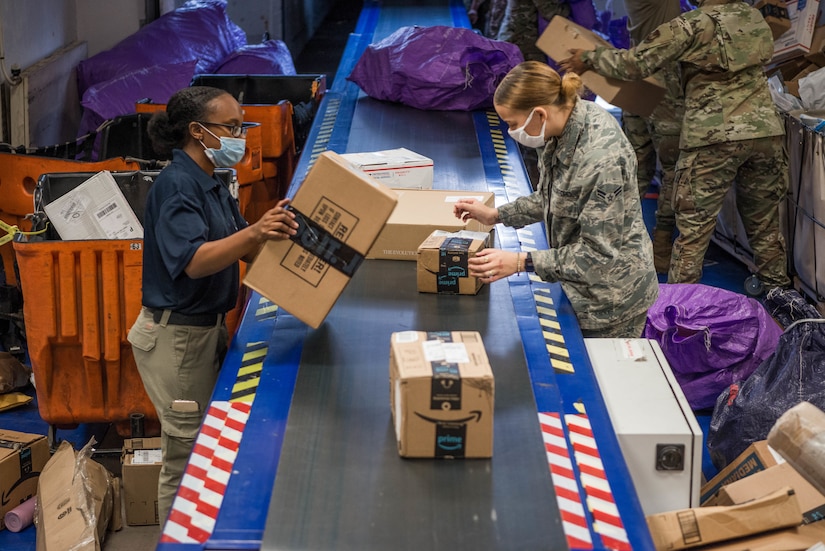
Female military members wearing masks process packages.

The official mail center operates the registered mail cage, which processes the most secure form of mail. 

"Our main customers at the official mail center include the Air Force Office of Special Investigations, medical logistics and personal registered packages," Hinds-Webster said. "A lot of units use registered mail to send sensitive information because it is the best, most secure way to send mail. It's guaranteed to have a hand-to-hand transaction and signature for that transaction every step of the way."

Official mail also services 127 units on Ramstein. Their mobile distribution vehicles run three routes to hand-deliver to 85 of those units Monday through Friday.

The last section, finance and package shipping, helps customers fill out customs forms, send voting ballots and ship packages to more than 420 locations stateside and overseas. 

With all of the sections that the North Side Post Office maintains and tasks the sections are responsible for, it's the airmen that are the core of its operations.

"During the wake of COVID-19, they were dedicated to the mission," Broderick said. "Keeping safety first, some volunteered to work on their days off and weekends just to ensure we did not get too far behind. You cannot beat that dedication. As postmaster, I feel that I work with 52 of the greatest professionals."
Monday, November 09, 2020

Department of Defense Launches New ‘My Military OneSource’ Mobile Application

 Nov. 9, 2020


The Department of Defense launched a new mobile app that quickly connects service members, their families, and survivors to resources and support to help them rejuvenate, be well, and thrive. The My Military OneSource mobile app is now available for free download on Google Play and Apple’s App Store.

The My Military OneSource mobile app provides a customized way for users to experience one of the military’s flagship support programs – Military OneSource. The app offers a fast, 24/7 gateway to personalized military benefits, access to experts, guides for the military, and much more. Unique features include:

  • A personalized experience based on a user’s profile
  • MilLife Guides – a curated library of “must-know” information about military life, spanning topics from PCS to finances, from relationships to recreation
  • Benefits Finder – an easy way to get top-line information about the benefits available to service members and their families
  • Advanced search functionality to ease navigation, and the
  • Ability to immediately connect with live support.

“We are excited to offer an innovative, personalized approach to receiving support, resources, and expertise through the My Military OneSource mobile app, in the same way our folks are used to receiving other information in their lives” said Matthew P. Donovan, Under Secretary of Defense for Personnel and Readiness. “The Department of Defense is committed to providing valuable support to help our military service members and families thrive, and this mobile app was developed with their needs in mind.” 

To ensure the My Military OneSource mobile app continues to meet the needs of the military community, we will evaluate user feedback to help inform ongoing updates and enhancements, as well as new features.

Part of the Department of Defense, Military Community and Family Policy offers a suite of programs, tools, and services – including My Military OneSource and MilitaryOneSource.mil – that connects the military community to resources they can use every day, from relocation planning and tax services to confidential non-medical counseling and spouse employment. These initiatives contribute to force readiness and quality of life by providing policies and programs that advance the well-being of service members, their families, survivors, and other eligible members of the military community.

Military OneSource is a DOD-funded program that is both a call center and a website providing comprehensive information, resources, and assistance on every aspect of military life. Service members and the families of active duty, National Guard, and reserve (regardless of activation status), Coast Guard members when activated for the Navy, DOD expeditionary civilians, and survivors are eligible for Military OneSource services, which are available worldwide 24 hours a day, seven days a week, at no cost to the user.

Army HH-60 Black Hawk helicopter crew members escort rescued U.S citizens


Army HH-60 Black Hawk helicopter crew members escort rescued U.S citizens at San Pedro Sula, Honduras, Nov. 7, 2020, in the aftermath of Hurricane Eta. The soldiers are assigned to Joint Task Force-Bravo, which is trained and prepared to support disaster assistance efforts within Central America.

Cali Cover


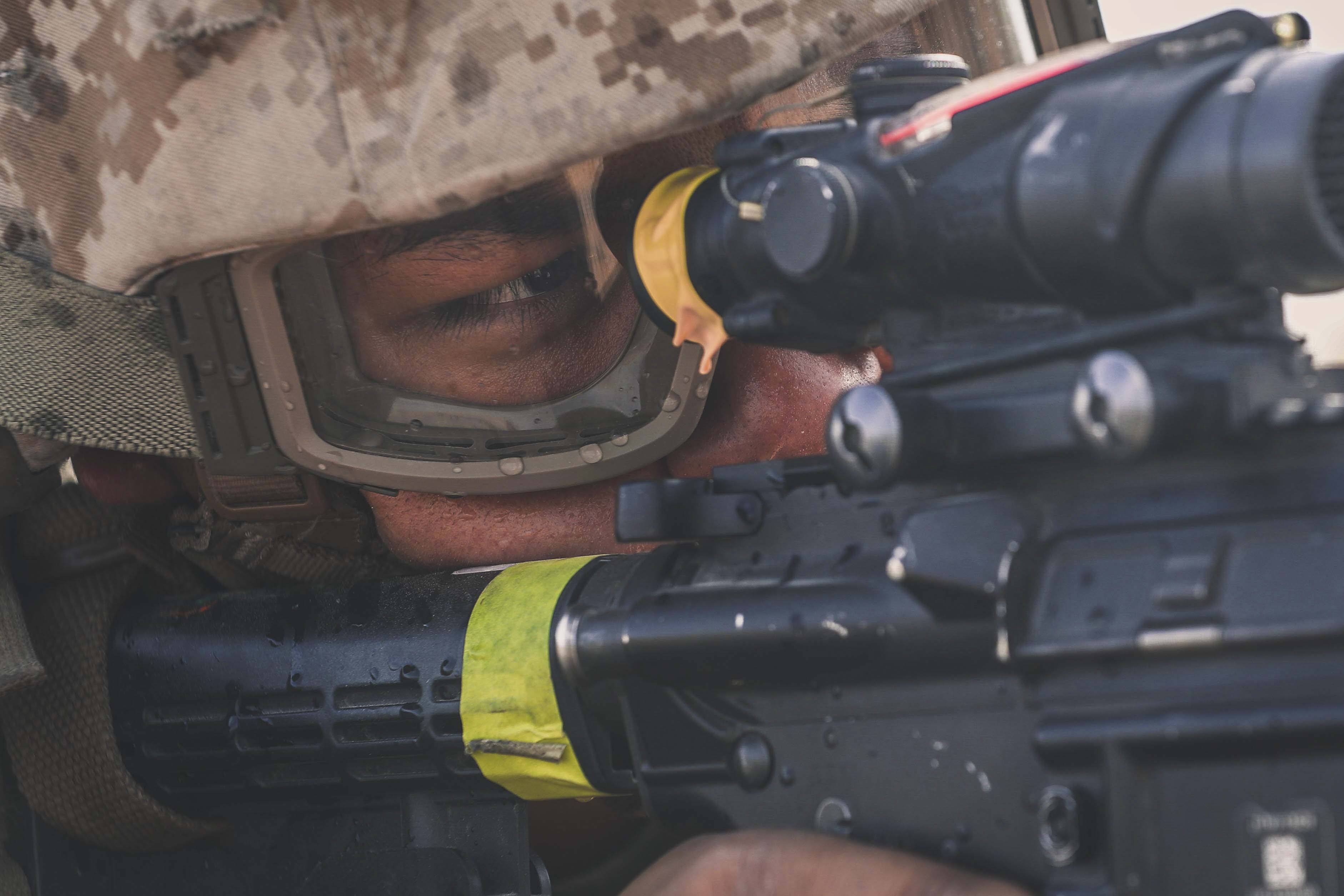
Marine Corps Cpl. Sathya Breckinridge provides cover during an integrated training exercise at Marine Corps Air Ground Combat Center Twentynine Palms, Calif., Oct. 5, 2020.

Supply Support


Navy Seaman Brian Chan moves a box of supplies aboard the USS Gerald R. Ford in the Atlantic Ocean, Nov. 2, 2020.

Malabar Formation


The USS John S. McCain sails in formation with Indian, Australian and Japanese vessels in the Indian Ocean, Nov. 3, 2020, during Malabar, an India-led multinational exercise.

Food Bank


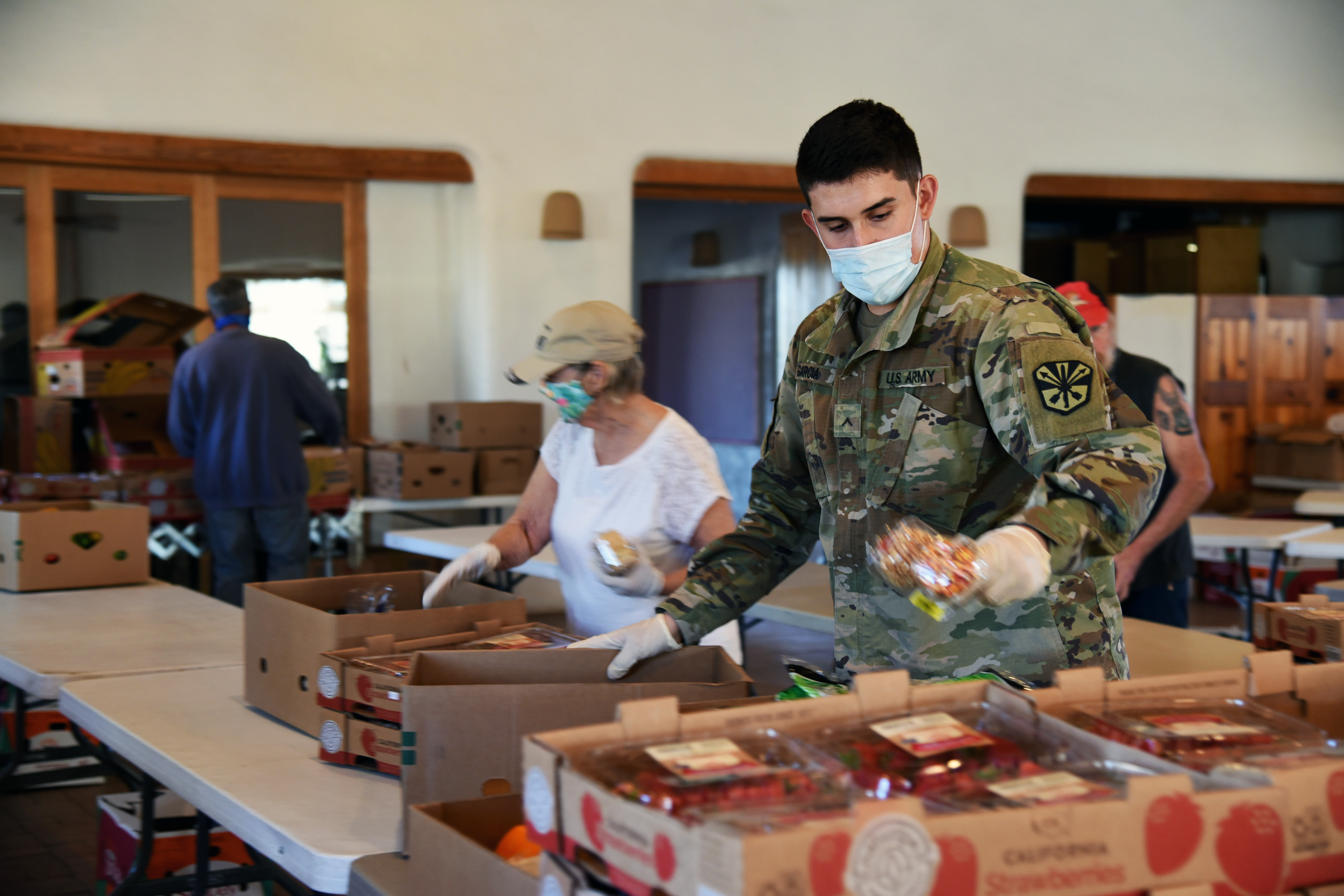
Arizona National Guard service members prepare boxes of groceries for delivery to area residents at a food bank in Three Points, Ariz., Nov. 5, 2020. The Arizona National Guard has activated more than 800 Arizona citizen soldiers and airmen to support the community during this emergency response.

Food Distribution


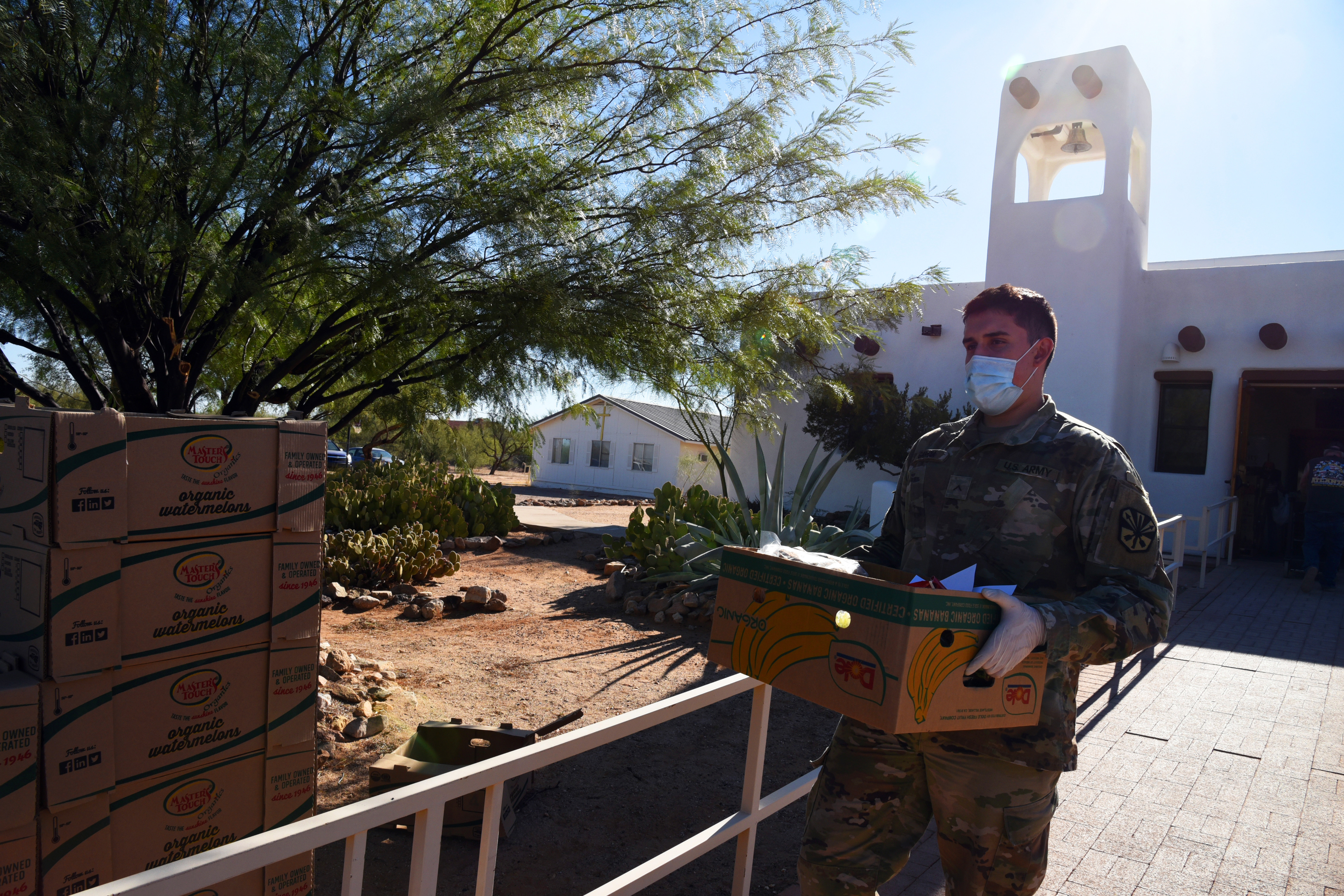
Arizona National Guard service members deliver boxes of groceries to area residents in Three Points, Ariz., Nov. 5, 2020. The Arizona National Guard has activated more than 800 Arizona citizen soldiers and airmen to support the community during this emergency response.

Colorful Corps


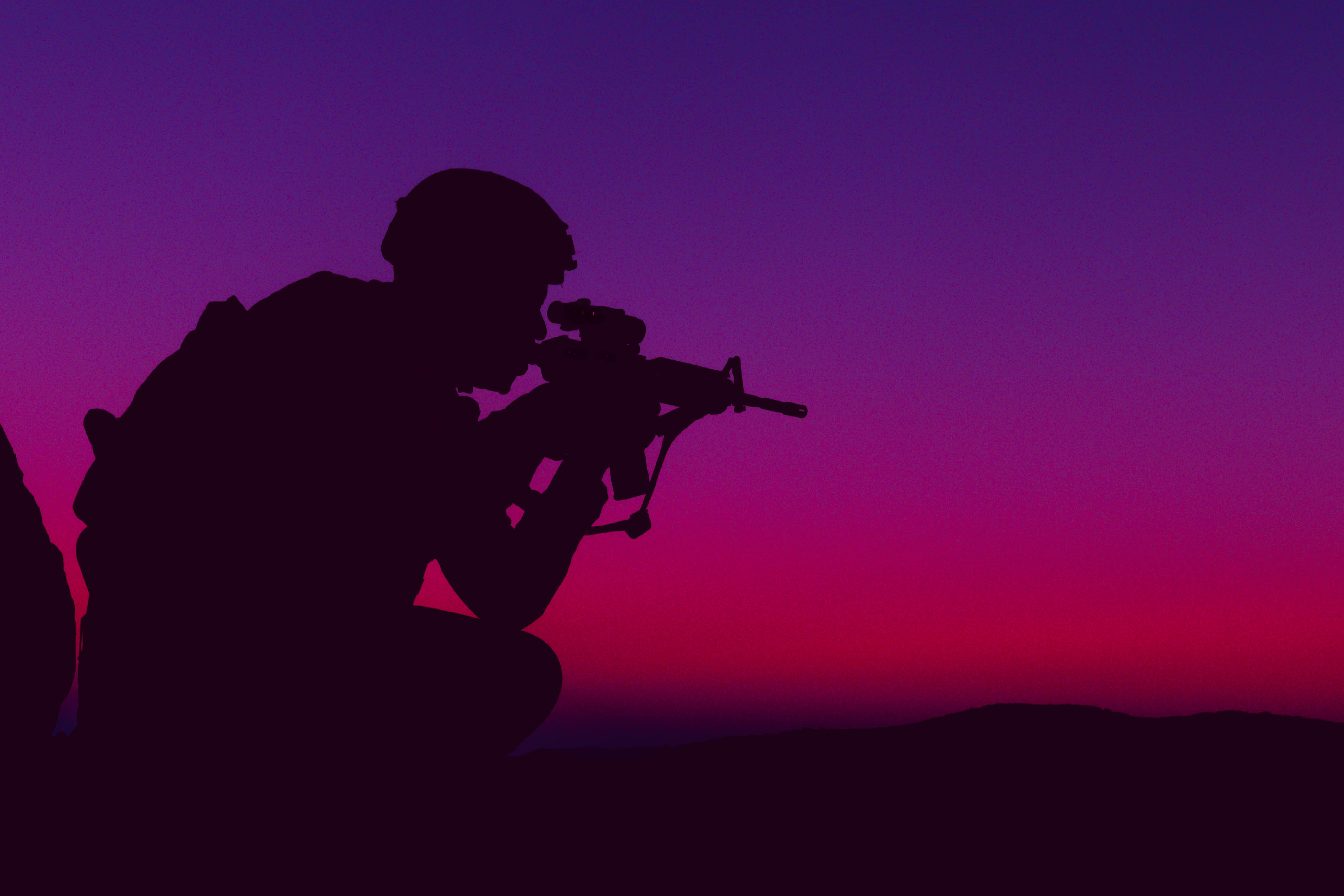
Marine Corps Lance Cpl. Keavious Blackmon participates in training at Marine Air Ground Combat Center Twentynine Palms, Calif., Oct. 2, 2020.

Stepping Up


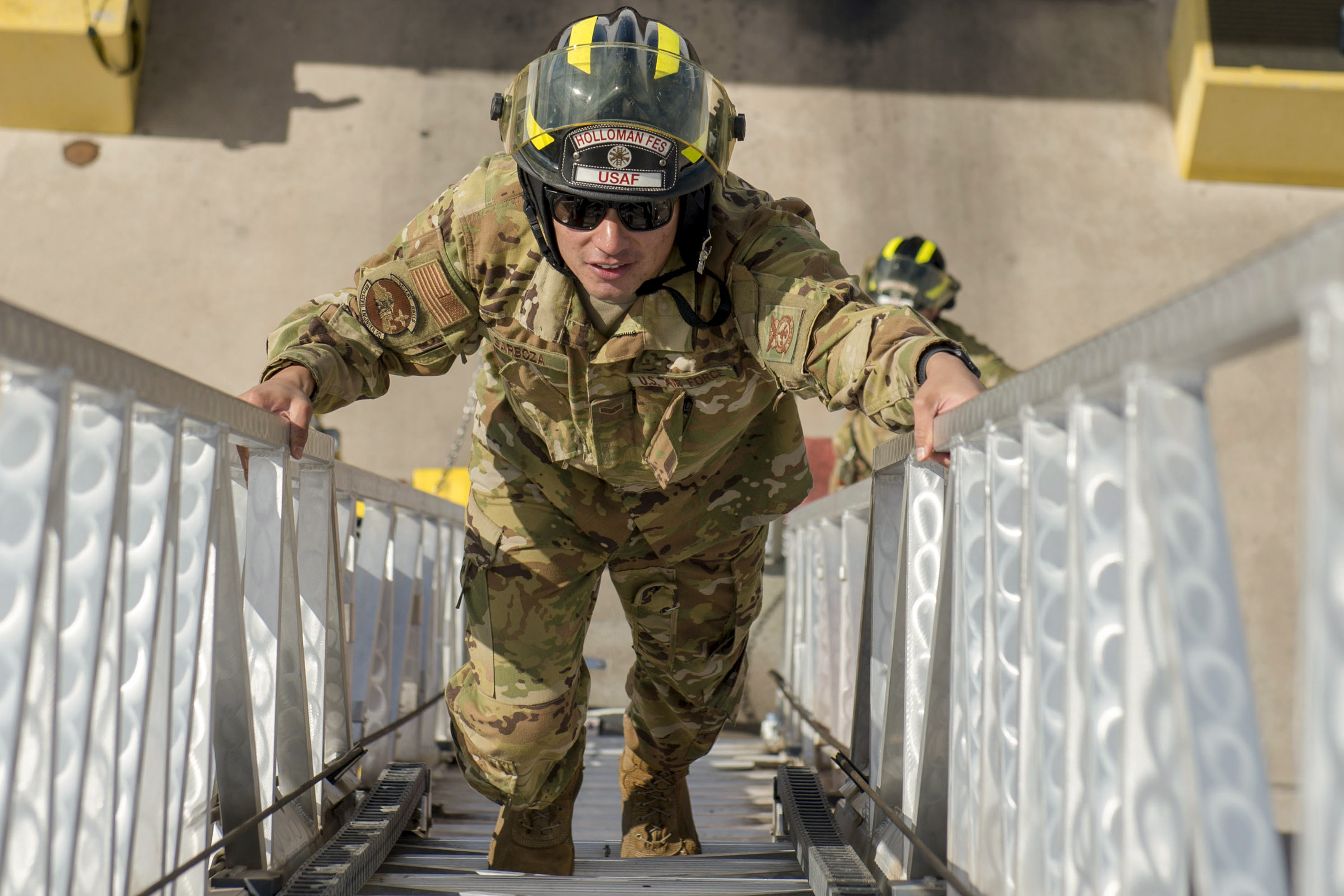
Air Force Senior Airman Alvaro Barboza climbs the ladder on a firetruck during an observance at Holloman Air Force Base, N.M., Oct. 28, 2020.

Recruit Work


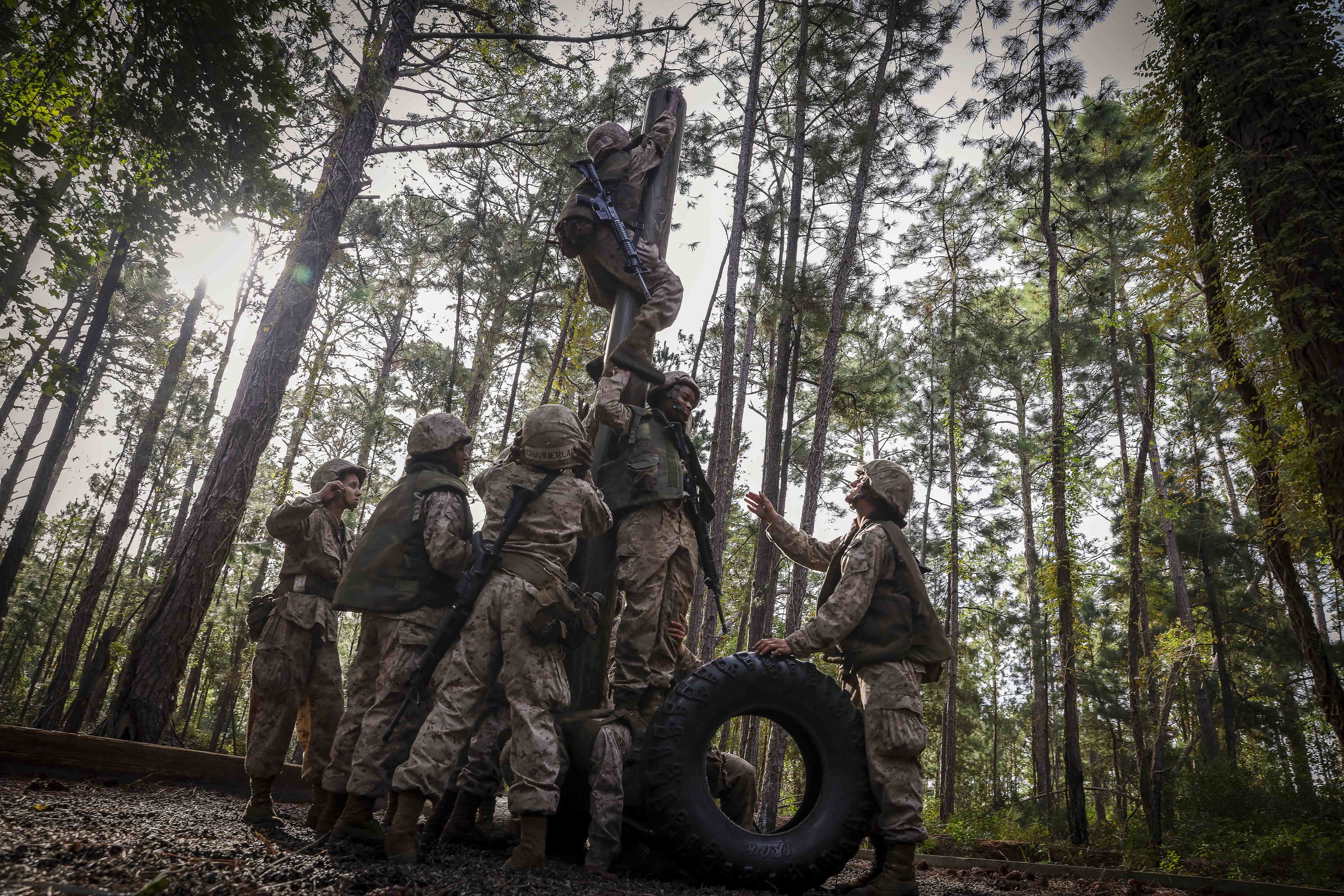
Marine Corps recruits participate in the final challenge of recruit training, known as the Crucible, at Marine Corps Recruit Depot Parris Island, S.C., Nov. 6, 2020.

Soldiers Compete for Best Medic, Best Warrior Title During Pandemic

 Nov. 9, 2020 | BY RUSSELL TOOF, ARMY

With extra safety precautions in place due to COVID-19, soldiers from Regional Health Command Europe, alongside soldiers from the 21st Theater Sustainment Command, competed in a Best Medic and Best Warrior competition in Baumholder, Germany, Nov. 3 and 4, 2020.

After a grueling 48 hours that tested the competitors physically and mentally, winners for the respective competitions were announced.

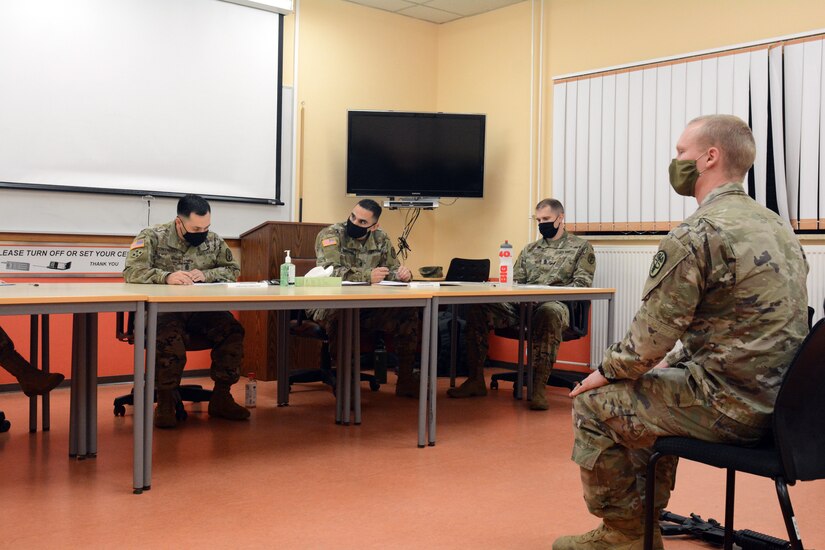
A soldier sits in a chair across from three solders sitting at a table.

Army Sgt. Michael Metcalf and Army Spc. Walter Galdamez from U.S. Army Medical Department Activity-Bavaria earned the title of Best Medic team. Army 1st Lt. Jacob Schwanz and Army Spc. Brenden Lopez, both from MEDDAC Bavaria, and Army Sgt. James Gabisum from Landstuhl Regional Medical Center were the Best Warrior winners in the officer, soldier and noncommissioned officer categories, respectively.

"My motivation for competing was seizing the opportunity to be able to not only train with the soldiers I work with in a clinical setting, but also to really have the opportunity to go out and train on basic warrior tasks and drills," said Schwanz, the executive officer at U.S. Army Health Clinic Grafenwoehr. "I'm very appreciative of the opportunity to compete and to be able to learn from the others here."
Surviving on just a few hours of sleep over a two-day period, Galdamez was just as happy.

"I came here to be challenged," said Galdamez, a lab technician at U.S. Army Health Clinic Vilseck. "My everyday task is to work in a lab, and it was very nice to go out and do something different and prove I'm not just a lab tech."
Galdamez and Metcalf both earned their Expert Field Medical Badge back in September.  That competition tested competitors in similar areas to the Best Medic.

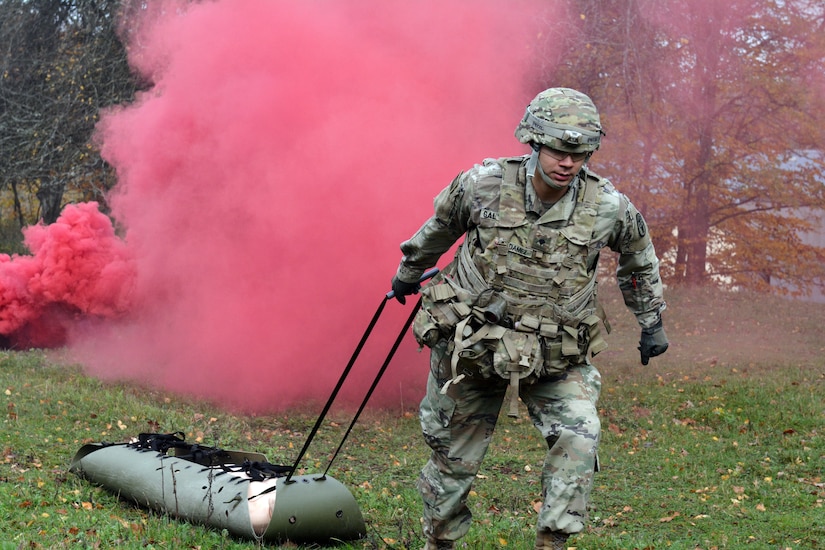
A soldier drags a stretcher away from a plume of pink smoke.

"Those soldiers didn't have to be here, but they volunteered to challenge themselves to be the best and to earn the title of Best Warrior/Best Medic," said Army Command Sgt. Maj. Kyle Brunell, the Regional Health Command Europe command sergeant major. "So I'm proud that they accepted this challenge."

Competitors had to complete the Army Combat Fitness test, day and night land navigation, weapons qualification, a stress shoot, a timed 8-mile road march, a written essay, multiple choice test and an oral board. The last event was providing care to simulated injuries that one might experience in a battlefield environment.

"Events like this are important because they test our medical field craft in a high stress environment," Brunell added. ''But it's also more than that. Our medics get to prove that they are not only great medical personnel but also some of the best soldiers in our Army.''

(Russell Toof is assigned to Regional Health Command Europe)

Friday, November 06, 2020

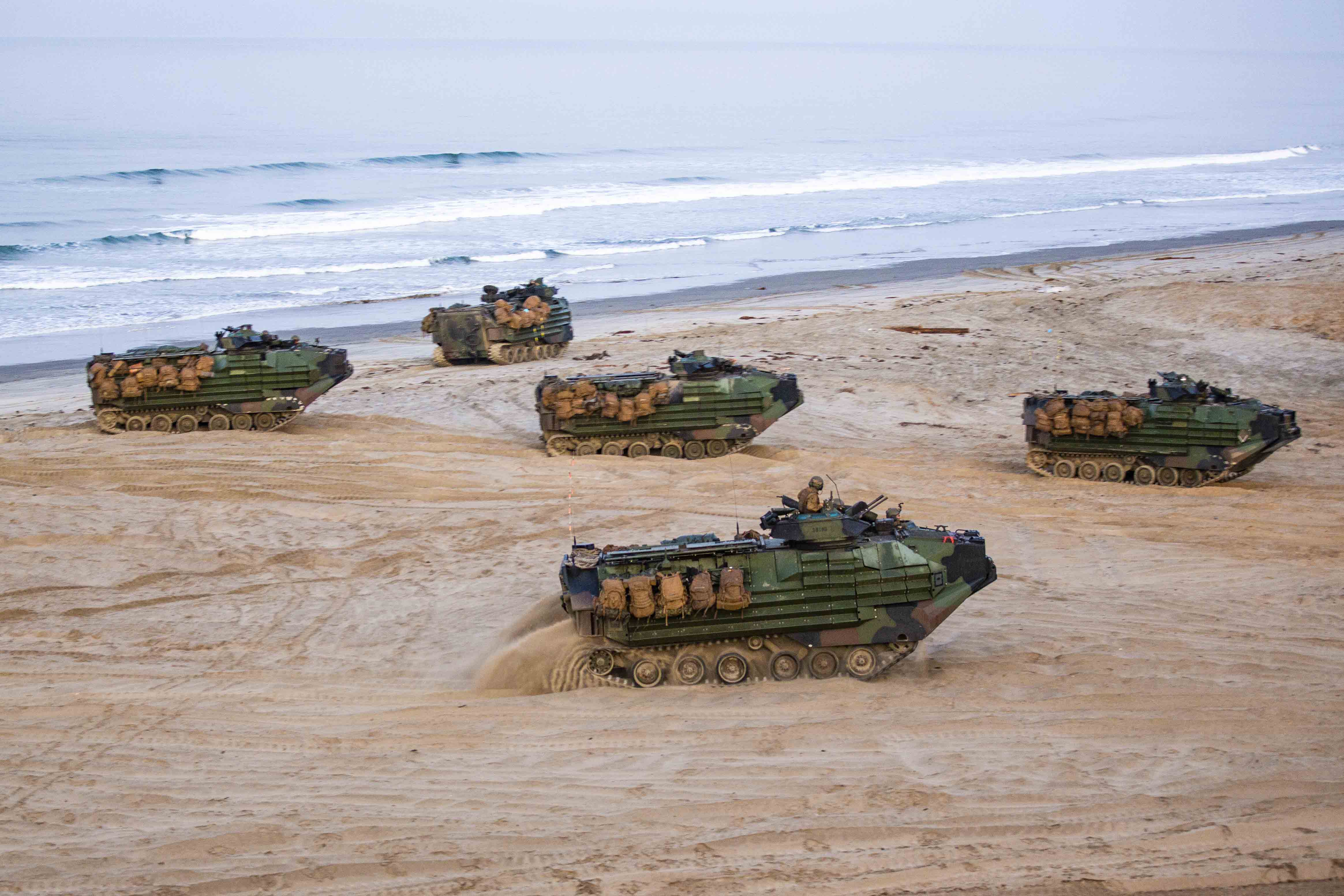
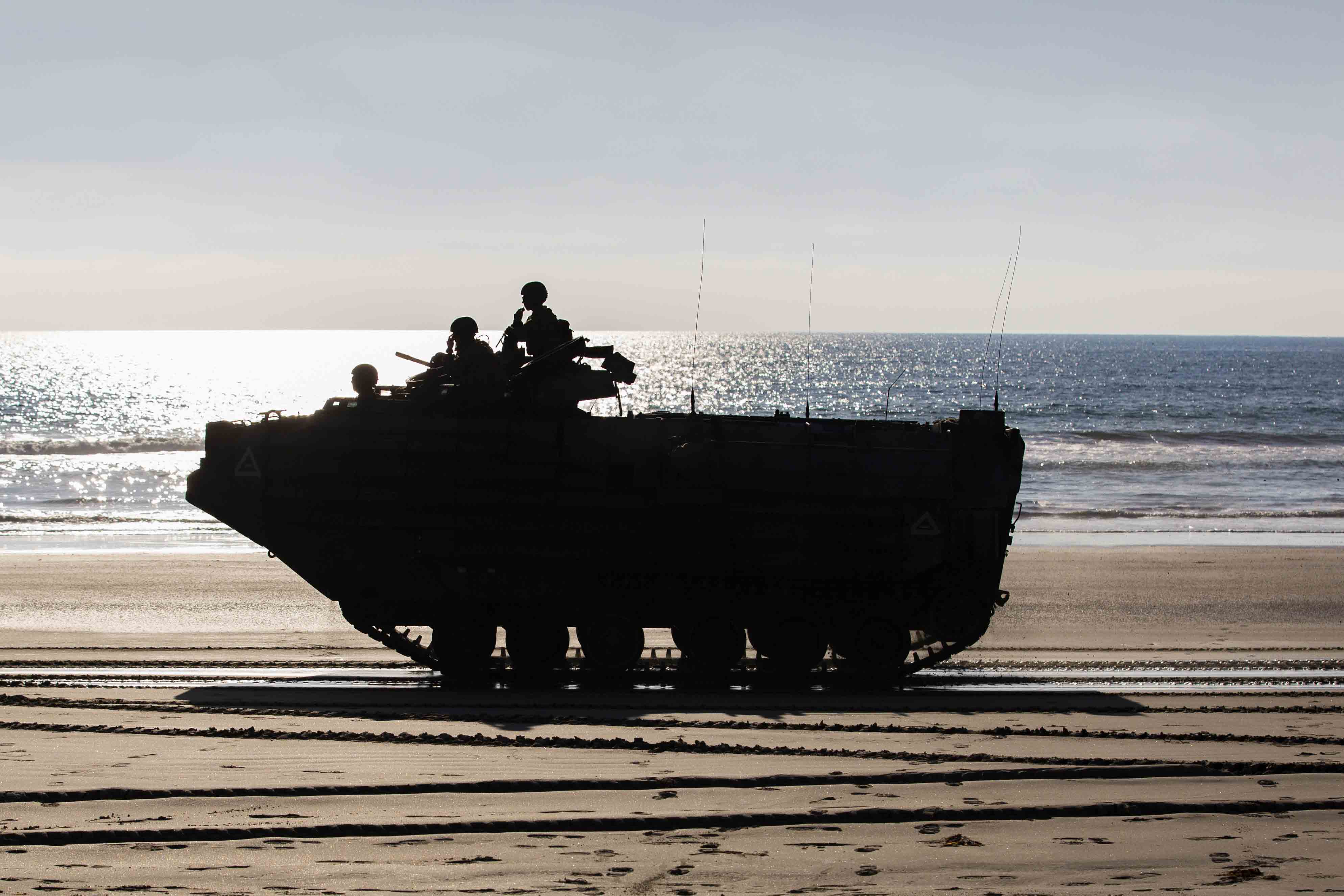
Amphibious Assault


Marines conduct a simulated amphibious assault during a combat readiness evaluation at Marine Corps Base Camp Pendleton, Calif., Nov. 2, 2020.

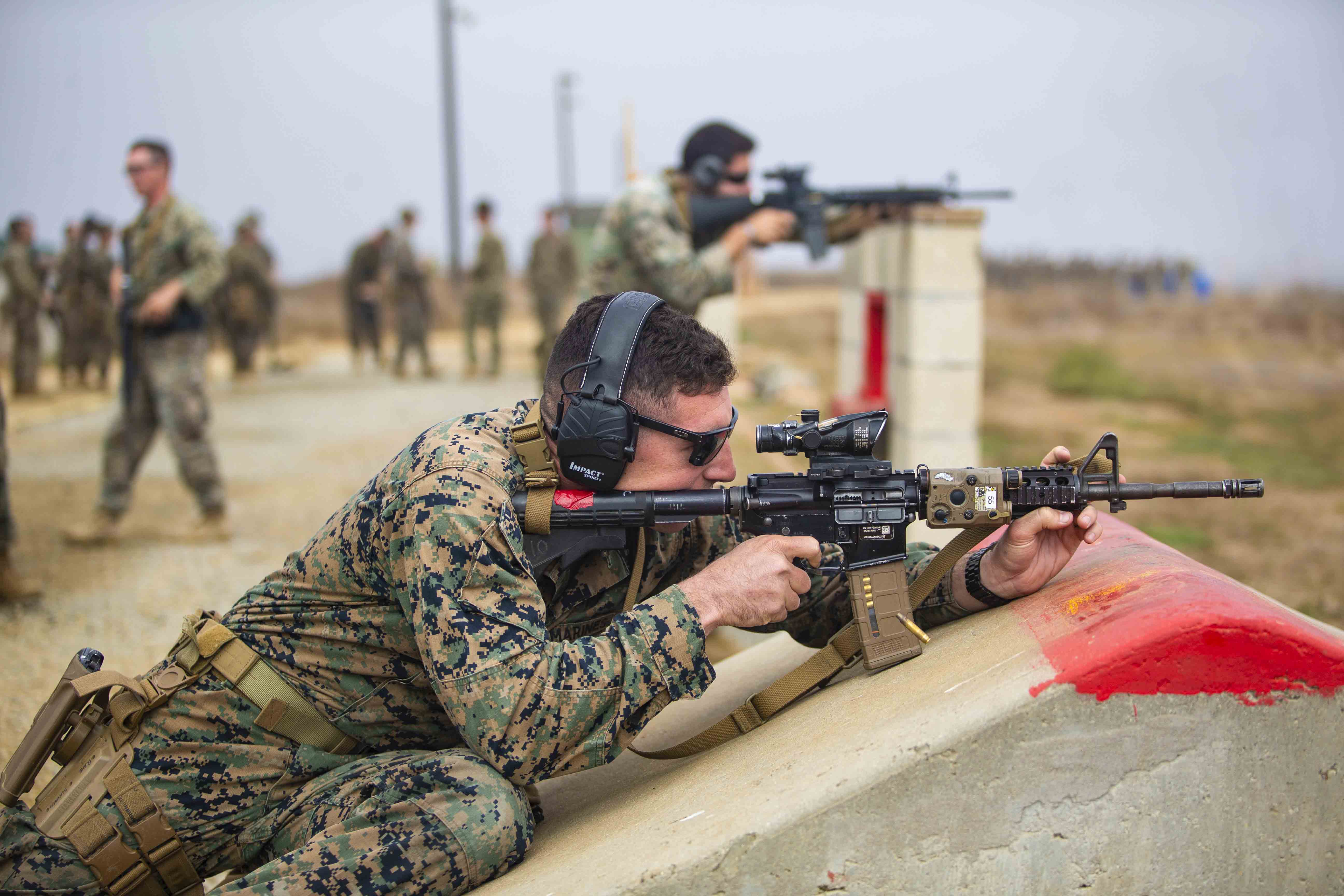
Sharp Shot


Marine Corps 1st Lt. Blake Schwartz fires an M4 carbine during training at Marine Corps Base Camp Pendleton, Calif., Nov. 4, 2020.

Martial Arts


Marine Corps recruits practice martial arts techniques at Marine Corps Recruit Depot Parris Island, S.C., Nov. 6, 2020.

Combat Readiness


Marines conduct a simulated amphibious assault during a combat readiness evaluation at Marine Corps Base Camp Pendleton, Calif., Nov. 2, 2020.

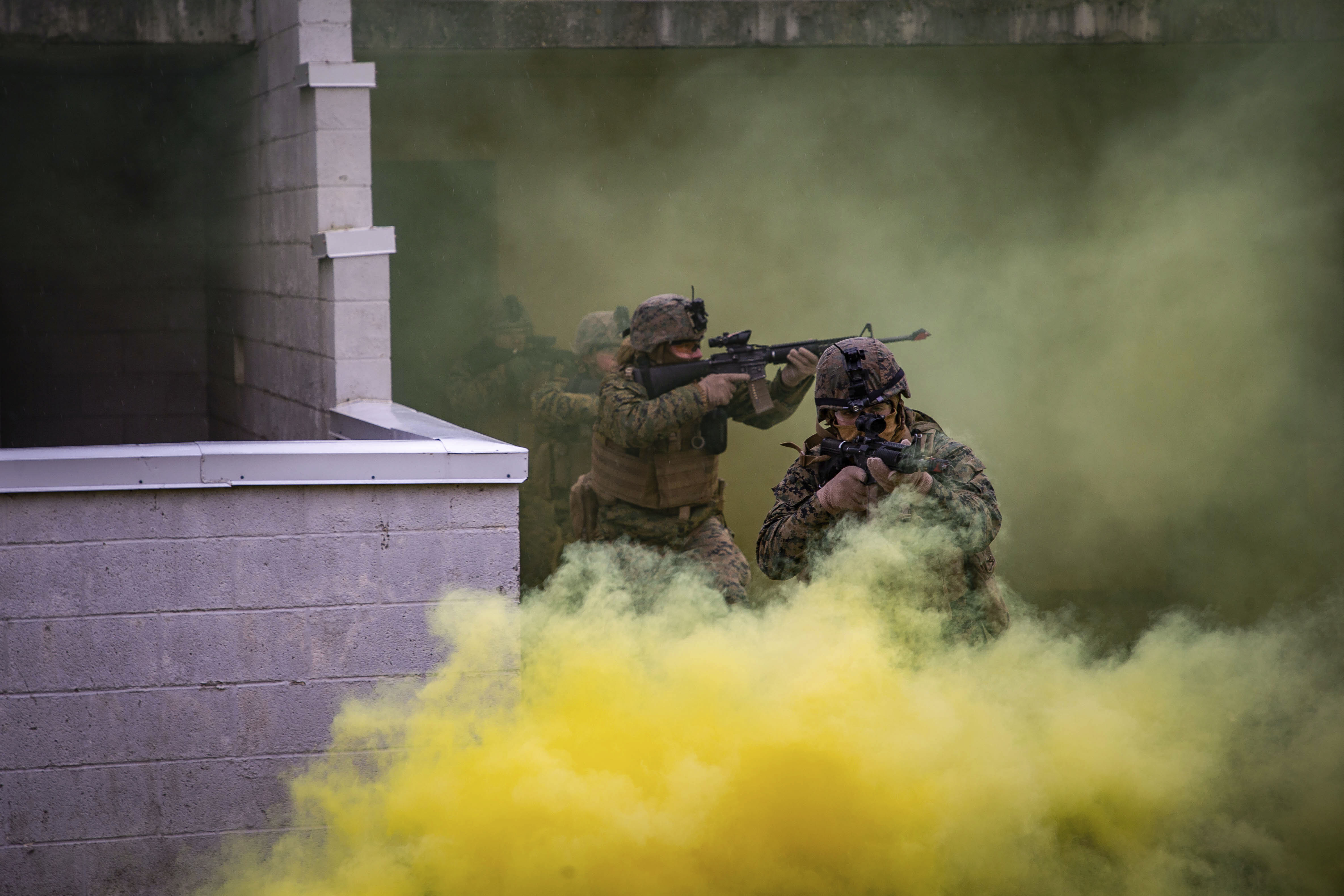
Military Ops


Marines conduct urban terrain training during an exercise at Fort Drum, N.Y., Oct. 31, 2020.

Artillery Training


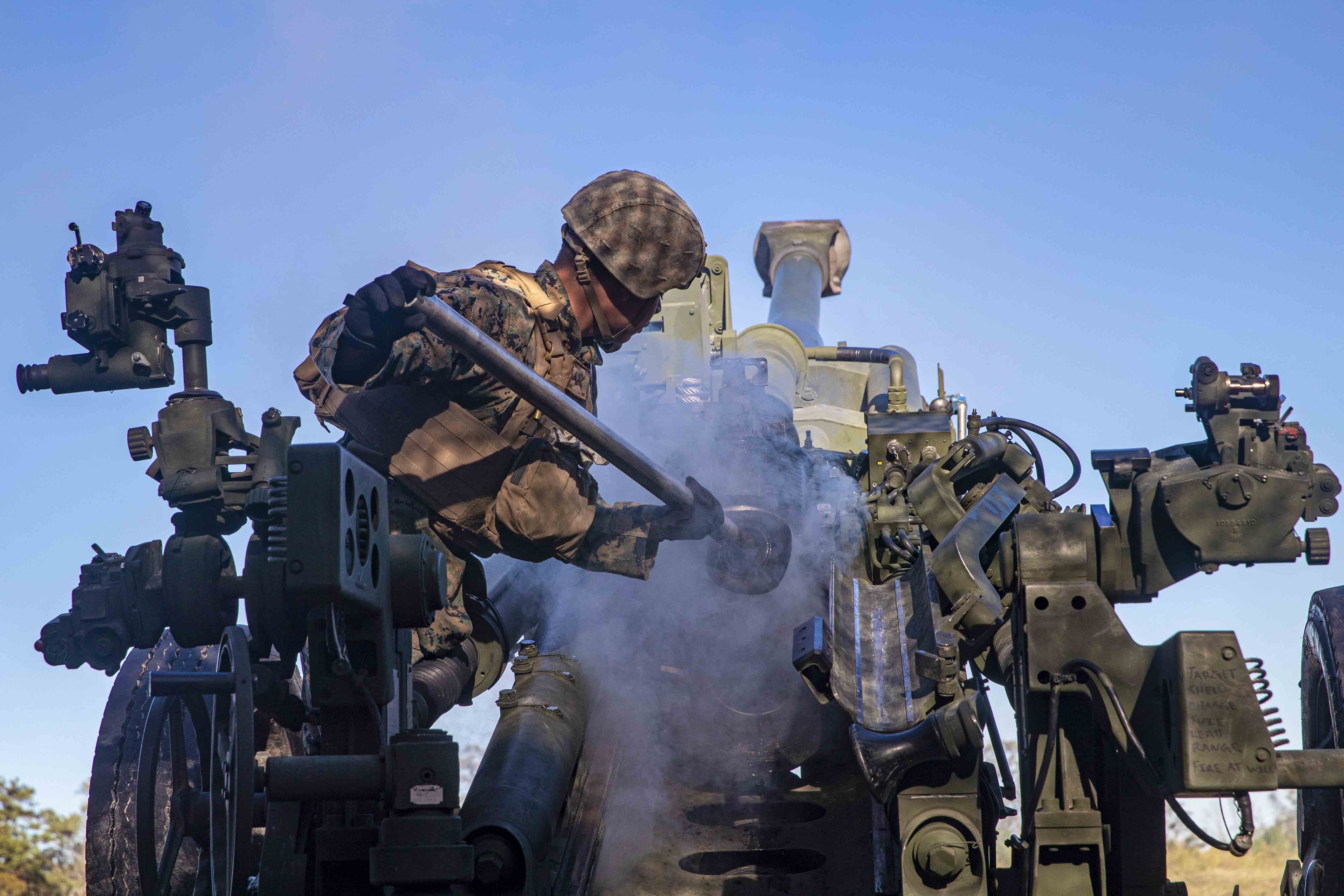
Marine Corps Lance Cpl. Hansel Figueroa Martinez clears an M777 howitzer during training at Camp Lejeune, N.C., Nov. 3, 2020.

Ocean Waves


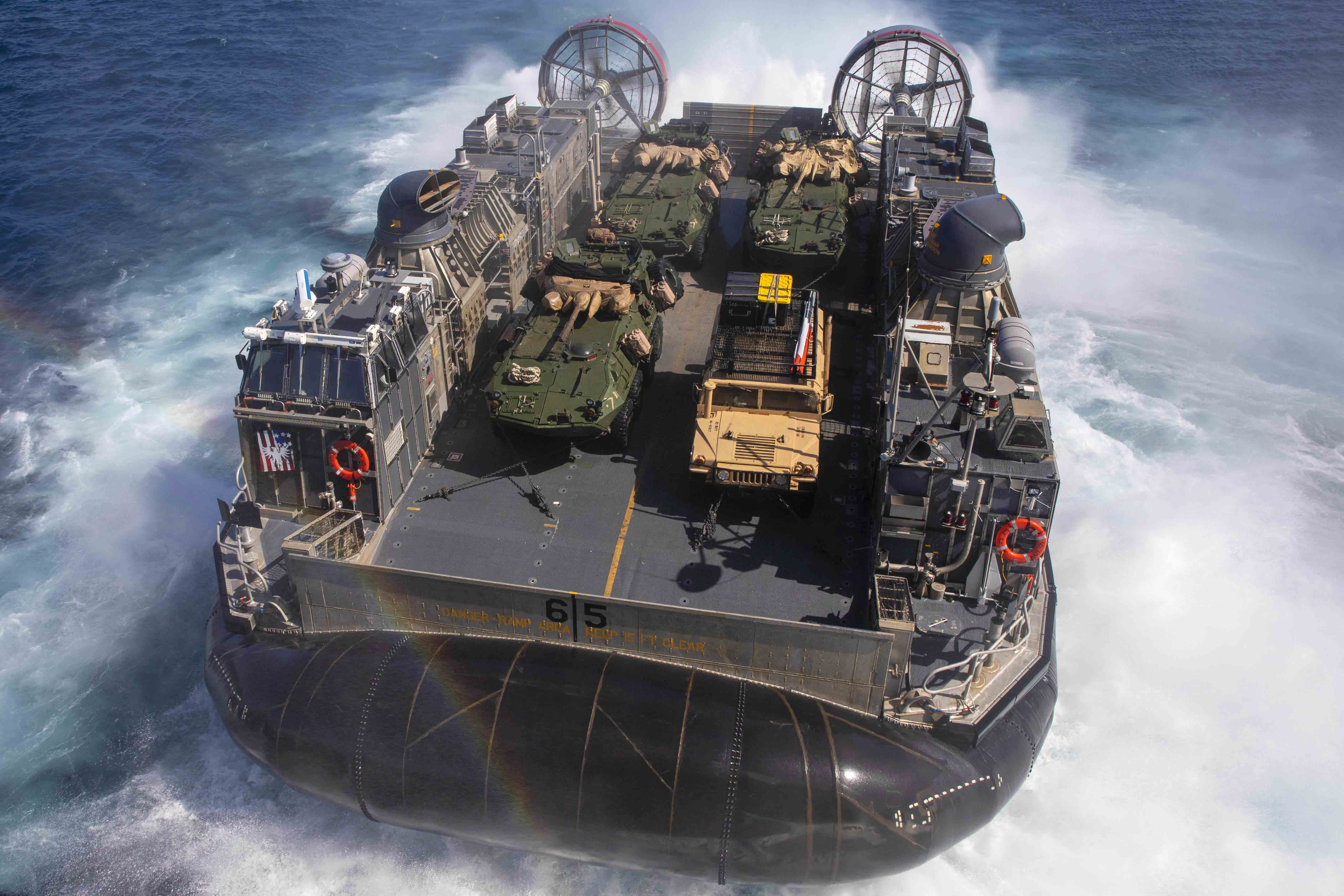
A Navy air-cushioned landing craft exits the well deck of the USS Makin Island for training in the Pacific Ocean, Oct. 12, 2020.

Romania Testing


Soldiers administer COVID-19 tests at Camp Mihail Kogalniceanu, Romania, to fellow soldiers arriving from Fort Hood, Texas, Nov. 2, 2020. Army Spc. Jabari Clyburn

Night Light


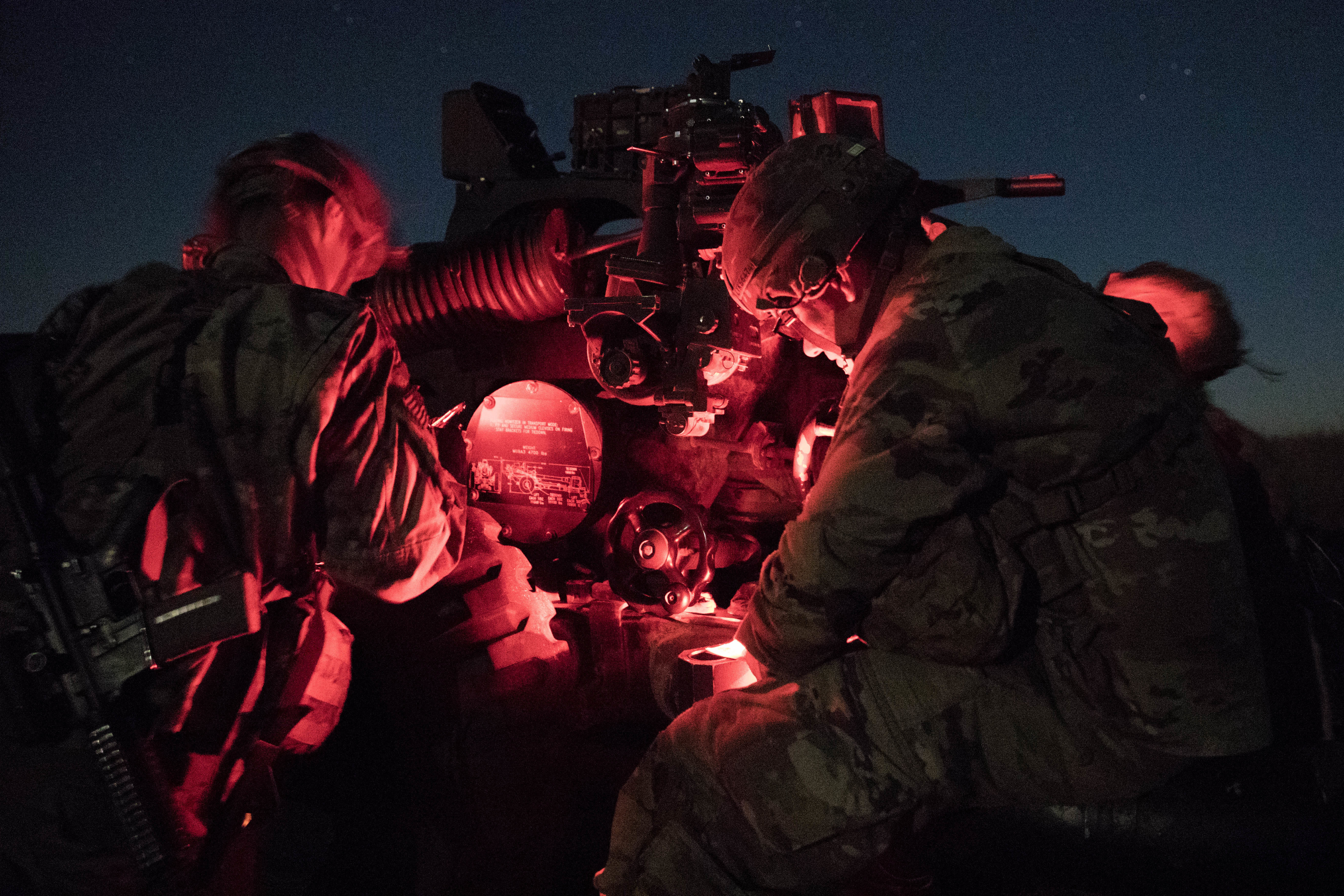
Army paratroopers conduct a heavy drop and fire mission during Exercise Panther Storm on the Salerno Drop Zone at Fort Bragg, N.C., Nov. 5, 2020. Panther Storm provides paratroopers the opportunity to train in joint forcible entry and combat operations.

Special Guest


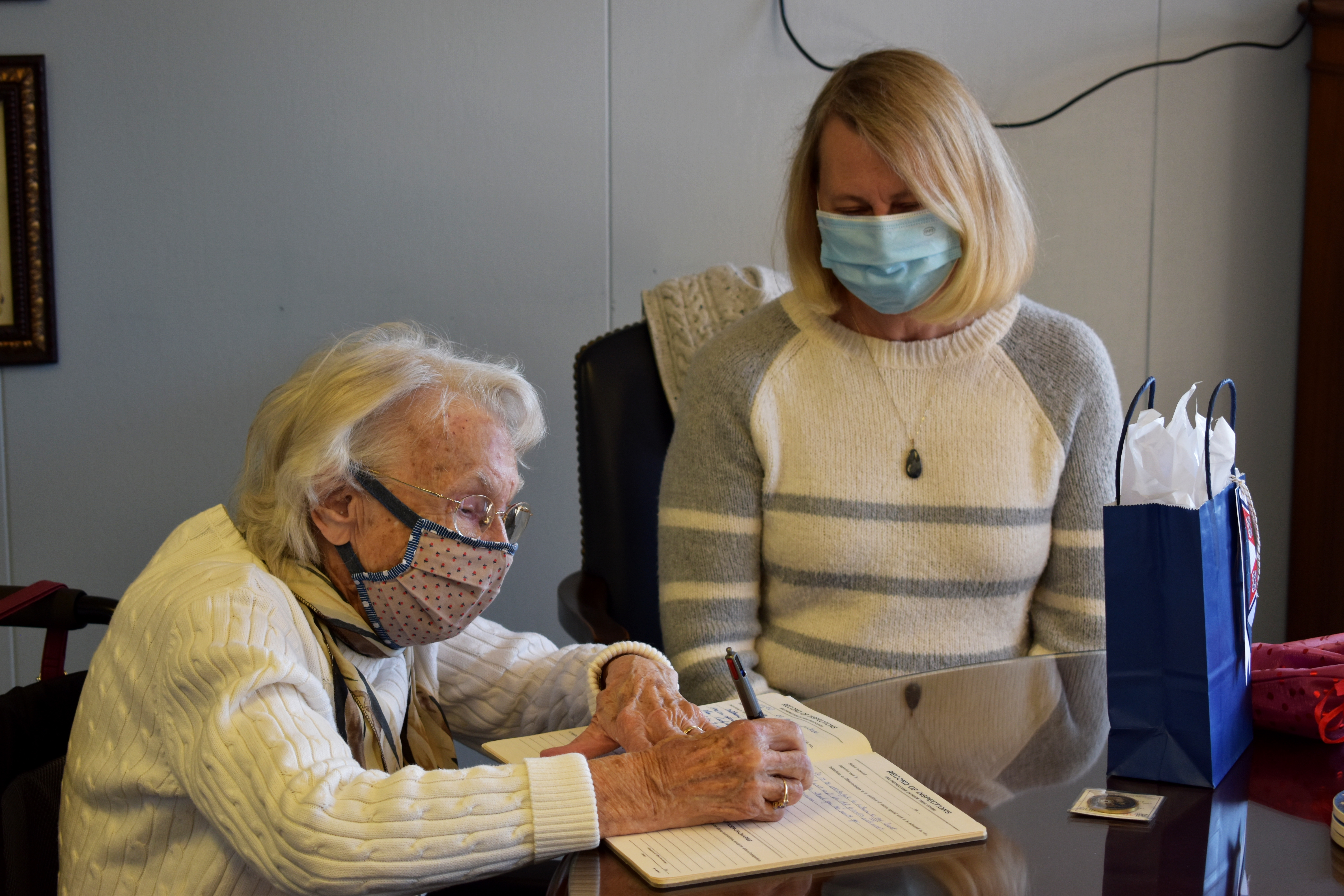
Coast Guard SPAR Mabel Johnson celebrates her 106th birthday as a guest at the Coast Guard Pay and Personnel Service Center in Topeka, Kan., Nov. 3, 2020. Johnson, who enlisted in 1943, was given a tour by Coast Guard leaders who expressed their appreciation for the trailblazing women of the SPARS workforce. SPARS was the women’s branch of the Coast Guard Reserve during World War II.

Standing Watch


A soldier stands watch next to an M2 Bradley infantry fighting vehicle in Syria, Oct. 30, 2020. The soldier is supporting Combined Joint Task Force-Operation Inherent Resolve.

Gunner's View


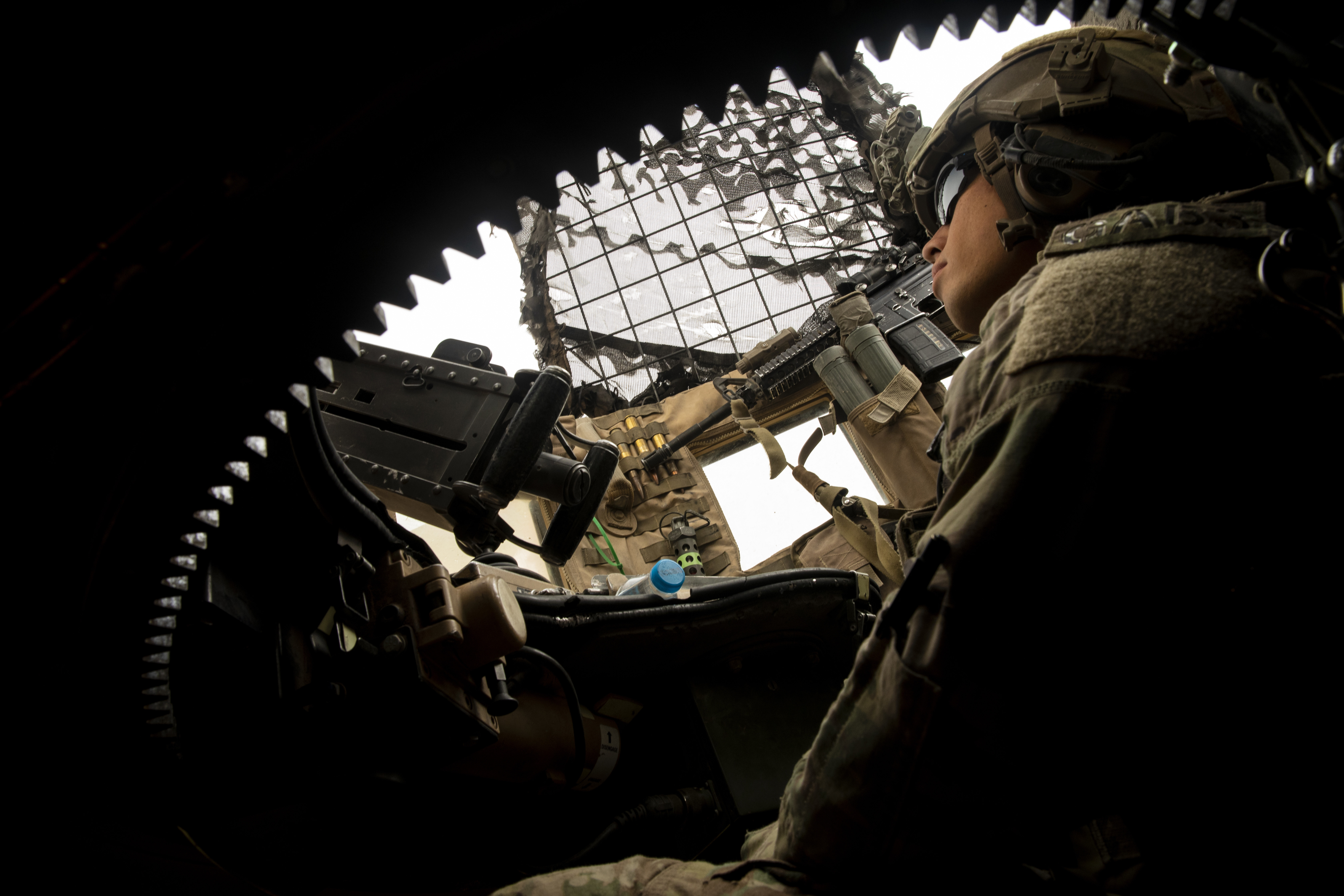
A soldier sits in the gunner’s hatch of a mine-resistant, ambush-protected all-terrain vehicle in northeast Syria, Nov. 2, 2020. The soldier is supporting Combined Joint Task Force-Operation Inherent Resolve.

DOD Works With U.S. Agencies, International Partners to Halt Illicit Drug Flow

 Nov. 6, 2020 | BY David Vergun , DOD News

The administration's National Drug Control Strategy continues to focus on halting drug trafficking and the use of illicit drugs, said a Defense Department official.

The Department's statutory mission is to serve as the single lead agency for the detection and monitoring of the aerial and maritime transit of illicit drugs into the United States, explained another Defense Department official, Mathew J. Flynn, deputy assistant secretary of defense for counternarcotics and global threats explained.  

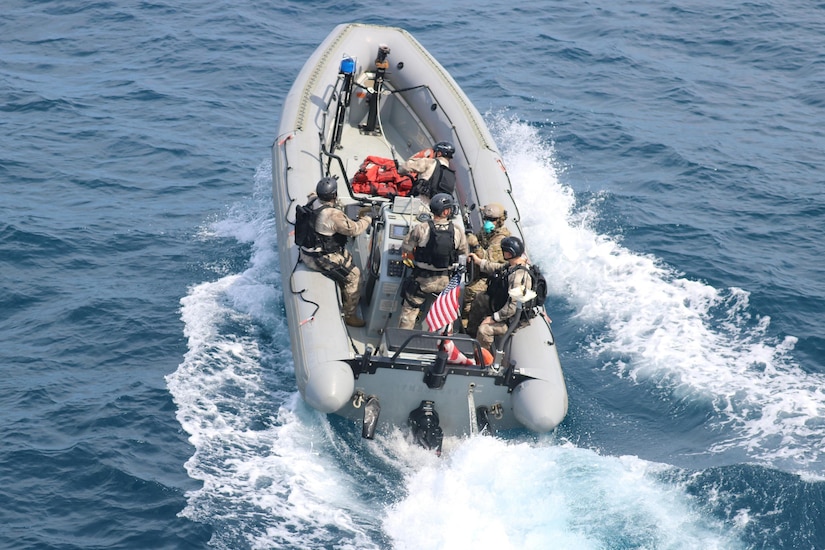
Military members ride aboard a small boat.

One priority of the strategy is to reduce the availability of illegal drugs in the United States, Flynn said.  "By performing this priority mission, DOD helps deter, disrupt and degrade potential threats before they reach the United States and harm our citizens," he said. With help from DOD, federal agencies — such as the Coast Guard, the Drug Enforcement Administration, Customs and Border Protection and others — are enhancing their efforts focused on the interdiction of heroin, cocaine, fentanyl, methamphetamines and precursor chemicals in the air and maritime approaches to the United States and along its borders. Flynn said the DOD aims to reduce the harm posed by criminal networks. "Through our programs, we disrupt and degrade drug trafficking and other illicit threat networks, in order to reduce them to a level where they no longer threaten United States citizens and U.S. national security," he said.  

In conjunction with other U.S. departments and agencies and international partners, DOD also supports the administration's national priority to identify, disrupt and degrade transnational criminal organizations, or TCOs, by targeting their infrastructure and preventing the criminal facilitation of their activities in various ways, Flynn said. 

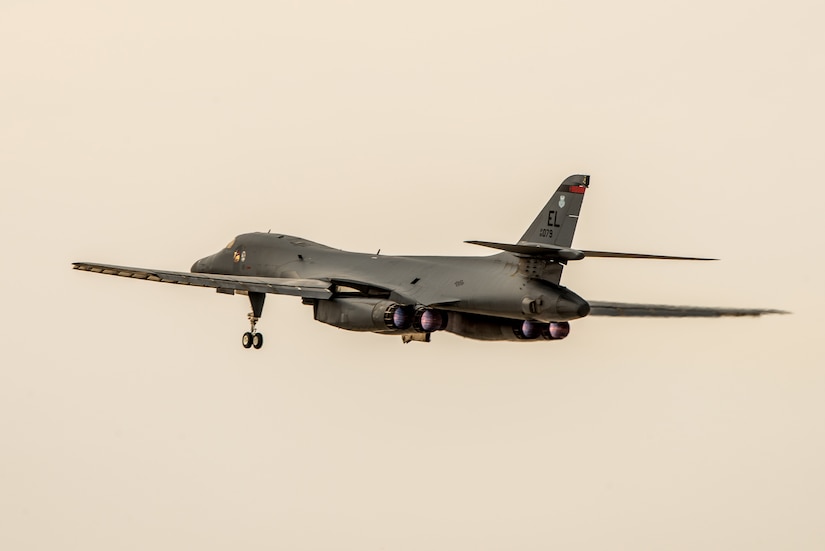
A jet soars in the sky.
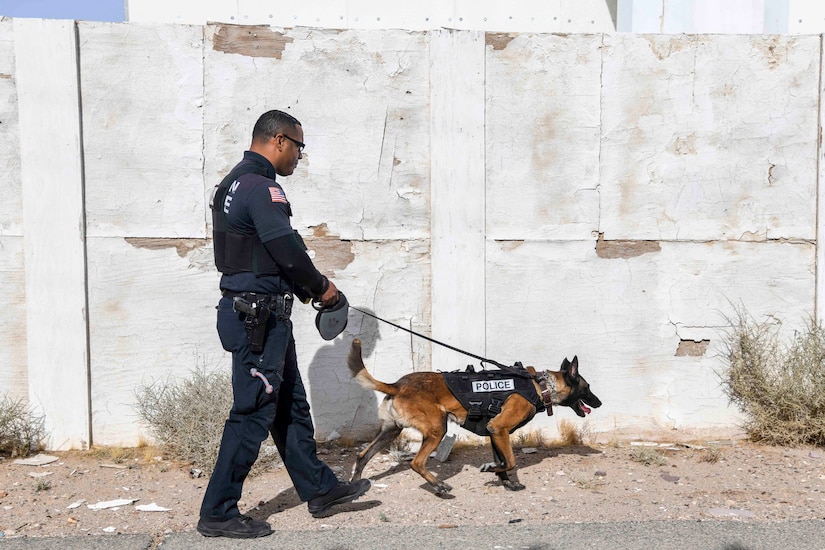
A man in a police uniform walks with a dog.

"The task of identifying and targeting drug trafficking and other illicit threat networks is complex and requires close coordination among U.S. and international intelligence, [the] military and law enforcement partners," he noted.

DOD supports U.S. government and international efforts to target TCOs at their source and build international partnerships to prevent transnational threat networks from undermining sovereign governments, decreasing regional stability and threatening the United States, he said. 

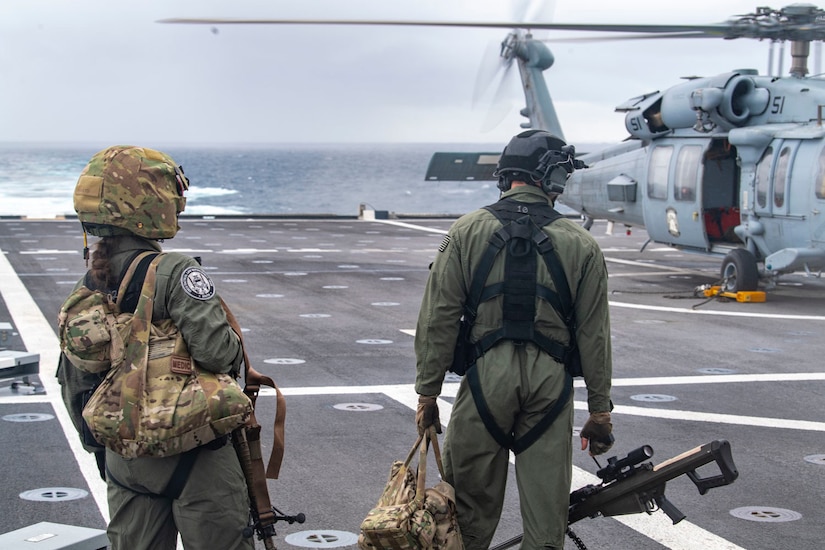
Two people in flight suits walk on a ship's flight deck.

"We have small teams at the combatant commands and elsewhere in DOD that provide intelligence analysis and counter threat finance analysis support to U.S. law enforcement partners by helping them identify and understand illicit networks and financial flows," Flynn said. "With this support, our law enforcement partners are better able to disrupt the activities of drug trafficking and other transnational criminal organizations, including their abilities to generate, store, move and use money and other forms of value." 

Under the authority of the assistant secretary of defense for special operations and low-intensity conflict, the department's counterdrug program is administered by the DASD for counternarcotics and global threats. 

U.S., Mexico Cooperate to Reduce Cross-Border Drug Flow

 Nov. 6, 2020 | BY David Vergun , DOD News

The Defense Department's statutory mission is to serve as the single lead agency for the detection and monitoring of the aerial and maritime transit of illicit drugs into the United States. Cooperation with allies and partners, such as Mexico, is critical to that effort, said a DOD official.

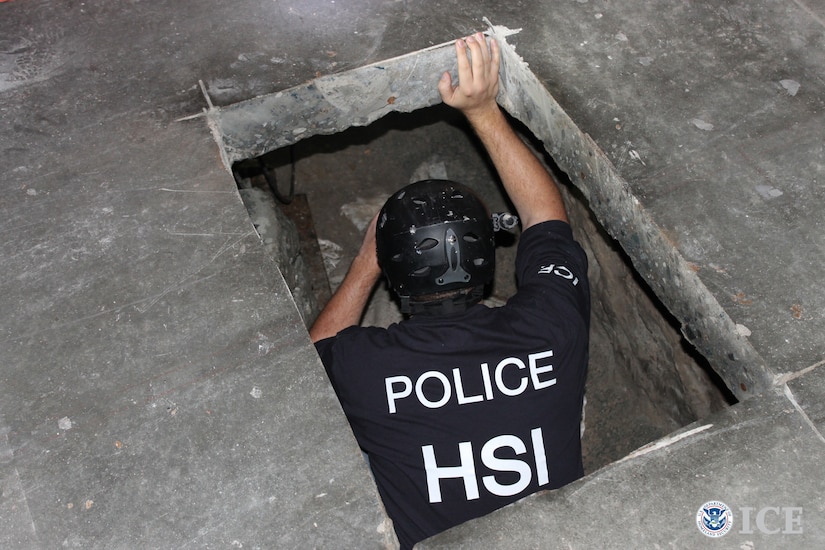
A person in a police uniform climbs into a tunnel.

"Mexico remains the source of nearly all heroin seized in the United States and is a transit route for much of the cocaine available in our country," Mathew J. Flynn, deputy assistant secretary of defense for counternarcotics and global threats, said.

Moreover, Mexican cartels take advantage of uneven precursor chemical controls to manufacture deadly drugs, such as fentanyl and methamphetamine, inside of Mexico, which also make their way into the United States, he said.

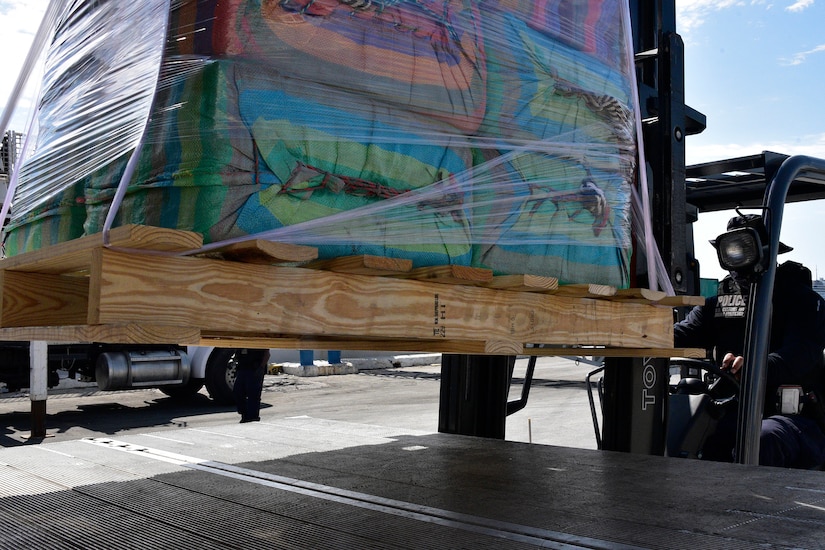
A forklift operator offloads a drug pallet.

"Despite the obstacles, Mexican law enforcement and military professionals, in cooperation with their U.S. counterparts, are bravely confronting the transnational criminal organizations that threaten both of our countries," Flynn added.

While much more remains to be done in the fight against Mexican cartels, it is important to recognize the efforts of the Mexican security forces that work daily to confront the transnational criminal organizations that threaten both the United States and Mexico, Flynn emphasized.

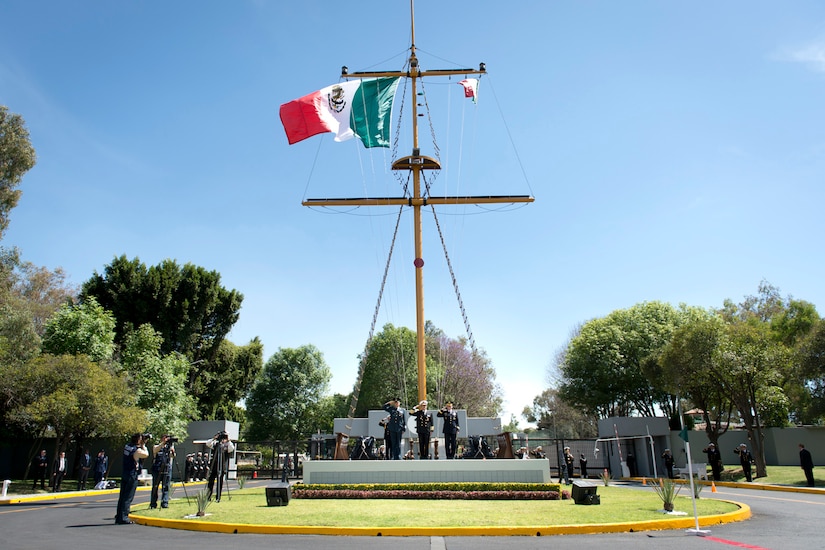
A flag flies above a memorial.

Two recent seizures highlight the efforts of Mexican agencies to disrupt the cartels' illicit activities, he said. 

On Oct. 15, the Mexican army used radar data from a U.S.-provided radar in Hermosillo, a city in the northwestern Mexican state of Sonora, to track a plane carrying drugs, Flynn said. 

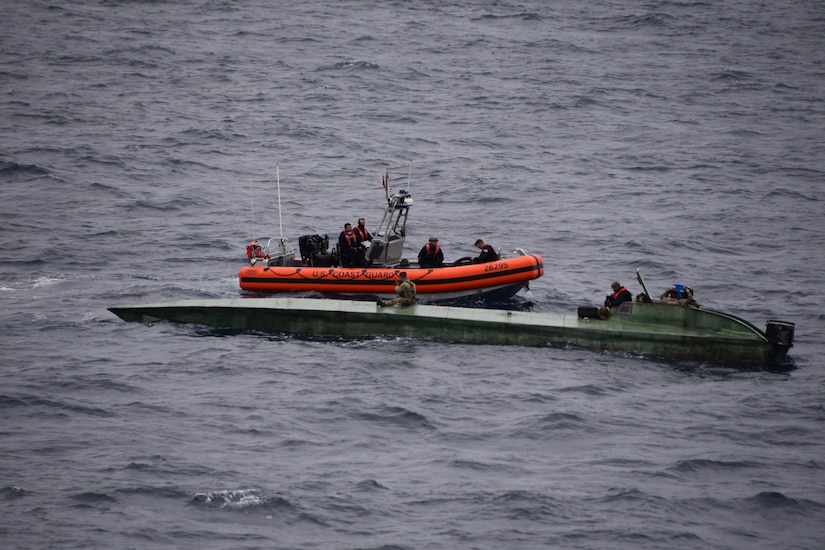
A cutter intercepts a submarine.

Mexican soldiers moved to the area in which the plane appeared to land and seized a "poly-load" totaling 430 kilograms of assorted drugs: 56.6 kilograms of heroin, 4.1 kilograms of fentanyl, 177.2 kilograms of cocaine and 192.6 kilograms of crystal methamphetamine, he said. 

On Oct. 20, the Mexican navy informed U.S. officials of a suspicious vessel off the coast of Colima state, Mexico, Flynn said. The Mexican navy maneuvered six of its vessels to the suspicious vessel, then boarded it and discovered 1.1 metric tons of cocaine.  

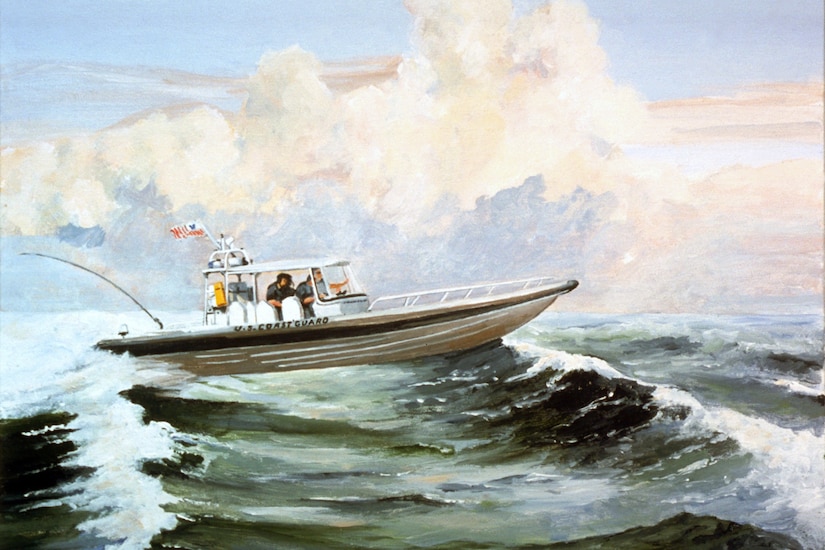
A Coast Guard vessel cruises the ocean.

A DOD official said that Mexican drug interdictions have been relatively low, and drug cartel violence remains at disturbingly high levels. "These organizations present a clear threat to Mexico and the Mexican government's ability to exert effective control over parts of its country."

Hand in Hand


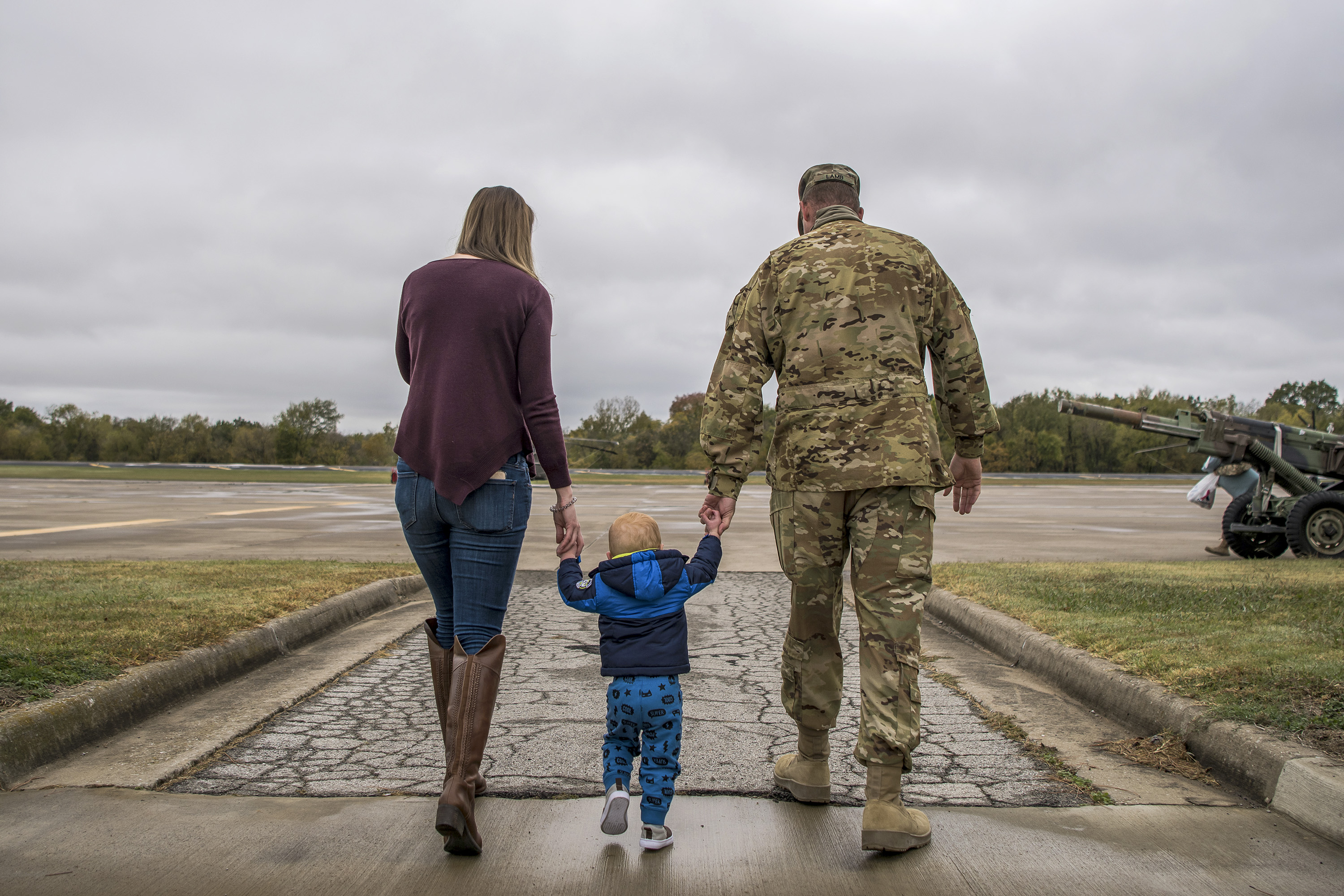
A soldier assigned to the Oklahoma National Guard walks with loved ones at an Army aviation facility in Tulsa, Okla., Oct. 19, 2020, upon returning from a yearlong deployment to the U.S. Central Command area of operations.

Engine Alcove


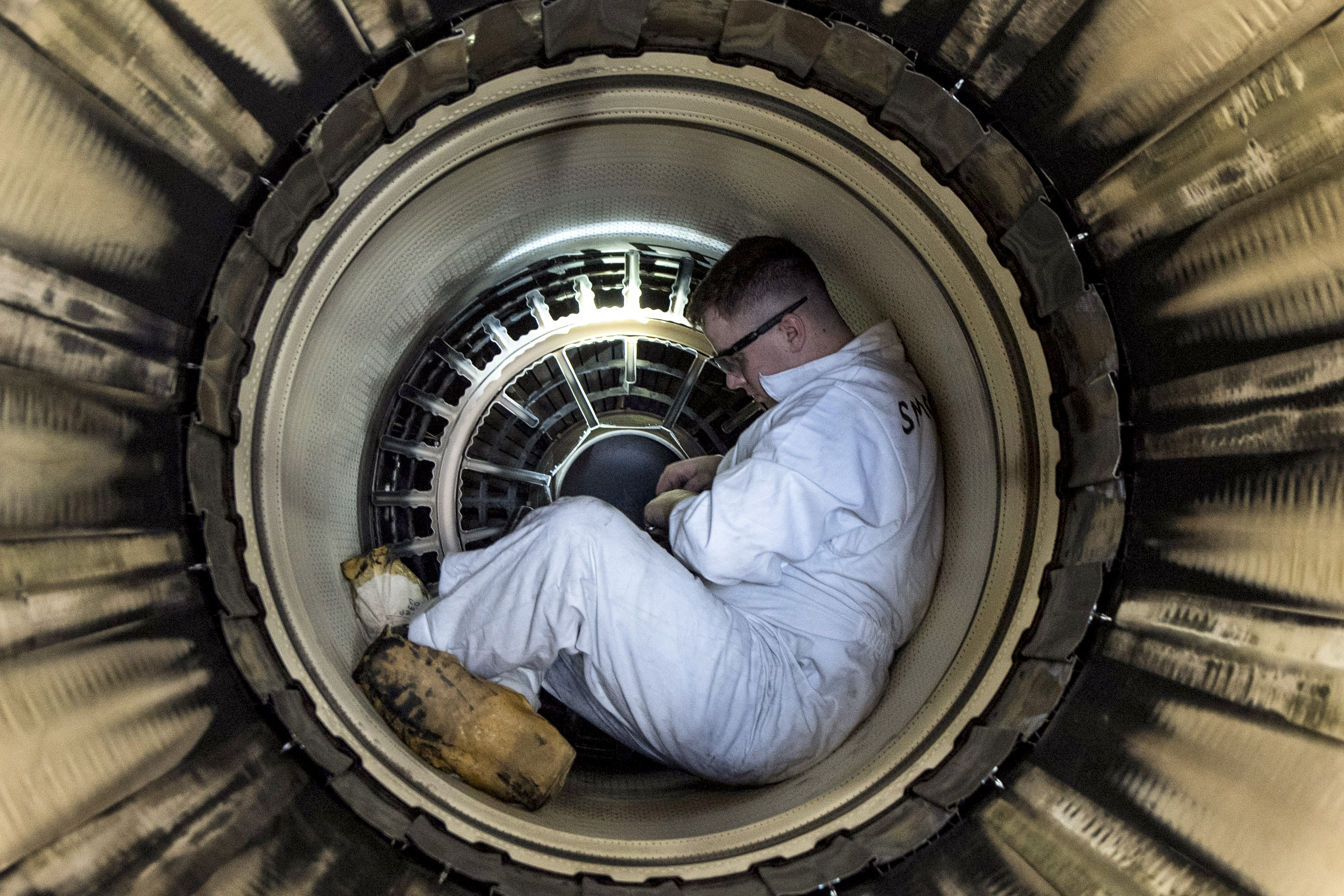
Airman 1st Class Johnathan Jenkins, 4th Component Maintenance Squadron aerospace propulsion apprentice, performs an augmented inspection on an F-15E Strike Eagle at Seymour Johnson Air Force Base, North Carolina, Oct. 28, 2020. Jenkins entered the engine to inspect the flame holder and spray rings for cracks. (U.S. Air Force photo by Airman 1st Class Kimberly Barrera)

Starry Steam


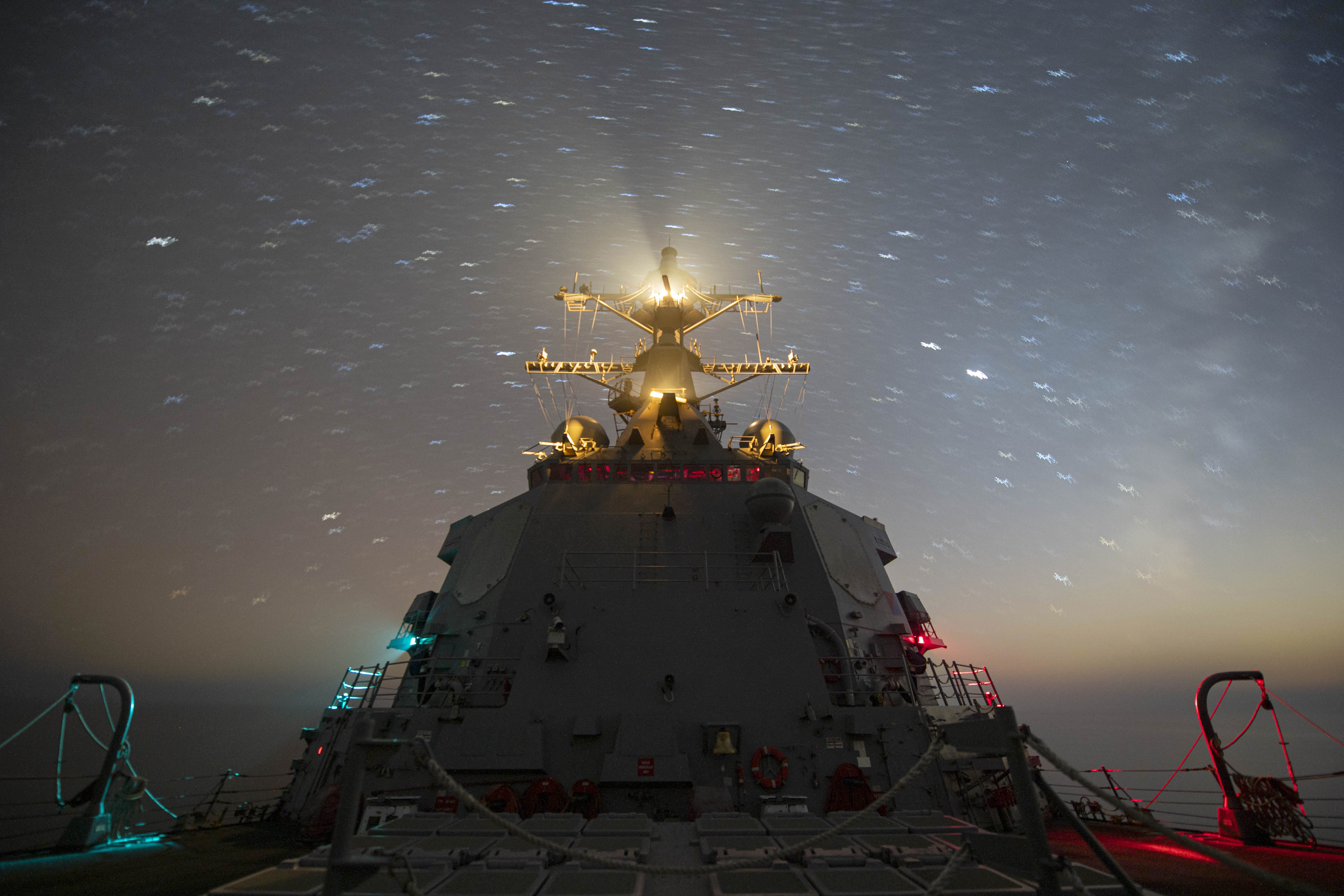
The guided missile destroyer USS Sterett steams through the night in the Gulf of Oman, Nov. 4, 2020.

Ceremony Gifts


Students gift sailors with traditional clothing during the opening ceremony of their school house in Baucua, Timor-Leste, Oct. 30, 2020. The school, constructed by U.S. and Timorese service members, will provide a safe space to educate over 1,500 students while strengthening the nation’s infrastructure.

Fuel Focus


Navy Petty Officer 3rd Class Jaclyn Smith tests jet fuel at Naval Air Station Sigonella, Italy, Oct. 22, 2020.

Department of Defense Selected Acquisition Reports (SARs) – December 2019

 Nov. 6, 2020


The Department of Defense (DOD) has released details on major defense acquisition program cost, schedule, and performance changes for the December 2019 reporting period. This information is based on the comprehensive annual Selected Acquisition Reports (SARs) through the first quarter of FY 2020, as updated by the President’s Fiscal Year (FY) 2021 budget submitted to Congress on May 26, 2020.*

SARs summarize the latest estimates of cost, schedule, and performance status. These reports are prepared annually in conjunction with submission of the President's Budget. Subsequent quarterly exception reports are required only for those programs experiencing unit cost increases of at least 15 percent or schedule delays of at least six months. Quarterly SARs are also submitted for initial reports, final reports, and for programs that are rebaselined at major milestone decisions.

The total program acquisition cost estimates provided in the SARs include research and development, procurement, military construction, and acquisition-related operations and maintenance. These totals reflect actual costs to date as well as future anticipated costs. All estimates are shown in fully inflated then-year dollars.

The prior estimate of program acquisition costs for programs covered by SARs for the reporting period for December 2018 (87 programs) was $2,022,806 million. The current estimate for December 2019 (86 programs) is $2,020,299 million.

To view the full news release and SAR Summary Tables, click here.

Sailor Provides Medical Care During Pandemic

 Nov. 6, 2020 | BY SEAMAN LUKE CUNNINGHAM, NAVAL MEDICAL CENTER SAN DIEGO

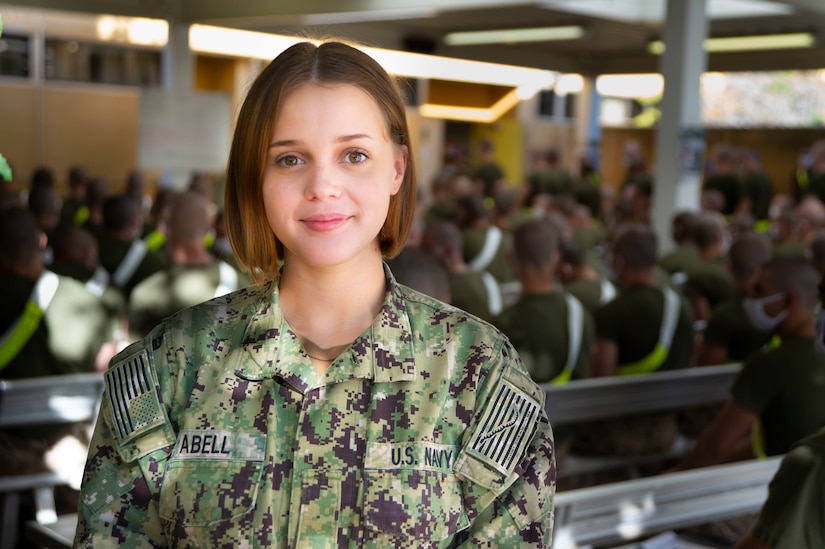
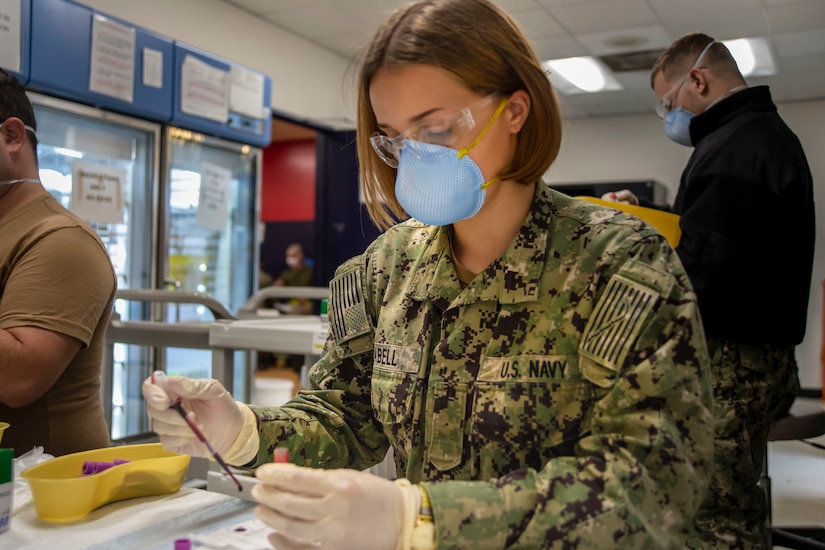
Navy Seaman Melodie Abell, a hospital corpsman, assigned to Naval Branch Health Clinic, Marine Corps Recruit Depot San Diego, plays a vital part in processing Marine Corps recruits while ensuring their health and wellness during the coronavirus pandemic.

A female sailor poses for a photograph in front of Marine recruits.

Abell, a California, Maryland, native and 2019 graduate of James Clemens High School, arrived at NBHC, MCRD San Diego November 2019. Abell oversees the recruits' vaccination process and ensures their medical records are properly built. New Marines leaving Abell's care are medically ready for the fleet.

COVID-19 not only changed the way NBHC, MCRD San Diego provides health care to its patients, but it also created new challenges for medical staff as well. Abell said that while growing up in her hometown, she faced a lot of adversity and change.

"With the Navy's ever-changing circumstances, especially working as medical personnel during the pandemic, I felt better prepared once everything started changing so rapidly," Abell said.

A female sailor draws blood from a recruit.

Abell comes from a family rooted in the Marine Corps. Her grandfather, father, uncle and husband have all served as Marines.

"Coming from a family of Marines, I always admired those who serve," Abell said. "Working at MCRD, I'm forever proud that I am a part of the important stepping stone in getting medically-ready Marines to the fleet."

Hospital corpsmen are at the frontline of the COVID-19 pandemic, and are involved in almost every facet of Navy medicine. When asked what the legacy of the hospital corpsman rating means to her, Abell said that she is proud when people ask her what she does for a living.

A female sailor handles a blood test.

"I can not only tell them I'm in the Navy, but I also serve as a [hospital] corpsman," Abell said. "I am a part of the most decorated enlisted rating."

Navy hospital corpsmen have earned 22 Medals of Honor, 179 Navy Crosses, 959 Silver Stars and more than 1,600 Bronze Stars. Twenty ships have been named in honor of hospital corpsmen.

NMCSDs mission is to prepare service members to deploy in support of operational forces, deliver high quality health care services, and shape the future of military medicine through education, training and research. NMCSD employs more than 6,000 active duty military personnel, civilians and contractors in Southern California to provide patients with world-class care anytime, anywhere.