Thursday, November 05, 2020

Patient Care


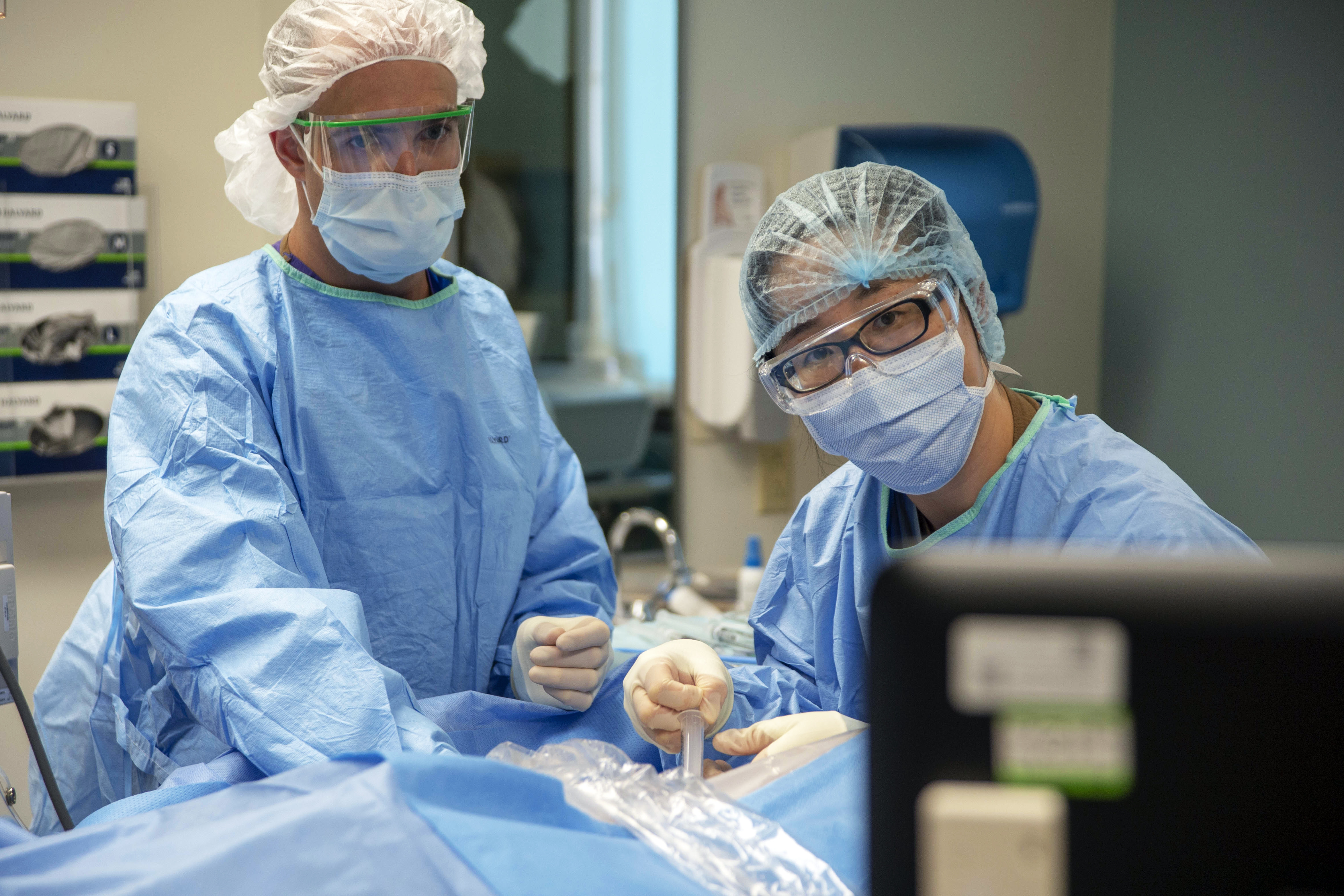
Navy Lt. Paul Cusmano, a pulmonary-critical care fellow, left, and Navy Lt. Youngmi Kim, an internal medicine resident, right, both assigned to Naval Medical Center San Diego's intensive care unit, place a central line into a patient in the hospital's ICU in San Diego, Calif., Nov. 2, 2020. NMCSD's ICU specializes in treatment given to patients who are acutely unwell and require critical medical care. The COVID-19) pandemic has changed the way many facets of health care are conducted, and NMCSD's ICU has adapted some of their techniques and practices to keep both staff and patients safe while delivering the high quality health care they’ve come to expect. NMCSD’s mission is to prepare service members to deploy in support of operational forces, deliver high quality health care services and shape the future of military medicine through education, training and research.

Global Cleaning


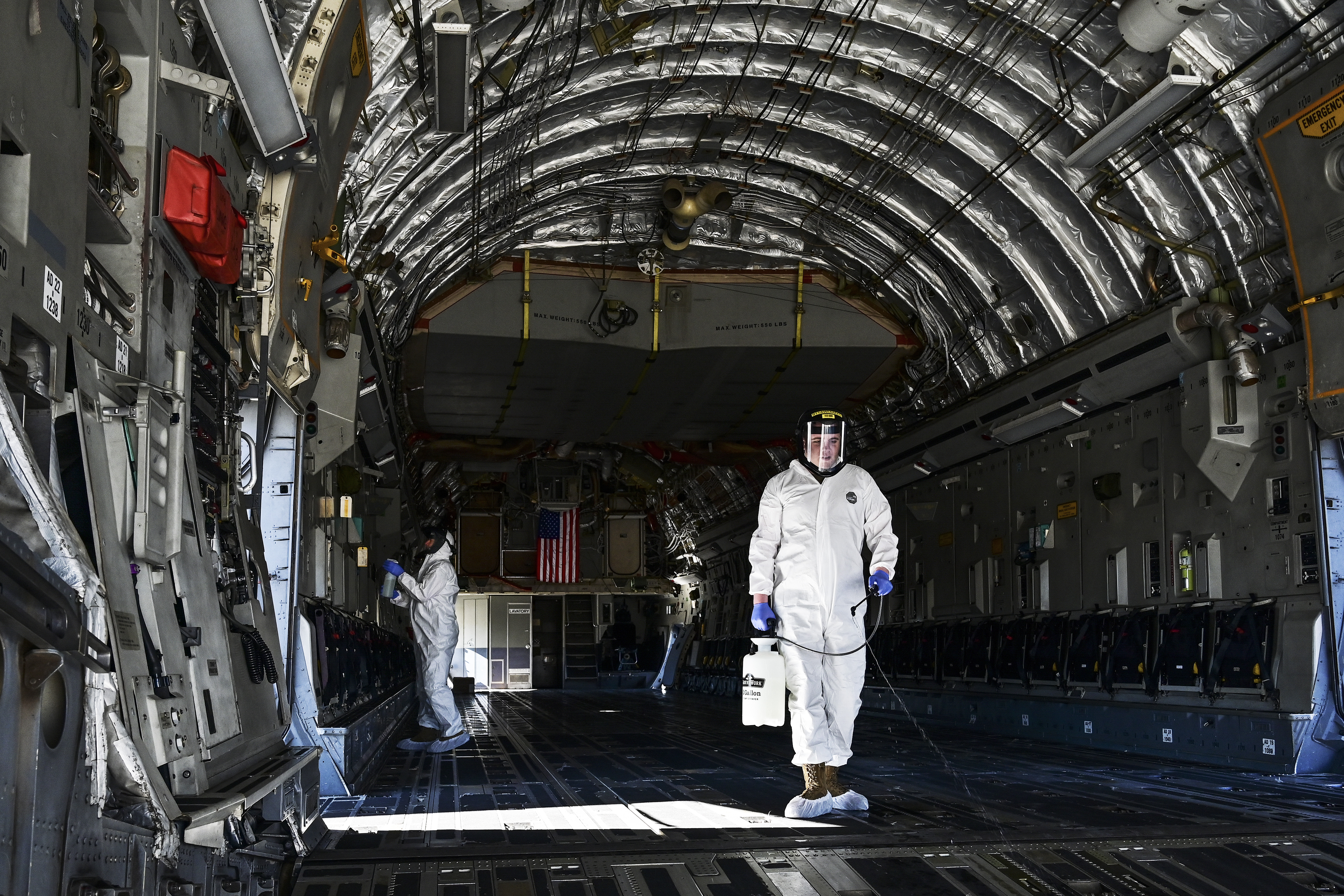
Airmen assigned to the 32nd Aerial Port Squadron disinfect the inside of a C-17 Globemaster III while wearing personal protective equipment Nov. 4, 2020, at the Pittsburgh International Airport Air Reserve Station, Penn. Due to the COVID-19 pandemic, aircraft are disinfected before and after missions as the U.S. Air Force is committed to taking every precaution to ensure the health and well-being of all personnel and family members.

Exercise Prep


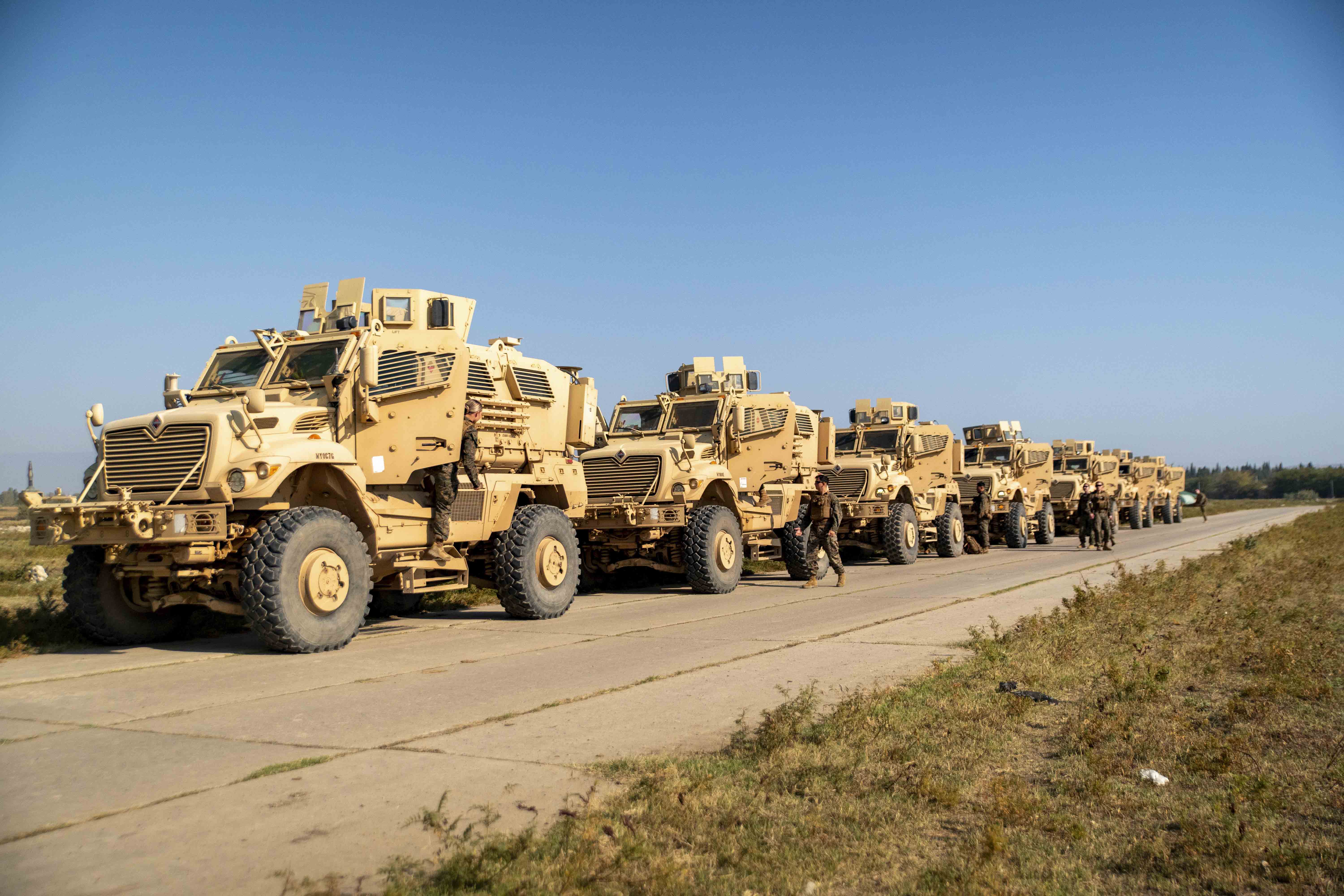
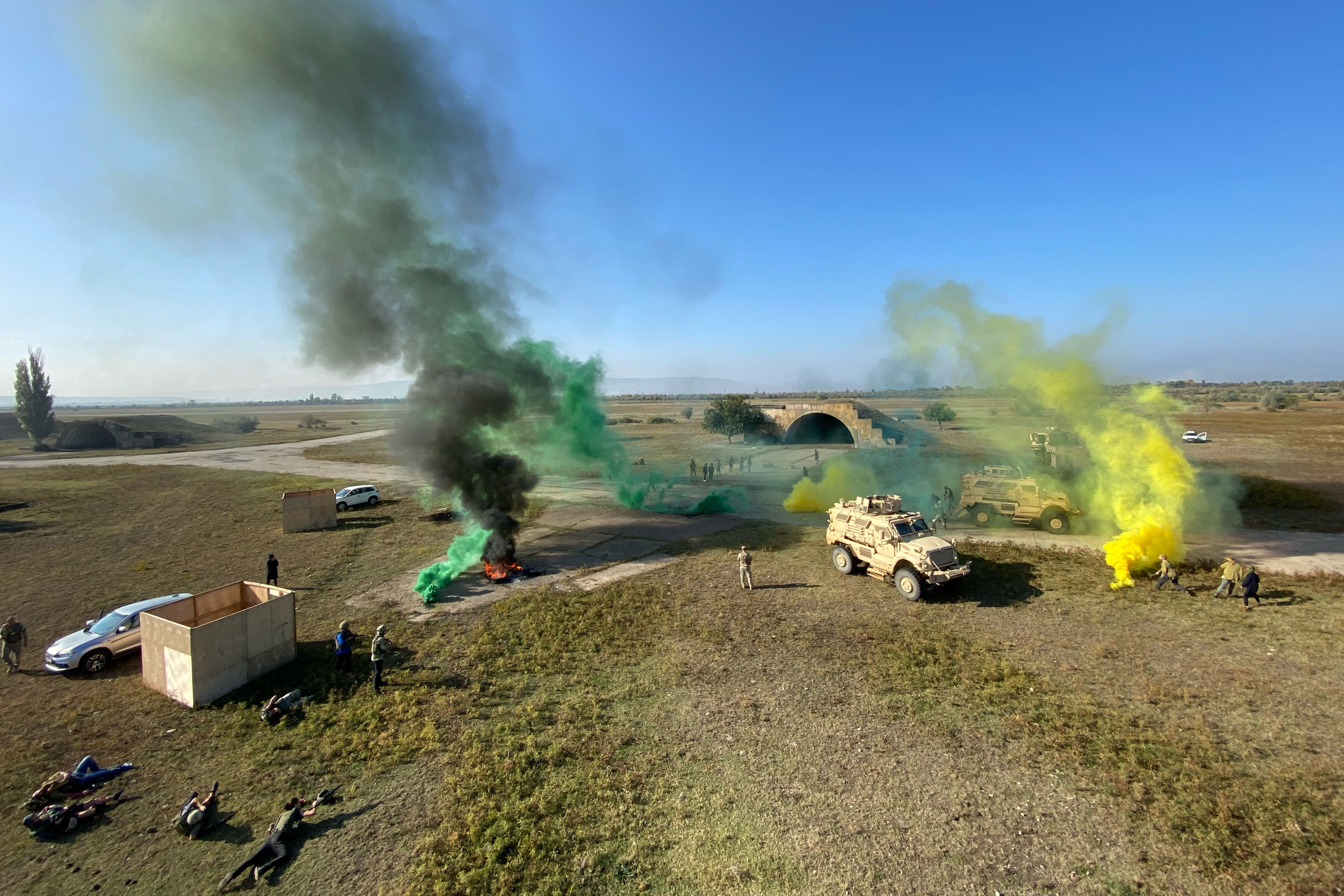
Marines prepare for an exercise at Vaziani Training Area, Georgia, Oct. 18, 2020.

Panther Storm


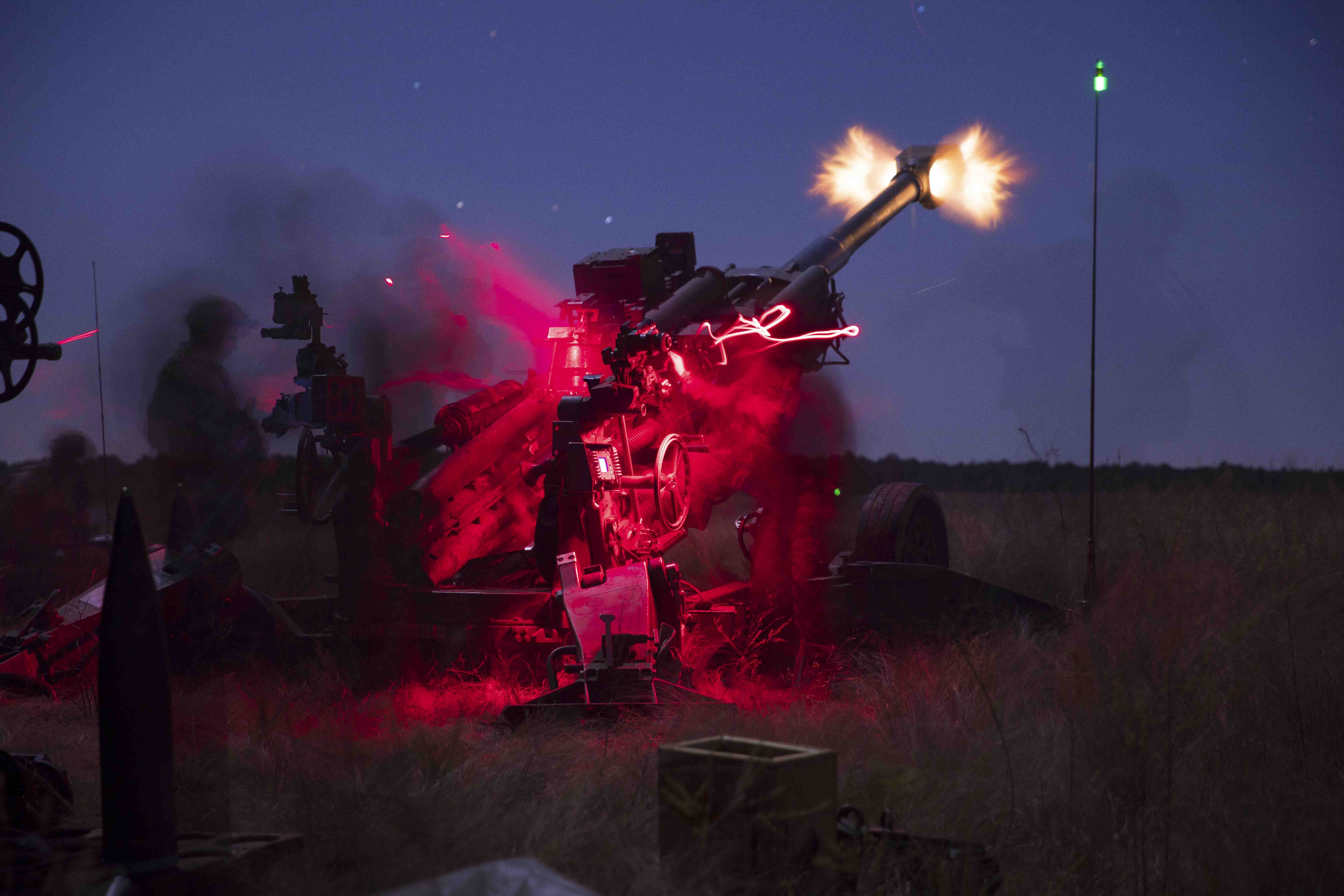
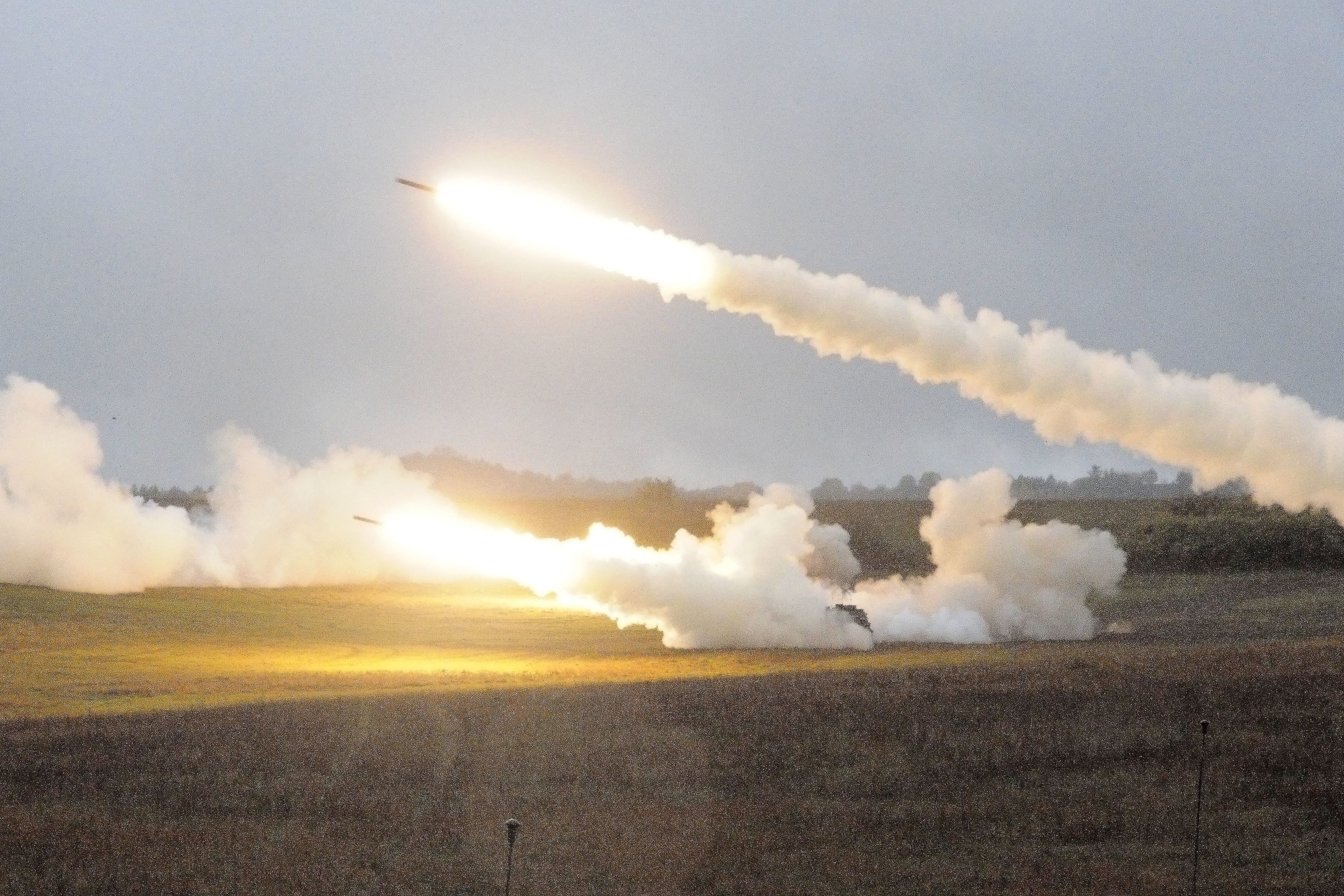
Soldiers fire an M777 howitzer at Fort Bragg, N.C., Nov. 4, 2020, during Panther Storm, a brigade-level training exercise.

Georgia Security


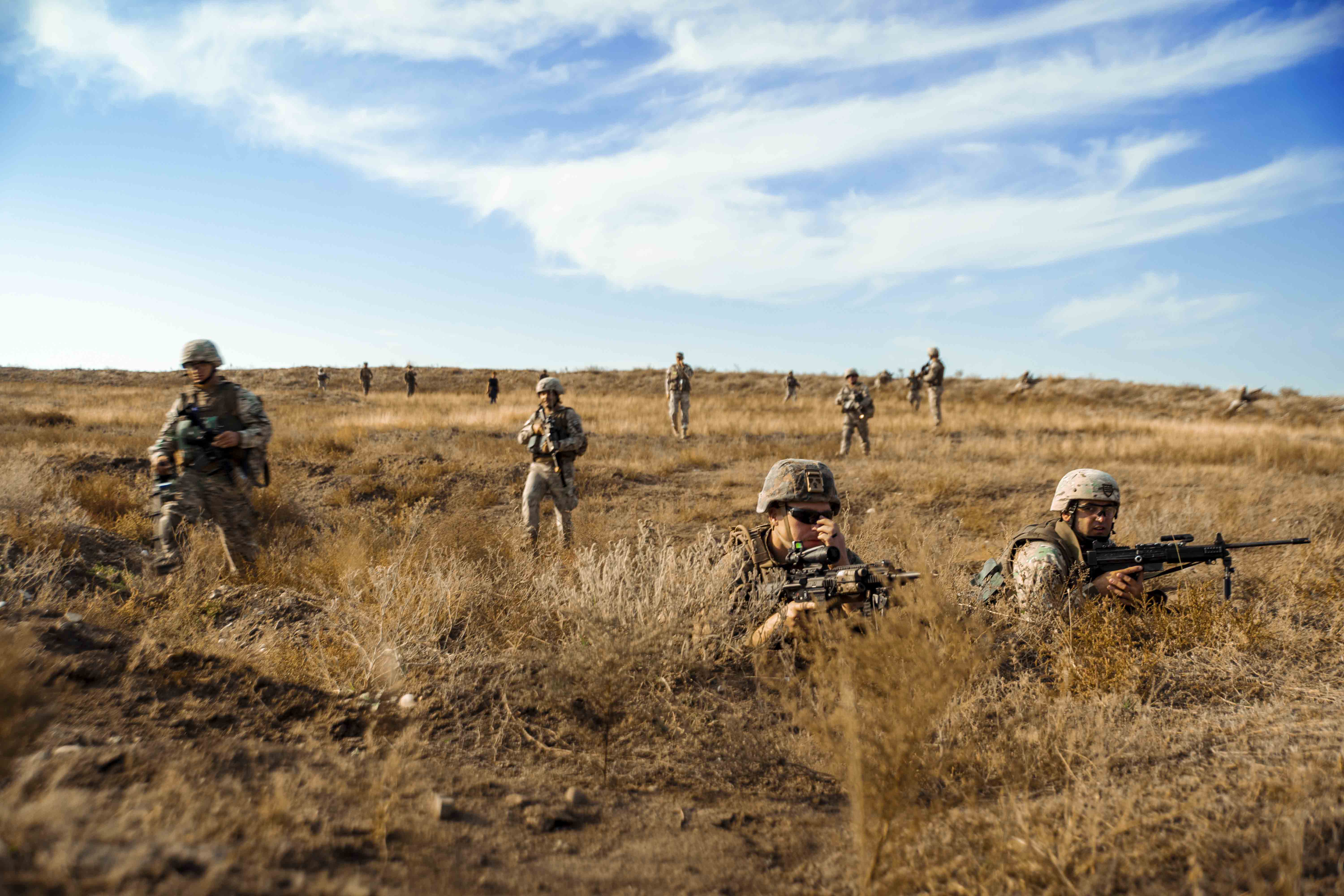
Marines provide security during a patrol with Georgian service members at the Algeti Training Area, Georgia, Oct. 15, 2020.

Keen Sword


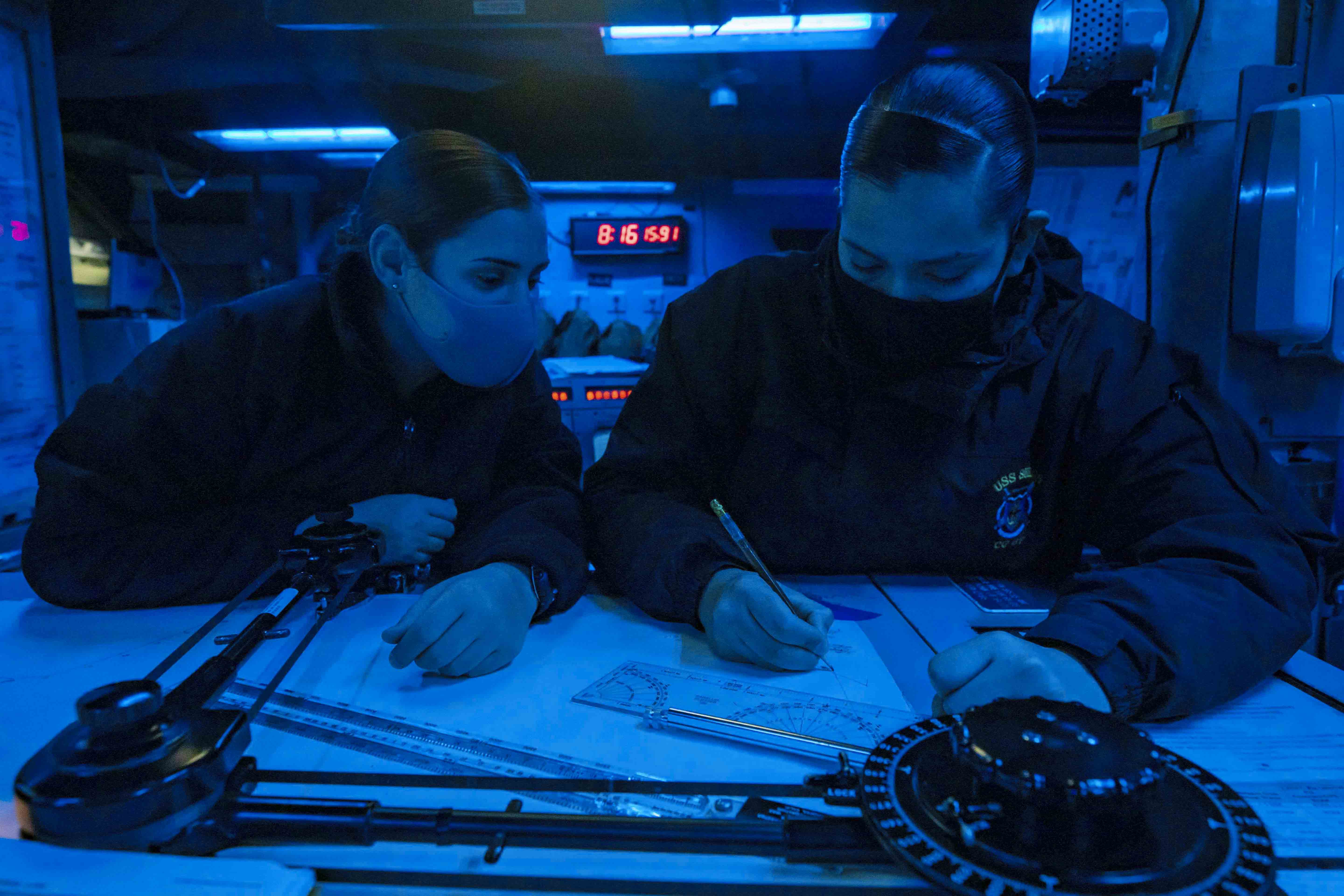
Navy Seaman Julia Champagne, left, and Petty Officer 2nd Class Edith Dantes measure surface and subsurface contacts aboard the USS Shiloh in the Philippine Sea, Nov. 4, 2020, during Keen Sword. The exercise allows U.S. and Japanese troops to sharpen combat readiness and enhance long-range interception capabilities.

Parachute Pack


A soldier packs a parachute during Operation Panther Storm at Fort Bragg, N.C., Nov. 5, 2020. The brigade-level training exercise helps paratroopers prepare to deploy anywhere in the world within hours.

DOD Takes New Measures to Address the Digitalization of Domestic Violence

 Nov. 5, 2020


The Department of Defense announced today a new training course is available for military first responders designed to help keep military families safe, support victims, and ensure that domestic violence is effectively recognized as a crime in cases including abuse, harassment, and stalking through technology.

Together with the DOD Family Advocacy Program, the Office of the Under Secretary of Defense for Intelligence and Security’s Law Enforcement Branch launched a training course to help military first responders understand the role of technology in abuse, and how a greater awareness of digital evidence can help with the prosecution of domestic violence cases.

Designed and developed by the Defense Cyber Crime Center Training Academy, the course covers how the misuse of technology can lead to the escalation of domestic abuse, and how military law enforcement can follow the technological evidence in a case. It combines lessons on the dynamics of domestic abuse, including how to coordinate with the Family Advocacy Program, the best practices for the detection of risk, and industry standards for the collection of digital evidence.

While the course is intended for a primary audience of military police and security forces, who are often the first to respond to a domestic violence call, commanders and FAP personnel will also benefit. Anyone with a Common Access Card can access the training on the Defense Cyber Crime Center Training Academy site.

The launch of this training comes at a particularly difficult time for anyone experiencing abuse, as more Americans are logging more hours online than ever before. This opens up greater vulnerabilities for domestic abuse victims, who frequently experience cyber harassment, stalking and surveillance from an abusive spouse or partner.

Domestic abuse — including through technology — has increased among the general population during the coronavirus disease 2019 pandemic. This training course is just one way the DOD is supporting service members and military families at a time when they may be more vulnerable due to the forced isolation brought on by the global outbreak.

“Our priority is to respect, support and defend domestic abuse victims,” said Matthew P. Donovan, Under Secretary of Defense for Personnel and Readiness. “We are proud to launch this first-ever DOD training course on ‘Technology Evidence in Domestic Abuse.’ This training is a vital piece of our effort to ensure our military’s law enforcement organizations understand that domestic violence perpetrated through technology is still a crime.”

Other efforts underway to enhance the safety of domestic abuse victims include a newly-installed Safe Exit button available on Military OneSource content. This feature, which is commonplace for victim services agencies, such as the National Domestic Violence Hotline, was introduced by the DOD because of the heightened need for individuals to seek information on help for abuse during COVID-19.

The Safe Exit button allows the user to instantly exit an article and view a general website in its place, one not specific to abuse. This helps ensure the victim’s safety online if their abuser enters the room while they are researching information.

In addition to increasing tools to enhance the response to domestic abuse, DoD is evolving its prevention approach to more holistically address the underlying factors that contribute to multiple forms of violence, abuse, and self-harm. DoD recently released an integrated violence prevention policy, which establishes new requirements for domestic abuse prevention and creates a unified approach to the prevent suicide, sexual assault, harassment, domestic abuse, and child abuse. This new, integrated policy leverages current and emerging advancements in the field and connects the dots among multiple existing efforts rather than implementing prevention activities in silos.

Visit the DOD Family Advocacy Program’s national Domestic Violence Awareness Month campaign website. Know the National Domestic Violence Hotline number, 800-799-7233, and make sure victims know that help is available.

About the Family Advocacy Program

FAP leads policy for the DOD to prevent and respond to domestic abuse and intimate partner violence by raising awareness as to the risk factors and early warning signs, providing support and resources to victims and collaborating with military and civilian organizations to promote a coordinated community response to interpersonal violence.

Wednesday, November 04, 2020

Test Samples


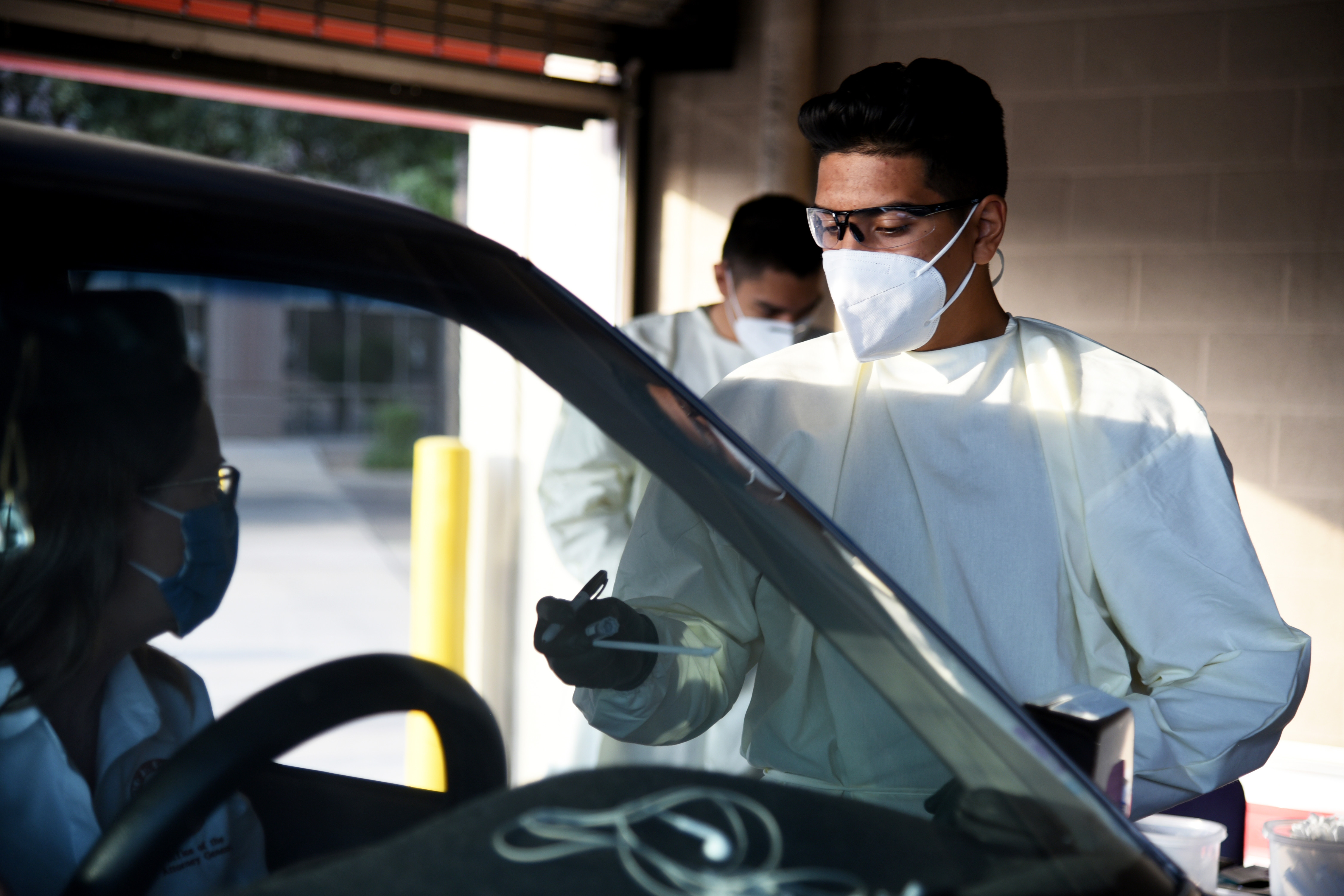
Arizona National Guardsmen prepare and collect COVID-19 test samples from state of Arizona employees at the Arizona Department of Administration in Phoenix, before transporting them to a state lab for testing in Tempe, Az., Nov. 3, 2020. The testing ensures state employees, who work closely with the public, continue to provide essential services.

Confidence Course


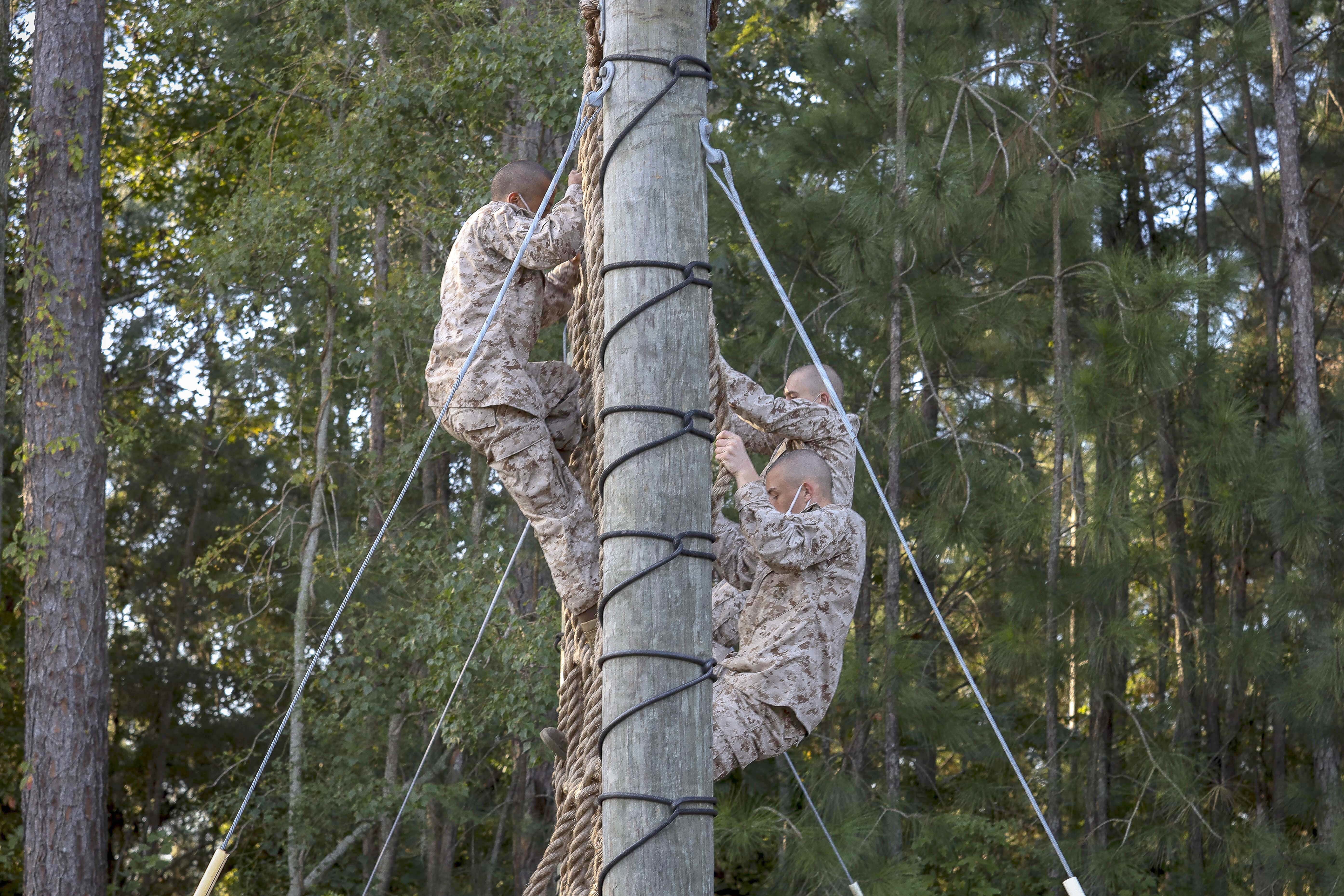
Marine recruits navigate an obstacle during a confidence course at Marine Corps Recruit Depot Parris Island, S.C., Nov. 3, 2020. The course is composed of various obstacles that both physically and mentally challenge recruits.

Rail Gunner Lightning


Soldiers fire seven guns during the training exercise Rail Gunner Lightning in Grafenwohr, Germany, Oct. 24, 2020.

Extraction Operation


Marines and Georgian soldiers conduct an extraction operation prior to a mission rehearsal exercise in Patuhk, Georgia, Oct. 24, 2020. The exercise focuses on preparing the Georgian soldiers to integrate and contribute to the NATO Resolute Support mission in Afghanistan.

Tuesday, November 03, 2020

Beach Ops


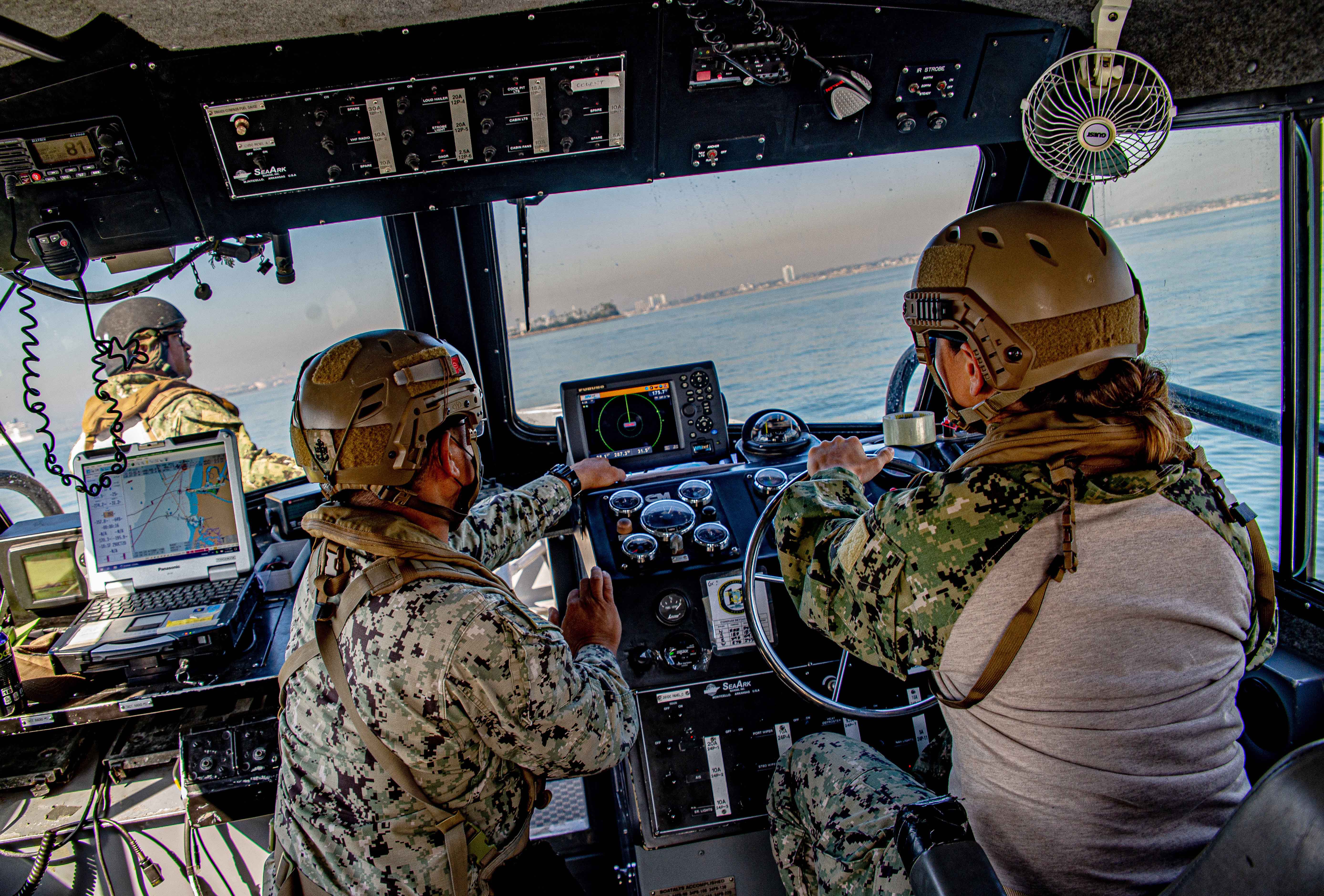
Navy Chief Petty Officer Ken Dequena and Lt. Cmdr. Trisha Kelly operate a patrol boat during an inbound transit off the coast of Long Beach, Calif., Oct. 29, 2020.

SAPRO Director Pledges 'Zero Tolerance' for Sexual Assault, Harassment

 Nov. 3, 2020 | BY Terri Moon Cronk , DOD News

The new director of the Defense Department's Sexual Assault Prevention and Response Office hit the ground running after being in the field for many years and hearing firsthand service members' concerns about sexual assault and harassment.

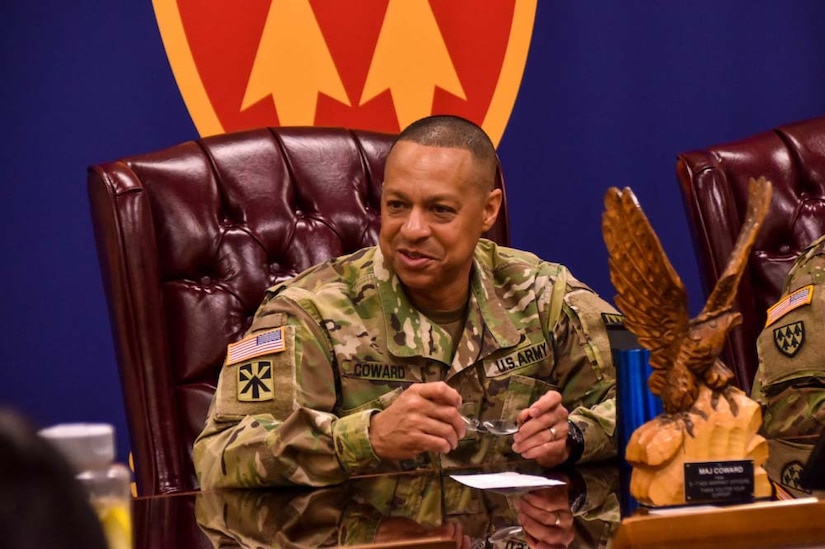
Army Maj. Gen. Clement S. Coward, the former commanding general of the 32nd Army Air and Missile Defense Command, joined the SAPRO team in early September.

A man in a military uniform sits at a table in a large chair; he is holding a pair of glasses in his hands.

"Major General Coward's leadership experience over his distinguished career will bring a critical perspective in our fight against sexual assault and harassment," Elizabeth P. Van Winkle, the Executive Director of DOD's Office of Force Resiliency, said. "His previous successes as a commander will generate greater understanding and collaboration across the Department, and I am confident that his leadership will prove vital in our efforts."

The general said he understands, personally, how sexual assault can affect servicemen's and servicewomen's readiness and other factors in their lives. As a result, he said sexual assault awareness and prevention must be a priority for commanders, as it was for him in the field. 

"Ensuring we have a ready force capable of high-level performance is my top priority. However, that can only come with treating all who serve with dignity and respect," Coward said. "Every service member must be able to trust that unit commanders' and leadership's response to sexual assault and harassment occurs with "zero-defects" — we must get this right, every time."

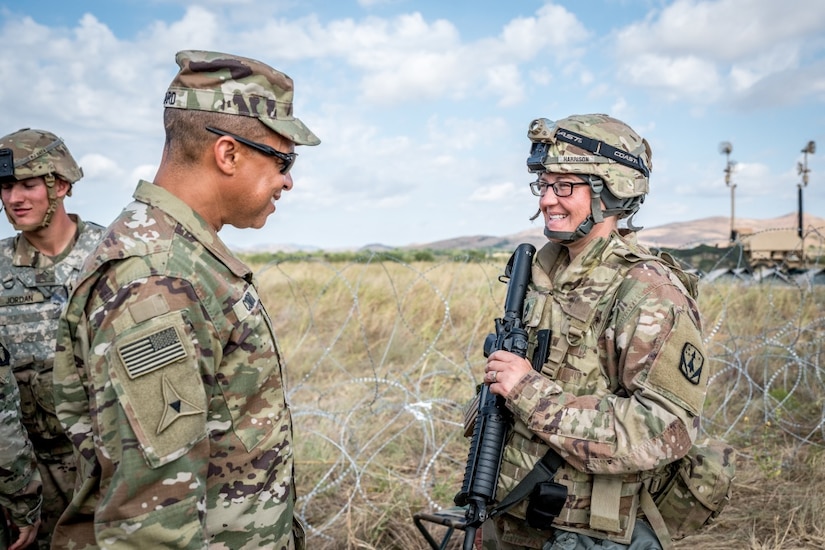
An older man in a military uniform talks to a young woman in a military uniform as they stand in a field.

Dr. Nate Galbreath, SAPRO deputy director, testified in July before the House Armed Services Committee that data shows the estimated prevalence rates of sexual assault in DOD has decreased by more than a third in the past 14 years, and reporting sexual assault is four times what it was in 2006. 

However, Dr. Galbreath also noted that the DOD's most recent survey of active duty personnel in 2018 showed an increase in the prevalence of sexual assault on women. Additionally, that year, about 24% of active-duty women and 6% of active-duty men indicated experiencing behavior consistent with sexual harassment in the year before being surveyed. His message to Congress was that work still needs to be done. Coward agreed 110%, he said.

Coward acknowledged that some men and women continue to be reluctant to report sexual assault out of embarrassment or fear of retaliation. He stressed that service members deciding to report an incident is a personal decision and they can confidentially check with their local sexual assault response coordinator or victim advocate. He added that everyone is working hard to provide service members with the help they need to recover. Coward also stressed the special responsibility that command holds to ensure service members can rely on leaders when making a report. 

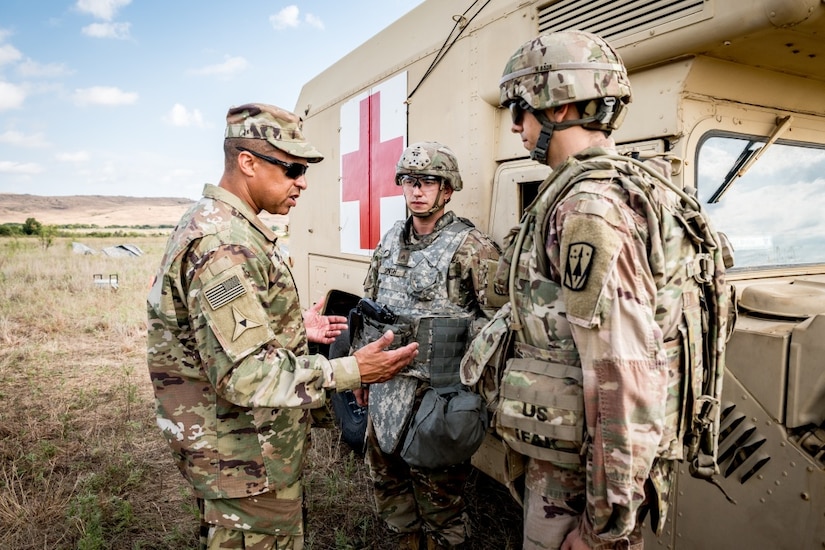
Three men stand beside a large vehicle bearing a red cross and talk.

Major General Coward also noted that unit culture plays a role in the occurrence of sexual assault in the military: DOD data show that workplaces with high levels of sexual harassment or incivility also have higher rates of sexual assault.

"I've always worked in diverse organizations, even in the air defense branch, which is considered to be a 'combat arms branch.' Diversity makes us better warriors, whether those differences be in gender, race, education, or experience. When the Army introduced, for instance, women in infantry and other traditionally male units, sexual assault and sexual harassment remained at the very top of my list of non-negotiable behaviors. It simply must not happen in the profession of arms. Zero tolerance. However, if it does happen, we want everyone to pick the reporting option that is right for them and get the help they need."

Fighting the battle against sexual assault and harassment is what motivates Coward each morning to give his best: "I ask myself 'What can I personally do to make a difference and carry the water of the young servicemen and women out there in order for them to do their jobs?' I spend the rest of the day working with the SAPRO team on sustainable, adaptable answers to that question."

To find out more about sexual assault reporting options and support, contact the DOD SafeHelpline, the sole hotline for members of the DOD community affected by sexual assault, call 877-995-5247 or visit https://safehelpline.org. The 24/7 Safe Helpline is a completely anonymous, confidential, and specialized service to provide help and information to members of the military community anytime, anywhere.

Freefall Foursome


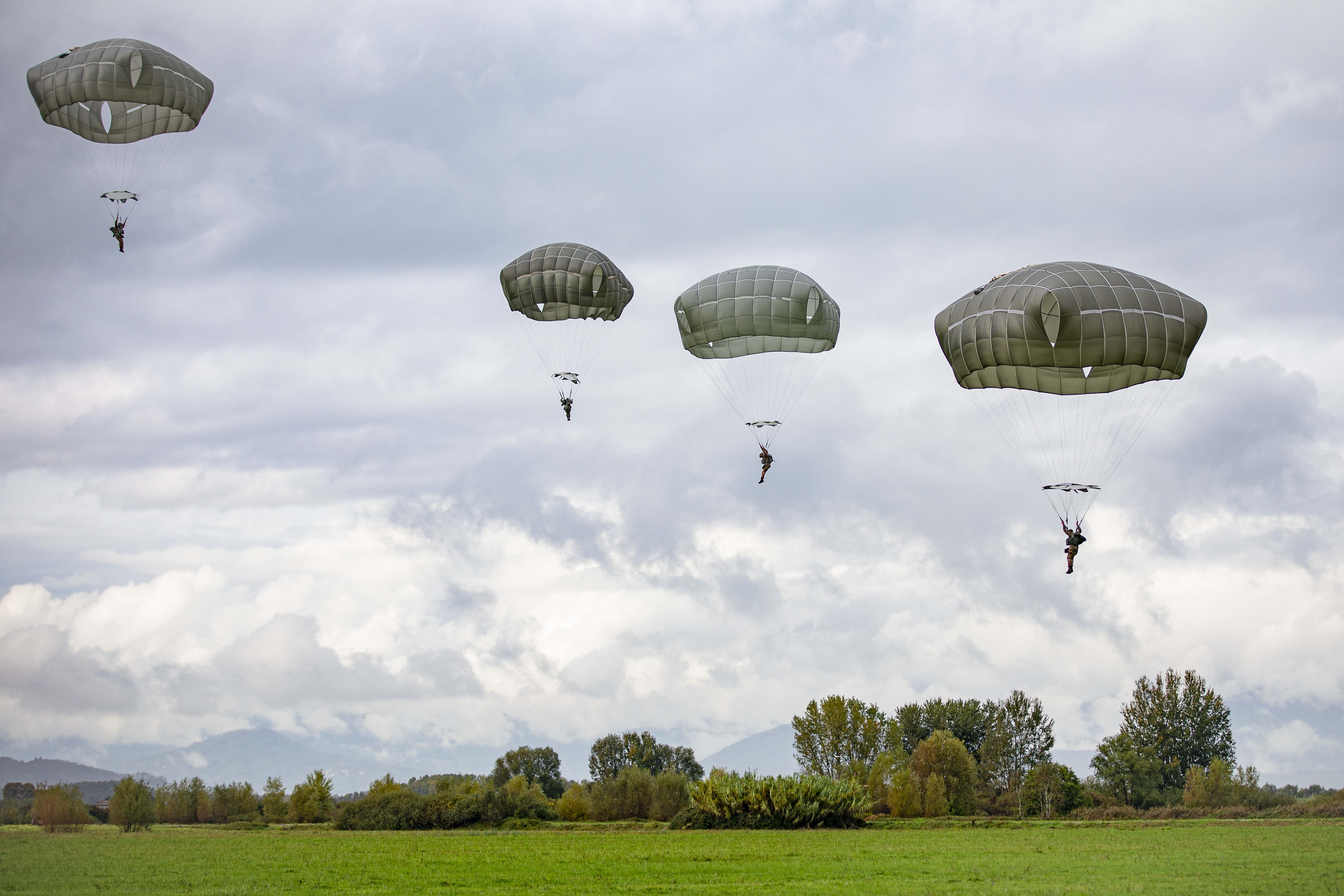
U.S. and Italian soldiers conduct airborne training in Pisa, Italy, Oct. 15, 2020.

Target Practice


Marine Corps Capt. Carlos Aguirre fires an M4 carbine during training at Eielson Air Force Base, Alaska, Oct. 17, 2020.

Site Survey


Sailors travel in a patrol boat during a security site survey off the coast of Long Beach, Calif., Oct. 29, 2020.

Force Fuel


Air Force’s Ben Peterson outruns Boise State's Kekaula Kaniho during a football game at the U.S. Air Force Academy in Colorado Springs, Colo., Oct. 31, 2020.

Warfighters, Decision-Makers at Center of DOD Data Strategy

 Nov. 3, 2020 | BY C. Todd Lopez , DOD News

At its simplest, the Defense Department's new data strategy, released in September, aims to make it easier for users to get access to the data they need to do their job. At the center of that, however, are the warfighters and decision makers who are most reliant on critical, accurate and timely data to carry out the department's mission, said the department's chief data officer.

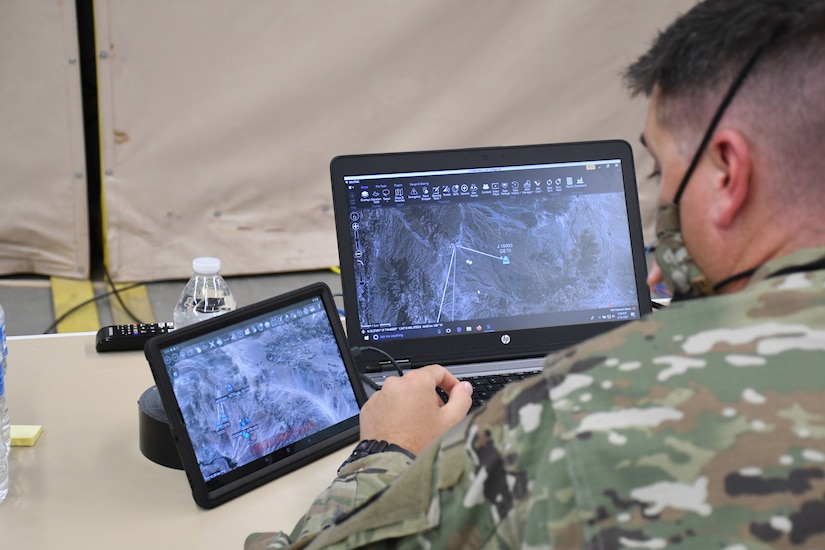
Airmen monitor computers.

"This strategy is for warfighters and decision makers," said David Spirk, who spoke Oct. 28 at the National Defense Industrial Association. "It's 100 percent focused on improving the speed and execution of decisions — to support informed decision making, to improve situational awareness and knowledge at every level, to improve our ability to anticipate events and resource needs before they were known."

To ensure the fastest, smoothest distribution of data to warfighters, decision makers, and even artificial intelligence systems, the DOD data strategy lays out a plan to, among other things, standardize how data is collected, categorized, tagged and distributed.

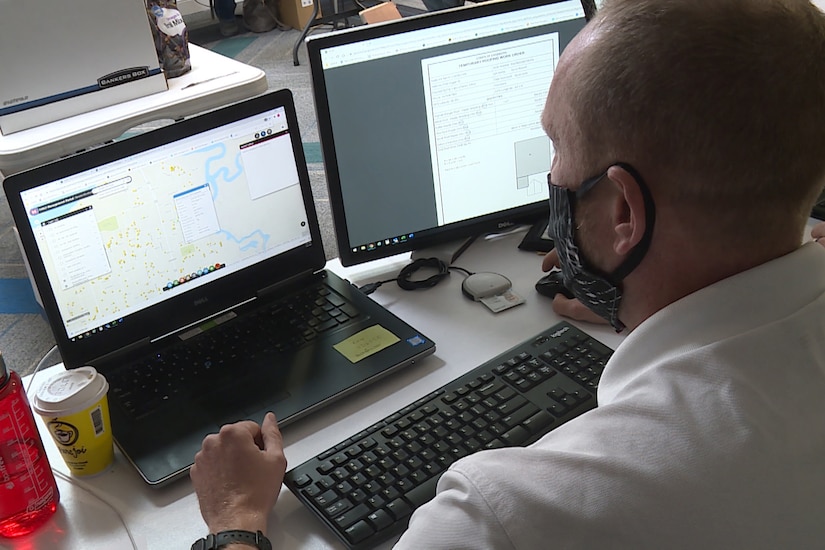
A person works on a computer.

The strategy sets goals for the department to build a data environment that makes it easy for would-be users of data to not only find what data they need, but to also get access to it — wherever that is. That data must also be adequately described in language that is standardized across the department, so that would-be users can easily identify its relevance to their portion of the mission.

Also important within the strategy is that data be trustworthy. The strategy calls for development of standards to ensure that when users get ahold of data, for instance, it's always accompanied by additional, standardized information that makes it clear where that data came from.

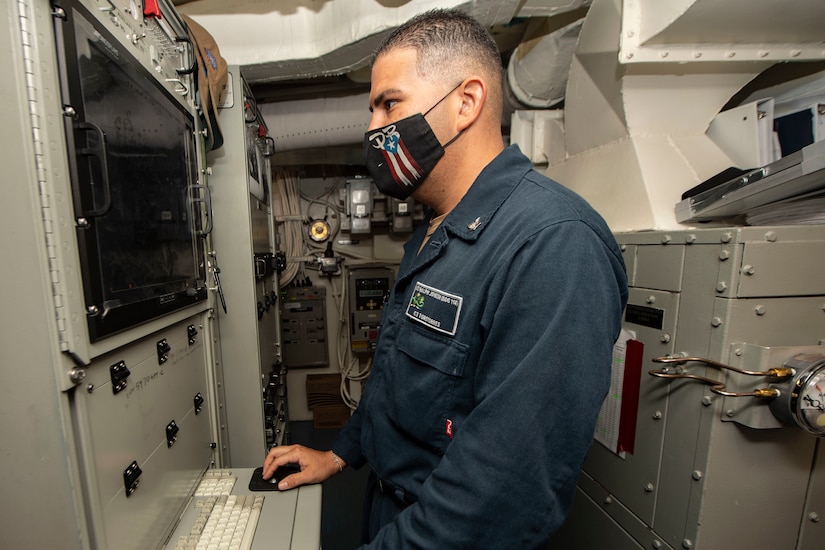
A person works on a router.

The strategy demands a lot of changes from those across the department who collect, generate and maintain data, so that users in other areas can always have what they need, when they need it. Spirk said getting those people on board will be critical to the success of the data strategy.

One way to do that, he said, is creation of chief data officer positions, where appropriate, to ensure the data strategy is being implemented and, also, to build relationships and trust between agencies so that data can move to where it needs to be more efficiently than it may be doing now.

A person monitors computer screens.

Spirk said the department will know it has been successful in implementing its data strategy by how the warfighter responds.

"The measure of our success is going to be a recognizably faster warfighting operation tempo," he said. "This will be achieved by treating data as a weapon system, effective partnerships and a collective focus. And when I say weapon system, I mean we need to think of the data ecosystem as the weapon system that fires the data and ensures it's available to our warfighters at the time and place they need it before they realize that they did."

Food Drive


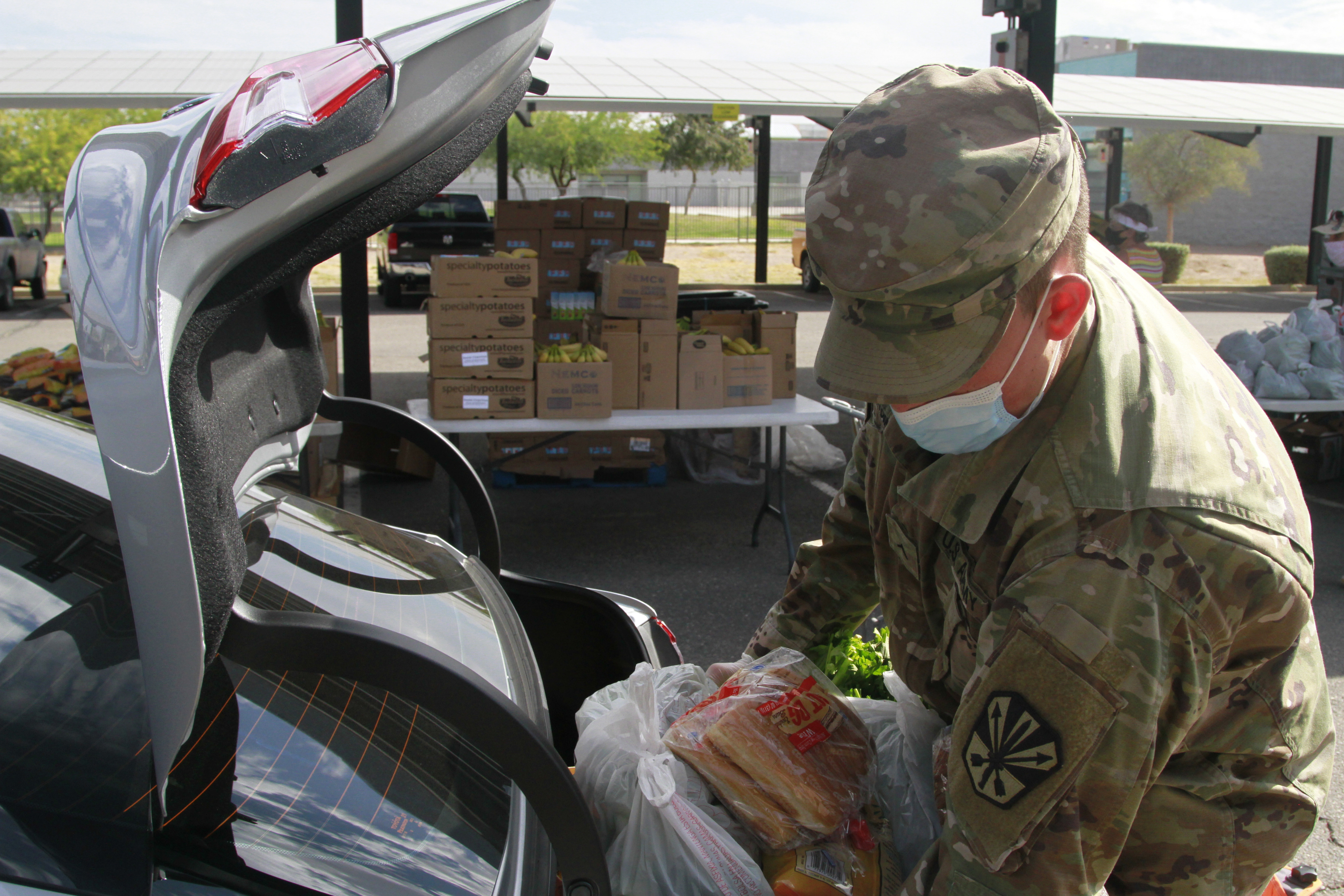
Arizona National Guard service members deliver groceries to area residents at a food bank in Tonopah, Ariz., Nov. 2, 2020. The Arizona National Guard has activated more than 800 Arizona citizen soldiers and airmen to support the community during this state of emergency response.

Sports Heroes Who Served: Golfer Landed in Normandy During WWII

 Nov. 3, 2020 | BY David Vergun , DOD News

Sports Heroes Who Served is a series that highlights the accomplishments of athletes who served in the U.S. military.

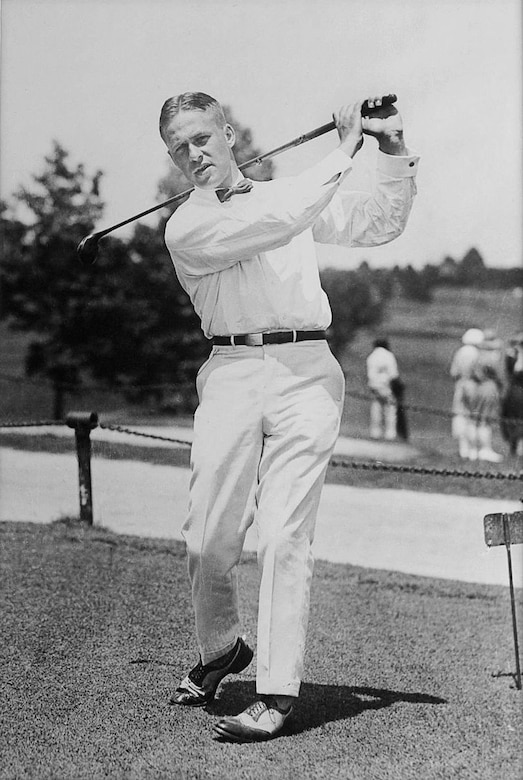
Robert Tyre (Bobby) Jones Jr. is said to have been the most successful amateur golfer ever to have competed at the national and international levels. The reason he competed as an amateur is because he worked full time as an attorney in Atlanta, Georgia.

A teenage boy swings a golf club.

He won the U.S. Open in 1923, 1926, 1929 and 1930; the Open Championship in 1926, 1927 and 1930; the U.S. Amateur in 1924, 1925, 1927, 1928 and 1930; and the British Amateur in 1930.

After retiring from competitive golf, he founded the Augusta National Golf Club in Augusta, Georgia, in 1933; in 1934, he co-founded the Masters Tournament.

A man swings a golf club.

In May 1942, Jones volunteered and was accepted for military service in the Army officer corps, although at 40 years old he was considered borderline too old. In June 1942, he was assigned to the First Fighter Command at Mitchel Field on Long Island, New York.

By March 1943, he was promoted to major, and later that year, he was assigned as a military intelligence officer for the 84th Fighter Wing of the Ninth Air Force; he then deployed in England.

A color graphic shows the upper torso of a man swinging a golf club.

Just a day after the June 6, 1944, D-Day landings on the Normandy coast in France, Jones went ashore.

His unit eventually was assigned to the infantry, and he spent two months interrogating German prisoners of war before being discharged in August 1944 with the rank of lieutenant colonel.

A soldier gets food.

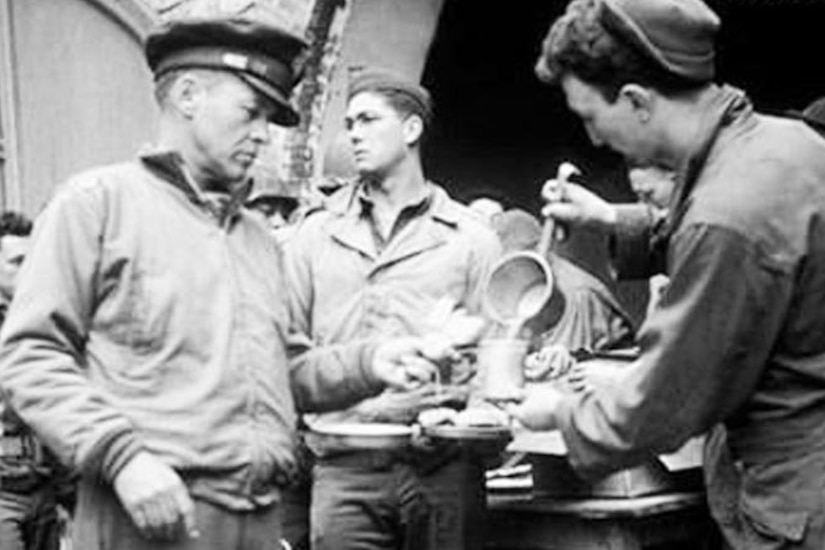
During the war, Jones had the honor of dining with Army Gen. Dwight D. Eisenhower, the supreme commander of the Allied Expeditionary Force in Europe. In 1948, Eisenhower, an avid golfer, would become a member of Augusta National.

In August 1944, Jones, then a lieutenant colonel, was granted an honorable discharge from the Army.

In 1971, Jones died at age 69.

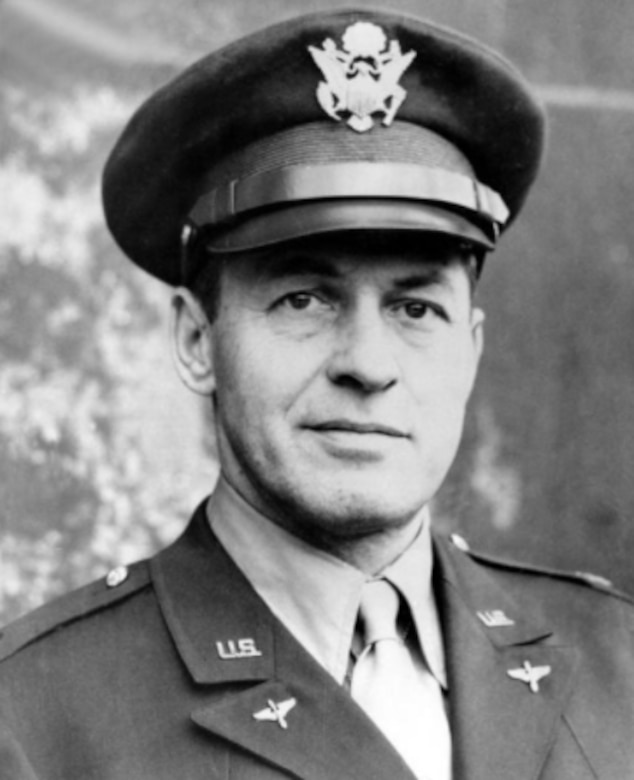
A man in a military uniform poses for a photo.

In 1974, Jones was posthumously inducted into the World Golf Hall of Fame.

In 1981, the U.S. Postal Service issued an 18-cent stamp commemorating Jones.

Navy Junior ROTC Units, Science Instructors Contend With 'New Normal'

 Nov. 3, 2020 | BY Scott A. Thornbloom, Naval Service Training Command Public Affairs

Navy Junior ROTC and Navy National Defense Cadet Corps units are facing a "new normal" as they return to school this fall. More than 80,000 cadets and more than 1,000 Naval Science Instructors have had to adapt to the new challenges in a continuing coronavirus environment.

Many of the more than 600 units across the country and in Guam, Japan, Spain and Italy are back to school in one form or another. Some are in socially distanced classrooms or attending via video teleconference applications.

"There are 1,250 Navy Junior ROTC instructors across the globe who are working tirelessly to deliver our citizenship development program to students," said Tim Daseler, Naval Service Training Command deputy commander for NJROTC/NNDCC operations.

"In these extraordinary times, these seasoned leaders are working tirelessly to deliver the program to students in new and innovative ways, and are also assisting and providing bold leadership to principals, counselors and other teachers with the myriad of issues each school faces."

I am very proud of our cadets' commitment and perseverance with adapting to and operating in this new learning environment."
Retired Navy Cmdr. Rick Hamblet

The Navy Junior ROTC and NNDCC are part of the Navy's citizenship program. They are overseen and supported by NSTC, headquartered at Naval Station Great Lakes, Illinois. The program seeks to instill in participating high school students the values of citizenship, service to the United States, personal responsibility and a sense of accomplishment. Navy Junior ROTC and NNDCC strive to build a strong foundation of citizenship within America's future leaders.

The Navy Junior ROTC/NNDCC program is divided into 11 areas. Each area averages between more than 40 to more than 60 high school units. Each unit consists of students, known as cadets, ranging from freshmen to seniors. They are taught the naval science curriculum by a retired U. S. Navy, Marine Corps or Coast Guard officer and retired enlisted service members.

"I am very proud of our cadets' commitment and perseverance with adapting to and operating in this new learning environment. They have remained strong and demonstrated positive attitudes.  We're taking great pride working together as a team," said retired U. S. Navy Cmdr. Rick Hamblet, the senior naval science instructor at Vista Ridge High School in Cedar Park, Texas. 

"Not competing in live drill competitions has been hard for the cadets to accept, but we are placing our focus on the things we can do, not the things we can't do." said retired U. S. Navy Cmdr. Tim Craddock, SNSI at Washington High School, Indiana.

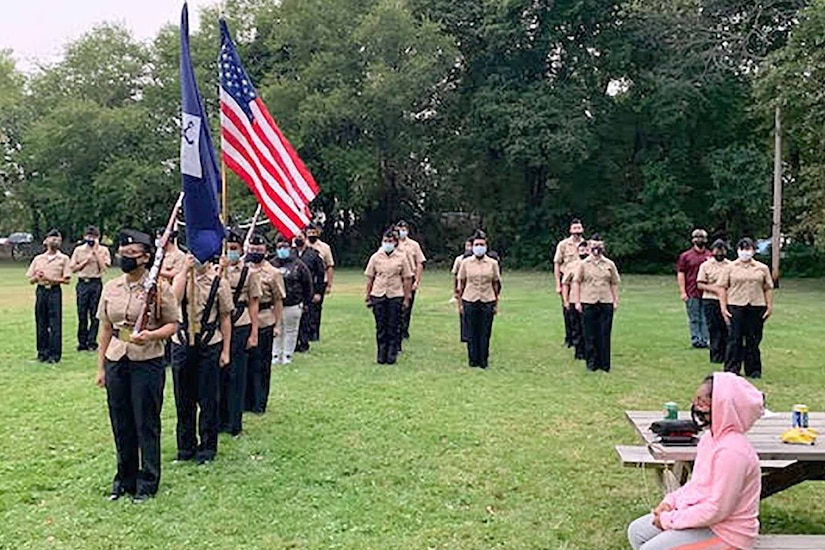
High school military cadets wearing masks conduct drills outside of their school.

Retired U.S. Marine Corps Lt. Col. Carl Lewandowski said Papillion La Vista High School, Nebraska. is "business as usual" for most of their daily Navy Junior ROTC activities and events. 

"Uniforms have been issued. We conduct weekly [socially-distant] personnel inspections and hold student-led drill classes [wearing masks] weekly. Our color guards have presented the nation's colors at our home football games. Athletic events have been modified to maximize student safe distances by substituting planks for sit-ups and other creative activities. Many of these accomplishments are possible by following the 3W policy: wear a mask, watch your distance and wash your hands. Finally, we are able to compete against other schools by participating in postal [air rifle] competitions. Postals were 'remote' before remote was trending!" he said.

The Navy Junior ROTC program was established in 1964. The program is conducted at accredited secondary schools throughout the nation, and taught by instructors who are retired Navy, Marine Corps, and Coast Guard officers and enlisted personnel. The Navy Junior ROTC accredited curriculum emphasizes citizenship and leadership development, as well as America's maritime heritage, the significance of sea power, and naval topics such as the fundamentals of naval operations, seamanship, navigation and meteorology. 

In a non-COVID-19 year, classroom instruction is augmented throughout the year by extra-curricular activities of community service, academic, athletic, drill, and orienteering competitions, field meets, flights, visits to naval installations or other activities, marksmanship sports training, and physical fitness training. Electronic classroom equipment, textbooks, uniforms, educational training aids, travel allowance and a cost-share of instructors' salaries are provided by the Navy.   

These kids were committed to one another and learned to work together as a team and get out cleaning up the neighborhood."
Retired Navy Lt. Cmdr. Kevin Wilson

In this "new normal" instructors and cadets have to adapt and overcome several challenges.
Retired U. S. Navy Cmdr. Steve Schulte, SNSI for Zion-Benton Township, Illinois. unit says it has been difficult teaching and motivating freshmen new to the program through remote learning. 

"We are encouraging freshmen to come to school for ‘office hours' which is allowed by the school. We have been successful in getting about 75 percent of freshmen in to issue uniforms," he said.

But Schulte has also been seeing a few benefits. "It has been a learning experience for our cadet staff in handling adversity. We have challenged them to come up with a way to keep our unit functioning as normal as possible in an abnormal situation. They are working on preparing for pass-in-reviews without full unit participation in practice, developing a remote advancement program for junior cadets among other things," Schulte said.

Recently the Navy Junior ROTC unit at Kecoughtan High School in Hampton, Virginia., was able to work outside on Oct. 7 as the unit cleaned up an area of the city.

"We did an Adopt-A-Spot where we cleaned up streets," said Cadet Julianne Khuu, a senior and the unit's commanding officer, in a video on the school's News Break YouTube channel. "My favorite part was getting out and getting the opportunity to be engaged with the community and allowing myself to be with my cadets cleaning. It was a good experience to come out and get together and still maintain social distance but still help out the community."

Retired U. S. Navy Lt. Cmdr. Kevin Wilson, SNSI of the unit said the Navy and Navy Junior ROTC has three core values — honor, courage and commitment. "These kids were committed to one another and learned to work together as a team and get out cleaning up the neighborhood," he said.
Monday, November 02, 2020

Sharp Shooters


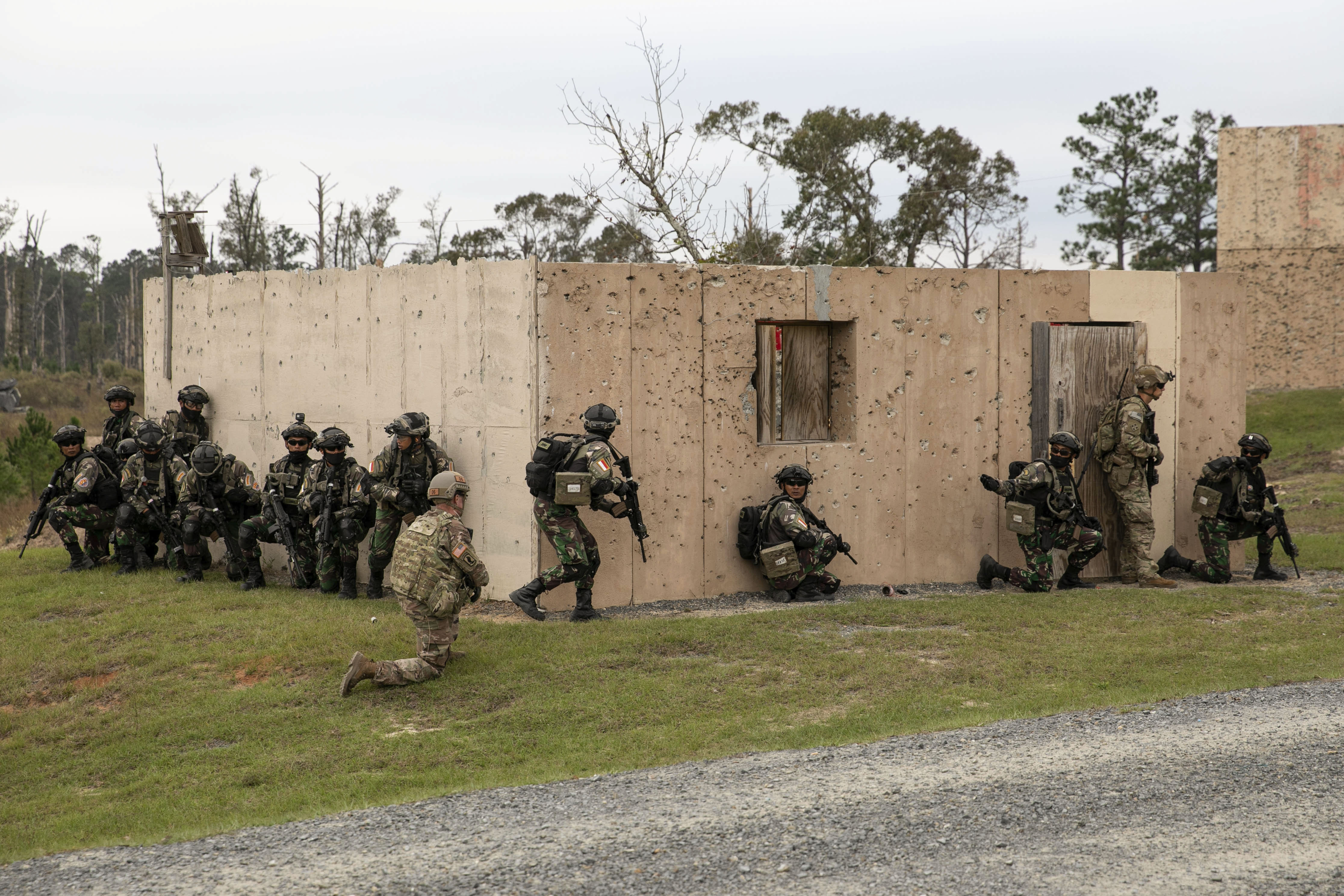
U.S. and Indonesian soldiers conduct a live-fire exercise at Fort Polk, La., Oct. 27, 2020.

Howitzer Training


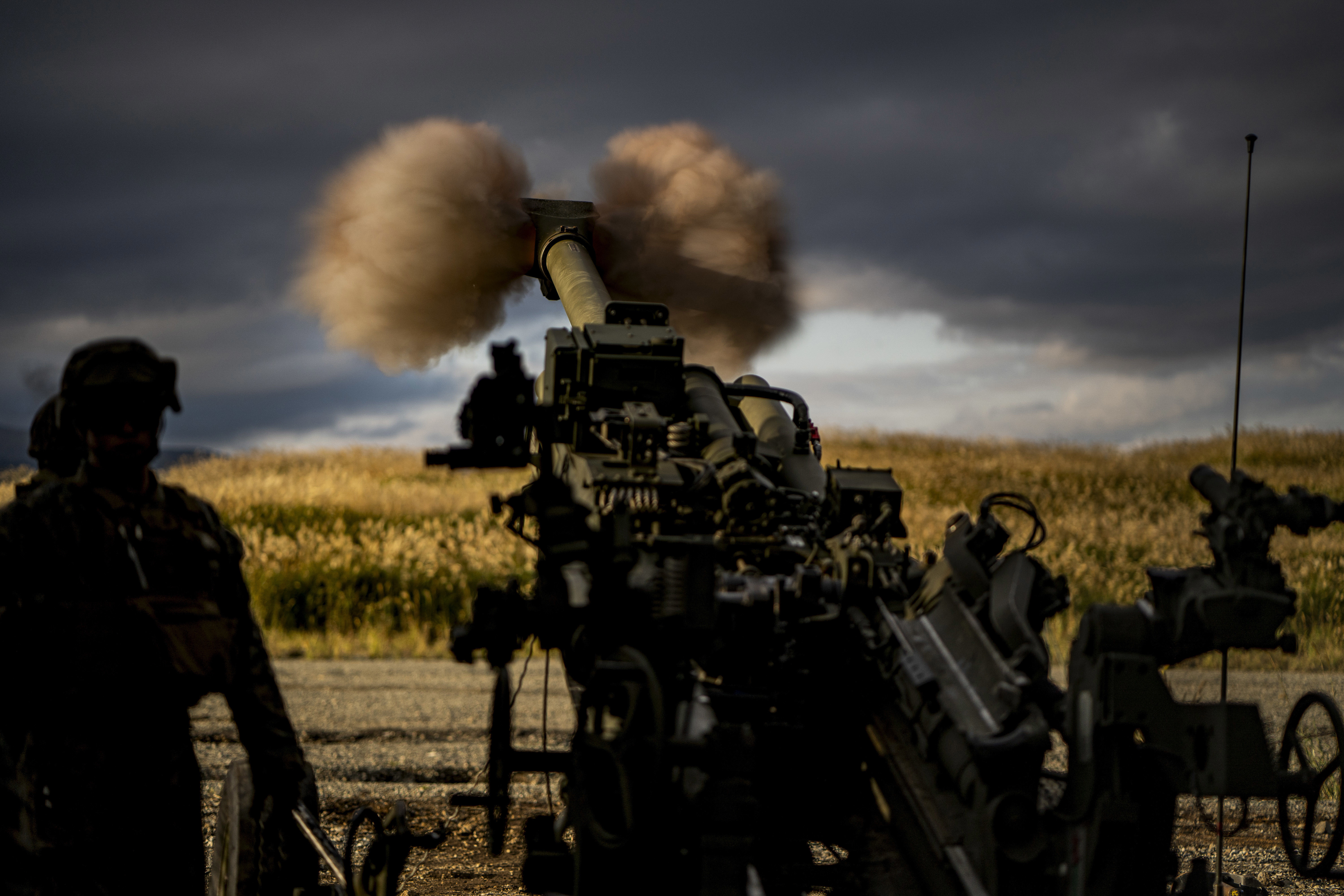
Marines fire an artillery round from an M777 howitzer during training exercises at Camp Fuji, Japan, Oct. 20, 2020.

Sharing Sanitizer


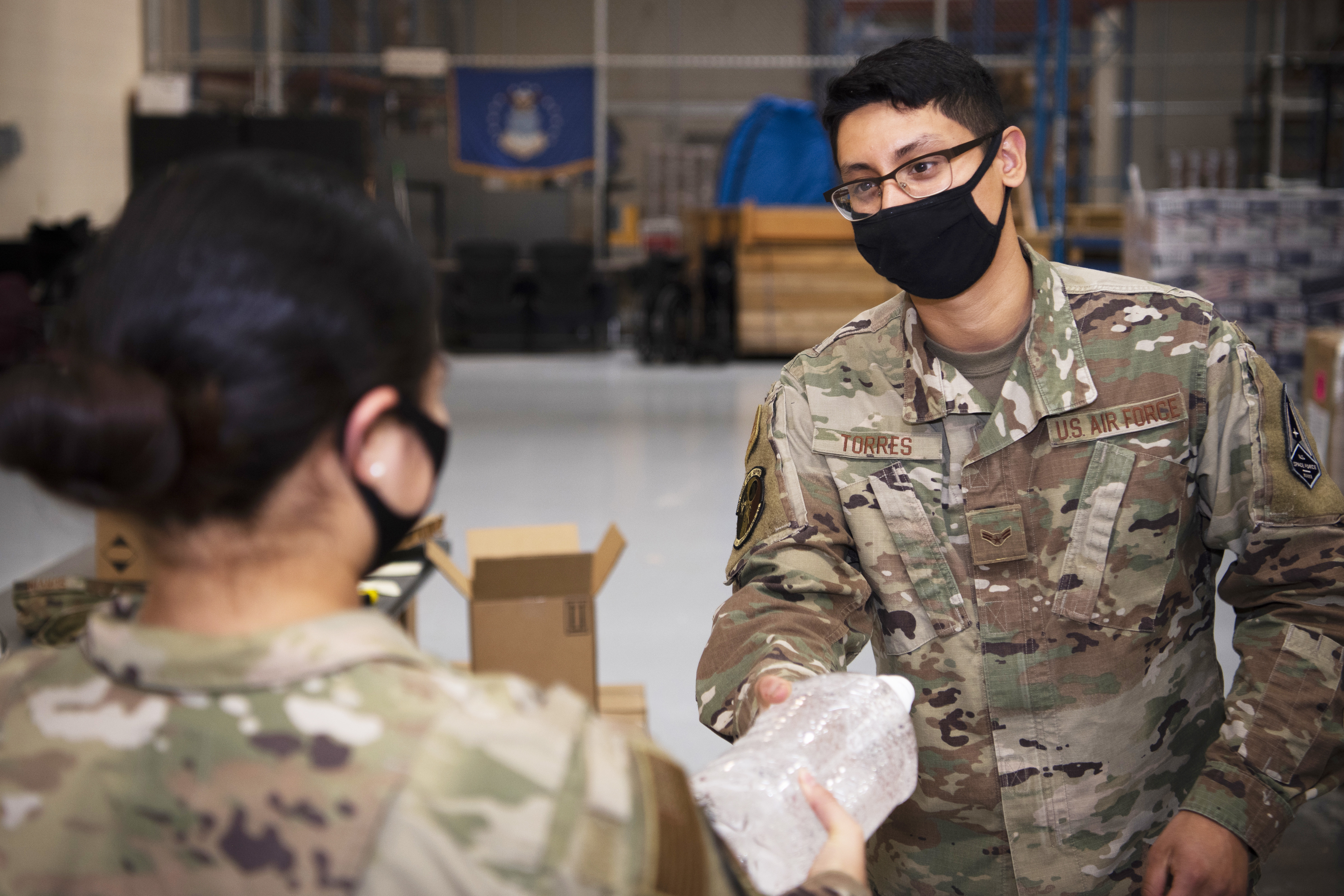
Airman 1st Class Juan Torres, a contract specialist with the 50th Contracting Squadron, gives hand sanitizer to another airman at Schriever Air Force Base, Colo., Oct. 29, 2020. The 50th CONS provided hand sanitizer to 20 units to battle COVID-19.

Friendly Greeting


Air Force Senior Airman Bryce Dupre, assigned to the 60th Aerial Port Squadron, pets a dog at the Yolo County Animal Services Shelter in Woodland, Calif., Oct. 29, 2020. The squadron donated 1,000 unused pillows and blankets to the shelter.

Shelter Donations


Air Force airmen from the 60th Aerial Port Squadron load pillows and blankets onto a trailer at Travis Air Force Base, Calif., Oct. 29, 2020. The squadron donated 1,000 unused pillows and blankets to the Yolo County Animal Services Shelter in Woodland, Calif.

Green Haze


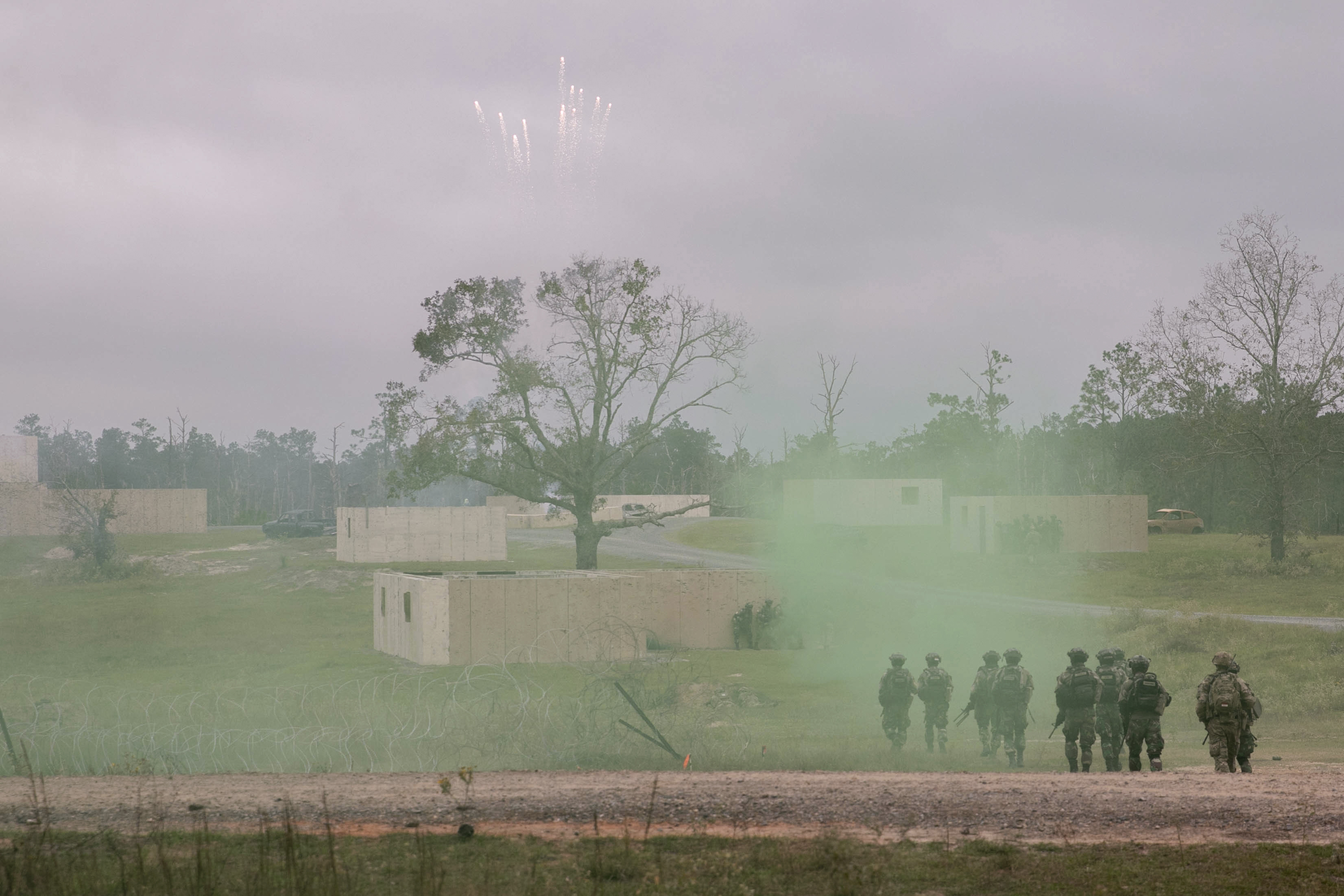
U.S. and Indonesian soldiers conduct a live-fire exercise at Fort Polk, La., Oct. 27, 2020.

Hansen Hang


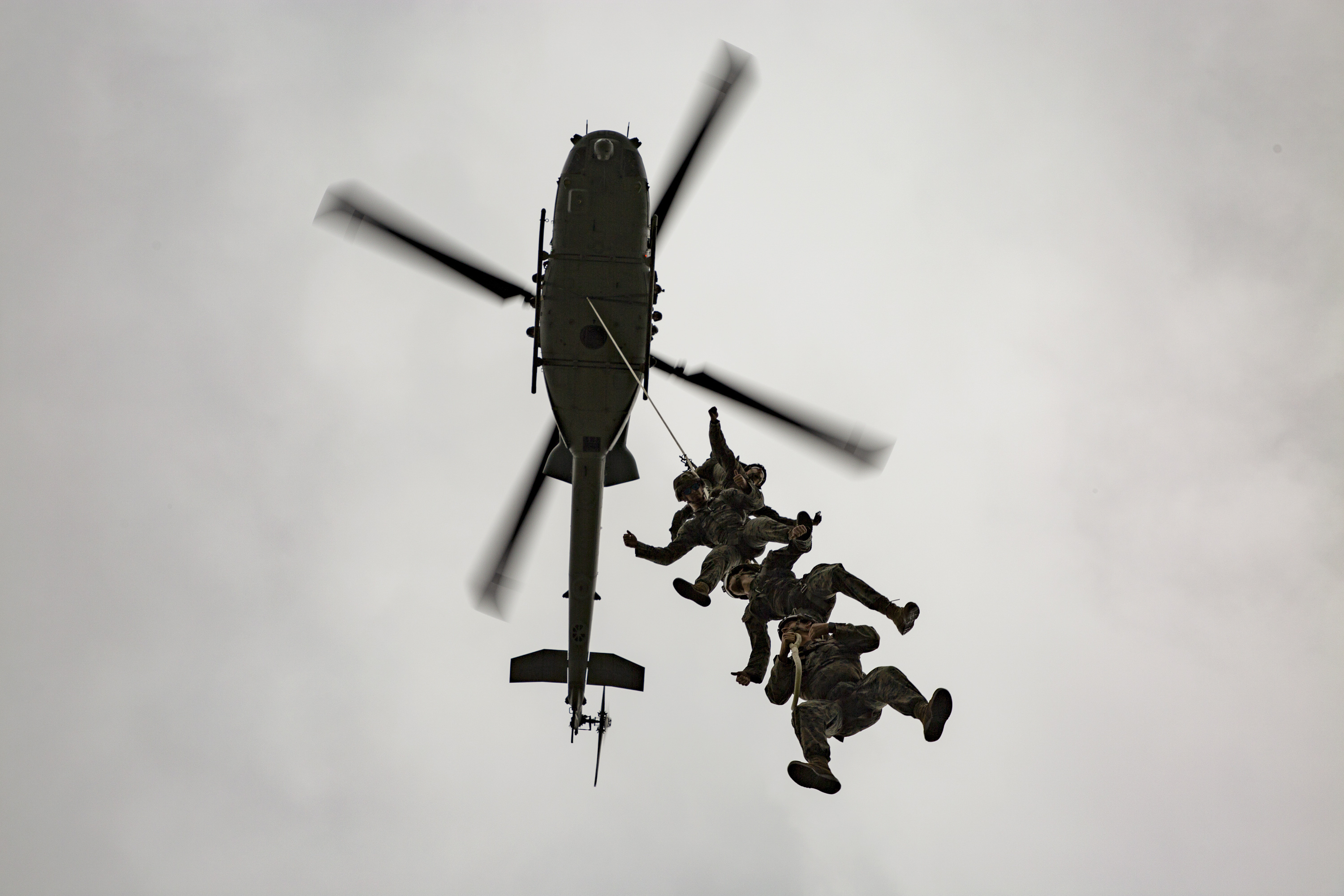
Marines conduct helicopter rappel training at Camp Hansen in Okinawa, Japan, Oct. 23.2020.

Twilight Training


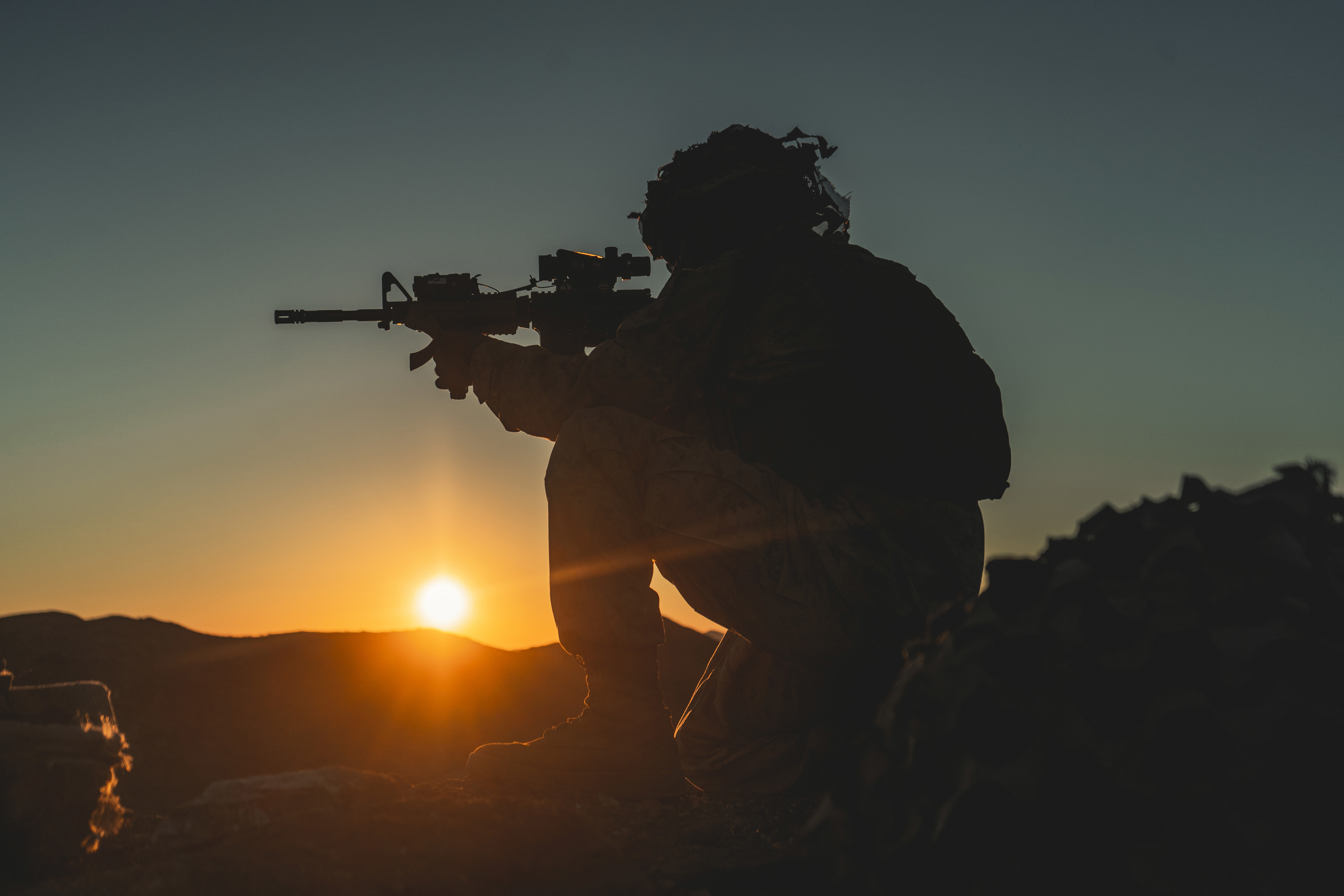
A Marine gets into a defensive position during a training exercise at Marine Corps Air Ground Combat Center Twentynine Palms, Calif., Oct. 28, 2020.

Keen Sword Sparks


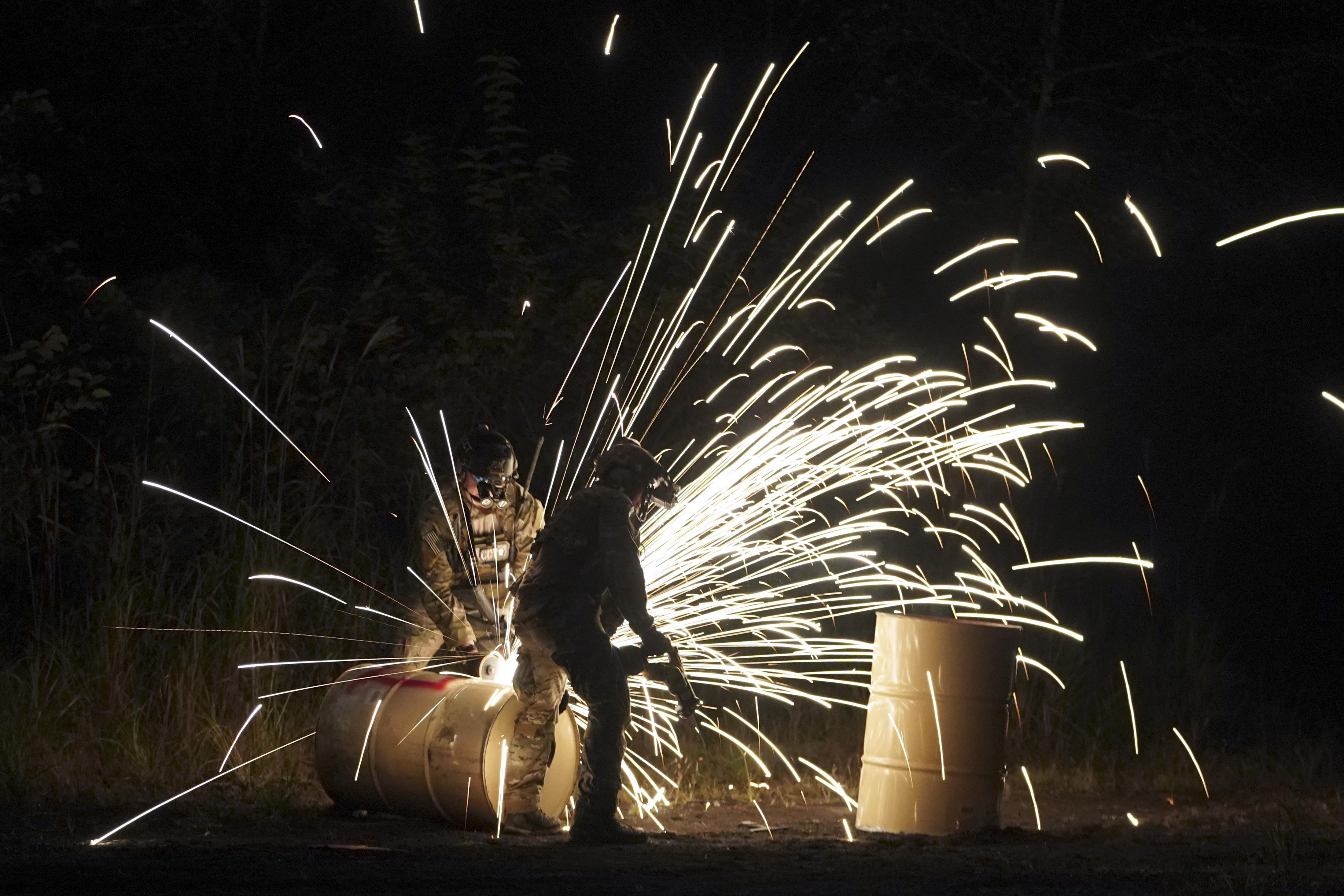
Airmen cut into barrels used as simulated light aircraft while conducting search and rescue training at Camp Fuji, Japan, Oct. 29, 2020. Exercise Keen Sword allows U.S. and Japanese troops to sharpen combat readiness and enhance long-range interception capabilities.

Guard Supports COVID-19 Airport Operations

 Nov. 2, 2020 | BY Master Sgt. Brandy Fowler , DOD News

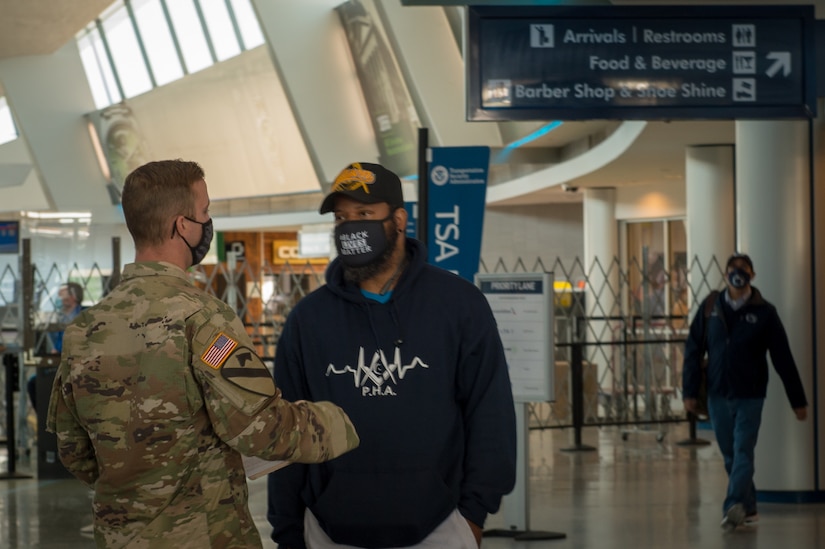
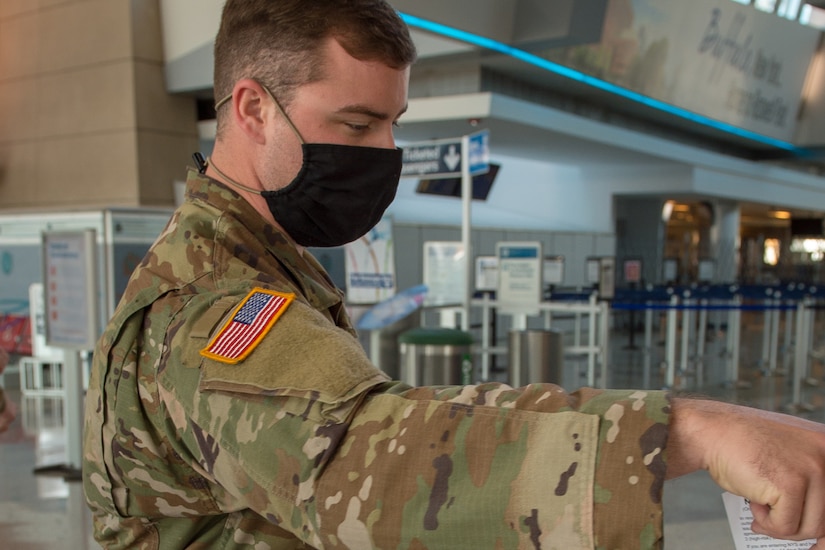
Passengers getting off planes coming from outside New York are now being greeted by New York National Guard soldiers and airmen assisting the state health department in enforcing New York's COVID-19 travel restrictions.

A service member talks to a man in civilian clothing in an airport.

Since Oct. 16, soldiers and airmen at airports across the state have been ensuring that passengers fill out a questionnaire that enables them to comply with an executive order issued by Gov. Andrew M. Cuomo in June. That order mandates that non-essential travelers coming from states with a high level of community spread of COVID-19 must quarantine for 14 days when entering New York.

As of October, all but a few states in the United States are on the list.

"Our responsibility is to assist travelers from any of those states [and] make sure they fill out the questionnaire forms and submit them to the state Department of Health officials located in the airport," Air National Guard Master Sgt. Adam Winters, the noncommissioned officer in charge of the team at the Buffalo Niagara International Airport in Buffalo, New York, explained.

A service member puts a form into a box.
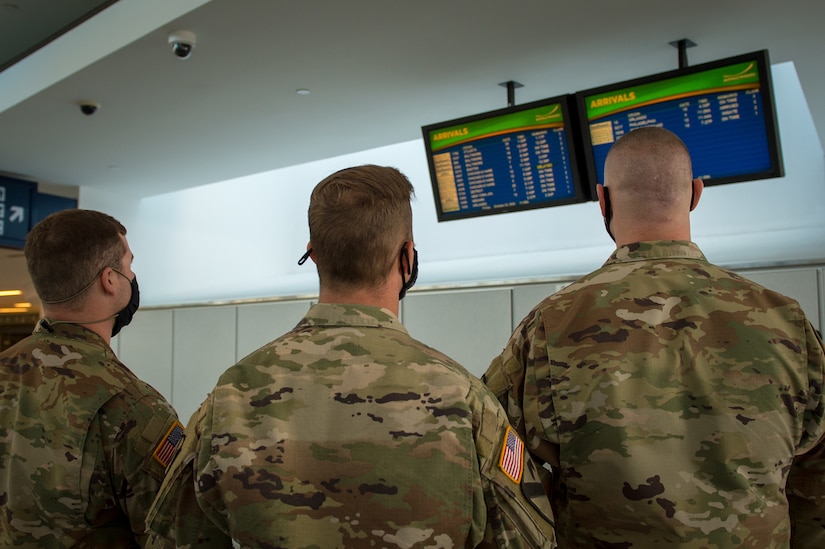
Three service members look at the electronic signs that list arriving flights at an airport.

The team at the Buffalo Niagara airport consists of airmen from the 109th Airlift Wing based at Stratton Air National Guard Base in Scotia, New York, and soldiers from the 105th Military Police Company in Buffalo. One hundred Guard Soldiers and Airmen are assigned to the mission at the state's airports which include John F. Kennedy Airport and LaGuardia Airport in New York City, along with the smaller airports in Buffalo, Syracuse, Albany and Rochester.

The soldiers and airmen are there to greet travelers and request proof of completion of the travel advisory health forms, Winters explained. Travelers are asked to prove that they completed an online app on their phones or fill out and submit a form.

"We are not peace officers for this mission and are only trying to enforce the executive order that has been issued by the governor," Winters said. "Guardsmen are taking consideration for each passenger by explaining the executive order and ensuring that this is for the overall safety of all travelers."
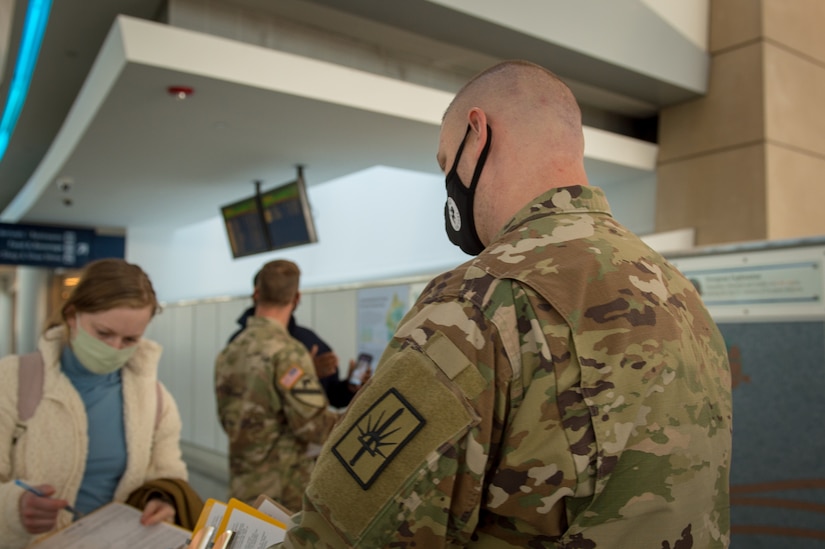
A service member watches a woman fill out a form at an airport.

The travel advisory helps track possible positive COVID-19 cases and allows the health department to reach out to anyone who may have been in contact with someone with a positive case. That way, proper measures are taken to preserve the well-being of New York state residents and visitors, according to the New York State Department of Health.

"It's rewarding to help with the pandemic the best we can," Army Spc. Kassandra Bissell said. "We are assisting the Department of Health to keep the public safe."
Face of Defense: Master of the In-Flight Refuel

Nov. 2, 2020 | BY Katie Lange , DOD News

Refueling airplanes in midair isn't what Tennessee Air National Guard Staff Sgt. Briana Lindquist envisioned her full-time job would be when she was growing up outside of Knoxville, Tennessee. But a random trip to the guard's 134th Air Refueling Wing was all it took for her to be sold on the idea. 

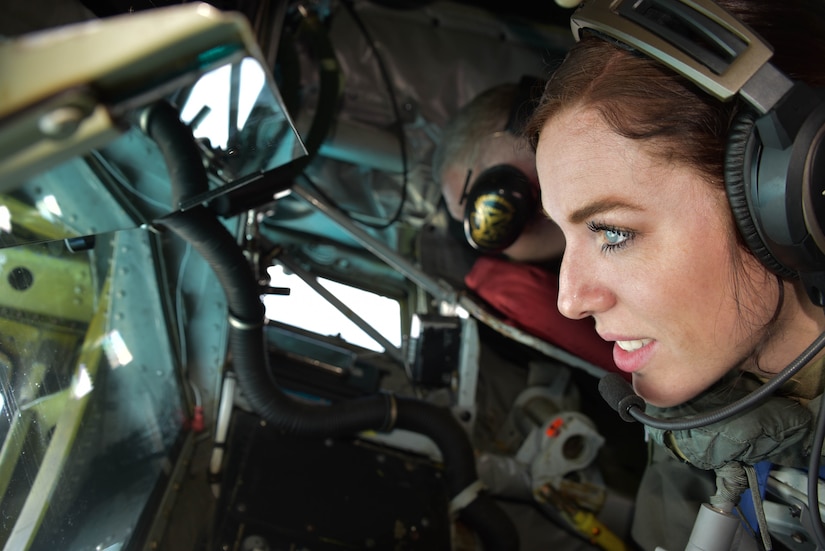
An airman  wearing a headset looks out the window of an aircraft.

Tennessee Air National Guard Staff Sgt. Briana Lindquist
Job Title: Boom Operator
Hometown: Oak Ridge, Tennessee
Stationed: McGhee Tyson Air National Guard Base
Unit: 134th Air Refueling Wing

Lindquist, 28, is an in-flight fuel specialist – better known as a boom operator – which means she's in charge of refueling other aircraft while her KC-135 Stratotanker is in flight. It's a serious job that involves a lot of outside factors, and it's one she wouldn't change for the world. 

So, what's it like to do this unique job, and how did she get into it? Lindquist answered some of those questions when she recently had a little free time. 
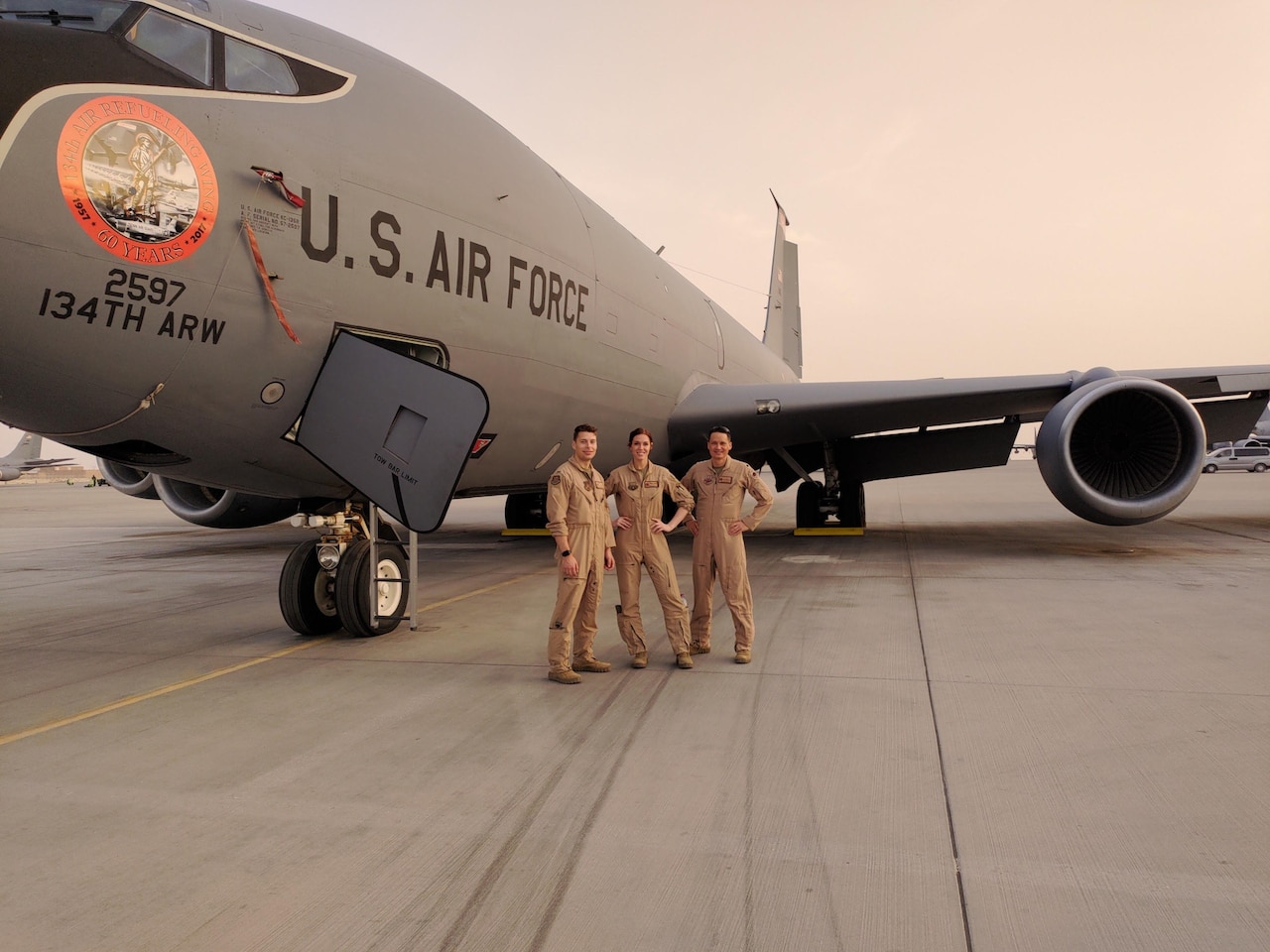
Three people stand in front of a KC-135 Stratotanker aircraft.

Why did you join the Air National Guard?

My older sister was my legal guardian when I was in high school, and she was always an inspiration to me. She was also a part of the 134th Air Refueling Wing. One day during my senior year of high school, she drove me out to the base and introduced me to the wing. The rest was history! 

You joined at age 17. How was that possible? 

With parental or guardian approval. So, my sister — being my legal guardian — was able to authorize my enlistment. I signed in January of 2010, graduated high school in May, and then left for basic training that fall. During the time between enlisting and leaving for training, we have a program that allows us to attend drill in a student status where we will study rank structure, Air Force regulations and even do physical fitness to prepare us for basic training. It's a great opportunity for younger recruits to get familiar with military life before they jump into basic training, and another great advantage of being in the Guard.

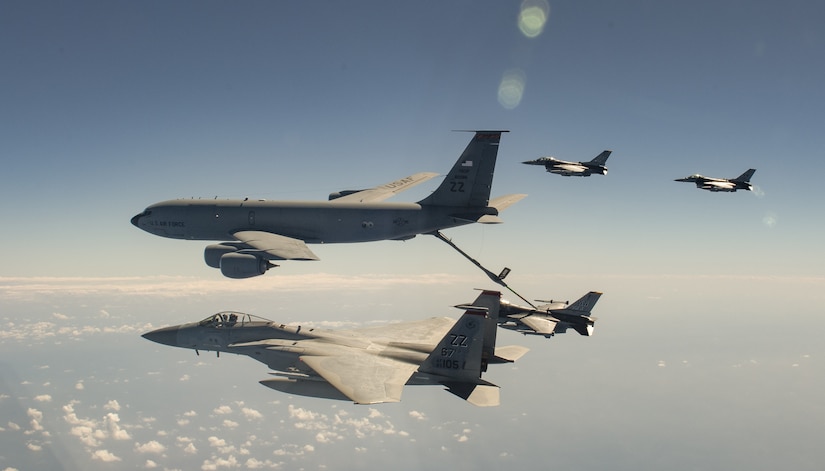
A tanker aircraft refuels a jet midair as three other jets fly nearby.

What's the course of your career been?

I joined as a KC-135 Stratotanker crew chief, who are in charge of the day-to-day maintenance of the aircraft. I did that for about six years, and it was a great career that allowed me to learn the aircraft inside and out. When the opportunity came up to apply for a boom operator position, I knew it was the next step in my career. I've been a boom operator ever since.

Explain what exactly it is that a boom operator does. 

My main responsibility is the refueling of other aircraft in flight! Working from the rear of the tanker, I guide other planes into position to safely transfer fuel from our plane to theirs. It requires a lot of coordination between our pilots and the aircraft we are refueling, and I manually operate the boom into position to forge the connection that allows the fuel to offload.

A long pole carrying fuel from a tanker aircraft attaches to a fighter jet while flying in clouds.

That seems like a lot of pressure. Do you get used to it? 

I'm confident in my ability to do my job, but I still have moments where I'm a bit nervous. Every refueling is different. There are so many factors that can increase the difficulty, like unfamiliar aircraft, poor weather or new pilots who are learning how to refuel. It's my job to make every connection a success — aircraft need fuel to fly — but that can sometimes be stressful. Even so, I wouldn't have it any other way.

Do you have any other duties during missions? 

Absolutely! In addition to refueling duties, I compute weight and balance for the aircraft, oversee cargo loading and unloading procedures, manage passenger handling and do a host of other smaller tasks.

Most Guard members are part time, but this is your day job, too, right? 

We perform enough missions that flying with the wing is currently my full-time job. 

[Those types of opportunities] are entirely dependent on the career field. There are a lot of ways people can find full-time employment with the Guard, and it creates a ton of great opportunities for members who love what they do. Personally, I feel very fortunate to have full-time employment that I love as a part-time member. It gives me the flexibility to work when and how I want most of the time.

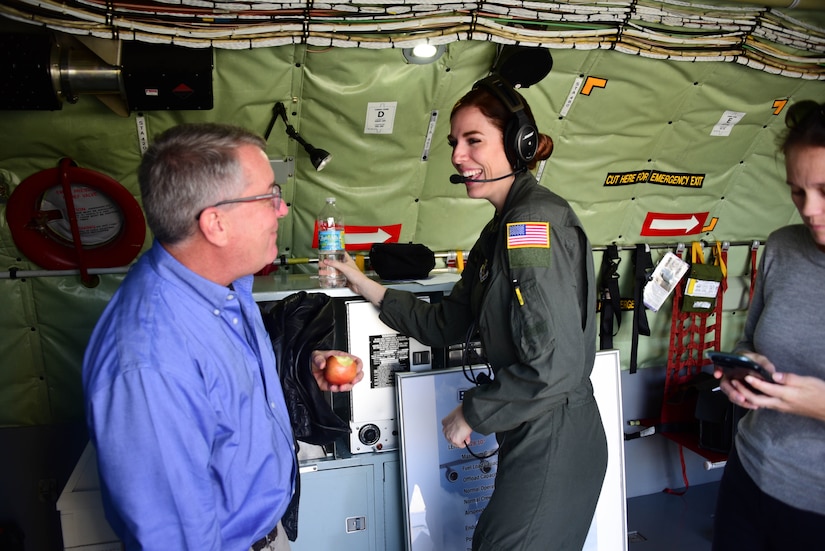
A man speaks to an airman wearing a headset as they stand surrounded by flight equipment.

Where has your career taken you?

Physically, it's taken me all over the world! Almost 11 years ago, 17-year-old me would never have imagined that signing on the dotted line would bring me to where I am today. It's incredible!

You've gotten to do some cool things in this job. You were involved in security protocol for the recent Super Bowl 54, right? 

Yes, the Super Bowl was an amazing opportunity! I have also been able to travel to some pretty incredible locations and work with dedicated men and women. I've deployed and flown with multiple NATO countries, flown in joint exercises stateside and abroad, and assisted with recovery efforts from natural disasters here in the U.S.

One was actually here in East Tennessee. A few years ago, there was a fire that devastated the city of Gatlinburg and the Great Smoky Mountain National Park. The overall loss overwhelmed the community, and I was able to help with the aftermath by providing meals, clothing, shelter and other various things to the community.

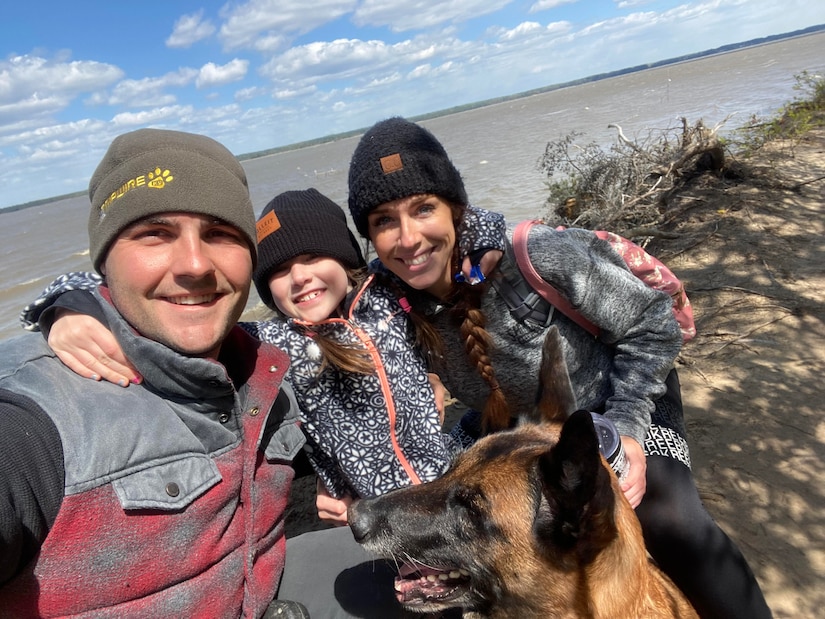
A man, woman and young girl huddle together with a dog near a body of water.

Do you plan to stay involved in the Guard for a long time?

I hope to! The Guard has been my life and family, of sorts, for over a decade. There have been ups and downs like any career, but overall I love what I do and the people I get to work with.

What do you like to do in your spare time?

I have a family and a retired military working dog that all keep me pretty busy! We enjoy traveling, and we also love to spend time outdoors when we're home in East Tennessee. It's such a beautiful area with so many opportunities for recreation, like the Great Smoky Mountains. This time of year brings two things that are important to my family — gorgeous mountain hikes and Tennessee football! Go Vols!