Navy Cmdr. Rudolf Hawkins fires an M4 rifle during a live-fire exercise aboard the USS Gerald R. Ford in the Atlantic Ocean, Sept. 6, 2020.
Navy Cmdr. Rudolf Hawkins fires an M4 rifle during a live-fire exercise aboard the USS Gerald R. Ford in the Atlantic Ocean, Sept. 6, 2020.

Marines prepare to build a bridge during humanitarian assistance and disaster relief training at Mount Bundey Training Area, Australia, Sept. 5, 2020.
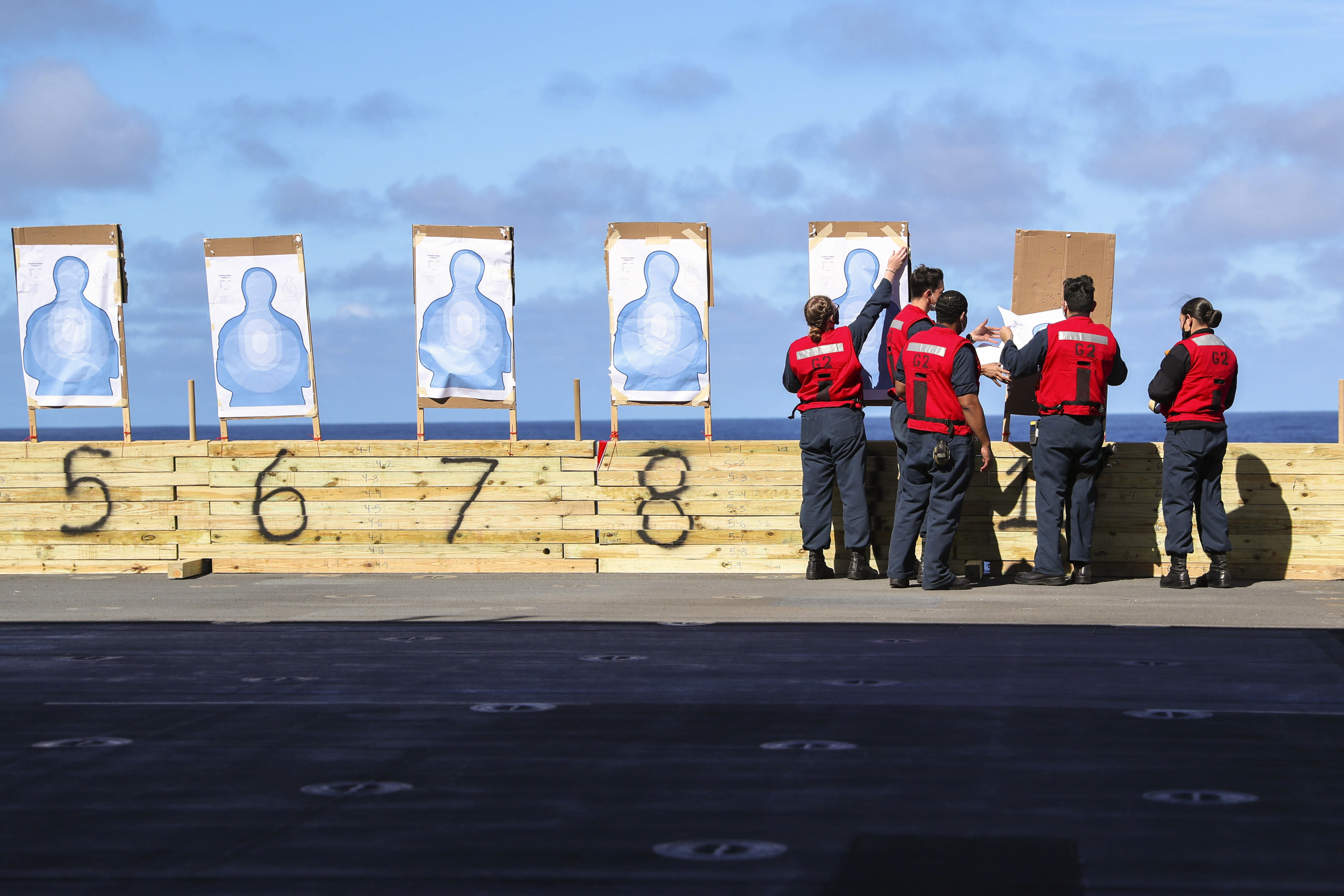
Sailors hang targets before a gun shoot aboard the USS Tripoli in the Pacific Ocean, Sept. 5, 2020.

Soldiers dig out a hotspot during mop-up operations on the Complex wildfire in Mendocino National Forest, Calif., Sept. 4, 2020. The soldiers are supporting the Defense Department’s wildfire response, working side-by-side with professional firefighters.
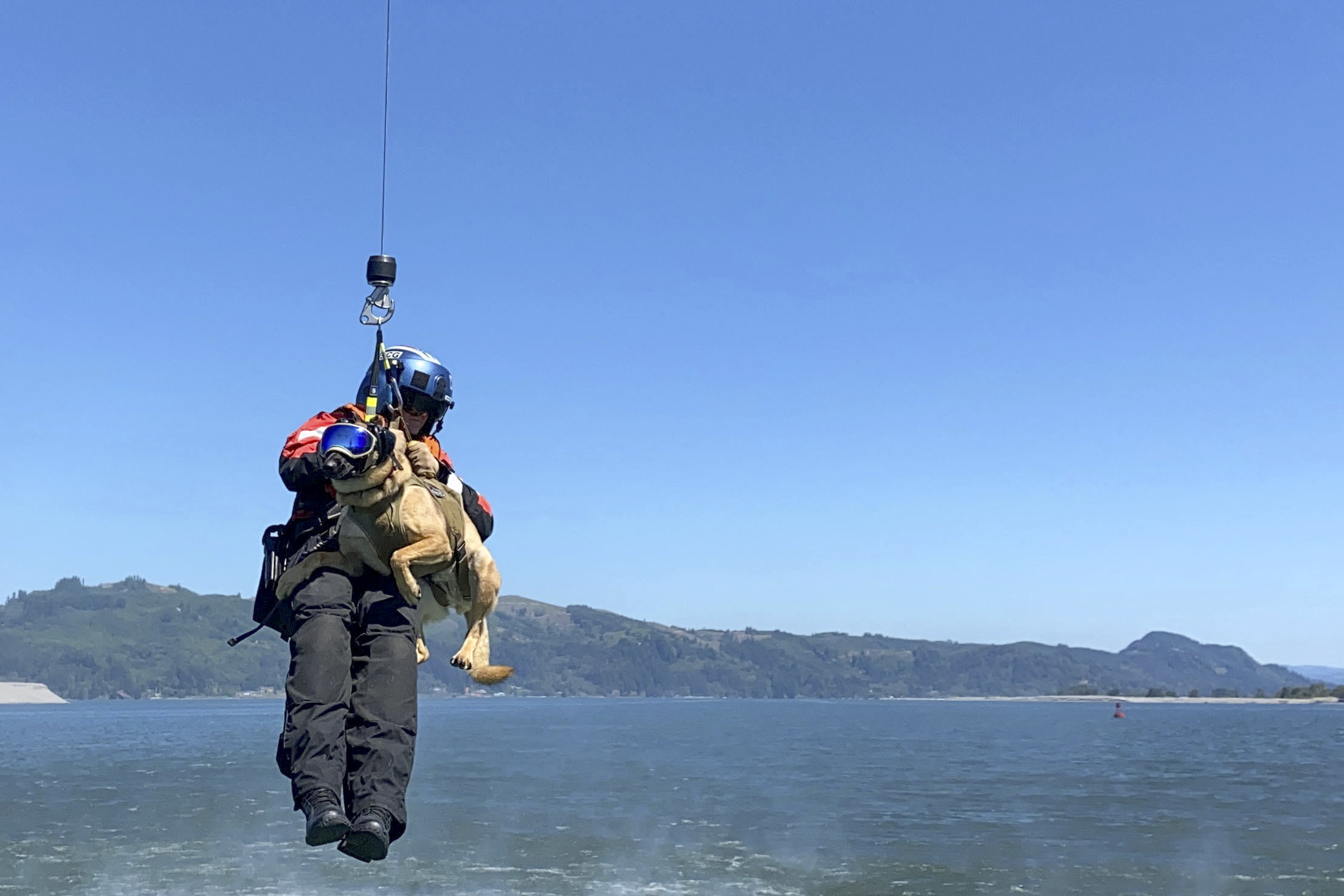
Coast Guard Maritime Safety and Security Team 91101 members deploy from an MH-60 Jayhawk helicopter during training near the entrance to the Columbia River in Astoria, Ore., Aug. 17, 2020.

A Marine uses a welding torch to perform a simulated breach during a training exercise aboard the USS Germantown in the South China Sea, Sept. 6, 2020.

Army Sgt. Jose Galva Diaz sets up an M18 Claymore training mine during the U.S. Army Reserve Best Warrior Competition at Fort McCoy, Wisc., Sept. 6, 2020.

Marines assemble a camouflage canopy before a demolition range training event in Kuwait, Aug. 31, 2020.
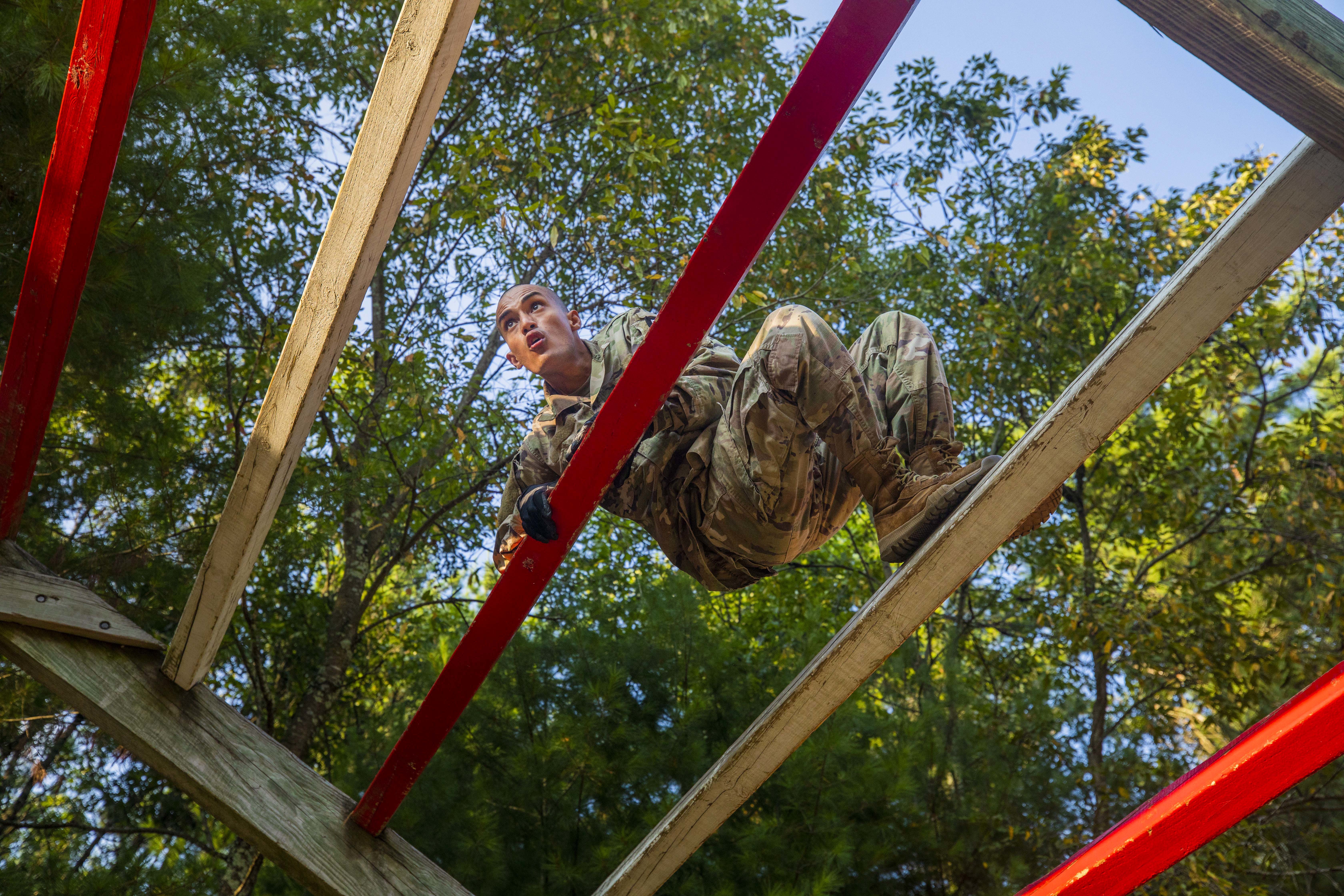
Army Spc. Ivan Torres-Leon navigates a weaver obstacle during the 2020 Army Reserve Best Warrior Competition at Fort McCoy, Wis., Sept. 5, 2020.
Sept. 8, 2020 | , DOD News
In 2005, at the age of 16, Vincent Hancock won his first world championship title in men's skeet. The following year, he joined the Army.
Six years after joining, he said the Army had provided him with something that he couldn't get elsewhere.
"The military has given me a completely different outlook on life," Hancock said. "The determination they have instilled in me and the ability to grasp hold of opportunities is unlike any other. That's what the military instills in their soldiers.
"The military has led me in a direction that I don't think I could have gotten anywhere else," Hancock continued. "The marksmanship unit family that I've come to know over the past six years has just been an amazing company to be in. They have pushed me further than I knew that I could have gone, and they helped mold me into the man I am today."
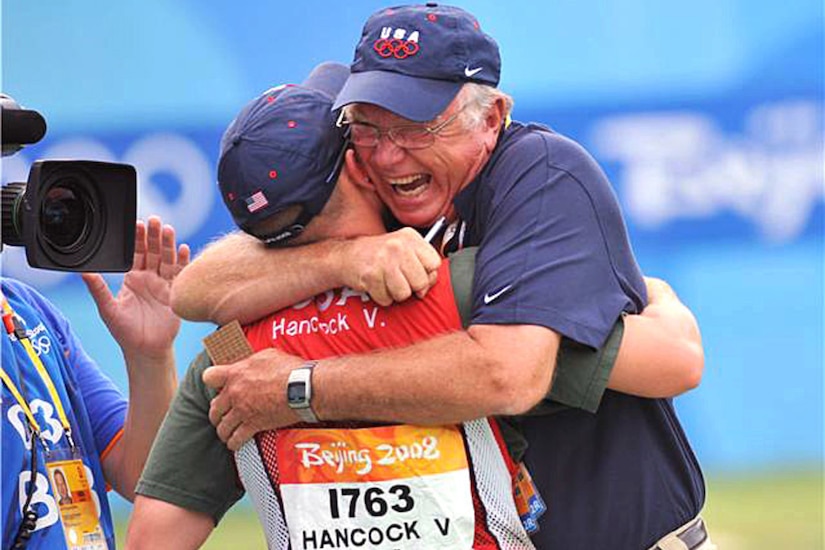
While still in the Army, Hancock won gold medals in men's skeet at the 2008 Summer Olympics in Beijing and at the 2012 Summer Olympics in London. He is the first skeet shooter to repeat gold in the Olympics.
He also won gold in the men's division in the World Skeet Championships in 2009 and again in 2015. Hancock also represented the U.S. in the 2016 Olympics, but he didn't medal. In 2018, he won the gold again in the World Skeet Championships.
The skills he learned in the Army as part of the Army Marksmanship Unit didn't end when he left the Army in December 2012. He said he's passing those skills on to others. He and his father have started the "Hancock Shooting Academy," where he said participants will learn to be better shooters.
Hancock said it isn't money or more medals that's motivating him now. Instead, he said it's the desire to further the sport of shooting, to bring more enthusiasts into the fold and to teach newcomers what he knows.
"We've had people come to us for lessons that have never even touched a shotgun before, and this is their first time," Hancock said. "My goal for the shooting academy is not just to take the elite-of-the-elite and help them get better; it's to help grow the sport. That's the stage I'm in, in my career right now. I'm not about winning as many medals as possible or making as much money as I can. It's about growing my legacy, being able to pass on the knowledge I've learned over the past 13 years to people all around the nation and all around the world."
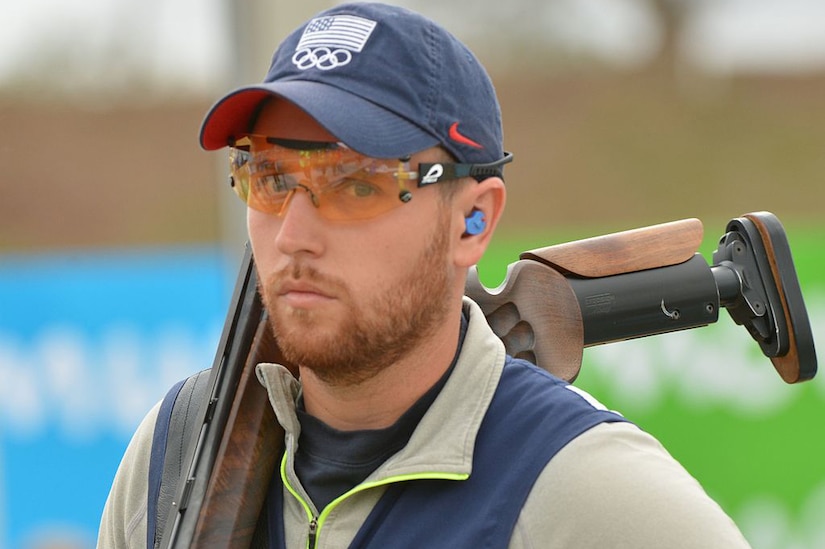
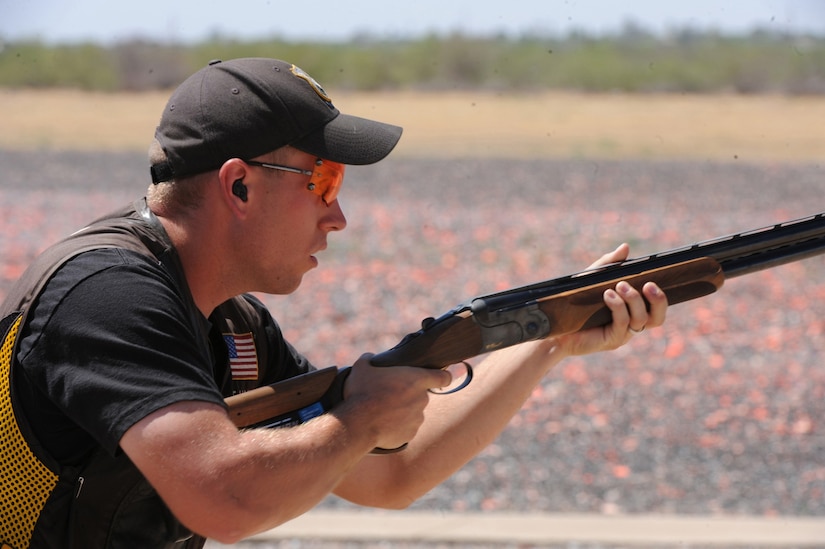
Hancock started competing in shooting at age 11, and he said he now wants to do everything he can to promote a sport that has given him a lot.
"Shooting has changed my life so dramatically that I can't compare it to anything else in my life," he said. "Being a part of a U.S. national team and the international skeet community, I got my wife; she was a shooter before we met. It's given me so much; I want to give back."
Hancock lives in Fort Worth, Texas, with his wife, Rebekah, also a shooter, and his two daughters.
In 1956, President Dwight D. Eisenhower authorized the formation of the Army Marksmanship Unit with the almost exclusive goal of winning shooting competitions that would raise the standards of marksmanship throughout the Army.
In the '50s, the Soviets dominated the international shooting scene. Many believed that only the U.S. Army had the personnel and facilities to develop a program that could compete with them.
The unit quickly established itself as a world power in shooting. Between 1962 and 1978, it led the United States to six Olympic gold medals and 59 individual and team championships in international competition.
Later, the unit's mission expanded to facilitate Army recruiting. The unit also provided marksmanship training to thousands of soldiers, and became a leader in small-arms research and development.
From 2009 to 2012, the Army Marksmanship Unit maintained a constant presence in Afghanistan by deploying multiple marksmanship training teams in support of the NATO's Afghan National Army training mission.
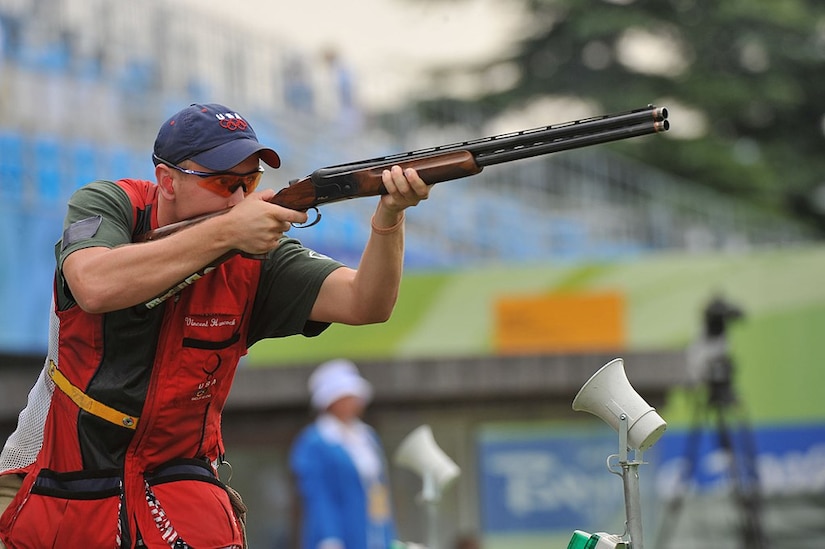
The unit is composed of five competitive shooting sections, each with world-class training facilities and competition grounds.
Those teams include: service rifle, action shooting, international rifle, service pistol and shotgun.
These teams have represented the United States during every Summer Olympics since 1960 and have earned 24 Olympic medals since that time.
The unit builds and customizes small arms and ammunition through its Custom Firearms Shop. The Army's finest gunsmiths, machinists, range technicians and ammunition loaders staff the shop. They are known as the backbone, or "pit crew," of the marksmanship teams.
The Custom Firearms Shop's research and development efforts have enhanced the accuracy and reliability of the Army's competitive weapon systems and ammunition and intensified the combat effectiveness of the entire Army.
For example, the M21 and M24 sniper systems — special purpose rifles and squad-designated marksman rifles — were developed and tested in the shop.
Sept. 8, 2020 |
With Air Force basic military training coming to Keesler Air Force Base, Mississippi, due to COVID-19, the mission of the base has become to not only train but create premier war-fighters.
A team of airmen from different units around the Air Education and Training Command worked together to help the 81st Logistics Readiness Squadron issue uniforms to trainees at Keesler.
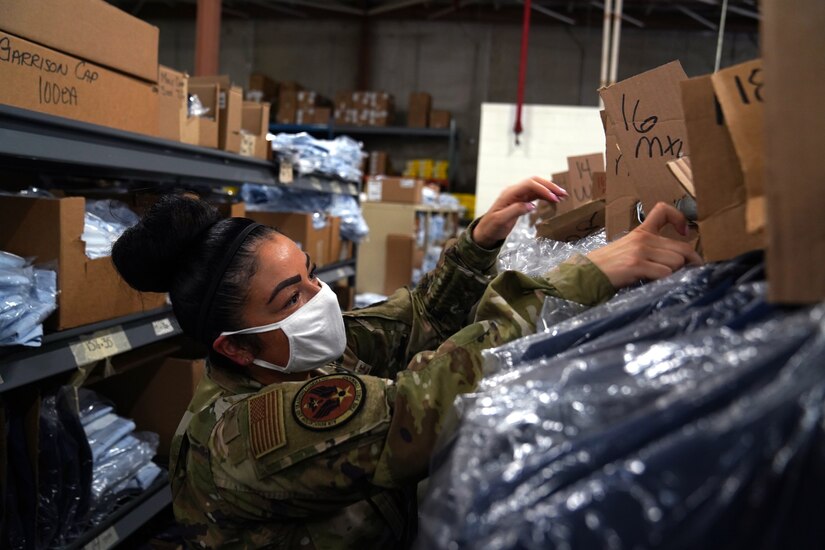
''Our purpose of coming here as a team is to support the training mission of Keesler and BMT,'' said Air Force Master Sgt. Melina Jimerson, 81st LRS BMT supply lead. ''Continuing to train through obstacles such as COVID-19 keeps our Air Force moving forward, so my team must stay resilient to do our part.''
The uniforms being issued to the trainees were supplied from the 502nd LRS, Joint Base San Antonio-Lackland, Texas. The group had approximately a week to prepare and organize the process.
''We came in with limited equipment and time, and had to develop a system that would work,'' said Air Force Senior Airman Hope Curry, 81st LRS material management journeyman. ''Through trials and tribulations, the process became more natural. We overcame and adapted quickly to equip the trainees with what they need.''
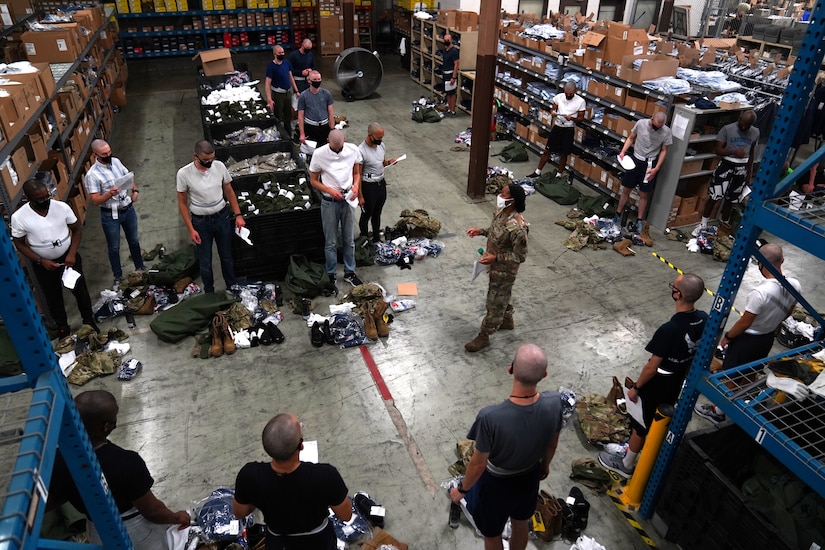
Training airmen safely and efficiently through COVID-19 has become possible with the units of AETC coming together as a team.
''Within our own units, we all have our own unique missions,'' Jimerson said. ''However, we've been able to combine our skills to support the BMT mission, which is to motivate, train and inspire the next generation of airmen with the foundation to deliver 21st century airpower without interruption.''
(Air Force Airman 1st Class Seth Haddix is assigned to the 81st Training Wing).
The Patriot Express is a commercial charter flight contracted by the Defense Department to transport passengers on official military duty and their families.
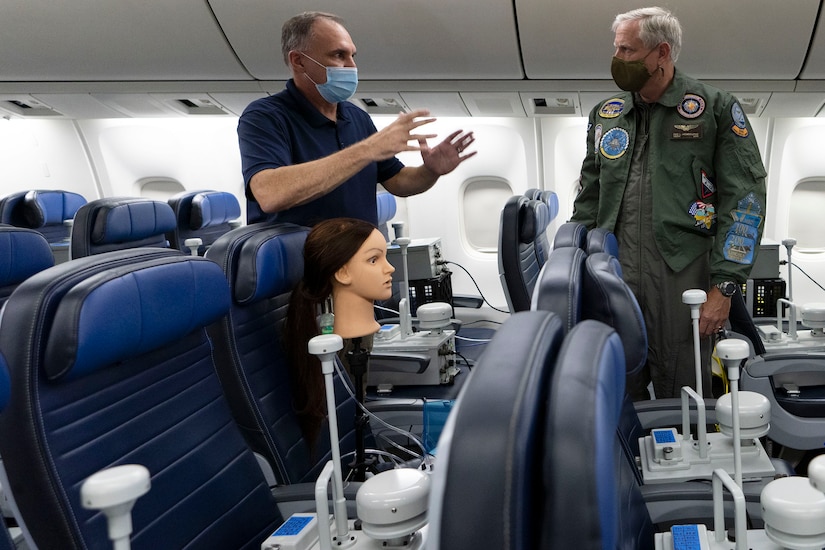
Navy Vice Adm. Dee Mewbourne, deputy commander of Transcom, traveled to Virginia’s Dulles International Airport on Aug. 28 to observe an airflow particle test onboard a United Airlines 767 aircraft.
Most viruses and other germs do not spread easily on flights because of how cabin air is circulated and filtered. However, social distancing is difficult on crowded flights, and travelers may have to sit near other people, increasing the risk for exposure.
“U.S. Transcom’s goal is to provide the safest possible means of transportation for military members, dependents and contractors,” Mewbourne said, while watching the test. “They are depending on the Patriot Express to get to their destination, which is why we require masks and only load to 80 percent capacity. This test will help enhance our understanding of what is going on in the cabin. We hope to find out how the virus patterns spread and how rapidly the virus is filtered out of the aircraft.”
The aerosol tests took place Aug. 24-31. They were performed by the Zeteo Tech and Defense Advanced Research Projects Agency on aircraft most contracted by Transcom, the Boeing 767-300 and 777-200.
Mannequins with and without face masks sat in various seats on an aircraft while small amounts of fluorescent tracer particles, or simulated infectious particles, were released at 2 to 4 minute rates during a combination of ground and in-flight events. Real-time fluorescent particle sensors were placed throughout the aircraft at the breathing zone of passengers to retrieve the data. The tracer amounts will be measured in multiple rows for four sections of an airframe: forward, forward-mid, mid-aft, and aft.
“The test will help U.S. Transcom understand the aerosol particle field generated by a passenger shedding viral material and the exposure risk to crew and passengers,” said Navy Lt. Cmdr. Joseph Pope, Transcom Operations directorate liaison for the airflow particle test.
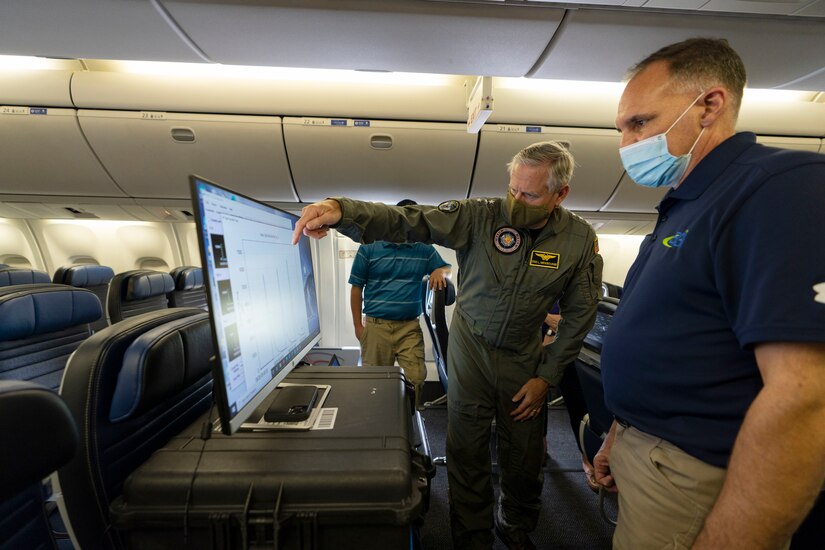
There were many scenarios considered for the test. Three configurations were tested, two ground and one in-flight: in-flight in the cabin and cockpit; at the terminal with the jet bridge connected to the aircraft and the cabin door open; and at the terminal with doors closed using an auxiliary power unit to power aircraft cabin air recirculation using ground air supply.
“This data collected will eventually inform the Department of Defense on contact tracing requirements needed for specific aircraft,” Pope said. “It will also be used to develop strategies like cabin loading and seating configurations to mitigate potential risk of inter-person transmission of the aerosol particles.”
One of the initial responses to the coronavirus by the DOD was to stop or limit travel including air. In May, the travel ban was lifted for military members and certain categories of space-available (Space-A) travelers, but this came with new restrictions to prevent the spread of COVID-19 while traveling.
Military members and families are still required to participate in a restriction of movement prior to departure, to wear a mask the entire flight and quarantine for 14 days upon arrival depending on their final destination. Airlines are also sanitizing surfaces routinely. However, even with these prevention methods, a small number of travelers arrive at their destination testing positive for the virus, but there has been no clear evidence to date the virus was contracted while aboard the flight.
“Once the data is put into a computational fluid dynamic computer model, we hope it will assist in determining if specific passengers on an aircraft should isolate when an asymptomatic COVID-19 positive individual has traveled,” Pope said. “It could be the difference between the whole aircraft isolating compared to one person.”
The aerosol test will conclude and results are due to the command in September. Data will then be reported to the DOD COVID Task Force and mission partners. This test was conducted in partnership with Boeing and United Airlines, as well as DARPA, Zeteo Tech and the University of Nebraska.
(Stephenie Wade is assigned to U.S. Transportation Command).
Due to COVID-19 restrictions limiting base accessibility, Naval Support Activity Lakehurst implemented a Personal Shopper Program to supply veterans and their families with groceries during the pandemic.
''The Personal shopper program [was created] because we limited the [base] to essential personnel only,'' said Navy Petty Officer 1st Class Victor Lambert, NSA Lakehurst Personal Shopper Program volunteer. ''We take time out to help the veterans who aren't allowed to come on base and do their grocery shopping for them. It helps limit veterans' exposure to COVID-19 and provides them with cheaper prices for goods.''
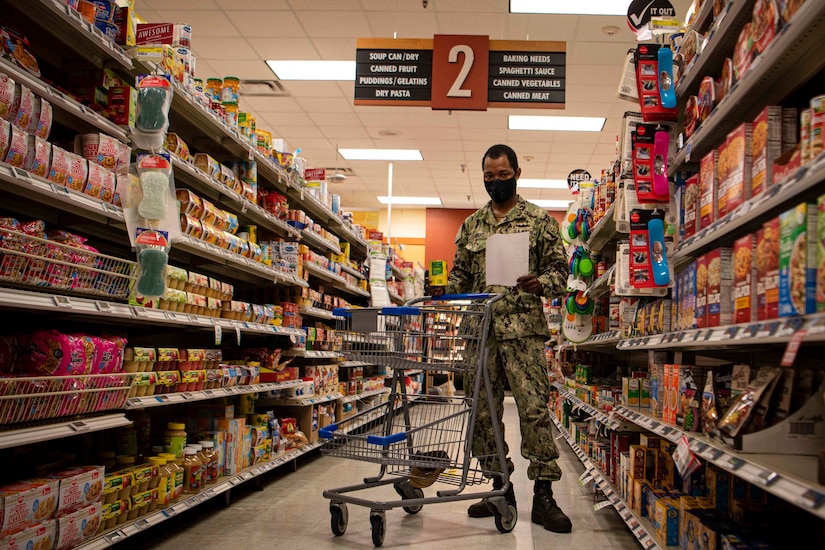
Over the last six months, the program has aided more than 320 patrons with more than $33,000 in goods from the Lakehurst Navy Exchange and Naval Air Engineering Station Commissary.
''It feels great to know that we are not only helping people who can't get to the base to do their grocery shopping, but also helping the commissary make their stock turn,'' Lambert said. ''When the pandemic happened their profits had declined.''
The program is available to anyone who has a dependent or retiree ID as well as Navy members who have special dietary needs while on quarantine.
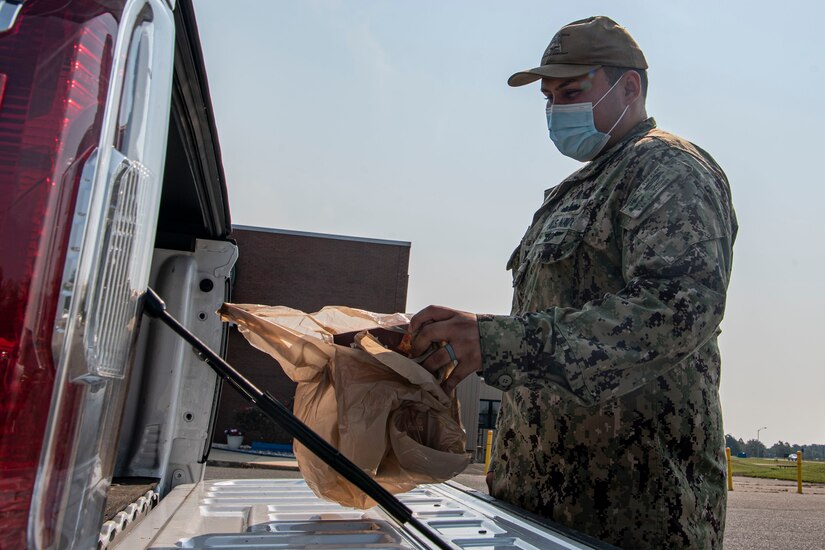
''I would like to thank you and your troops for helping retirees during this restrictive time of COVID-19,'' said Edward Ellis, a Personal Shopper Program user. ''Your dedication to this mission should not go unrecognized or forgotten. Many retirees appreciate your efforts and caring about us. We thank you and are proud to see that the foundation of the military community still stands strong because of men and women like you.''
(Air Force Airman 1st Class Azaria Foster is assigned to Joint Base McGuire-Dix-Lakehurst).
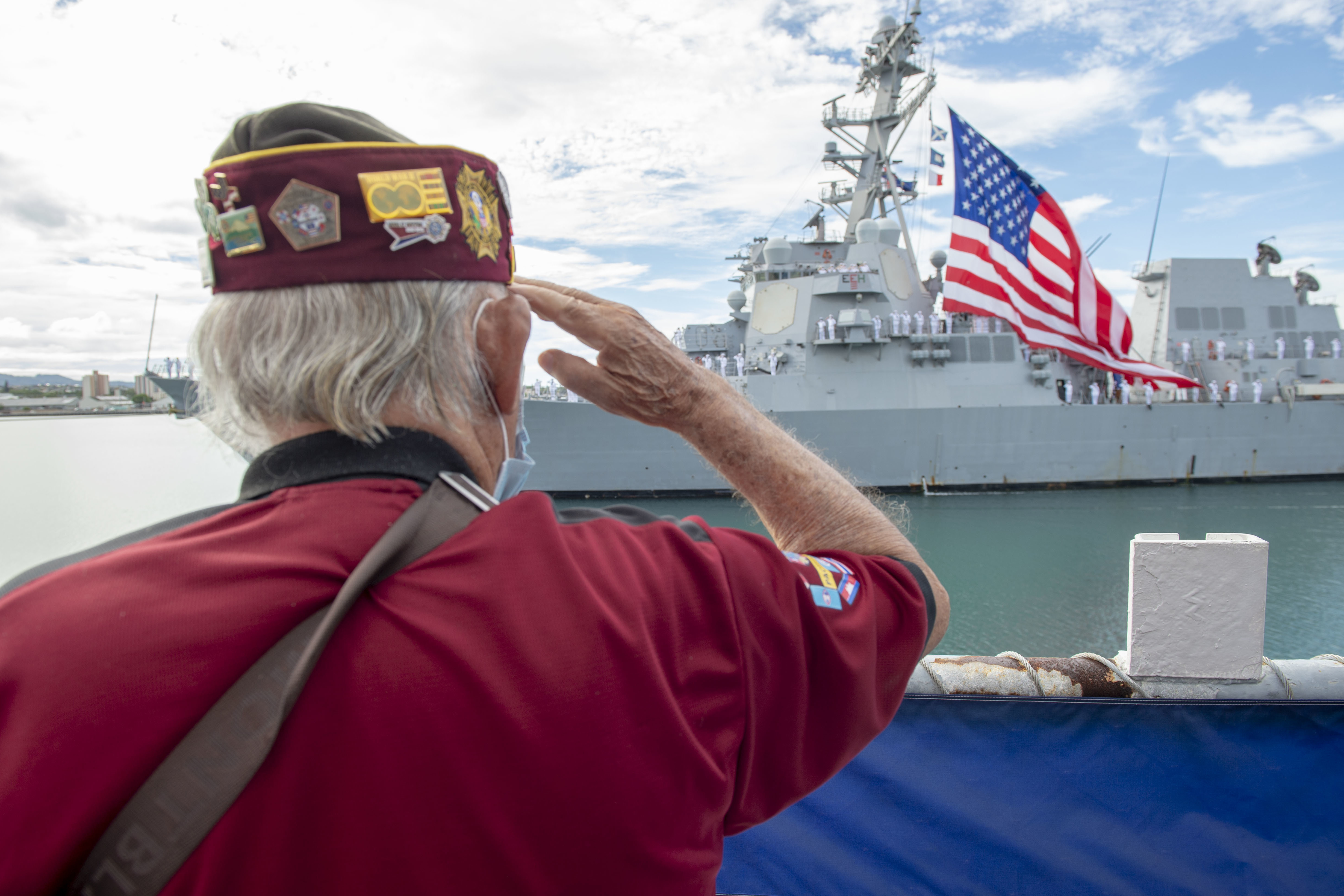
Veteran Wendell Newman salutes the USS Michael Murphy during the Pass and Review portion of the 75th Anniversary of the End of World War II commemoration ceremony at Pearl Harbor, Hawaii, Sept. 2, 2020.

Members of the California Army National Guard’s Task Force Rattlesnake create a defensive fire line during the fight against the CZU Lightning Complex fire in Santa Cruz and San Mateo counties, Calif., Sept. 1, 2020. The Guard is assisting the California Department of Forestry and Fire Protection contain the massive wildfire that has scorched more than 85,000 acres since it started on Aug. 16.
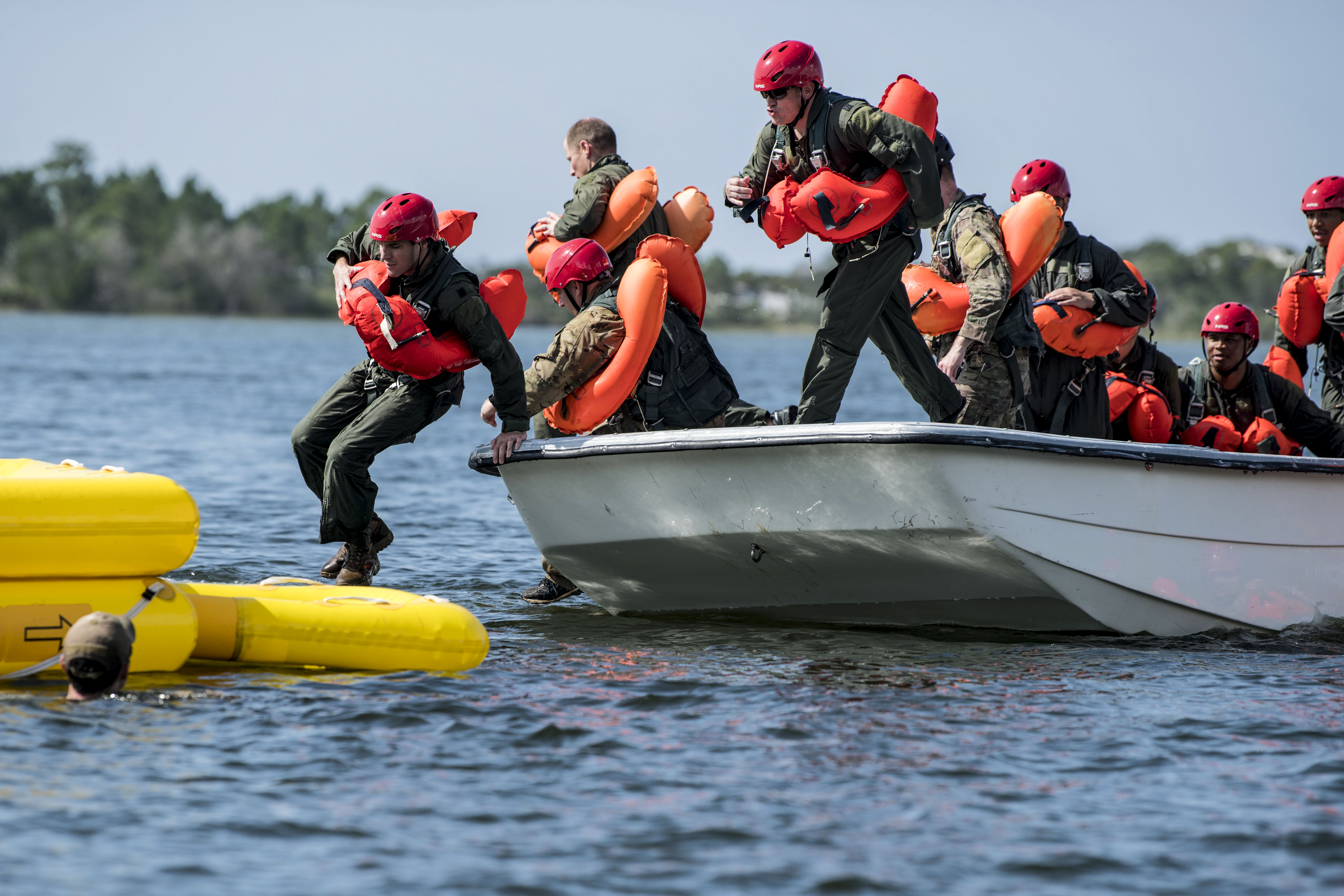
Airmen jump onto a 20-man life raft during parachuting and water survival training at Hurlburt Field, Fla., Sept. 1, 2020.

An airman inserts screws into a C-130J Super Hercules aircraft at Little Rock Air Force Base, Ark., Aug. 25, 2020.
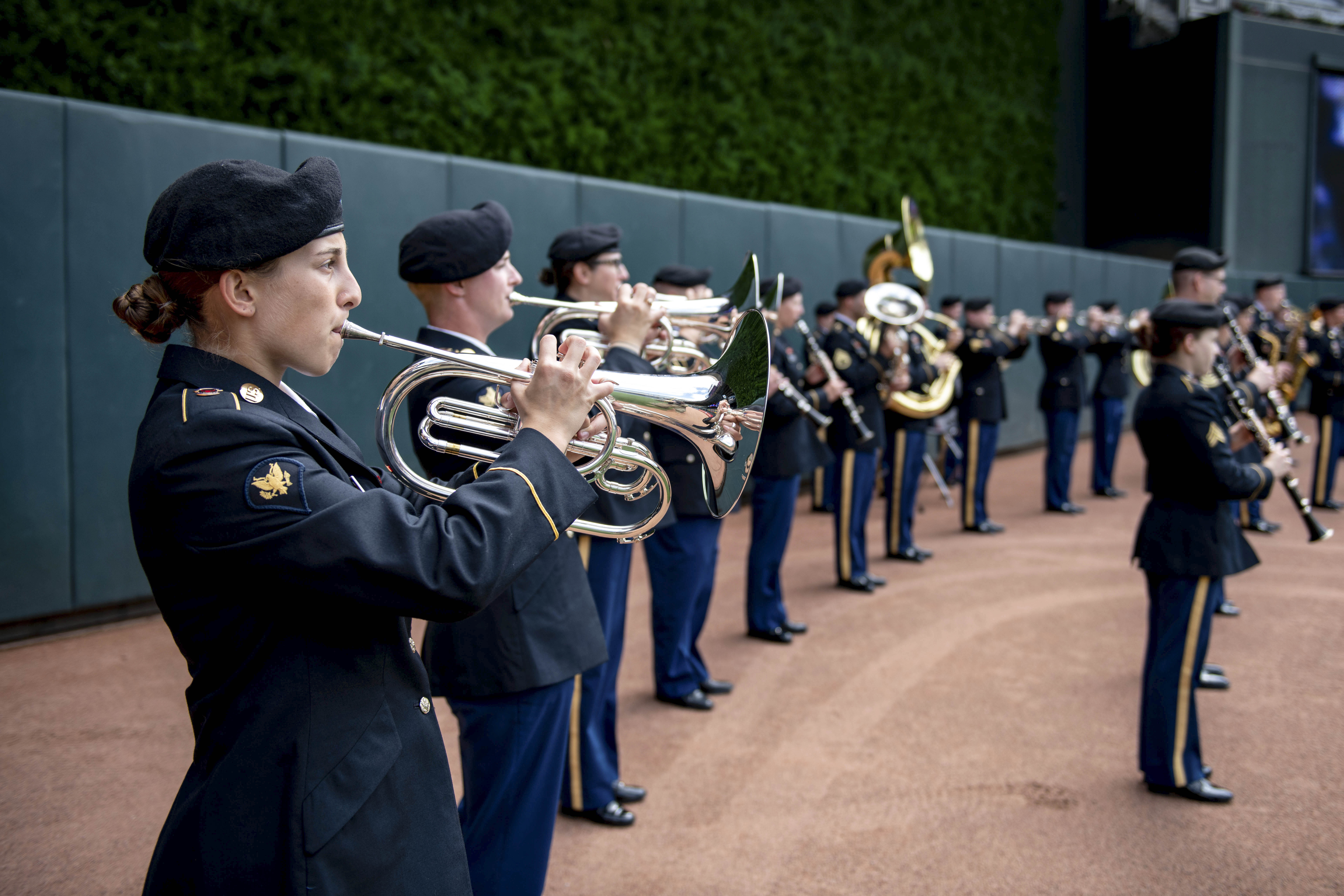
The 34th Infantry Division Band plays the national anthem and service songs while being recorded at Target Field in Minneapolis, Aug. 28, 2020. The band usually performs live for the Minnesota Twins’ Armed Forces Appreciation Day game, but this year the recordings were slated to be televised instead due to the coronavirus pandemic.

The USS New Orleans, left, conducts a replenishment with the USNS Charles Drew and Navy MH-60S Seahawk helicopters in the Philippine Sea, Sept. 3, 2020.
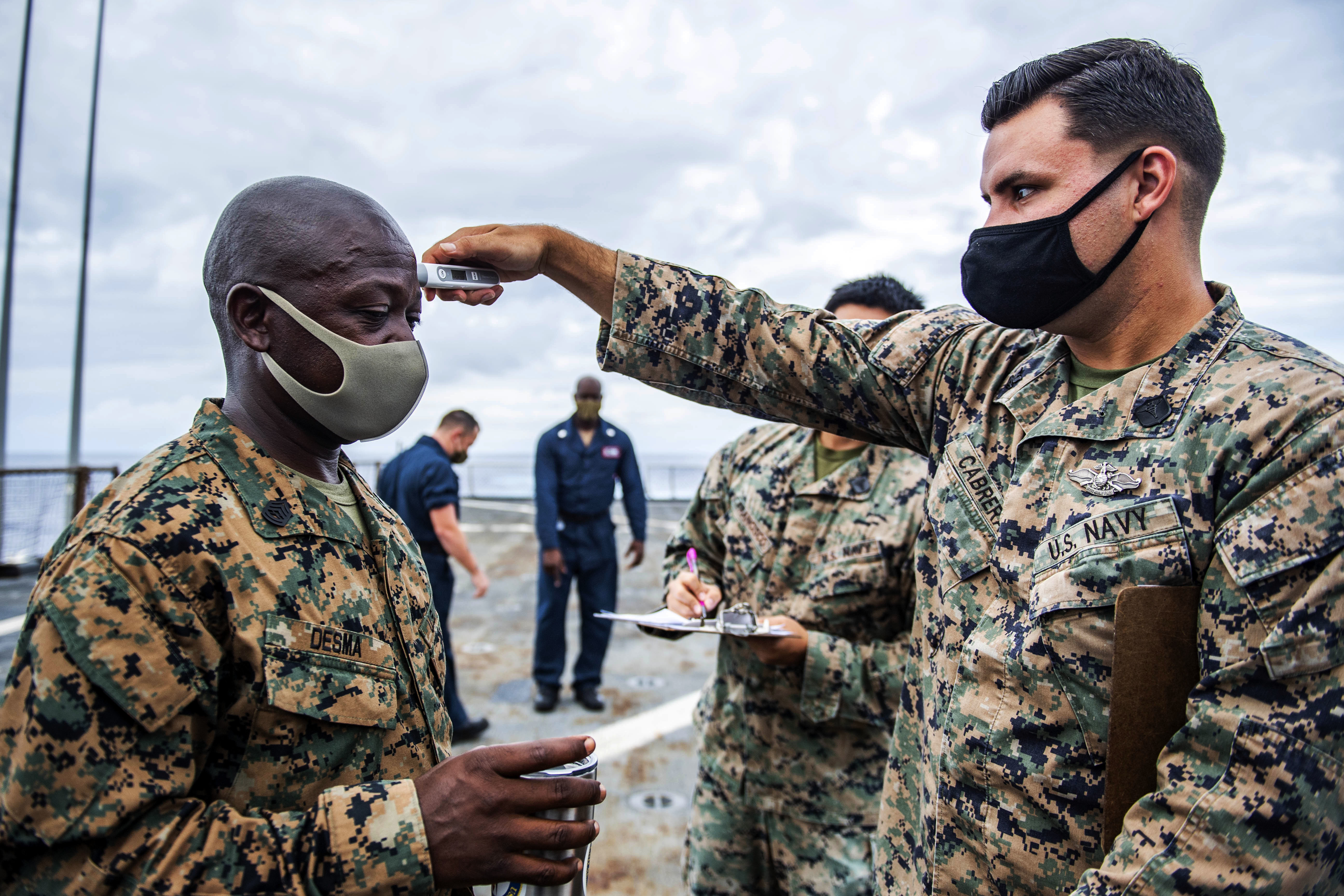
Navy Petty Officer 2nd Class Brian Cabrera, right, an independent duty corpsman assigned to Combat Logistics Battalion, 31st Marine Expeditionary Unit, checks the temperature of Marine Corps Gunnery Sgt. Luckner Desma during a drill on the USS Germantown in the Philippine Sea, Sept. 2, 2020. Cabrera is a member of USS Germantown’s COVID-19 Rapid Response Team; Desma is also assigned to CLB, 31st MEU. The Germantown, part of the America Amphibious Ready Group assigned to Amphibious Squadron 11, along with the 31st Marine Expeditionary Unit, is operating in the 7th Fleet area of responsibility to enhance interoperability with allies and partners and serve as a ready response force to defend peace and stability in the Indo-Pacific region.

A Hawaii National Guard member signals for the next person in line in order to verify COVID-19 registration during testing in the Tetsuo Harano Tunnel on the island of Oahu, Hawaii, Sept. 3, 2020. The Hawaii fire department, police department, National Guard and nurses were set to test over 5,000 residents throughout the day.

Air Force Staff Sgt. Kara Tierney and Airman 1st Class Fuatapu Hook fold a U.S. flag during a six-man funeral sequence as part of an honor guard graduation ceremony at Joint Base Elmendorf-Richardson, Alaska, Aug. 26, 2020.
Sept. 4, 2020
Secretary of Defense Dr. Mark T. Esper spoke with Israeli Defense Minister Benjamin “Benny” Gantz over the phone today. During the call, Secretary Esper congratulated Minister Gantz on the historic step to normalize relations between Israel and the United Arab Emirates under the Abraham Accords. Both leaders exchanged views on how recent developments will advance shared U.S.-Israeli defense priorities, and committed to maintaining an open dialogue about potential avenues for cooperation.
Sept. 4, 2020 | , DOD News
As Williams made his way up to the memorial on Sept. 2, scores of Marines snapped to attention, rendering the 96-year-old veteran a heartfelt salute.
Williams joined the Marines in May 1943 and took part in the battle to retake Guam in the summer of 1944 before being sent to Iwo Jima, a tiny island in the Volcano Islands chain. The two were vastly different, he said.
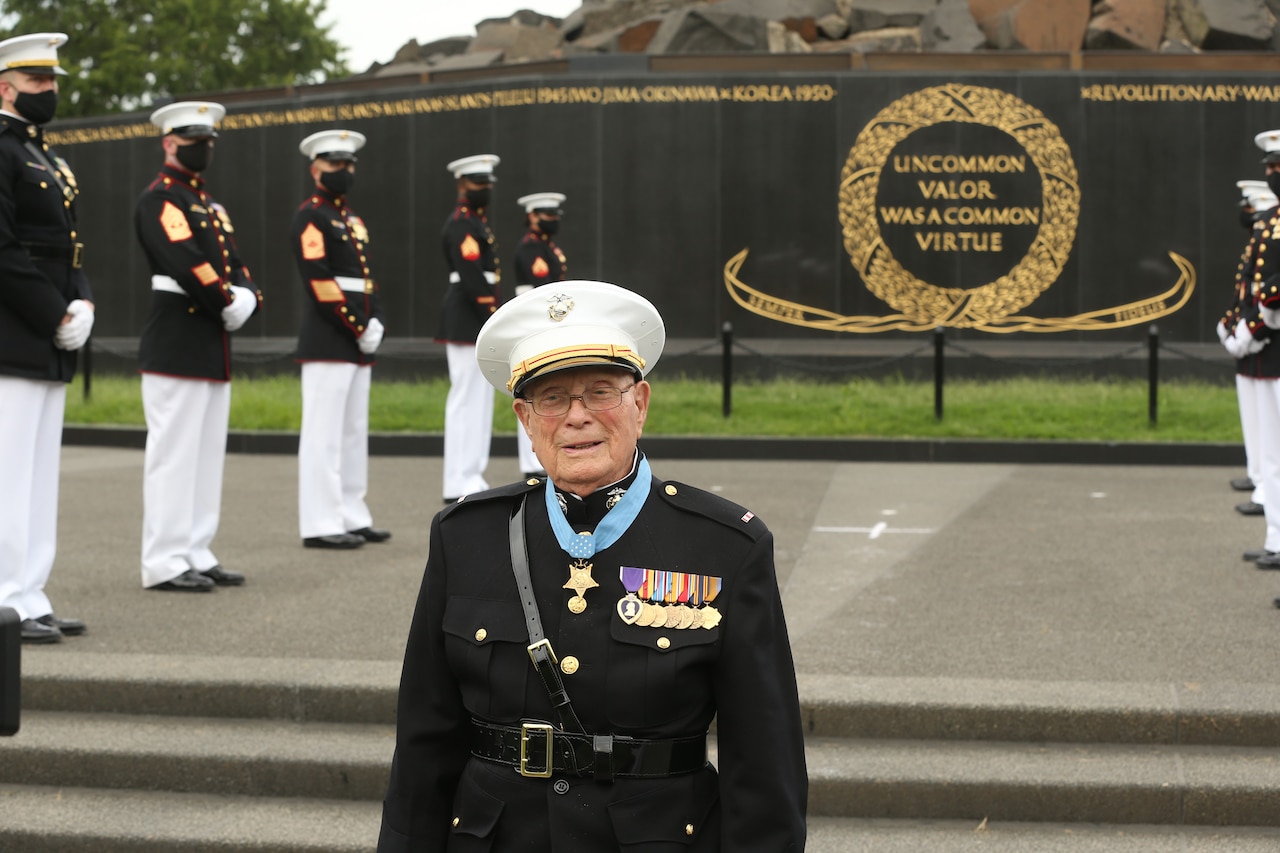
"Guam was more jungle-type fighting — a lot of creeping and crawling — but when we got to Iwo Jima, everything had been wiped off that island," Williams explained in an interview for the Library of Congress' Veterans History Project. "About the only protection you could find would be a shell crater or try to dig your own hole."
Capturing Iwo Jima was crucial to the Allies. The U.S. needed the island's airfields. Other U.S.-occupied islands placed fighter jets out of bomber-escort range of Japan's mainland.
Williams' reserve unit was sent ashore two days after the battle started, and the scene was chaotic. He said they found out quickly that the land was incredibly difficult to maneuver.
The tanks had trouble opening up a lane for the infantry through the black volcanic sand that sloped steeply up the beach from the waterline. But the biggest problem was posed by the many steel-reinforced "pillbox" bunkers protecting the Japanese airfields.
"Bazookas and that sort of thing had no effect on them, because they were so thick and well built," Williams said in a 2017 interview. "The only way to actually eliminate the enemy inside those pillboxes was by flamethrower."
The battle saw heavier than usual casualties. Williams had initially been one of several demolition sergeants, but by Feb. 23, 1945, he was the only one left. So, he bravely volunteered to go forward as the last flamethrower to try to quell the devastating machine-gun fire from the pillboxes.
In four hours, with only four riflemen to protect him, Williams managed to wipe out seven pillboxes. He repeatedly prepared explosives in a safe area, struggled back to where the enemy was, and then set off the charges.
One time, he jumped onto one of the pillboxes from the side and shoved the nozzle of his 70-pound flamethrower into an air vent pipe and fired, killing everyone inside. Another time, he charged bayonet-wielding enemies and killed them with one burst of flame.
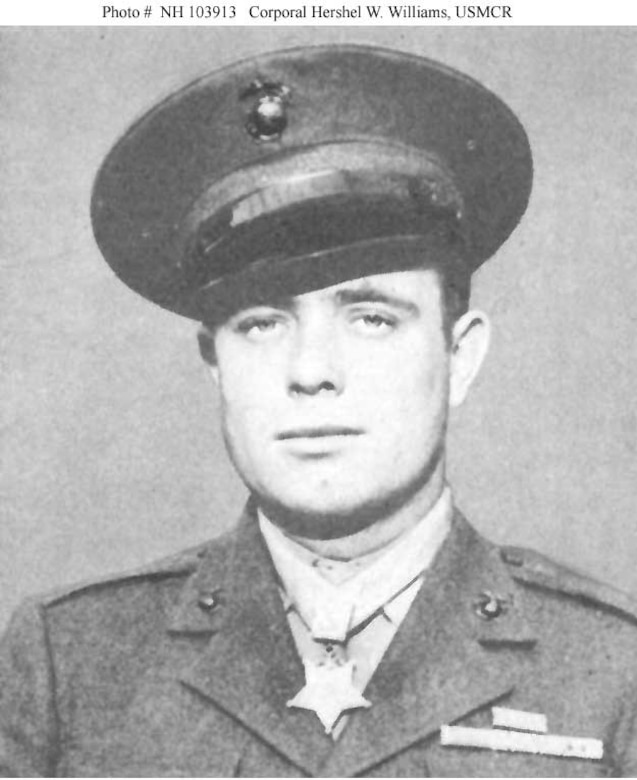
"That made a hole big enough that [the company] could go through and get behind any other pillboxes that were in that area," Williams said. "Once you got behind the pillboxes, then we had the advantage."
Williams' efforts helped to neutralize one of the most fanatically defended Japanese strongholds his regiment had encountered. For his actions, he received the Medal of Honor from President Harry S. Truman during a group ceremony at the White House on Oct. 5, 1945. Ten other Marines and two sailors also received the honor that day.
Before Sunset Parade on Sept. 2, Williams made additional remarks about his service and what it means to serve.
When he and his fellow Marines saw the second American flag raised atop Mount Suribachi, Williams said their spirits were lifted. "I still remember that day," he added.
Williams said he's been asked where bravery comes from, particularly about his valorous actions leading to the Medal of Honor.
He said he's never been able to answer that question satisfactorily. "Everybody has some instinct of bravery. And, as long as they can control the fear, you can be brave. But if fear overtakes you and becomes the dominant instinct, you cannot operate. You cannot operate under fear. Your brain won't let you.
"I feel that our upbringing had some influence on our bravery because we were taught in the depression years, if you didn't have it, you had to make it," Williams said. "And the only way you could make it was to work at it. Our upbringing gave us the confidence that developed into bravery."
America was and is worth fighting for, he said. "If we lose our freedom we lose America."
Williams was discharged in 1945, but he stayed in the Marine Corps Reserve until his retirement. Nowadays, he continues to serve through his foundation, the Hershel Woody Williams Medal of Honor Foundation, which honors families who have lost a loved one in service to their country.
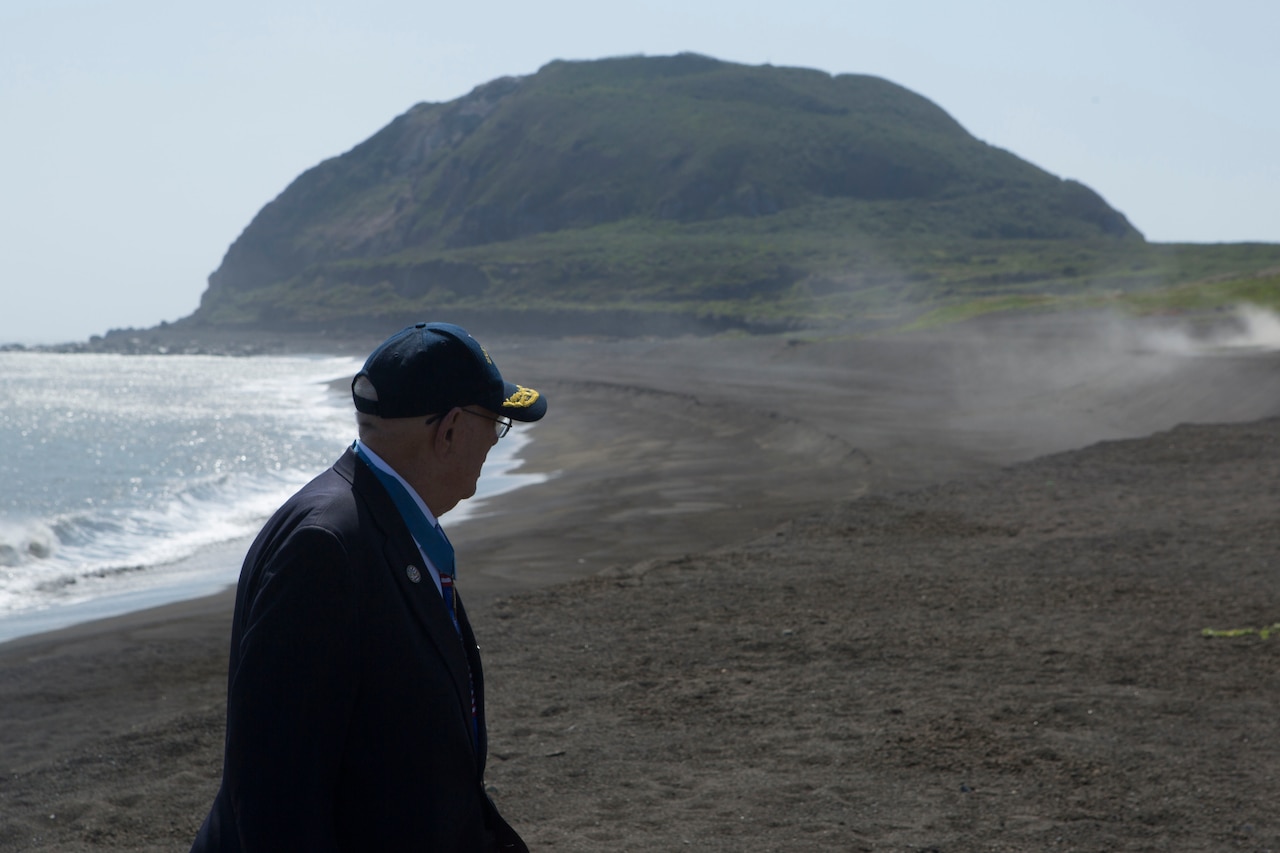
Williams said it's those men — the ones who died protecting him — who really deserve the honor.
"This medal doesn't belong to me. It belongs to them because they gave their lives for me," he said, trying to hold back tears. "I was just doing a job that I was trained to do."
Asked what advice he'd give to young people, he said: "If you love America, truly, you are going to have the instinct and desire to serve your country. If you don't, then you're going to find some way to go in the other direction.
"Service is within all of us," he continued. "Every time we do something to help another person, we get a residual of that that makes us feel good, makes us feel proud that we could do something for someone else. And, there's no feeling like it."
In the last few years, Williams observed that Americans have become more separated than at any time since the Civil War. "We must come back together as a nation and as a people to where we can truly say, 'We are the United States of America.'"

Navy Petty Officer 3rd Class Cristiana Rojas, a member of the U.S. Naval Forces Europe Band’s Alliance Jazz Combo, performs at a music festival in Ravello, Italy, Aug. 30, 2020.

Sailors conduct preflight checks on a Navy EA-18G Growler aboard the USS Ronald Reagan in the Philippine Sea, Aug. 31, 2020.

Air Force Staff Sgt. Corbin Bailey and Air Force Lt. Col. Sarah Davis, both assigned to the Vermont Air National Guard’s 158th Medical Group, screen and test members of the 134th Fighter Squadron and 158th Fighter Wing for COVID-19, South Burlington, Vt., Aug. 21, 2020. After returning from the deployment to Volk Field, Wis., members of the Vermont Air National Guard all tested negative for COVID-19.

Army Col. Deydre Teyhen, commander of Walter Reed Army Institute of Research, certifies cell starting material from liquid nitrogen storage signifying the initiation of the institution’s COVID-19 vaccine material in Silver Spring, Md., Aug. 26, 2020. The institute is supporting COVID-19 response efforts.
Sept. 3, 2020
As part of the Operation Warp Speed (OWS) goal to deliver safe and effective vaccines and therapeutics by January 2021, five DoD locations have been identified to participate in the Phase III trial evaluating the vaccine candidate AZD1222 under development by AstraZeneca.
“The Department of Defense continues to play a key role in the development of a potential COVID-19 vaccine,” said Honorable Tom McCaffery, Assistant Secretary of Defense for Health Affairs. “Now that vaccines have passed the first phases of testing for safety, dosing and response, we are ready to move into the next phase where volunteers are needed to join large clinical studies. We are excited to have several sites identified to support the next steps in the vaccine development process.”
The DoD sites selected are:
To volunteer, visit www.CoronavirusPreventionNetwork.org, click on “Volunteer Now” and complete the survey. Once the survey is completed, local study site coordinators will contact Military Health System beneficiary volunteers in their area who are a good match for the study. Please be sure to enter the appropriate site code.
To ensure that the vaccines work to protect those at greatest risk, participation by people from communities that are hardest hit is critical. The study is looking for people who are at an increased risk of SARS-CoV-2 infection which may include:
OWS is a U.S. government, interagency endeavor that is focused on delivering 300 million doses of a safe, effective vaccine for COVID-19 and is part of a broader strategy to accelerate the development, manufacturing, and distribution of vaccines, therapeutics, and diagnostics (countermeasures) for the virus.
Direct support for this effort is provided by the U.S. Department of Defense's (DoD) Joint Program Executive Office for Chemical, Biological, Radiological and Nuclear Defense (JPEO-CBRND) in coordination with the Office of the Assistant Secretary of Defense for Health Affairs (OASD(HA))and the Defense Health Agency (DHA).
Sept. 3, 2020 | , 502nd Air Base Wing
U.S. Army North is the U.S. Northern Command's Joint Forces Land Component Command responsible for the Defense Department's response to COVID-19.
The first UAMTF to arrive in San Antonio, designated UAMTF-627, began treating patients at five local hospitals July 9.
Army Capt. Sarah Kopaciewicz, a U.S. Army nurse from Madigan Army Medical Center at Joint Base Lewis-McChord, Washington, is one of those working hard to assist San Antonio medical personnel with their overload of coronavirus cases.
"We are working as critical care nurses, taking care of critically ill COVID-19 patients," she said. "Our nights are busy between managing patient care and communicating with their family members or loved ones."
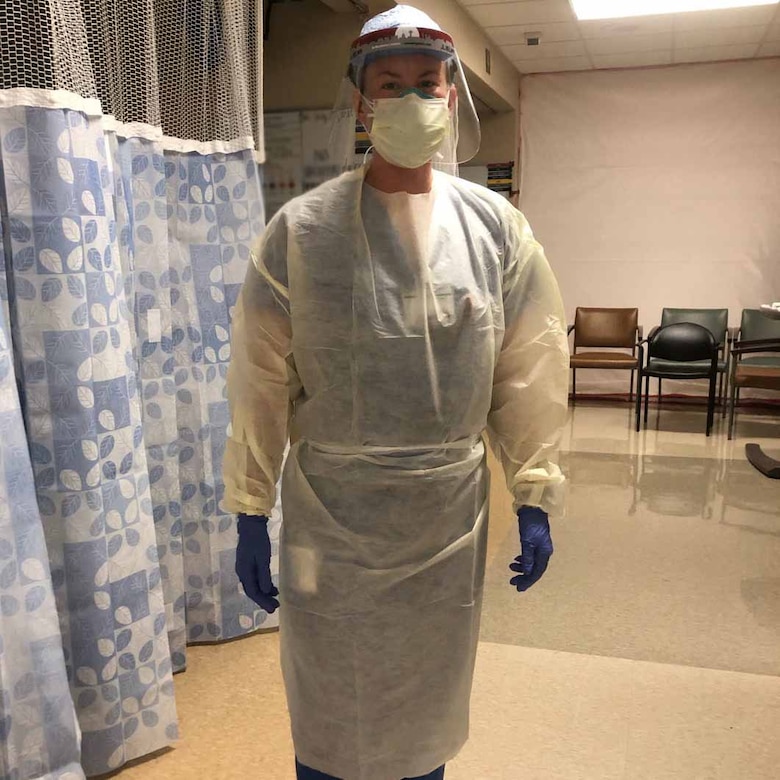
Kopaciewicz said San Antonians have made her feel welcome in their facilities.
"The staff at Christus Santa Rosa Hospital Westover Hills has been very welcoming toward us," she said. "They have made it easy to ask questions regarding equipment, patient movement and hospital policies."
The importance of the mission is clear.
"This mission has proven that the military can work anywhere, anytime and in any environment to provide the best care for those in need," Kopaciewicz said.
Charles Reed, vice president and associate chief nursing officer at University Health System, is thankful the task force members arrived when they did.
"Seeing how patients overwhelmed healthcare systems around the world is something that you expect on the news or in the movies," he said. "It's not something that you would ever expect to happen in your own community. We were under a lot of stress during the surge, and the military staff was able to come in and provide immediate relief to our COVID-19 units."
Reed said local hospitals were in urgent need of assistance when the task force members started arriving.
"We needed a lot more staff to care for COVID-19 patients for several reasons: higher nurse-to-patient ratios, 'gatekeepers' to ensure staff was donning and doffing personal protective equipment appropriately and more beds converted to intensive care unit care," he said. "This higher level of acuity and the need for additional beds was not only stressful for the nursing staff but for the whole medical team, including physicians, respiratory therapists and technicians."
The military staff members provided support to the entire healthcare team quickly, Reed said.
"The ICU and acute care nurses were able to assimilate into our environment and become part of 'our' team," he said. "We had a 40 to 50% increase in the number of ventilated patients, with the same number of respiratory therapists and all working mandatory overtime. The military respiratory therapists provided immediate relief, allowing us to reduce the number of vents per therapist and giving us greater coverage in both the ICUs and in the acute care units, or ACUs."
The military licensed vocational nurses were also important to getting COVID-19 patients cared for, Reed said.
"The LVNs helped us by taking over the oxygen therapy, assessments and breathing treatments — the duty that we were going to have the registered nurses complete due to the shortage of respiratory therapists," he said.
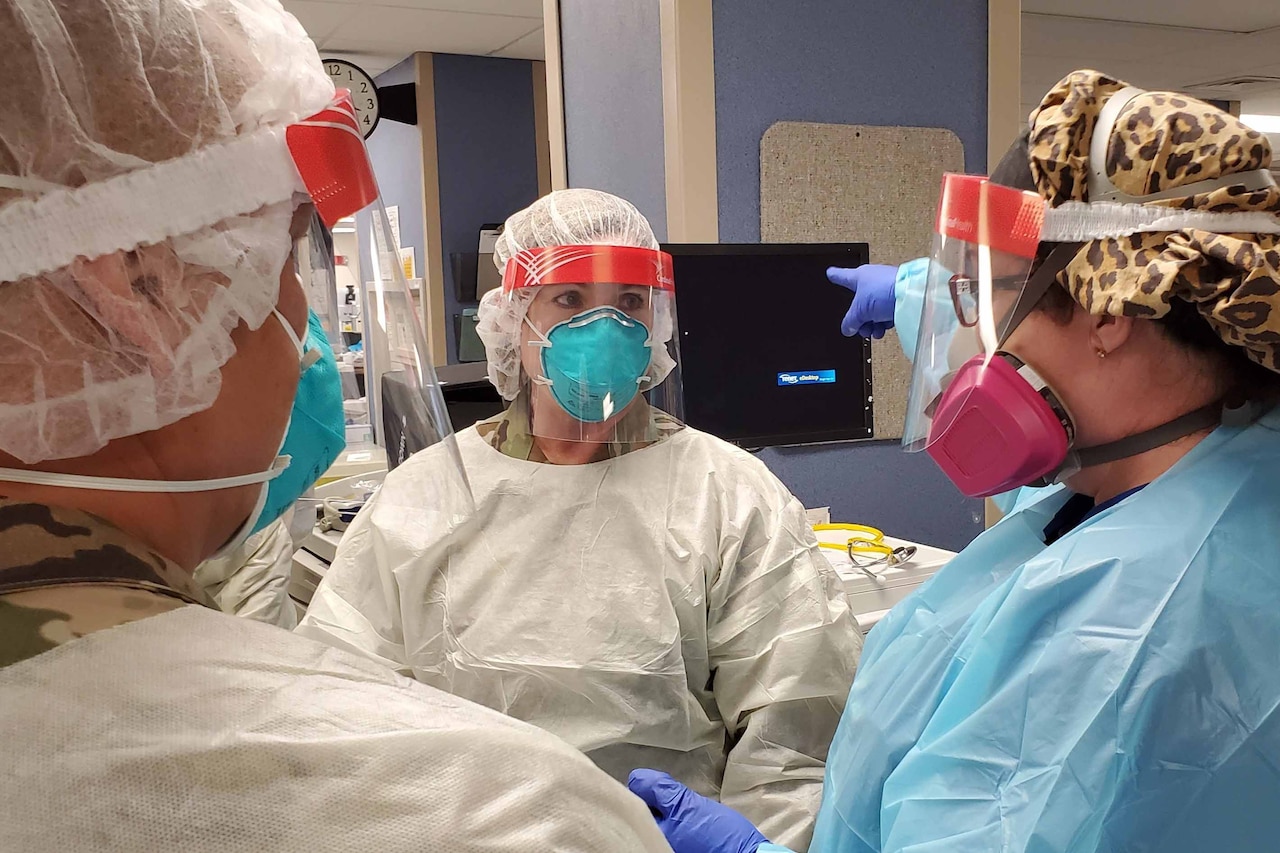
To Reed and the staff members at University Health System, the task forces' assistance was essential to their ability to combat COVID-19.
"The military staff members provided us with the resources to open up additional beds and provide care to patients that we otherwise would not have had the resources to support," he said. "They also supported us mentally, by improving the morale of our staff through their support, camaraderie, presence, knowledge, skill and professionalism. We are extremely appreciative for all the military has done for our patients and our staff."
Army Lt. Col. Jason Hughes, the commander of UAMTF-627, said helping those in need is the purpose of the UAMTFs.
"We, individually and as an organization, exist to save and sustain lives anywhere in the world," he said. "This mission is special, and our soldiers brought a burst of energy to each of our five hospitals and hope to the community."
Hughes said the hospitals in San Antonio welcomed the task force members, some of whom they had worked with before.
"The leadership at each hospital did an excellent job of integrating us into their team, which was made easier because the local military health system has a strong relationship already in place," he said. "For example, University Health System understands how the military operates because of their day-to-day training partnership, so the process was seamless and some of the faces were familiar, which reduced the initial stress of onboarding."
"I cannot thank the hospitals enough; they welcomed us with open arms and took care of us like we were family," Hughes said. "I could not be more proud of how the military and civilian partners joined together to provide the care each American deserved in their time of need."
At the request of the Federal Emergency Management Agency and state officials, approximately 740 Defense Department medical and support professionals from the Army, Navy and Air Force are assigned as part of the department's ongoing COVID-19 operations in Texas and California.
Sept. 3, 2020 |
Located at Camp Zama, Japan, and Joint Base Lewis-McChord, Washington, EMBL's mission is to protect the health of the force from vector borne diseases found in ticks, mosquitos and fleas by testing arthropod samples found in austere environments.
"Our EMBLs are always on the cutting edge of identifying new diseases emerging in our area of responsibility," explained Army Capt. Bradley Kearney, a biochemist and the PHC-P Laboratory Sciences director.
In January, Kearney and his team began tracking the news of an emerging new virus, SARS-CoV-2, with the help of Dr. Michael Butel, PHC-P's chief of epidemiology. As the new disease COVID-19 evolved, the team began to strategize how they could help clinical labs in Japan and Washington in the event of a pandemic.
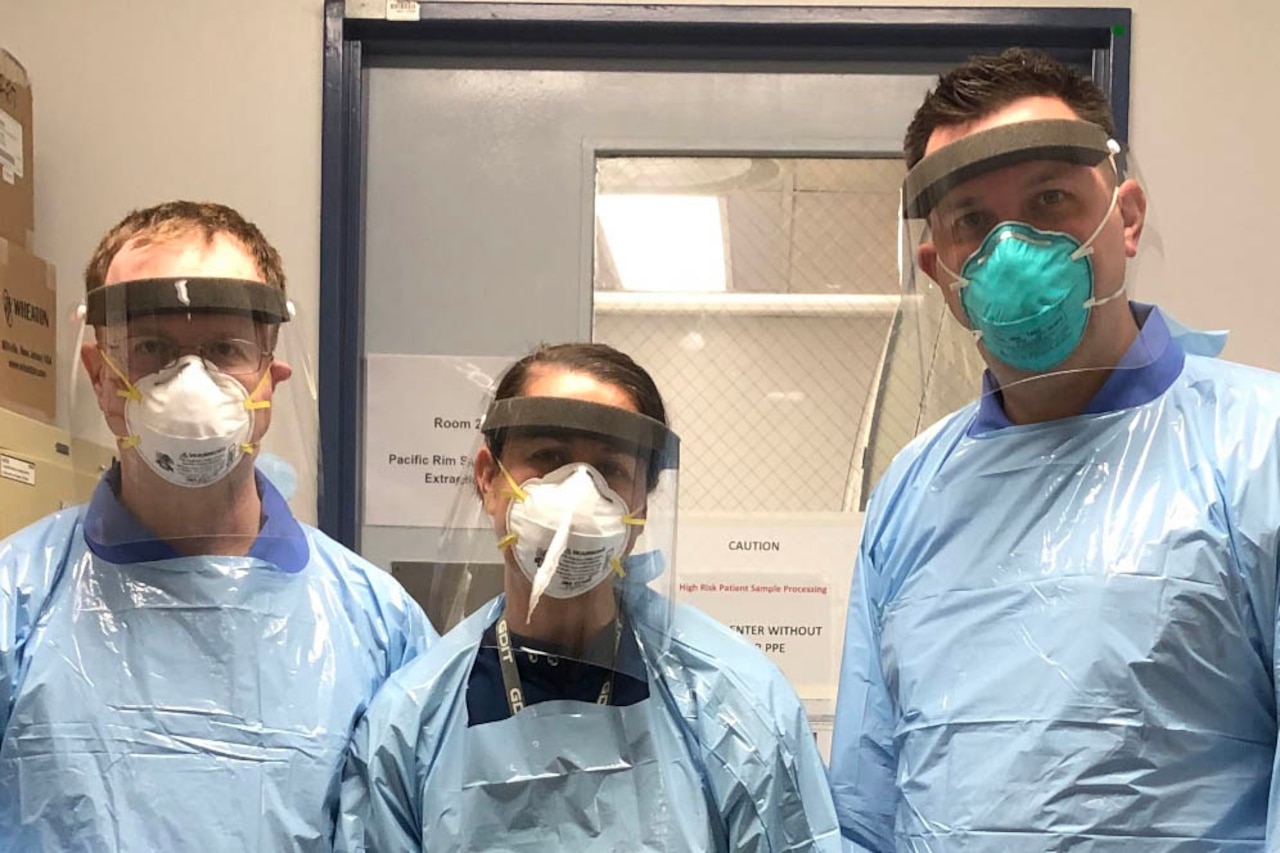
"We were having meetings frequently in preparation for what we anticipated would be a pandemic before it was hardly even called an epidemic," Kearney said.
As the weeks continued, PHC-P leadership and the EMBL teams worked to identify critical laboratory assets and skill sets to help with clinical testing.
"Laboratory assets can take a very long time to spin up," Kearney explained. "To get someone qualified to do laboratory testing, the minimum threshold requires more than 50 weeks of advanced individual training, then an individual will need to do months of training in a clinical hospital. In order to have a rapid response, we tapped into those who already had the training in place. Since our team conducts vector laboratory testing regularly we had 100% of our staff from both Japan and JBLM go to support clinical efforts due to the limited availability of laboratory testers."
To help fight COVID-19, Gary Crispell, a microbiologist, and Kearney launched COVID-19 testing in Japan while Milagros Solá, a microbiologist, and Army Spc. Darius Torres, a medical laboratory technician, supplemented the clinical lab staff at MAMC.
"You have to be highly qualified and trained on the right equipment to do COVID-19 testing," Solá said. "We have to make sure that we are following all of the proper protocols to not only keep ourselves safe but to also make sure the samples are processed accurately. The results could be life or death for someone. Additionally, it takes a really special person to work under the stress and pressure of processing COVID-19 samples, because the results were needed by the medical staff yesterday."
One of the most time-consuming portions of COVID-19 testing involved lysing, the process of breaking down a cell in order to release the genetic material for each sample.
"Every sample needs to be lysed [break open the cells to get to the DNA], and it could be a long process, since you have to pipette the sample multiple times before it can go onto an instrument to process it," Torres explained. "If you don't have enough people in the lab, you end up wasting a lot of time going back and forth between lysing the samples and running the equipment."
By supplementing the lab staff at MAMC, Torres and Solá were able to take some of the stress off their clinical counterparts. Kearney and Crispell, on the other hand, worked around the clock to set up testing efforts for DOD personnel and family members stationed in Japan.
"Rather than send samples back to San Diego to be processed, which would take precious time, we partnered with the Navy to stand up a testing location at the NHRC satellite lab," Kearney said. "We moved our specialized instrument from Camp Zama to Yokosuka and were able to run the first tests for DOD members within a week."
The new ability to test in Japan helped keep the DOD and naval missions going by quickly identifying pockets of COVID-19 and reducing spread within the community.
"For me, it was very gratifying to run these clinical tests in order to clear personnel to go out on missions," Crispell said. "But the most gratifying thing was when we found pockets of COVID-19 in our community and worked with preventive medicine teams. They were able to respond quickly and conduct contact tracing to extinguish clusters of COVID-19."
To reduce outbreaks, both locations partnered with preventive medicine teams to identify and test individuals who may have come in contact with the coronavirus.

"It truly is a team effort between laboratories and preventive medicine," said Kearney. "Together, we do a lot of work behind the scenes to reduce the spread of diseases. Often we [stop] outbreaks before they happen."
Kearney pointed out that while the overall footprint of microbiology and preventive medicine are relatively small within the medical community, the mission is extremely important, and they are ready to respond.
"Historically, disease and non-battle injuries have been the number one threat to military readiness," Kearney said. "To help reduce this threat, we are behind the scenes at all times ready to protect the DOD community as a whole."
The ability to adapt and respond to the demands of COVID-19 has meant a lot to the PHC-P EMBL staff.
For Solá, helping the MAMC clinical lab was extremely personal.
"Madigan was my first duty station," Solá said. "I started out as an enlisted medical lab technician in 1993 and became the NCOIC. Three of the staff members that I used to work with are still there at the lab. I cannot explain how it makes me feel to be able to help my former teammates more than 25 years later as a civilian employee. This mission is so incredibly important, I am very proud to help."
While Solá has four years until retirement, Torres reflected on how this experience has impacted him as a young enlisted lab tech.
"A pandemic like this is not something that anyone ever expects," Torres said. "However, this experience has shown me that as a soldier, I'm not only able to battle what I was taught to fight, but together as a team, we can battle such things as a pandemic."
For Kearney, this experience is why he joined the Army.
"The involvement with COVID-19 testing really gets at the reason why I joined the Army," Kearney said. "I joined to provide my expertise and to provide my services as a biochemist to help support the warfighter and their families."
As members of PHC-P, Crispell, Kearney, Solá and Torres's dedication to care for the health and well-being of others embraced the PHC-P credo of "100/0!" which means 100% accountability and zero excuses for not giving your best every day.
"Almost anything is achievable when all of the parties are invested," Crispell said. "To me nothing is more important than the service members and civilians that we service."
"For years, the Army's number one priority has been readiness," Kearney said. "The combined team of our soldier, scientist and civilian workforce has directly and measurably made a positive impact on readiness during this pandemic. The Army laboratory enterprise stands with the rest of our healthcare force to continue the fight against COVID-19 and to support our warfighters with any medical challenge the future may hold."
(Amber Kurka is assigned to the Public Health Command - Pacific)
In its continued efforts to provide resources to service members and their families, the Department of Defense issued an info sheet highlighting a few of the many resources available to help those who may be coping with an experience of sexual assault.
As service members continue to experience daily challenges due to the COVID-19 pandemic, the DOD wants everyone to know that assistance for sexual assault remains available for all service members and their dependents.
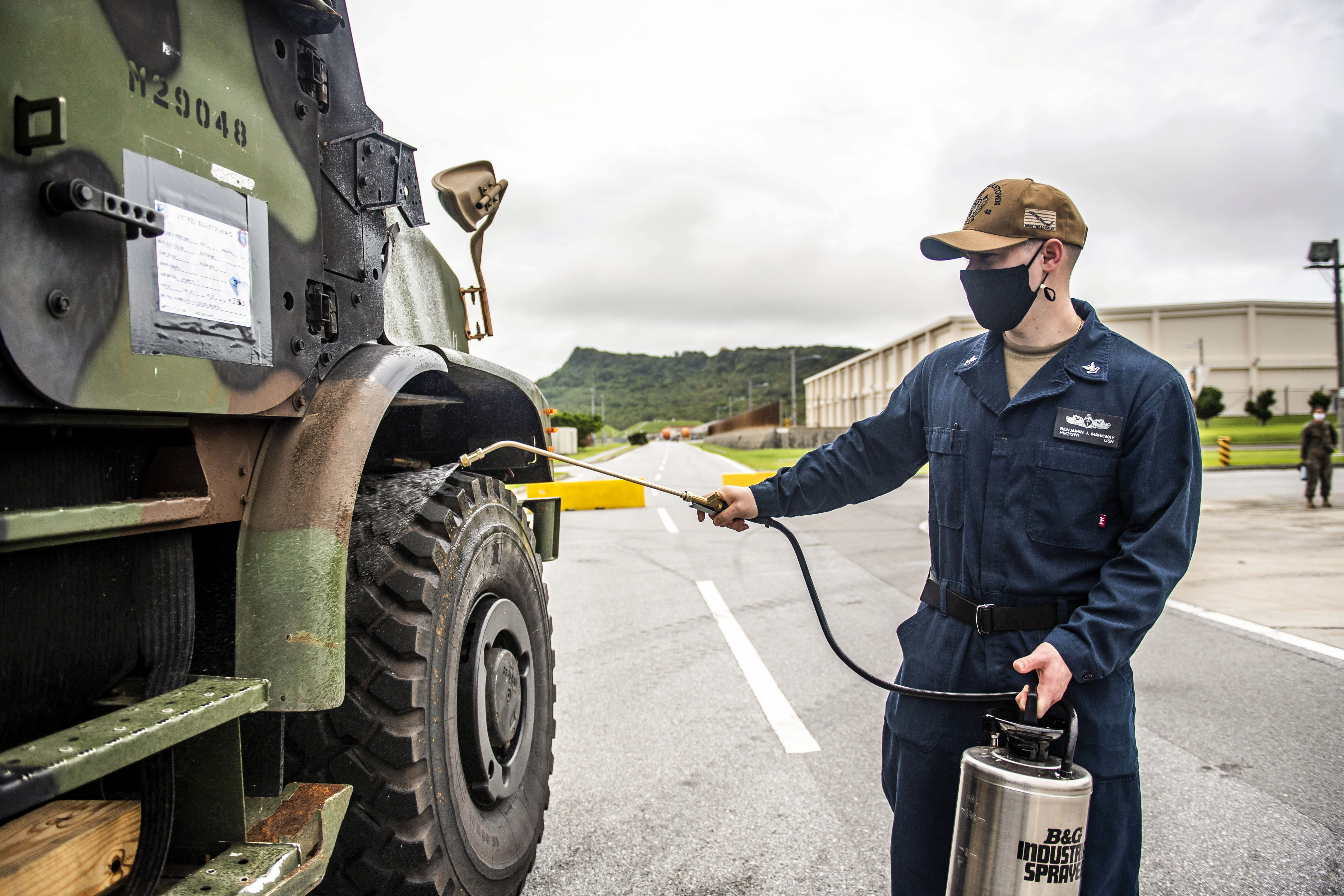
Navy Petty Officer 2nd Class Benjamin Markway, a member of the COVID-19 Rapid Response Team aboard the USS Germantown, sprays disinfectant on a Marine tactical vehicle in Okinawa, Japan, Aug. 27, 2020.
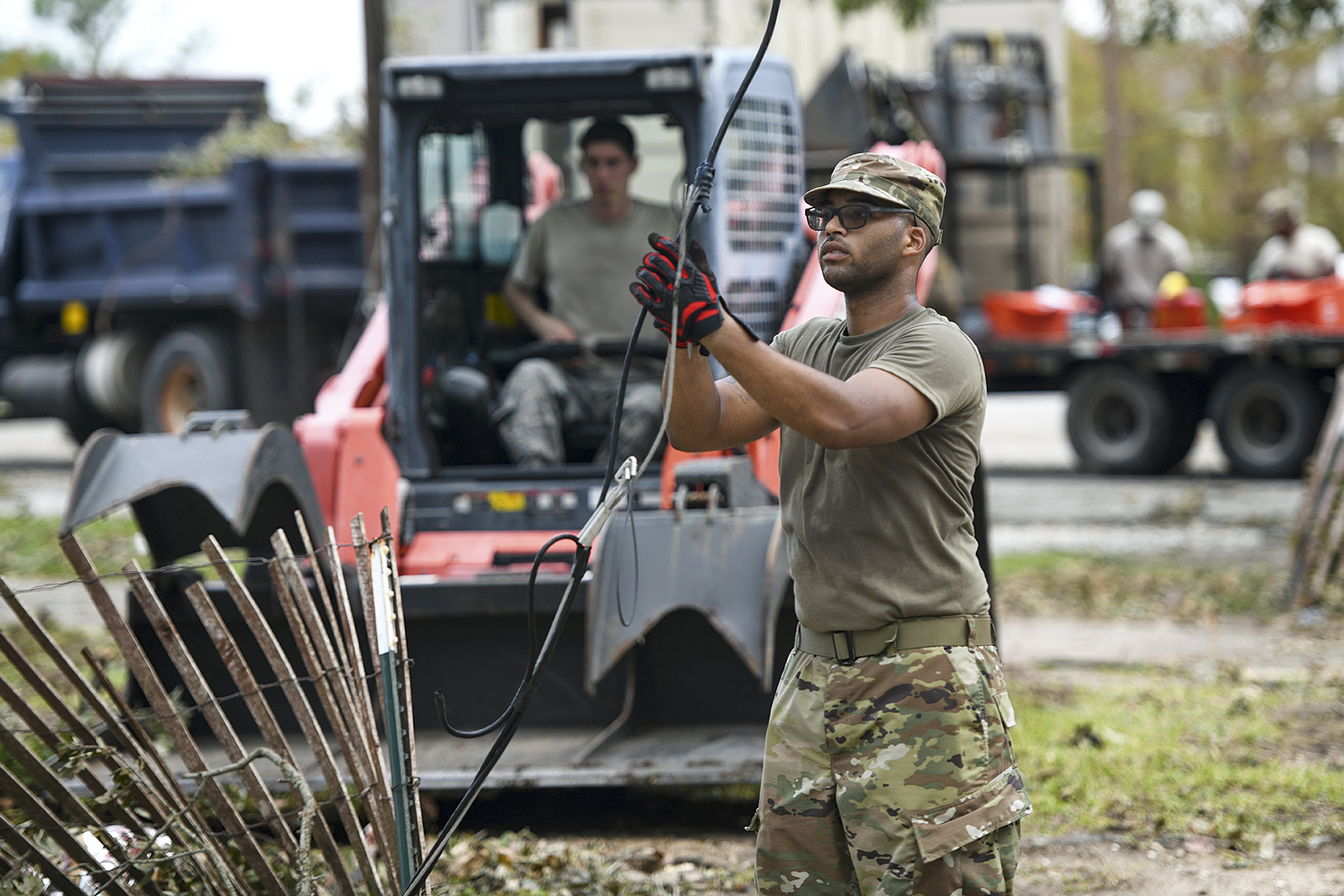
Louisiana Air National Guardsmen work to remove disconnected power lines from trees knocked down by Hurricane Laura in Lake Charles, La., Aug. 30, 2020.
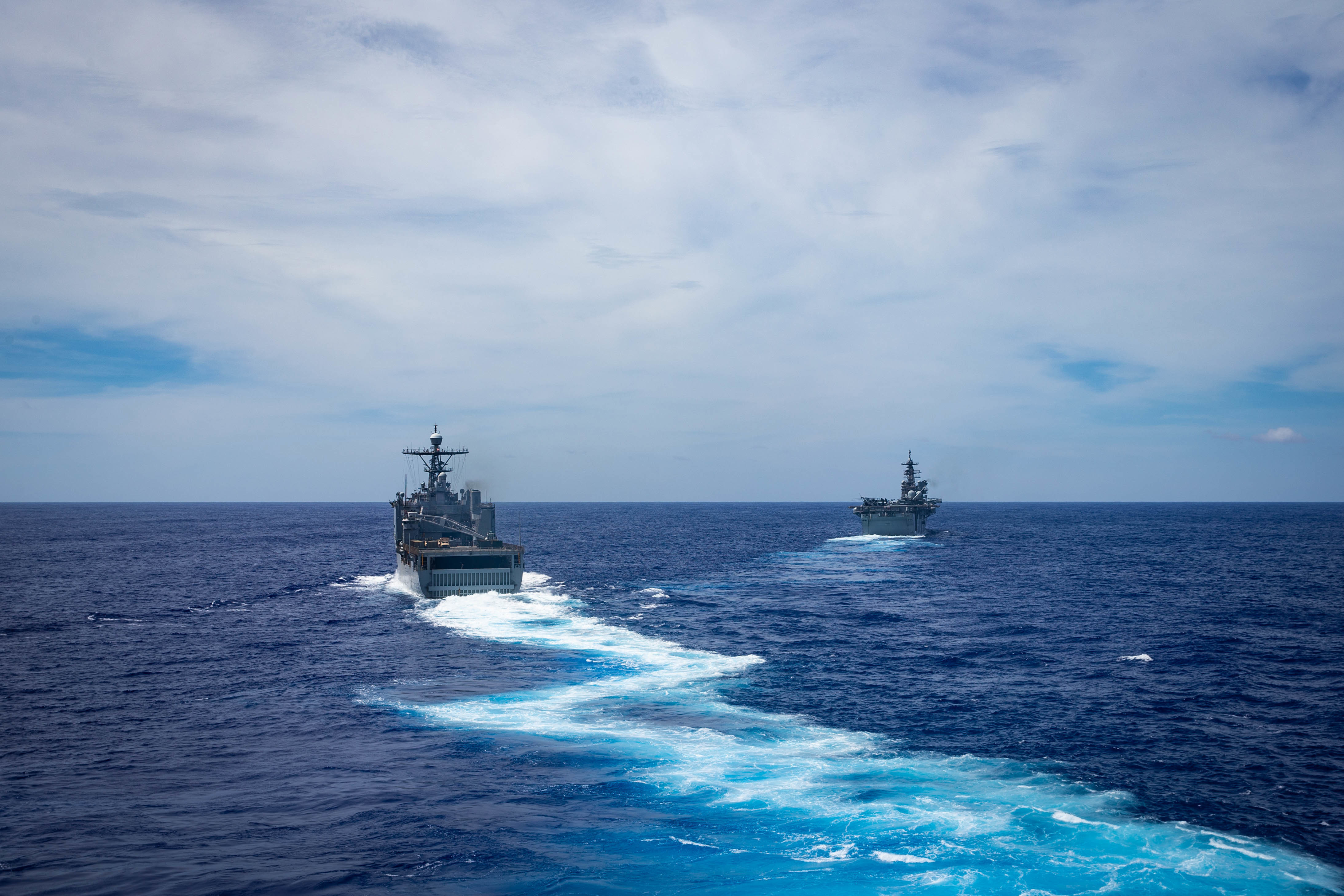
USS Germantown, left, and USS America maneuver out of a tactical formation during security and stability operations in the Philippine Sea, Aug. 25, 2020.
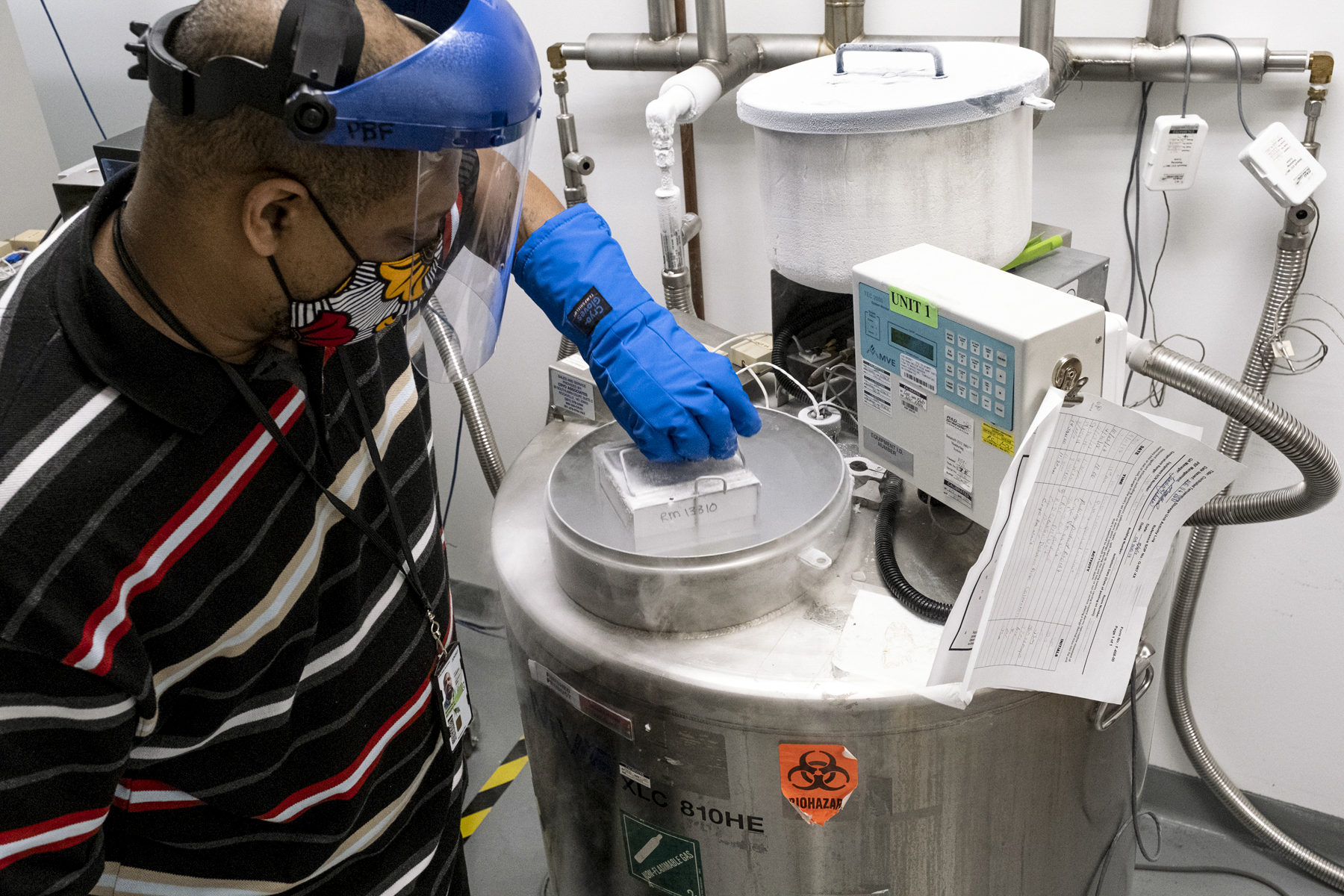
Anthony Marshall removes cell starting material from liquid nitrogen storage at Walter Reed Army Institute of Research in Silver Spring, Md., Aug. 26, 2020, signifying the initiation of the institute’s vaccine material. The institute is supporting COVID-19 response efforts.

Marine Corps Cpl. Andrew Abbott launches a RQ-20B Puma small unmanned aircraft system at Mount Bundey Training Area, Northern Territory, Australia, Aug. 18, 2020. The Marines are working with the Australian army’s forward observers to support fire missions with real time video feeds from the Puma.
Sept. 2, 2020 | , DOD News
There is broad, bipartisan support for the modernization of the nuclear triad, which includes bombers, intercontinental ballistic missiles, submarines and the systems that control them, a Defense Department expert said.
Robert Soofer, the deputy assistant secretary of defense for nuclear and missile defense policy, also said support is more divided for the creation of W76-2, which is a class of low-yield, tactical nuclear warhead that is different from those in the nuclear triad. An example would be a submarine-launched ballistic missile nuclear warhead.
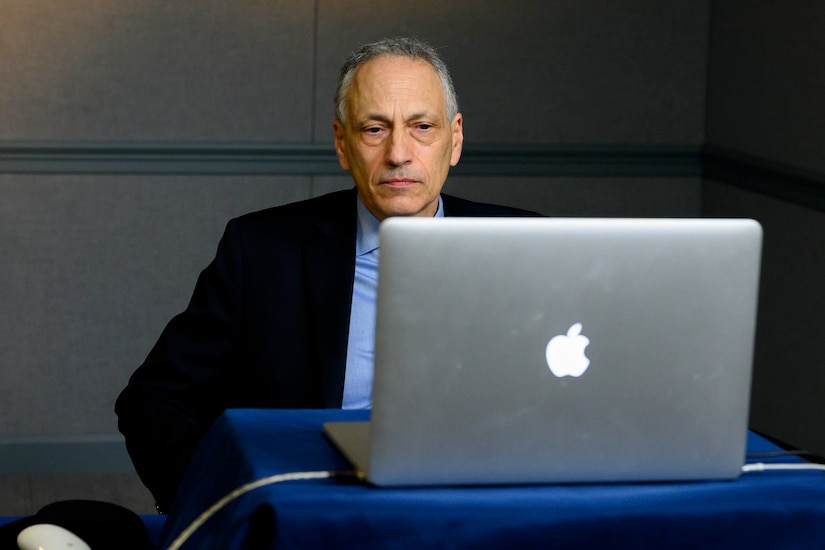
To understand the divide over support for W76-2, one must have an understanding of the two schools of thought on the best approach to nuclear deterrence, Soofer told the Air Force Association Mitchell Institute's Nuclear Deterrence Forum today.
Each school of thought has its advocates, including members of Congress, interest groups and think tanks, he noted.
The first school of thought is known as simple nuclear deterrence, sometimes referred to as minimum deterrence. The thought is that deterrence is best achieved with a limited number of nuclear weapons that, for example, could destroy a certain number of an adversary's cities, Soofer said. The viability of the deterrence is created by an adversary's fear of uncontrolled nuclear escalation.
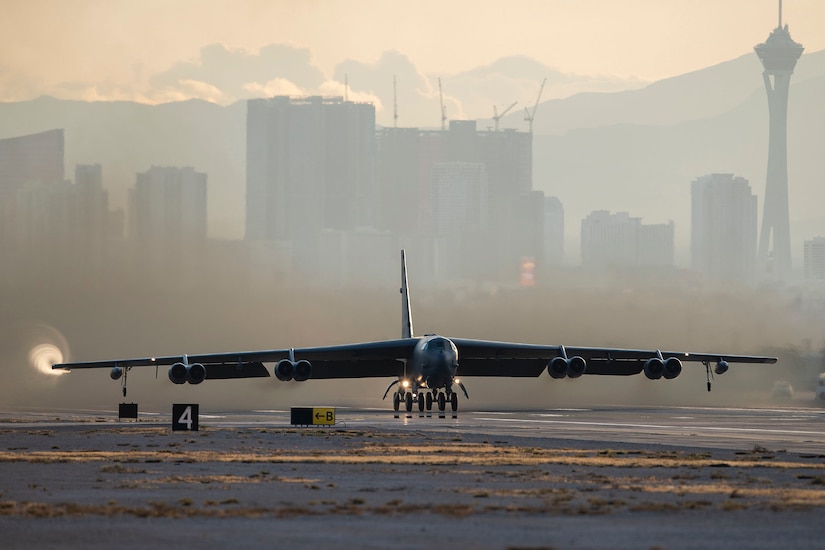
The second school of thought is known as complex nuclear deterrence. This recognizes that nuclear deterrence can be more complicated, requiring an understanding of the adversary and various scenarios that could play out, he said. This strategy also pays close attention to the nuclear balance and places a premium on ensuring the survivability of nuclear forces that can threaten the adversary.
The complex nuclear deterrence approach has been the basis of U.S. nuclear policy since about the 1960s, and it rests on presenting the president with a number of options and capabilities — particularly in a regional conflict — that would deter Russia's nuclear use in any scenario, he said.
This is particularly important since Russia has expanded its nuclear capability, and has espoused a doctrine of limited first use, meaning the use of low-yield tactical nuclear warheads, Soofer said.
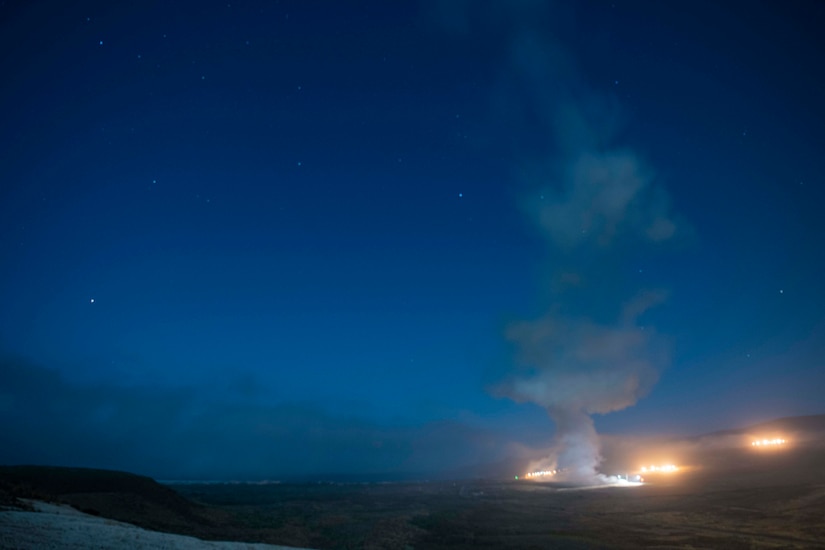
Having W76-2 capability demonstrates to Russia that the U.S. has taken practical steps to ensure that adversaries can derive no benefit from even limited nuclear use, he said.
There is a very high bar that must be met before the president, who is the only one who can order the use of nuclear weapons, will contemplate the use of W76-2 warhead, or any other nuclear weapon for that matter, Soofer said.
Having a range of nuclear weapons capabilities not only deters nuclear attacks, but it also deters large-scale conventional and biological and chemical attacks and reassures allies and partners, he said.
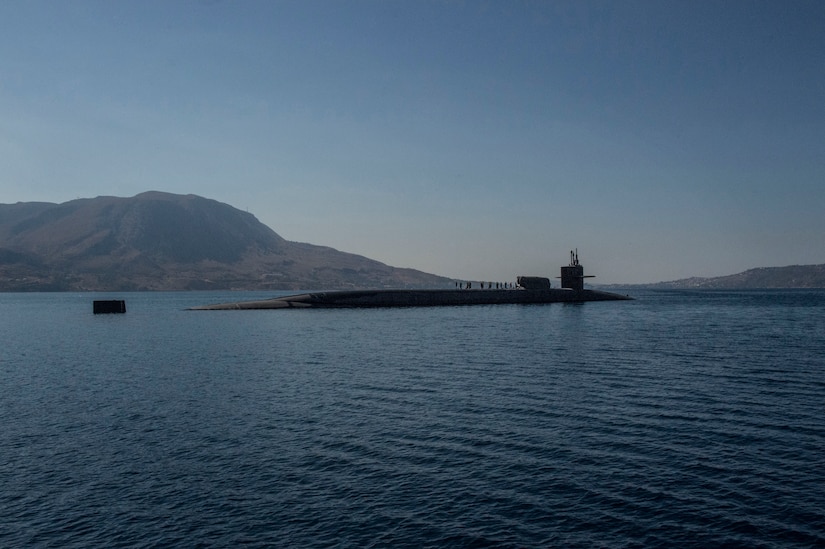
That is why the U.S. has not adopted a "no use first" policy when it comes to using nuclear weapons, he said, adding that circumstance for first use would have to be extreme, meaning to defend the vital interest of the U.S., allies and partners.
The objectives of the U.S. nuclear strategy are two-fold, he said. "First and foremost is to deter war, both conventional and nuclear; second, should nuclear deterrence fail, [is] to deter further nuclear use and hopefully bring the war to an end before the worst imaginable nuclear catastrophe unfolds."
Therefore, the U.S. nuclear strategy doesn't rely solely on massive and immediate attacks against an adversary, he said, though the U.S. maintains this capability to deter adversaries from contemplating a first strike against the United States. "Massive attacks would represent the failure of our nuclear strategy. Rather, our nuclear strategy as articulated in the [2018] Nuclear Posture Review calls for tailored deterrence with flexible capabilities, including an appropriate mix of nuclear capability and limited, graduated response options — something administrations over the last six decades have valued," Soofer said.
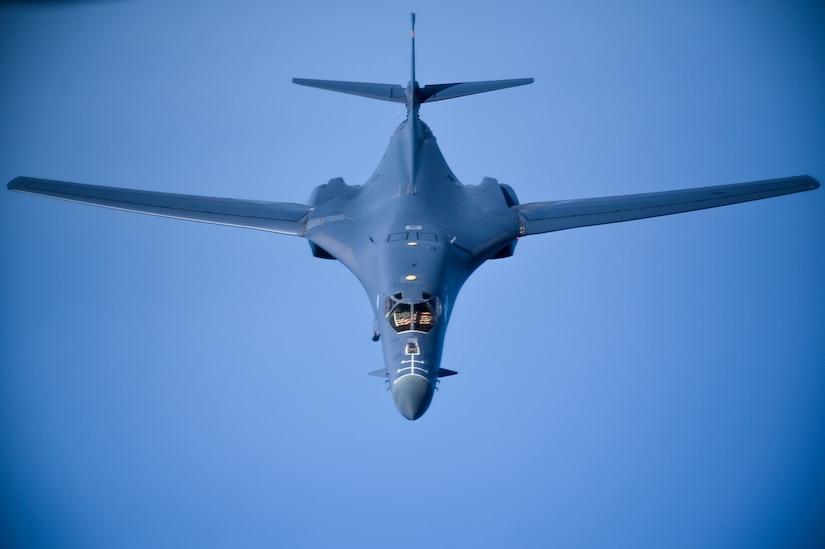
In sum, U.S. nuclear strategy is one of resolve and restraint, he said. "Our limited use of nuclear weapons in response to a Russian or Chinese attack is intended to demonstrate resolve, convincing the adversary that it has really miscalculated when it contemplated the use of nuclear weapons."
The strategy also communicates restraint, sending a message to the adversary that it has much more to lose if it continues down the path of nuclear escalation, he said.


 Posts
All Comments
Posts
All Comments
Posts
All Comments
Posts
All Comments