Tuesday, July 28, 2020

Sports Heroes Who Served: NASCAR Legend Served in Europe During WWII

July 28, 2020 | BY David Vergun , DOD News

Sports Heroes Who Served is a series that highlights the accomplishments of athletes who served in the U.S. military.

The National Association for Stock Car Auto Racing — NASCAR — is well known to stock car racing fans and has produced many legends.

A man wearing a cap and headphones stares into the distance.

One of the NASCAR greats is Bud Moore, World War II veteran and owner-operator of Bud Moore Engineering from the 1960s until it shut down in 1999. Moore won the NASCAR title in 1957 as crew chief for racer Buck Baker, and as a car owner he won titles in 1962 and 1963 with driver Joe Weatherly. His team won three NASCAR Grand National Series championships and 63 races. 

His career was legendary. Moore was inducted into the Stock Car Racing Hall of Fame in 2002; the International Motorsports Hall of Fame in 2009; the NASCAR Hall of Fame in 2011; and the Motorsports Hall of Fame of America in 2013.

A small group of people watch as a man in a cowboy hat leans down to talk to the driver of a race car.

Military Service

After turning 18 during World War II, Moore was drafted into the Army on June 2, 1943. His basic combat training was at Camp Van Dorn, Mississippi. He then reported to Fort Dix, New Jersey, where he became a machine gunner assigned to 1st Platoon, D Company, 1st Battalion, 359th Infantry Regiment, 90th Infantry Division.

Moore and others from his division were reattached to the 4th Infantry Division, which landed on Utah Beach in Normandy, France, on June 6, 1944. The then-19-year-old almost drowned before hitting the beach when he stepped into a hole in the seabed with his heavy combat gear weighing him down.

In a historic photo, a group of soldiers in combat gear wades through the hip-deep water as they head to a shoreline.

After clearing the beach of Germans, Moore joined Army Maj. Gen. George S. Patton at Periers, France. 

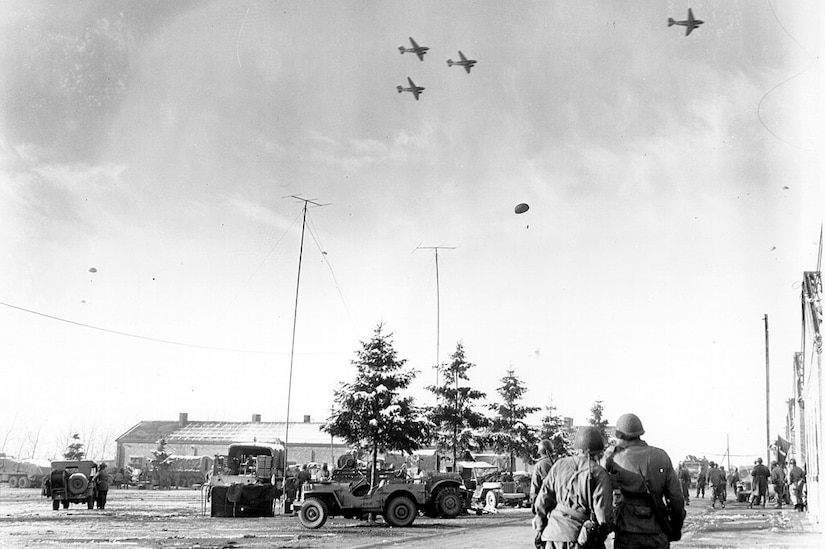
In December 1944, Moore participated in the Siege of Bastogne, Belgium, providing support for the besieged 101st Airborne Division.

Later, Moore's unit crossed the Siegfried Line, a series of German fortifications erected before World War II along Germany's western frontier. They went as far as the Rhine River in Germany, but they withdrew to Verdun, France, because they overextended their supply lines and the Germans counterattacked in what is now known as the Battle of the Bulge.

In a historic photo, soldiers on the ground watch as paratroopers descend from the planes flying above them.

During the battle, Moore captured a number of German soldiers and was later awarded a Bronze Star for his role in the operation.

His unit continued through Germany and into Czechoslovakia, where Moore was promoted to sergeant and was awarded a second Bronze Star. Besides the medals for valor, he also received five Purple Heart Medals for the wounds he suffered.

Moore was honorably discharged from the Army on Nov. 15, 1945.

He died in 2017 in his hometown of Spartanburg, South Carolina, at the age of 92.

Guardsmen Adapt to Changing Missions During COVID-19 Response

July 28, 2020 | BY Joseph Siemandel , Washington National Guard

While many people in Washington state are returning to work, hundreds of soldiers and airmen from the Washington National Guard are entering their fourth month of supporting the state's COVID-19 response, but some of the jobs they are performing have changed.

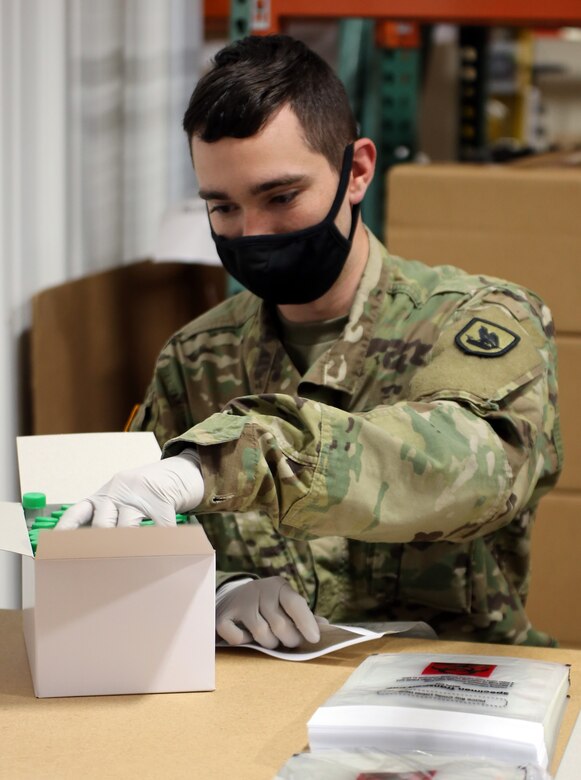
''When I first started on orders, I was working at a test site in Bremerton, but now I am making the test kits,'' said Army Spc. Dameon Spurgeon, a motor transportation operator with the Washington Army National Guard’s 1041st Transportation Company.

At first, he said, he was confused at why he and his fellow guardsmen were wearing protective suits and masks. ''But then we started testing people, and it made sense,'' he said. ''We were interacting directly with individuals that could have the virus.''

A soldier wearing a face mask reaches into a box of vials while assembling COVID-19 test kits.

Spurgeon is one of more than 1,000 guardsmen who were activated four months ago to support the overall COVID-19 response in Washington. Guardsmen continue to support food banks, conduct COVID-19 mapping, operate community-based testing sites, assemble test kits and assist state officials with processing unemployment claims. Spurgeon's team has been tasked with assembling more than 2.4 million test kits for the state by the end of August.

''I know this mission is critical, and we are running very smoothly,'' he said. ''I think we are expected to break 1 million next week.''

An aquatics manager at Great Wolf Lodge and reserve police officer in Tenino, Washington, Spurgeon says supporting the COVID-19 response is just part of what he likes to do: helping those who need help. In 2017, he was activated to fill sandbags in support of a flood in the small eastern Washington town of Sprague.

''I have always wanted to help our communities, whether it is being a lifeguard, a police officer, or a guardsman,'' Spurgeon said. ''I am just happy to help.''

While the number of food bank missions has been cut in half as volunteers who had been homebound are returning, some guardsmen have moved from the larger processing missions in SODO, part of Seattle’s industrial district, to the food banks to work with the public.

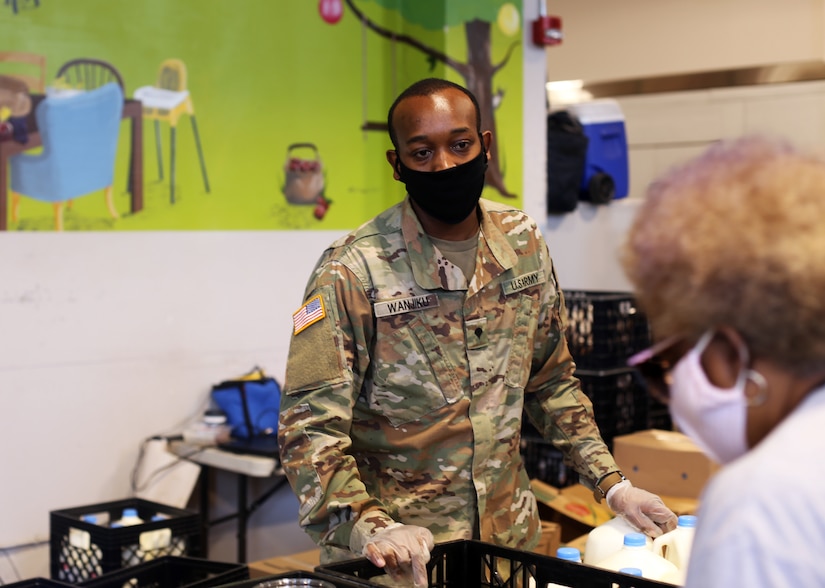
A soldier wearing a face mask and latex gloves helps a visitor at a food bank.

''The interactions with people are overwhelming,'' Army Spc. Alex Wanjiku said. ''While at SODO, although we knew we were, it didn't seem like we were helping out but moving from the warehouse to here I now see it.''

Wanjiku moved to America from Kenya three years ago and immediately joined the National Guard because he wanted to assist others during their times of need. Since being activated, he has gone from processing food at the South Seattle warehouse locations to passing out food at the St. Leo's Food Bank in Tacoma, Washington.

''Here I am, seeing the people I am helping, and they are so grateful,'' he said.

Army Sgt. Nikko Ethridge, a cavalry scout with the Washington Army National Guard and a full-time corrections officer for the Department of Corrections in civilian life, has been serving since the initial call-up. While originally starting at the SODO warehouse, he has supported two different activations, moving to the civil unrest mission in June.

''When I started, I was working at the SODO warehouse,'' Ehtridge said. ''Then my unit was asked to go to Bellevue to provide support following the civil unrest. The people in Bellevue were so supportive of the guard being there, and it was a nice break from the food bank mission.''

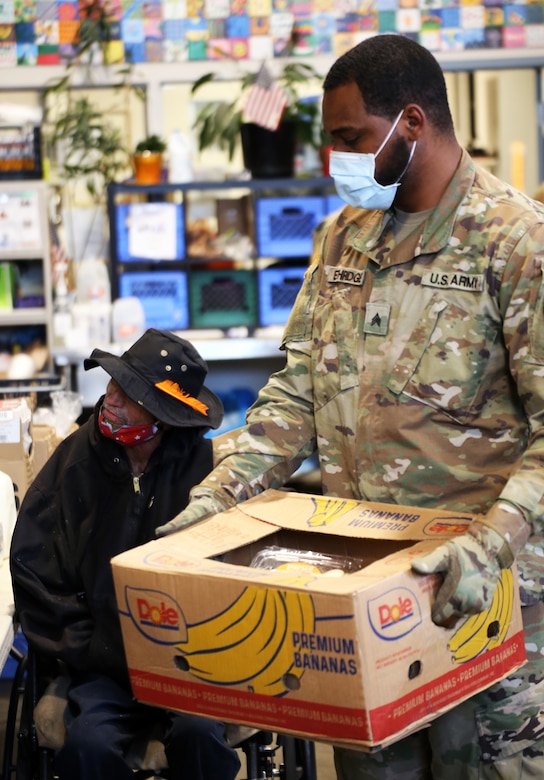
A soldier wearing a face mask carries a box of bananas at a food bank.

Ethridge used the break to move to the Kent distribution center, which was closer to home and then to the St. Leo's Food Bank.

''At the warehouse, you are packing food and it's easy to forget about the mission. But here you see where the food is going,'' Ethridge said. ''We are working more hours here, have less breaks, but you never would know it. It is definitely more rewarding.''

All three said they plan to support the mission through the duration, and if they move to different locations or jobs, they are happy to do whatever to assist others.

''I love the state, like helping people, and what is a better way than working for the National Guard to do that?'' Ethridge said.

(Joseph Siemandel is assigned to the Washington National Guard Joint Force Headquarters.)

Monday, July 27, 2020

Flag Folders

Sailors fold a U.S. flag during a burial at sea aboard the USS Makin Island in the Pacific Ocean, July 26, 2020.

Top Dog Duo

Air Force Staff Sgt. Samantha Frydenlund aims at a target during a “Top Dog” competition at Joint Base Andrews, Md., July 24, 2020. The shooting portion of the event tested the ability of military working dogs to stay focused and respond well to erratic noises. Frydenlund, 316th Security Support Squadron Military Working Dog section handler, and her partner, Rocky, won the “Top Dog” title, scoring the most points overall.

Combat Medical Innovations Carry Over to COVID-19 Care

July 27, 2020 | BY Terri Moon Cronk , DOD News

The long-standing wars in Iraq and Afghanistan taught the U.S. Military Health System to collaborate and innovate research and treatment among the three military services, and, for example, created the combat joint trauma system, a panel of physicians.

When the COVID-19 pandemic struck the United States this year, that joint trauma system took form almost immediately to gather data on COVID-positive patients in the MHS, Air Force Col. (Dr.) Todd Rasmussen, professor of surgery and associate dean of research, Uniformed Services University of the Health Sciences in Bethesda, Maryland, said today during a media roundtable discussion.

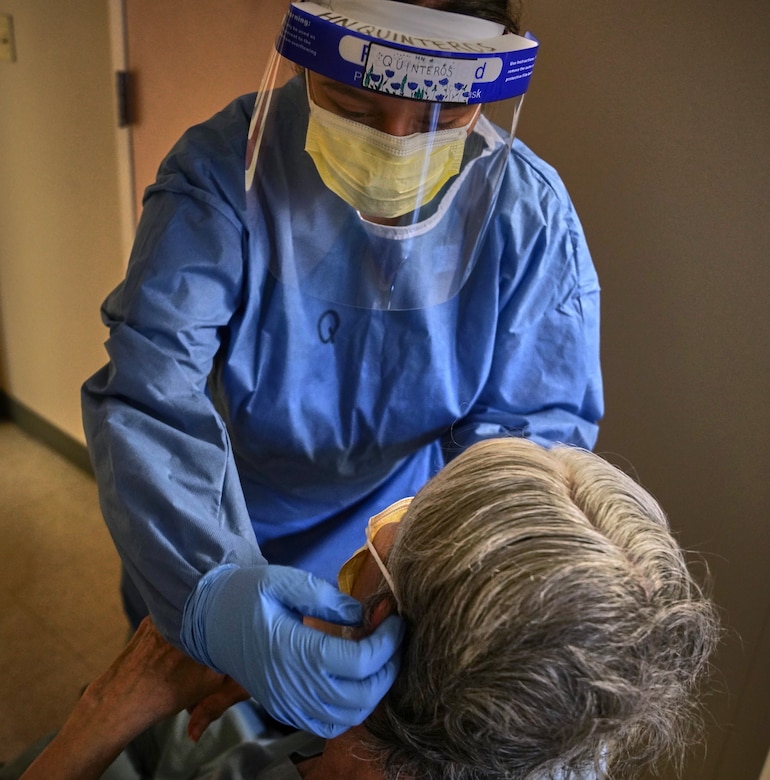
A female sailor is tested for COVID-19 by a health care provider wearing personal protective equipment.

Joining Rasmussen on the call were Dr. Paul Cordts, chief medical officer for the Defense Health Agency in Falls Church, Virginia.; Dr. Simon Pincus, director of DHA's connected health branch; and Army Maj. (Dr.) Steven Hong, assistant professor of surgery at the USUHS and chief of head and neck surgical oncology and reconstructive surgery at Walter Reed National Military Medical Center, also in Bethesda.

Rasmussen called the joint trauma center a global system that uses data to monitor care of COVID-19 patients for the center's established registry to look at and gather data on how best to diagnose and care for patients.

"It's almost a worldwide [venue] where we go on rounds, but it's virtual," he said. "It's very much like what was done during combat casualty care during the wars, but now it's more focused on how best to diagnose and manage patients with COVID."

Using the joint trauma center system in the military and civilian medical sectors, doctors can evaluate their therapies in real time and adjust clinical practice guidelines, if necessary, toward therapies that appear to be most effective, he noted.

Another innovation MHS pivoted on in the parallels between combat and COVID-19 care is a provider resilience suite of self-care for health care workers. It's an app that also created useful tips to self-identify signs of burnout and how to deal with it, Pincus pointed out.

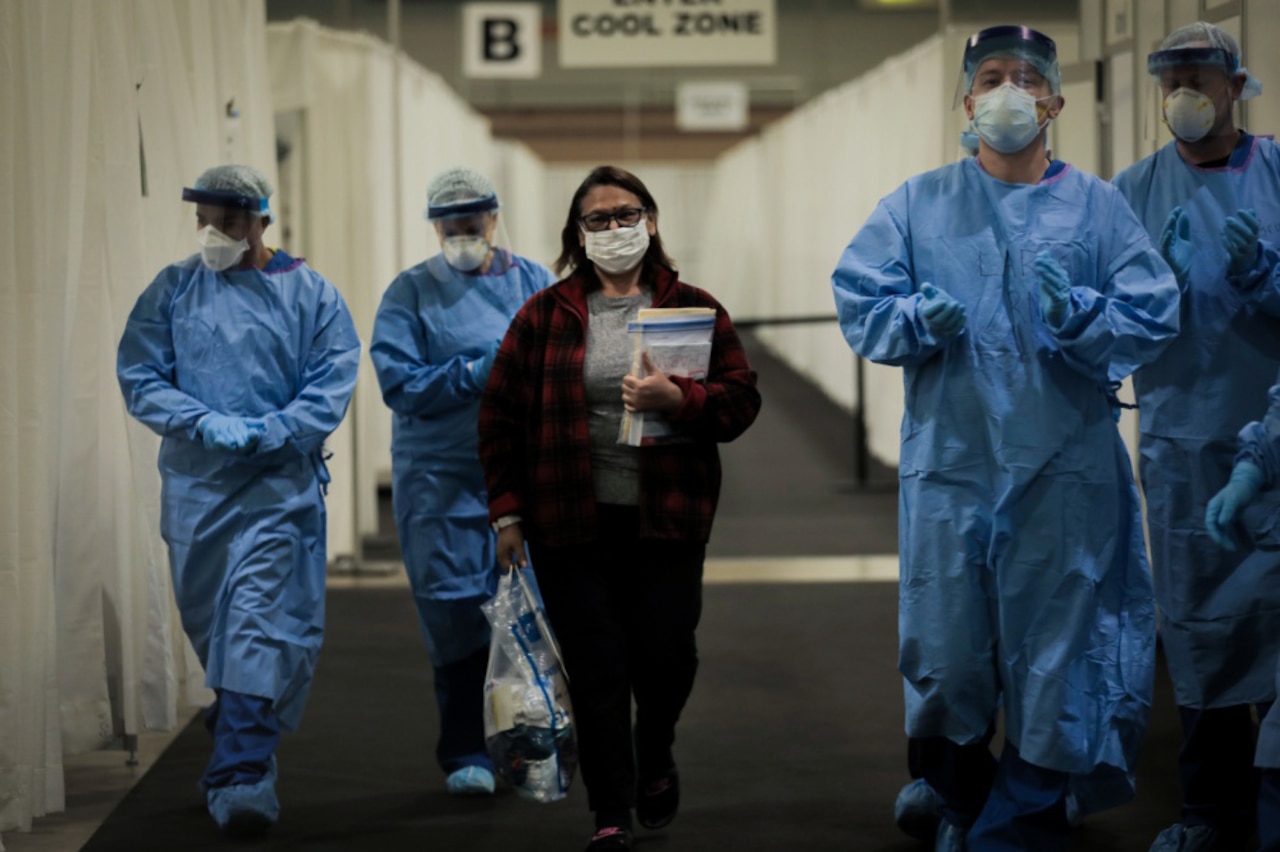
Flanked by four medical providers wearing personal protective gear, a woman leaves a field hospital.
 

Virtual health is another concept that was used in downrange settings, and it is now being used for COVID-19, Rasmussen said. Virtual health is revolutionary for COVID-19, the panel said.

Also, the electronic medical record comes into play with COVID-19. Patients can fill out a questionnaire from home, using the patient portal, and pass it along to their doctor, where a clinical team can review the information and identify patients who are appropriate for COVID-19 testing or those who need further care, Rasmussen said.

"We really want to empower providers and patients digitally to improve the quality of care and health outcomes," Cordts said. COVID-19 has provided the opportunity in the midst of crisis coverage, and the technologies being used for COVID-19 have potential application for other infectious diseases, too, he added.

Gunnery Glow

An Army paratrooper fires at targets using an M240B machine gun during a night marksmanship gunnery event in Grafenwoehr, Germany, July 20, 2020.

Lighting the Night

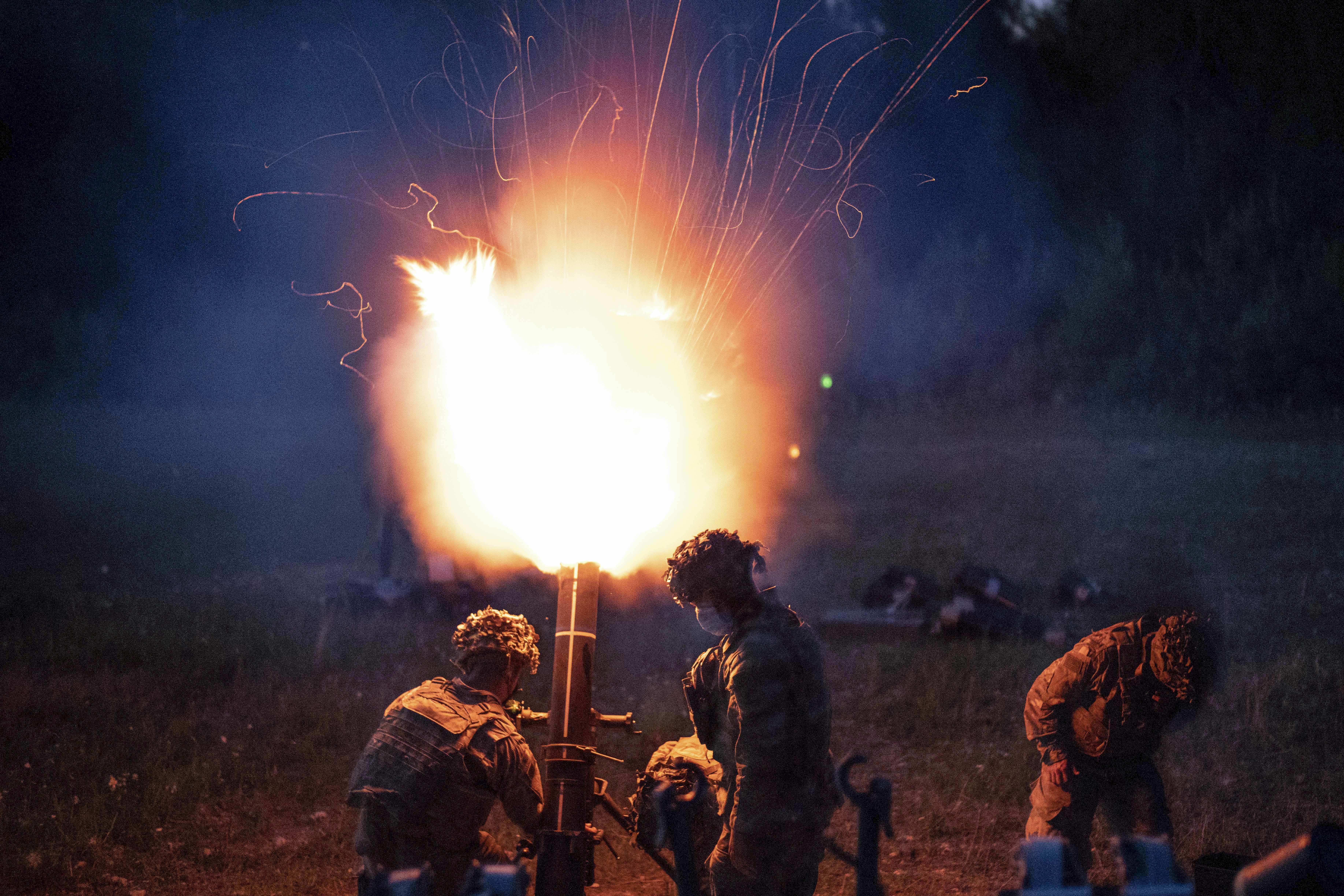
Army paratroopers fire a 120 mm mortar illumination round during a field training exercise in Grafenwoehr, Germany, July 23, 2020.

Multihue View

Army helicopters participate in an aerial gunnery event at Grafenwoehr Training Area, Germany, July 20, 2020.

Wings of Blue

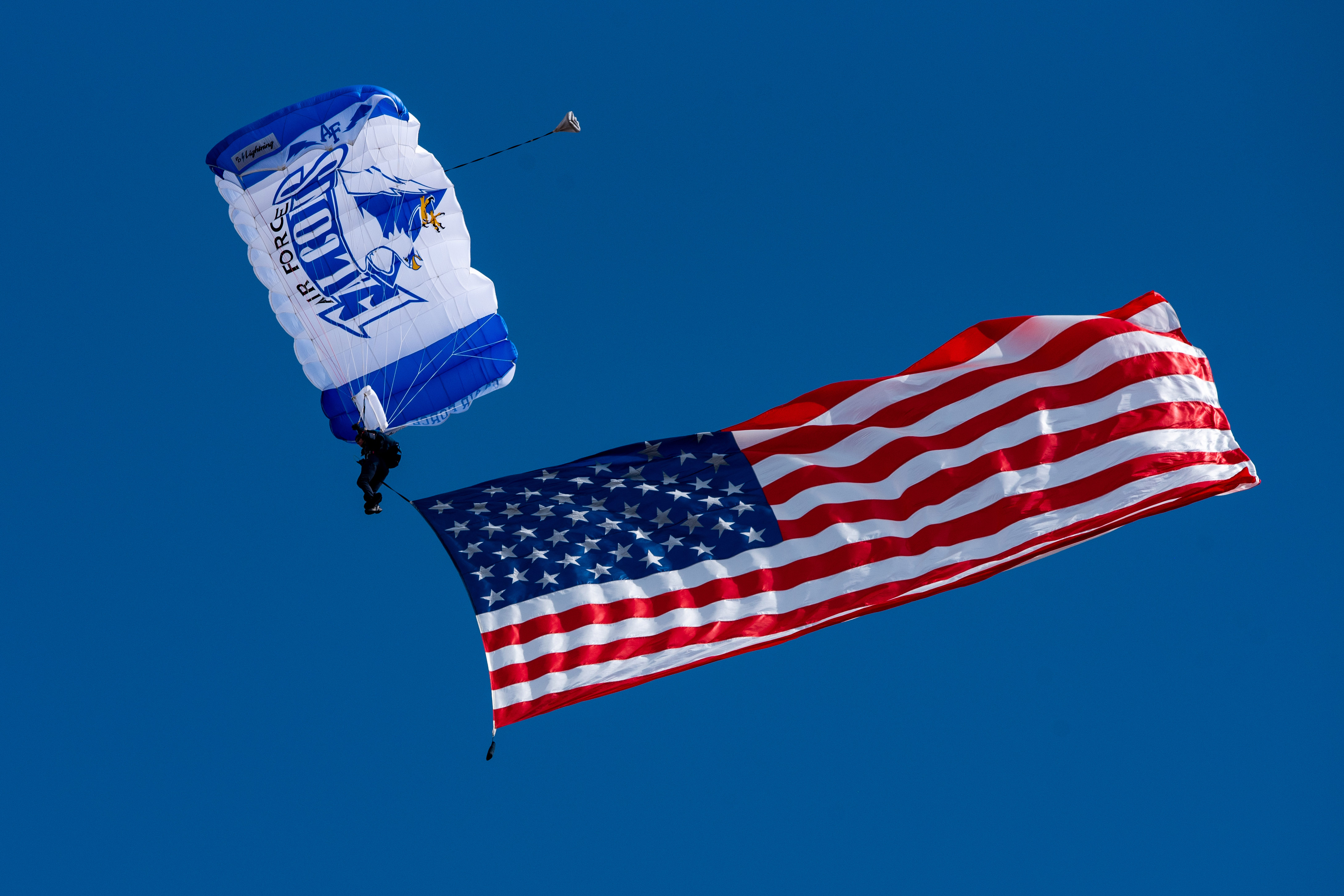
A member of the U.S. Air Force Academy "Wings of Blue" parachute team descends from the sky during the "Wings over Warren" air show at F.E. Warren Air Force Base, Wyo., July 22, 2020.

DOD, HHS Award $7.6 Million Contract to Hologic, Inc. to Expand Domestic Production of Custom Sample Collection & Processing Consumables for COVID-19 Tests

July 27, 2020

As part of an ongoing collaboration between the Department of Defense (DOD) and the Department of Health & Human Services (HHS), an undefinitized contract action with a ceiling of $7.6 million has been awarded to Hologic, Inc. on July 25 to expand domestic production of custom sample collection and processing consumables for COVID-19 testing. 

This investment will enable Hologic, Inc. to expand domestic production of collection and processing consumables to support increased production and availability of COVID-19 tests for the United States. These Tube, Cap, and Multi-tube Unit (MTU) consumables are critical for performing molecular diagnostic tests on the Panther and Panther Fusion systems. Hologic, Inc. is currently producing these consumables in Wisconsin and distributing to customers out of their California and Tennessee distribution centers. Under the agreed upon project schedule, Hologic, Inc. expects to deliver the increased volume of consumables to market by January 2021.

The unprecedented demand for molecular diagnostic testing driven by the COVID-19 pandemic has exceeded Hologic, Inc.’s current production capacity for sample collection and processing consumables. Hologic, Inc. is positioned to support the demand for COVID-19 testing in the United States due to the installed base of more than 1,100 fully-automated, high throughput Panther and Panther Fusion systems. These Panther systems are each capable of performing up to 1,000 tests in a 24-hour period.

This effort has been led by the DOD’s Joint Acquisition Task Force (JATF) in coordination with the Department of the Air Force’s Acquisition COVID-19 Task Force (DAF ACT) and funded through the Paycheck Protection Program and Health Care Enhancement Act (PPPHCEA) to enable and support domestic industrial base expansion for critical medical resources.

Ohio National Guard Helps Build Urban Farm to Support Food Banks

July 27, 2020 | BY Army 1st Lt. Caroline Pirchner

In March, with food insecurity issues becoming widespread across the state during the COVID-19 pandemic, Ohio National Guard soldiers and airmen were called upon to provide extra support at regional food bank warehouses and local pantries to help with food packaging and drive-thru operations.

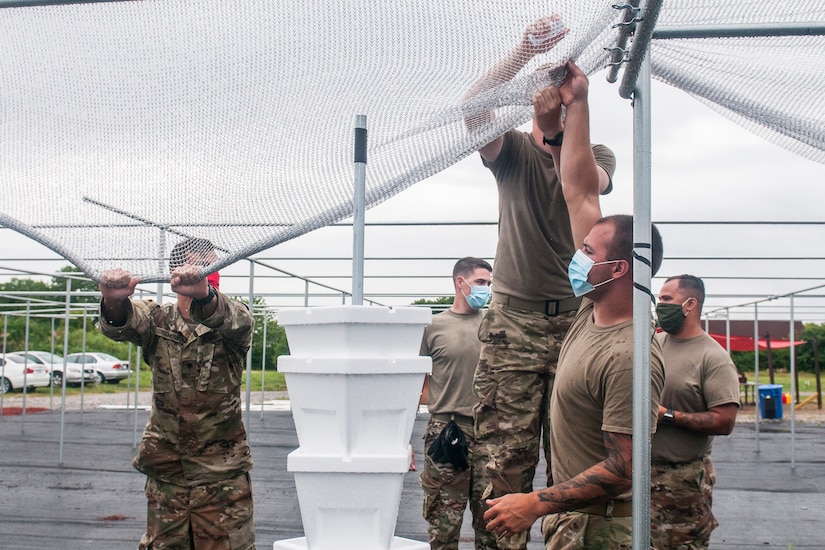
Soldiers hang netting at an urban farm.

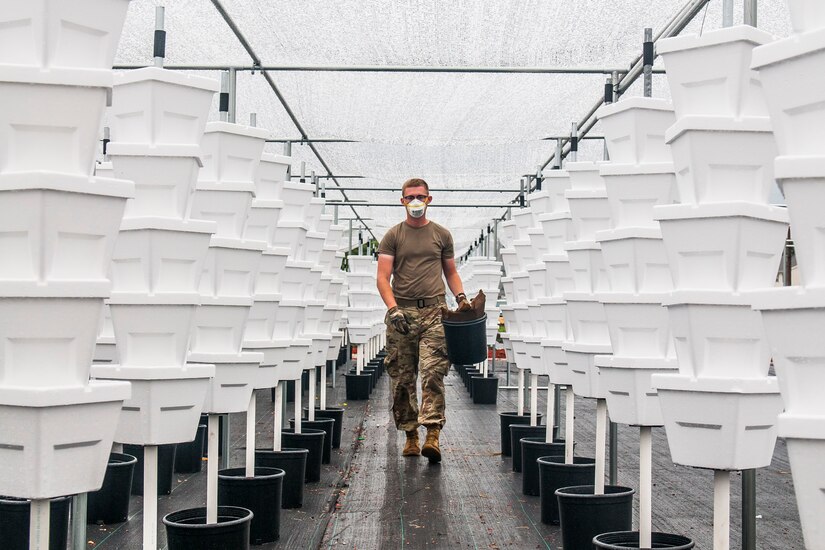
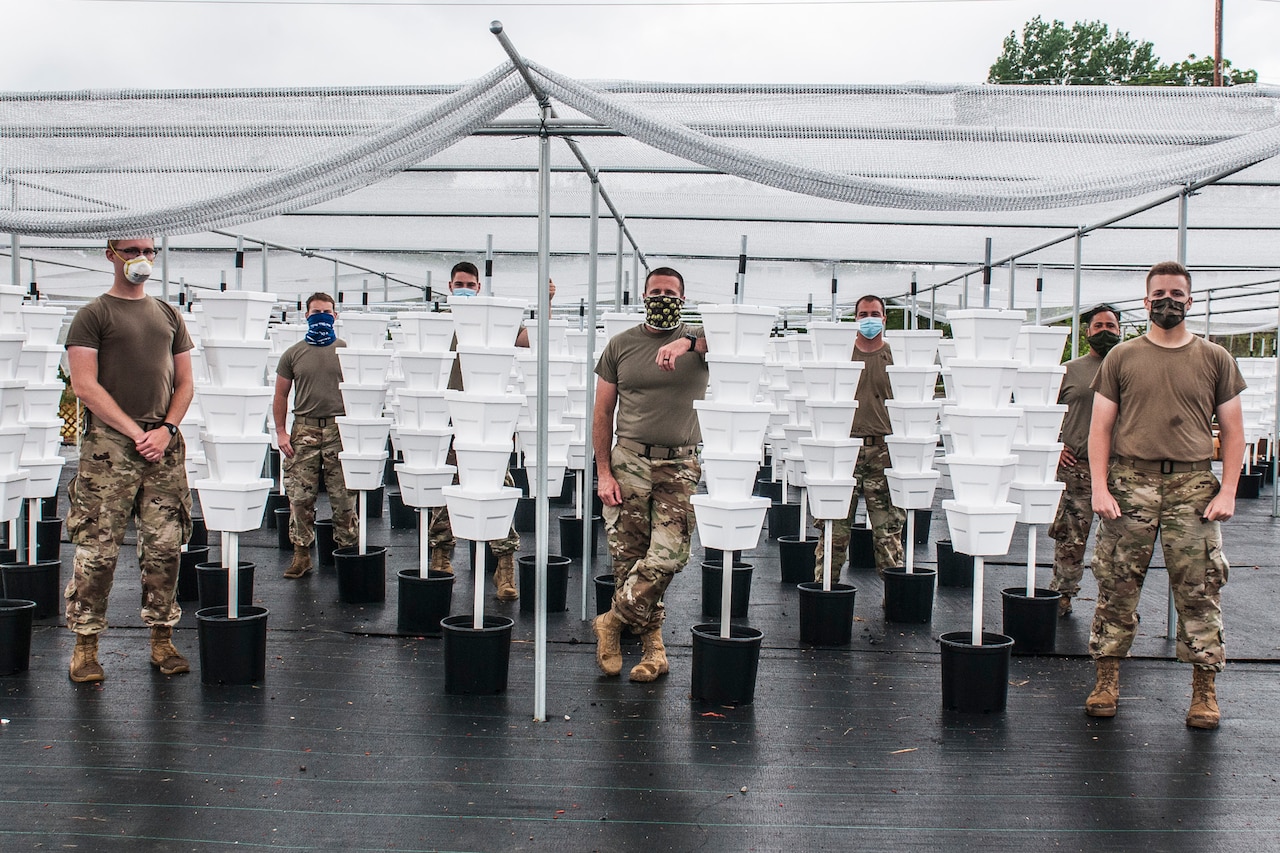
In addition to packaging and drive-thru support, about 15 guardsmen helping at the Mid-Ohio Foodbank had a unique task ahead of them — building an urban farm.

Known as the Mid-Ohio Farm on the Hilltop, the farm is located in the Hilltop neighborhood just west of downtown Columbu. It will serve as an outlet for the food bank to have quick access to fresh, local produce while also serving as a place to provide hands-on education for the community.

Giving back to the community is what I joined the National Guard for. It makes me feel this sense of camaraderie.''
Army Sgt. Jacob Eader, Ohio National Guard

Army Sgt. Jacob Eader, a fire control specialist assigned to the 1st Battalion, 134th Field Artillery Regiment, was more than happy to use his civilian-occupation skills to help with the project. "Me being a carpenter is ... knowing how to do things and knowing how to teach people how to do things here at the farm," he said.

Bo McMahon, a fifth-generation farmer whose family's agricultural roots are in Nebraska and Florida, found his way to Ohio to become the farm manager for the Mid-Ohio Foodbank. He expressed his gratitude for the guard and applauded their efficiency. "Soldiers like Sergeant Eader that have a background and specific skills, that is so valuable having them out here," McMahon said.

A soldier wearing a face mask and carrying a bucket walks between stacked rows of white rectangular containers.

The guardsmen's drive and teamwork motivated him every day, McMahon said, and fueled his passion for his project even more.

"Everybody who's been out here has been super excited about what they're doing," McMahon continued. “I get energized seeing them out here and their willingness to help with everything."

At the project's outset, very few of the guardsmen had formal training in constructing an urban farm, but they brought a strong work ethic and a willingness to absorb new skills. Eader said this project has brought them together in ways that will benefit how they operate in their military environment.

"Some of these guys out here, they don't know what they’re doing, and that’s OK," Eader said. "They're willing to learn, and I'm willing to teach them. That bond together brings us closer and makes our work even better."

Soldiers pose for a photo at an urban farm.

The urban farm will be not only be a place to grow produce, but also a place to grow communities. McMahon said the site eventually will have a market, interactive cameras to stream into classrooms, and a kitchen where people can prepare dishes using the produce grown on-site. McMahon said the possibilities are endless. He compares the farm to an ecosystem.

"Each thing depends on the other to thrive," McMahon explained. "It's not just one thing, it's everything. It takes everything together to become successful."

McMahon's philosophy on unity and Eader's passion for teaching others have established the foundation of what this ongoing, community project will one day represent — a place where people can come together to learn and grow.

"Giving back to the community is what I joined the National Guard for," Eader said. "It makes me feel this sense of camaraderie."

(Army 1st Lt. Caroline Pirchner is assigned to the Ohio National Guard.)

Partnership Establishes Quarantine Facilities in Kuwait

July 27, 2020 | BY Army Sgt. Andrew Valenza

In response to the COVID-19 pandemic, U.S. forces have been working closely with host nations such as Kuwait to provide planning, logistical and operational guidance to help keep both soldiers and civilians safe.

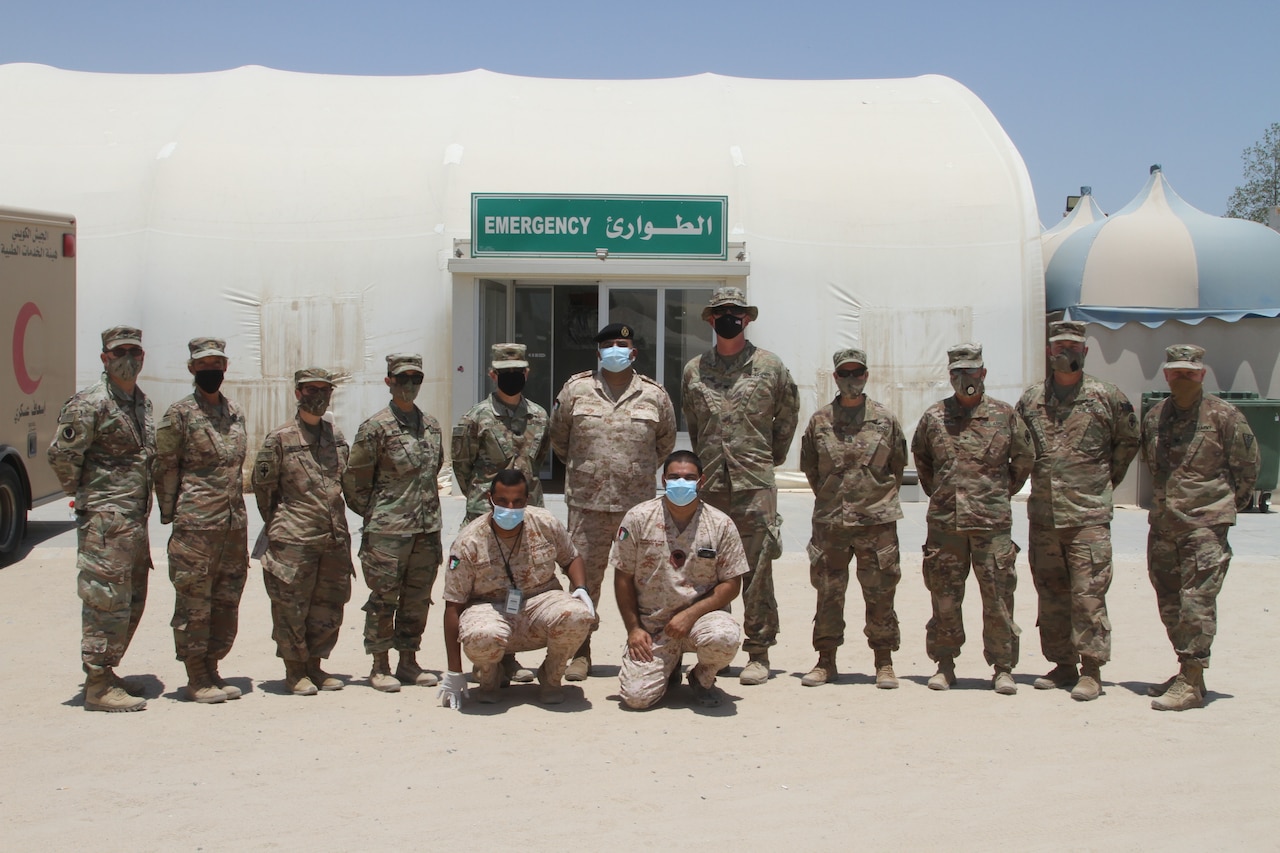
U.S. soldiers from the 3rd Medical Command and Task Force Spartan toured a unique quarantine facility operated by the Kuwait Defense Ministry of Defense on July 3.

A result of the U.S.-Kuwaiti partnership, the facility is located at a renovated family-friendly amusement center in downtown Kuwait City.

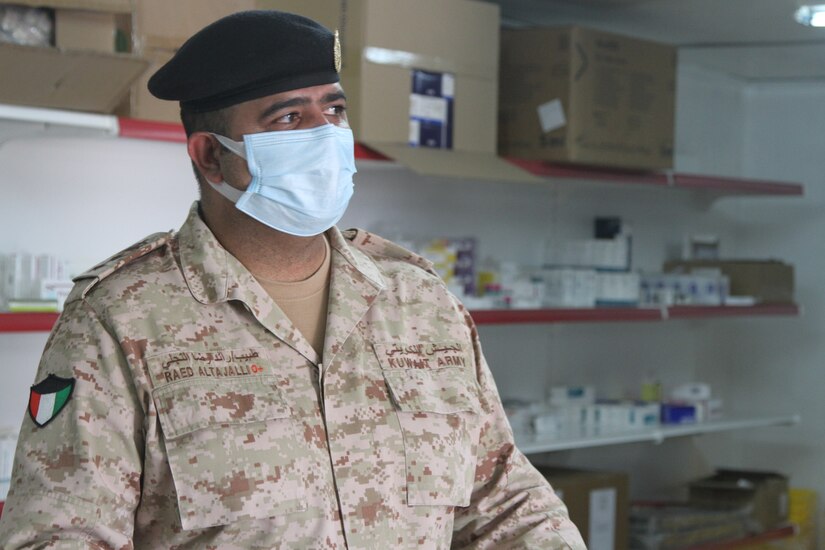
Kuwaiti officer wearing a face mask.

Army Col. Darrin Dailey, a military liaison from the 3rd Medical Command, who has been working closely with Col. Raed Altajalli of the Kuwaiti army, the commander of the COVID-19 facility, said the 3rd Medical Command's role in the partnership has focused solely on advising the host nation.

''[We have] assisted these camps purely from an advisory role,'' Dailey said. ''Colonel Altajalli used the blueprint of [Camp] Arifjan's quarantine and isolation facility for his own.''

Dailey said the 3rd Medical Command provided a liaison to discuss any issues the Kuwaitis may have, along with a logistics team to advise and assist in improving the facilities' supply system.

Altajalli said the site started accepting patients in April and can handle between 1,000 to 1,200 patients, but it comes with its challenges — including  maintaining cold water without damaging equipment such as refrigerators.

''Hot water was the biggest challenge with the camp because of the tent, coolant inside and the electricity. And all of this stuff, it is affected by the heat. … Heat has broken everything, so this is our main challenge,'' Altajalli said.

Within the facility, most tents can hold up to four patients and include air conditioning, wall lockers and a communal refrigerator.

In addition to providing medical and logistics support, engineers from the New York Army National Guard's 42nd Infantry Division advised the more technical parts of setting up quarantine facilities.

Kuwaiti soldiers pose with U.S. soldiers, all wearing face masks, for a group photo outside a medical tent.

Army Lt. Col. Michael Rodriguez, Task Force Spartan shield division engineer, spoke about the work his team did in advising the Kuwaiti Defense Ministry. ''We started meeting with them, and they said they needed confirmation that the setup was good,'' Rodriguez said. ''They were looking at building out capacity. They looked at schools or warehouses that they could reutilize, so that was our input.''

With the help of Rodriguez and his team, the Defense Ministry now has templates of how to set up similar facilities for future events or emergencies.

''The Kuwaitis will have a plan that will be vetted in place that they can utilize and feel confident that they can execute an emergency management plan,'' Rodriguez said.

Both Dailey and Altajalli said they are happy with the transparency and partnership between nations. ''It’\'s been a great diplomatic relationship,'' Dailey said.

''We are doing our best, working with my friend Colonel Dailey, exchanging the information, and it's very transparent,'' Altajalli said. ''At the end of the day, we are on the same page and trying to keep our officers and soldiers as safe as we can from the coronavirus.''

(Army Sgt. Andrew Valenza is assigned to Task Force Spartan.)

DOD Supports Women, Peace and Security Act, Official Says

July 27, 2020 | BY Terri Moon Cronk , DOD News

The Defense Department fully supports the whole-of-government implementation of the Women, Peace and Security Act through the U.S. Strategy on Women, Peace and Security and the supporting plans, and views this initiative as essential for U.S. national security, a senior staff member said on Capitol Hill.

In her prepared remarks, Stephanie Hammond, acting deputy assistant secretary of defense for stability and humanitarian affairs, gave an overview of how the Defense Department is implementing the Women, Peace, and Security Act and Strategy at a July 23 hearing of the House Oversight and Reform Committee's national security subcommittee. The hearing focused on the implementation of the U.S. Strategy on Women, Peace and Security.

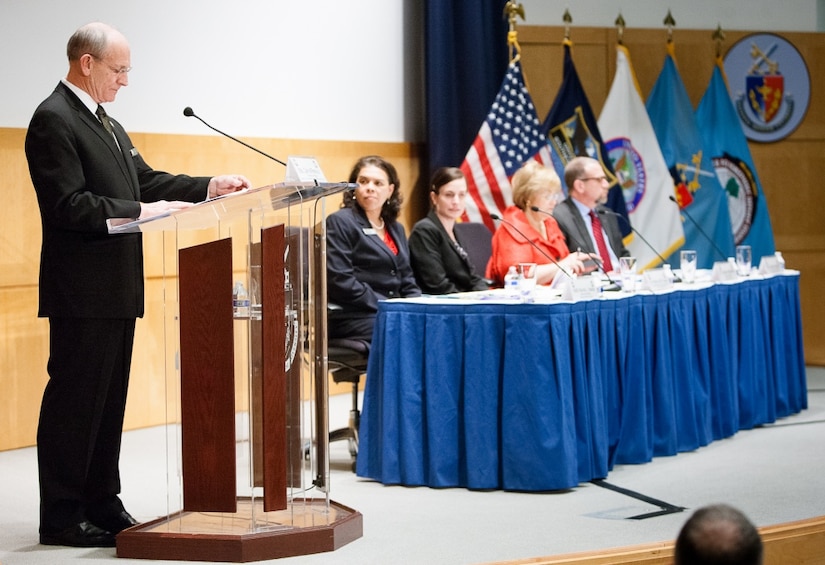
A man speaks from a podium.

''As our adversaries and competitors continue to seek a strategic advantage, the United States and our partners must be better prepared to meet security challenges by recognizing the diverse roles women play in conflicts, and by incorporating their perspectives throughout our plans and operations,'' Hammond said. ''Advancing the U.S. Strategy on Women, Peace and Security provides a unique engagement opportunity to strengthen relationships with U.S. allies and partners through collective efforts to reinforce women's empowerment, meaningful participation in decision-making, protection from violence and access to resources.''

Hammond told the subcommittee that last month, in accordance with the Women, Peace and Security Act of 2017 and the U.S. Strategy on Women, Peace and Security, the Defense Department and its interagency partners launched its Women, Peace and Security Strategic Framework and Implementation Plan.

DOD's implementation of the Women, Peace and Security agenda highlights and builds upon best practices that strengthen our armed forces and further our national security objectives.''
Stephanie Hammond, acting deputy assistant secretary of defense for stability and humanitarian affairs

''This document is the first departmentwide implementation plan that outlines how the department will support the intent of the U.S. Strategy on Women, Peace and Security through attention to the composition of our personnel and the development of our policies, plans, doctrine, training, education, operations and exercises,'' she said.

This approach will support the National Defense Strategy, Hammond said, and increase the Defense Department's operational effectiveness.

The plan details three overarching defense objectives, she noted, to orient DOD's implementation of the U.S. Strategy on Women, Peace and Security. The three objectives are:

  • Defense Objective No. 1: DOD exemplifies a diverse organization that allows for women’s meaningful participation across the development, management and employment of the joint force.
  • Defense Objective No. 2: Women in partner nations meaningfully participate and serve at all ranks and in all occupations in the defense and security sectors.
  • Defense Objective No. 3: Partner-nation defense and security sectors ensure women and girls are safe and secure, and that their human rights are protected, especially during conflict and crisis. 

''DOD's implementation of the Women, Peace and Security agenda highlights and builds upon best practices that strengthen our armed forces and further our national security objectives,'' Hammond said. ''Since the enactment of the WPS Act of 2017 and the approval of the U.S. Strategy on WPS, the department has significantly increased its WPS activities, with generous support of funding from Congress.''

Hammond noted that the department has implemented WPS by building an active network of subject matter experts at combatant commands, as well as the Joint Staff and the Office of the Secretary of Defense. These personnel advise commanders and staffs on how to integrate gender perspectives into operations, and engage with partner nations on women, peace, and security through activities such as conferences, training events, standard operating procedure development, and emphasis on WPS principles in military operations and multilateral exercises such as Flintlock, Khaan Quest, Gema Bhakti, and Pacific Sentry. 

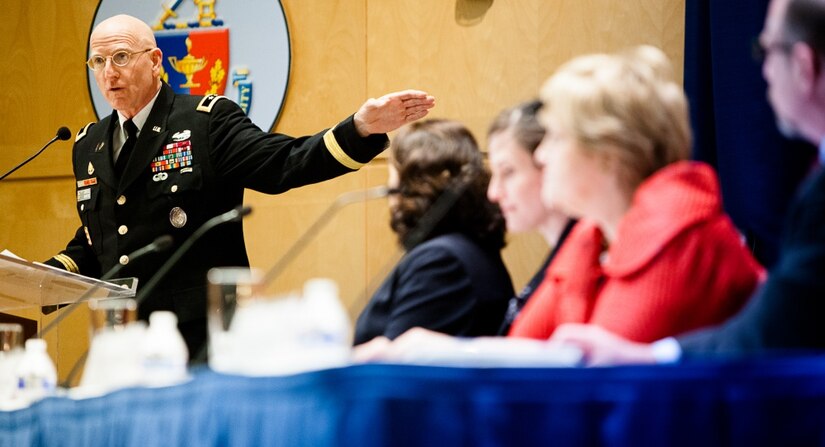
A man wearing a military uniform speaks into a microphone, four people sit at a table in the foreground.

The department has engaged more than 50 partner nations to demonstrate the value of women's meaningful participation, empowerment and safety to national security, and to share best practices on the recruitment, employment, development, retention, and promotion of women in military forces.  

For example, Hammond told the House panel, U.S. Africa Command has worked with the Nigerien armed forces to adapt their recruitment methods to increase the number of women in their ranks and to promote women into leadership positions, U.S. Indo-Pacific Command has engaged with a local organization in Mongolia to work with women in rural areas to build their resilience capacity and leadership skills in disaster response and relief efforts, she said. 

''With the launch of the department's Women, Peace and Security Strategic Framework and Implementation Plan, DOD will further institutionalize and expand on the critical WPS work across components, and continue to coordinate closely with and support our interagency partners on this initiative to make the United States safer and more secure,'' Hammond said. 

Saturday, July 25, 2020

Trump Signs Proclamation Commemorating End of Korean War

July 25, 2020 | BY David Vergun , DOD News

Sixty-seven years ago, the guns fell silent along the Korean demilitarized zone after more than three years of brutal fighting to defeat the expansion of communism on the Korean Peninsula, President Donald J. Trump said in a proclamation yesterday. 

When freedom and democracy were under threat on the Korean Peninsula, ... 2 million Americans left their homes, put on our nation's uniform, and answered their country's call to duty."
President Donald J. Trump

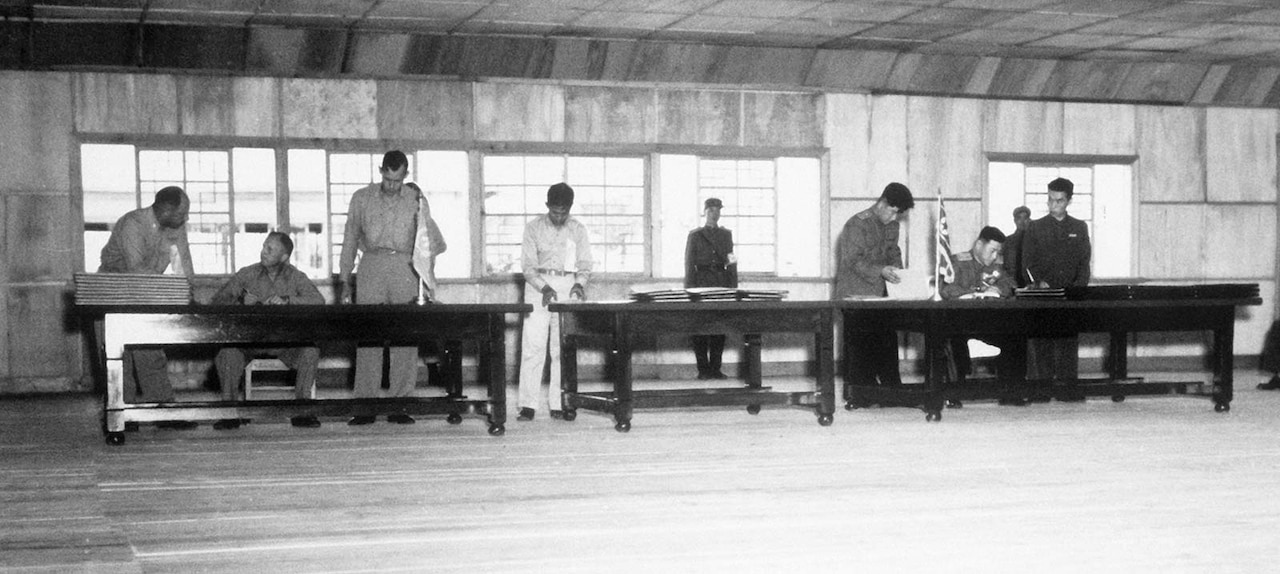
National Korean War Veterans Armistice Day marks the signing of the Korean Armistice  Agreement on July 27,1953, in Panmunjom, a border village inside the Demilitarized Zone that divides North and South Korea.

"We pause to remember the uncommon courage and sacrifice of ordinary Americans who fought to defend freedom and protect the values we hold dear," Trump said about the historic day.

People sit and stand behind three, long tables as guards stand in the background.

This year marks the 70th anniversary of the start of the Korean War. When the conflict began, Americans were still rebuilding their lives in the aftermath of World War II, enjoying the blessings of peace and looking toward a future filled with hope and prosperity, Trump noted.

"When freedom and democracy were under threat on the Korean Peninsula, however, 2 million Americans left their homes, put on our nation's uniform, and answered their country's call to duty," he said. 

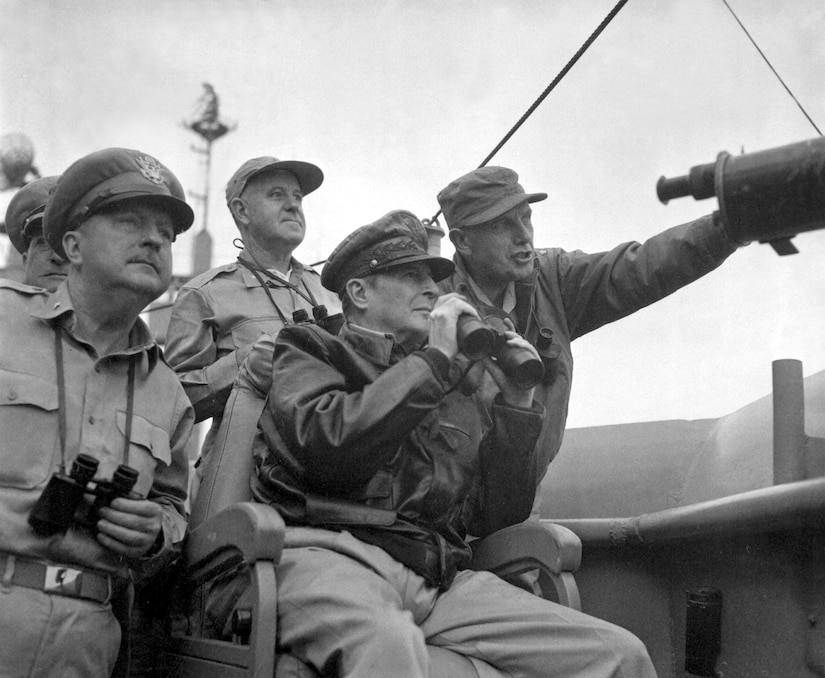
A general observes a battle.

Their resolve was tried and tested in once obscure and unfamiliar places, such as Pork Chop Hill, Heartbreak Ridge, Chipyong-ni, Pusan and the Chosin Reservoir, and in unnamed locations known only by grid coordinates or hilltop elevations, he said.  

"Alongside tens of thousands of coalition troops from our allies around the world, these individuals fought, bled, died, went missing, and suffered brutal captivity to defeat a determined foe amid the harshest of conditions, including sweltering heat, bone-numbing cold, and deep snow that buried valleys and rugged ridgelines," the president said.

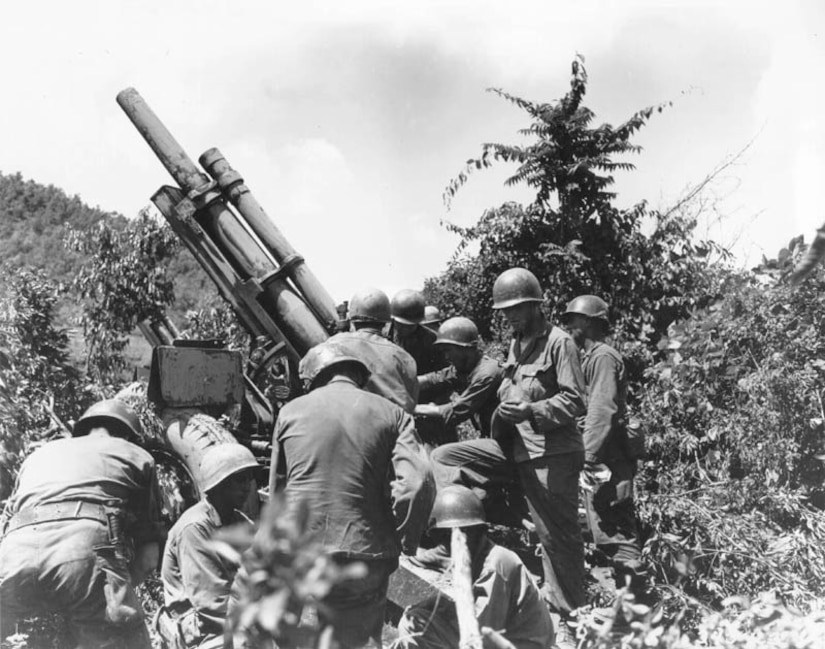
Service members in combat gear surround a gun shrouded in tall shrubs.

"Their unquestioned valor, determination, and patriotism halted communist aggression and restored liberty and dignity for the South Korean people," he said. "In our nation's capital, the black granite wall of the Korean War Veterans Memorial stands as a testament to their sacrifice, etched with the words 'Freedom is Not Free.'"  

In total, more than 36,000 Americans gave their lives in the Korean War, more than 103,000 were wounded, and nearly 8,000 went missing in action, he said.

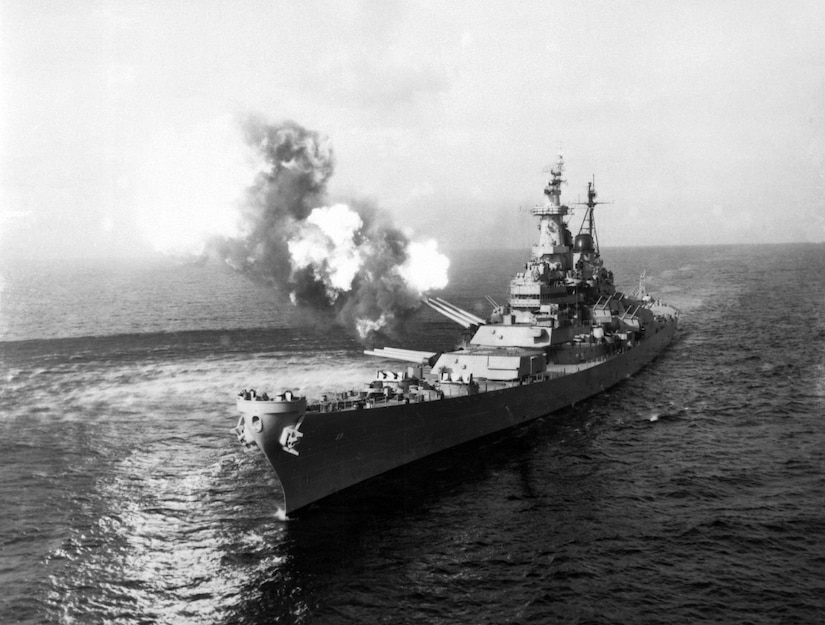
A battleship fires its weapons.

Today, South Korea, once decimated in the aftermath of the war, is one of the world's most vibrant, dynamic and economically prosperous democracies — and one of our strongest allies, he said. 

"Our armed forces continue to proudly serve side-by-side with our Korean military counterparts," Trump said. "This ironclad alliance, forged in war and reinforced by a shared love of liberty and deep ties of friendship, is vital to peace and stability in both Asia and the world."

"As we commemorate the 67th anniversary of the Korean War Armistice, we renew our commitment to the principles of liberty for which our Korean War veterans so valiantly fought," he said. "We are eternally grateful for the families that endured the unimaginable sacrifices and heartache of war, and we are thankful for all the men and women who helped change the fate of a nation. The 38 months of bloody warfare represent the honorable legacy of a selfless and courageous generation of American patriots."

DOD Awards $2.75 Million Contract to NPS to Increase Domestic Production of Meltblown Fiber

July 25, 2020

On July 24, the Department of Defense (DOD), in coordination with the Department of Health and Human Services (HHS), signed a $2.75 million contract award with NPS to increase domestic production of meltblown fiber.

Meltblown filtration media is a critical commodity component to produce N95 respirators and surgical masks. This investment by the U.S. government will enable NPS to domestically produce the meltblown filtration media that will support production of up to an estimated 60 million N95 respirators per month or 170 million surgical masks per month by November 2021. To meet this increased production capacity, NPS will install a new meltblown fiber line in its Green Bay, Wisconsin, facility, ensuring a sustainable domestic supply chain of meltblown filtration media.

This contract award is part of the ongoing collaboration between DoD and HHS, led by the Department’s Joint Acquisition Task Force (JATF) and funded through the CARES Act, to enable and support domestic industrial base expansion for critical medical resources.

Friday, July 24, 2020

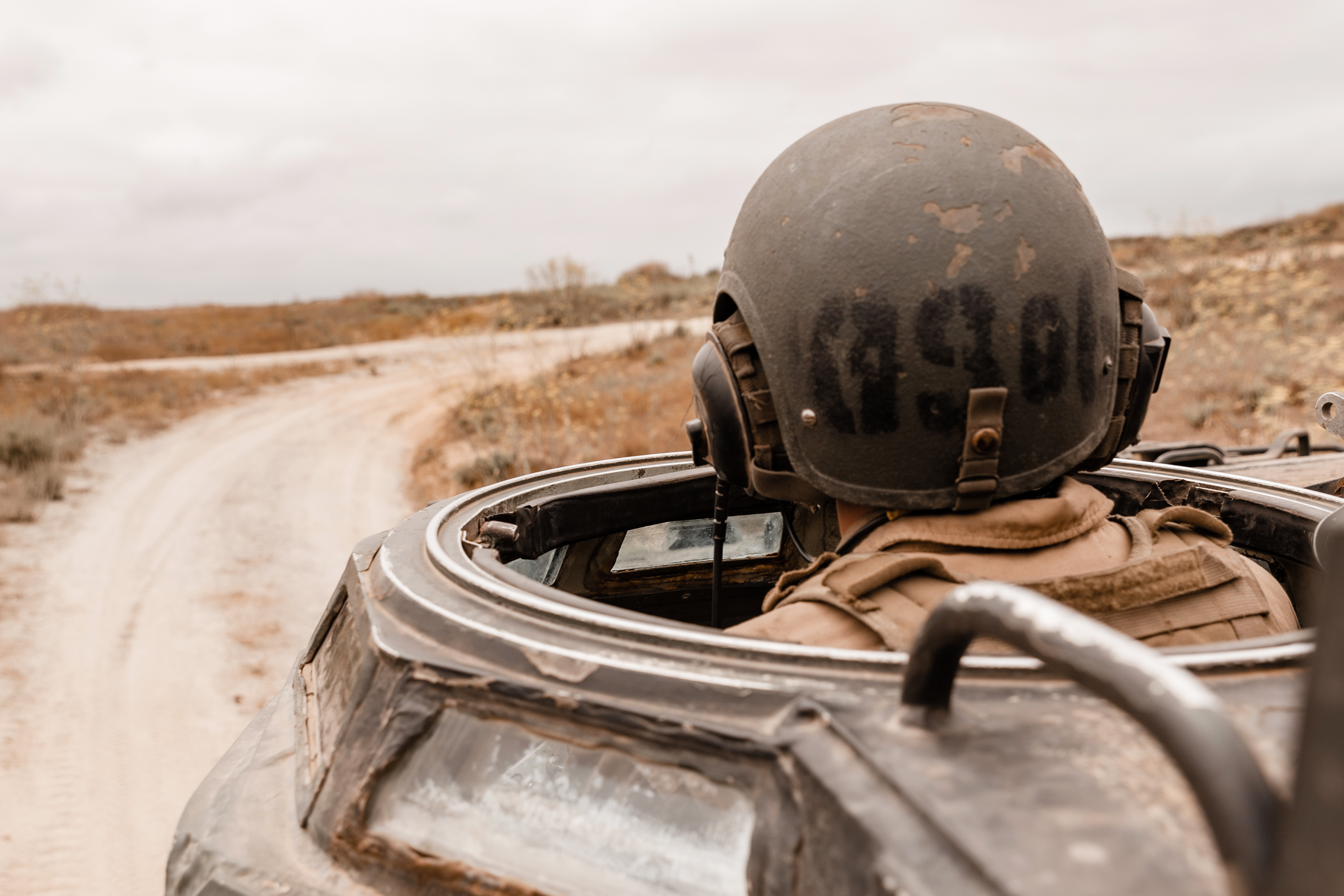
Navigating Marine

Marine Corps Sgt. Paul Caillouet drives an AAV-P7/A1 Amphibious Assault Vehicle during mounted land navigation training at the Oscar Two Training Area, Marine Corps Base Camp Pendleton, Calif., July 22, 2020.

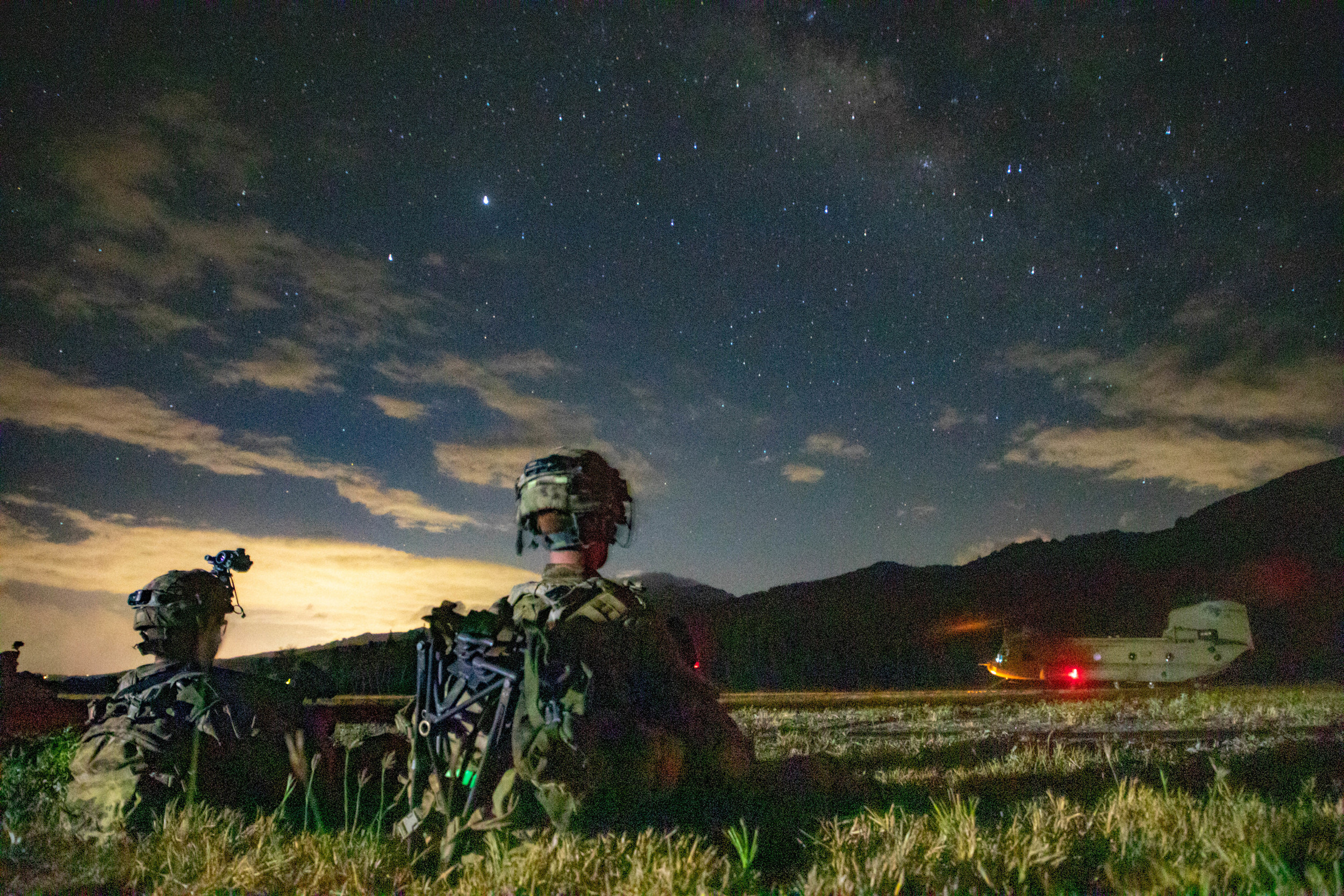
Overnight Operations

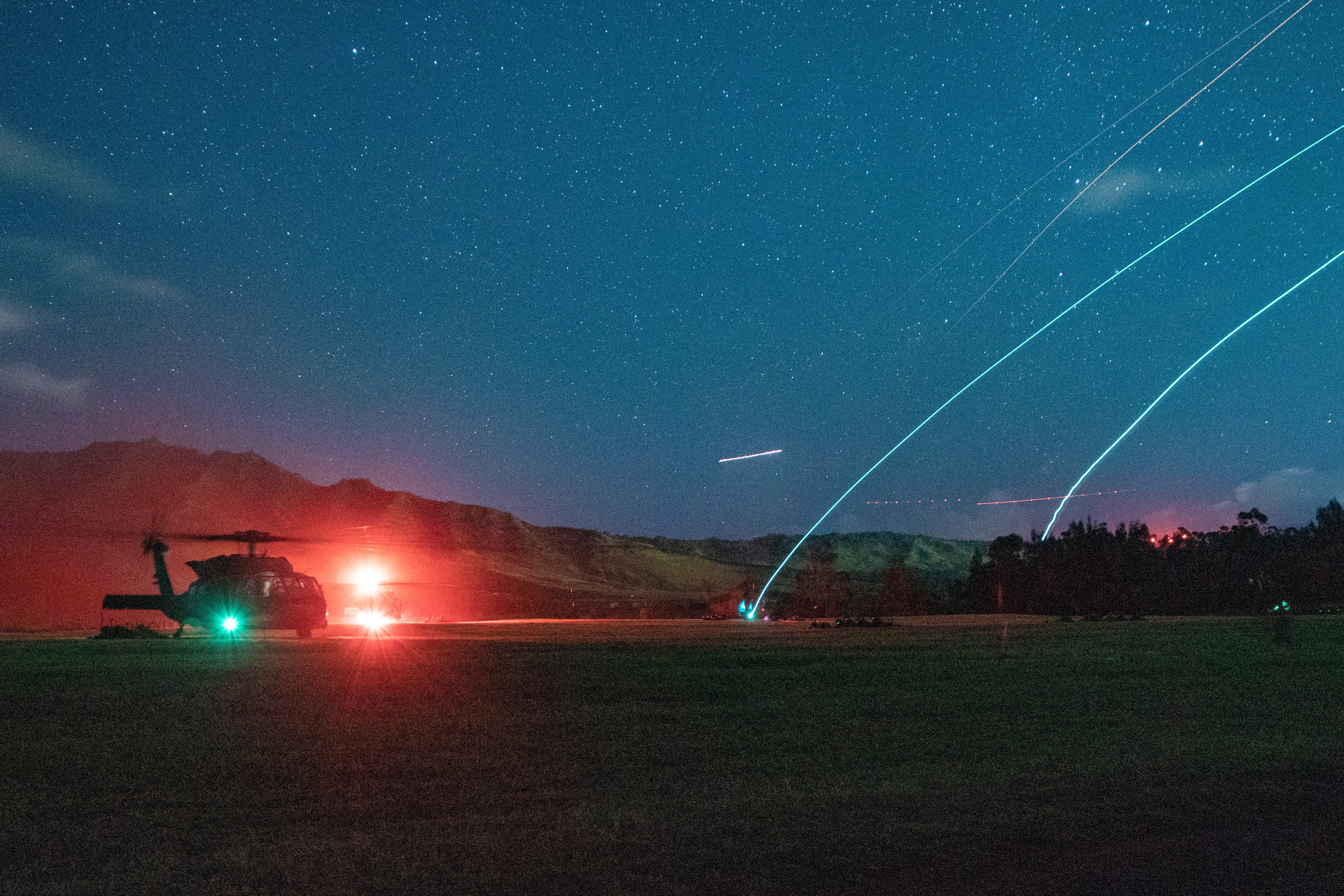
Soldiers conduct overnight air assault operations training during Exercise Lightning Forge in Oahu, Hawaii, July 17, 2020. Lightning Forge is an annual brigade-level training exercise that prepares units for a deployment certification exercise at the Joint Readiness Training Center in Fort Polk, La.

Adaptability, Resilience Marked EMF-M's Historic Stateside Deployment

July 24, 2020 | BY ANDRÉ SOBOCINSKI

Since the beginning of the pandemic, Navy Medicine has continually adapted to meet the evolving nature of COVID-19. One example is the historic deployment of Naval Hospital Jacksonville's Expeditionary Medical Facility-M.

On March 30, EMF-M answered the nation’s call by doing what no other expeditionary hospital has ever done: it deployed to five stateside locations simultaneously in support of a pandemic response.

EMFs — known as Fleet Hospitals prior to 2005 — are forward deployed platforms with Role Three medical and surgical capabilities designed to increase the survivability of those injured in a combat theater. They are the Navy's equivalent to Mobile Army Surgical Hospital, or MASH, units made popular by the film and TV series of the same name. For the Navy, they have been deployed in one form or another since World War II, but historically, nothing quite compares to the pandemic mission.

A sailor in full protective gear helps a patient put on a face mask.

Navy Capt. Kevin Brown, who served as EMF-M's commanding officer for this deployment, acknowledged the uniqueness of the mission.

''The traditional deployment of an EMF would be into a theater where there's some sort of activity, usually it's a combat related activity, on the ground that would be generating [or would be anticipated to generate] a large number of combat related casualties,'' Brown said.

Brown said he began hearing rumors in mid-March that the EMF-M would mobilize as part of the U.S. Northern Command pandemic response as part of the Federal Emergency Management Agency's request for Defense Support to Civil Authorities. The destination was uncertain, and there was discussion about possible deployments to Montana, Wyoming or the Jacob K. Javits Convention Center in New York. But within 48 hours of a planned deployment to New York, the destination changed, with the EMF now being sent to Dallas and New Orleans to serve as ''release valves'' for the local hospital systems.

Brown sent planning cells to these cities to determine their requirements and to work with local community leaders on how the Navy could best support the mission. Unlike typical EMF wartime missions, the Navy did not use pre-positioned equipment for setting up a 150-bed hospital. Instead this mission called for the EMF to supply the personnel based on the requirements of local communities as validated by FEMA. For this mission, EMF-M tapped into its pool of 450 medical providers attached to the platform and distributed them to each location by requirement. As additional needs materialized at other locations, personnel were taken from the original two detachments, as well as those serving on standby awaiting orders.

The folks on the deployments were willing to participate in that chaos and do it with a smile and do it with a high level of professionalism and integrity.''
Navy Capt. Kevin Brown

Two weeks into the original mission, EMF-M transferred 104 medical providers from the Dallas and New Orleans detachments to Baton Rouge, Louisiana, where they staffed two 30-bed COVID-19 wards and helped care for some 600 patients.

As the Baton Rouge mission was getting underway, EMF-M was deploying another detachment to the hospital ship USNS Comfort in New York.

''It was decided they needed more critical care capability, and where was the Navy going to find it?'' Brown said. ''Well, the Navy's going to find it in its 'Tier One' assets.''

Navy Cmdr. Meredith Miller served as the officer in charge for the EMF's USNS Comfort detachment. She and her team of 50 critical care specialists received orders for deployment April 13, and were aboard the ship the next day. The presence of the detachment gave the beleaguered medical staff much-needed support.

''When you realized some of them had worked 14 days straight, 12-on-12-off, ... they were just ecstatic to have more support,'' Miller said. ''So, we were pretty excited to be there and be able to jump in and help the team.''

On April 24, the fifth and final detachment deployed to the Bennett Medical Center in Stamford, Connecticut. Forty-nine members of the EMF-M worked in conjunction with 85 Army Reserve soldiers with the 811-1 Urban Augmentation Medical Task Force to provide support in treating COVID-19 patients.

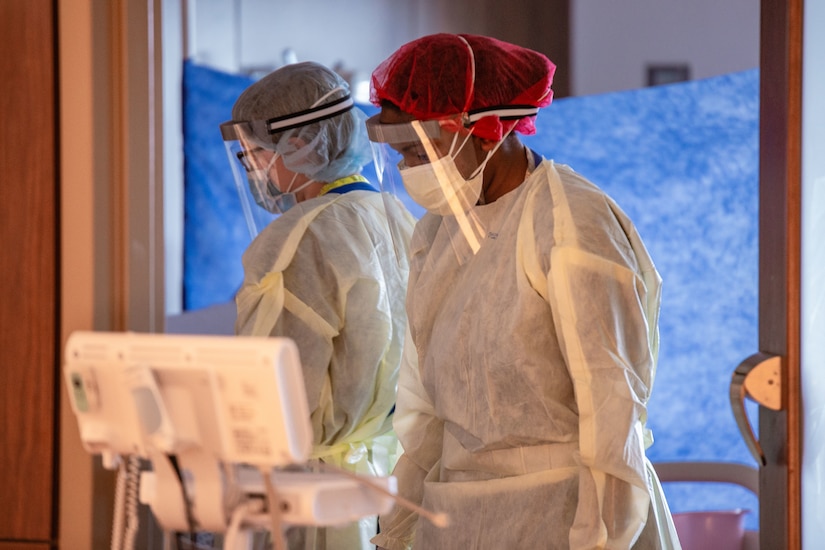
Sailors wearing full body protective gear look at patient monitors.

For Navy Capt. Chad Roe, the executive officer of the EMF and the Dallas detachment's officer in charge, this was another example of how Navy Medicine comes together to accomplish a specialized mission.

''If it's Afghanistan, or if it's shipboard in the middle of the Baltic Sea, you've got a group of people who know how to take care of patients and to get a mission done,'' Roe said. ''And it's been a real pleasure to be able to come in and support that in your own country.''

Brown said he believes that the unprecedented nature of the deployment enabled a great deal of latitude for how to meet the mission requirements.

''The bad news was that there was no templated plan for how to break an EMF into five detachments and organize it in a way where you can maintain positive command and control'' Brown said. ''The good news is there was no template that locked us in.''

As for the hallmarks of the mission, both Brown and Roe note the resilience and adaptability of EMF-M personnel.

''We were going into a situation that was completely uncertain; and once we had an understanding of what the local community needed, we would have to somehow figure it out and get it done,'' Brown said. ''And the folks on the deployments were willing to participate in that chaos and do it with a smile and do it with a high level of professionalism and integrity.''

EMF-M's last operating detachment wrapped up its mission in Baton Rouge on May 31. Over two months, some 340 members of EMF-M deployed in support of the pandemic response.

(André Sobocinski is assigned to the U.S. Navy Bureau of Medicine and Surgery.)

Louisiana National Guard Assists at New COVID-19 Testing Sites

July 24, 2020 | BY AIR FORCE MASTER SGT. TOBY VALADIE

The Louisiana National Guard has more than 1,140 soldiers and airmen assisting with the COVID-19 response.

Four new testing sites have been set up in the Baton Rouge area in communities that have experienced an uptick in new cases and hospitalizations. The added locations include: Louisiana State University's Alex Box Stadium parking lot, Southern University, Cortana Mall and the Lamar Dixon Expo Center.

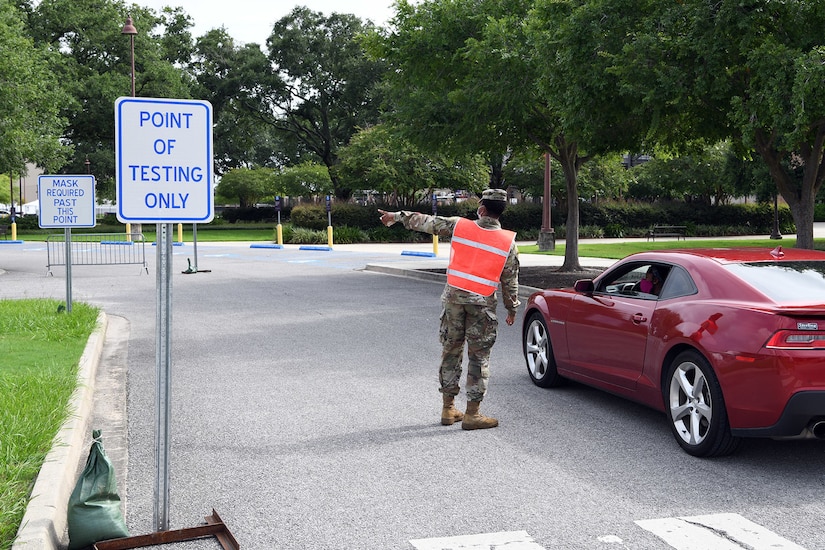
A soldier wearing a face mask assists a motorist at at COVID-19 test site.

''The goal is to test a total of 5,000 people a day at four new test sites in Baton Rouge over the next 12 to 14 days,'' said Kelley Finwall, chief of staff of the Bureau of Infectious Diseases in the Office of Public Health for the Louisiana Department of Health. ''While helping with coordination of testing since mid-March, I can't express enough how helpful the guard has been. … It's been wonderful. We couldn’t have done all we have done at the department without the Louisiana National Guard’s support and partnership.''

''It feels great to get out to the site and actually help the community,'' said Army Spc. Kevin Byoune, a plumber with the 1022nd Engineer Vertical Construction Company, 225th Engineer Brigade. ''To get that positive feedback from the community showing us their appreciation for being here, it always gives us that extra motivation to do as much as we can.''

While having provided support to more than 30 testing sites since the beginning of the response, the guardsmen have aided in the testing of nearly 108,100 citizens.

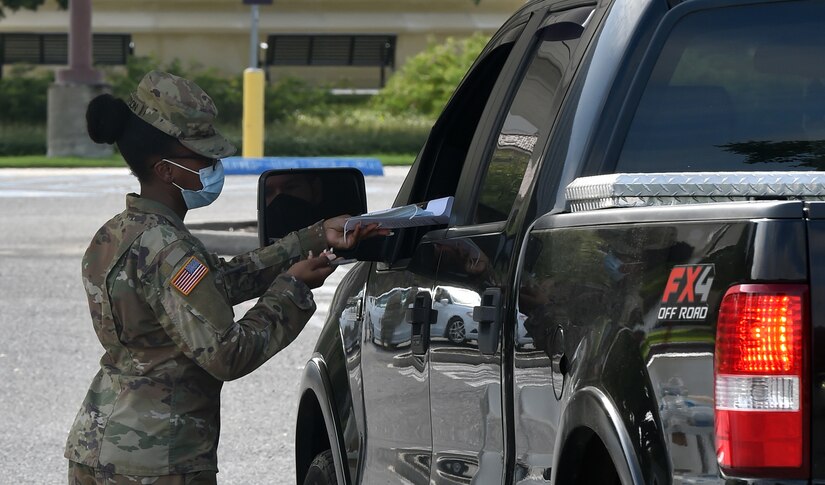
A soldier wearing a face mask assists a motorist at at COVID-19 test site.

''Although the operations are different from hurricanes or floods, we still have the same goal … we are here to assist the community and to show them that the National Guard will always be there to answer the call,'' said Army Sgt. Demontray Dorsey with the 1022nd. ''It's our duty to be here to assist in any capacity.''

In order to assist civil authorities, the Louisiana National Guard is ensuring the health and safety of its soldiers and airmen. The guard is actively taking steps to support health protection in order to maintain mission readiness, such as: limiting non mission-specific travel, educating and enforcing strict CDC-recommended hygiene measures, and  monitoring the guardsmen's temperature readings and overall health daily.

(Air Force Master Sgt. Toby Valadie is assigned to the Louisiana National Guard.)
Sneak Pass

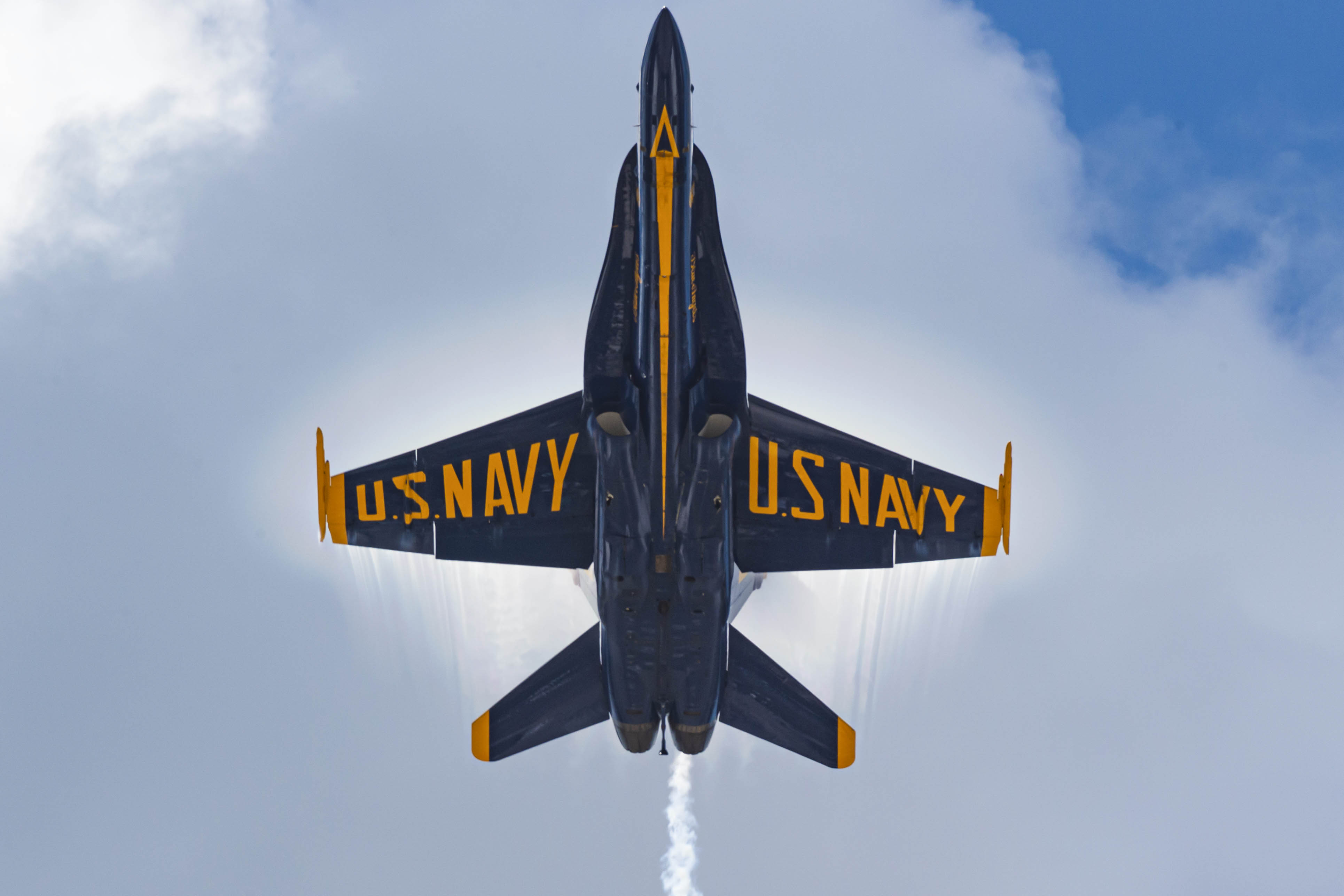
Navy Lt. Cmdr. Cary Rickoff assigned to the Blue Angels, the Navy’s flight demonstration squadron, performs the sneak pass maneuver during a training flight at Naval Air Station Pensacola, Fla., July 21, 2020.

Radio Check

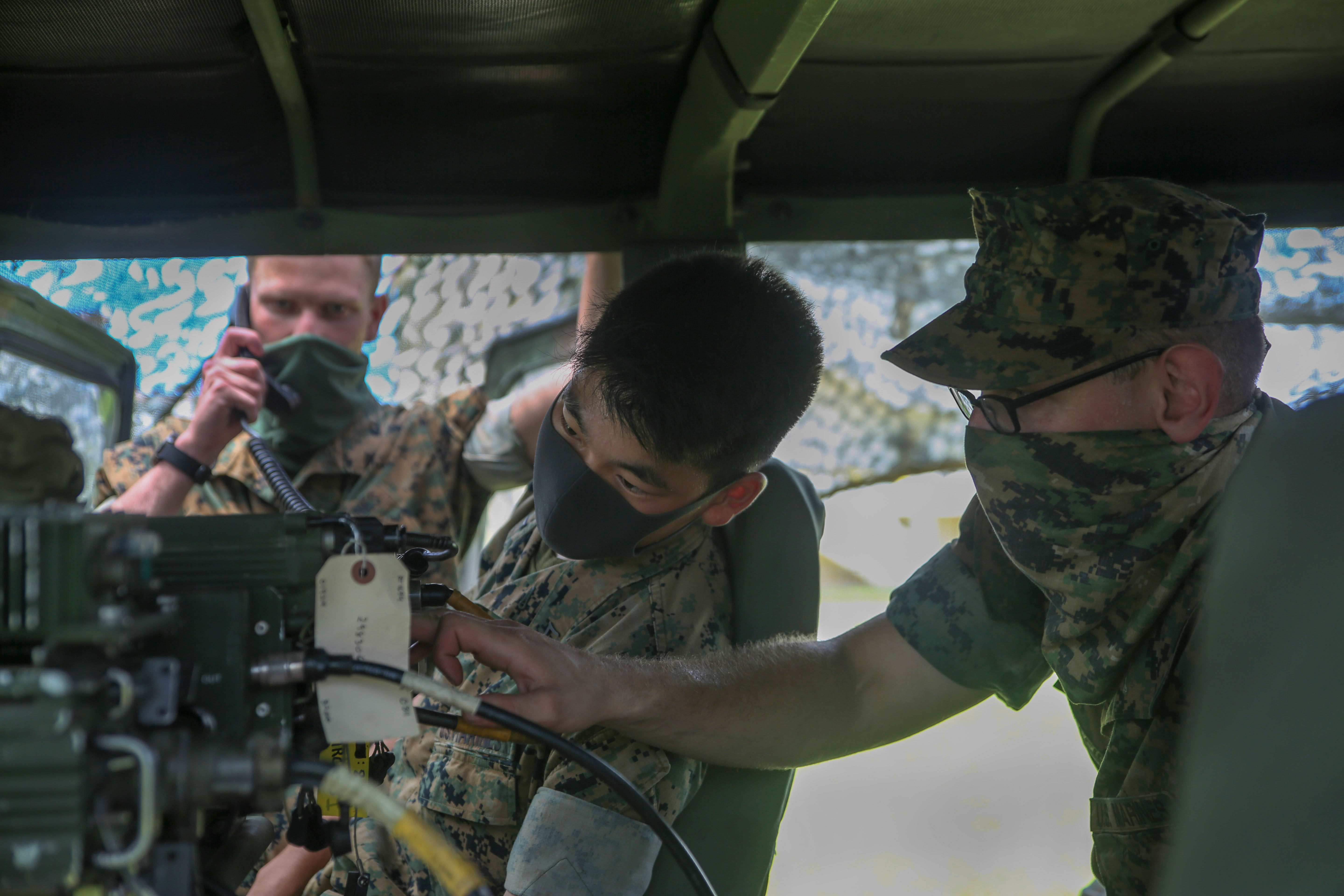
Marine Corps Cpls. Evan Boes and Dalton Sheffield and Pfc. Brennan Ekstrand conduct a radio check on Camp Hansen, Okinawa, Japan, July 21, 2020.

Raven Assembly

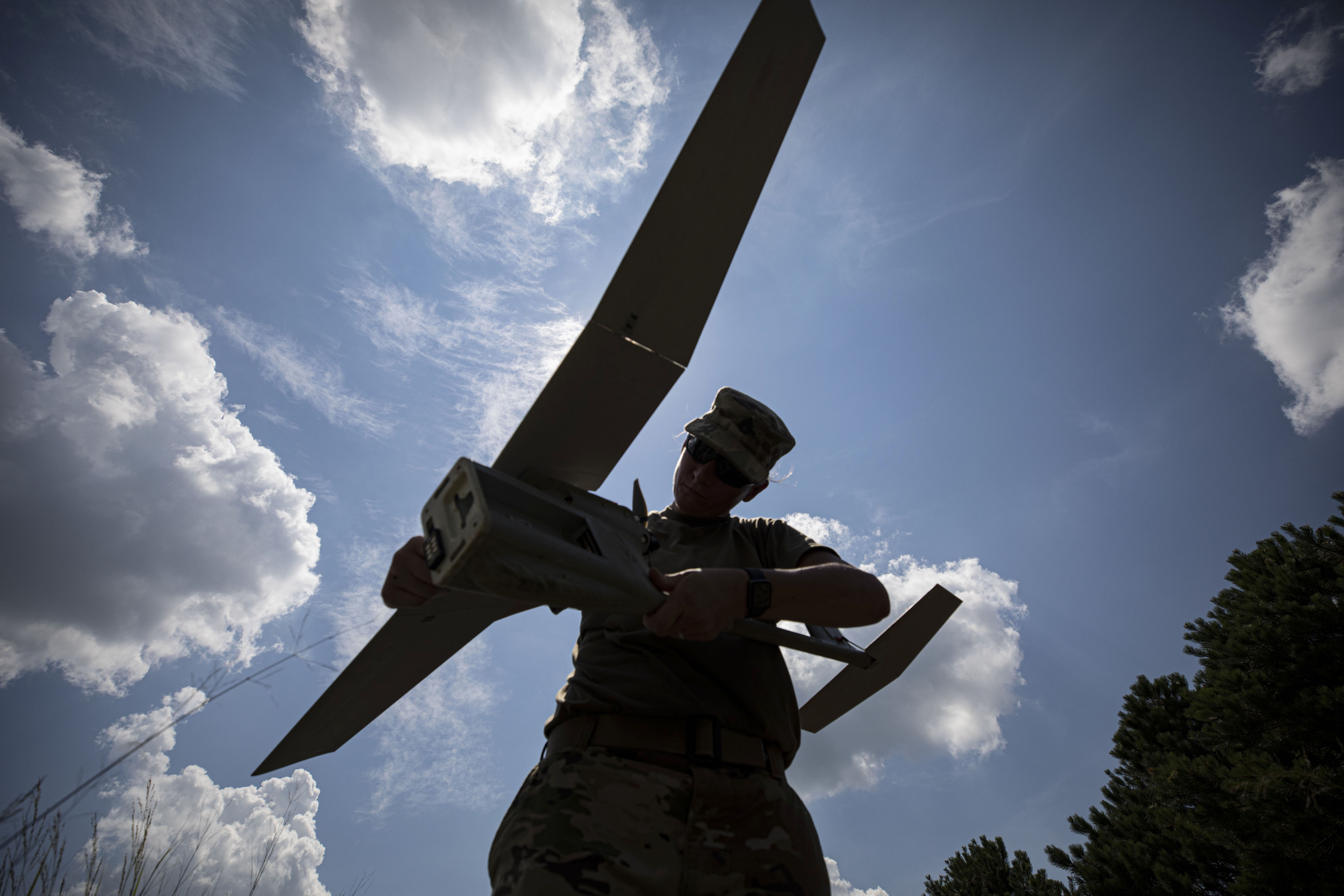
Army Staff Sgt. Dana Eustace, a soldier attending the 254th Regional Training Institute’s RQ-11B Raven course, assembles aircraft parts during the capstone field training exercise for the course at Joint Base McGuire-Dix-Lakehurst, N.J., July 22, 2020.

Russia, Wagner Group Continue Military Involvement in Libya

July 24, 2020

U.S. Africa Command has mounting evidence that Russia, through the Wagner Group, continues to position military equipment in Libya capable of conducting kinetic operations there. 

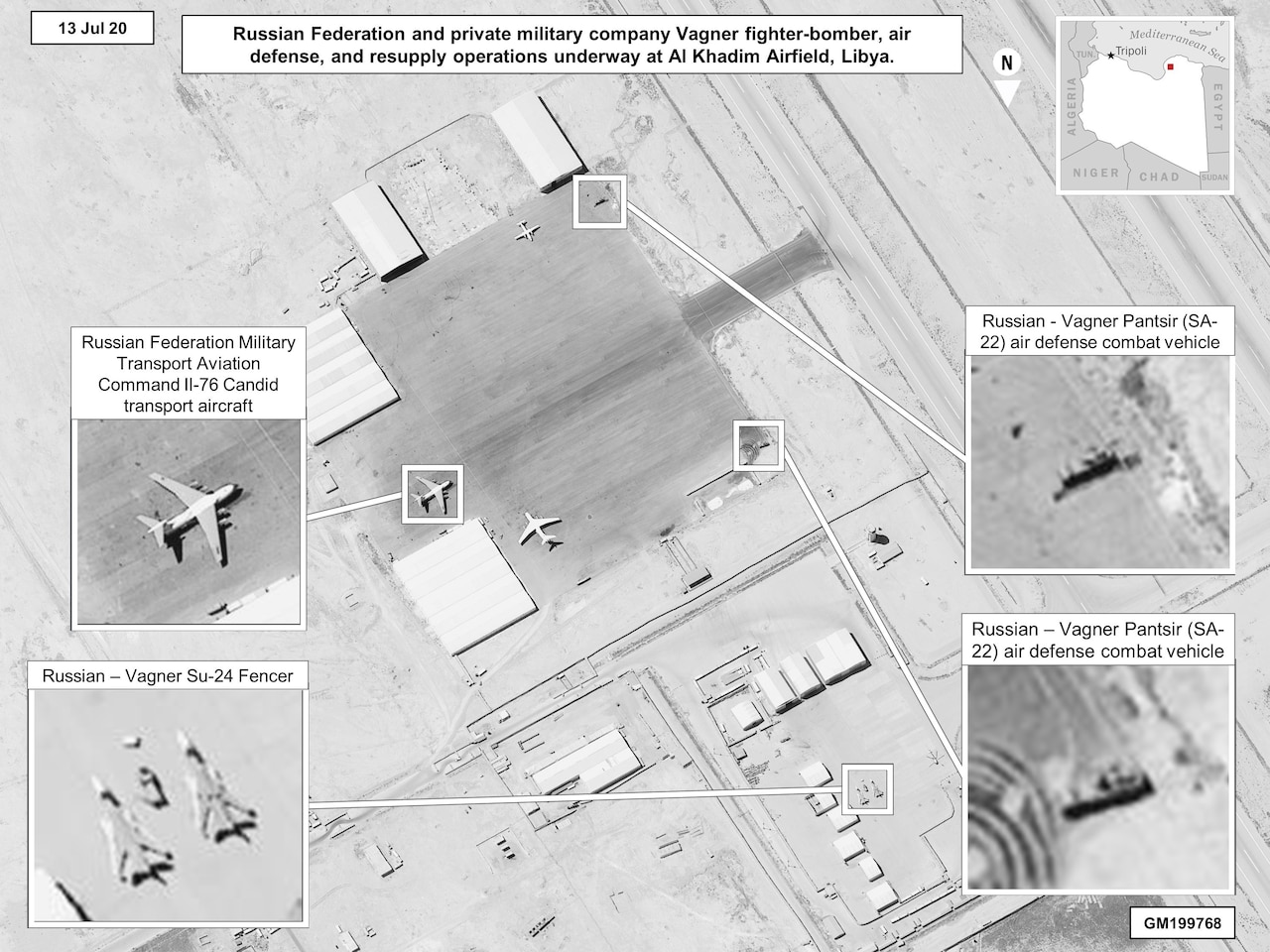
Overhead imagery shows Wagner forces and equipment on the front lines of the Libyan conflict in Sirte. Wagner, also known as the Wagner Group, is a Russian private military company.

"Russia continues to play an unhelpful role in Libya by delivering supplies and equipment to the Wagner group," said Marine Corps Maj. Gen. Bradford Gering, Africom director of operations. "Imagery continues to unmask their consistent denials."

An aerial photo shows military equipment on the ground.

It is assessed that the Russian Federation continues to violate U.N. Security Council Resolution UNSCR 1970 by actively providing military equipment and fighters to the front lines of the conflict in Libya.

As Africom has documented in a series of media releases, the U.S. assesses that Russia supplied Wagner forces operating in Libya with fighter aircraft, military armored vehicles, air defense systems and supplies, further complicating the situation and increasing the risk for miscalculation, leading to continued and needless violence in Libya.

"Imagery reflects the broad scope of Russian involvement," said Army Brig. Gen. Gregory Hadfield, Africom deputy director of intelligence. "They continue to look to attempt to gain a foothold in Libya."

The latest imagery details the extent of equipment being supplied to Wagner. Russian military cargo aircraft, including IL-76s, continue to supply Wagner fighters. Russian air defense equipment, including SA-22s, are present in Libya and operated by Russia, the Wagner Group or their proxies. Photos also show Wagner utility trucks and Russian mine-resistant, ambush-protected armored vehicles are also present in Libya.

"The type and volume of equipment demonstrates an intent toward sustained offensive combat action capabilities, not humanitarian relief, and indicates the Russian Ministry of Defense is supporting these operations," Gering said.

In May, U.S. Africa Command reported at least 14 Mig-29s and Su-24s had been flown from Russia to Syria, where their Russian markings were painted over to camouflage their origin. The aircraft were then flown into Libya, a violation of the U.N. arms embargo. U.S. Africa Command assesses that the warplanes are being actively flown in Libyan airspace.

An aerial photo shows military equipment on the ground.

U.S. Africa Command previously provided photographic evidence that Wagner had laid land mines and improvised explosive devices in civilian areas in and around Tripoli without regard to the safety of civilians.

U.S. Africa Command has continued to document how Russia uses the Wagner Group as a proxy in Libya to establish a long-term presence on the Mediterranean Sea.

"Russian involvement is evident — which the Kremlin lies about every time they deny it," said Col. Chris Karns, Africom director of public affairs.

The U.S. supports a political solution in Libya and encourages all parties to adhere to the U.N. arms embargo.

(From a U.S. Africa Command news release) 
Jumping Drago

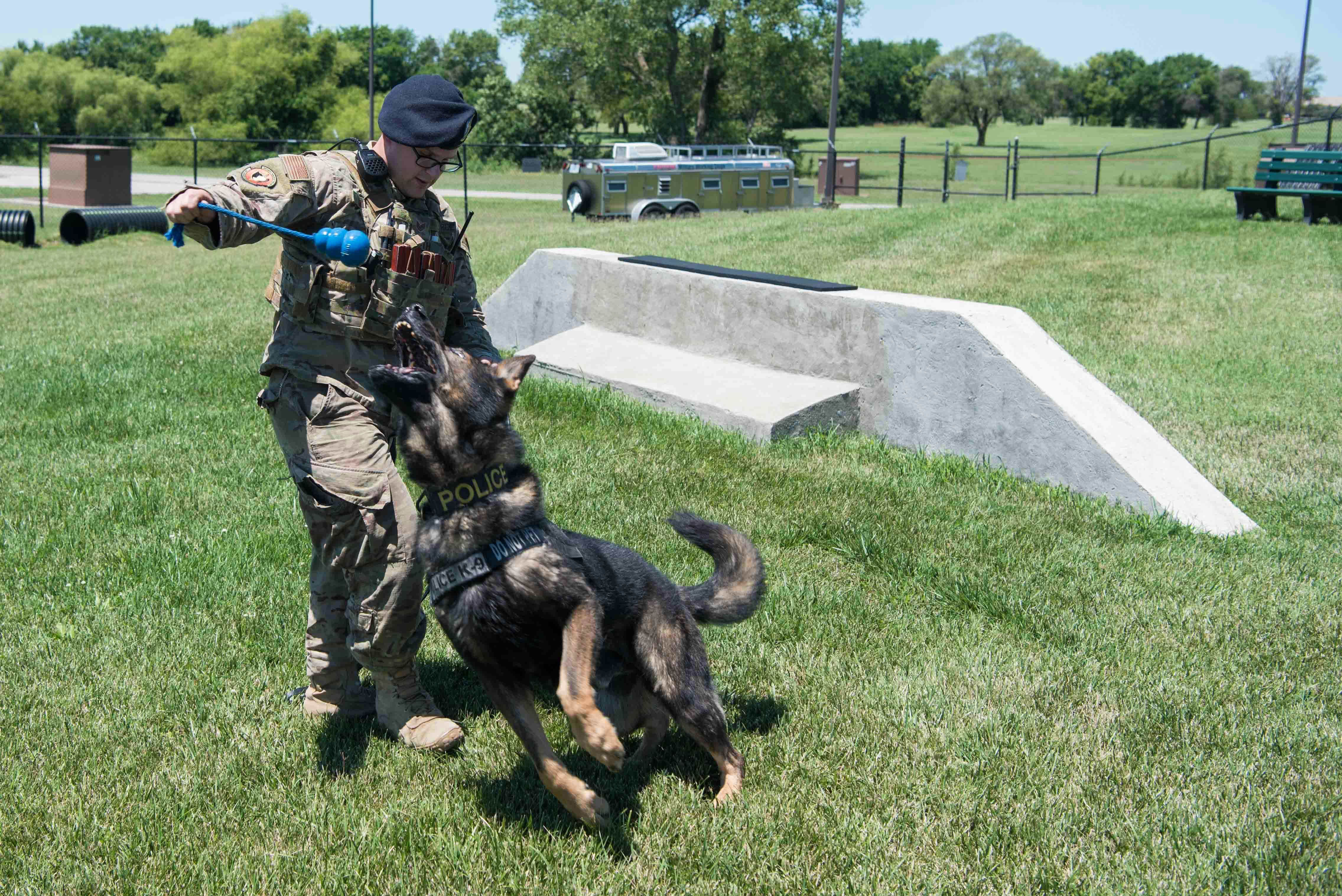
Air Force Staff Sgt. Michael Smith and Drago, a military working dog, take a break to play after training at McConnell Air Force Base, Kan., July 13, 2020.

DOD Announces $77.3 Million in Defense Production Act Title III COVID-19 Actions

July 24, 2020

Today, the Department announces three Defense Production Act Title III actions to help sustain and strengthen essential domestic industrial base capabilities and defense-critical workforce in the aviation, rare earth materials, and electronics industries.  These actions will help to retain critical workforce capabilities throughout the disruption caused by COVID-19 and to restore some jobs lost because of the pandemic. The Department remains closely partnered with FEMA and HHS, providing almost $2.9 billion in life-saving medical services, supplies and equipment to service members and federal agencies in the nation's whole-of-government approach to the coronavirus pandemic.

DOD Announces $33.6 Million Defense Production Act Title III Agreement with eMagin Corporation to Strengthen the Domestic Electronics Industrial Base

As part of the national response to COVID-19, the Department of Defense entered into a $33.6 million agreement with eMagin Corporation to sustain and expand critical industrial base production of organic light-emitting diode (OLED) microdisplays capable of meeting high-performance requirements in resolution and brightness.

eMagin Corporation intends to replace and update single-point-of-failure and aging equipment to reduce production downtime and increase yield and throughput.  The increased production will ensure the U.S. government continues to have access to this sole domestic supplier of high-performance OLED microdisplays for use in a variety of military applications.

Using funds authorized and appropriated under the CARES Act, this DPA Title III investment will offset financial distress brought about by the COVID-19 pandemic and enable eMagin Corporation to retain current staff and create 14 new jobs made up of engineers, maintenance technicians, and manufacturing personnel.

eMagin Corporation’s headquarters and manufacturing plant located in Hopewell Junction, New York is the principle place of performance.

DOD Announces $14.9 Million Defense Production Act Title III Agreement with Meggitt‑Rockmart, Inc. to Strengthen Domestic Aviation Industrial Base

As part of the national response to COVID-19, the Department of Defense entered into a $14.9 million agreement with Meggitt-Rockmart to increase domestic production capability and capacity of military grade fuel bladders for use in a wide range of U.S. military aircraft platforms. The increased production will ensure the U.S. government gets dedicated long-term industrial capacity to meet the needs of the nation.

Using funds authorized and appropriated under the CARES Act, this DPA Title III investment will offset direct workforce and financial distress brought about by the COVID-19 pandemic and ensure critical capabilities are retained in support of the U.S. aviation defense industrial base.

Meggitt-Rockmart, Inc. is located in Rockmart, Georgia, which is the principal place of performance.

DOD Announces $28.8 Million Defense Production Act Title III Agreement with Urban Mining Company to Strengthen the Domestic Rare Earth Materials Industrial Base

As part of the national response to COVID-19, the Department of Defense entered into a $28.8 million agreement with Urban Mining Company, to assist in developing a domestic source for Neodymium Iron Boron (NdFeB) rare earth permanent magnets. NdFeB magnets are essential components for many DOD programs that enable miniaturization and high performance of guidance, propulsion, and power systems.

This investment will enable Urban Mining Company to maintain and protect critical workforce capabilities during the disruption caused by COVID-19 while strengthening a vital domestic supply-chain of rare earth materials.

Urban Mining Company headquarters in Austin, Texas is the principal place of performance.

Website resources: 
DOD Coronavirus update  

DOD Industrial Policy

Joint Acquisition Task Force
 
Defense Production Act Title III

Machine Gun Training

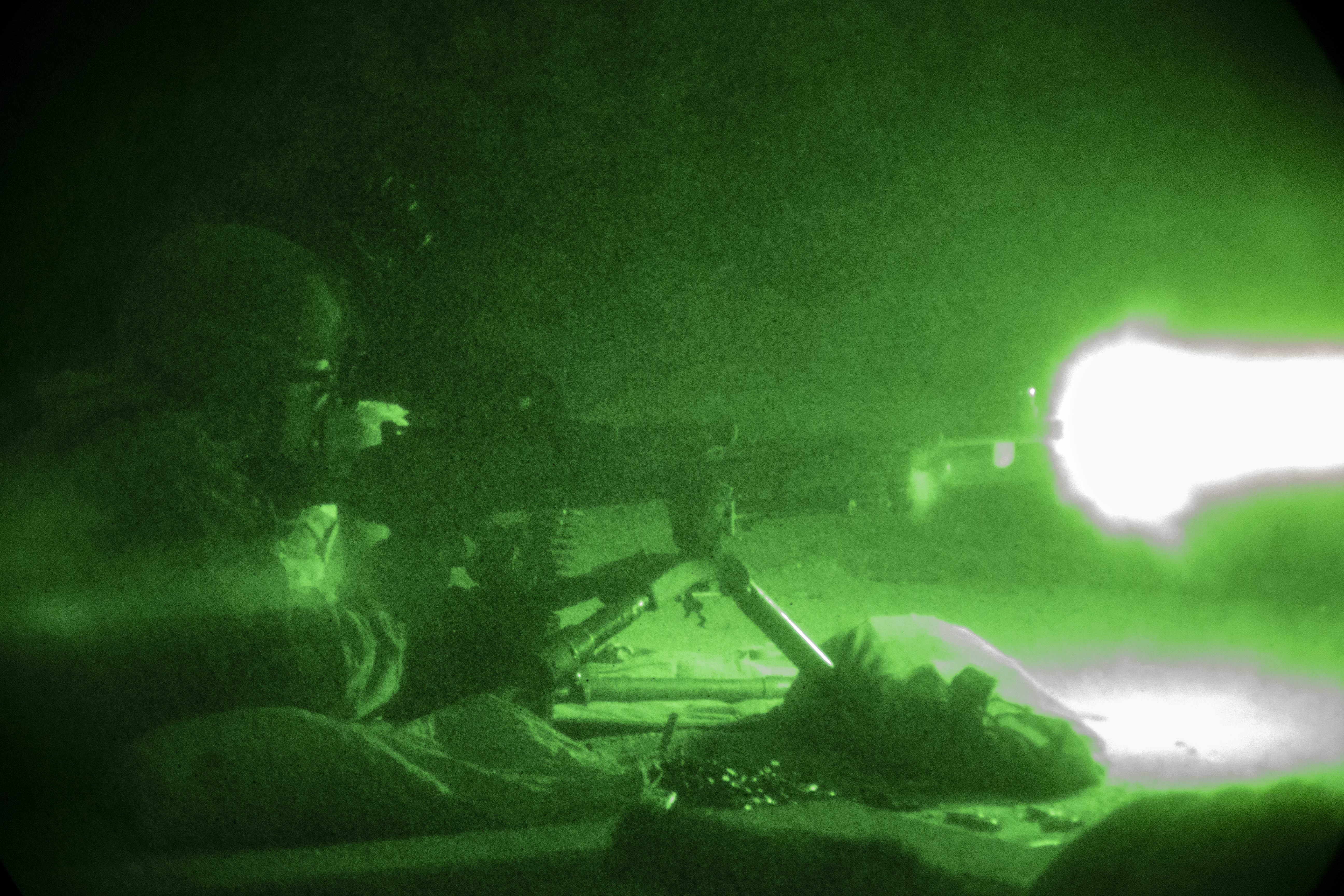
A Marine fires an M240B medium machine gun during a machine gun qualification at Marine Corps Base Camp Pendleton, Calif., July 22, 2020.

Night Training

Soldiers conduct limited visibility overnight air assault operations training during Exercise Lightning Forge in Oahu, Hawaii, July 17, 2020. Lightning Forge is an annual brigade-level training exercise that prepares units for a deployment certification exercise at the Joint Readiness Training Center in Fort Polk, La.

Helping Hand

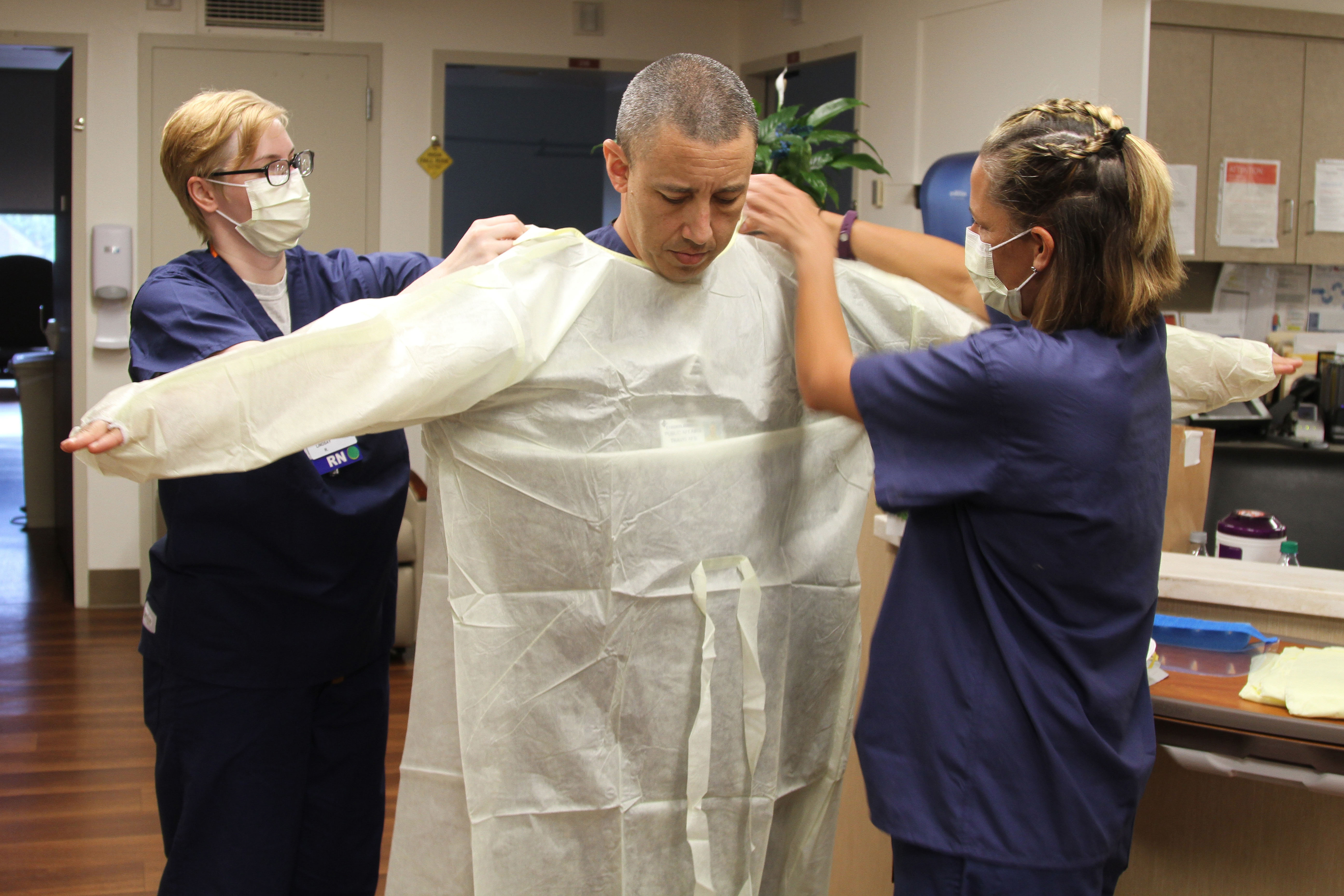
Air Force nurses, 1st Lt. Lindsey Richardson, left, and Capt. Ashley Ritchey, right, assigned to the 60th Medical Group, 60th Air Mobility Wing, assist Staff Sgt. Ryan Sheldon, center, of the California Army National Guard with the proper wearing of medical personal protective gear at Dameron Hospital in Stockton, Calif., Jul. 22, 2020. The nurses deployed from Travis Air Force Base in Fairfield, Calif. to support Task Force 46, under the Joint Force Land Component Command, Army North, in order to assist with COVID-19 response efforts.

Personal Delivery

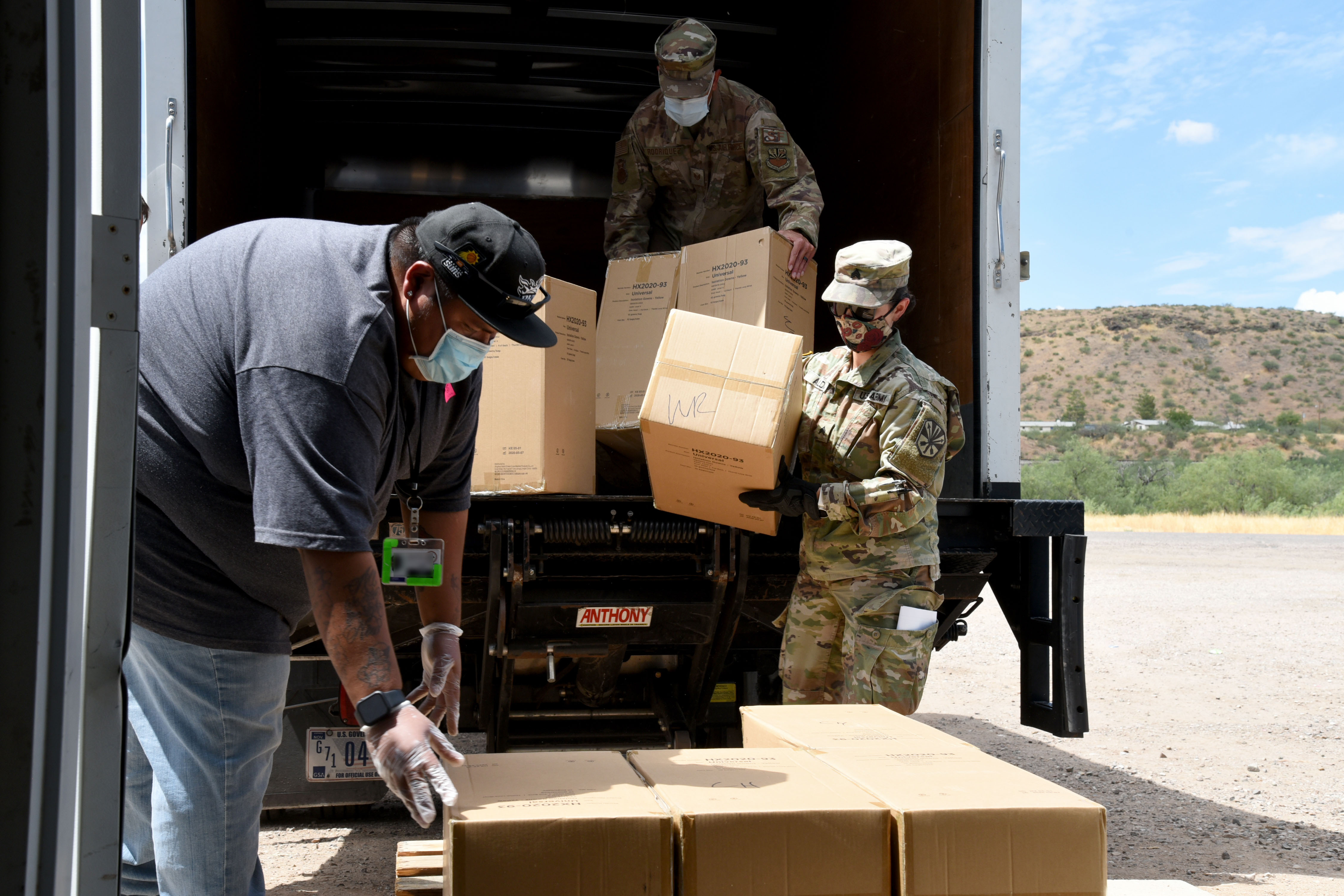
Arizona National Guard service members delivered personal protection equipment to a local distribution center for members of the San Carlos Apache Tribe in San Carlos, Ariz., July 22, 2020. The delivery was part of a coordinated one-day mass delivery of more than 450 boxes of PPE items to Arizona Native American tribes around the state of Arizona.

Water Warrior

Marine Corps Lance Cpl. Jacob Maze participates in a water survival screening at Camp Shelby, Miss., July 19, 2020.

Fire Prevention


A soldier participates in fire prevention flights with the Bavarian Forestry Service at Grafenwohr Training Area, Germany, July 16, 2020. The flights helped prevent forest fires and strengthened the relationship between the soldiers and the Bavarian Forestry Service.

Competition Crew

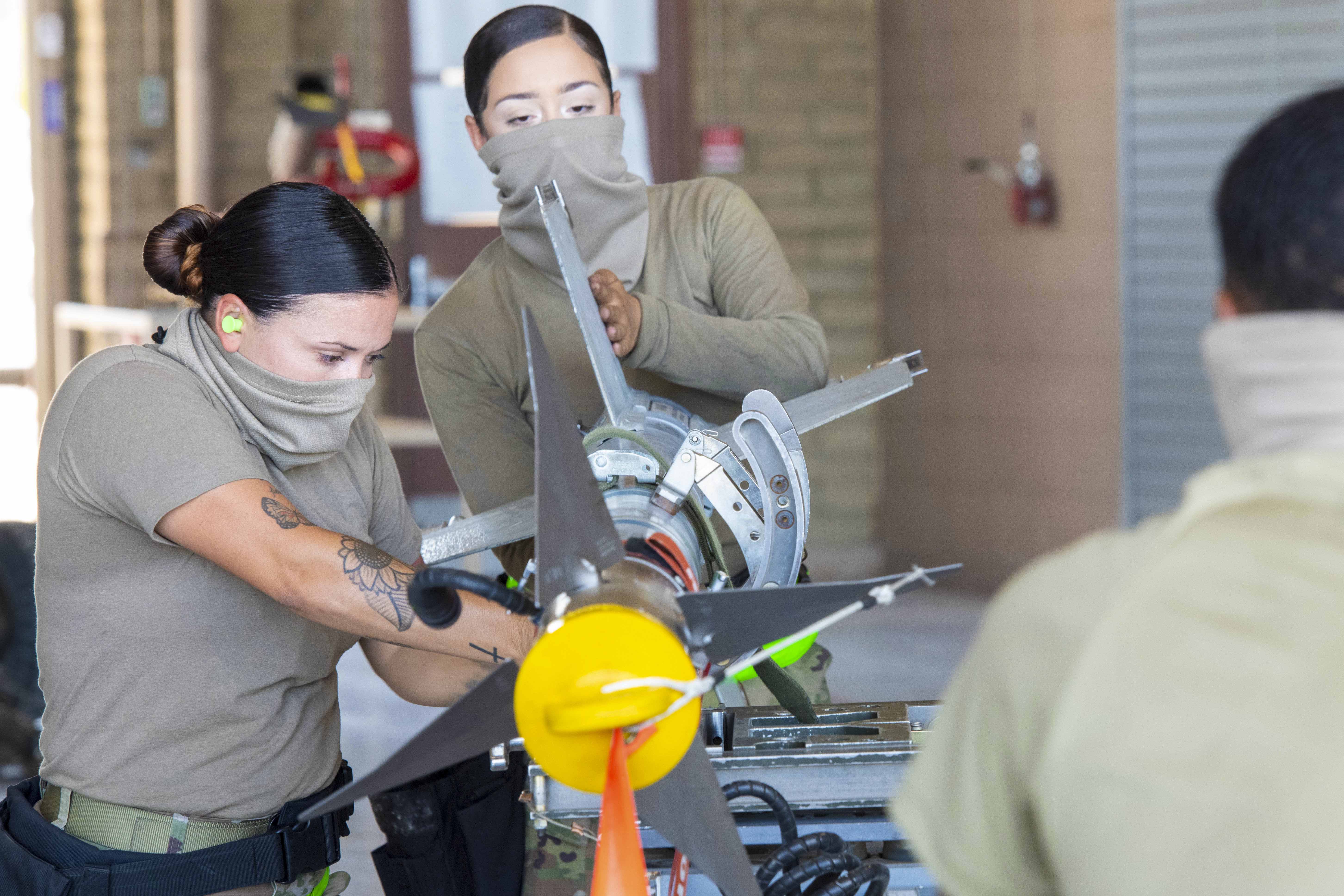
Air Force Staff Sgt. Marissa Colima and Senior Airman Javon Sweatts participate in a load crew competition at Luke Air Force Base, Ariz., July 17, 2020.