For more than two centuries, the USS Constitution has relied on the stars, the sea and traditional paper charts to navigate. But as the historic vessel prepares for nine America 250 fleet events in 2026, Old Ironsides is receiving a critical digital navigation upgrade courtesy of Naval Surface Warfare Center, Philadelphia Division.
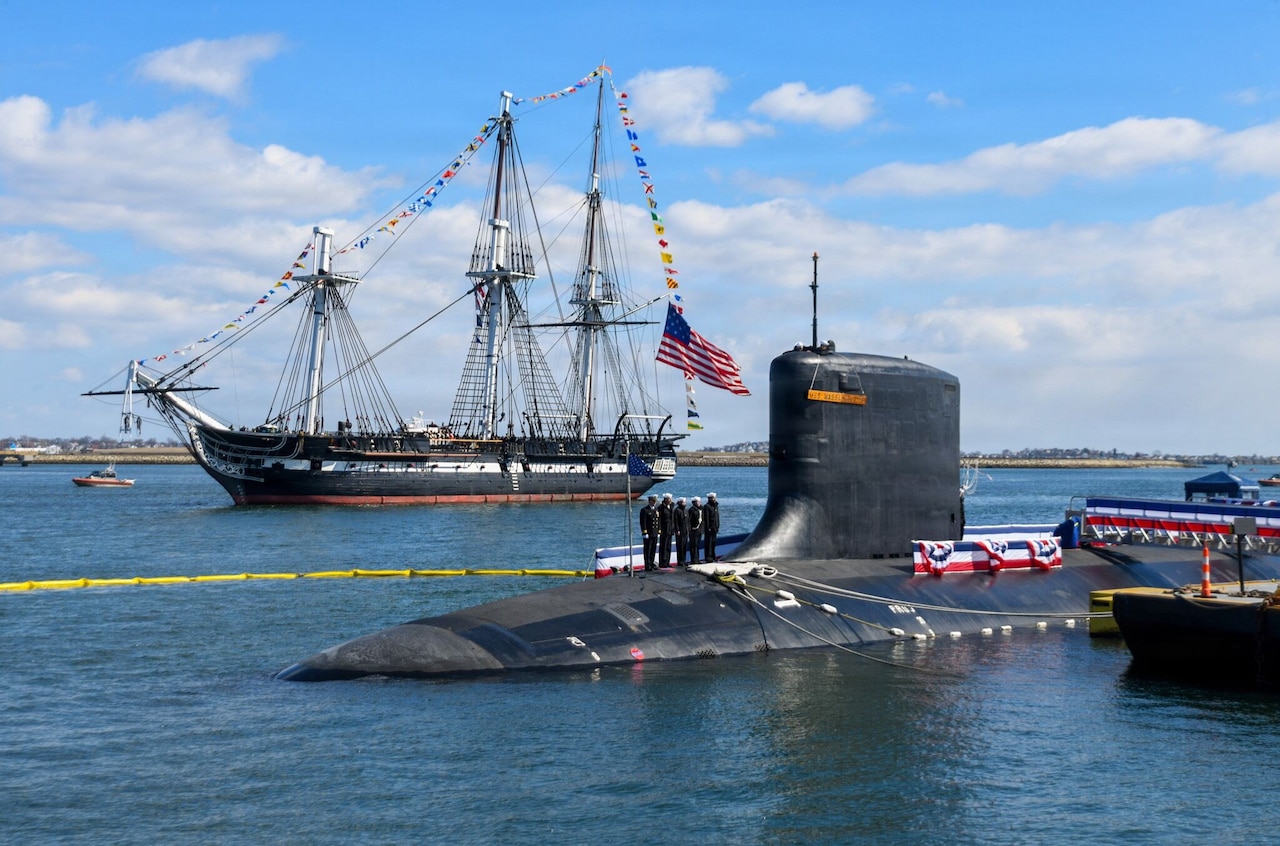
"NSWCPD delivers solutions that keep ships at sea and sailors mission ready, whether that ship was commissioned in 1797 or 2026," said Navy Capt. Ashley Wright, NSWCPD commanding officer. "[The] USS Constitution is a living symbol of our Navy's heritage, and this project shows how our engineers can tailor modern capability to meet a one-of-a-kind mission while preserving a national treasure."
The transition marks a significant milestone for the ship and the Navy. In December 2024, the National Oceanic and Atmospheric Administration officially sunset the distribution of paper charts, making electronic charting the standard for modern maritime navigation. Today, every commissioned surface and subsurface vessel in the Navy relies on a certified Electronic Chart Display and Information System.
NSWCPD serves as the in-service engineering agent for the navigation system across the surface and, more recently, the subsurface fleets. The system provides electronic charting and navigation information that helps ship operators maintain awareness of the vessel's position and movement. It represents a significant advancement over the manual plotting and chart updating processes traditionally associated with paper charts.
When the Constitution recently transitioned to become a Commander, Naval Surface Force Atlantic asset, the command required the historic ship to be equipped with ECDIS to ensure navigational safety during the highly anticipated America 250 fleet events. However, outfitting an 18th-century wooden-hulled frigate with 21st-century technology presented a unique engineering challenge.
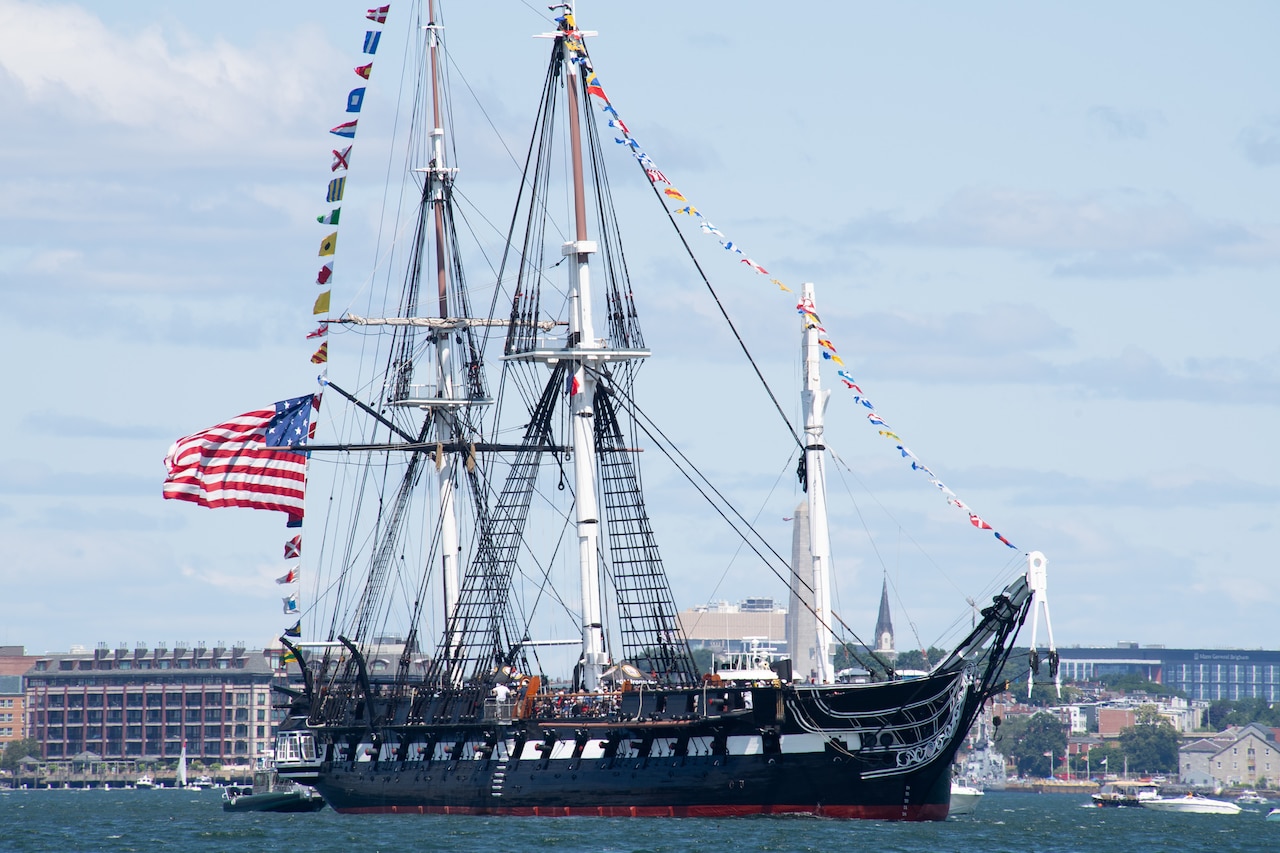
A traditional surface-ship installation is designed for modern naval vessels with complex operational requirements, established shipboard configurations and multiple layers of system resiliency. For the Constitution, that type of installation would have exceeded the ship's unique mission needs and posed challenges because of the vessel's historic design, limited space and preservation requirements.
To meet the requirement without altering the ship's historic integrity, the NSWCPD team developed a streamlined solution. Leveraging the flexibility of the systems engineering process, the team outfitted the Constitution with an emergency navigational laptop.
"We didn't need to reinvent the wheel. We needed to apply existing fleet technology in a smart way," said James Vaites, NSWCPD ship navigation system technical specialist. "The emergency navigational laptop we provided to [the] Constitution uses the same hardware and software carried as a critical backup across the modern surface fleet. For Old Ironsides, it gave us the real-time charting capability we needed in a compact, portable format that fit the ship's unique mission requirements."
The navigational laptop is the same technology provided to every ship in the surface fleet as a backup to its primary ECDIS, in the event of an operational or power failure. For the Constitution, however, it serves as the ideal primary tool — delivering the necessary real-time charting and safety data in a compact, unclassified and highly portable format.
By thinking beyond the traditional installation model, the NSWCPD team successfully met safety requirements, equipping the Navy's oldest commissioned warship afloat with its newest navigational standard and getting her underway on time for the nation's birthday celebrations.
The effort highlights NSWCPD's role in supporting current fleet readiness and the Navy's historic legacy. As the USS Constitution prepared to represent the Navy, Old Ironsides did so with the help of modern navigation technology adapted for one of the fleet's most unique ships.


 Posts
Posts


No comments:
Post a Comment