
A Delta IV rocket launches from Cape Canaveral Space Force Station, Fla., Dec. 10, 2020. The Space Force’s Space and Missile Systems Center Launch Enterprise team participated in the mission.
Dec. 11, 2020 | , DOD News
DIU Director Michael Brown took part in an AFWERX panel with Air Force Secretary Barbara M. Barrett, and Will Roper, assistant secretary of the Air Force for acquisition, technology and logistics.

AFWERX is the Air Force's team of innovators who encourage and facilitate connections across industry, academia and military to create a culture of innovation and solve problems.
The Defense Innovation Unit's mission is to accelerate the adoption of commercial technology throughout the DOD.
"AFWERX over the past three years has grown from a visionary startup to an innovative ecosystem, connecting ideas with solutions and empowering air and space professionals to think beyond today's reality," said Barrett.
"Innovation is embedded in our culture, and in our DNA, and innovation is a force multiplier for partnerships fueled by small business industry, interagency partners and aerospace professionals," she added.

Barrett provided some examples of what AFWERX has been working on: creating new landing gear, using a 3D printing lab to create needed medical supplies during the COVID-19 pandemic, developing space-based situational awareness capabilities, developing virtual reality enhanced pilot training, and creating an affordable flying car that can deliver supplies to the point of need.
Current efforts of AFWERX are focused on energy, autonomy, space and microelectronics, she noted.
Brown spoke about DIU's collaboration with the Air Force.
One of the areas that DIU worked on in the past is predictive maintenance that started with the Air Force, he said. Now that technology is being shared across every military service.
One of the benefits of DIU is that it was set up as a joint organization, meaning it has folks inside from every service branch, he added.
One of the areas DIU is now focused on is autonomous swarming drones, he said.
Roper said that area of focus is important. "Swarming drones are increasingly things that terrorist groups can do, that hobbyist groups can do with the right technical know-how," he said, adding, "I think it's a great example, because swarming drones that could attack the military, that's not just an Air Force problem. All of the services face that. Well, that's a scary future, we have to worry about."

Air Force Chief Master Sgt. Brian Kruzelnick, second from left, the Air Mobility Command’s command chief master sergeant, participates in an obstacle exercise while visiting Dover Air Force Base, Del., Dec. 8, 2020.
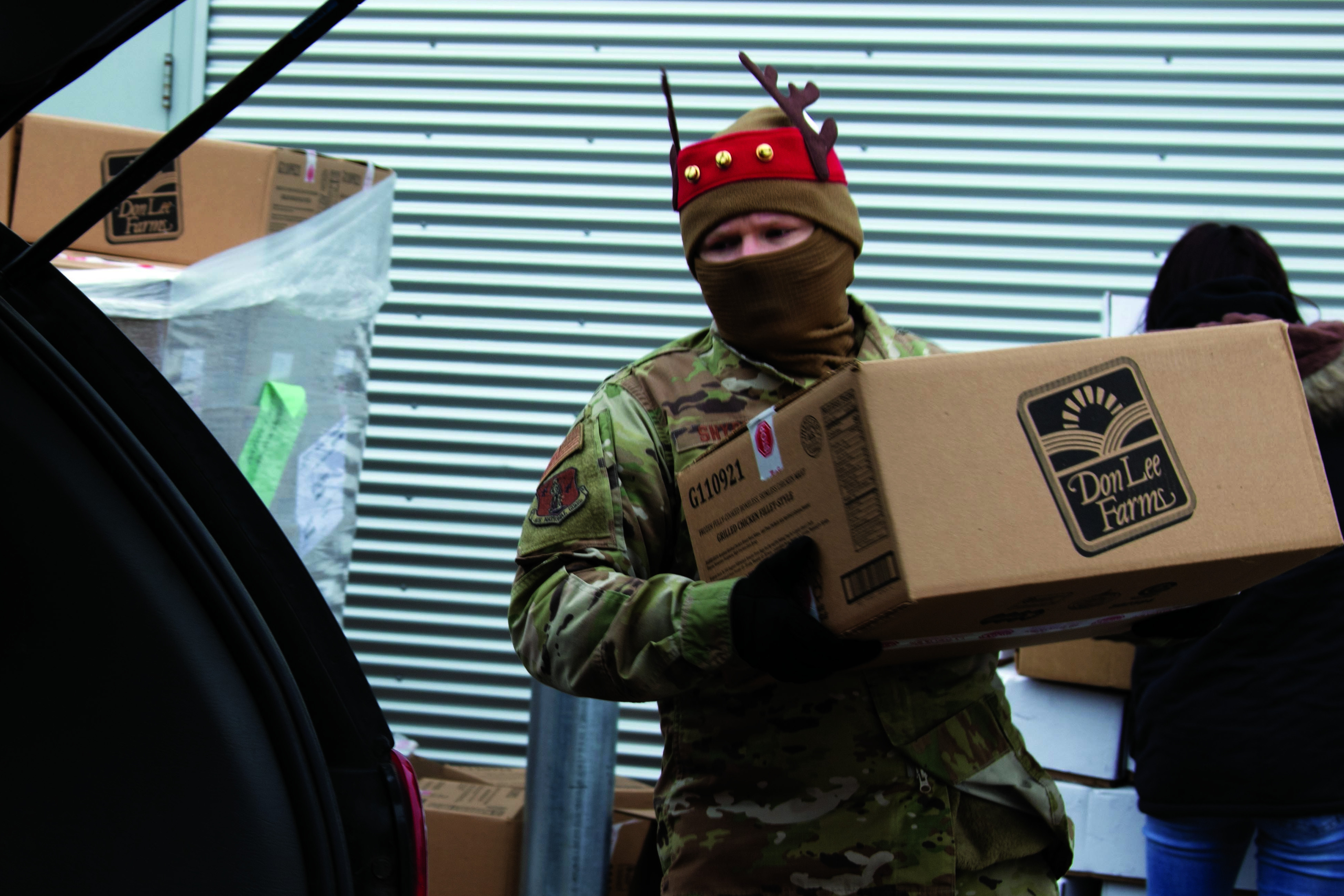
An Air Force airman assigned to the Michigan National Guard’s COVID-19 response task force, is working at the South Michigan Food Bank in Battle Creek, Mich., Dec. 8, 2020. The airmen are working alongside civilians to help the food bank with distribution this Christmas.
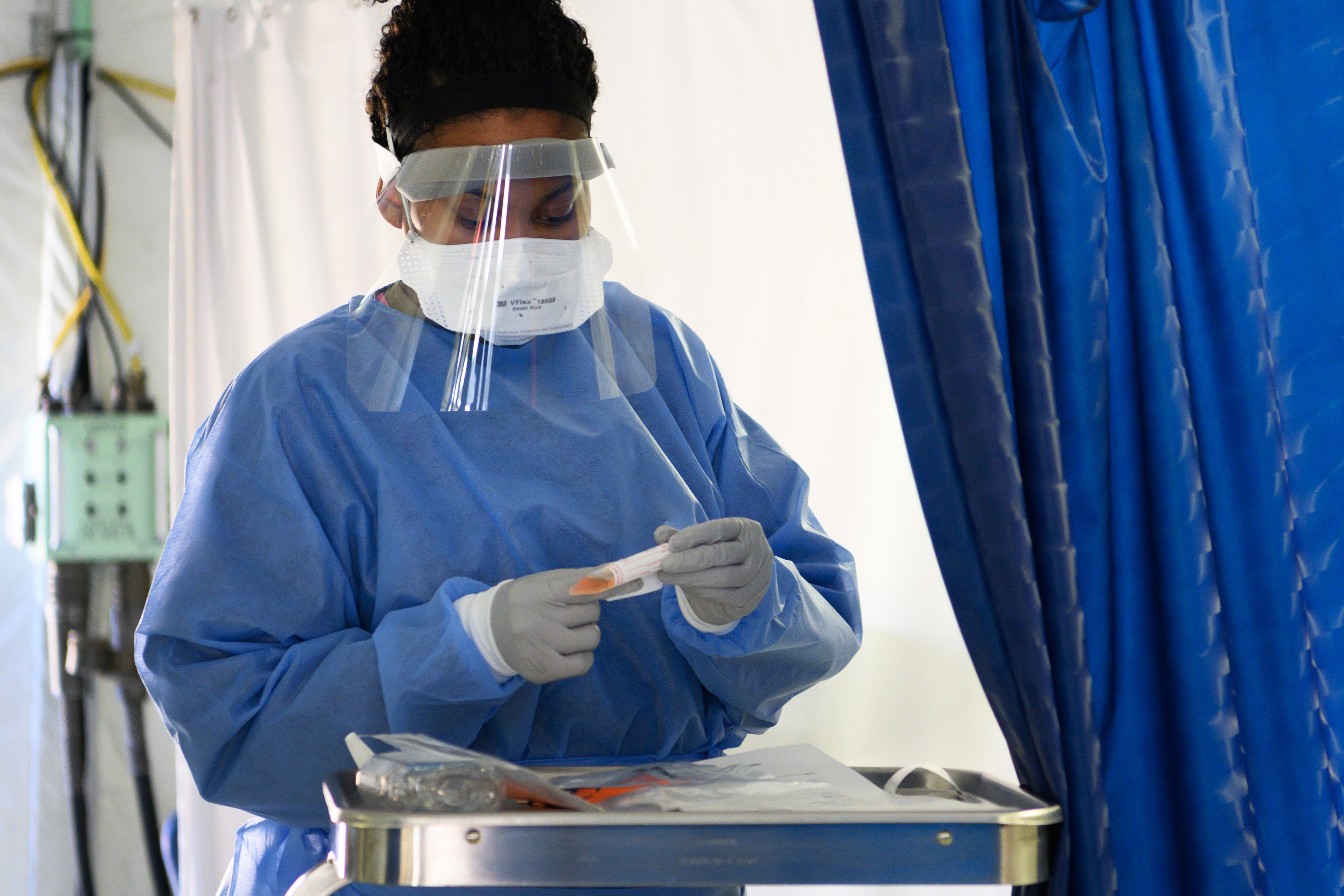
Air Force Airman 1st Class Tamara Henry, a medical technician assigned to the 60th Surgical Operations Squadron, prepares a COVID-19 test kit at Travis Air Force Base, Calif., Nov. 30, 2020. David Grant USAF Medical Center personnel set up the testing site earlier this year.
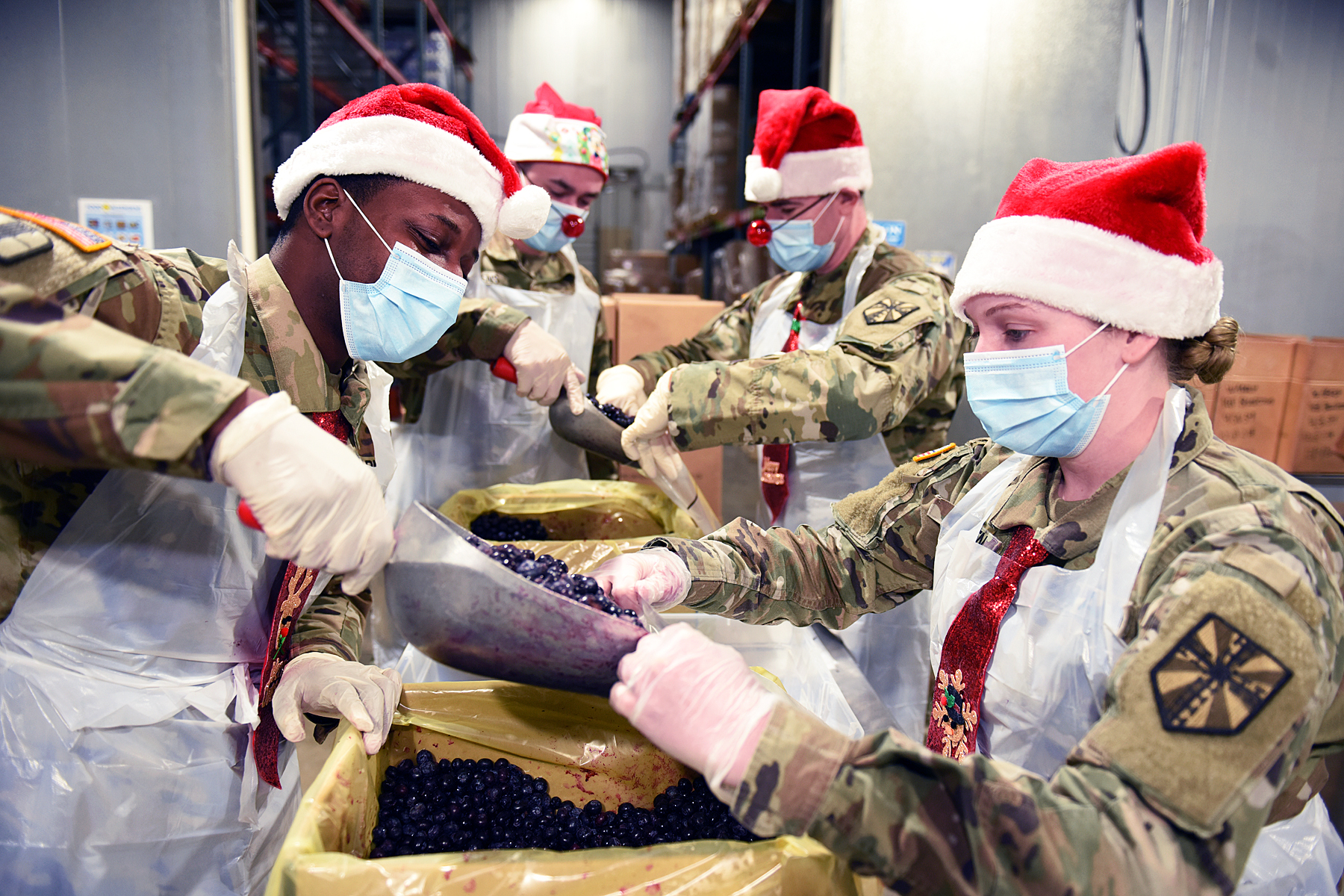
Michigan National Guard soldiers assigned to Michigan’s Task Force Spartan work with the Gleaners of Warren, Michigan, Community Food Bank, Nov. 24, 2020. Army and Air National Guard members filled and labeled thousands of pounds of frozen blueberry and green bean bags in the Gleaners warehouse. They also assembled approximately 1,600 lbs of quarantine cold and dry food boxes, reaching a goal of 90,000 lbs weekly during the Christmas holidays. The food bank warehouse serves 400 agencies in five counties. Since March, Michigan National Guard teams have supported food banks across Michigan, distributing more than 7 million pounds of food to local communities.
Dec. 10, 2020 | , DOD News
Jens Stoltenberg, NATO's secretary general, today spoke virtually from NATO headquarters in Brussels to the Defense One Outlook 2021, a forum for sharing thoughts and ideas.
"NATO is the most successful alliance in history because we have been able to change when the world is changing," he said.
To keep pace with a changing world, Stoltenberg said the alliance launched the NATO 2030 project earlier this year.
"NATO 2030 is about how to make sure that NATO continues to change," he said.
For 40 years, NATO did one thing, and that was to deter the Soviet Union, he said. When the Cold War ended and the Berlin Wall came down, NATO changed its focus to ending the wars in the Balkans and fighting terrorism in the Middle East.
After Russia's illegal annexation of Crimea and China's growing military threat, the focus changed again, he added.
In response to these new threats, NATO increased its defense spending and modernization efforts, and those efforts will continue with a 10-year plan embodied in the NATO 2030 project.
Stoltenberg acknowledged policy and political differences in the 30-nation alliance, and he said NATO needs to be able to successfully address those differences.
"There's no way to hide the differences on a wide range of issues, but then we need to sit down, come together, consult and try to find ways forward despite our differences," he said.
"My message to the United States is that it's a great advantage for the United States to have 29 friends and allies, especially as the United States and the world addresses the security implications of a growing China," he added.
He said the alliance — along with Japan, South Korea, Australia, New Zealand and other partners — looks with alarm as China is making its presence felt in the South China Sea, the Arctic, Africa and cyberspace through foreign investments and in building out a vulnerable 5G network that it's looking to export.
At last year's NATO summit, the alliance for the first time decided to put discussions about how to deal with threats coming China on the agenda, he said.
Russia is also a growing concern. "In the last decade or so, we've seen that Russia gradually has undermined and violated the INF Treaty," he said, referring to the Intermediate-Range Nuclear Forces Treaty.
Despite the demise of that treaty, the alliance is working to strengthen arms control — not only with Russia, but also with China, he said.
Regarding Afghanistan, the secretary general said the alliance must weigh the risks of leaving too quickly without satisfactory negotiations with the Taliban and the Afghan government.
"It would be a great tragedy if the terrorist caliphate they lost in Iraq and Syria then reemerges in Afghanistan," he said.
"No one wants to stay in Afghanistan longer than necessary. But at the same time, we realize that if we leave too soon, we may pay a very high price," he warned.

Regarding the Arctic, the secretary general said NATO is heavily involved there, with many of the important NATO military bases located there or nearby.
"NATO allies have over the last two years invested heavily in new capabilities that operate in the Arctic: maritime patrol aircrafts, new frigates, new fighter jets and so on. All those capabilities are important for NATO presence in the Arctic," he said.
NATO also hosted the recent Trident Juncture exercise in the Arctic area, he added
The alliance is also working to reduce tensions with Russia in the Arctic, he said, noting that Russia is a member of the Arctic Council and the Barents Euro-Arctic Council, along with northern NATO nations.
On a different topic, Stoltenberg said: "I very much look forward to
working with Joe Biden when he becomes the president. I know him as a
very strong supporter of the trans-Atlantic bond, and he knows NATO very
well through his time as vice president and also as the chairman of the
Senate Foreign Relations Committee."
Dec. 11, 2020
The secretary, U.S. Air Force, announces the following general officer assignments:
Maj. Gen. Brad M. Sullivan will be assigned as chief of staff, U.S. Forces Korea, U.S. Indo-Pacific Command, U.S. Army Garrison-Humphreys, Korea. Sullivan is currently serving as commander, Curtis E. Lemay Center for Doctrine Development and Education; and vice commander, Air University, Air Education Training Command, Maxwell Air Force Base, Alabama.
Maj. Gen. Stephen C. Williams will be assigned as special assistant to the commander, Air Combat Command, Joint Base Langley-Eustis, Virginia. Williams is currently serving as chief of staff, U.S. Forces Korea, U.S. Indo-Pacific Command, U.S. Army Garrison-Humphreys, Korea.
Defendant met confessed killer while in prison
SAVANNAH, GA: A former federal inmate has admitted to helping destroy evidence in the murder of the wife of a Fort Stewart soldier.
Devin Ryan, 30, of Hardeeville, S.C., pled guilty in U.S. District Court to Use of Fire in Commission of a Federal Felony, said Bobby L. Christine, U.S. Attorney for the Southern District of Georgia. The charge carries a mandatory sentence of 10 years in federal prison, followed by a period of supervised release.
There is no parole in the federal system.
“A man with no involvement other than previous time behind bars with an admitted killer needlessly complicated a murder investigation by destroying a significant piece of evidence,” said U.S. Attorney Christine. “Rather than stay a free man and hang up the phone when called, Devin Ryan helped cover up a murder – and that choice has earned him more hard time behind bars.”
Stafon Jamar Davis, 28, of Savannah, pled guilty to Premeditated Murder and to Possession of a Firearm by a Convicted Felon in the July 9, 2018 shooting death of Abree Boykin, 24, a resident of post housing at Fort Stewart Army Reservation.
As described in court documents and testimony, after killing Boykin by shooting her twice in the head, Davis contacted Ryan – who previously served prison time with him – for help in “getting rid of a car.” Ryan provided directions to a location in Hardeeville, S.C., where the two men met. Ryan brought a container of gasoline with him, and the two poured gas inside Boykin’s 2018 Honda Accord and set it on fire. The car exploded, and the burned vehicle later was hauled to a salvage yard and ultimately scrapped before investigators could track it down.
Both Ryan and Davis were on federal supervised release at the time of the crimes, and both are in custody awaiting sentencing.
“Ryan’s attempt to cover up a murder made an investigation more difficult, but because of the determination of FBI and Army Criminal Investigation Command investigators, the case was solved and he will go back to prison,” said Chris Hacker, Special Agent in Charge of FBI Atlanta.
“Today’s plea by the defendant is proof of the level of detail our special agents and our law enforcement partners will go to, to solve a crime,” said Chris Grey, spokesman for the U.S. Army Criminal Investigation Command. “Destroying crucial evidence from such a horrific crime is unconscionable.”
The case is being investigated by the FBI and the Army Criminal Investigation Command, and prosecuted for the United States by Assistant U.S. Attorney Jennifer G. Solari and Special Assistant U.S. Attorney Darron J. Hubbard.
Dec. 10, 2020
U.S. Principal Deputy Assistant Secretary of Defense David F. Helvey and New Zealand Deputy Secretary for Defence Policy and Planning Michael Swain met virtually to conduct the annual U.S. – New Zealand Defense Policy Dialogue, Dec. 8 (Washington, D.C.) and Dec. 9 (Wellington, New Zealand).
Officials reaffirmed their commitment to the bilateral relationship and agreed to advance defense and security cooperation on matters of common interest to support and defend the rules-based international order.
Officials emphasized the role of regional partners and multilateral institutions in maintaining a stable, secure and prosperous region.
They also discussed opportunities to engage with Southeast Asian and South Pacific partners to further strengthen relationships, build resilience, and address shared challenges to regional security including the impacts of the COVID-19 pandemic, illegal unreported and unregulated fishing, and climate change.
Finally, officials committed to enhance coordination, collaboration and de-confliction on activities in the region to address existing and emerging security challenges, and to advance common interests.
Dec. 10, 2020
U.S. Acting Secretary of Defense Christopher C. Miller participated virtually in the U.S.- Association of Southeast Asian Nations (ASEAN) Defense Ministers’ Informal Meeting and the 7th ASEAN Defense Ministers’ Meeting Plus (ADMM-Plus), Dec. 8-9.
In those fora, he and regional counterparts discussed mutual security
challenges including maritime security, stability in the Mekong region,
terrorism, the Democratic People’s Republic of Korea, and the need to
uphold international rules and norms.
The Acting Secretary emphasized that the Indo-Pacific region remains the
U.S. Department of Defense’s priority theater. He stressed the United
States’ commitment to a free and open region, which reflects the values,
history and economic ties we share with our ASEAN allies and partners.
He highlighted the United States’ belief in multilateral approaches to
advance shared principles, pursue common goals and promote security and
prosperity for all. He also shared how the U.S. has supported ASEAN
nations with COVID-19 relief and offered further partnership on this
issue in the future.
Acting Secretary Miller commended Vietnam’s leadership as the ADMM-Plus
Chair during an unpredictable and exceptionally difficult year, and he
applauded ASEAN’s show of unity. Finally, the Acting Secretary offered
U.S. support to Brunei during its upcoming chairmanship.
Dec. 10, 2020 | , DOD News
The world of great power competition requires a United States Navy and Marine Corps capable of deterring foes, reassuring allies and ensuring trade. To continue to maintain U.S. maritime superiority, the Department of the Navy released the annual 30-year shipbuilding plan, Dec. 10.
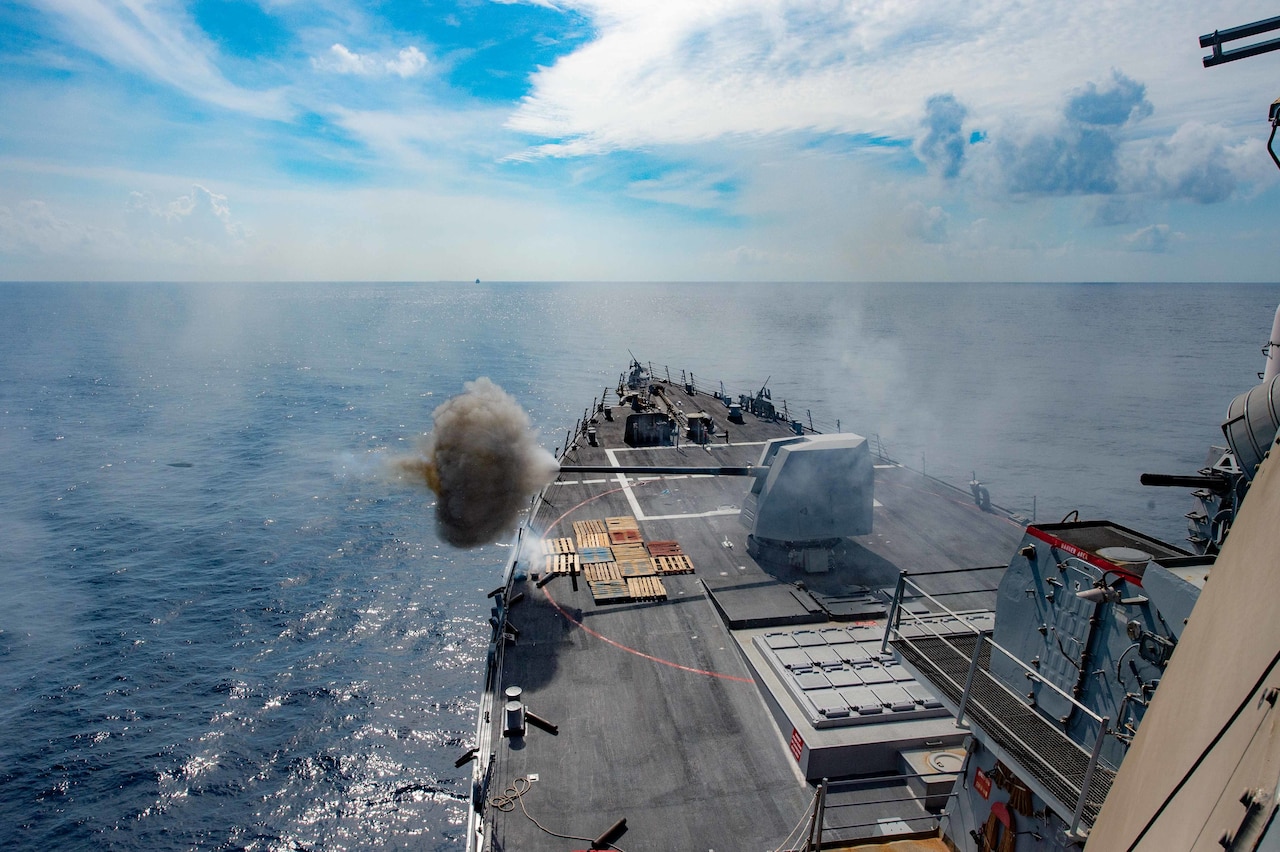
The plan outlines a larger, modernized force that is fiscally informed.
"The plan calls for a larger fleet of both manned and unmanned vessels prepared to face greater challenges on, above or under the sea by accelerating submarine construction, modernizing aircraft, extending the service life of cruisers and increasing the number of destroyers," David L. Norquist, deputy secretary of defense said.
"Our updated 30-year shipbuilding plan is a credible, affordable road map for achieving maritime supremacy — all while tightening our belts — and sending a strong message to our adversaries like China," Russell Vought, office of management and budget director, said.
The plan is based on the classified Future Naval Force Structure study presented to Congress earlier this month, which looks for the best ways to keep the peace today and in the future, defense officials said.

The United States is the dominant naval power on the globe today. In order to maintain maritime dominance, the study found the naval force needs to grow in capacity and modernize to continue to outpace global threats.
"Our vision of a free and open international order depends upon our ability to maintain U.S. maritime dominance and freedom of maneuver," Norquist said. "To build this future force, the United States must expand its industrial base to support the fleet we need and not limit the future fleet to the capacity of the industrial base we have."
The Department of the Navy worked with the Office of the Secretary of Defense and the Joint Staff to conduct the Future Naval Force Structure Study. This looked at three different fleets that would be required in fiscal 2045. The Navy calls it "Battle Force 2045."

The study sees a huge growth in unmanned vessels both surface and subsurface. "Although we reach 355 ships by the 2030s, the plan is about more than numbers of ships. It is about equipping our future force for the enduring defense of our nation," Norquist said.
The study looks to assess naval force options to ensure U.S. Navy and Marine Corps maritime dominance in the era of great power competition. "The focus of the study was to identify the benefits and associated risks of three alternate future fleet architectures in order to inform future naval force structure decisions and the 30-year shipbuilding plan," officials said.
The Navy will still sail proven, traditional capabilities, such as attack submarines, nuclear-powered aircraft carriers and air wings, and logistics forces. But the study also looked at building more small multi-mission combatants such as Constellation class frigates. This would enable more efficient distribution of missions across the surface fleet, freeing other assets for critical high-end missions.

The study also looked at large unmanned surface vessels, which would add substantial offensive and defensive fire capacity to the fleet at an affordable cost, officials said. "In the near term, LUSVs are best employed as adjunct fires magazines, with further development potential in future iterations," officials said.
The study also looked at medium unmanned surface vessels, which show promise as low-cost forward sensors and command-and-control nodes.

A soldier fires a weapon during Menton Week at Joint Base Lewis-McChord, Wash., Dec. 8, 2020. The team competition is an annual remembrance of the deactivation of the First Special Service Force during World War II.
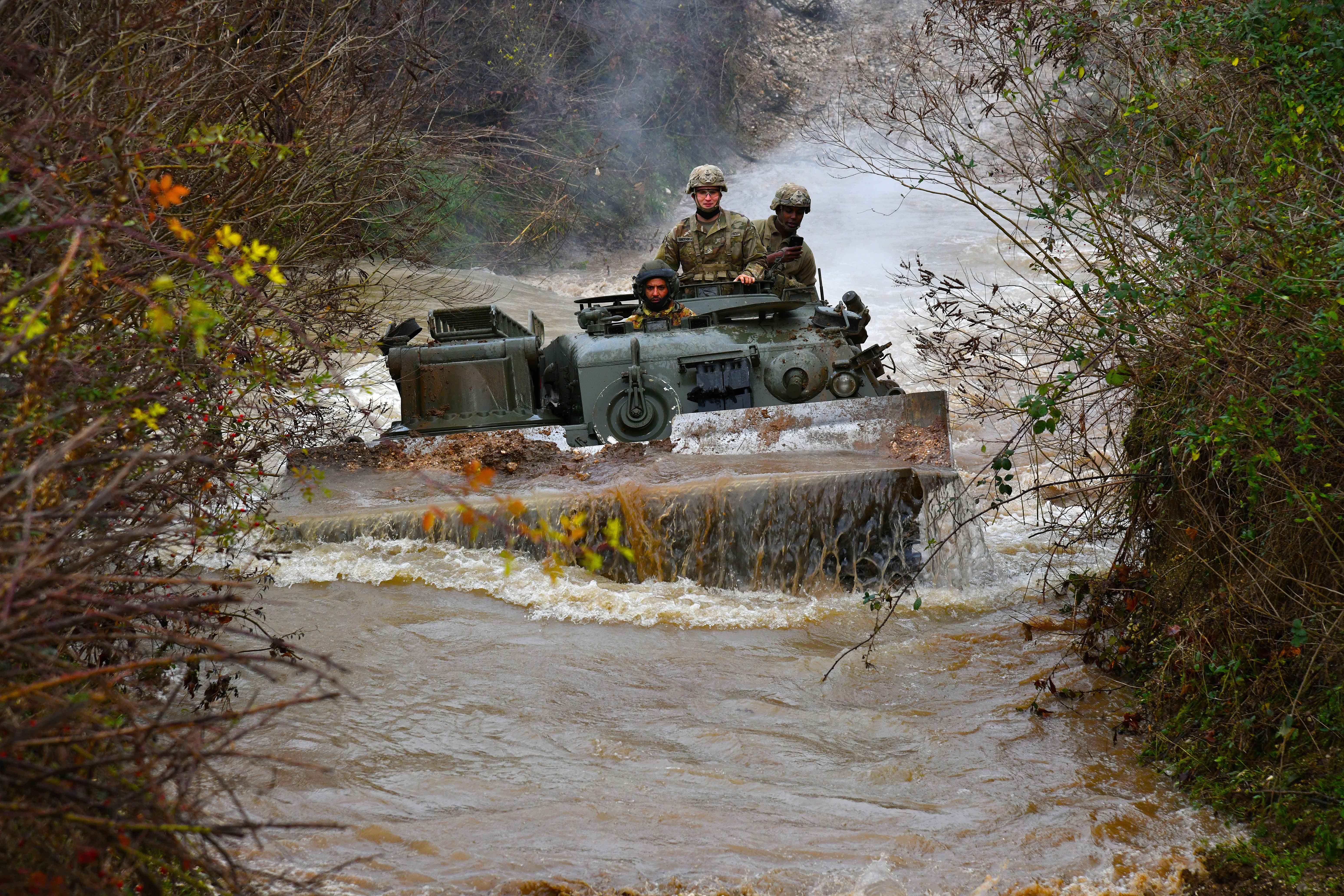
U.S. and Italian troops operate a vehicle at a dig site while training in Udine, Italy, Dec. 9, 2020.
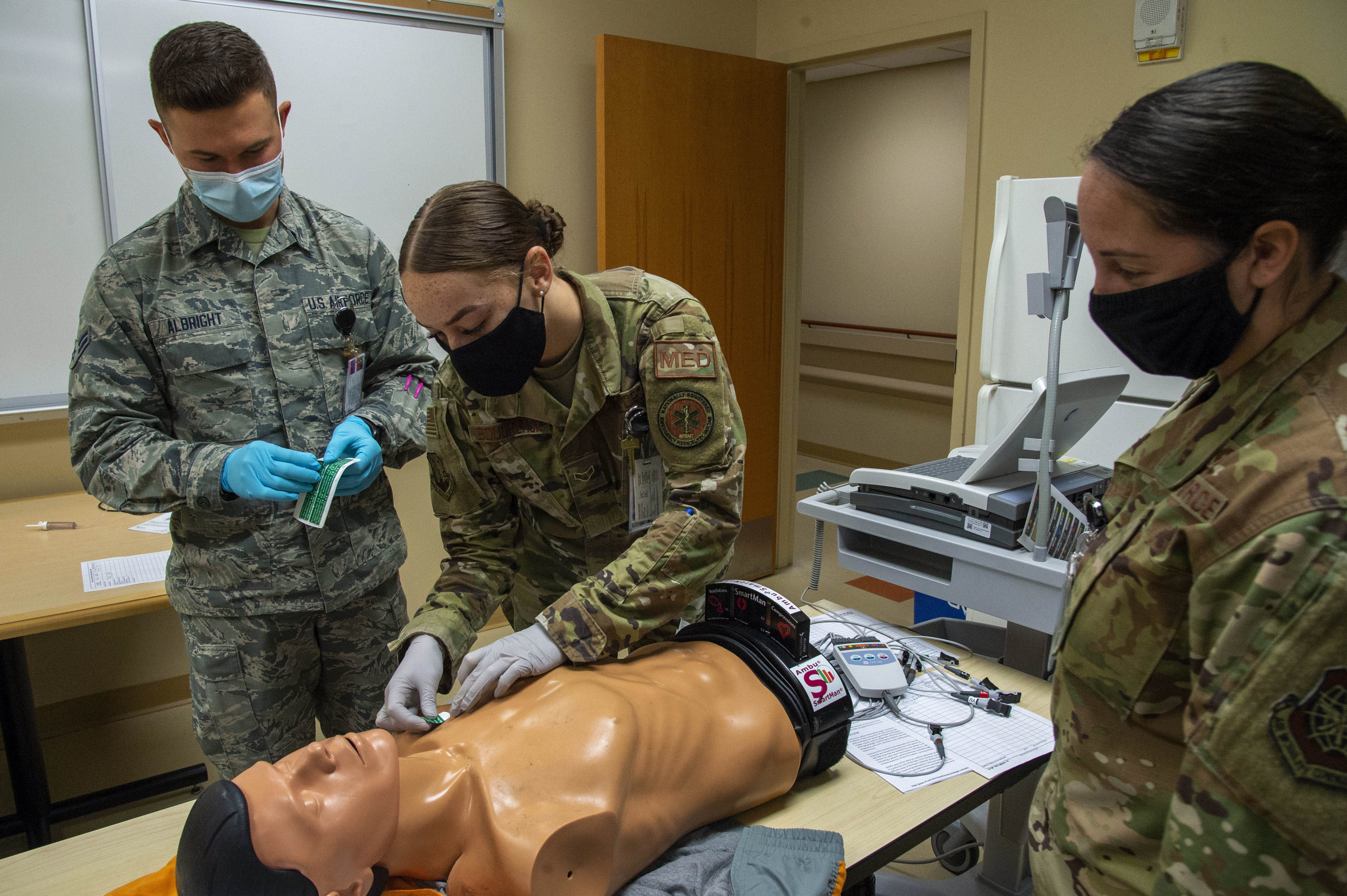
Airmen participate in a nursing skill fair at MacDill Air Force Base, Fla., Dec. 7, 2020. The skill fair helps service members develop and maintain important skills needed for rapid response events and deployments.

Soldiers helocast into water during Menton Week at Joint Base Lewis-Mcchord, Wash., Dec. 8, 2020. The annual team competition honors the legacy of the First Special Service Force, the predecessor to today's Special Forces.

Santa speaks with a child while joining the Blue Angels, the Navy’s flight demonstration squadron, to support the Marine Corps Toys for Tots program by delivering toys and games to families impacted by the COVID-19 pandemic and multiple hurricanes in Lake Charles, La., Dec. 8, 2020.
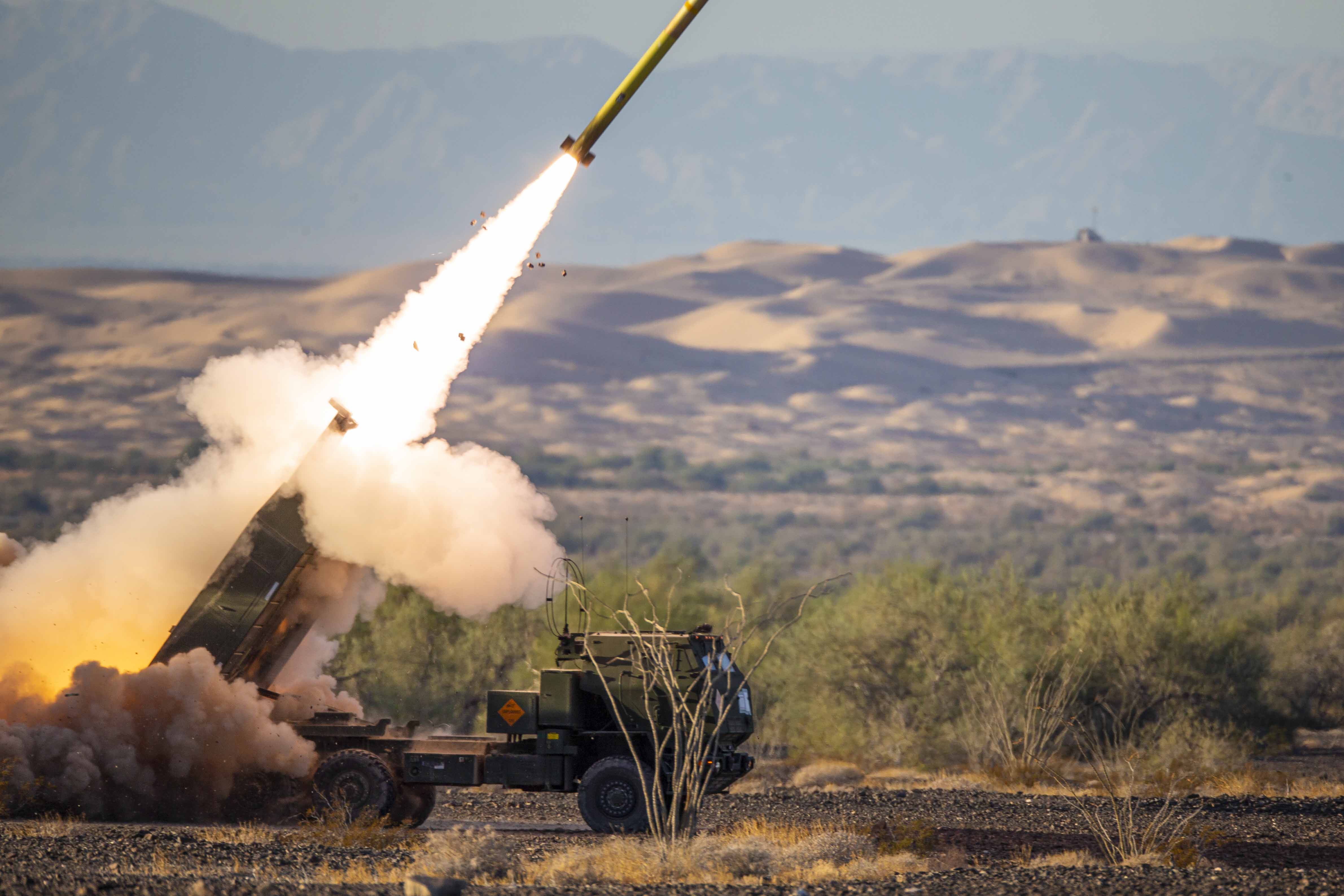
Marines fire a High Mobility Artillery Rocket System at Chocolate Mountain Aerial Gunnery Range, Calif., Dec. 9, 2020, during Steel Knight/Dawn Blitz. The exercise ensures the 1st Marine Division remains lethal, combat-ready, interoperable and deployable on short notice.
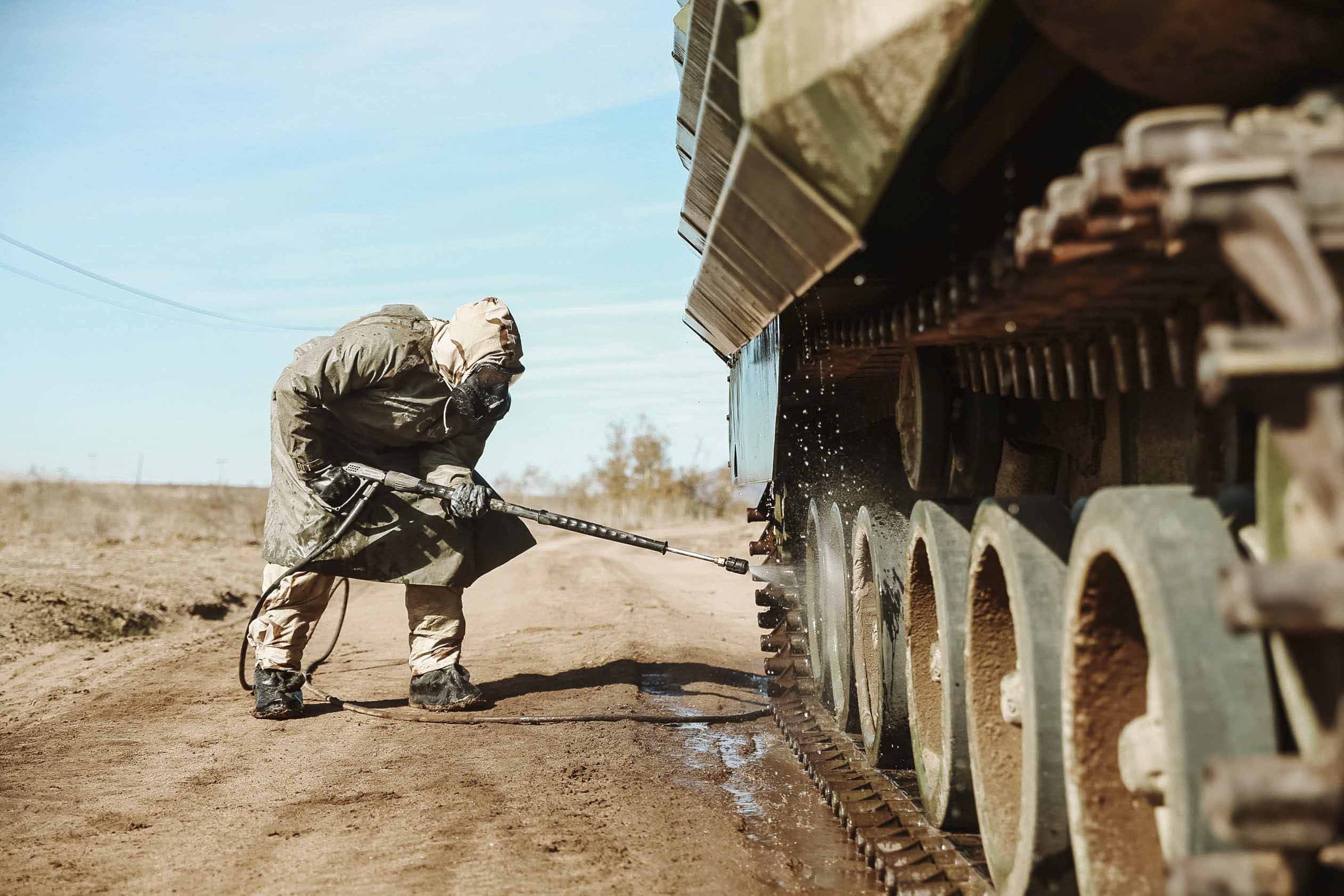
Marine Corps Lance Cpl. Alexander Camarana participates in a chemical, biological, radiological and nuclear decontamination exercise at Marine Corps Base Camp Pendleton, Calif., Dec. 9, 2020. The event was part of Steel Knight/Dawn Blitz, an exercise that gave the 1st Marine Division the opportunity to showcase its readiness within the education, planning and execution continuum.
Dec. 10, 2020 |
USAMMA, which reports directly to Army Medical Logistics Command, is the lead for all services, working in collaboration with the Defense Health Agency's Immunization Health Care Division.
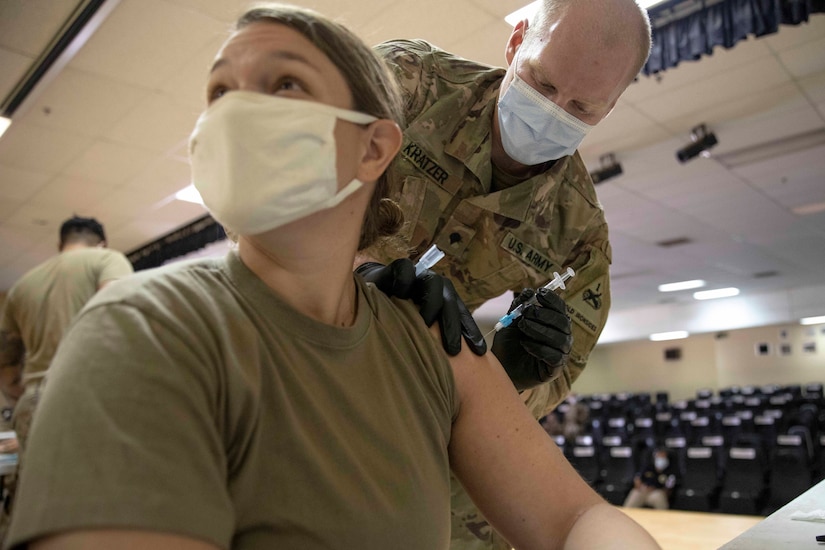
The USAMMA team is collecting COVID-19 vaccine orders from all service branches and submitting them to the Centers for Disease Control and Prevention.
USAMMA will also track vaccine shipments from the vendor to each military site. If required, the team will monitor the redistribution of vaccines to additional sites throughout the military.
USAMMA Distribution Operations Center Deputy Director Liz Andrews said the vaccine will ship directly from the vendor to several military medical treatment facilities throughout the U.S. — where it will be used to immunize troops, as well as military beneficiaries — and bolster their immunity against the pandemic.
There are known logistical challenges. For example, at least one of the vaccine candidates has to be kept at ultra-cold temperatures of minus-80 degrees Celsius.

Andrews said she and her team will not only track the vaccine's movements, but also its temperature throughout shipment to ensure it arrives safe and ready for use.
"This is a challenging mission but also very exciting," Andrews said. "We are prepared to execute this mission and proud to be a part of Operation Warp Speed."
Operation Warp Speed, of which the Army's senior logistician Gen. Gustave F. Perna is the chief operating officer, is a public-private partnership developed to deliver safe and effective COVID-19 vaccines.
In a Defense.gov press release, Perna said he is committed to streamlining processes that will allow manufacturing and distribution to deliver medical countermeasures at an unprecedented rate.
The USAMMA team is uniquely equipped for the mission because of their expertise in vaccine distribution and cold chain management. USAMMA currently serves as the service lead for ordering and distribution of other military vaccines, such as anthrax and smallpox.
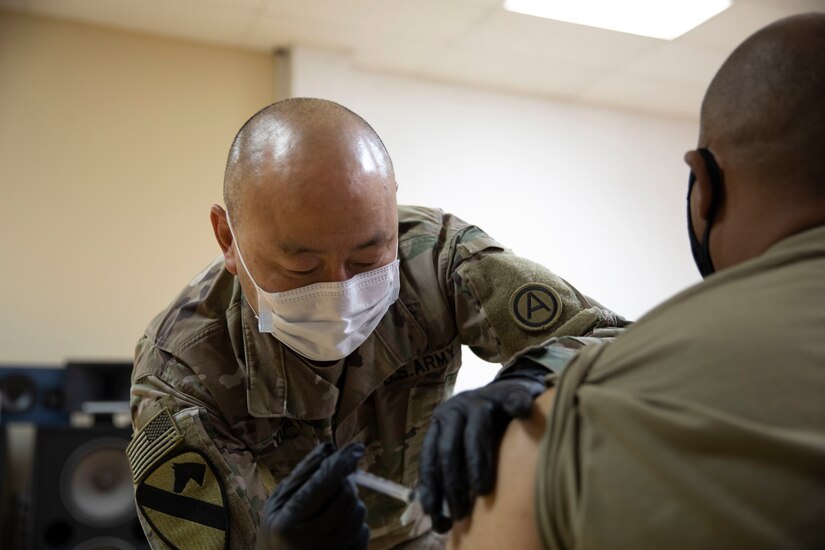
"The military hospitals are already used to working with us, so this made the process smoother for them as they were familiar with our systems and forms," Andrews said.
Andrews also said the USAMMA Distribution Operations Center web development team also played a crucial role by swiftly adapting USAMMA's existing vaccine ordering system, so it could be used for COVID-19 vaccine order processing.
"This was a total team effort," she added, "and we are just honored to be a part of this whole-of-government campaign.""
(Ellen Crown is assigned to the U.S. Army Medical Logistics Command.)
Dec. 10, 2020
Today, the Department of the Navy released the annual 30-year shipbuilding plan. Over the last four years, the Trump administration has steadily increased the number and readiness of battle-force ships. This plan moves to continue that buildup and is resourced to achieve a 355-ship naval fleet.
The 30-year shipbuilding plan is consistent with the National Defense Strategy (NDS) which recognizes China and Russia as near peer threats. To ensure that we maintain superiority over these threats, the NDS requires a modern, ready force to operate in the Pacific maritime region. The Department has realigned more than $45B over the Future Years Defense Program to Navy Shipbuilding and other priorities as described in the Office of Management and Budget’s fiscal framework.
The shipbuilding plan is based on naval operational experience and extensive analytics. The Department of the Navy, Joint Chiefs of Staff, and the Office of the Secretary of Defense’s Cost Assessment and Program Evaluation recently completed a comprehensive Future Naval Force Study – an extensive analytical effort to inform the design of the future of America’s naval force. The team assessed various naval force structure options to maintain our current overmatch and identified the need for a larger, more modern fleet. Another key finding was the need to expand the U.S. industrial base to support new ship construction and modernization.
The plan calls for a larger fleet of both manned and unmanned vessels prepared to face greater challenges on, above, or under the sea by accelerating submarine construction, modernizing aircraft, extending the service life of cruisers, and increasing the number of destroyers. Although we reach 355 ships by the early 2030s, the plan is about more than numbers of ships. It is about equipping our future force for the enduring defense of our nation.

Air Force Airmen 1st Class Vincent Lancia and Sinjin Bunag tighten bolts on an external fuel tank at Kunsan Air Base, South Korea, Dec. 8, 2020.

Army Pfc. Katherine Bui raises the American flag alongside a Japanese service member during a colors ceremony at Camp Kengun, Japan, Dec. 8, 2020.

Air Force Airman Brendon Munoz tightens bolts on a 370-gallon fuel tank at Kunsan Air Base, South Korea, Dec. 8, 2020.

An airman, assigned to the 108th Wing of the New Jersey Air National Guard, prepares to get a nasal swab from a staff member at the New Jersey Veterans Memorial Home at Vineland during COVID-19 RT-PCR testing in Vineland, N.J., Dec. 1, 2020. The test detects the live active SARS-CoV-2 virus, the virus that causes COVID-19. Twenty-six New Jersey National Guard soldiers and airmen are assisting at New Jersey’s three veterans memorial homes; 10 are at Vineland.

Air Force Senior Master Sgt. Gregory Sprowls explains the process of receiving and repacking COVID-19 vaccines in Columbus, Ohio, Dec. 4, 2020. Sprowls is an air transportation specialist assigned to the 121st Air Refueling Wing of the Ohio Air National Guard in Columbus, Ohio. Sprowls said his military skills have helped him as he works with partners from the Ohio Department of Health to develop the logistics plan for the vaccines the state will soon have at its warehouse.

Navy Seaman Salma Ochoa, left, and Vanessa Silva, assigned to the COVID-19 drive-thru testing site at Naval Base San Diego’s Branch Health Clinic, review COVID-19 testing information at the site’s screening tent in San Diego, Dec. 7, 2020. The testing site is for active duty service members with referrals; it offers anterior swab testing. NMCSD’s mission is to prepare service members to deploy in support of operational forces, deliver high quality health care services, and shape the future of military medicine through education, training and research. It employs more than 6,000 active duty military personnel, civilians and contractors in Southern California to provide patients with world-class care anytime, anywhere.

A service member participates in the 50th Winston P. Wilson and 30th Armed Forces Skill at Arms Meeting Sniper Championships at Fort Chaffee Joint Maneuver Training Center, Ark., Dec. 6, 2020.

Marines Corps Cpl. Noel Lopez loads an MK-76 training bomb onto an aircraft at Marine Corps Air Station Iwakuni, Japan, Dec. 2, 2020.

Marine Corps Cpl. Janus Zsofka participates in live-fire training in Niigata, Japan, Dec. 8, 2020, during Forest Light, an annual bilateral exercise with U.S. and Japanese forces.

Army Spc. Michelle Fugate installs a device into a new vehicle at Vincente T. Dydasco U.S. Army Reserve Center in Barrigada, Guam, Dec. 3, 2020.

Acting Defense Secretary Chris Miller and Indonesian Defense Minister Prabowo Subianto review an honor cordon during the secretary’s visit to Jakarta, Indonesia, Dec. 7, 2020.
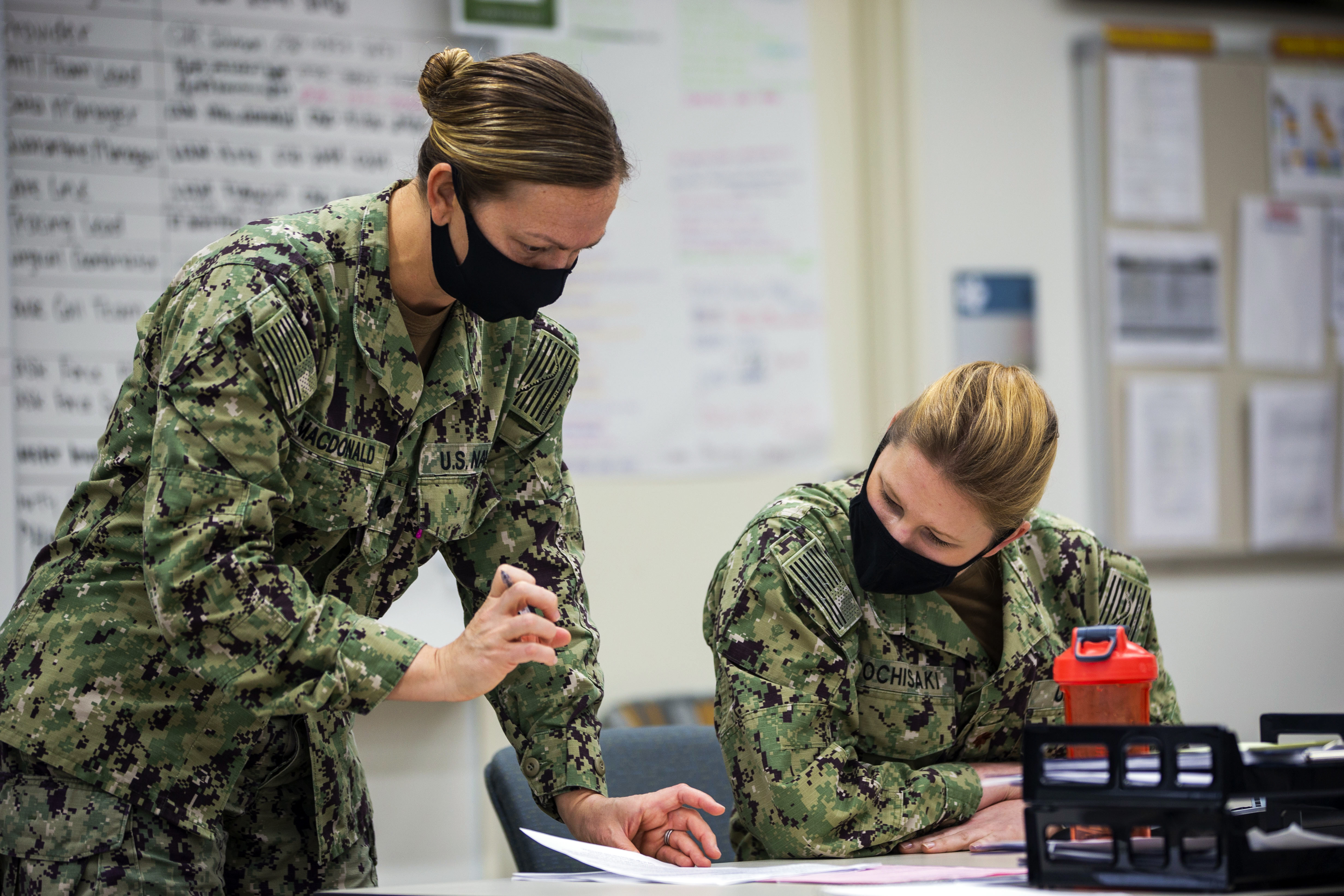
Navy Cmdr. Ann M. MacDonald, left, the data management lead assigned to the COVID Cell, and Navy Lt. Cmdr. Stephanie P. Nochisaki, right, the COVID Cell officer in charge, review notes at the Public Health & Behavioral Health Center, Camp Foster in Okinawa, Japan, Dec. 1, 2020. The COVID Cell is one of the four fully-staffed, 24/7 organizations, with the Joint COVID-19 Response Center, Task Force Safeguard and the now-deactivated Task Force Permanent Change of Station, in combating the spread of COVID-19 among status of forces agreement personnel on Okinawa.
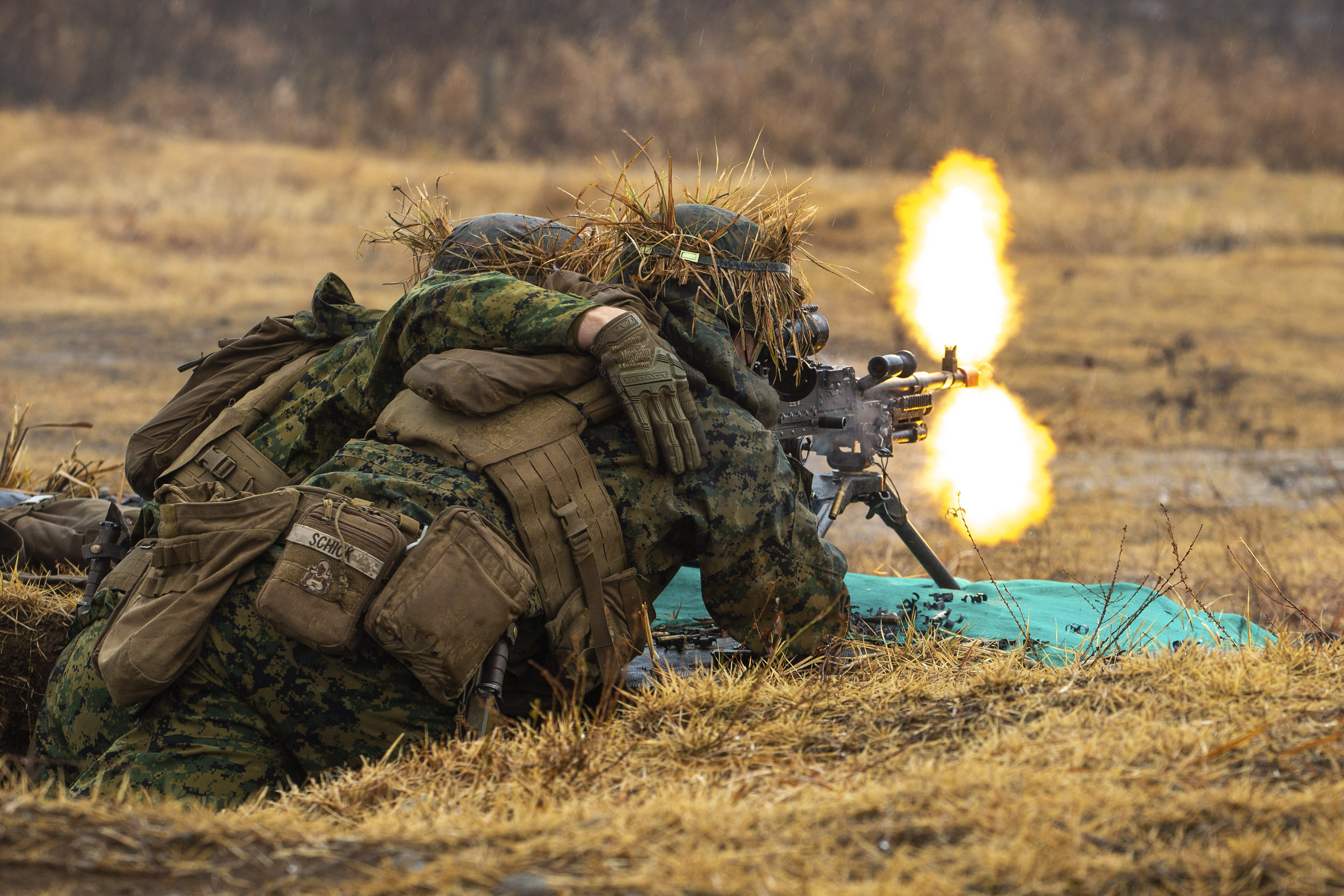
Marine Corps Lance Cpl. Robert Sweetman and Lance Cpl. Nathan Schick participate in a live-fire training during Forest Light, an annual bilateral exercise with U.S. and Japanese forces, in the Niigata Prefecture, Japan, Dec. 8, 2020.

A Marine Corps CH-53K King Stallion conducts testing at Yuma Proving Ground, Ariz., July 17, 2020.
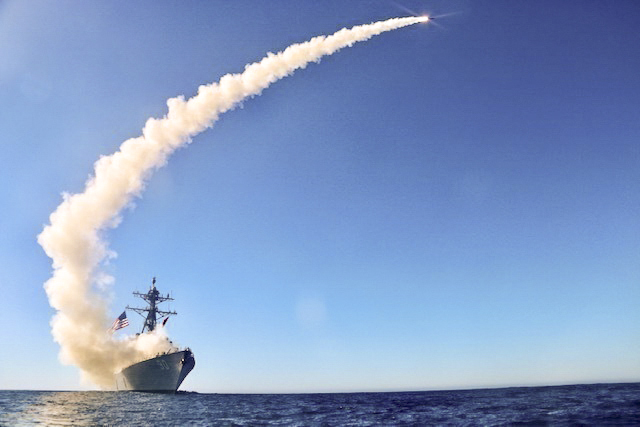
The guided missile destroyer USS Chafee launches a Block V Tomahawk missile during an exercise in the Pacific Ocean, Dec. 1, 2020. The event marked the first time a Block V Tomahawk, the weapon’s newest variant, was operationally tested, marking the Navy’s transition to a more advanced capability for the fleet.

Arizona National Guardsmen build and fill boxes with food for distribution at a local food bank in Mesa, Ariz., Dec. 4, 2020. Arizona National Guard soldiers and airmen continue to support community needs during the state of emergency response.
With COVID-19 cases on the rise across the nation, Brooke Army Medical Center is bracing for the impact of the coming winter months as colder weather drives people indoors where the virus is more likely to spread.
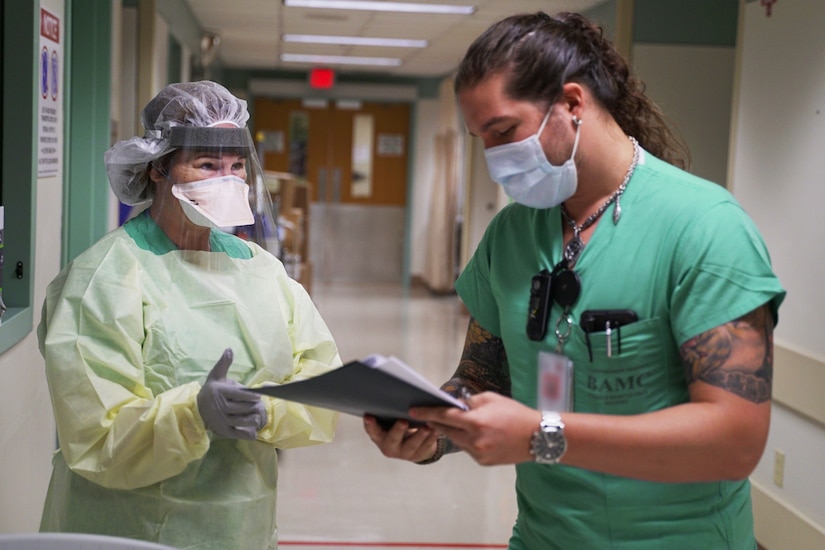
Equipped with lessons learned, BAMC is preparing to shift resources and personnel to ensure hospital readiness in the event of a patient increase. On the preventive front, leaders continue to underscore the importance of safety measures such as hand washing, face coverings, personal protective equipment and physical distancing.
"The ability to remain flexible and agile, while ensuring the delivery of safe, high quality care, has been vital since the start of the pandemic," Army Brig. Gen. Shan K. Bagby, BAMC commanding general, noted. "Nearly a year ago, the San Antonio Military Health System moved out quickly to ensure the safety of our patients and staff, and we continue, as a system, to do everything possible to preserve their health and wellbeing."
Key leaders at BAMC continually assess current conditions, both within the San Antonio Military Health System, Joint Base San Antonio and across the community to ensure "we are all in step with each other and working effectively as a team," Air Force Col. Heather Yun, deputy commander for medical services, explained. Leaders across the organization also evaluate personnel and resources, to include personal protective equipment, on a daily, sometimes hourly, basis to ensure they are tracking trigger points for every contingency.
"These assessments help shape our posture and ensure we are ready to respond quickly and appropriately, whether it's scaling back elective surgeries to increase bed capacity or leaning more heavily on virtual care to protect patients and preserve PPE," Bagby said.
Health care personnel are a trickier resource to manage for a military hospital. Unlike their civilian counterparts, military personnel are called on to deploy in support of overseas operations, as well as humanitarian missions and stateside efforts. In recent days, numerous BAMC health care professionals have been assisting in the hard-hit areas of North Dakota as well as in El Paso, Texas, about eight hours west of San Antonio.
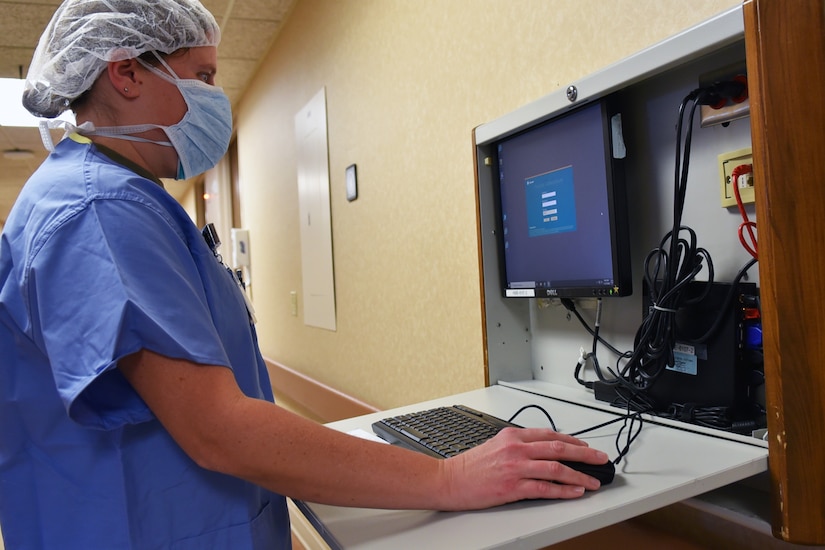
BAMC has also offered to accept non-COVID-19 beneficiaries from William Beaumont Army Medical Center in El Paso, freeing up their capacity to admit additional TRICARE patients with COVID-19 as needed.
"BAMC is proud to support our El Paso neighbors and colleagues," Bagby said. "We will continue to work alongside our Military Health System partner to help relieve the stress on their local health care system as needed."
In the event of a patient increase and to avoid shortages to critical care areas, BAMC is prepared to draw nurses and technicians from outpatient clinics as well as lean on its partner, the Institute of Surgical Research Burn Center, which is housed in the hospital.
These combined efforts have helped to ensure BAMC stands ready to support both military and community-based missions.
"The keys to our success so far have been in communication, deference to expertise, and collaboration, and we are relying on those in our current response as well to keep us agile and on the right track," Yun said. "We are in constant communication with our staff from all across the organization to ensure that concerns are addressed as early and effectively as possible, before they become safety issues. And we are relying on our subject matter experts who are keeping up with the science and advances in their field to provide counsel and refine our responses."
As with all military hospitals, BAMC primarily provides care to active duty, military retirees and family members. However, as the only Level I trauma center in the Defense Department, BAMC has a unique community role within the local trauma network. Alongside its Level I partner, University Health System, BAMC administers lifesaving care to more than 4,500 trauma patients each year, including 750 burn patients, from an area that stretches across 22 counties in Southwest Texas and encompasses 2.2 million people.
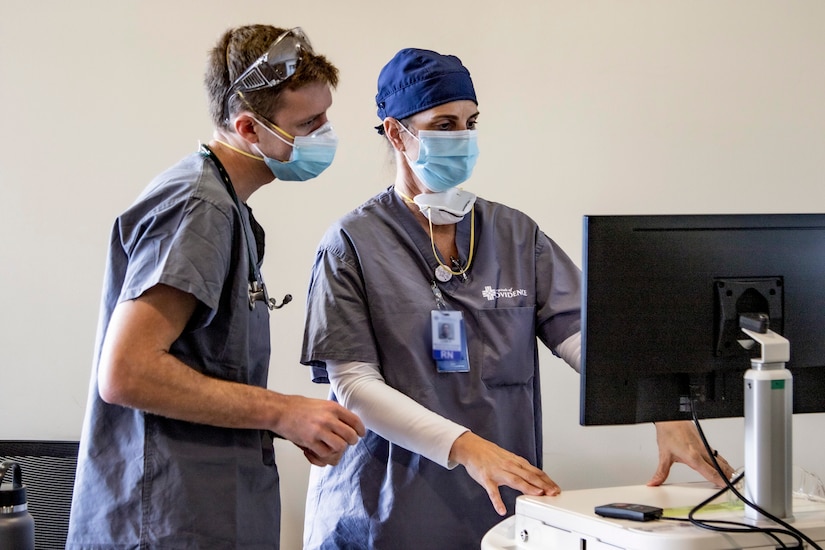
Of the over 4,500 trauma patients admitted each year, about 85% are community members without military affiliation. The Secretary of the Army Designee, or SECDES, program enables BAMC to receive civilian trauma patients in a military treatment facility. Traumas range from gunshot wounds and stabbings to vehicle accidents and severe burns, many of which bear striking similarities to combat wounds. As a trauma center, service members from a vast array of specialties are able to hone valuable medical skills while aiding the community they call home.
"Our close partnership with Southwest Texas Regional Advisory Council, University Health System and the other local health care systems allows BAMC to seamlessly integrate into community crisis responses, Air Force Col. Patrick Osborn, deputy commander for surgical services, said.
Working alongside STRAC, which coordinates the region's trauma and disaster relief response, and UHS, BAMC is fully integrated within the local trauma network, Osborn said.
This has been evident in recent months. This past summer, BAMC took on additional trauma patients to ease capacity at local hospitals. Additionally, BAMC continues to care for the area's most critically ill COVID-19 patients, to include beneficiaries, veterans and civilian patients, through the use of extracorporeal membrane oxygenation, or ECMO, treatment, Osborn noted.
ECMO is a heart-lung bypass system that circulates blood through an external artificial lung, oxygenates it, and delivers it back into the bloodstream. Rather than treat the condition, ECMO performs the job of the patient's heart and lungs, buying the patient precious time to respond to treatments and heal. Requiring a highly specialized team and equipment, BAMC is one of a few hospitals within the city with this capability, and as with trauma, accepts civilian patients through the SECDES program.
"As much as able, BAMC is easing the burden on local health care resources by admitting civilian ECMO patients and seeking out military beneficiaries that can be transferred from community hospitals," Osborn said.
The mutual support of BAMC's military and community partners is key to mission success, the commander noted.
"Due to their support and the expertise of this team, the San Antonio Military Health is able to continue to ensure safe, quality care for our 250,000 active duty and military beneficiaries while preserving its readiness role as a worldwide response platform and sustaining the Level I trauma support of our region," Bagby said.
Dec. 9, 2020
Today, the Department of Defense announces that it intends to appoint Hudson Institute China policy expert Michael Pillsbury to serve as the Chair of the Defense Policy Board, and former National Nuclear Security Administration (NNSA) Administrator Lisa Gordon-Hagerty as a member.
The DPB provides independent, informed advice concerning matters of defense policy and focuses on issues central to strategic DoD planning as well as policy implications of force modernization. Each member is appointed based on his or her professional experience.
“The Department of Defense is proud to announce its intent to appoint Mr. Pillsbury and Ms. Gordon-Hagerty to the Defense Policy Board,” said Dave Vasquez, a Department of Defense spokesman. “We have every confidence the DPB and the Department will be well served by the decades of national security experience each of these individuals bring to the Board. We greatly look forward to their service to the Department.”
About the Defense Policy Board
The Defense Policy Board was established to provide the Secretary of Defense and the Deputy Secretary of Defense, independent, informed advice and opinions concerning matters of defense policy through the Under Secretary of Defense for Policy (USD(P)).
Dec. 9, 2020
I have been closely following Vanessa Guillen’s case these past few months. While my heart is heavy with the tragedy of her death, my commitment to addressing the issues of sexual assault and sexual harassment is resolved. As a department we must do better, and we will do better. I support Army Secretary Ryan McCarthy’s decision to hold leaders at multiple levels accountable and will be closely reviewing the results of the Fort Hood Report and the People First Task Force.
Acting Defense Secretary Chris Miller and his wife, Kate, along with Second Lady Karen Pence addressed the importance of MSEP in pre-recorded remarks.
"As a former active duty soldier and military spouse, Kate and I recognize the cost of the sacrifices made by those in uniform and their loved ones," the acting secretary said. "They bear the burden of grueling deployments, they uproot their lives every few years for permanent change-of-station moves, and … to honor them, the Department of Defense and a grateful nation are committed to improving their quality of life and providing our families the support they rightly deserve, every step of the way."
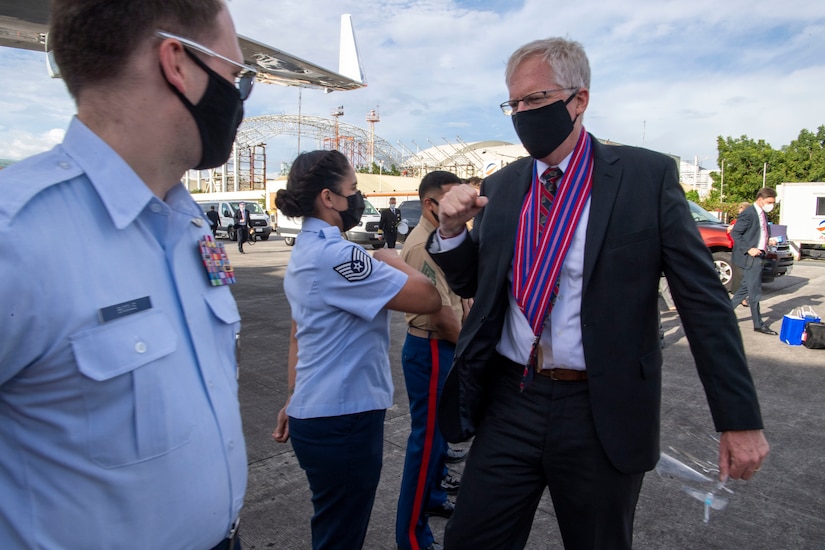
MSEP is a one-of-a-kind partnership that plays an important role in recruiting and retaining military spouses. Since 2011, MSEP has hired more than 175,000 military spouses for jobs across the country. Military spouses bring many talents and experiences to the private sector, Miller noted.
"This partnership comes with great responsibility," the second lady said. "I've heard that the vetting process is serious business, and that partners are required to sign a statement of support with the DOD to commit to recruit, hire, promote and retain military spouses to all of the new partners."
Pence thanked the company partners for taking an important step to support the nation's military spouses.
"Your new partnership will make a difference and help our nation's military readiness," she said, addressing the 85 new partners. "It's important to take care of our military spouses and their children so that service members can stay focused on their missions and remain ready to fight and protect our freedoms."
Pence said when she unveiled the Military Spouse Awareness Campaign in 2018, she wanted to elevate and encourage the nation's military spouses. And in her travels throughout the country and the world, she's educated military spouses on employment solutions, she added.

"For example, we improved the policy for spouses pursuing a degree or certification," Pence said, adding, "You cannot be made ineligible solely because your service member has been promoted to a higher grade. Military spouses can now retain their state of residency for business purposes if they move out of state as a result of a change of station."
The secretary of defense is now authorized to fund the creation of interstate compacts to improve license portability, the second lady added.
MSEP is especially important this year as people navigate the most challenging public health crisis in more than a century, Miller said. "Yet, if there's one thing we all know is that military families are well-equipped in overcoming the challenges. And over the past year, our nation's employers witnessed their skill resilience firsthand."
MSEP is part of a broader effort to help military spouses in the DOD's global community. It also helps spouses hit the ground running after moving to a new state. The partnership has improved license reciprocity among states, too, and 43 states have enacted legislation on reciprocity in the past three years, Miller noted.
Through MSEP, DOD is also engaged with the State Department to improve on- and off-base hiring opportunities for overseas spouses and dependents, the acting secretary said.
"Thanks to [several] efforts, we've seen a 20% increase in military spouse hiring just this year. That's an achievement we should all be proud of," Miller added.
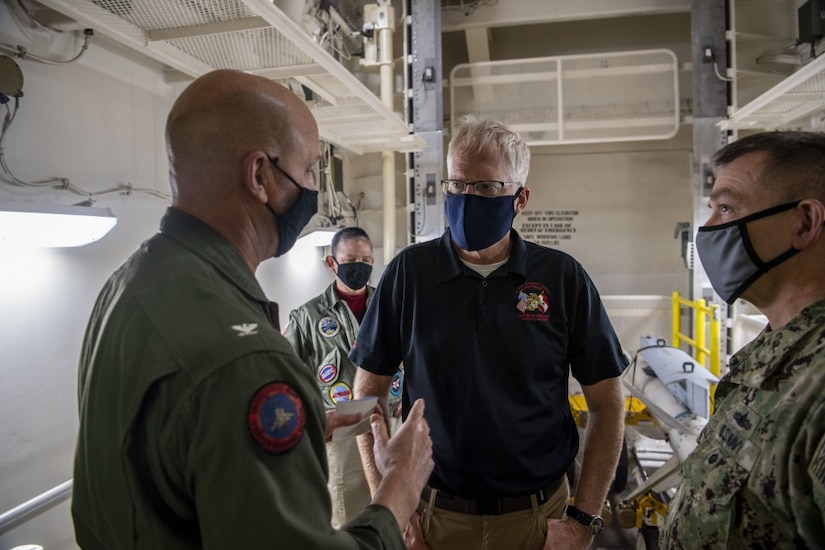
The acting secretary commended the newest members of MSEP for their commitment to U.S. troops and their loved ones, especially during such a challenging time, he said, adding that he hopes more businesses and organizations follow that devotion to military family members and their service members across the force who endure the hardships of military life while navigating the complexities of employment and other challenges.
"For this, you have our admiration, gratitude and commitment to support you every step of the way," Miller said to MSEP partners.
The second lady challenged MSEP business leaders to spread the word about the significant role that military spouses — the home-front heroes — play in the defense of the country. "Join us as we encourage other business leaders to join this vital movement to hire and retain military spouses," she encouraged.
Dec. 9, 2020
The Office of the Senior Enlisted Advisor to the Chairman of the Joint Chiefs of Staff (OSEAC) announced today the following assignment:
Navy Command Master Chief Donald O. Myrick, currently assigned as the command master chief for the Office of the Naval Inspector General, Washington, D.C., has been selected to replace Air Force Chief Master Sgt. Jason L. France as the command senior enlisted leader for U.S. Transportation Command, Scott Air Force Base, Illinois.

Air Force Cadet 2nd Class Kendra Middleton competes in long jump during the holiday track and field meet at the U.S. Air Force Academy’s Cadet Field House in Colorado Springs, Colo., Dec. 5, 2020.
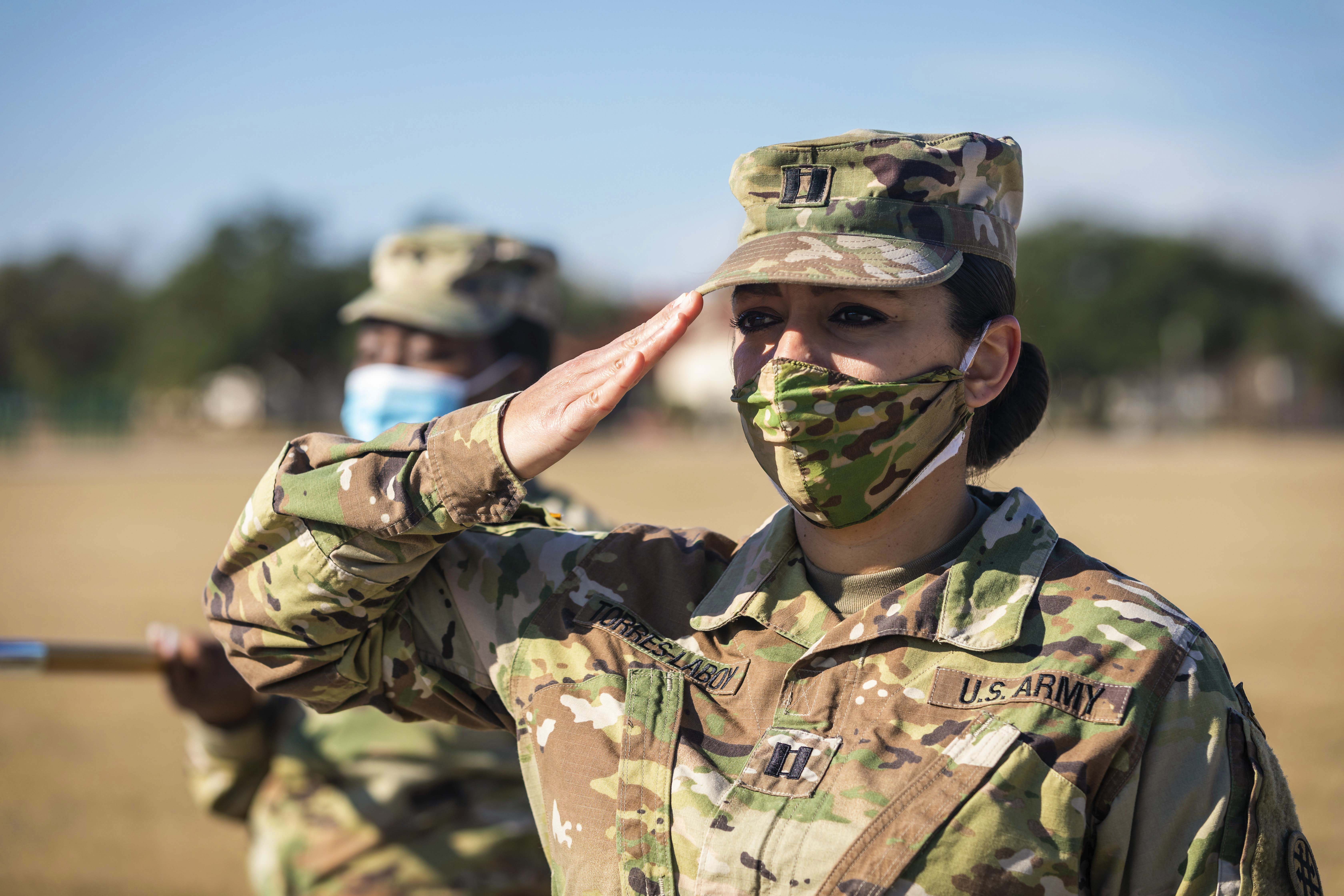
Army Reserve Capt. Ymara Torres-Laboy salutes while rehearsing for a change of command ceremony at Joint Base San Antonio, Texas, Dec. 4, 2020.

Navy Capt. John Kurtz copilots a Marine Corps UH-1Y Venom while conducting routine operations over the Pacific Ocean, Nov. 23, 2020.


 Posts
All Comments
Posts
All Comments


