Friday, December 04, 2020

Leader Visits, Connects With Students During Pandemic

Dec. 4, 2020 | BY COURTESY STORY, U.S. ARMY GARRISON WIESBADEN

Army Brig. Gen. Jed Schaertl, deputy commanding general for Mobilization and Reserve Affairs, U.S. Army Europe-Africa, toured Wiesbaden High School in an effort to connect with the community and encourage both staff and students during the COVID-19 pandemic, Nov. 24, 2020.

Schaertl began the tour by explaining to Dr. Heather Ramaglia, the Wiesbaden High School principal, and Sam Houston, the cadet sergeant major of the school's Junior ROTC program, that he has an affinity for education, as both of his parents were teachers. He also spent three years teaching high school math in South Carolina when he retired from Army active duty in 2001.
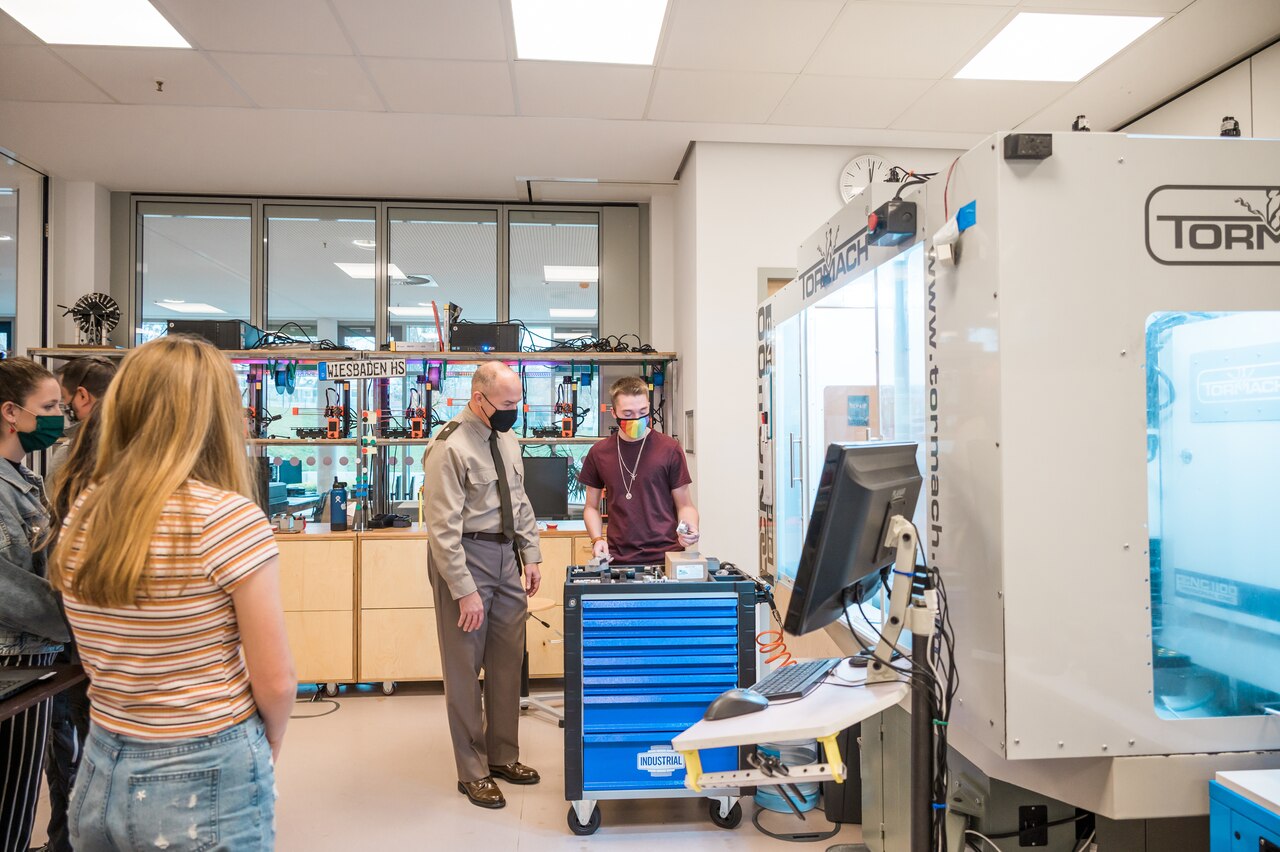
An Army general wearing a face mask talks to a group of students and teachers.

Houston led the tour, describing the school's facilities and schedule, providing additional details about how COVID-19 has impacted the school's use of space.

Schaertl said, "It is a phenomenal facility." He was impressed by the neighborhood design of the school, the sports resources for athletes and the extensive use of technology for student instruction.

"I would have loved to have had that type of facility growing up," he added.

The tour ended in the  science, technology, engineering and mathematics wing where Brian Barnes, teacher, and the robotics students explained the school's unique space and connection to the military community.

Barnes told the general, "We prepare kids for jobs."

The school, with Barnes' leadership, has partnered with U.S. contracting companies and military units to expose students to computer pathways, including cybersecurity and technical support.

I want to pass on my appreciation for what teachers are doing to keep kids in school and doing it safely with all of the constraints."
Army Brig. Gen. Jed Schaertl, deputy commanding general for Mobilization and Reserve Affairs, U.S. Army Europe-Africa

The 2nd Theater Signal Brigade and 1st Battalion, 214th Aviation Regiment, are two examples of local Wiesbaden military connections.

Barnes said, "the 214th aviation mechanics group actually sent their machinist over, and they work out of here."

The school's state-of-the-art machine shop offers the machinist equipment not available at their own facilities. In return, the machinists offer the students instruction and insight into their profession.

"Those are the types of partnerships we are trying to foster between the military and the contract world," Barnes said. "If we play our cards right, we can groom students to go into job fields that the military needs to support the missions, to include both college and non-college bound students."

"The technical things they are doing are quite impressive," Schaertl said. "It is great to make the connection between what is in the books and real world applications."

Ramaglia sees value in the general's visit for the students who prepared and presented.

"The students were incredibly excited to highlight their hard work, especially to our garrison partners," she said. "It also gives them real world experience presenting their projects and explaining their processes, which is invaluable."

As Ramaglia and Houston concluded the tour with the general, he offered her encouragement with the care of her teachers, calling them "pacing items."

A pacing item, according to Schaertl, "is an Army term for your most important piece of equipment, the most critical asset." He explained that a training unit views its drill sergeant as a pacing asset. "To keep schools open," he said, "teachers are the most critical asset."

He cited the lack of depth in the school's substitute rosters and the teaching staff's close ties to the community as important considerations for the care of school faculty.

"I want to pass on my appreciation for what teachers are doing to keep kids in school and doing it safely with all of the constraints," he said.
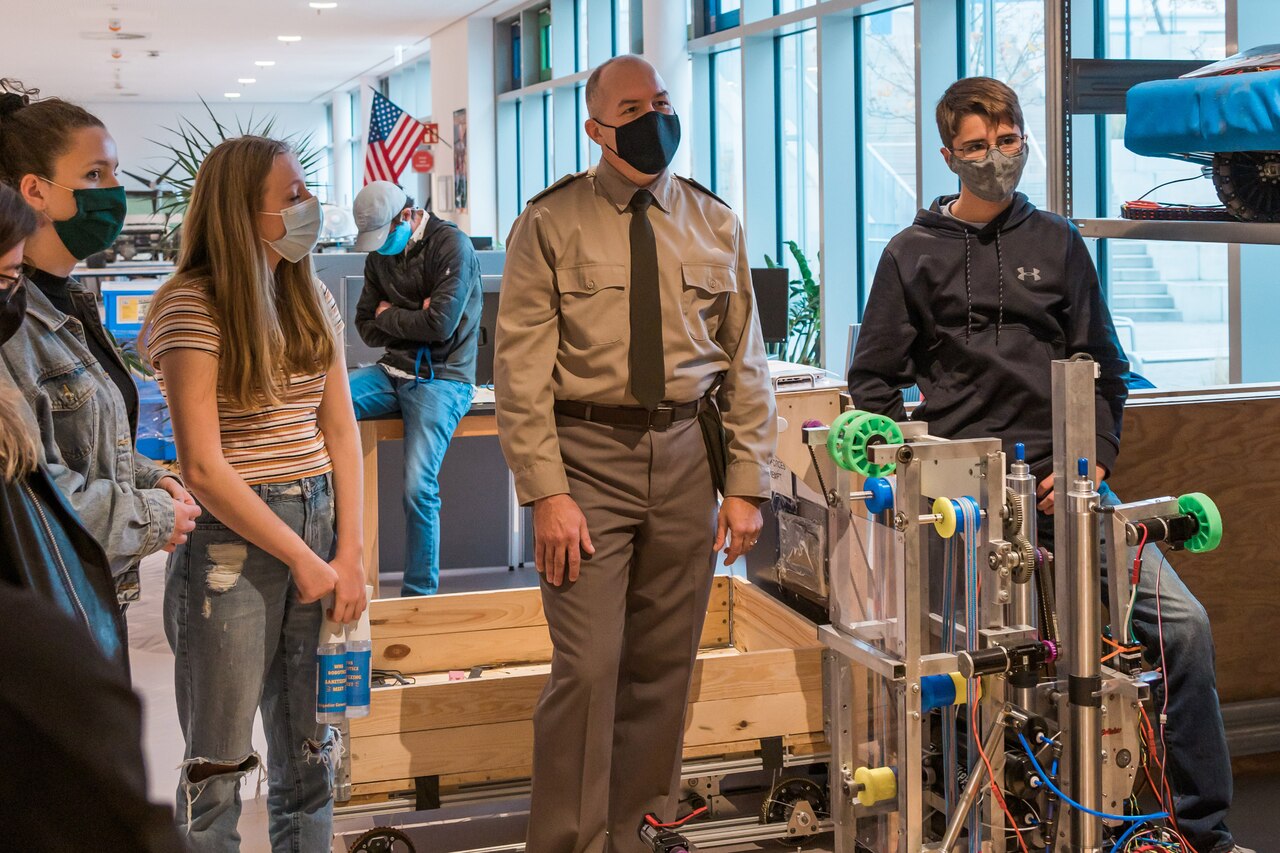
An Army general wearing a face mask talks to a group of students and teachers.

Ramaglia said, "I really appreciated how invested he was with the students. He asked really great questions. He talked to staff and students alike. This is so good for morale and for people to get the opportunity to feel appreciated for the role they play in aiding the mission. The fact that he took time out of his day to be visible and invest his energy and time into the school was noticed and truly appreciated."

As Schaertl left the high school, he thanked Houston for the tour and handed him a coin.

Houston said, "My dad said I should start my own collection as I follow in his footsteps to become an officer in the Army."

"Sam was chosen because he has experience leading school tours as a student council representative and as someone who is heavily committed to extracurricular activities and volunteerism," Ramaglia said. "Sam is also an outstanding cadet in our Junior ROTC program, which is another feature we wanted to highlight, and a candidate for admission to West Point."

Schaertl, a West Point graduate himself, arrived at USAG Wiesbaden in October and is serving a 730-day order as a part of his Army Reserve duty.

Pilot Perspective


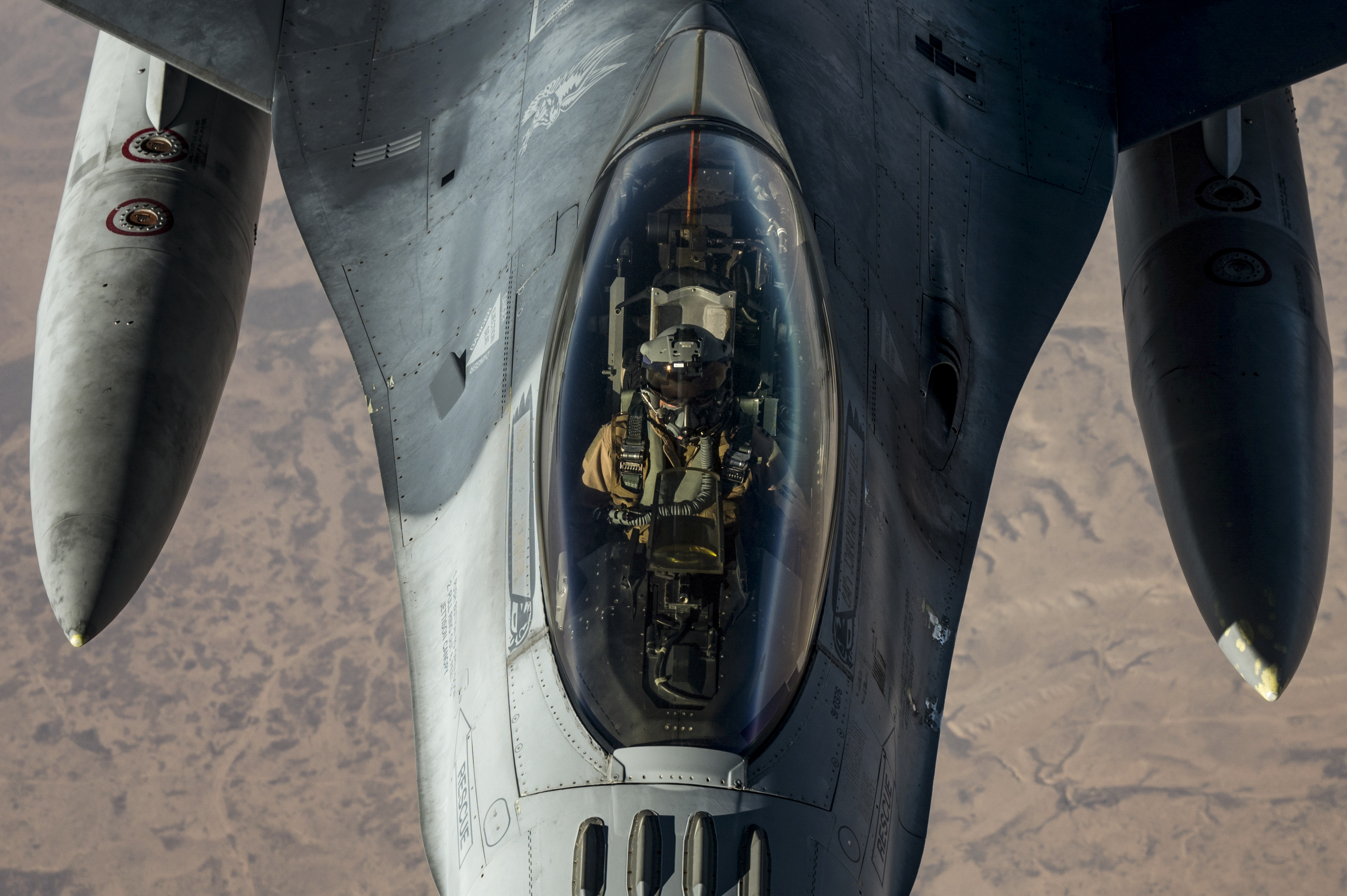
An Air Force KC-10 Extender conducts an aerial refueling with an F-16 Fighting Falcon in the U.S. Central Command area of responsibility, Nov. 30, 2020.

U.S., Australia Sign Agreement to Develop Virtual Training Range

 Dec. 4, 2020 | BY U.S. Cyber Command

As part of the Defense Department's efforts to sharpen lethality, reform business practices and strengthen partnerships in cyberspace, the U.S. and Australia have launched the first agreement to continuously develop a virtual cyber training range.

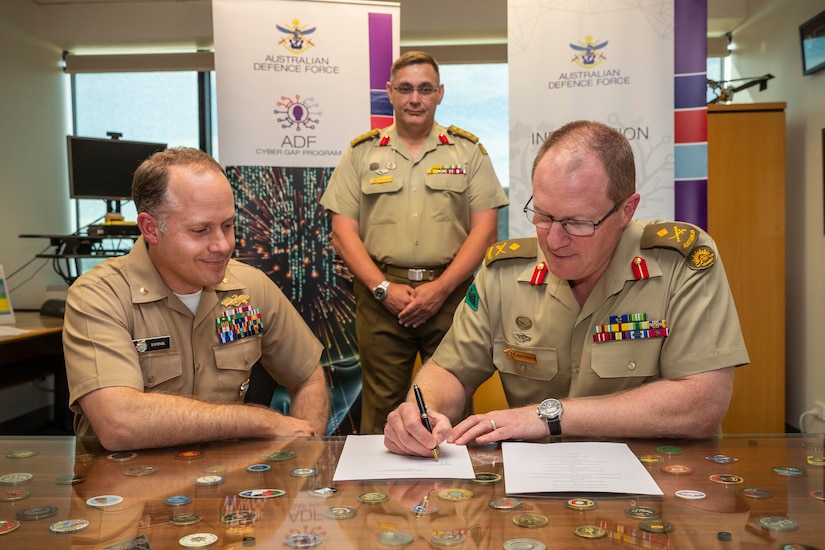
Both nations signed the Cyber Training Capabilities Project Arrangement on Nov. 3. The bilateral, international agreement enables U.S. Cyber Command to incorporate Australian Defense Force feedback into Cybercom's simulated training domain, the Persistent Cyber Training Environment. 

Two men in military uniforms watch a third man sign a document.

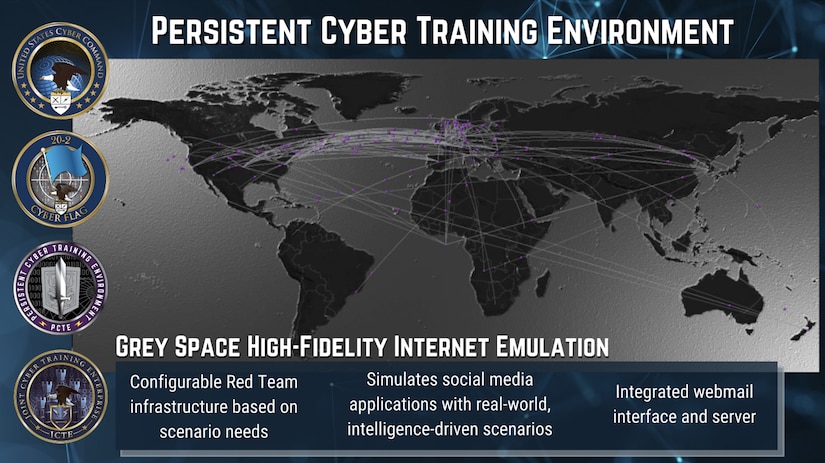
The PCTE is a cyber training platform for real-world defensive missions across boundaries and networks. Its shared use and development will constantly evolve it and sharpen readiness in cyber tactics, techniques and procedures. 

"This project arrangement is a milestone for U.S.-Australian cooperation. It is the first cyber-only arrangement established between the U.S. Army and an allied nation, which highlights the value of Australia's partnership in the simulated training domain," Elizabeth Wilson, the U.S. signatory and deputy assistant secretary of the Army for defense exports and cooperation, said.

"To counter known and potential adversarial threats, the Army has recalibrated our strategic thinking; we've made smart decisions to refocus our efforts to invest in the new, emerging and smart technologies that will strengthen our ability to fight and win our nation's wars," she added.

Previously, U.S. and allied cyber forces developed cyber training ranges for specific scenarios that would be used once, a process that could take months. The PCTE offers a collaborative training environment, enabling cyber forces around the world to develop and reuse already existing content to train at individual and group levels anytime. 

"Australia and the U.S. have a strong history of working together to develop our cyber capabilities and train our people to fight and win in cyberspace," Australian Army Maj. Gen. Marcus Thompson, the Australian signatory and head of information warfare for the ADF, said. "This arrangement will be an important part of the ADF's training program, and we look forward to the mutual benefits it will bring."

Partnerships in cyberspace are key to generating and sharing insights of threat actors, enabling mutual defense against cyberattacks and conducting the operational training necessary to hold adversaries accountable in cyberspace. Such training platforms enable lethal cyber mission forces in defense of U.S. and allied interests.

"Agreements like this one are crucial to the efficiency of our joint modernization," Wilson said. "They lay the framework for our mutual growth, allowing us to become stronger and more interoperable as allies."

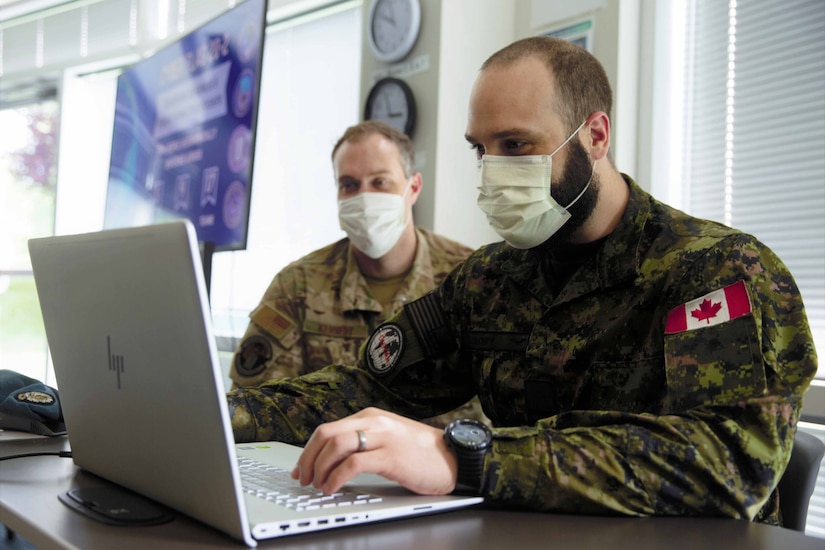
Two men in combat uniforms collaborate over a laptop.

The Army has the lead in developing PCTE and worked with the program executive office for simulation, training and instrumentation on this cooperative cyber project with Australia. The PEO STRI is responsible to deliver and improve PCTE on behalf of the Joint Services. Currently, PCTE's primary user is Cybercom and the services' cyber components.

"PCTE continues to showcase training opportunities for our cyber equities, and, as we evolve this capability, we look forward to the ongoing progression and engagements with our partners," Navy Rear Adm. Christopher Bartz, director of exercises and training for Cybercom, said. "Our recent Cyber Flag events in June and September of 2020 were prime examples of Five Eyes partner training and collaboration."

PCTE is one component of the U.S. military's Joint Cyber Warfighting Architecture, an overarching framework that helps guide capability development across all services for a functional, adaptive system of systems.

About PCTE

The PCTE training platform delivered its first production version in February 2020 and is designed as a distributed, secure, reconfigurable environment where numerous independent cyber operations training activities may occur simultaneously.

These environments include virtual emulations of live networks that allow cyber operators the ability to practice their skills and operations in a closed environment.

A key aspect of PCTE, which provides the earliest access to capabilities, is the incorporation of an iterative development process. This process allows for the continued development and improvement of PCTE while it is in use by cyber warriors. 

An illustration shows a world map and a variety of cyber logos.

Cyber mission forces first identified the need for a shared, iterative virtual cyber range during exercise Cyber Flag 2015 and have since galvanized an expedited effort to define the requirement and find technical solutions. Leveraging agile acquisition and rapid prototyping, cyber mission operators actively test and provide feedback during development, enabling PCTE to meet their operational needs.

The long-term goal for PCTE is to provide the DOD cyberspace workforce the capability to build and conduct full-spectrum, combined and joint cyberspace training, exercises, certification and mission rehearsal in a training environment. The training environment requirements, driven by training objectives and user-defined specifications, must emulate a realistic operational environment that provides scope, scalability and fidelity.
The CTC PA is an example of how the cyber mission forces of the U.S. and Australia work together and showcases success in the Armaments Cooperation. The project arrangement, valued at $215.19 million over six years, provides the flexibility to develop cyber training capabilities for the future.

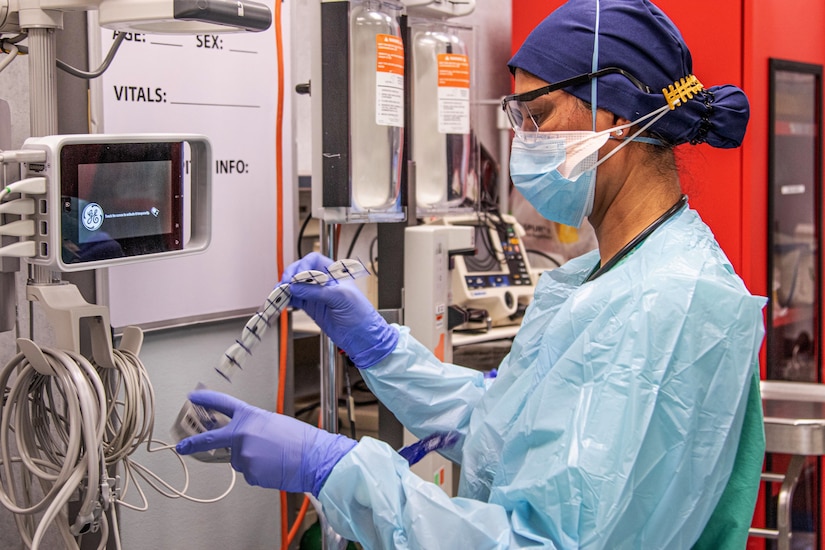
Chart Review


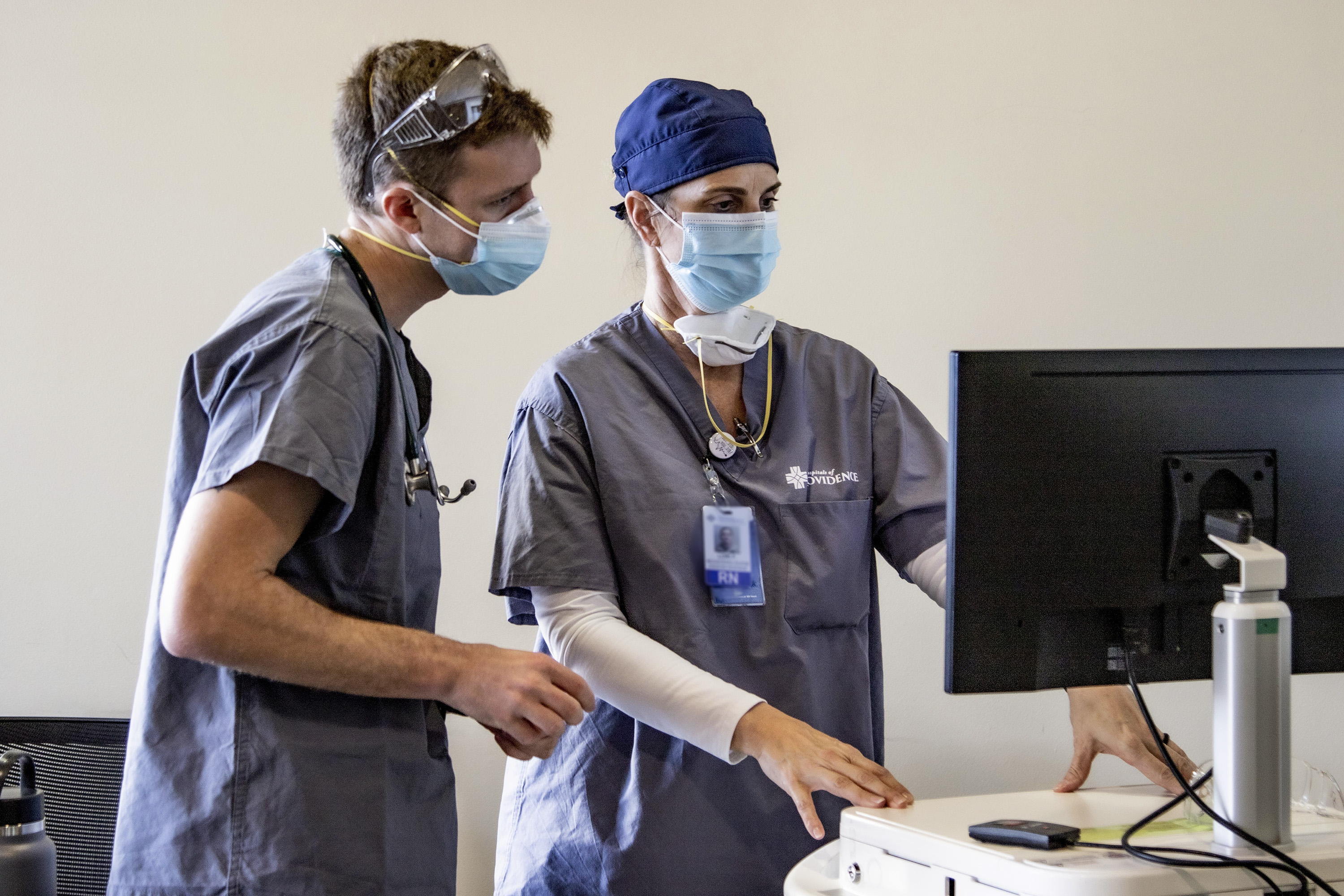
Air Force Maj. Flori and 1st Lt. David Hicks, both registered nurses, discuss patient charts at the Hospitals of Providence Transmountain emergency department entrance in El Paso, Texas, while supporting COVID-19 response efforts, Nov. 25, 2020.

Light Repair


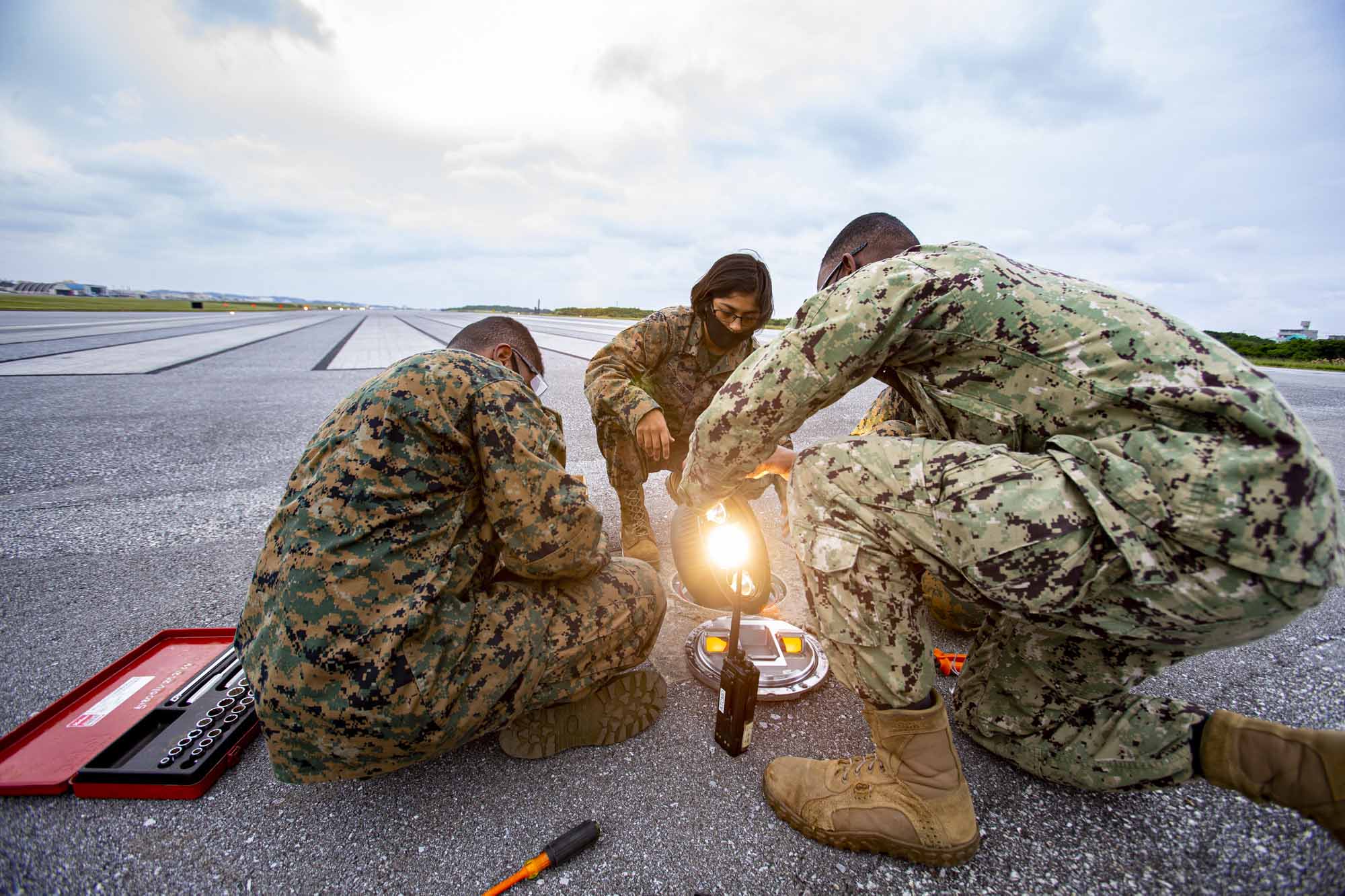
Marines repair threshold lights during training at Marine Corps Air Station Futenma in Okinawa, Japan, Dec. 3, 2020.

Grocery Prep


Arizona National Guardsmen prepare boxes of groceries for delivery at a food bank in Phoenix, Dec. 2, 2020, as part of COVID-19 relief efforts.

New DOD Directive Will Improve Acquisition Reform, Officials Say

 Dec. 4, 2020 | BY David Vergun , DOD News

On Sept. 8, Deputy Secretary of Defense David L. Norquist signed Defense Department Directive 5000.01, "The Defense Acquisition System."

It supports the National Defense Strategy by improving on business reform and developing a more lethal force based on faster delivery of technological innovation and a culture of performance that yields a decisive and sustained U.S. military advantage, said Ellen M. Lord, undersecretary of defense for acquisition and sustainment.

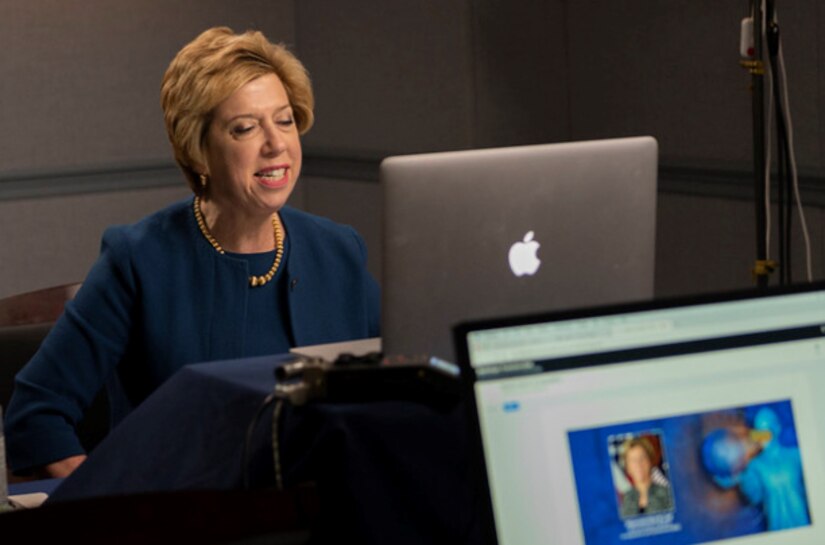
A woman sits in front of a laptop.

Speaking yesterday at the National Training and Simulation Association, Lord recalled how the environment looked several years ago. "U.S. technological advantage was beginning to fade a bit, and our acquisition system was too slow and risk averse for us to keep up with our adversaries. So, the department required new, wide-ranging asymmetric capabilities to counter threats, and disruptive technologies to ensure our overmatch, and a fundamentally different acquisition approach that leverages speed, innovation and risk-taking to give U.S. forces the capabilities needed for future operations."

She said the directive supports the six goals within the A&S mission:

  • To enable acquisition innovation approaches that deliver warfighting capability at the speed of relevance;
  • To build a safe, secure and resilient defense industrial base that's both commercial and organic; 
  • To ensure safe and resilient DOD installations;
  • To increase weapon system mission capability while reducing operating costs; 
  • To promote acquisition and sustainment initiatives with key international partners;
  • To recruit, develop and retain a diverse acquisition and sustainment workforce.

Besides delivering needed capability to the warfighter at the speed of relevance, Lord noted that the directive also focuses on improved sustainment of those weapons systems. She noted that 70 to 80 cents on the dollar over the lifecycle of a program is focused on sustainment.

A tank fires a projectile.

It's also the first major reform of the defense acquisition workforce management framework in almost three decades. "We are pivoting from a one-size-fits-all certification construct to a component-and-workforce-central, tailorable continuous learning construct," she said. "This shift to modern talent management will empower the workforce for success today and into the future."

Stacy A. Cummings, principal deputy assistant secretary of defense for acquisition, also spoke about developing the new directive.

"There is not just a one-size-fits-all in order to deliver capability," she said. "It's really about applying common sense and critical thinking to the decision making of the program manager, the program team, as well as the decision authority, and looking at what is the right acquisition strategy for that capability." 

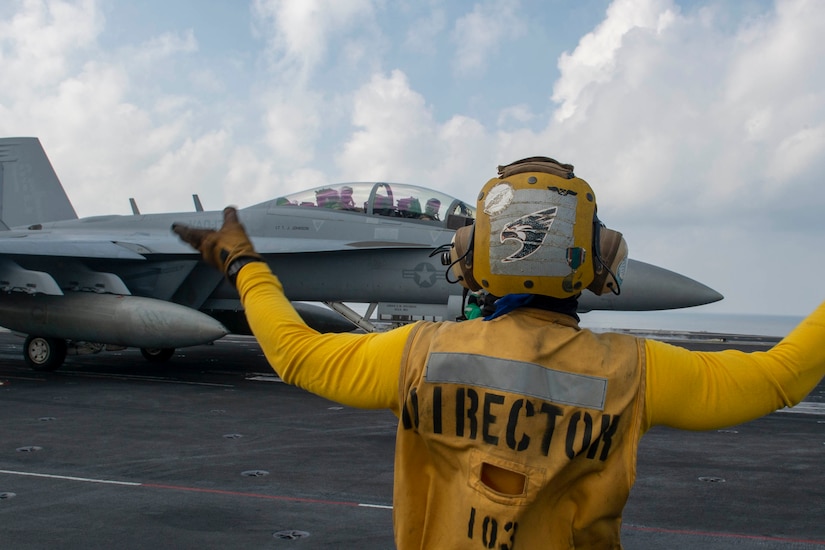
A sailor directs a jet on an aircraft carrier.

Cummings added that the department is working to capture lessons learned and looking for pathways that are flexible, adaptive, innovative and spur critical thinking.

Concrete Solution


Navy Petty Officer 3rd Class Justin Panelo smooths freshly placed concrete for a renovation project at Camp Shields in Okinawa, Japan, Nov. 30, 2020.

Acting Secretary of Defense Remarks to Conference of the Defense Ministers of the Americas

 Dec. 3, 2020

As prepared for delivery by Acting Defense Secretary Christopher C. Miller

Fellow ministers, good morning. I would like to thank Secretary Desbordes for hosting this important conference, and for Chile’s continued leadership in this hemisphere. My colleagues and I are honored to join you to continue the important work that began 25 years ago, when then-Secretary of Defense William Perry hosted the first conference bringing together defense establishments across the Western Hemisphere.

Our nations share common interests that transcend our differences, including humanitarian assistance, disaster relief, and combatting transnational threats. Moreover, with our like-minded partners, we share common values such as human rights, democracy, and respect for the rule of law. 

The United States recognizes the importance of strengthening our alliances and attracting new partners, particularly at a time when the international, rules-based system that has brought security and stability to our hemisphere – and the globe – is under duress.

China and Russia continue their attempts to undermine the free and open order and exploit other nations to further their own interests, often through predatory practices and coercion. At the same time, problems posed by transnational criminal organizations, social unrest, natural disasters, and the global pandemic further endanger the peace and security we have all worked hard to build over the past two and a half decades.

That is why it is more important than ever for us to continue to work with our Western hemisphere partners to address shared challenges. This includes continuing to urge nations such as Cuba and Nicaragua, and the illegitimate Maduro regime in Venezuela, to return to democratic rule through free and fair elections, and end violence in their countries.

Given the themes of this year’s conference, I’d like to focus my remarks on our collective efforts to enhance humanitarian assistance and disaster relief, as well as the importance of strengthening cooperation to address transnational threats.

First, in the realm of humanitarian assistance and disaster relief, we recognize that these challenges extend beyond borders, threatening the well-being of all our citizens.  This requires us to look for ways to work together across the region as efficiently as possible.

I applaud Chile’s leadership in this regard, particularly in their authorship of the Disaster Cooperation Mechanism – a tool that facilitates information exchange on humanitarian assistance and disaster response capabilities among CDMA Member States.

 For our part, I am proud to note that USNORTHCOM and USSOUTHCOM, under the leadership of General VanHerck and Admiral Faller, have executed 441 coronavirus relief projects in support of 30 nations in North, Central, and South America, and the Caribbean, with a total value of $30.4 million.

But, as you all know, the United States provides much more than pandemic relief.  Last year for example, we deployed the hospital ship COMFORT to provide humanitarian assistance and medical care to Venezuelan refugees. In late 2021, we will again deploy the COMFORT to the region to relieve pressure on our partners and increase their resilience.

Also, this October, we approved the USSOUTHCOM Health Engagement Assistance Response Team (or HEART) pilot – an aerial medical deployment focused on non-COVID patients in Central America and the Caribbean in urgent need of medical care.

And most recently, in the wake of Hurricanes Eta and Iota, U.S. Southern Command has completed 243 missions, saved 850 lives, and delivered over one million pounds of humanitarian assistance to our partners in the region. Working shoulder-to-shoulder with regional partner nations expands our collective abilities to save lives and reduce suffering.

Our hearts go out to those who have lost loved ones, homes, and their livelihoods caused by these natural disasters; and these events underscore the importance of our work together at this conference.

To maintain our collective focus on these efforts, the United States has offered to host the 15th CDMA Ad Hoc Working Group, and will support the Inter-American Defense Board’s annual table top exercise on this important topic. 

Next, we must deepen and adapt our partnerships to match the evolving threats faced by our nations. Several issues this year have illustrated the need for urgency in this effort. At the forefront was our battle against the coronavirus, with our militaries assuming a position on the frontlines by securing borders; supporting repatriation flights; and delivering food and medicine.

At the same time, we haven’t lost our focus on combatting the scourge of criminal organizations that foster violence and corruption. For example, since President Trump announced the beginning of U.S. Southern Command’s Enhanced Counternarcotics operations in early April, the United States and 20 regional partners have together disrupted or seized 216 metric tons of cocaine and 32 metric tons of marijuana, and detained 373 suspected drug smugglers. 

I am proud of the progress we’ve made on this front, but we must also do more to thwart resource predation by both state actors and criminal groups, which has increased this year.  Activities such as illegal mining, wildlife trafficking, and illegal, unreported, and unregulated fishing threaten economic and national security, and are detrimental to our pursuit of stability and prosperity.
Strong security institutions are key to building trusting relationships and meeting current and future defense challenges. Corruption, absolute impunity, mismanagement, and a lack of strategic long-range planning will only hold us back. We need to leverage our resources to share best practices and bolster our defense institutions, such as the William J. Perry Center and its work to deepen our defense cooperation.
Likewise, respect for human rights is a guiding principle in our military relationships throughout the hemisphere and is a fundamental component of a professional and legitimate military force. USSOUTHCOM has over two decades of experience in working with regional partners on strengthening their human rights programs under the auspices of the Human Rights Initiative (HRI).  And throughout the hemisphere – with few exceptions – human rights is now embedded in military doctrine, training, education, and above all, in our collective moral code.

Finally, before I close, I’d like to echo the sentiments raised by my colleagues regarding the 20th anniversary of United Nations Security Council Resolution 1325 on Women, Peace, and Security. We recognize that a military is at its best when it is inclusive and representative of the society it defends; and when it accounts for the unique security needs of the entire population. That’s why the Department of Defense is committed to building a more diverse workforce at all levels, promoting equal opportunity for all, and ensuring we incorporate the perspectives of men and women into our plans, policies, and operations.

I am encouraged by the many efforts being championed on this front, and we will continue to work with our partners and allies to increase the meaningful participation of women in defense and security sectors, and promote their safety and security. Doing so will ensure that we leverage the full breadth of talent each of our nations provide to meet the security challenges of the 21st century.

Twenty-five years ago, Defense Ministers from across the Hemisphere met in Williamsburg, Virginia where we declared our shared goal of a collaborative, prosperous, and secure region – one where our close partnerships advance shared security interests regionally and globally. 

Today, the United States remains committed to those same principles that have brought peace and security to this Hemisphere – our neighborhood. And, as we look ahead to the next 25 years, we will continue to strengthen our partnerships and invest in new relationships that will advance our vision of a secure and prosperous Western Hemisphere.

If we can focus our efforts and work together in that spirit of cooperation, I am confident that we will meet this Hemisphere’s security challenges for generations to come.

Thank you.

Evacuation Training


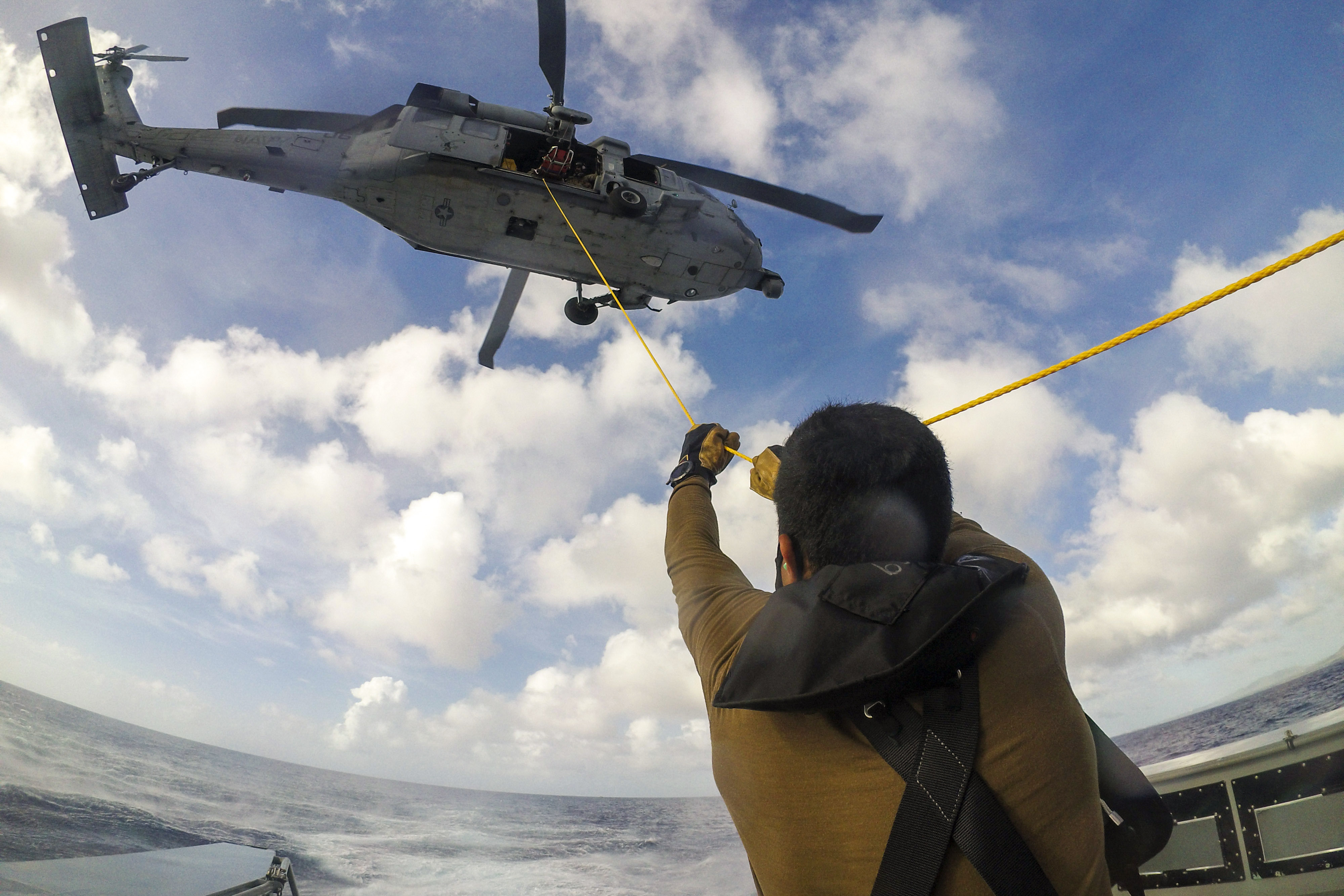
Navy Petty Officer 3rd Class Jose Delacerda holds a retaining line from an MH-60S Seahawk helicopter during casualty evacuation training in the Agat Bay, Guam, Dec. 1, 2020.

Holiday Lights


Air Force Airmen 1st Class Everly Wilkes and Kaylin Rice string lights over a tree at Hanscom Air Force Base, Mass., Nov. 24, 2020.

Air Supply


Marines learn how to breathe using a regulator during helicopter underwater egress training at Marine Corps Base Hawaii, Dec. 2, 2020.

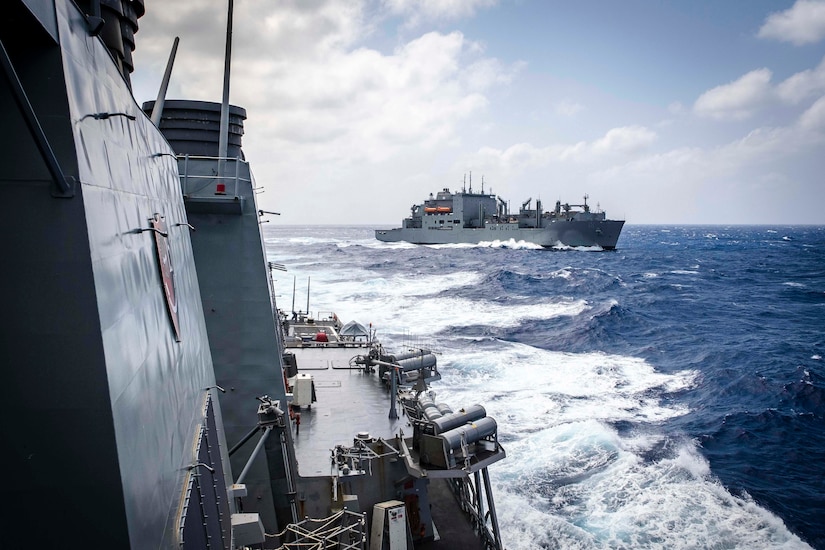
Shiloh Sail


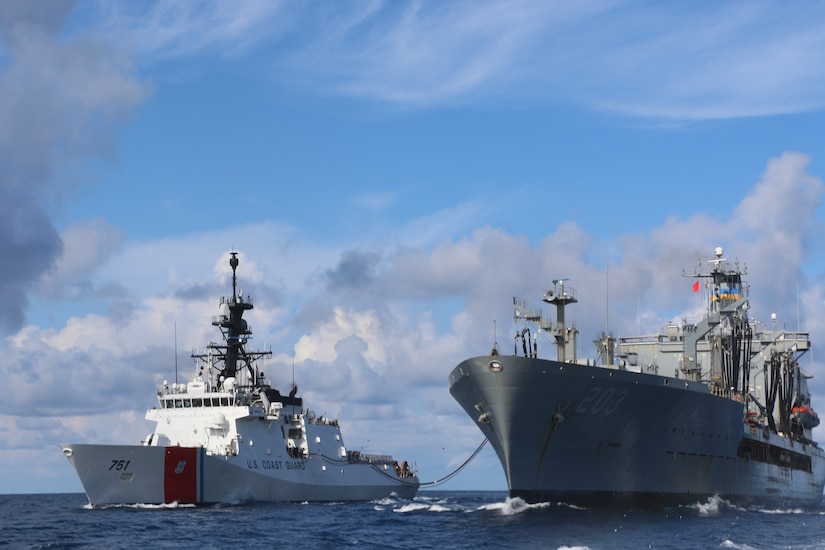
The USS Shiloh sails alongside the USNS Charles Drew during a replenishment in the East China Sea, Nov. 24, 2020.

Sky Patrol


A Navy E-2C Hawkeye patrols the skies above the Arabian Sea, Nov. 28, 2020.

Double Dip


U.S. and Japanese sailors conduct a dive during a mine warfare exercise off the coast of southwestern Japan, Nov. 20, 2020.

Statement on New Appointments to the Defense Business Board

 Dec. 4, 2020


Today, Acting Secretary of Defense Chris Miller announced the appointments of Henry Dreifus, Robert McMahon, Cory Mills, Bill Bruner, Christopher Shank, Joseph Schmidt, Keary Miller, Alan Weh, Earl Matthews, Corey Lewandowski and David Bossie to the Defense Business Board (DBB). Individuals appointed to the Defense Business Board are selected for their expertise and executive management experience in the private and public sectors.  

"I’m proud to welcome each of these new members to the Defense Business Board and I look forward to their contributions to help guide the Department’s business efforts in the coming years,” said Acting Secretary Miller. “These individuals have a proven record of achievement within their respective fields and have demonstrated leadership that will serve our Department, and our nation well.” 

About the Defense Business Board

The Defense Business Board, established in 2002, provides the Secretary of Defense and Deputy Secretary of Defense along with other senior leaders within the Department of Defense with independent advice on business management issues. This private sector perspective is based on proven and effective “best business practices” from corporate America and presents new ideas to help senior leaders meet DoD management challenges.

Also today, Acting Secretary Miller thanked 9 outgoing members of the Defense Business Board for their service and commitment to the Department. These members are: Michael Bayer, Arnold Punaro, Atul Vashisitha, John O'Connor, David Venlet, Paul Dolan, Scott Dorn, David Walker and David Van Slyke who had been serving in expired positions. “I want to thank each of these members for volunteering their time and talents in service to the Department of Defense and in turn, our country,” Said Acting Secretary Miller.

Acting Secretary Miller Travels to Indonesia, Philippines, and Indo-Pacom

 Dec. 4, 2020


Acting Secretary of Defense Christopher C. Miller embarks Saturday, Dec. 5, to visit Indonesia, the Philippines, and the U.S. Indo-Pacific Command Headquarters.

In Indonesia and the Philippines, Acting Secretary Miller will meet with his counterparts and other senior officials to discuss the importance of the bilateral defense relationships and securing a free and open Indo-Pacific region.

Acting Secretary Miller will visit the U.S. Indo-Pacific Command Headquarters next where he will virtually participate in the ASEAN Defense Ministers’ Meeting Plus (ADMM-Plus). The ADMM-Plus is the most effective platform for practical cooperation among the participating countries’ defense establishments and the premier venue for senior leaders to discuss regional defense issues.  While there, Acting Secretary Miller will meet virtually with key leaders to strengthen defense relationships.

Airman Adjustment


Air Force Tech. Sgt. Emily Souza adjusts Airman Kaitlin Curtis’s shoulder strap at Moody Air Force Base, Ga., Nov. 20, 2020.

Orange Ops


A soldier works on a vehicle during training at Fort Bragg, N.C., Nov. 24, 2020.

Flight Line


Marine Corps MV-22 Ospreys participate in a maximum aircraft launch exercise from Marine Corps Base Hawaii, Dec. 2, 2020.

Thursday, December 03, 2020

Miller Seeks to Strengthen Hemispheric Partnership

Dec. 3, 2020 | BY Jim Garamone , DOD News

Acting Defense Secretary Christopher C. Miller stressed the need to strengthen partnerships in the Western Hemisphere during the virtual Conference of the Defense Ministers of the Americas.

The conference — hosted by Chile — marks 25 years of meetings. The ministers discussed the situation in the Americas and how the countries of the hemisphere can more closely work together.

"Our nations share common interests that transcend our differences, including humanitarian assistance, disaster relief and combating transnational threats," Miller said in prepared remarks for the conference. "Moreover, with our like-minded partners, we share common values such as human rights, democracy and respect for the rule of law."

Two ships sit beside one another with a cable stretched between them. U.S. Coast Guard is written on the side of one ship.

Miller said holding the conference is even more important since the international rules-based system in place since the end of World War II is under "duress" from China and Russia. 

Those countries are working to undermine the free and open order and exploit nations to benefit Russia and China. The two great power competitors often use predatory practices and coercion to bend smaller nations to their wills.

"At the same time, problems posed by transnational criminal organizations, social unrest, natural disasters and the global pandemic further endanger the peace and security we have all worked hard to build over the past two and a half decades," Miller said.

There are three nations in the hemisphere that are problems — Cuba, Nicaragua and Venezuela. The defense ministers must discuss these three nations and efforts to persuade these nations to return to democratic rule through free and fair elections and end violence in their countries, he said.

Even if nations disagree on some events in the region, there are more they agree on, the acting secretary said, and he praised efforts in the hemisphere to enhance humanitarian assistance and disaster relief. The nations are also working together to address transnational threats. 

"In the realm of humanitarian assistance and disaster relief, we recognize that these challenges extend beyond borders, threatening the well-being of all our citizens," Miller said. "This requires us to look for ways to work together across the region as efficiently as possible." 

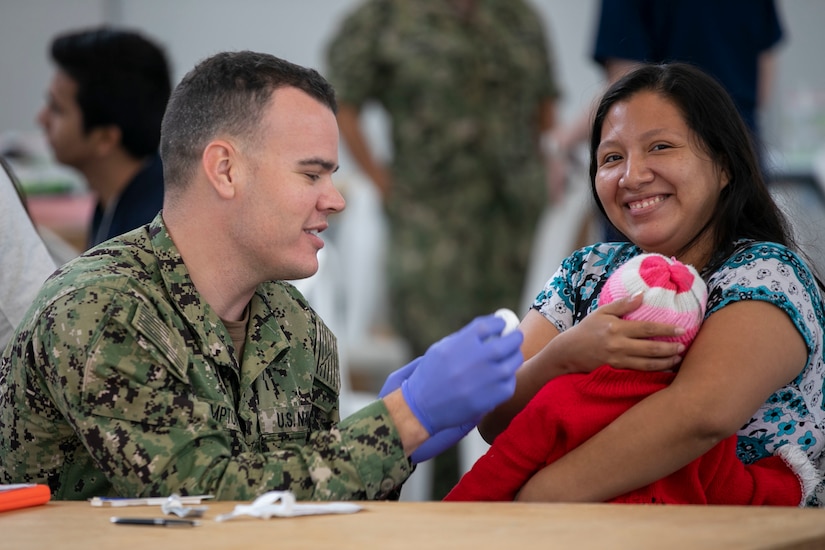
A man wearing a military uniform and surgical gloves treats a baby being held in mother's arms.

Miller highlighted Chile's disaster cooperation mechanism — a tool that facilitates information exchange on humanitarian assistance and disaster response capabilities among conference states.

"For our part, I am proud to note that U.S. Northern Command and U.S. Southern Command…have executed 441 coronavirus relief projects in support of 30 nations in North, Central, and South America and the Caribbean — with a total value of $30.4 million," he said.

He also pointed to the 2019 deployment of the hospital ship USNS Comfort to the region to provide humanitarian assistance and medical care to Venezuelan refugees.

"In late 2021, we will again deploy the Comfort to the region to relieve pressure on our partners and increase their resilience," Miller said. 

The secretary also highlighted Southcom's Health Engagement Assistance Response Team pilot. This is an aerial medical deployment focused on non-COVID-19 patients in urgent need of medical care in Central America and the Caribbean. 

The most recent hurricane season — the most active since weather records have been kept — also saw Southcom providing aid to hard-hit nations in Central America completing 243 missions, saving 850 lives and delivering over one million pounds of humanitarian assistance to partners hit by Hurricanes Eta and Iota. 

"Our hearts go out to those who have lost loved ones, homes and their livelihoods caused by these natural disasters; and these events underscore the importance of our work together at this conference," the acting secretary said.

Transnational criminal organizations remain a threat in the region. From drugs to refugees to weapons, these groups foster violence and corruption wherever they operate, he said.

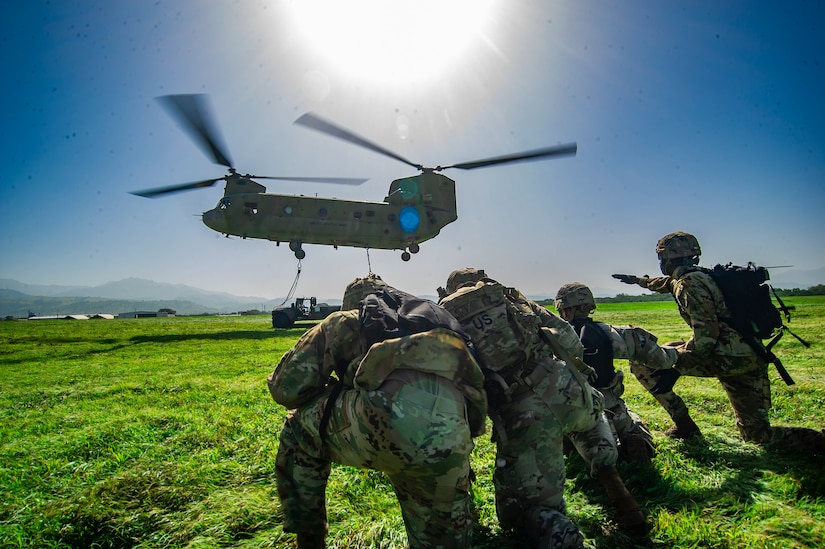
Soldiers wait to attach a sling to a descending helicopter.

"I am proud of the progress we've made on this front, but we must also do more to thwart resource predation by both state actors and criminal groups, which has increased this year," the acting secretary said. "Activities such as illegal mining, wildlife trafficking and illegal, unreported, and unregulated fishing threaten economic and national security and are detrimental to our pursuit of stability and prosperity."

Miller also spoke of the 20th anniversary of United Nations Security Council Resolution 1325 on Women, Peace and Security.

"We recognize that a military is at its best when it is inclusive and representative of the society it defends and when it accounts for the unique security needs of the entire population," he said. "That's why the Department of Defense is committed to building a more diverse workforce at all levels, promoting equal opportunity for all, and ensuring we incorporate the perspectives of men and women into our plans, policies and operations."

He praised the partner nations that are working to increase the meaningful participation of women in the defense and security sectors and promote their safety and security.

"Doing so will ensure that we leverage the full breadth of talent each of our nations provide to meet the security challenges of the 21st century," he said.

Defense Department Committed to Cleaning Up the Environment

 Dec. 3, 2020 | BY David Vergun , DOD News

The Defense Department faces an environmental cleanup liability of around $33 billion, which is the second largest liability behind personnel benefits, the assistant secretary of defense for sustainment said.

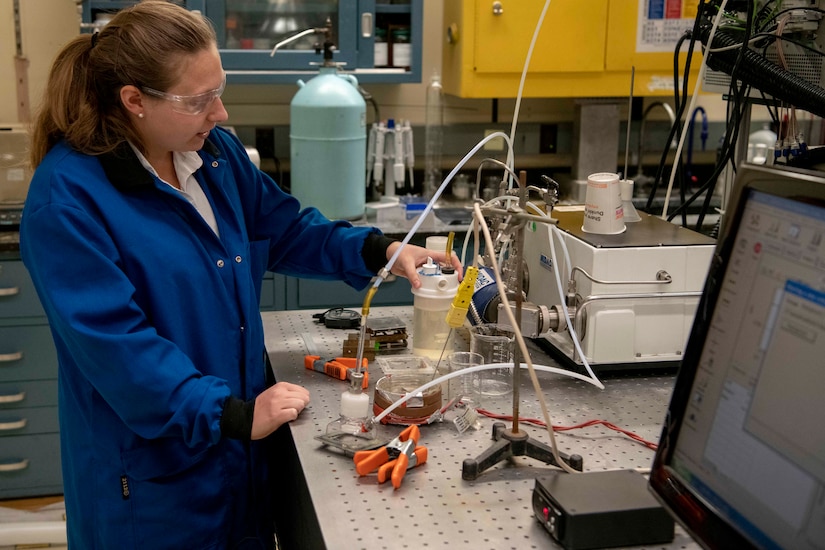
A chemist in a lab begins filling a plastic container with foam.

Cleaning up contaminants from past DOD activities is an ongoing process that will take years to complete, Jordan Gillis said at the Strategic Environmental Research and Development Program and Environmental Security Technology Certification Program — known as SERDP and ESTCP — Symposium, November 30. 

"Developing and fielding technologies to reduce the cost and accelerate the progress of these remediation efforts will not only support our commitment to the health and safety of our service members and their families and the communities in which they serve, it will also free up funds for the core mission of the department," he said.

Regarding environmental cleanup, the department has been heavily focused on understanding and remediating PFAS — especially PFOS and PFOA — over the past several years, he said. 

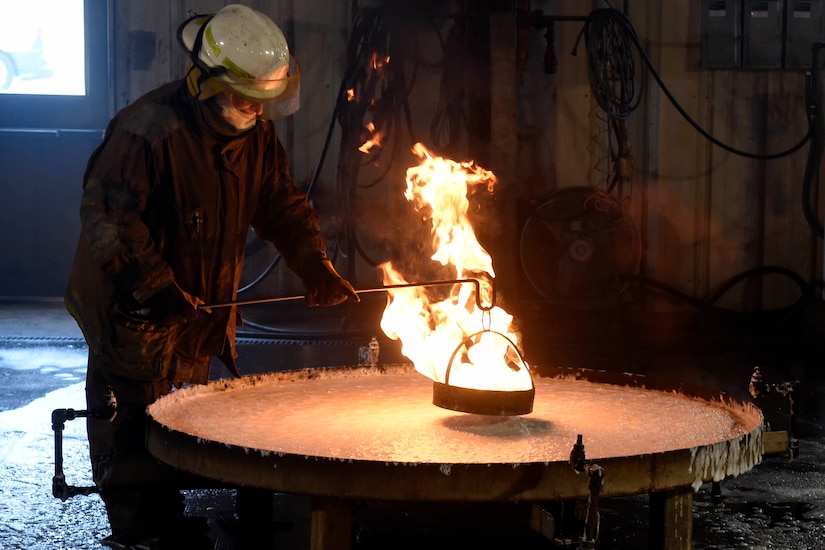
A person wearing fire protection gear sprays foam on a fire in a 28-square-foot container.
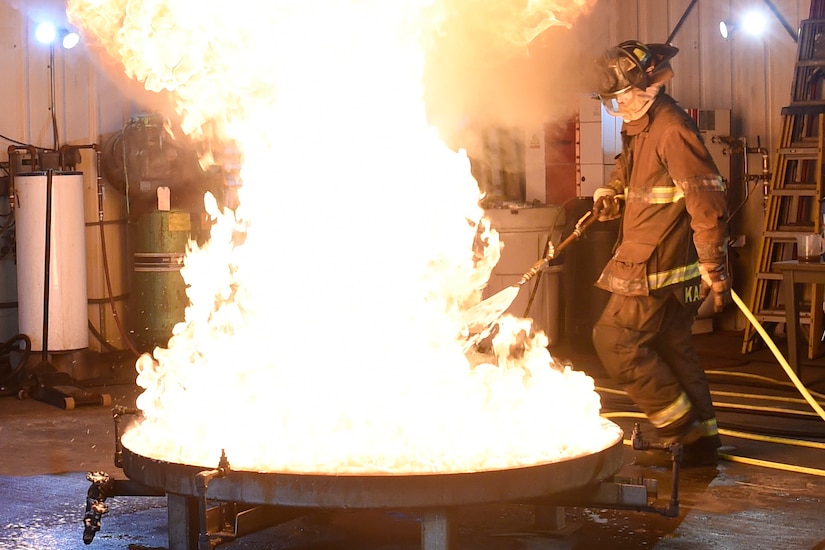
A man puts out a fire.

PFOS, which is perfluorooctane sulfonate, and PFOA, or perfluorooctanoic acid, are two chemicals of the larger class known as PFAS. PFAS is an abbreviation for perfluoroalkyl and polyfluoroalkyl substances. The chemicals are used in a firefighting foam that is known as aqueous film-forming foam, or AFFF. The foam is used by DOD and civilian firefighting organizations, and other industries, to rapidly extinguish fuel fires and protect against catastrophic loss of life and property

"Recognizing that this is a national problem that requires a national solution, our working relationship with the EPA [Environmental Protection Agency] is resulting in the development and validation of new methods for analyzing PFAS," he said. SERDP and ESTCP have recently initiated a number of projects focused on PFAS forensics, understanding the source of PFAS in the environment, whether from firefighting, other DOD activities or non-DOD sources, Gillis also noted.

"We're also continuing to make progress in finding an effective PFAS-free firefighting alternative to AFFF and meet the congressionally-mandated elimination of current AFFF by 2024," he said.

A chemist pours foam on a small fire as another chemist holds a stopwatch.

"We have an ongoing demonstration program to test both developmental and commercially available PFAS-free formulations against the current military specifications relative to how quickly a fire must be extinguished, as well as an ongoing research program to examine the eco-toxicity of these new agents to avoid environmental issues in the future," he noted.

SERDP has also developed several approaches for treating groundwater that contains PFOS and PFOA, which have matured from small-scale laboratory projects to field demonstrations.

Gillis said SERDP and ESTCP are also involved in:

  • Collaborating with the Army Research Laboratory and the EPA on the examination of chromium-free alternatives to hexavalent and trivalent chromium for surface treatment and corrosion mitigation that can protect weapons platforms. This is because an increasing number of coatings and processes that are traditionally used in depots and maintenance facilities are becoming unavailable. As such, there is a need for replacement materials and processes that provide a similar — or better — performance without environmental concerns. 
  • Developing the Defense Regional Sea Level Database, which has now been incorporated into the Unified Facilities Criteria and will significantly improve DOD's efforts to ensure installations' resilience to sea level rise.  
  • Researching synthetic biology for the production of key propellant and explosive precursors to reduce the amount of solvents and byproducts associated with traditional production methods.
  • Developing comprehensive models of wildland fires to assist with installation planning and fire mitigation.
  • Developing controlled sites for comparative demonstration of technologies for the detection and identification of unexploded ordnance underwater.
  • Testing new adaptive microgrid control technologies that have the potential to reduce the time and cost of development and operations and improve the energy security and resilience of installations.

DOD Releases List of Additional Companies, In Accordance With Section 1237 of FY19 NDAA

 Dec. 3, 2020


Today, the Department of Defense released the names of additional “Communist Chinese military companies” operating directly or indirectly in the United States in accordance with the statutory requirement of Section 1237 of the National Defense Authorization Act for Fiscal Year 1999, as amended.  

The Department is determined to highlight and counter the People’s Republic of China’s (PRC) Military-Civil Fusion development strategy, which supports the modernization goals of the People’s Liberation Army (PLA) by ensuring its access to advanced technologies and expertise acquired and developed by even those PRC companies, universities, and research programs that appear to be civilian entities.  

The Department released its initial list of companies to Congress in June 2020 and will continue to update the list with additional entities as appropriate.

For the list, click here.

For previous lists, click here and here.

Chairman Discusses Future Defense Budgets

 Dec. 3, 2020 | BY Jim Garamone , DOD News

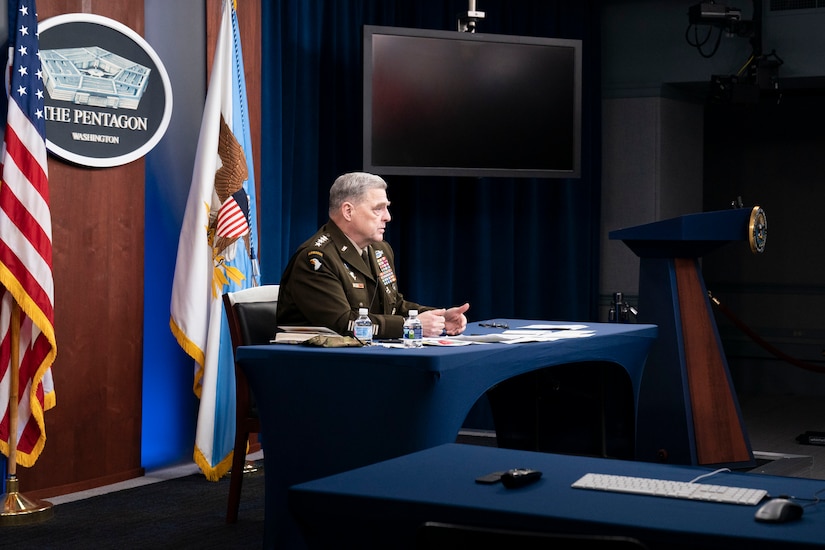
Army Gen. Mark A. Milley is a realist, and he sees future defense budgets, at best, remaining flat or possibly going down significantly in the years ahead.

The chairman of the Joint Chiefs of Staff told the Brookings Institution's Michael O'Hanlon yesterday that COVID-19 has hit the nation hard, and that carries over to the budgeting process. The upheaval caused by the coronavirus pandemic must be countered and remedied before the United States can budget its military to prevail in great power competition.

Great power competition with China and Russia is the main factor in the strategic environment today. 

A ship sails away from another ship in choppy water.

To be a great power requires a strong and capable military to be sure, but it also requires a strong and capable economy. "You have to have a very resilient country as a whole; you have to have a great education system; you've got to have great infrastructure," he said. "You have to look at it as a whole, of which the military is one piece of the whole."

The military is expensive with a budget this fiscal year of $750 billion. But preparing the military to meet the threats of the future while fighting the battles of today would require about 3 to 5 percent real growth each year. "And we would want to have a sustained, predictable, adequate budget in a timely way every year," Milley said. "But that's also not necessarily going to happen, and I don't anticipate that it will happen." 

Pentagon officials must do a quick reality check on the national budget. "I suspect that, at best, the Pentagon's budgets will start flattening out," he said. "There's a reasonable prospect that they could actually decline significantly, depending on what happens in the environment." 

An Army general sits at a table with a Pentagon sign hanging behind him.

The military is not divorced from the rest of America. The military does not operate in a vacuum. What happens outside the gates affects those inside them. "We have had a significant pandemic," the general said. "We've had … an economic situation nationally for almost going on a year now. We've got significant unemployment."

Moving forward, the nation's most important priority is to take care of the coronavirus pandemic. The United States has to get that behind us and breathe new life into the economy, Milley said. "Once you do that, then you can put additional moneys into a military." 

A woman wearing personal protective equipment prepares medical equipment for incoming COVID-19 patients.

But even if everything goes perfectly in the fight against COVID-19, the military budget will flatten, he said. "That doesn't mean that the world's going to end for us," he said. "What that means is that we have to tighten up and take a much harder look at priorities and where we put the moneys we do get."

The DOD must absolutely optimize the money it will get, and ruthlessly enforce priorities, he said. 

"We have to … take a hard look at what we do [and] where we do it," he said. 

Part of this is looking at overseas footprints. "There's a considerable amount of money that the United States expends on overseas deployments or overseas bases and locations, etc.," Milley said. "Is every one of those absolutely, positively necessary for the defense of the United States? Is every one of them tied to a vital national security interest? Is every one of those exercises that we do really critically important?"

DOD leaders must take hard looks at everything the department does. "I think [it] is warranted, and I have no problem in leading us through that to the extent that we can," he said.

Airmen Use Fog Machines to Disinfect Classrooms

 Dec. 3, 2020 | BY AIR FORCE SENIOR AIRMAN SERAIAH WOLF

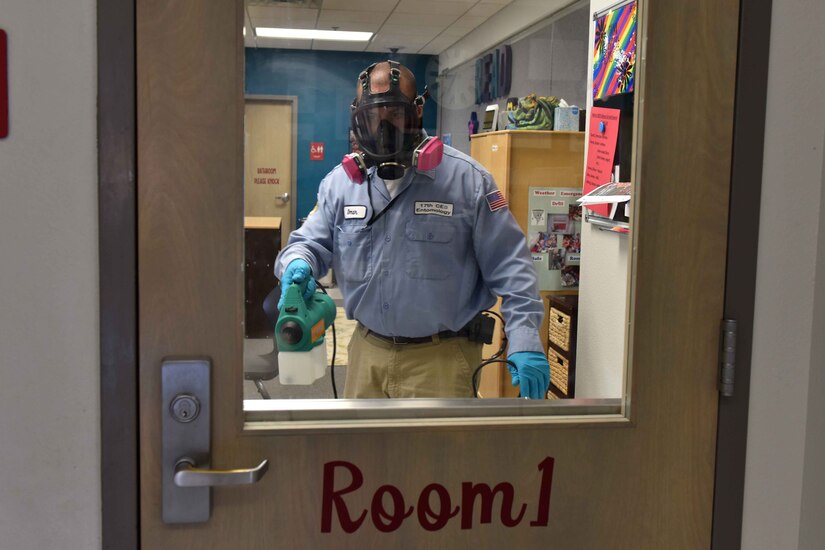
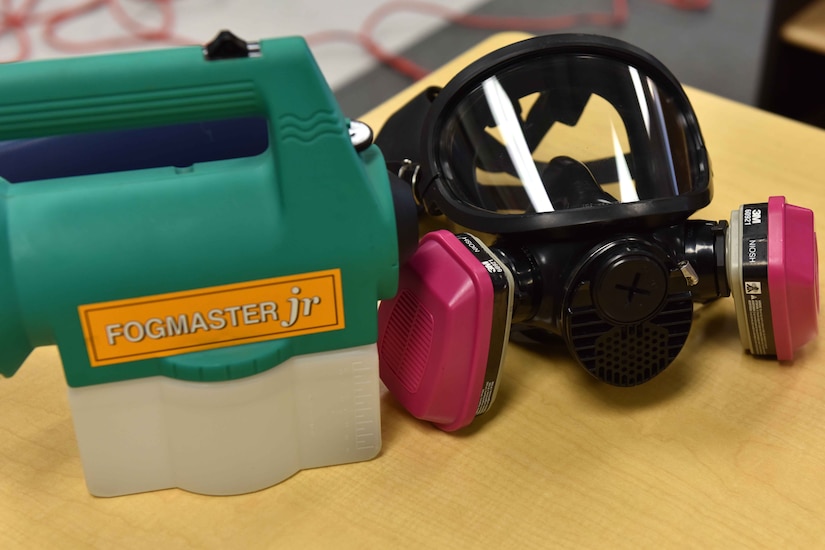
The 17th Civil Engineer Squadron employed a different approach to disinfecting classrooms at Goodfellow Air Force Base, Texas. Taking extra precautions for their own safety, Omar Martinez and Walter Miller, members of the civil engineer squadron, used fog machines to disinfect classroom surfaces at the school-age program and the Child Development Center.

A man disinfects a classroom.

This disinfectant is safe to breathe and be around while it is being sprayed. During the 20 minute re-entry time frame, the chemical bonds to any gems on the surfaces and kills them.

"The time the chemical is left alone on the surface is called wet time," Martinez said. "It also dries during the time that it bonds to the germs. Since it is a no rinse needed chemical, you are then good to go."

Each individual organization is responsible for the daily disinfecting of their offices. The staff wipe down the high-traffic areas every day. 

A COVID-19 precaution sign hangs on a door.

"We do this when we are requested," Miller said. "This is usually if one of the children has had an especially runny nose or if someone just wants to go the extra step to make sure even the hard to reach areas are taken care of."

This method of disinfecting is more efficient when it comes to disinfecting large areas.

"The chemical that we use is known to be 99.999% effective in killing different viruses," Martinez said. "This is why we are using this method. It is more likely to kill everything we want it to."

A mask and fogging machine sits on a table.

Back in the early days of the COVID-19 pandemic, the flight chief for the child and youth programs reached out for help to deep clean all of the classrooms and toys. A group of fire and intelligence students volunteered and cleaned all of the classroom surfaces and toys to help protect the children across the base. 

During this time, we all stand together, six feet apart, being there for each other in ways no one could have anticipated, but it is more important now than ever. When in quarantine, reach out to fellow wingmen, friends and battle buddies through social media. Take advantage of the new ways to interact, socialize, and watch movies and shows together. Always follow the Centers for Disease Control and Prevention social distancing guidelines and help mitigate the spread of the coronavirus.

(Air Force Senior Airman Seraiah Wolf is assigned to 17th Training Wing Public Affairs.)

Flag Officer Announcement


Dec. 3, 2020

Acting Secretary of Defense Christopher C. Miller announced today that the president has made the following nomination:

Adm. John C. Aquilino for reappointment to the rank of admiral, and assignment as commander, U.S. Indo-Pacific Command, Pearl Harbor, Hawaii.  Aquilino is currently serving as commander, U.S. Pacific Fleet, Pearl Harbor, Hawaii.

Wednesday, December 02, 2020

Holiday Display


Aircraft carrier USS Carl Vinson puts on a light display to celebrate the holiday season at its homeport of San Diego, Nov. 26, 2020.

Platoon Partners


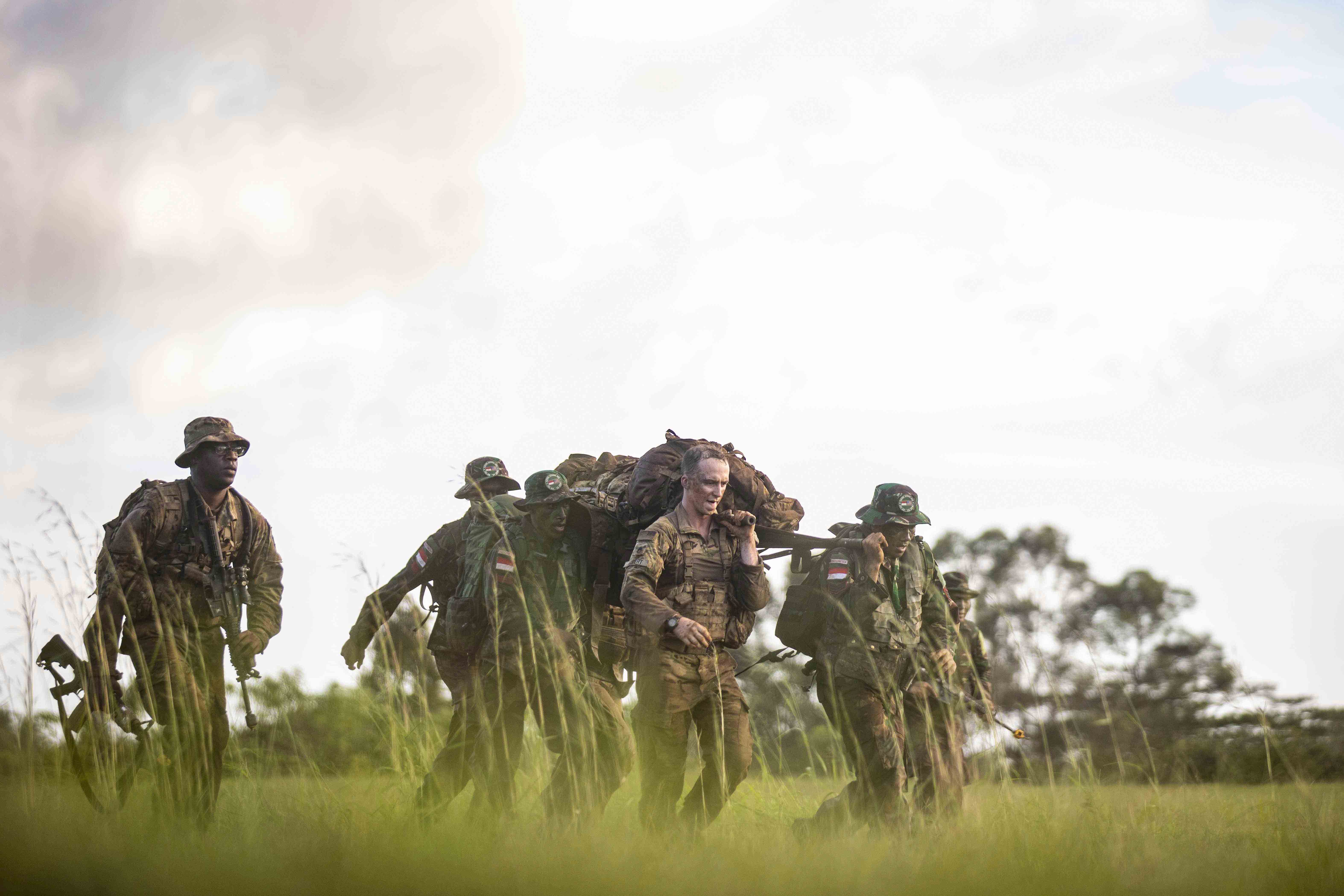
U.S. and Indonesian troops participate in the Green Mile physical endurance course during the 2020 Indonesia Platoon Exchange in Wahiawa, Hawaii, Nov. 21, 2020.

Corps Confidence


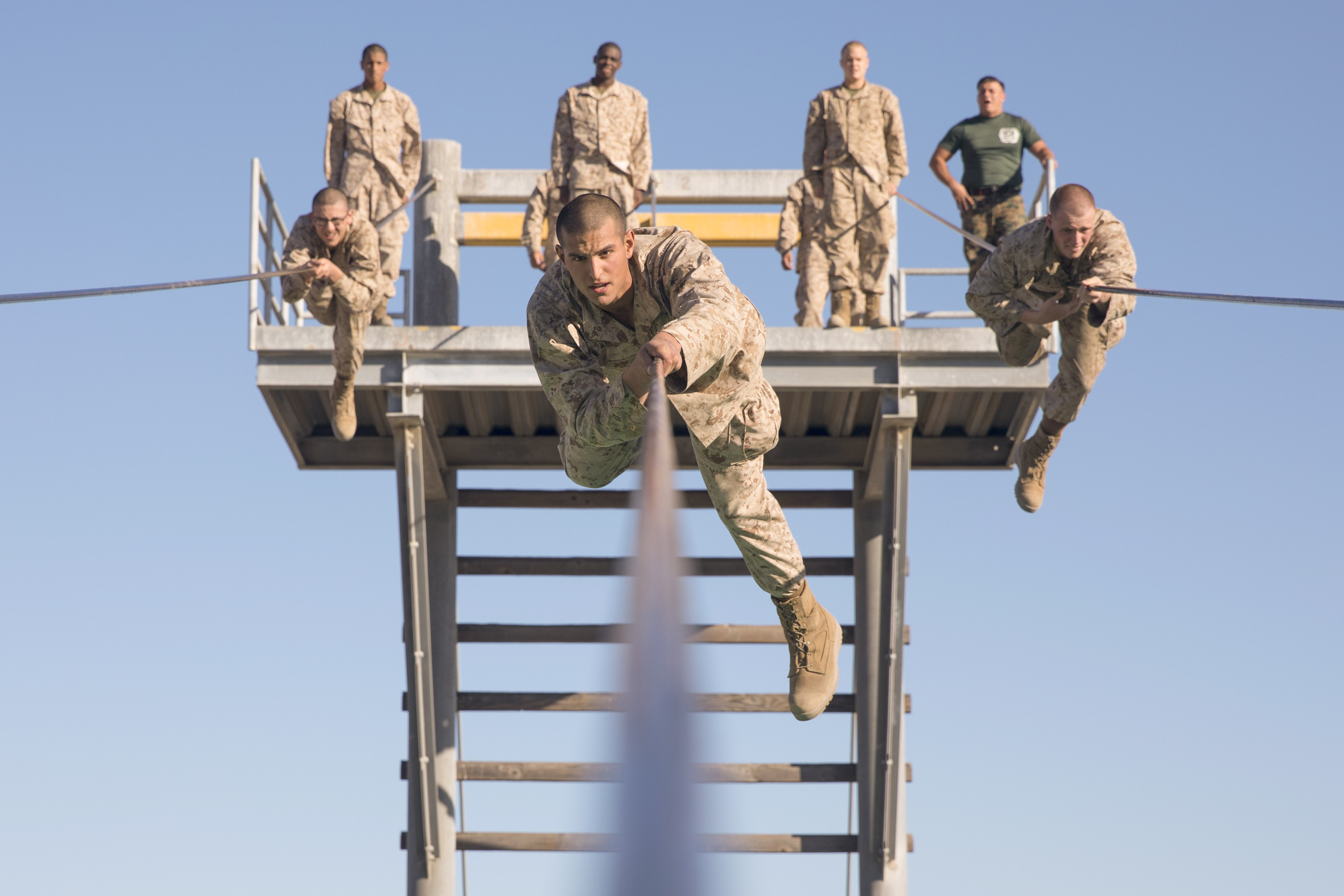
Marine Corps Recruit Eliseo Z. Sandoval takes on an obstacle during a confidence course at Marine Corps Recruit Depot, San Diego, Dec. 2, 2020.

Contacting Patients


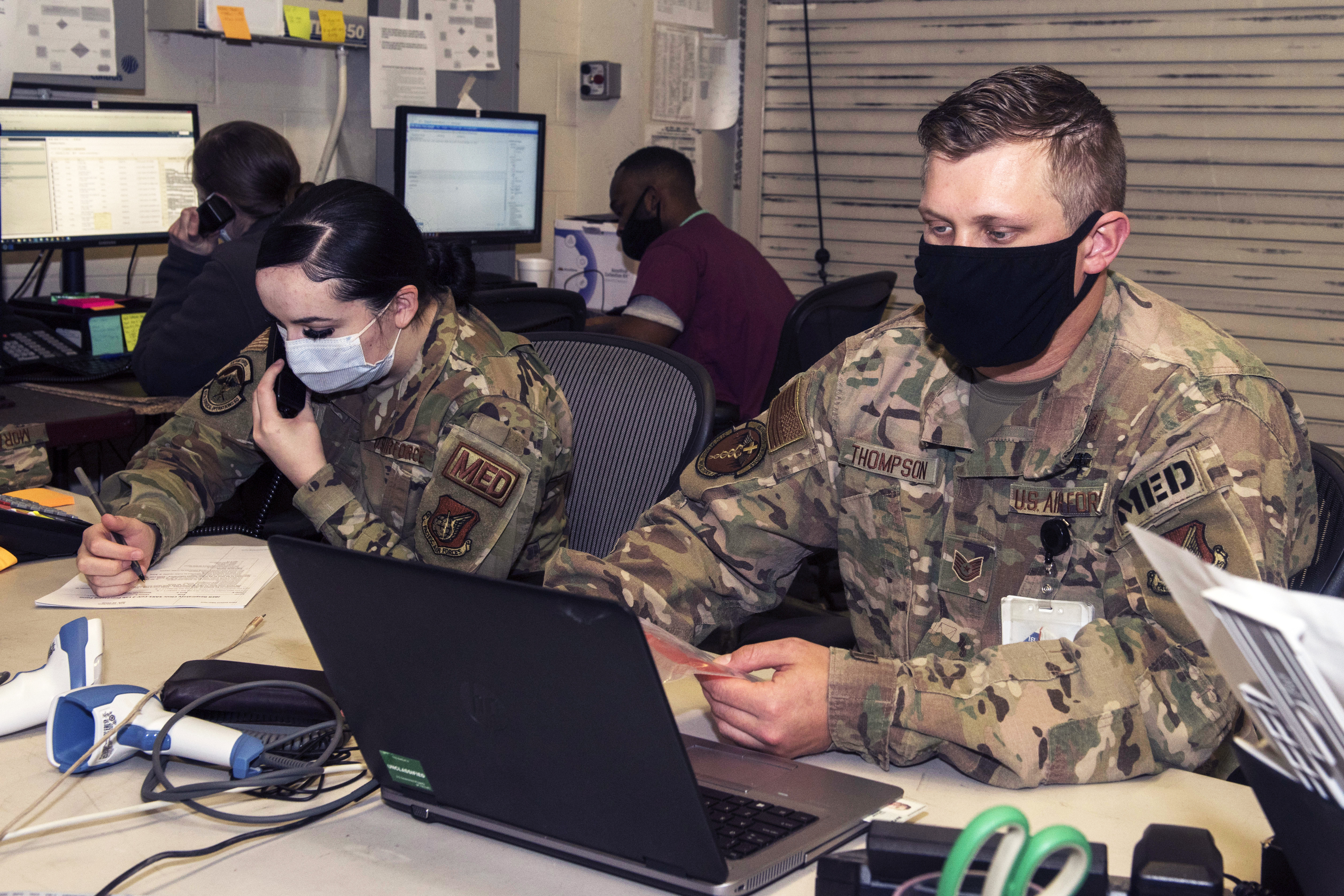
Airmen assigned to the 673rd Medical Group’s respiratory clinic contact patients prior to testing at Joint Base Elmendorf-Richardson, Alaska, Nov. 20, 2020. The 673rd MDG stood-up a drive-thru testing clinic to offer a fast, safe way to provide testing to base personnel and their dependents.

Food Distribution


Arizona National Guard service members build and fill boxes with fresh, sorted produce in Nogales, Ariz., for transportation to food banks throughout the state, Dec. 1, 2020. The Arizona National Guard has responded domestically to emergencies such as airport security after 9/11, Monument Fire in 2011, Hurricane Harvey in 2017 and the Havasupai Floods in 2018.

Green Mile


U.S. and Indonesian troops participate in the Green Mile physical endurance course during the 2020 Indonesia Platoon Exchange in Wahiawa, Hawaii, Nov. 21, 2020.

COVID-19 Testing Ensures People Throughout Central America Remain Healthy

 Dec. 2, 2020 | BY Dawn Collazo , Joint Task Force Bravo

Juggling in itself is no easy feat, but for medics juggling health protection requirements in the aftermath of two back-to-back hurricanes, all while ensuring the personnel assigned to Soto Cano Air Base remain safe while operating in a pandemic environment, one can easily assume something would fail.

However, through careful planning led by the COVID-19 response team and strict adherence to the guidelines by all on Soto Cano Air Base, the COVID-19 mitigation efforts have remained effective and ensure the small base continues to meet its mission requirements.

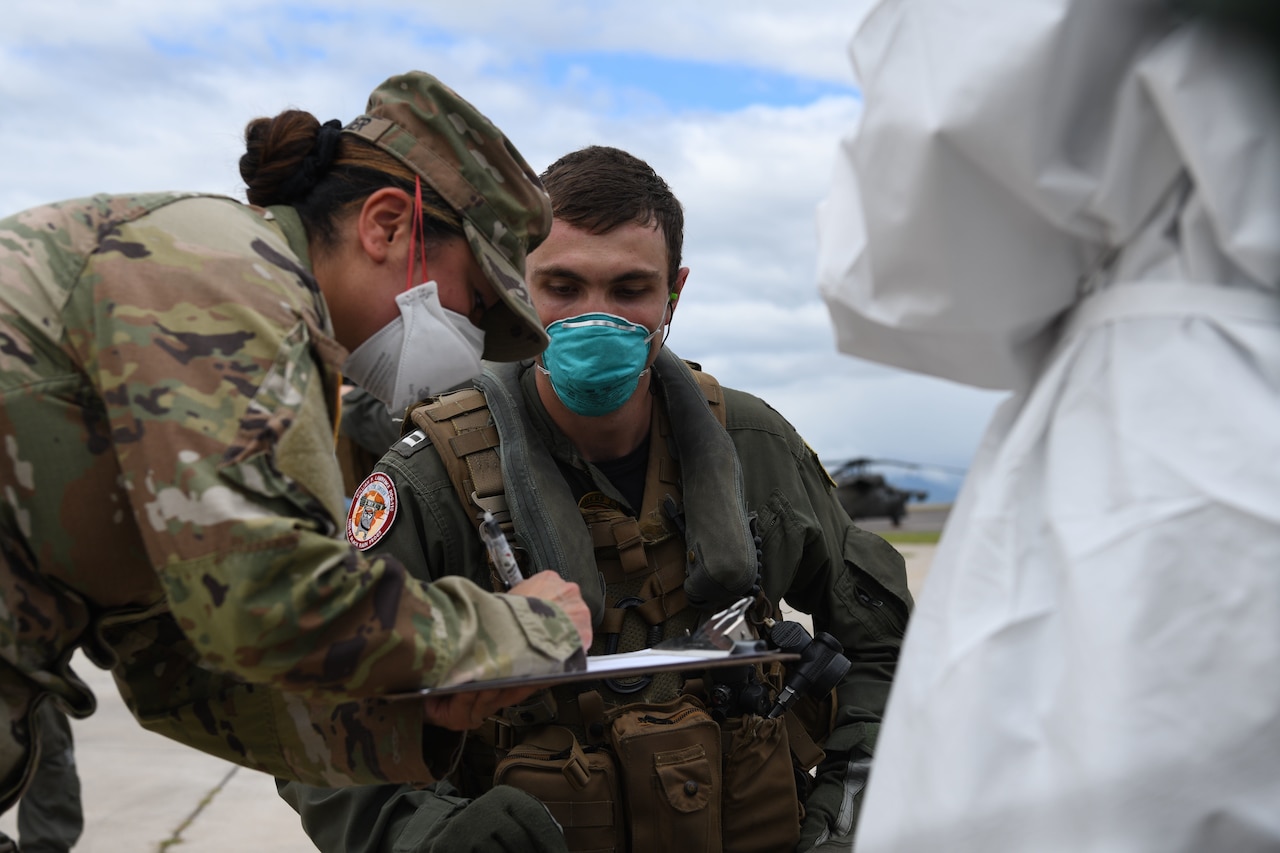
A pilot interacts with a woman with a clipboard.

"The combat support hospital staff provide multiple services, but one of the key things we do is conduct COVID-19 tests, which protect the people both on and off base," said Army Lt. Col. Philip O'Brien, Joint Task Force-Bravo deputy surgeon. 

The staff of 67 military members provides typical preventative medicine such as basic medical, dental and pharmaceutical care, plus vet, clinic, supply and logistics; however, on top of the normal requirements, the unit is also responsible for leading the effort to mitigate the spread of COVID-19 on base and with personnel supporting missions off base.

As a part of the reintegration process for those individuals supporting off-base missions, it's critical that testing takes place upon their return to ensure they did not contract the virus while out or spread it to others.

An immediate measure available is the administration of the polymerase chain reaction (PCR) test, considered to be the most accurate test available, which detects the virus on the molecular level and is the gold standard for testing.

Sometimes the test is conducted by the COVID-19 response team on the flight line.

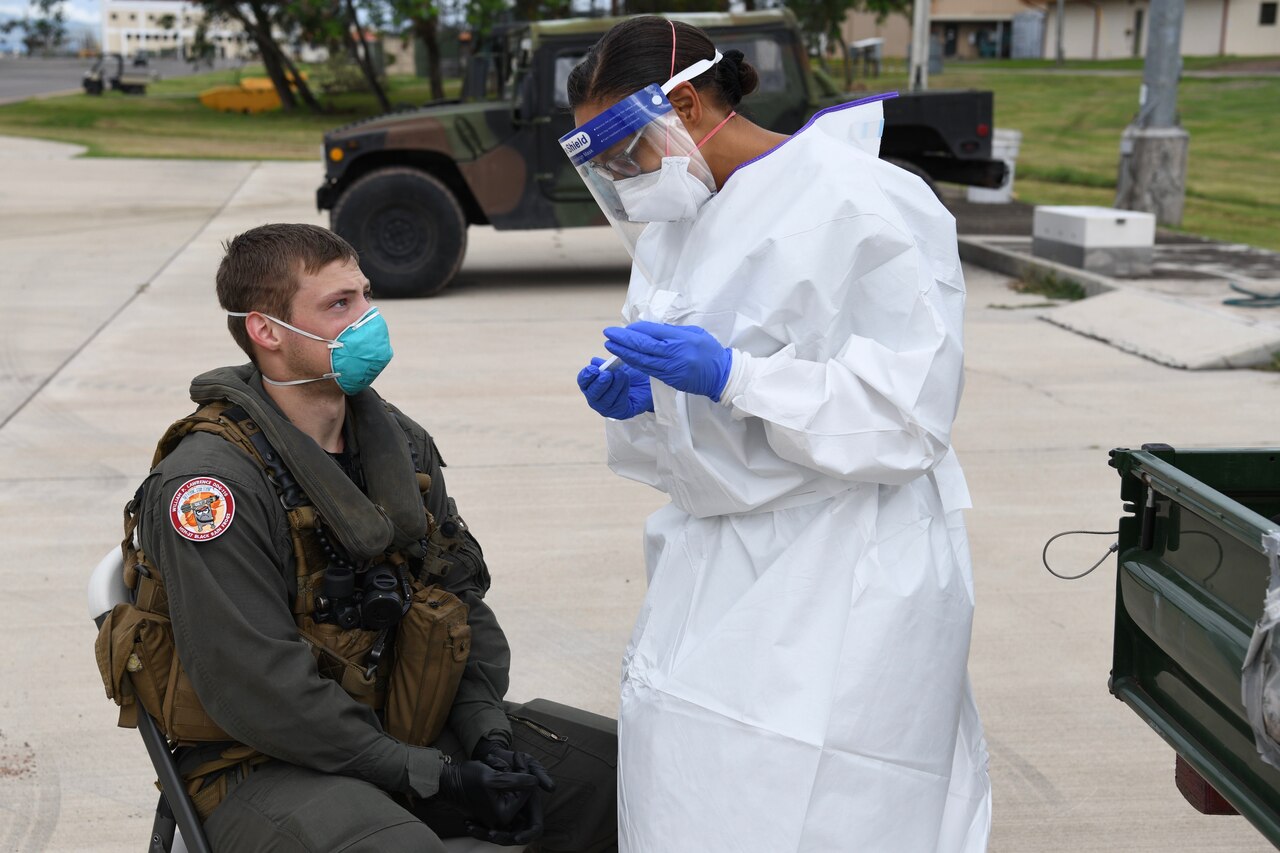
"We do the tests on the flight line to avoid unnecessary movement of people to minimize contamination," said Army Sgt. 1st Class Marjorie Schrader, the hospital's first sergeant. "We also refrain from bringing possible COVID-19 positive individuals into the clinic as it can impact our ability to provide other essential care," she said.

A pilot interacts with a person in full personal protective equipment.

As of Nov. 28, 2020, the staff has conducted 1,213 tests, out of which 17 returned positive. Those who test positive go into isolation for 10 days, with checkups on their status two to three times a day, Schrader explained. They can be released on the 10th day as long as they remain asymptomatic, because they're no longer contagious at that point, which is based on Centers for Disease Control and Prevention guidelines.  

Additionally, the COVID-19 response team extends the PCR test to Honduran base employees, known as foreign service nationals.

"We test those who work closely with our service members on our surveillance testing to ensure their safety," Schrader said. "If they become positive, we conduct a thorough trace and escort them as well as their close contacts off base with instructions for strict isolation at home."

Infected foreign service nationals, and the people identified as close contacts, are put on a no access list and not allowed back on base until their 10 days have passed without symptoms. 

"The testing is one aspect, but the safety measures we have in place here such as the social distancing, wearing of masks and washing hands is working here, " O'Brien said. "And I'm proud of that. What the virus does hasn't changed, but our behavior around it has. If we do the right things consistently, we can manage it."

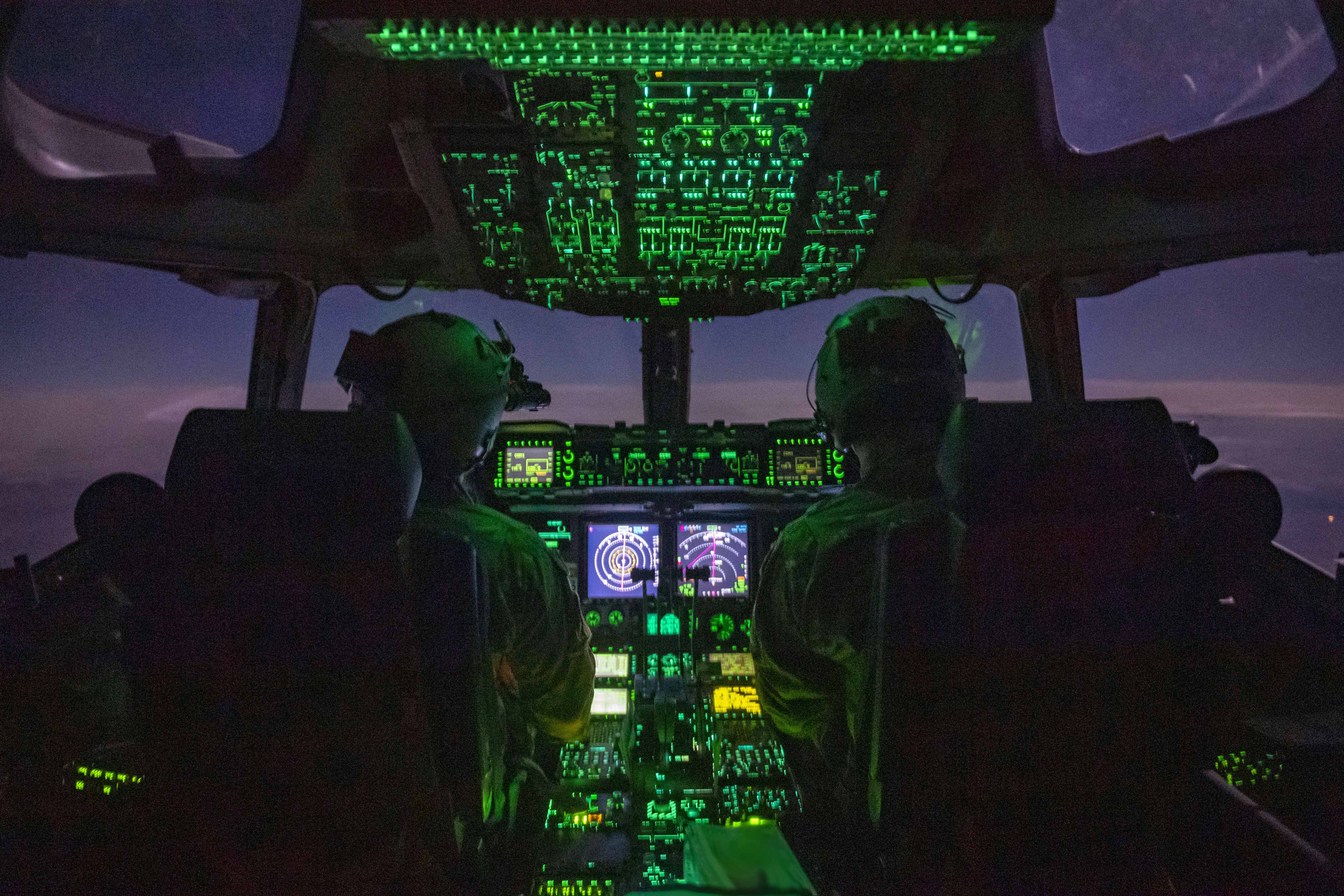
Colorful Cockpit


Air Force C-17 Globemaster III crew members perform routine flight duties during cargo transport operations in the U.S. Central Command area of responsibility, Nov. 30, 2020.

In 2019 Spouse Survey, 70 Percent Report Good, Better Finances

 Dec. 2, 2020 | BY C. Todd Lopez , DOD News

The Defense Department just released the results of the 2019 Survey of Active Duty Spouses. The survey is conducted every two years, and this year's report, like those in other years, provide the department with guides on how to adjust family policy in the coming years, the principal deputy under secretary of defense for personnel and readiness said.

"These survey results are important because they help us evaluate policy and program success, address issues and gaps in resources and identify areas for necessary improvement," said William Bushman during a virtual conference today where the results of the survey were revealed.

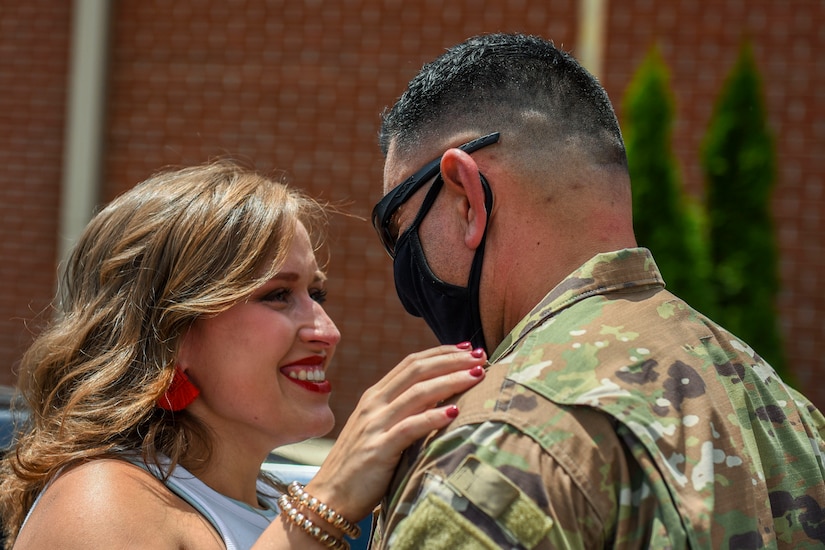
An airman hugs his spouse.

As part of the 2019 survey, more than 65,200 active duty military spouses were invited to participate, a little over 10,000, or 16.5%, opted to take part. Survey topics covered employment, deployment, reintegration and satisfaction with military life. Because the survey was completed in 2019, the effects of COVID-19 did not play a part in the survey.

"While many of the 2019 survey results are consistent with past years, the survey indicates that there are areas where we are doing well, findings that may be of some concern and findings that need to be watched," said Dr. Paul Rosenfeld, director of the Center for Retention and Readiness within the Office of People Analytics.

Family finances and personal health were among the positive trends highlighted in the 2019 ADSS, Rosenfeld said.

According to Rosenfeld, the survey shows that 70% of respondents reported their family financial situation as either "comfortable" or "very comfortable." This contrasts with only 64% reporting the same way in 2012.

"This encouraging finding mirrors results we have found on a status of forces survey of military members," Rosenfeld said.

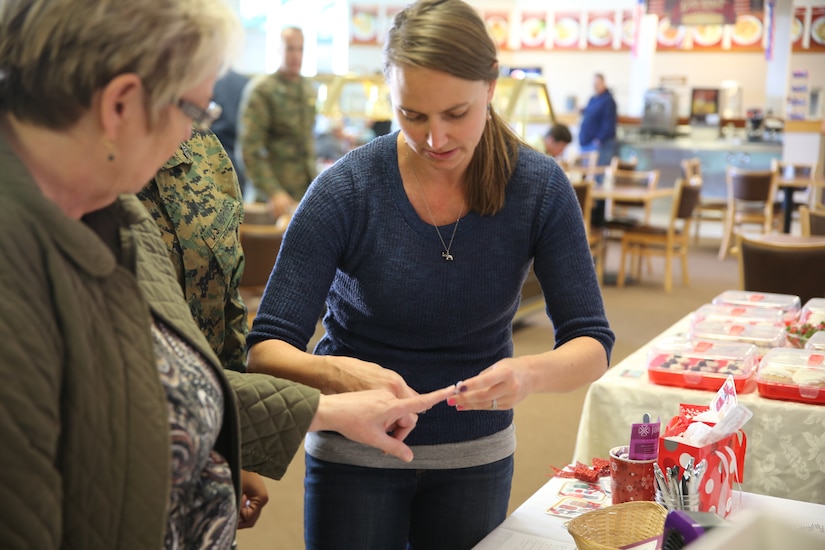
A woman touches the fingertips of another woman.

Also in the report, he said, is that 41% of spouses reported that in the past 12 months, their financial condition had improved, and reasons cited included reduction in debt and better financial management.

The majority of spouses who participated in the survey also reported overall satisfaction with their marriage as well as lower levels of marital instability as compared to the average married civilian.

While positive trends appeared throughout the report, there are areas of concern, Rosenfeld said.

"Satisfaction with the military way of life and support for a spouse to stay on active duty both decreased, although the findings still reflect that the majority of spouses are satisfied, while over half — 56% — are satisfied or very satisfied with the military way of life — that is lower than past years," he said. In 2017, for instance, that number was at 60%.

Around 59% of survey respondents indicated that they favored their military spouse staying in the military service. That number has dropped. The most recent peak put that statistic at 68% in 2012. Since 2006, survey respondents most likely to say they prefer their spouse staying in the military have invariably come from the higher ranking personnel, both enlisted and officers.

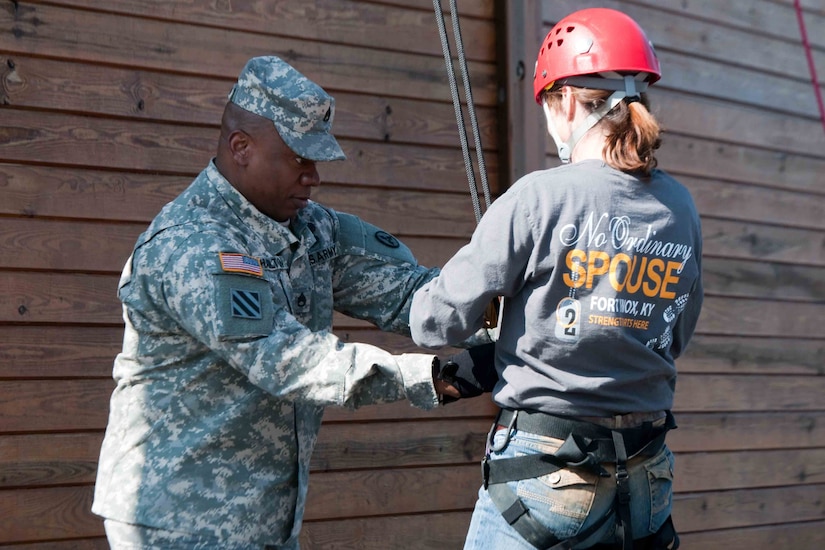
A man in a military uniform handles the cables attached to a woman who is in civilian clothing.

Other areas of concern within the survey involve spouse employment, Rosenberg said. According to the 2019 report, approximately 22% of active duty spouses are unemployed.

"Although the rate has been stable since 2012, it is higher than the civilian rate," he said, adding that the rate of unemployment is higher for spouses married to junior service members, female spouses, ethnic and racial minorities, spouse's under 26 years of age and those with no college or some college.

Childcare is also a concern for military families, Rosenberg said. Approximately 43% of spouses with children under 13 reported using some form of childcare so that they can go to work. Only about 39%, however, used on-base child care, Rosenberg said.

"Those spouses who do not routinely use on-base child care indicated availability, inconvenient location and affordability were the top reasons that they did not use on-base child care ," Rosenberg said.

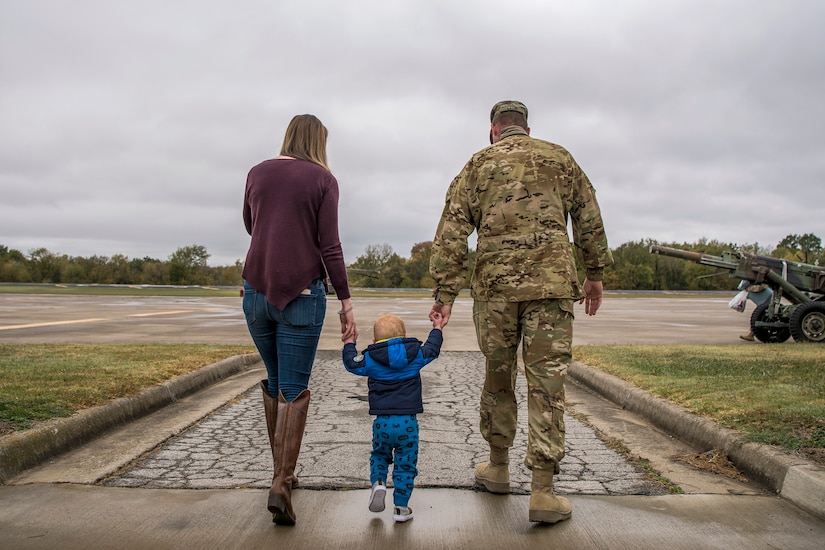
A child holds hands with an Army National Guardsman and a civilian as they all walk together on a paved path.

With the results of the survey now compiled, Bushman said the numbers will be used in coming years to continue to shape policy to improve the lives of service members and their families.

"As we review the results of the 2019 survey, we can gauge the impact of the changes the department has made since our 2017 survey and determine which policies and programs we need to refine so that we can provide the necessary support to our military families, for them to flourish, stay connected and be mission ready."

The OPA also conducted a 2019 survey of reserve component military spouses. The results of that survey are still being processed and they will be released when that review is complete.

Gun Powder


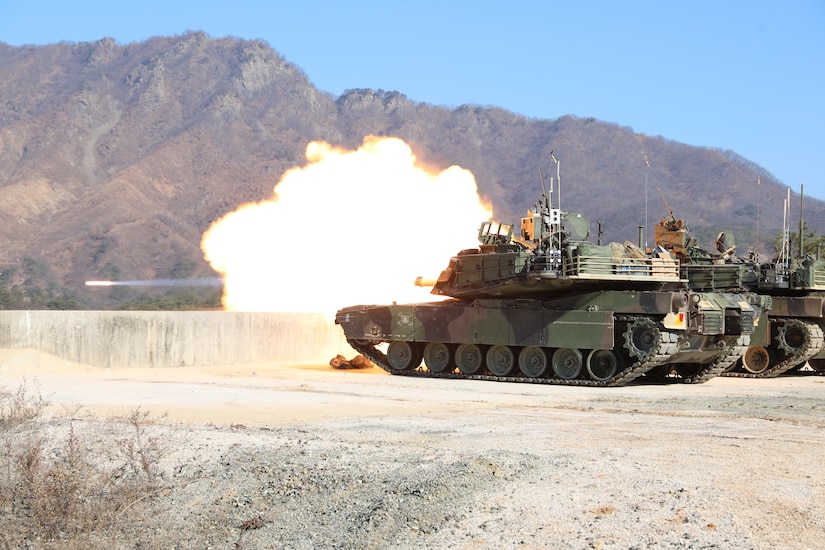
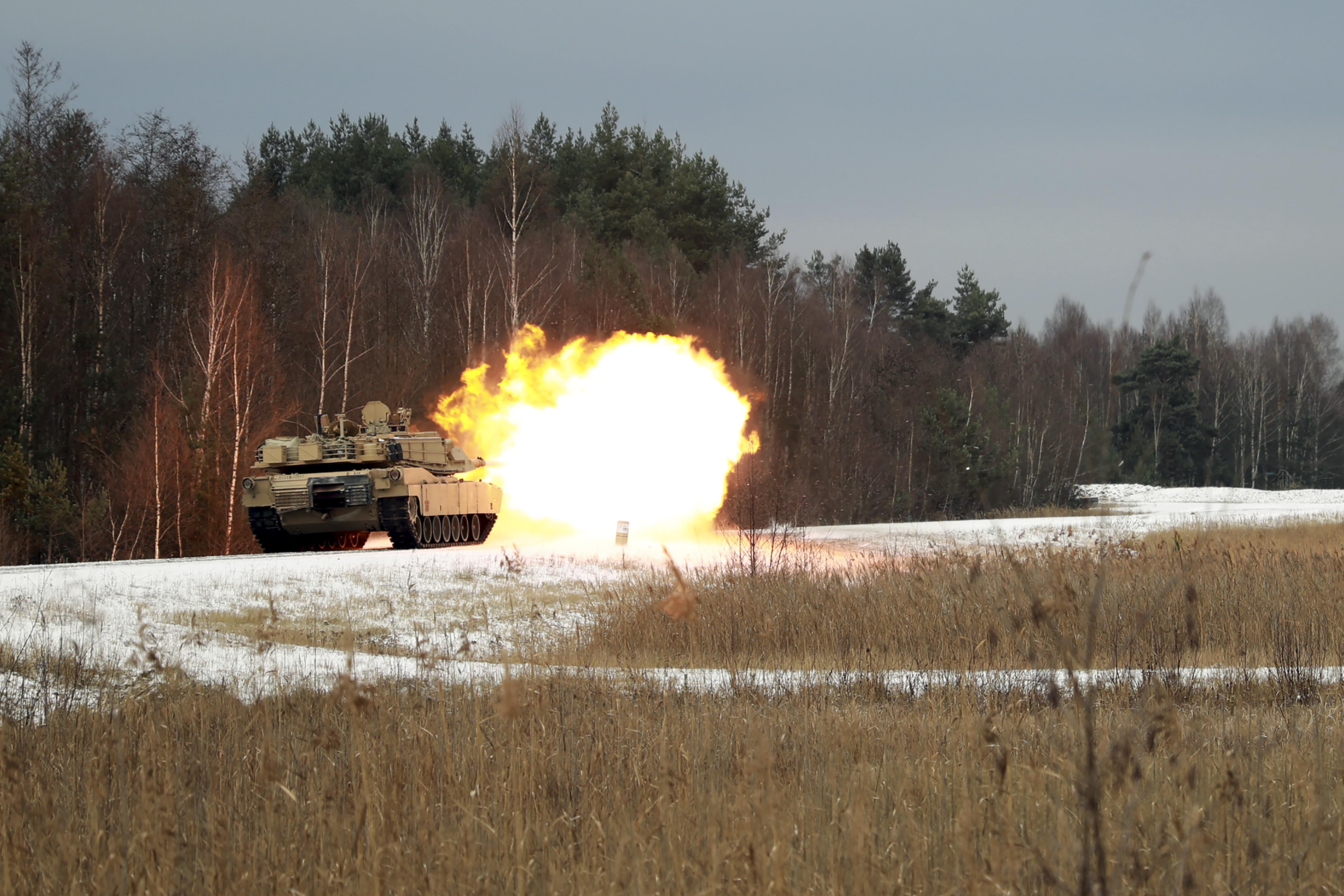
An Army M1 Abrams tank fires its main gun at Grafenwoehr Training Area, Germany, Dec. 2, 2020.