Showing posts with label Chaplain Corps. Show all posts

Thursday, July 30, 2026

Army Chaplain Corps Celebrates 251 Years

As the United States celebrates 250 years of independence, the Army Chaplain Corps marks 251 years of service to the soldiers who have defended the nation since its founding.
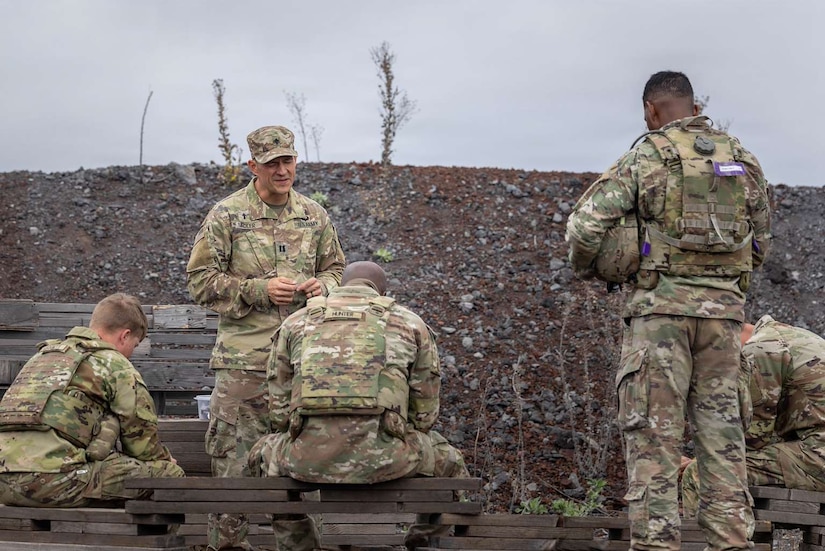
A man in a camouflage military uniform speaks to four other men in similar attire as they bow their heads outside.

The United States' strength has always depended on those willing to stand in its defense. A strong nation requires a strong Army, and a strong Army depends on soldiers who are prepared for the demands of service. Every soldier who raises a right hand and swears an oath to support and defend the Constitution accepts the responsibility of defending the ideals that have defined the country for two and a half centuries.

They leave behind their families, represent the nation around the world, and stand ready to answer when their country calls.

The U.S. is respected across the globe because of the men and women who wear the uniform. Through unmatched training, leadership, readiness, commitment and strength, the Army remains the most capable and formidable fighting force in the world. Yet ensuring readiness among soldiers has always required more than weapons and training.

Alongside physical strength and professional competence, resiliency is another facet of readiness that has been essential to the Army since its earliest days. Resilience grows through pastoral care, which helps soldiers navigate adversity with hope, courage and inner strength.
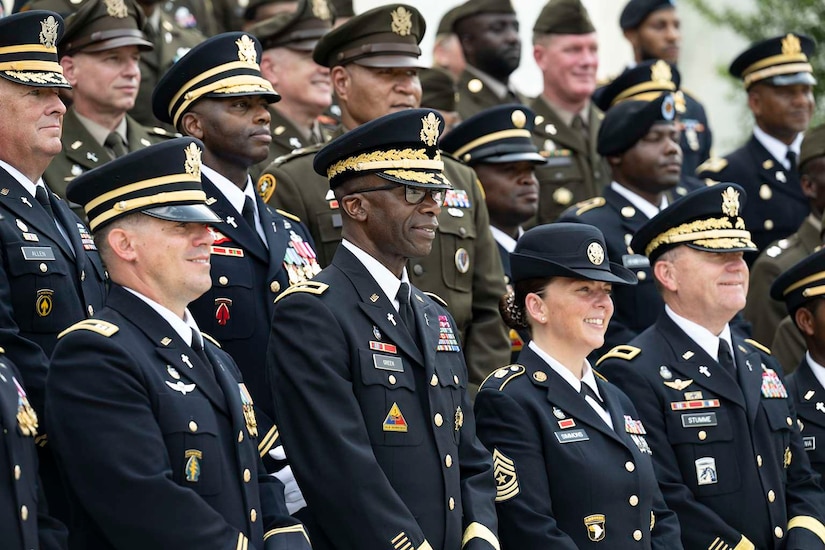
More than a dozen people in formal military uniforms stand in a group and pose for a picture outside.

At its core, pastoral care is the recognition that every soldier is more than a rank, a position, or a mission. Each soldier has a story that extends far beyond the uniform. Each soldier is a person who experiences the demands of duty, separation, uncertainty, hardship and loss.

For 251 years, the Army Chaplain Corps has provided faith-based, intentional support aimed at serving each soldier wholly, helping them find strength during difficult circumstances, build resilience for the challenges of battle and prepare to thrive in life beyond military service.

Army Chaplain Kit

That ministry is represented by a familiar piece of Army equipment: the chaplain kit.
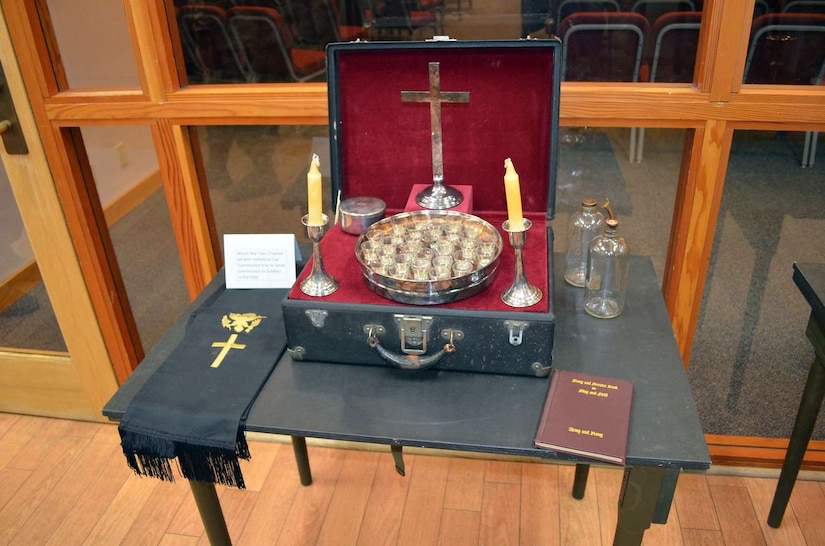
Candles, a cross and other religious materials are displayed on a table inside a room with wooden flooring.

Today's chaplain kits are designed to support soldiers wherever they serve, providing chaplains with the resources needed to conduct worship and perform religious services for a range of faith traditions.  

Yet these kits didn't begin as standard-issue military equipment. Their development reflects the Army's growing recognition that caring for soldiers' religious needs is an essential part of sustaining the force.

When the Army Chaplain Corps was established July 29, 1775, chaplains carried religious materials tucked into their personal equipment, making sacred space for soldiers wherever they marched.

As the nation and Army grew, so did the Chaplain Corps. Matching the needs of a dynamic force, the supplies that chaplains carried gradually became organized field kits called chaplain kits.

The contents evolved with each generation, adapting to new conflicts and emerging technologies across the force. Yet the purpose remained remarkably consistent: to ensure that chaplains were prepared to meet the needs of soldiers in any environment, no matter how demanding or far from home.
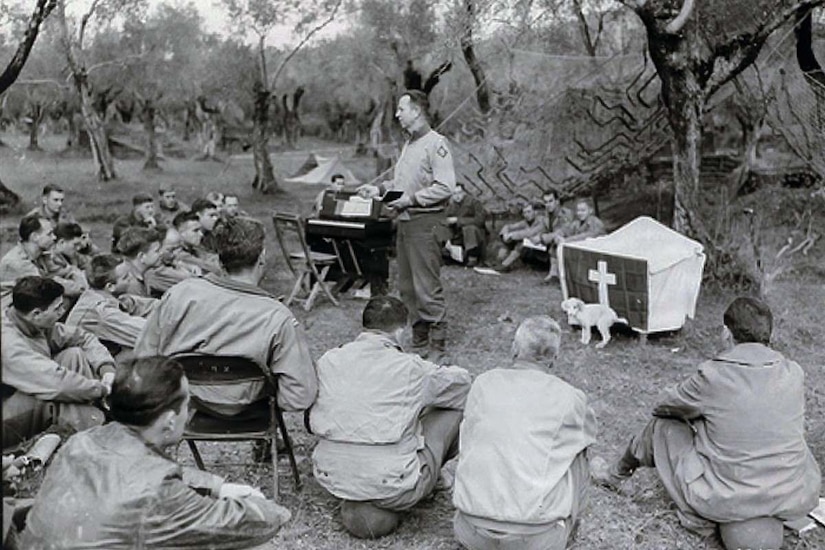
A man stands outside in a wooded area and speaks to more than a dozen seated men, some in chairs and others on the ground; behind him is a portable piano, a dog and a small religious altar.

For all their evolution, the most important elements of a chaplain's ministry have never been packed inside the kit. Kits provide the tools. Chaplains provide the care, each embodying an unwavering spirit to serve God and country.

Chaplains are there before a soldier leaves for a deployment, offering perspective during the uncertainty of what lies ahead. Chaplains remain connected to families as they navigate another separation. Chaplains sit beside hospital beds, listen during difficult late-night conversations, conduct funerals for the fallen and stand with units as they grieve the loss of one of their own. At each turning point, chaplains help soldiers and leaders face the challenges of service and find a way forward.

For 251 years, the Army Chaplain Corps has followed soldiers wherever the nation has called on them to serve. Today, it continues its mission with the same resolve that inspired its predecessors, the ever-evolving chaplain kit serving as a visible reminder of the promise to serve those who serve.

Wednesday, June 14, 2023

The Founding and Expansion of the Chaplain Corps in the United States Military

The establishment of the Chaplain Corps in the United States military marked a significant milestone in recognizing the importance of spiritual care and support for service members. This article delves into the founding of the Chaplain Corps and its subsequent expansion, highlighting its pivotal role in ensuring the religious well-being of those serving in the armed forces.

  1. Recognizing the Need: During the American Revolutionary War, military leaders realized the crucial role of spiritual guidance and support for soldiers. In response, the Continental Congress authorized the appointment of chaplains in 1775 to provide religious services and moral encouragement to the troops.

  2. Formal Establishment: The formal establishment of the Chaplain Corps occurred during the American Civil War in 1861. Amidst the tumultuous times of conflict, the United States Army recognized the necessity of a specialized group of clergy to cater to the diverse spiritual needs of soldiers. The Army Chaplain Corps was officially formed to fulfill this crucial role.

  3. Duties and Responsibilities: The initial duties of chaplains within the Corps involved conducting religious services, administering sacraments, and offering counseling and guidance to troops. They also played a significant role in providing moral support and fostering morale among soldiers during the hardships of war.

  4. World War I and World War II: The involvement of the United States in World War I and World War II witnessed a significant expansion in the Chaplain Corps. With the military mobilization, the demand for chaplains increased exponentially to meet the spiritual needs of a larger and more diverse military force. Chaplains provided religious services, conducted ceremonies, offered counseling, and played a vital role in maintaining the well-being and morale of service members.

  5. Evolution of Roles: Over time, the role of chaplains evolved to accommodate the changing landscape of the military and the religious diversity within its ranks. Chaplains began to cater to the spiritual needs of individuals from various faith traditions, fostering an environment of religious tolerance and respect within the military.

  6. Support in Times of Conflict and Peace: Chaplains have served in every major conflict since their inception, providing unwavering support to soldiers in times of both conflict and peace. They offer solace, comfort, and counseling to service members facing the challenges of deployment, combat, and separation from loved ones.

  7. Expansion to Other Branches: As the Chaplain Corps continued to demonstrate its value and importance, its presence expanded to other branches of the United States military, including the Navy, Air Force, and Marines. This expansion ensured that spiritual care and support were available to all service members regardless of their branch of service.

Conclusion: 

The founding and subsequent expansion of the Chaplain Corps in the United States military underscores the recognition of the significance of spiritual care and support for service members. From its early beginnings during the Revolutionary War to its present-day role, the Chaplain Corps has been instrumental in providing religious services, counseling, and fostering a supportive environment for military personnel. The dedication and commitment of chaplains within the Corps have contributed immeasurably to the well-being and resilience of those serving in the armed forces.