Thursday, December 10, 2020

Holiday Delivery


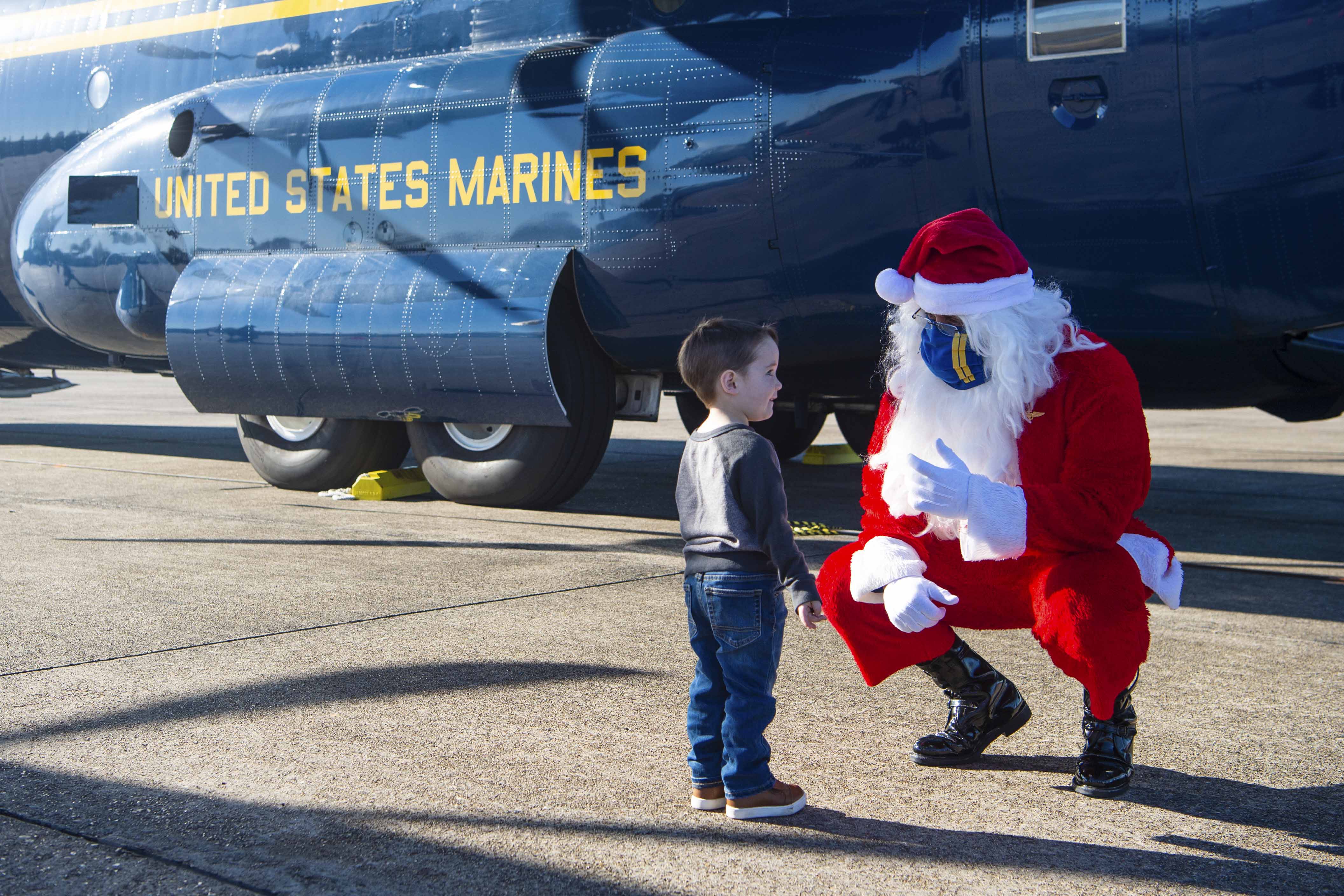
Santa speaks with a child while joining the Blue Angels, the Navy’s flight demonstration squadron, to support the Marine Corps Toys for Tots program by delivering toys and games to families impacted by the COVID-19 pandemic and multiple hurricanes in Lake Charles, La., Dec. 8, 2020.

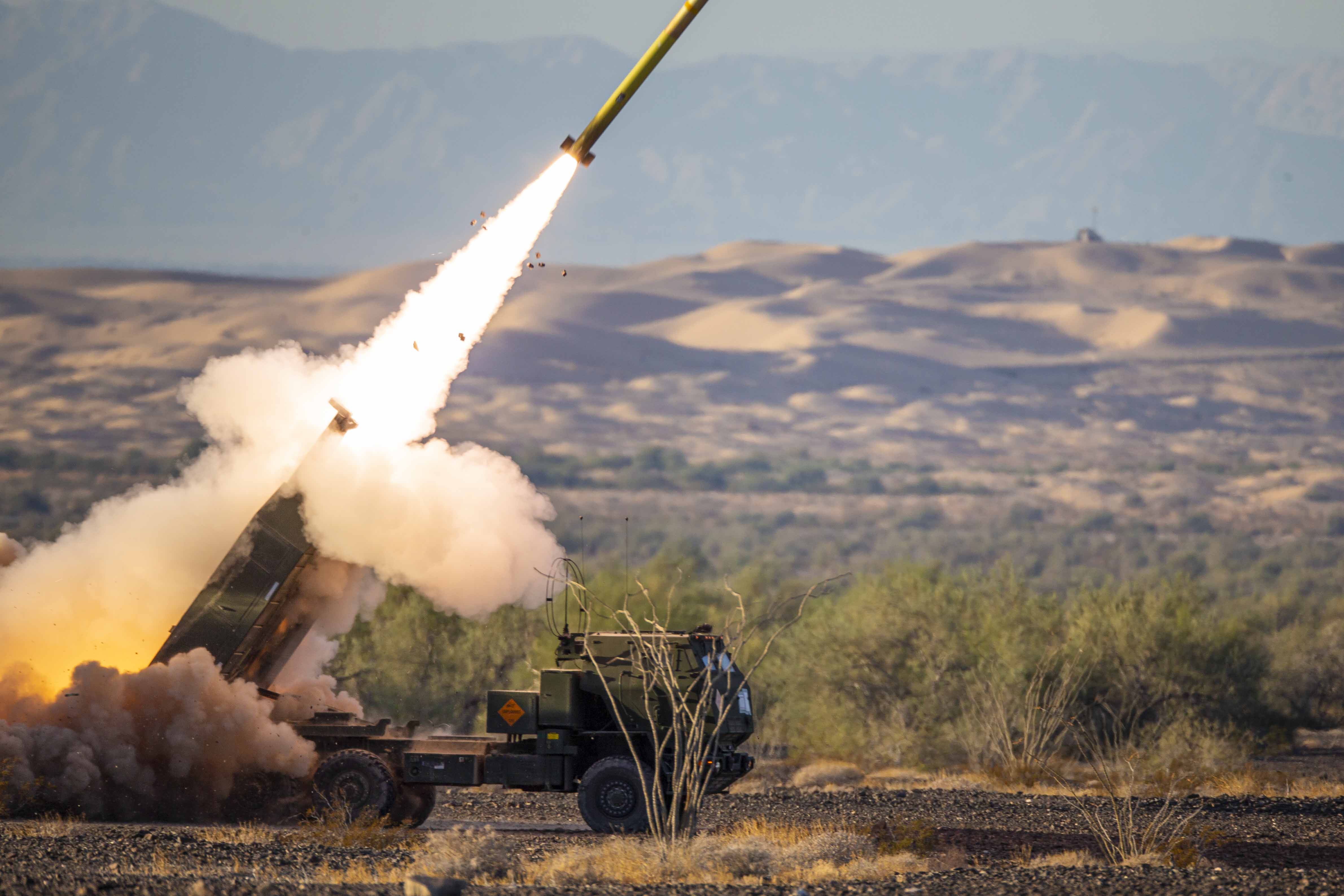
Rocket Fire


Marines fire a High Mobility Artillery Rocket System at Chocolate Mountain Aerial Gunnery Range, Calif., Dec. 9, 2020, during Steel Knight/Dawn Blitz. The exercise ensures the 1st Marine Division remains lethal, combat-ready, interoperable and deployable on short notice.

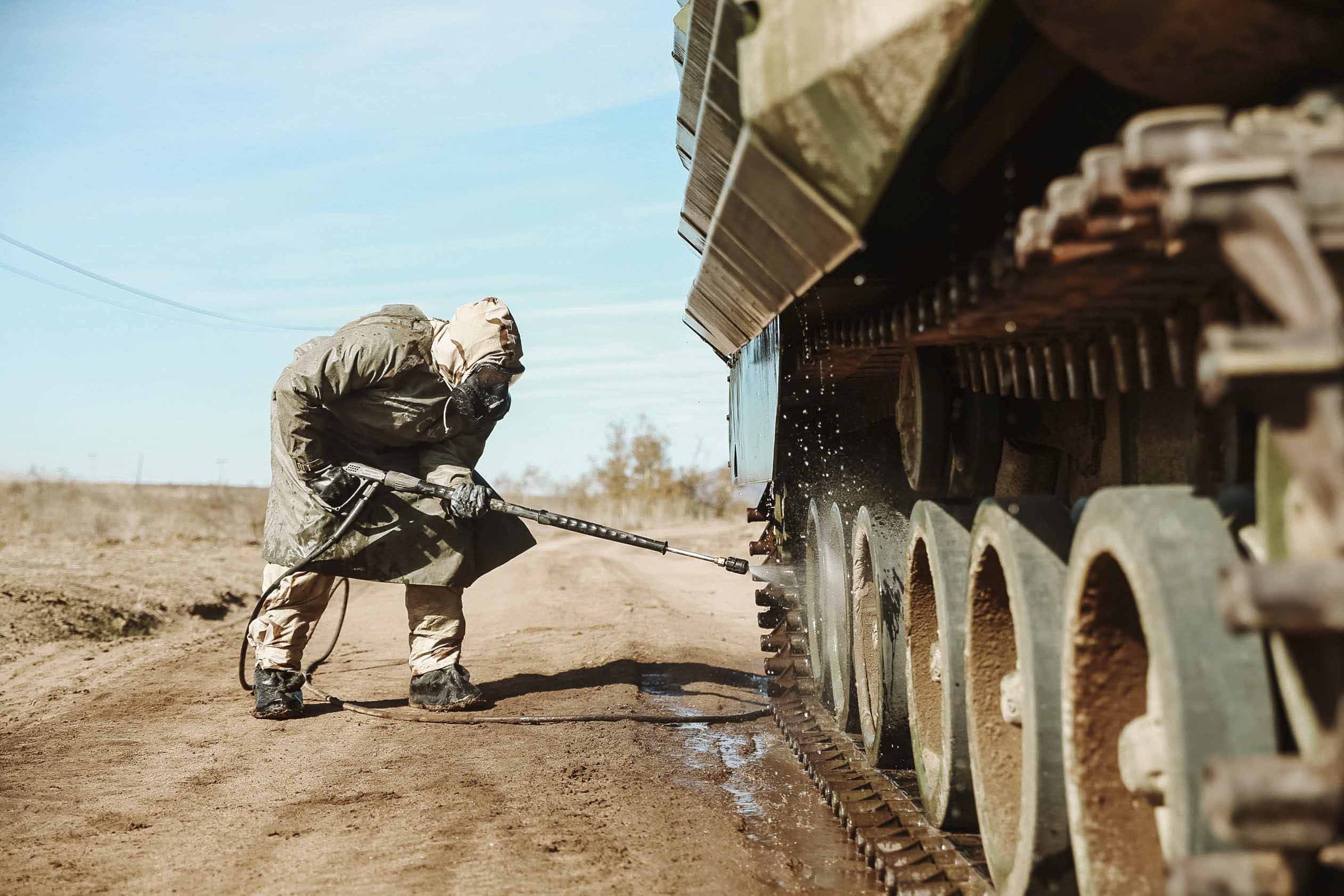
Decontamination Duty


Marine Corps Lance Cpl. Alexander Camarana participates in a chemical, biological, radiological and nuclear decontamination exercise at Marine Corps Base Camp Pendleton, Calif., Dec. 9, 2020. The event was part of Steel Knight/Dawn Blitz, an exercise that gave the 1st Marine Division the opportunity to showcase its readiness within the education, planning and execution continuum.

Army Medical Logistics Takes Lead for Military COVID-19 Vaccine Orders

 Dec. 10, 2020 | BY Ellen Crown

Medical logistics experts at the U.S. Army Medical Materiel Agency have started receiving COVID-19 vaccine orders from throughout the Defense Department in anticipation of the Food and Drug Administration's emergency use authorization of a vaccine or multiple vaccines.

USAMMA, which reports directly to Army Medical Logistics Command, is the lead for all services, working in collaboration with the Defense Health Agency's Immunization Health Care Division.

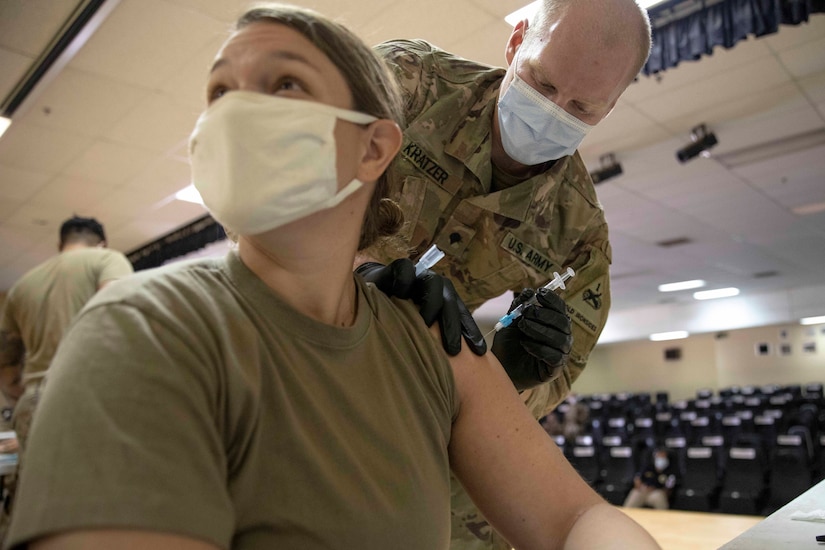
A female officer receives a vaccine.

The USAMMA team is collecting COVID-19 vaccine orders from all service branches and submitting them to the Centers for Disease Control and Prevention.

USAMMA will also track vaccine shipments from the vendor to each military site. If required, the team will monitor the redistribution of vaccines to additional sites throughout the military.

USAMMA Distribution Operations Center Deputy Director Liz Andrews said the vaccine will ship directly from the vendor to several military medical treatment facilities throughout the U.S. — where it will be used to immunize troops, as well as military beneficiaries — and bolster their immunity against the pandemic.

There are known logistical challenges. For example, at least one of the vaccine candidates has to be kept at ultra-cold temperatures of minus-80 degrees Celsius.

Two people look at a computer screen to make updates.

Andrews said she and her team will not only track the vaccine's movements, but also its temperature throughout shipment to ensure it arrives safe and ready for use.  

"This is a challenging mission but also very exciting," Andrews said. "We are prepared to execute this mission and proud to be a part of Operation Warp Speed."

Operation Warp Speed, of which the Army's senior logistician Gen. Gustave F. Perna is the chief operating officer, is a public-private partnership developed to deliver safe and effective COVID-19 vaccines.

In a Defense.gov press release, Perna said he is committed to streamlining processes that will allow manufacturing and distribution to deliver medical countermeasures at an unprecedented rate.

The USAMMA team is uniquely equipped for the mission because of their expertise in vaccine distribution and cold chain management. USAMMA currently serves as the service lead for ordering and distribution of other military vaccines, such as anthrax and smallpox.

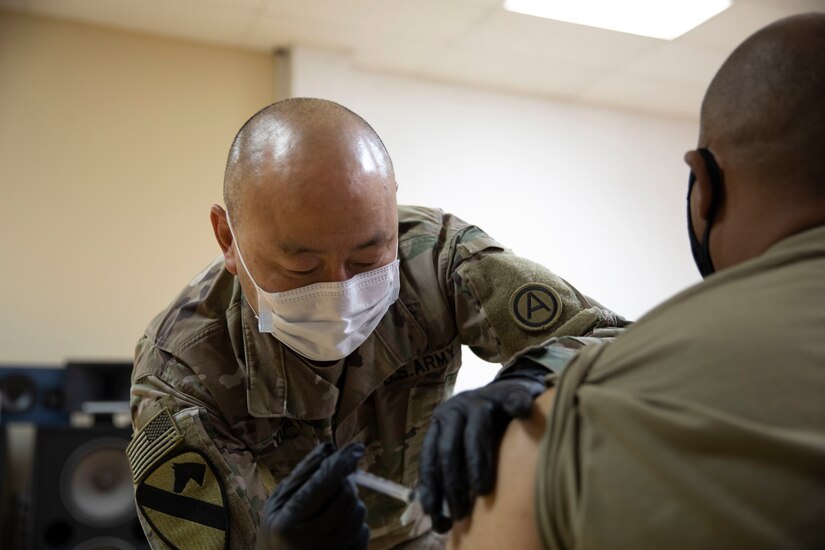
A soldier vaccinates another soldier.

"The military hospitals are already used to working with us, so this made the process smoother for them as they were familiar with our systems and forms," Andrews said.

Andrews also said the USAMMA Distribution Operations Center web development team also played a crucial role by swiftly adapting USAMMA's existing vaccine ordering system, so it could be used for COVID-19 vaccine order processing.

"This was a total team effort," she added, "and we are just honored to be a part of this whole-of-government campaign.""

(Ellen Crown is assigned to the U.S. Army Medical Logistics Command.)

Statement From Deputy Secretary of Defense David L. Norquist on the Department of the Navy's Report to Congress on the Annual Long-Range Plan for Construction of Naval Vessels

 Dec. 10, 2020


Today, the Department of the Navy released the annual 30-year shipbuilding plan.  Over the last four years, the Trump administration has steadily increased the number and readiness of battle-force ships.  This plan moves to continue that buildup and is resourced to achieve a 355-ship naval fleet.

The 30-year shipbuilding plan is consistent with the National Defense Strategy (NDS) which recognizes China and Russia as near peer threats.  To ensure that we maintain superiority over these threats, the NDS requires a modern, ready force to operate in the Pacific maritime region.  The Department has realigned more than $45B over the Future Years Defense Program to Navy Shipbuilding and other priorities as described in the Office of Management and Budget’s fiscal framework.

The shipbuilding plan is based on naval operational experience and extensive analytics. The Department of the Navy, Joint Chiefs of Staff, and the Office of the Secretary of Defense’s Cost Assessment and Program Evaluation recently completed a comprehensive Future Naval Force Study – an extensive analytical effort to inform the design of the future of America’s naval force. The team assessed various naval force structure options to maintain our current overmatch and identified the need for a larger, more modern fleet. Another key finding was the need to expand the U.S. industrial base to support new ship construction and modernization.

The plan calls for a larger fleet of both manned and unmanned vessels prepared to face greater challenges on, above, or under the sea by accelerating submarine construction, modernizing aircraft, extending the service life of cruisers, and increasing the number of destroyers. Although we reach 355 ships by the early 2030s, the plan is about more than numbers of ships. It is about equipping our future force for the enduring defense of our nation.

Read the Department of the Navy’s Report to Congress on the Annual Long-Range Plan for Construction of Naval Vessels here.

Wednesday, December 09, 2020

Double Duty


Air Force Airmen 1st Class Vincent Lancia and Sinjin Bunag tighten bolts on an external fuel tank at Kunsan Air Base, South Korea, Dec. 8, 2020.

Colors Ceremony


Army Pfc. Katherine Bui raises the American flag alongside a Japanese service member during a colors ceremony at Camp Kengun, Japan, Dec. 8, 2020.

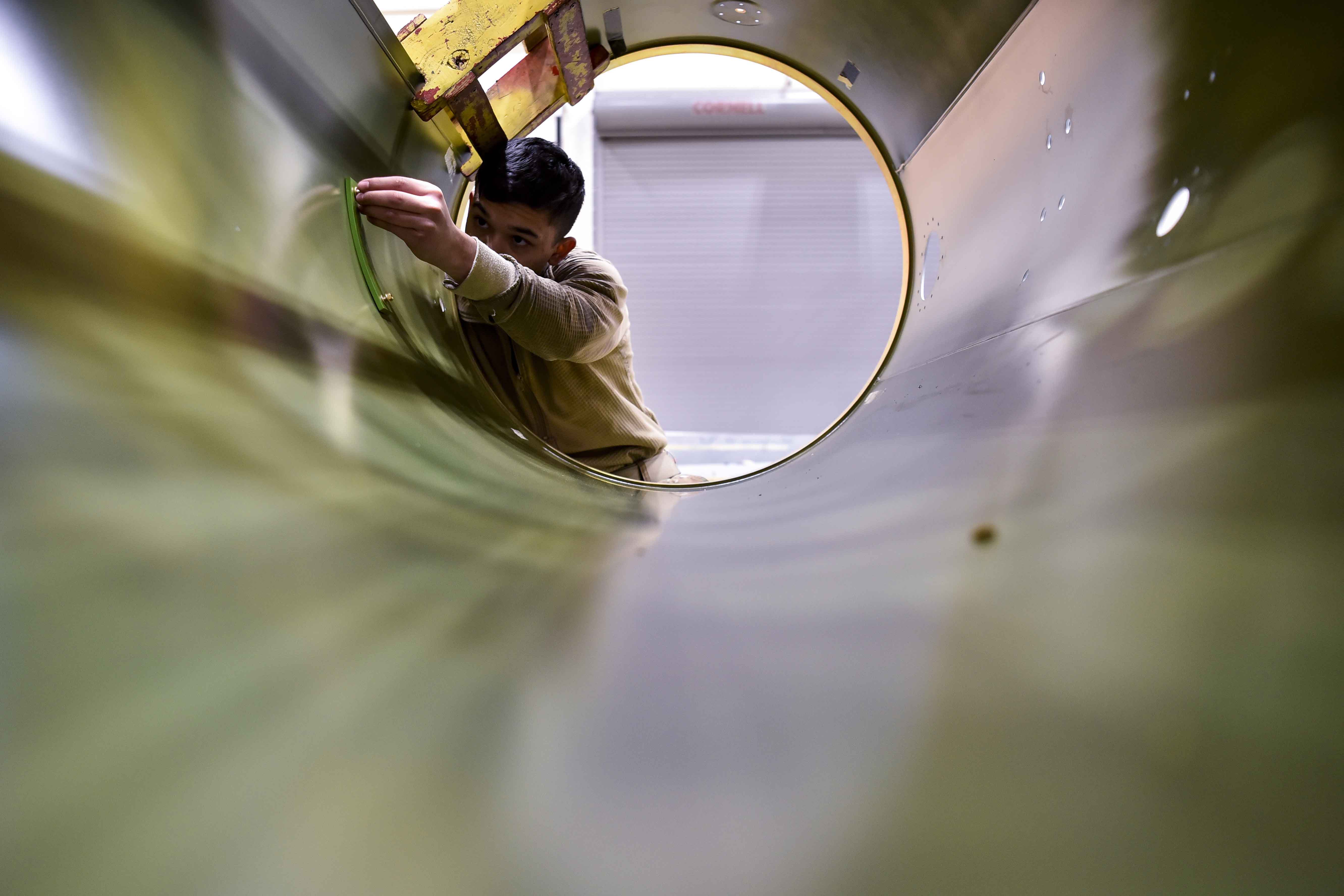
Tunnel Vision


Air Force Airman Brendon Munoz tightens bolts on a 370-gallon fuel tank at Kunsan Air Base, South Korea, Dec. 8, 2020.

Nasal Swab


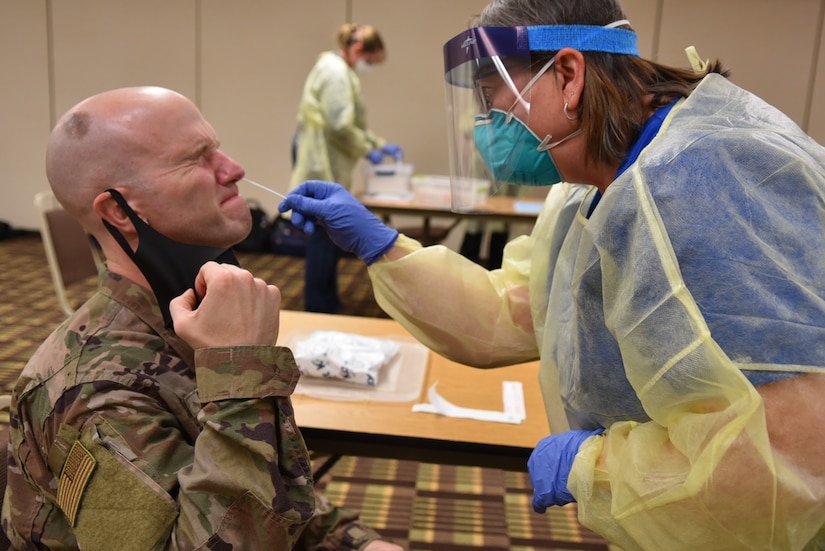
An airman, assigned to the 108th Wing of the New Jersey Air National Guard, prepares to get a nasal swab from a staff member at the New Jersey Veterans Memorial Home at Vineland during COVID-19 RT-PCR testing in Vineland, N.J., Dec. 1, 2020. The test detects the live active SARS-CoV-2 virus, the virus that causes COVID-19. Twenty-six New Jersey National Guard soldiers and airmen are assisting at New Jersey’s three veterans memorial homes; 10 are at Vineland.

COVID-19 Vaccines


Air Force Senior Master Sgt. Gregory Sprowls explains the process of receiving and repacking COVID-19 vaccines in Columbus, Ohio, Dec. 4, 2020. Sprowls is an air transportation specialist assigned to the 121st Air Refueling Wing of the Ohio Air National Guard in Columbus, Ohio. Sprowls said his military skills have helped him as he works with partners from the Ohio Department of Health to develop the logistics plan for the vaccines the state will soon have at its warehouse.

Reviewing Paperwork


Navy Seaman Salma Ochoa, left, and Vanessa Silva, assigned to the COVID-19 drive-thru testing site at Naval Base San Diego’s Branch Health Clinic, review COVID-19 testing information at the site’s screening tent in San Diego, Dec. 7, 2020. The testing site is for active duty service members with referrals; it offers anterior swab testing. NMCSD’s mission is to prepare service members to deploy in support of operational forces, deliver high quality health care services, and shape the future of military medicine through education, training and research. It employs more than 6,000 active duty military personnel, civilians and contractors in Southern California to provide patients with world-class care anytime, anywhere.

Sniper Fire


A service member participates in the 50th Winston P. Wilson and 30th Armed Forces Skill at Arms Meeting Sniper Championships at Fort Chaffee Joint Maneuver Training Center, Ark., Dec. 6, 2020.

Secure Load


Marines Corps Cpl. Noel Lopez loads an MK-76 training bomb onto an aircraft at Marine Corps Air Station Iwakuni, Japan, Dec. 2, 2020.

Clever Camouflage


Marine Corps Cpl. Janus Zsofka participates in live-fire training in Niigata, Japan, Dec. 8, 2020, during Forest Light, an annual bilateral exercise with U.S. and Japanese forces.

Vehicle View


Army Spc. Michelle Fugate installs a device into a new vehicle at Vincente T. Dydasco U.S. Army Reserve Center in Barrigada, Guam, Dec. 3, 2020.

Honor Review


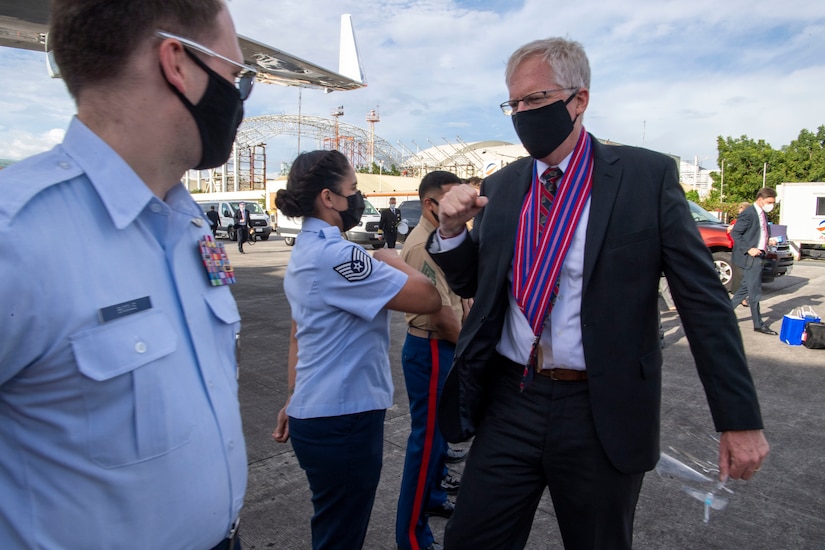
Acting Defense Secretary Chris Miller and Indonesian Defense Minister Prabowo Subianto review an honor cordon during the secretary’s visit to Jakarta, Indonesia, Dec. 7, 2020.

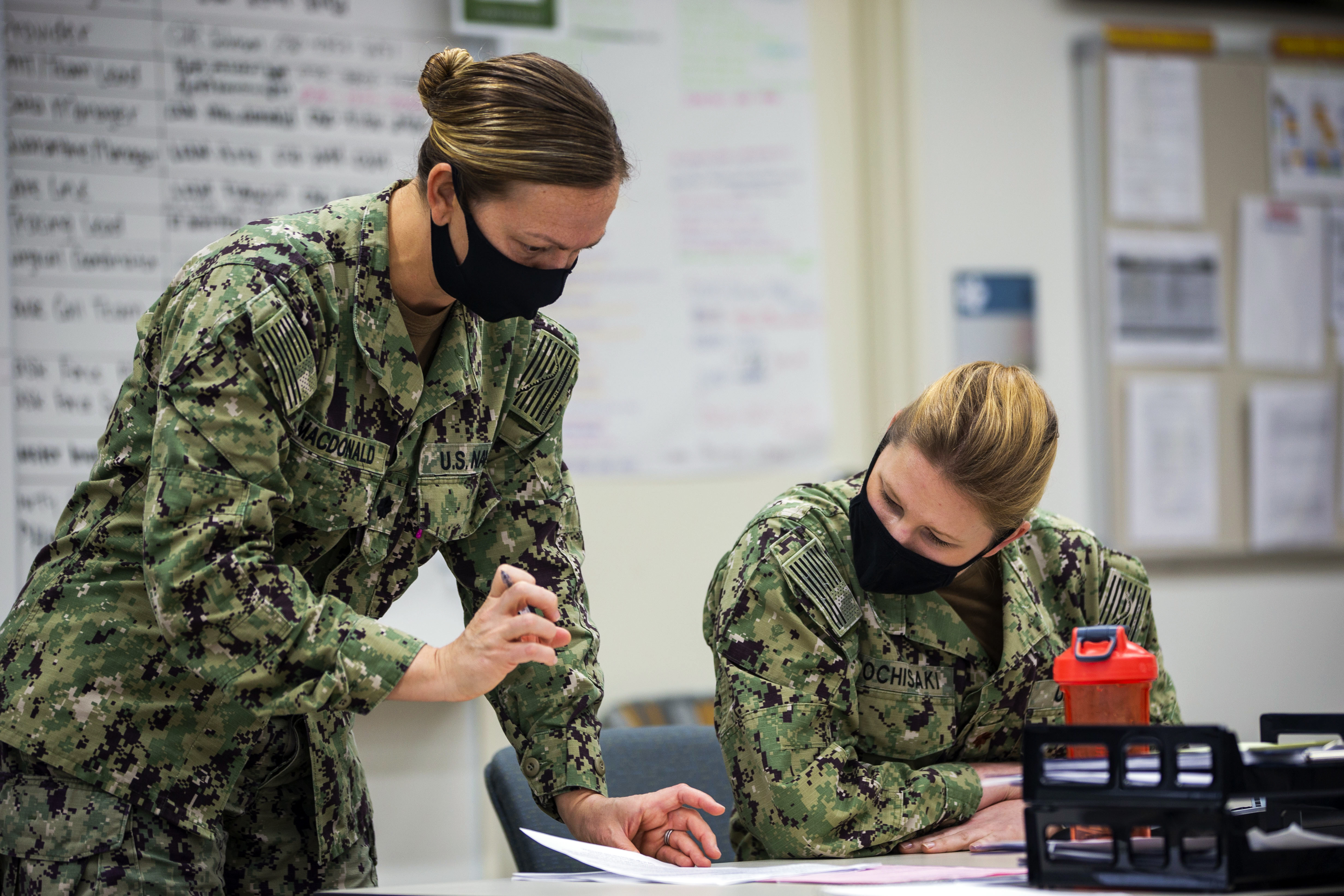
Reviewing Notes


Navy Cmdr. Ann M. MacDonald, left, the data management lead assigned to the COVID Cell, and Navy Lt. Cmdr. Stephanie P. Nochisaki, right, the COVID Cell officer in charge, review notes at the Public Health & Behavioral Health Center, Camp Foster in Okinawa, Japan, Dec. 1, 2020. The COVID Cell is one of the four fully-staffed, 24/7 organizations, with the Joint COVID-19 Response Center, Task Force Safeguard and the now-deactivated Task Force Permanent Change of Station, in combating the spread of COVID-19 among status of forces agreement personnel on Okinawa.

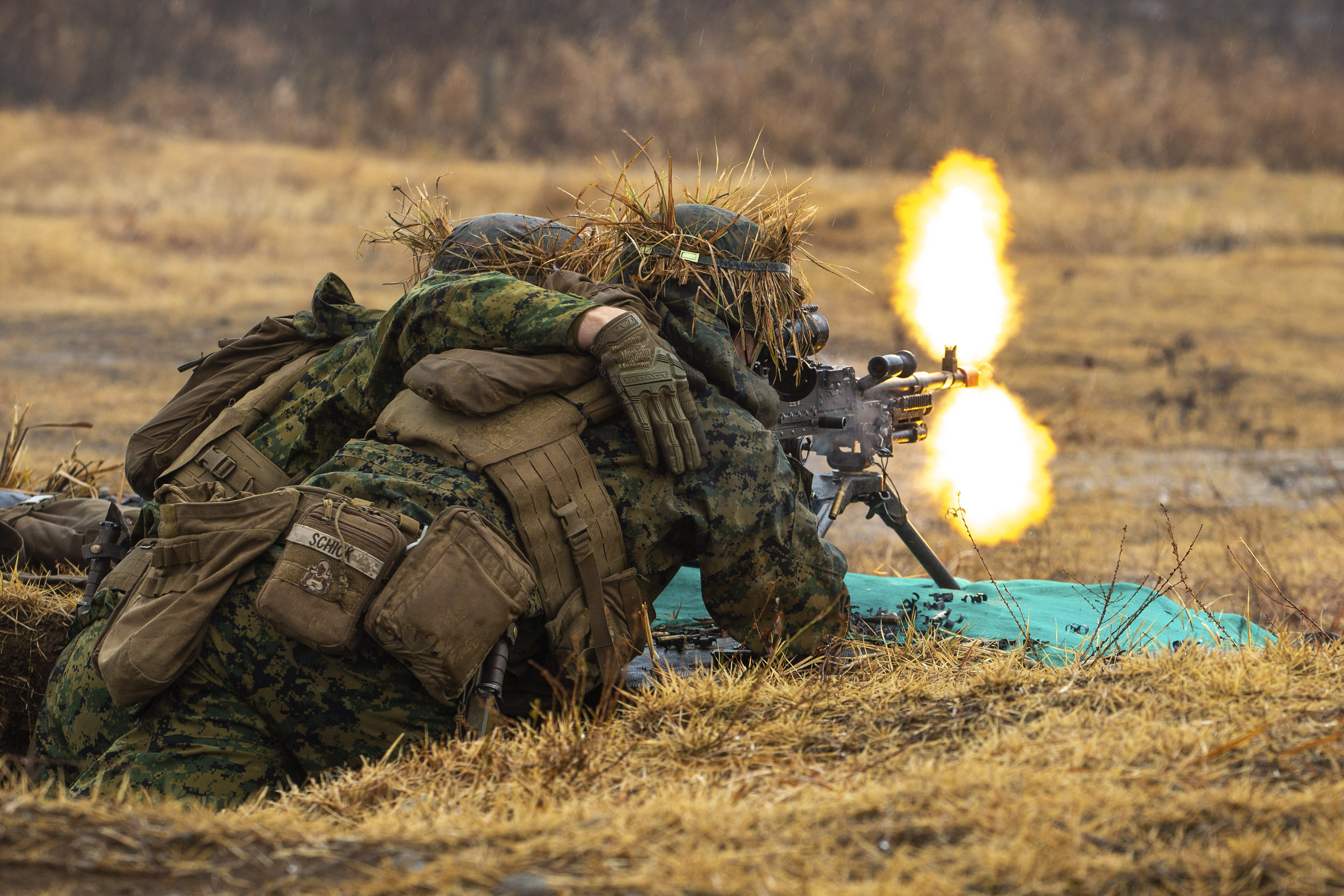
Live-Fire Training


Marine Corps Lance Cpl. Robert Sweetman and Lance Cpl. Nathan Schick participate in a live-fire training during Forest Light, an annual bilateral exercise with U.S. and Japanese forces, in the Niigata Prefecture, Japan, Dec. 8, 2020.

Dusty Direction


A Marine Corps CH-53K King Stallion conducts testing at Yuma Proving Ground, Ariz., July 17, 2020.

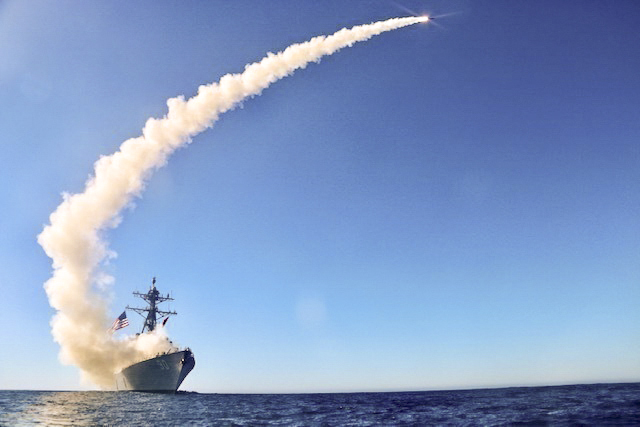
Missile Arc


The guided missile destroyer USS Chafee launches a Block V Tomahawk missile during an exercise in the Pacific Ocean, Dec. 1, 2020. The event marked the first time a Block V Tomahawk, the weapon’s newest variant, was operationally tested, marking the Navy’s transition to a more advanced capability for the fleet.

Food Service


Arizona National Guardsmen build and fill boxes with food for distribution at a local food bank in Mesa, Ariz., Dec. 4, 2020. Arizona National Guard soldiers and airmen continue to support community needs during the state of emergency response.

COVID-19 Surge Spurs Readiness Efforts at Brooke Army Medical Center

Dec. 9, 2020 | BY Elaine Sanchez , Brooke Army Medical Center

With COVID-19 cases on the rise across the nation, Brooke Army Medical Center is bracing for the impact of the coming winter months as colder weather drives people indoors where the virus is more likely to spread.

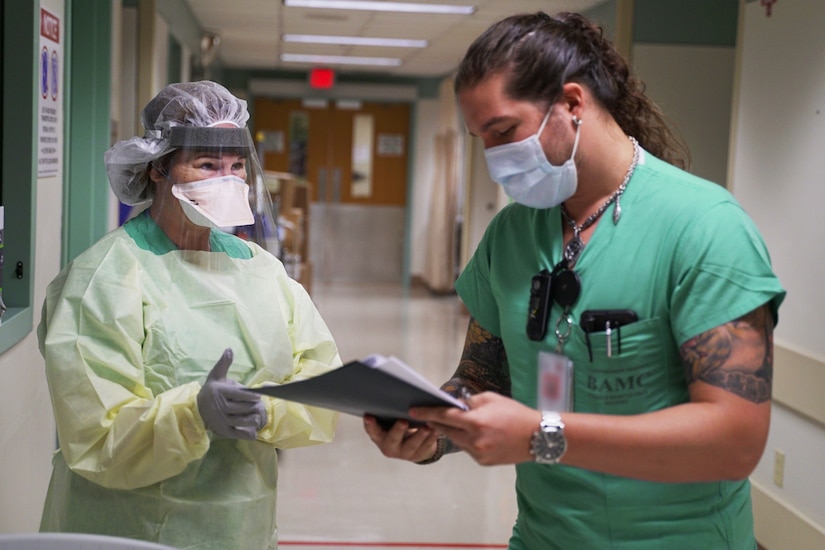
A medical volunteer wearing personal protective equipment reviews a checklist with a soldier.

Equipped with lessons learned, BAMC is preparing to shift resources and personnel to ensure hospital readiness in the event of a patient increase. On the preventive front, leaders continue to underscore the importance of safety measures such as hand washing, face coverings, personal protective equipment and physical distancing.

"The ability to remain flexible and agile, while ensuring the delivery of safe, high quality care, has been vital since the start of the pandemic," Army Brig. Gen. Shan K. Bagby, BAMC commanding general, noted. "Nearly a year ago, the San Antonio Military Health System moved out quickly to ensure the safety of our patients and staff, and we continue, as a system, to do everything possible to preserve their health and wellbeing."

Decision Points

Key leaders at BAMC continually assess current conditions, both within the San Antonio Military Health System, Joint Base San Antonio and across the community to ensure "we are all in step with each other and working effectively as a team," Air Force Col. Heather Yun, deputy commander for medical services, explained. Leaders across the organization also evaluate personnel and resources, to include personal protective equipment, on a daily, sometimes hourly, basis to ensure they are tracking trigger points for every contingency.

"These assessments help shape our posture and ensure we are ready to respond quickly and appropriately, whether it's scaling back elective surgeries to increase bed capacity or leaning more heavily on virtual care to protect patients and preserve PPE," Bagby said. 

Health care personnel are a trickier resource to manage for a military hospital. Unlike their civilian counterparts, military personnel are called on to deploy in support of overseas operations, as well as humanitarian missions and stateside efforts. In recent days, numerous BAMC health care professionals have been assisting in the hard-hit areas of North Dakota as well as in El Paso, Texas, about eight hours west of San Antonio. 

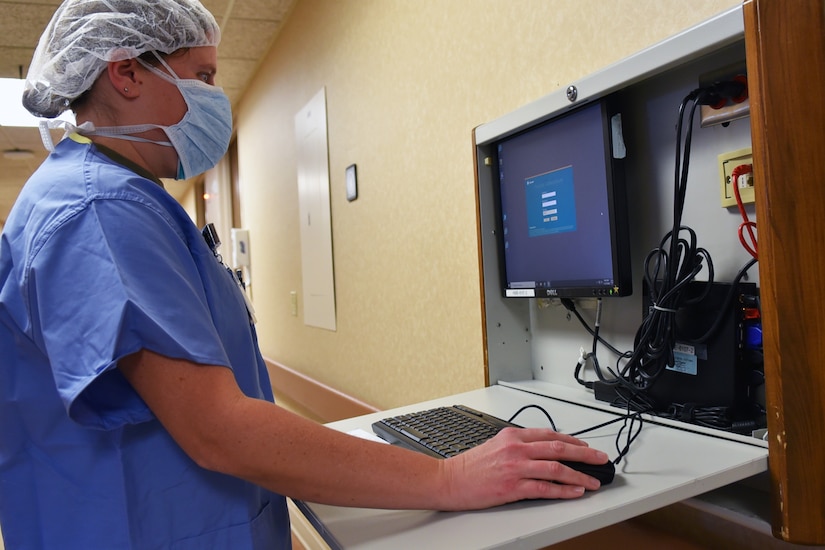
A woman wearing a face mask inputs medical information into a computer

BAMC has also offered to accept non-COVID-19 beneficiaries from William Beaumont Army Medical Center in El Paso, freeing up their capacity to admit additional TRICARE patients with COVID-19 as needed.

"BAMC is proud to support our El Paso neighbors and colleagues," Bagby said. "We will continue to work alongside our Military Health System partner to help relieve the stress on their local health care system as needed."

In the event of a patient increase and to avoid shortages to critical care areas, BAMC is prepared to draw nurses and technicians from outpatient clinics as well as lean on its partner, the Institute of Surgical Research Burn Center, which is housed in the hospital.

These combined efforts have helped to ensure BAMC stands ready to support both military and community-based missions. 

"The keys to our success so far have been in communication, deference to expertise, and collaboration, and we are relying on those in our current response as well to keep us agile and on the right track," Yun said. "We are in constant communication with our staff from all across the organization to ensure that concerns are addressed as early and effectively as possible, before they become safety issues. And we are relying on our subject matter experts who are keeping up with the science and advances in their field to provide counsel and refine our responses."

Community Support

As with all military hospitals, BAMC primarily provides care to active duty, military retirees and family members. However, as the only Level I trauma center in the Defense Department, BAMC has a unique community role within the local trauma network. Alongside its Level I partner, University Health System, BAMC administers lifesaving care to more than 4,500 trauma patients each year, including 750 burn patients, from an area that stretches across 22 counties in Southwest Texas and encompasses 2.2 million people. 

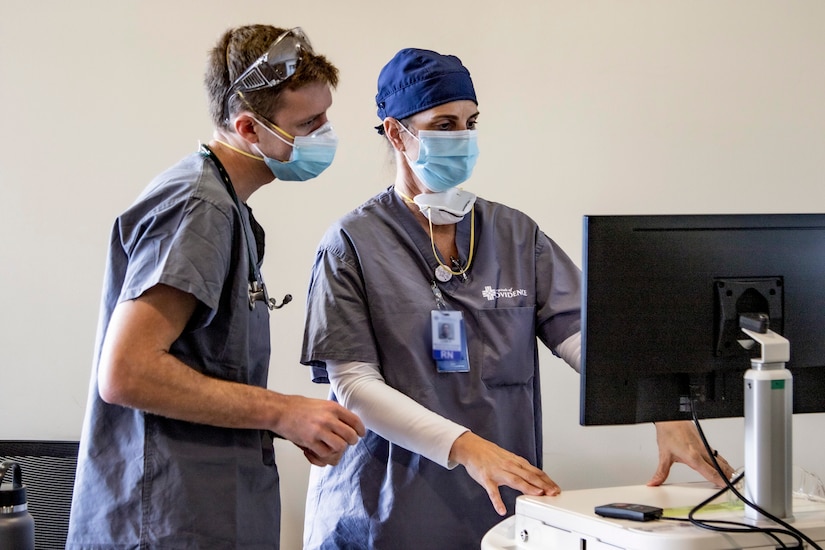
Two Air Force nurses in masks and scrubs look at a computer screen.

Of the over 4,500 trauma patients admitted each year, about 85% are community members without military affiliation. The Secretary of the Army Designee, or SECDES, program enables BAMC to receive civilian trauma patients in a military treatment facility. Traumas range from gunshot wounds and stabbings to vehicle accidents and severe burns, many of which bear striking similarities to combat wounds. As a trauma center, service members from a vast array of specialties are able to hone valuable medical skills while aiding the community they call home.

"Our close partnership with Southwest Texas Regional Advisory Council, University Health System and the other local health care systems allows BAMC to seamlessly integrate into community crisis responses, Air Force Col. Patrick Osborn, deputy commander for surgical services, said. 

Working alongside STRAC, which coordinates the region's trauma and disaster relief response, and UHS, BAMC is fully integrated within the local trauma network, Osborn said.

Critical Care

This has been evident in recent months. This past summer, BAMC took on additional trauma patients to ease capacity at local hospitals. Additionally, BAMC continues to care for the area's most critically ill COVID-19 patients, to include beneficiaries, veterans and civilian patients, through the use of extracorporeal membrane oxygenation, or ECMO, treatment, Osborn noted.

ECMO is a heart-lung bypass system that circulates blood through an external artificial lung, oxygenates it, and delivers it back into the bloodstream. Rather than treat the condition, ECMO performs the job of the patient's heart and lungs, buying the patient precious time to respond to treatments and heal. Requiring a highly specialized team and equipment, BAMC is one of a few hospitals within the city with this capability, and as with trauma, accepts civilian patients through the SECDES program.

"As much as able, BAMC is easing the burden on local health care resources by admitting civilian ECMO patients and seeking out military beneficiaries that can be transferred from community hospitals," Osborn said. 

The mutual support of BAMC's military and community partners is key to mission success, the commander noted.

"Due to their support and the expertise of this team, the San Antonio Military Health is able to continue to ensure safe, quality care for our 250,000 active duty and military beneficiaries while preserving its readiness role as a worldwide response platform and sustaining the Level I trauma support of our region," Bagby said.
 

Statement on New Appointments to the Defense Policy Board

 Dec. 9, 2020


Today, the Department of Defense announces that it intends to appoint Hudson Institute China policy expert Michael Pillsbury to serve as the Chair of the Defense Policy Board, and former National Nuclear Security Administration (NNSA) Administrator Lisa Gordon-Hagerty as a member. 

The DPB provides independent, informed advice concerning matters of defense policy and focuses on issues central to strategic DoD planning as well as policy implications of force modernization. Each member is appointed based on his or her professional experience.

“The Department of Defense is proud to announce its intent to appoint Mr. Pillsbury and Ms. Gordon-Hagerty to the Defense Policy Board,” said Dave Vasquez, a Department of Defense spokesman. “We have every confidence the DPB and the Department will be well served by the decades of national security experience each of these individuals bring to the Board. We greatly look forward to their service to the Department.”

About the Defense Policy Board

The Defense Policy Board was established to provide the Secretary of Defense and the Deputy Secretary of Defense, independent, informed advice and opinions concerning matters of defense policy through the Under Secretary of Defense for Policy (USD(P)).

Statement from Acting Secretary of Defense Christopher C. Miller on Fort Hood Review Findings

 Dec. 9, 2020


I have been closely following Vanessa Guillen’s case these past few months.  While my heart is heavy with the tragedy of her death, my commitment to addressing the issues of sexual assault and sexual harassment is resolved.  As a department we must do better, and we will do better.  I support Army Secretary Ryan McCarthy’s decision to hold leaders at multiple levels accountable and will be closely reviewing the results of the Fort Hood Report and the People First Task Force.

85 New Companies That Hire Military Spouses Inducted into DOD Hiring Program

Dec. 9, 2020 | BY Terri Moon Cronk , DOD News

Eighty-five new private-sector companies were inducted into the Military Spouse Employment Partnership today — a Defense Department program that joins with the civilian sector to employ military spouses worldwide. This brings the total number of MSEP employers to 500.

Acting Defense Secretary Chris Miller and his wife, Kate, along with Second Lady Karen Pence addressed the importance of MSEP in pre-recorded remarks.

"As a former active duty soldier and military spouse, Kate and I recognize the cost of the sacrifices made by those in uniform and their loved ones," the acting secretary said. "They bear the burden of grueling deployments, they uproot their lives every few years for permanent change-of-station moves, and … to honor them, the Department of Defense and a grateful nation are committed to improving their quality of life and providing our families the support they rightly deserve, every step of the way." 

A man meets with service members in the Philippines.

MSEP is a one-of-a-kind partnership that plays an important role in recruiting and retaining military spouses. Since 2011, MSEP has hired more than 175,000 military spouses for jobs across the country. Military spouses bring many talents and experiences to the private sector, Miller noted. 

"This partnership comes with great responsibility," the second lady said. "I've heard that the vetting process is serious business, and that partners are required to sign a statement of support with the DOD to commit to recruit, hire, promote and retain military spouses to all of the new partners." 
Pence thanked the company partners for taking an important step to support the nation's military spouses. 

"Your new partnership will make a difference and help our nation's military readiness," she said, addressing the 85 new partners. "It's important to take care of our military spouses and their children so that service members can stay focused on their missions and remain ready to fight and protect our freedoms."

Pence said when she unveiled the Military Spouse Awareness Campaign in 2018, she wanted to elevate and encourage the nation's military spouses. And in her travels throughout the country and the world, she's educated military spouses on employment solutions, she added. 

Two women meet.

"For example, we improved the policy for spouses pursuing a degree or certification," Pence said, adding, "You cannot be made ineligible solely because your service member has been promoted to a higher grade. Military spouses can now retain their state of residency for business purposes if they move out of state as a result of a change of station."

The secretary of defense is now authorized to fund the creation of interstate compacts to improve license portability, the second lady added.

MSEP is especially important this year as people navigate the most challenging public health crisis in more than a century, Miller said. "Yet, if there's one thing we all know is that military families are well-equipped in overcoming the challenges. And over the past year, our nation's employers witnessed their skill resilience firsthand."
MSEP is part of a broader effort to help military spouses in the DOD's global community. It also helps spouses hit the ground running after moving to a new state. The partnership has improved license reciprocity among states, too, and 43 states have enacted legislation on reciprocity in the past three years, Miller noted. 

Through MSEP, DOD is also engaged with the State Department to improve on- and off-base hiring opportunities for overseas spouses and dependents, the acting secretary said.
"Thanks to [several] efforts, we've seen a 20% increase in military spouse hiring just this year. That's an achievement we should all be proud of," Miller added. 

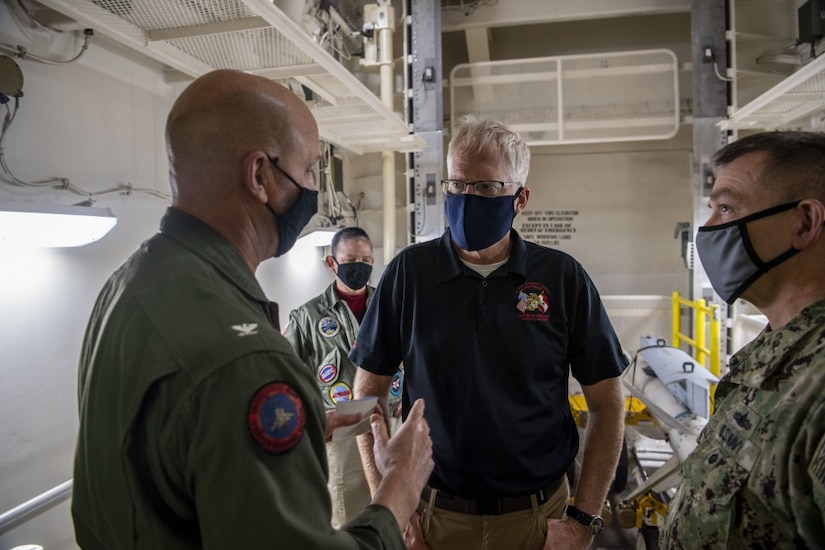
Three men on a ship talk while a fourth man stands in the background.

The acting secretary commended the newest members of MSEP for their commitment to U.S. troops and their loved ones, especially during such a  challenging time, he said, adding that he hopes more businesses and organizations follow that devotion to military family members and their service members across the force who endure the hardships of military life while navigating the complexities of employment and other challenges. 

"For this, you have our admiration, gratitude and commitment to support you every step of the way," Miller said to MSEP partners.

The second lady challenged MSEP business leaders to spread the word about the significant role that military spouses — the home-front heroes — play in the defense of the country. "Join us as we encourage other business leaders to join this vital movement to hire and retain military spouses," she encouraged.

To learn more about MSEP, click here.

Command Senior Enlisted Leader Assignment

 Dec. 9, 2020


The Office of the Senior Enlisted Advisor to the Chairman of the Joint Chiefs of Staff (OSEAC) announced today the following assignment:

Navy Command Master Chief Donald O. Myrick, currently assigned as the command master chief for the Office of the Naval Inspector General, Washington, D.C., has been selected to replace Air Force Chief Master Sgt. Jason L. France as the command senior enlisted leader for U.S. Transportation Command, Scott Air Force Base, Illinois.

Tuesday, December 08, 2020

High Jump


Air Force Cadet 2nd Class Kendra Middleton competes in long jump during the holiday track and field meet at the U.S. Air Force Academy’s Cadet Field House in Colorado Springs, Colo., Dec. 5, 2020.

Soldier Salute


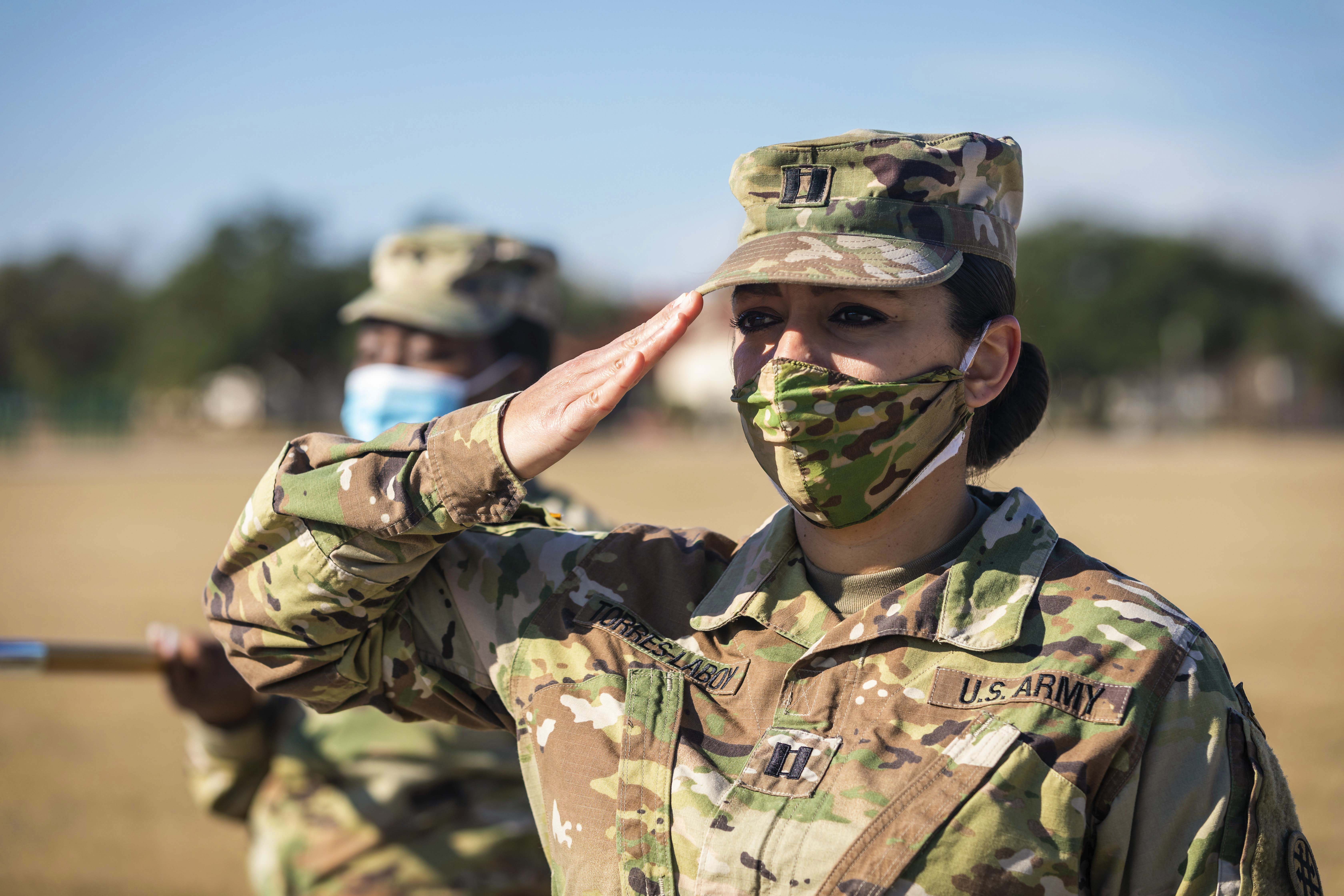
Army Reserve Capt. Ymara Torres-Laboy salutes while rehearsing for a change of command ceremony at Joint Base San Antonio, Texas, Dec. 4, 2020.

Ocean Ops


Navy Capt. John Kurtz copilots a Marine Corps UH-1Y Venom while conducting routine operations over the Pacific Ocean, Nov. 23, 2020.

Readout of Acting Secretary of Defense Christopher C. Miller’s Meeting with Philippines Secretary of National Defense Delfin Lorenzana and Secretary of Foreign Affairs Teodore Locsin

 Dec. 8, 2020


Acting Secretary of Defense Christopher C. Miller met with Philippines Secretary of National Defense Delfin Lorenzana and Secretary of Foreign Affairs Teodore Locsin in Manila today.  Secretary Miller underscored the importance of the alliance and the value the U.S.-Philippines Visiting Forces Agreement brings to both countries.  The Secretaries also discussed opportunities for deepening bilateral defense cooperation and advancing a shared interest in a free and open South China Sea and a rules-based international order.

Secretary Miller also participated in a capabilities display of recently-delivered U.S. sniper and counter-improvised explosive device (IED) equipment.  

Medical Group Answers Short-Notice Call to Battle COVID-19

 Dec. 8, 2020 | BY SAMUEL KING, 96TH TEST WING PUBLIC AFFAIRS

Instead of Thanksgiving holiday eats and shopping, twenty-one 96th Medical Group airmen deployed in support of stateside COVID-19 operations.

The deployment to North Dakota, a current COVID-19 death-rate hotspot, came with short notice to say the least, at only four days.

A man is tested for COVID-19.

"A short notice CONUS deployment tasking in support of the Northcom combatant commander to fight a pandemic is unprecedented for this medical group," Air Force Col. Matthew Hanson, 96th MDG commander, said.

As soon as the tasking came down, the deployers and their readiness teams came together to meet the requirement, prepare themselves to go and mitigate the personnel gaps left behind, according to Air Force Col. Michelle Anton, 96th Healthcare Operations Squadron.

During those few days, the nurses and their teams tackled a host of variables and obstacles that came up. Things like rapid medical clearances, last minute personnel swaps, unexpected reporting requirements, life support training classes and procurement of sub-zero parkas were just a few of the issues the teams encountered and overcame.

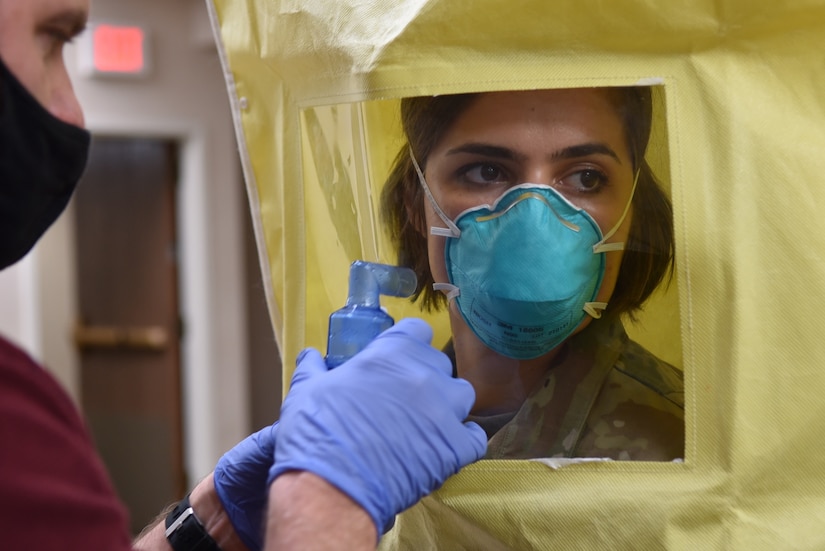
A woman is fitted for a mask.

They were split into two flights leaving Eglin heading north. Air Force Capt. Ronald Golemboski, a 96th HCOS nurse, was on the first flight. Golemboski, who'd deployed to combat zones in previous deployments, said this particular mission just felt different.

"This time, we can't shoot or even see the enemy.  We will put on our PPE [personal protective equipment] and do our best," the captain said.
Air Force Capt. Rachael Auger, a 96th HCOS pediatric nurse, was one of 12 airmen on the later flight. She said she hoped the team would get information quickly once they arrived, so they could get settled and be ready to begin the mission.

The nurses will be divided by their specialty. The critical care nurses will be spread out across the state's larger city hospitals, while the clinical nurses will move to help the rural locations.

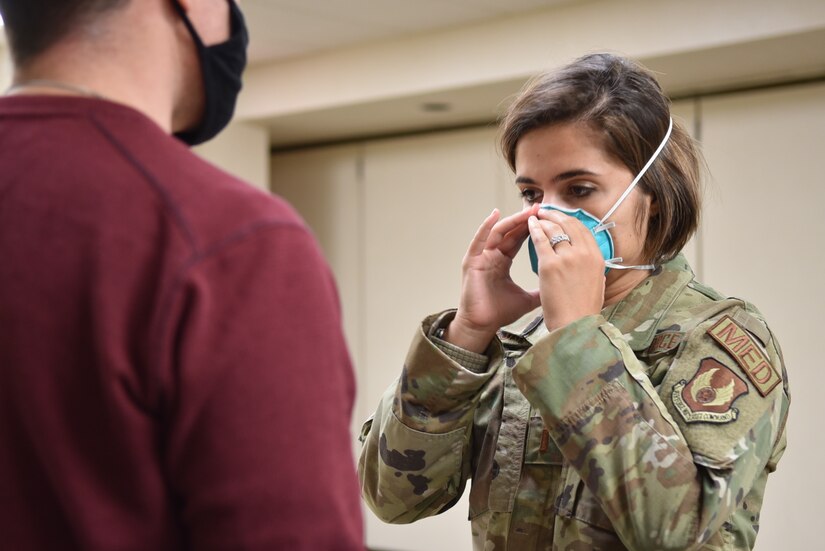
A woman is fitted for a mask.

These airmen bound for North Dakota were the second COVID-19 tasking in as many weeks with a smaller group deploying to El Paso, Texas.

"I'm so proud of the battle-tested team of highly skilled medical professionals caring for the people of Texas and North Dakota," Hanson said. "They have answered their nation's call and are ready and equipped to fight this new enemy that threatens the health and safety of all Americans."

DOD to Induct New Partners Into Military Spouse Employment Partnership

 Dec. 8, 2020


The Department of Defense Military Spouse Employment Partnership will welcome 86 new partners during a virtual ceremony at noon EST on December 9. This brings the number of companies and organizations that have committed to offering career opportunities to military spouses to 500.

Each of the employers who make up the partnership have pledged to recruit, hire, promote and retain military spouses. MSEP employers have hired more than 175,000 military spouses since the launch of the partnership in 2011.

MSEP, part of DOD’s broader Spouse Education and Career Opportunities program, is a targeted recruitment and employment solution, creating employment connections that provide companies with direct access to military spouses seeking career opportunities, and spouses with direct access to employers who are actively recruiting.

“Military spouses are well educated and highly qualified for a range of careers, but because of the frequent relocations that are part of military life, they face a 22% unemployment rate and a 26% wage gap compared to their civilian counterparts,” said Deputy Assistant Secretary of Defense for Military Community and Family Policy Kim Joiner. “With additional challenges caused by the coronavirus, it’s gratifying to see so many employers join MSEP and commit to military spouses, which in turn contributes to the health and vitality of our total force.”

The theme of this year’s virtual event, “Working Through Change: Being Agile in an Evolving Workplace,” reflects the challenges and opportunities of the COVID-19 pandemic. Breakout sessions will address such topics as recruiting in the post-COVID environment, managing employee stress and telework.

The opening session will include remarks by Second Lady Karen Pence, Acting Secretary of Defense Christopher Miller, and Mrs. Kate Miller. Three induction ceremonies will be held throughout the day – hosted by Mrs. Hollyanne Milley, spouse of Gen. Mark Milley, Chairman of the Joint Chiefs of Staff; Mrs. Maria McConville, spouse of Gen. James McConville, Chief of Staff of the Army; and Mrs. Mollie Raymond, spouse of Gen. John “Jay” Raymond, Chief of Operations, U.S. Space Force.

The opening session will be livestreamed on the Military OneSource Facebook page, and individual induction ceremonies will be livestreamed on the Spouse Education and Career Opportunities Facebook page at 1 p.m., 2 p.m. and 3 p.m. EST.

About Military Community and Family Policy 

Military Community and Family Policy is directly responsible for establishing and overseeing quality-of-life policies and programs that help our guardians of country, their families, and survivors be well and mission-ready. Military OneSource is the gateway to programs and services that support the everyday needs of the 5.2 million service members and immediate family members of the military community. These Department of Defense services can be accessed 24/7/365 around the world.

About Spouse Education and Career Opportunities

The Defense Department established the Spouse Education and Career Opportunities program to provide education and career guidance to military spouses worldwide, offering free comprehensive resources and tools related to career exploration, education, training and licensing, employment readiness and career connections. This program also offers free career coaching services six days a week.

About Military OneSource

Military OneSource is a DOD-funded program that is both a call center and a website providing comprehensive information, resources and assistance on every aspect of military life. Service members and the families of active duty, National Guard and reserve (regardless of activation status), Coast Guard members when activated for the Navy, DOD expeditionary civilians, and survivors are eligible for Military OneSource services, which are available worldwide 24 hours a day, seven days a week, free to the user.

About the My Military OneSource app

The My Military OneSource app is helping to transform the military community’s access to quality of life programs and services – better connecting people to the resources they need to regenerate, connect, be well, and thrive. DOD designed the app to offer users a more personalized experience with Military OneSource, based on their profile selections, search activity, and the ability to mark favorite content within the app environment. Download the My Military OneSource mobile app for free on Google Play or Apple’s App Store.

Sports Heroes Who Served: Boxers and Patriots

 Dec. 8, 2020 | BY David Vergun , DOD News

Sports Heroes Who Served is a series that highlights the accomplishments of athletes who served in the U.S. military.

During World War II, Brooklyn, New York, was home to the Coast Guard's Manhattan Beach Training Station, where recruits were sent for basic training.

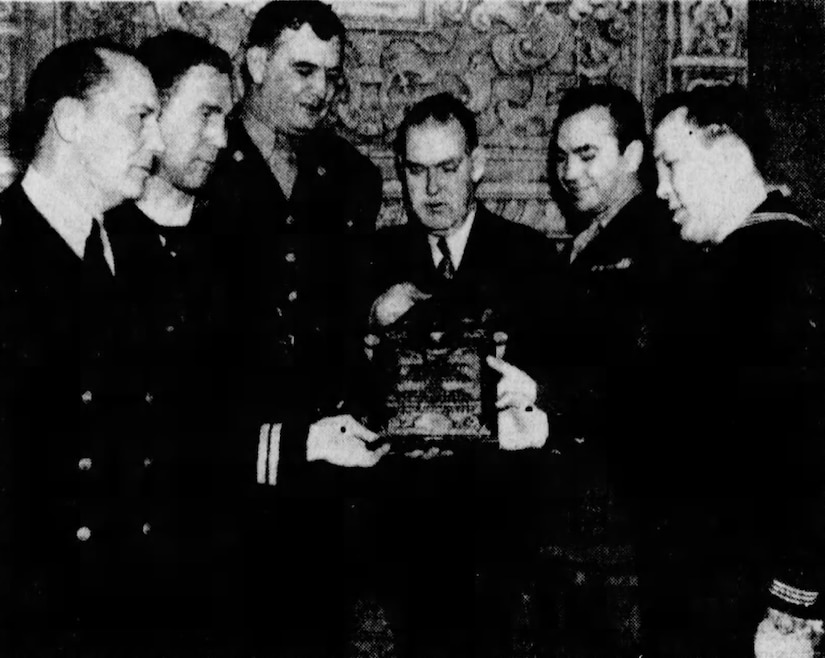
Men box.

The physical education regimen at Manhattan Beach was first class, featuring professional instructors in boxing, wrestling, track and field and judo.

Heading the powerhouse boxing program was Coast Guard Cmdr. Jack Dempsey, who was the world heavyweight champion from 1919 to 1926.

Man presents award to group of men.o

There were a number of champion boxers under Dempsey's tutelage, some of whom also served as instructors for the trainees. Among them was Lew Jenkins, who joined the Coast Guard in December 1942, after serving briefly in the Army.

Man and woman in Coast Guard uniforms speak to one another.

Jenkins participated in the North Africa, Sicilian and Italian campaigns in 1943. At the time, the Coast Guard operated landing craft and other vessels used for amphibious assaults and transport. Jenkins' vessel was Tank Landing Ship-17. 

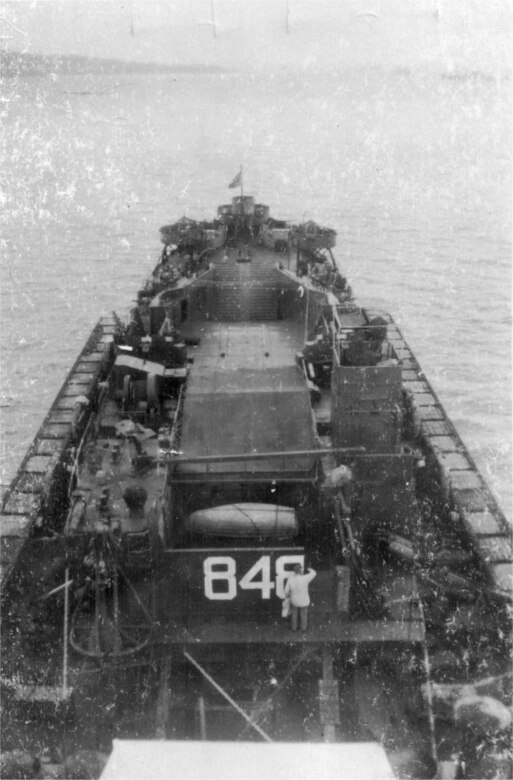
Ship cruises.

He manned the ship's guns, including a 20 mm that he used to shoot at attacking German fighter aircraft Messerschmitt-109s and Junker-88s.

By April 1944, Jenkins was stationed in England. Around that time, his brother Pete, an amateur boxer, also joined the Coast Guard and was stationed near Long Beach, California.

Jenkins participated in the June 6, 1944, D-Day landings on the beaches of Normandy, France, still aboard LST-17, which was completely manned by Coast Guardsmen. LST-17 supported the landings of British and Canadian troops on Gold Beach during the initial days of the invasion.

Boxer poses.

Of all the landings, Jenkins later said that the one at Salerno, Italy, was the most difficult. "Salerno beachhead was the hardest to take because the Germans had stuff to fight with."

By May 1945, Jenkins had returned stateside, serving with the Coast Guard in Oakland, California, where he was arrested after a fight in a bar. 

In June 1945, he was assigned to a Coast Guard unit in Hawaii. He was honorably discharged from the Coast Guard separations station in New Orleans, Louisiana, Oct. 27, 1945. That night he was robbed of his $60 wristwatch and $100 while sleeping at a bus station waiting to go home.

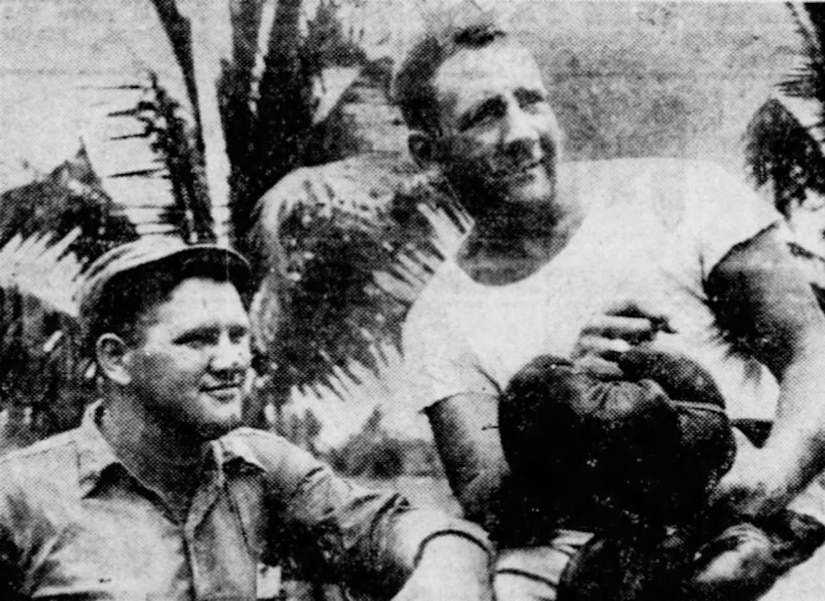
Another champion fighter who served in the Coast Guard was Luigi Giuseppe d'Ambrosio, aka Lou Ambers, the World Lightweight boxing champion from most of 1936 to 1940.

Man smiles.

On May 10, 1940, Ambers defended his title against Jenkins. Jenkins scored an upset when he knocked out Ambers in the third round at New York's Madison Square Garden. On Feb. 28, 1941, Ambers fought a rematch with Jenkins but he again went down in defeat. It was around that time that Ambers decided to join the Coast Guard.

While Jenkins deployed to the European Theater, Ambers, after having enlisted in the Coast Guard, Feb. 19, 1942, served in Manhattan Beach as a boxing and physical fitness instructor.

With him, serving in the Coast Guard at Manhattan Beach, was Ambers' cousin, Marty Servo, another fighter, who evened the score in some way for Ambers. Servo fought Jenkins on Feb. 17, 1942, in Philadelphia, Pennsylvania.  Servo won a 10-round decision as Ambers watched from ringside.

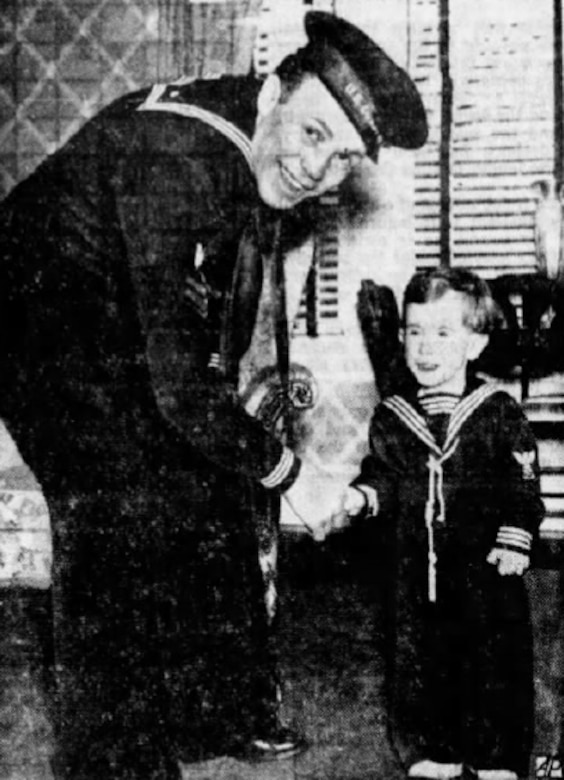
Man and child pose for photo.

There was a lot of patriotism that came from the boxing ring, too. On June 15, 1944, Ambers auctioned his boxing gloves, worn when he regained the world lightweight boxing championship from Henry Armstrong in 1939. The gloves fetched $31,000 at a war bond rally in Schenectady, New York.

Ambers was honorably discharged from the Coast Guard as a chief petty officer at the Brooklyn separations center, Aug. 30, 1945.

Another Coast Guard boxer, likely also trained by Dempsey, was Gustav "Gus" George Lesnevich who was the World Light Heavyweight champion in 1941. He held that title for seven years. He also served in the Coast Guard during the war, enlisting on Feb. 27, 1942. 

Two men pose for photo.

After a number of stateside assignments, he served in England in 1944, then in 1945, he served in New Guinea, New Caledonia, and then became the physical fitness director at a base on the island of Leyte in the Philippines. He was honorably discharged on Oct. 8, 1945.

Walter, Lesnevich's brother, served as a Merchant Marine engineer. His ship was torpedoed in the North Atlantic in late fall of 1942 and he was lost at sea.

Whatever the attraction between champion fighters and the open sea remains a mystery. What's certain is that sportsmanship and patriotism were partners in World War II.

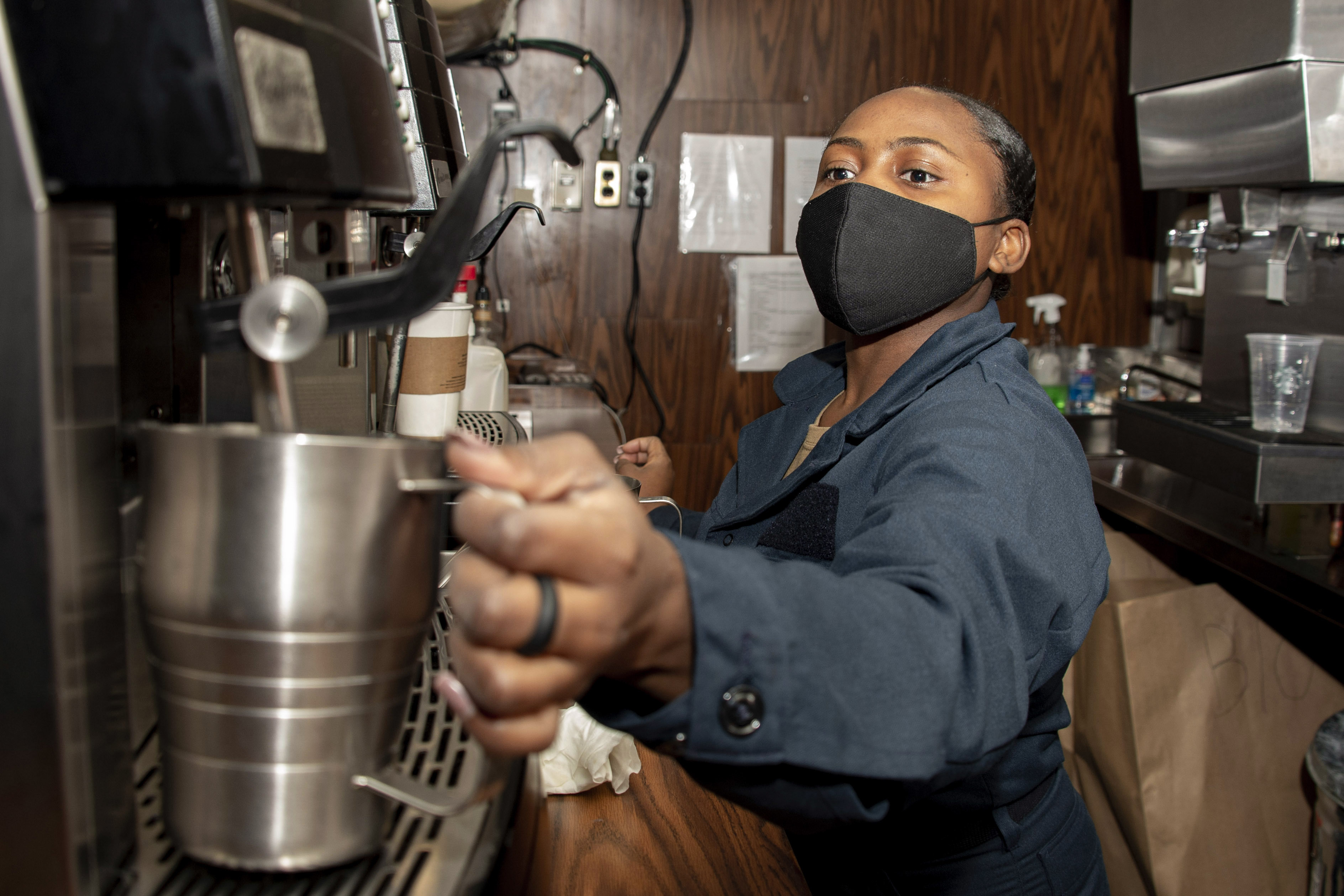
Coffee Prep


Navy Seaman Landsay Depradines prepares coffee aboard the USS Essex in the Pacific Ocean, Dec. 4, 2020.

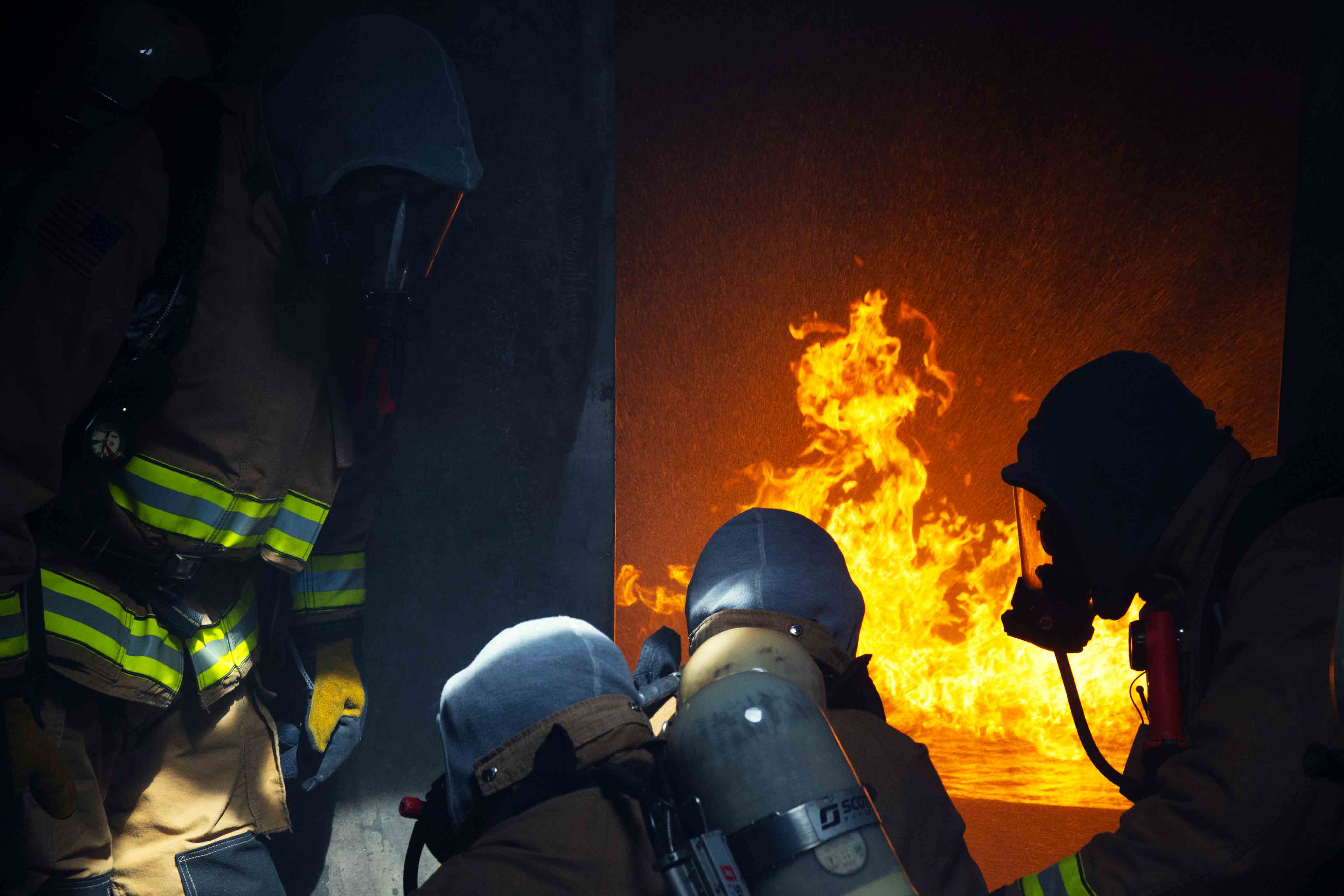
Fire Fighters


Sailors combat a controlled fire during training in Santa Rita, Guam, Dec. 3, 2020.

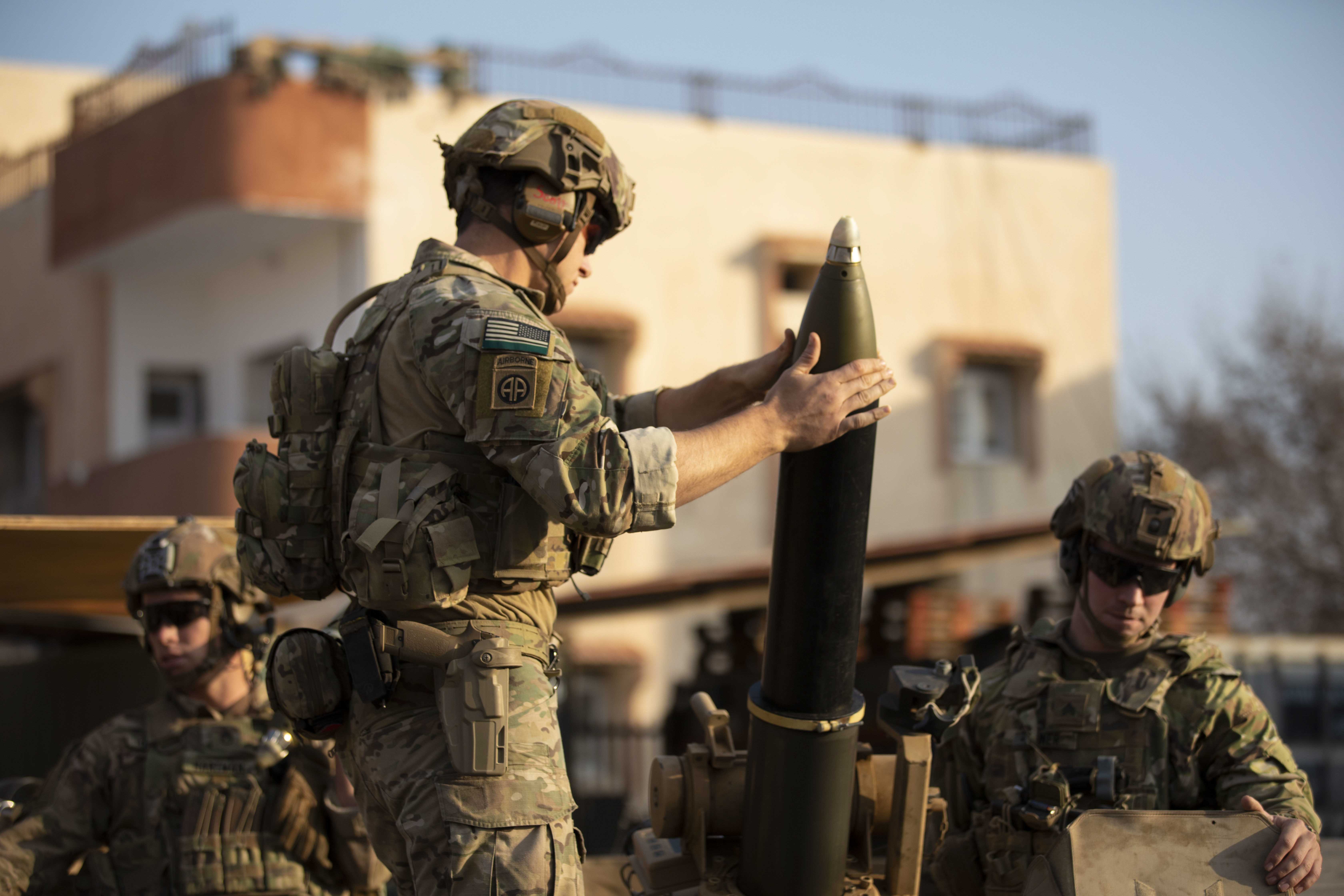
Training Trio


Army paratroopers participate in an exercise while supporting Operation Inherent Resolve in northeast Syria, Dec. 3, 2020.

Family Fun


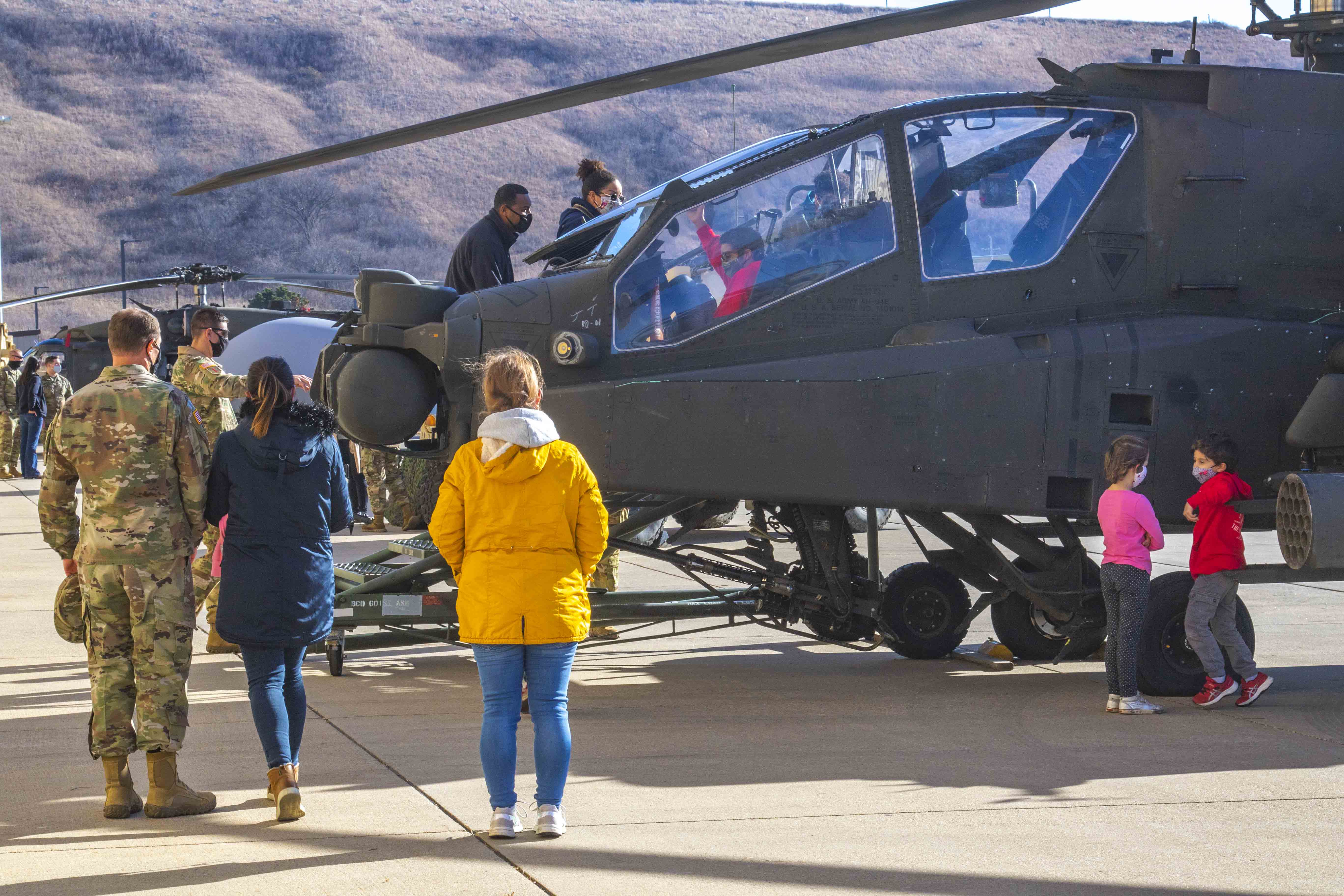
Family members of soldiers learn about airframes and weapon systems at Fort Riley, Kan., Dec. 5, 2020. Families were encouraged to be hands-on with the static displays.

Memorial Lei


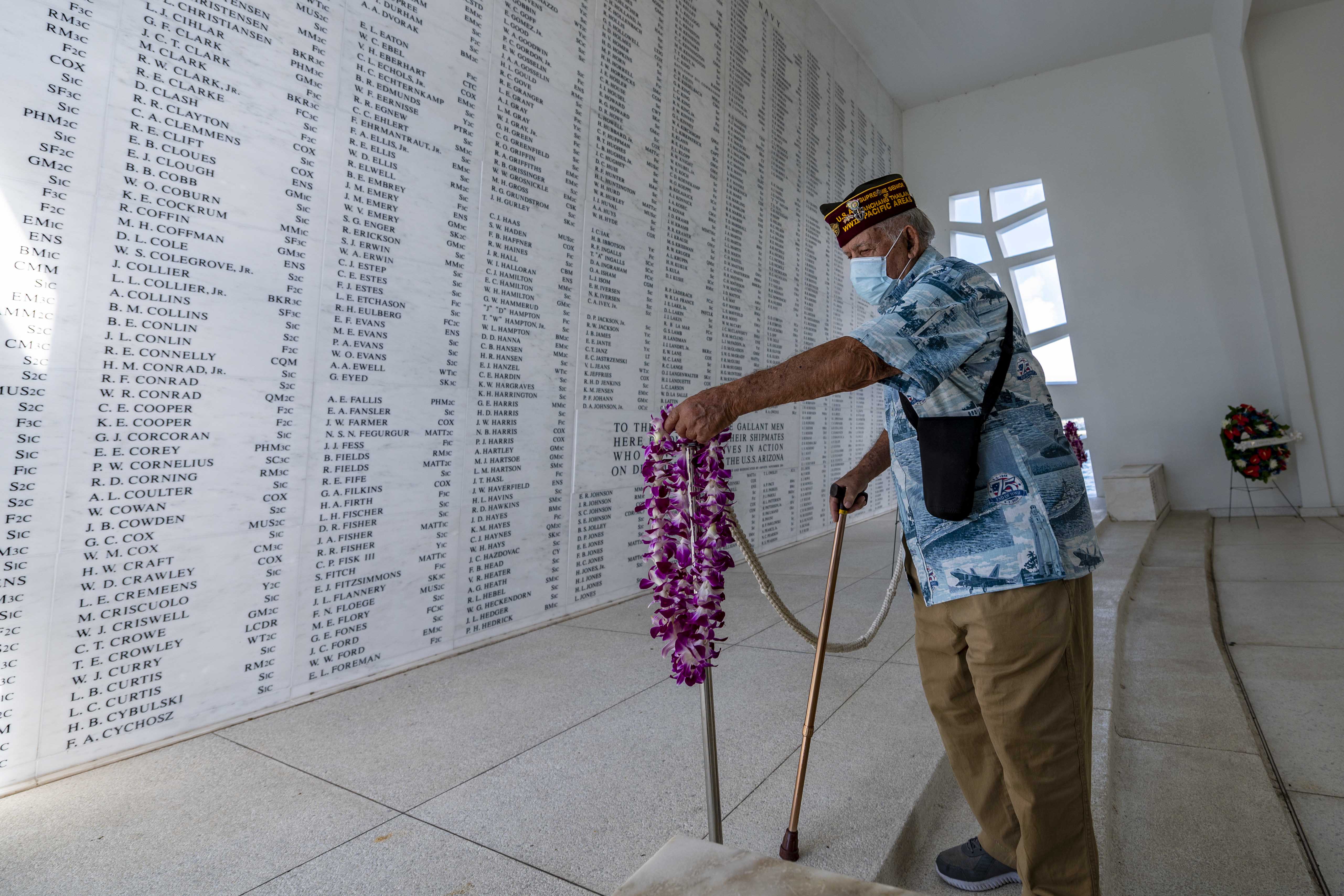
World War II veteran Wendel Neuman places a lei in the shrine room of the USS Arizona Memorial as part of a Pearl Harbor Day ceremony in Honolulu, Dec. 7, 2020.

Toys for Tots


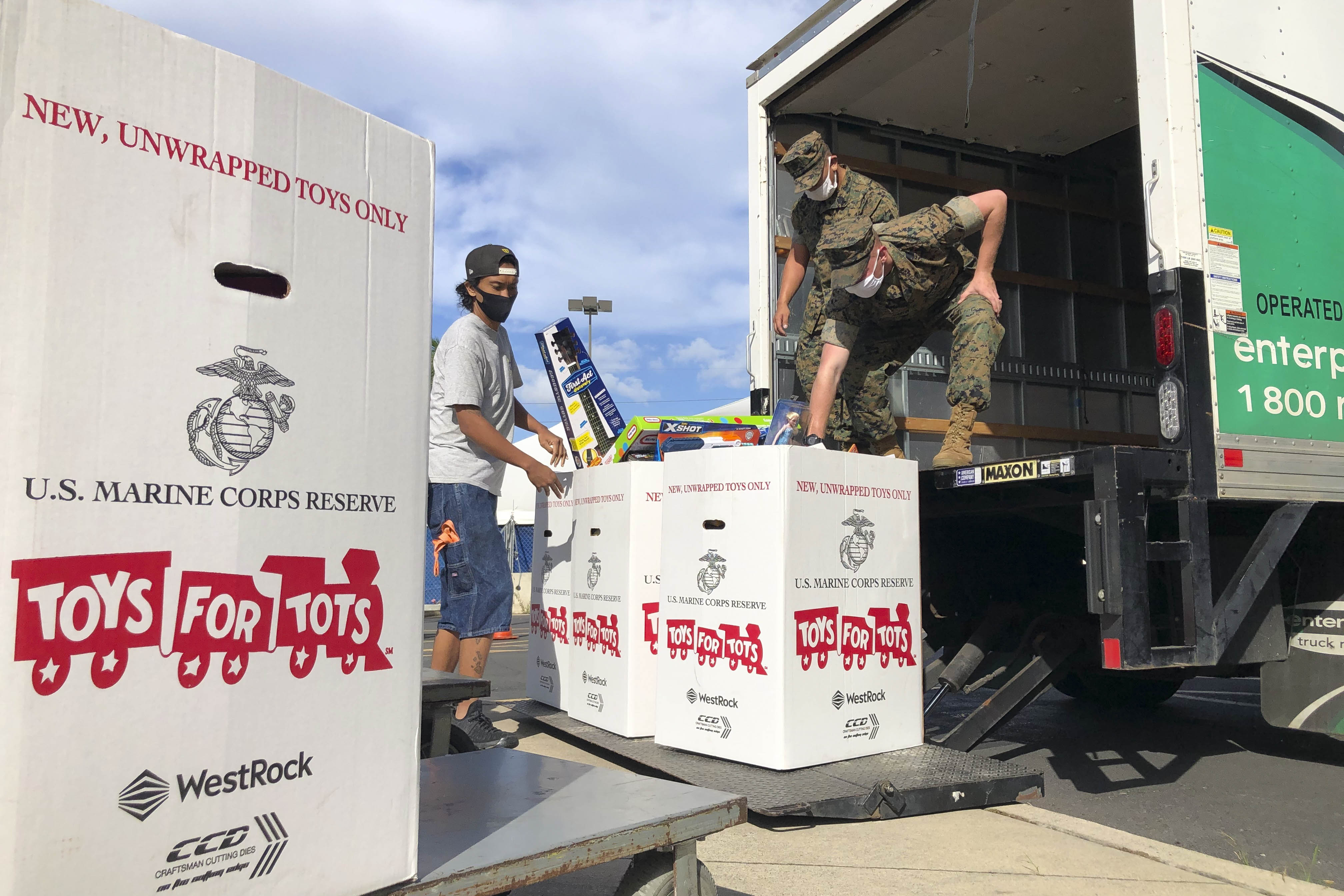
Marines pick up boxes of toys purchased by the Toys for Tots program and those donated by Navy Exchange customers in support of the program in Honolulu, Dec. 7, 2020.

Aircraft Action


An airman performs maintenance on an F-16C Fighting Falcon at King Faisal Air Base, Saudi Arabia, Dec. 1, 2020.