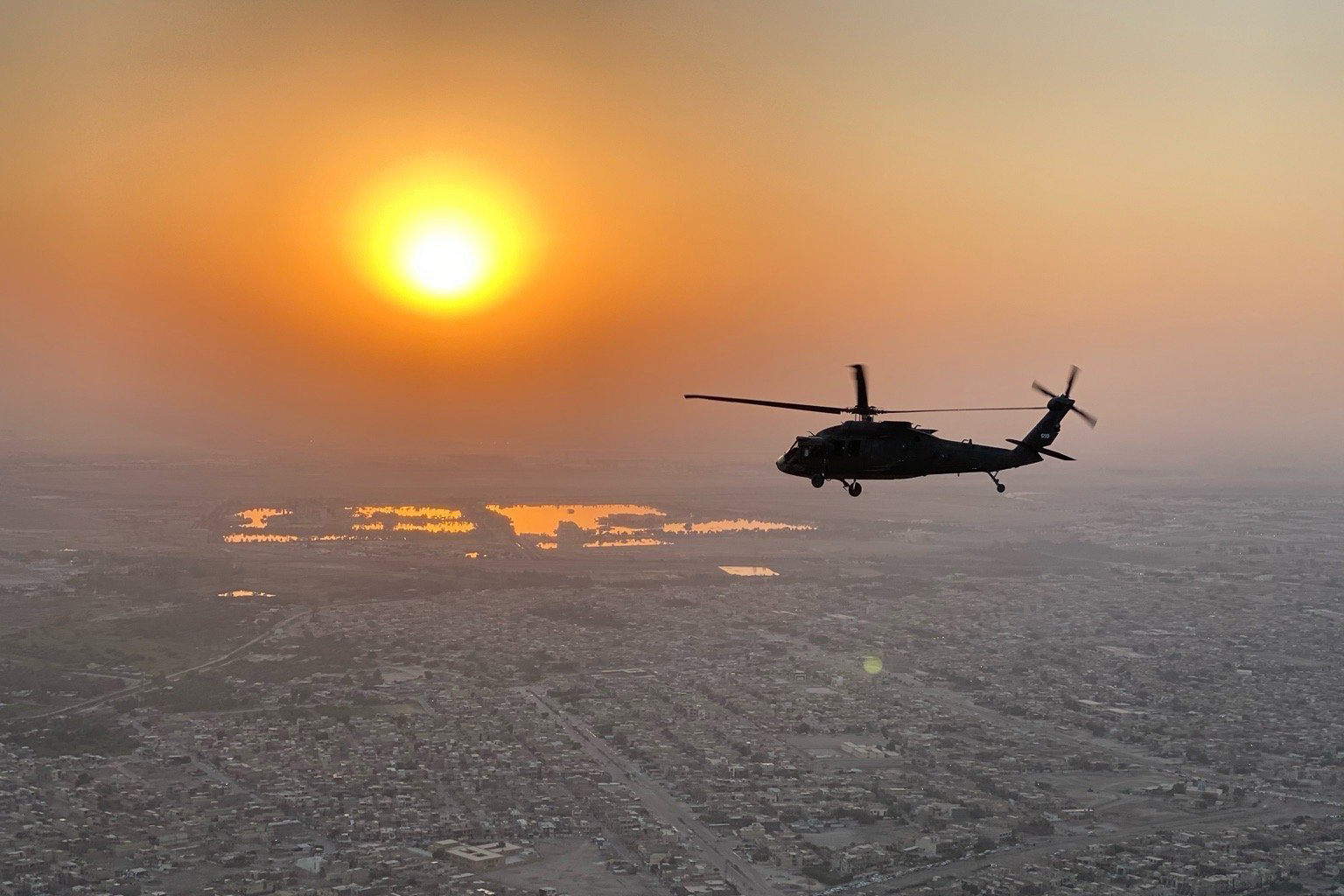
Soldiers in a UH-60 Black Hawk helicopter conduct aviation operations in the Middle East supporting Operation Inherent Resolve, Oct. 5, 2020.
Soldiers in a UH-60 Black Hawk helicopter conduct aviation operations in the Middle East supporting Operation Inherent Resolve, Oct. 5, 2020.
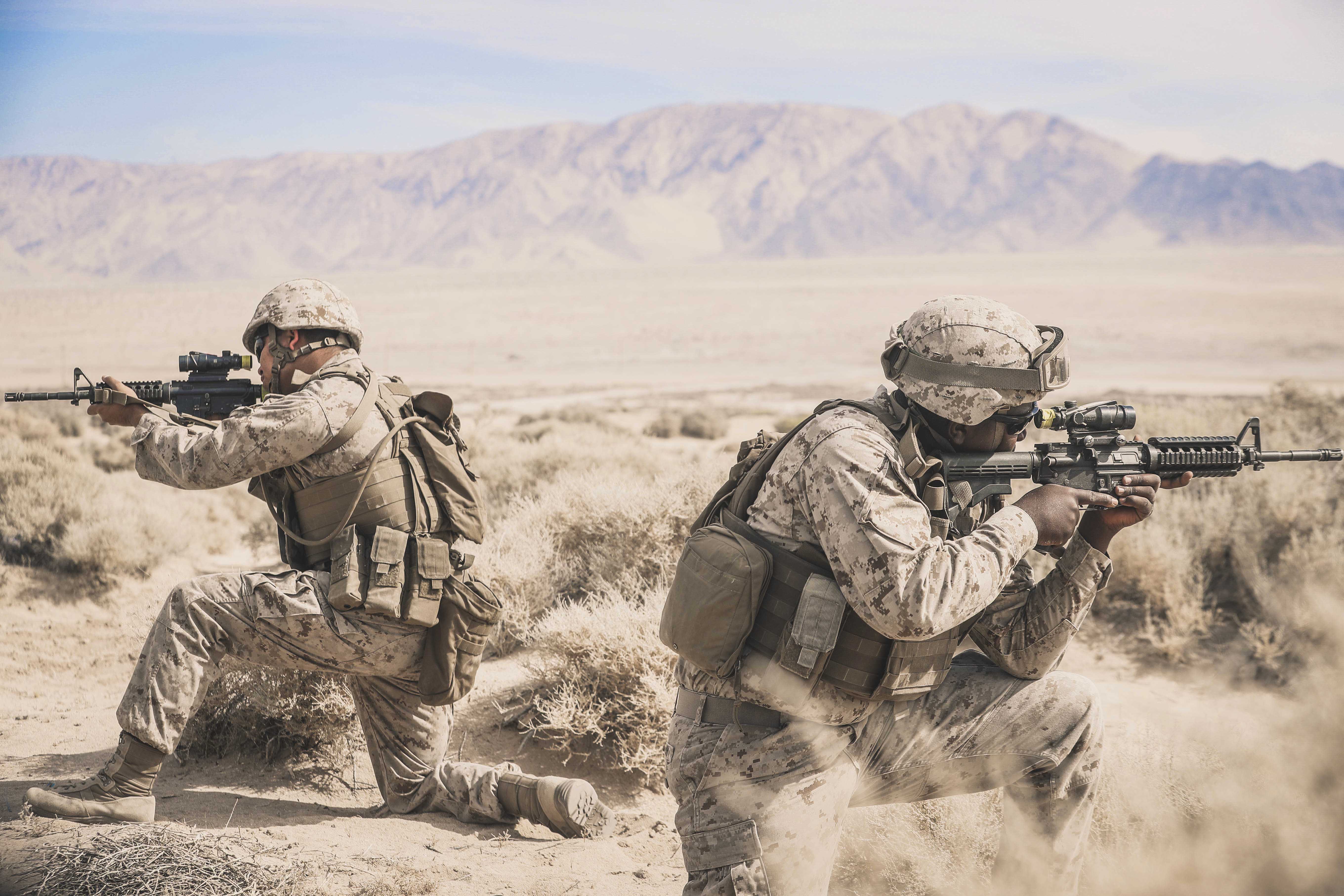
Marine Corps Cpl. Sathya Breckinridge and Lance Cpl. Keavious Blackmon provide simulated cover during an integrated training exercise at Marine Corps Air Ground Combat Center Twentynine Palms, Calif., Oct. 5, 2020.

Hawaii Air National Guardsmen prepare to deploy a flare from the back of a C-17 Globemaster III over Hawaii, Sept. 29, 2020, while supporting NASA's SpaceX Human Spaceflight program. The high-intensity illuminating flares enhance the ability to conduct contingency astronaut rescue operations in various lighting conditions.

Navy Petty Officer 3rd Class Collins Clark works on an F/A-18E Super Hornet aircraft aboard the USS Dwight D. Eisenhower in the Atlantic Ocean, Oct. 1, 2020.
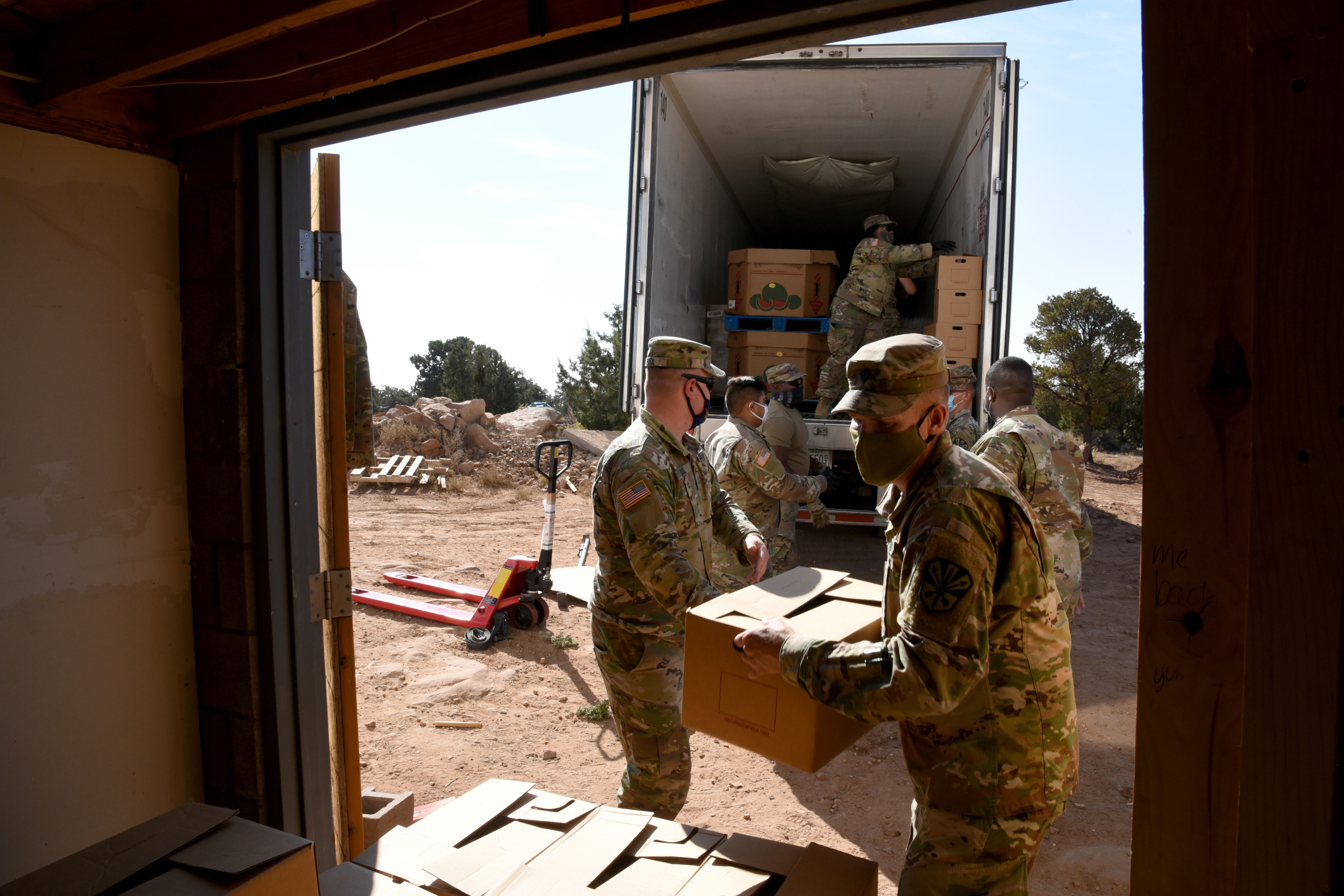
Arizona National Guard service members deliver food and supplies for Navajo Nation residents at a food bank in Black Mesa, Ariz., Oct. 6, 2020. The Arizona Guard has assisted in other domestic emergencies, including airport security after 9/11, the Monument Fire in 2011, Hurricane Harvey in 2017 and the Havasupai floods in 2018.
Oct. 7, 2020 | , New York National Guard
The New York National Guard is developing a relationship with Brazil's military through the National Guard's State Partnership Program.
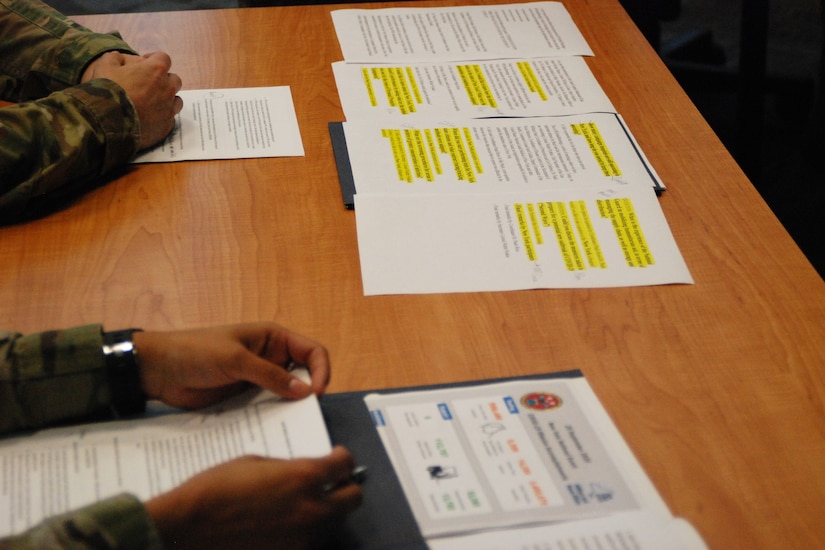
Soldiers assigned to the states' medical command laid out how New York dealt with COVID-19, going from having some of the highest rates of infection in the country, to one of the lowest.
The shared experiences between New York and Brazil were aimed at creating a better understanding as to which responses are more successful at handling the pandemic. The discussion included Brazilian ambassadors, doctors and members of the Brazilian military.
During the conversation, the Brazilians said their perception of the pandemic was that “it was a terror in New York.”
Brazil, with a population of 210 million, has recorded nearly 5 million COVID-19 cases. The U.S., with a population of 330 million, has reported 7 million cases.
"New York was one of the first epicenters in the United States," said Army Col. Dennis Deeley, who commanded the Javits Medical Center in New York City. "The governor requested assistance [from] the National Guard at the early stages of the pandemic."
At its peak, more than 3,600 members of the New York National Guard were on duty responding to the pandemic across the state. Ultimately, one in four New York Guardsmen served in a COVID-19 response capacity.
Deeley explained to the Brazilians that the state set up five joint task forces across the state to manage personnel, logistics and medical assets.
Because of this structure, Deeley was able state when asked, that at no point were New York's resources overwhelmed. However, he did say that testing was an issue at first.
"This was originally a limiting factor for New York," Deeley said. "New York encountered this in early March and saw an improvement in May once increased quantity was available. Drive-thru testing was very effective."
With one concern being encouraging citizens to take all precautions, the Brazilians asked if the guard was ever used to enforce quarantine measures.
"No," Deeley said. "The people in New York got the message very quickly. They took the brunt of it."
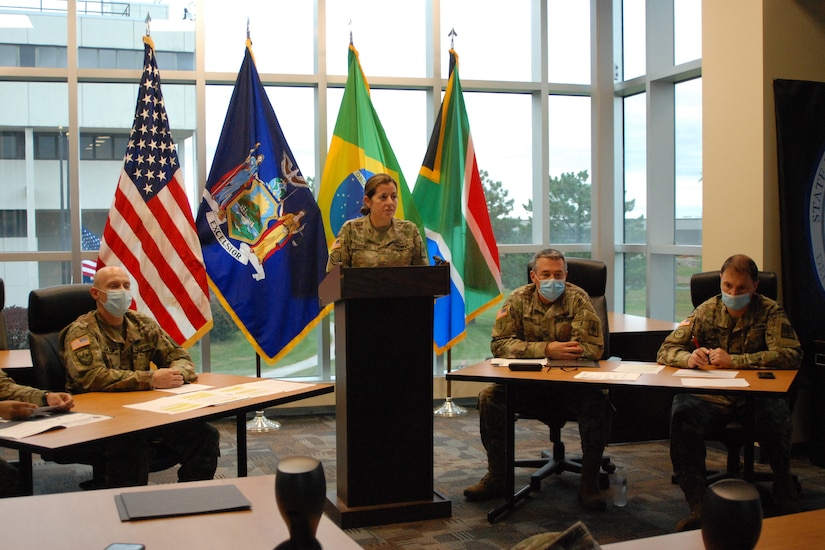
The New Yorkers and Brazilians discussed the use of field hospitals, as each have had their own epicenters. New York had New York City and Brazil had Sao Paulo, with 247,000 and 972,000 cases, respectively.
Deeley talked about how New York built up four alternate care facilities across the state, with only the one established at Manhattan's Javits Convention Center coming online.
The point he explained to the Brazilians though, was that even though one was used, New York was ready for things to get worse before they got better.
So far there have been more than 32,000 COVID-19 deaths in New York, and more than 145,000 in Brazil. The two sides wrapped up their video call with a better understanding of how each dealt with the pandemic, and how the two sides can continue to work together on major issues such as this.
Dr. Paulo Rossi Menezes, disease control coordinator at the Brazilian State Department of Health, and Col. Walter Nyakas, chief secretary of the Military House and state coordinator of civil protection and defense of the State of Sao Paulo, wrapped things up by expressing their appreciation to New York for discussing these topics and the level or cooperation between the two entities.
Speaking through a translator, they both concluded with an eloquent “thank you” and hopes for further discussion.
“This is the reality of what we're living with,” they said.
(Air Force Tech. Sgt. Ryan Campbell is assigned to the New York National Guard).
Oct. 7, 2020 | , Alaska National Guard
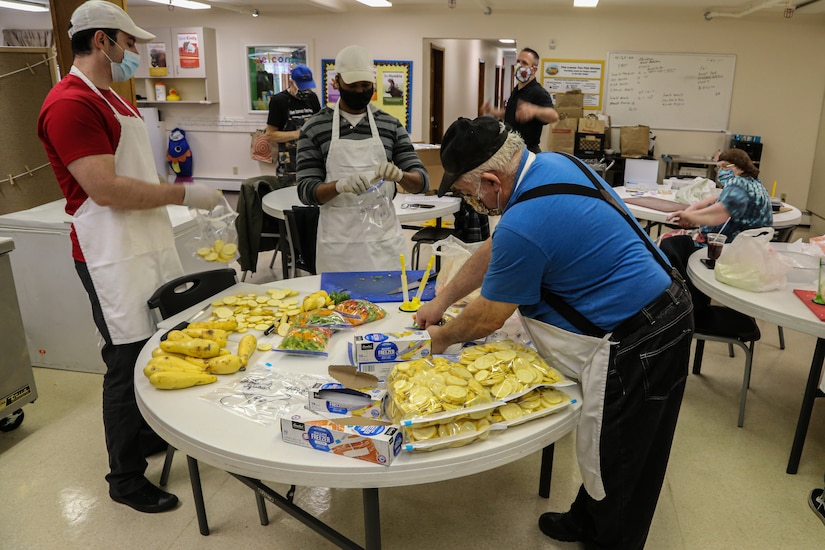
Since mid-August, Alaska Air National Guardsmen assigned to the 176th Force Support Flight Sustainment Services, who are local to the Matanuska-Susitna Borough area, have been volunteering their time to assist the Five Loaves, Two Fish Kitchen in Wasilla, Alaska.
"As a force in readiness, the relevancy of the National Guard increases through the flexibility of these Airmen," said Air Force Master Sgt. Franz Deters, the senior noncommissioned officer in charge of the volunteer effort.
The kitchen relies on donations from the Food Bank and other foundations to prepare quality meals for local Mat-Su residents in need. The organization employs only one professional chef, Air Force veteran Mike Gordon, and the rest of the staff is completely made up of unpaid volunteers. The kitchen is next door to Good Shepherd Lutheran Church, whose kitchen committee heads up the operation.
"When the guard started volunteering here, we were very short staffed," said Duane Hanson, one of the kitchen's dedicated civilian volunteers. "Their work here has kept us on track in our efforts to help as many people as we can."
The airmen work twice a week for three hours each day, preparing about 600 meals per month.
The airmen are certified in food handling, with years of experience cooking in the Air Guard. They have been assisting the kitchen in food preparation, which consists of peeling, cutting, dicing and cooking various food items, before being put into sealed packages.
"I take pride in the fact that I work with a team that never says 'It's not my job,'" Deters said. "I work with men and women who will volunteer to go where they can have the biggest impact."
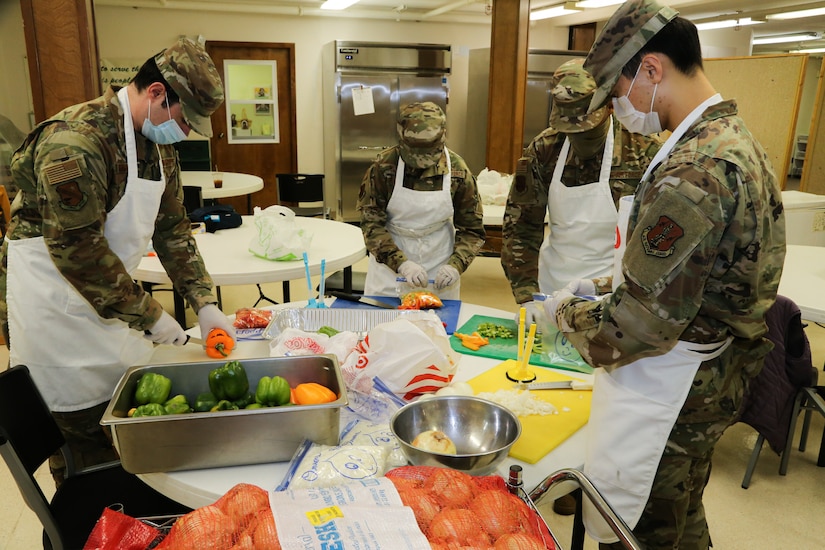
According to Deters, this unique volunteer opportunity to serve the local community also helps his team meet mission essential training requirements for their work in service career fields for military service.
"We get to help Alaskan citizens, filling in at a time when there are fewer available volunteers, all while getting training that allows us to gain additional experience in our jobs that we do for the guard," Deters said. "It's really a win-win."
Good Shepherd Pastor Rick Cavens, retired Alaska National Guard chaplain, oversees the kitchen staff. The kitchen provides meals to My House Homeless Teens Resource Center, Knik House and Family Promise. Recently, the kitchen started a meal program for Mat-Su School District families, with the intention of providing a food portion big enough to feed an entire family.
"I have two extended families, my church and my military family," Cavens said. "The National Guard has offered a tremendous helping hand during this difficult time of uncertainty. We're very thankful for their hard work and dedication to helping the local community."
(Army Sgt. Seth LaCount is assigned to the Alaska National Guard).
Oct. 6, 2020 | , DOD News
Bulgaria and the United States are NATO allies, and Esper praised the Balkan nation for dedicating 3 percent of gross domestic product toward defense in fiscal 2019. The road map looks for ways for the two countries to fix gaps in military capabilities and to improve interoperability, Esper said.
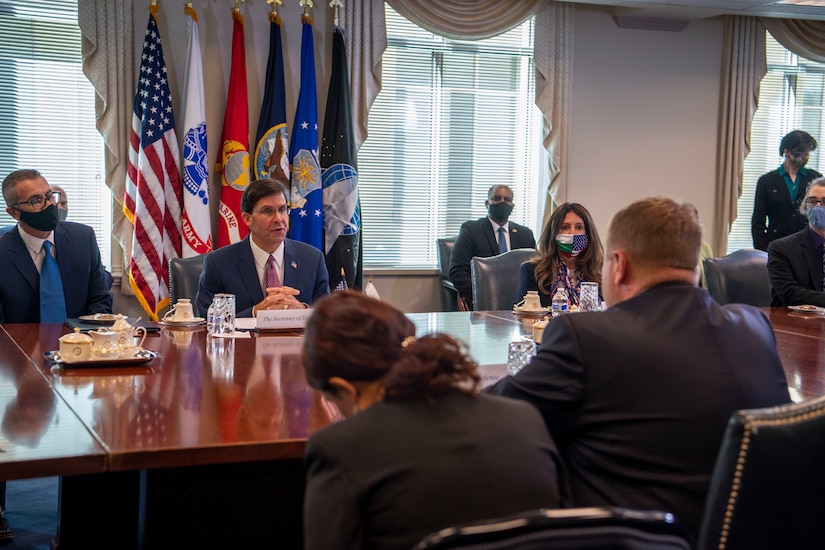
It also establishes a framework for the continuous development of Bulgaria's military readiness and capabilities for the next decade through sustained cooperation between the two nations.
"This road map will give us a chance to not only intensify our bilateral relations, but to be individually beneficial to each other's national defense," Karakachanov said through an interpreter. "Also, to be beneficial to NATO … to be able to counter the malign intentions of our adversaries."
Bulgaria is a front-line NATO state. Esper said the nation plays a critical role in protecting NATO's eastern flank.
"We, of course, share many security interests, particularly issues such as Black Sea security, defense modernization and security cooperation," Esper said.
Esper said he wants more NATO allies to reach at least the 2 percent goal of GDP committed to defense. "I encourage you and our other alliance members to pay to push for 2 percent of the GDP spending target and to make the needed investments to enhance your capabilities and capacity," he said. "Because you know, I believe that 2 percent should be a floor, not a ceiling."

A sailor fires a .50-caliber machine gun from a helicopter during a live-fire exercise above the Pacific Ocean, Sept. 24, 2020.

Marines and sailors fire an M240B medium machine gun during a night shoot aboard the USS Germantown during security operations in the Philippine Sea, Sept. 27, 2020.
Oct. 6, 2020 | , DOD News
Back in October 2017, the U.S. Congress passed — and the president signed — legislation that identified the active participation of women as crucial to maintaining peace and security around the globe.
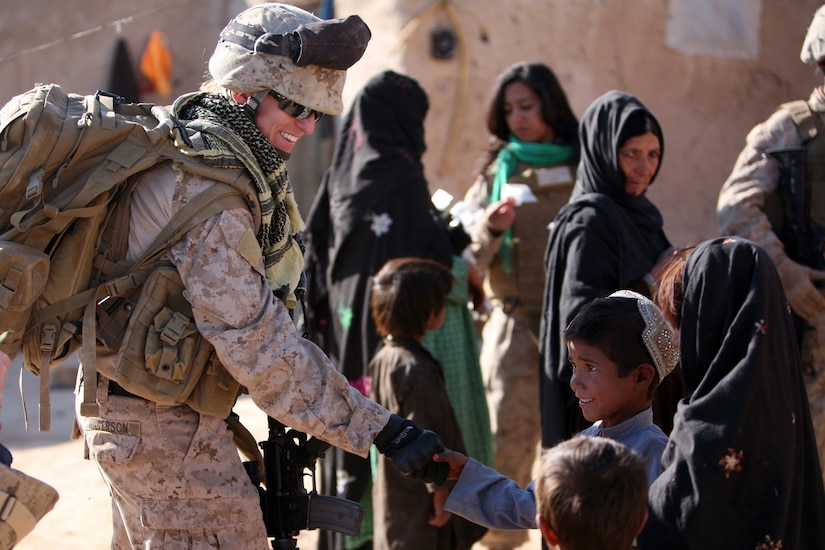
"The meaningful participation of women in conflict prevention and conflict resolution processes helps to promote more inclusive and democratic societies and is critical to the long-term stability of countries and regions," reads the "Women, Peace, and Security Act of 2017," or WPS, which was signed into law on Oct. 6 of that year.
Lawmakers and the president even agreed U.S. policy should not just identify women as being critical to conflict resolution and the preservation of peace, but should also promote their participation.
"It shall be the policy of the United States to promote the meaningful participation of women in all aspects of overseas conflict prevention, management, and resolution, and post-conflict relief and recovery efforts, reinforced through diplomatic efforts and programs," the law continues.
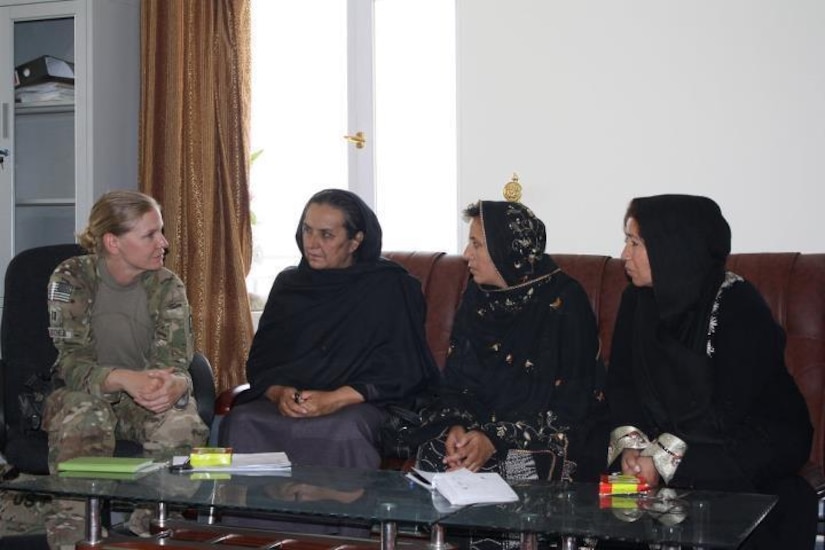
The law specifically directs the Defense Department to ensure, among other things, training for personnel in conflict prevention, peace processes, mitigation, resolution and security initiatives that address the importance of participation by women, as well as strategies and best practices for ensuring meaningful participation by women.
Stephanie Hammond, the acting deputy assistant secretary for stability and humanitarian affairs, said the department is thoroughly onboard with the intent of the law and is on track with implementing its requirements.
"DOD very forcefully supports the whole-of-government implementation of the WPS Act and strategy," Hammond said during a virtual presentation today at the Heritage Foundation in Washington. "The United States faces an increasingly complex global security environment ... the United States and our partners must be better prepared to meet these security challenges, which means we cannot afford to overlook half the population."
In June, she said, the department launched DOD's strategic framework and plan for implementing the Women, Peace, and Security Act.
"In recognition of the relationship between our own ability to implement the intent of the WPS mandate abroad and how we organize, train and equip our own forces, our plan acknowledged the need for the department to model and employ the WPS principles it advises other partner nations to uphold," she said.
In implementing the plan, she said, the department has a network of WPS advisors and subject matter experts who advise and train senior leaders, commanders and staff on how to integrate WPS principles into policies, plans, operations and partner-nation engagements.
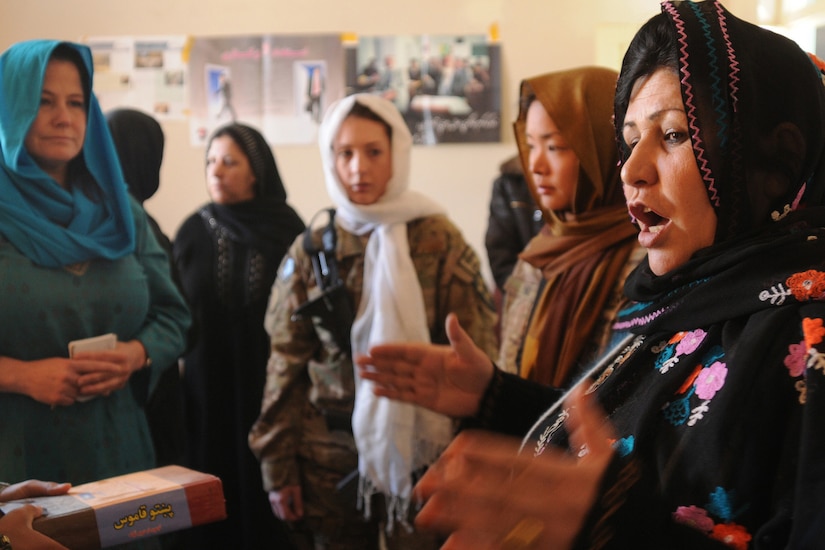
"To date, we have engaged with more than 50 partner nations to demonstrate the value of women's meaningful participation to national security and to share best practices on the recruitment, employment, development, retention and promotion of women in military forces," she said.
The department has also developed a number of formal training programs as part of its WPS implementation efforts, Hammond said. These training programs are aimed at WPS advisors, but development is also underway on training for senior defense leaders and augmenting existing training programs — such as the defensewide training on combating human trafficking — with relevant WPS material.
Hammond also said the department is working with the Defense Security Cooperation University to put WPS material into that school's curriculum.
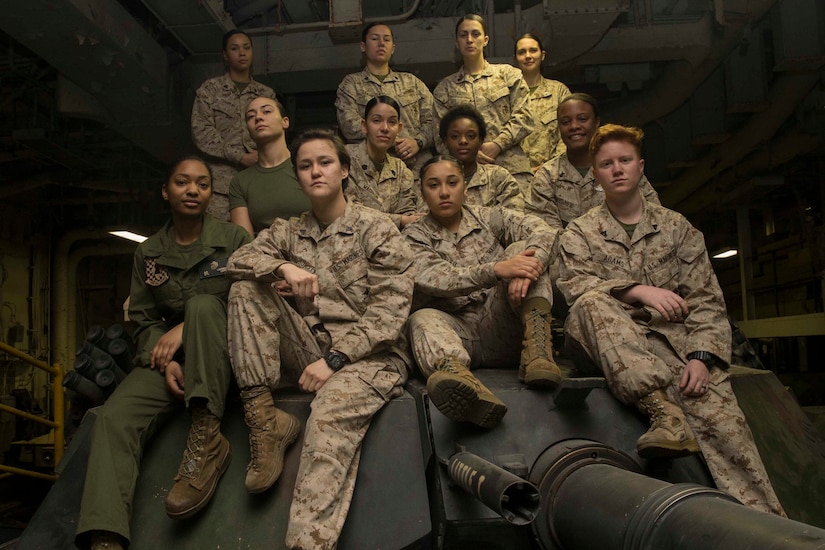
Plans for the future, she said, involve more closely integrating WPS concepts not just into department policies, plans, doctrine, training and education, but also into the department's security cooperation, guidance, training and activities with partner nations.
"We've made a tremendous amount of progress on WPS implementation in these past few years, and the department has an opportunity and the momentum and capacity right now to carry this work much further," Hammond said.
Oct. 6, 2020 | , Alaska National Guard
From early June, to mid-August, Air Force Capt. Roger Tran and Army Capt. Jamie Bowden, Alaska National Guardsmen assigned to the 103rd Civil Support Team, augmented the Alaska State Public Health laboratory by processing COVID-19 samples for testing.
Over the course of approximately 21 days of testing, totaling more than 148-man hours, the two officers tested 11,426 samples.
"I feel honored, for our unit to have been considered for this important task," said Bowden, who specializes in medical operations for the 103rd CST. "This mission is right in our wheelhouse, and I'm grateful for the opportunity to work alongside, and in support of the community."
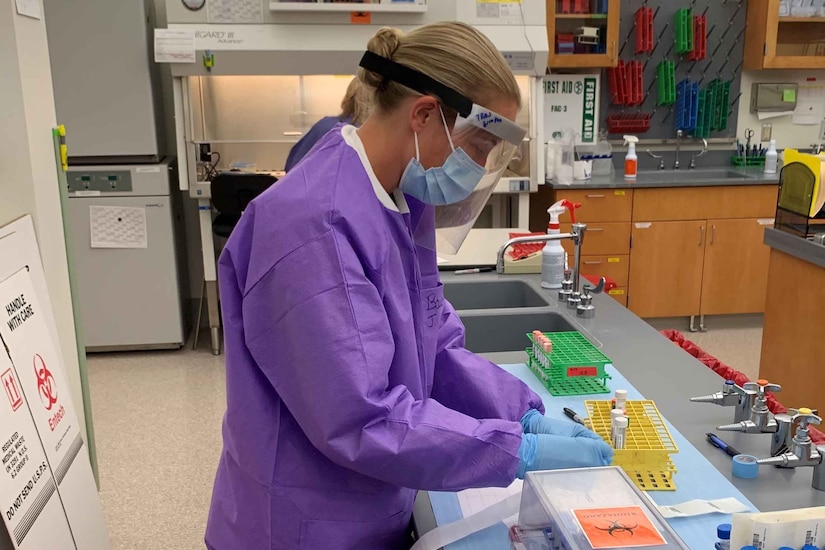
According to the Centers for Disease Control and Prevention, lab testing is a specialized skill. To be done effectively, it requires people with the extensive training and supervision, along with requisite knowledge and skills pertinent to the lab environment.
Guardsmen in CST units have a specialized capability of responding to a chemical, biological, radiological or nuclear incident. Bowden and Tran come with a wealth of expertise they've acquired throughout their careers. Both service members have completed the Army's Analytical Lab Course, which re-enforces specific skill sets and techniques they've employed in the testing effort, like polymerase chain reactions.
Tran and Bowden were both recognized by the Rasmuson Foundation as "unsung heroes" for their work during the pandemic.
Air Force Maj. Gen. Torrence Saxe, the commissioner and adjutant general of the Alaska National Guard, gave high praise to both service members for their dedication to excellence.
"While we are proud of the whole team at Military and Veterans Affairs, these two individuals stand out for selfless service, innovative approaches and going above and beyond," Saxe said.
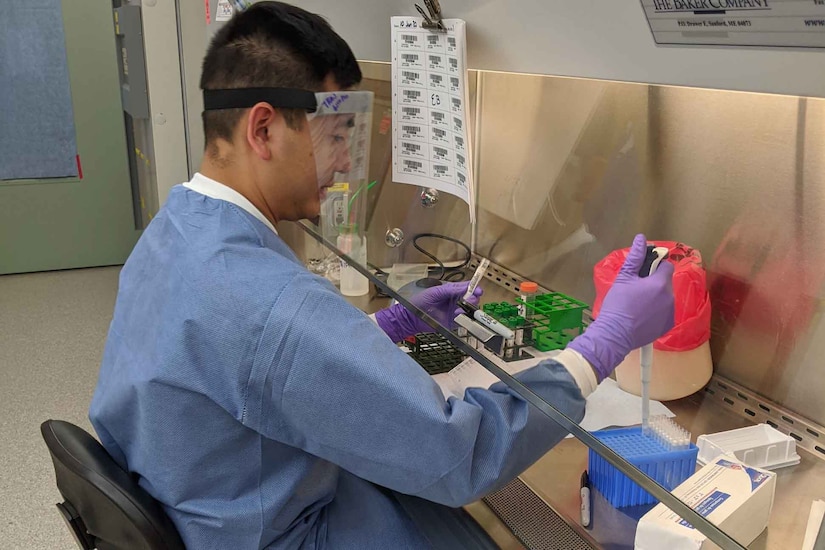
In addition to supporting the Analytical Laboratory System operator request by the state that was coordinated through the State Emergency Operation Center, Bowden and Tran recently participated in their unit's Terminal Proficiency Evaluation, which served as a validation for the unit on August 4, 2020.
This type of validation is done once every 18 to 24 months. The training, evaluated by an outside civil support team, replicated a scenario where an unknown biological hazard was present, with a request for assistance from the FBI.
"Our team executed this validation with speed and precision," said Tran, who works as the nuclear medical science officer for the 103rd CST. "It's a testament to the collective attitude and work ethic of our unit as a whole."
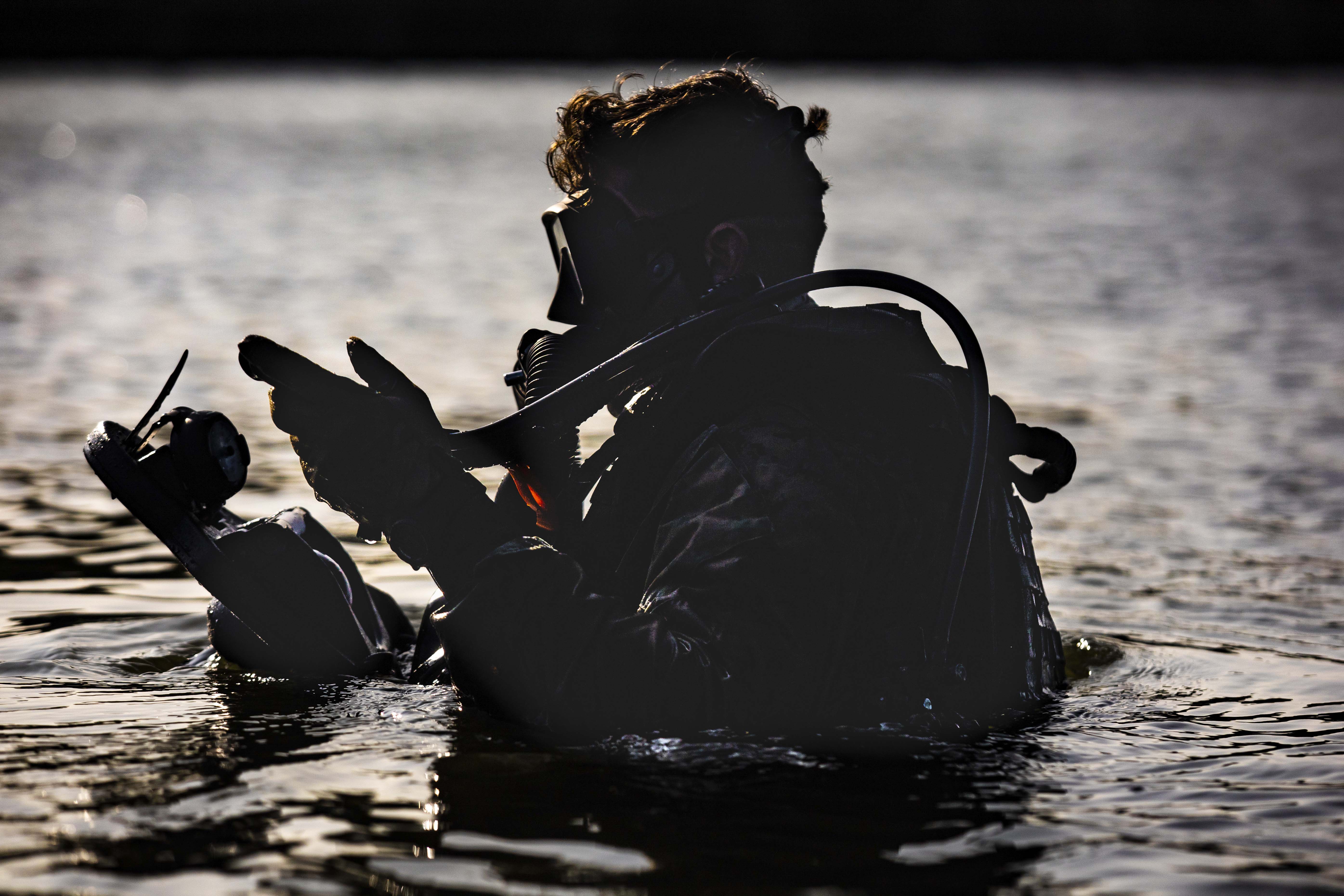
A Marine participates in dive sustainment training at Camp Lejeune, N.C., Sept. 22, 2020.

The USS John S. McCain sails away after a replenishment with the USNS Charles Drew in the East China Sea, Oct. 6, 2020.

Marines assigned to the Marine Corps Silent Drill Platoon perform at Marine Corps Base Quantico, Va., Oct. 2, 2020.
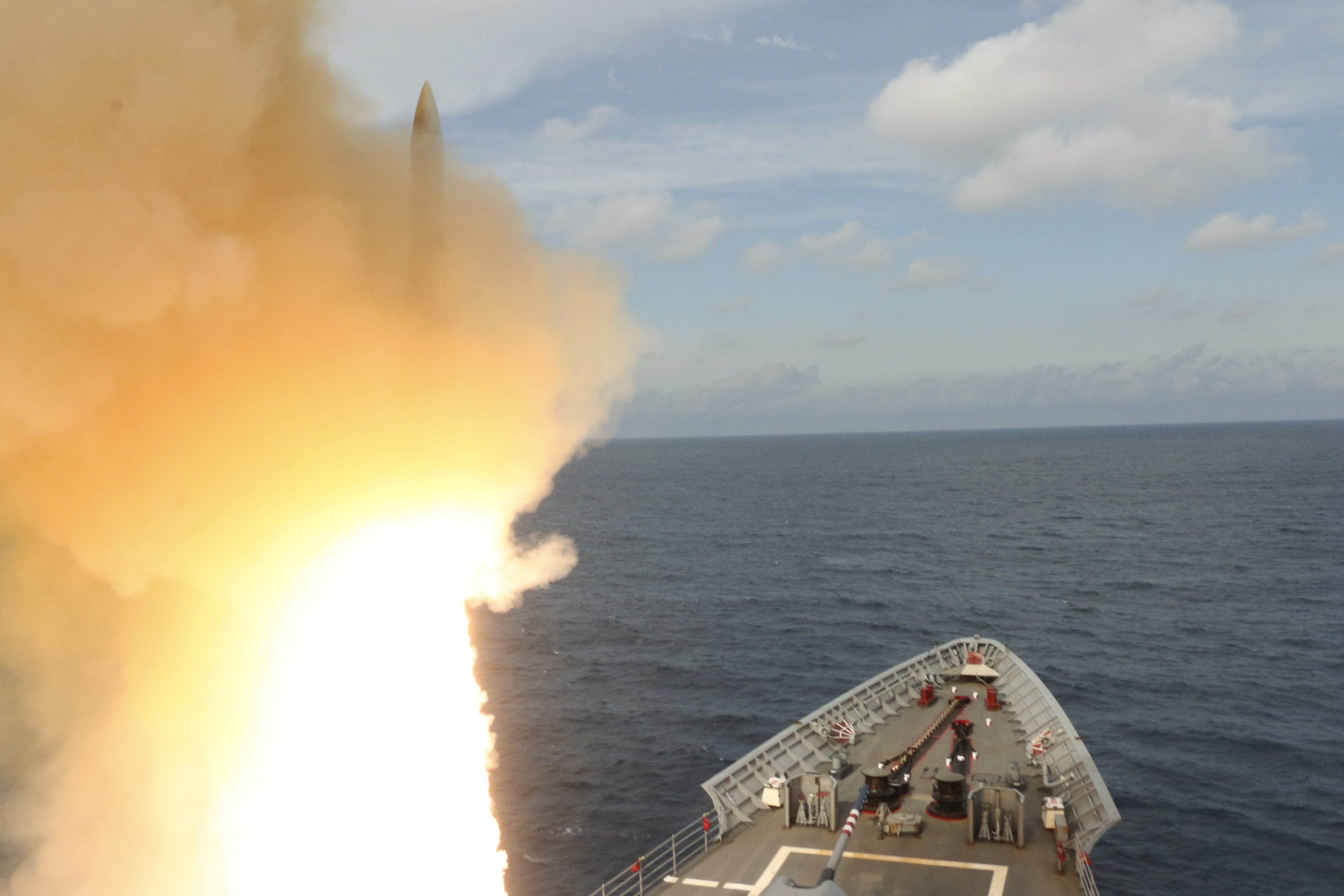
A missile launches from the flight deck of the guided-missile cruiser USS Monterey during a live-fire exercise in the Atlantic Ocean, Feb. 7, 2020.
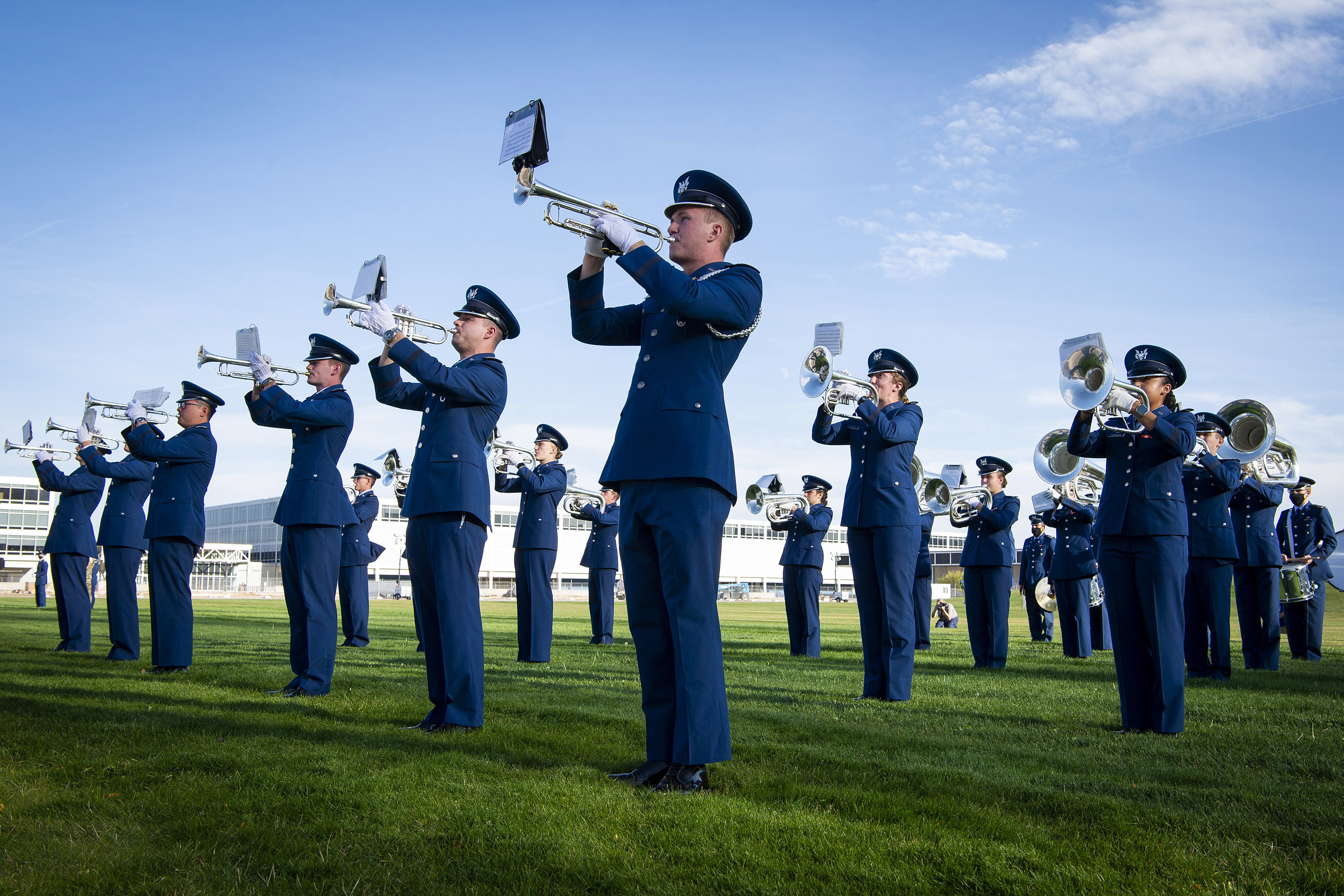
The Air Force Academy band recognizes graduates, cadets and officers who have passed away in the last year during a ceremony on the Air Force Academy campus in Colorado Springs, Colo., Sept. 25, 2020.
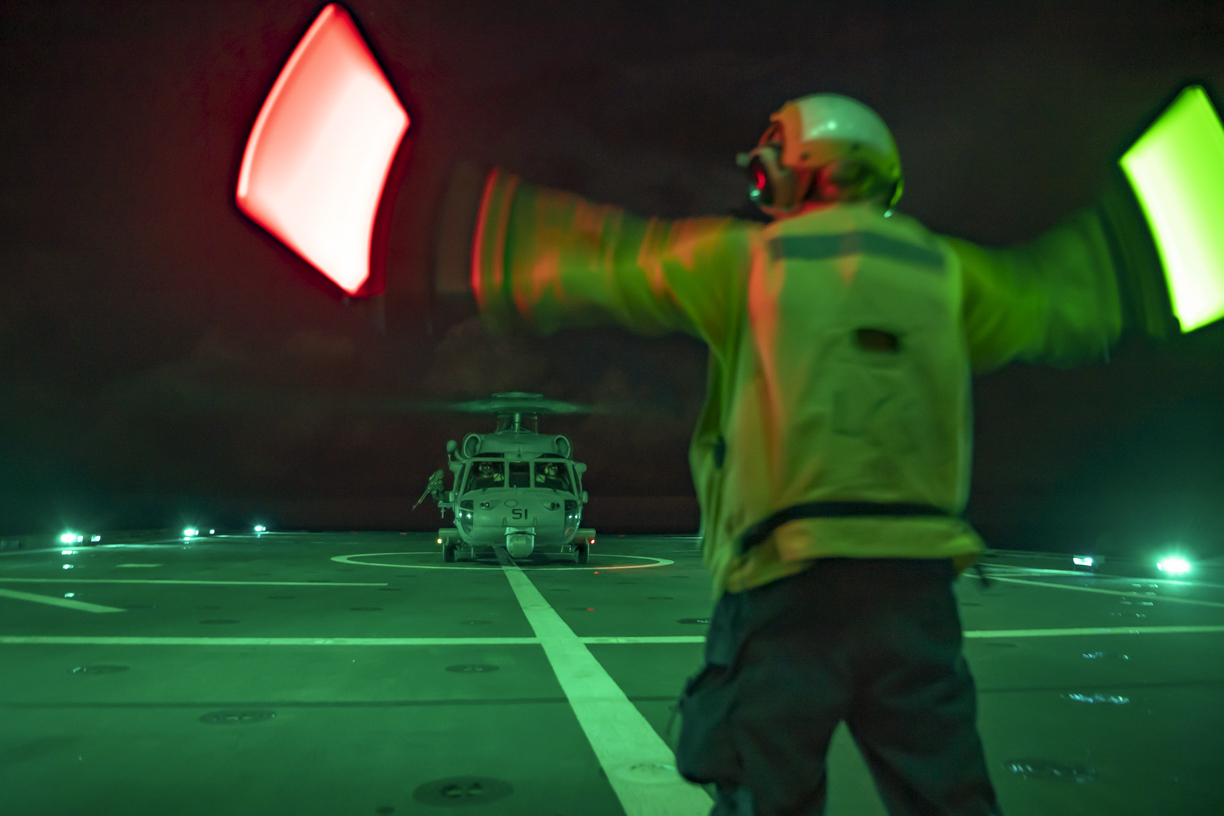
Navy Petty Officer 3rd Officer Elizabeth Homer signals an MH-60S Seahawk helicopter on the flight deck of the USS Gabrielle Giffords in the Pacific Ocean, Oct. 1, 2020.
Oct. 6, 2020
The Department of Defense and the Georgian Ministry of Defense conducted Bilateral Defense Consultations by video teleconference today. The consultations were chaired by Deputy Assistant Secretary of Defense Laura Cooper and the Georgian First Deputy Minister of Defense Lela Chikovani.
The purpose of the consultations was to discuss bilateral security cooperation priorities, share information on progress toward realizing shared security goals, and strengthen the U.S.-Georgia strategic partnership.
The U.S. and Georgian delegations discussed building on the strong foundation of the Georgia Defense Readiness Program in establishing new security cooperation goals for the future. Other topics of conversation included Afghanistan and the Resolute Support Mission, as well as Georgian Ministry of Defense reform and modernization efforts.
Both sides reaffirmed their commitment to the strategic partnership and Georgia and acknowledged the importance of building upon the success of this partnership as it continues to evolve.
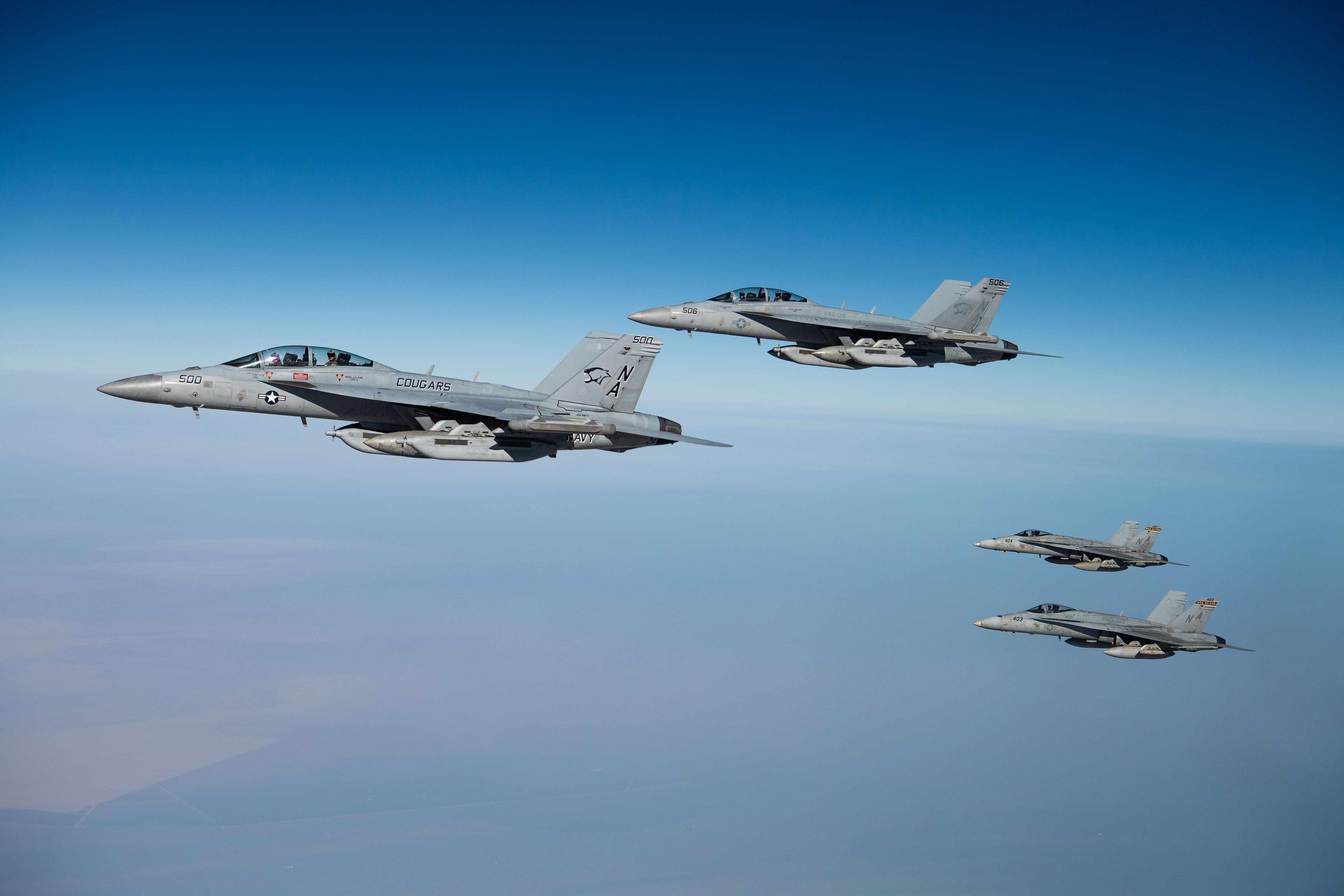
Navy E/A-18G Growler and Marine Corps F/A-18C Hornet aircraft fly in formation while supporting Operation Inherent Resolve over the U.S. Central Command area of responsibility, Sept. 25, 2020.

A Navy MH-60S Seahawk practices terrain flight tactical landings during Helicopter Advanced Readiness Program training at Naval Air Facility El Centro, Calif., Oct. 1, 2020. The training is designed to enhance combat readiness through realistic warfighting training in an austere environment.
Woody Campbell played for the Houston Oilers as a running back in the American Football League and was an AFL All-Star in 1967. He also played in the National Football League from 1967 to 1969 and 1970 to 1971. The Oilers are now the Tennessee Titans.
Campbell was one of only a handful of NFL players who, at the time, served in the military.
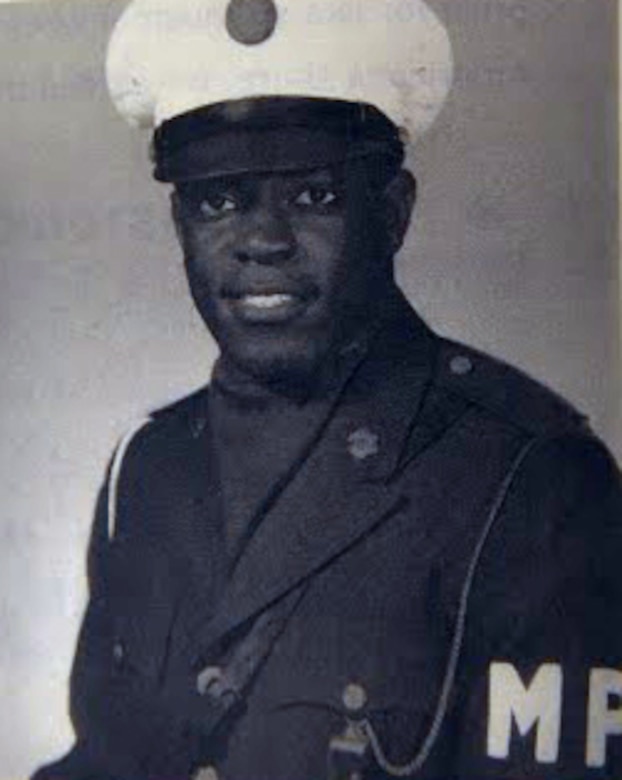
In 1969, Campbell deployed to South Vietnam and was a military policeman with the 1st Infantry Division.
His duties included patrolling Highway 13, which stretched from what was then Saigon, the South Vietnamese capital, north to Cambodia. His mode of travel was a quarter-ton M151 jeep.
The primary section of road he patrolled was located in Binh Duong province, nicknamed the Iron Triangle because it was under near constant attack due to its proximity to the capital.

Campbell said he recalled seeing the effects of a mine explosion on a 5-ton truck and its occupants. In his 2018 book, ''IOU: A Candid Look at the Plight of American Veterans,'' he writes that after seeing the wreckage of the large truck, ''I knew there was little chance of surviving in a small jeep as we moved along the road.''
On another occasion, Campbell said three MPs from his company were ambushed and killed in their jeep on Highway 13.
Besides patrolling Highway 13, Campbell was tasked with sometimes visiting the mobile army surgical hospital, or MASH unit, at Lai Khe Base Camp. His responsibility there was to provide the names of accident victims or those killed by the enemy. He wrote in his book that while there he ''witnessed the mangled and destroyed bodies of our soldiers and enemy soldiers as they lay dying or near death from encounters in the battlefield.''

Upon returning to California to out-process from the Army in 1970, Campbell said he and others did not receive a hero's welcome. Most, he said, decided to shed their uniforms for civilian clothes during and before the out-processing.
''The reason we did that was to avoid large crowds who were waiting [to] spit on returning Vietnam veterans,'' he said. ''Fresh out of combat and still in that mindset, many of us who were familiar with what was awaiting us chose to wear civilian clothing, not out of fear but to keep from harming those doing the spitting.''
Campbell said he looked forward to getting his life back to normal and resuming his football career.
Then, about five years after his return to the states, Campbell said the nightmares and sleep disorder began. That's when he said he knew he had post-traumatic stress disorder.

It wasn't a single incident that sparked it, he said, rather it was an accumulation of all of his experiences in Vietnam. He also began getting illnesses due, he thought, to Agent Orange, a toxic chemical used in Vietnam to destroy vegetation.
Campbell sought help and counseling in what then was then called the Veterans Administration. He said it was a long and painful experience for him and others, and he said he's still on the journey.
After his football career, Campbell became the first Black sportscaster in Houston, Texas. He also enjoyed a successful career as a mid-level manager in companies that included Control Data, Digital, Compaq, IBM, as well as the University of Texas M.D. Anderson Cancer Center.
He's also a motivational speaker and aspires to help others as they seek to grow, he wrote in his 2008 book, ''Fade to Black.''
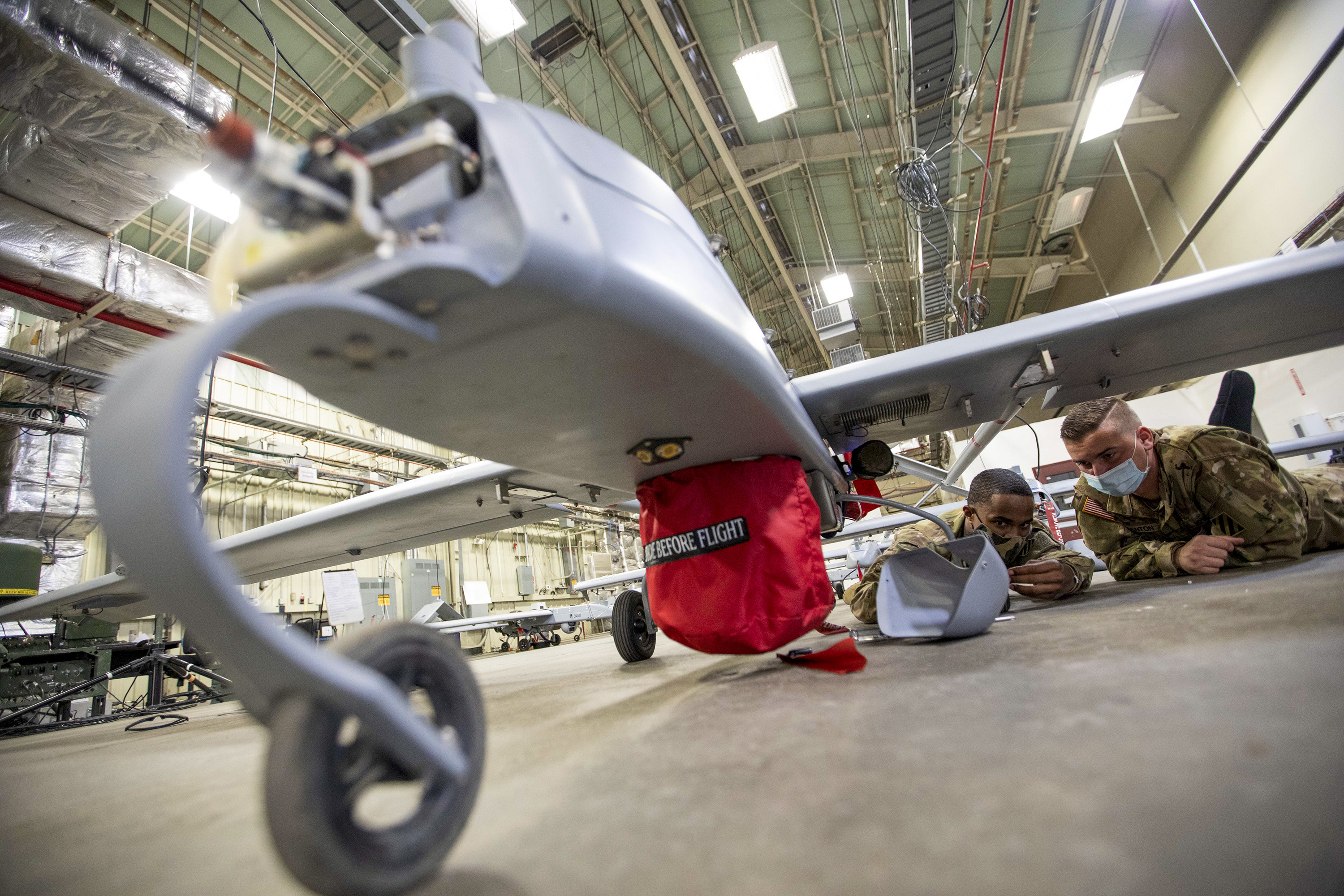
Army Spc. Kemonte Williams and Pfc. Daniel Stanton perform maintenance on an RQ-7Bv2 Shadow unmanned aircraft system at Evans Army Airfield, Ga., Sept. 22, 2020.
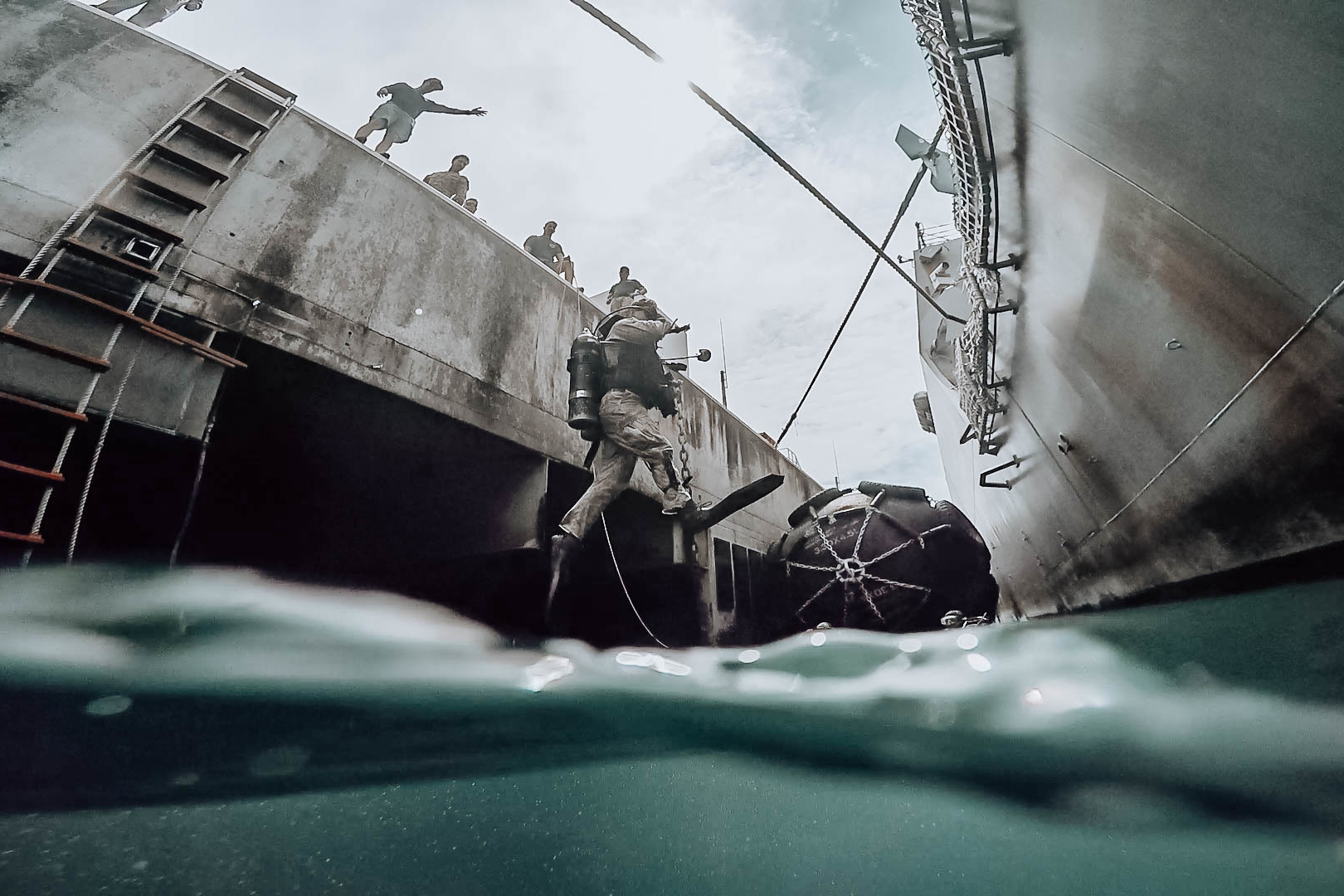
A sailor jumps off a pier during an inspection dive at White Beach, Okinawa, Japan, Sept. 28, 2020. Navy and Marine Corps divers worked to ensure the propellers of the USS Halsey were fully operational.

An airman assigned to the 19th Airlift Wing reunites with his daughters at Little Rock Air Force Base, Ark., Sept. 24, 2020, upon returning from a four-month deployment.
Oct. 5, 2020 | , DOD News
Esper visited Malta, Tunisia, Algeria and Morocco. He was the first defense secretary since Melvin Laird in 1971 to visit Malta, the first in Tunisia since Leon Panetta in 2012, and the first in Algeria since Donald Rumsfeld in 2005.
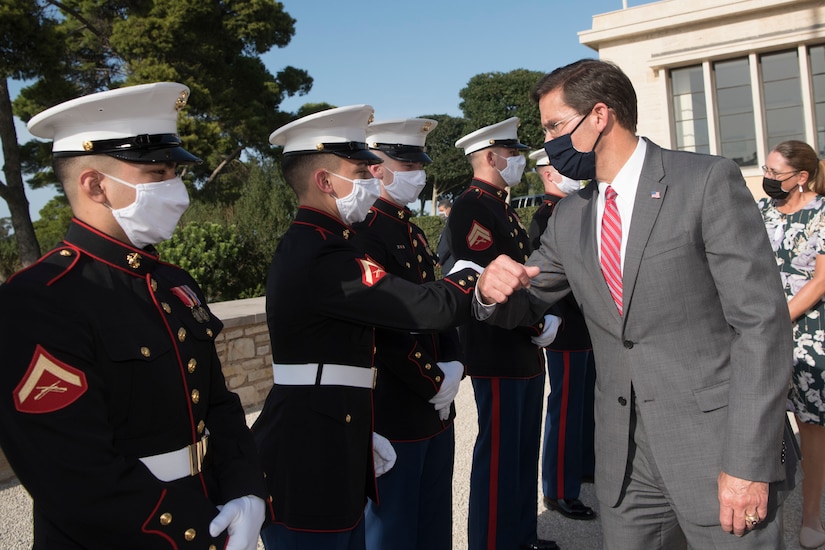
In Tunisia and Morocco, the secretary signed "roadmap" documents with leaders to chart bilateral cooperation between the militaries. Morocco, the first nation to recognize the nascent United States in 1777, has a long history of cooperation with America. Tunisia, the site of vicious fighting between Allied and Axis forces during World War II, would like to work closely with the United States to confront the problems that surround them.
Leaders in Algeria discussed ways the United States and Tunisia could work together more effectively to address the problems of the region.
And there are problems.
"Today, our strategic competitors China and Russia continue to intimidate and coerce their neighbors while expanding their authoritarian influence worldwide, including on this continent," Esper said during a speech in Tunisia. "At the same time, violent extremists continue to pose a threat not only to regional stability but also to our homeland. The United States' enduring partnership with like-minded countries — including here in North Africa — is key to addressing these challenges."
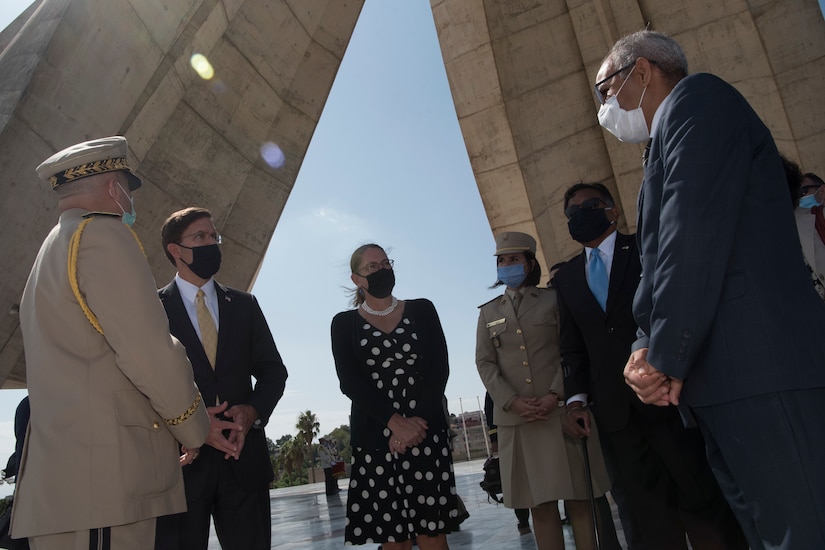
While violence in Libya has abated, there is still a civil conflict going on. The Islamic State of Iraq and Syria looked to the disrupted state to plant cells and the areas around Sirte and Derna have some remnants of the group. The fear in the region is that ISIS could reconstitute if there isn't a political settlement in the nation.
Russia is looking to establish bases in Libya, and President Vladimir Putin has dispatched Russian units to the country.
Libya shares borders with Egypt, Tunisia, Algeria, Niger, Chad and Sudan, and they are porous. Ungoverned or "under governed" areas anywhere attract violent extremist groups and Libya could be a dangerous training area, staging ground and sanctuary.
The migrant crisis is also straining resources in these frontline states. Many of the migrants are fleeing violence in their lands, and many more are fleeing economic conditions. Hundreds of thousands of migrants have fled their lands and headed north hoping to get asylum somewhere safe.
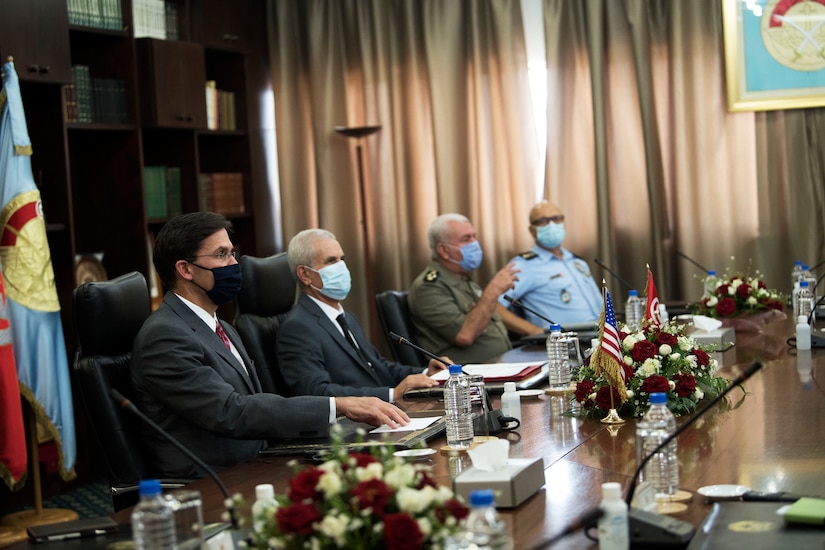
Other groups — like Boko Haram in West Africa and al Shabaab in Somalia — try to hide among the refugees to spread their pernicious philosophies and cause violence in new lands.
The United States wants to work with nations on the continent to create the stability that allows true security to emerge. Tunisia and Morocco are committed to the rules-based international order, human rights and the rule of law. The nations want to bring the type of security that allows economic progress.
The DOD is just a part of the overall whole-of-government approach to these problems. But security makes possible the economic growth that ensures new jobs, new technologies and new opportunities for all.
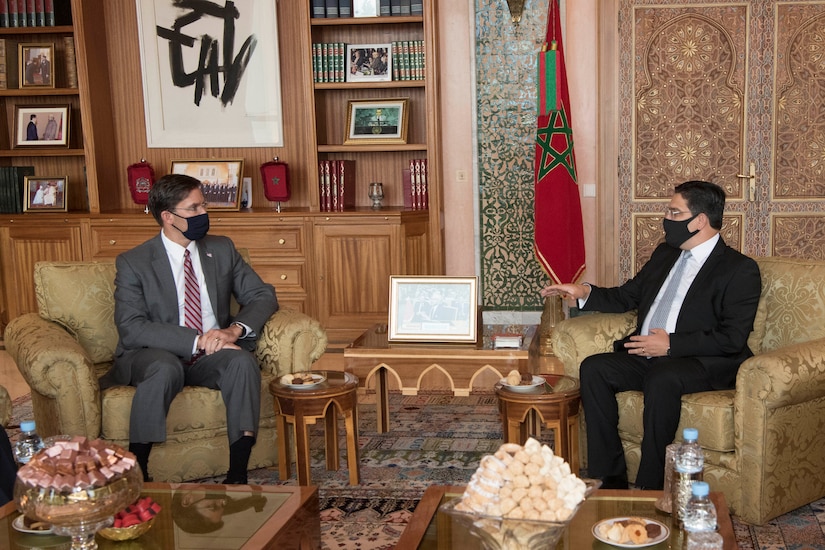
Both Morocco and Tunisia signed 10-year roadmaps with Esper. The agreements look for better ways for the nations to work together to fill capability gaps and to improve interoperability with U.S. forces.
U.S. Africa Command will play a large part in this effort. U.S. forces, for example, participate in Exercise African Lion, held yearly and hosted by Morocco. The exercise brings together nations from across the region to work together and learn from each other.
This is important because the problems in the region are multinational in nature. The migrant problem comes from more than just one country. Terrorist groups do not recognize national boundaries. Intelligence must be shared among governments to do any good.
The Esper visit was one of more than 500 visits by U.S. defense personnel to the African continent in the last year, DOD officials said. All of these visits are steps along the path to greater stability and, ultimately, to peace.
Oct. 5, 2020 |
Airmen and soldiers from the Connecticut National Guard helped both the Connecticut State Department of Education and the Division of Emergency Management and Homeland Security distribute masks to school districts throughout the state as many students and teachers transition back to in-person or hybrid learning.
Connecticut Guardsmen helped distribute approximately 100,000 masks to local school districts at the West Hartford Department of Public Works garage, which has served as a personal protective equipment distribution site for the state throughout the COVID-19 pandemic.

A total of 600,000 adult-sized masks for grades 7-12 were distributed between the five DEMHS regions from Sept. 28 through Oct. 2. This was the first of two major mask shipments the state is receiving from the Federal Emergency Management Agency; the second shipment will contain child-sized masks.
The guardsmen expressed gratitude in supporting this mission
"I have three kids that are in school now," said Air Force Senior Airman Corey Brennan, 103rd Logistics Readiness Squadron air transportation specialist. "Knowing that they'll be able to learn in a safe environment is important for me as a parent, and helping the state provide that safe environment for students and teachers is very rewarding to me and all the members helping this operation."
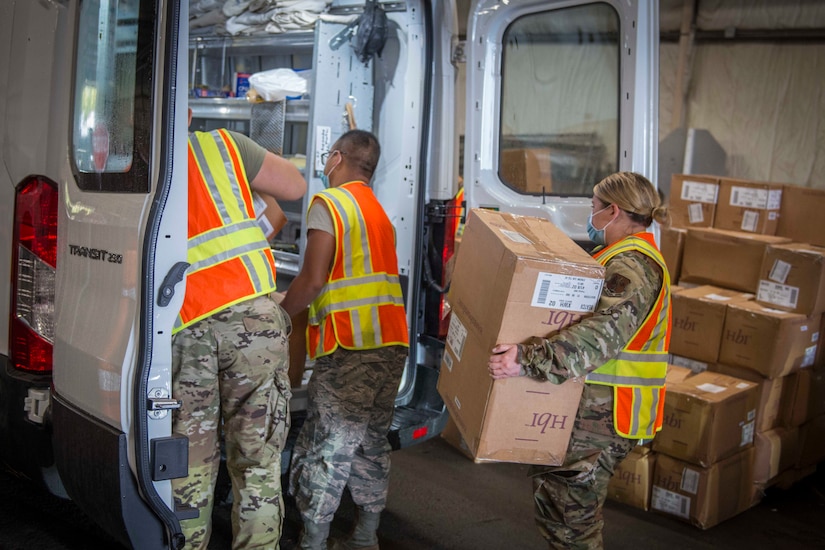
Many of the guardsmen supporting the distribution have been constantly engaged in domestic operations responses for over six months. They have helped distribute PPE to nursing homes and played a key role in delivering bottled water to towns without power following Tropical Storm Isaias.
"Going around the state and meeting people from different areas and different departments like Public Health and Emergency Management has been really fulfilling," Brennan said. "There's a sense of teamwork between us and the community; everyone is trying to come together to do the best we can in whatever we're tasked with."
(Air Force Staff Sgt. Steven Tucker is assigned to the 103rd Airlift Wing)
Oct. 5, 2020
"Being here has shown me the best in humanity, and I am proud to have been a part of this task force," said Army Spc. Okan Pekgil, sharing his experience serving with an urban augmentation medical task force.
A combat medic, Pekgil was part of a team of 85 doctors, nurses, combat medics, respiratory therapists and ancillary personnel mobilized to South Texas. The unit was part of the Defense Department support of the Federal Emergency Management Agency's whole-of-America response to the COVID-19 pandemic.
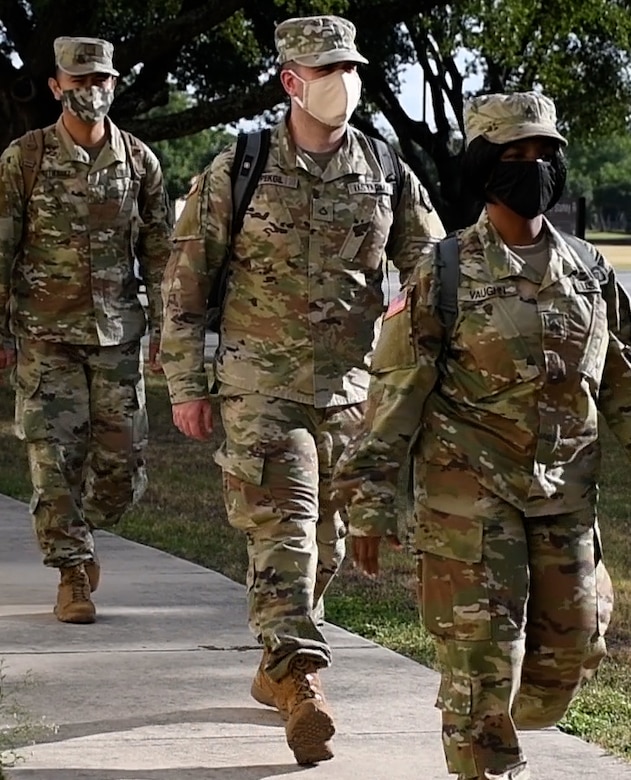
Assigned to assist DHR Health in Edinburg, Texas, the team spent several weeks expanding the capacity of care at the Rio Grande Valley facility.
"This was my first time working in a COVID-19 environment, and the first shift had me on edge," Pekgil said. "But after the first shift, everything sort of fell into place. I realized I was meant to be here and overcame any worry I had about being in the thick of things."
Born and raised in San Francisco, this was Pekgil's first mobilization.
"Working with such ill people was emotionally challenging, but I took solace in the fact that we were helping them heal and providing comfort," Pekgil said. "They knew they were not alone in their time of need."
He enlisted in 2019 at the age of 31.
"I joined the Army to be a part of something bigger than myself," Pekgil continued. "I feel I joined at the right time in my life, and it has been one of the best decisions I have ever made."
Pekgil is a biology major at San Francisco State University when not serving in America's Army Reserve.
"I chose the reserve in order to finish my undergraduate degree and attend graduate school while I care for my mother," he explained. "Being a medic is a wonderful way to care for and protect people I work with and fellow citizens."
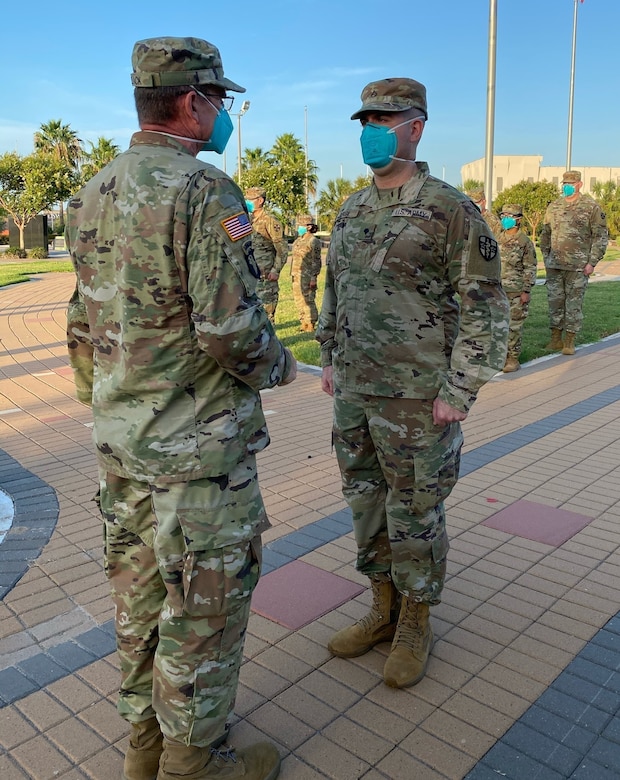
Promoted to the rank of specialist on the mobilization, Pekgil explained that his family is very supportive of his service.
"I am the son of Turkish immigrants, and besides my mother, the rest of my family is in Turkey," he said, sharing that his father is now deceased. "They are all very proud of me and feel that I have made a great choice by joining the U.S. Army."
As he returns from Texas, Pekgil shares a final thought as he prepares to catch up on his studies in order to make his December graduation.
"It was the honor of a lifetime to work alongside such brave and hard-working people. I have learned so much about medicine and appreciate how much I have grown since joining. I am looking forward to the road ahead," he said.
(Army Courtesy Story from Army Reserve Medical Command)

Navy Petty Officer 3rd Class Andrew Cuellar inspects a buoy in the Tinian Harbor in the Northern Mariana Islands, Oct. 1, 2020. Cuellar is assigned to Underwater Construction Team 2, which is conducting inspections as part of a maritime infrastructure assessment of the harbor and surrounding waterfront facilities.
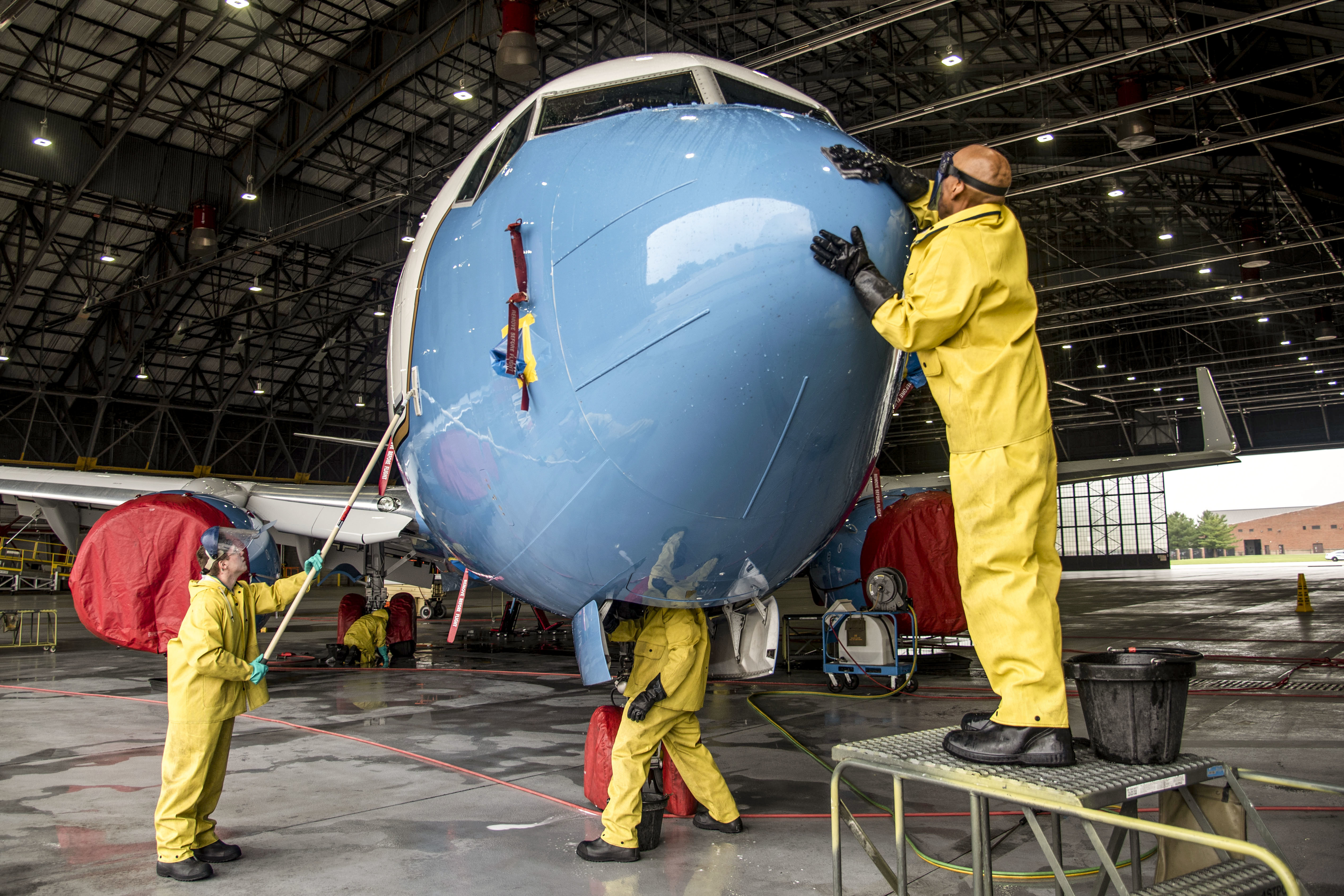
Airmen wash a C-40C at Scott Air Force Base, Illinois, Sept. 9, 2020, to meet mission readiness requirements.

Sailors prepare to recover a rigid-hulled inflatable boat in the well deck of the USS Gabrielle Giffords in the Pacific Ocean, Sept. 21, 2020.

Air Force Capt. Charlene Sufficool sits in the cockpit of an A-10 Thunderbolt II at Davis-Monthan Air Force Base, Ariz., Sept. 17, 2020.
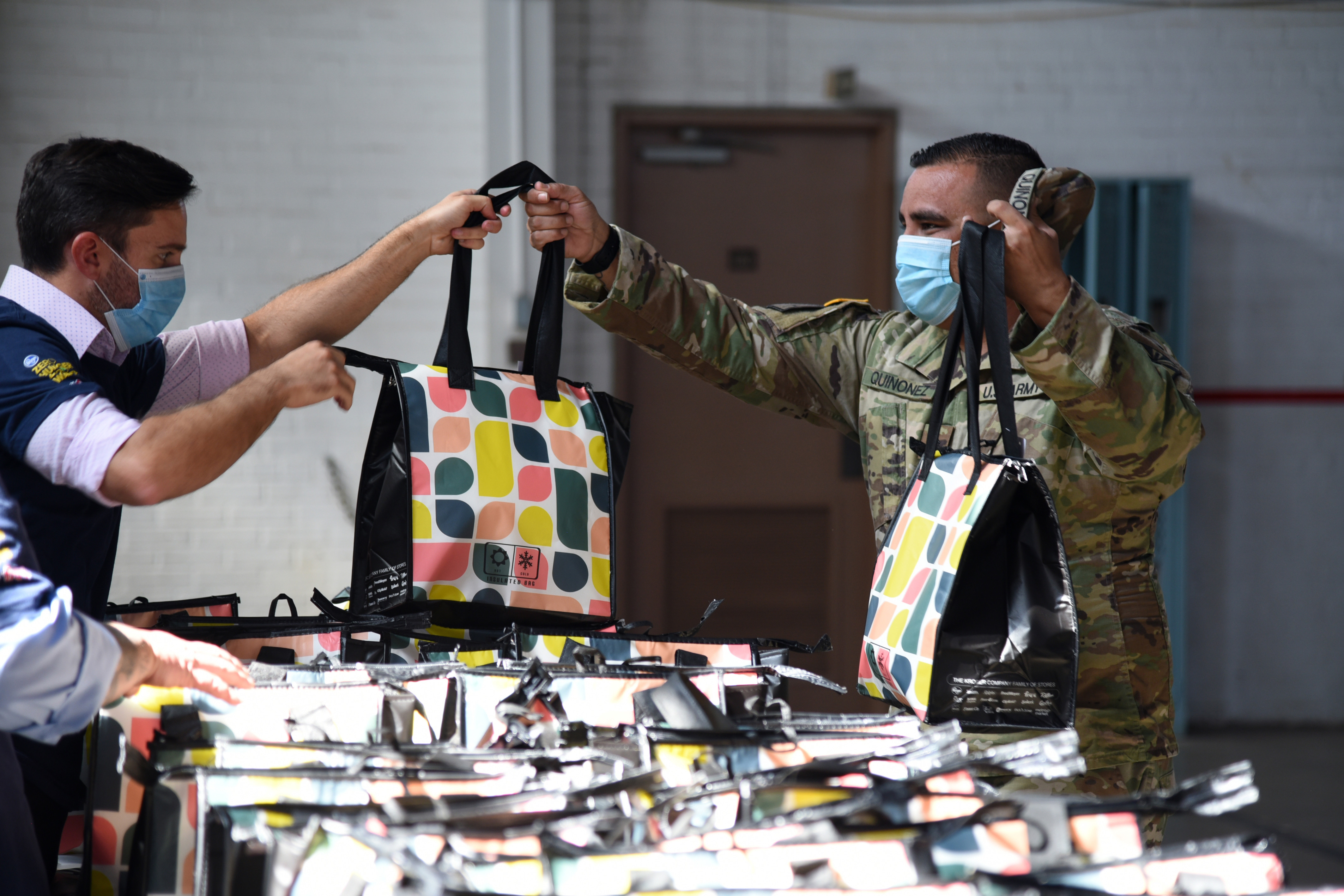
Staff members with the Arizona USO and a local grocery store provide lunch to soldiers and airmen at the Silverlake Armory in Tucson, Ariz., Oct. 2, 2020. The soldiers and airmen are supporting Arizona’s COVID-19 humanitarian response.

A Navy F/A-18E Super Hornet takes off from the flight deck of the USS Dwight D. Eisenhower in the Atlantic Ocean, Oct. 1, 2020. The aircraft carrier is supporting naval operations to maintain maritime stability and security to ensure access, deter aggression and defend U.S., allied and partner interests.
Proud, inspired and confident is how I would describe
myself after graduating Air Force Basic Training. I was an Airman who
could physically perform any task without hesitation or worry of passing
a Fitness Assessment (FA) test. In a COVID-19-ridden world gyms, parks
and gathering places have been closed for public safety reasons. This is
one reason why it is more difficult for Airmen to get back into
fighting shape. Across the nation many of us are finding alternative
resources, supporting each other, and creating new ways to overcome
staying physically fit while having mental fortitude in this pandemic.
On March 15th, the 452nd Force Support Squadron followed suggested
guidelines by taking proper precautions to close the March Fitness
Center. In doing so, we were left without a suitable replacement.
With my impending November FA date approaching, and no fitness center
open on base, I was worried that I would achieve base-line fitness
scores, which meant that I would need to test again within six months.
That was not my goal. I want to be in the top percentile of Airmen who
earn a 90% or better score and, as a result, are only required to test
once annually.
With my goal in mind, I calculated my Air Force PT scores at
http://www.airforcefitnesscalculator.com, a resource for each of us to
view what specific PT goals we need to reach.
Much to my relief, other Team March Airmen are going through similar
struggles. Through a social media platform we started a private, online
chat that, as Airmen who understand our PT challenges because of the gym
closure, help us share each other’s unique workouts we do to stay
deployment-ready. From yoga, to cycling, to weightlifting, and every
fitness trend in-between, we Airmen are doing it all. We motivate each
other even beyond the physical. We also exercise our mental health in
support of each other as needed.
Our group chat also revealed that some of our Reserve Citizen Airmen are
professional fitness trainers when not in military status. Two such
members are Senior Airman James Keshavarz, 752nd Medical Squadron, and
Tech. Sgt. Logan Frazier, 452nd Security Forces Squadron.
“Having a 24-hour sleep cycle [,or circadian rhythm,] is key to
maintaining resilience,” said Keshavarz. “Our serotonin and dopamine
levels are restored during sleep which helps manage stress therefore,
maintaining a sleep schedule, and exercising daily, will help regulate
our hormones and promote mental health.”
The PT run is still one of the most heavily weighed portions of the PT
test. Now is the opportune time to increase our cardio strength and
endurance because no equipment is required.
Sit-ups and push-ups can be performed almost anywhere. However, if
stepping outside to perform this portion of the test, be sure to take
the proper COVID-19 precautions.
It is recommended that we record and keep an active record of our
results for each area of the test so we can continue to track our
progress.
Outdoor weightlifting equipment may or may not be available at each
assigned location. Whatever our situation, readiness depends on our
discipline. It is our responsibility to adapt and stay mission ready. As
members of the Air Force, we must enhance our mental and physical
abilities to answer our nation’s call at a moment’s notice if needed.
“A healthy body is only possible with a healthy mindset, so mental
strength and endurance is equally important to train, as we would our
muscles in a gym,” said Frazier. “We can work on our mental wellness by
practicing mindfulness, setting goals for ourselves, reading, learning,
choosing to create and surround ourselves with a positive atmosphere and
peer group, and practicing balance between work and leisure.”
As the Air Force prepares to implement new norms due to COVID-19, Airmen
we must adapt as we have always done. From yoga, to weightlifting, to
cycling or running for our physical fitness needs, to getting the proper
sleep or stepping outside for a break from stress for our mental
health, we have the tools required to meet and even exceed our PT goals.
With my own PT test on the horizon, Airmen supporting one another
through social media is how I learned extensively more about fitness,
mentally and physically. I no longer rely on luck as I approach the
track, but instead a familiar feeling of confidence and pride knowing
that I am prepared to succeed.
Additional information for up-to-date fitness standards can be found on
our mobile app at http://m360mobile.com/452mobilitywing/andriod/ or
http://m360mobile.com/452mobilitywing/ios.
Editor’s notes:
The March Fitness Center has reopened for DoD employees, Active Duty,
Guard and Reserve Airmen to use with a reservation. Visit
https://marchfss.com/fun-recreation/fitness-sports/ to make a
reservation.
“**DISCLAIMER: One reservation per guest, per day** Reservations are for
one hour. This time includes your shower time. |Eligibility:| CAC Card
Holders, No Guests, No Dependents, No Retirees. |Required:| CAC Card,
Face Mask, Full Size Towel (Bath Towel) Clothing should cover the same
amount of area as the PT uniform does. (No Tank Tops, Shorts must be
mid-thigh or longer) *You are required to wipe down equipment before and
after use. You must wipe the entire unit, not just the top as sweat
droplets land anywhere.*”
Oct. 4, 2020
On October 3, 2020, Secretary of Defense Dr. Mark T. Esper met with Qatari Deputy Prime Minister and Minister of State for Defense Affairs Dr. Khalid bin Muhammad Al-Attiyah while in Qatar.
Secretary Esper expressed his gratitude for the Qatari Emir’s hospitality in hosting 8,000 U.S. service members and DoD civilians in Qatar. The two discussed the importance of the strong defense partnership and bolstering interoperability between the U.S. and Qatar.
They also recognized the solemn circumstances of Secretary Esper’s visit to the region, the unfortunate passing of His Highness Sheikh Sabah Al-Ahmad Al-Jaber Al-Sabah, the late Amir of the State of Kuwait. The Secretary acknowledged the important role the Sheikh played in promoting cooperation through the Gulf region.
Secretary Esper and Dr. Khalid expressed their interest in strengthening broader regional defense cooperation to ensure collective security and a unified response to threats.
Oct. 4, 2020
Secretary of Defense Dr. Mark T. Esper led the Presidential Delegation today in Kuwait City to meet with His Highness Amir Nawaf Al-Ahmad al-Sabah.
On behalf of President Trump and the United States of America, the Secretary offered condolences to HH Amir Nawaf on the passing of HH the late Amir Sheikh Sabah Al-Ahmad Al-JaberAl-Sabah, whose wise leadership we mourn today as we and the region work to build on his legacy for the future.
The Secretary reflected with HH Amir Nawaf on the powerful example set by HH the late Amir. Truly the Sheikh of diplomats, HH Amir Sheikh Sabah set Kuwait upon a prosperous path to sustained peace and safety in cooperation with the Gulf Cooperation Council, with whom he was a tireless mediator capable of bridging insurmountable divides in pursuit regional stability and security.
An extraordinary architect of Kuwait’s humanitarian contributions in the world, HH Amir Sheikh Sabah also personified the shared value that Kuwait and the United States place on our longstanding defense relationship.
The Secretary had an opportunity to discuss with the Minister of Foreign Affairs Sheikh Dr. Ahmed Nasser al-Mohammed Al-Sabah our security cooperation and commitment to the advancement and modernization of Kuwait’s forces, a priority of HH the late Amir Sabah.
The Secretary thanked HH the Amir and Minister Ahmed for their continued support of one of the largest U.S. military presences in the world.
The Secretary expressed his thanks to HH Amir Nawaf, Minister Ahmed, and the Royal Family for their generous hospitality during this difficult time. The United States will continue to keep our friend and partner Kuwait in our thoughts during this period of mourning.


 Posts
All Comments
Posts
All Comments
Posts
All Comments
Posts
All Comments