A Navy MH-60S Seahawk helicopter prepares to transport stores from the USNS John Ericsson to the USS Germantown during a replenishment in the Philippine Sea, Sept. 24, 2020.
A Navy MH-60S Seahawk helicopter prepares to transport stores from the USNS John Ericsson to the USS Germantown during a replenishment in the Philippine Sea, Sept. 24, 2020.

A dock worker cleans the anchor chain of the USS Mount Whitney as the command and control ship undergoes a regularly scheduled overhaul at the San Giorgio Del Porto shipyard in Genoa, Italy, Sept. 24, 2020.
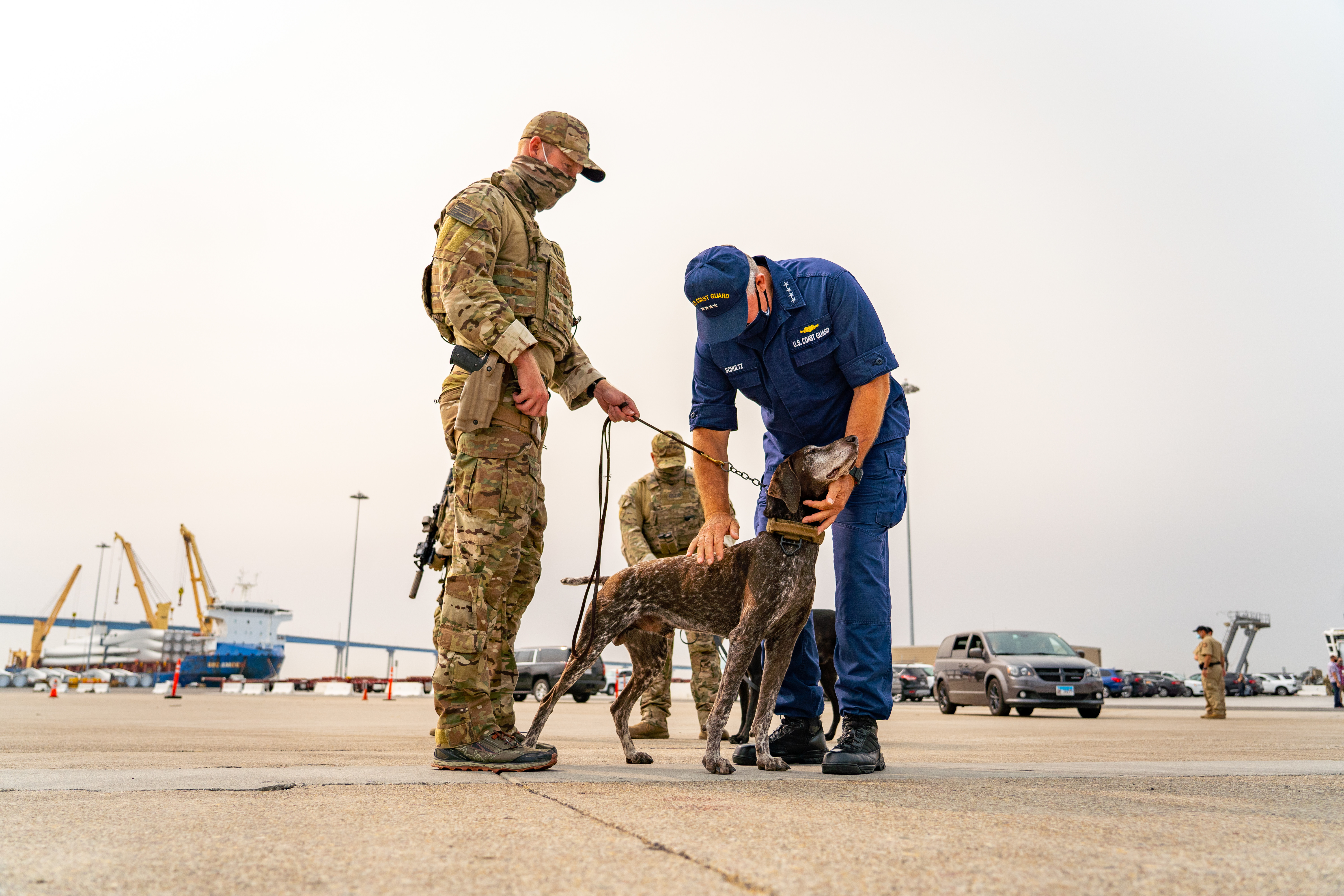
Coast Guard Adm. Karl Schultz, the commandant of the Coast Guard, pets Bingo, a German shorthaired pointer, in San Diego, Sept. 10, 2020.
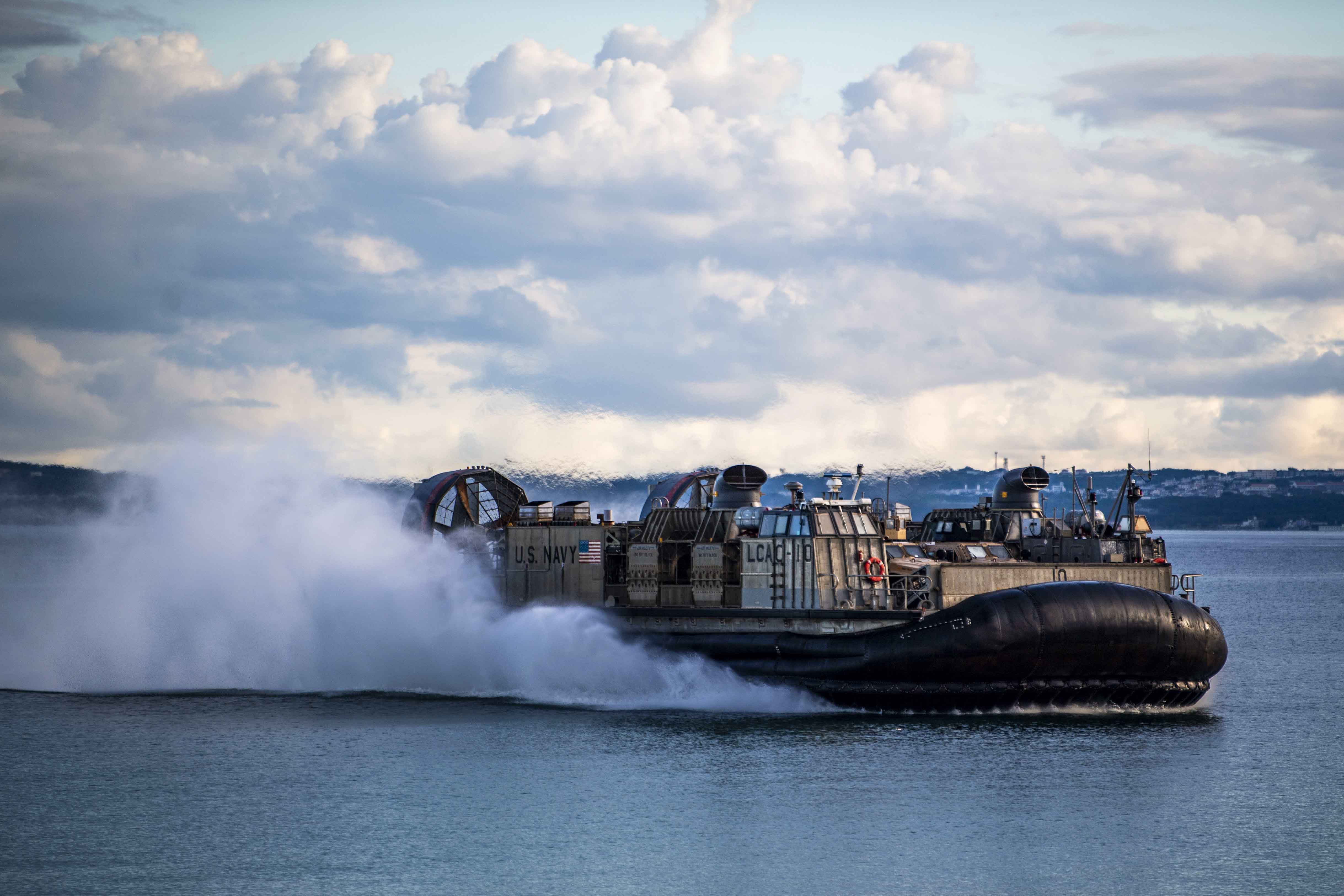
An air-cushioned landing craft attached to the USS Germantown conducts amphibious operations off Blue Beach in Okinawa, Japan, Sept. 19, 2020.
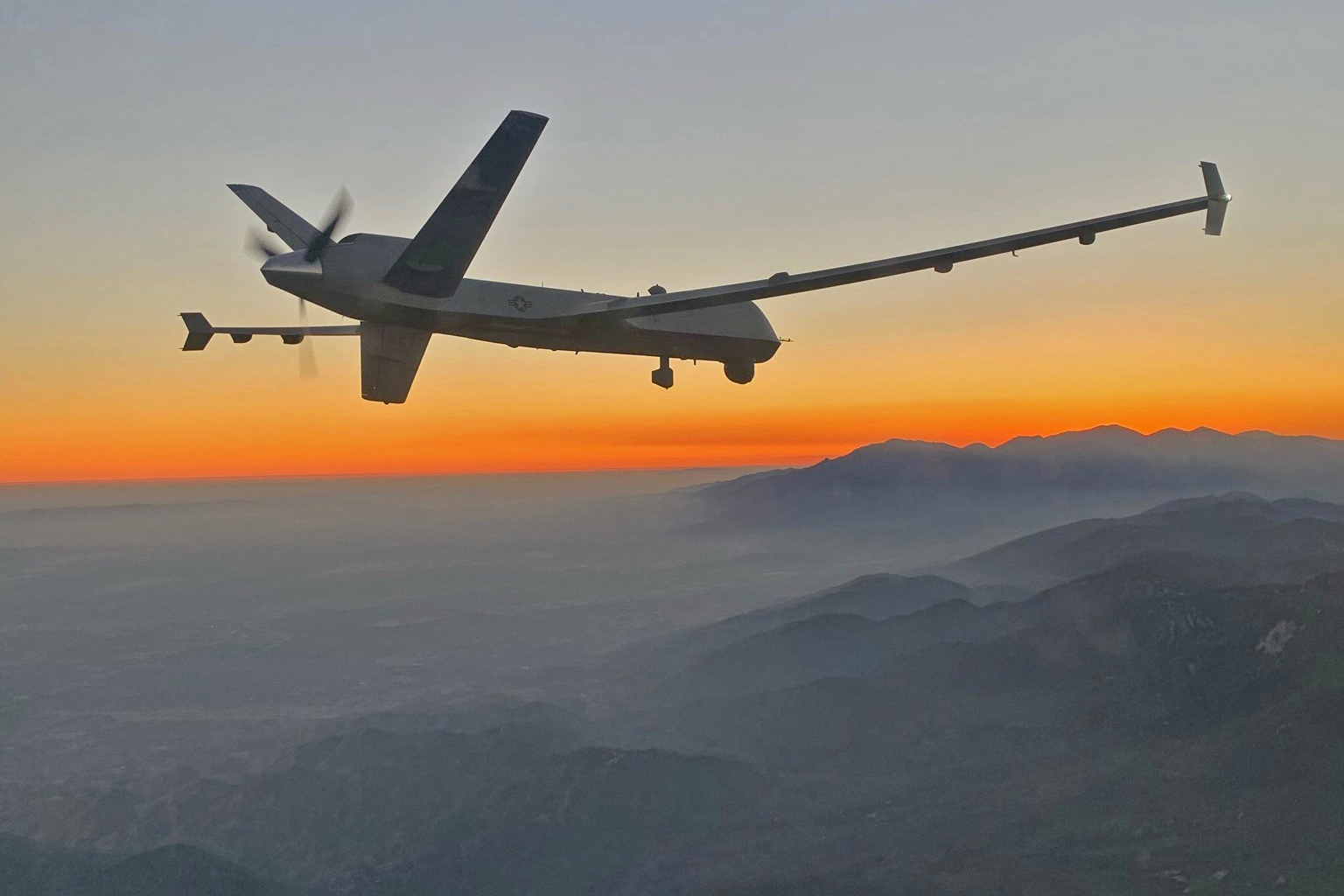
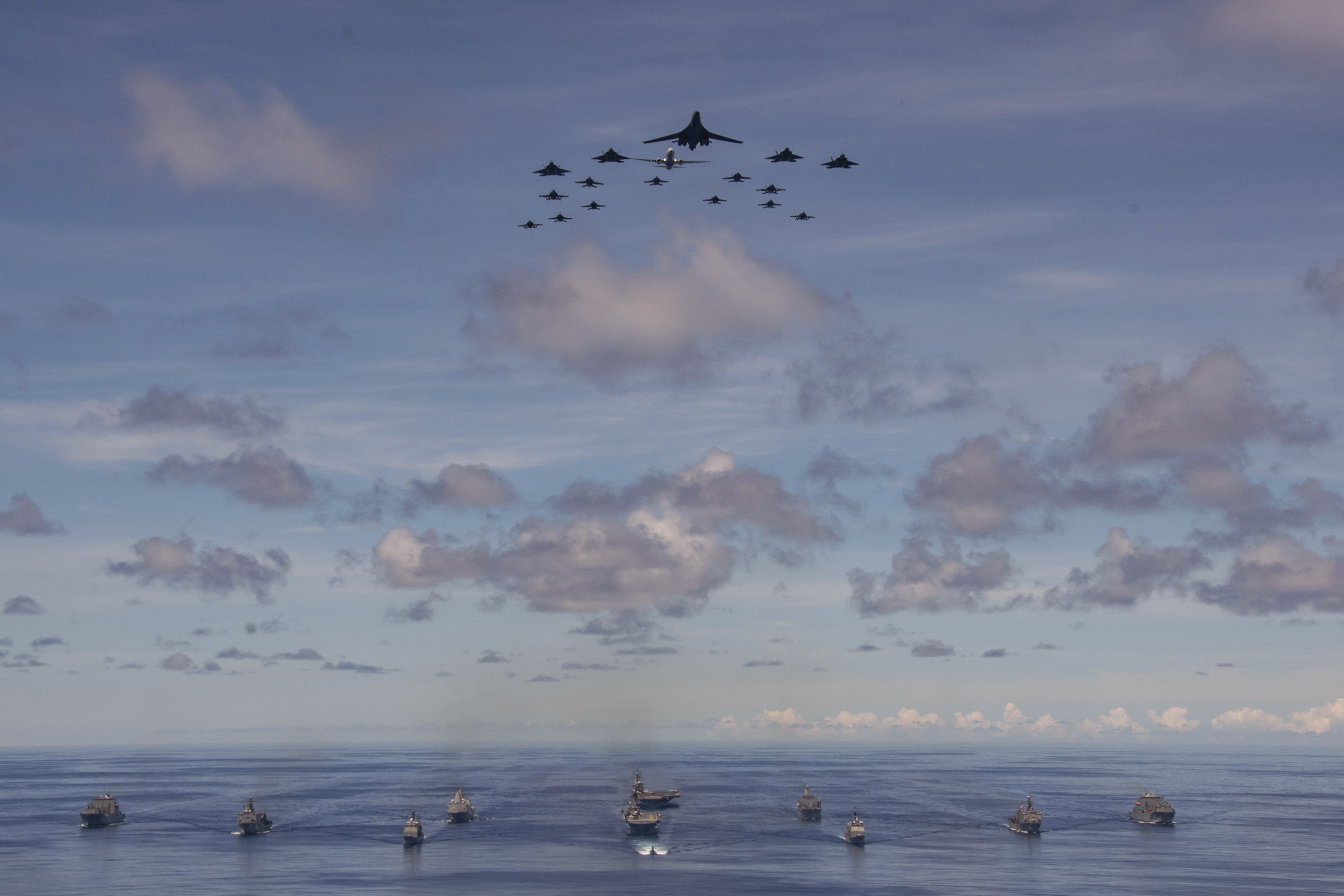
From left: the USNS Charles Drew, the USS Comstock, the USS Shiloh, the USS New Orleans, the USS Chicago, the USS America, the USS Ronald Reagan, the USNS John Ericsson, the USS Antietam, the USS Germantown and the USNS Sacagawea sail in formation with Navy and Air Force aircraft during Valiant Shield in the Philippine Sea, Sept. 25, 2020. The exercise is designed to focus on integration of joint training in a blue-water environment among U.S. forces.
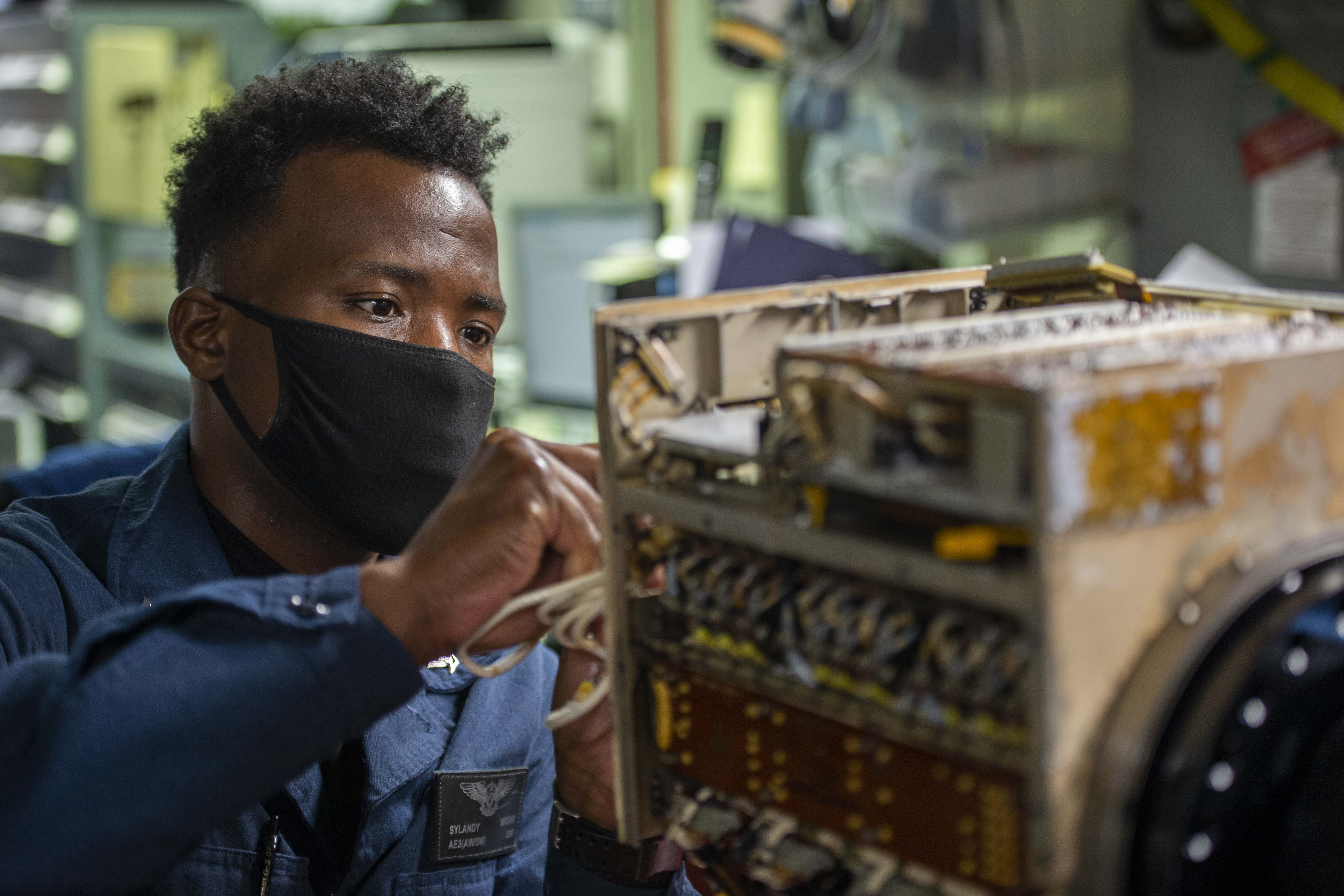
Navy Petty Officer 3rd Class Sylandy Wright performs maintenance on a generator aboard the aircraft carrier USS Dwight D. Eisenhower in Naval Station Norfolk, Va., Sept. 22, 2020.
Sept. 25, 2020
The U.S. Navy will commission the Arleigh Burke-class guided-missile destroyer USS Delbert D. Black (DDG 119) during a 10 a.m. EDT ceremony on Saturday, Sept. 26, 2020, in Port Canaveral, Florida.
Due to public health and safety concerns related to the novel coronavirus (COVID-19) pandemic, the commissioning is a private event, rather than the traditional public commissioning ceremony.
The ceremony’s principal speaker is Master Chief Petty Officer of the Navy Russel L. Smith.
“Commissioning a ship after the first Master Chief Petty Officer of the Navy is an honor without equal. The Navy has always been and will always be indelibly influenced by the leadership of our senior enlisted sailors epitomized by Delbert Black,” said Secretary of the Navy Kenneth J. Braithwaite. “They are the ones who teach both our junior enlisted as well as our junior officers what it means to lead. They lay the keel by which the Navy operates and as such this ship named for one of the most influential master chiefs ever to wear three stars will be a visible reminder of their importance to our Navy. As MCPON, Master Chief Black fought for increased sea-pay, family support programs, expanded uniform guidance and a host of other issues that improved the quality of life of not only junior enlisted, but all sailors and officers. By making life better for sailors, he made our Navy stronger for us all. This ship will undoubtedly continue on his great legacy of service above self.”
USS Delbert D. Black is named for the first Master Chief Petty Officer of the Navy, the highest possible enlisted rank and the enlisted representative to the Chief of Naval Operations. Established by the Navy in 1967, Black oversaw the establishment of the senior enlisted advisor position, which eventually became known as Command Master Chief. Black was the first Navy enlisted man to receive the Distinguished Service Medal. Upon retirement from active duty, Black continued his involvement with the Navy through retired and active duty organizations. He still serves as an enduring example for the Chief’s Mess, with his service, character and performance demonstrating the highest ideals of a Navy chief petty officer in the world’s finest Navy.
Mrs. Ima Black, MCPON Delbert D. Black’s widow and a former sailor, will serve as the ship’s sponsor. Mrs. Black served during World War II in the Navy WAVES - Women Accepted for Volunteer Emergency Service. During the time-honored ceremony, Mrs. Black will give the first order to “man our ship and bring her to life.”
Built by Huntington Ingalls Industries in Pascagoula, Mississippi, Delbert D. Black is the 68th Arleigh Burke-class guided missile destroyer to be delivered to the Navy and the first to bear his name. Arleigh Burke-class destroyers are the backbone of the U.S. Navy’s surface fleet. These highly capable, multi-mission ships conduct a variety of operations, from peacetime presence to national security.
Following commissioning, USS Delbert D. Black will be homeported in Mayport, Florida, with sister ships USS The Sullivans (DDG 68), USS Lassen (DDG 82), USS Farragut (DDG 99), USS Thomas Hudner (DDG 116) and USS Paul Ignatius (DDG 117).
The event will be livestreamed to offer maximum viewing by the general public at https://allhands.navy.mil/Live-Stream.
Media may direct queries to the Navy Office of Information at (703) 697-5342. Additional information about guided missile destroyers is available online at http://www.navy.mil/Resources/Fact-Files/Display-FactFiles/Article/2169871/destroyers-ddg/.
For more news from Naval Surface Forces, visit www.dvidshub.net/unit/COMNAVSURFPAC and www.public.navy.mil/surfor/.
Additional information about MCPON Delbert D. Black can be found online at: https://www.history.navy.mil/browse-by-topic/people/master-chief-petty-officers/black-bio.html and https://www.history.navy.mil/browse-by-topic/people/master-chief-petty-officers/black-bio/black.html.

Marines participate in a physical training session during an advanced infantry Marine preparatory course in Bardufoss, Norway, Sept. 18, 2020.
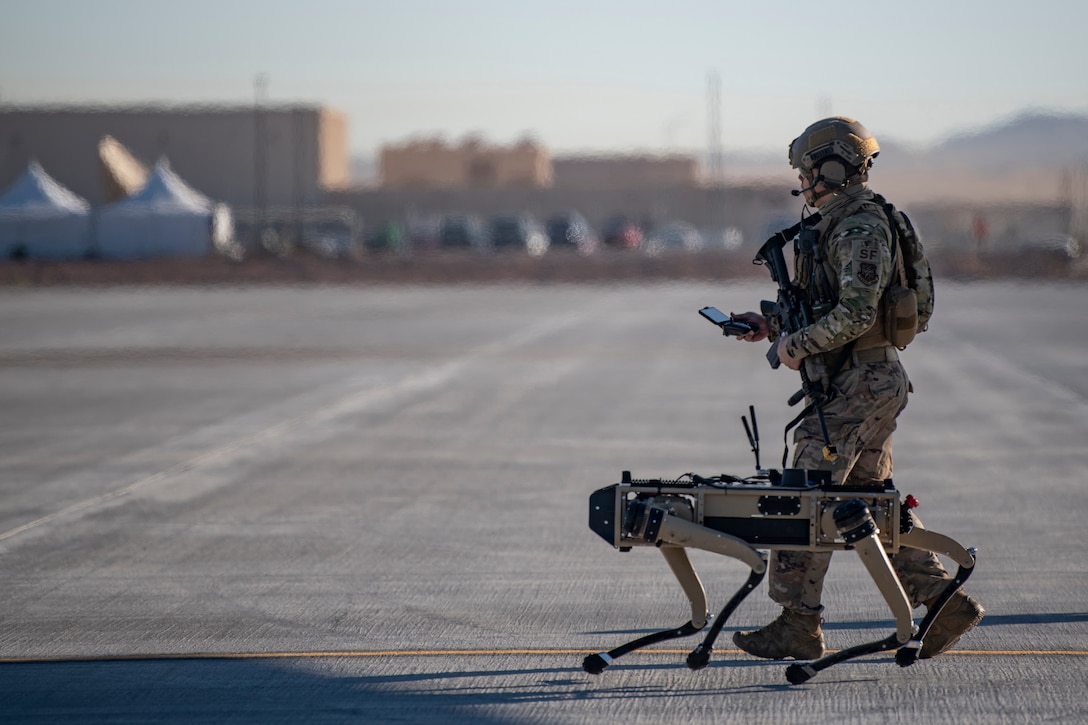
Air Force Tech. Sgt. John Rodiguez patrols with a Ghost Robotics Vision 60 prototype during the Advanced Battle Management System exercise at Nellis Air Force Base, Nev., Sept. 3, 2020.
Sept. 25, 2020 |
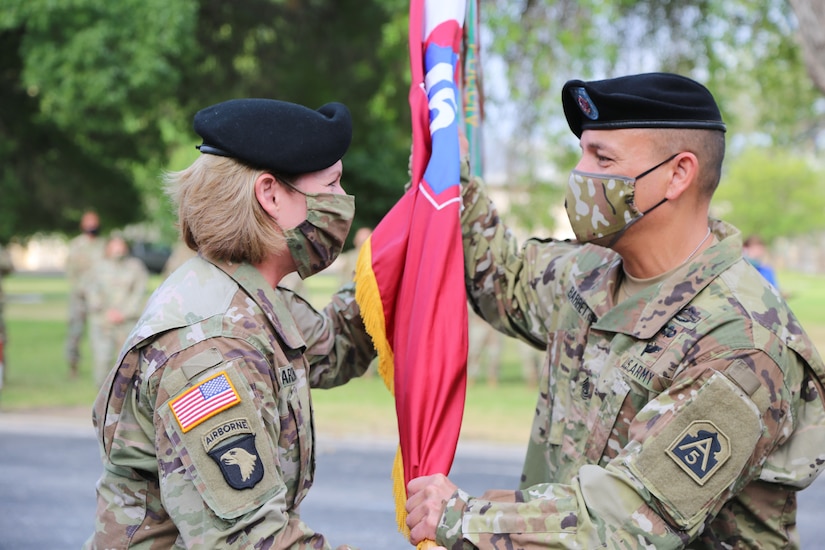
Army Command Sgt. Maj. Phil K. Barretto, the new senior enlisted advisor for U.S. Army North, arrived at Joint Base San Antonio in July from South Korea, where he served as the 2nd Infantry Division, Republic of Korea-U.S. Combined Division command sergeant major.
The new addition to the Strength of the Nation team looks forward to supporting homeland defense and civil authorities, while also securing initiatives to defend America.
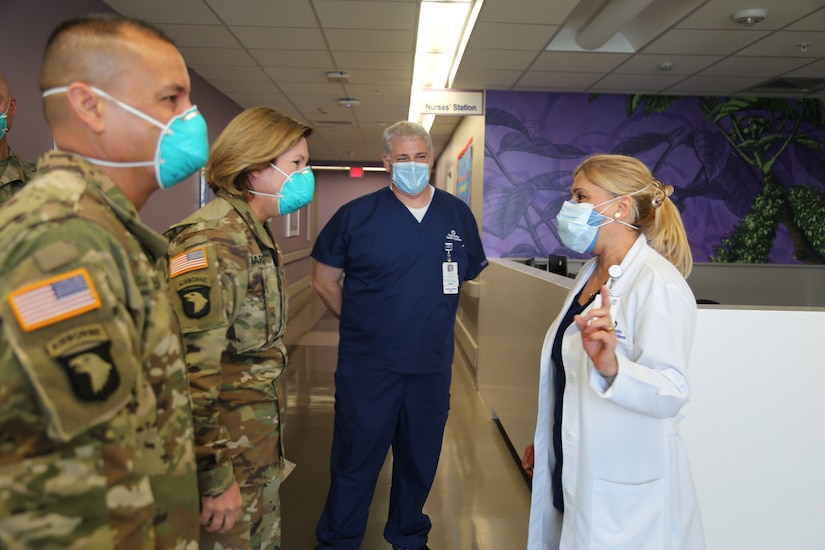
Upon his arrival, Barretto hit the ground running, visiting San Antonio medical centers where Urban Augmentation Medical Task Force members are providing support during the local COVID-19 surge.
"My first impression was the amazing medical teams I encountered on the ground," he said. "Right off the bat, I could see that they are caring professionals who work tirelessly every day to save lives throughout our communities."
As U.S. Northern Command's designated lead component to work with the Federal Emergency Management Agency, the support that U.S. Army North provides both locally and across the country is intended to relieve the pressure on the country's overwhelmed civilian medical facilities.
"We work hand-in-hand to support our lead federal agencies in all responses, [including] COVID-19," Barretto said. "Coming from Korea, it's been an eye-opening experience to see firsthand how federal agencies respond to national-level crises."
Barretto is thankful to the joint-service men and women assigned to U.S. Army North who have answered the call during the COVID-19 pandemic.
"I am both proud and thankful for their efforts," he said. "Every single day, these men and women are putting on gear and facing one of the greatest challenges our nation has seen in a long time."
Part of U.S. Army North's mission is to remain continuously prepared to support those in need during homeland disasters or emergencies.
"As the Joint Force Land Component Command to U.S. Northern Command, we have to be ready at any time," Barretto said. "This response has sharpened our knife. As a learning organization, we are always looking for ways to improve based on lessons we learn from each response."
The command sergeant major looks forward to continuing his support of the dedicated soldiers of U.S. Army North during his tenure.
"This is a very challenging organization. I have never seen anything like this in my military career," Barretto said. "But I am so proud to lead an organization that works tirelessly to serve our nation and defend the homeland."
Barretto, an Aiea, Hawaii, native, served previously as the commandant of the Noncommissioned Officer Academy at Fort Drum, New York, and as command sergeant major of 1st Battalion, 15th Infantry Regiment.
(Lori Bultman is assigned to the 502nd Air Base Wing)
Sept. 25, 2020
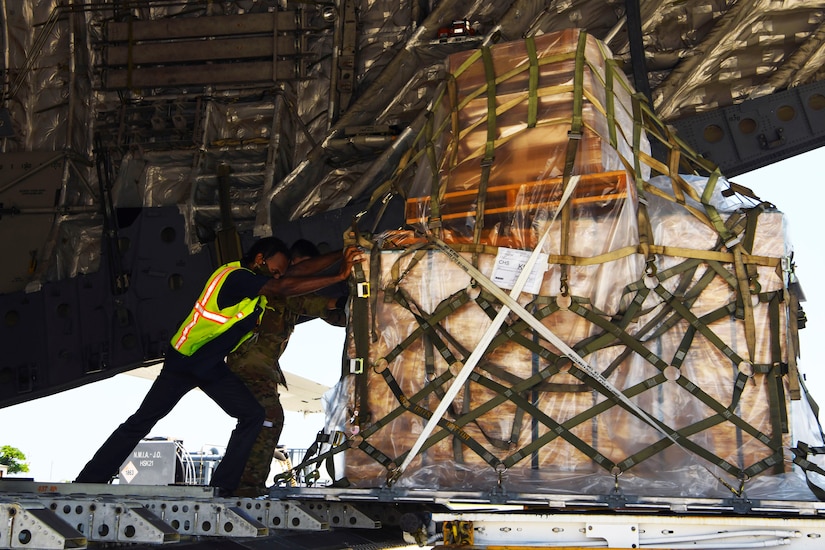
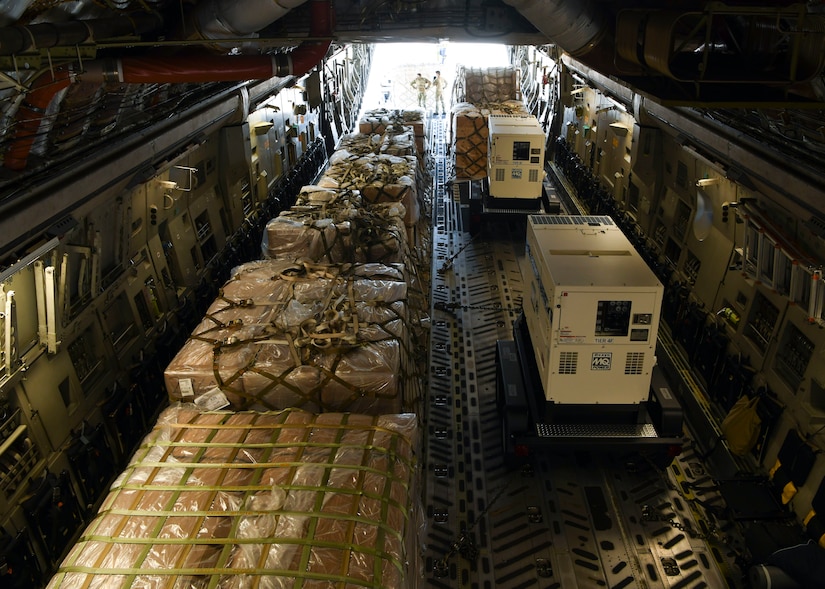
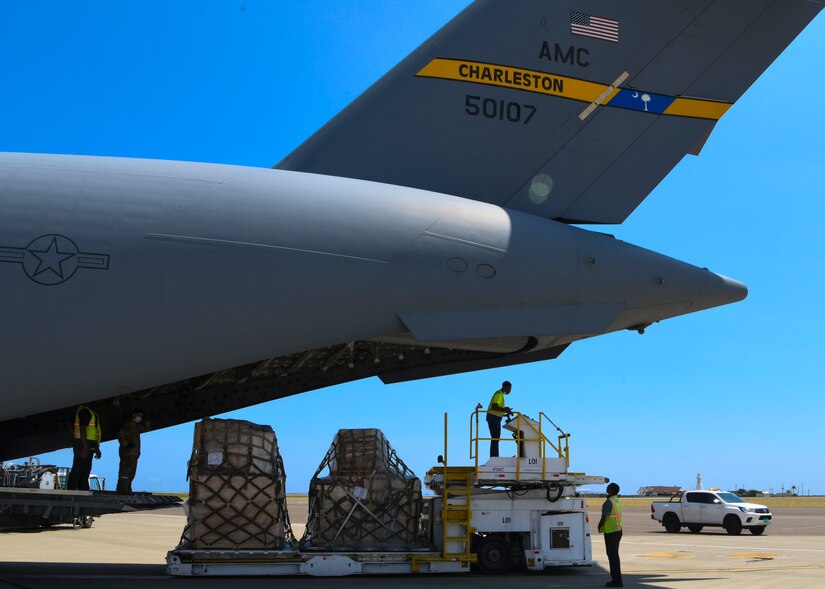
A U.S. Air Force C-17 Globemaster III aircraft transported a large mobile field hospital from Joint Base Charleston, South Carolina, to Kingston, Jamaica, to be donated to health care providers and used to support the Caribbean nation's ongoing response to the COVID-19 pandemic, Sept. 19, 2020.
The donation, made on behalf of the American people, cost $753,000 and was purchased as part of U.S. Southern Command's ongoing assistance to nations responding to the global pandemic in the Caribbean, Central America and South America and funded by the command's humanitarian assistance program, or HAP.
 |
| Add caption |
The Southcom-funded hospital can house up to 70 patient beds and will support health and public-safety professionals caring for patients, saving lives and mitigating suffering. The modular hospital is equipped to operate autonomously and includes a HEPA and ultraviolet-light air-scrubber system, two diesel generators and eight air conditioning units. Medical teams using the hospital can configure it to isolate patients and conduct surgery, if needed.
The field hospital was set up Sept. 21-23 and delivered ready for the Jamaican government to staff, equip and operate. A team of civilian trainers instructed Jamaican medical and support teams chosen to run the mobile hospital on its assembly, set up, use, disassembly, transportation and storage.
Ambassador Donald Tapia, U.S. ambassador to Jamaica, accompanied by Navy Adm. Craig Faller, commander of Southcom, officially handed over the field hospital Sept. 24, at a ceremony at the National Chest Hospital in Kingston. Dr. Horace Chang, Jamaica's deputy prime minister and minister of national security, and Dr. Christopher Tufton, Jamaica's minister of health and wellness, were also in attendance.
In addition to the field hospital, Southcom has also funded the donation of hand-held thermometers and patient beds, at a cost of approximately $86,000. Overall, the U.S. government has provided Jamaica with $2 million in foreign assistance funding to support the country's ongoing COVID-19 response, and efforts to prevent and control infectious diseases.
The command has also delivered mobile field hospitals to Costa Rica and the Dominican Republic.
In total, Southcom will donate 24 field hospitals to 11 countries.
Southcom's support to COVID-19 response and mitigation efforts began in late March, as the first signs of COVID-19 infections emerged and nations requested assistance from the U.S. government.
The first phase of Southcom's assistance focused on supporting the countries' immediate response to the pandemic by providing much-needed resources, procured locally, to first responders and health care providers on the front lines. During that initial phase, more than 80 HAP projects donated personal protective equipment, consisting of N-95 masks, gloves, face shields, protective coveralls and disposable aprons. Medical supplies, medical equipment and COVID-19 testing supplies were also donated during the initial phase.
The field hospitals are among the donations funded in the second phase of Southcom's assistance to the region, which is focused on supporting the region's long-term preparedness and prevention efforts.
To date, the command has funded more than 320 HAP projects, purchasing more than $17 million in supplies, equipment and other vital resources to support the COVID-19 response and mitigation efforts in 28 nations. In total, the U.S. government has provided more than $135 million in COVID-19 response assistance to the region.
HAP helps partner nations build their disaster readiness, response and mitigation capabilities. The program funds infrastructure, equipment and training to help nations prepare before disasters and crises strike, but also supports countries who request assistance from the U.S. government when they experience health- and weather-related emergencies.
COVID-19 assistance projects are funded under HAP to support requests from partner nations for supplies and equipment needed to respond to the virus outbreak, treat infected patients and prevent additional exposures. The U.S. State Department and U.S. Agency for International Development review the projects and concur with their proposed assistance before they are approved. All COVID-19 assistance items donated under the program were purchased from host-nation or regional suppliers with no impact on the Defense Department's force health protection supply chain.
To date, the countries that have been assisted under HAP include Antigua and Barbuda, Argentina, Barbados, Bolivia, Brazil, Chile, Colombia, Costa Rica, Curacao, Dominica, the Dominican Republic, Ecuador, El Salvador, Grenada, Guatemala, Guyana, Haiti, Honduras, Jamaica, Panama, Paraguay, Peru, St. Kitts and Nevis, St. Lucia, St. Vincent and the Grenadines, Suriname, Trinidad and Tobago and Uruguay.
(U.S. Southern Command Courtesy Story).

A soldier participates in engineer reconnaissance training at Schofield Barracks, Hawaii, Sept. 22, 2020.

Nevada National Guard soldiers help support a community-based collection site at Mandalay Bay in Las Vegas, Nev., Sept. 21, 2020. Army Maj. Gen. Ondra Berry, adjutant general for the state of Nevada, came by to see the operation.
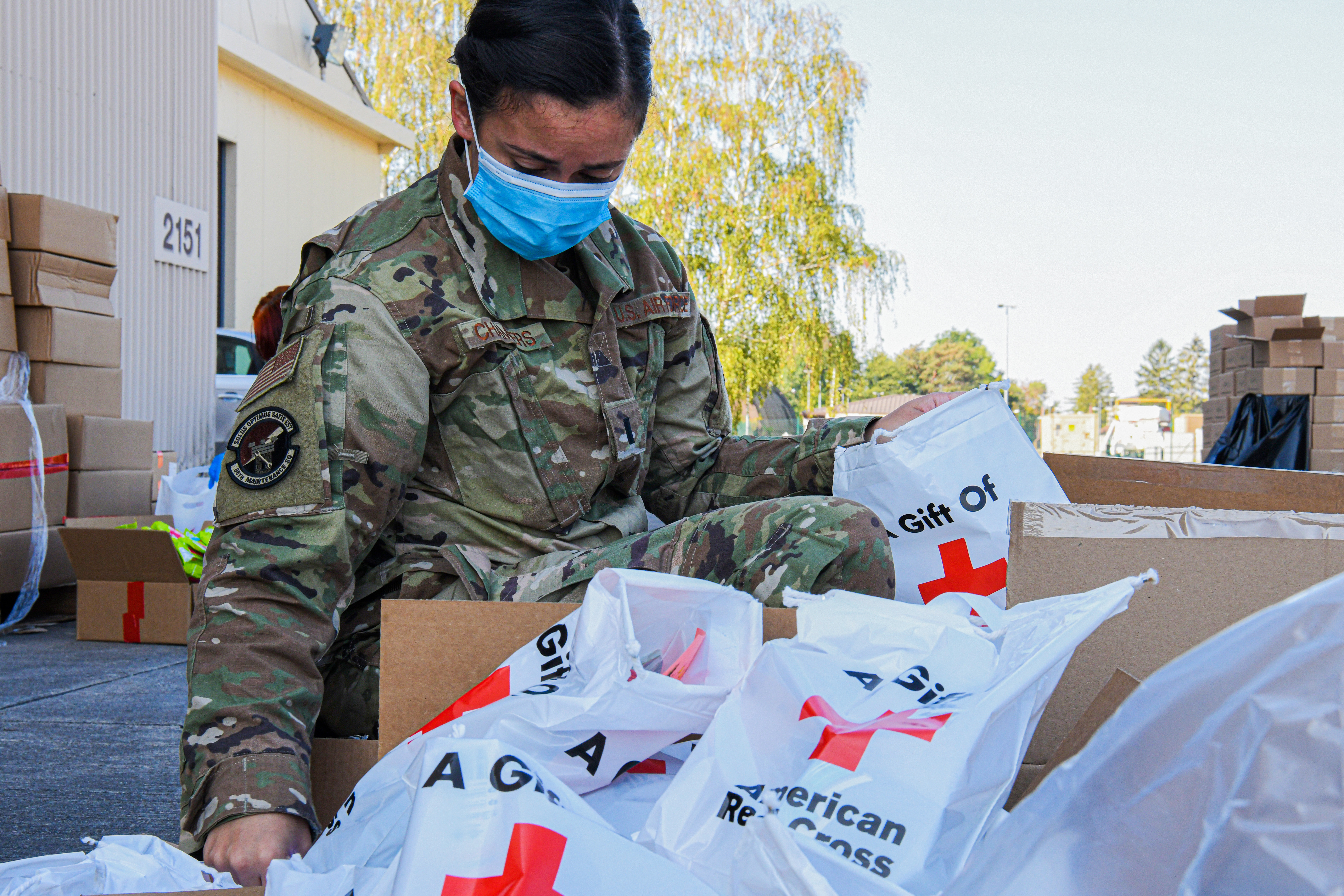
Air Force 1st Lt. Erica Chambers, assigned to the 86th Maintenance Squadron, helps the Red Cross assemble care packages at Ramstein Air Base, Sept. 22, 2020. The Red Cross partners with Operation Gratitude to help prepare and distribute care packages for first responders in the community.
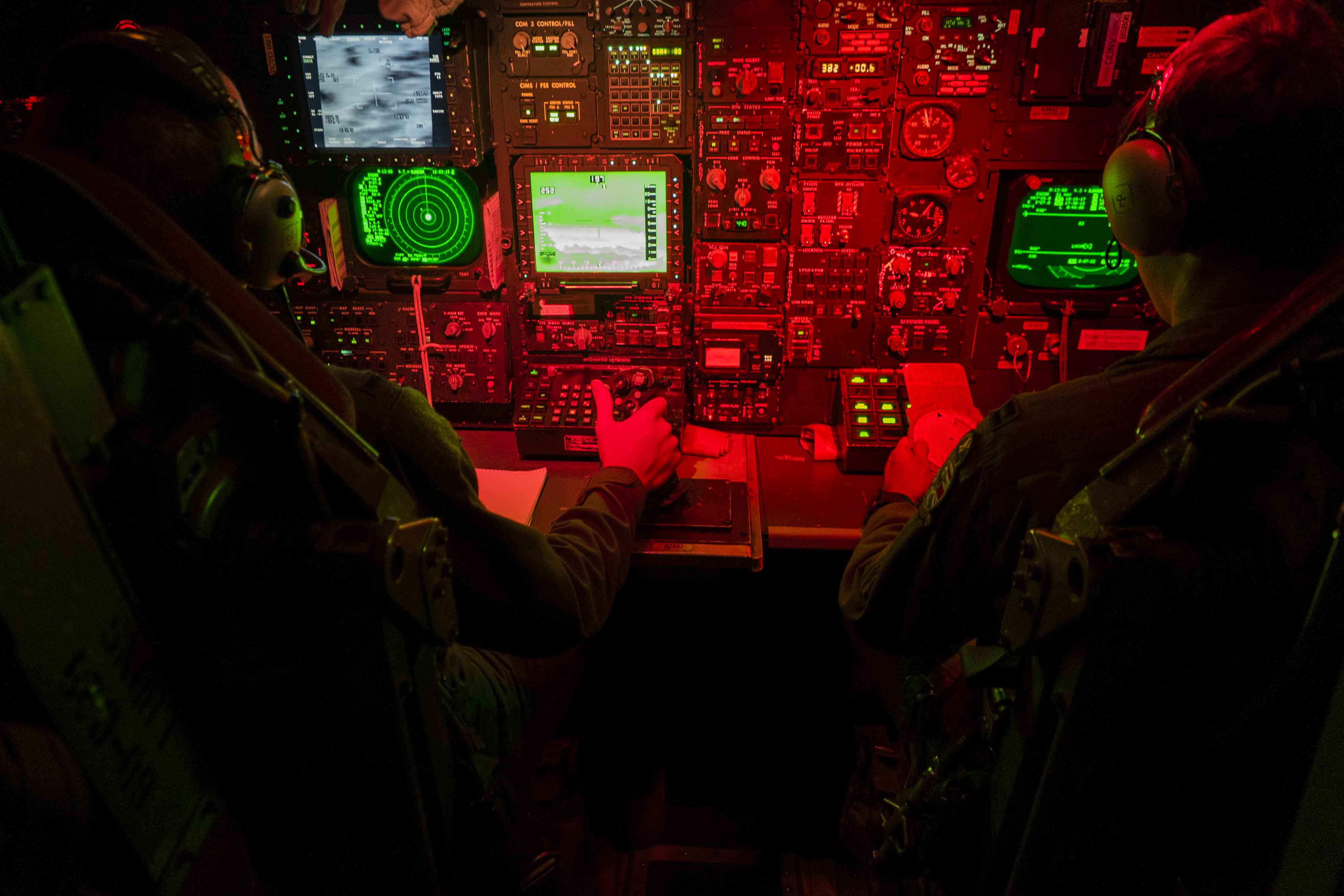
Airmen operate radar and navigation controls inside a B-52H Stratofortress during a task force mission over the eastern Mediterranean Sea, Sept. 16, 2020.
Sept. 24, 2020 |
For the better part of six months, the COVID-19 pandemic has caused numerous unforeseen impacts across the nation and locally in Nebraska.
One of those impacts that had the potential to cause a significant effect on the Nebraska National Guard air base has been the closing down of formal firefighting schools. This, in turn, made it difficult for the Nebraska Air Guard Base Fire Department to fill openings as members of the team either deployed, retired or transferred to new jobs or departments.
That's when members of the fire department decided to try a novel approach to solving its problem. Instead of waiting for the formal firefighting schools to reopen, they would train their own firefighters.

According to Bruce Craig, Nebraska Air National Guard Fire Department assistant chief, by training newly-hired firefighters locally in Lincoln and at Offutt Air Force Base, they were able to meet the critical shortage of trained and qualified firefighters, while also providing the crucial training they need to respond to both aviation emergencies and the multitude of other duties they're responsible for.
"The amount of people out on the streets to be able to do this job with prerequisites, [those] numbers were way down," Craig said, prior to a 3-day progressive training at Offutt Air Force Base, Aug. 24-26, 2020. "So we opened it up with no prerequisites."
Typically, Craig said, there are standard prerequisites that a potential Nebraska Air Guard firefighter must meet before he or she is hired. For example, selected individuals normally have already attended firefighter schools, or they are sent to a formal school shortly after being hired. COVID-19, however, forced schools to limit the number of students who could attend or they simply cancelled courses altogether.
"With schools being closed, we are having to teach them to be a firefighter," Craig said.
The training covers skills like vehicle extrication, putting on protective gear, correct ladder techniques, licensing on various vehicles and how to successfully rescue people trapped in a building or an aircraft fire.
"Our fires are usually hotter for the most part, because a fuel fire is hotter than regular combustible material fire," Craig said, adding that base firefighters must know how to deal with hazardous materials, and provide medical care to people injured in such fires.
Probably the most important skill, though, is the ability to know how to quickly and accurately respond to an aircraft fire, Craig said.
"We respond out onto an airfield. We don't have hydrants out there, so our distance for hydrants are a lot larger," he said. "Most of our trucks carry large quantities of water, [along with special fire retardant material], because we fight fuel fires."
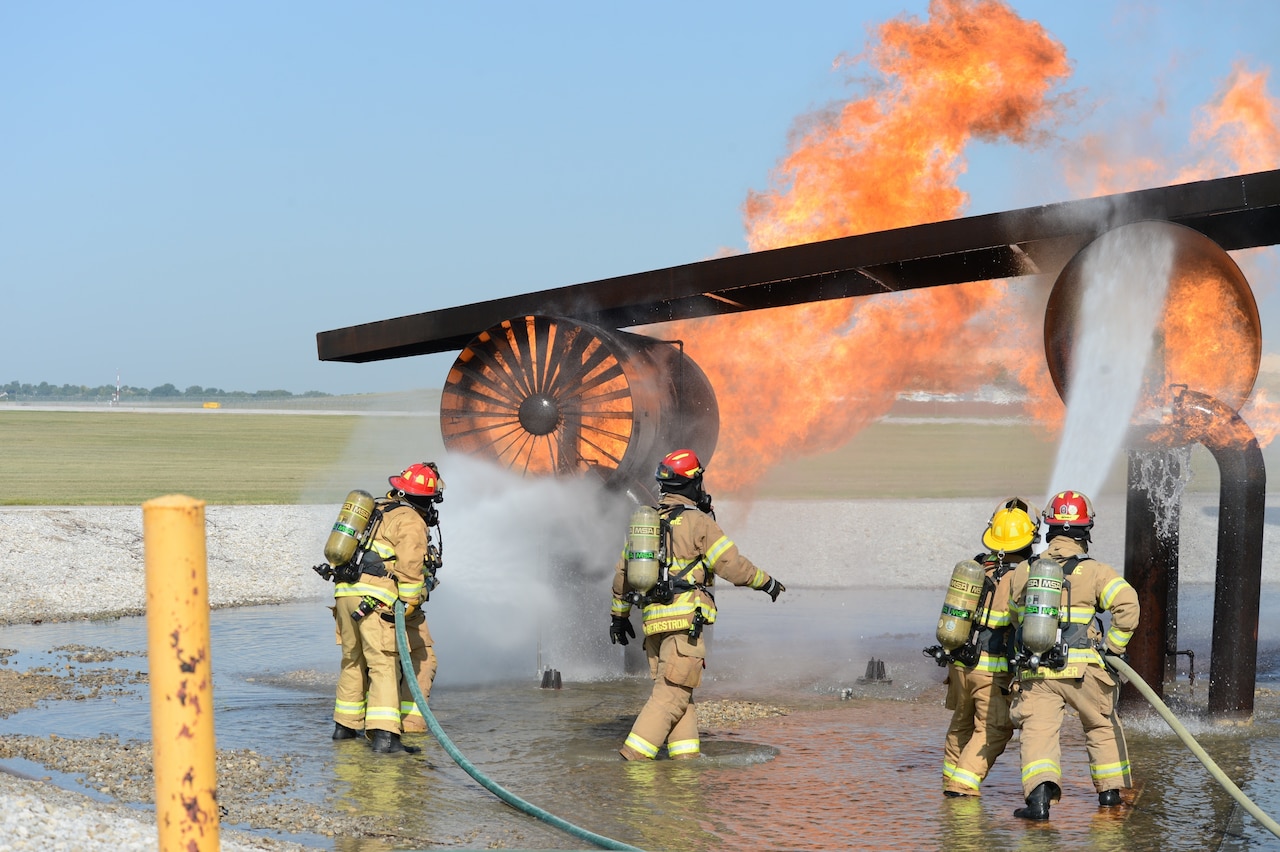
According to the new firefighters, the training has been a great way to learn under realistic conditions.
"Everything that has to do with the aircraft, engines, the fuel, makes it a bigger challenge. Which makes it more exciting," said Rob Rector, one of the five new firefighters. "There is that element of aircraft and being on base that makes it a little different."
"We have different instructors every day," said Adam Braun, new-hire firefighter. "Our overall task here is: you make sure the airplanes on the runways coming in, if they have any emergencies, we are the first responders."
Craig said there was a second advantage to conducting the training themselves. While teaching the new firefighters, the more experienced team members had the opportunity to re-learn some skills.
"It gave us a huge opportunity to get people that were already here back to the basics by allowing them to instruct it," Craig said. "They really had to get back into it, get back to the basics to teach the basics."
"While they're teaching, they are learning it all over again," he added.
(Air Force Tech. Sgt. R Denise Mommens is assigned to the 155th Air Refueling Wing).
Sept. 24, 2020 |
When Army Col. Michael D. Poss took command of the Fort McCoy (Wisconsin) Garrison, June 10, 2020, he was likely the first to assume that role while the country was responding to a global pandemic.
"I was experiencing the pandemic like everyone else this spring," Poss said, who was the chief of staff for the 451st Expeditionary Sustainment Command at the Army Reserve Center in Wichita, Kansas, prior to coming to Fort McCoy. "We were undergoing probably the same thing that everyone else was dealing with. We were trying to figure out how to operate in this new environment."
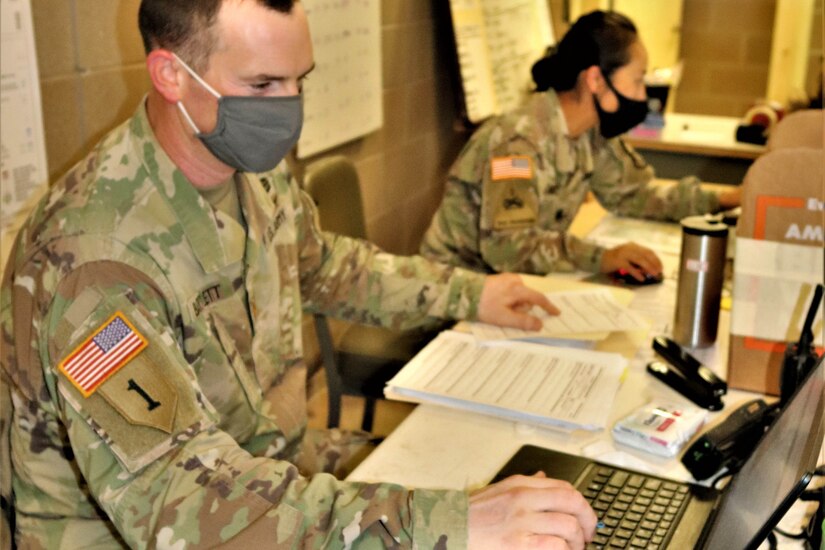
"I was coming in every day, working 12 hours with a small team, and we were trying to plan out the training requirements that were coming up," Poss said. "In addition, I was simultaneously planning my transition to Fort McCoy that was certainly unique with some challenges from COVID."
The COVID-19 pandemic had been ongoing for more than two months when Poss took the reins of the Garrison. Many services and facilities were closed at that time, and training was at a standstill. However, he said, the Fort McCoy team did a great job bringing many important services and capabilities back online.
"I think it helped us as an Army, collectively, to learn that we can operate in an environment such as this," Poss said. "We have been trained in the Army that sometimes you have to operate in less-than-perfect conditions. Sometimes you have to operate at night. Sometimes you have to operate with degraded communications or cyber capability. Sometimes you have to operate in a chemical environment. So this was a new situation where we had to learn how to operate in the COVID environment. When I arrived at Fort McCoy, one of the first questions I started asking 'was what sort of services here on Fort McCoy can we look to open up in a safe and effective manner?'"
One of the first places to reopen on post was Pine View Campground, which resumed operations May 22.
"The installation first opened the campground for recreation," Poss said. "It's a place that is outdoors, so you can socially distance fairly easily out there."
Then Poss said the installation needed to reopen the Child Development Center, or CDC, and the School Age Center/Youth Center because those facilities directly support military and civilian workforce members on post.
"We wanted to look at opening up the CDC, and I was there on opening day to see how it would go. Prior to that, we had visited the center quite extensively and talked with the staff... It was great to see the employees bringing the children. It was a new environment, but we adapted with new procedures. The children seemed to be excited. The parents seemed to be excited. That did help us in our goal of starting to bring back employees to the workplace in a safe and effective manner."
As services began to reopen, strong COVID-19 protective measures had to be installed. The post already had policy letter 37 in place, which enforced sanitation and hygiene procedures for the Fort McCoy community and workforce. Next, the Fort McCoy team worked to create policy letter 38.
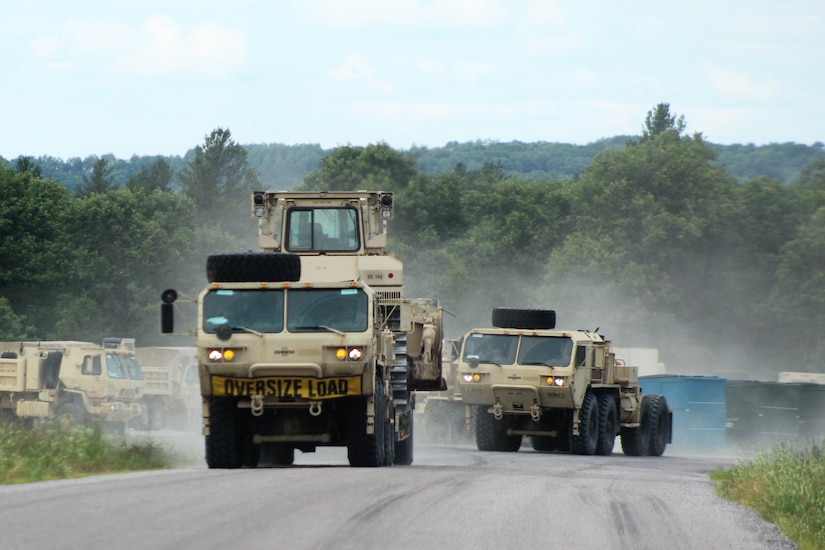
"Policy 38 spells out how we will operate and train in a COVID-19 environment," Poss said.
With the policies in place, chapel services operated by the religious support office resumed, and Rumpel Fitness Center reopened as well.
"I asked the chaplain if there was a way we could build spiritual resilience by opening up the chapel services," Poss said. "Then he came up with a plan, we talked about it, and soon after, those services were resumed, and a week later Bishop Richard Spencer of the Archdioceses of Military Services visited us."
"The next thing we considered was opening Rumpel Fitness Center in order to build physical resilience," Poss said. "The staff there did a great job and effort to come up with a very detailed plan to open up, and it's been highly successful. We have received a lot of good feedback from people assigned here and those who are visiting that the setup we have with all the safety protocols is working. People are excited about being able to use the facility."
The policy letters also addressed the return of training activities at Fort McCoy, which resumed July 7 after stopping in early April.
"We had to look at how we can train in a very safe and effective manner in order to build readiness," Poss said. "That's important because, as the Army, that is what we're all about. It's about conducting training and being ready."
"One of the first examples of training returning to pre-COVID levels was the mobilization of a large medical unit here — the 228th Combat Support Hospital," he said. "We have great facilities and subject matter experts. So, we welcomed the opportunity to do that in a safe and effective manner, and it was successful. The unit just recently deployed to a theater, and they were appreciative of the training they received at Fort McCoy."
"It was a great test for our mobilization force training partners on Fort McCoy, and they did a terrific job," Poss continued. "This included the 88th Readiness Division, 181st Multi-Functional Training Brigade, Regional Training Site-Medical and the mission-support forces here. And we also didn't stop there. We recently had the commander of Army ROTC stop by Fort McCoy for a visit. ROTC had their annual six-week summer camp canceled, but they still needed to conduct some training for their cadets. They came up with a two-week condensed version of training, and the 3rd ROTC Brigade held it at Fort McCoy. That was also very successful."
Fort McCoy started receiving requests from other units to use ranges for qualification purposes and other collective training. In addition, we recently hosted the U.S. Army Reserve Command Best Warrior Competition.
"We had requests from Marines this summer to perform field training," Poss said. "We had a large request from the Navy to help them out with the quarantine of their recruits for the first two weeks of basic training. All of it has been supported by Team McCoy with great success."
"Also, the Army Reserve asked us to support training," he continued. "Normally we would be hosting several large exercises for the Army Reserve. Unfortunately those events got canceled in spring and early summer because of COVID.
But the Army Reserve still wanted to do something in order to train and build readiness. That's how they came up with Operation Ready Warrior. We were the first installation to host an iteration. More than 1,000 soldiers were trained here so they could build readiness."
The response to the pandemic caused many changes at Fort McCoy, but he said the Fort McCoy team or "Team McCoy" — which includes Garrison and tenant organizations on post — really stepped up to be successful in operating in a pandemic environment.
"Every morning I remind myself to be a humble servant as a leader and to continue to balance family and work commitments," Poss said. "When I go about my day, there are so many opportunities where I thank people for what they are doing. I am so proud of this workforce here at Fort McCoy."
Poss said he remembers having mobilized through Fort McCoy with his unit.
"I remember mobilizing here for a deployment to Iraq as a captain," Poss said. "I remember the fantastic, dedicated people here at Fort McCoy. We were going to a tough area in Iraq on a difficult assignment, but the amount of training we received here set us up for success. So, in addition to the training and the resources, it's the dedication of the people."
"From day one, after I arrived and assumed garrison command, I pursued a very aggressive circulation plan where I would get out every day and meet as many people as possible" he said. "I'm the first one to admit that I am not an expert in their areas, but I want to learn more. Their expertise and dedication make Team McCoy successful."
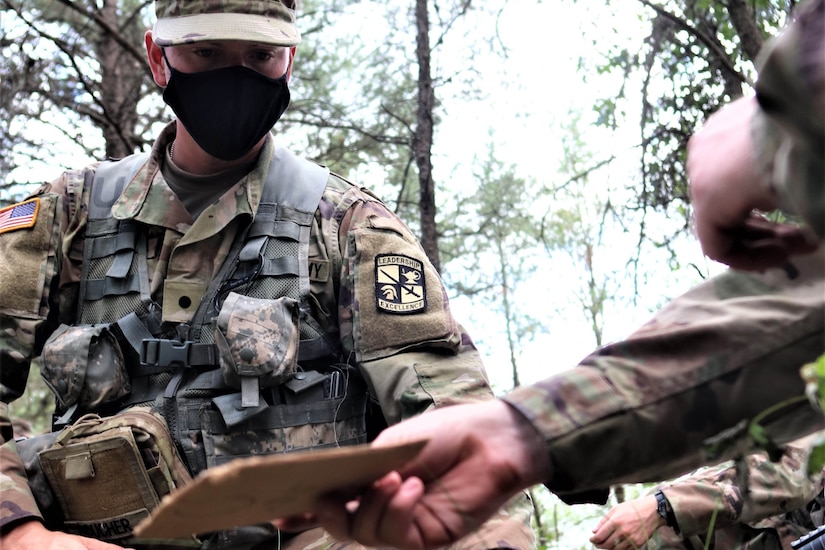
Poss has also spent significant time holding community engagements with the mayors of Tomah and Sparta — both cities close to the installation — to build and strengthen those inter-community relationships.
"I have established a tremendous working relationship with them as well as with many others, including local government representatives, city police chiefs, chamber of commerce executives, business owners, city council members, community members and school leaders to include superintendents, principals, school board members and teachers," he said.
The Garrison commander added he is looking forward to continued success in the future.
"Fort McCoy is always looking at lessons learned and ways to improve," Poss said. "This is a learning organization and a thinking organization. And it's been great. We have such a remarkable team in place. I just continue to empower them, show my appreciation, and I learn from them every day. We are continuing to demonstrate that we value diversity and inclusion for strong Army teams."
Located in the heart of the upper Midwest, Fort McCoy is the only U.S. Army installation in Wisconsin.
The installation has provided support and facilities for the field and classroom training of more than 100,000 military personnel from all services each year since 1984.
(Scott Sturkol is assigned to Fort McCoy).

Navy Petty Officer 2nd Class Joshua Ware participates in a nonlethal weapons training course aboard the USS Ralph Johnson in the Persian Gulf, Sept. 16, 2020.

Ramp service technicians, who work for the Norman Manley International Airport in Kingston, Jamaica, unload a mobile field hospital from a C-17 Globemaster III at the airport in Kingston, Sept. 19, 2020. Aircrew, assigned to the 15th Airlift Squadron, at Joint Base Charleston, S.C., transported the hospital from Charleston to Kingston, where it will be donated to health care providers and used to support the Caribbean nation’s ongoing COVID-19 response. The donation, made on behalf of the American people, cost $753,000 and was purchased as a part of U.S. Southern Command’s ongoing assistance to nations responding to the global pandemic in the Caribbean and Latin America and funded by the command’s Humanitarian Assistance Program. The command has also delivered mobile field hospitals to Costa Rica and the Dominican Republic. In total, HAP will donate 24 field hospitals to 11 countries.

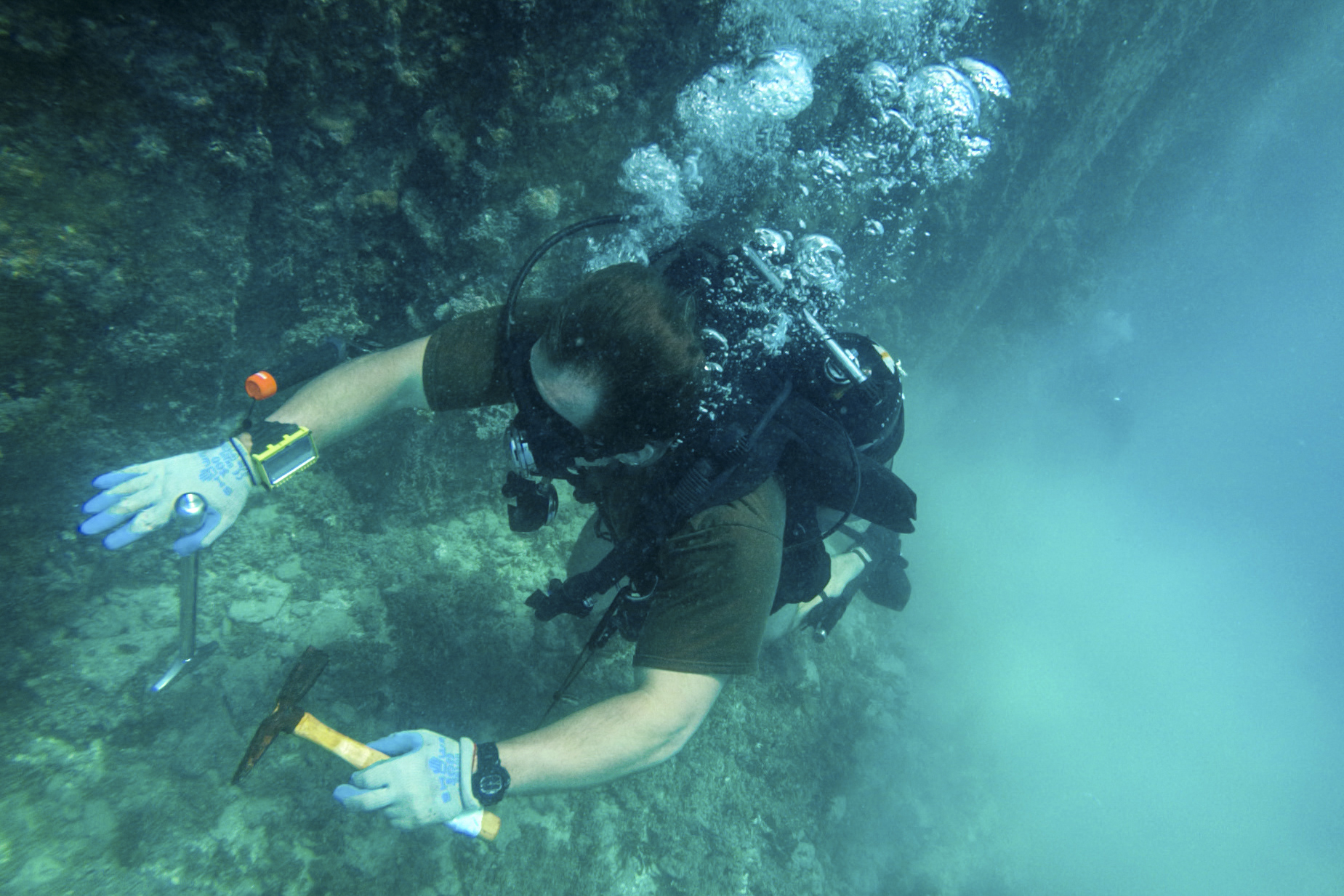
Navy Petty Officer 2nd Class Eli Arwood prepares sheet pile for measurement within the Tinian Harbor in the Northern Mariana Islands, Sept. 23, 2020, while supporting an infrastructure assessment of the harbor.

Army Spc. Dorian Sonneman, a crew chief assigned to Alpha Company, 6th Battalion, 101st Combat Aviation Brigade, passes by Neuschwanstein Castle while transporting COVID-19 tests to Landstuhl Regional Medical Center during Combined Resolve XIV at Hohenfels Training Area in Hohenfels, Germany, Sept. 15, 2020. Combined Resolve XIV is a Headquarters Department of the Army directed Multinational exercise designed to build 2nd ABCT, 3rd Infantry Division's readiness and enhance interoperability with allied forces to fight and win against any adversary.

A recruit assigned to Kilo Company, 3rd Recruit Training Battalion, receives his initial gear after arriving at Marine Corps Recruit Depot, San Diego, Sept. 21, 2020. As recruits arrive at the depot in the future, they will enter a staging period of 14 days during which they will be medically screened, monitored, and provided classes to prepare and orient them to begin recruit training. All recruits will be screened and tested for COVID-19 prior to beginning recruit training.
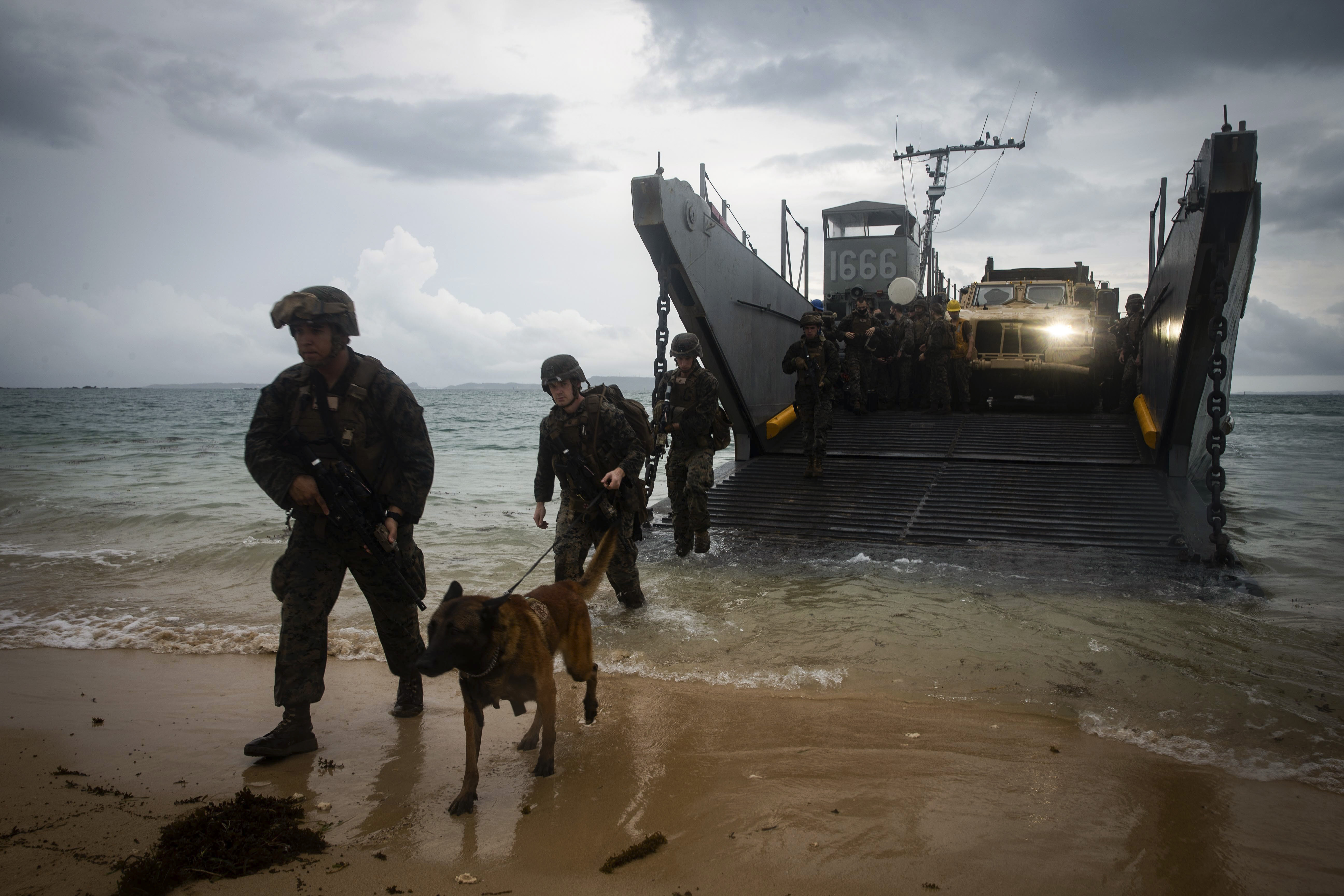
Marines exit a landing craft during a simulated exercise in Okinawa, Japan, Sept. 9, 2020.

Navy warships sail in formation with Australian, Korean and Japanese vessels during Pacific Vanguard in the Pacific Ocean, Sept. 14, 2020. The exercise is designed to improve multinational interoperability.
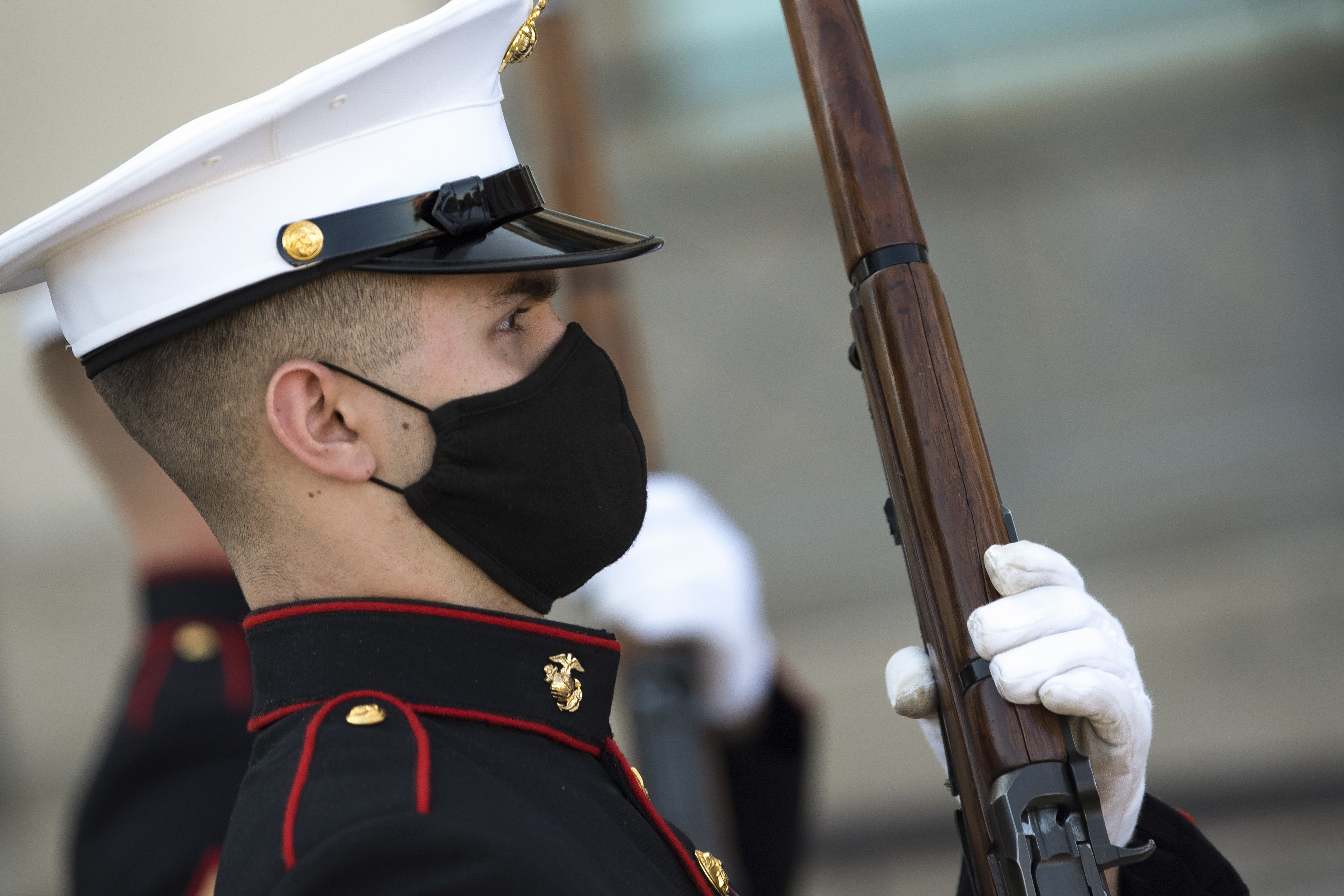
A member of the honor guard participates in a welcome ceremony at the Pentagon in Arlington, Va., Sept. 22, 2020.

Army Special Operation Forces operators and Ukrainian counterparts conduct military free fall operations from a U.S. Air Force CV-22 Osprey during Exercise Fiction Urchin near Vinnytsia, Ukraine, Sept. 18, 2020. The bilateral training helped enhance the U.S.-Ukraine relationship.
Sept. 23, 2020 | , DOD News
"Harm by U.S. security partners undertaking military operations has long been an issue of serious concern for those of us administering security cooperation and defense trade policy," a State Department official said.
Highlighting the problem were Saudi strikes against Houthi rebels in Yemen in which civilian casualties ensued. The United States — alone among all arms exporters — has put in place policies that will mitigate this danger.
Both the departments of State and Defense have been working for over two years to better integrate civilian protection into arms transfers.
"The Defense Security Cooperation Agency, in close cooperation with the Department of State, has expanded its efforts to include promotion of civilian protection in both foreign military sales and security cooperation," a Defense Department official said. "And this includes expanding training for partners and providing additional advisory support with a specific emphasis on mitigation of civilian harm."
The program is worldwide and in line with U.S. efforts to share the security burden. This means building strong security institutions that respect the rule of law and human rights. "Civilian harm caused by U.S.-supported partner forces pose[s] a risk to the reputation of the United States and to our strategic objectives," the State official said.
The process involves sharing best practices with foreign partners and runs the gamut from new processes to new equipment to training.
While the State Department oversees foreign military sales policy, the Defense Security Cooperation Agency must put in place the processes needed to minimize civilian deaths. The agency has expanded the scope of what it can offer partners, ranging from new curriculum for civilian harm mitigation training, to the development of advisory materials and services, to technical solutions to help partners more effectively and responsibly conduct operations.
"We've also been working on conducting assessments of a partner's risk of causing civilian harm during military operations, and identifying the means to help mitigate such risks," the State Department official said.
The emphasis on preventing civilian deaths is part of the process [in deciding] whether a potential military sale or grant should even be made, the State Department official said.
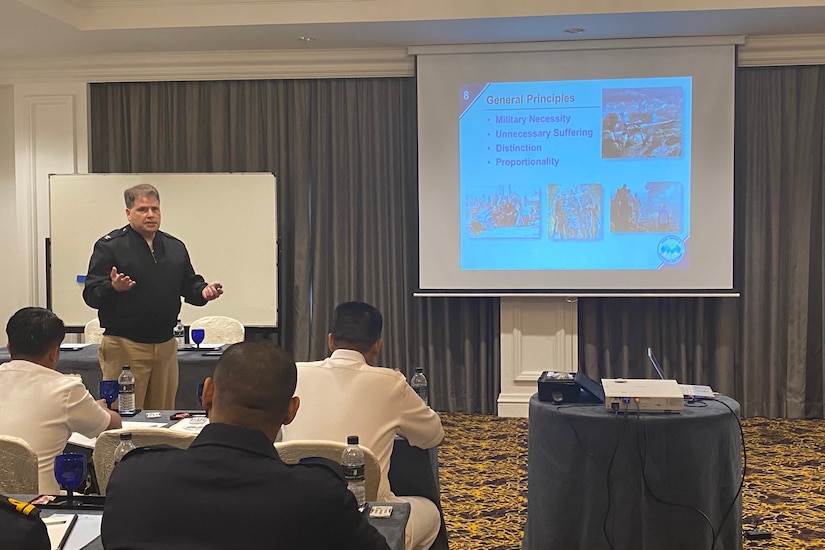
U.S. efforts in Saudi Arabia pre-dated the conventional arms transfer policy and can be used to inform approaches with other partners moving forward. The United States established a comprehensive plan to work with the Saudi-led coalition against the Houthi rebels to reduce the risk of civilian harm. This has included law of armed conflict targeting training, regular key leader engagement, training seminars for the entire targeting lifecycle, including U.S. advisors, officials said. The U.S. also recently sold additional technical capabilities to allow more precise and effective deployment of munitions.
A good specific example is the collateral damage estimation methodology the U.S. offers that was also adopted by NATO. "It is something that the U.S. develops and updates and releases," the Defense official said. "It's something that the U.S. focuses on that you wouldn't have the ability to get through other arms partners."
The United States needs partner nations to be responsible with U.S.-supplied weapons systems, and the partners also want this. "We want to give them the tools … to succeed and the tools to be effective," the State Department official said. "The partners themselves really put a premium on being … effective and having effective and professional militaries."
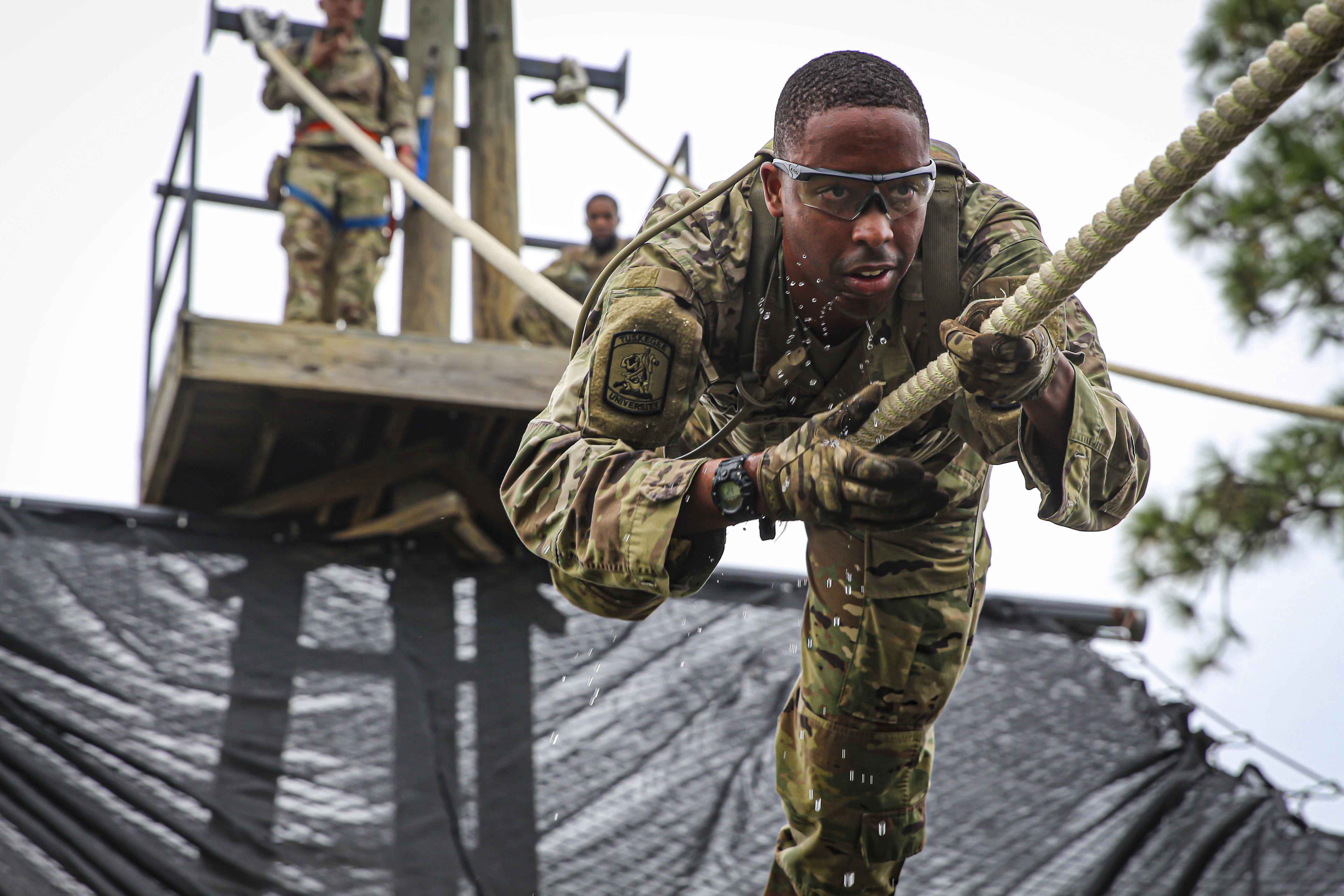
Tuskegee University Army ROTC cadet navigates a rope obstacle during training at Fort Benning, Ga., Sept. 19, 2020.
The CATCH a Serial Offender program continues to be available for sexual assault victims amid the COVID-19 pandemic.
Although social distancing and other safety measures continue to be implemented across the nation, victims may still call their local sexual assault response coordinator (SARC) or sexual assault prevention and response (SAPR) victim advocate to file a confidential report, known as a restricted report, and participate in the CATCH program. CATCH program entries can be filled in online after being provided a user name and password.
The CATCH program provides Service members and their adult dependents who have filed a restricted report of sexual assault a new confidential way to provide information about the alleged offender and incident to DOD criminal investigators without initiating an investigation in an effort to identify repeat offenders.
“We encourage anyone who is about to file a restricted report or who has already done so in the past to consider signing up for the CATCH program,” said Dr. Nate Galbreath, acting director of the DOD Sexual Assault Prevention and Response Office. “It’s still an available option even amid the COVID-19 pandemic, takes a short amount of time, and can lead to justice for you and others.”
Investigators from each Military Criminal Investigative Organization headquarters review entries in the CATCH system and compare them against other CATCH entries and unrestricted reports in other law enforcement databases to identify potential matches.
When a potential match is identified, a specially-trained CATCH point of contact privately notifies the victim, who is given the option to convert his or her restricted report to an unrestricted report and participate in the investigative and military justice process, as appropriate.
Those contributing a report to CATCH decide their level of involvement in the program and can decline to participate anytime, even after a match is identified.
For more information about the CATCH program please visit https://www.sapr.mil/catch.
For support, the DOD Safe Helpline is a hotline dedicated to members of the DOD community affected by sexual assault. The Safe Helpline offers completely anonymous, confidential, 24/7 support available online at www.safehelpline.org or by calling 877-995-5247. In addition, the Safe Helpline Mobile App provides access to one-on-one support, peer-to-peer support, information, resources and also access self-care exercises 24/7, worldwide on a mobile device. Safe Helpline personnel can provide crisis intervention support and refer members to long-term care resources within their local community or via the local SARC or SAPR VA.
Meet some of the sexual assault prevention and response (SAPR) victim advocates from each military service who are ready to assist sexual assault survivors. Learn more here.
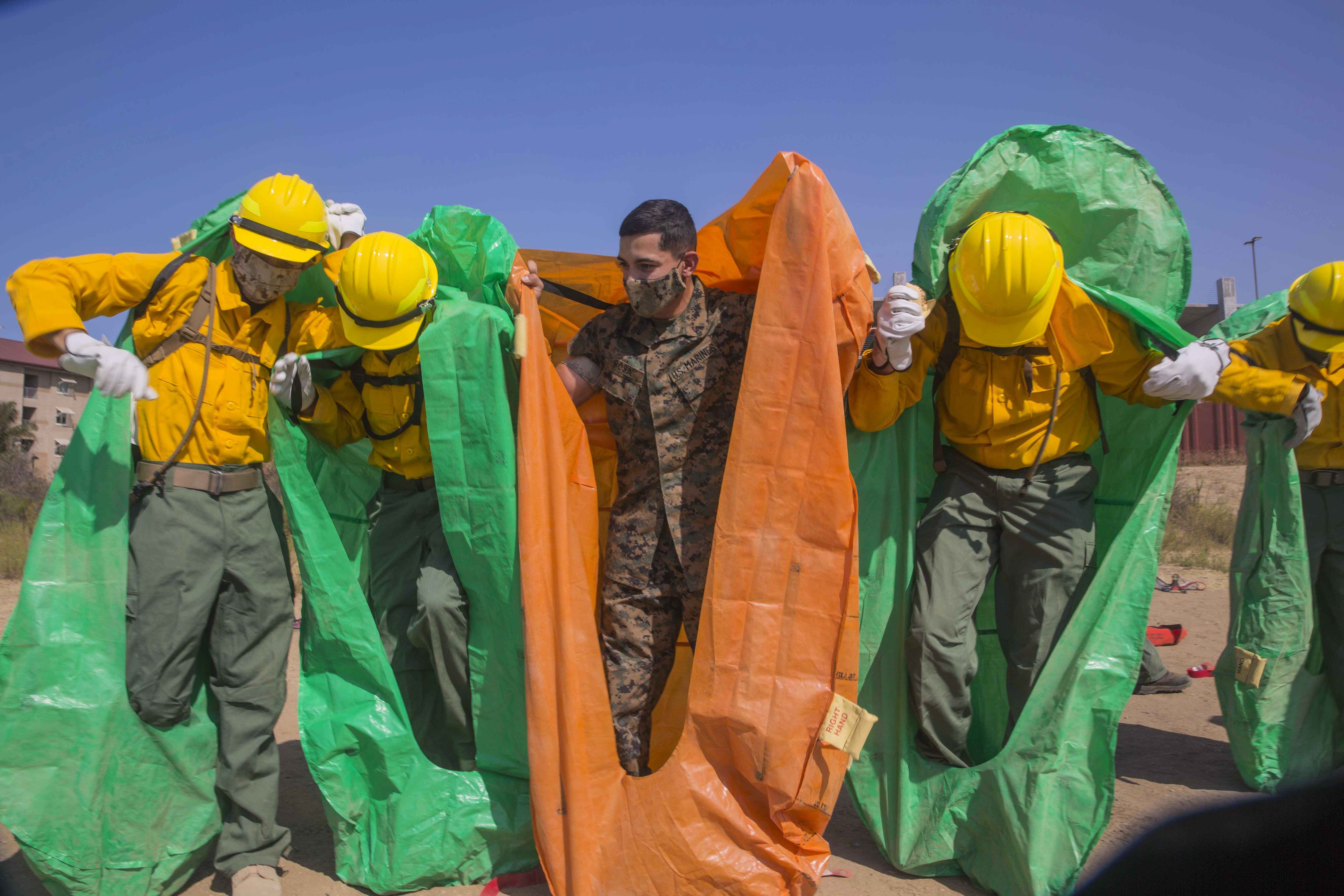
Marine Corps Cpl. Robert Rosa conducts training with a practice fire shelter at Marine Corps Base Camp Pendleton, Calif., Sept. 18, 2020. Marines and sailors assisted the U.S. Forest Service with fires in California.
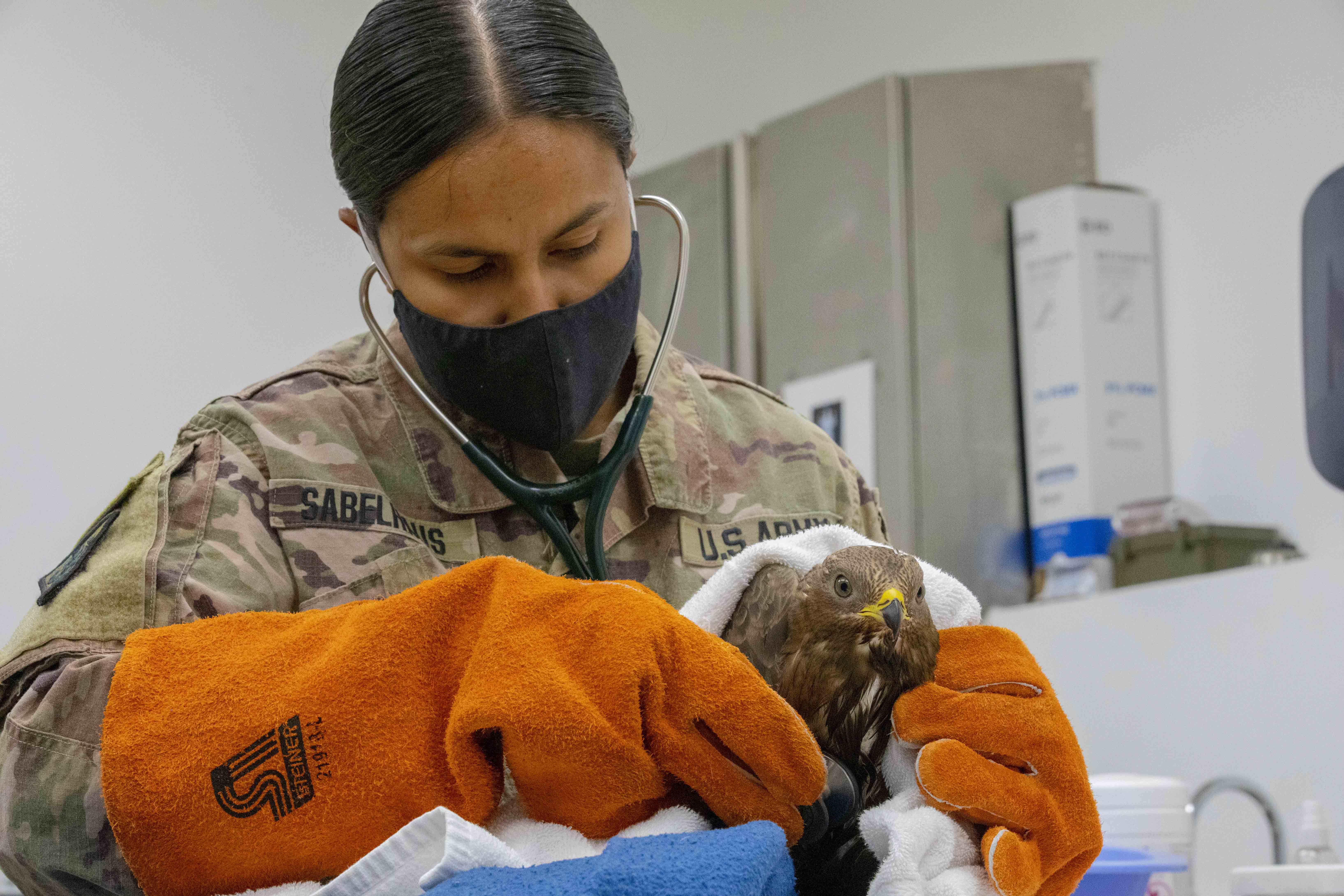
Army Cpt. Yesenia Stablehaus checks the heartbeat of an injured falcon at Camp Arifjan, Kuwait, Sept. 21, 2020.
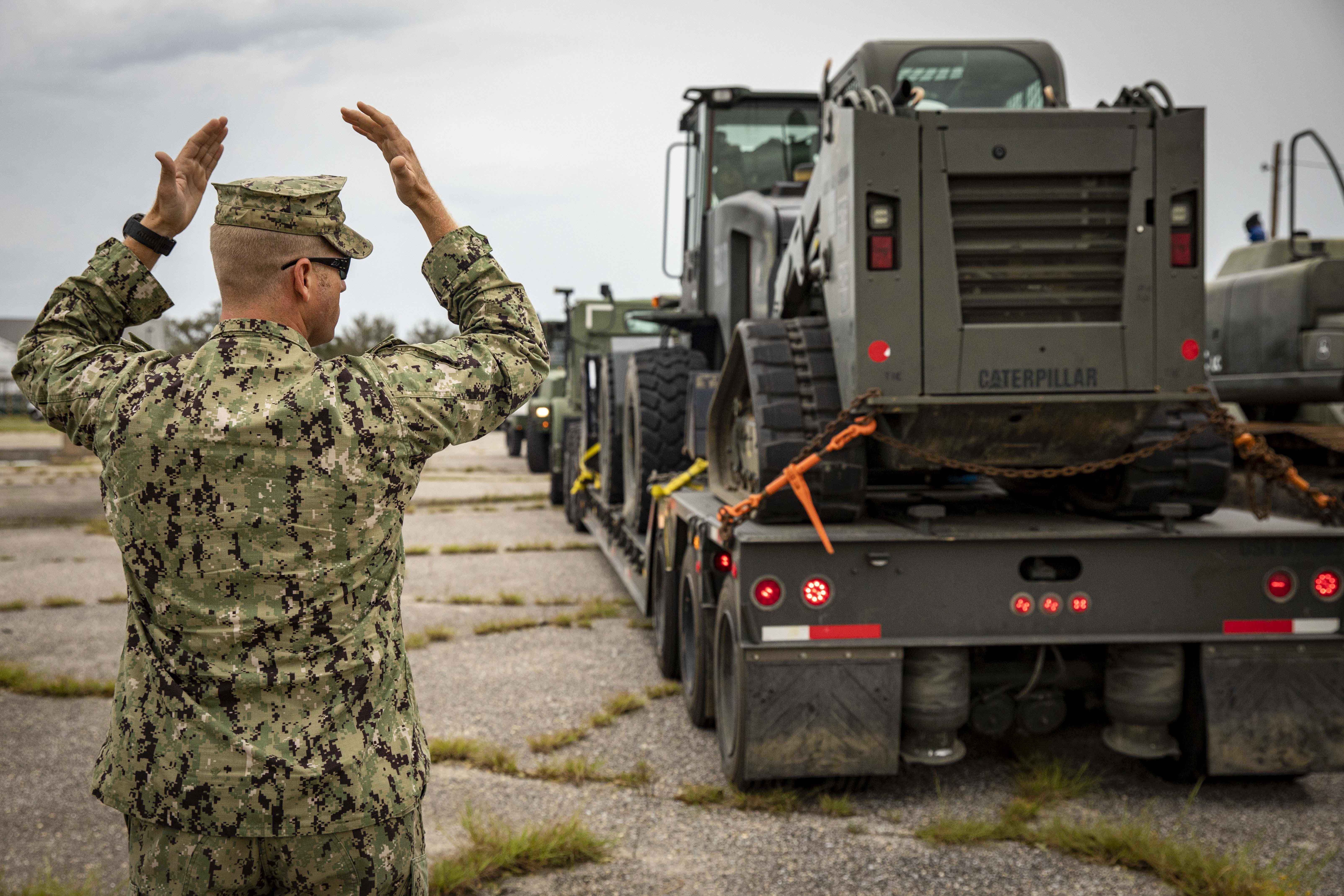
Sailors arrive with equipment and supplies at Naval Air Station Pensacola, Fla., Sept. 19, 2020, while supporting disaster relief efforts following Hurricane Sally.

An airman presents World War II veteran Charles Dever with an American flag from the Vandenberg Air Force Base Honor Guard for Dever’s 105th birthday in Goleta, Calif., Sept. 20, 2020.
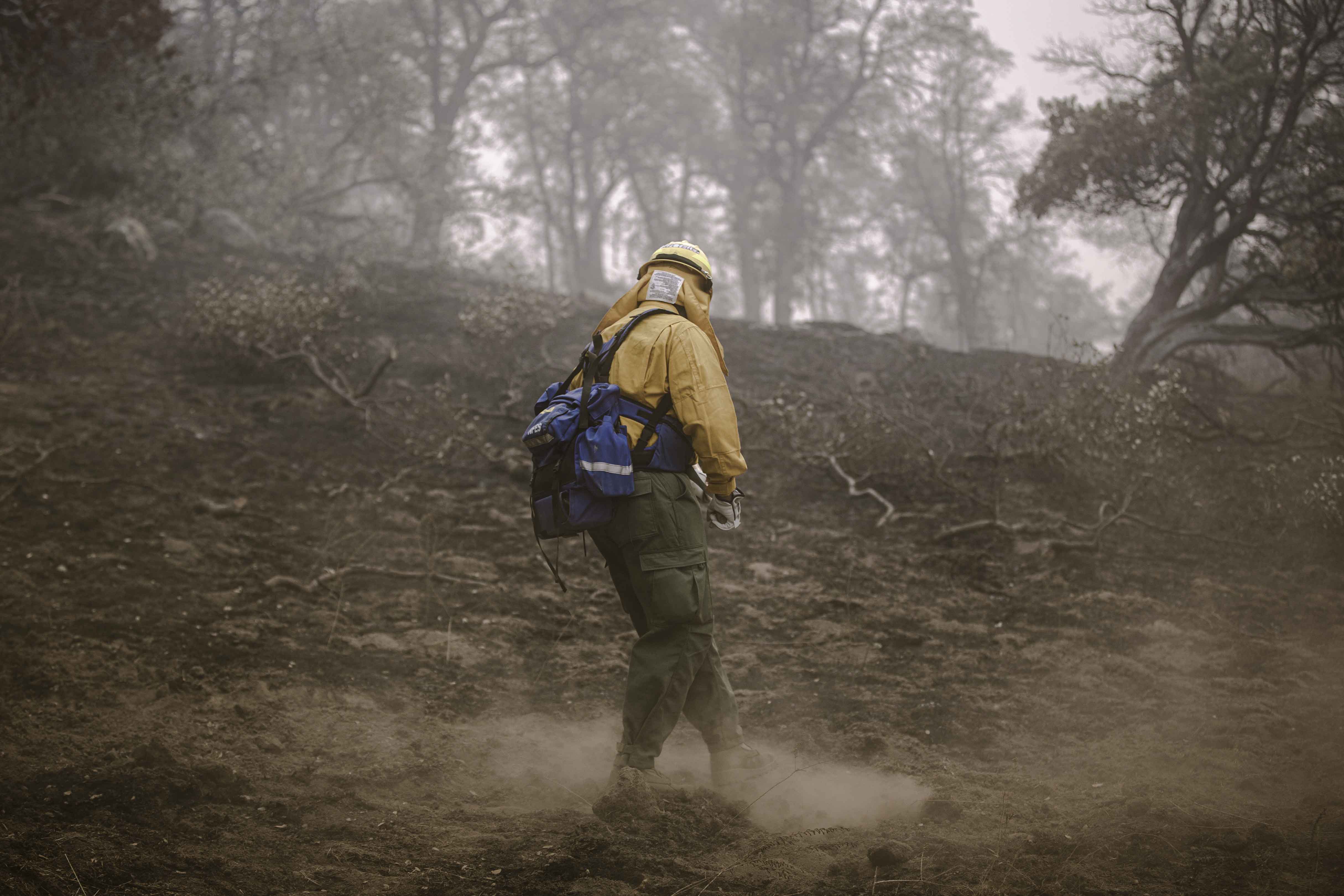
A Marine practices digging a fire line near the Sierra National Forest, Calif., Sep. 21, 2020. Marines and sailors assisted the U.S. Forest Service with fires in California.
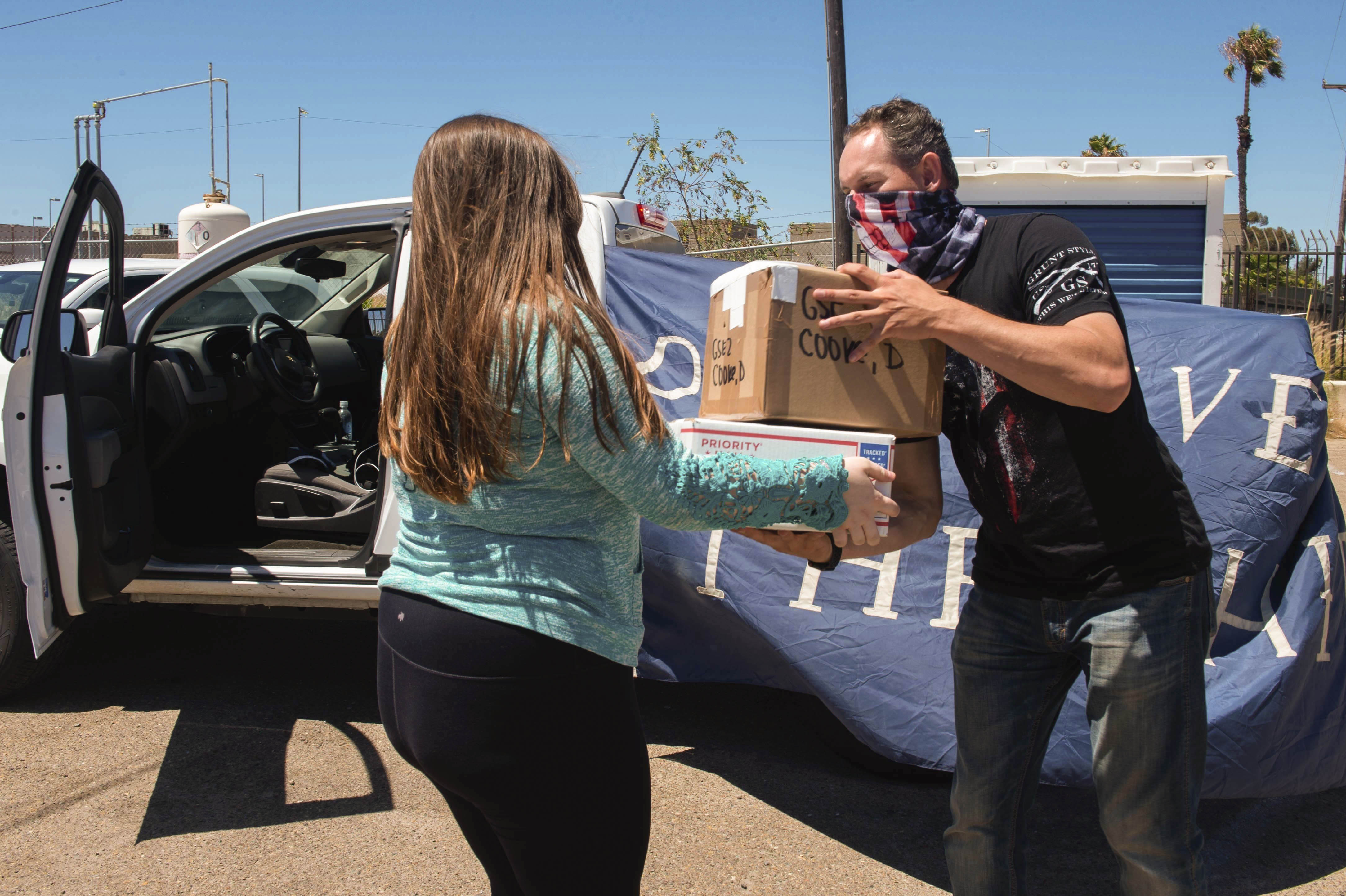
Navy Petty Officer 1st Class Arthur Phillips collects care packages from the family and friends of sailors assigned to USS Lake Erie before departing San Diego, Aug. 9, 2020.
Sept. 23, 2020 |
In early 2020, Norfolk Naval Shipyard, along with the rest of the country, found itself facing an unprecedented and unpredictable opponent: COVID-19. The shipyard began its efforts to combat the virus in March, quickly looking for new and innovative ideas to help aid in the fight and keep its workforce safe. One of those ideas was to install personnel guards in spaces where physical distancing wasn't always possible.

Since April, NNSY's Nuclear Sheet metal Shop, or Shop 17, has installed more than 6,000 square feet of protective personnel guards at NNSY, its satellite locations at Naval Station Norfolk and Nuclear Power Training Unit-Charleston, South Carolina. The idea first came about when the shop received a call from the radiation training team asking if there were any safety protections that would allow classroom training to resume. According to NNSY’s Structural Group (Code 920) Nuclear Director Brandon Williams, the team began brainstorming ideas that would use materials the shop already had on hand.
"We built several prototypes to ensure sightlines were maintained for the user while maximizing their protection from others" Williams said.
While working on their initial prototypes, the team quickly determined that there was not a one-size-fits-all solution for the barriers.
"Rather than produce standard-sized personnel guards, we decided that the most effective approach would be to take orders, go directly to the site requesting a personnel guard to take measurements and customize the item for the space where it would be installed," Williams added.
Five months later, Shop 17 has the process down to a science. Employees who are in need of a personnel guard send an email to the shop with the employee's contact information and location. Within 24 hours, a team member contacts the requesting employee via telephone and schedules an appointment to measure the space. Once the space is measured, the shop begins the fabrication process. This process takes approximately five working days, after which the lead team member will contact the requesting employee to schedule a delivery and installation time. The installation takes about an hour, according to Williams, but the timing can vary depending on the nature of the job.
While all of Shop 17 works to fabricate and install the personnel guards, the primary team behind the effort includes Nuclear Inside Shop (Shop 17) Supervisor James Wilkins and Sheet metal Mechanics Matthew Legg, Brian Nipper, Monica Cooper, Tom Deller and Steven Myers.
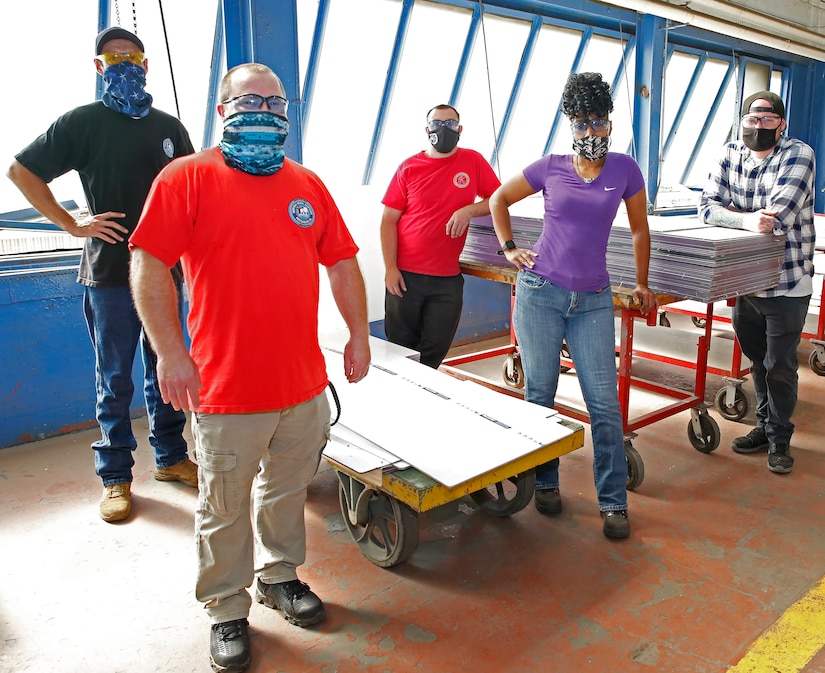
The work being completed by the Shop 17 team is in direct support of guidelines issued by the Centers for Disease Control and Prevention in partnership with the Occupational Safety and Health Administration.
"These guidelines indicate the importance of keeping the workforce healthy during the COVID-19 pandemic," Williams said. "One of the engineering controls recommended by the CDC is the installation of physical barriers where feasible. These personnel guards serve as physical barriers in an attempt to keep the workforce healthy and able to serve the fleet."
The personnel guards are especially important in spaces where physical distancing can be difficult, such as locations on the NNSY waterfront. The project is one of many innovative measures NNSY has used to keep its workforce protected and safe -- a task directly tied to the shipyard's mission, according to Williams.
"By improving our mitigation measures against COVID-19, our workforce can remain healthier, which results in increased man-hours, production and ultimately the readiness of the fleet," he said.
Williams said he has an immense gratitude for his team members and the continued dedication, hard work and commitment they've shown in the battle against COVID-19. He said that the work being done by Shop 17 Nuclear is "true to the C.O.R.E. values of NNSY helping to keep coworkers safe."
(Allison Conti is assigned to the Norfolk Naval Shipyard).
Sept. 23, 2020 |
Six newly-enlisted members of the Washington Air National Guard are serving in a domestic operations support role for the first time in state history, working at food banks alongside soldiers and airmen in response to the COVID-19 pandemic. The enlistees are members of the 194th Wing's student flight, which helps to prepare future airmen as they await basic military training and technical training.
"It's the first time this has ever happened in Washington State," said Air Force Senior Master Sgt. John Austin, superintendent of the Washington Air National Guard's 194th Force Support Squadron, who oversees the student flight.

As a result of intensive tasking for guard members in food bank support, voluntary COVID-19 mapping support to the Washington State Department of Health, military assistance for civil disturbances and other training and deployment requirements, Washington Air National Guard leaders recognized a need for additional personnel.
"Our volunteer pool was dwindling," Austin said.
While new enlistees cannot serve on federal missions before they have completed formal training, there is an allowance for them to serve in a state active duty status, Austin said.
After Washington National Guard leadership authorized new enlistees to volunteer for the food bank support mission, Austin put out the word to his student flight members in early August.
Christine Krysiak of Parkland came onto state active duty in August, just weeks after graduating from Franklin Pierce High School. She follows her father, grandfather and great uncle in joining the Air National Guard, and Krysiak's sister serves on active duty in the Air Force. Krysiak was assigned to the Bonney Lake Food Bank, where she helps to pack food and make home deliveries.
"We're helping out the community, and that's what matters," said Krysiak. "Everybody has been impacted by COVID-19. We don't know their situation, and we can't judge. We can only imagine what they could be going through."
Krysiak has seen the impact of her work on community members.
"It's cool to see people come in and say thank you for everything that we do," Krysiak said.
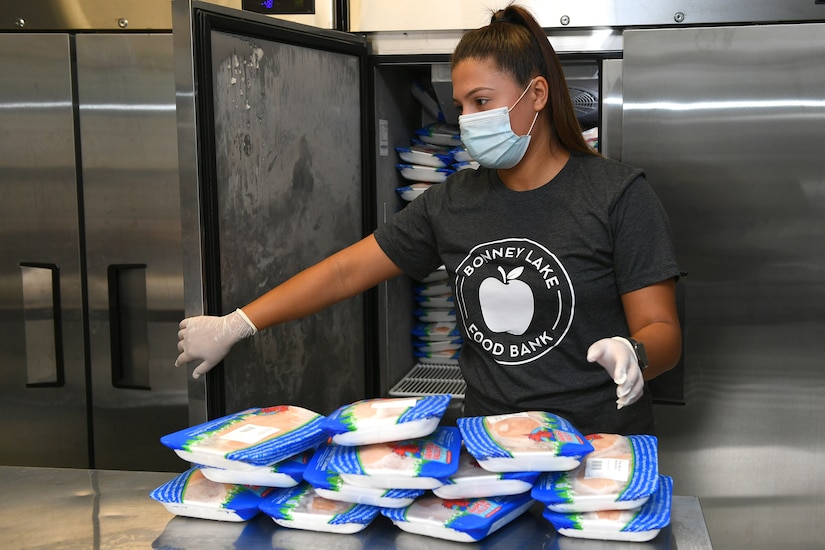
For Air Force Airman Sara Mark, the opportunity to serve at the Nourish Pierce County warehouse in her hometown of Lakewood came as she awaits technical training to be a personnel specialist in the 194th Force Support Squadron. With reduced hours in her civilian job, it worked well for her to join the guard's food bank mission.
"I did want to help out the community during this pandemic," Mark said. "A lot of people can't afford food, so it's nice to be a helping hand."
Eric Cunningham of Shelton enlisted in the guard over the summer to become a member of the 194th Security Forces Flight. Two years out of high school, Cunningham worked in construction but he was able to take on a role with the guard at a food packing facility in Lakewood shortly after swearing into the military. Cunningham works with other members of the 194th Wing to make boxes that are used for packing.
"We make 2,000 boxes a day, which is 40 pallets worth," Cunningham said. "We're pretty efficient I'd say."
Cunningham said he sees value in his time on state active duty as he prepares for formal training.
"It helps me get more involved with the military before I go to basic military training," Cunningham said. "One advantage of interacting with Airmen who have already been through training, is that they can give advice on his next steps in military service."
During their time on state active duty, student flight members worked alongside experienced Air National Guard members who are designated to guide them.
"It's good Air Force mentorship," Austin said. "They are getting good experience that they would not otherwise have. They're learning to work in a team environment. They're learning about joint relationships with the Army."
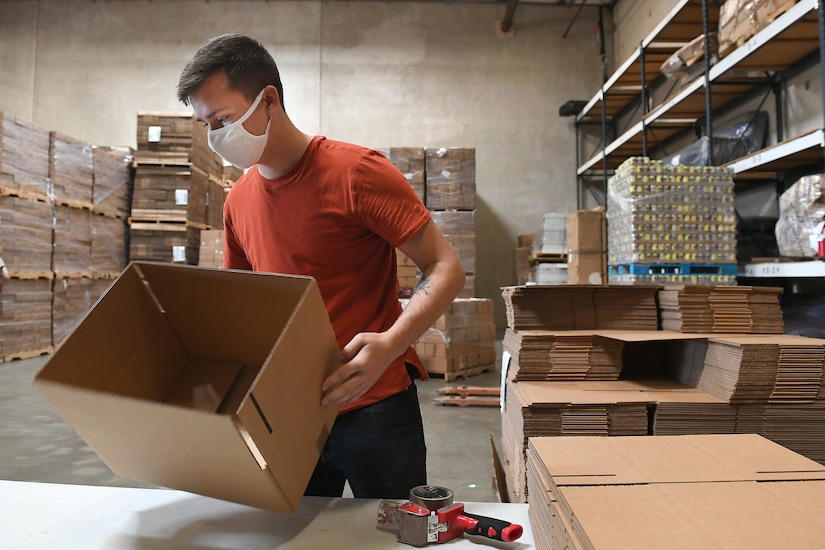
Student flight members mention teamwork as a highlight of their service experience.
"Even though we're in different branches, it's nice being part of a team," Mark said. "I like the emphasis on teamwork," Cunningham said.
And even though student flight members have just begun their journey in military service, they are already being integrated into a domestic operations mission.
"I feel included," Krysiak said. "I don't wear the uniform, but I'm still a part of them."
Altogether, Washington National Guard members have taken part in processing, packaging and distributing more than 45 million pounds of food since the start of the COVID-19 emergency. For Austin, the work that members of his student flight are performing is at the heart of why the guard exists.
"This is what the National Guard is about, to help out our community by jumping in early, getting fully organized," Austin said.
(Air Force Capt. Hans Zeiger is assigned to the 194th Wing)


 Posts
All Comments
Posts
All Comments
Posts
All Comments
Posts
All Comments