For the handlers of the 525th Military Working Dog Detachment, 18th Military Police Brigade, readiness isn't just about the mission — it's about maintaining the total health of their most trusted partners.
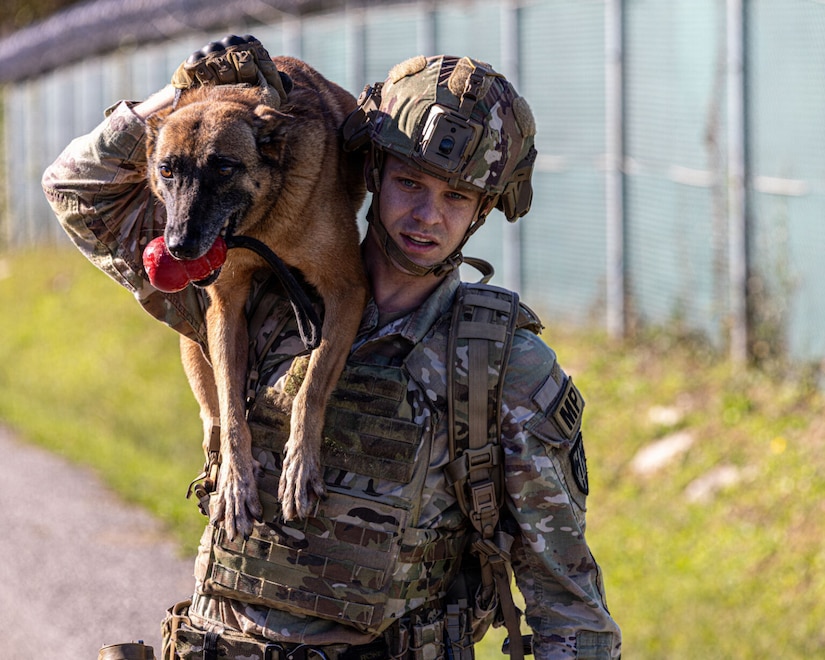
Through the U.S. Army's new Canine Holistic Health and Fitness
program, the detachment based in Vicenza, Italy, is redefining what it
means to be mission-ready, one paw at a time.
The Army established the K9H2F program under Army Directive 2025-16 to
enhance the wellness, performance and quality of life of MWDs Aug. 21.
The directive mandates all Army MWD units to implement comprehensive
health and welfare standards, aligning with War Department and Army
veterinary care policies.
Modeled after the Soldier Holistic Health and Fitness system, K9H2F
takes a science-based, whole-dog approach — addressing physical fitness,
nutrition, behavioral health and recovery. For the 525th MWD team, that
means every dog receives the same level of conditioning and care as any
elite military athlete in uniform.
"Our dogs are tactical athletes," said Army Staff Sgt. Payton R. May,
kennel noncommissioned officer in charge, 525th MWD Detachment, 18th
Military Police Brigade. "They train hard, they work hard and they
deserve the same attention to fitness, nutrition and injury prevention
that we give our soldiers. The H2F program helps us keep them in top
condition so they can perform safely and effectively in any
environment."
A key component of the directive, the Partner and Wellness program,
ensures handlers and their assigned MWDs relocate together during
permanent changes of station, strengthening continuity and the human-K9
bond.
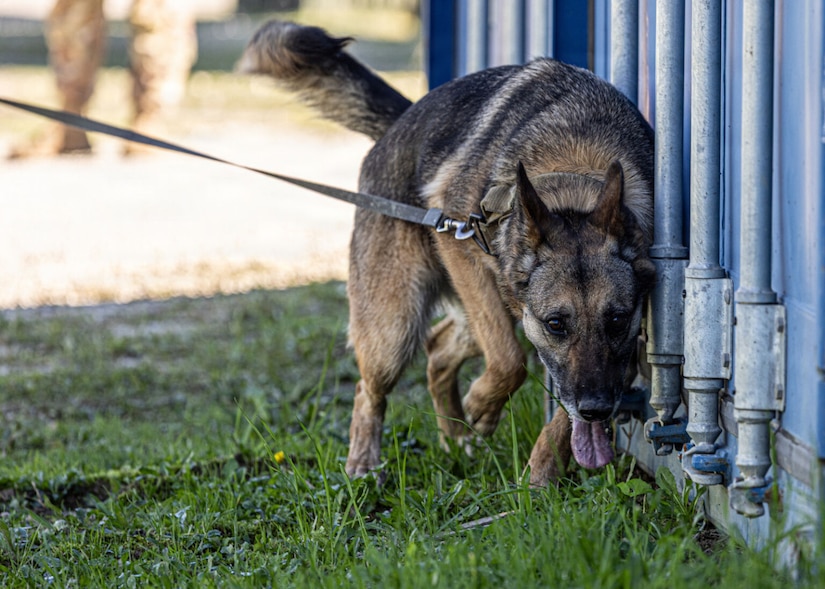
"When I [moved] to Italy, being able to bring my dog with me made a huge difference," said Army Spc. Matthew C. Skalisky, a patrol explosive detector dog handler assigned to the 525th MWD. "It helps us maintain that trust and teamwork that can't be replaced. The PAW program makes sure that bond doesn't get broken."
Each MWD now follows structured conditioning routines designed to build strength, endurance and agility while reducing the risk of injury. Specialized diets, recovery protocols and enrichment activities round out their regimen, ensuring each dog remains physically capable and mentally resilient.
According to Army Sgt. Maj. Viridiana Lavalle, Headquarters, Army Military Working Dog program manager, the initiative marks a major step forward in modern K9 care.
"Proactive and data-driven K9 care is essential for optimizing the performance and longevity of MWDs, directly impacting mission readiness and effectiveness," Lavalle said. "By leveraging advanced analytics to monitor health metrics, exercise regimens and behavioral patterns, handlers can implement tailored care strategies that enhance the holistic health of MWDs."
This strategic approach not only improves the physical capabilities of these vital assets but also supports K9 mental resilience, ensuring they are fully prepared for the demands of their critical roles.
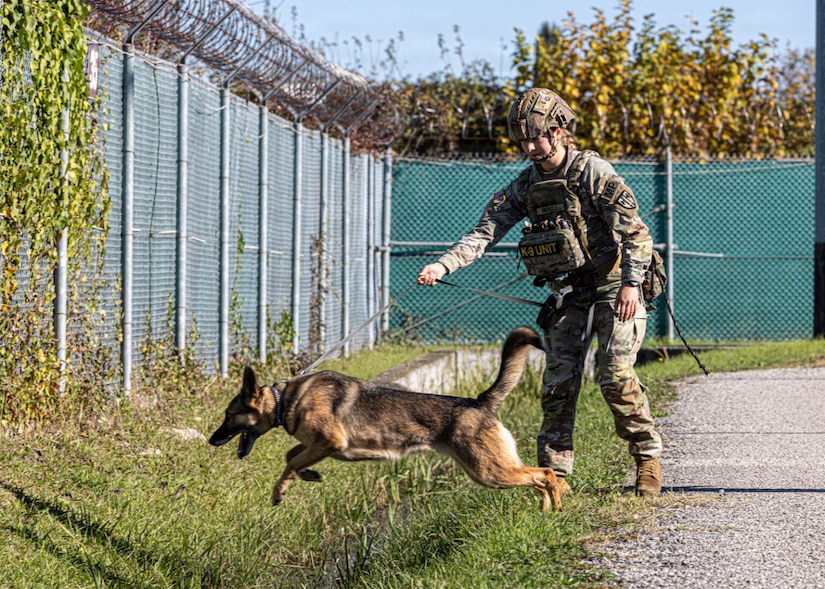
"Ultimately, investing in comprehensive K9 care through data-driven insights enhances operational effectiveness, contributing to mission success and the overall safety of military personnel," Lavalle added.
The holistic approach extends beyond the kennel. Handlers train alongside veterinary and behavioral specialists to better understand each dog's unique needs, improving communication and enhancing mission effectiveness.
"The bond between handler and dog is everything," May said. "When you have that trust, that connection, the dog performs with confidence. The H2F program helps us strengthen that bond through better training, stress management and recovery practices."
From explosive and narcotics detection to patrol duties across Europe and Africa, the 525th's military working dogs play a vital role in safeguarding soldiers and installations. The K9H2F program ensures those capabilities remain sharp on every mission, in every environment.
"Investing in our dogs' health is investing in readiness," said Army Spc. Abigail M. Bentle, a patrol narcotics detector dog handler assigned to 525th MWD. "They're not just assets, they're teammates. When they're healthy, confident and capable, our entire formation is stronger."
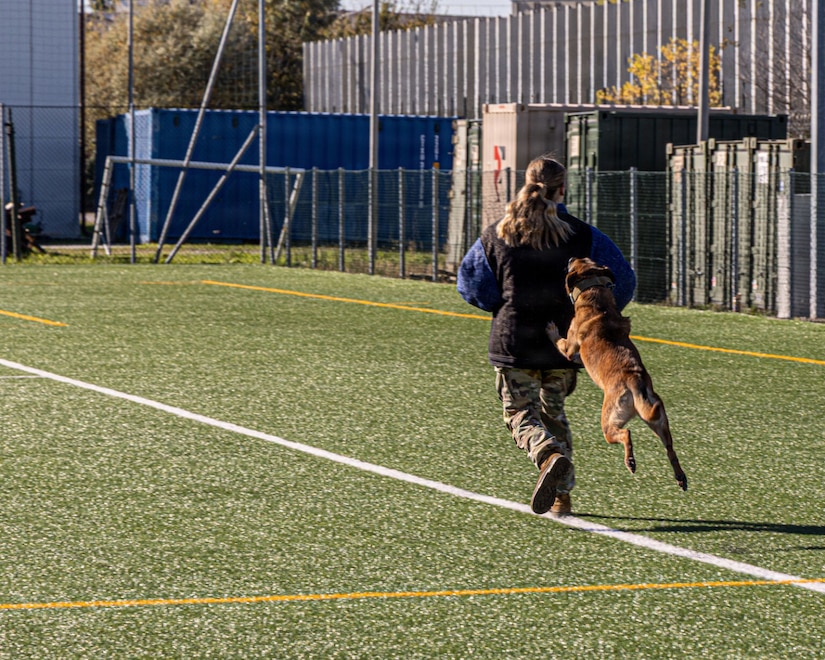
Under the directive, the Army Provost Marshal General oversees program criteria and compliance, while the Surgeon General of the Army coordinates implementation guidance. Commanders are required to meet new kennel and enrichment standards within 90 days, and the policy will be incorporated into Army Regulation 190-12 within two years.
For the soldiers and K9s of the 525th MWD Detachment, holistic fitness isn't just a program; it's a commitment to excellence that keeps both handlers and their four-legged partners ready for any mission.


 Posts
Posts

