
Marines and airmen participate in a high mobility artillery rocket system rapid insertion event in Okinawa, Japan, June 17, 2021.
Providing up-to-date information, news and original content on American Military issues.
Marines and airmen participate in a high mobility artillery rocket system rapid insertion event in Okinawa, Japan, June 17, 2021.

Army Reserve soldiers secure convoy assets after a simulated gas attack and enemy fire during training at Fort McCoy, Wis., June 13, 2021.

Marine Corps Cpl. Zaejhon Betts sets up a security posture during a simulated long-range strike mission at San Clemente Island, Calif., May 20, 2021.
June 17, 2021
Chairman Leahy, Vice Chairman Shelby, Chairman Tester, and distinguished members of this committee -- thank you for the opportunity to testify today about the President’s budget request for fiscal year 2022.
I’m pleased to appear alongside General Milley, whose counsel has been crucial to us as we developed our budget and as we continue to defend this nation.
Let me say at the outset that I believe our budget request will help us match resources to strategy, strategy to policy, and policy to the will of the American people.
This budget is informed by the President’s Interim National Security guidance and my own Message to the Force. We believe that it funds the right mix of capabilities that we need most to defend this nation… now and in the future.
It invests in hypersonic weapons, artificial intelligence, micro-electronics, 5G technology, space-based systems, shipbuilding, and nuclear modernization… to name a few.
In fact, this budget asks you to approve nearly 28 billion dollars to modernize our nuclear triad and 112 billion dollars for research, development, testing, and evaluation -- the largest R&D request ever put forth by this Department.
Our request also gives us the flexibility to divest ourselves of systems and platforms that no longer meet our needs… including older ships, aircraft, and I-S-R platforms that demand more maintenance, upkeep, and risk than we can afford.
The Department must be ready to keep pace with our competitors… and, if necessary, to fight and win the next war… not the last one.
That’s why we have commissioned a Global Posture Review and a new National Defense Strategy, which will further inform and guide our resource decisions.
This budget reflects our focus on the pacing challenge that we clearly see from the People’s Republic of China, to include more than five billion dollars for the Pacific Deterrence Initiative and DoD investments more broadly.
Last week, after our China Task Force completed its work, I issued an internal directive kicking off Department-wide efforts that will, among other things, help bolster our deterrence against the PRC, revitalize our network of regional allies and partners, and accelerate the development of cutting-edge capabilities and new operational concepts.
However, China is not our only challenge.
Our budget also invests 617 million dollars to counter the damaging effects of climate change, and additional funds to prepare for future challenges like another pandemic.
It helps us counter belligerence from Russia, particularly in the cyber realm. You’ll see more than 10 billion dollars devoted to cyber security, cyberspace operations, and cyber research and development.
With its emphasis on space, missile defense, and more sophisticated sensors, our budget will also help us counter the increasing ballistic-missile capabilities of nations like North Korea and Iran.
It funds a troop presence and counter-terrorism capabilities in the Middle East and South Asia to meet the threats posed not only by Iran but also by terrorist networks like ISIS and al Qaeda… and, in Africa, like those posed by al Shabaab.
And it helps us maintain the integrated deterrent capability and global posture necessary to back up the hard work of our diplomats, allies and partners.
Now, I know that Afghanistan remains at the top of all of our minds, and I can report that the retrograde remains on pace. We had the chance this week to update our NATO Allies in Brussels, and I was encouraged by their continued support for the new direction we are taking.
We have accomplished the mission for which our troops were sent to Afghanistan 20 years ago. And I’m very proud of the brave men and women who made it possible, and of those who gave their lives for that mission.
I am also deeply grateful to the families of our service members who have endured so much as they sent their sons, daughters, husbands, and wives into battle.
We will now transition to a new bilateral relationship with our Afghan partners… one that helps them meet their responsibilities to their citizens, but one that will not require a U.S. footprint larger than what’s necessary to protect our diplomats.
And that’s one reason why we are asking to move overseas contingency operations funding inside the budget. This will add greater transparency, accountability, and predictability to the budgeting process. And, frankly, it’s overdue.
Now, this budget also takes care of our people.
It increases funding to support in-home care and support, which has become increasingly important during the pandemic.
We also seek to improve military base pay, retention bonuses, and other incentives that help us attract and retain the best talent.
And we will be working hard to combat challenges that make service in the ranks more difficult for all the men and women of the Department… from getting a better handle on the extent to which we experience extremist behavior, to combating sexual assault and harassment.
We know we have a lot of work to do in this regard. And we are ready to do it.
Chairman Leahy, members of the committee, we field the greatest military in human history… made up of the finest men and women who have ever donned the cloth of their nation.
We also enjoy a civilian workforce deeply committed to every mission that we take on.
No adversary can match the quality of our people.
I am immensely proud and humbled to serve again with them. And I can assure you that the President’s budget request for fiscal year 2022 fulfills our obligations to them and their families.
I thank you for your steadfast support of the Department of Defense, and for all you do to ensure that we remain ready to defend this nation.
I look forward to answering your questions.
Thank you.
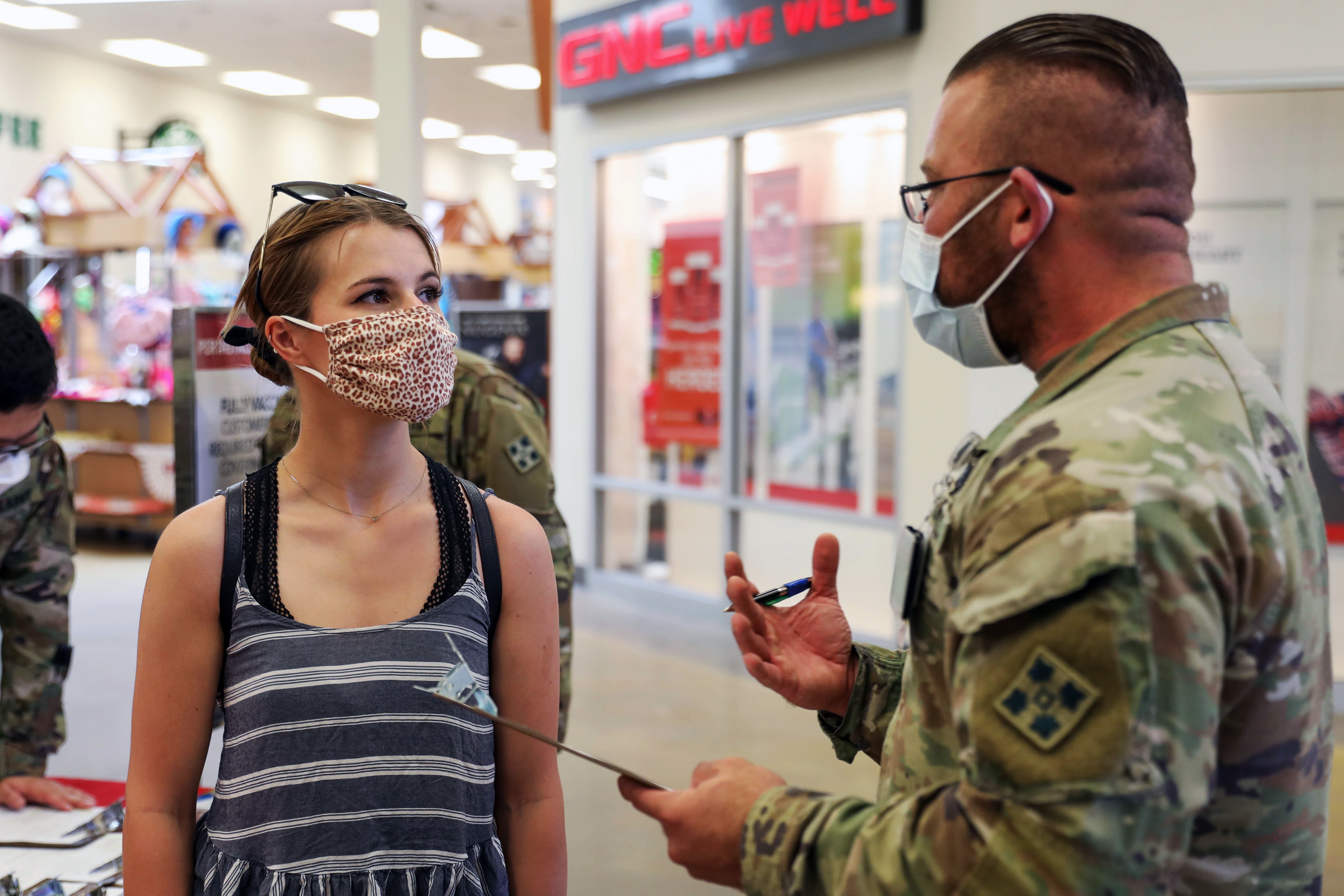
Army Staff Sgt. Robert Bellasalma, assigned to the 64th Brigade Support Battalion, 3rd Armored Brigade Combat Team, 4th Infantry Division, briefs Emily Fouts on the process for obtaining the COVID-19 vaccination for free at the vaccination kiosk at Fort Carson, Colo., June 9, 2021. This vaccination kiosk makes the vaccination process more accessible for soldiers and families.

Arizona National Guard service members prepare groceries for area residents at a food pantry in Phoenix, Ariz., June 16, 2021. The Arizona National Guard has activated more than 800 Arizona guardsmen to support food banks and other community needs during this state of emergency response.
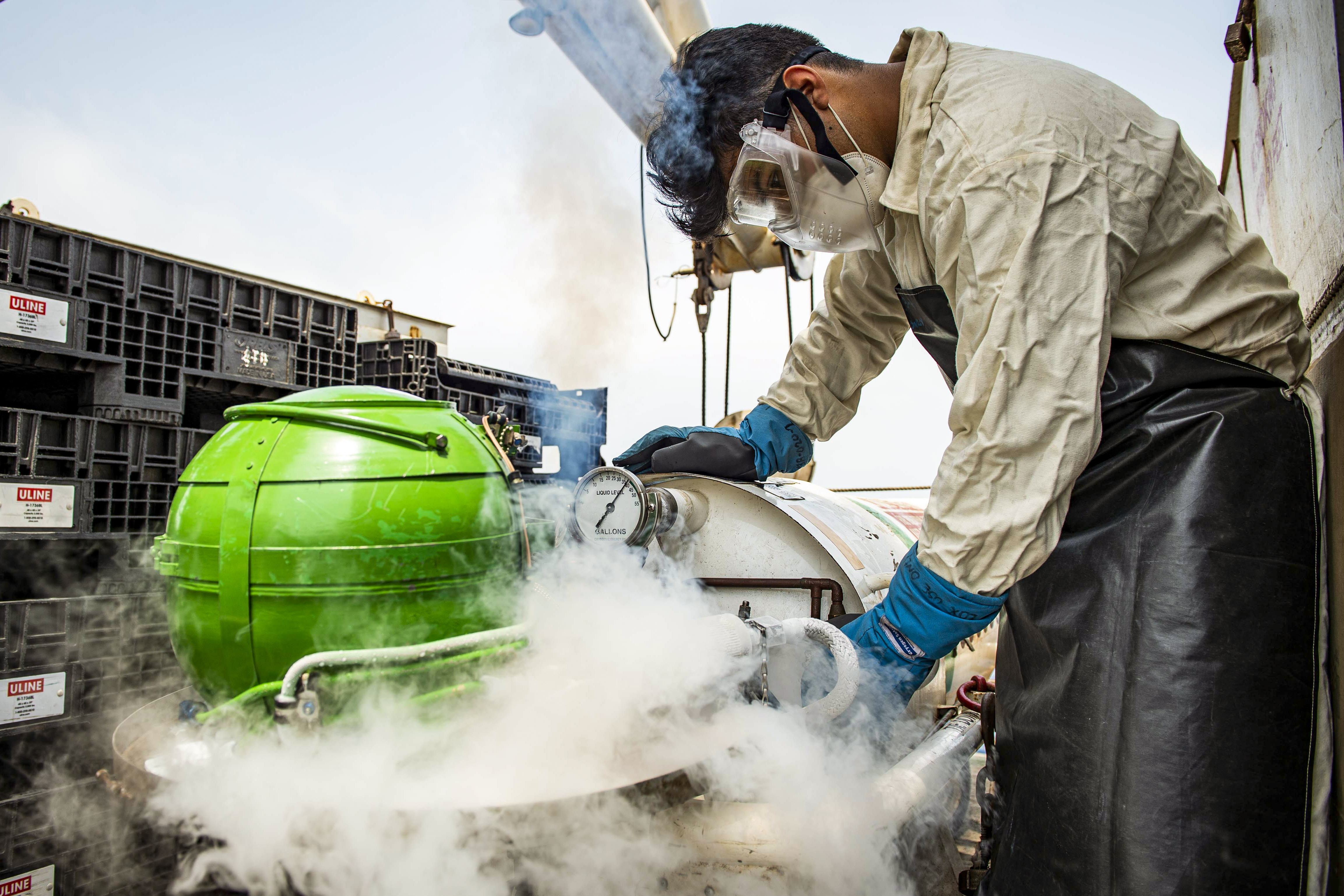
Navy Seaman Juan Martinez refills a liquid oxygen converter on the flight deck of the aircraft carrier USS Dwight D. Eisenhower in the Arabian Sea, June 15, 2021.

Navy SEALs conduct a nighttime patrol during Orion 21 in Crete, Greece, June 3, 2021. The exercise tests international collaborations, the role of special operations forces in the Balkan and Mediterranean regions, and the enhancement of Greek operational capabilities in multiple domains.

Air Force Staff Sgt. Robert Sposato uses green smoke to conceal his movement during a training exercise at Joint Base Cape Cod, Mass., June 5, 2021.

Air Force Staff Sgt. Miguel Guajardo works with Splash, a military working dog, at Yokota Air Base, Japan, June 11, 2021.

U.S. sailors and Marines conduct bilateral operations with Japanese troops in the Philippine Sea, June 13, 2021.

Air Force Airman 1st Class Aaron Slack repairs a hole in a parachute at Al Udeid Air Base, Qatar, June 14, 2021.
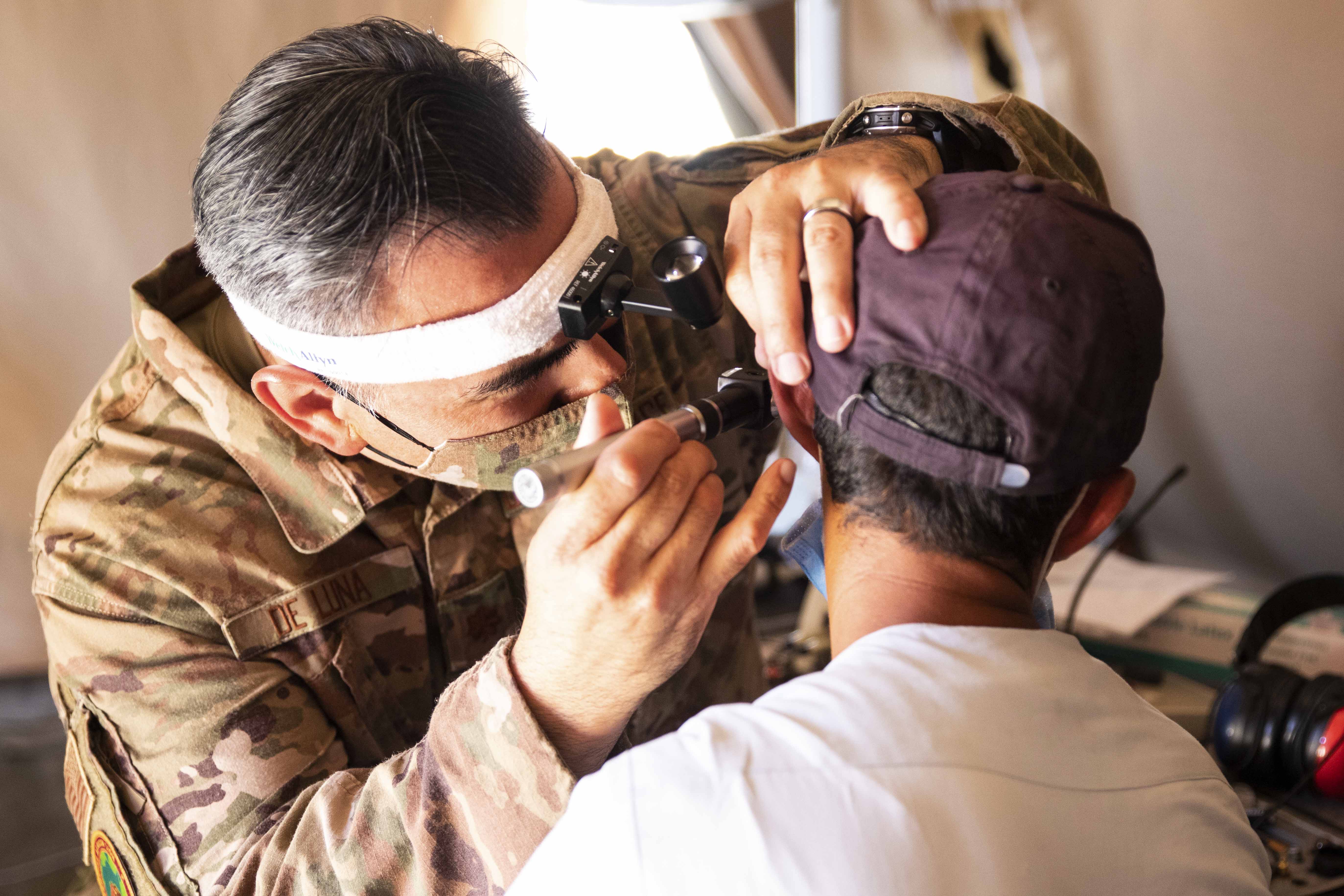
Air Force Maj. Rolando De Luna examines a patient in Tafraoute, Morocco, June 14, 2021, during African Lion, U.S. Africa Command's largest joint, annual exercise.

Arizona Army National Guard soldiers deliver groceries and other items to area residents at a drive-in and walk-up food bank in Phoenix, Ariz., June 15, 2021. The Arizona National Guard has activated more than 800 Arizona guardsmen and airmen to support community needs during this state of emergency response.
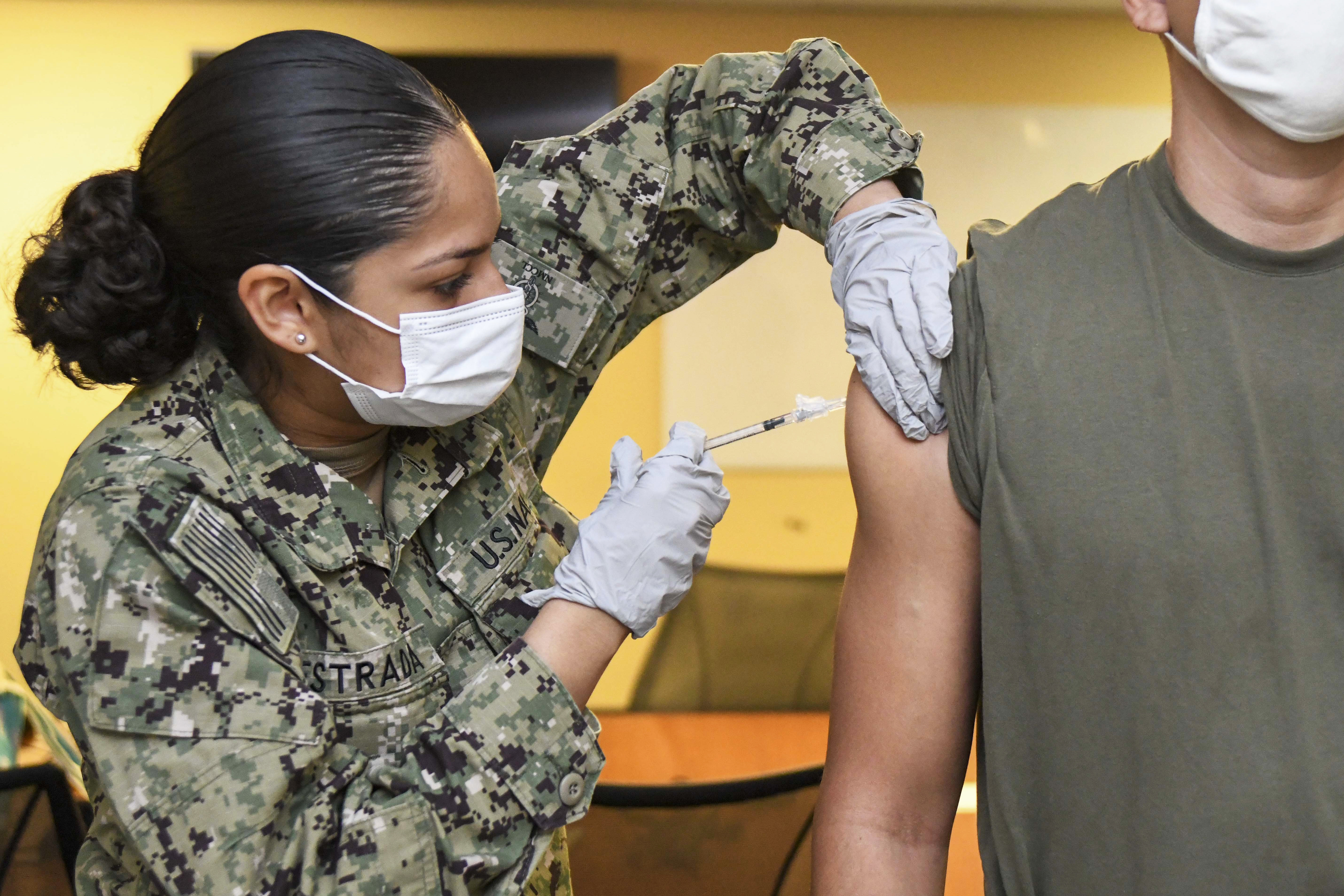
Navy Seaman Denisse Estrada-Suarez administers the COVID-19 vaccine during a Tiger Team visit to Marine Forces Special Operations Command at Camp Lejeune, N.C., June 15, 2021.

A Marine carries the Marine Corps Forces South guidon during a formation run around Marine Corps Support Facility New Orleans, June 15, 2021.
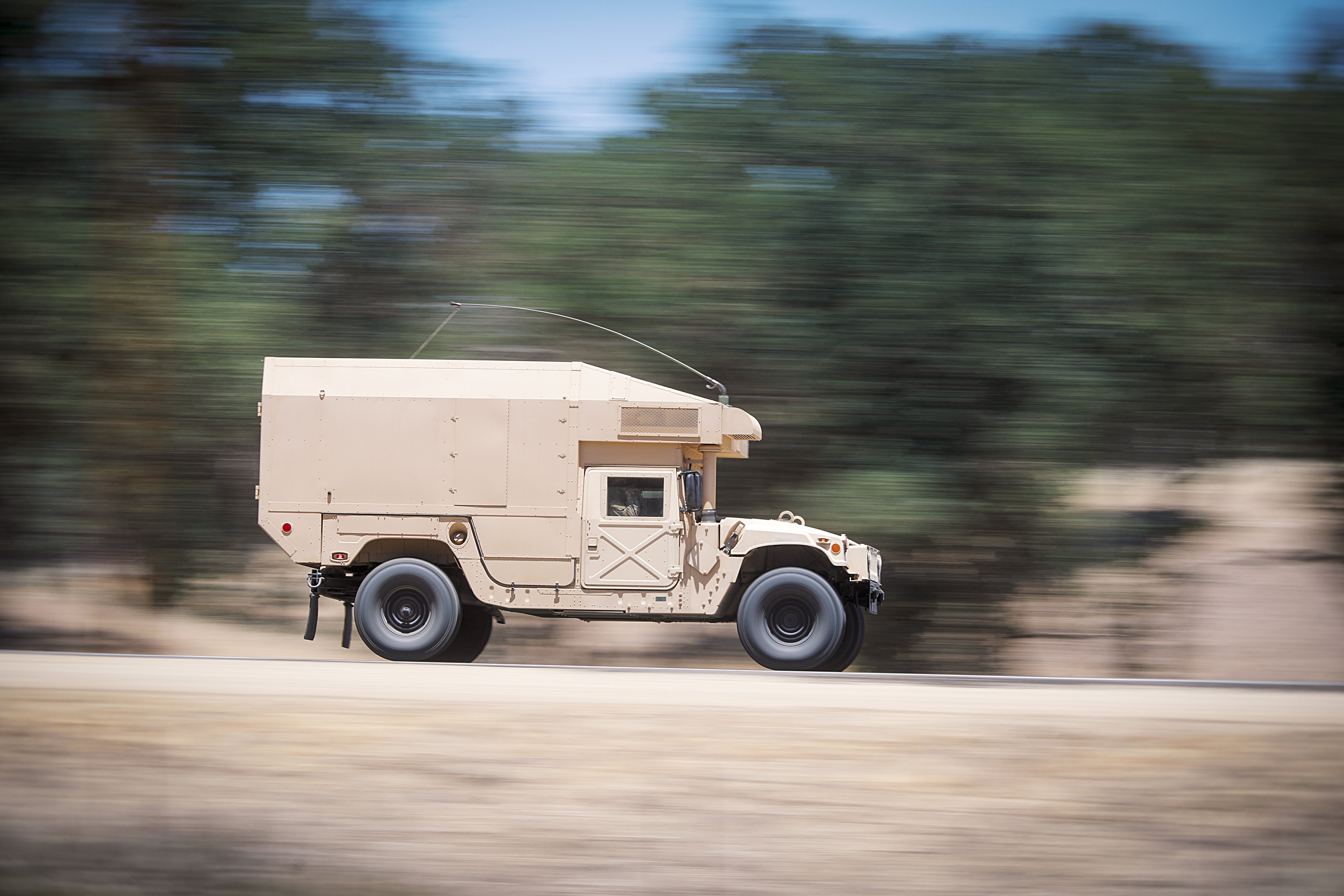
A field ambulance rushes simulated patients to a combat hospital during Exercise Global Medic at Fort Hunter-Liggett, Calif. June 11, 2021. The exercise aims to provide trained, equipped, and combat ready units and medical personnel to support the total force on the battlefield.
June 16, 2021
Pentagon Press Secretary John Kirby provided the following readout:
Secretary of Defense Lloyd J. Austin III met virtually with his Association of Southeast Asian Nations (ASEAN) counterparts, along with counterparts from the other ASEAN Dialogue Partners, at the ASEAN Defense Ministers’ Meeting Plus, June 15, 2021. In his remarks, Secretary Austin articulated the Administration’s vision for the Indo-Pacific, underscoring the importance of allies and partners, shared principles, and multilateral approaches to security challenges, including pandemic assistance. He also highlighted unlawful PRC behavior in the South China Sea and called on Myanmar’s military to change course.
The Defense Ministers formally adopted this year’s Joint Declaration commemorating the 15th anniversary of the ADMM, which emphasizes a broad commitment by the ADMM-Plus members to collaborate in addressing common challenges, and to uphold a rules-based order. Notably, the Ministers identified natural disasters exacerbated by climate change as a significant emerging regional challenge requiring cooperation to address.
June 16, 2021 | BY C. Todd Lopez , DOD News
At a town hall meeting at the Pentagon for the department's industrial policy community, Stacy A. Cummings, who is performing the duties of undersecretary of defense for acquisition and sustainment, met with Ambassador Gina Abercrombie-Winstanley, the chief diversity and inclusion officer at the State Department, to discuss the importance of diversity and inclusion in the success of their respective agencies.
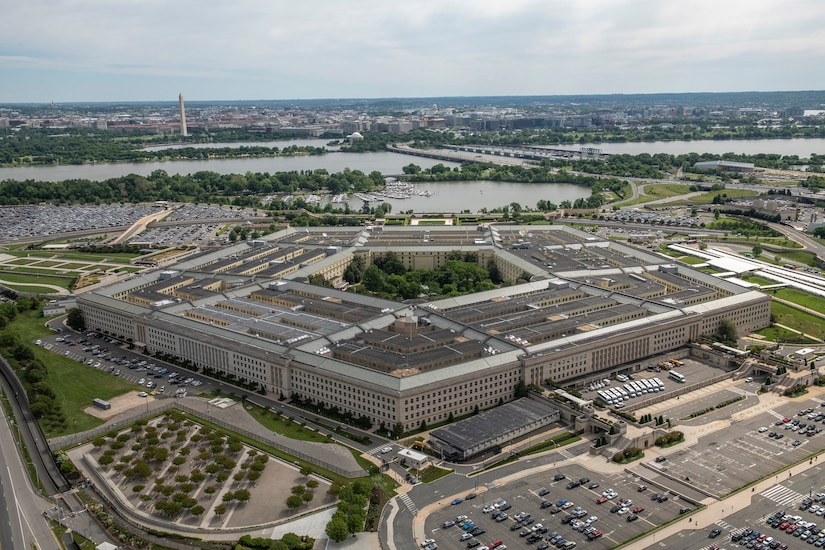
"The [secretary of defense] looks at the department, leading through values. And diversity, equity, and inclusion are part of our values as a country and our values as a department,” Cummings said. "His intention is that we incorporate that into our work and everything that we do. It is a strategic imperative, and it's critical to mission success and accomplishment that diversity and inclusion are included in our strategies."
Cummings said leaders across the defense department have been challenged by Secretary of Defense Lloyd J. Austin III to leverage the strength of the total force, including military personnel, civilians and in the acquisition and sustainment community, industry partners as well.
"The way that I personally think about diversity and inclusion is from the perspective of competing for talent," Cummings said. "In order for us ... to get the best possible capability, we need to have a structure and an environment that incorporates the totality of the United States of America as well as the capabilities of our allies and partners. And if we want to get the best skills, the best capability, the best thought, the best innovation, the only way for us to do that is to encourage everyone to want to compete to be part of our team."
When diversity and inclusion are at the forefront of defense leaders' decision-making, Cummings said, the best people will come forward to be part of not just the A&S team, but also to be a part of the teams that make up the industry partners who provide capabilities for warfighters. Diverse teams, she said, create diverse ideas that are more capable of providing the department with what it needs to keep the nation safe.
Those diverse ideas, she said, answer the call for the innovation and modernization at the center of the president's interim national security strategy.
"It is very strongly focused on bringing in innovation and modernization in a way that's affordable so that we can balance innovation and modernization with sustainment or continued current readiness," she said. "And the only way we're going to do that is if we bring in new ideas, and if we bring in new thoughts and technologies."
Ensuring those diverse new ideas come into the department is only possible, she said, if there is an environment within the department itself that invites it in.
"We can only do that when we create an environment that's open for everyone to have ... not just a seat at the table, but a voice — and actually be able to share their thoughts," she said.
Abercrombie-Winstanley said that at the State Department, she's now working to do much the same — bringing in diverse talent to strengthen the ability of her own agency to conduct its diplomatic mission.
"Our biggest challenge, we know, is the system," Abercrombie-Winstanley said. "Many people in our organization do not believe that our system will serve them well, either that they are equally valued, have the same access to assignments that lead to promotion, that lead to retention. And that is where the Department of State struggles most — not with recruiting, but with retention."
In much the same way that diversity and inclusion can bring a broader range of ideas to the Defense Department's acquisition and sustainment community, which translates to better capability for the warfighter, Abercrombie-Winstanley said diversity and inclusion will strengthen the State Department's ability to conduct diplomacy on behalf of the nation.
"The secretary was clear ... we are doing this not just because it's the right thing to do, but because it's going to make our work better," Abercrombie-Winstanley said. "Anyone knows if you got a group of people trying to resolve a problem, the wider array of backgrounds and perspectives that you have at the table are going to give you a wider array of options and recommendations for resolving the issues or the challenges before you."
That wider array of backgrounds, perspectives, and experiences, Abercrombie-Winstanley said, will help the State Department the way it helps the Defense Department.
"People who come from the region, or have lived experiences in the region, the way of thinking, perspective, culture — all of those things brought to bear are going to help us with our foreign policy," she said. "So that, that's our bottom line there."


 Posts
Posts

