An air-cushioned landing craft operates in the Persian Gulf, May 27, 2020, after exiting the well deck of the USS Bataan.
An air-cushioned landing craft operates in the Persian Gulf, May 27, 2020, after exiting the well deck of the USS Bataan.

Air Force Senior Master Sgt. Ryan Clauss prepares for takeoff at Eielson Air Force Base, Alaska, May 21, 2020.
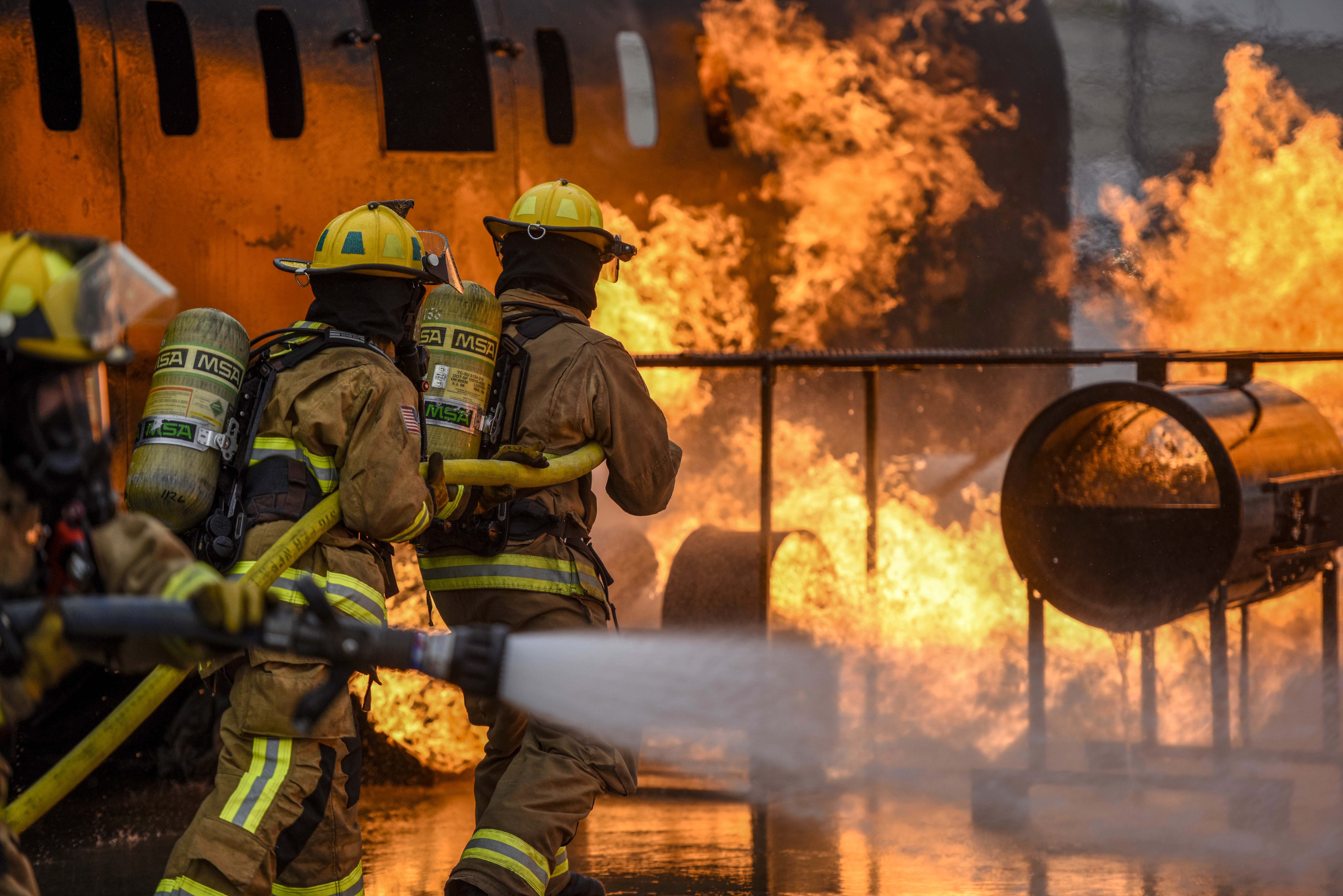
Firefighters assigned to the Ohio National Guard extinguish controlled fires during an exercise at the Toledo Express Airport in Swanton, Ohio, May 19, 2020.
The Defense Department has begun an effort to collect 8,000 donated units of plasma from patients who have recovered from COVID-19 to support the development of an effective treatment against the disease.
"We may want to ask you to stick your arm out and donate blood," Army Gen. Mark Milley, chairman of the Joint Chiefs of Staff, said in a virtual town hall yesterday. "What that can then do is help others who are severely ill, and if we can do that, then we'll be on a good path toward getting some really powerful therapeutics."
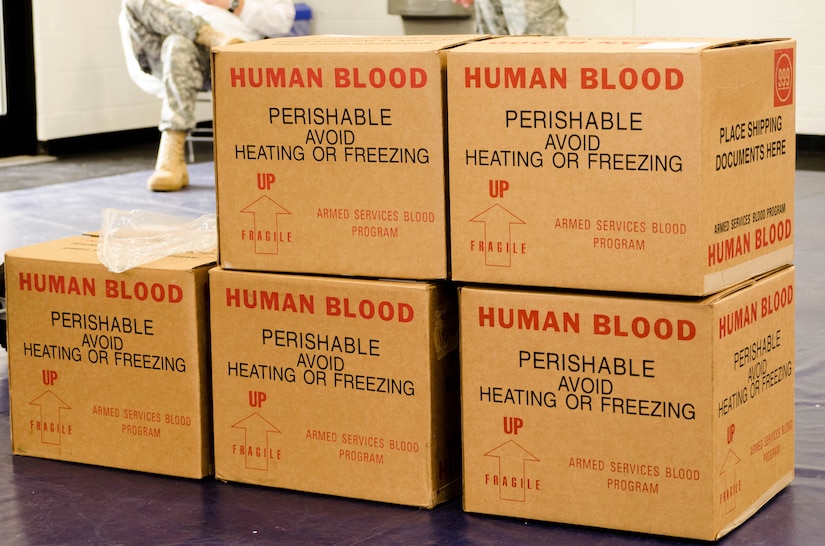
Donations will be accepted at 15 Armed Services Blood Program centers across the continental United States, and in Hawaii, Guam and Germany. (A complete list of centers accepting donations appears at the end of this article, and is available online.)
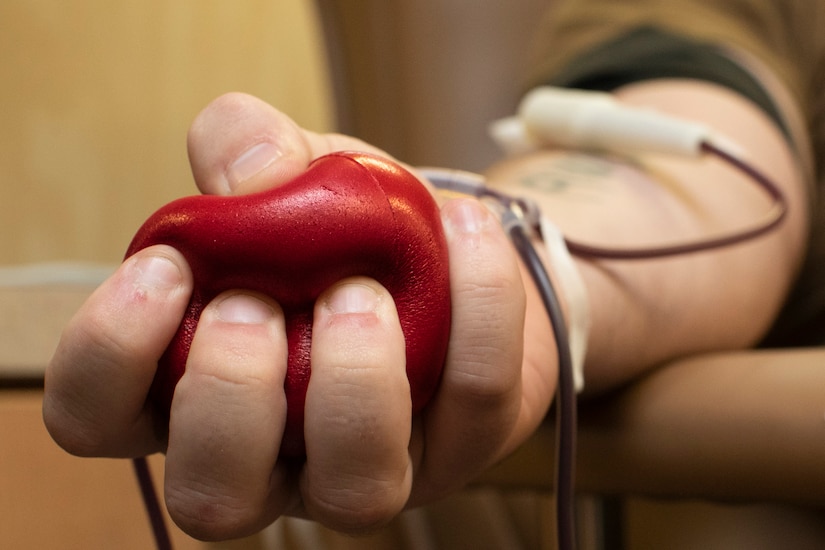 Patients fully recovered from COVID-19 are the only ones who qualify
to be a COVID-19 convalescent plasma donor, said Army Col. Audra Taylor,
chief of the Armed Services Blood Program. DOD personnel and their
families, as well as non-DOD civilians with access to collection
facilities on installations, are welcome to donate.
Patients fully recovered from COVID-19 are the only ones who qualify
to be a COVID-19 convalescent plasma donor, said Army Col. Audra Taylor,
chief of the Armed Services Blood Program. DOD personnel and their
families, as well as non-DOD civilians with access to collection
facilities on installations, are welcome to donate.
"Our goal as a lifesaving program is to always provide a safe and ample supply of blood products. The need is now," Taylor said. "We are calling for all who are healthy, able and eligible, to donate today to help us all stand mission ready and save lives."
When a person contracts SARS-CoV-2, the virus that causes COVID-19, their immune system creates antibodies to fight the virus. These antibodies are found in the plasma, the liquid part of blood, Taylor explained.
Plasma with infection-fighting antibodies is called convalescent plasma, she said. Through the blood donation process, this plasma is collected from a donor who has recovered from COVID-19 and may be transfused into a sick patient who is still fighting the virus, if they qualify for this type of treatment. This may boost the immune system of the patient and help with the recovery process, Taylor said.
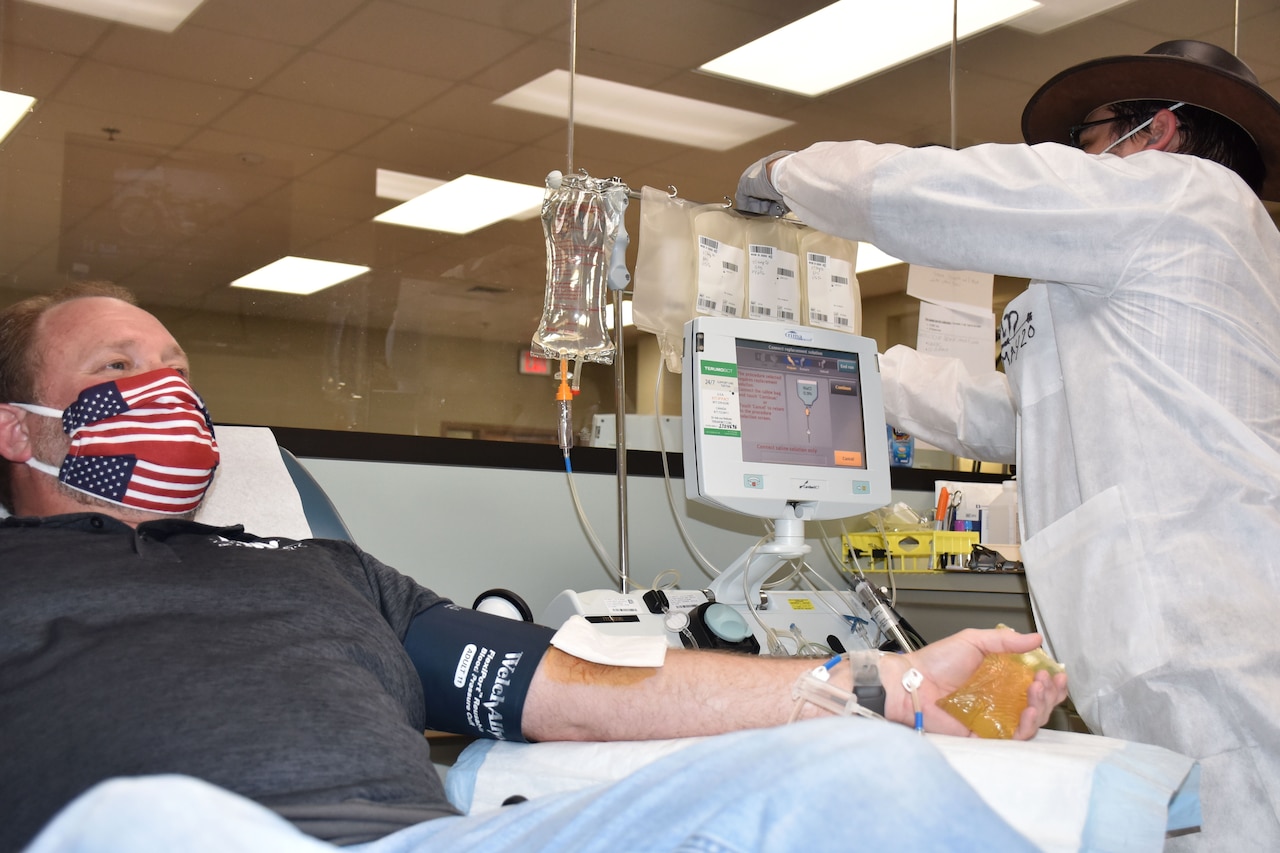
The collection process for this type of plasma is the same as standard apheresis collection, she noted. It is being investigated for the treatment of COVID-19 because there is no approved treatment for the disease at this time, and there is some indication that it might help some patients recover from COVID-19.
Several COVID-19 patients in the Military Health System have received convalescent plasma transfusions as part of their treatment, Taylor said. The treatment, which must be carried out under and approved protocol, is used for those hospitalized and severely ill with the disease.
Donating CCP is the same as a standard platelet or plasma donation and must meet specific requirements set by the Food and Drug Administration. Donors must be at least 17 years old, weigh at least 110 pounds, and be in good health. Women who have ever been pregnant may need additional testing for specific human leukocyte antigen antibodies that may be present in their blood. In addition to these standard requirements, those who have fully recovered from COVID-19 must be symptom-free for at least 14 days. Donors must also produce documented laboratory test results proving they tested positive for the virus, Taylor explained.
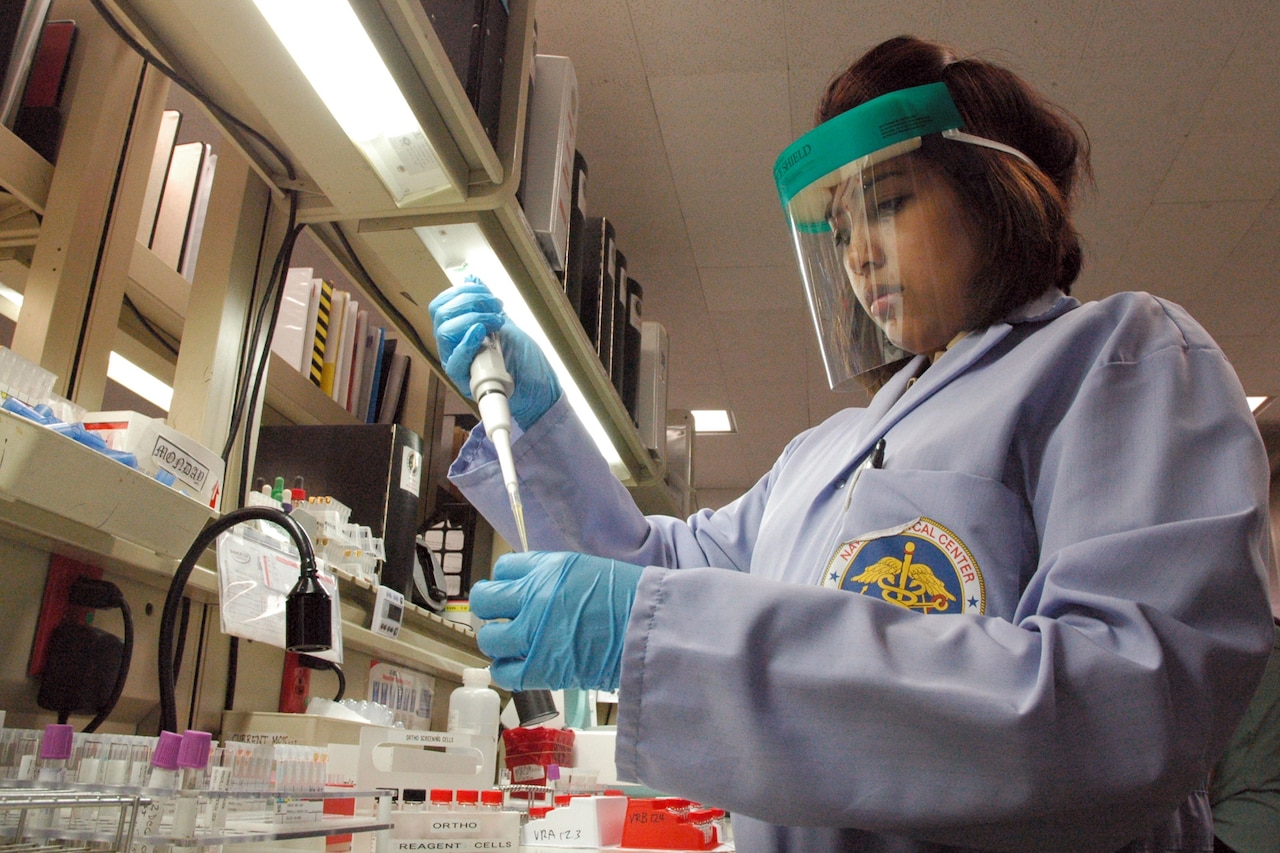
"If a donor believes they meet these requirements, they must first contact the local blood donor center before coming in, and if they qualify, set up an appointment," Army Col. Jason Corley, Army Blood Program director, said. "Once set up, the donor must bring the required documentation and undergo the standard donation procedure. Final determination will be made by the medical director or designee."
Armed Services Blood Program
COVID-19-specific page
Blood Drive and Donor Registration
Facebook: militaryblood
Twitter: @militaryblood
Instagram: @usmilitaryblood

Airmen descend onto an airfield at Ramstein Air Base, Germany, May 26, 2020, during Agile Wolf, an exercise designed to sharpen tactics, techniques and procedures for establishing expeditionary airfields on demand.
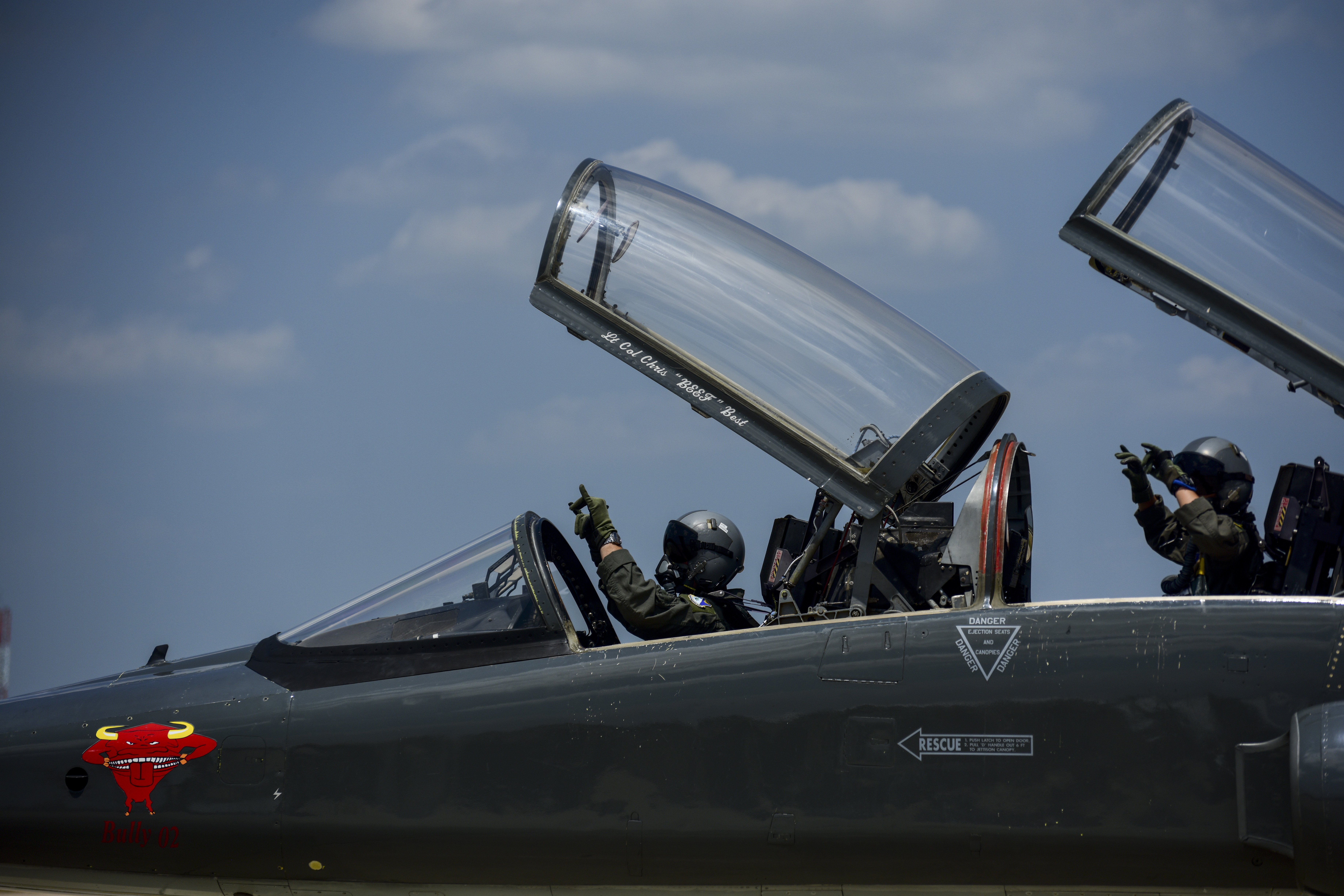
As the number of COVID-19 deaths in the U.S. exceeds 100,000 and people continue to take precautions, military medical experts expect the need for mental health care to increase because of stress, anxiety and other psychological symptoms.
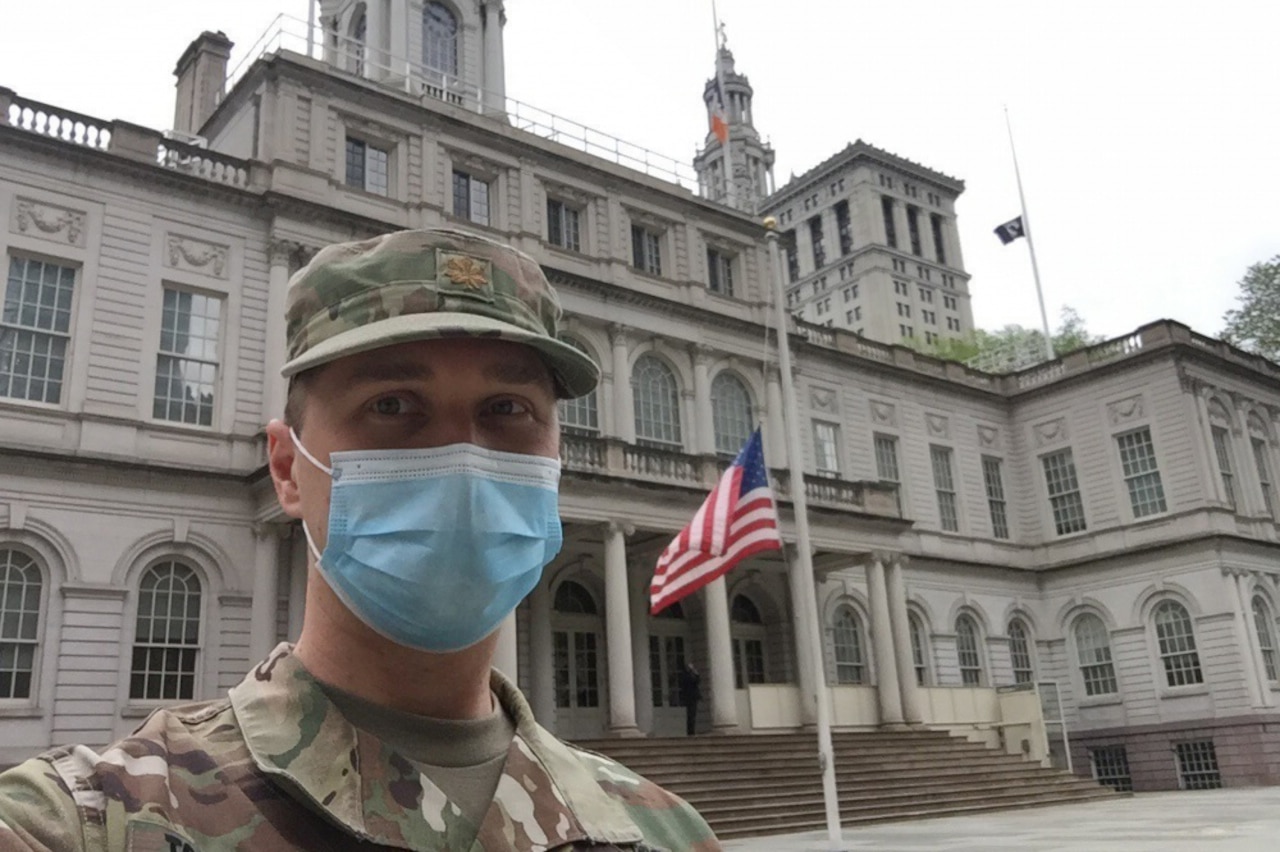
During the COVID-19 emergency and the existing phase in which some communities are starting to emerge from restrictions, the psychological impact can affect health care workers, service members, veterans, civilians and their families. Four medical specialists of the Military Health System agreed yesterday in a media telephone roundtable.
The panelists were Dr. Nicholas Polizzi, action officer for the inTransition Program and the Real Warriors Campaign, Psychological Health Center of Excellence; Dr. Holly O'Reilly, clinical psychologist with the Defense Health Agency; Army Col. (Dr.) David Benedek, chief of psychiatry at the Uniformed Services University of the Health Sciences; and Dr. Stephen Cozza, associate director of the Center for the Study of Traumatic Stress at the USUHS.
May is Mental Health Month, but the Defense Department focuses on the health of its people year-round, O'Reilly said, adding that this month's theme is "Need a Little Help."
"[S]ometimes a little bit of help is all we need to improve our mental health and [be] mission ready; taking small steps to address problems early on makes a big difference, especially during the pandemic," she explained.
"During the COVID-19 pandemic, people can experience stress, anxiety, fear, sadness and loneliness. It's changed how we live and … how we interact," O'Reilly said.
DOD has many resources for mental health help, she said, adding that service members and veterans are encouraged to ask for help and recognize that seeking help is a sign of strength.
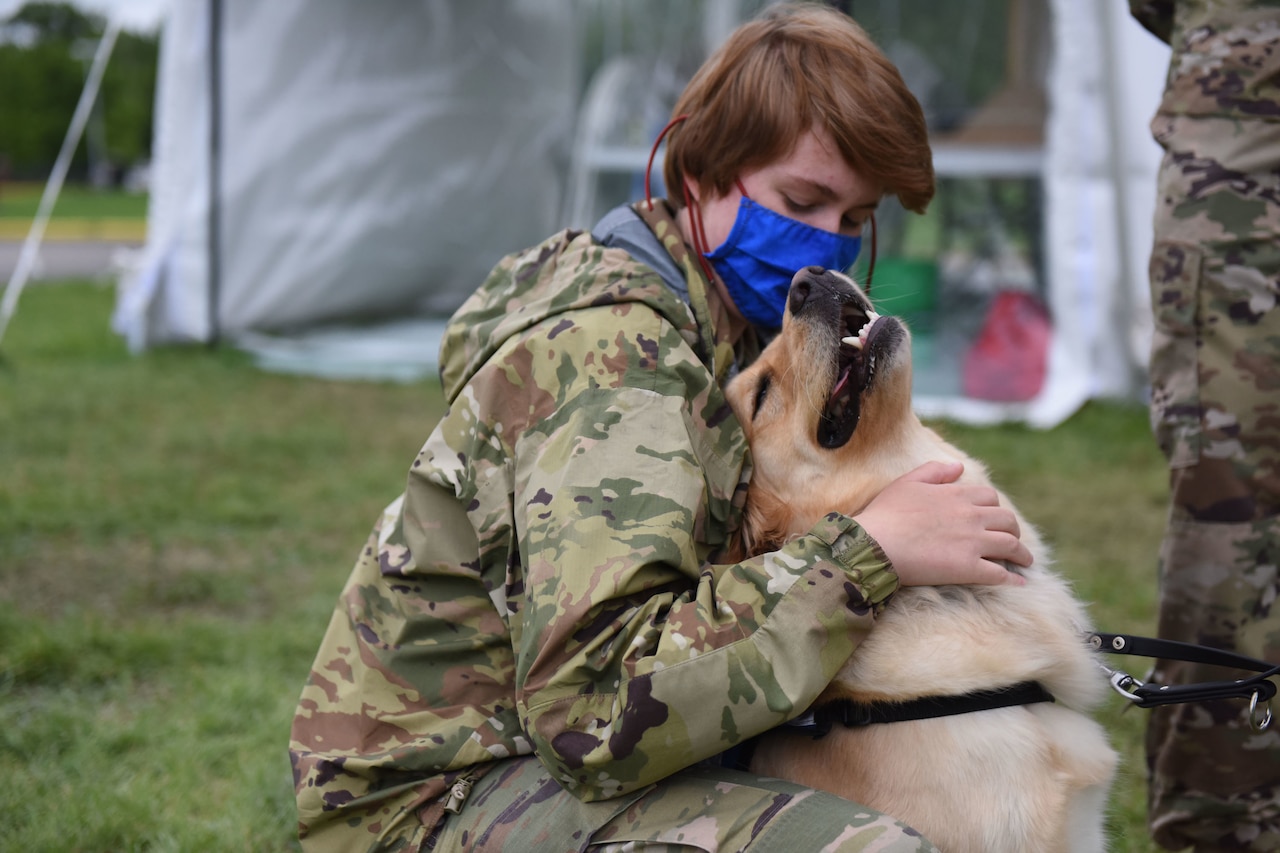
While many facets of society are affected in different ways by the pandemic, in the health care realm, it's not just doctors and nurses who are overwhelmed, Benedek said.
Other front-line workers — such as hospital administrators, janitorial workers and other hospital employees — have been exposed to a lot more sickness, severe illness, surges and greater numbers of deaths, he said.
While most people will be resilient and recover from exposures and experiences, stress and anxiety can be side effects of working in a COVID-19 environment, Benedek noted.
The effects on health care workers can also affect their family members when they are faced with long and extended absences from their loved ones, while they work under varying circumstances and put themselves at risk by having close exposure to the virus, Cozza said.
The invisible nature of the war on COVID-19 can also escalate from stress and anxiety to post-traumatic stress disorder, Benedek said.
"In terms of the challenges confronting health care workers, I think it's important to know that, to some degree, we are in uncharted territory, so it's hard to know how many will develop post-traumatic stress disorder or depression," he said.
If someone has thoughts of suicide, that's a big red flag, and certainly should be taken seriously, Benedek said. The National Suicide Prevention Lifeline and Military OneSource offer the phone line 1-800-273-8255 for crisis intervention.
"Concerns about decreases in levels of function, the inability to concentrate, or the inability to interact as normal with other people should prompt concerns about seeking additional help," he emphasized.
"In terms of resources, I think it's important to emphasize that DOD has both Real Warriors Campaign and inTransition that [are] able to work with National Guard and reserve leaders … to help support not just individual people… but to help create a whole culture at the installation that supports psychological health … and to normalize psychological health care as just health care," Polizzi said.

According to their websites the Real Warriors Campaign encourages help-seeking behavior among service members, veterans and military families coping with invisible wounds. The second mental health care resource, inTransition, is a free, confidential program that offers specialized coaching and assistance for active-duty service members, National Guard members, reservists, veterans and retirees who need access to mental health care during relocation, returning from deployment and other life changes.
Mental health experts anticipate a rise in demand for seeking care, Benedek said, and they are taking steps to be ready for that surge whether it's in a hospital environment or a behavioral health or telehealth capacity.
"[We] think we're a little bit in unchartered waters," Benedek said. "It's hard to have a crystal ball, but we believe that because the concerns are higher across society, the demand will be higher, and we're prepared and ready to address those demands as they declare themselves."
The experts speaking in yesterday's session said staying mission-ready while sheltering in place during the COVID-19 pandemic can be difficult for service members, veterans, civilians and their families.
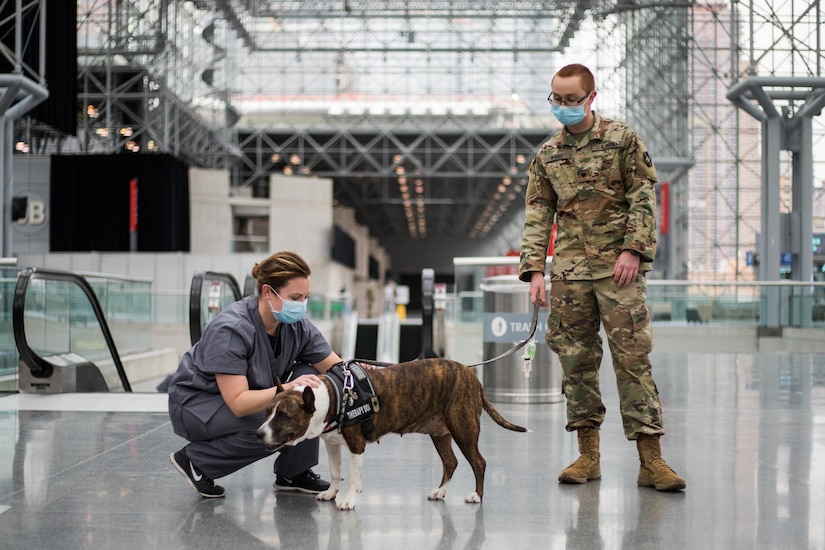
The panelists were Dr. Nicholas Polizzi, action officer for the inTransition Program and the Real Warriors Campaign, Psychological Health Center of Excellence; Dr. Holly O'Reilly, clinical psychologist with the Defense Health Agency; Army Col. (Dr.) David Benedek, chief of psychiatry at the Uniformed Services University of the Health Sciences; and Dr. Stephen Cozza, associate director of the Center for the Study of Traumatic Stress at the USUHS.
"Aside from worrying about the cost of contracting the virus, we worry about the many ways it impacts our lives and for how long," O'Reilly said.
The Defense Department has a number of programs and resources that are available to service members and families — such as the Real Warriors Campaign, which encourages service members and veterans to ask for help, she suggested.
As far as the long-term impact on those on the front lines of health care are concerned, there are measures that all people can take to promote resilience and promote a healthier response to the challenges they're confronting, Benedek said.
"Self-care measures include paying attention to getting good sleep, maintaining good nutritional and hydration habits and devoting time to exercise," he added.
Benedek stressed the things that people can do to promote general physical health and promote mental health. "It's important to try to maintain mental activity. … Exercising mental alertness is important to health," he said.
He echoed Cozza's words about the importance of maintaining social connectivity and social connectedness despite physical distancing, such as staying in touch with family and friends to talk honestly about fears and worries.
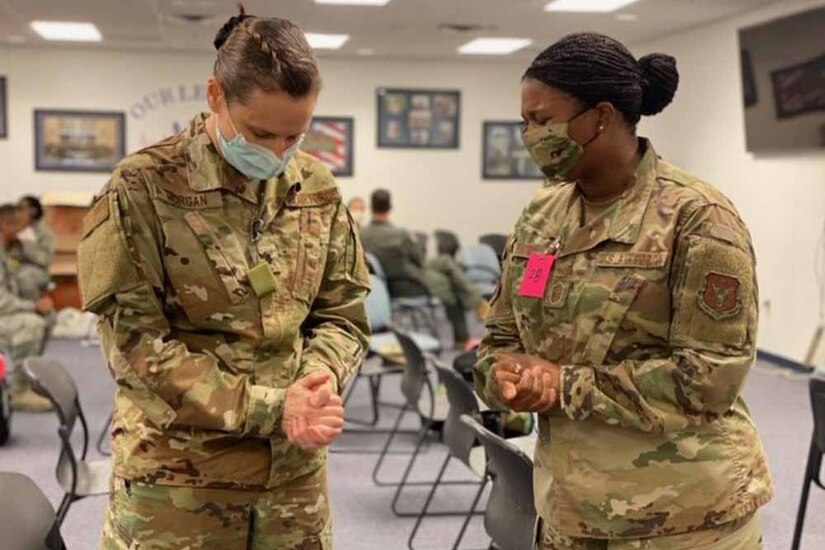
Benedek said it's also critical to share in family experiences and positive and happy things to maintain health and mental health.
Polizzi encouraged people to look into evidence-based, self-guided interventions such as the Real Warriors Campaign, noting Real Warriors offers a wide variety of online mental health resources.
Cozza said it's also helpful to use what service members have done in battlefield settings: having battle buddies, engaging in mentorship with colleagues and recognizing that you're not alone. Everyone is working on a team, and facing the same challenges in the COVID-19 pandemic, he said.
Benedek also suggested taking long breaks and engaging in short stress-reduction techniques, including using simple breathing techniques, meditation and mindfulness.
"One of the things we also need to remember is children's responses to [COVID-19] are likely to reflect the responses of their parents," Benedek noted. He said adults should model calmness in the home — even when they are dealing with something difficult.
"It's [about] supporting family structure, so ensure that you
maintain routines in ways that give people a sense of consistency,
regularity and predictability in their lives. That can be very helpful
for both adults and children," he said.
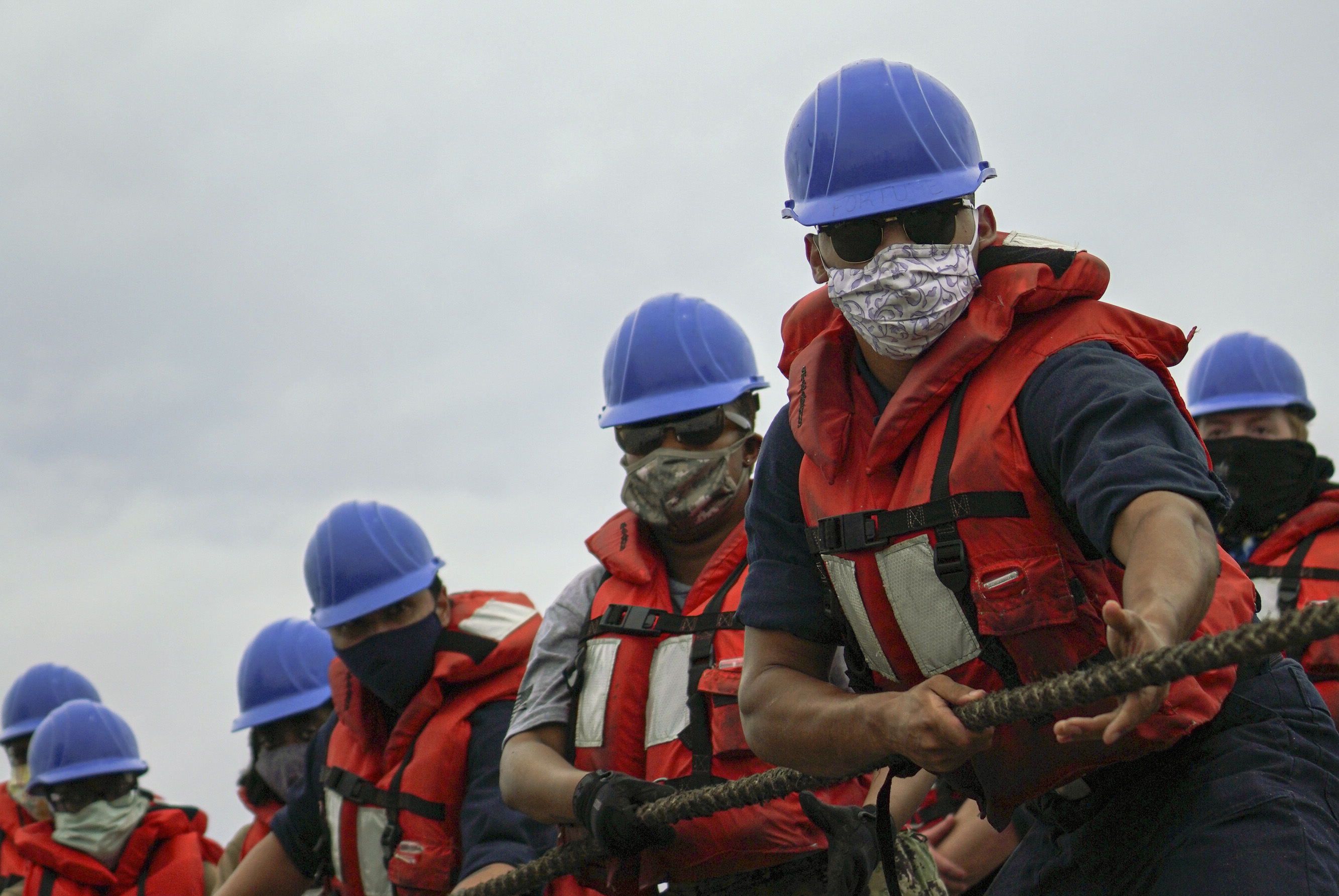
Sailors pull over a messenger line during a replenishment in the Pacific Ocean, May 26, 2020.

A Mark VI patrol boat transits the Persian Gulf during an expeditionary training mission in the U.S. 5th Fleet area of operations, May 24, 2020.

An MH-60S Seahawk helicopter prepares to take off from the flight deck of the littoral combat ship USS Detroit in the Caribbean Sea, May 26, 2020. Detroit is deployed to the U.S. Southern Command area of responsibility supporting Joint Interagency Task Force South's mission, which includes countering illicit drug trafficking in the Caribbean and eastern Pacific.

Air Force Airmen stand on the flightline at Andersen Air Force Base, Guam, May 26, 2020. The airmen deployed to Guam as part of a bomber task force supporting security efforts in the Indo-Pacific region.
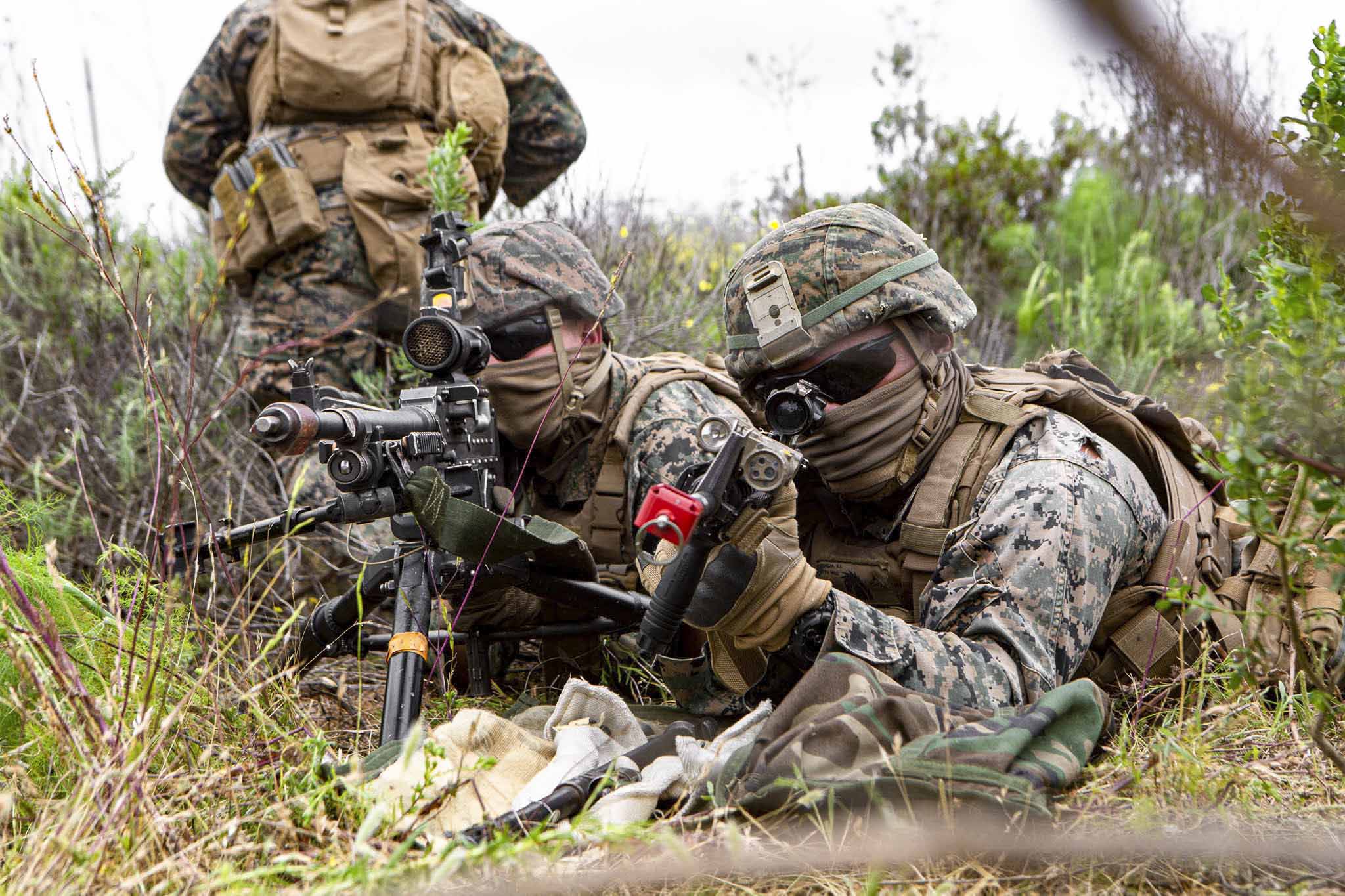
Marines provide security during a simulated helicopter raid course at Marine Corps Base Camp Pendleton, Calif., May 18, 2020.

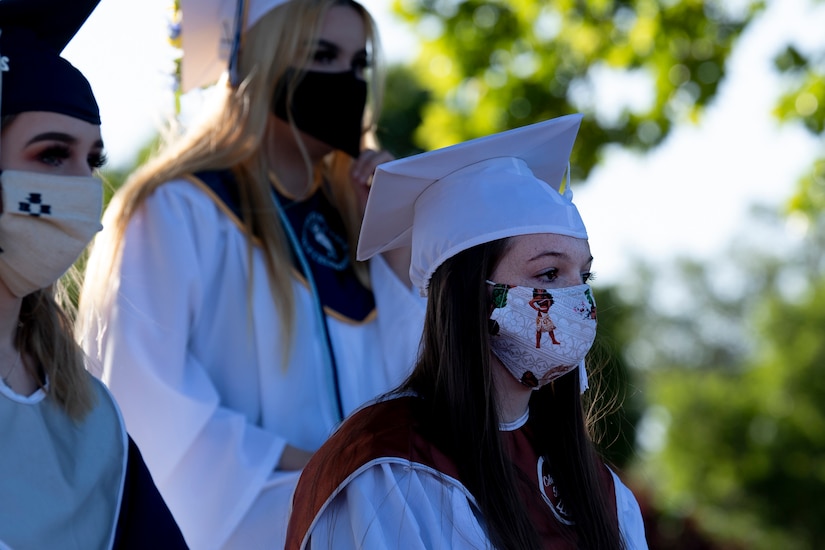
Though it wasn't a typical graduation ceremony, the Kirtland community made it just as memorable by hosting a parade and giving the seniors a chance to walk across the graduation stage in traditional fashion.
"During this pandemic, our graduates have missed out on the opportunity to walk across the stage and be celebrated for this significant milestone in their life," said Air Force Master Sgt. Raechael Evans, a pharmacy flight chief with the 377th Medical Group. "We wanted to make sure they were recognized for all of their hard work, and as a military family, we made it happen."

Evans said the event honored 27 seniors from 17 schools in the local area. It included a parade with seniors riding in classic cars, firetrucks, security forces vehicles and decorated floats created by various groups and councils that volunteered to make the special day possible.
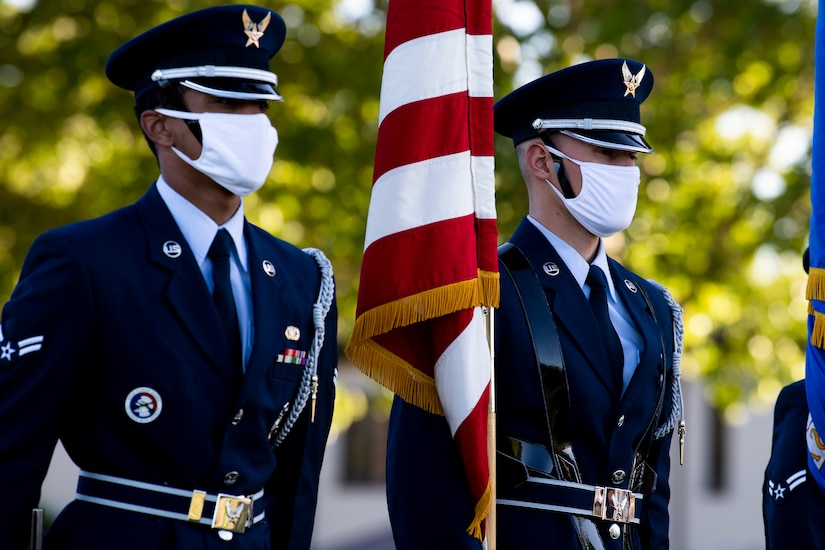
Air Force Col. David S. Miller, the commander of the 377th Air Base Wing, commenced the ceremony and gave congratulatory elbow bumps to each graduate as they walked across the stage.
"This wasn't the day you thought you would have," Miller said. "It's certainly not the one your parents wanted to give you. It's not what your schools wanted to give you, but this is an incredible day where there was an outreach of the heart from leaders that you didn’t even know to make sure you remembered this day."
With the help of the community and leadership, the Class of 2020 was able to officially move their tassels to the left and graduate in front of friends and family.
"It's such an amazing experience to be a part of a community that cares for everyone," said Roree Stewart, a graduate from Eldorado High School. "I feel very appreciative being able to relate to a community where we are all loved by so many people that we don't even know. "
(Air Force Airman 1st Class Ireland Summers is assigned to the 377th Air Base Wing.)
An antibody test is a screening for antibodies in the blood that the body makes to fight infections. The body uses these antibodies to develop immunities to viruses such as the flu and COVID-19.
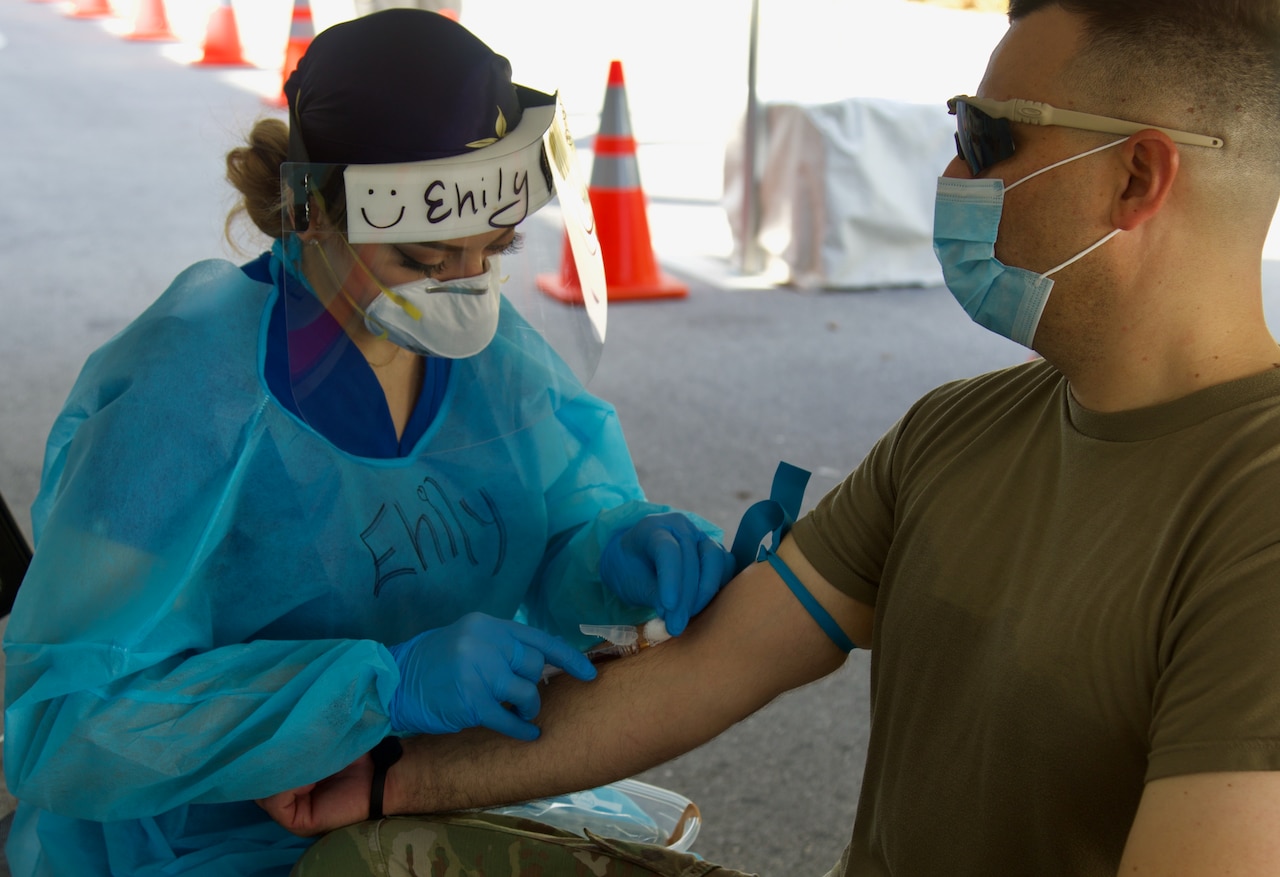
''We are currently using a rapid antibody test. It tests for qSARS-CoV-2 antibodies and will yield a result within 15 minutes,'' said Emma Spencer, the bureau chief of communicable diseases for the Florida Department of Health. ''The National Guard has been instrumental in supporting this mission with testing, traffic control and overall organization. It's been a great collaboration.''
The guard has been supporting the state's COVID-19 response in South Florida since mid-March. The mission began by opening C.B. Smith Park as the first drive-up test site in Florida. It has since evolved into several drive-up and walk-up sites, and now includes one hybrid site. The guard is now supporting the newest evolution to combating COVID-19: the antibody test.
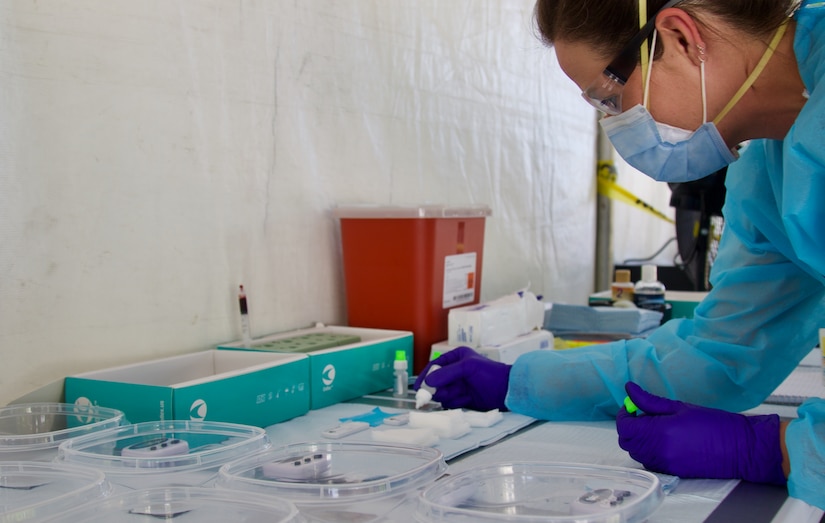
''I started the mission in mid-March at C.B. Smith Park and moved to the Hard Rock, and now I am here at the MBCC,'' said Army Spc. Alvaro Dominguez, a soldier assigned to the 260th Military Intelligence Battalion and a data gatherer at the MBCC antibody test tent. ''I have learned several aspects of the COVID-19 response, to include the importance of the antibody test in understanding the virus.''
The Florida National Guard has more than 2,200 guardsmen on duty in support of Florida's COVID-19 response. Soldiers and airmen are operating 28 community-based testing site and have administered more than 212,000 sample collections. In addition, the guard is supporting the Florida Department of Health's screening operations at seven Florida airports.
(Army Sgt. Leia Tascarini is assigned to the 107th Mobile Public Affairs Detachment.)

The Wyoming Public Health Laboratory, or WPHL, part of the Wyoming Department of Health, is collaborating with the Wyoming National Guard's 84th Civil Support Team to deploy the team's mobile laboratory to support increased COVID-19 testing capacity.
The Wyoming Guard team and the state lab have been partnering since early March, when two guardsmen joined the lab's surge team to perform COVID-19 testing.
The mobile laboratory is equipped with a rapid diagnostic testing platform that allows for more testing to be performed at the lab as well as a faster turnaround time for high-priority specimens.
Army Capt. Sarah Brewer, a nuclear medical science officer, and Army Capt. Kevin Messamer, a medical operations officer, run the mobile laboratory.
"They have been very flexible in applying their high-level skills to this particular problem and also [have] done a lot of work in cultivating and developing the partnership with the state lab and the relationships that we have with the folks there," Army Lt. Col. Jonathan Seelye, the commander of the 84th CST, said. "I'm really proud of them for doing that."
Cari Sloma, the WPHL director with the Wyoming Department of Health, said she believed the lab's staff members have really stepped up to accommodate Wyoming's COVID-19 testing needs.
"Together with partners such as the CST, our entire team has worked hard to bring on testing, expand our capacity and find ways to support the sample collection needs of health care facilities across the state," she said. "Looking ahead, we're really excited about the new testing capabilities the CST crew is helping us bring in."
To date, Brewer and Messamer have helped the lab test 788 samples. Last week, the CST team received rapid testing equipment that will increase capacity to 320 samples per week.
Seelye explained that the equipment will allow them to provide the highest level of support they can by focusing on accelerating the results of certain high-priority COVID-19 tests.
"I think we are developing and growing an already fantastic relationship with WDH," Seelye said. "I believe working with other state agencies in Wyoming has always been a pleasure. It's the Wyoming way. We roll up our sleeves, and we find a way to do what we need to do for the people of Wyoming. I'm proud that the CST can be a part of that and provide support to the state."
Seelye noted the pandemic can remind people of the importance of the state lab and the unique federal-state partnership with the Guard.
"Working together greatly benefits Wyoming during this fight to control the spread of COVID-19," he said.
(Jacqueline Marshall is assigned to Joint Force Headquarters, Wyoming National Guard.)

Veterans are special, and during the COVID-19 pandemic, the state of Michigan wants to ensure that no veterans living in Michigan veterans homes fall victim to the coronavirus.
To this end, three soldiers are stationed on a rotating duty at the D.J. Jacobetti Home for Veterans in Marquette, Michigan, to screen the home's employees prior to starting their shifts.
"This way, they can identify any employees with possible COVID-19-related symptoms prior to allowing them in," said Army Master Sgt. Jason Cain, the operations noncommissioned officer for the 107th Engineer Battalion.
Cain said the directive came from the Michigan state adjutant general, and that he was tasked with the role because of his location in Michigan's Upper Peninsula. He was able to find three soldiers that volunteered for the chance to help the home, he added.
"It's what the Jacobetti employees needed," Cain said. "They needed to focus on taking care of the residents who live there, and this is a way our soldiers could integrate and assist with their needs."
There are 180 residents at the home with 250 employees caring for them, so a lot of employees need to be screened throughout the day. The soldiers take the staff's temperature at the front entrance and check for any other signs of the virus. Although the employees have been tested for COVID-19, this provides continual maintenance checks preventing anyone with the virus from entering the home.
"It's one of the front lines preventing anything getting into the facility," said Ron Oja, the administrator for the Jacobetti Home. "It's nice to have somebody that's designated and not a rotating position throughout the facility."
Oja said working with the guard has been a very easy experience. He noted that they've adjusted to the home's timetable and are very accommodating overall. He said the staff appreciates the familiarity of the same three soldiers being there.
"I think it's nice to have somebody that's consistent," Oja said. "They're professional, and any guidance we give is followed very well."
One of those soldiers is Army Sgt. Tyesha Johnson, a bridging specialist with the 1437th Multi-Role Bridging Company, who has been on orders since the end of March. Although not Army medics, she and the other two soldiers have kept their combat lifesaver certifications up to date. She said that what they are doing is not very complicated, but it does fill an important role.
"I would say it's important because it relieves any additional stress that the employees may have because these are very trying, hard and confusing times," Johnson said. "I think it's important to assist and make sure the employees are not coming in sick. Making sure that they're keeping up with the guidelines, so that when they're working, that's all they have to worry about and not having to worry about if that person working next to them is sick."
Johnson said the staff has been very helpful, and she finds it reassuring that the other two soldiers live close by and are willing to lend a hand if she needs any help. This has not been necessary, but it does reassure her to know her comrades are close. She has now been there for over a month and knows the staff and residents a lot better than when she initially started, she said.
"At first it was a little odd because it is a nursing home, but after awhile you get to know the staff and the people who live there," Johnson said. "It's a pretty good place to be at, and I'm glad that I got the opportunity to work there."
For several years, Johnson has had the desire to volunteer at the home when she used to live down the street from it, but she never found the time with work and school. She is happy to have finally made it over there to help.
"I'm glad that I got a chance to at least do something to give back and offer support to the community."
The front lines have moved during the pandemic, but the Michigan National Guard is still there helping to keep the staff and the veterans at the Jacobetti Home safe.
(Army Staff Sgt. Tegan Kucera is assigned to the Michigan National Guard.)


 Posts
All Comments
Posts
All Comments
Posts
All Comments
Posts
All Comments