Jan. 14, 2021
|
BY Lisa Bishop
A stable, organizational approach and committed team members allow
the U.S. Army Garrison Wiesbaden, Germany, trace team to continue
responding to the changing demands of the COVID-19 pandemic.
Less than a year ago, the trace team didn't exist. There was no Army
job description, office space or bank of telephones to serve its
workforce.
Garrison military units detailed soldiers from a variety of
backgrounds to establish the team back in March 2020 in order to combat
the first wave of the pandemic. At the time, five teams were spread
across the Wiesbaden installation manning phones and collecting
information.
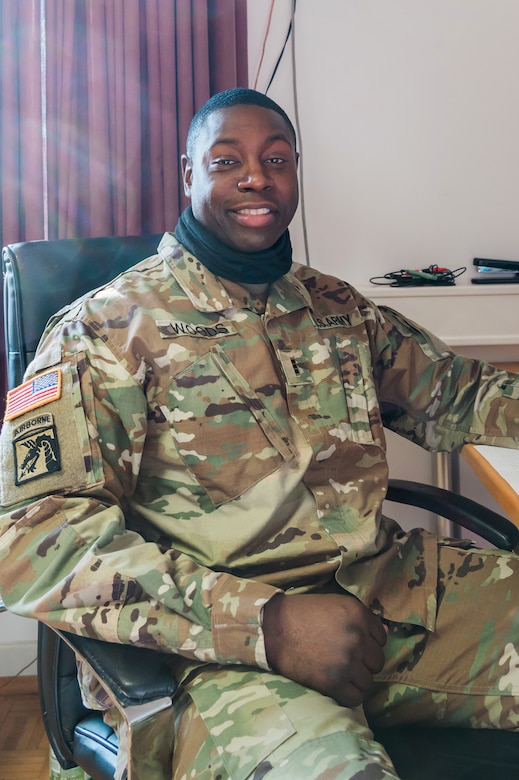
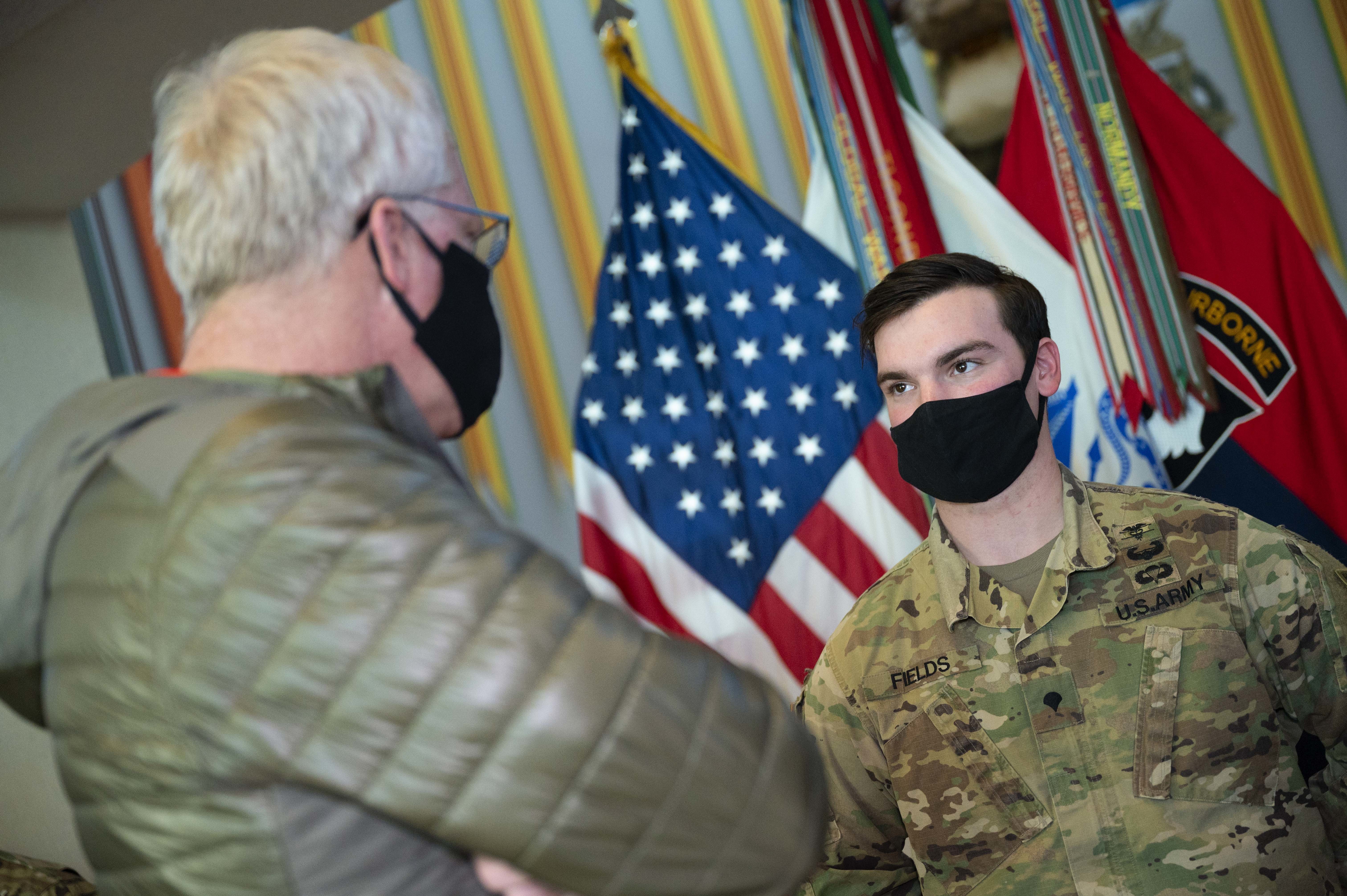
According to Army Chief Warrant Officer 3 Maurice Woods, the current
trace team officer in charge, there were no formulated tactics and
procedures in the initial days.
"When we first started, it was a growing process," he said.
Questions, according to Woods, like how to collect information, store
data and methods for pushing information out to decision makers and the
public have been resolved.
Newer trace team members like Air Force Airman 1st Class Ustav
Poudyal, analyst, are now assigned for 60-day details after they've
completed training.
"This time has been really beneficial for me in terms of my career
development," he said. "I really haven't had a chance to have exposure
to a lot of joint environments." Assigned in November, he decided to
extend his time with the team.
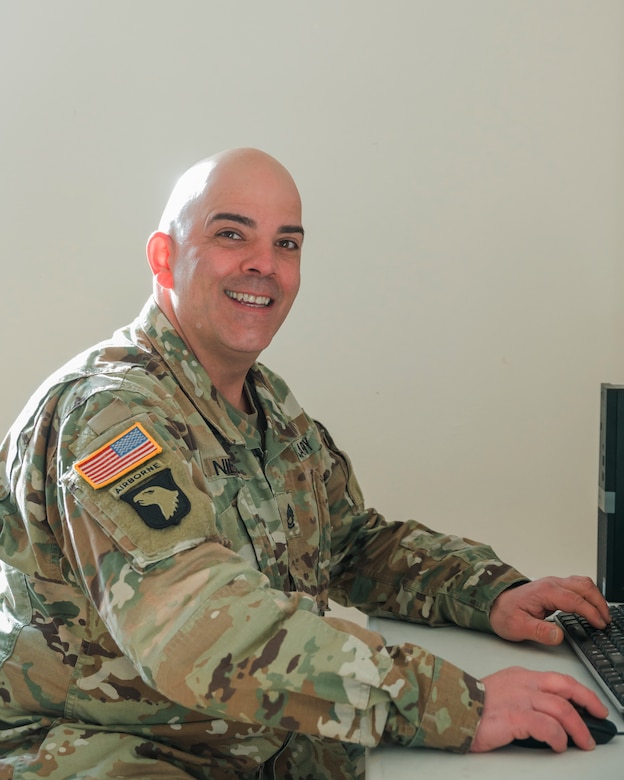
Army Sgt. 1st Class Christopher Nies, airspace noncommissioned
officer from Headquarters and Headquarters Battalion, is completing his
second appointment with the team.
"The second time they called and asked if I could come back, I did it
without hesitation," he said. "I really find pleasure in doing this
job; I feel like I'm a part of a bigger picture."
With his current rotation, Nies sees the organizational changes,
including its hierarchical structure. Divided into Alpha, Bravo and
Charlie sections, Nies has recently become the officer in charge for the
Charlie section.
"I have some junior enlisted soldiers underneath me," he said. He is
focusing on developing his leadership skills around how his crew
operates.
The section strategy is one of the tactics that reflected the
learning gained from experience, Woods said. By having three sections
in their own apartment/office space, they can flexibly schedule for
weekends and reduce the risk of exposure to COVID-19.
Change remains the biggest challenge they face, according to Woods.
He said the constant shift in host nation and Army-wide policies means
his team must be ready to make adjustments to their tactics and
procedures. He pointed to the recent reduction of quarantine from 14 to
10 days as an example.
Nies said, "Be patient with us; be patient with the whole situation.
Keeping up with the changes is really probably the most challenging
part."
As for the team members, when they finish their rotation on the trace
team, they return to their normal military assignment with the caveat
that they can be called back when needed. Clearly, for some, they feel
the calling to stay.
Woods said, "I volunteered to stay on; I like what the mission does; I
felt like I was making a difference for the garrison overall."
(Lisa Bishop is assigned to the U.S. Army Garrison Wiesbaden.)












 Posts
Posts

