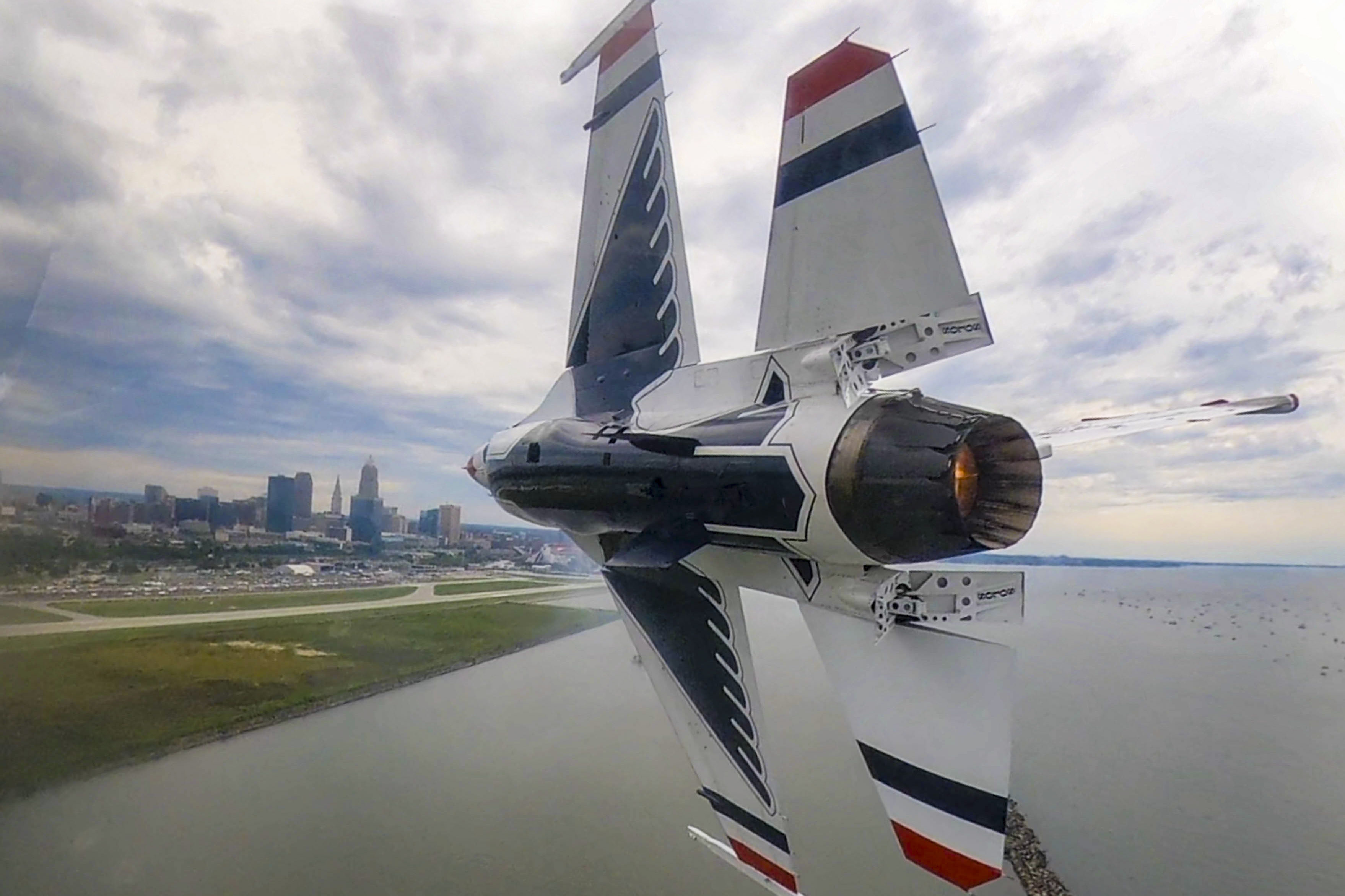
The Thunderbirds, the Air Force's flight demonstration squadron, perform during the Cleveland National Air Show in Cleveland, Sept. 6, 2021.
Providing up-to-date information, news and original content on American Military issues.
The Thunderbirds, the Air Force's flight demonstration squadron, perform during the Cleveland National Air Show in Cleveland, Sept. 6, 2021.

Sailors from the USS Benfold conduct small boat operations in the South China Sea, Sept. 2, 2021.

A Navy F/A-18F Super Hornet lands on the flight deck of the USS Carl Vinson in the South China Sea, Sept. 11, 2021.

Navy Petty Officer 3rd Class Quinton Stalmaker conducts maintenance on an MH-60S Seahawk helicopter on the flight deck of the USS Billings in the Caribbean Sea, Sept. 10, 2021.

Soldiers use tools to remove hot ash from underground in order to eliminate hot embers while assisting with firefighting response on the Dixie Fire in Plumas National Forest, Calif., Sept. 9, 2021.
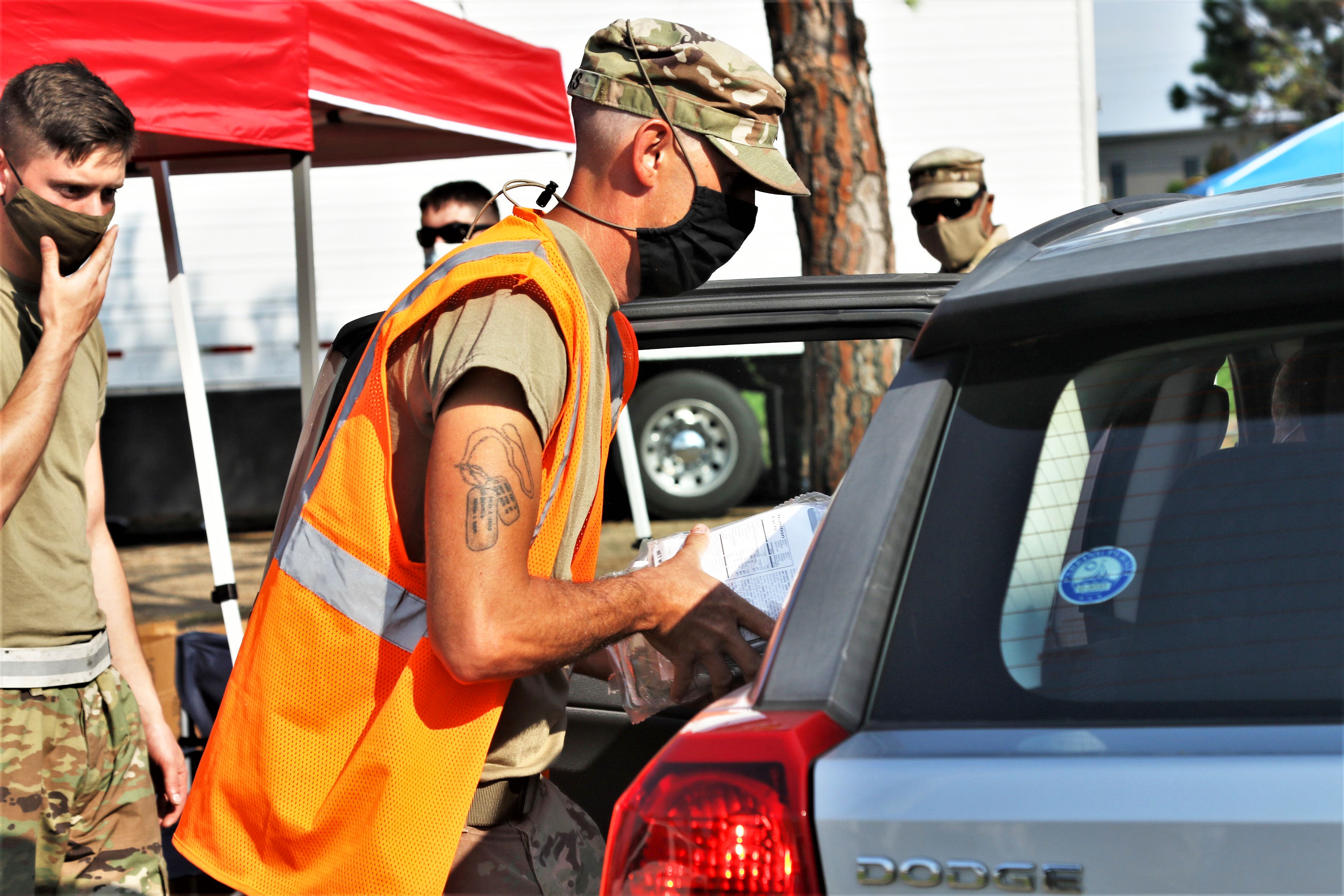
Arkansas National Guard soldiers give food and water to residents affected by Hurricane Ida in New Orleans, Sept. 9, 2021.

Army paratroopers conduct an airborne operation from a C-130 Hercules aircraft during Exercise Rock Klescman at the Cerklje Drop Zone in Slovenia, Sept. 8, 2021.
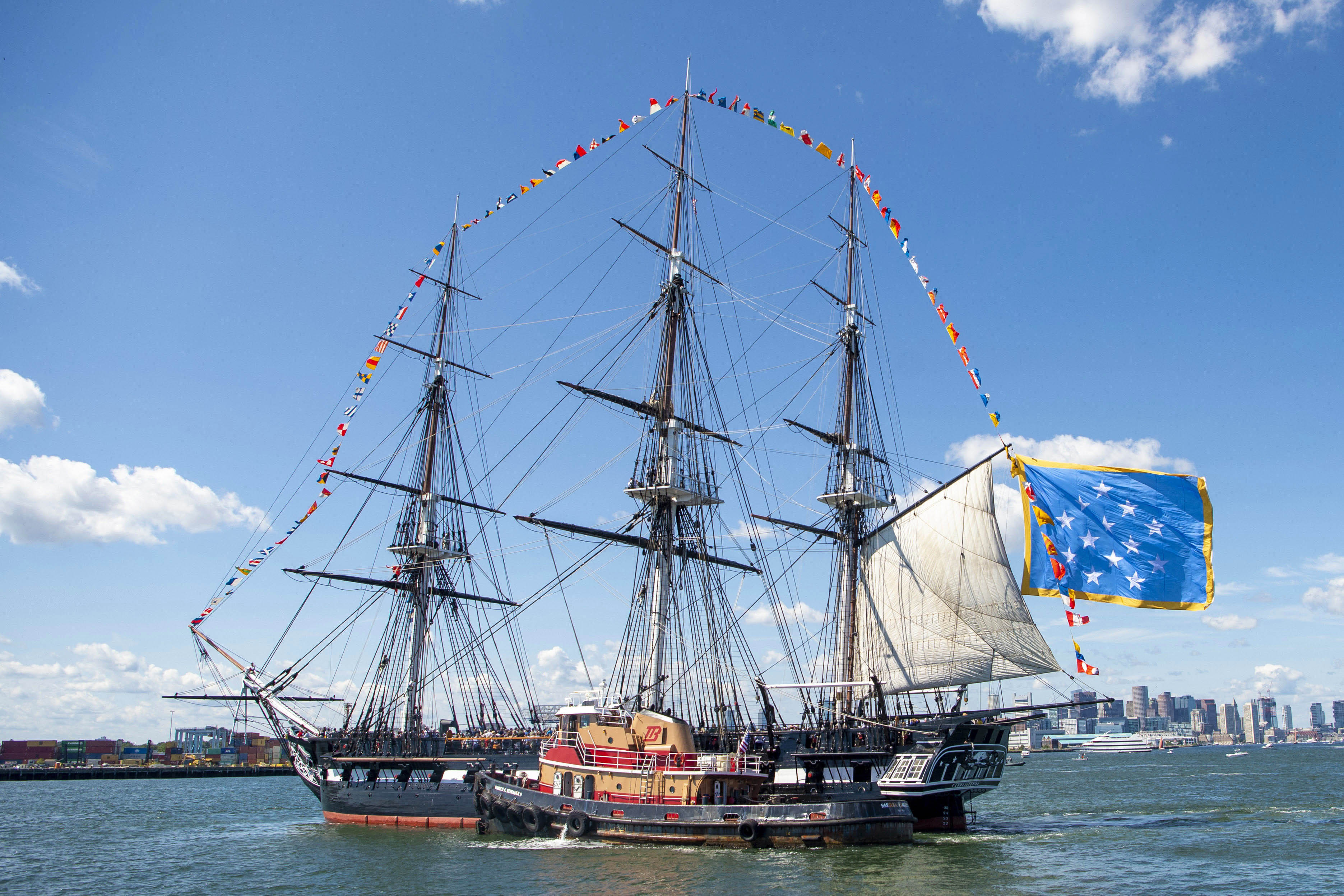
The USS Constitution gets underway to commemorate the 20th anniversary of 9/11 and honor Medal of Honor recipients in Boston, Sept. 11, 2021.

A Navy convoy team travels in formation during its assessment certification training at Camp Lemonnier, Djibouti, Sept. 7, 2021.
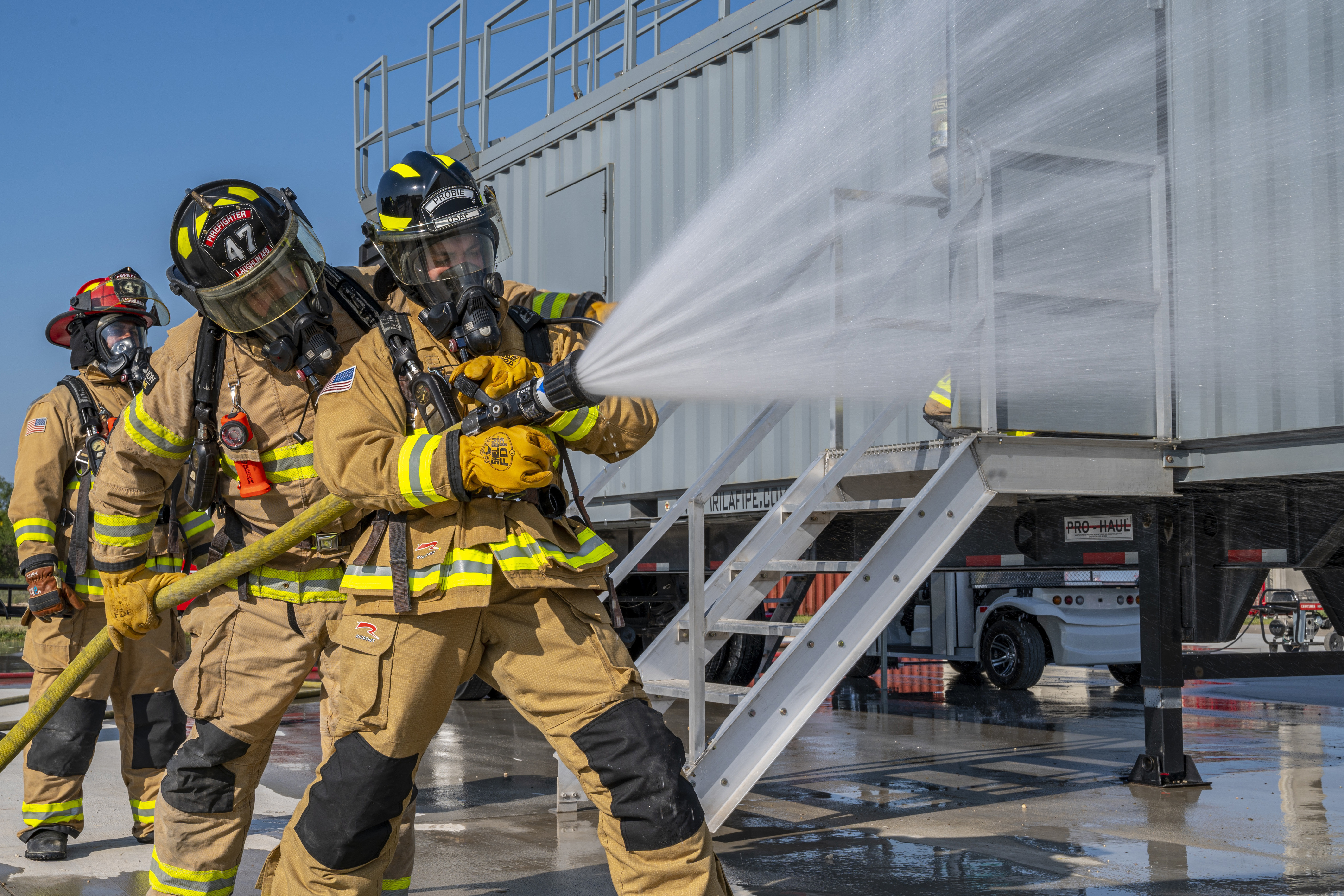
Air Force airmen practice their firefighting techniques at Laughlin Air Force Base, Texas, Sept. 9, 2021.

Soldiers conduct sling load operations at Langenbach Air Field, Germany, Aug. 20, 2021.

Marines and Coast Guardsmen travel with U.S. Ambassador to Palau John Hennessey-Niland to observe the USS Jackson as it departs from Koror, Palau, Sept. 4, 2021.

Members of the Marine Corps Silent Drill Platoon rehearse for a ceremony commemorating the 20th anniversary of 9/11 at Marine Corps Base Hawaii, Sept. 10, 2021.
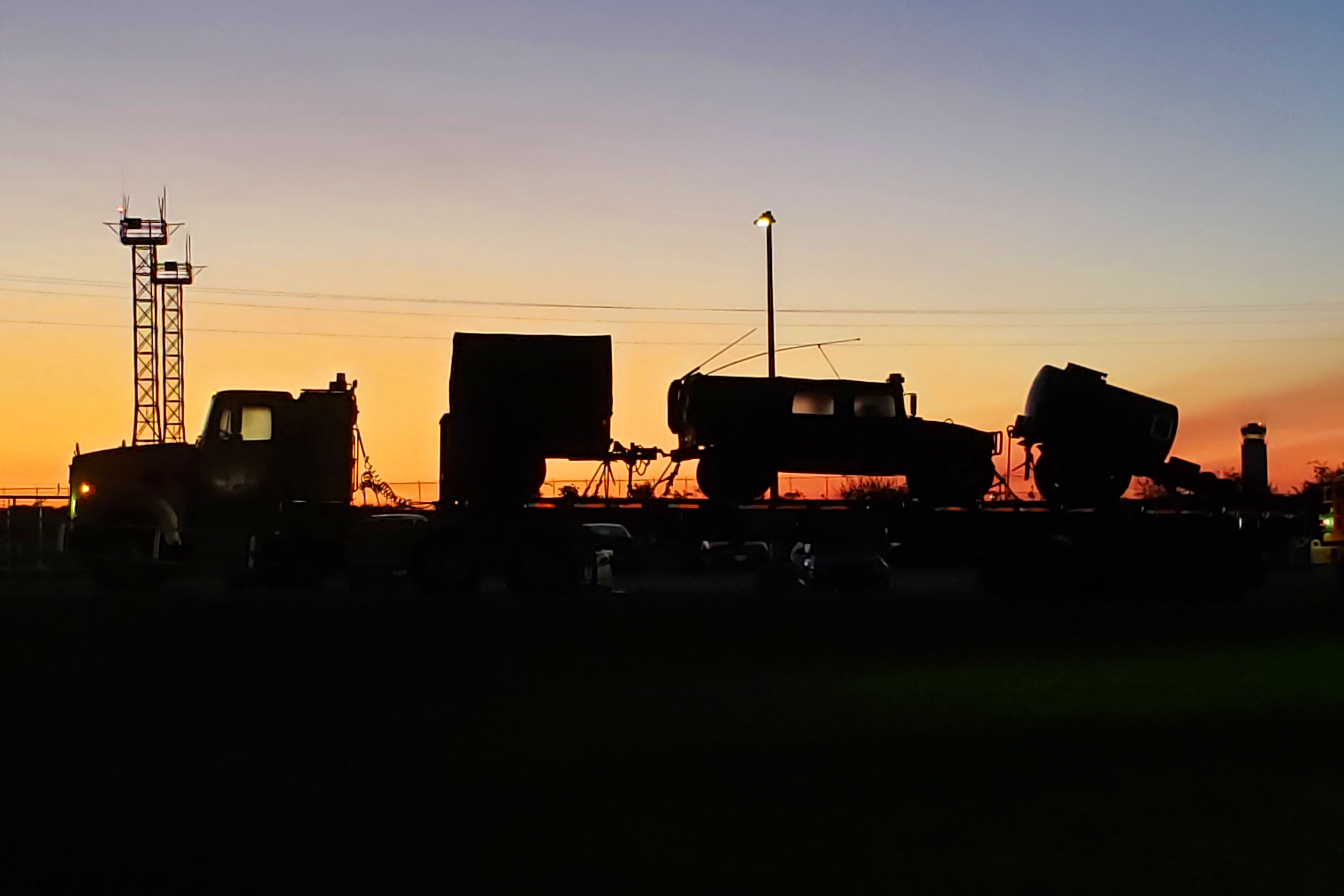
The sun rises behind an Ohio Army National Guard tractor-trailer loaded with equipment on its way to Louisiana from Mansfield, Ohio, Sept. 10, 2021. Several Ohio units are deployed on state active duty to assist in transporting food, water and equipment to support Hurricane Ida recovery efforts.

Air Force Maj. Sequaria Crawford, a registered nurse with the 81st Medical Group at Keesler Air Force Base, Miss., prepares medical fluids to treat a non-COVID-19 patient in Our Lady of the Lake Regional Medical Center in Baton Rouge, La., Sept. 7, 2021. The St. Louis, Missouri native is part of the Defense Department medical support team that deployed to COVID-19 hotspots across the U.S. at the request of the Federal Emergency Management Agency or other lead-federal agencies.
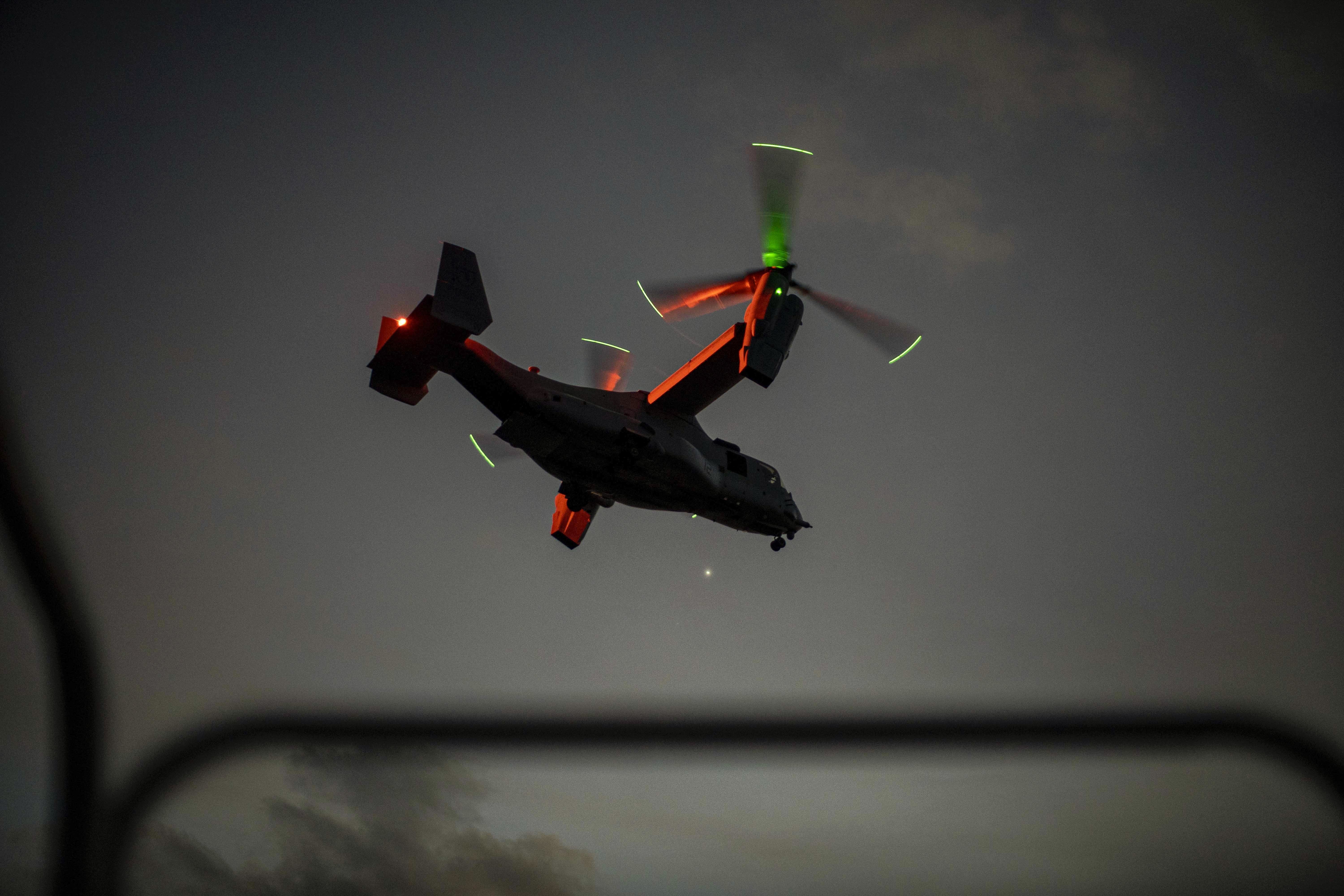
Marine Corps MV-22B Osprey takes off from the USS Essex in the Pacific Ocean, Sept. 6, 2021.
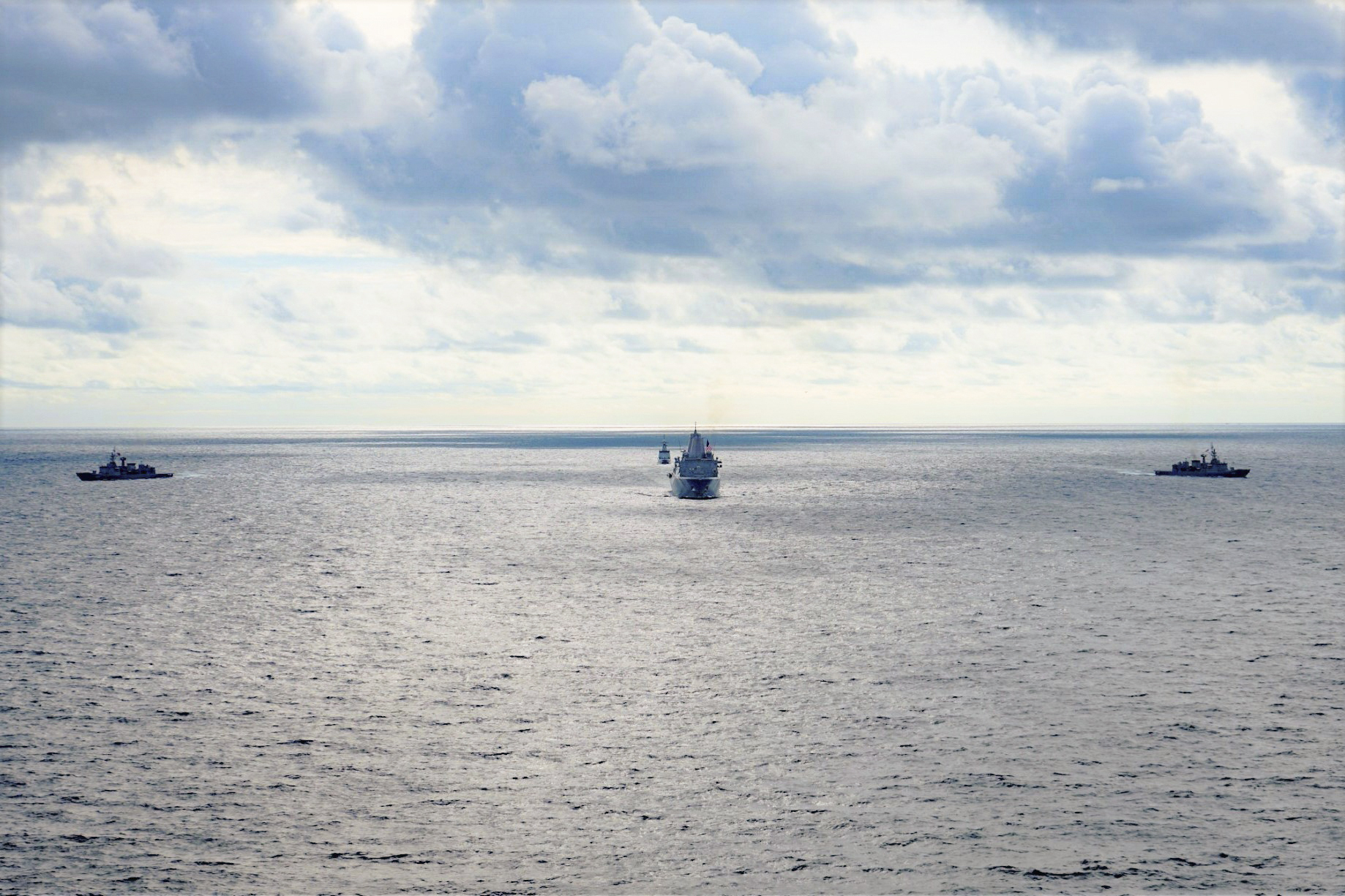
U.S. and Thai naval forces sail in formation during Cooperation Afloat Readiness and Training exercise in the Gulf of Thailand, Sept. 8, 2021. The exercise is designed to enhance U.S. and partner navies' abilities to operate together.
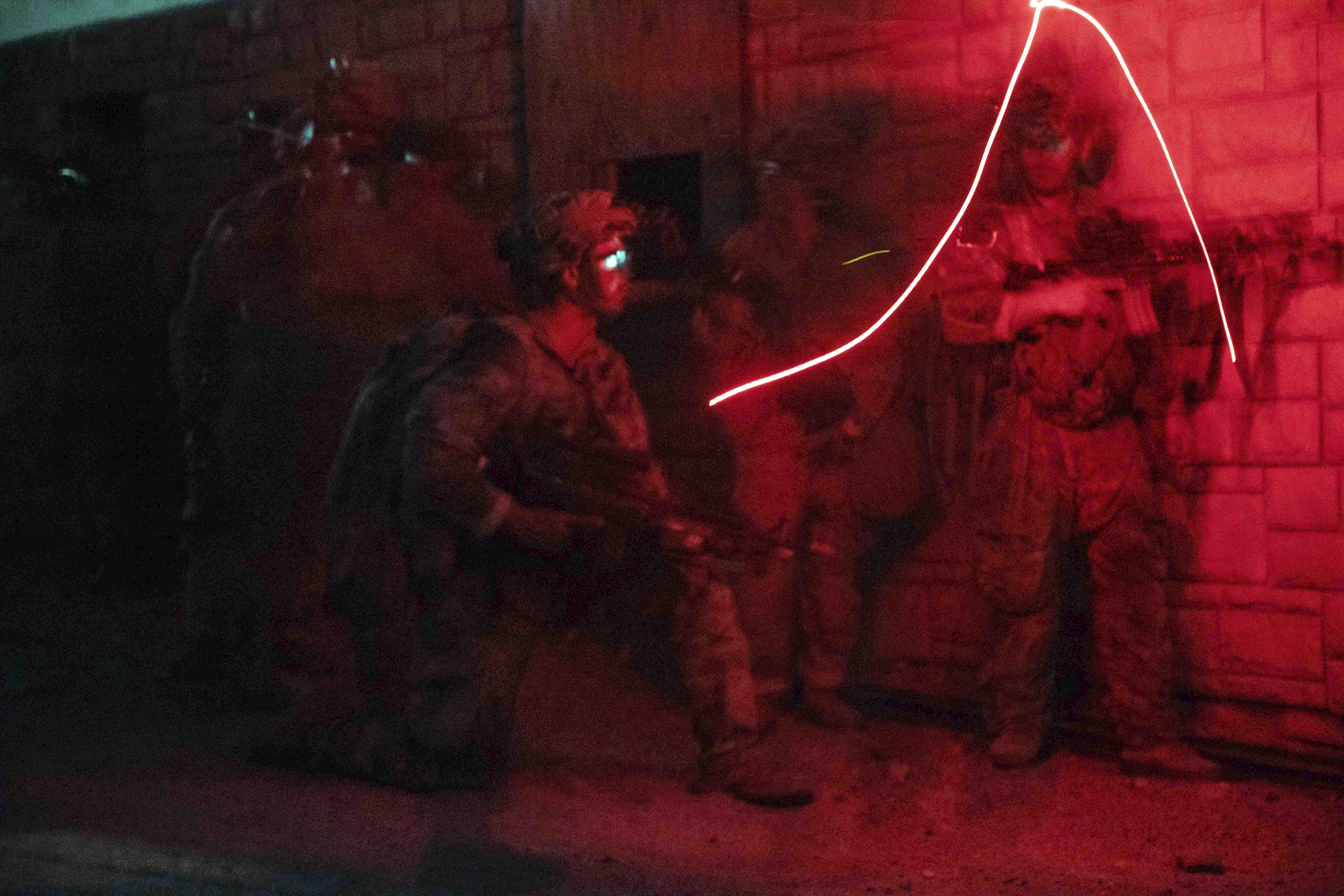
Soldiers practice noise, light and litter discipline at Fort Irwin, Calif., Aug. 18, 2021. The exercise is designed to help soldiers remain versatile, responsive and consistently available for current and future contingencies.
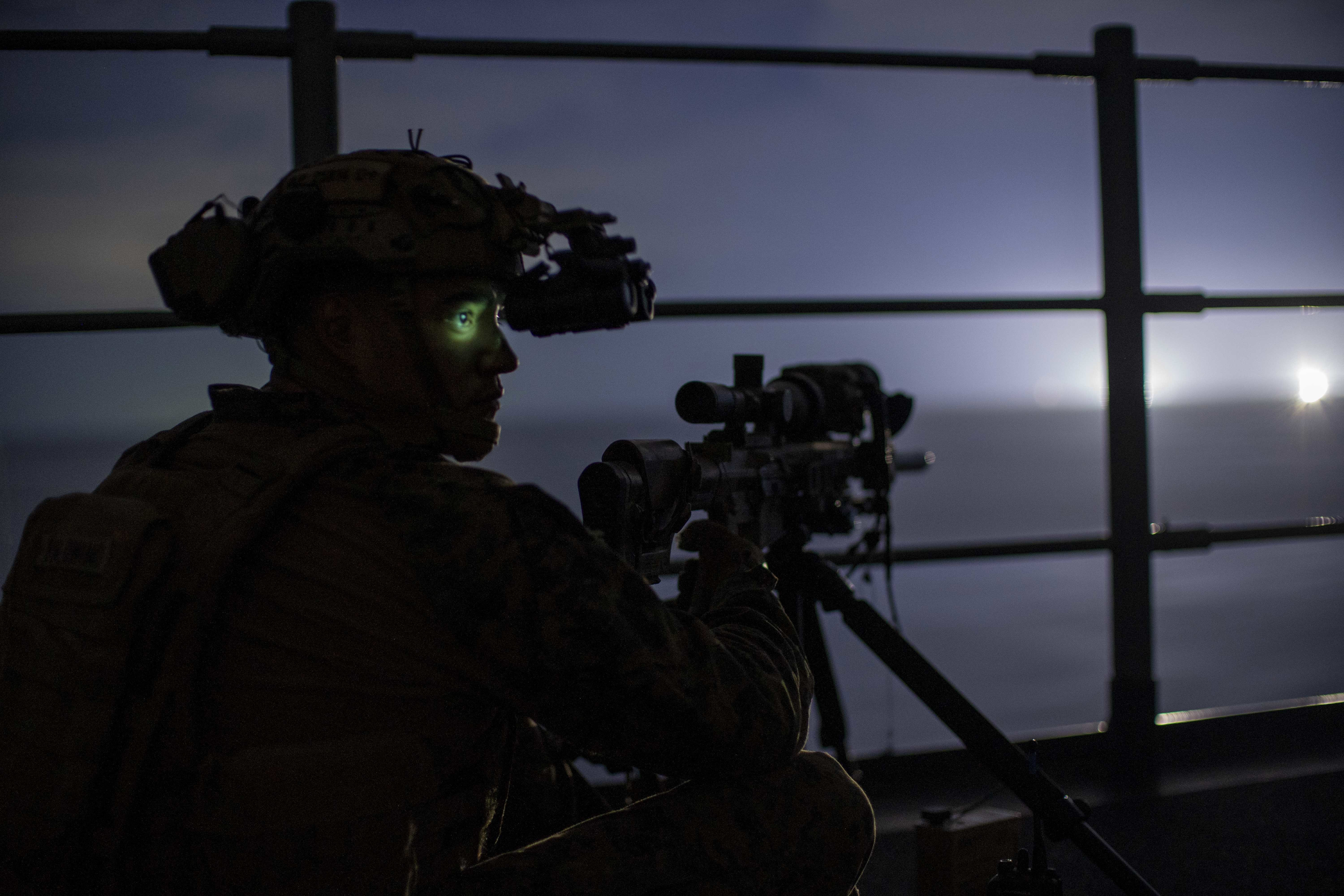
Marine Corps Sgt. Aaron Palomino works security with an M110 semi-automatic sniper system aboard the USS Essex in the Pacific Ocean, Sept. 2, 2021.
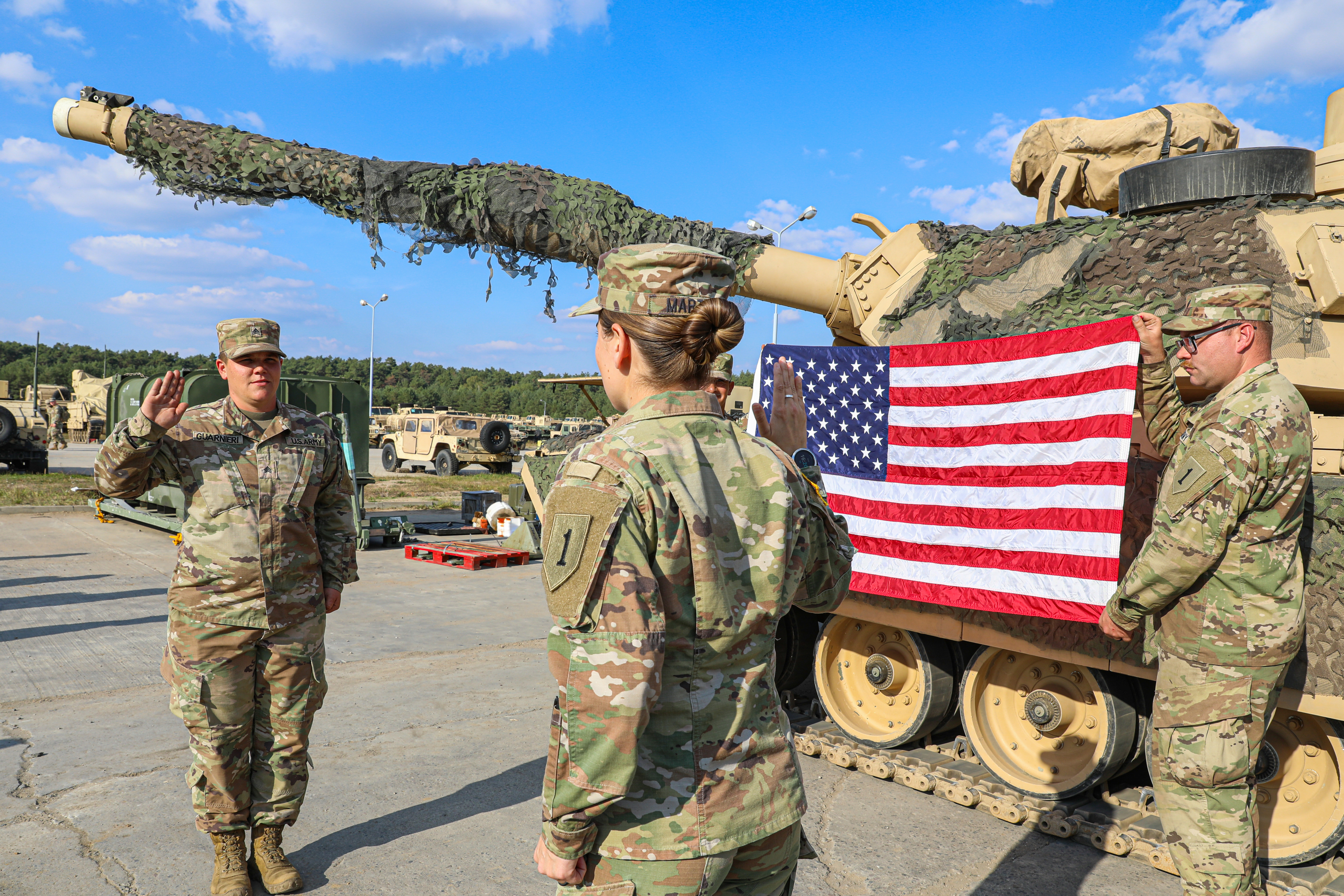
Army Sgt. Jacquelyn Guarnieri raises her right hand as she is sworn in during an enlistment ceremony at Drawsko Pomorskie Training Area, Poland, Sept. 8, 2021.

An Air Force B-2 Spirit conducts aerial refueling operations during a mission over the Atlantic Ocean, Sept. 6, 2021.

Sailors on the USS Arlington secure a fuel pump during a replenishment-at-sea with cargo ammunition ship USNS Medgar Evers in the Caribbean Sea, Sept. 3, 2021.
Sept. 10, 2021
Secretary of Defense Lloyd J. Austin III met with Philippines Secretary of National Defense Delfin Lorenzana at the Pentagon today to commemorate the 70th anniversary year of the U.S.-Philippines Mutual Defense Treaty and discuss ways to deepen this vital alliance.
In recognition of this important anniversary, the Secretaries affirmed the enduring nature of the U.S.-Philippines alliance, as well as their shared commitment to building an even stronger foundation for future alliance cooperation. Secretary Austin reiterated that the U.S. commitment to Philippine security is ironclad, and that U.S. treaty commitments extend to Philippine armed forces, public vessels, or aircraft in the South China Sea. He expressed his appreciation for the Philippine decision to restore the U.S.-Philippines Visiting Forces Agreement, which signals a commitment by both sides to enhance the scale and scope of alliance cooperation. The Secretaries also discussed the importance of increased military and security cooperation to support Philippine defense modernization efforts and build alliance interoperability.
The Secretaries agreed to undertake a number of new initiatives that will ensure the bilateral alliance is postured to address new and emerging challenges. These include:
The Secretaries closed the meeting by reiterating their commitment to supporting the security, stability, and prosperity of a free and open Indo-Pacific, and to building an even more capable alliance that is based on a shared foundation of common interests and values.

Marine Corps Lance Cpl. Jonathan Arreguinperez provides security during an exercise in Okinawa, Japan, Aug. 31, 2021.
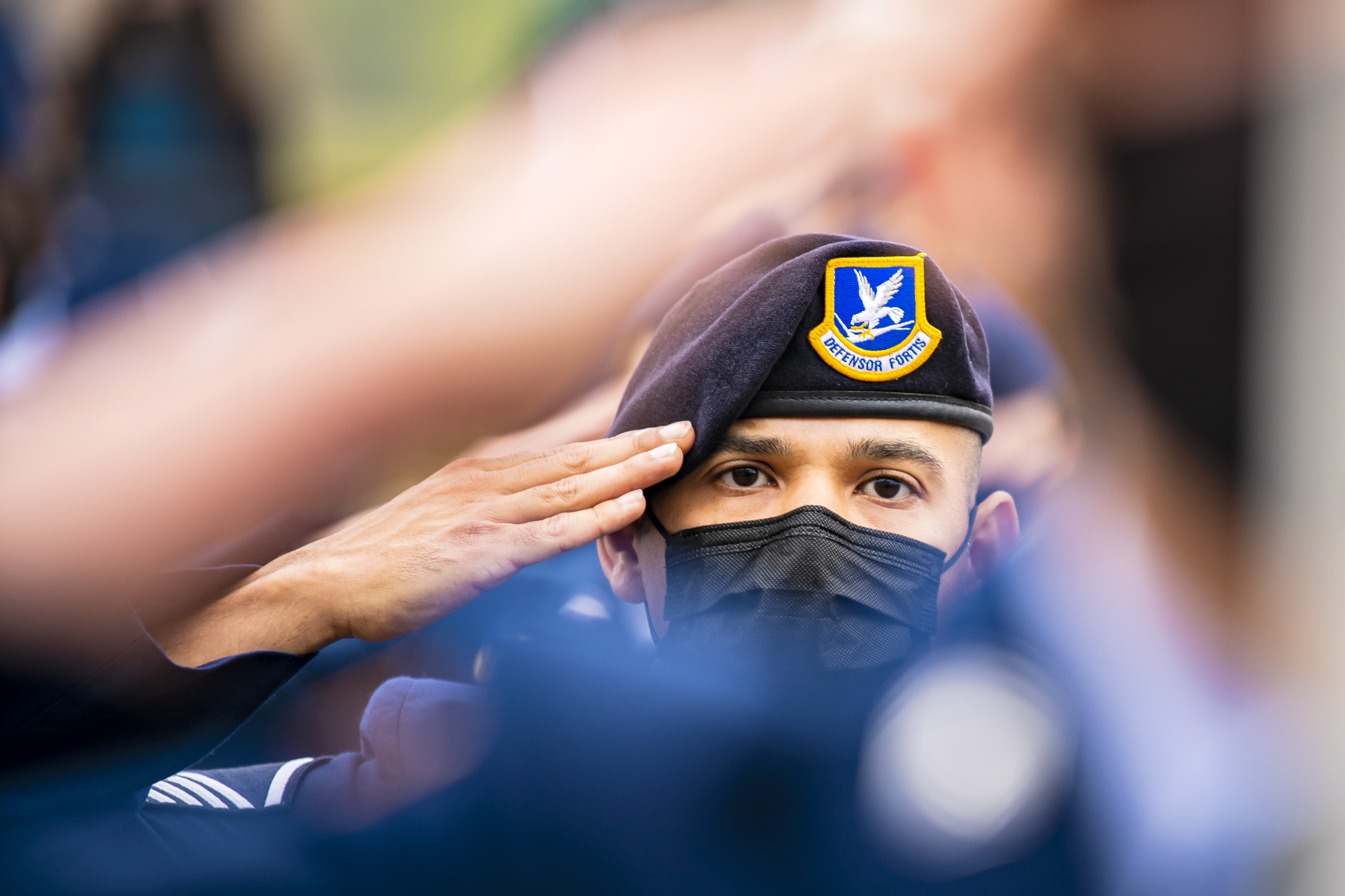
Air Force Master Sgt. Christian Navarro-Salazar salutes during a 9/11 remembrance ceremony at Royal Air Force Alconbury, England, Sept. 9, 2021.

Air Force Master Sgt. Willie Hutchinson, a Michigan Air National Guardsman, escorts a veteran with the Michigan Veterans Home in Grand Rapids, Mich., July 22, 2021. Michigan guardsmen are supporting the home by assisting in activities and providing accommodations during the COVID-19 pandemic.
Sept. 10, 2021 | BY David Vergun , DOD News
"The Philippines is a vital treaty ally. Our countries face a range of 21st century challenges, and cooperation is key to the security, stability and prosperity of the Indo-Pacific," Austin said.
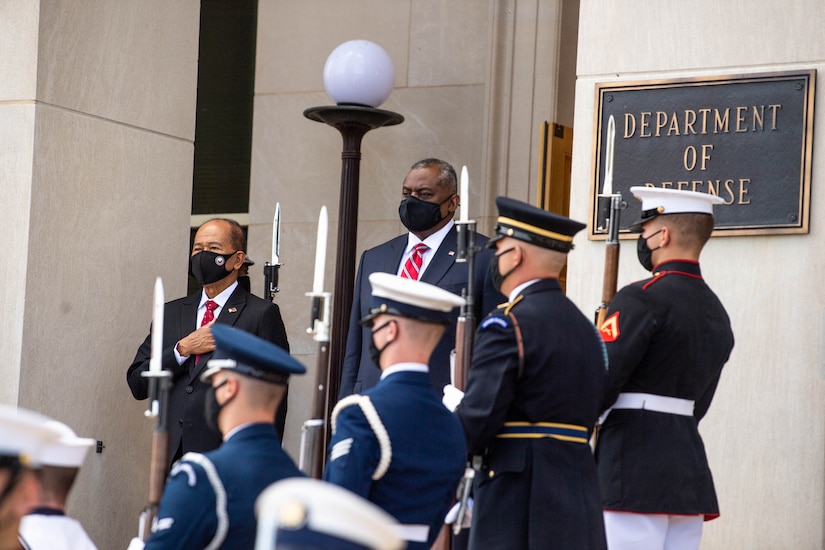
The secretary mentioned that the two nations recently celebrated the 70th anniversary of the Mutual Defense Treaty, which was signed Aug. 30, 1951. That treaty, he said, "remains the bedrock of our alliance."
Austin said he was pleased Philippine President Rodrigo Duterte in July retracted the letter that would have terminated the visiting forces agreement.
The agreement allows the DOD to conduct over 300 bilateral engagements a year with the armed forces of the Philippines. These range from expert exchanges to ship visits to component exercises and major joint/combined training exercises.
The secretary said he's looking forward to discussions on several priority areas, including maritime cooperation, modernizing the armed forces of the Philippines and increasing interoperability, information sharing and investments.
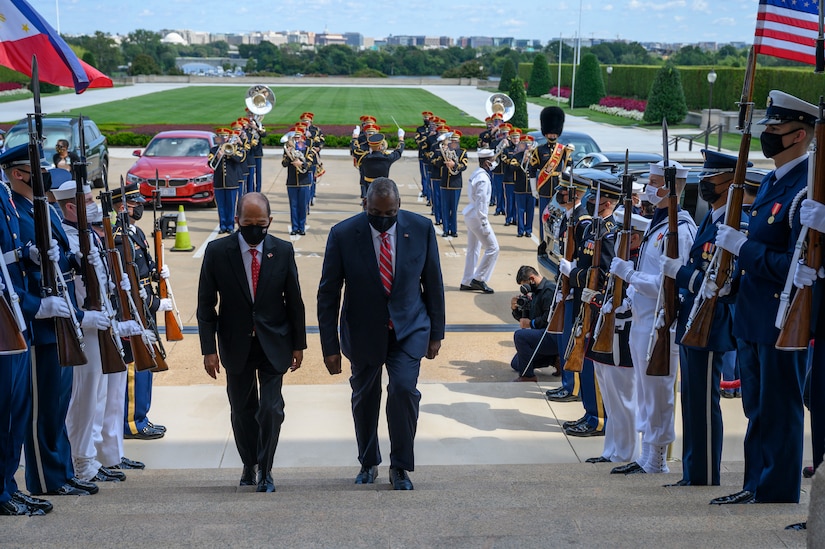
"America is committed to a sovereign and secure Philippines and to building an even stronger alliance based on our foundation of common interest and common values. And I look forward to discussing ways that we can deepen our partnership," Austin said.
Lorenzana said the two nations have shared goals in the Indo-Pacific region that include a stable and secure environment.
"Regional instability necessitates a network of effective alliances and defense partnerships," he said.
The current modernization of the armed forces of the Philippines has been one of the main areas of alliance cooperation with the United States, he said.
"I'm optimistic that today's discussion will continue to build on the friendship, partnership and alliance between our two countries, which is founded on our shared system, history and cooperation," Lorenzana said.

Army Corps of Engineers contractors perform a free Blue Roof installation on a home affected by Hurricane Ida in St. Tammany Parish, La., Sept. 9, 2021.

Marines exit two MV-22B Ospreys during Exercise Koolendong at Bradshaw Field Training Area, Australia, Aug. 29, 2021. Marines and Australian soldiers worked together to conduct a simulated aerial assault during the exercise.
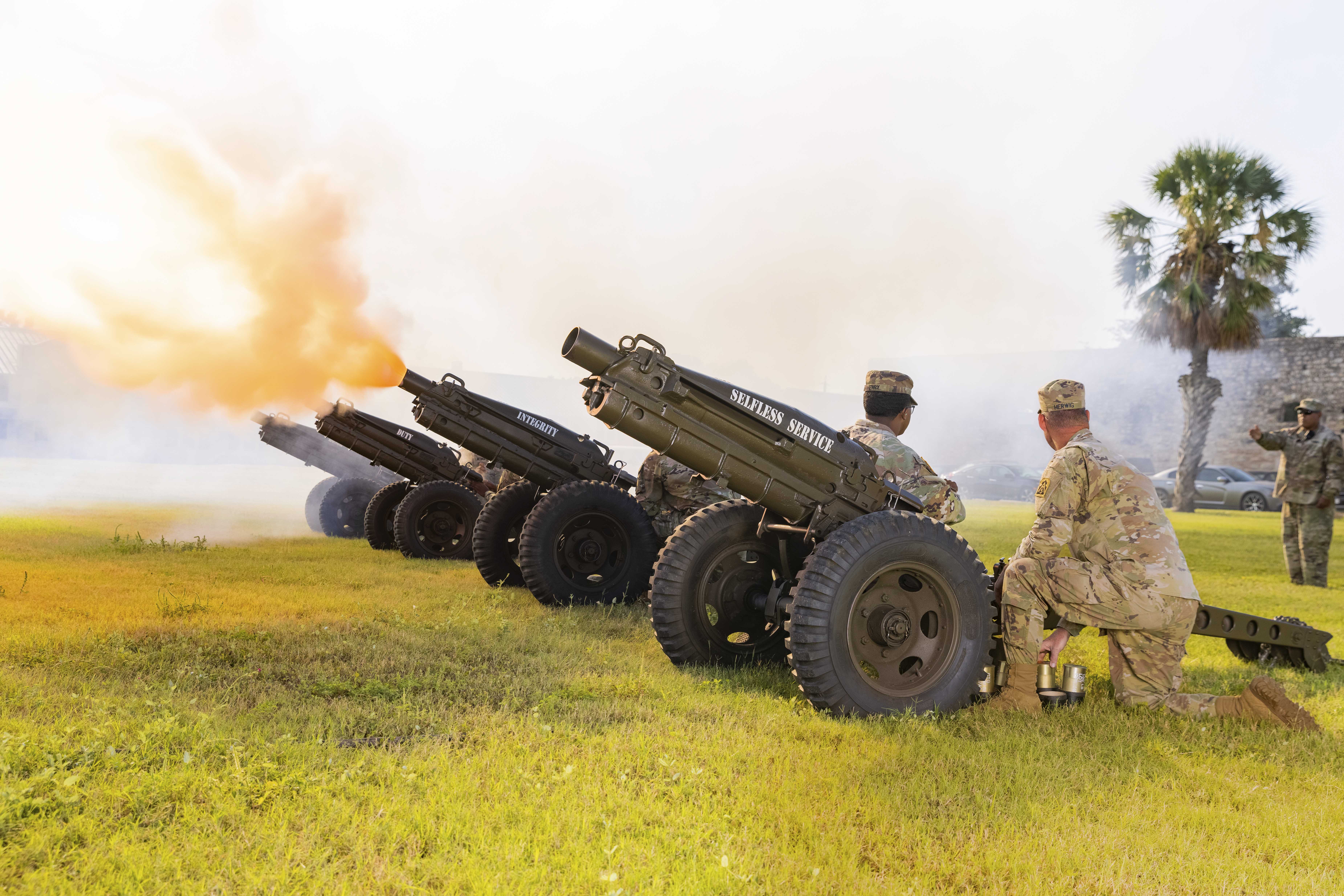
Soldiers fire cannons during the U.S. Army North change of command ceremony at Joint Base San Antonio-Fort Sam Houston, Texas, Sept. 9, 2021.
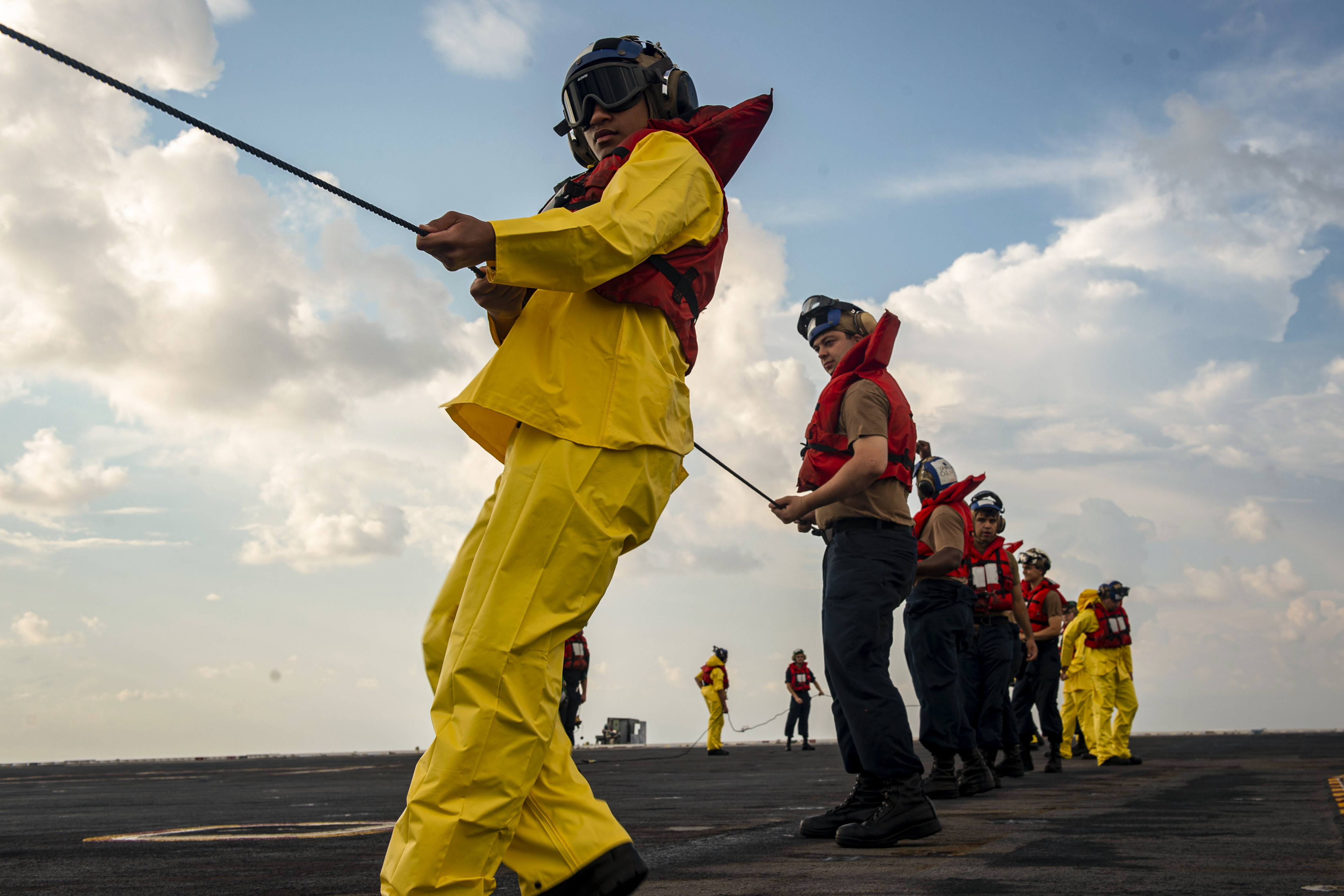
Sailors heave a line aboard the USS George H.W. Bush during a replenishment in the Atlantic Ocean, Sept. 9, 2021.
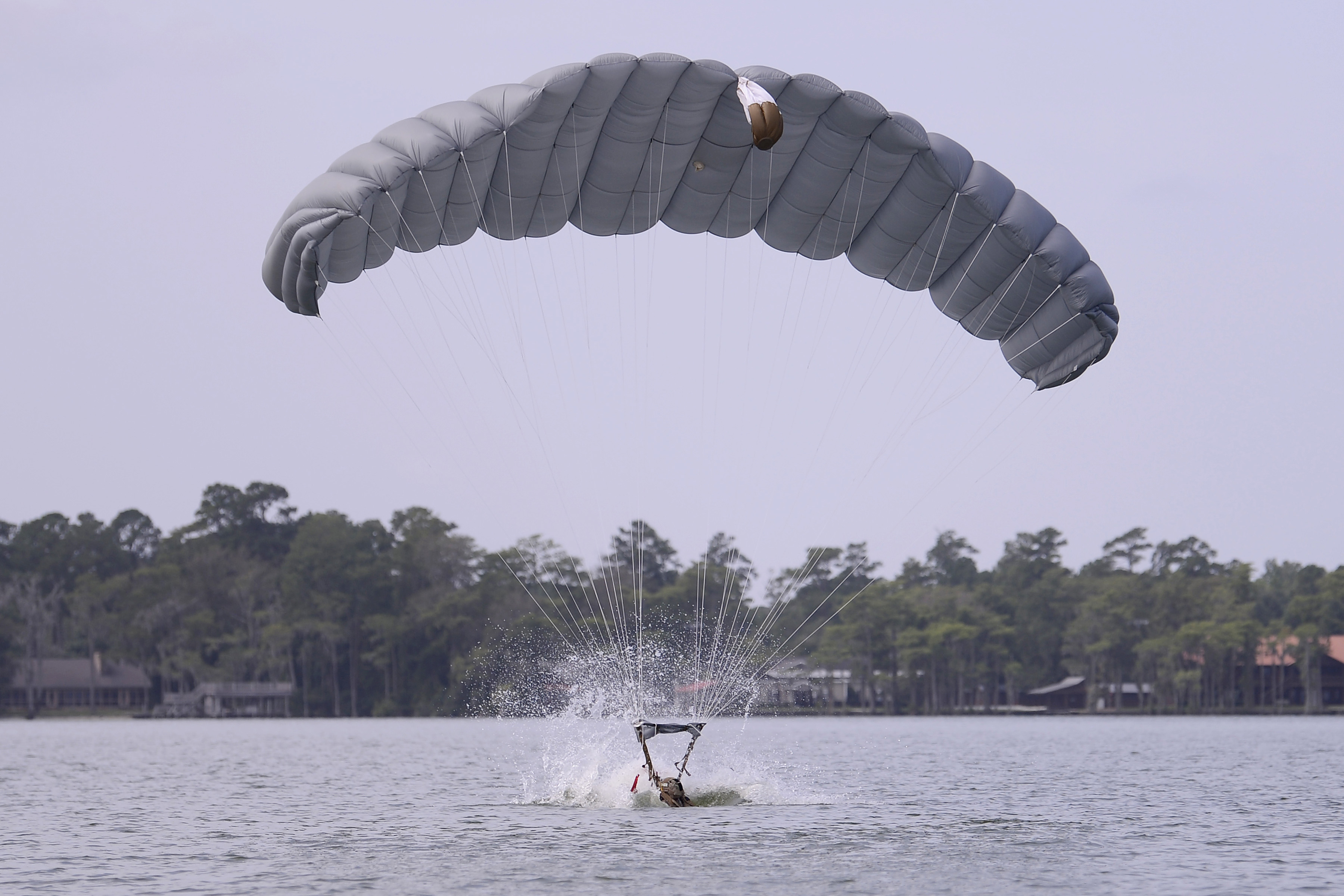
A soldier lands in White Lake during airborne training in Elizabethtown, N.C., Aug. 26, 2021.

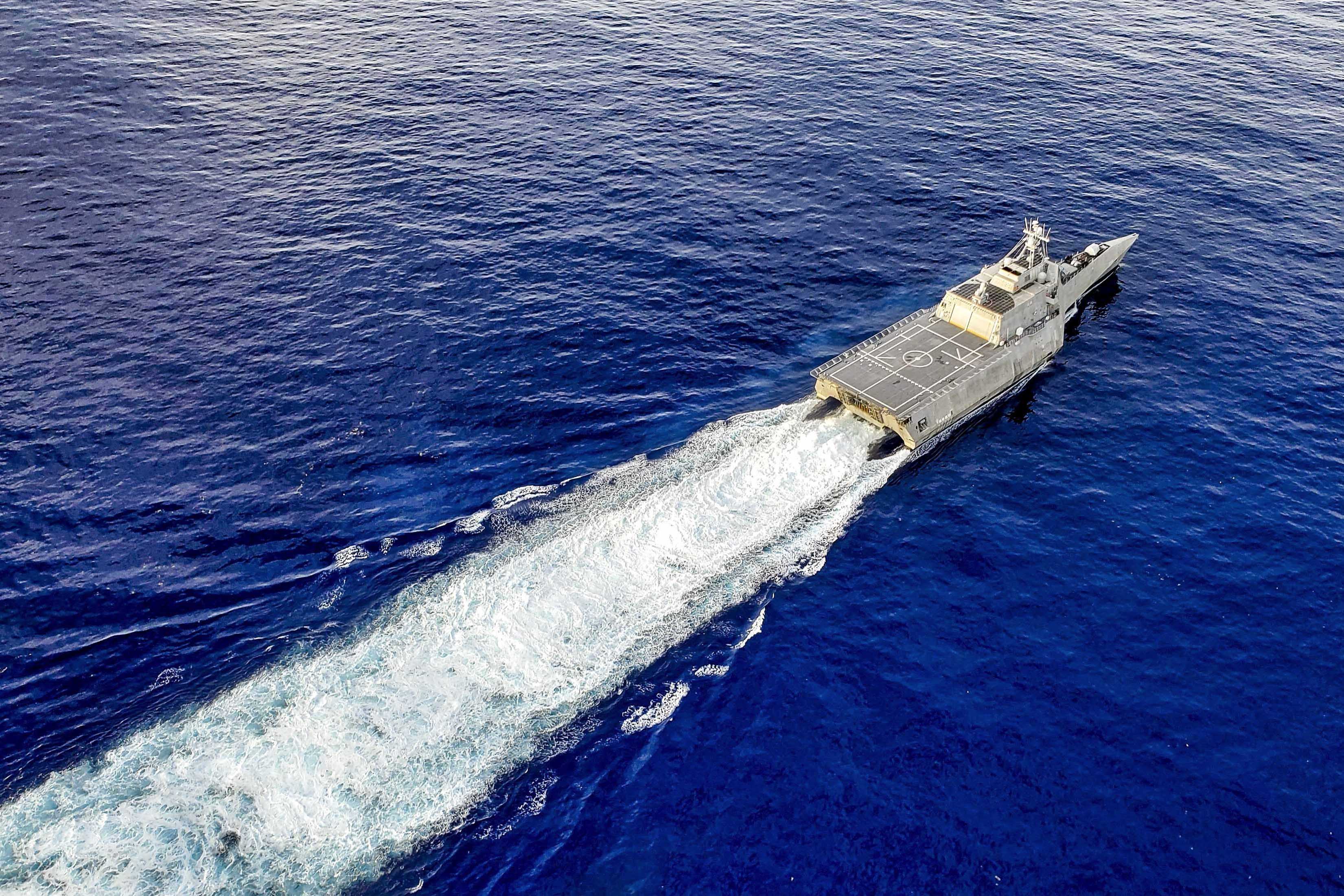
The littoral combat ship USS Jackson, front, sails alongside Japan Maritime Self-Defense Force ships through Malakal Passage, Palau, Sept. 2, 2021.
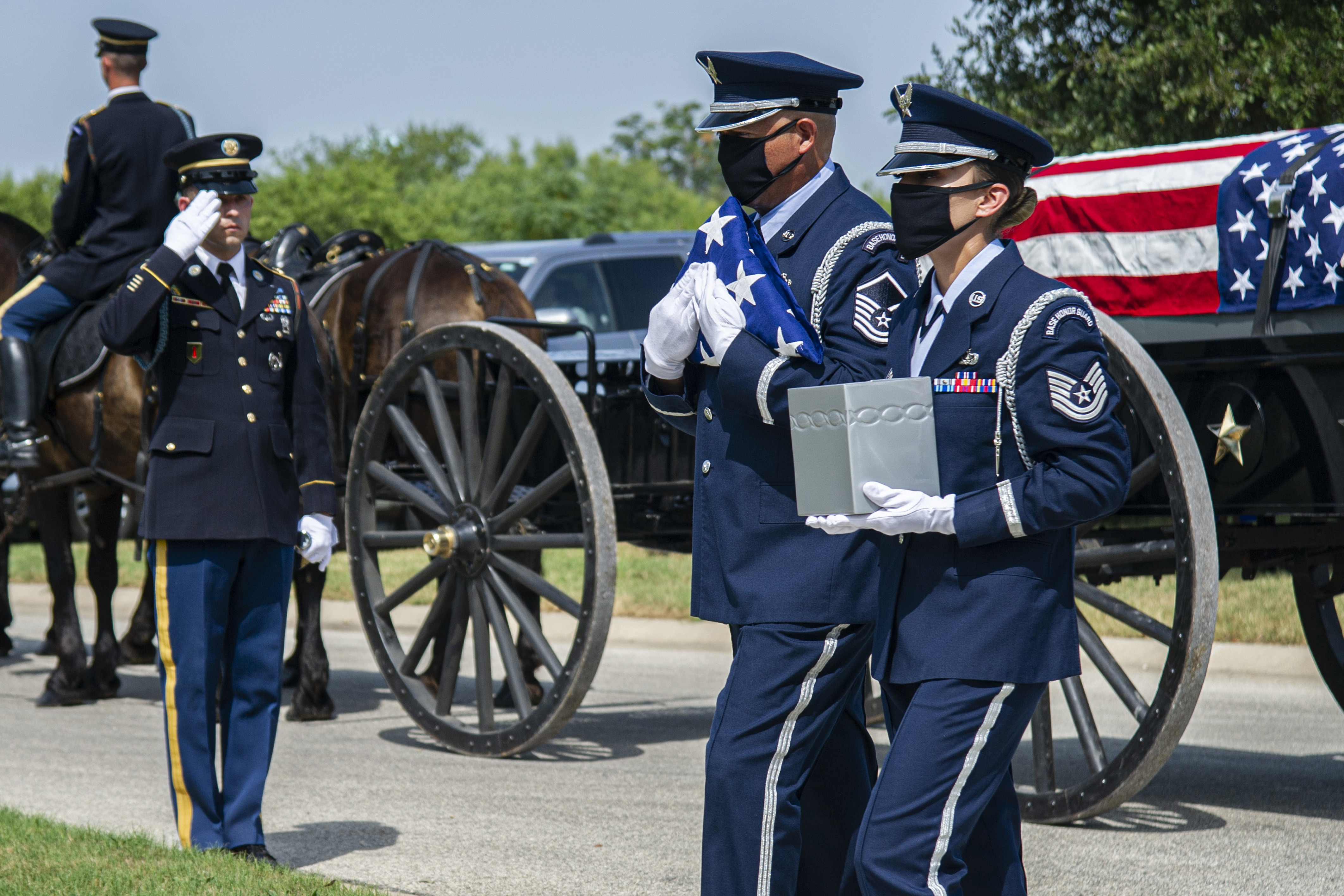
Air Force Honor Guard members carry the remains of Col. Richard E. Cole and the American flag during his interment at Fort Sam Houston National Cemetery, Texas, Sept. 7, 2021. Cole was the last survivor of the Doolittle Raid in which U.S. aircraft attacked Tokyo in response to the Japanese bombing of Pearl Harbor.
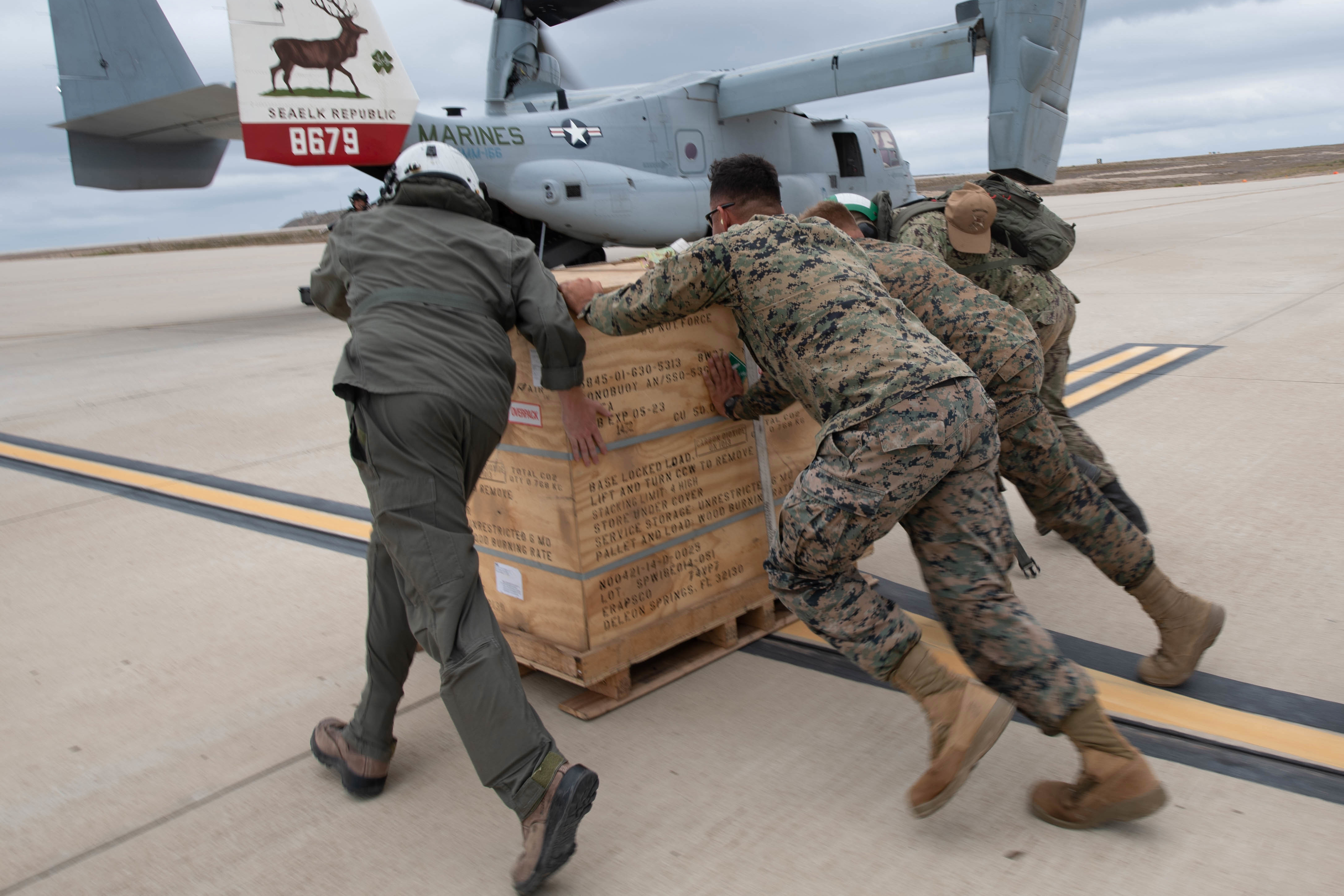
Sailors and Marines prepare to load a crate of sonobuoys onto an MV-22 Osprey on San Clemente Island, Calif, Aug. 18, 2021.
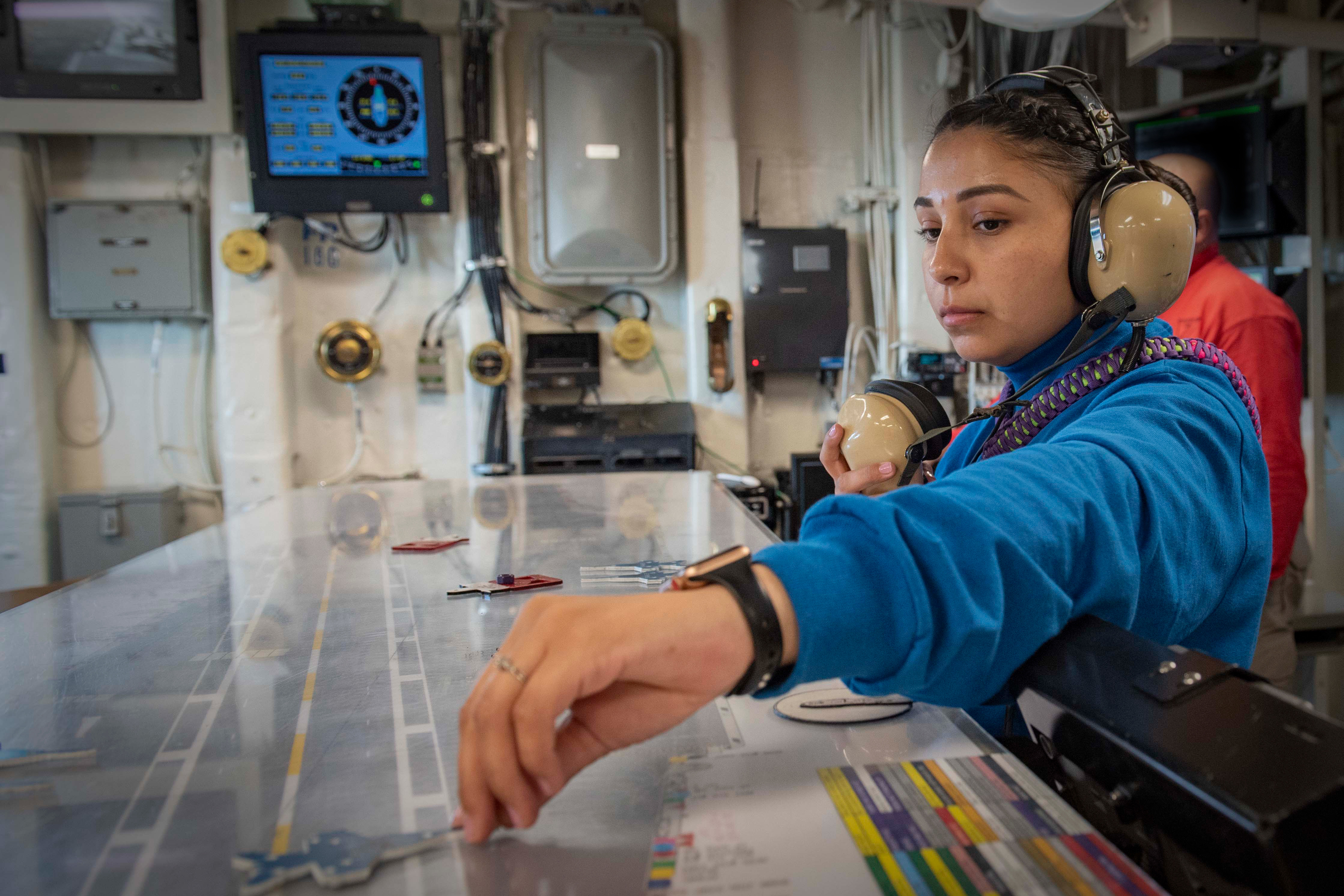
Navy Petty Officer 3rd Class Rubi Martinez moves figures on the ouija board during flight deck certification aboard the USS George H. W. Bush in the Atlantic Ocean, Sept. 6, 2021.
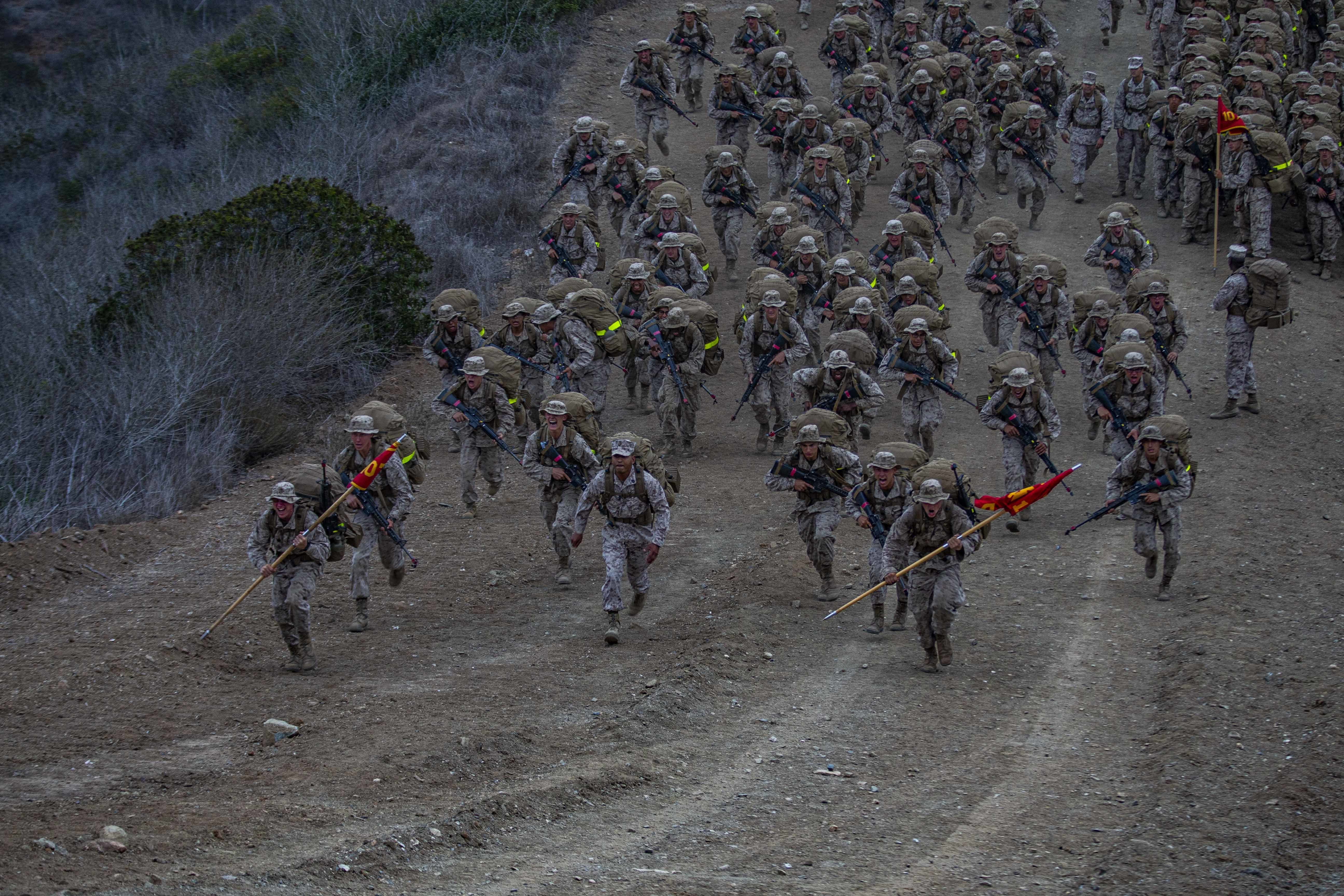
Marine Corps recruits charge up a hill during the ‘Crucible,’ a 54-hour training event at Marine Corps Base Camp Pendleton, Calif., Sept. 2, 2021.
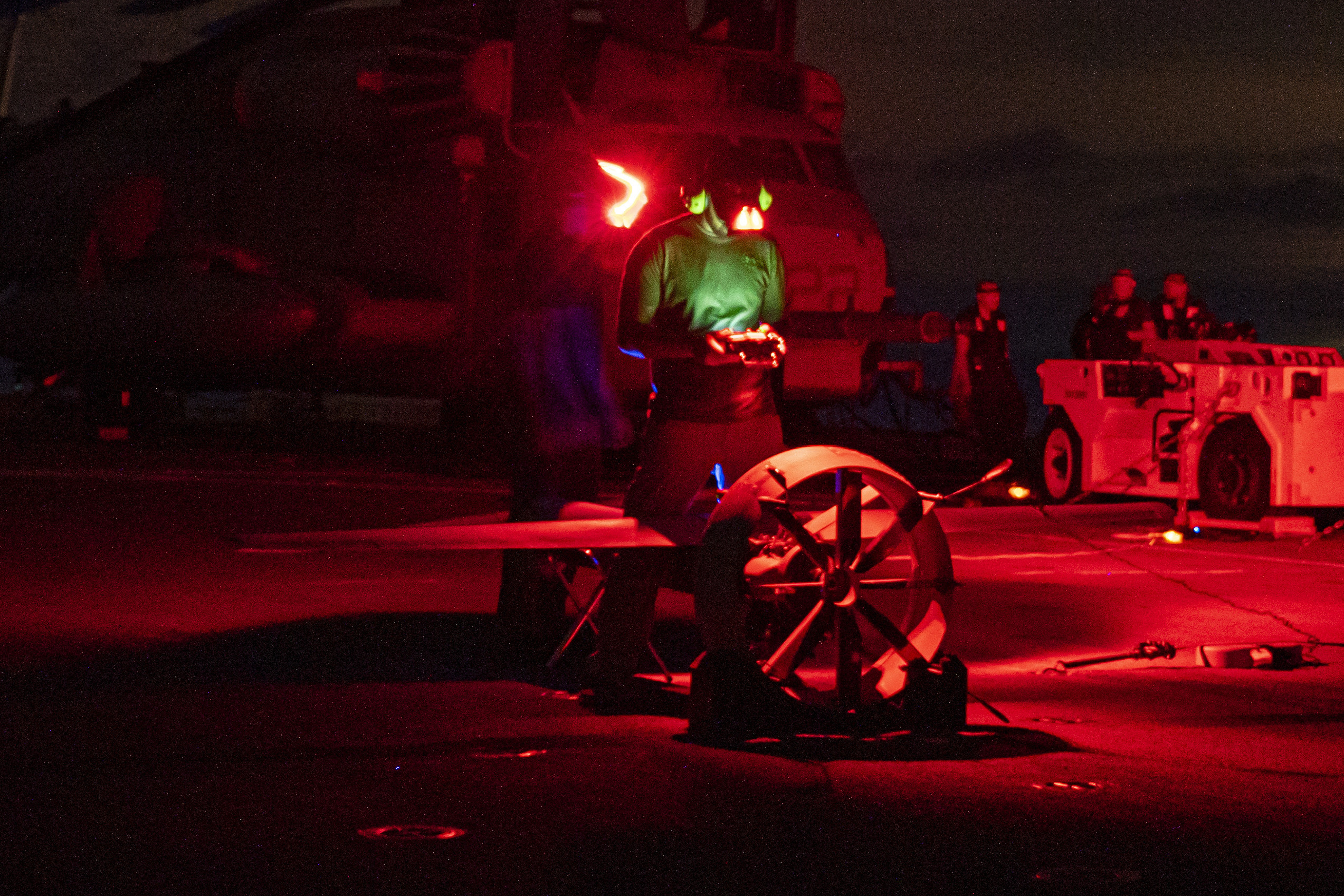
Unmanned aerial vehicle operators start the engine of a VBAT unmanned aerial system during preflight checks aboard the USS Portland in the Pacific Ocean, Sept. 5, 2021.

Para-swimmer Army Sgt. 1st Class Elizabeth Marks holds her gold medal during the medal ceremony for the women’s 100-meter backstroke at the 2020 Summer Paralympic Games in Tokyo, Sept. 3, 2021. Marks won the gold in a world record time.

Air Force Maj. Kristin "BEO" Wolfe, F-35A Lightning II Demonstration Team pilot and commander, flies over the Toronto skyline during the 2021 Canadian International Air Show, Sept. 4, 2021. The show marked the first time the F-35 Demonstration Team had flown for the city of Toronto.
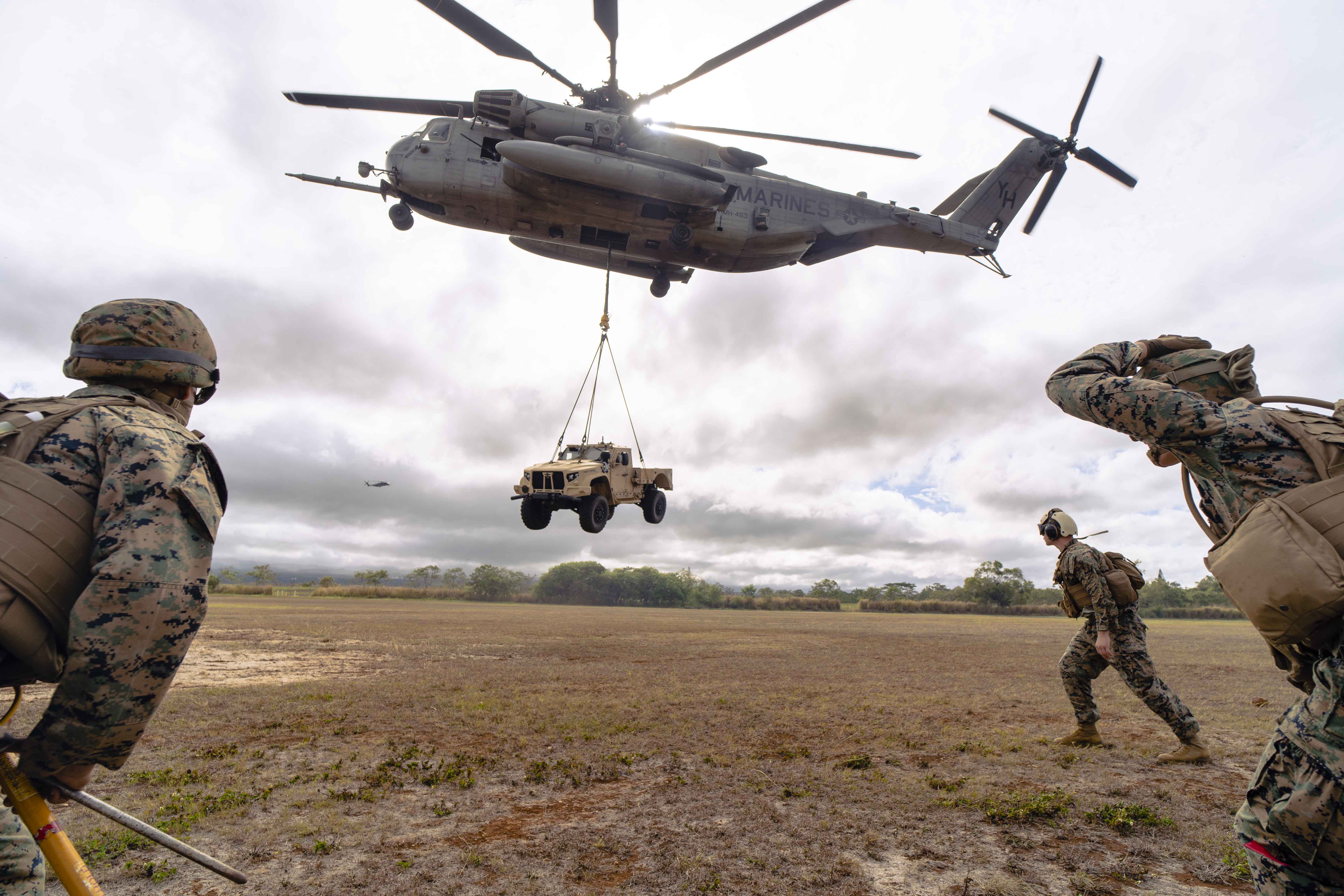
Marines conduct a helicopter support team external lift of a joint light tactical vehicle at Schofield Barracks, Hawaii, Sept. 2, 2021.

An airman assigned to the Thunderbirds, the Air Force's flight demonstration team, prepares a jet for takeoff during an air show in Cleveland, Sept. 4, 2021.
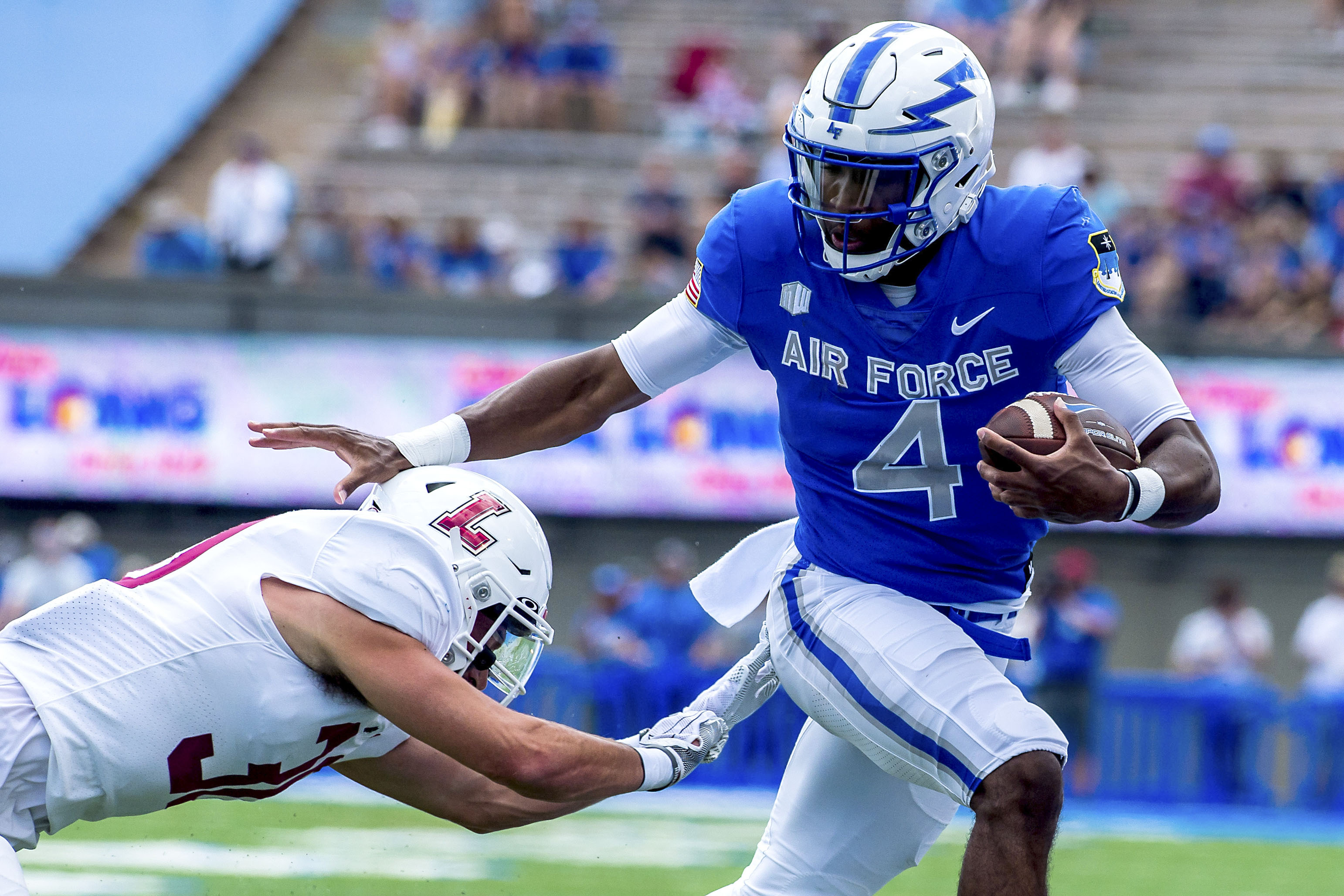
U.S. Air Force Academy's Haaziq Daniels dodges a tackle from Lafayette College's Caleb Burr in Falcon Stadium at the academy in Colorado Springs, Colo., Sept. 4, 2021.
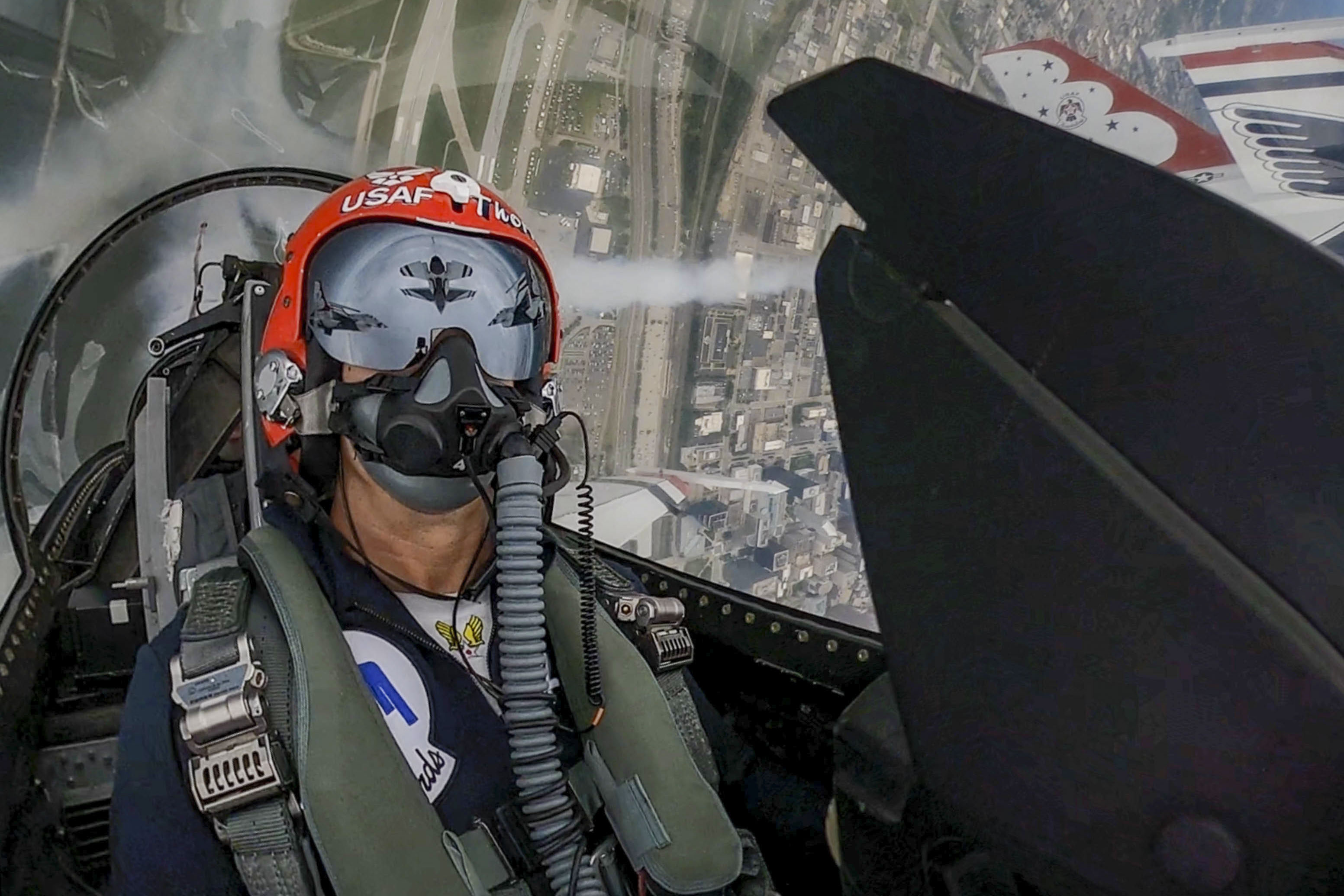
Air Force Maj. Michael "Thorny" Brewer, a pilot with the Thunderbirds, the Air Force's flight demonstration team, flies over the Cleveland Browns stadium during a show in Cleveland, Sept. 6, 2021.
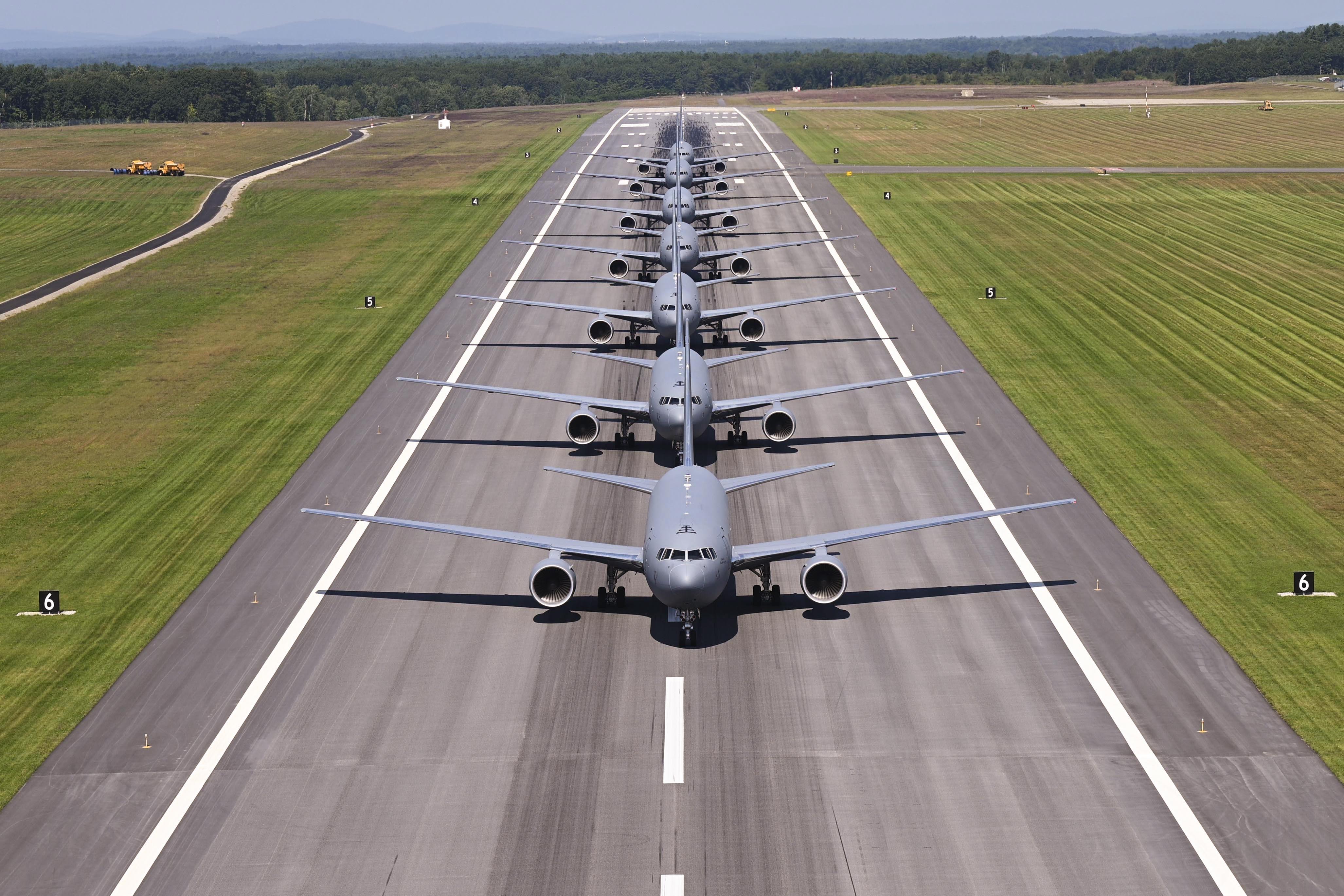
Air Force KC-46 aircraft participate in an elephant walk at Pease Air National Guard Base, N.H., Sept. 8, 2021.
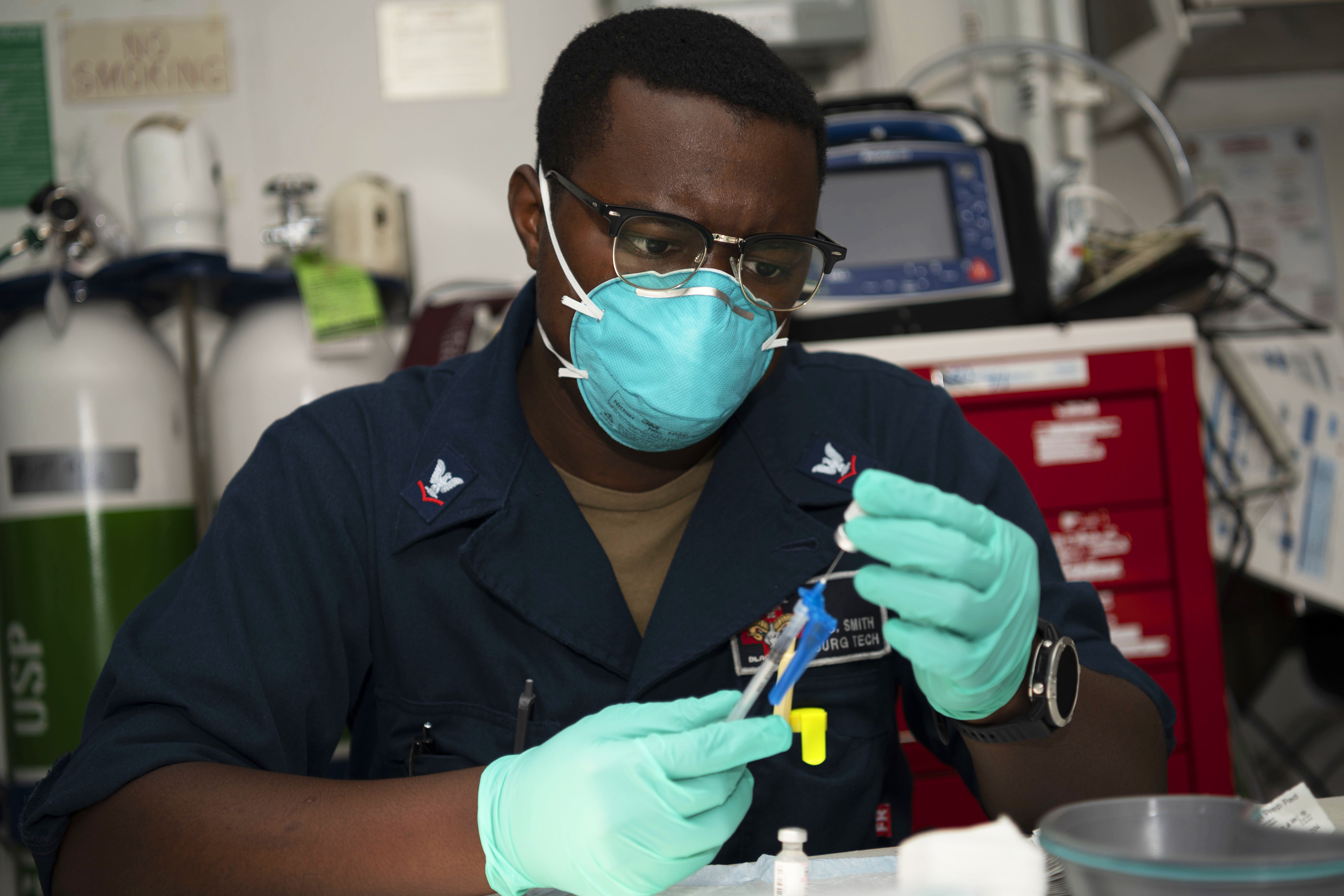
Navy Petty Officer 3rd Class Brandon Smith prepares a COVID-19 vaccine aboard the amphibious assault ship USS Essex in the Pacific Ocean, Sept. 4, 2021. The Essex, flagship of the Essex Amphibious Ready Group, and the 11th Marine Expeditionary Unit are operating in the 7th Fleet's area of responsibility to enhance interoperability with allies and partners and serve as a ready response force to defend peace and stability in the Indo-Pacific region.
Sept. 9, 2021 | BY Jim Garamone , DOD News
Speaking to reporters who traveled with him to Qatar, Bahrain and Kuwait, Austin thanked leaders in each nation for their indispensable support.
The Gulf states were the first stop for Afghan refugees escaping the Taliban. "We asked them to help us out, and, on very, very short notice, they surged capability; they gave us access," Austin said during an interview in Kuwait before returning to the United States. "It was a demonstration of true partnership."
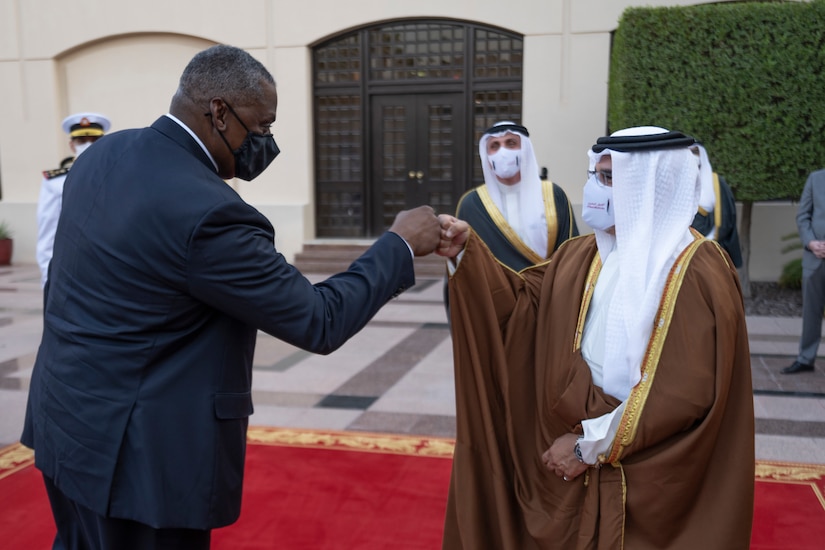
The United States has worked with Qatar, Bahrain and Kuwait for generations, and the militaries are accustomed to working together. "It's great to have partners like this, so that in times of need, we can very quickly turn to them, and they're very happy to do it," he said. "And they all felt they played a key role in helping out the Afghans who are transitioning to a new life."
U.S. Air Force C-17s took the evacuees to the Arabian Gulf nations where joint, combined teams screened and then readied them for further movement to Europe and eventually to the United States. Austin praised the international and interagency effort.
He noted how the effort ramped up in Qatar, for example. "One day they brought in 600 evacuees," he said. "About five days later, 17,000 evacuees showed up on very short notice. And they were able to manage that." The joint U.S.-Qatari team adjusted to the situation and adapted new practices to fit the needs.
The same sort of things happened at the refugee hubs in Kuwait and Bahrain.
In Kuwait, the secretary got a chance to speak with some of the service members who provided security at Hamid Karzai International Airport in Kabul, Afghanistan. He specifically spoke to Marines who were there when an Islamic State terrorist killed 13 U.S. service members and more than 200 Afghans. Speaking with the Marines "was very, very meaningful to me," he said.
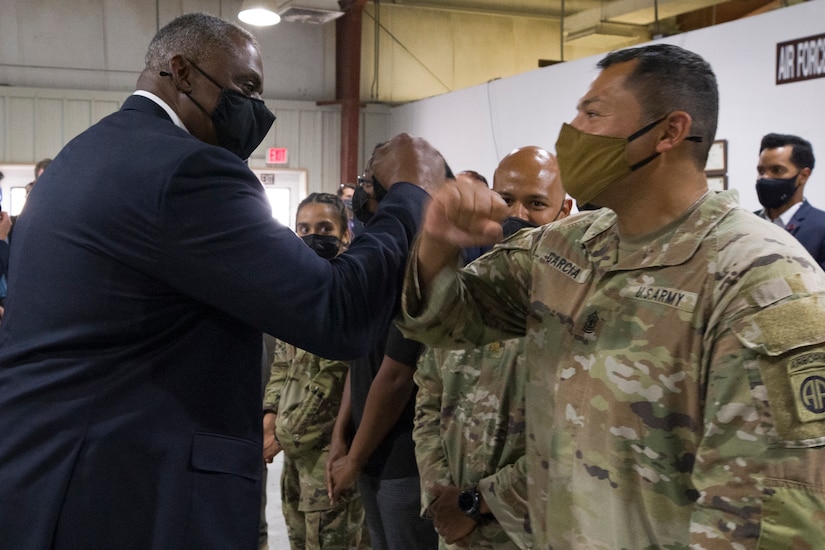
The secretary had visited Walter Reed National Military Medical Center in Bethesda, Maryland, where those injured in the attack were evacuated, and he was able to give progress reports to the Marines about their comrades. "When I visited the Marines in a hospital, half of them are starting to do push-ups and stuff," he said. "Even though they were injured, they were trying to do PT. But that's to be expected with these young warriors; they always go above and beyond the call."
The secretary said the attack is a tough thing for these young service members to process. "But I think they have the support that's necessary to help them. They are there for each other, and they are a very impressive group."
If Americans ever question the benefits provided the U.S. by friends and allies, the non-combatant evacuation operation is a great example of why the global network of allies and partners is important, the secretary said. Austin was asked if the NEO could have happened without the allies in the Gulf and Europe, "The short answer is no," he said. "We wouldn't have had the legs. The aircraft could not have reached the United States." The situation on the ground in Kabul also did not allow for complete vetting of those evacuating.
"Our allies and partners have enabled us to do things that have never been done before," he said. "This was the largest airlift in history. The ability to shuttle back and forth and lift out as many people as we did, as fast as we did could not have happened without partners in this region and in Europe."
The global network is truly global. He noted the Philippines offered to help, as did other nations around the globe.
"I think that's one of the great strengths of the United States of America," Austin said. "We treasure our allies and partners. We work hard to make sure that we maintain good relationships," he said.
"At the end of the day, … you can't surge trust," he continued. "You have to, you have to work on these issues every day. You have to strengthen those relationships and build that trust … and that's what that's what we've done. So, in time of need, you see what happened here."
The United States is a global nation with global interests, Austin said. The security of the Arabian Gulf region is an important issue for the U.S., and its effort to increase trust and cooperation in the region will continue.
Austin said the world is watching as the Taliban takes over the government in Afghanistan to see if the group will allow terror groups to safely plan and train in the country. "I think the world community is kind of watching to see what happens and whether or not al-Qaida has the ability to regenerate in Afghanistan," Austin said. "We put the Taliban on notice that we expect for them to not allow that to happen."
The United States will maintain an over-the-horizon counterterrorism capability if a Taliban-run Afghanistan again becomes a terrorist haven, the secretary said. The capabilities the United States has will allow strikes against threats to the homeland.



 Posts
Posts

