
Pennsylvania Air National Guard Tech. Sgt. Eric Leonard instructs Staff Sgt. Mary Connelly on structural building skills at Camp Paumalu, Hawaii, June 28, 2021.
Pennsylvania Air National Guard Tech. Sgt. Eric Leonard instructs Staff Sgt. Mary Connelly on structural building skills at Camp Paumalu, Hawaii, June 28, 2021.
July 19, 2021 | , DOD News
"Veterans who believe they have suffered an inequity or injustice warranting a correction to their service record or who believe their discharge was unjust, erroneous or warrants an upgrade are encouraged to apply," said Christa Specht, director of the Office of Legal Policy.
For example, veterans who received less than honorable discharges can file an application to request their military records be changed as long as they provide justifiable supplemental information for approval by their military department's Board for Correction of Military/Naval Records or Discharge Review Board.
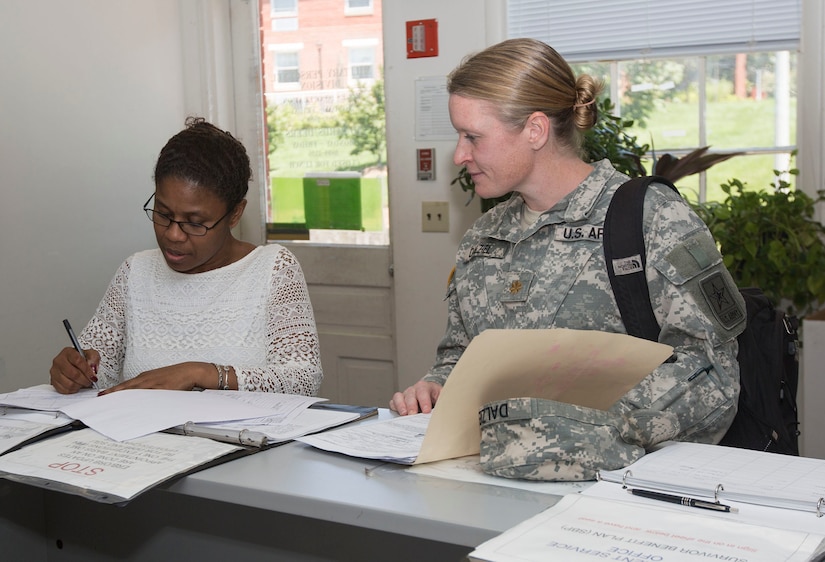
Further more, applications to a military department review board that allege a veteran suffered from a mental health condition, post-traumatic stress disorder, traumatic brain injury, sexual assault or sexual harassment while on duty, will be reviewed using a "liberal consideration" standard, according to a May 26 memorandum from the acting undersecretary of defense for personnel and readiness.
Also, on Feb. 19, 2021, the department directed the secretaries of the military departments to identify and examine the records of any service member who was involuntarily separated, discharged, or denied reenlistment or continuation of service in accordance with the prior administration's policies relating to gender identity. The military departments issued supplemental guidance to their respective Boards for Correction of Military/Naval Records for review of service members' records so that, where appropriate, individuals who meet current accession standards and are otherwise eligible are offered an opportunity to rejoin the military.
The boards can also grant relief based on clemency, Specht said, noting that those who got out of the military with a less than honorable discharge might still have positive accomplishments or evidence of good conduct to provide a review board in support of an upgrade. This may include indications of rehabilitation such as a long job history, absence of additional misconduct, character references, or proof of extensive volunteer work.
One incentive for veterans to request an upgrade to their discharge is so they can qualify for Department of Veterans Affairs benefits, such as the GI Bill and VA mortgages, said Margarete Ashmore, deputy director of the DOD's legal policy office.
Veterans who want to ask for discharge upgrades, reconsiderations of previously denied upgrades, or corrections to other military records should fill out the appropriate form and return it to their service's review board at the address listed on the form. Links to the forms can be found at the end of this article.
If a veteran is unsure how or where to apply for a discharge upgrade or correction, the VA, in partnership with the DOD, provides resources that can be used to help with applications and provide personal instructions in response to a few questions on the public website.
Veterans should include the following information:
Specht emphasized that the more information a veteran provides, the easier it is for the review boards to understand the circumstances of the correction being sought.
Personnel records for veterans who served after 1997 should be accessible online and are usually retrievable within hours of a request through the Defense Personnel Records Information Retrieval System (DPRIS). To obtain a personnel record from DPRIS, visit the website, select "Individual Veteran Access" on the left side, and follow the instructions. Veterans must register for access and verify their mailing address before requesting records.
Those who served before 1997 or for whom electronic records are not available from DPRIS can request their records from the National Archives' National Personnel Records Center using the eVetRecs website.
Additional information is available at:
July 19, 2021 , DOD News
On Wednesday, July 14, the Defense Department hosted, for the first time, an online forum that allowed for an open and transparent dialogue between the department and stakeholders affected by the presence of perfluoroalkyl and polyfluoroalkyl substances, or PFAS.
Department leaders created the event, the first of what is expected to be a continuing series of engagements, to increase the department's communication with affected communities and other stakeholders, and to enhance transparency regarding the department's PFAS-related activities.

Richard G. Kidd, the deputy assistant secretary of defense for environment and energy resilience, hosted the forum and told attendees that while it may take years for the department to fully define the cleanup requirements for PFAS — and possibly decades to actually do the cleanup — the department would remain committed to both the cleanup effort itself and communication with those affected by what is happening.
"We are intent on making sustained progress on all PFAS challenges," Kidd said. "We will continue to invest in science and technology, and we will demonstrate a commitment to clear and constructive dialogue with all stakeholders, such as ... the participants today."
To fight aircraft fires on flight lines, the U.S. military has, for years, used aqueous film-forming foam, or AFFF, that contains PFAS. PFAS is a group of man-made chemicals that includes perfluorooctane sulfonate, or PFOS, and perfluorooctanoic acid, or PFOA.

Over time, those substances have migrated into the groundwater under military installations and into drinking water. The department has been working for years to address these PFAS-related challenges, and continues to work in partnership with federal, state, and affected community stakeholders.
This week's inaugural public forum strengthens the DOD's commitment to an open, ongoing and transparent dialogue about PFAS with affected stakeholders.
Before taking questions from forum participants, Kidd discussed where the department is now in its cleanup effort. The DOD "follows the federal cleanup law, the Comprehensive Environmental Response Compensation and Liability Act, [or] CERCLA, also known as Superfund," for its PFAS cleanups. He said the department is approaching the 20% mark in conducting preliminary assessments and site inspections at installations that potentially used PFAS.
"The Department of Defense has identified 698 installations, including National Guard sites, where PFAS may have been used or potentially released," Kidd said.

Of these 698 installations, he said, initial investigations are complete at 129. During the preliminary assessments and site inspections, the department evaluates historic records of PFAS use at installations; conducts site visits; and takes samples of drinking water, groundwater or soil to determine what, if anything, must be done.
So far, 63 of the locations assessed need no further action, while 66 need more detailed investigation before determining cleanup actions, Kidd said, adding that when it's needed, the department can react quickly to provide immediate, short-term remediation.
"This allows the department to take quick actions to provide alternative water when PFOS or PFOA from DOD activities is found in drinking water above EPA's health advisory," he said.
One example of a quick reaction was when the DOD recently provided bottled water to residents within 96 hours of PFOS or PFOA from DOD activities being found above the EPA health advisory, Kidd said. DOD can also provide filtration systems for well heads or connection to municipal water sources. So far, short term actions have been conducted at 49 locations.

"This step enables the Department of Defense to stop exposure to PFOS and PFOA in drinking water while we continue the long-term investigation and remediation activities," he said.
Long-term solutions can take years, Kidd said.
"After we have defined the extent and nature of the plume in the groundwater, the department will drill wells at strategic locations and pump the PFAS-containing water out of the ground, through a filter and back into the ground," he said. "This process is known as pump-and-treat and has been used for decades for the cleanup of other chemicals; [it can] take a long time, especially when the standard is measured in parts per trillion. In light of that, [the] DOD is investing significant amounts of funds in research and development of new technologies."
The department is making significant efforts to develop and evaluate new technologies for the treatment of PFAS, Kidd said. It has invested $90 million through fiscal year 2021 toward that effort and plans an additional investment of $70 million through fiscal year 2025.
"These efforts include a range of activities related to PFAS detection, analysis, treatment and in situ destruction," he said.
Right now, Kidd said, the defense department no longer uses PFAS-containing AFFF for firefighting training events unless it can be contained during their use. Additionally, he said, the department is looking for alternatives to PFAS-containing AFFF for use in fighting fires.

"Since 2017, we have spent $28 million to test nearly 20 potential PFAS-free AFFF replacements, some of which are commercially available," he said. "We are moving through that testing process ... and we believe that we have a number of promising candidates."
What remains a challenge, he said, is finding a good replacement for suppressing jet fuel-based fires that also considers other factors — like compatibility, corrosiveness, viscosity and human health and ecological toxicity concerns.
Kidd responded to submitted questions and addressed topics including
how state standards for PFAS play into the federal cleanup effort. "We
follow the CERCLA process. State standards factor into that process,"
Kidd explained. The DOD is also required by statute to comply with state
drinking water standards when the DOD supplies the drinking water.

Air Force Airman Ryan Buehler welds a piece of metal at Kadena Air Base, Japan, June 6, 2021.
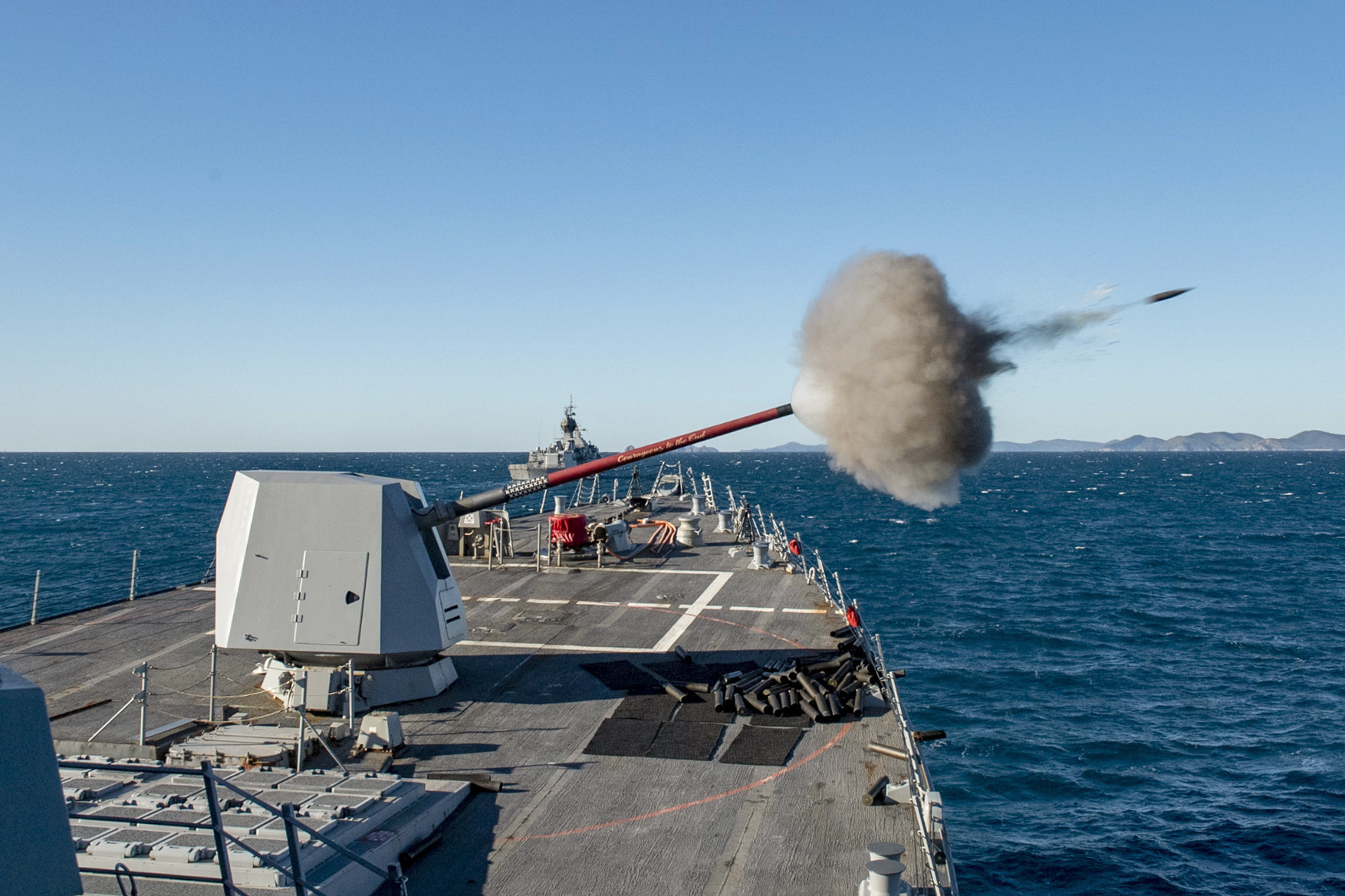
The USS Rafael Peralta fires a gun during Talisman Saber 21 in the Coral Sea, July 18, 2021. The exercise is designed to strengthen capabilities to respond to security concerns in the Indo-Pacific region.

A service member descends with a parachute during bilateral jump training at Royal Australian Air Force Base Tindal, Australia, July 13, 2021. U.S. and Australian forces trained to prepare for Talisman Saber 21, a month-long multidomain exercise to strengthen military capabilities.
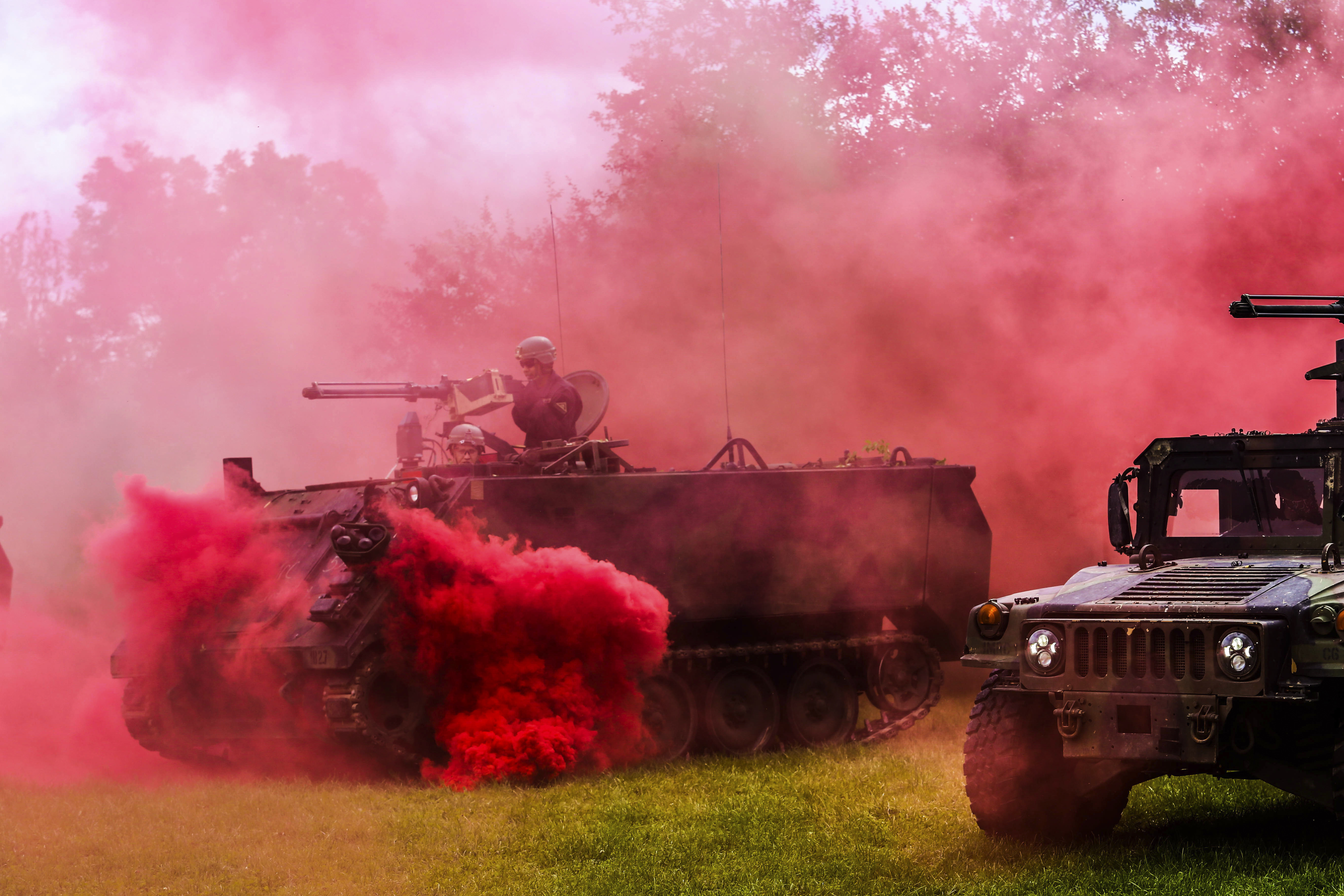
Soldiers demonstrate a show of force during a change of command ceremony at Hohenfels, Germany, July 16, 2021.

Air Force Maj. Joshua Rosecrans greets his daughter at McEntire Joint National Guard Base, S.C., July 16, 2021, after returning from a three-month deployment in Saudi Arabia.

Navy Petty Officer 3rd Class Marissa Villanueva conducts maintenance on an F/A-18E afterburner aboard the USS Carl Vinson in the Pacific Ocean, July 16, 2021.
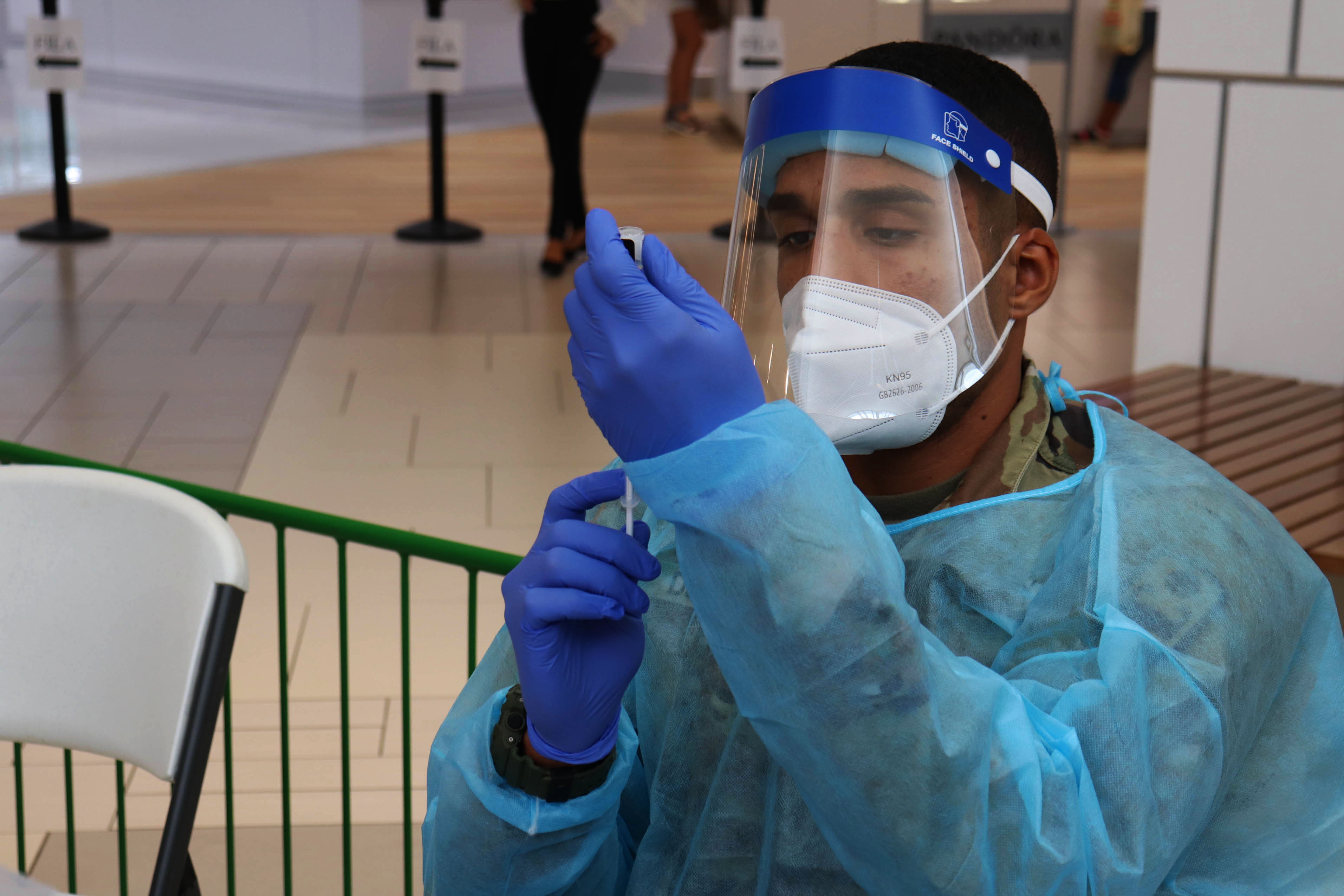
Army Spc. Yaniel de Jesús prepares a COVID-19 vaccine for a woman at Plaza Río Hondo Mall in Bayamón, Puerto Rico, July 16, 2021. The Puerto Rico National Guard continues its mission to vaccinate all citizens and achieve the immunization of the population, supporting the Department of Health.
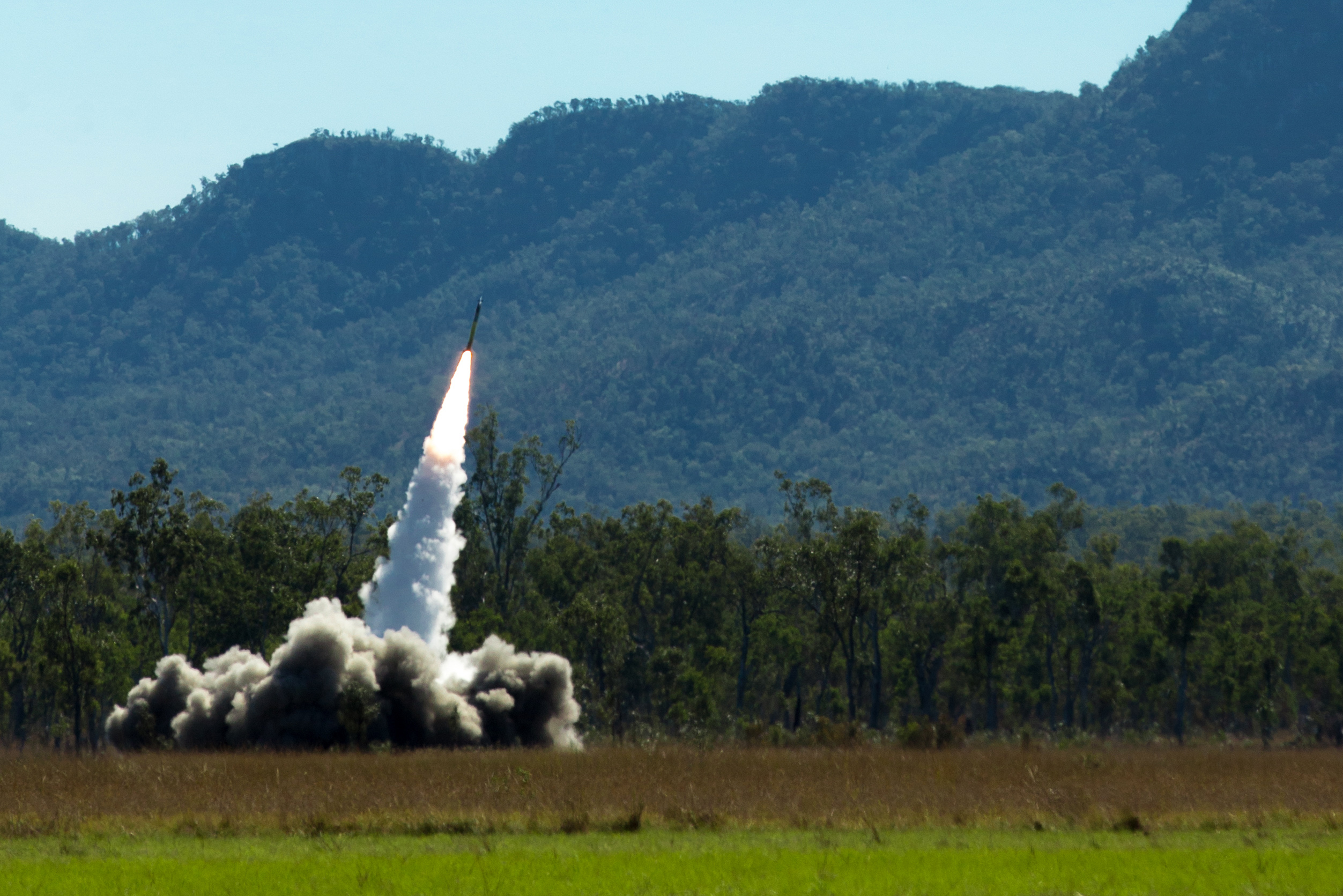
Marines launch a missile from an M270 guided multiple launch rocket system during exercise Talisman Saber at Shoalwater Bay Training Area, Queensland, Australia, July 19, 2021. The exercise is designed to strengthen capabilities to respond to security concerns in the Indo-Pacific region.

Arizona National Guardsmen helped organize, prepare and deliver food donations for a food bank in Stanfield, Ariz., July 14, 2021. More than 750 Arizona National Guardsmen continue to assist at vaccination sites, testing locations and food banks throughout the state.
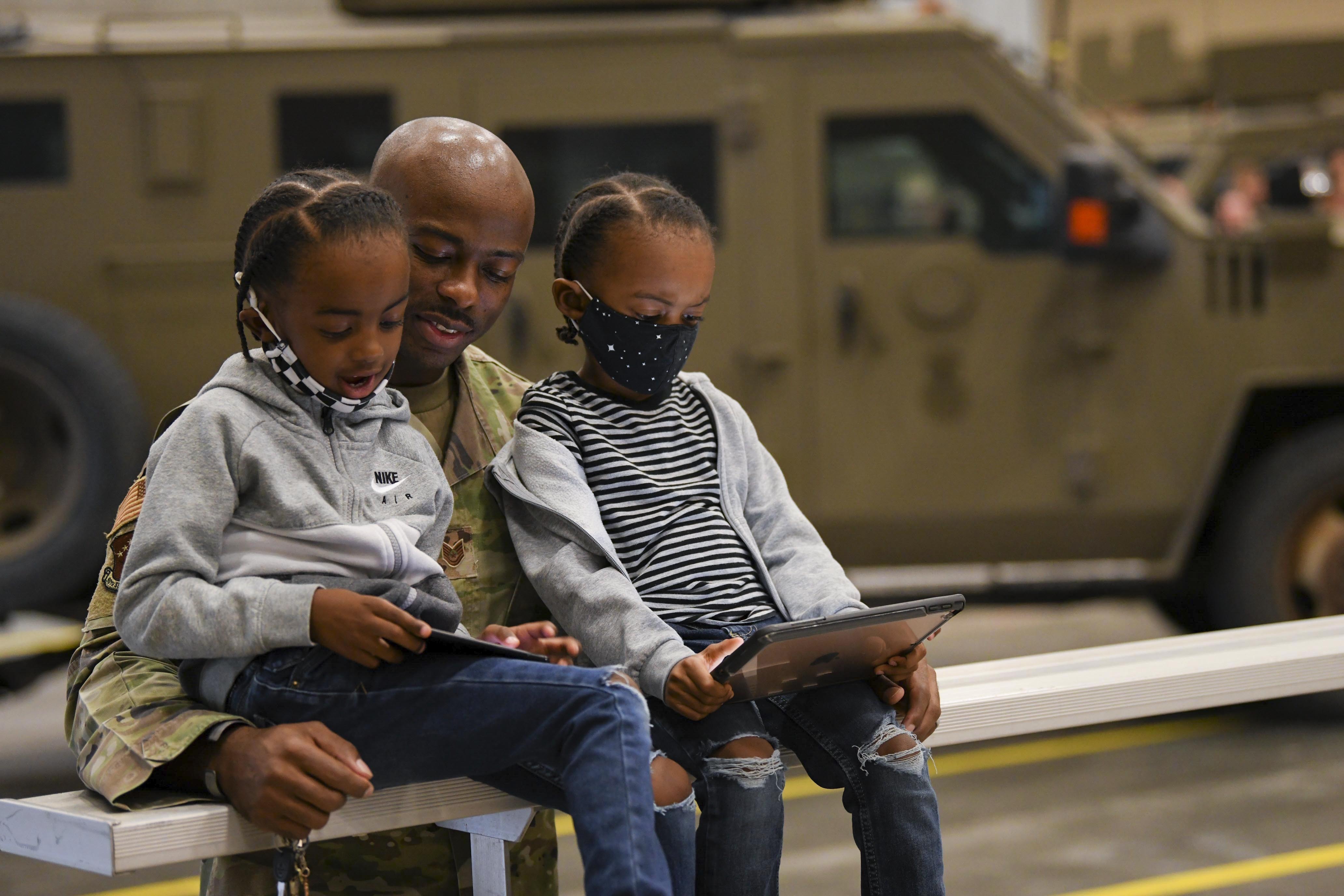
Air Force Tech Sgt. Brandon Robinson and his two daughters attend the 2021 Technical Sergeant Promotion Party at F.E. Warren Air Force Base, Wyo., July 1, 2021.
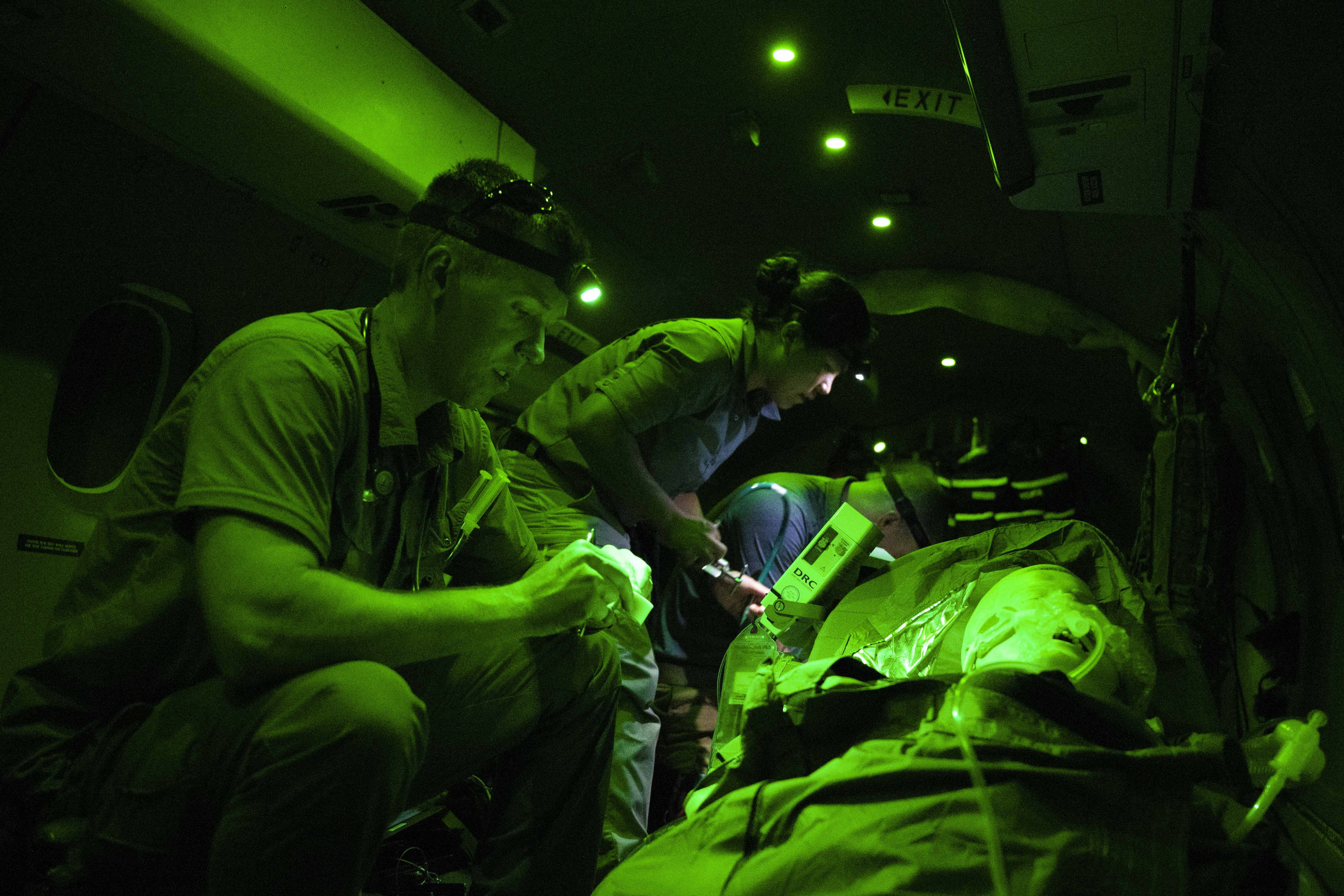
Airmen participate in a medical casualty care response exercise from Camp Lemonnier, Djibouti, to a tactical forward operating base in East Africa, July 3, 2021.
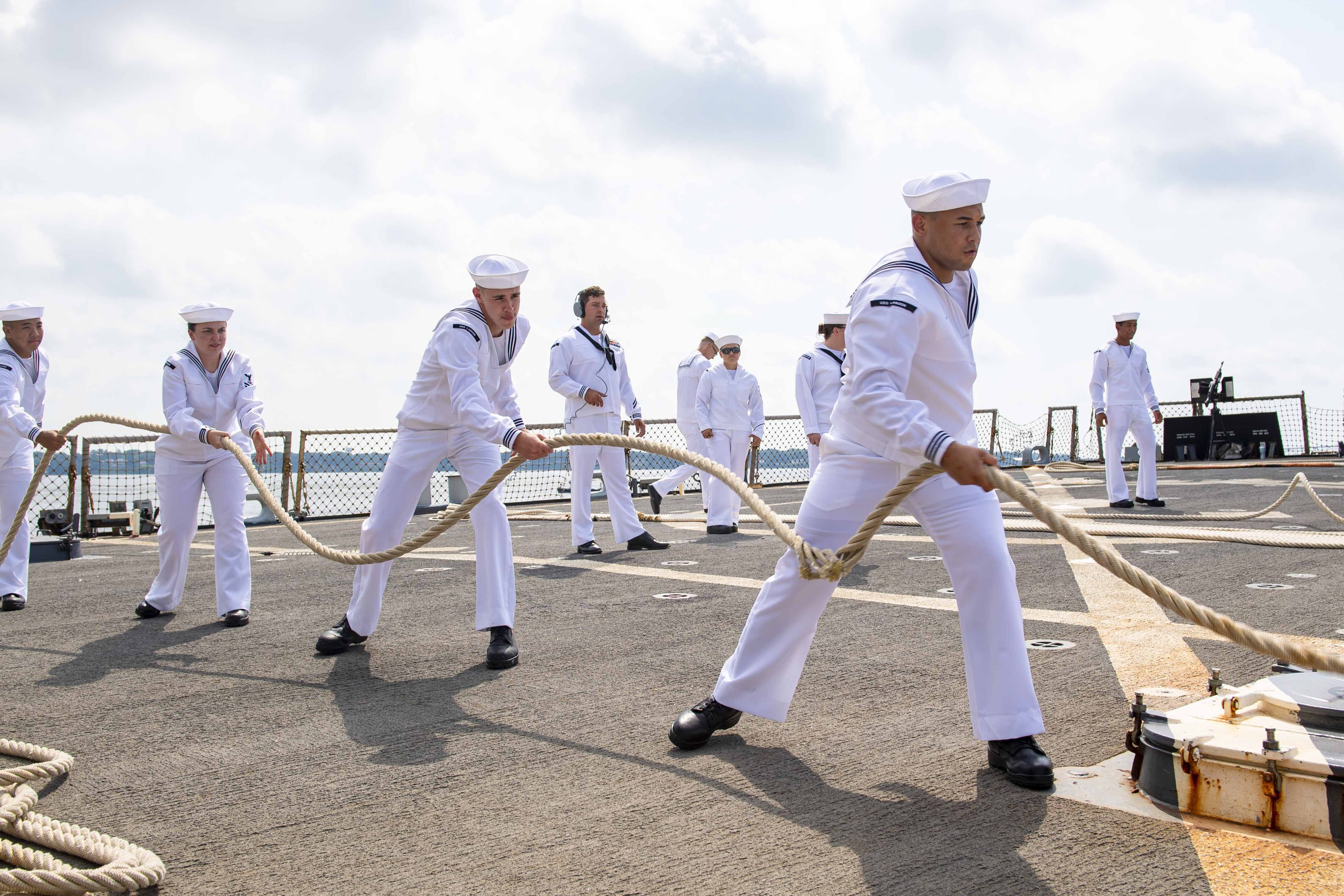
Sailors handle mooring lines aboard the USS Laboon in Yorktown, Va., July 11, 2021, after returning from a seven-month deployment to the U.S. 5th Fleet and U.S. 6th Fleet area of operations.

Navy F/A-18E Super Hornet fighter jets fly in formation over the USS Dwight D. Eisenhower in the Atlantic Ocean, July 13, 2021.
July 16, 2021 | , DOD News
The San Antonio Market — such as other Military Health System markets— is a group of hospitals and clinics in a geographic area where Tricare partners, Veterans Affairs hospitals, other federal health care organizations, private-sector teaching hospitals, medical universities and other health care groups partner to share patients, staff, budgets and other functions to improve military readiness and to also help deliver and coordinate health services, according to a news release from BAMC.
The market comprises the 59th Medical Wing at Lackland Air Force Base, led by Air Force Brig. Gen. Jeannine M. Ryder and Brooke Army Medical Center at Fort Sam Houston, led by Army Col. (Dr.) Michael Wirt, and their subordinate units in the greater San Antonio community.
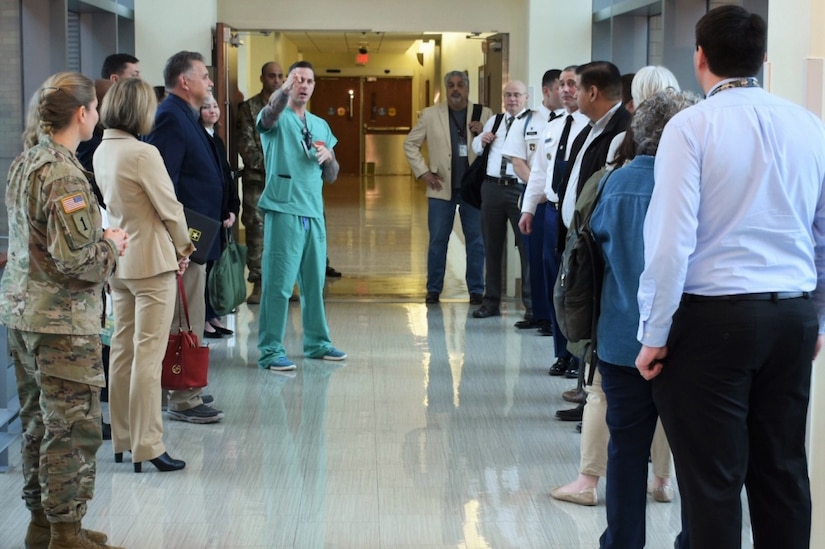
The San Antonio Market operates with a $1.02 billion budget and 11,000 staff members who take care of more than 253,000 Tricare beneficiaries who rely on the Defense Department for their health care.
"San Antonio has a special place for military medical professionals," said Army Lt. Gen. (Dr.) Ronald J. Place, director, Defense Health Agency, during a media roundtable prior to the ceremony that formalized the San Antonio market, today.
"We conduct a significant amount of training here for officers and enlisted personnel. It's home of the Center for the Intrepid — providing world-class care for amputees and burn patients," he said. "We have an innovative partnership with the city that allows us to be part of the emergency care network — allowing us to treat all members of the community when we are the closest hospital." And all of those programs will be sustained and strengthened, he added.
"Our goals in creating this market are to better serve our patients and more effectively use our resources throughout the San Antonio military community," Place said.
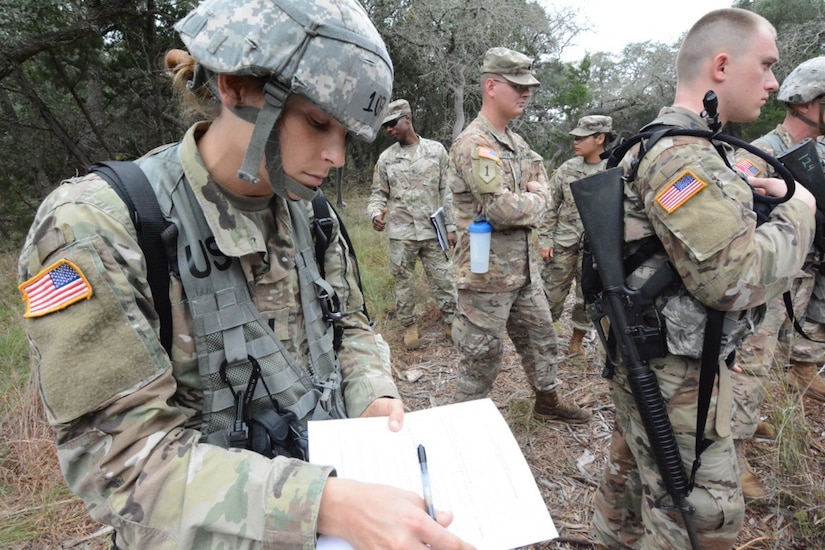
He said that means patients will have a standardized model for how they access care, which has one process for making appointments, getting referrals, using military pharmacies and getting imaging, for example. The market already has set up a centralized appointment line and a hotline for COVID-19 to provide patients with information on testing, care and vaccines.
The San Antonio Market will operate as one system, regardless of where the facilities are. "This is good for patients and providers," Place said. "Care is easier to access and understand for patients, and it offers our military staff more opportunities to see patients with complex medical conditions."
Place said the San Antonio Market is an important moment for military medicine, especially in the community. "The medical leaders at Wilford Hall Ambulatory Surgical Center, Brooke Army Medical Center and our other clinics have been working together for many years, and their work made today possible," he noted. "Now we're taking it a step further. Today's ceremony cements that medical team into a single organization, serving military families throughout the area."
Since January 2020, the DHA has set up six other markets that comprise military treatment facilities in the National Capital area — Washington, D.C., southern Maryland and northern Virginia; Jacksonville, Florida; coastal Mississippi — Biloxi, Gulfport and Pascagoula; Central North Carolina in Fayetteville; Tidewater in coastal Virginia; and Colorado Springs, Colorado. San Antonio is the seventh, and San Diego is expected to be the eighth, military medical officials said.

A cadet completes the assault course during Basic Cadet Training at the U.S. Air Force Academy in Colorado Springs, Colo., July 13, 2021. The training is a six-week indoctrination program for new cadets.
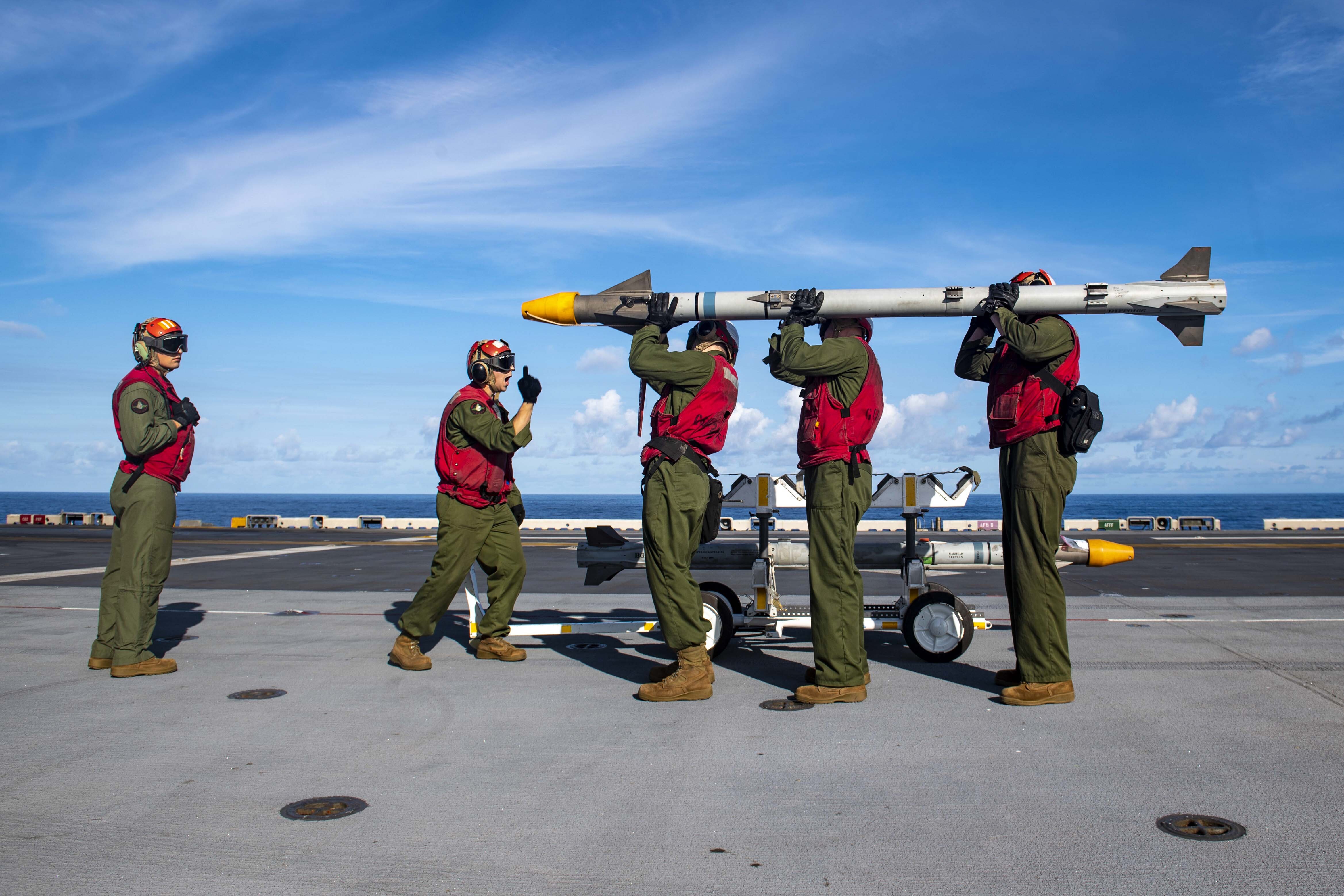
Marines download inert ordnance from an F-35B Lightning II fighter aircraft aboard the USS America during flight operations in the Solomon Sea, July 13, 2021.
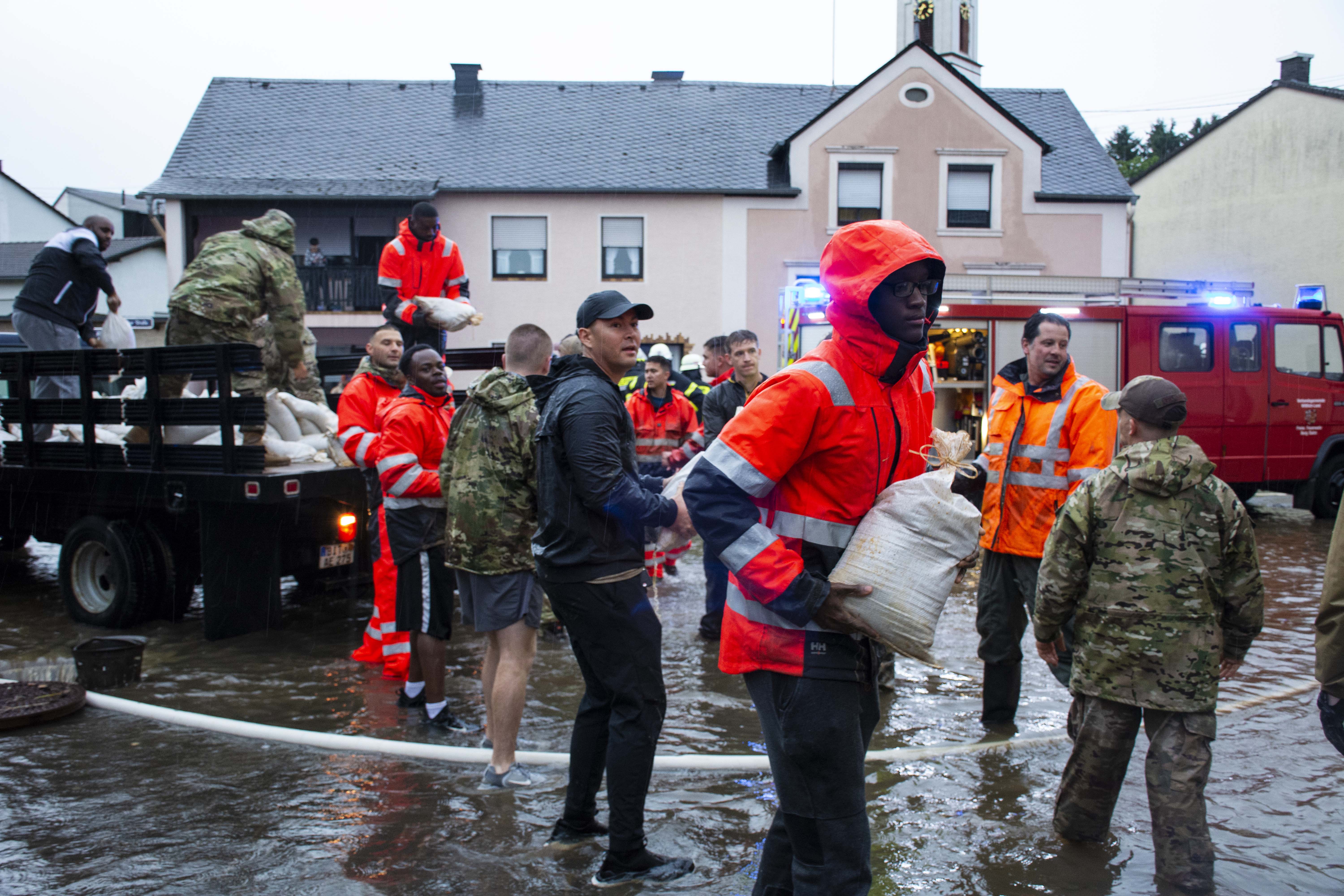
Airmen work with German first responders and community members to deliver sandbags in Binsfeld, Germany, July 14, 2021, to help prevent flooding.
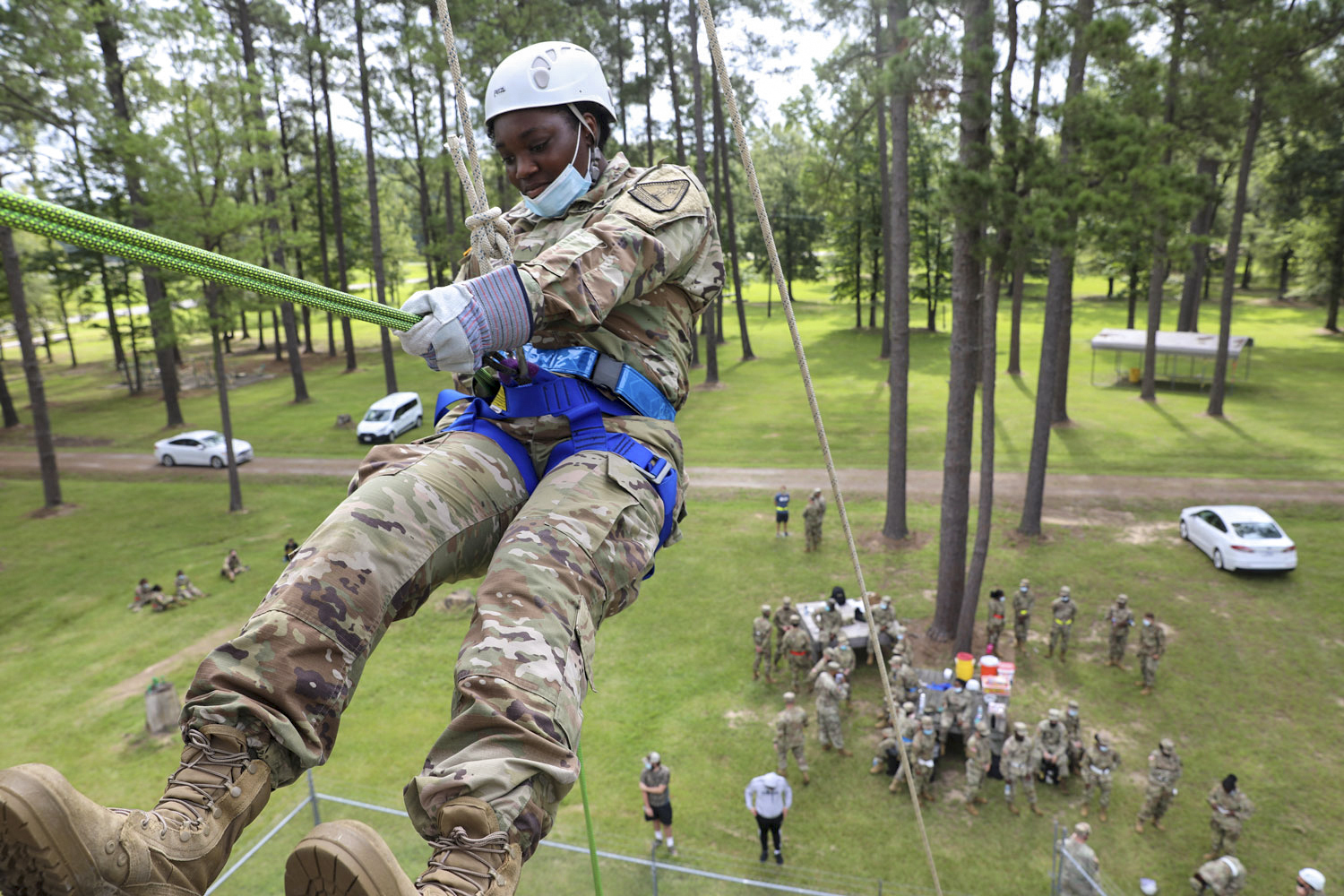
A Louisiana National Guard recruit rappels from a tower at Camp Minden in Minden, La., July 10, 2021.
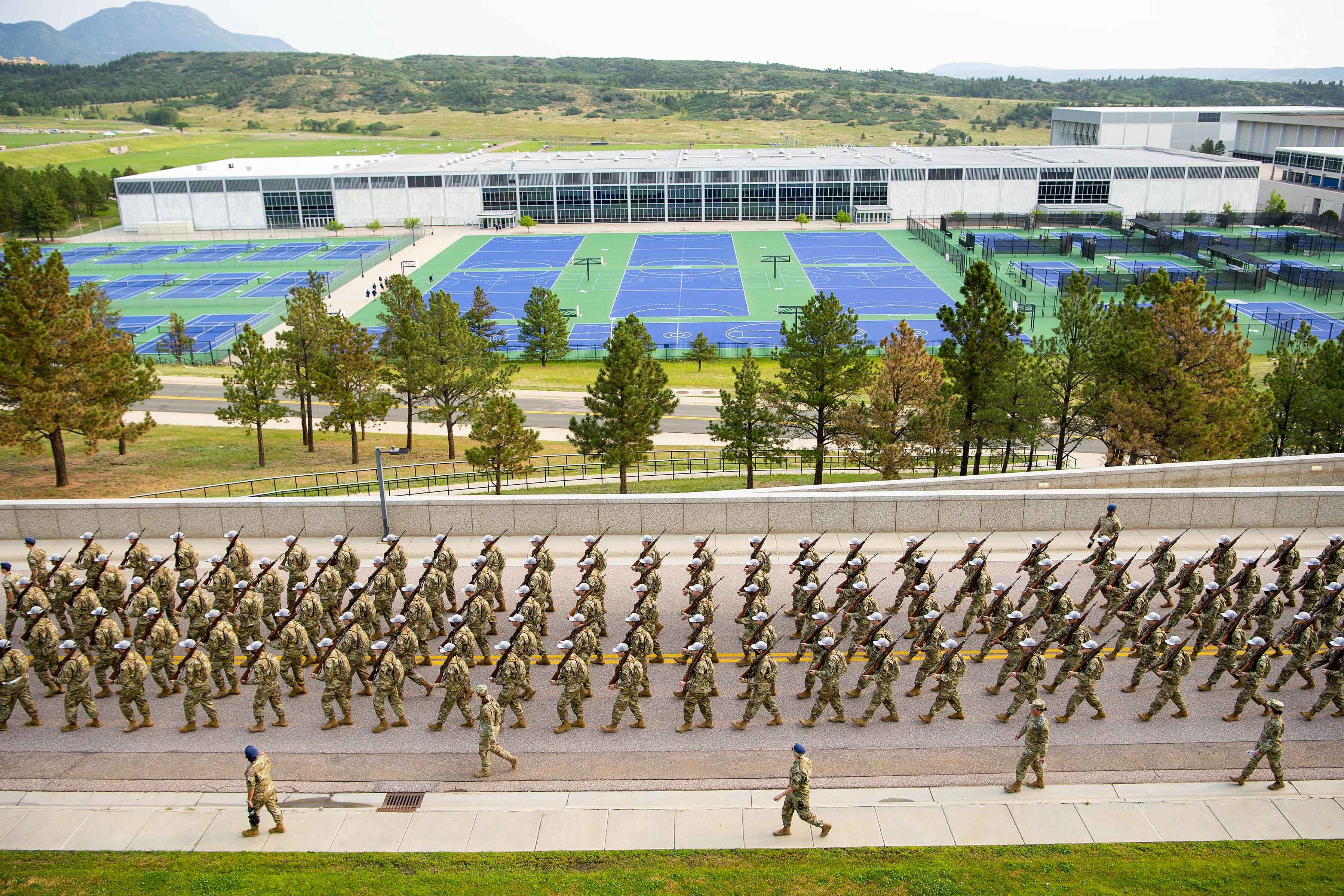
Air Force cadets march out for field training at the U.S. Air Force Academy in Colorado Springs, Colo., July 12, 2021.

Navy Petty Officer 3rd Class Ken Sachio Boctot packages diapers for the HappyBottoms charity organization during a community relations event in Kansas City, Mo., July 1, 2021. The event was part of Kansas City Navy Week, the first in-person Navy Week since the beginning of the COVID-19 pandemic, bringing sailors from different Navy units across the U.S. to conduct focused outreach with members of the community.

An Arizona National Guardsman helps organize, prepare and deliver food donations for a food bank in Stanfield, Ariz., July 14, 2021. Arizona National Guardsmen continue to assist at vaccination sites, testing locations and food banks throughout Arizona.
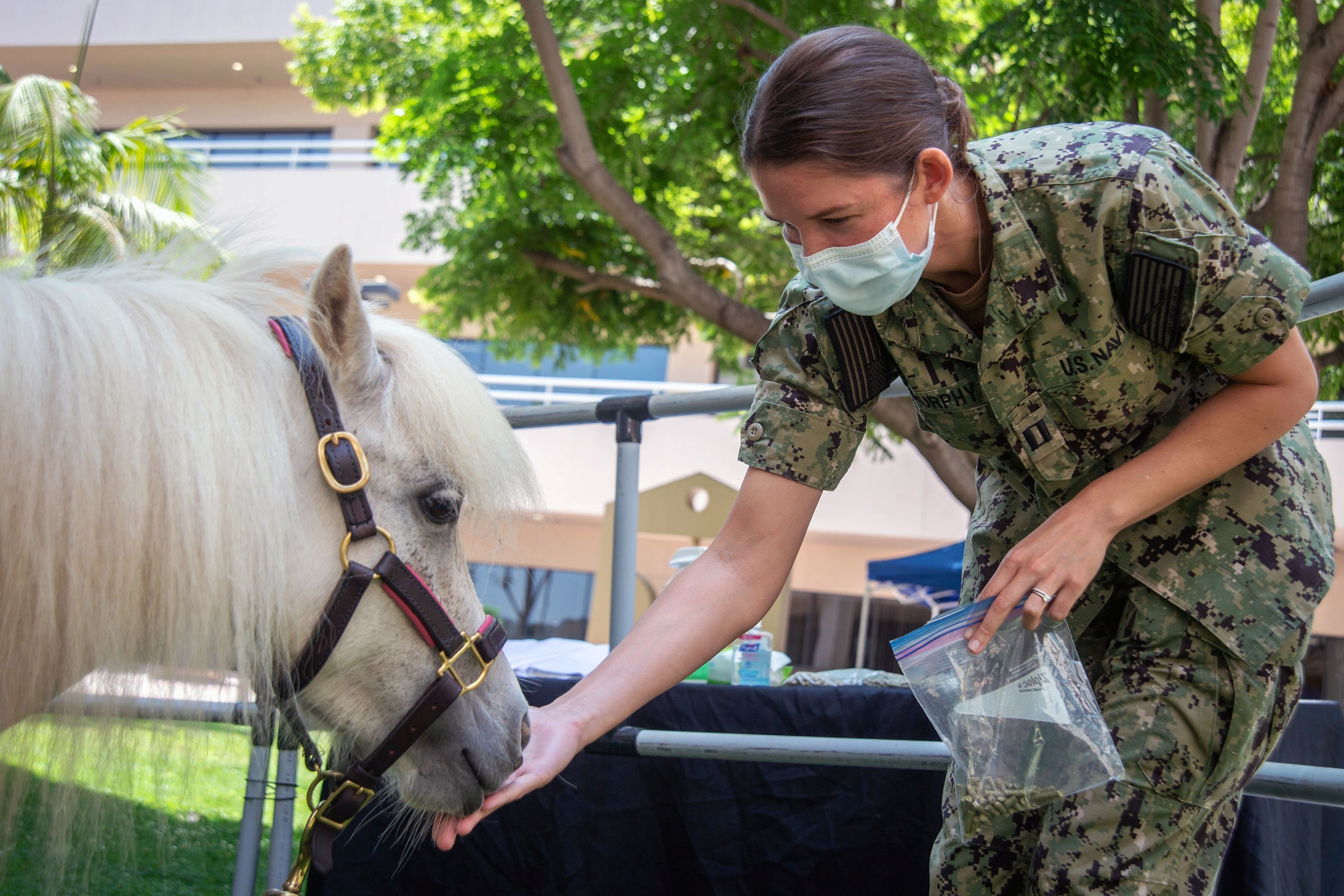
Navy Lt. Madeline Murphy, a physical therapist assigned to Navy Medicine Readiness and Training Command San Diego Directorate for Clinical Support Services, feeds a mini horse used for therapy in the hospital’s courtyard in San Diego, July 14, 2021.

Navy Petty Officer 1st Class Tristan Ricamona sculpts a bite mold aboard the USS Gerald R. Ford in the Atlantic Ocean, July 13, 2021.
July 16, 2021
The Navy will christen its first-in-class John Lewis-class replenishment oiler, the future USNS John Lewis (T-AO 205), during a 9 a.m. PDT ceremony Saturday, July 17, in San Diego, California.
Speaker of the House of Representatives, Congresswoman Nancy Pelosi, will deliver the ceremonial principal address. Remarks will also be provided by Mr. James Geurts, performing the duties of Under Secretary of the Navy; Vice Adm. Ross Myers, commander, Fleet Cyber Command and commander, U.S. Tenth Fleet; Rear Adm. Michael Wettlaufer, commander, Military Sealift Command; and Mr. Marcus Tyner, nephew of the ship’s namesake. In a time-honored Navy tradition, the ship’s sponsor, Ms. Alfre Woodard Spencer, will christen the ship by breaking a bottle of sparkling wine across the bow.
“Tomorrow we christen the first John Lewis-class replenishment oiler,” said acting Secretary of the Navy Thomas Harker. “Leaders like Representative Lewis taught us that diversity of backgrounds and experiences help contribute to the strength of our nation. There is no doubt that the future Sailors aboard this ship will be galvanized by Lewis’ legacy.”
The future USNS John Lewis is the first ship in its class and will be operated by the Navy’s Military Sealift Command. The ship is named in honor of the late politician and civil rights leader. John Lewis-class oilers will be named for other prominent civil rights leaders and activists.
The John Lewis-class ships are based on commercial design standards and will recapitalize the current T-AO 187-class fleet replenishment oilers to provide underway replenishment of fuel to U.S. Navy ships at sea. These ships are part of the Navy's Combat Logistics Force.
In June 2016, the Navy awarded a $3.2 billion contract to General Dynamics NASSCO in San Diego for the design and construction of the first six ships of the Future Fleet Replenishment Ship, the John Lewis-class (T-AO 205), with construction commencing in September 2018. The Navy plans to procure 20 ships of the new class.
Lewis passed July 17, 2020; the christening marks the one-year anniversary of his death.
Media may direct queries to the Navy Office of Information at (703) 697-5342. More information on the fFleet Replenishment Oilers can be found at: https://www.navy.mil/Resources/Fact-Files/Display-FactFiles/Article/2222909/fleet-replenishment-oilers-t-ao/
July 16, 2021
The Department of Defense announced today a policy change to the current shopping privileges on the American Forces Travel website. As directed by acting Under Secretary of Defense for Personnel and Readiness Virginia S. Penrod in a memo signed April 12, 2021, the department will extend online access to the website to honorably discharged veterans of the uniformed services.
On average, customers save 35-40% compared to commercial travel pricing by using AFT. This includes discounted rates on hotels (up to 60%), airfare, rental cars, vacation packages, event tickets, and cruises.
“Sixteen million veterans will now be able to access the American Forces Travel website, joining the 10 million active duty, Guard and reserve service members, family members, DOD civilians, and other patrons who are already receiving the benefit,” said Deputy Assistant Secretary of Defense for Military Community and Family Policy Patricia “Patty” Montes Barron. “We are committed to providing quality-of-life programs to our military community, which includes our honorably discharged veterans.”
The change will not affect access for existing patrons, and the increased customer base will allow AFT to negotiate better prices for its customers.
AFT launched in 2019 as the only official joint service morale, welfare, and recreation leisure travel website exclusively for DOD patrons. In addition to improving access to DOD’s MWR benefits, every booking on American Forces Travel generates revenue to support critical quality-of-life programs for service members and families.
To access the exclusive military discount pricing on travel products, visit the American Forces Travel website. Proof of eligibility is required.
About Military Community and Family Policy
Military Community and Family Policy is directly responsible for establishing and overseeing quality-of-life policies and programs that help our service members, their families and survivors be well and mission-ready. Military OneSource is the gateway to programs and services that support the everyday needs of the 5.2 million service members and immediate family members of the military community. These DOD services can be accessed 24/7/365 around the world.
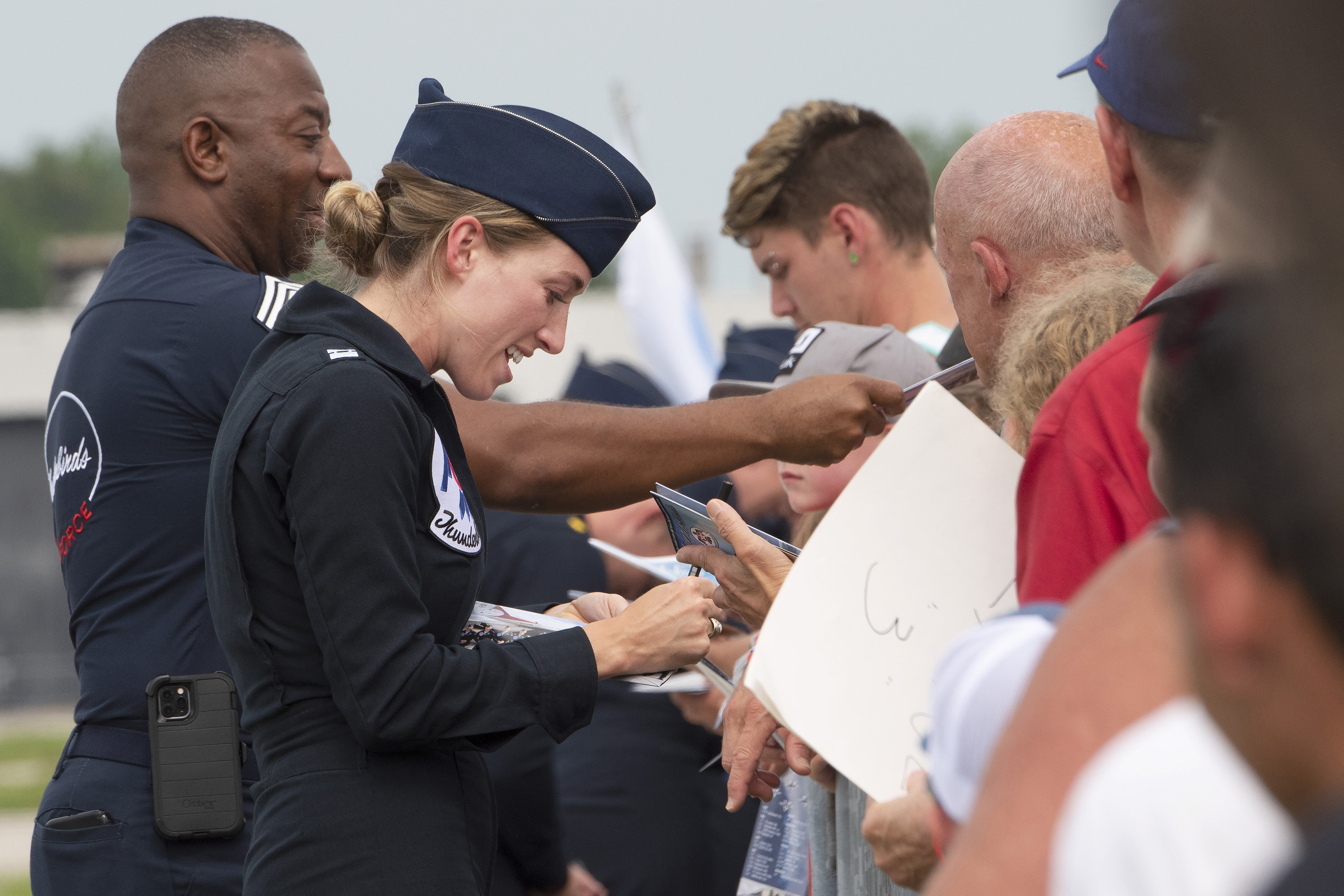
Air Force Capt. Kaity Toner, public affairs officer for the Thunderbirds flight demonstration team, autographs pamphlets for fans and spectators after the team’s performance at an air show in Ohio, July 10, 2021.
July 15, 2021 | , 154th Wing
When she was only a teenager, one security forces specialist got her first taste of helping the environment while climbing Mount Kaala on the island of Oahu in Hawaii.
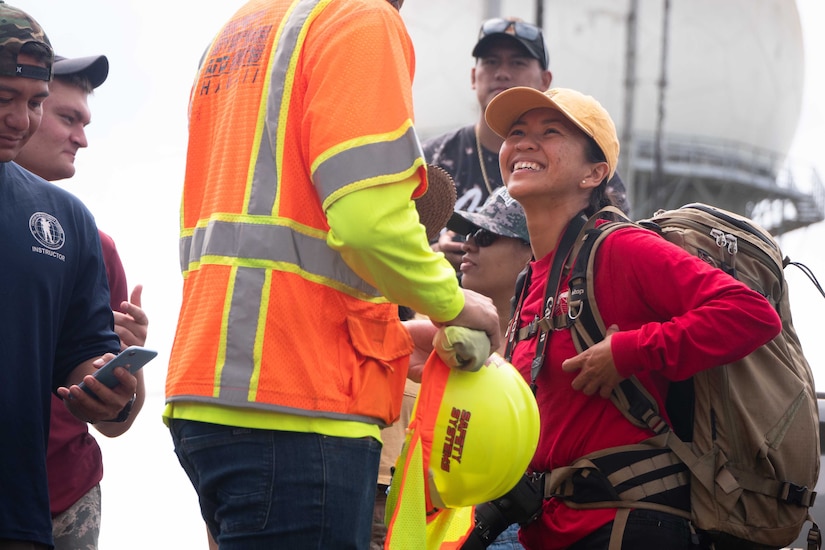
Airman 1st Class Genesaret Balladares, 154th Security Forces Squadron, said she and her friends came upon a volunteer group pulling up invasive grass that flourishes in swampy areas. The team taught her about the mountain, why preservation efforts are important and about a pink flower called Koli'i.
"There was something special about seeing that endemic flower for the first time, watching it blossom, and knowing that it only exists here and how I was possibly the only one in the world who was appreciating it at that exact moment," she said. "It made me feel that I needed to protect it and make sure it continues to flourish."
She said it ignited a lifelong passion for conservation throughout her studies, volunteer work and her personal mission to give back to the ‘Alina,' the land, in the Hawaiian language.

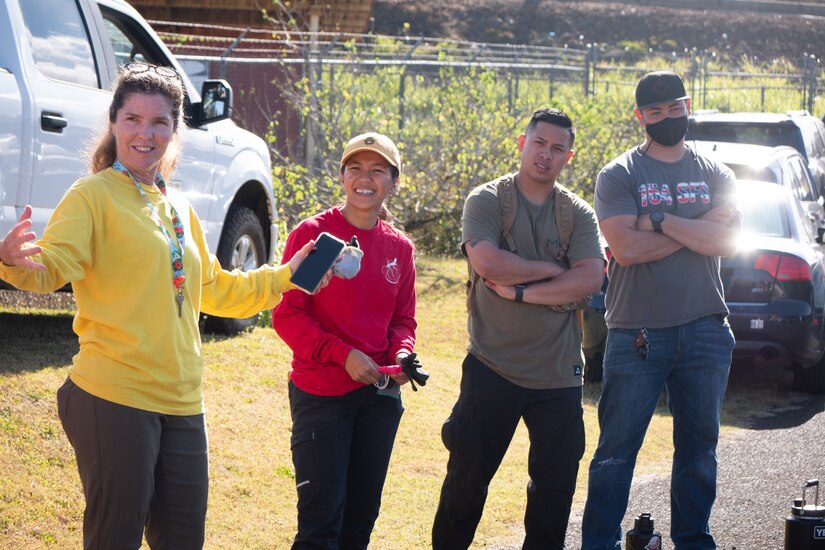
During COVID-19, as part of the Hawaii Air National Guard, Balladares served as part of the Task Force Reserve to augment domestic operations throughout Hawaii. She remained in touch with her outer network of environmental professionals throughout her island-based deployment and kept an eye out for opportunities to help the environment.
This spring, she received word that the Army Natural Resources Program, Oahu, sought help to move several tons of gravel near Mount Kaala. The goal of the program was to balance the requirements of the Army's training mission with its natural resource responsibilities.

She sought the muscle of her security forces family to aid the wildlife on the mountain sacred to her.
"I thought nobody would be interested," Balladares said. "They don't understand why I'm so passionate about it. I worried people would think this girl is crazy. She's talking about plants again."
To her surprise, about 90 percent of the Airmen volunteered.

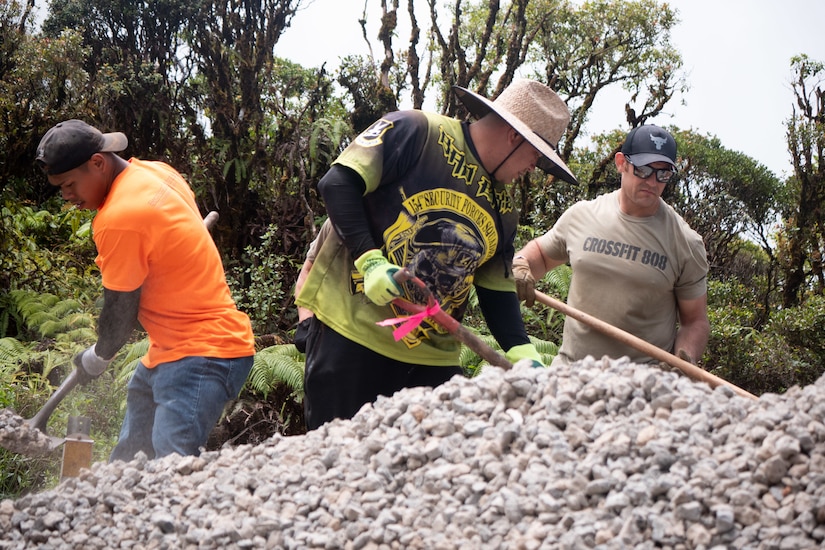
"It was clear she was very emotional about this project, and it showed us how much passion she has for this," said Capt. Allison Delow Santos, 154th SFS operations officer. "She shares the scientific names of the plants and animals, their Hawaiian names, their features, what they look like. We could all see how much time and effort she's put into making sure this is successful. She made us want to be a part of it."
About 30 volunteers met at Schofield Barracks June 8, 2021 with ANRP program managers and biologists to learn how their efforts could help preserve natural habitats of at-risk species while respecting environmental sensitivities.

ANRP Outreach and Volunteer Specialist Kim Welch said they were one of the largest groups to ever contribute to the ANRP and they completed enough labor to account for five or six separate outings.
Balladares said she was overjoyed by receiving nonstop questions from her peers about the wildlife.
"I couldn't be happier with how the day turned out. To have their support and lead them, it's been very empowering," she said. "I'm glad everyone had a great time, worked hard and ended up making a difference."
(Shannon Collins contributed to this story)

An Air Force cadet participates in the assault course during training at the U.S. Air Force Academy in Colorado Springs, Colo., on July 13, 2021. The six-week indoctrination program transforms civilians to military academy cadets prepared to enter a four-year officer commissioning program.
July 15, 2021
Secretary of Defense Lloyd J. Austin III announced today that the president has made the following nominations:
Marine Corps Lt. Gen. Eric M. Smith for appointment to the rank of general, and assignment as assistant commandant of the Marine Corps. Smith is currently serving as the deputy commandant for combat development and integration, Headquarters, U.S. Marine Corps; and commanding general, Marine Corps Combat Development Command, Marine Corps Base Quantico, Virginia.
Air Force Lt. Gen. Michael A. Minihan for appointment to the rank of general, and assignment as commander, Air Mobility Command, Scott Air Force Base, Illinois. Minihan is currently serving as deputy commander, U.S. Indo-Pacific Command, Camp H.M. Smith, Hawaii.
Air Force Lt. Gen. Kevin B. Schneider for appointment to the rank of lieutenant general, and assignment as director of staff, U.S. Air Force, Pentagon, Arlington, Virginia. Schneider is currently serving as commander, U.S. Forces Japan; and commander, Fifth Air Force, Pacific Air Forces, Yokota Air Base, Japan.
Air Force Maj. Gen. James A. Jacobson for appointment to the rank of lieutenant general, and assignment as deputy commander, Pacific Air Forces, Joint Base Pearl Harbor-Hickam, Hawaii. Jacobson is currently serving as director, training and readiness, Office of the Deputy Chief of Staff, Operations, Headquarters U.S. Air Force, Pentagon, Arlington, Virginia.
Air Force Maj. Gen. Tom D. Miller for appointment to the rank of lieutenant general, and assignment as commander, Air Force Sustainment Center, Air Force Materiel Command, Tinker Air Force Base, Oklahoma. Miller is currently serving as director, logistics, engineering and force protection, Headquarters Air Combat Command, Joint Base Langley-Eustis, Virginia.
Air Force Maj. Gen. Mark E. Weatherington for appointment to the rank of lieutenant general, and assignment as deputy commander, Air Force Global Strike Command, Barksdale Air Force Base, Louisiana. Weatherington is currently serving as commander, 8th Air Force, Air Force Global Strike Command; and commander, Joint-Global Strike Operations Center, Barksdale AFB, Louisiana.
Space Force Maj. Gen. Michael A. Guetlein for appointment to the rank of lieutenant general, and assignment as commander, Space Systems Command, U.S. Space Force, Los Angeles Air Base, California. Guetlein is currently serving as deputy director, National Reconnaissance Office, Chantilly, Virginia.
Marine Corps Col. David J. Bligh for appointment to the rank of major general, and assignment as staff judge advocate to the Commandant of the Marine Corps. Bligh is currently serving as an assistant judge advocate general of the Navy, Washington, D.C.

Navy Seaman Jordan Sharp unties a gasket on a sail aboard the USS Constitution in Boston, July 15, 2021
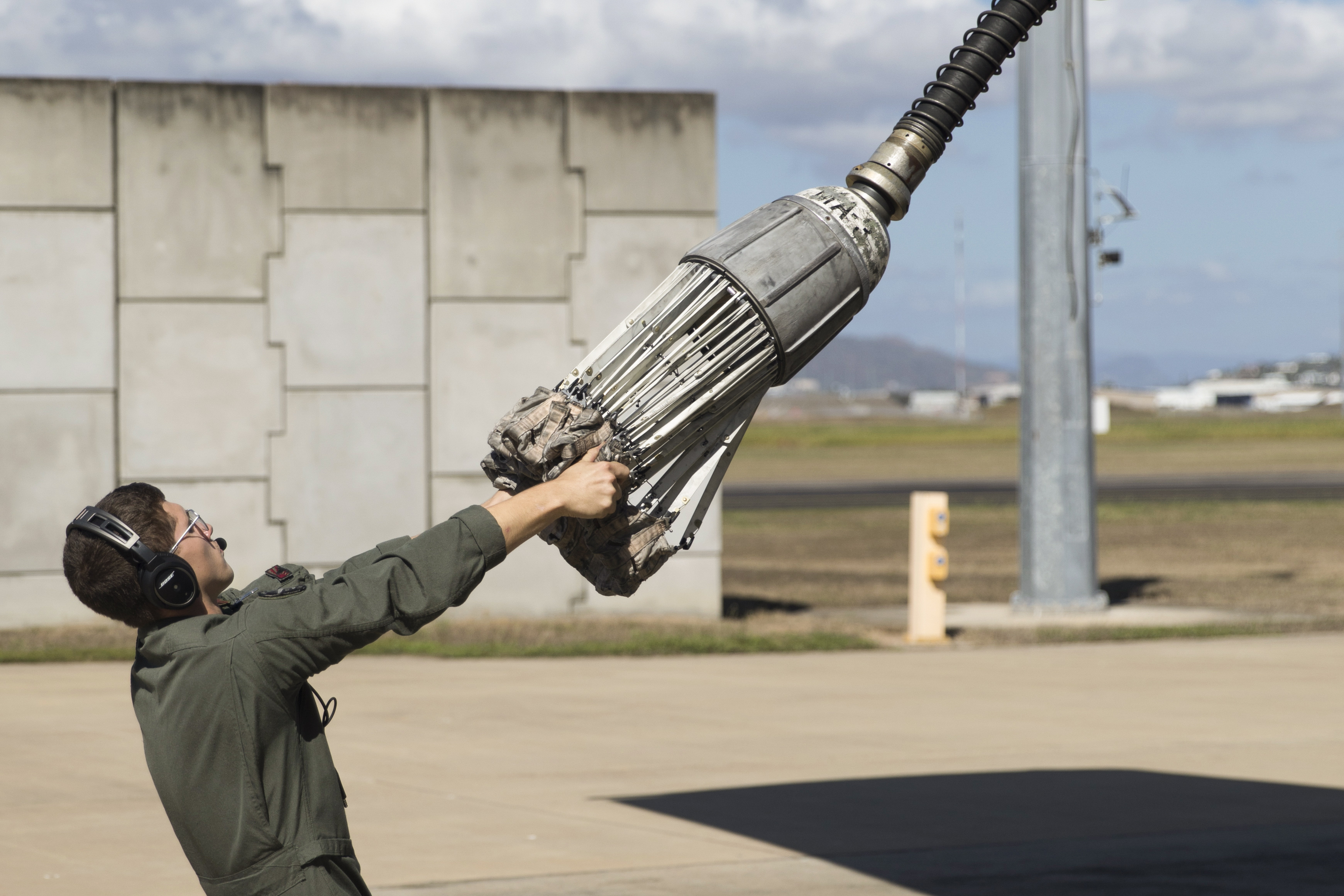
Marine Corps Sgt. Matthew Beyersdorf changes the drogue on a refueling aircraft before a mission at Royal Australian Air Force Base Townsville, Australia, July 13, 2021, during Talisman Sabre 21. The exercise is designed to strengthen allies and partners’ capabilities to respond to security concerns in the Indo-Pacific region.

Navy Petty Officer 3rd Class Daniel Roberts tests a reaction agent on Seaman Jordan Brewer during respirator fit testing aboard the USS Gerald R. Ford in the Atlantic Ocean, July 14, 2021.

Army Maj. Tuesday Fisher and Senegalese Army Lt. Col. Boubacar Mdaye conduct a partial hip replacement surgery during a medical readiness exercise at the Ouakam Military Hospital in Dakar, Senegal, July 13, 2021.

A Navy ROTC midshipman candidate participates in small arms marksmanship training at Recruit Training Command in Great Lakes, Ill., July 15, 2021.

Navy Seaman Asante Conorquie disassembles a building during a construction training exercise at Naval Base Ventura County, Calif., July 12, 2021.
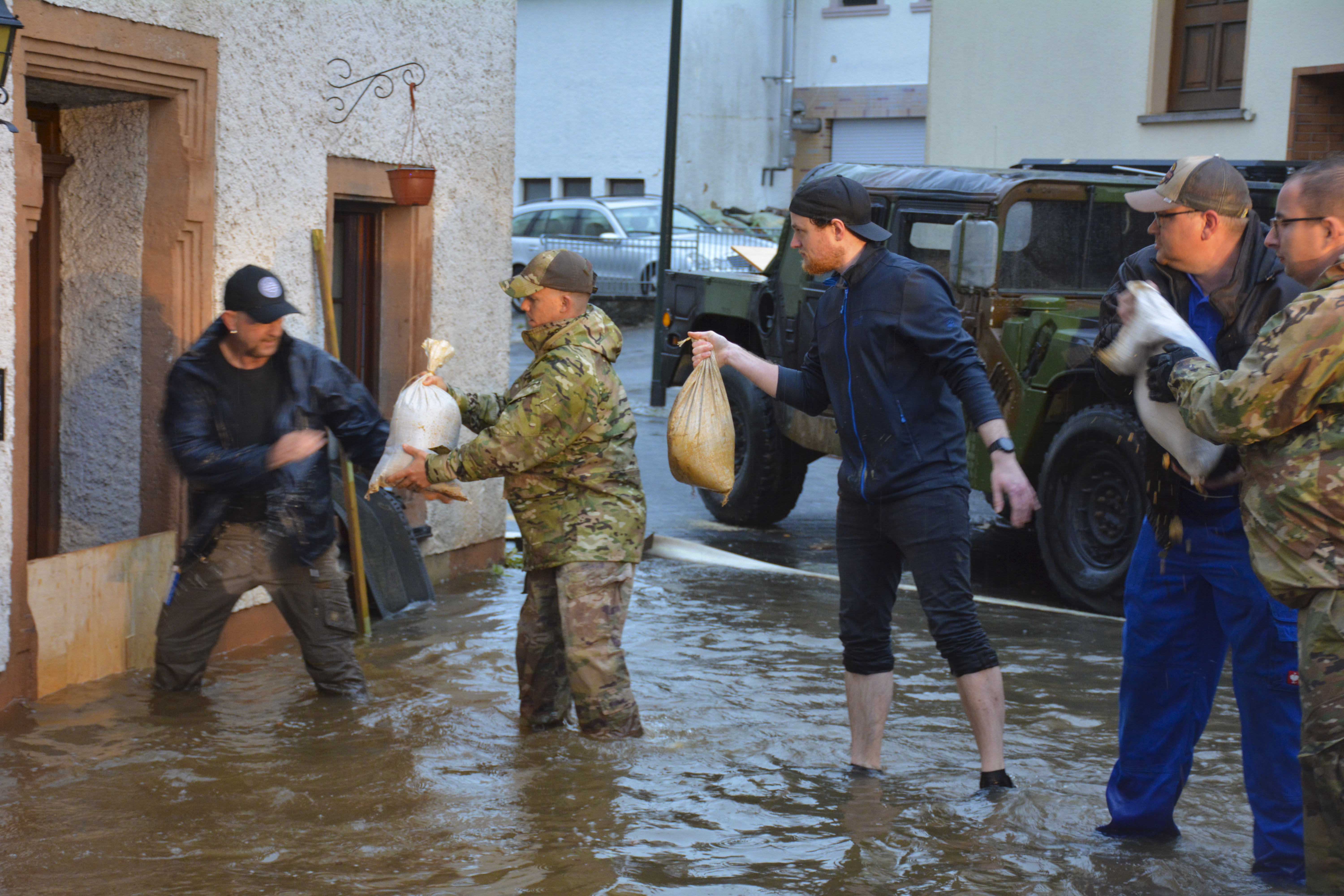
Airmen work with German first responders to fill and lay sandbags to prevent flooding in Binsfeld, Germany, June 14, 2021. The 52nd Fighter Wing provided more than 500 sandbags to help protect homes and businesses after two days of heavy rainfall left communities around Spangdahlem flooded.
July 15, 2021 | , DOD News
For the Defense Department to properly test the systems it intends to buy against expected threats, the DOD must invest now to create a robust test and evaluation infrastructure with live and synthetic environments that is equipped with cutting-edge tools and staffed by people with deep expertise, a DOD official said.
Raymond O'Toole Jr., acting director of operational test and evaluation, testified Tuesday before a House Armed Services Committee panel about the DOD's fiscal year 2022 budget request for fixed-wing tactical and training aircraft programs.

"DOD's mission success and national security reflect the quality of the operational test and evaluation we perform," he said. "A large number of new and complex technologies are in the development and acquisition pipeline, and our adversaries continue to advance their capabilities."
The F-35 Lightning II's Block 4 program is now underway, O'Toole said. He also said the existing development process — known as continuous capability development and delivery — is supposed to deliver a new, tested and verified increment of software every six months. "However, each increment has been flawed, more flawed than expected," he said. "Further, software changes intended to add new capabilities or fix deficiencies have instead introduced stability problems that adversely affected certain existing F-35 functionality."
O'Toole told the panel he is "cautiously hopeful" that the program office's decision to move to a 12-month software cycle will mitigate some of those issues; however, there remains concern that the ability to conduct adequate testing and evaluation is now at a crossroads.
"Simply put, we cannot determine the system's combat credibility nor thoroughly prepare our warfighters if our test and training capabilities are not kept up to date," O'Toole said.
Joseph Nogueira, acting director of cost assessment and program evaluation, answered three questions from the panel on CAPE.
First, in support of the fiscal 2022 budget request, CAPE conducted several analytic efforts assessing the capability, capacity and readiness of the DOD's tactical aircraft, he said. "To support major defense acquisition program milestones, CAPE generated independent cost estimates for the F-15 Eagle['s] Passive Active-warning and Survivability System Program and the next generation jammer low- and mid-band programs.”
CAPE also oversaw the joint tactical air synthetic training, analysis of alternatives and the Air Force's and Navy's next-generation air dominance analysis of alternatives, he said. CAPE also conducted other internal analyses directed by DOD leadership to investigate tactical air survivability, lethality, overall affordability and novel concepts of operations to support combatant commander needs.

Second, as part of the fiscal 2021 National Defense Authorization Act, Congress tasked CAPE with completing analyses on the service acquisition strategies for sixth-generation aircraft and a non-advocate review of the Air Force's digital century series business case. Both studies are underway, and CAPE is engaged in detailed discussions with the program offices, contractors and other stakeholders to gain the necessary data and insight to inform the department's evolving acquisition, he noted. "The digital century series business case review should be completed in August, and I expect to send it to you shortly thereafter," he said.
Third, Nogueira said, there are a number of analytical efforts underway across the DOD to determine the appropriate balance of sixth-, fifth- and fourth-generation capabilities. The Joint Staff, in coordination with combatant commands, is leading the DOD's thinking on how tactical air should be employed in a future conflict.
Additionally, "the Air Force and Navy are conducting tactical air studies focused on assessing both near- and long-term requirements," he said. "The results of these efforts will inform the National Defense Strategy and decisions to be captured in the President's fiscal year 2023 budget submission and associated Future Years Defense Program," Nogueira said.
July 15, 2021
Secretary of Defense Lloyd J. Austin III announced today that the president has made the following nominations:
Navy Vice Adm. Daryl L. Caudle for appointment to the rank of admiral, and assignment as commander, U.S. Fleet Forces Command, Norfolk, Virginia. Caudle is currently serving as commander, Naval Submarine Forces; commander, Submarine Force, U.S. Atlantic Fleet; and commander, Allied Submarine Command, Norfolk, Virginia.
Navy Vice Adm. James W. Kilby for reappointment to the rank of vice admiral, and assignment as deputy commander, U.S. Fleet Forces Command, Norfolk, Virginia. Kilby is currently serving as deputy chief of naval operations for warfighting requirements and capabilities, N-9, Office of the Chief of Naval Operations, Washington, D.C.
Navy Rear Adm. Frank D. Whitworth III for appointment to the rank of vice admiral, and assignment as director of intelligence, J-2, Joint Staff, Washington, D.C. Whitworth is the incumbent director of intelligence, J-2, Joint Staff, Washington, D.C.
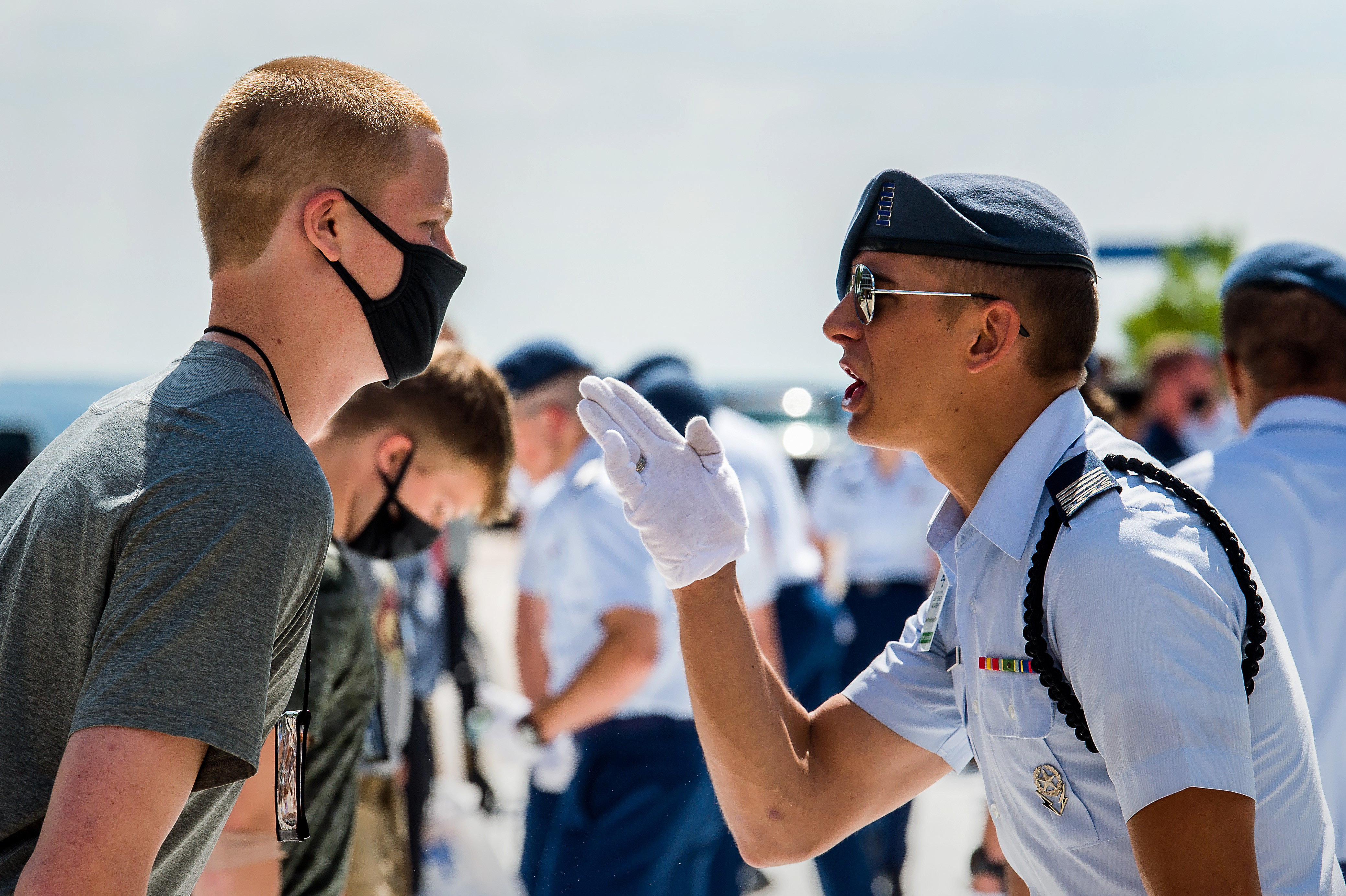
Cadets in process at the U.S. Air Force Academy in Colorado Springs, Colo., June 24, 2021.


 Posts
All Comments
Posts
All Comments
Posts
All Comments
Posts
All Comments


