Monday, October 19, 2020

Garden to Table, Culture to Community: A Soldier Channels Resilience Through Cooking

Oct. 19, 2020 | BY ARMY COURTESY STORY

The smell of sweet sauce and spicy aromas permeate from what is known as ''Admin Alley'' every Saturday at Camp Bondsteel, Kosovo.

Army Sgt. John Gotia, a financial management specialist with the 374th Finance Battalion, supports the U.S.-led Kosovo Force Regional Command East in it's 27th rotation, and channels his resilience amidst the challenges of being deployed during the COVID-19 pandemic by connecting with his cultural community and cooking.

Gotia procures vegetables from a garden he maintains outside of his office to make Asian cuisine, sharing his culinary spirit with the soldiers in the brigade.

A soldier looks at produce in a garden.

"I enjoy gardening as it reminds me of home and helps the time pass by and be creative with our ingredients," Gotia said. ''Cooking Asian food is my norm and a communal event with family and friends as well as seeing other people enjoy our food.''

Gotia and several other soldiers, who share an Asian cultural background, gather every Saturday to make traditional dishes.

"We gravitate towards this, because it gives us a sense of closeness and being home and being able to share our cultural needs," said Army Cpl. Minh Le, a KFOR Regional Command East soldier with the Oregon National Guard. "It is very communal. When we are cooking, everyone pitches in and is in tune with helping out."

The group formed when the base cafeteria eat-in option and leave were cancelled as part of force protective measures during the COVID-19 pandemic.

"When the DFAC closed and the vacation plan came to an end, we had to resort to something to do and occupy our minds; and at same time, use what we had to cook,'' Gotia said.

Gotia, who landscapes at home, quickly referred back to his gardening skills and collected tomato seeds, cucumber seeds and popcorn kernels from meals and began nourishing a small garden outside of his office.

He began connecting with other people on post who had an Asian background or knowledge of Asian cooking.

Soon a group formed, and they not only cook but share their meals with soldiers from the installation.

"It is very Asian culture, when you have friends you are close to and care for you share food,'' Le said, who credits Gotia with bringing the Asian community on the installation together.

A woman stands over three pans cooking food on the stove.

Food is the universal language of care, Le said, who is of Vietnamese descent, and shared with others in the group about life in Vietnam and her mother's cooking.

Every Saturday, soldiers from many cultural backgrounds stop in to learn how to make the cuisine and share in the cultural experience. 

Gotia and his team often make Japanese, Korean, Chinese, Vietnamese and Filipino dishes.

Gotia has a physical therapy and nursing degree and is looking into becoming an officer while securing a full-time job in finance.

The team competed and won a food competition event earlier in the deployment. Gotia said his joy comes from sharing his food and culture with others.

"The competition was an opportunity to cook and have people outside of our group enjoy and taste it," Gotia said. ''It is nice to know a lot of people appreciate when me and Cpl. Le cook — everyone likes it.''

(Army courtesy story from the100th Mobile Public Affairs Detachment).

Army Reserve Combat Medic Gets Frontline Experience

 Oct. 19, 2020 | BY Army Col. Meritt Phillips , Army Reserve Medical Command

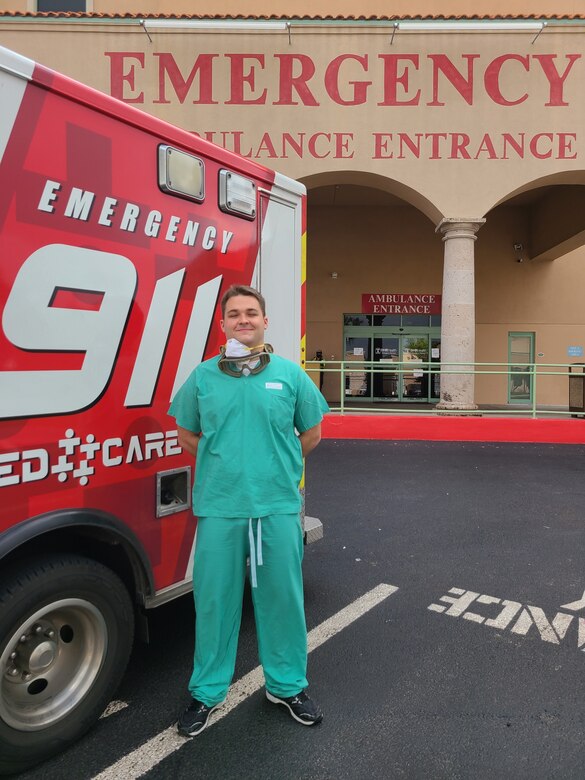
An Army Reserve combat medic from Semmes, Alabama, has added a list of accomplishments to his resume this past year, including participation in a federal COVID-19 response mission in Texas.

Army Spc. Duncan Crow joined the Army just over a year ago and had the opportunity to use his Army and civilian medical skills during a recent mobilization that marks a first in Army Reserve history.

A December 2019 graduate of Army Basic Combat Training at Fort Sill, Oklahoma, Crowe completed advanced individual training at Joint Base San Antonio in April, qualifying him as a combat medic. Three months later, he answered the nation's call and mobilized with an Army Reserve urban augmentation medical task force.

A man standing outside of a hospital.

Crow is one of more than 1,000 skilled Army Reserve medical soldiers mobilized since March to provide Defense Department support to the Federal Emergency Management Agency's whole-of-America response to the pandemic.

Specifically created to respond to the COVID-19 pandemic, UAMTFs are 85-person teams consisting of doctors, nurses, combat medics, respiratory therapists and ancillary personnel who expand the capacity of care that medical facilities can offer.

Crow served with UAMTF-7452, assigned to assist DHR Health in Edinburg, Texas.

It was awesome to be surrounded by such a great group of motivated individuals, I've learned more than I ever could have imagined."
Army Spc. Duncan Crow

"The mission of the UAMTF was to assist and serve the people of Texas by augmenting the staff of the intensive care and COVID-19 units. My personal mission was to make everyone's day a little easier," Crow said.

Unlike some of his UAMTF members, Crow had not worked in a COVID-19 environment prior to arriving in Texas, but that didn't limit him.

"I think it is important for everyone to maintain a warrior's attitude in everything we do, and not give up until you are satisfied with what you have accomplished," Crow said. "It was stressful and tiring some days, but there was no better reward than being able to see some of the positive impacts we had on people's lives."

Crow earned his basic emergency medical technician certification from the University of South Alabama in Mobile and joined the Army Reserve to assist with his future education goals that include an interest in psychology and a career as a physician assistant.

"I joined the Army Reserve as a way to continue college and to still serve my country," Crow said.

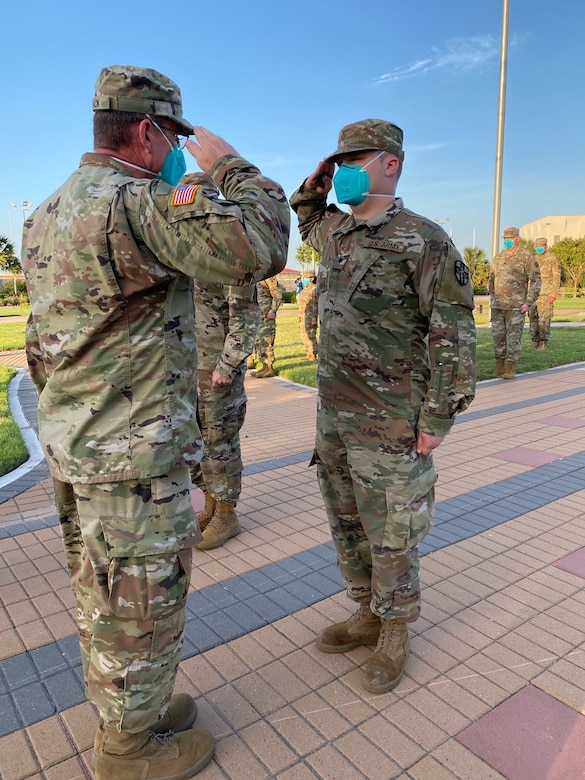
A soldier being saluted by another soldier.

Originally a member of the 7375th Blood Detachment based in Mobile, Alabama, Crow volunteered for the UAMTF mission.

"I can't say I'm more unique than anyone else on the task force that volunteered to serve the country in this manner. I am grateful for the opportunity to serve in this capacity. My family is extraordinarily proud of me and I could not do anything without their support," Crow continued.

In total, U.S. Northern Command, through U.S. Army North, assigned approximately 590 military medical and support personnel from the Army and Navy in support of FEMA in Texas.

As Crow returned to Alabama, his mission complete, he summed up his experience.

"It was awesome to be surrounded by such a great group of motivated individuals, I've learned more than I ever could have imagined," Crow said. "It feels good to know that at least a few people have been helped or positively impacted by my presence."

Saturday, October 17, 2020

Load Labor


Air Force Senior Airman Anthony Bennett prepares an F-22 Raptor aircraft before a weapons load as part of a competition for weapons load crews at Eglin Air Force Base, Fla., Oct. 6, 2020.

Fast Rope


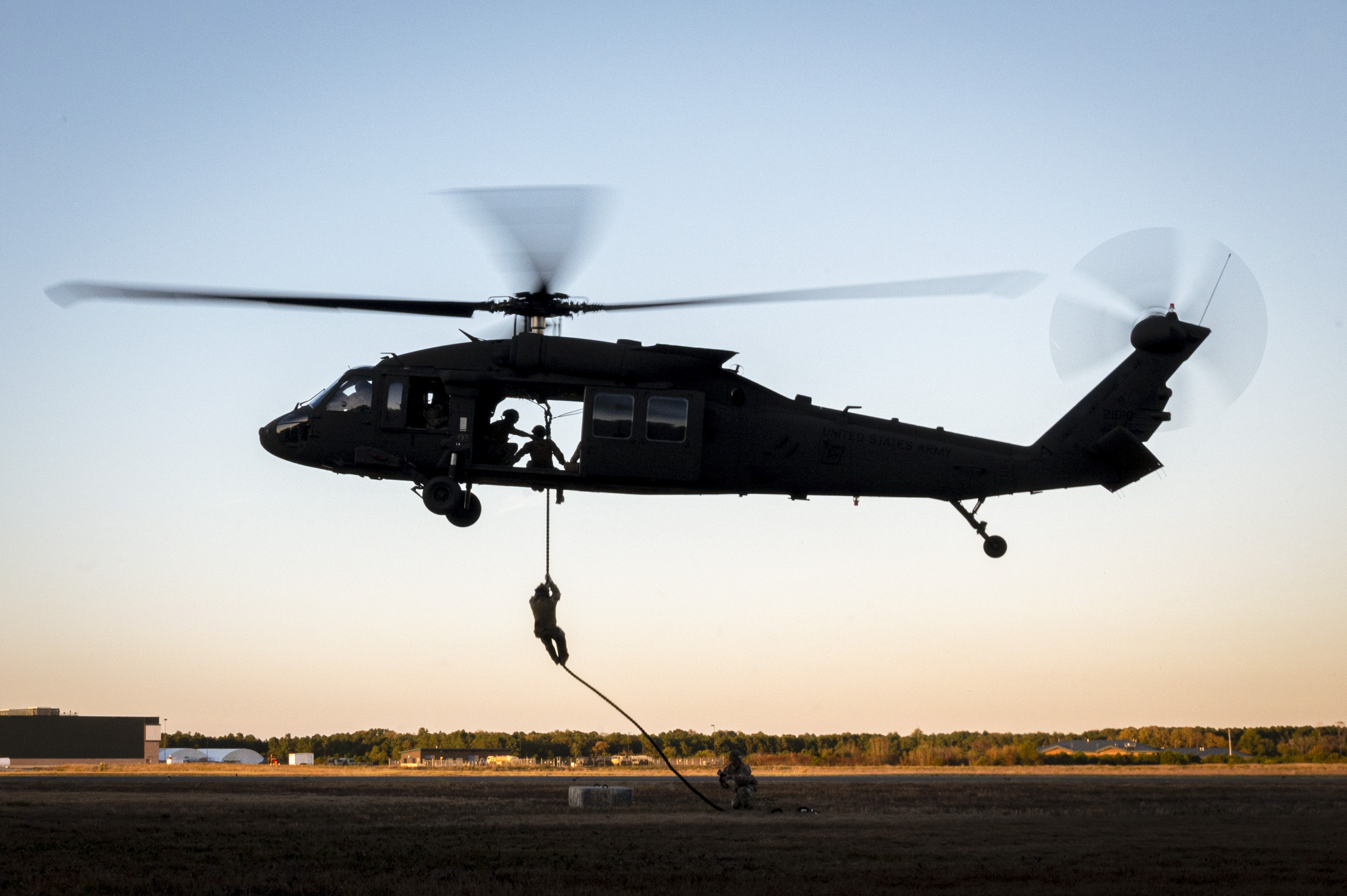
An Air National Guardsman fast ropes from an Army UH-60M Black Hawk helicopter during training at Joint Base McGuire-Dix-Lakehurst, N.J., Oct. 14, 2020.

High-Flying Friendship


Two U.S. Air Force and two Royal Australian Air Force F-35A Lightning II’s fly in formation over Sedona, Ariz., Oct. 8, 2020, during a commemoration flight celebrating the partnership between the two air forces in training fighter pilots at Luke Air Force Base. The flight marked the final sortie between the two nations before the departure of the Australian airmen.

Primary Colors


Sailors stand on the flight deck of the amphibious assault ship USS Iwo Jima as the ship participates in training off the coast of Virginia, Oct. 14, 2020

Joint Statement Regarding Secretary of Defense Dr. Mark T. Esper's Meeting With Indonesian Minister of Defense Prabowo Subianto

 Oct. 16, 2020


Today, Secretary of Defense Dr. Mark T. Esper met with Indonesian Minister of Defense Prabowo Subianto at the Pentagon to discuss regional security, bilateral defense priorities, and defense acquisitions. Secretary Esper communicated the importance of upholding human rights, the rule of law, and professionalization as the two countries expand their engagement.  Minister Subianto expressed the importance of military engagement at all levels, and communicated his appreciation for the United States' support for Indonesia’s defense modernization. Both leaders shared their desire to enhance bilateral military-to-military activities and work together on maritime security.

Secretary Esper and Minister Prabowo signed a Memorandum of Intent to advance the Defense Prisoner of War/Missing in Action Accounting Agency’s efforts to re-start its work in Indonesia to recover the remains of U.S. personnel lost in Indonesia during World War II.  Both leaders expressed sympathies to those affected by COVID-19 in the United States and Indonesia.

Friday, October 16, 2020

Space Force Oath


Space Force 2nd Lts. Amy Coba and Elizabeth Kowal, graduates of Air University’s Officer Training School Class 20-08, recite the Space Force oath of office at Maxwell Air Force Base, Ala., Oct. 16, 2020.

Force Fire


Navy Petty Officer 2nd Class Maxwell K. McMann fires a machine gun during an exercise aboard the USS William P. Lawrence in the Caribbean Sea, Oct. 14, 2020.

Agency Plays Key Role in Procuring, Distributing Limited Pandemic Supplies

 Oct. 16, 2020 | BY Beth Reece , Defense Logistics Agency

The Defense Department's leading logistics agency is playing a key role in the national coronavirus response as it purchases and distributes desperately needed medical supplies for DOD and federal agencies.

By the end of September, the Defense Logistics Agency executed 21,000-plus contract actions for more than $2 billion of lifesaving medical supplies like test kits, ventilators and pharmaceutical drugs as well as personal protective equipment including masks, gloves and gowns.

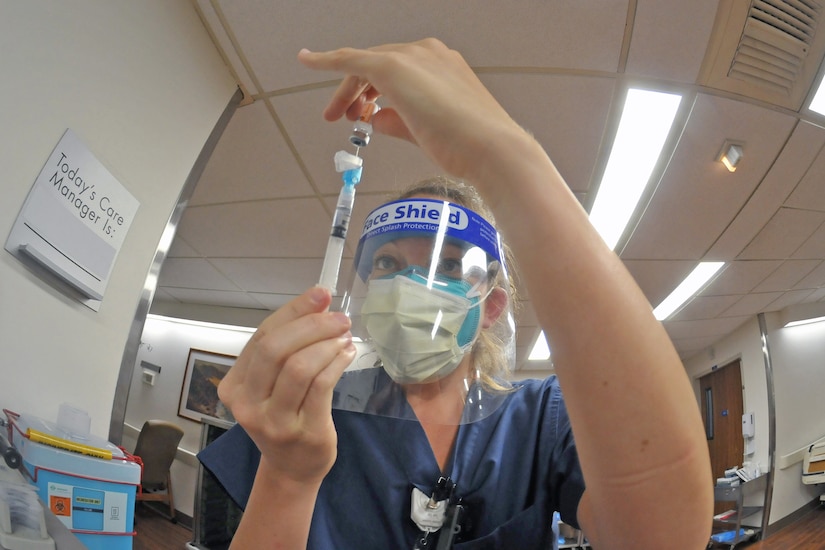
A woman wearing personal protective equipment fills a syringe.

Many of the items were purchased on behalf of the Federal Emergency Management Agency and the Department of Health and Human Services for state and federal governments, nursing homes, schools and the strategic national stockpile. Customers have also received food, clothing, fuel, construction materials and repair parts throughout the pandemic.

DLA's long-standing agreements with FEMA and HHS and more than a decade of logistics support during events ranging from the 2014 Ebola crisis to hurricane response prompted federal officials to leverage the agency's capabilities.

"These agreements allow for mutual support during standard operations and emergencies," Peter Battaglia, a customer relations process owner for DLA Logistics Operations who also serves on DLA's COVID-19 Task Force, said.

Using medical readiness contracts that are part of its warstopper program, DLA has provided almost 3 million N95 masks, 1 million pairs of gloves, 140,000 gowns and 10,000 face shields. Some of the items were distributed in March to military field hospitals deployed to the hardest-hit areas throughout the country. Others were used on the USNS Mercy and Comfort or prioritized for distribution by HHS and the White House supply chain task force.

DLA's warstopper-funded contracts allowed the agency to preplan for surge requirements of critical items by purchasing material in advance and paying vendors to keep it available. In one contract, the vendor agreed to make 40 ventilators available within five days of an initial order, 360 within 15 days, 400 in 30 days and so forth, said Luis Villarreal, DLA's industrial capability and warstopper program manager.

"There's no way anybody could do anything like that without the structure of our warstopper contracts," he said. An additional $12 million was invested through the program in fiscal 2020 to increase access to personal protective equipment.

As worldwide demand for personal protective equipment outpaced manufacturing capability, DLA used a rapid prototype project for advanced manufacturing to procure more than 11,000 face shields for New York City first responders in April. That same month, DLA Research and Development awarded a contract through the Small Business Innovation Research and Subsistence Network for 60 decontamination systems that can each sterilize up to 80,000 N95 masks a day. The systems were delivered in June and included six months of service and maintenance.

"DLA R&D — through SBIR, technology integrators and R&D programs — has the capability to help fund research efforts that are critical to combating COVID-19. We are actively seeking opportunities to apply R&D funding for quick wins where the technology is ready for immediate COVID response applications," David Koch, DLA's R&D director, said.

In June, DLA Troop Support began meeting FEMA requests for support for vulnerable residents and staff for more than 15,000 nursing homes. More than 30,000 deliveries of personal protective equipment like face shields and gloves were completed in August. Antigen tests that can diagnose infections in about 15 minutes are also being delivered to nursing homes this month and are a key part of decreasing COVID-19 outbreaks, said Navy Adm. Brett Giroir, HHS assistant secretary for health.

"The federal efforts to supply nursing homes with rapid point-of-care antigen instruments and tests is our highest priority to save lives, and the U.S. government will exert its authority to fulfill this mission," he said, adding that HHS would continue working with DLA to get lifesaving supplies where they're needed.

DLA troop support recently awarded a $750 million contract for 150 million rapid COVID-19 test kits that are being distributed by the vendor to state and local officials. The agency is now preparing for potential requirements during a fall surge that could include contracts for more than $1 billion in personal protective equipment like masks, goggles, face shields and gloves for the strategic national stockpile.

While DLA troop support has led procurement efforts for medical items needed by DOD and federal customers, other DLA activities have played a part, too. DLA disposition services has provided $25.4 million in excess and surplus medical supplies to non-DOD organizations in 40 states and three countries for just the cost of shipping. Tennessee officials alone have requested more than 450 medical items ranging from defibrillators and monitors to surgical bandages since March.

Two ships sailing side by side.

DLA Distribution is also storing and shipping protective equipment for Veterans Affairs health care facilities in anticipation of increased demands in the fall. Distribution process workers have remained on-site to pack and ship medical supplies, food and repair parts to deployed ships and FEMA.

Dave Kless, DLA's executive director of operations, said the agency's participation in planning efforts with FEMA, HHS, the White House supply chain task force and DOD's joint acquisition task force enabled the agency to quickly respond to demand spikes caused by COVID-19. DLA employees have been embedded in working groups at federal and DOD levels and supported U.S. Northern Command.

Trust earned through enduring relationships with industry also helped the agency ease supply chain gaps.

"We shared vital information on incoming requests with our key suppliers and discussed financial and logistics issues with them on a daily basis," he said.

To make it easier for small businesses and state and local governments to buy non-medical protective equipment, DLA launched the COVID-19 Contingency Corridor in FedMall in June.

Its role in pandemic response hasn't hindered the agency from achieving its primary goals in warfighter support, Kless continued, and material availability for some weapons systems is at an all-time high.

"Surge capacity is one of DLA's strengths and core competencies, whether that's surging for war, hurricanes, wildland fires or pandemics," he said.

Marine View


Marine Corps Staff Sgt. Alex Guerrero watches an AH-1Z Viper helicopter fly after a training event on San Clemente Island, Calif., Oct. 9, 2020.

Readout of Defense Secretary Dr. Mark T. Esper's Phone Call With French Minister of the Armed Forces Florence Parly

 Oct. 16, 2020


Secretary of Defense Dr. Mark T. Esper conducted a call today with French Minister of the Armed Forces Florence Parly. The Secretary and the Minister discussed a range of issues, including the surge of violence in Nagorno-Karabakh, security and stability in Africa, and the situations in Iraq and the Eastern Mediterranean Sea.  

On the Nagorno-Karabakh conflict, the Secretary and the Minister agreed on the need for leaders from both Armenia and Azerbaijan to implement their commitments to an immediate ceasefire in the Nagorno-Karabakh region and to a peaceful settlement.  

The Secretary thanked the Minister for France’s leading role in fighting terrorism, and expressed hope more European nations will support French efforts in the Sahel.

Temperature Scan


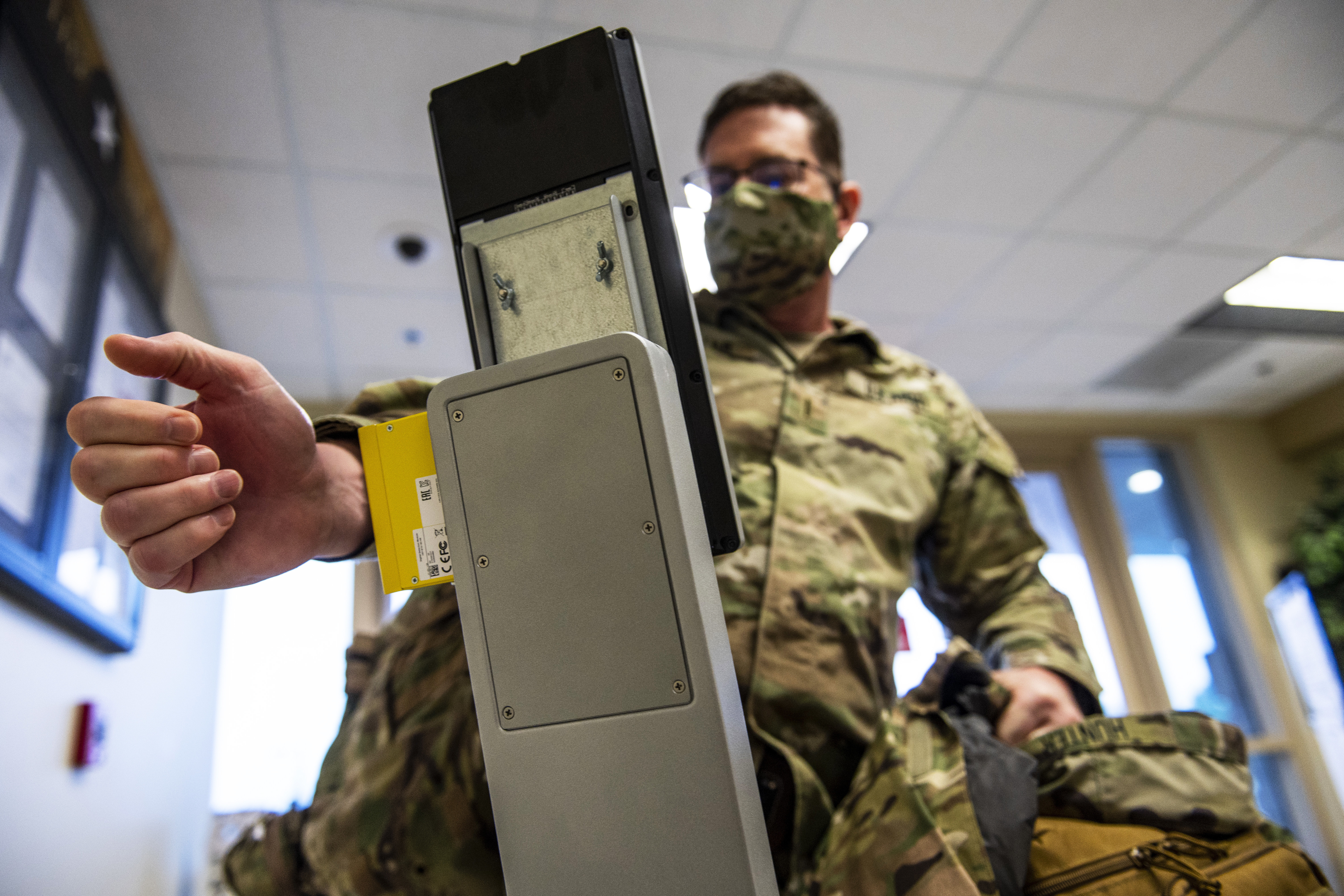
Army Chief Warrant Officer 5, Charles Hunter, an Army Reserve senior food advisor, scans his face and his wrist at a newly installed terminal to screen for high temperatures of people entering Marshall Hall, the Army Reserve Command and Forces Command headquarters building at Fort Bragg, N.C., Sept. 29, 2020. The terminal is expected to reduce and eventually eliminate the required staffing of soldiers who currently screen people's temperatures coming into the building. The terminal scans body temperatures via the wrist to eliminate contact and stores up to 10,000 face images, which can help with contact tracing if someone is later found to test positive for COVID-19.

Temp Check


Army Spc. Abigail Snell, a human resources specialist assigned to the 4-6th Heavy Attack Reconnaissance Squadron, 16th Combat Aviation Brigade, receives a medical screening during the 16th CAB vaccine rodeo at Joint Base Lewis-McChord, Wash., Oct. 8, 2020. All the soldiers received medical screening and temperature checks prior to entering the vaccine rodeo in an effort to prevent possible spread of COVID-19.

Laser Focus


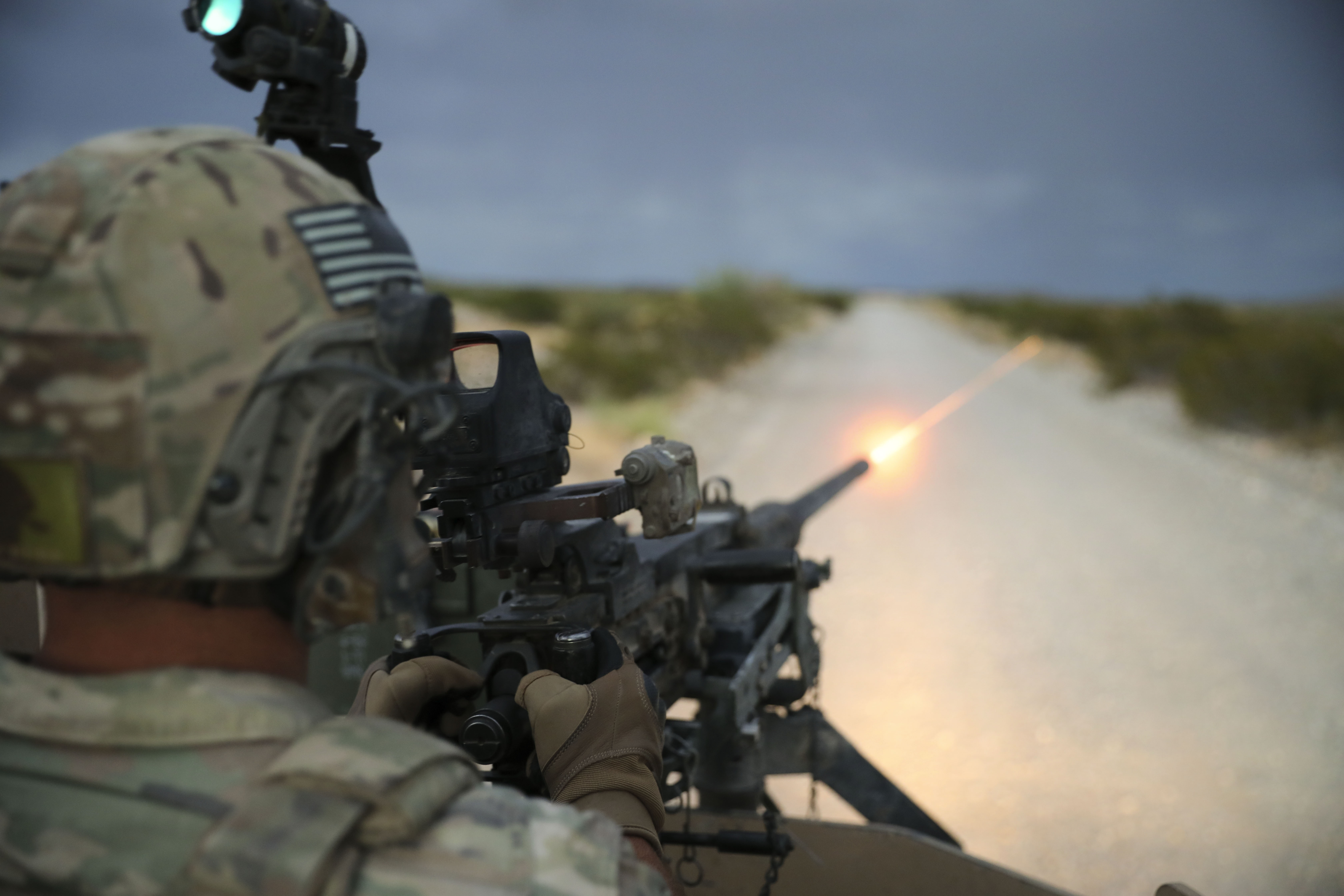
Army Capt. Matthew Sneddon fires a machine gun during training at Fort Bliss, Texas, Aug. 14, 2020.

All Aboard


Soldiers assigned to the 1st Armored Brigade Combat Team, 3rd Infantry Division, board a flight to deploy to South Korea as part of a regular rotation of forces to support the United States' commitment to Southeast Asia partners and allies at Hunter Army Airfield, Ga., Oct. 8, 2020. During the boarding process and flight, all soldiers wear masks as a COVID-19 precautionary measure.

Graduating Class


Soldiers graduate from the 7th Army Training Command Noncommissioned Officer Academy’s Basic Leadership Course as commandant's list graduates at the Rose Barracks Theater in Vilseck, Germany, Oct.9, 2020. Due to COVID-19 restrictions, the course and graduation were conducted both in person and virtually, with the majority of the graduating class participating virtually.

Boots in the Air


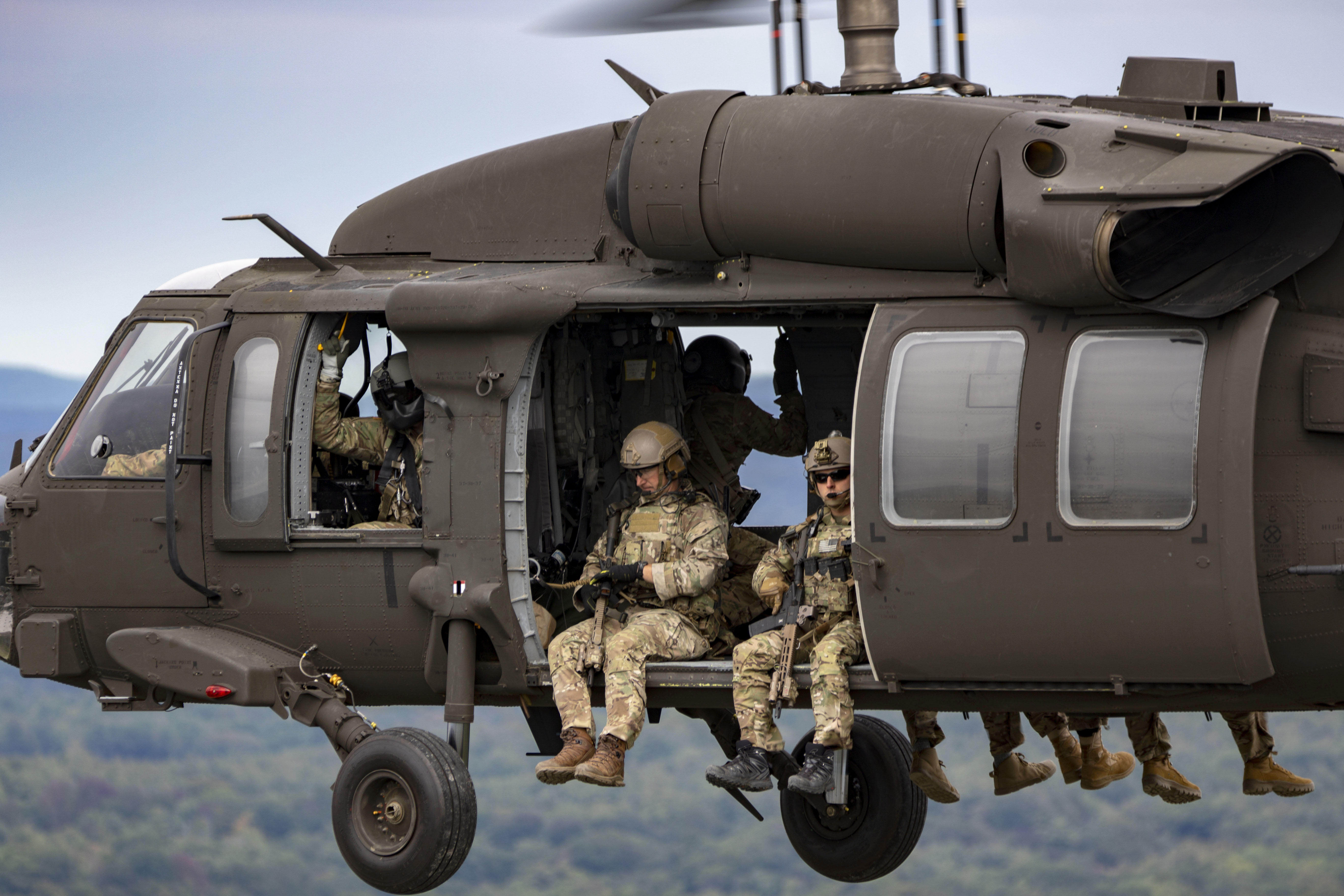
Army National Guardsmen travel aboard a UH-60 Black Hawk while supporting daytime air assault training operations, Sept. 18, 2020.

Water Survival


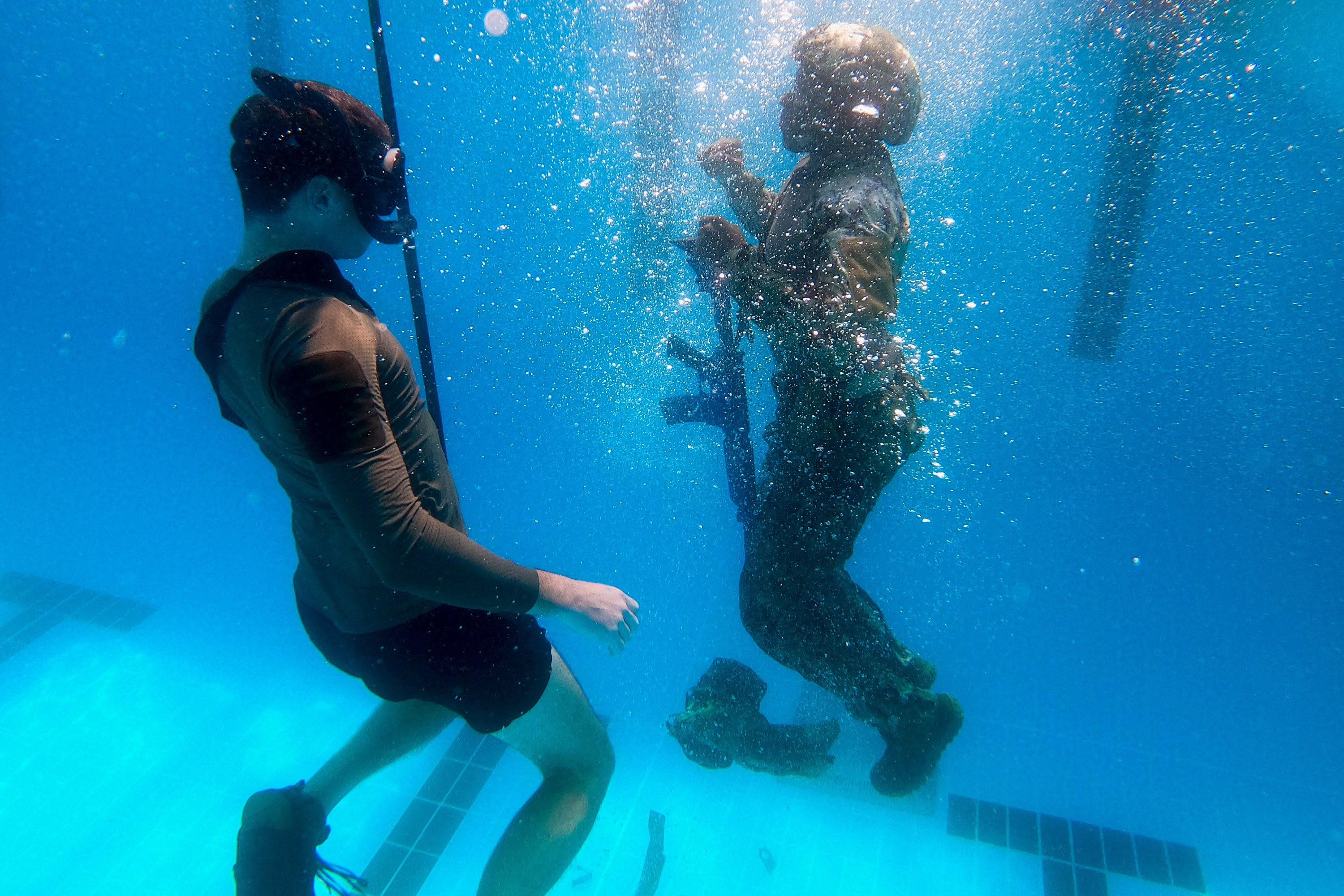
Coast Guard Petty Officer 2nd Class Steven Susen observes Chief Petty Officer Steven Simpson conduct water survival training at Naval Support Activity Bahrain, Oct. 5, 2020.

Social Distancing


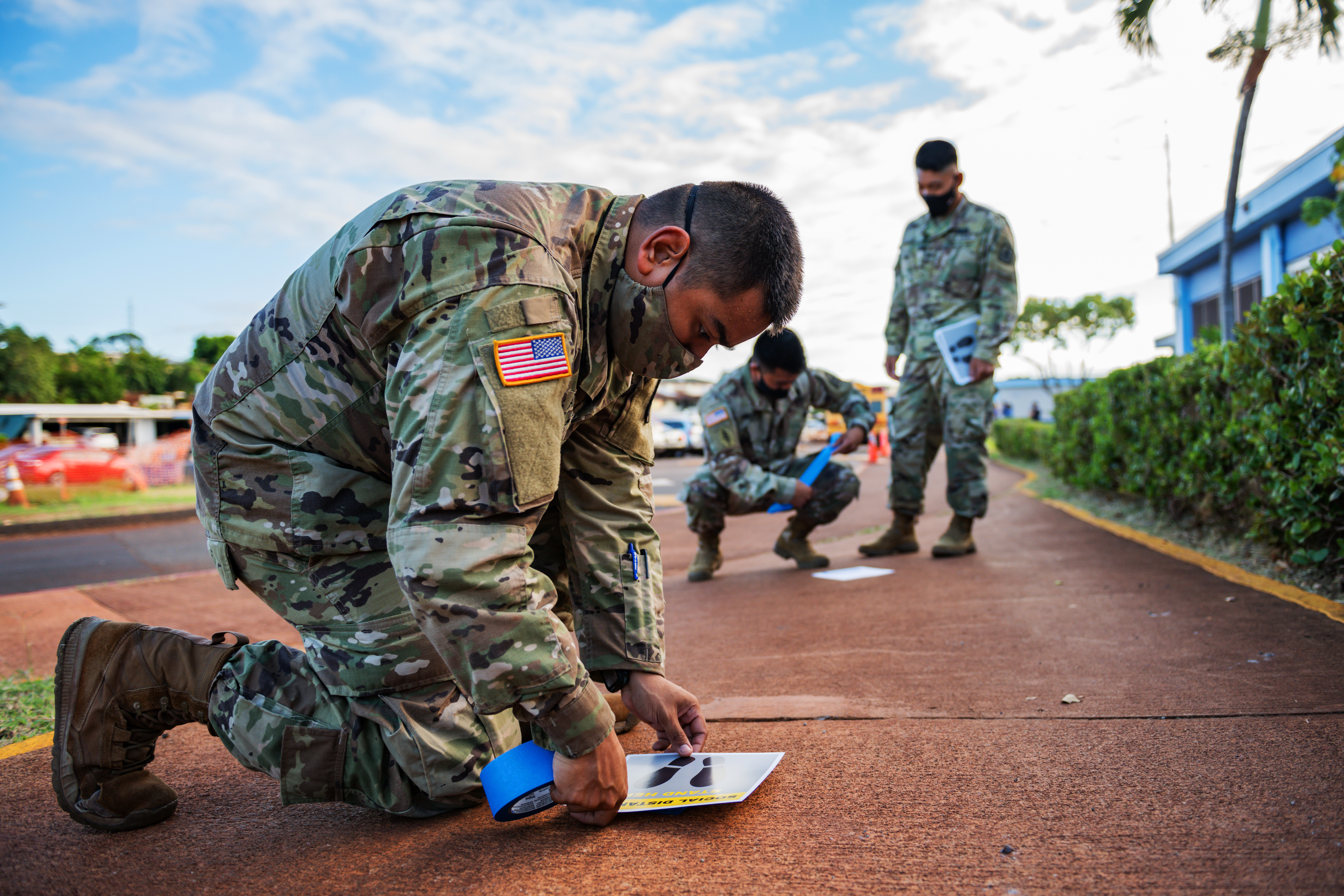
Army Pfc. Sean Pratt and fellow Hawaii National Guard members assigned to Task Force Oahu tape social distancing signs on the sidewalk outside of Honowai Elementary School in preparation for the Department of Health’s annual flu vaccination in Waipahu, Hawaii, Oct. 14, 2020. Families walked-up with their children to receive their vaccine.

Feeling Blue

A sailor wearing a face mask inspects another sailor wearing face mask during an inspection.

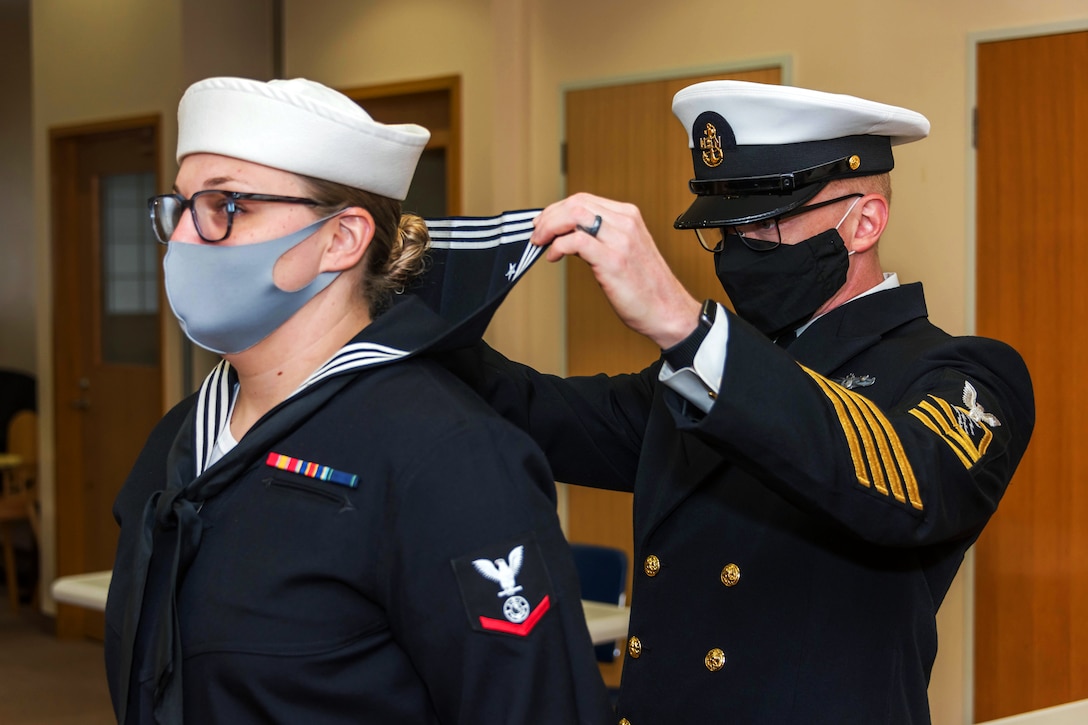
 Navy Seaman Zebulon Brackman inspects the uniform stencil on Navy Petty Officer 3rd Class Heather E. Henson during a dress blues inspection at Naval Air Facility in Atsugi, Japan, Oct. 16, 2020. NAF Atsugi is currently taking safety precautions against COVID-19 to safeguard its service members and families on base.

Thursday, October 15, 2020

Secretary of Defense Remarks at the 2020 Association of the U.S. Army Conference

 Oct. 15, 2020

Secretary of Defense Dr. Mark T. Esper

Thank you, General Ham, for that kind introduction.

It’s great to speak with all of you during this year’s annual meeting, and I want to thank the team at AUSA for the hard work that went into this conference.

Despite a global pandemic, you adapted and once again provide this important forum for leaders across the Defense Department, industry, government, and academia to openly and candidly discuss the future of the Army.

In 2018, I spoke to this conference about the renaissance we were driving within the Army, as we began to implement the National Defense Strategy.  To adapt and lead in this era of great power competition, the Army launched a wholesale transformation to dominate a 21st century high-end fight, whether on the plains of Europe or the littorals of the Indo-Pacific.  

Today, I’d like to highlight the Army’s progress to date, and lay out the many ways in which the renaissance has already become reality.

With each generation come new technologies that fundamentally alter the character of warfare. Throughout our history, the Army has often stood on the leading edge.

In the early 19th century, the Army’s Springfield Armory helped pioneer the mass production of small arms. In World War II, the Army’s M1 became the first semiautomatic rifle to enter widespread service. And, roughly a decade later, the Army deployed the first operational U.S. guided ballistic missile.

Today, emerging technologies are once again expanding the geometry of the battlefield and transforming how we think about, prepare, and plan for war.

Our near-peer rivals – China and Russia – seek to erode our longstanding advantages through cutting-edge military innovation, such as precision long-range fires, anti-access/area-denial systems, and other asymmetric capabilities designed to counter our strengths. Moreover, in space, Moscow and Beijing have weaponized a once peaceful domain through killer satellites, directed energy weapons, and more, in an effort to seize the ultimate high ground and chip away at our military edge.

Furthermore, our competitors and adversaries exploit cyberspace as a means to undermine our advantages without confronting our conventional strengths.

In the face of these threats, we must harness the next generation of technologies and stay ahead of the competition. Thanks to the Army’s efforts to ruthlessly redirect time, money, and manpower to our highest priorities, we are positioned to do just that, particularly along the Army’s six modernization priorities. 

At the top of that list is hypersonic weapons.

As our competitors develop long-range fires to inhibit our freedom of maneuver, we are increasing our investments in hypersonics over the next five years, so we can ramp up testing and deliver these capabilities to the warfighter as quickly as possible.

In March, the Army and Navy reached an important milestone by jointly executing the successful test of a hypersonic glide body. We aim to integrate this technology into an Army battery by 2023.

At the same time, the Army is investing in the Interim Maneuver Short-Range Air Defense platform to provide Soldiers with 360-degree protection from Unmanned Aircraft Systems and other low-altitude aerial threats. We can expect to see this system integrated into four battalions in Europe in 2023.  

Furthermore, to bolster our advantage in land-based competition, the Armored Multi-Purpose Vehicle – the replacement for the Vietnam-era M113 – is rolling off the production line as we speak. This 21st century personnel carrier will play an integral and versatile role in the Armored Brigade Combat Team.

These, and other modernization efforts, are building combat-credible capabilities, allowing us to target anti-access/area-denial complexes and enable Joint maneuvers across all domains. None of this would be possible without our industry partners, who have persevered through a global pandemic to keep supply chains functioning and deliver these projects on time.

Thank you for your unwavering commitment and support to our Service members and their missions.

In addition to developing next-generation technologies, we are also modernizing the way we fight through enhanced readiness concepts, such as Dynamic Force Employment (DFE).

During Defender 2020, for example, the Army applied DFE to build rapid power projection through dispersed prepositioned equipment. This and other novel concepts will help us become more nimble, less predictable, and better capable of rapidly shifting to combat operations, when needed. 

In order to integrate these concepts with state-of-the-art technology, we must be able to exchange and synchronize information across systems, services, and platforms. And we must do so seamlessly across all domains.

At the crossroads of these efforts stands Army Futures Command and its Project Convergence. Only a few years ago, Futures Command was nothing more than a concept. Today, General Mike Murray and his team in Austin, Texas, are pioneering the development of emerging technologies for multi-domain operations.

Project Convergence is designed to increase the speed of platform integration in real time, and provide the best response to the right shooter by computing at the edge. The Command recently conducted a live-fire simulation with unmanned-to-unmanned teaming, and with drones and satellites relaying target coordinates to ground artillery and other AI-enabled weapon systems.

I understand plans are already underway for Project Convergence 2021, which intends to incorporate Joint Partners and even international allies to integrate additional air and ground weapons, including the F-35 and Precision Strike Missile.

The future of warfare is being shaped right now before our eyes, and the Army proudly stands at the forefront.

Project Convergence will play an integral role in the Department’s development of Joint All-Domain Command and Control (JADC2), which will truly modernize how we fight, and enable the development of a Joint Warfighting Concept, and ultimately, Doctrine for the 21st century.

While these efforts are paramount to a future high-end fight, we know that our military’s strongest and most enduring advantage is America’s unmatched network of allies and partners.

In our priority theater – the Indo-Pacific – the Army is playing a leading role in our efforts to strengthen alliances and build partnerships. By rebalancing force posture throughout the region, the Army is increasing access, presence, and influence, while also bolstering deterrence. And by expanding training and exercises across the region as part of Pacific Pathways and Defender-Pacific, we are enhancing interoperability and strengthening lasting relationships in the region.

This year, for example, the Army is stationing a Company-sized Stryker Training Set in Thailand to support the Royal Thai Army as they build their own Stryker program. The Army also plans to expand the International Military Education and Training (IMET) program, and increase Military School slots in support of their Stryker program. In addition, the Army stood up the Multi-Domain Task Force (MDTF) in 2018 to further synchronize modernization efforts with joint assets and partners in the region.

Next year, it aims to add a second stand-alone MDTF in Europe, while we move forward with other initiatives to optimize force posture on the continent.

In July, I announced our plans to reposition our forces in Europe to meet the demands of great power competition. The Army will play a critical role in these deterrence efforts as Stryker units begin continuous rotations farther east on the continent. Furthermore, we also plan to rotate forward the lead element of the Army’s new V Corps into Poland, once the appropriate agreements are finalized. Through these and other actions, our Soldiers will be at the forefront as we continue to enhance deterrence of Russia, strengthen NATO, and reassure our allies in the region.  

All told, these efforts prepare us for a high-end fight that we hope we never have, but must be prepared to win. Maintaining our overmatch depends on the Army’s next-generation command and control, long range precision fires, integrated air defense, and operational maneuver at strategic distances.  And it hinges on ensuring the right capabilities are in the right formations, commanded and controlled at the right echelon, and forward positioned at the right points to support the Joint Force alongside key allies and partners.

I’m incredibly proud of the work the Army is doing on these fronts, as we implement the National Defense Strategy and sustain our superiority across all domains, now and into the future. Moreover, you’ve accomplished all this in spite of a pandemic.

In June, I visited Fort Leonard Wood in Missouri to see firsthand how the Army is modifying basic training in the time of COVID. I was impressed by how our Soldiers continue to adapt and lead, no matter the challenge before them. And I was inspired by the enthusiasm of the newest members of our ranks, who remain undeterred in the face of a global health crisis. 

In closing, I want to thank your leadership, starting with Secretary McCarthy and General McConville, for their vision and foresight as they make the hard choices and take the risks needed to outpace our near-peer rivals.

And, I want to express my gratitude to the men and women of the Department of the Army for all you do to uphold our Constitution, defend our people, and protect our way of life. Thanks to your selfless sacrifice, rooted in the Army’s core values, our military will remain the finest fighting force history has ever seen.

Thank you.

Dusty Direction


Navy Petty Officer 3rd Class Regenal Armour signals an air-cushioned landing craft during a training exercise in the Atlantic Ocean, Oct. 12, 2020.

Secretary of Defense Readiness Remarks at Heritage Foundation

 Oct. 15, 2020

As Delivered by Secretary of Defense Dr. Mark T. Esper

Good afternoon everyone and thank you, Kay, for that very kind and generous introduction. And I want to say a big thank you to the Heritage Foundation for hosting this discussion about the successes of the Department of Defense and the challenges we face, when it comes to implementing the National Defense Strategy in this era of great power competition.

Today, our strategic competitors, China and Russia, are attempting to erode our hard-earned gains as they undermine international rules and norms and use coercion against other nations for their own benefit. We continue to see this behavior globally, from Beijing’s predatory economics and its aggression in the South and East China Seas, to Moscow’s violations of its international obligations and the sovereignty of its neighbors.

When I was confirmed as Secretary of Defense in 2019, I made my top priority the irreversible implementation of the National Defense Strategy. This strategy guides our work to protect our comparative and competitive advantages and defend a free and open global order along three lines of effort: first, improving the lethality and readiness of the force; second, strengthening allies and building partners; and third, reforming the department for greater efficiency and accountability. I also added a fourth, personal priority: taking care of our service members and their families. 

We have made great progress on all these fronts, which we distilled into ten targeted goals to drive change across the entire Defense Department enterprise – from focusing the department on China, to developing coordinated guidance to strengthen allies and build partners; from modernizing the force by investing in game-changing technologies, to reforming the Fourth Estate; and, from reallocating, reassigning, and redeploying forces in accordance with the NDS, to developing a new joint warfighting concept, just to name a few. 

In recent weeks, I have discussed our progress in several of these areas, including modernization, and our plan for our future naval fleet of over 500 ships. Today, I’d like to highlight our efforts on another top ten goal: achieving higher levels of sustainable readiness. 

First, it is important to define what readiness really means for the United States Armed Forces. Simply put, readiness refers to our military’s ability to answer the nation’s call, and to fight and win, anytime, anywhere. It is comprised of the training and equipment we provide our soldiers, sailors, airmen, Marines, and space professionals, as well as the deployment and maintenance schedules that drive our operations, and the way we keep our service members physically strong and mentally tough.

The bottom line is that each part of the readiness life cycle is vital to preparing and enabling our men and women in uniform to successfully execute their mission. The question we must answer is this: if called upon to fight tonight, are we ready? 

Today, given our efforts over the past few years, I am fully confident the answer to that question is a resounding yes!

I will explain why in a few minutes, because first I want to show through historical example how we learned the hard way the costs of not being ready. 

In July 1950, at the beginning of the Korean War, an understrength infantry battalion and an artillery battery of close to 500 American soldiers rapidly deployed to the outbreak of that conflict to a position north of Osan, South Korea, to delay the invading North Korean forces. These men, known as Task Force Smith, arrived without the standard kit of a regimental combat team, including tanks and air defenses. Moreover, they had very little ammunition, their training was inadequate, few of them had any combat experience, and their anti-tank weapons were ineffective.

Yet, they would soon encounter thousands of enemy forces and dozens of North Korean tanks. Outgunned by the heavy armor and outmaneuvered by enemy infantry, Task Force Smith was forced to retreat, suffering heavy casualties in the process. The Battle of Osan demonstrated the tragic consequences of leadership’s failure to understand the mission and their responsibilities, leaving American troops unprepared, with obsolete equipment, and heavily outmanned.

For many years, to include my time on active duty as an Infantry Officer in the 1980s, the training imperative of the Army was “No more Task Force Smiths.” That must remain our mantra today.

Our security environment looks much different 70 years later, but the lessons we learned about the importance of readiness remain with us. Today, the NDS requires the U.S. military to focus on preparing for a high-end fight against near-peer adversaries. To do so, we must acknowledge that for the past two decades, our attention was directed mainly toward fighting low-intensity conflicts against insurgents and violent extremist organizations. Moreover, years of insufficient budgets and sequestration caused significant damage to our readiness – until 2017, when we were able to begin reversing course by adding over $200 billion to our budgets through fiscal year 2019. 

Over the past few years, the department has refocused and restored readiness in accordance with the NDS, along three major categories – people, policy, and performance – each of which I want to address in greater detail. 

In the policy category, the department has made our biggest changes in Global Force Management since the early 2000s, with the aim of creating more ready forces with far greater readiness and operational unpredictability. The NDS recognizes the need to balance the department’s modernization for future, high-end conflicts with the demands of current operations. 

To do so, we must grow our available pool of ready forces. Next, we must deploy them with greater agility in response to crises and strategic opportunities. And finally, we must be more disciplined in how we manage this ready supply from the Services with the requests from Combatant Commanders. In addressing this challenge, the department has undertaken two major policy shifts. 

First, implementing Dynamic Force Employment allows us to rapidly reposition forces to enhance deterrence, to introduce operational uncertainty into our adversaries’ calculus, to take advantage of global opportunities and emerging situations, and to test our own readiness. 

Second, increasing the number of highly-ready Immediate Response Forces and follow-on Contingency Response Force units, the IRF and the CRF, and providing greater central authority to use them globally, allows us to tailor the readiness of the Joint Force for the most stressing war plans.

Combined, these policy shifts – which constitute another one of our top ten NDS objectives – have enabled us to think and act globally, with speed, unencumbered by limitations within individual, geographic Combatant Commands. This construct has also allowed us to be much more confident in the joint force’s preparedness, and in directing readiness levels from the Services, while also creating predictability and efficiency within our programming and budgeting system.

A particularly salient example is the Bomber Task Force operational concept. In April of this year, I approved an Air Force construct to improve the readiness and strategic flexibility of our bomber force, moving away from a 16-year static and predictable presence on Guam that was burning down readiness. This change was also necessary to complicate Beijing’s decision-making and prevent them from targeting our assets or limiting our range with their growing capabilities.

The impact of the Bomber Task Force concept extends beyond the Indo-Pacific, however, offering a range of options to Combatant Commanders in multiple theaters, including Europe. In August, six B-52 bombers from Minot Air Force Base, supported by a robust airborne tanker brigade, overflew all 30 NATO countries in a single day, integrating with allied fighter aircraft along the way. This robust show of force by a broad coalition did not go unnoticed by Moscow. Neither did our ability to rapidly deploy our bombers anywhere, at any time, sending a strong message of our commitment to our allies and partners.

Moreover, the Air Force continues to maintain a heightened posture of readiness to deploy fighter squadrons on short notice, much like we did late last year to support Saudi Arabia, following Iran’s attacks on its soil.

Another example is the aftermath of U.S. airstrikes against Iran-backed militia sites in Iraq last year. On December 31st, Pentagon senior leaders were informed of a large, violent protest outside the U.S. Embassy in Baghdad, followed hours later by notice of a possible embassy breach. This triggered the requirement to deploy an Immediate Response Force, which was successfully accomplished within 19 hours of the incident. Over the next three days, an entire Infantry Brigade Combat Team consisting of more than 3,000 soldiers and equipment was deployed halfway around the world to secure American lives and property in Iraq.

The Navy has also executed multiple short-notice movements under dynamic force employment. This includes the deployment of the USS Dwight D. Eisenhower earlier this year, which was quickly adjusted in light of the coronavirus outbreak and forced the Ike to remain at sea for seven months to continue its maritime stability and security operations in the Middle East. It also includes the rapid deployment of the Comfort and Mercy hospital ships to the east and west coasts of the United States in March, to provide medical support in COVID hospitals to support the American people. 

Moving on to people, the department has pursued several initiatives to train our personnel for great power competition, to better prepare them to deploy if called upon, and ensure they are less likely to serve in back-to-back deployments – all while improving their quality of life.

Our path forward also relies on Service-level training and professional military education that develops the expertise of our force on Chinese military systems, tactics, and doctrine – much like my generation did when we studied the Soviet armed forces during the Cold War. As part of our top 10 goal to focus the department on China, I directed the National Defense University to refocus its curriculum by dedicating 50 percent of the coursework to China by academic year 2021. I also tasked the military Services to make the People’s Liberation Army the pacing threat in our professional schools, programs, and training. 

Another critical factor in our readiness is the size and composition of our deployable force, which we now track in ways we never did before. We have added nearly 30,000 military personnel to our ranks since 2016, and made great gains not simply by growing our end strength, but by maximizing the number of service members we are able to deploy at any given time. This was the result of close, senior level and senior leader attention to needed reforms such as quickly resolving medical conditions, enabling service members to get back to a ready status sooner. 

Ultimately, we drove down non-deployable numbers past our goal of five percent of the force, increasing readiness by returning tens of thousands of personnel to fully deployable status months ahead of schedule. For example, over the last few years, the Army’s non-deployable population has decreased well over 50 percent, meaning many more soldiers are available for a potential, high-end fight, if called upon to go.

Since 2017, the Air Force has recruited and trained 4,600 additional maintenance personnel, which, coupled with additional investments, drove a 19-percent increase in overall unit readiness. At the same time, the number of sailors filling operational sea-duty billets is at its highest point since 2014.

Meanwhile, we are doing everything in our power to balance the inexorable demands of overseas deployments with readiness and our service members’ commitments at home. One of our first tasks – before we make a decision to send forces abroad – is to determine how the deployment will impact their work/life timelines. By increasing and monitoring these deploy-to-dwell thresholds, we are working to make sure every warfighter and unit gets adequate time to recover from their last deployment, is well trained and prepared for their next one, and on a more personal note, experiences more of the important moments in their families’ lives. We aim to do all this while enabling the Services to continue to generate enough readiness for both today and tomorrow.

Key to our people’s ability to execute their mission is their resiliency and wellbeing. This is why we continue to take steps to improve service members’ quality of life, including by expanding the availability of childcare, helping spouses sustain their careers through multiple PCS moves, improving housing, and providing mental health resources and other support. It is also why we remain focused on reinforcing ethical leadership across the force, fostering trust in the chain of command, and promoting inclusion and equal opportunity for all. 

Finally, regarding performance, the department is working alongside industry partners to improve maintenance and sustainment, while investing in high-end training and exercises to increase the proficiency of the force.

Many of our aircraft have undergone extensive maintenance and much-needed upgrades over the past few years to substantially increase their readiness levels. This includes the F/A-18 Hornet, whose mission capable rate increased from a long-term average of 55 percent, to 80 percent, as of last year. Among several initiatives, the Navy divested from the oldest, legacy Hornets, and harvested more than 14,000 repairable items for spares. 

Additionally, improvements were made to manage the aircraft undergoing depot repair and increase workforce employment. As a result, we now have more ready aircraft on the flight lines, and pilots with greater proficiency and experience.

The department’s fiscal year 2021 budget request aimed to strengthen warfighting readiness with a balanced mix of fighter aircraft – including F-35s – to ensure American air dominance. As we transition to new platforms, we continue to restore and maintain legacy ones, such as the CH-53E Super Stallion heavy lift transport helicopter. The Marine Corps has improved this helicopter’s mission capable rate by nearly 10 percent since fiscal year 2017 in fleet squadrons, and returned 38 helicopters to full mission capable status – supporting the execution of over 104,000 flight hours in training and operational flights.

Overall, the Navy’s readiness has been on an upward trend since 2018, thanks to increases in readiness funding, and process improvements in aviation and private shipyards, including the hiring of hundreds of additional shipyard personnel. As a result, on-time ship maintenance completion rates have increased considerably, which I was pleased to see during my visits to shipyards in Norfolk, Virginia, and Groton, Connecticut. Further, the Navy is investing $20 billion over the next 20 years to modernize our aging public shipyards, recognizing the impact that these improvements will have on our goal for Battle Force 2045 – the modern 500-plus ship Navy I outlined last week. 

The Air Force and Space Force have also made significant progress in rebuilding readiness across multiple aircraft fleets, satellite constellations, and mission sets, while actively pursuing the development of integrated systems such as the Advanced Battle Management System. Key in this effort has been our investment in Weapon System Sustainment, with a nine percent funding increase yielding tangible improvements in aircraft availability and training opportunities. And, as the priority for manning, “first to fight” front-line units have seen increased readiness as high as 45 percent over the past two years.

Meanwhile, we have enhanced our ground combat capabilities by converting Infantry Brigade Combat Teams to Armored Brigade Combat Teams, the Army’s most lethal and mobile combat formations. Over the past four years, the Army has increased the number of ABCTs ready for deployment by 30 percent, while also upgrading and modernizing more than 470 Abrams tanks. Additionally, this year the Army conducted its largest strategic force projection exercise in nearly two decades, with Defender 20, integrating Armored Brigade Combat Teams with our NATO partners in both maneuver and live-fire exercises on the European continent. 
 
Among our efforts to further enhance the proficiency of our force, the Defense Department has streamlined pre-deployment training, preparations, and medical requirements, by returning those decisions to the military departments. This April, I also signed the Joint Operational Training Infrastructure Strategy to integrate our efforts to modernize operational training over the next ten years. This is a vital step toward fulfilling another one of our top 10 goals: that is, establishing realistic joint war games, exercises, and training plans. In doing so, we will ensure the Joint Force receives better training that replicates operational conditions in contested environments against our strategic competitors. 

The Air Force, for example, has migrated to a common simulator platform to enhance interoperability and cybersecurity, and to integrate multiple domains. This step was taken in response to the insufficient capabilities of simulators that were designed as stand-alone devices, training crews to fly specific aircraft.

Meanwhile, the Navy is developing an integrated Live, Virtual, Constructive training environment, which merges live and synthetic training to prepare our forces for conflict against peer and near-peer competitors. At the same time, the Navy and Marine Corps are preparing for Large Scale Exercise 2021, a multi-domain maritime exercise that will test their ability to integrate and operationalize fleet design and supporting concepts at multiple levels of war.

As we continue to strengthen the United States military readiness for the future, our imperative is to build upon the gains we have made in recent years, while adapting to stay ahead of emerging challenges – including cyber.

We know adversaries and malign actors are attempting to attack and jeopardize the networks that our platforms, weapons, and formations rely upon to operate. The tremendous investments we have made in our most lethal capabilities could be rendered ineffective in a high-end fight, unless we treat cyber capability readiness with the same seriousness as we do materiel or personnel readiness. This is why the department has put cyber on par with the other elements of readiness I discussed earlier: people, equipment, and training. 

The coronavirus pandemic represents another challenge to our military and our industrial base. However, the department has been quick to minimize its impact on our forces, by taking immediate action, going back to January, to stem the spread of the virus in our ranks. We suspended international travel for our personnel, then shifted to a conditions-based approach. We published thirteen iterations of Force Health Protection guidelines since early February, when we activated our global pandemic response plan. And, we modified our training to mitigate COVID risks – this year’s RIMPAC exercise, for example, was held only at sea, without port calls. 

At the same time, we provided medical support, personal protective equipment, and other supplies to federal agencies working in hotspots around the country in support of the American people. And, through the Defense Production Act, we announced over $500 million worth of contracts to sustain essential domestic industrial base capabilities.

Meanwhile, more than 140 DoD labs have performed over 1.2 million COVID clinical diagnostic tests so far, as part of our work to enable the safe deployment of forces across the globe. And we are testing an average of 40,000-plus service members weekly; that number reached more than 54,000 earlier this year, due to our robust monitoring efforts. 

We also developed a convalescent plasma collection strategy to support advanced illness within the force, and collected nearly 11,000 units by the end of the fiscal year. While our competitors attempt to exploit the pandemic and extend their malign influence, the United States military continues to protect our people, remaining prepared to deter every threat, and to fight and win, if need be.

Lastly, the success of our efforts relies on the support of Congress. In the face of rising strategic threats, we depend on steady fiscal commitments to sustain our current force, and prepare for tomorrow’s challenges. The past few years of funding allowed us to rebuild our readiness after years of insufficient budgets, yielding significant results; 52 percent of our major combat force elements are able to generate more combat power during the initial phases of a conflict today than they could in 2017. 

Now, as I’ve said many times before, we need predictable, adequate, stable, and timely federal budgets to continue to support the investments of our industrial base, to grow our capabilities, and to further strengthen readiness. I would like to see 3-5% annual real growth for the Defense Department to stay ahead of the challenges we face, especially from China, and no more CRs!

Looking ahead, I am confident that the department’s civilian and military leaders are aligned to deliver more sustainable readiness, particularly as I meet regularly with them to assess our progress toward that goal. Much of this involves bringing together hundreds of data systems into a common, advanced analytics architecture that provides real-time data and predictive indicators. This tool allows senior leaders to evaluate readiness at every level, better manage our forces in response to emerging threats, and to make decisions to best address readiness challenges. 

The department’s vision for readiness is one in which our people are focused on great power competition from day one, and trained to deter and prevail in the high-end fight, while able to perform across the full spectrum of combat operations. It is a vision in which we have more planes in the air, more ships at sea, more units prepared to go into combat at a moment’s notice, more cyber warriors online, and more space assets ready to defend the high ground. 

It is a vision in which our people have the resources they need, when they need them, so that they never find themselves in a fair fight. We must, and will, maintain our decisive overmatch well into the future. 

And, it is a vision in which senior leaders have more flexibility to move our forces and equipment around the globe, enabling us to project power, to reassure our partners and allies, to deter aggression, and to effectively respond to emerging crises. 

Thanks to the hard work of our men and women in uniform, and with the support of Congress, industry, and our like-minded partners, the United States military will continue to honor that vision, and strengthen our readiness, now and in the years to come.

Thank you.

Five Eyes Defence Ministers' Meeting – Press Release

 Oct. 15, 2020


Canada’s Minister of National Defence, the Honourable Harjit S. Sajjan, chaired a videoconference of defence ministers from the Five Eyes nations - Australia, Canada, the United Kingdom, and the United States, on 15-16 October. New Zealand was represented by a senior official, due to the New Zealand general election.  

Ministers highlighted the long-standing and trusted collaboration in intelligence among Five Eyes partners, and reaffirmed their commitment to advance defence and security cooperation to protect shared interests and values. 

Ministers discussed current and future international initiatives, and considered how the Five Eyes might increase cooperation to address shared global security challenges. They concluded the meeting by sharing their respective engagement strategies in the Indo-Pacific region and identified ways to better coordinate efforts. 

Ministers underscored the importance of meeting regularly to discuss defence issues and strengthen mutual support, and committed to convening again in the near future.  

Navy Medicine Supports Guam Civilian Hospital With Telehealth

 Oct. 15, 2020 | BY Navy Courtesy Story

For the U.S. territory of Guam, situated in the middle of the Pacific Ocean, the isolation can be challenging when help is needed. The U.S. Naval Hospital there is part of the emergency response network and accepts emergent cases on a regular basis if it is the closest hospital. But during the COVID-19 pandemic, when more expertise was needed, Naval Medical Center San Diego stepped in to provide tele-critical care assistance from across the ocean more than 6,000 miles away.

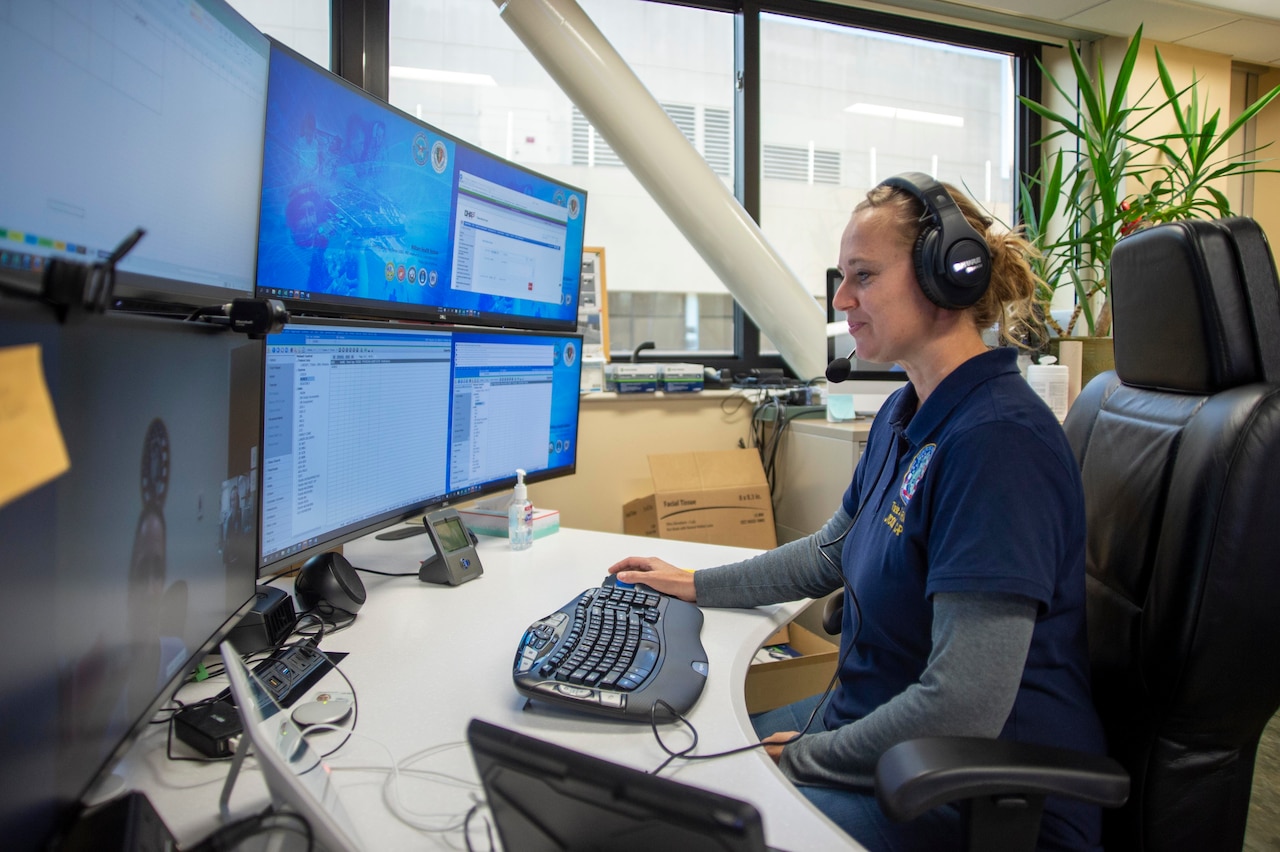
The Defense Department's first-ever telemedicine tasking for Defense Support of Civil Authorities, or DSCA, began with a request from the naval hospital through the Guam government to the Federal Emergency Management Agency. FEMA requested telemedicine support for their medical operations in Guam because the number of critically ill COVID-19 patients exceeded both the number of available intensive care units beds and the ability of on-site providers, with critical care expertise, to care for these patients. The civilian hospital had well-trained medical professionals, but requested the extra expertise in critical care to ensure they were providing the best care possible to the patients amid a late summer surge in COVID-19 cases island wide.

A woman working on a computer.

While the use of telemedicine and virtual health have become hallmarks of patient care delivery during the pandemic, with both military and civilian providers significantly increasing options for virtual health care, this is the first-ever DOD tasking for telemedicine support in response to a request from civil authorities.

"We were able to rapidly engage our expertise to support the hospital in Guam," said Navy Capt. Konrad Davis, director of the Joint Tele-Critical Care Network for the Military Health System and a Navy pulmonary and critical care physician at NMCSD. "Normally we deploy people, and those people along with the correct equipment and supplies create a capability. However, we now have the ability to leverage information and communication technologies to extend health care expertise. We now have the ability to provide a virtual health capability."

Davis and his team started providing support to a civilian hospital in Guam in early September, leveraging novel software developed and funded by DOD and the Department of Health and Human Services. The software, developed under the National Emergency Telecritical Care Network project, is cyber-secure, compliant with patient privacy regulations, and can be accessed with a smartphone, tablet or desktop computer.

NETCCN makes it possible for the Navy's tele-critical care physicians and nurses to reach across the ocean and consult with on-site providers in Guam, many of whom are general practitioners and do not normally care for critically ill patients. Using the software, providers at both locations can securely communicate in real time via instant chat or video messages, send pictures or video to each other, and share vital information such as lab results, radiology images or electrocardiograms.

Davis' team used the technology to help the providers in Guam manage critically ill patients requiring interventions such as mechanical ventilation, high-flow oxygen for acute respiratory failure, medication administration to support adequate blood pressure, or treatment for shock with active organ failure.

"Our nurses have been performing, on average, eight to 16 calls with Guam per 12-hour shift," Davis said. "Our physicians typically respond to anywhere between two and 20 calls per shift. We are providing physician support mostly at night in Guam, but nurse support has been active 24/7."

A picture of a map of the world with markers on it.

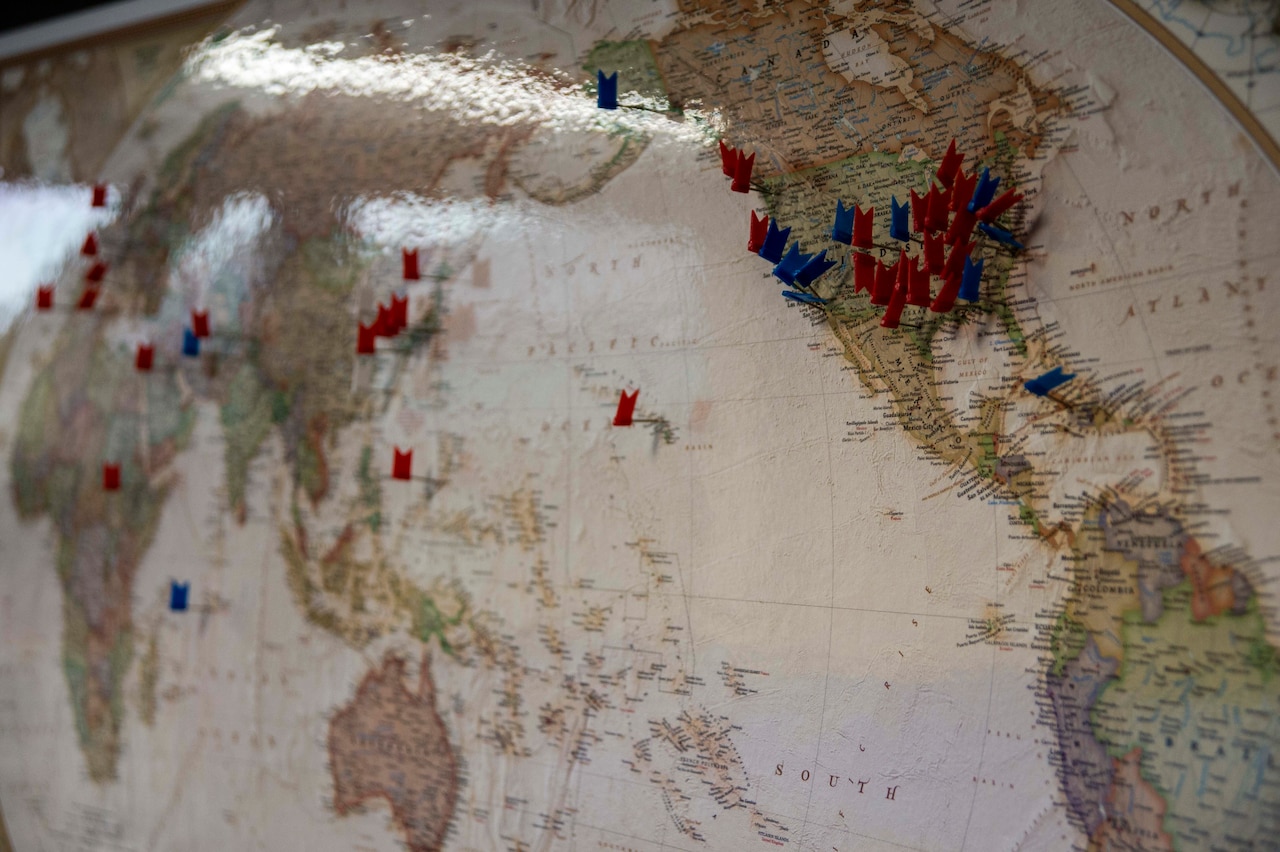
The tele-critical care program at NMCSD was launched in 2014 and has grown considerably over the years, according to Davis.

"Many years ago, we in the Department of Defense recognized that critical care is not defined by geography or the location of a patient," Davis said. "It is defined by the patient’s condition, wherever they may be. We may have critical care patients not just in a hospital but also, because we are the military, located on a ship or in a deployed setting. We coined the phrase 'tele-critical care' instead of 'tele-ICU' to recognize the need to extend this expertise outside of traditional ICU settings."

Davis added that NMCSD is the DOD lead for the Joint Tele-Critical Care Network and will be the primary tele-critical care hub in the future for providing on-demand, high-acuity synchronous VH support for both traditional, in-garrison ICU beds, and the operational space, which includes support of DSCA or humanitarian assistance missions.

"We are really just at the beginning of realizing what is possible," Davis said. "We have a current capability that supports just under a dozen hospitals. As a result of collaboration with the Army and Air Force, and through the Defense Health Agency's sponsorship and funding, we are working to expand the tele-critical care program to the entire MHS."

Naval Medical Forces Pacific has oversight of 11 Navy Medicine Readiness and Training Commands located on the West Coast and throughout the Pacific Rim that train, man and equip medical forces, primarily in military treatment facilities, including the one in Guam.

(Navy courtesy story from Naval Medical Center San Diego)

Air Force Base Finds Creative Way to Disinfect Classrooms

 Oct. 15, 2020 | BY AIR FORCE SENIOR AIRMAN SERAIAH WOLF

The 17th Civil Engineer Squadron at Goodfellow Air Force Base, Texas, is employing a different way of efficiently disinfecting the classrooms on base — a fog machine.

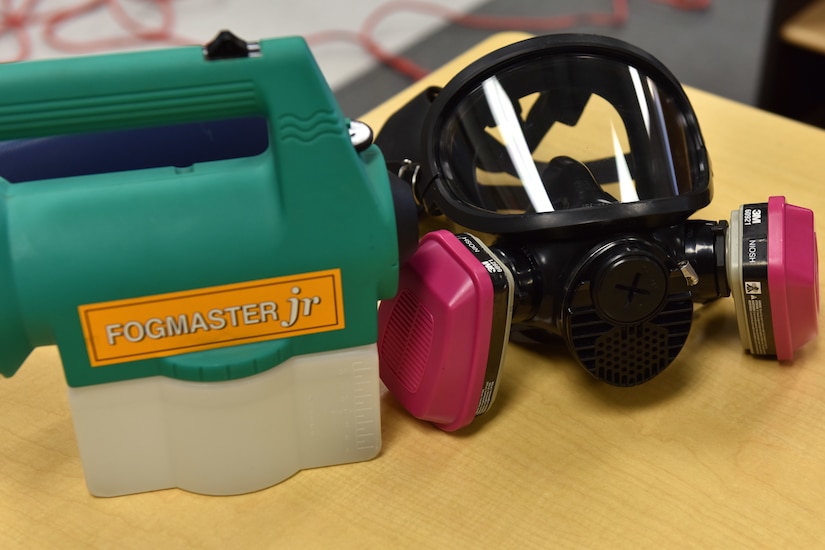
A mask and a hand-held machine with the words "Fogmaster Jr." rest on a table.

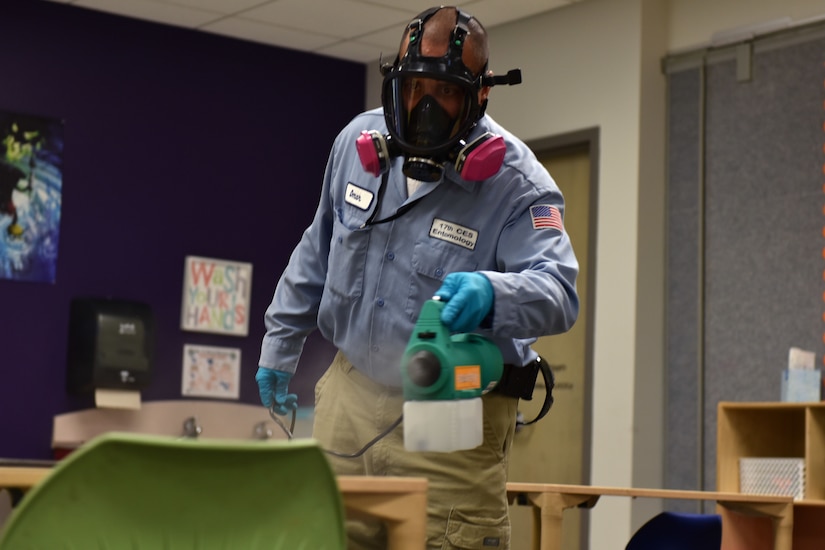
Taking extra precautions for their own safety, CE members Omar Martinez and Walter Miller enter the school-age program and Child Development Center classrooms and use fog machines to deploy a mist of disinfectant to all of the surface areas within the building.

This disinfectant mist is safe to breathe and be around while it is being distributed. There is a suggested re-entry time of 20 minutes, which allows the chemical to bond to any germs and kill them.

"The time the chemical is left alone on the surface is called wet time," Martinez said. "In the time that it bonds to the germs, it also dries, and, since it is a 'no rinse needed' chemical, you are then good to go."

A man dressed in a protective mask and gloves sprays a mist onto a desk.

Each individual organization is responsible for disinfecting its offices daily. The building's staff wipes down the high traffic areas every day.

"We do this when we are requested," Miller said. "This is usually if one of the children has had an especially runny nose or if someone just wants to go the extra step to make sure even the hard-to-reach areas are taken care of."

This method of disinfecting is more efficient for the members to disinfect large square footage areas.

"The chemical that we use is known to be 99.999% effective in killing different viruses," Martinez said. "This is why we are using this method, as well. It is more likely to kill everything we want it to."

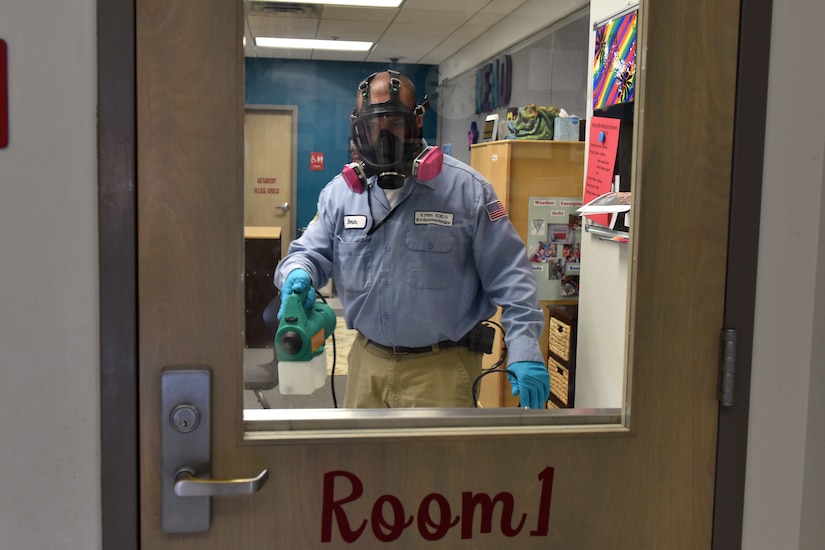
Behind a closed door with a glass window, a man dressed in a protective mask and gloves holds a machine with a canister attached to the bottom.

Two weeks ago, when COVID-19 was gaining traction, the flight chief for child and youth programs reached out for help to deep clean all of the classrooms and toys. A group of fire and intelligence students volunteered and cleaned all of the classroom surfaces and toys to help protect the children across the base.

Experts say those in quarantine should reach out to friends and battle buddies through social media; take advantage of the new ways to watch movies and television shows together; and always keep in mind that, as frustrating and inconvenient as this experience is, it is only temporary.

(Air Force Senior Airman Seraiah Wolf is assigned to the 17th Training Wing Public Affairs, Goodfellow Air Force Base, Texas).

Readout of Deputy Secretary of Defense Mr. David L. Norquist Travel to the United Kingdom

 Oct. 15, 2020


Deputy Secretary of Defense Mr. David L. Norquist visited the United Kingdom October 11-13, 2020.

Deputy Secretary Norquist conducted the third iteration of the U.S.-UK Defense Dialogue with U.K. Permanent Secretary for Defence Sir Stephen Lovegrove in London to emphasize the continued importance of the two nations’ respective contributions to NATO and transatlantic cooperation.   

They discussed bilateral approaches to shared global security challenges, including competition with Russia and China, as well as future force development. Deputy Secretary Norquist expressed his gratitude for the United Kingdom’s continued partnership as a stalwart Ally of the United States.  

Deputy Secretary Norquist also met with U.S. Marines and Sailors embarked on the HMS Queen Elizabeth carrier exercising in preparation for next year’s Carrier Strike Group 2021 deployment, which will highlight long-standing U.S.-UK carrier cooperation. This deployment is first time a U.S. Marine Corps Fleet Squadron is operating from a UK carrier, a significant symbol of the U.S.-UK defense relationship and our shared interoperability.

In a separate visit to U.S. forces stationed at Royal Air Force Fairford, he met with airmen while highlighting the importance of U.S-UK cooperation in the face of global challenges.