Friday, December 11, 2020

Food Delivery


Arizona National Guard soldiers and airmen deliver boxes of groceries to area residents at a food bank in Flagstaff, Ariz., Dec. 10, 2020. The Arizona National Guard has completed more than 5,700 missions, totaling more than 290,000 man hours, in response to the COVID-19 emergency.

Ready Refuel


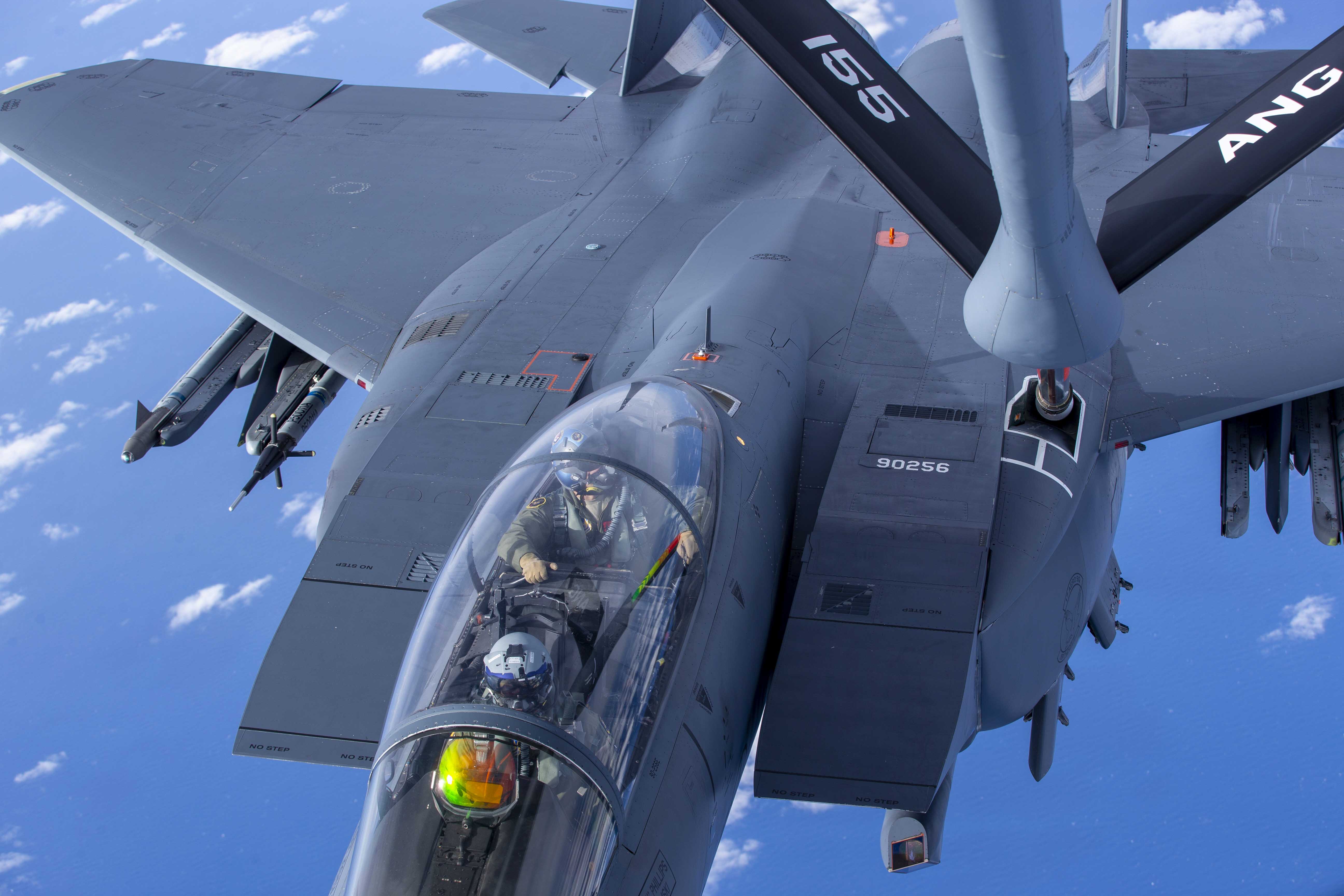
An Air Force F-15E Strike Eagle prepares to receive from a KC-135 Stratotanker during Emerald Flag over the Gulf of Mexico, Dec. 3, 2020. The exercise combined ground, space, cyber, and air platforms for joint test and experimentation.

Marine Mobility

Marines refuel light armored vehicles during Steel Knight/Dawn Blitz at Marine Corps Air Ground Combat Center Twentynine Palms, Calif., Dec. 7, 2020. The exercise gave the 1st Marine Division the opportunity to showcase readiness within the education, planning and execution continuum.


Juliet Jump


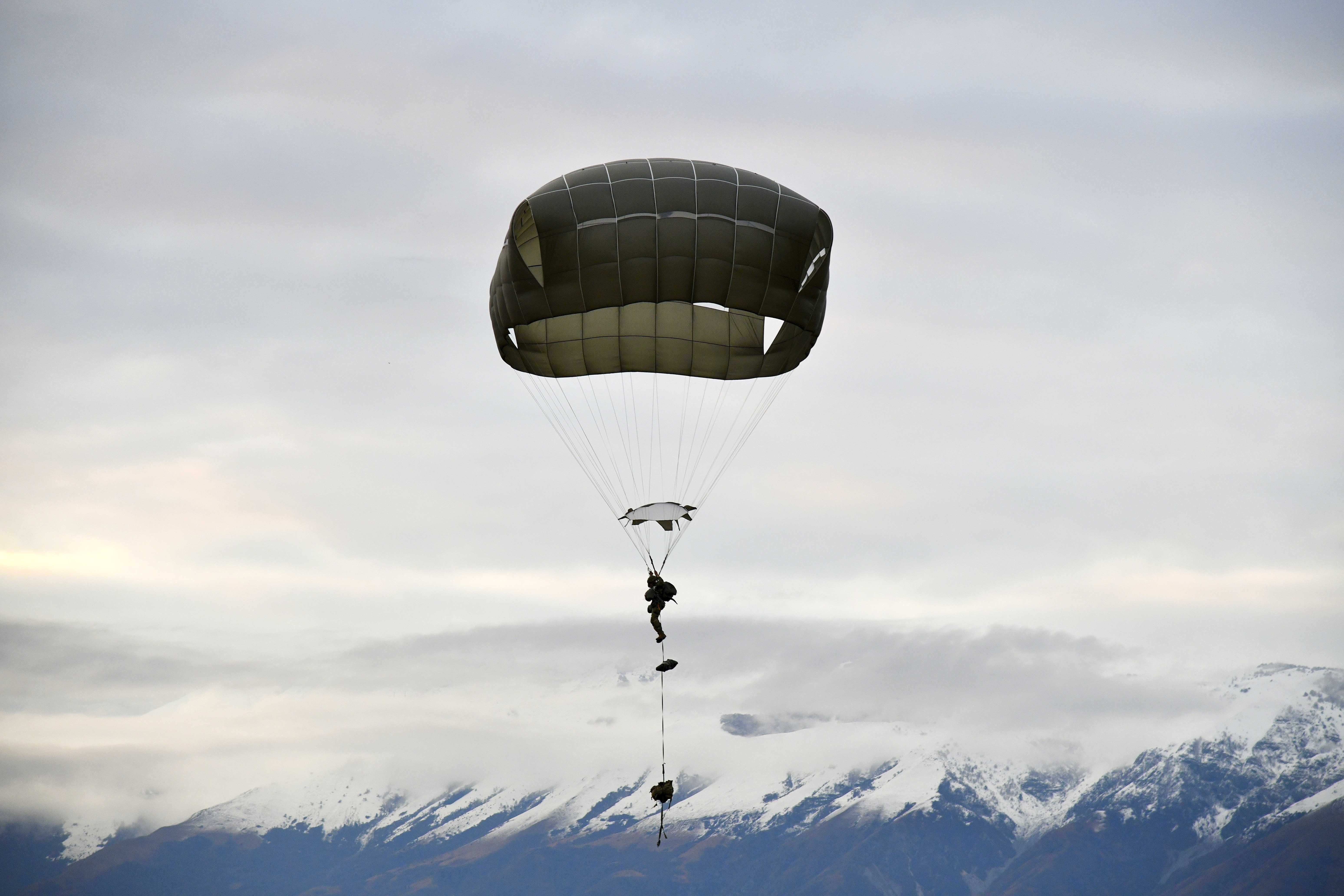
An Army paratrooper descends over Juliet drop zone during training in Pordenone, Italy, Dec. 10, 2020.

Corps Reflection


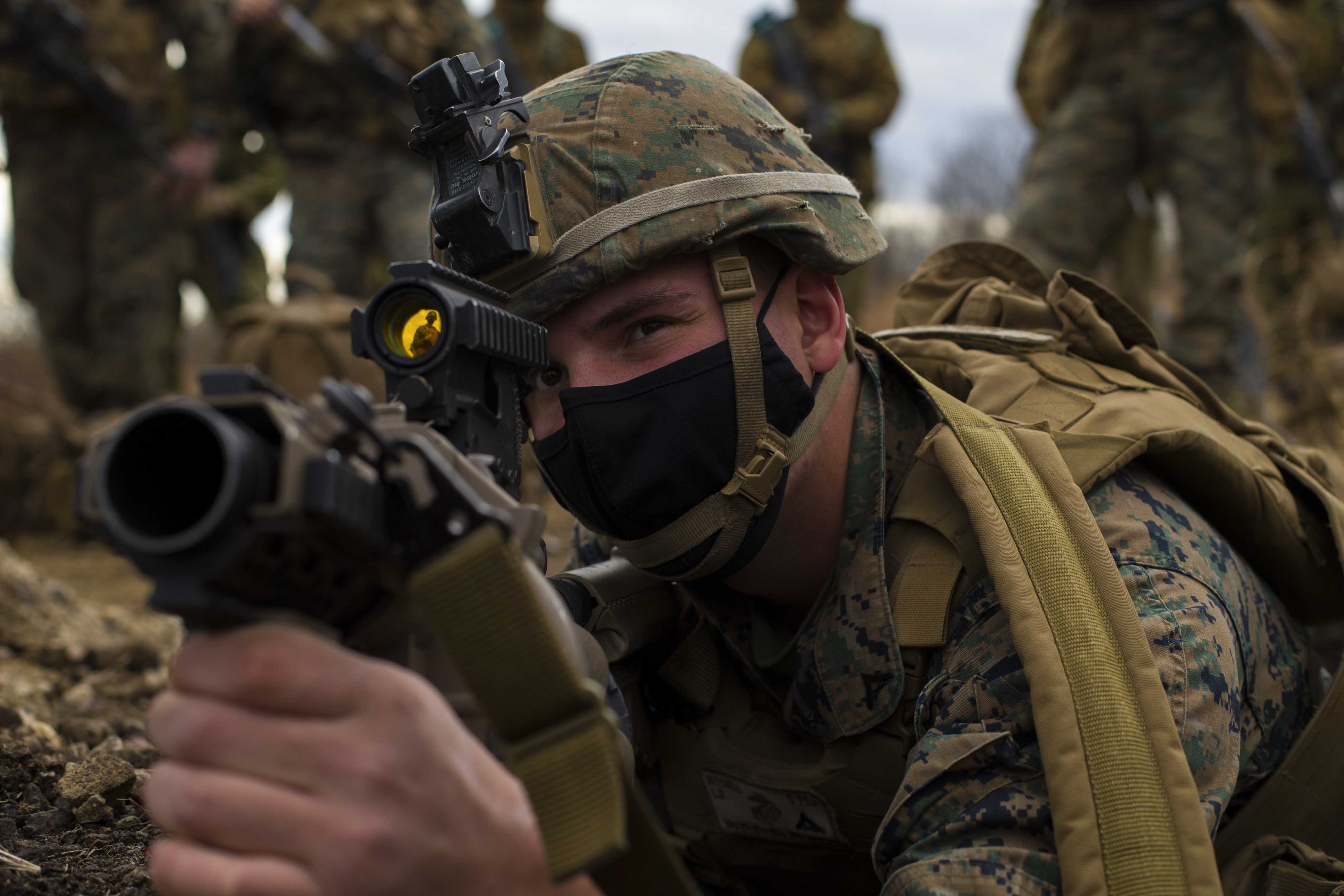
Marine Corps Lance Cpl. Lucas Mitchell looks through the scope of an M32 multi-grenade launcher in Niigata, Japan, Dec. 10, 2020, during Forest Light, an annual bilateral exercise with U.S. and Japanese forces.

Fast Exit


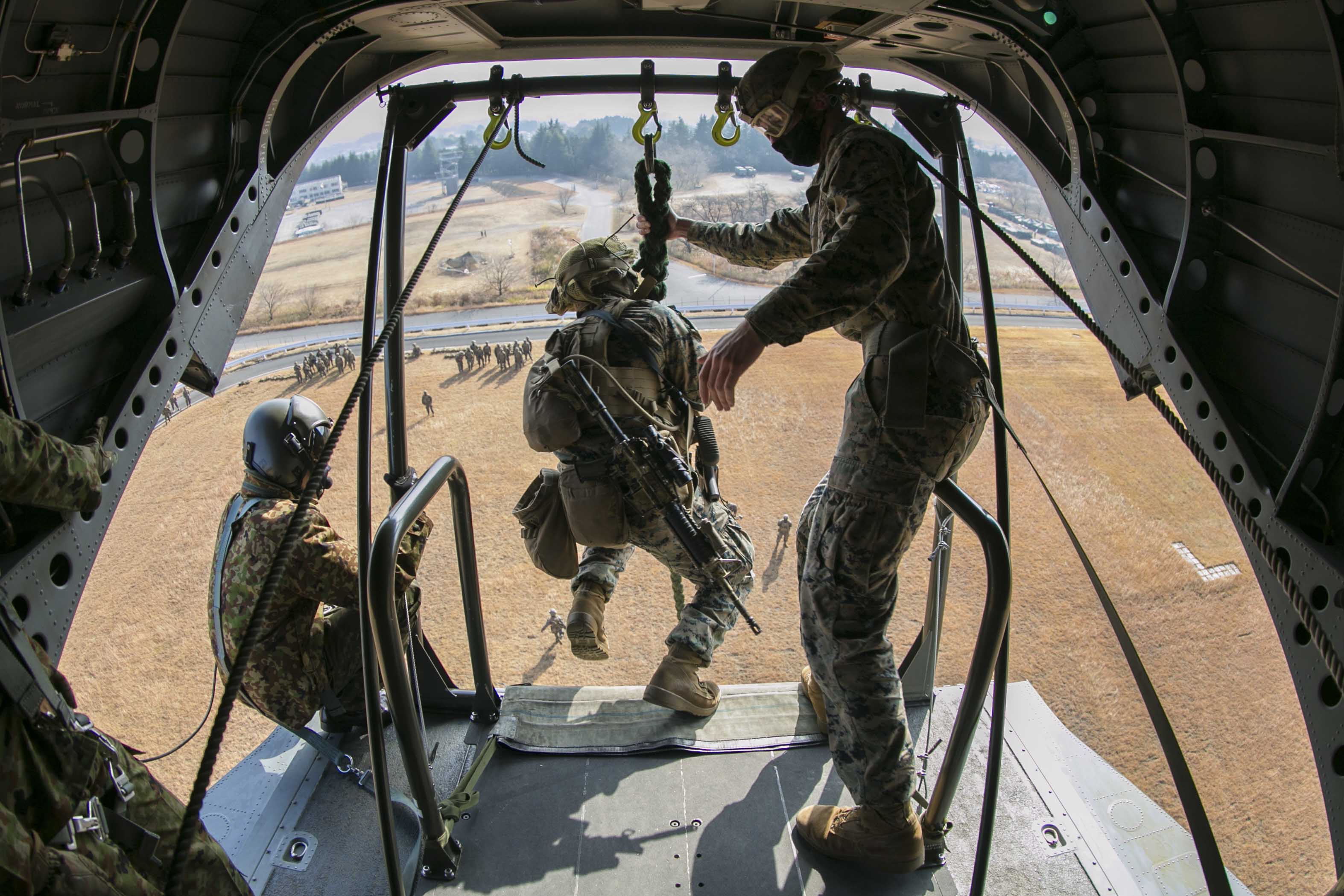
Marines and Japanese troops fast-rope out of an aircraft during Forest Light in Japan, Dec. 10, 2020. The annual bilateral exercise strengthens the interoperability and readiness of U.S. and Japanese troops.

Pushup Patrol


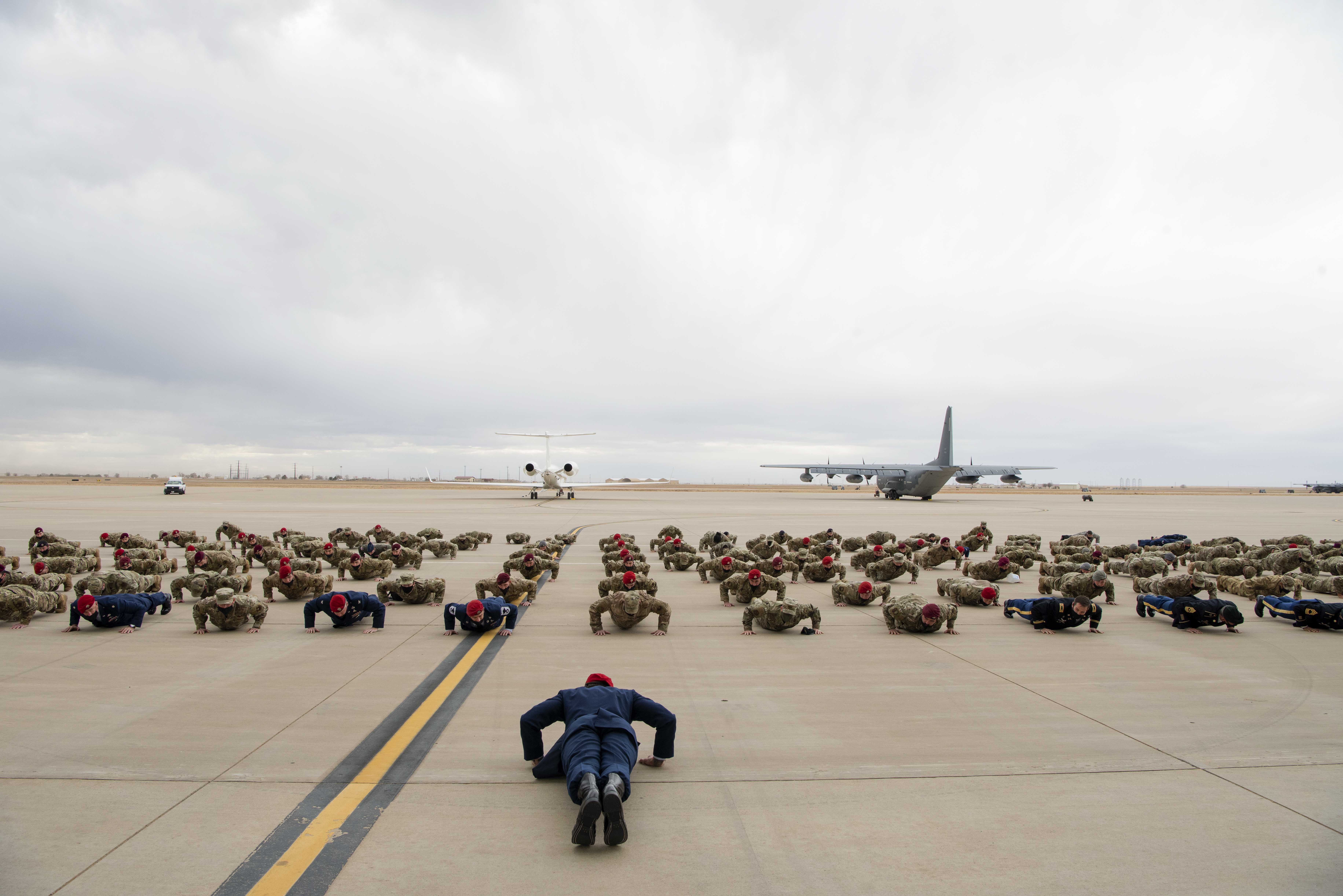
Air Force Staff Sgt. Alaxey Germanovich leads airmen in pushups following a ceremony in which he received the Air Force Cross at Cannon Air Force Base, N.M., Dec. 10, 2020. Germanovich was honored for his actions during a fierce firefight in Nangarhar Province, Afghanistan, April 8, 2017.

Top Hat


Navy Petty Officer 1st Class Yunior Basulto puts a hat on a Christmas tree during a holiday event aboard the USS Carl Vinson in the Pacific Ocean, Dec. 9, 2020.

Refueling Reflection


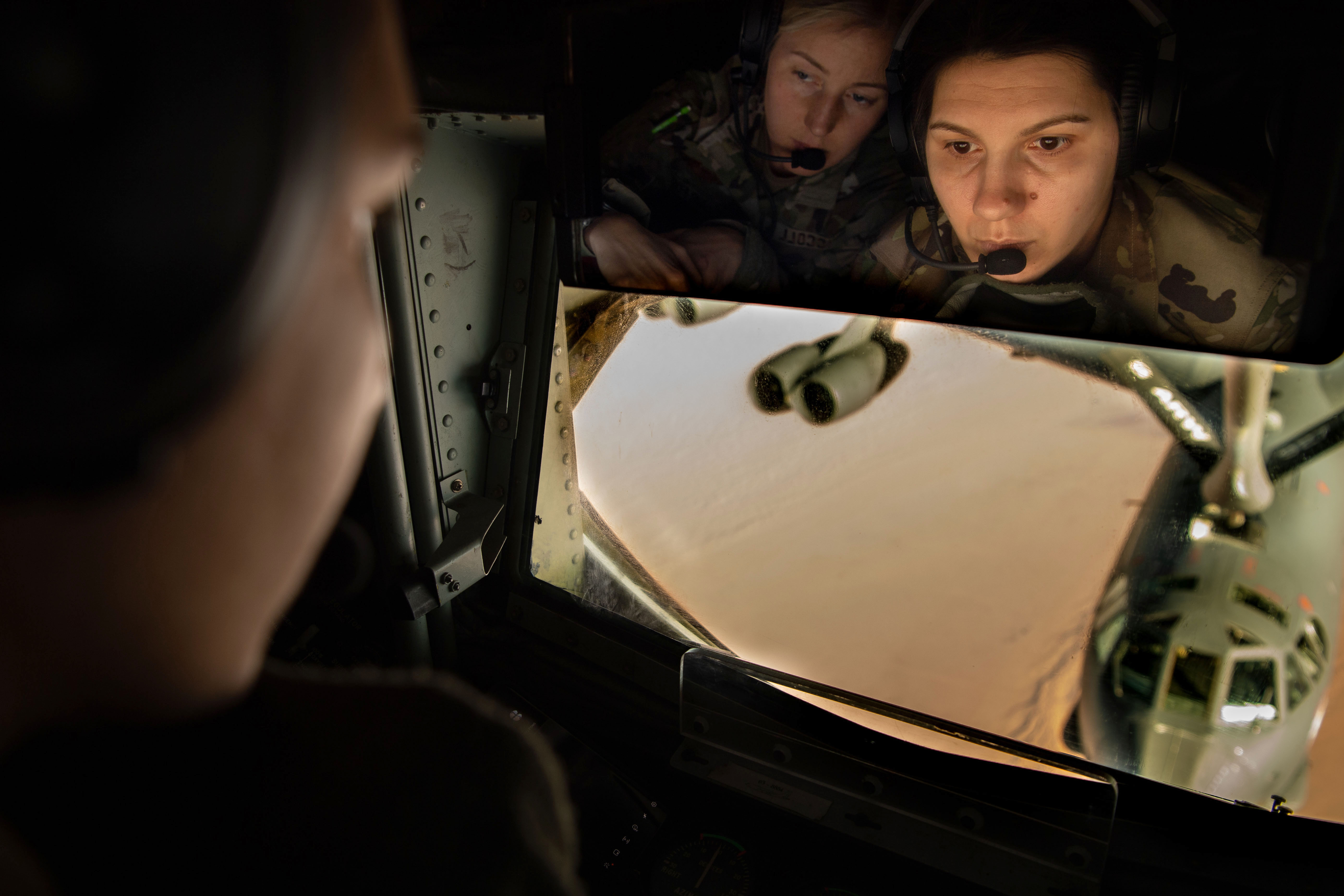
An Air Force KC-135 Stratotanker operator and pilot monitor the refueling of a B-52 Stratofortress during a Bomber Task Force mission over Southwest Asia, Dec. 10, 2020.

Rocket Launch


A Delta IV rocket launches from Cape Canaveral Space Force Station, Fla., Dec. 10, 2020. The Space Force’s Space and Missile Systems Center Launch Enterprise team participated in the mission.

Air Force, DOD Leaders Discuss Cutting-Edge Innovations

 Dec. 11, 2020 | BY David Vergun , DOD News

Leaders from the Defense Department's Defense Innovation Unit and the Air Force spoke today about DIU and AFWERX collaborative projects. AFWERX is a program for entrepreneurs within the Air Force intended to circumvent bureaucracy and engage innovation.

DIU Director Michael Brown took part in an AFWERX panel with Air Force Secretary Barbara M. Barrett, and Will Roper, assistant secretary of the Air Force for acquisition, technology and logistics.

Drone flies above troops.

AFWERX is the Air Force's team of innovators who encourage and facilitate connections across industry, academia and military to create a culture of innovation and solve problems. 

The Defense Innovation Unit's mission is to accelerate the adoption of commercial technology throughout the DOD.

"AFWERX over the past three years has grown from a visionary startup to an innovative ecosystem, connecting ideas with solutions and empowering air and space professionals to think beyond today's reality," said Barrett.

"Innovation is embedded in our culture, and in our DNA, and innovation is a force multiplier for partnerships fueled by small business industry, interagency partners and aerospace professionals," she added.

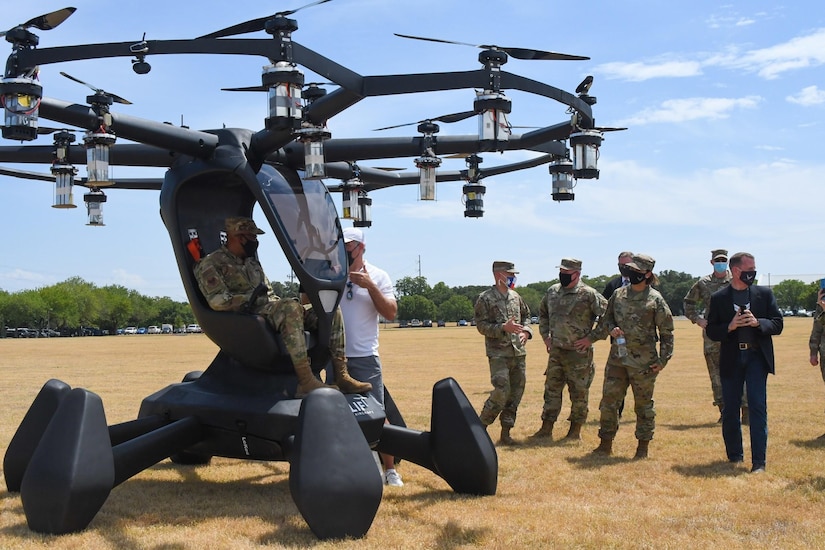
Chief of Staff of the Air Force Gen. Charles Q. Brown, Jr., sits in a LIFT Aircraft Hexa aircraft during a visit to Camp Mabry, Texas, Aug. 20, 2020. During the visit, Col. Nathan Diller, AFWERX director, spoke about Agility Prime, a non-traditional program seeking to accelerate the commercial market for advanced air mobility vehicles. (Air National Guard photo by Staff. Sgt. Sean Kornegay)

Barrett provided some examples of what AFWERX has been working on: creating new landing gear, using a 3D printing lab to create needed medical supplies during the COVID-19 pandemic, developing space-based situational awareness capabilities, developing virtual reality enhanced pilot training, and creating an affordable flying car that can deliver supplies to the point of need.

Current efforts of AFWERX are focused on energy, autonomy, space and microelectronics, she noted.

Brown spoke about DIU's collaboration with the Air Force.

One of the areas that DIU worked on in the past is predictive maintenance that started with the Air Force, he said. Now that technology is being shared across every military service.

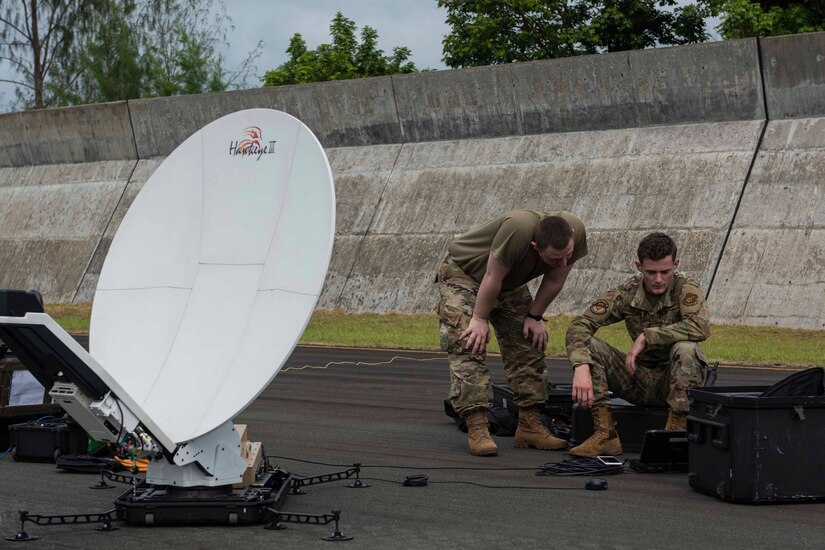
Airmen set up satellite gear.

One of the benefits of DIU is that it was set up as a joint organization, meaning it has folks inside from every service branch, he added.

One of the areas DIU is now focused on is autonomous swarming drones, he said.

Roper said that area of focus is important. "Swarming drones are increasingly things that terrorist groups can do, that hobbyist groups can do with the right technical know-how," he said, adding, "I think it's a great example, because swarming drones that could attack the military, that's not just an Air Force problem. All of the services face that. Well, that's a scary future, we have to worry about."

Balancing Act

Air Force Chief Master Sgt. Brian Kruzelnick, second from left, the Air Mobility Command’s command chief master sergeant, participates in an obstacle exercise while visiting Dover Air Force Base, Del., Dec. 8, 2020.


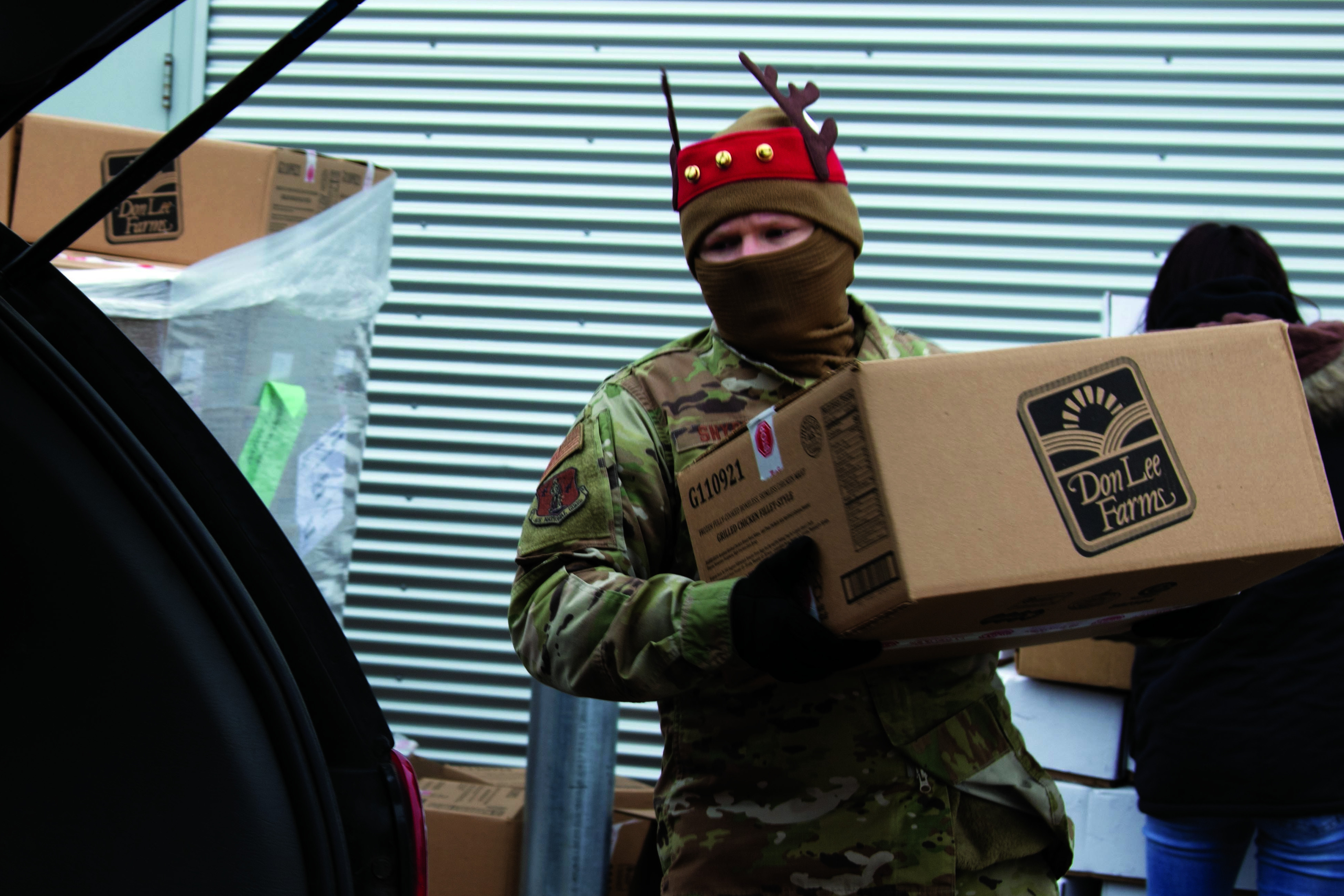
Reindeer Delivery


An Air Force airman assigned to the Michigan National Guard’s COVID-19 response task force, is working at the South Michigan Food Bank in Battle Creek, Mich., Dec. 8, 2020. The airmen are working alongside civilians to help the food bank with distribution this Christmas.

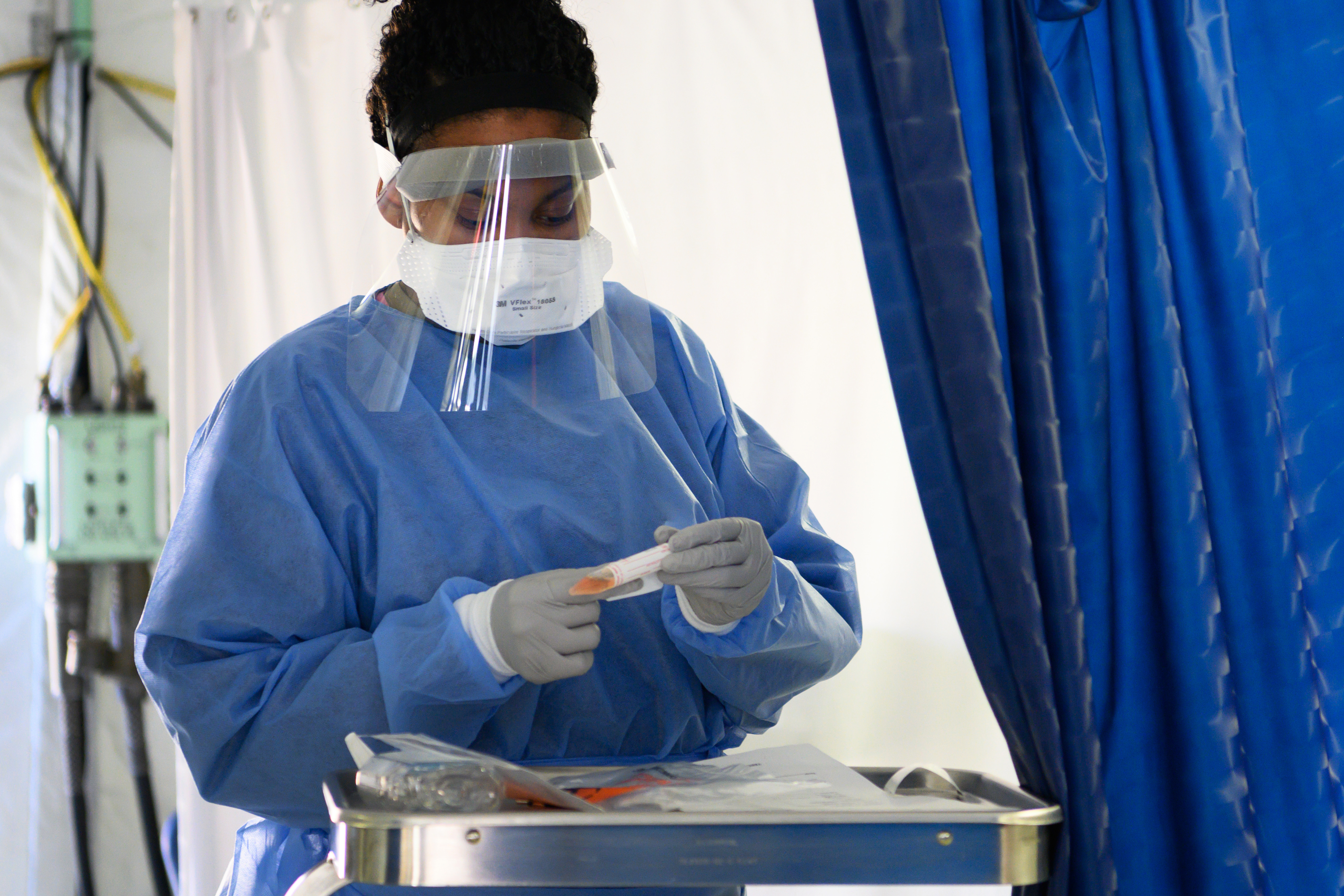
COVID-19 Kits


Air Force Airman 1st Class Tamara Henry, a medical technician assigned to the 60th Surgical Operations Squadron, prepares a COVID-19 test kit at Travis Air Force Base, Calif., Nov. 30, 2020. David Grant USAF Medical Center personnel set up the testing site earlier this year.

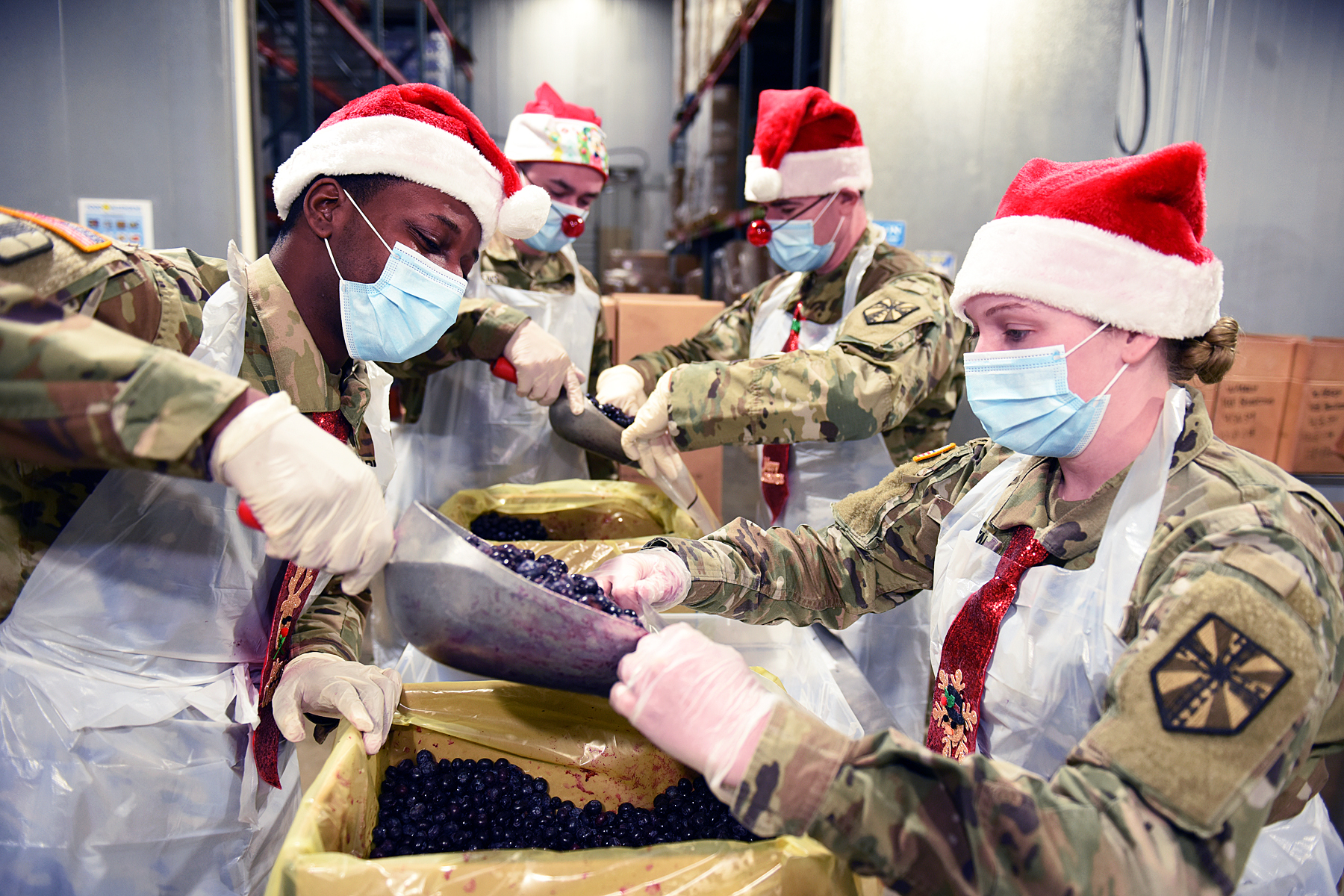
Grocery Boxes


Michigan National Guard soldiers assigned to Michigan’s Task Force Spartan work with the Gleaners of Warren, Michigan, Community Food Bank, Nov. 24, 2020. Army and Air National Guard members filled and labeled thousands of pounds of frozen blueberry and green bean bags in the Gleaners warehouse. They also assembled approximately 1,600 lbs of quarantine cold and dry food boxes, reaching a goal of 90,000 lbs weekly during the Christmas holidays. The food bank warehouse serves 400 agencies in five counties. Since March, Michigan National Guard teams have supported food banks across Michigan, distributing more than 7 million pounds of food to local communities.

NATO's Success Depends on Ability to Change As Needed

 Dec. 10, 2020 | BY David Vergun , DOD News

NATO's secretary general discussed a wide range of issues facing the alliance, particularly threats from China, and what he expects the alliance to achieve going forward.

Jens Stoltenberg, NATO's secretary general, today spoke virtually from NATO headquarters in Brussels to the Defense One Outlook 2021, a forum for sharing thoughts and ideas.

"NATO is the most successful alliance in history because we have been able to change when the world is changing," he said.

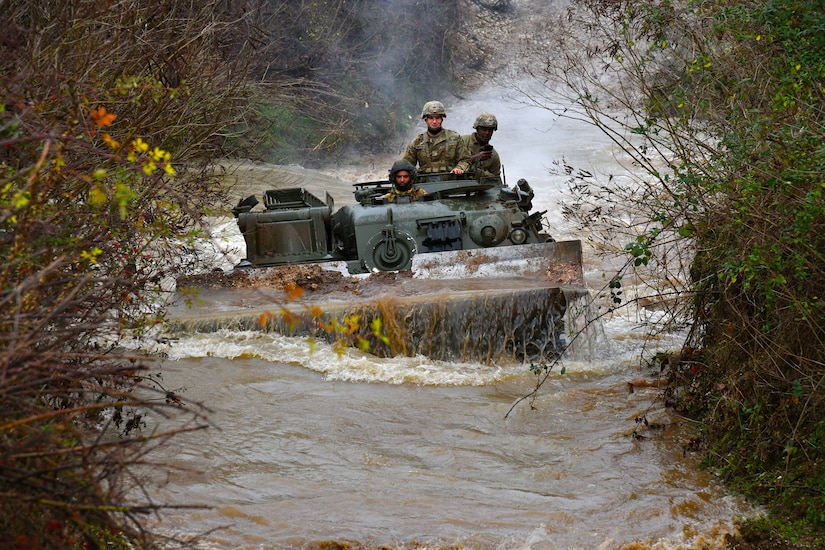
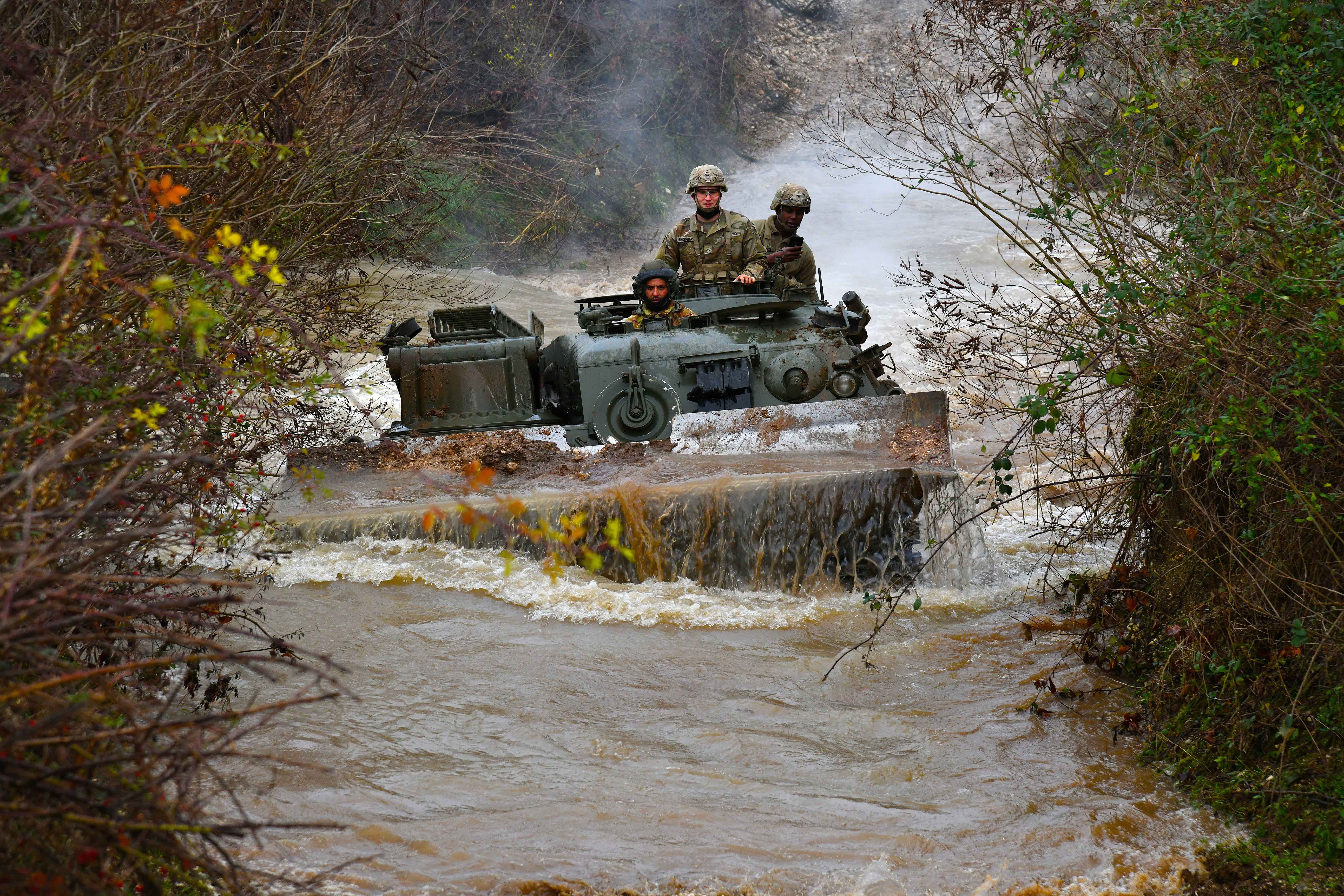
U.S. and Italian troops operate a vehicle through water in the woods.

To keep pace with a changing world, Stoltenberg said the alliance launched the NATO 2030 project earlier this year.

"NATO 2030 is about how to make sure that NATO continues to change," he said. 

For 40 years, NATO did one thing, and that was to deter the Soviet Union, he said. When the Cold War ended and the Berlin Wall came down, NATO changed its focus to ending the wars in the Balkans and fighting terrorism in the Middle East.

After Russia's illegal annexation of Crimea and China's growing military threat, the focus changed again, he added. 

In response to these new threats, NATO increased its defense spending and modernization efforts, and those efforts will continue with a 10-year plan embodied in the NATO 2030 project.

Stoltenberg acknowledged policy and political differences in the 30-nation alliance, and he said NATO needs to be able to successfully address those differences.

"There's no way to hide the differences on a wide range of issues, but then we need to sit down, come together, consult and try to find ways forward despite our differences," he said.

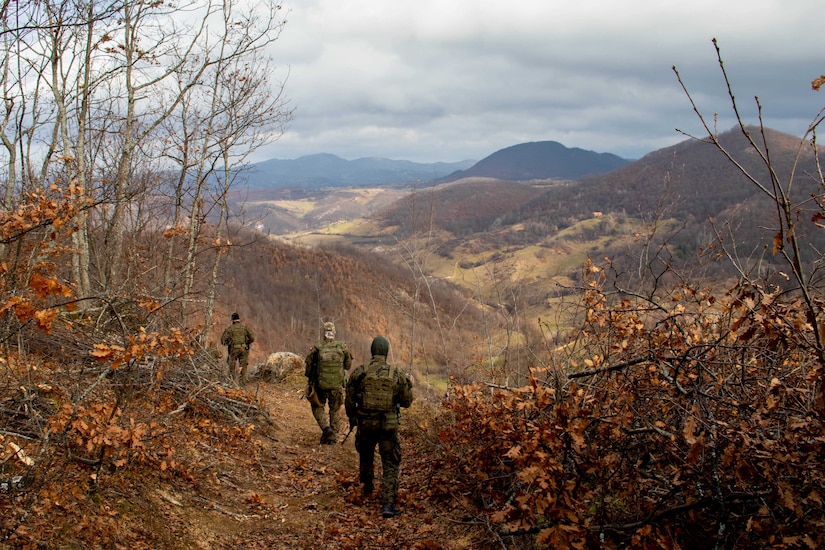
Soldiers walk down a mountain trail.

"My message to the United States is that it's a great advantage for the United States to have 29 friends and allies, especially as the United States and the world addresses the security implications of a growing China," he added.

He said the alliance — along with Japan, South Korea, Australia, New Zealand and other partners — looks with alarm as China is making its presence felt in the South China Sea, the Arctic, Africa and cyberspace through foreign investments and in building out a vulnerable 5G network that it's looking to export.

At last year's NATO summit, the alliance for the first time decided to put discussions about how to deal with threats coming China on the agenda, he said.

Russia is also a growing concern. "In the last decade or so, we've seen that Russia gradually has undermined and violated the INF Treaty," he said, referring to the Intermediate-Range Nuclear Forces Treaty. 

Despite the demise of that treaty, the alliance is working to strengthen arms control — not only with Russia, but also with China, he said.

Regarding Afghanistan, the secretary general said the alliance must weigh the risks of leaving too quickly without satisfactory negotiations with the Taliban and the Afghan government.

"It would be a great tragedy if the terrorist caliphate they lost in Iraq and Syria then reemerges in Afghanistan," he said. 

"No one wants to stay in Afghanistan longer than necessary. But at the same time, we realize that if we leave too soon, we may pay a very high price," he warned. 

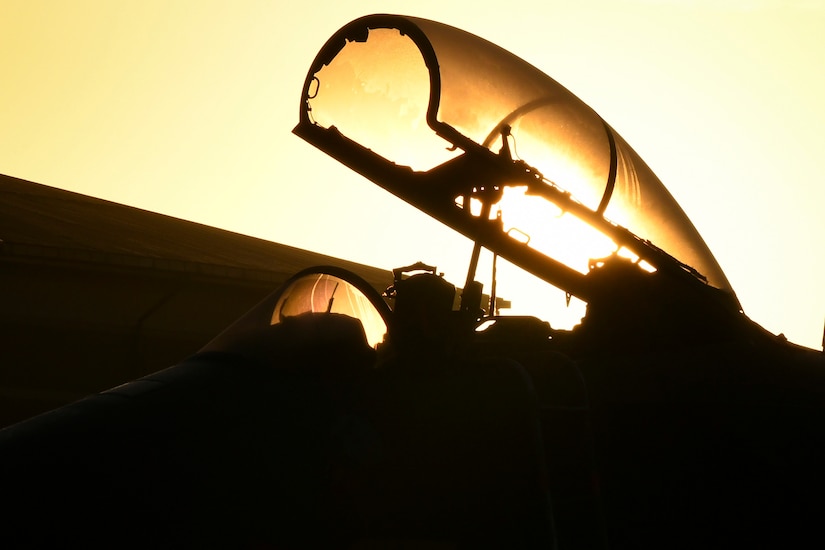
A pilot sits in an open cockpit.

Regarding the Arctic, the secretary general said NATO is heavily involved there, with many of the important NATO military bases located there or nearby.

"NATO allies have over the last two years invested heavily in new capabilities that operate in the Arctic: maritime patrol aircrafts, new frigates, new fighter jets and so on. All those capabilities are important for NATO presence in the Arctic," he said.

NATO also hosted the recent Trident Juncture exercise in the Arctic area, he added

The alliance is also working to reduce tensions with Russia in the Arctic, he said, noting that Russia is a member of the Arctic Council and the Barents Euro-Arctic Council, along with northern NATO nations.

On a different topic, Stoltenberg said: "I very much look forward to working with Joe Biden when he becomes the president. I know him as a very strong supporter of the trans-Atlantic bond, and he knows NATO very well through his time as vice president and also as the chairman of the Senate Foreign Relations Committee."

General Officer Assignments

 Dec. 11, 2020


The secretary, U.S. Air Force, announces the following general officer assignments:

Maj. Gen. Brad M. Sullivan will be assigned as chief of staff, U.S. Forces Korea, U.S. Indo-Pacific Command, U.S. Army Garrison-Humphreys, Korea. Sullivan is currently serving as commander, Curtis E. Lemay Center for Doctrine Development and Education; and vice commander, Air University, Air Education Training Command, Maxwell Air Force Base, Alabama.

Maj. Gen. Stephen C. Williams will be assigned as special assistant to the commander, Air Combat Command, Joint Base Langley-Eustis, Virginia.  Williams is currently serving as chief of staff, U.S. Forces Korea, U.S. Indo-Pacific Command, U.S. Army Garrison-Humphreys, Korea.

Ex-con admits helping destroy evidence in investigation of murdered wife of Fort Stewart soldier

 Defendant met confessed killer while in prison

SAVANNAH, GA:  A former federal inmate has admitted to helping destroy evidence in the murder of the wife of a Fort Stewart soldier.

Devin Ryan, 30, of Hardeeville, S.C., pled guilty in U.S. District Court to Use of Fire in Commission of a Federal Felony, said Bobby L. Christine, U.S. Attorney for the Southern District of Georgia. The charge carries a mandatory sentence of 10 years in federal prison, followed by a period of supervised release.

There is no parole in the federal system.

“A man with no involvement other than previous time behind bars with an admitted killer needlessly complicated a murder investigation by destroying a significant piece of evidence,” said U.S. Attorney Christine. “Rather than stay a free man and hang up the phone when called, Devin Ryan helped cover up a murder – and that choice has earned him more hard time behind bars.”

Stafon Jamar Davis, 28, of Savannah, pled guilty to Premeditated Murder and to Possession of a Firearm by a Convicted Felon in the July 9, 2018 shooting death of Abree Boykin, 24, a resident of post housing at Fort Stewart Army Reservation.

As described in court documents and testimony, after killing Boykin by shooting her twice in the head, Davis contacted Ryan – who previously served prison time with him – for help in “getting rid of a car.” Ryan provided directions to a location in Hardeeville, S.C., where the two men met. Ryan brought a container of gasoline with him, and the two poured gas inside Boykin’s 2018 Honda Accord and set it on fire. The car exploded, and the burned vehicle later was hauled to a salvage yard and ultimately scrapped before investigators could track it down.

Both Ryan and Davis were on federal supervised release at the time of the crimes, and both are in custody awaiting sentencing.

“Ryan’s attempt to cover up a murder made an investigation more difficult, but because of the determination of FBI and Army Criminal Investigation Command investigators, the case was solved and he will go back to prison,” said Chris Hacker, Special Agent in Charge of FBI Atlanta.

 “Today’s plea by the defendant is proof of the level of detail our special agents and our law enforcement partners will go to, to solve a crime,” said Chris Grey, spokesman for the U.S. Army Criminal Investigation Command. “Destroying crucial evidence from such a horrific crime is unconscionable.”

The case is being investigated by the FBI and the Army Criminal Investigation Command, and prosecuted for the United States by Assistant U.S. Attorney Jennifer G. Solari and Special Assistant U.S. Attorney Darron J. Hubbard.

Thursday, December 10, 2020

DOD and New Zealand Ministry of Defence Conduct 7th Annual Policy Dialogue

 Dec. 10, 2020


U.S. Principal Deputy Assistant Secretary of Defense David F. Helvey and New Zealand Deputy Secretary for Defence Policy and Planning Michael Swain met virtually to conduct the annual U.S. – New Zealand Defense Policy Dialogue, Dec. 8 (Washington, D.C.) and Dec. 9 (Wellington, New Zealand).

Officials reaffirmed their commitment to the bilateral relationship and agreed to advance defense and security cooperation on matters of common interest to support and defend the rules-based international order.

Officials emphasized the role of regional partners and multilateral institutions in maintaining a stable, secure and prosperous region.

They also discussed opportunities to engage with Southeast Asian and South Pacific partners to further strengthen relationships, build resilience, and address shared challenges to regional security including the impacts of the COVID-19 pandemic, illegal unreported and unregulated fishing, and climate change.

Finally, officials committed to enhance coordination, collaboration and de-confliction on activities in the region to address existing and emerging security challenges, and to advance common interests.

Read-Out of U.S. Acting Secretary of Defense Miller's Virtual Meetings With ASEAN and ADMM-Plus Counterparts

 Dec. 10, 2020


U.S. Acting Secretary of Defense Christopher C. Miller participated virtually in the U.S.- Association of Southeast Asian Nations (ASEAN) Defense Ministers’ Informal Meeting and the 7th ASEAN Defense Ministers’ Meeting Plus (ADMM-Plus), Dec. 8-9. 

In those fora, he and regional counterparts discussed mutual security challenges including maritime security, stability in the Mekong region, terrorism, the Democratic People’s Republic of Korea, and the need to uphold international rules and norms.
 
The Acting Secretary emphasized that the Indo-Pacific region remains the U.S. Department of Defense’s priority theater.  He stressed the United States’ commitment to a free and open region, which reflects the values, history and economic ties we share with our ASEAN allies and partners.  He highlighted the United States’ belief in multilateral approaches to advance shared principles, pursue common goals and promote security and prosperity for all.  He also shared how the U.S. has supported ASEAN nations with COVID-19 relief and offered further partnership on this issue in the future. 
 
Acting Secretary Miller commended Vietnam’s leadership as the ADMM-Plus Chair during an unpredictable and exceptionally difficult year, and he applauded ASEAN’s show of unity.  Finally, the Acting Secretary offered U.S. support to Brunei during its upcoming chairmanship.

Study Calls for Building Navy Force Structure to Counter Great Power Competitors

 Dec. 10, 2020 | BY Jim Garamone , DOD News

The world of great power competition requires a United States Navy and Marine Corps capable of deterring foes, reassuring allies and ensuring trade. To continue to maintain U.S. maritime superiority, the Department of the Navy released the annual 30-year shipbuilding plan, Dec. 10.

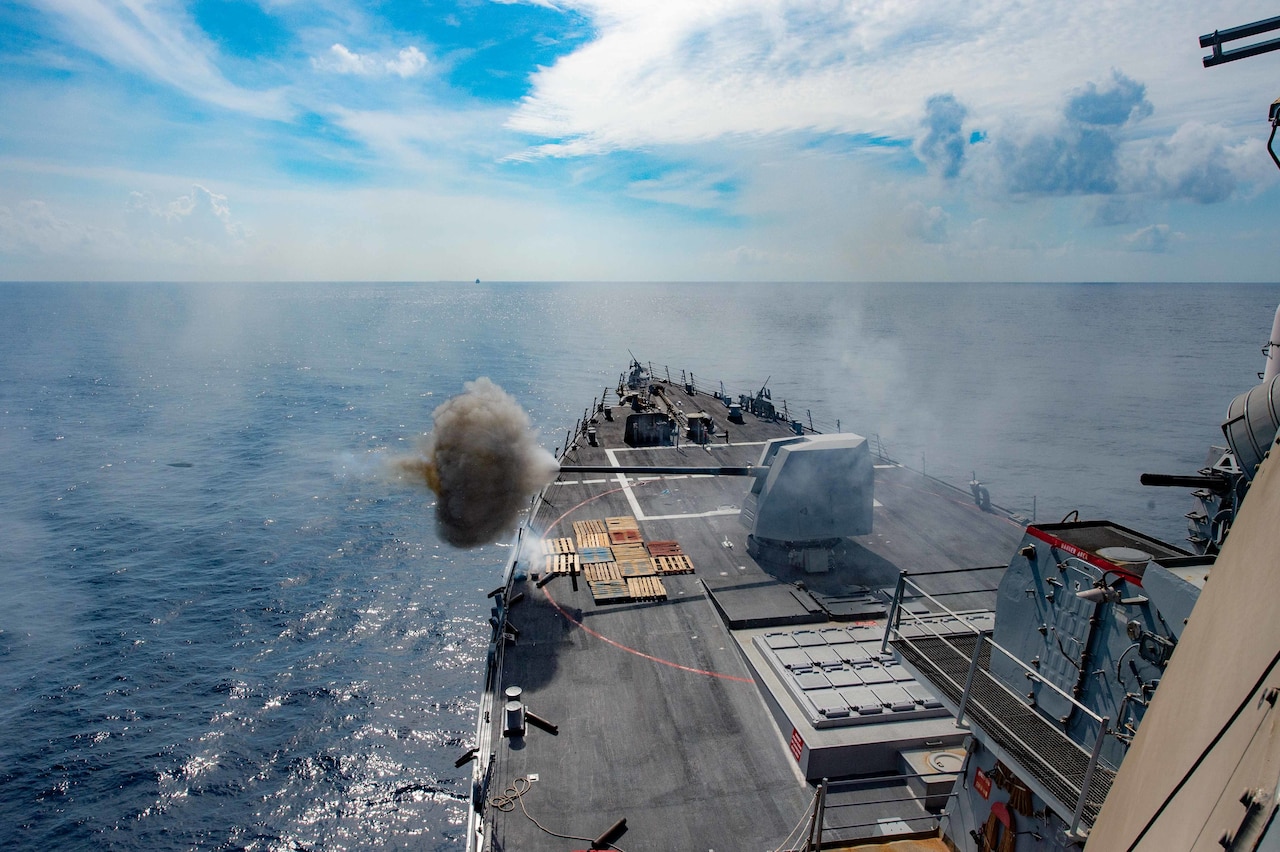
A ship fires a gun over the water.

The plan outlines a larger, modernized force that is fiscally informed.

"The plan calls for a larger fleet of both manned and unmanned vessels prepared to face greater challenges on, above or under the sea by accelerating submarine construction, modernizing aircraft, extending the service life of cruisers and increasing the number of destroyers," David L. Norquist, deputy secretary of defense said.

"Our updated 30-year shipbuilding plan is a credible, affordable road map for achieving maritime supremacy — all while tightening our belts — and sending a strong message to our adversaries like China," Russell Vought, office of management and budget director, said.

The plan is based on the classified Future Naval Force Structure study presented to Congress earlier this month, which looks for the best ways to keep the peace today and in the future, defense officials said.

A submarine breaks through a sheet of ice as it comes to the surface.

The United States is the dominant naval power on the globe today. In order to maintain maritime dominance, the study found the naval force needs to grow in capacity and modernize to continue to outpace global threats. 

"Our vision of a free and open international order depends upon our ability to maintain U.S. maritime dominance and freedom of maneuver," Norquist said. "To build this future force, the United States must expand its industrial base to support the fleet we need and not limit the future fleet to the capacity of the industrial base we have."

The Department of the Navy worked with the Office of the Secretary of Defense and the Joint Staff to conduct the Future Naval Force Structure Study. This looked at three different fleets that would be required in fiscal 2045. The Navy calls it "Battle Force 2045."

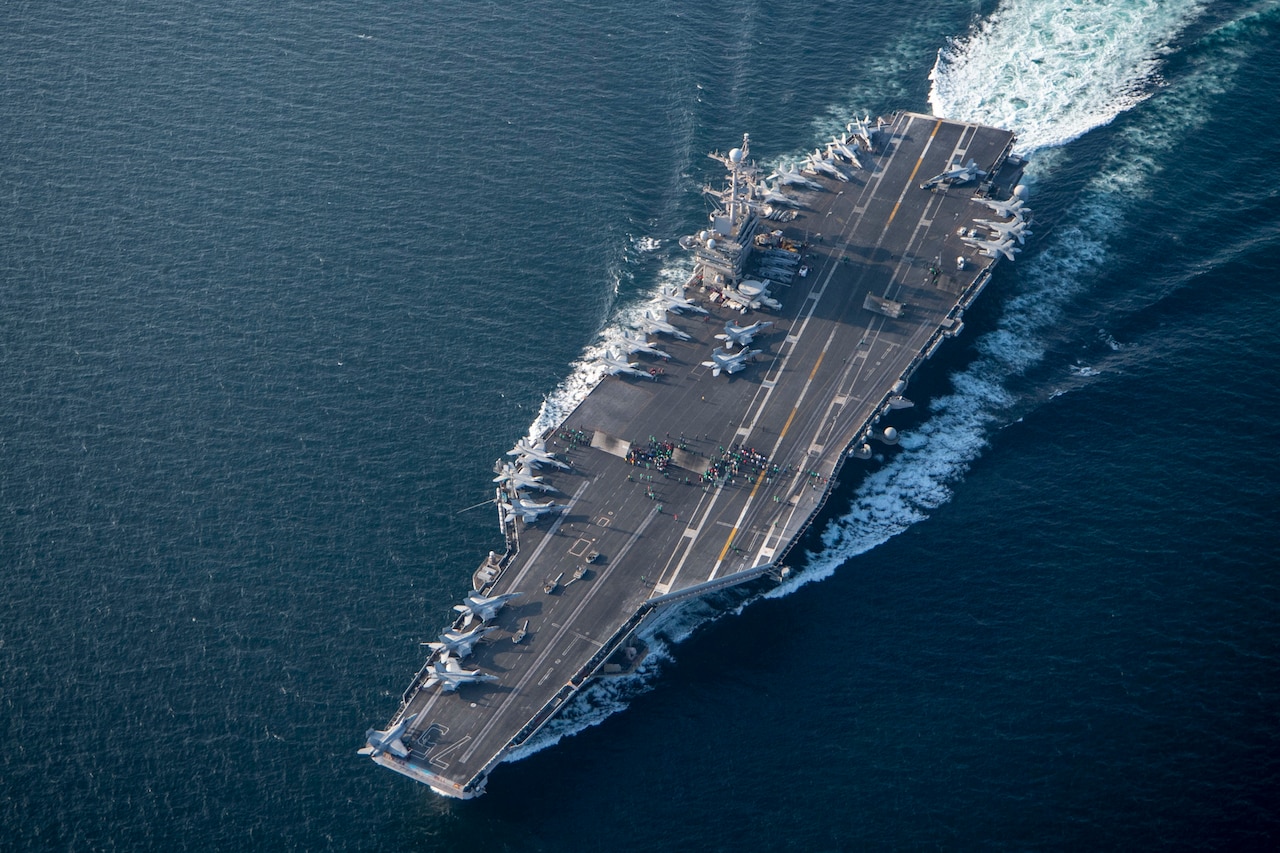
The flat surface of an aircraft carrier sailing on the ocean is seen in a photograph taken  from above.

The study sees a huge growth in unmanned vessels both surface and subsurface. "Although we reach 355 ships by the 2030s, the plan is about more than numbers of ships. It is about equipping our future force for the enduring defense of our nation," Norquist said.
The study looks to assess naval force options to ensure U.S. Navy and Marine Corps maritime dominance in the era of great power competition. "The focus of the study was to identify the benefits and associated risks of three alternate future fleet architectures in order to inform future naval force structure decisions and the 30-year shipbuilding plan," officials said.

The Navy will still sail proven, traditional capabilities, such as attack submarines, nuclear-powered aircraft carriers and air wings, and logistics forces. But the study also looked at building more small multi-mission combatants such as Constellation class frigates. This would enable more efficient distribution of missions across the surface fleet, freeing other assets for critical high-end missions. 

Ships sail alongside each other on the ocean.

The study also looked at large unmanned surface vessels, which would add substantial offensive and defensive fire capacity to the fleet at an affordable cost, officials said. "In the near term, LUSVs are best employed as adjunct fires magazines, with further development potential in future iterations," officials said. 

The study also looked at medium unmanned surface vessels, which show promise as low-cost forward sensors and command-and-control nodes.

Force Fire

A soldier fires a weapon during Menton Week at Joint Base Lewis-McChord, Wash., Dec. 8, 2020. The team competition is an annual remembrance of the deactivation of the First Special Service Force during World War II.

Joint Training


U.S. and Italian troops operate a vehicle at a dig site while training in Udine, Italy, Dec. 9, 2020.

Skill Fair


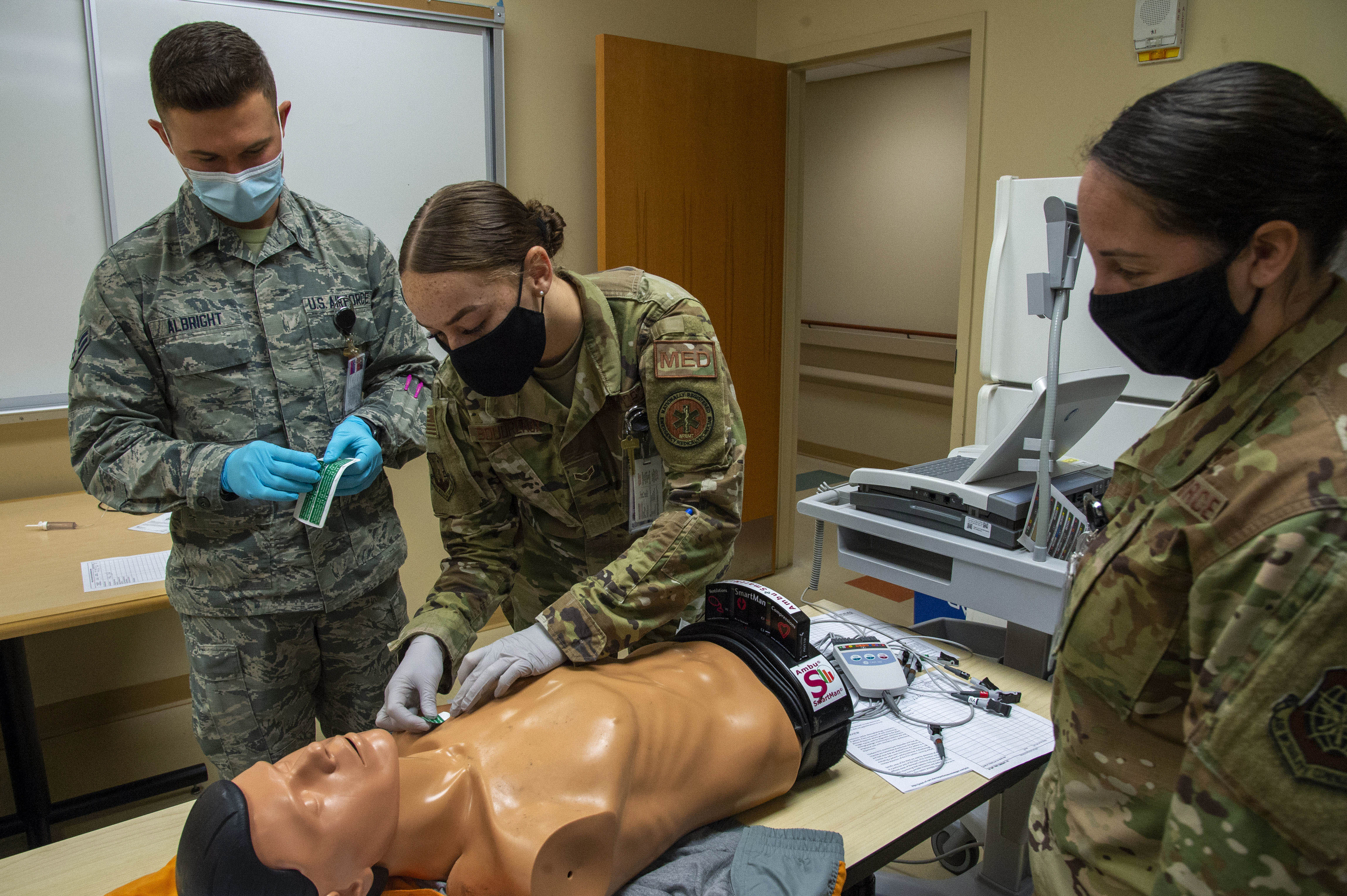
Airmen participate in a nursing skill fair at MacDill Air Force Base, Fla., Dec. 7, 2020. The skill fair helps service members develop and maintain important skills needed for rapid response events and deployments.

Menton Week


Soldiers helocast into water during Menton Week at Joint Base Lewis-Mcchord, Wash., Dec. 8, 2020. The annual team competition honors the legacy of the First Special Service Force, the predecessor to today's Special Forces.

Holiday Delivery


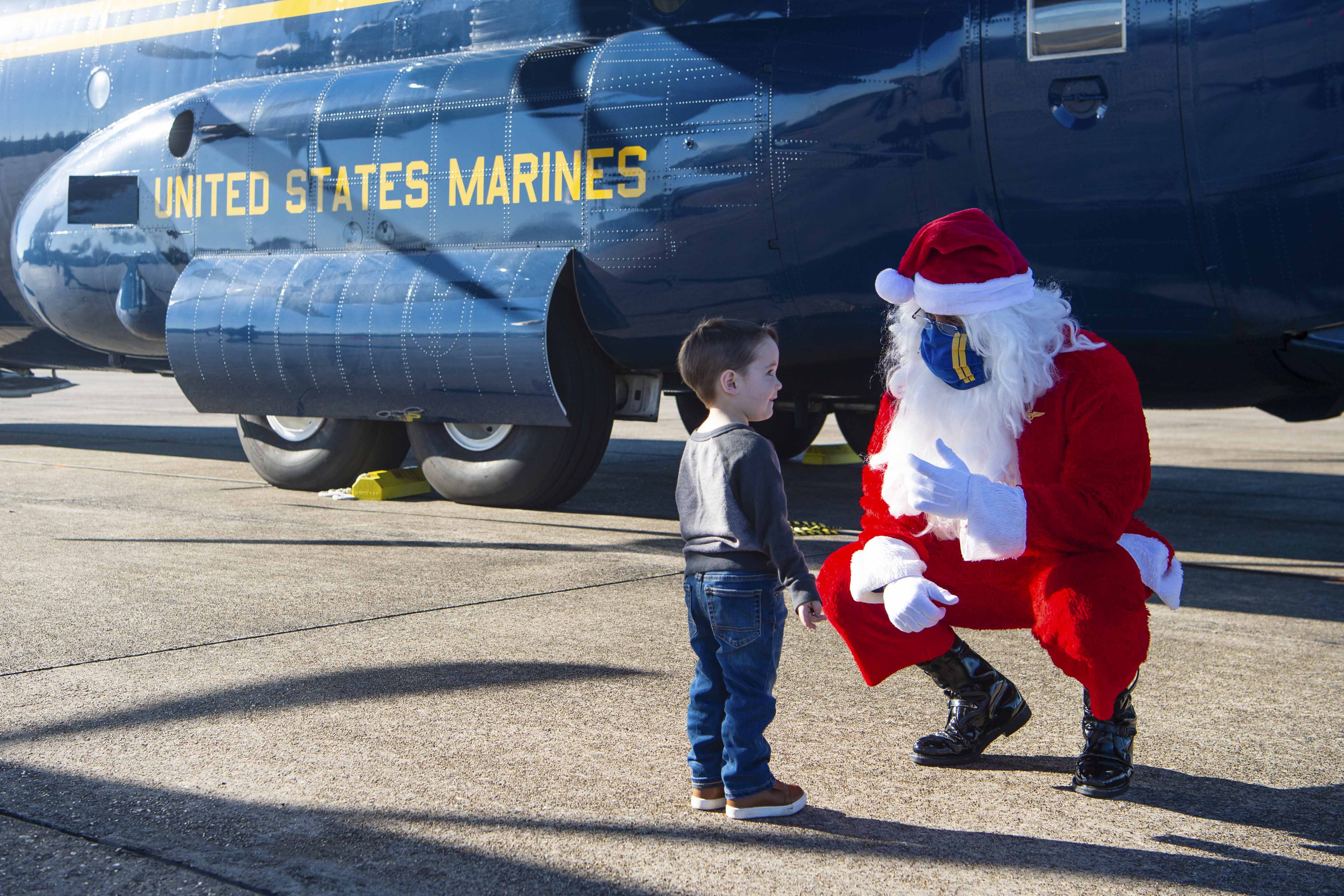
Santa speaks with a child while joining the Blue Angels, the Navy’s flight demonstration squadron, to support the Marine Corps Toys for Tots program by delivering toys and games to families impacted by the COVID-19 pandemic and multiple hurricanes in Lake Charles, La., Dec. 8, 2020.

Rocket Fire


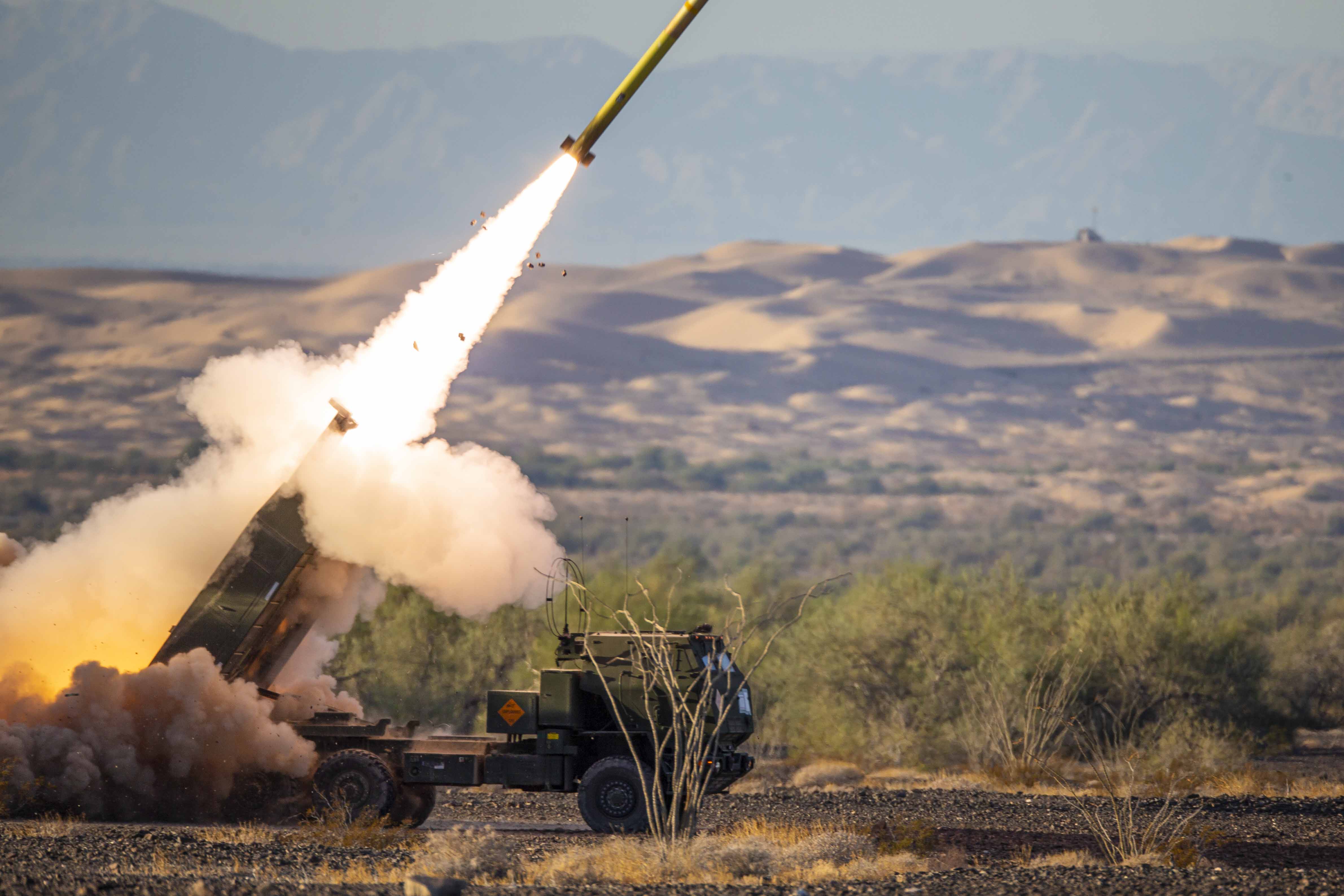
Marines fire a High Mobility Artillery Rocket System at Chocolate Mountain Aerial Gunnery Range, Calif., Dec. 9, 2020, during Steel Knight/Dawn Blitz. The exercise ensures the 1st Marine Division remains lethal, combat-ready, interoperable and deployable on short notice.

Decontamination Duty


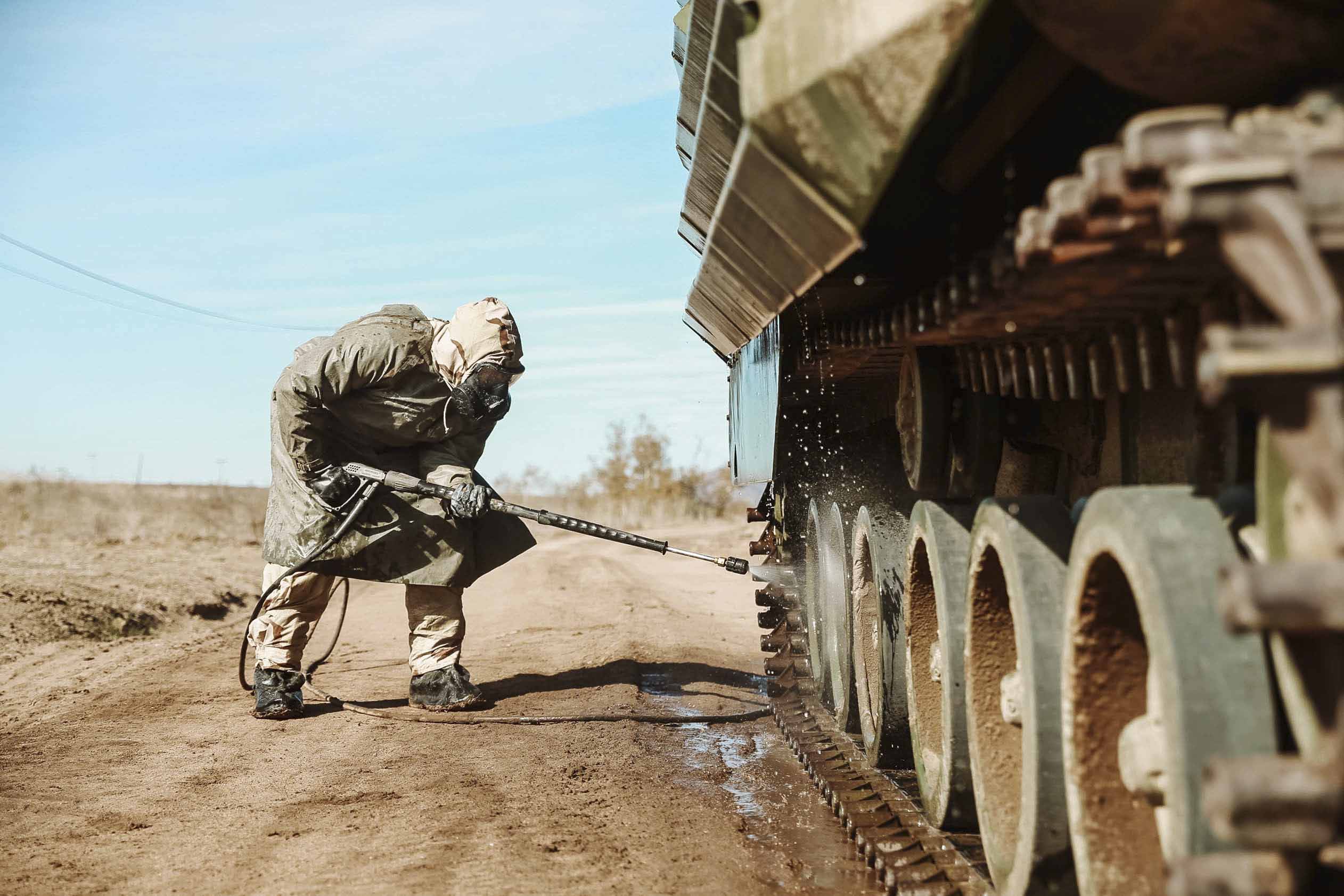
Marine Corps Lance Cpl. Alexander Camarana participates in a chemical, biological, radiological and nuclear decontamination exercise at Marine Corps Base Camp Pendleton, Calif., Dec. 9, 2020. The event was part of Steel Knight/Dawn Blitz, an exercise that gave the 1st Marine Division the opportunity to showcase its readiness within the education, planning and execution continuum.

Army Medical Logistics Takes Lead for Military COVID-19 Vaccine Orders

 Dec. 10, 2020 | BY Ellen Crown

Medical logistics experts at the U.S. Army Medical Materiel Agency have started receiving COVID-19 vaccine orders from throughout the Defense Department in anticipation of the Food and Drug Administration's emergency use authorization of a vaccine or multiple vaccines.

USAMMA, which reports directly to Army Medical Logistics Command, is the lead for all services, working in collaboration with the Defense Health Agency's Immunization Health Care Division.

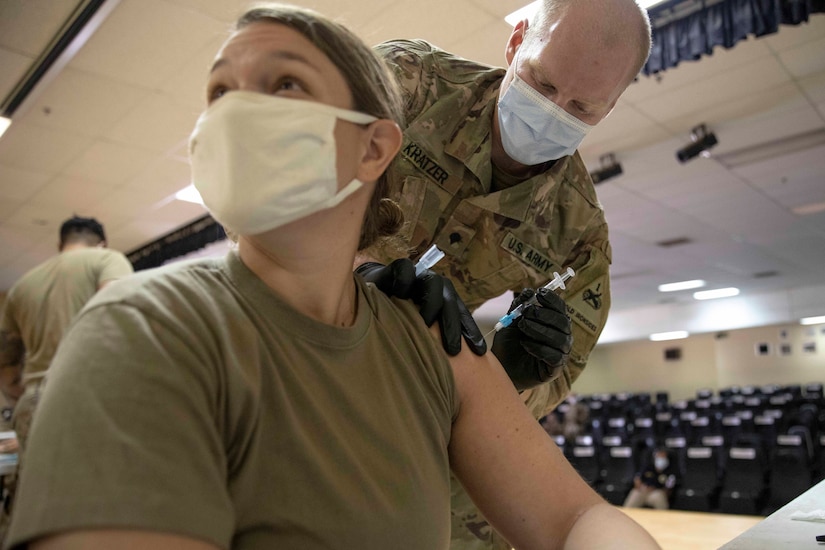
A female officer receives a vaccine.

The USAMMA team is collecting COVID-19 vaccine orders from all service branches and submitting them to the Centers for Disease Control and Prevention.

USAMMA will also track vaccine shipments from the vendor to each military site. If required, the team will monitor the redistribution of vaccines to additional sites throughout the military.

USAMMA Distribution Operations Center Deputy Director Liz Andrews said the vaccine will ship directly from the vendor to several military medical treatment facilities throughout the U.S. — where it will be used to immunize troops, as well as military beneficiaries — and bolster their immunity against the pandemic.

There are known logistical challenges. For example, at least one of the vaccine candidates has to be kept at ultra-cold temperatures of minus-80 degrees Celsius.

Two people look at a computer screen to make updates.

Andrews said she and her team will not only track the vaccine's movements, but also its temperature throughout shipment to ensure it arrives safe and ready for use.  

"This is a challenging mission but also very exciting," Andrews said. "We are prepared to execute this mission and proud to be a part of Operation Warp Speed."

Operation Warp Speed, of which the Army's senior logistician Gen. Gustave F. Perna is the chief operating officer, is a public-private partnership developed to deliver safe and effective COVID-19 vaccines.

In a Defense.gov press release, Perna said he is committed to streamlining processes that will allow manufacturing and distribution to deliver medical countermeasures at an unprecedented rate.

The USAMMA team is uniquely equipped for the mission because of their expertise in vaccine distribution and cold chain management. USAMMA currently serves as the service lead for ordering and distribution of other military vaccines, such as anthrax and smallpox.

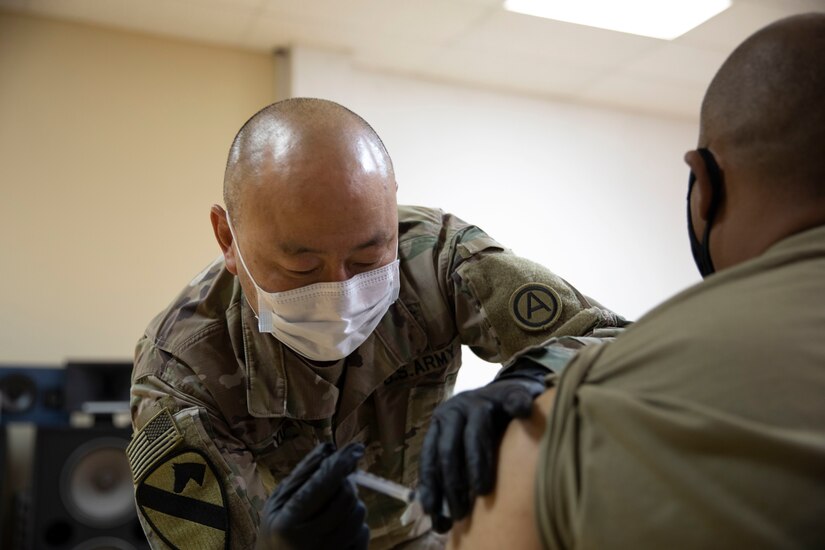
A soldier vaccinates another soldier.

"The military hospitals are already used to working with us, so this made the process smoother for them as they were familiar with our systems and forms," Andrews said.

Andrews also said the USAMMA Distribution Operations Center web development team also played a crucial role by swiftly adapting USAMMA's existing vaccine ordering system, so it could be used for COVID-19 vaccine order processing.

"This was a total team effort," she added, "and we are just honored to be a part of this whole-of-government campaign.""

(Ellen Crown is assigned to the U.S. Army Medical Logistics Command.)

Statement From Deputy Secretary of Defense David L. Norquist on the Department of the Navy's Report to Congress on the Annual Long-Range Plan for Construction of Naval Vessels

 Dec. 10, 2020


Today, the Department of the Navy released the annual 30-year shipbuilding plan.  Over the last four years, the Trump administration has steadily increased the number and readiness of battle-force ships.  This plan moves to continue that buildup and is resourced to achieve a 355-ship naval fleet.

The 30-year shipbuilding plan is consistent with the National Defense Strategy (NDS) which recognizes China and Russia as near peer threats.  To ensure that we maintain superiority over these threats, the NDS requires a modern, ready force to operate in the Pacific maritime region.  The Department has realigned more than $45B over the Future Years Defense Program to Navy Shipbuilding and other priorities as described in the Office of Management and Budget’s fiscal framework.

The shipbuilding plan is based on naval operational experience and extensive analytics. The Department of the Navy, Joint Chiefs of Staff, and the Office of the Secretary of Defense’s Cost Assessment and Program Evaluation recently completed a comprehensive Future Naval Force Study – an extensive analytical effort to inform the design of the future of America’s naval force. The team assessed various naval force structure options to maintain our current overmatch and identified the need for a larger, more modern fleet. Another key finding was the need to expand the U.S. industrial base to support new ship construction and modernization.

The plan calls for a larger fleet of both manned and unmanned vessels prepared to face greater challenges on, above, or under the sea by accelerating submarine construction, modernizing aircraft, extending the service life of cruisers, and increasing the number of destroyers. Although we reach 355 ships by the early 2030s, the plan is about more than numbers of ships. It is about equipping our future force for the enduring defense of our nation.

Read the Department of the Navy’s Report to Congress on the Annual Long-Range Plan for Construction of Naval Vessels here.

Wednesday, December 09, 2020

Double Duty


Air Force Airmen 1st Class Vincent Lancia and Sinjin Bunag tighten bolts on an external fuel tank at Kunsan Air Base, South Korea, Dec. 8, 2020.

Colors Ceremony


Army Pfc. Katherine Bui raises the American flag alongside a Japanese service member during a colors ceremony at Camp Kengun, Japan, Dec. 8, 2020.

Tunnel Vision


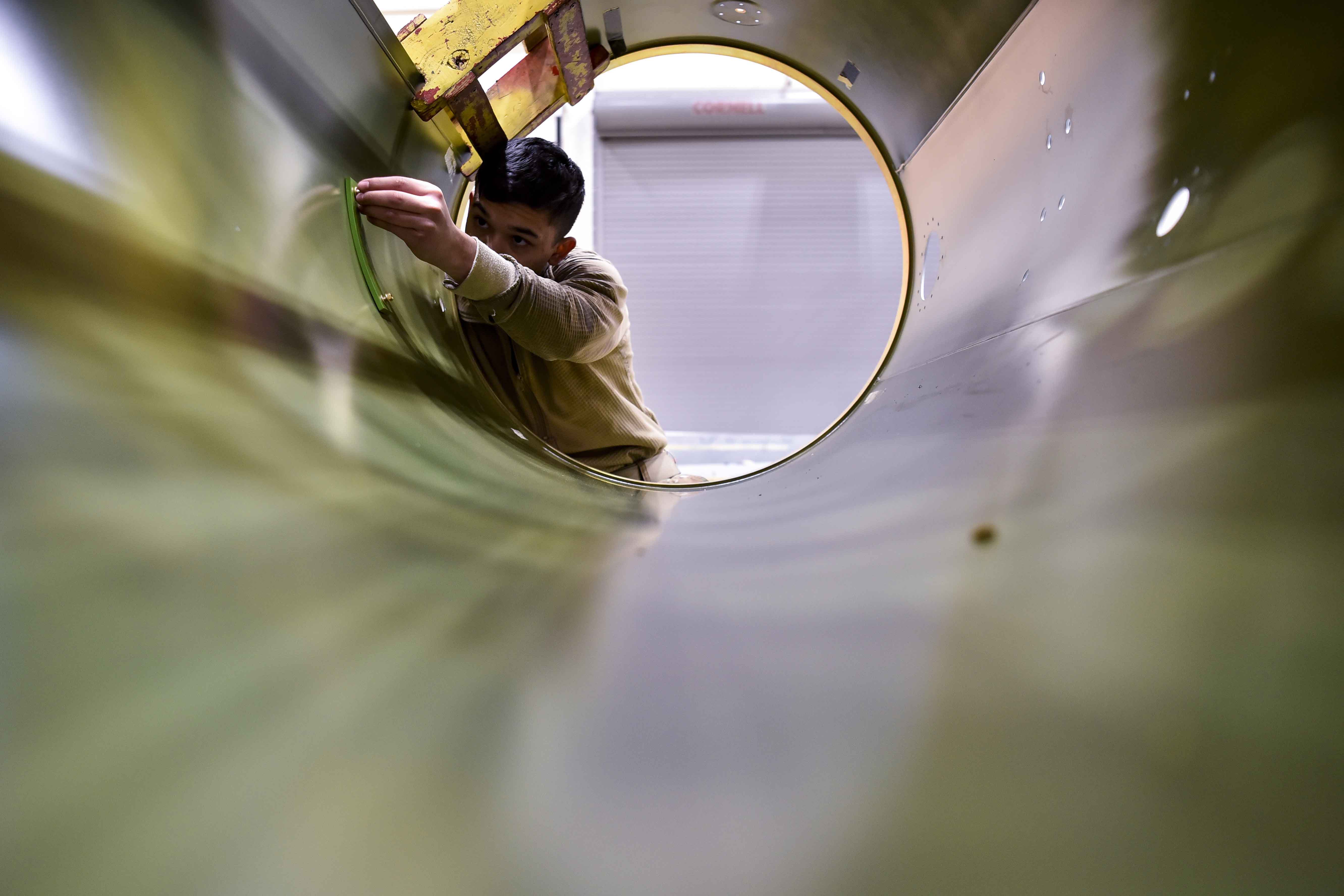
Air Force Airman Brendon Munoz tightens bolts on a 370-gallon fuel tank at Kunsan Air Base, South Korea, Dec. 8, 2020.

Nasal Swab


An airman, assigned to the 108th Wing of the New Jersey Air National Guard, prepares to get a nasal swab from a staff member at the New Jersey Veterans Memorial Home at Vineland during COVID-19 RT-PCR testing in Vineland, N.J., Dec. 1, 2020. The test detects the live active SARS-CoV-2 virus, the virus that causes COVID-19. Twenty-six New Jersey National Guard soldiers and airmen are assisting at New Jersey’s three veterans memorial homes; 10 are at Vineland.

COVID-19 Vaccines


Air Force Senior Master Sgt. Gregory Sprowls explains the process of receiving and repacking COVID-19 vaccines in Columbus, Ohio, Dec. 4, 2020. Sprowls is an air transportation specialist assigned to the 121st Air Refueling Wing of the Ohio Air National Guard in Columbus, Ohio. Sprowls said his military skills have helped him as he works with partners from the Ohio Department of Health to develop the logistics plan for the vaccines the state will soon have at its warehouse.

Reviewing Paperwork


Navy Seaman Salma Ochoa, left, and Vanessa Silva, assigned to the COVID-19 drive-thru testing site at Naval Base San Diego’s Branch Health Clinic, review COVID-19 testing information at the site’s screening tent in San Diego, Dec. 7, 2020. The testing site is for active duty service members with referrals; it offers anterior swab testing. NMCSD’s mission is to prepare service members to deploy in support of operational forces, deliver high quality health care services, and shape the future of military medicine through education, training and research. It employs more than 6,000 active duty military personnel, civilians and contractors in Southern California to provide patients with world-class care anytime, anywhere.

Sniper Fire


A service member participates in the 50th Winston P. Wilson and 30th Armed Forces Skill at Arms Meeting Sniper Championships at Fort Chaffee Joint Maneuver Training Center, Ark., Dec. 6, 2020.

Secure Load


Marines Corps Cpl. Noel Lopez loads an MK-76 training bomb onto an aircraft at Marine Corps Air Station Iwakuni, Japan, Dec. 2, 2020.

Clever Camouflage


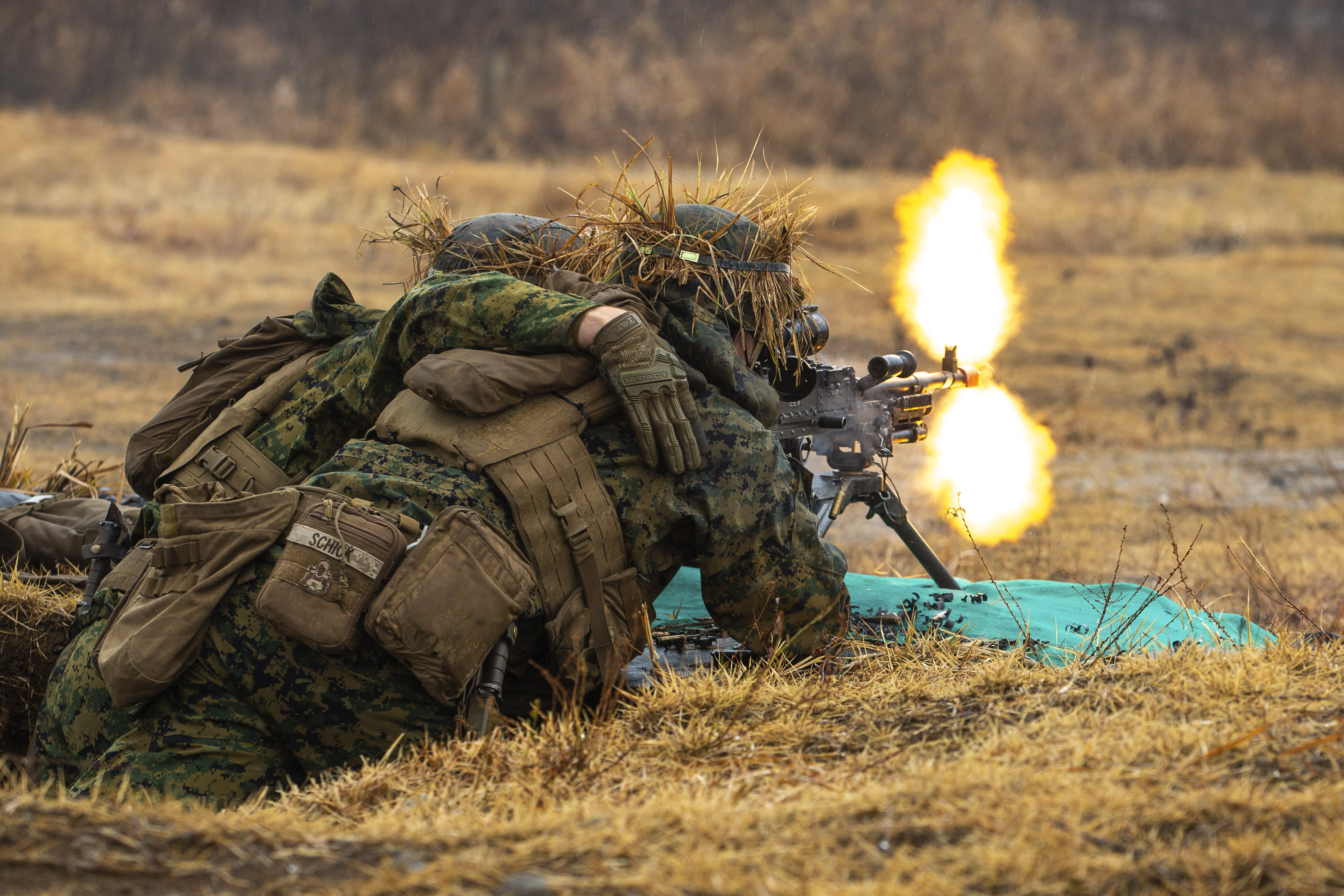
Marine Corps Cpl. Janus Zsofka participates in live-fire training in Niigata, Japan, Dec. 8, 2020, during Forest Light, an annual bilateral exercise with U.S. and Japanese forces.

Vehicle View


Army Spc. Michelle Fugate installs a device into a new vehicle at Vincente T. Dydasco U.S. Army Reserve Center in Barrigada, Guam, Dec. 3, 2020.

Honor Review


Acting Defense Secretary Chris Miller and Indonesian Defense Minister Prabowo Subianto review an honor cordon during the secretary’s visit to Jakarta, Indonesia, Dec. 7, 2020.

Reviewing Notes


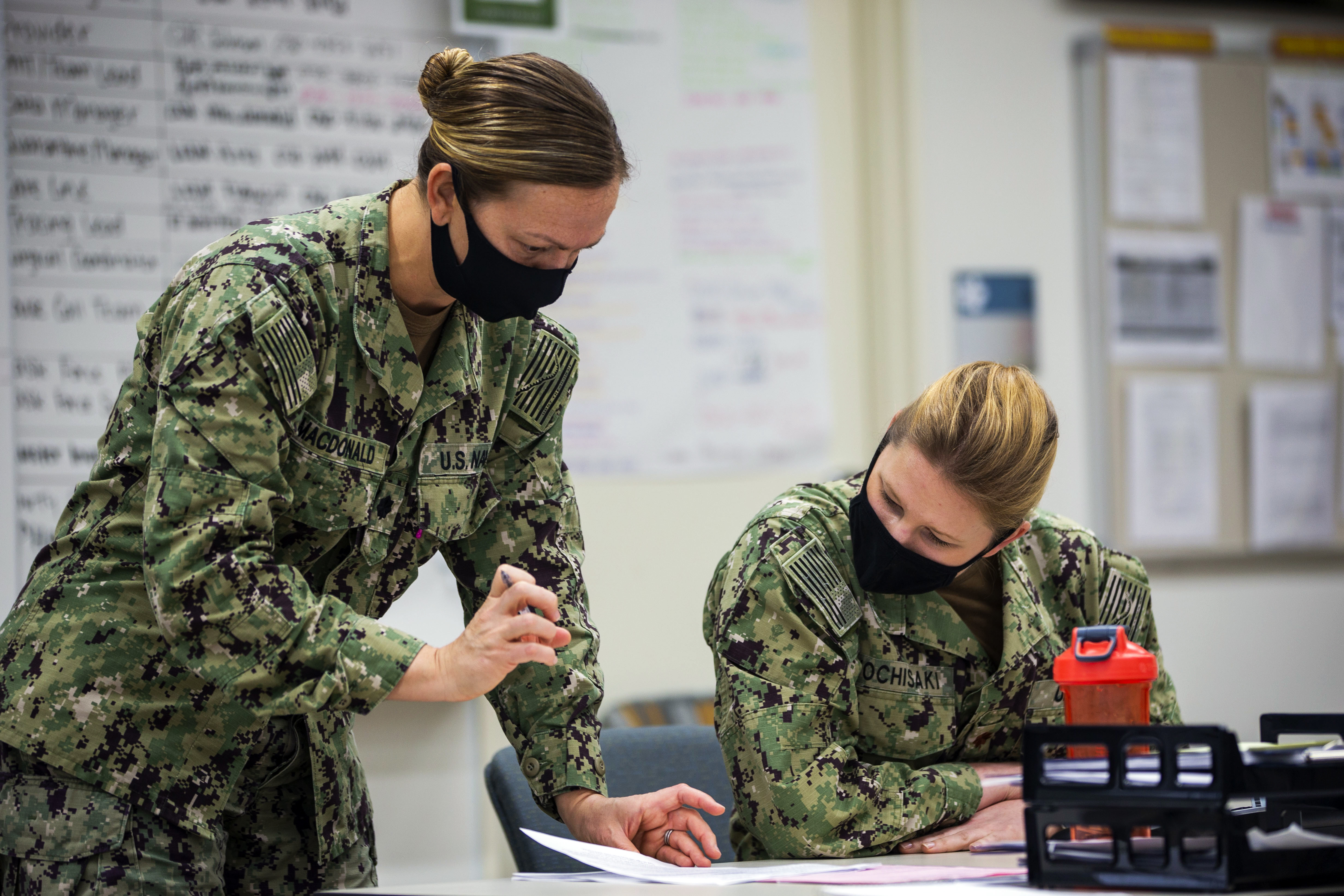
Navy Cmdr. Ann M. MacDonald, left, the data management lead assigned to the COVID Cell, and Navy Lt. Cmdr. Stephanie P. Nochisaki, right, the COVID Cell officer in charge, review notes at the Public Health & Behavioral Health Center, Camp Foster in Okinawa, Japan, Dec. 1, 2020. The COVID Cell is one of the four fully-staffed, 24/7 organizations, with the Joint COVID-19 Response Center, Task Force Safeguard and the now-deactivated Task Force Permanent Change of Station, in combating the spread of COVID-19 among status of forces agreement personnel on Okinawa.

Live-Fire Training


Marine Corps Lance Cpl. Robert Sweetman and Lance Cpl. Nathan Schick participate in a live-fire training during Forest Light, an annual bilateral exercise with U.S. and Japanese forces, in the Niigata Prefecture, Japan, Dec. 8, 2020.

Dusty Direction


A Marine Corps CH-53K King Stallion conducts testing at Yuma Proving Ground, Ariz., July 17, 2020.

Missile Arc


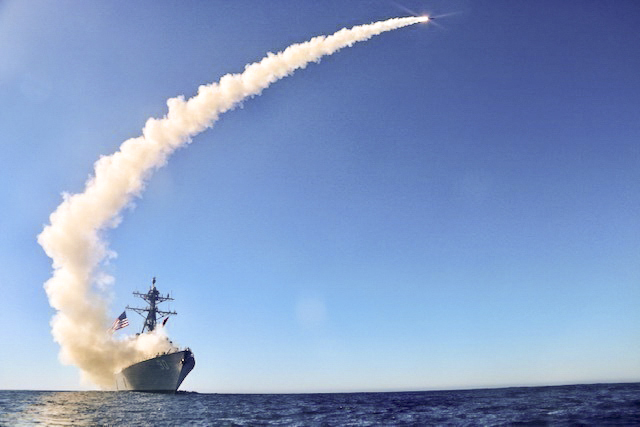
The guided missile destroyer USS Chafee launches a Block V Tomahawk missile during an exercise in the Pacific Ocean, Dec. 1, 2020. The event marked the first time a Block V Tomahawk, the weapon’s newest variant, was operationally tested, marking the Navy’s transition to a more advanced capability for the fleet.

Food Service


Arizona National Guardsmen build and fill boxes with food for distribution at a local food bank in Mesa, Ariz., Dec. 4, 2020. Arizona National Guard soldiers and airmen continue to support community needs during the state of emergency response.