Dec. 3, 2020
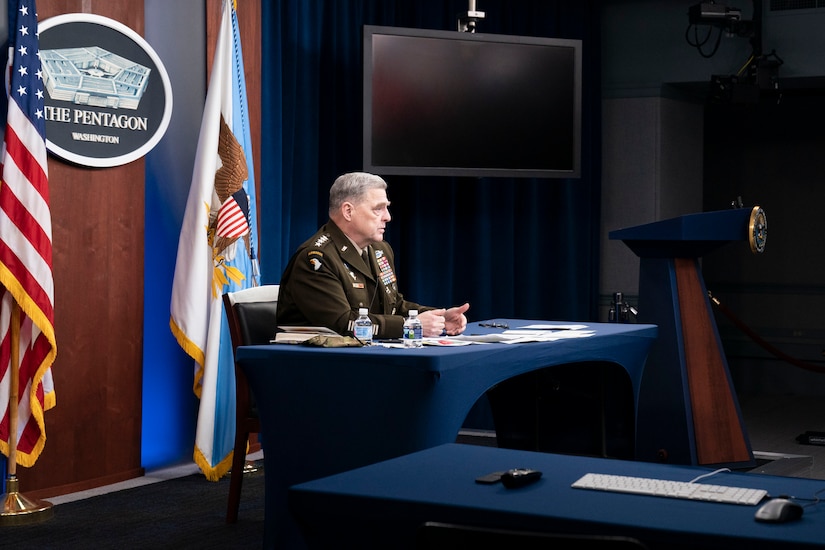
As prepared for delivery by
Acting Defense Secretary Christopher C. Miller
Fellow ministers, good morning. I would like to thank
Secretary Desbordes for hosting this important conference, and for
Chile’s continued leadership in this hemisphere. My colleagues and I are
honored to join you to continue the important work that began 25 years
ago, when then-Secretary of Defense William Perry hosted the first
conference bringing together defense establishments across the Western
Hemisphere.
Our nations share common interests that transcend our differences,
including humanitarian assistance, disaster relief, and combatting
transnational threats. Moreover, with our like-minded partners, we share
common values such as human rights, democracy, and respect for the rule
of law.
The United States recognizes the importance of strengthening our
alliances and attracting new partners, particularly at a time when the
international, rules-based system that has brought security and
stability to our hemisphere – and the globe – is under duress.
China and Russia continue their attempts to undermine the free and
open order and exploit other nations to further their own interests,
often through predatory practices and coercion. At the same time,
problems posed by transnational criminal organizations, social unrest,
natural disasters, and the global pandemic further endanger the peace
and security we have all worked hard to build over the past two and a
half decades.
That is why it is more important than ever for us to continue to work
with our Western hemisphere partners to address shared challenges. This
includes continuing to urge nations such as Cuba and Nicaragua, and the
illegitimate Maduro regime in Venezuela, to return to democratic rule
through free and fair elections, and end violence in their countries.
Given the themes of this year’s conference, I’d like to focus my
remarks on our collective efforts to enhance humanitarian assistance and
disaster relief, as well as the importance of strengthening cooperation
to address transnational threats.
First, in the realm of humanitarian assistance and disaster relief,
we recognize that these challenges extend beyond borders, threatening
the well-being of all our citizens. This requires us to look for ways
to work together across the region as efficiently as possible.
I applaud Chile’s leadership in this regard, particularly in their
authorship of the Disaster Cooperation Mechanism – a tool that
facilitates information exchange on humanitarian assistance and disaster
response capabilities among CDMA Member States.
For our part, I am proud to note that USNORTHCOM and USSOUTHCOM,
under the leadership of General VanHerck and Admiral Faller, have
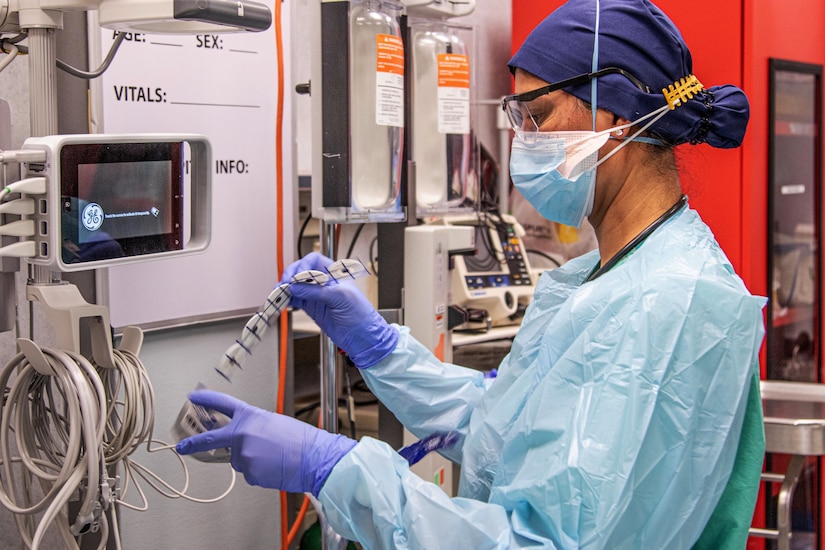
executed 441 coronavirus relief projects in support of 30 nations in
North, Central, and South America, and the Caribbean, with a total value
of $30.4 million.
But, as you all know, the United States provides much more than
pandemic relief. Last year for example, we deployed the hospital ship
COMFORT to provide humanitarian assistance and medical care to
Venezuelan refugees. In late 2021, we will again deploy the COMFORT to
the region to relieve pressure on our partners and increase their
resilience.
Also, this October, we approved the USSOUTHCOM Health Engagement
Assistance Response Team (or HEART) pilot – an aerial medical deployment
focused on non-COVID patients in Central America and the Caribbean in
urgent need of medical care.
And most recently, in the wake of Hurricanes Eta and Iota, U.S.
Southern Command has completed 243 missions, saved 850 lives, and
delivered over one million pounds of humanitarian assistance to our
partners in the region. Working shoulder-to-shoulder with regional
partner nations expands our collective abilities to save lives and
reduce suffering.
Our hearts go out to those who have lost loved ones, homes, and their
livelihoods caused by these natural disasters; and these events
underscore the importance of our work together at this conference.
To maintain our collective focus on these efforts, the United States
has offered to host the 15th CDMA Ad Hoc Working Group, and will support
the Inter-American Defense Board’s annual table top exercise on this
important topic.
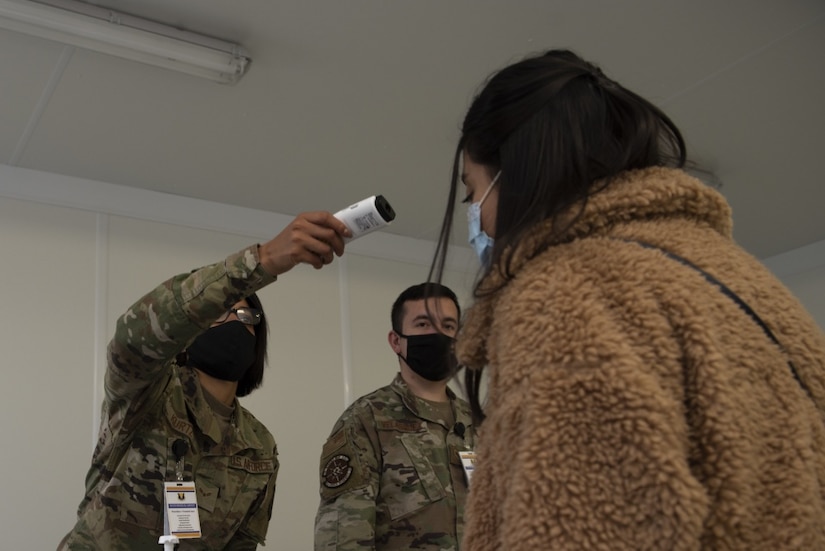
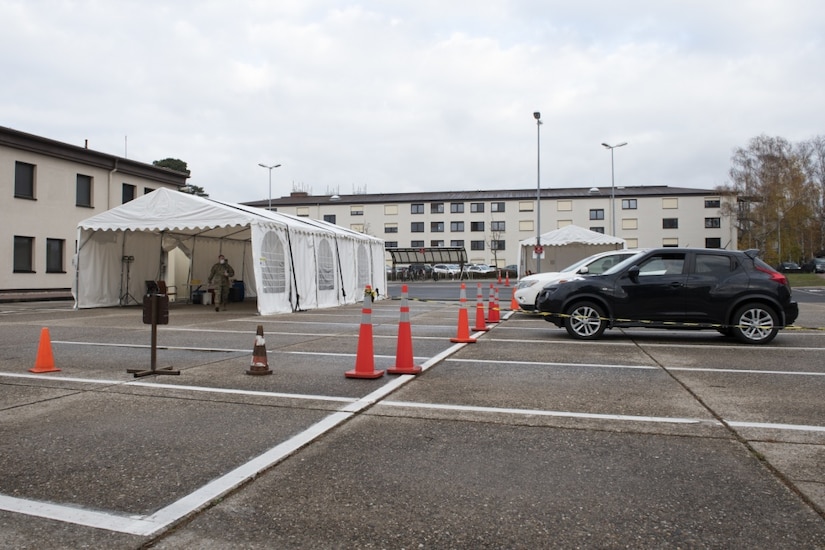
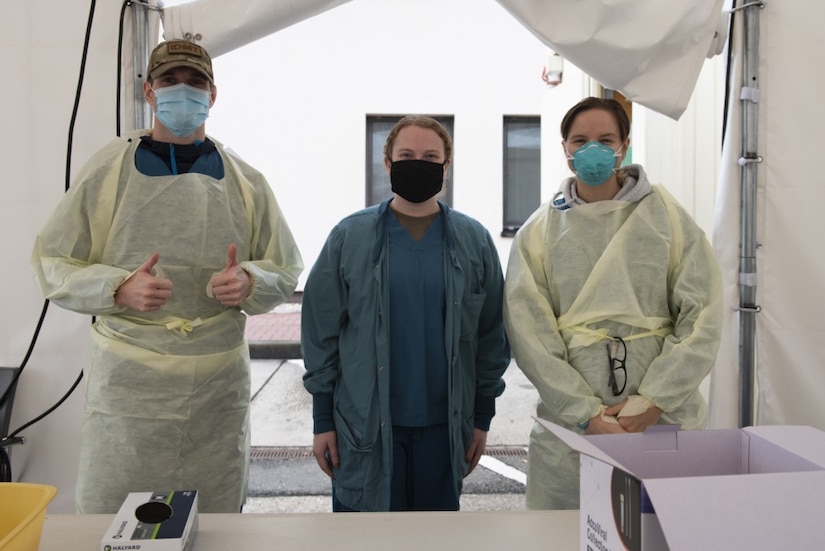
Next, we must deepen and adapt our partnerships to match the evolving
threats faced by our nations. Several issues this year have illustrated
the need for urgency in this effort. At the forefront was our battle
against the coronavirus, with our militaries assuming a position on the
frontlines by securing borders; supporting repatriation flights; and
delivering food and medicine.
At the same time, we haven’t lost our focus on combatting the scourge
of criminal organizations that foster violence and corruption. For
example, since President Trump announced the beginning of U.S. Southern
Command’s Enhanced Counternarcotics operations in early April, the
United States and 20 regional partners have together disrupted or seized
216 metric tons of cocaine and 32 metric tons of marijuana, and
detained 373 suspected drug smugglers.
I am proud of the progress we’ve made on this front, but we must also
do more to thwart resource predation by both state actors and criminal
groups, which has increased this year. Activities such as illegal
mining, wildlife trafficking, and illegal, unreported, and unregulated
fishing threaten economic and national security, and are detrimental to
our pursuit of stability and prosperity.
Strong security institutions are key to building trusting
relationships and meeting current and future defense challenges.
Corruption, absolute impunity, mismanagement, and a lack of strategic
long-range planning will only hold us back. We need to leverage our
resources to share best practices and bolster our defense institutions,
such as the William J. Perry Center and its work to deepen our defense
cooperation.
Likewise, respect for human rights is a guiding principle in our
military relationships throughout the hemisphere and is a fundamental
component of a professional and legitimate military force. USSOUTHCOM
has over two decades of experience in working with regional partners on
strengthening their human rights programs under the auspices of the
Human Rights Initiative (HRI). And throughout the hemisphere – with few
exceptions – human rights is now embedded in military doctrine,
training, education, and above all, in our collective moral code.
Finally, before I close, I’d like to echo the sentiments raised by my
colleagues regarding the 20th anniversary of United Nations Security
Council Resolution 1325 on Women, Peace, and Security. We recognize that
a military is at its best when it is inclusive and representative of
the society it defends; and when it accounts for the unique security
needs of the entire population. That’s why the Department of Defense is
committed to building a more diverse workforce at all levels, promoting
equal opportunity for all, and ensuring we incorporate the perspectives
of men and women into our plans, policies, and operations.
I am encouraged by the many efforts being championed on this front,
and we will continue to work with our partners and allies to increase
the meaningful participation of women in defense and security sectors,
and promote their safety and security. Doing so will ensure that we
leverage the full breadth of talent each of our nations provide to meet
the security challenges of the 21st century.
Twenty-five years ago, Defense Ministers from across the Hemisphere
met in Williamsburg, Virginia where we declared our shared goal of a
collaborative, prosperous, and secure region – one where our close
partnerships advance shared security interests regionally and globally.
Today, the United States remains committed to those same principles
that have brought peace and security to this Hemisphere – our
neighborhood. And, as we look ahead to the next 25 years, we will
continue to strengthen our partnerships and invest in new relationships
that will advance our vision of a secure and prosperous Western
Hemisphere.
If we can focus our efforts and work together in that spirit of
cooperation, I am confident that we will meet this Hemisphere’s security
challenges for generations to come.
Thank you.












 Posts
Posts

