"War is Hell" is a famous quote.
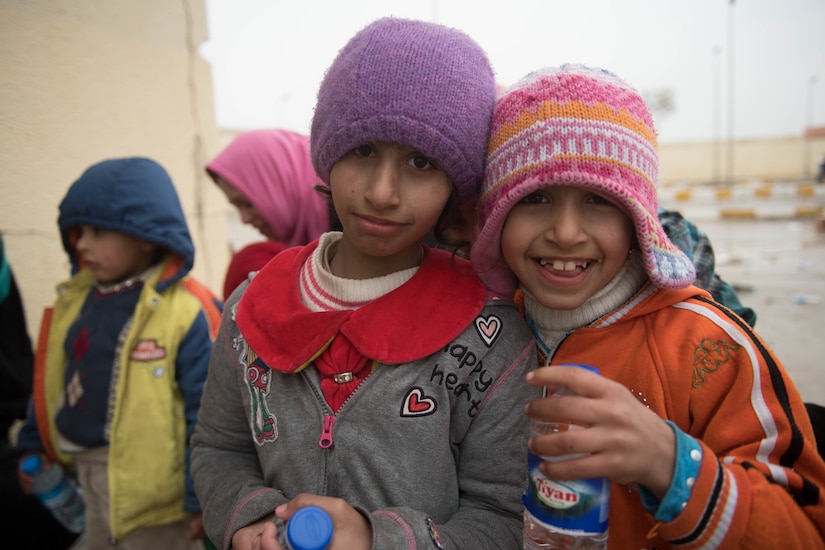
Prolonged warfare is hell on women and girls in particular, and the
United Nations recognized that fact by passing United Nations Security
Council Resolution 1325, on women, peace and security on October 31,
2000.
The resolution recognized the disproportionate impact of conflict on
women and girls and it was unanimously passed. The resolution looks to
ensure the views, needs and circumstances of women are addressed in
areas affected by conflict. Their needs also must be considered in
relief efforts after the conflict is over.
DOD officials have embraced the resolution and are bullish about its future in the department.
The resolution compels nations to promote the equal participation of
women in issues of peace and security decision-making. The resolution
affirms the critical role of women in the prevention and resolution of
conflicts. The resolution also calls on nations to recognize women's
unique roles and needs in humanitarian response due to disaster or war.
Since 2000, the UN passed 10 related resolutions on women, peace and
security, shining a global spotlight on the viewpoints and contributions
of more than half the world's population to the issues of peace and
security, DOD officials said.
For most of history, security has been a male domain.
Defense and security sectors globally have been slower to adopt the
resolution to diplomatic, development and civil society counterparts.
But since 2011, when the United States first took on women, peace and
security, DOD began thinking about the importance of the resolution in
accomplishing its national security objectives, Carolyn Kenney, who
helps manage DOD's women, peace and security program from her post in
the Pentagon's policy office, said.
"If you are trying to get a better understanding of the operational
environment, or you're creating policies that directly impact people on
the ground, it's important to incorporate the perspectives and
experiences of both men and women," Kenney said during an interview.
Having these perspectives enhances U.S. military operational
effectiveness. It is also a bold statement in support of human rights
and [it] promotes gender equality, Kenney said.
Women already play key roles across peace and security processes.
"From policy perspectives to tactical actions, women are a force
multiplier – both globally and in the U.S. — and a force the department
simply cannot ignore," she said.
In the United States, it is now law that the government incorporate
the needs and perspectives of women in peace and security decision
making. This law — implemented through a whole-of-government strategy
— demonstrates U.S. leadership on women, peace and security. It
strengthens existing and future U.S. government implementation of women,
peace and security processes.
DOD works with the State Department, the U.S. Agency for
International Development and the Department of Homeland Security to
advance U.S. women, peace and security guidance.
Since 2012, the department has made substantial progress towards
implementation. "At the strategic and operational level, we now have
full-time dedicated subject matter experts in policy and the Joint Staff
and at nearly all of the combatant commands, both geographic and
functional," she said.
These staff — often called WPS or gender advisors — are the backbone
of the department's implementation efforts. "They ensure our
department's WPS efforts support our mission and complement the efforts
of other interagency partners," Kenney said.
Just this past last year, the Defense Security Cooperation Agency and
the Defense Security Cooperation University integrated women, peace and
security principles into its training. This effort complements what the
services, military departments, and professional military education
institutions are doing on the issue.
The DOD women, peace and security program has made great strides,
Kenney said. "In its beginning years, the department's WPS program
suffered from a lack of funding, authorities and trained personnel — we
were the new kids on the block in the U.S. government when it came to
WPS," Kenney said. "Now, we're key players at the table."
As part of that importance, DOD released its first WPS strategic framework and implementation plan this past summer.
Women, peace and security was once thought of as solely a "women's
issue," Kenney said. It is no longer, and there are opportunities for
growth.
The department's approach to mainstreaming WPS where relevant will be
key to eliminating the hit-or-miss implementation of the program.
"Since WPS outcomes don't happen overnight, the department's efforts
must build on WPS progress each year," Kenney said, "and work to
institutionalize key concepts in policy, plans and doctrine so WPS
becomes a routine part of how the department does business."
(Editor's Note: Cori Fleser, a women, peace and security advisor
on the Joint Staff, served as a subject matter expert and contributor to
the writing of this article.)


























 Posts
Posts

