Marines exit a submerged simulated aircraft during underwater egress training at Camp Lejeune, N.C., March 23, 2021.
Marines exit a submerged simulated aircraft during underwater egress training at Camp Lejeune, N.C., March 23, 2021.
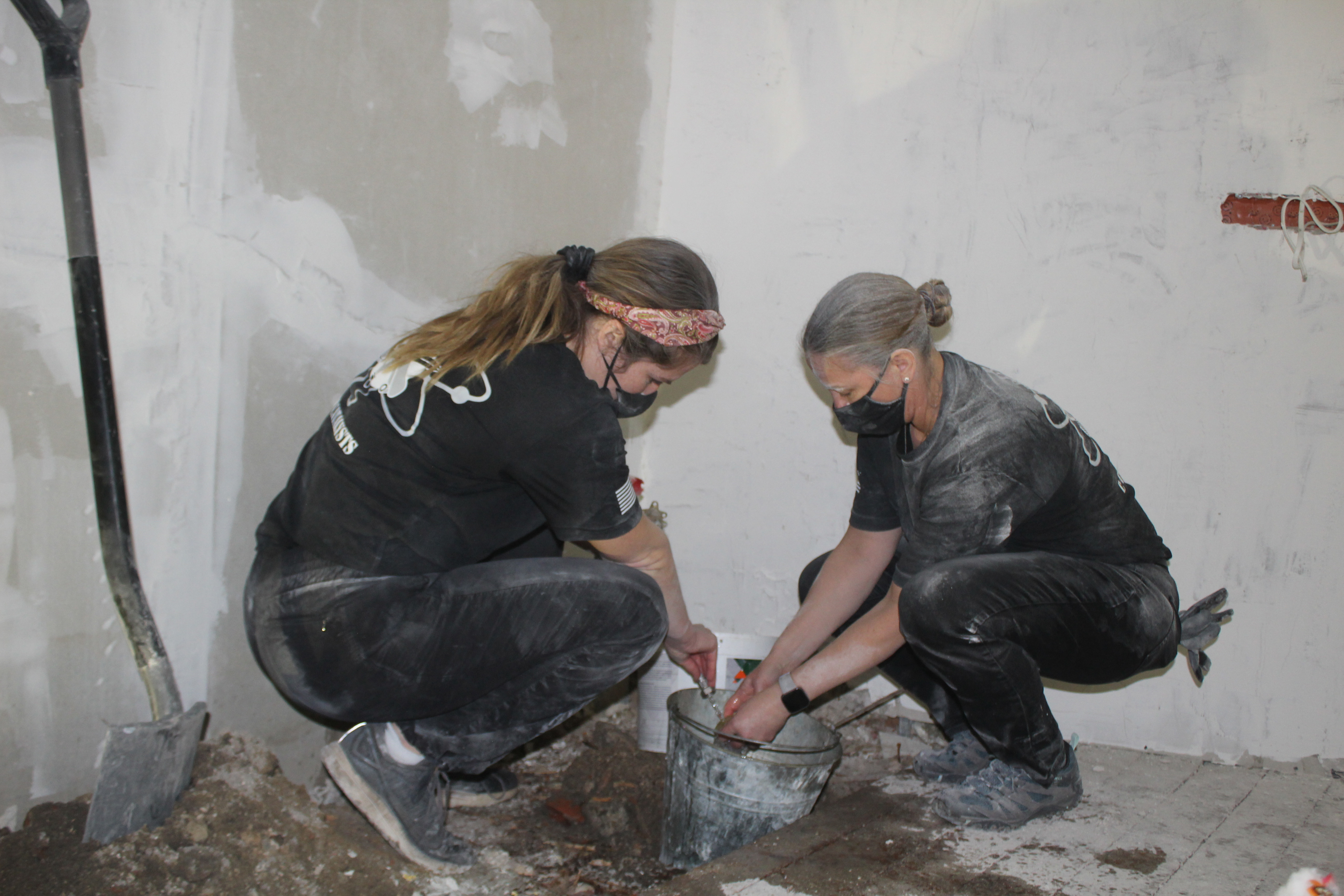
Army Sgt. Karissa Martin and Army Staff Sgt. Kristin Dodds wash their hands after plastering and painting walls at the Boy Scout center in Vilnius, Lithuania, March 13, 2021. U.S. and Lithuanian soldiers used their home improvement skills to revitalize the important building for the youth of Lithuania.

Air Force Airman 1st Class Collin Rideaux and Staff Sgt. Colton Clouse prepare a live GBU-12 bomb for pick-up at Eielson Air Force Base, Alaska, March 23, 2021.

Coast Guard Petty Officer 3rd Class Carlos Sepulveda, right, throws a heaving line to Petty Officer 3rd Class Steven Rojas during boat recovery training in Guam, March 23, 2021.

Navy Petty Officer 2nd Class Vanessa Thomas inspects aircrew survival gear at Naval Air Station Fallon, Nev., March 29, 2021.
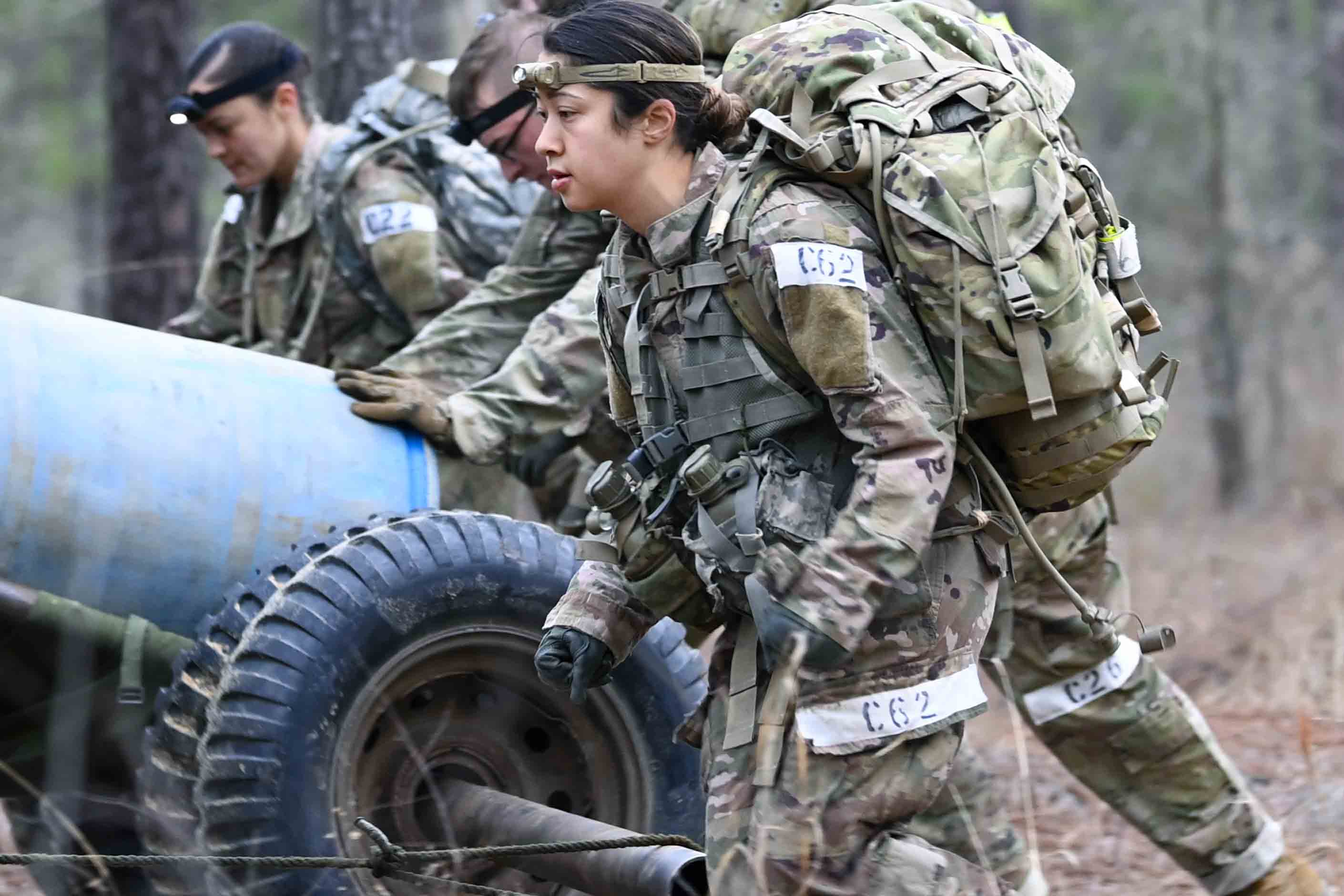
Soldiers participate in a team-building event during assessment and selection at Camp Mackall, N.C., March 2, 2021. Participants were evaluated on individual physical fitness and confidence, intelligence and psychological capability and ability to solve dilemma-based problems individually and as a team.

The USS Theodore Roosevelt, the USS Bunker Hill, the Indian navy Shivalik-class INS Shivalik and the USS Russell sail in formation in the Indian Ocean, March 28, 2021.

The USNS Carl Brashear conducts a replenishment with the USS Philippine Sea, not pictured, in the Gulf of Oman, March 22, 2021.

A civic club president shows Navy Rear Adm. Robert Chadwick II historical Hawaiian figures before a hale, or open shelter, event near Joint Base Pearl Harbor-Hickam, Hawaii, March 26, 2021. The hale is part of an ongoing cultural resources project involving a continuing partnership by the Navy and the local community.

Navy Lt. Aricka Faulkner learns a traditional dance from teachers and students at a junior high school during a community relations event in Tema, Ghana, as part of Exercise Obangame Express, March 23, 2021. The exercise is designed to improve cooperation among participating nations and increase maritime security in the Gulf of Guinea and West African coastal regions.

Army Staff Sgt. Tim Horgan rolls a coat of paint on the wall during the renovation of a Boy Scout center in Vilnius, Lithuania, March 13. 2021. U.S. and Lithuanian soldiers were able to utilize their home improvement skills to revitalize the important building for the youth of Lithuania.

A soldier hands out candy to children in Lamu, Kenya, March 20, 2021. Soldiers collected donations from loved ones in the U.S. to support the humanitarian effort in the region.
March 30, 2021
The Office of the Senior Enlisted Advisor to the Chairman of the Joint Chiefs of Staff (OSEAC) announced today the following assignment:
Navy Command Master Chief Kevin Guy, currently assigned as the command master chief, USS WASP (LHD 1), was selected to replace Air Force Chief Master Sgt. James Brown as the command senior enlisted leader for Joint Task Force – Civil Support, Fort Eustis, Virginia.
March 30, 2021 | , DOD News
Bobby Dan Davis Blocker is best known as the TV actor who played Hoss Cartwright in the western "Bonanza," but he was also a soldier who was wounded in action during the Korean War.
In 1946, Blocker played football at Hardin-Simmons University in Abilene, Texas. In 1947, he transferred to what was then known as Sul Ross State Teachers College in Alpine, Texas. There, he was a star football player and graduated in 1950.
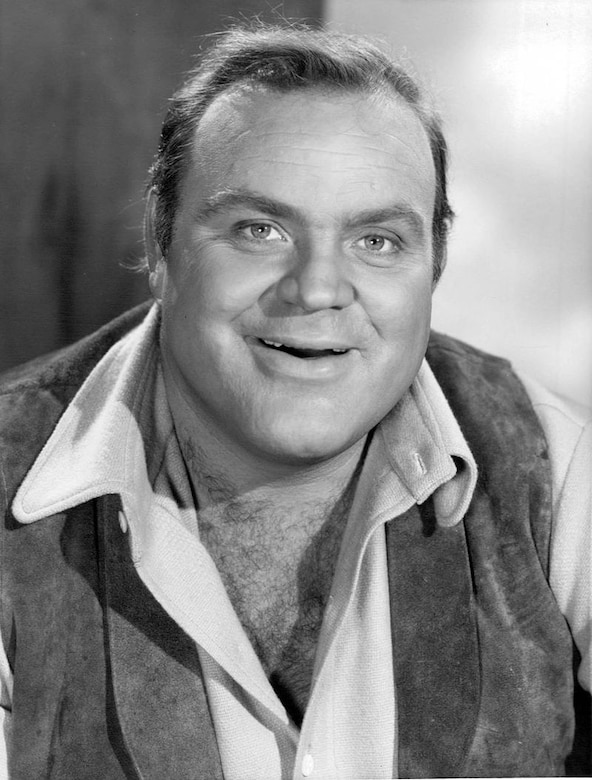
Blocker was drafted into the Army during the Korean War in late 1950, receiving basic training at Fort Polk, Louisiana, and nine more months of training in Sapporo, Japan. He then was assigned to Company F, 2nd Battalion, 179th Infantry Regiment, 45th Infantry Division in Korea from December 1951 to August 1952 and attained the rank of sergeant.
Blocker's unit occupied the sector of the Jamestown Line near Chorwon, which is now part of North Korea. In March, his unit was involved in heavy fighting 10 miles west of Chorwon at Outpost Eerie. On May 25, Blocker's company manned Hill 200 where six were killed in action and 21 were wounded; 132 Chinese soldiers were killed.
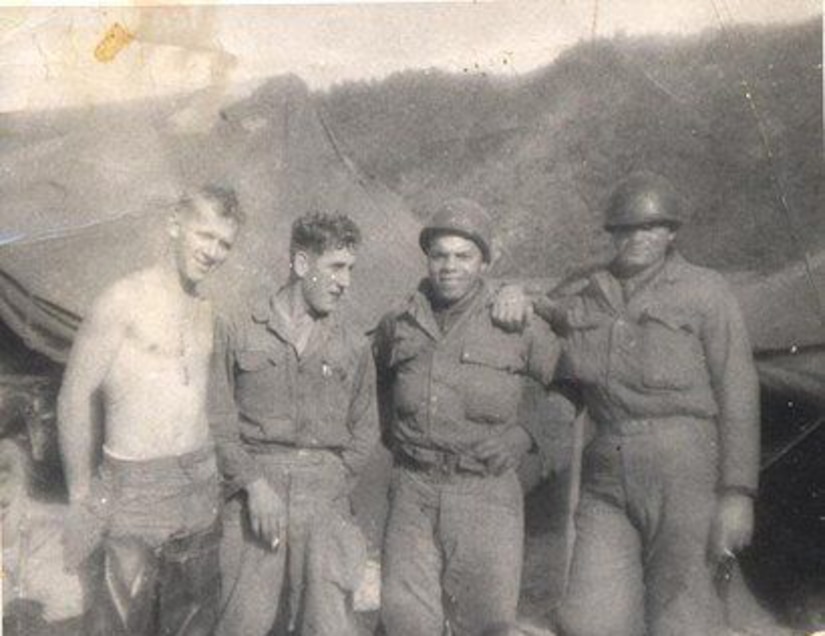
From June 16 to 26, the 179th fought a series of outpost battles at Eerie, Old Baldy and Pork Chop Hill. On June 26 and beyond, F Company defended Hill 223. The 45th Division was withdrawn from the front in July after 209 days on the line. The 179th then went into reserve at Yanggu, South Korea.
Blocker, who was the acting company first sergeant, was hospitalized for wounds received during one of the battles. He is credited with saving the lives of unit members in combat and was rotated home in August 1952.

Gordon Abts, who received a Silver Star Medal for gallantry on May 7, 1952, said he served under Sgt. Blocker in Korea. He told Steve Cahalan, a reporter for the La Crosse Tribune newspaper in Wisconsin, that the Chinese would usually attack at night, so the soldiers slept during the day.
“[Blocker] was a great guy,” Abts said. “He was very strong. He could take a beer can between two fingers and crush it. He was very athletic. He was loud, but very friendly and got along with everybody. He was a great leader.”
Abts and Blocker became friends, and, after the war, they stayed in touch with each other.

In 1959, Blocker was cast as one of the leads in "Bonanza," playing the middle of three brothers in a family of Nevada ranchers.
He often had to extricate younger brother Little Joe, played by Michael Landon, from trouble. Hoss was a beloved character on the popular show, which ran an extraordinary 14 seasons.
Unfortunately, Blocker only made it to season 13. He died from a pulmonary embolism following gallbladder surgery in 1972. He is buried near his hometown of De Kalb, Texas.
March 30, 2021 |
From a Marine Corps logistics officer in Iraq, to a critical care nurse serving on the front lines of the COVID-19 pandemic for the Army Reserve, Army Capt. Tineisha Nagle has made a life dedicated to serving her country.
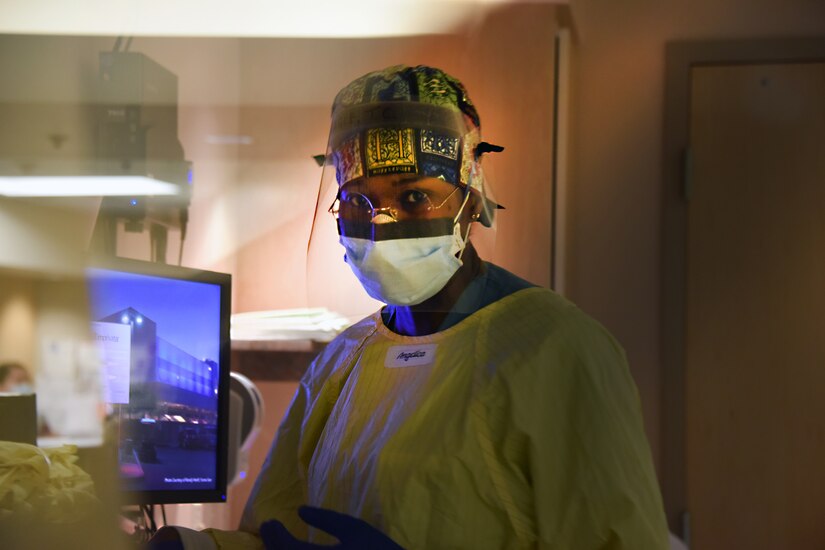
In middle school, Nagle knew she was destined to serve in the military.
"There is a camaraderie within the military that you just don't get with civilian or federal careers," she said. "I knew the military would be a life-long career for me, and the Reserve affords you the opportunity to hold both a military and civilian career — I love that."
In 2005, she graduated from the Naval Academy and entered the Marine Corps where she served as a logistics officer for twelve and a half years on both active duty and in the Reserve. Now, Nagle is finishing her first year as a critical care nurse in the Army Reserve.
"I became interested in the health care side of the military during my deployments to Iraq as a Marine Corps lieutenant and took the necessary steps to become a registered nurse," Nagle said. "I felt that the Army would provide the most unique and expansive opportunities for RNs, so I decided to recommission into the Army Reserve."
After only one year in the Army Reserve, Nagle was mobilized under the 807th Medical Command (Deployment Support) as a member of the Urban Augmentation Medical Task Force (UAMTF) 328-1; a new construct designed specifically to provide support to the ongoing COVID-19 military medical relief effort. The task force is now a part of the broad response efforts being led by U.S. Army North at the request of the Federal Emergency Management Agency.
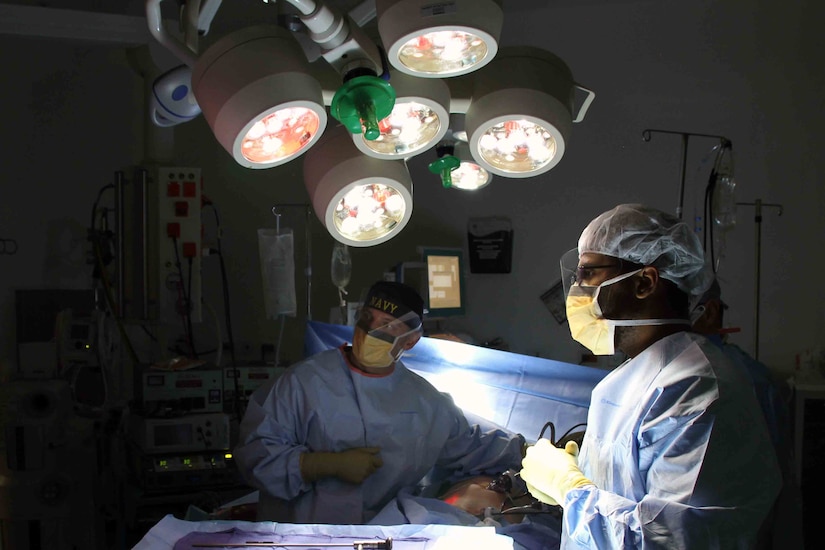
In preparing for the mission, Nagle stated that she read a news article where the 807th MC(DS) Commander, Army Maj. Gen. Joe Heck, said, "This is a totally different mission than has ever existed before…"These words struck her as she was still relatively new to the Army and still learning about the history of the Nurse Corps. Nagle said, "I can appreciate that there is something very special about the UAMTF mission, and I am very honored to be a part of it at this stage of my career."
During her mobilization, Nagle worked within a designated COVID-19 intensive care unit providing support to medical staff at Yuma Regional Medical Center in Yuma, Arizona.
When talking about her experience at Yuma Regional Medical Center, Nagle said, "It has been a quick turn-around on learning the daily protocols of the intensive care unit, without the traditional weeks of orientation before being integrated as part of the staff.
"Under normal circumstances, the integration into the local medical staff would take weeks. These days, time is a luxury that no one can afford as staff are overstretched and worn down with long hours and patients continually needing critical care. Nagle has had some familiarity with working in a COVID-19 environment prior to the mobilization, but this was the first time she worked directly at a patient's bedside for a complete shift.
"I was familiar with what PPE and special precautions needed to be taken, and felt comfortable going into this mission with that knowledge," Nagle said.
As an Army Reserve health care professional, Nagle's role is to
support the front-line service members who defend the nation at home and
abroad. During the fight against COVID-19 she was in a new role, in the
trenches alongside her civilian health care counterparts, to serve the
American people, right here in her own backyard.
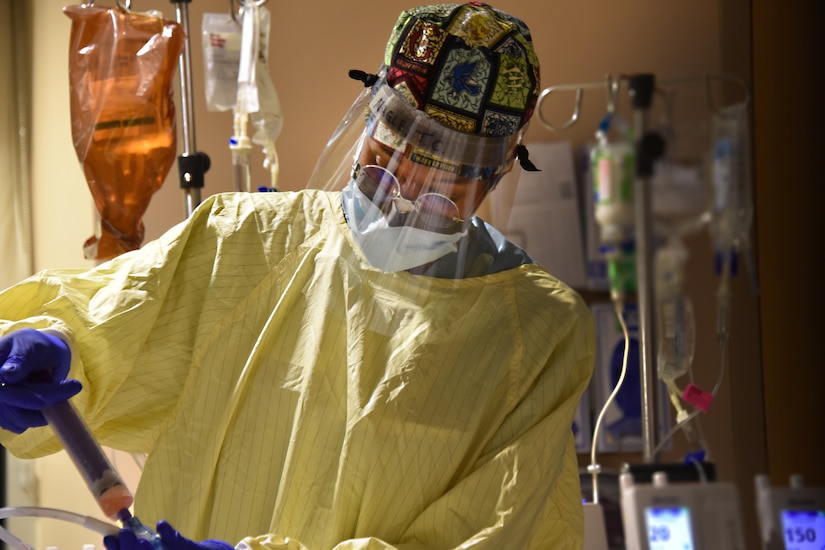
"Reserve health care professionals from all communities have been asked to augment medical staff currently stressed beyond capacity," Nagle said. "On any deployment there is an inherent mission of winning the hearts and minds of the local population, and I feel that this especially applies to missions dedicated to directly serving the American people."
Nagle observed that every provider in the Reserve is experienced in their respective field, so the transition wasn't terribly stressful. "Especially for service members who train for stressful situations," Nagle said.
During a mobilization unlike any in her career, Nagle managed the stress by taking advantage of the down time between shifts to focus on self-care and connecting daily with her husband and family.
"I'm married to an active-duty service member; I have his full support and understanding," Nagle said.
U.S. Northern Command, through U.S. Army North, remains committed to providing flexible Defense Department support to the whole-of-America COVID-19 response.
(Army 1st Lt. Grace Harrison and Army Maj. Sherrain Reber are assigned to the 807th Medical Command.)
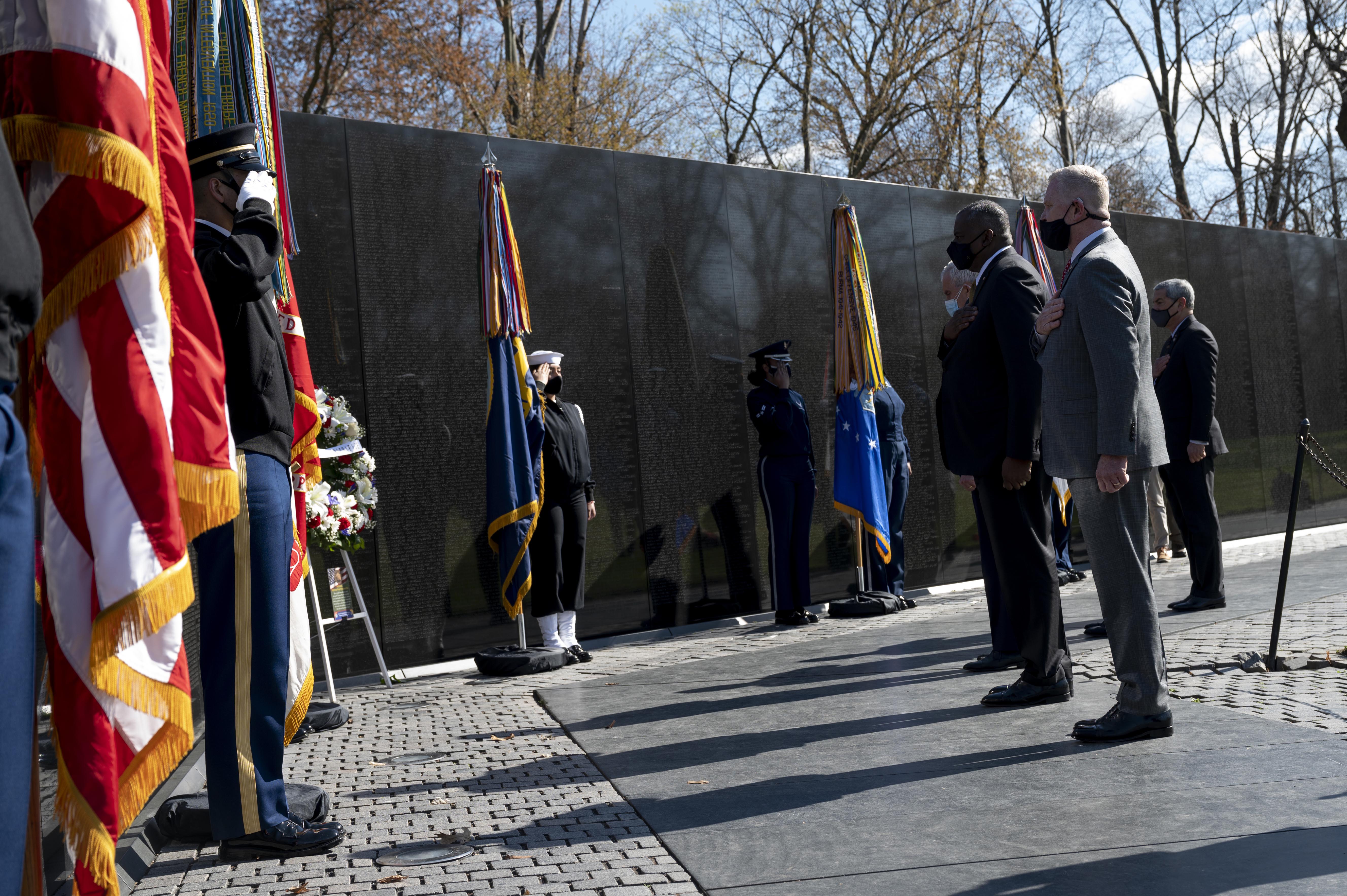
Secretary of Defense Lloyd J. Austin III participates in a wreath-laying ceremony at the Vietnam Veterans Memorial wall with Secretary of Veterans Affairs Denis R. McDonough in Washington, D.C, March 29, 2021.
March 29, 2021
The acting secretary of the Navy and chief of naval operations announced today the following assignments:
Rear Adm. Blake L. Converse will be assigned as deputy commander, U.S. Pacific Fleet, Pearl Harbor, Hawaii. Converse is currently serving as commander, Submarine Force, U.S. Pacific Fleet, Pearl Harbor, Hawaii.
Rear Adm. Frederick W. Kacher will be assigned as assistant deputy chief of naval operations for operations, plans and strategy, N3/N5B, Office of the Chief of Naval Operations, Washington, D.C. Kacher is currently serving as commander, Expeditionary Strike Group Seven; and commander, Amphibious Force, Seventh Fleet, Okinawa, Japan.
Rear Adm. (lower half) James A. Aiken, selected for promotion to rear admiral, will be assigned as commander, U.S. Naval Forces, Southern Command; and commander, U.S. Fourth Fleet, Jacksonville, Florida. Aiken is currently serving as commander, Carrier Strike Group Three, Bremerton, Washington.
Rear Adm. (lower half) Joseph D. Noble Jr., selected for promotion to rear admiral, will be assigned as director, logistics operations, Defense Logistics Agency; and commander, Joint Regional Combat Support, Fort Belvoir, Virginia. Noble is currently serving as commander, Naval Supply Systems Command Weapons Systems Support, Philadelphia, Pennsylvania.
Rear Adm. (lower half) Dean A. VanderLey, selected for promotion to rear admiral, will be assigned as commander, Naval Facilities Engineering Systems Command Pacific; and director, Fleet Civil Engineer, U.S. Pacific Fleet, with additional duties as fleet civil engineer, N46, U.S. Pacific Fleet, Pearl Harbor, Hawaii. VanderLey is currently serving as commander, Naval Facilities Engineering Systems Command Atlantic with additional duties as fleet civil engineer (N01CE), U.S. Fleet Forces Command, Norfolk, Virginia.
Rear Adm. (lower half) Peter G. Vasely, selected for promotion to rear admiral, will be assigned as commander, special operations, Special Operations Joint Task Force – Afghanistan, U.S. Special Operations Command, Kabul, Afghanistan. Vasely is currently serving as director for operations, Defense Intelligence Agency, Washington, D.C.
Rear Adm. (lower half) Stephen D. Barnett will be assigned as commander, Navy Region Southwest, San Diego, California. Barnett is currently serving as commander, Navy Region Northwest, Silverdale, Washington.
Rear Adm. (lower half) Michael A. Brookes will be assigned as director, J2, U.S. Southern Command, Doral, Florida. Brookes is currently serving as director of intelligence, J2, U.S. Strategic Command, Offutt Air Force Base, Nebraska.
Rear Adm. (lower half) Timothy J. Kott will be assigned as commander, Navy Region Hawaii; and commander, Naval Surface Group Middle Pacific, Pearl Harbor, Hawaii. Kott is currently serving as commander, Carrier Strike Group One, San Diego, California.
Rear Adm. (lower half) Carl A. Lahti will be assigned as commander, U.S. Naval Forces, Japan; and commander, Navy Region Japan, Yokosuka, Japan. Lahti is currently serving as commandant, Naval District Washington, Washington, D.C.
Rear Adm. (lower half) Matthew N. Ott III will be assigned deputy chief of staff for Fleet Ordnance and Supply; and fleet supply officer, N41, U.S. Fleet Forces Command, Norfolk, Virginia. Ott is currently serving as executive director, operational contract support, Office of the Under Secretary of Defense for Acquisition and Sustainment, Washington, D.C.
Rear Adm. (lower half) Milton J. Sands will be assigned as commander, Special Operations Command Africa, U.S. Special Operations Command, Stuttgart, Germany. Sands is currently serving as commander, Naval Service Training Command, Great Lakes, Illinois.
Capt. Christopher D. Alexander, selected for promotion to rear admiral (lower half), will be assigned as commander, Naval Surface and Mine Warfighting Development Center, San Diego, California. Alexander is currently serving as commanding officer, Surface Warfare Officer School Command, Newport, Rhode Island.
Capt. Sean R. Bailey, selected for promotion to rear admiral (lower half), will be assigned as deputy commander, U.S. Naval Forces, U.S. Central Command; and deputy commander, U.S. Fifth Fleet, Manama, Bahrain. Bailey is currently serving as chief of staff, Naval Air Force Atlantic, Norfolk, Virginia.
Capt. Thomas R. Buchanan, selected for promotion to rear admiral (lower half), will be assigned as deputy director for plans and policy, DJ5, U.S. Central Command, Tampa, Florida. Buchanan is currently serving as commandant of midshipman, U.S. Naval Academy, Annapolis, Maryland.
Capt. Christopher J. Cavanaugh, selected for promotion to rear admiral (lower half), will be assigned as director, Maritime Headquarters (N03), U.S. Pacific Fleet, Pearl Harbor, Hawaii. Cavanaugh is currently serving as director, submarine/nuclear power distribution (PERS-42), Navy Personnel Command, Millington, Tennessee.
Capt. Brad J. Collins, selected for promotion to rear admiral (lower half), will be assigned as commander, Navy Region Northwest, Silverdale, Washington. Collins is currently serving as chief of staff, Navy Installations Command, Washington, D.C.
Capt. Jennifer S. Couture, selected for promotion to rear admiral (lower half), will be assigned as commander, Naval Service Training Command, Great Lakes, Illinois. Couture is currently serving as assistant chief of staff, Naval Surface Force, Atlantic, Norfolk, Virginia.
Capt. William R. Daly, selected for promotion to rear admiral (lower half), will be assigned as deputy director for policy, plans, strategy, capabilities and resources, J-5/8, U.S. European Command, Stuttgart, Germany. Daly is currently serving as chief of staff, Naval Surface Forces, U.S. Pacific Fleet, San Diego, California.
Capt. Ronald A. Foy, selected for promotion to rear admiral (lower half), will be assigned as deputy director for global operations, J-3, Joint Staff, Washington, D.C. Foy is currently serving as deputy commander, Naval Special Warfare Command, Virginia Beach, Virginia.
Capt. Patrick J. Hannifin, selected for promotion to rear admiral (lower half), will be assigned as deputy director for political-military affairs (Asia), J5, Joint Staff, Washington, D.C. Hannifin is currently serving as director, aircraft carrier requirements, N98, Office of the Chief of Naval Operations, Washington, D.C.
Capt. Oliver T. Lewis, selected for promotion to rear admiral (lower half), will be assigned as deputy director for political-military affairs (Europe, NATO, Russia), J-5, Joint Staff, Washington, D.C. Lewis is currently serving as executive assistant to the chief of naval operations, Office of the Chief of Naval Operations, Washington, D.C.
Capt. Benjamin R. Nicholson, selected for promotion to rear admiral (lower half), will be assigned as U.S. Indo-Pacific Command representative, Guam, Commonwealth of the Northern Mariana Islands, Federated States of Micronesia, Republic of Palau; commander, U.S. Naval Forces, Marianas; and commander, Joint Region Marianas, Guam. Nicholson is currently serving as executive assistant to the vice chairman of the Joint Chiefs of Staff, Joint Staff, Washington, D.C.
Capt. Randall W. Peck, selected for promotion to rear admiral (lower half), will be assigned as president, Board of Inspection and Survey, Virginia Beach, Virginia. Peck is currently serving as commanding officer, USS John C. Stennis (CVN 74), Norfolk, Virginia.
Capt. Ronald J. Piret, selected for promotion to rear admiral (lower half), will be assigned as commander, Naval Meteorology and Oceanography Command, Stennis Space Center, Mississippi. Piret is currently serving as chief of staff, Naval Meteorology and Oceanography Command, Stennis Space Center, Mississippi.
Capt. Benjamin G. Reynolds, selected for promotion to rear admiral (lower half), will be assigned as director of Maritime Headquarters, U.S. Naval Forces Europe/Africa/Sixth Fleet, Naples, Italy. Reynolds is currently serving as director, Operations Division, Office of the Assistant Secretary of the Navy for Financial Management and Comptroller; and director, Operations Division, Fiscal Management Division, N821, Office of the Chief of Naval Operations, Washington, D.C.
Capt. Mark A. Schafer, selected for promotion to rear admiral (lower half), will be assigned as commander, Navy Region Korea; commander, U.S. Naval Forces Korea; and commander, Naval Component, U.S. Forces Korea, United Nations Command, Korea, Busan, Korea. Schafer is currently serving as deputy, staff operations and plans, Joint Special Operations Command, Tampa, Florida.
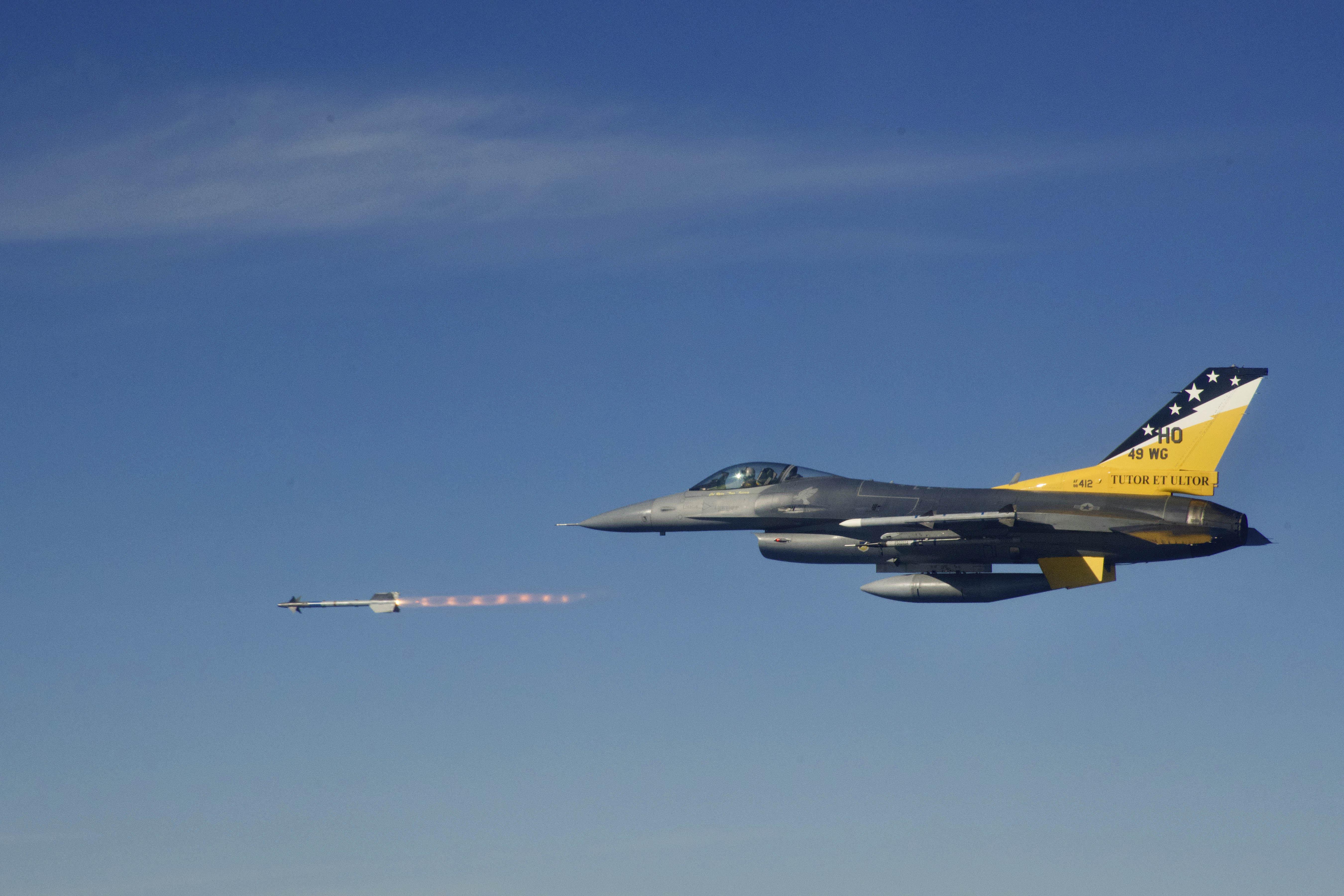
An Air Force F-16 Fighting Falcon fires an AIM-9M Sidewinder missile during training at Tyndall Air Force Base, Fla., March 10, 2021.
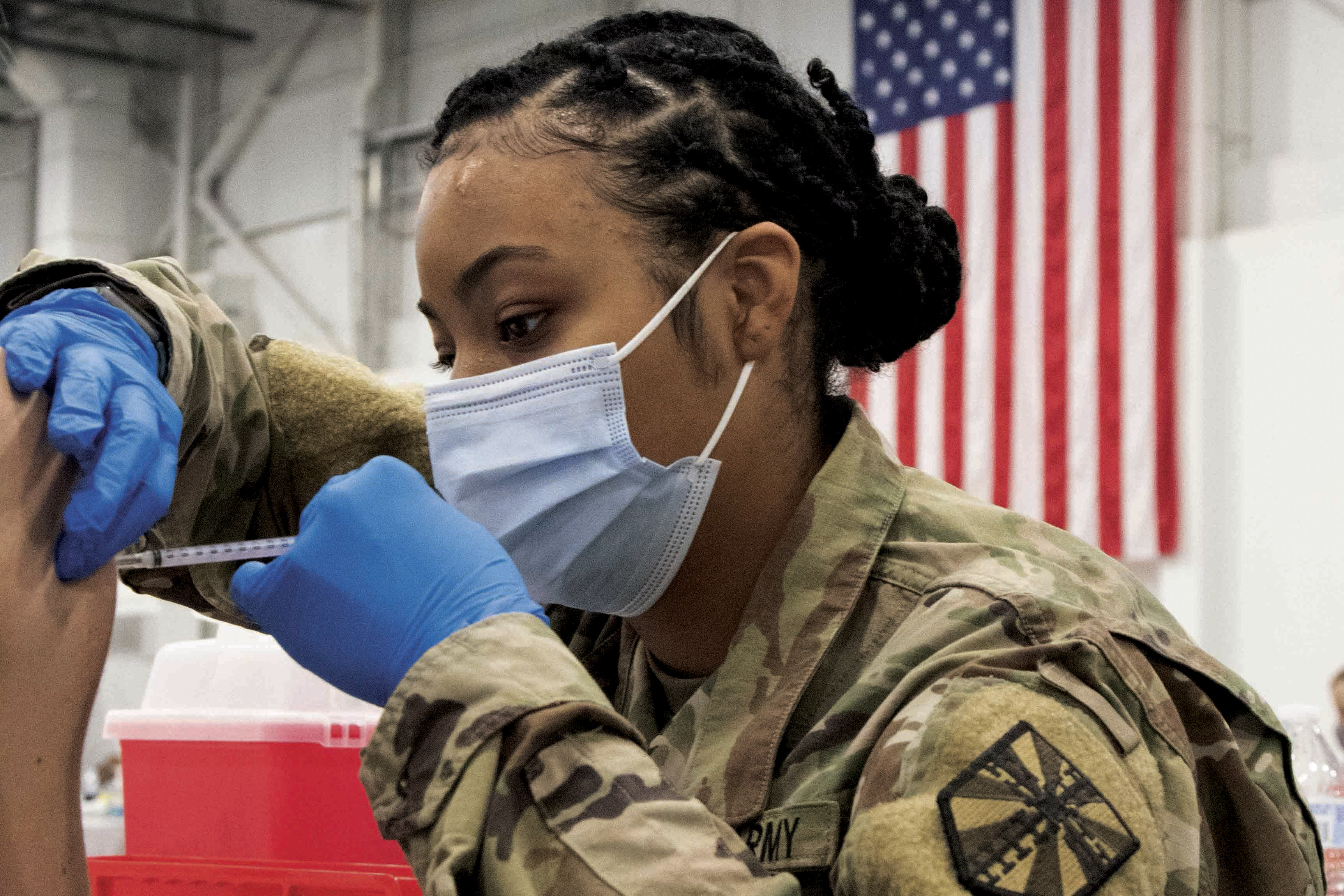
A Michigan National Guardsman administers the COVID-19 vaccine at a clinic in Novi, Mich., March 20, 2021. Guardsmen vaccinated 4,200 Oakland County residents.
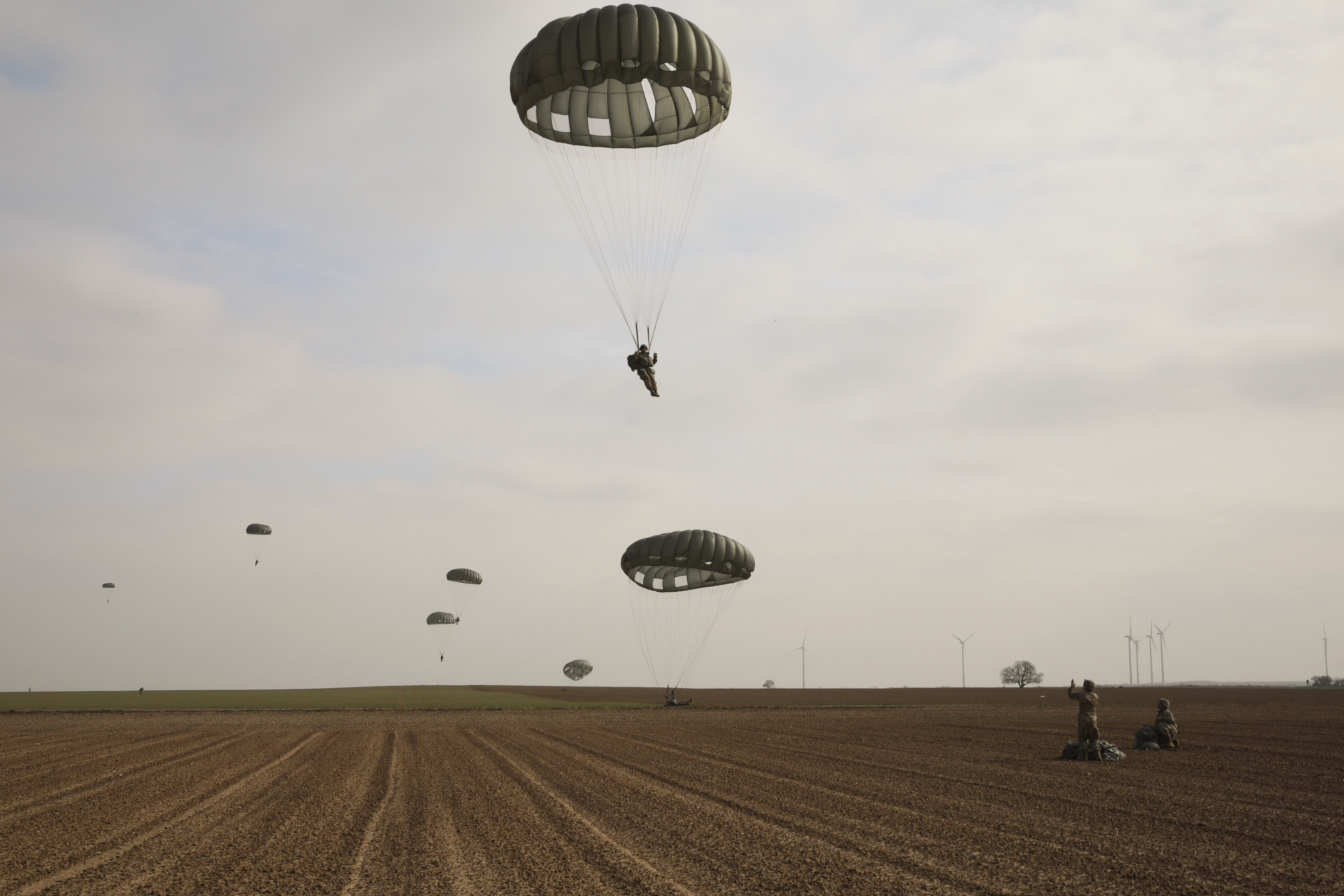
Soldiers descend onto a field after jumping from an Army CH-47 Chinook helicopter during an airborne operations training in Alzey, Germany, March 23, 2021.
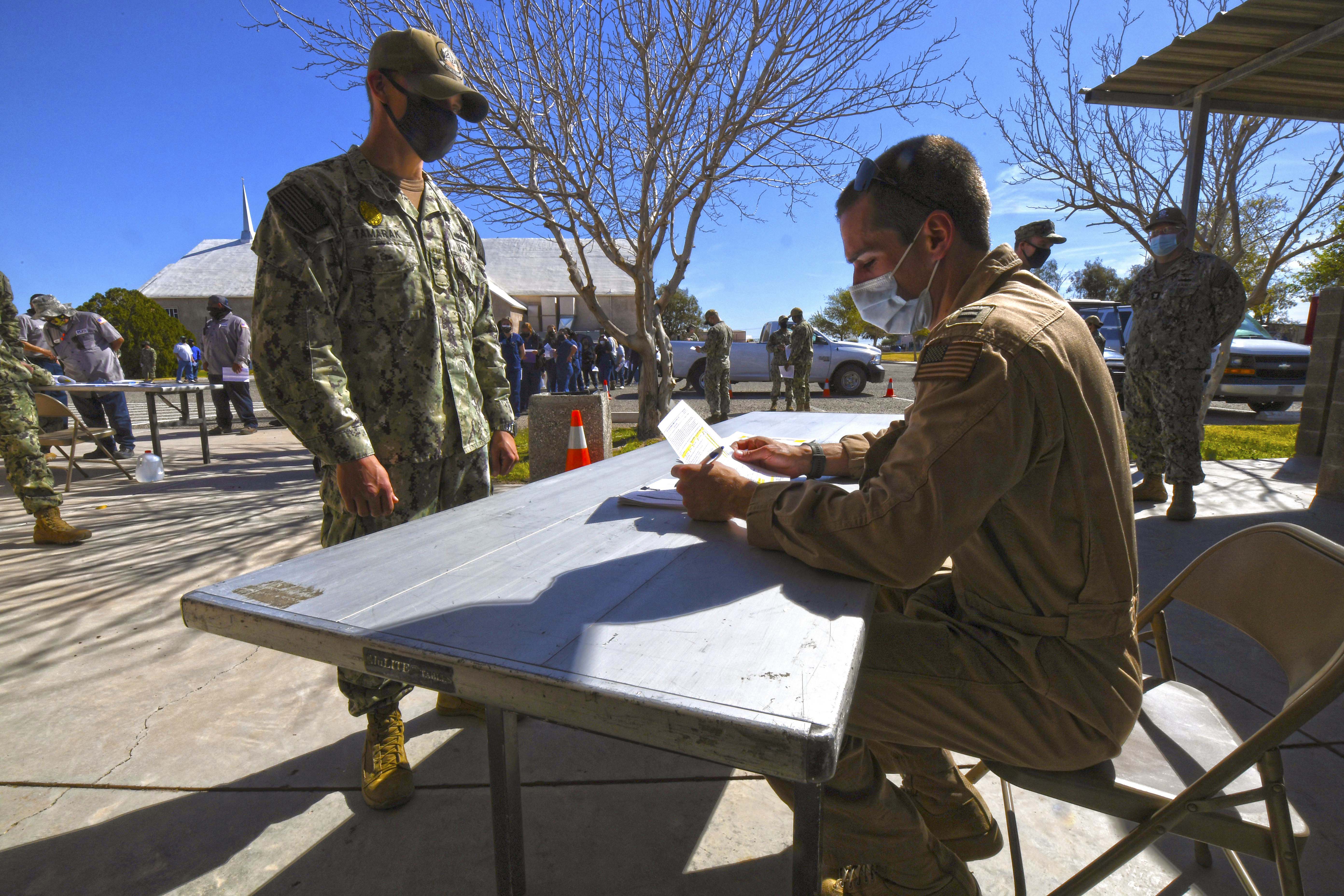
Navy Lt. Nicholas Blonien screens sailors before providing the second dose of the COVID-19 vaccine at Naval Air Facility in El Centro, Calif., March 25, 2021.
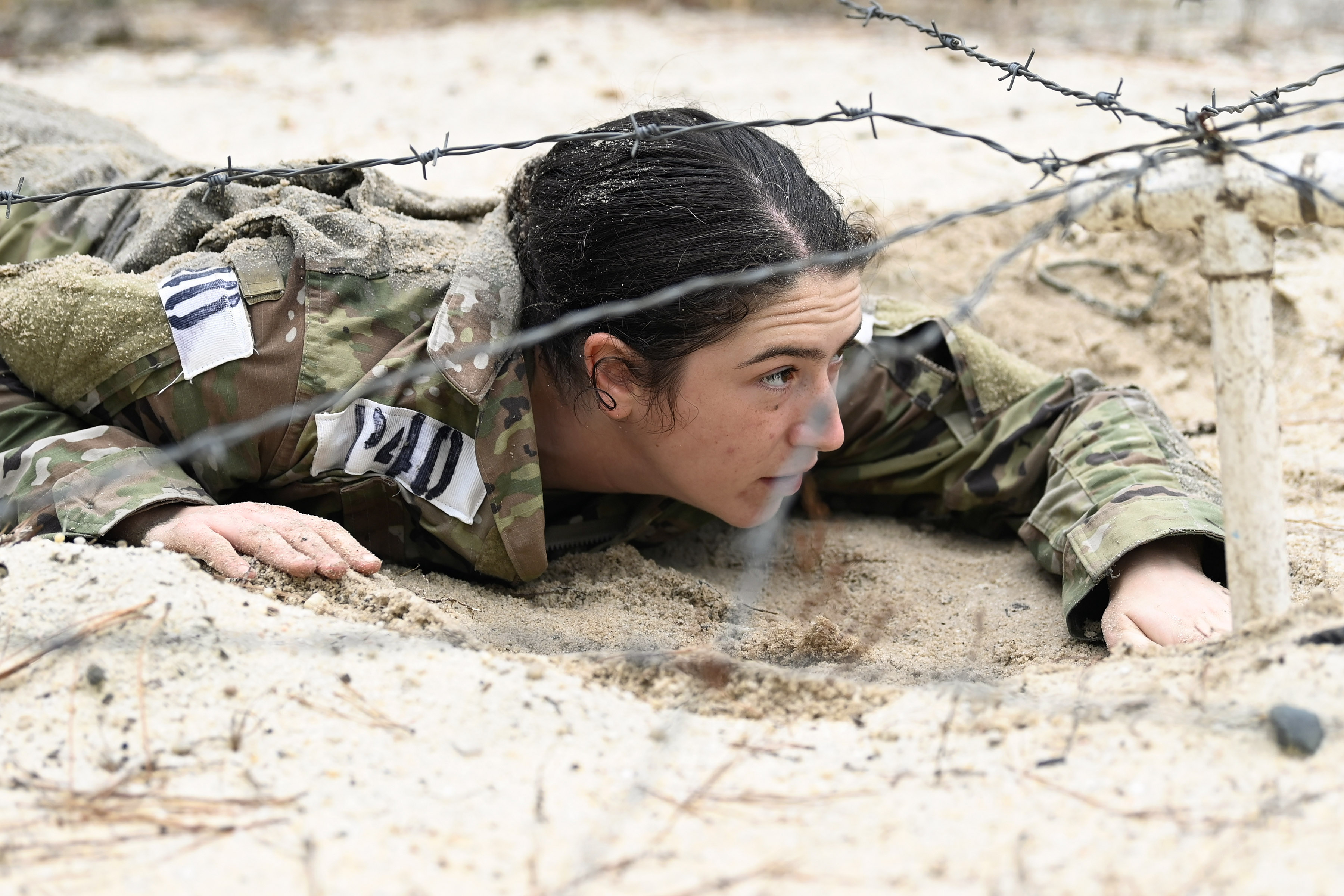
A soldier crawls under barbed wire during assessment and selection at Camp Mackall, N.C., March 1, 2021. Participants were evaluated on individual physical fitness and confidence, intelligence and psychological capability and ability to solve dilemma-based problems individually and as a team.
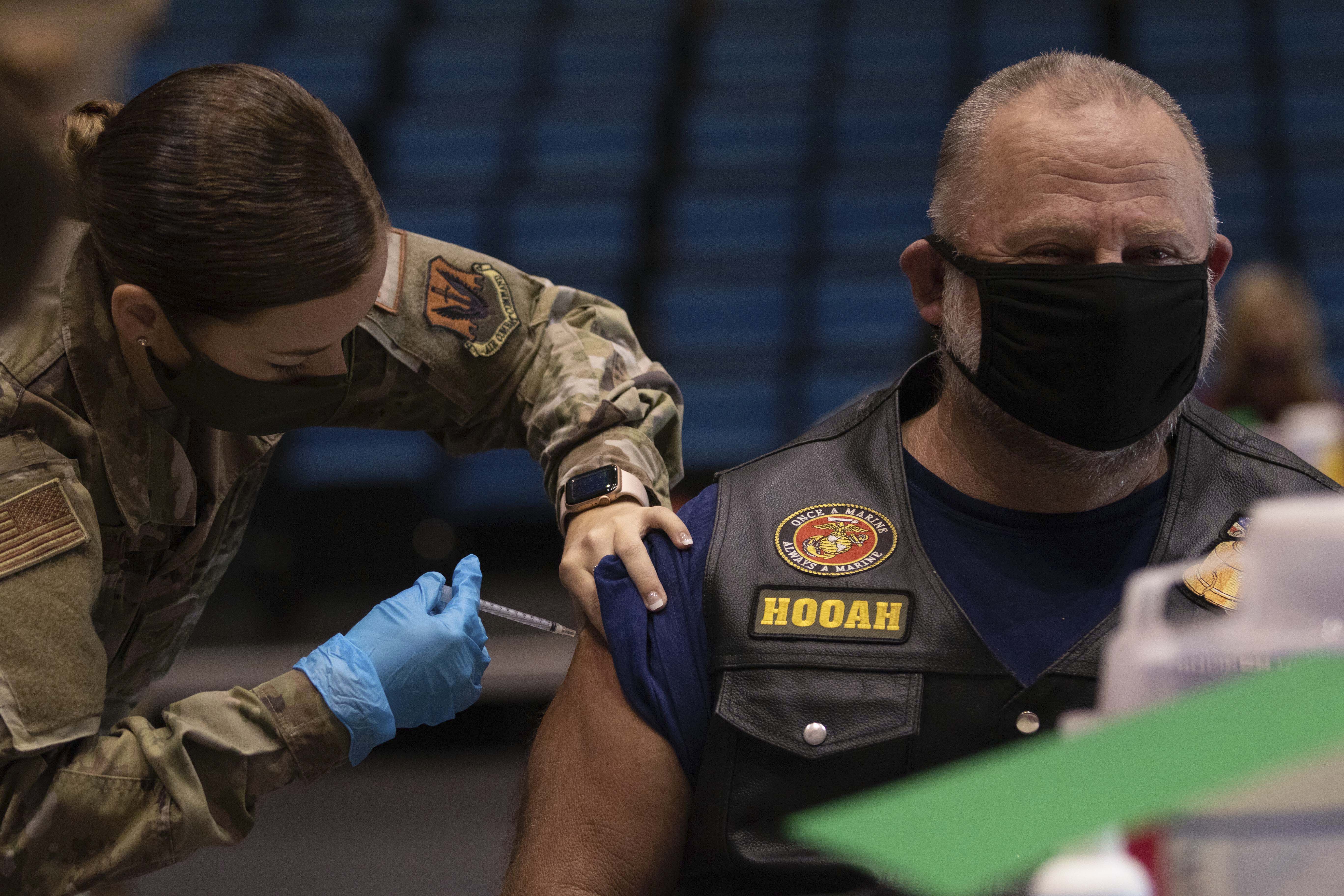
A service member administers a dose of the COVID-19 vaccine at a pop-up clinic in Ozark, Ala., March 25, 2021. Alabama National Guard soldiers and airmen vaccinated 600 members of the Dale County community as part of the state’s mission to make the vaccines available to rural communities.
March 29, 2021
The following individuals have been sworn-in virtually or in-person from March 16, 2021, through March 29, 2021.
For the lists of personnel sworn-in previously, please see the releases on Jan. 20, 2021, Feb. 9, 2021, Feb. 16, 2021, Feb. 22, 2021, March 1, 2021, March 9, 2021 and March 15, 2021.
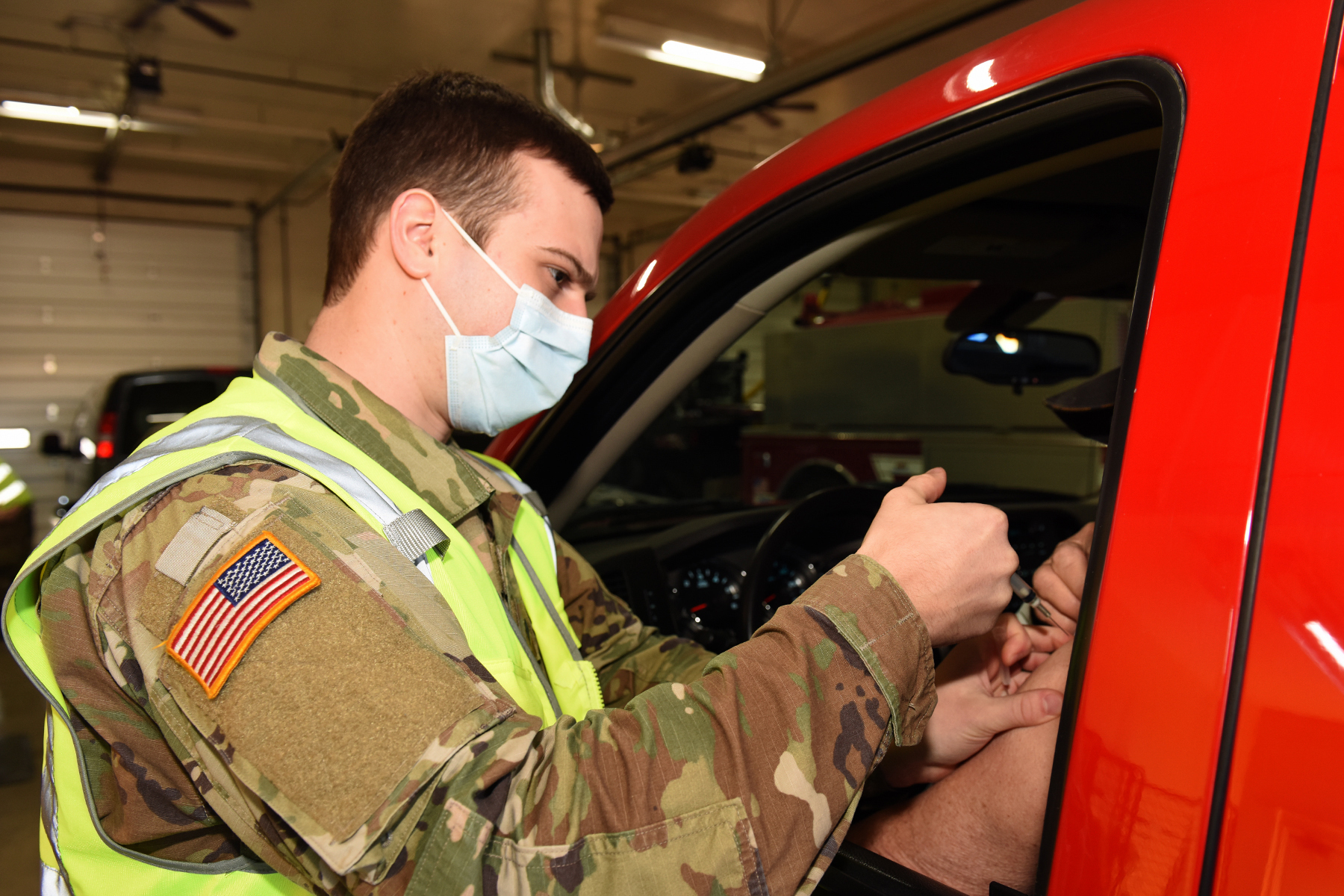
A member of the Michigan Army National Guard administers the COVID-19 vaccine to a resident during a vaccination clinic at the Grayling Fire Department, Grayling, Mich., March 13, 2021.
March 29, 2021 |
John Reitzell went to Vietnam in the spring of 1970 as a 23-year-old second lieutenant in the Army infantry.
The year-long experience was as challenging as one would expect.
"It was not very pleasant. There's nothing worse on Earth than a nasty gunfight, and I was in multiple combat close-quarter battles," the now-retired colonel said.
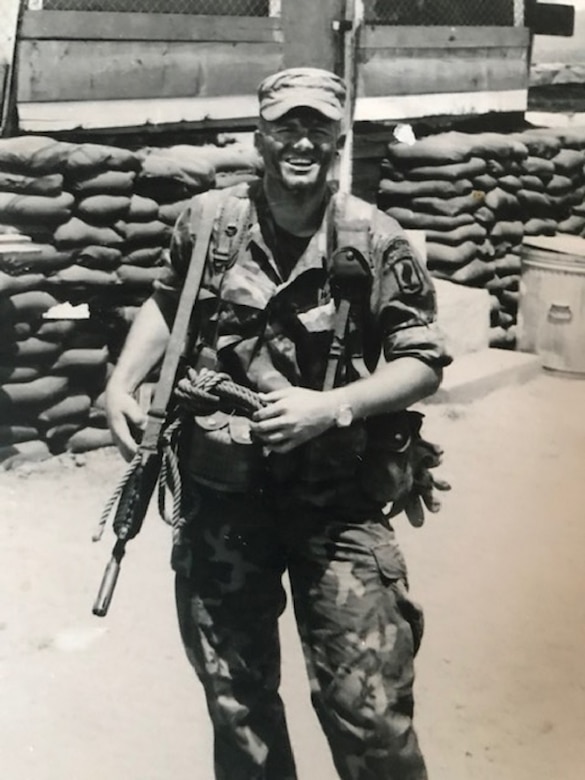
He was a rifle platoon commander in the 3rd Battalion, 8th Infantry Regiment, 4th Infantry Division, in the central highlands, the mountain jungles. He spent the last eight months of his tour as an operations officer for N Company, a long-range reconnaissance patrol company, with the 75th Rangers, 173rd Airborne Brigade.
"I was actually wounded four times, but three of them were minor," Reitzell, who received a Purple Heart, said.
He was wounded twice in the same fight about an hour apart in the jungle northeast of An Khe, Aug. 26, 1970.
"This was just a meeting engagement. Two forces just ran into each other," he said.
Reitzell can give a vivid description of what it's like to experience a firefight.
"The cacophony of sounds is debilitating," he said. "And then you can turn to the smells. You begin to stink, and your mouth turns cotton. You're always feeling for your ammo pouches. You can hear when a bullet hits a man. The smells are horrible, and everybody's afraid.”
But as a young platoon leader, he learned that "it's up to you to ensure that your men know that somebody’s in charge and you’re equipped to fight."
"Everything went into slow motion," he said. "And I made a valiant effort to touch everyone and let them know 'Hang in there, Smitty.' You learn how to lead by learning how your people respond to you in a gunfight."
One of his men with N Company, Patrick "Tad" Tadina, became a jungle fighting legend. Tadina, the Vietnam War's longest continuously serving Ranger, died May 29, 2020, at age 77.
"He had 109 kills. I can vouch for that many," Reitzell said.
Besides the Purple Heart, Reitzell has three Legions of Merit, five Bronze Stars (two with “V” for valor), the Joint Meritorious Service Medal, five Army Service Medals, five Air Medals and the Joint Service Commendation Medal. During his tour, he spent three weeks in the hospital recuperating from his wounds before returning to the field. He came home in the summer of 1971.
He said he was treated "shabbily" when he returned to the United States. He didn't get spat on, but he did get called "baby killer" by a female protester at the Seattle airport. Reitzell received a welcome reception when he got home to Monroe, Louisiana.
The son of a World War II veteran, Reitzell graduated from Northeast Louisiana State College, now called Louisiana-Monroe, in 1969 with a bachelor's in pre-med with a specialty in chemistry. He was commissioned through the Army ROTC. He became a master parachutist in 1972.
"I wanted to serve my country because my dad had. That was in my DNA. I was going to serve my country at the point of the spear," he said.
His 28 years in the infantry included serving in Special Operations. He served in Vietnam, Korea, Germany and the Iraqi desert. In Tom Clancy's book "Shadow Warriors: Inside the Special Forces," Reitzell is depicted as "Maj. Johnny."
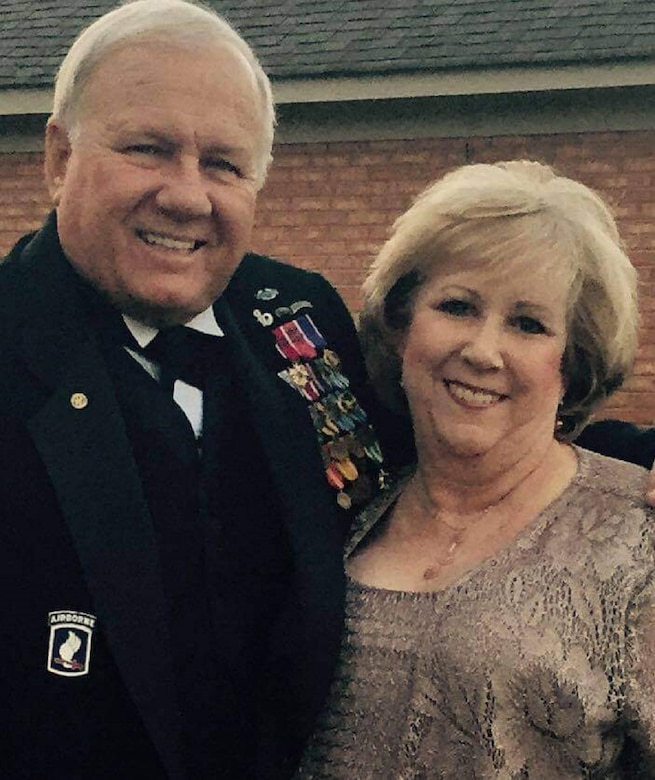
Reitzell retired as a colonel in 1997 serving as chief of staff of the Army Infantry Center and School at Fort Benning, Georgia. After working for 10 years at Dynetics Inc., he retired as the department head for cybersecurity and systems engineering in 2017. He received his master's in systems management from Webster University in 1982 and a master's equivalent in national security strategy from the Army War College in 1990.
He and his wife of 49 years, Glenda, reside in Huntsville, Alabama. They have two children and four grandchildren. Their son, Mike, is a lawyer in West Palm Beach, Florida, and their daughter, Robyn O'Dell, is a senior executive for a large corporation in the Atlanta area.
At 74 he hasn't played golf for a year because of knee problems resulting from his nearly 1,000 parachute jumps. He is a life member of the Association of the U.S. Army, a former board member of the National Defense Industrial Association, a board member for two companies in defense contracting and he serves on the Huntsville Police Citizens Advisory Council.
Reitzell shared his thoughts on this nation's commemoration of 50 years since the Vietnam War.
"Well I think it's great," he said. "Finally some recognition for so many people that got spat on and so many years we were called names and so forth."
(Skip Vaughn is an editor at the Redstone Rocket at Redstone Arsenal in Alabama.)
Homer Hickam joined the Army in January 1966 under a college option program which promised to send him to Officer Candidate School if he successfully completed basic training and advanced individual training.
The Virginia Tech product went to Fort Leonard Wood, Missouri, for eight weeks of basic training and eight more weeks of advanced individual training in infantry and engineering. Next came 23 weeks of Officer Candidate School at Fort Belvoir, Virginia.
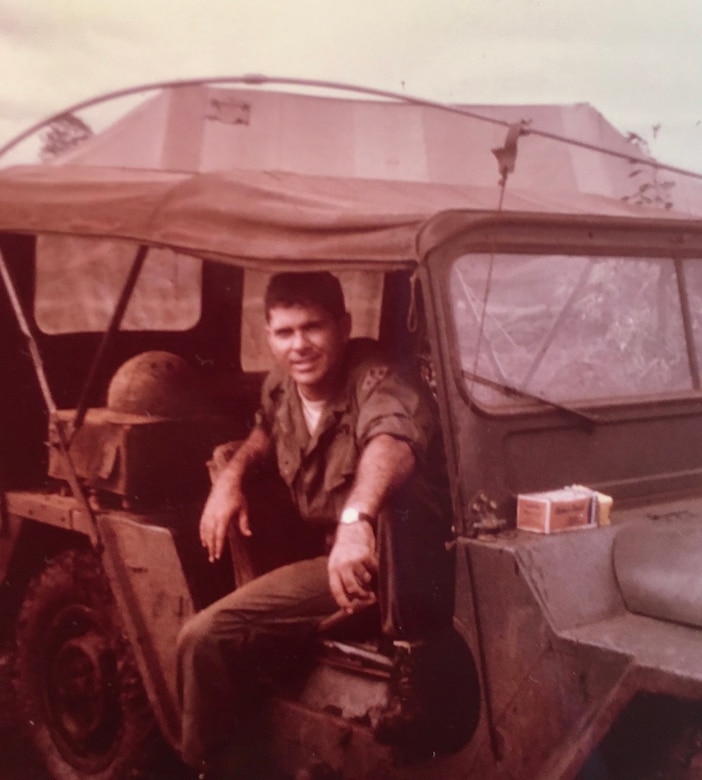
"That was an interesting time," Hickam, now a renowned author in Huntsville, Alabama, said of the rigors of OCS. "Anyway, I got through it. Finally got my butter bar."
The ordnance officer spent 10 months at Dugway Proving Ground, Utah, before volunteering in summer 1967 to go to Vietnam.
"I was a young man," he said. "I just thought I needed that experience, that it was there for me. I just felt like I wanted this. So they assigned me to go."
Hickam, then a 24-year-old first lieutenant, served in Vietnam from October 1967 to October 1968. He served with C Company, 704th Maintenance Battalion, 2nd Brigade, and he was assigned to the 2nd Squadron, 1st Cavalry Regiment, known as the Blackhawks.
He spent the entire year out in the field, and he saw plenty of combat. He arrived at C Company in November 1967 when the bloody Battle of Dak To was already underway.
"It was just awful. Helicopters going in and out with wounded soldiers," Hickam said.
"When you start seeing all these bodies stretched out with these camos over them, it's profoundly affecting. I mean it's terrifying. You quickly recognize this is a real mess. I mean you're dirty. The whop, whop, whop of the helicopters overhead.
"Vietnam was like you're either bored stiff or you're about to die. It was one or the other."
Hickam stayed with C Company until the 2/1 Cavalry, the Blackhawks, asked his captain if he could be assigned to their fire base to head up their mechanics. He joined the Blackhawks who were guarding the Mang Yang Pass. In January 1968 they engaged in a major battle with the Viet Cong which proved to be a precursor to the Tet Offensive that Jan. 31.
In the Tet Offensive, "we were hit by the North Vietnamese, and we weren't really prepared for it," Hickam said. "We were supposed to be on a truce. I'd have to say we were somewhat lax. We were not expecting it at that point. We were able to beat them back. Really it was the armored vehicles with their .50- calibers."
From the Oasis Firebase with C Company, he joined the Blackhawks for their trip to Kontum to clear out the enemy from that major town.
"We had to fight every inch of the way," Hickam said. "It was interesting. A lot of bullets were flying. Basically, we chased them all back into Cambodia and Laos."
He became the acting commander of C Company at Buôn Ma Thuột, a town close to the Cambodia border. In early October 1968, about two weeks before the end of his yearlong tour, enemy insurgents attacked and infiltrated the camp. Hickam called for air support. Cobra helicopters responded with a rocket barrage that repelled the attack.
"That was an amazing fireworks display," Hickam said.
The Coalwood, West Virginia, native received the Bronze Star and an Army Commendation Medal for his Vietnam service.
"Vietnam was a learning experience," Hickam said. "It was a learning experience on how people react under extreme pressure. I actually learned how good people can be under that kind of pressure. I just saw men under extreme pressure. They never broke. I learned a renewed pride in America."
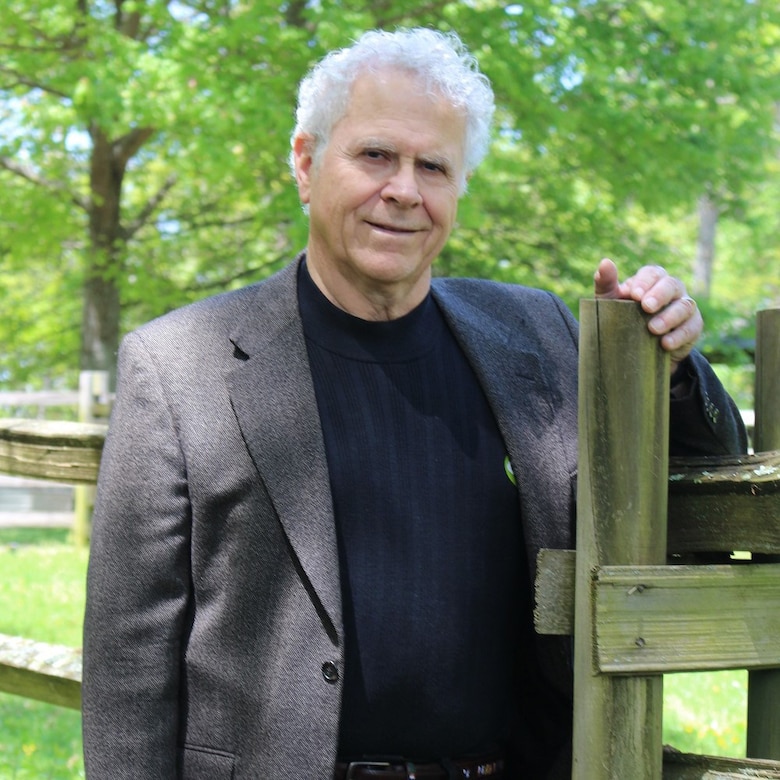
Hickam left the Army as a captain in 1970. His bestselling memoir, "Rocket Boys," which told the story about him growing up in a small coal-mining community with his fellow amateur rocketeers, launched the successful 1999 movie "October Sky." The former NASA engineer is working on his 19th book, another memoir which should come out late next year. It has been five years since his last book, the bestseller "Carrying Albert Home: The Somewhat True Story of a Man, his Wife and her Alligator."
At 77 he resides in southeast Huntsville, Alabama, with his wife of 22 years, Linda Terry Hickam, a Huntsville native. In 2008, they spent two weeks in Vietnam at the request of the State Department to talk to high school students. Hickam found little remaining of the Vietnam he remembered from the war.
"It was just marvelous," he said of his return trip. "We had just a glorious time."
His next book will describe the years after his Rocket Boys experience, including his time in Vietnam.
"I would hope that the American people would show gratitude to the men and women who served over there," Hickam said. "In many cases, they gave their lives. People went because they thought it was the right thing to do. Honor the men and women willing to do that at a time when so many were not willing to."
(Skip Vaughn is an editor at the Redstone Rocket at Redstone Arsenal in Alabama.)
March 29, 2021 |
On April 4, 1968, Air Force 2nd Lt. Lloyd "Fig" Newton was enjoying the afternoon in San Francisco with friends before deploying from Travis Force Base for Vietnam. Hours before his scheduled departure, he got the news: Martin Luther King Jr. had been assassinated in Memphis.
As a young, Black officer, Newton felt he had to decide whether to go ahead and fight a war during a time of racial turmoil in the United States.
"My whole day, my whole life changed at that point," Newton said. His Air Force friends stayed with him for a short time until he went off by himself to think about his decision.
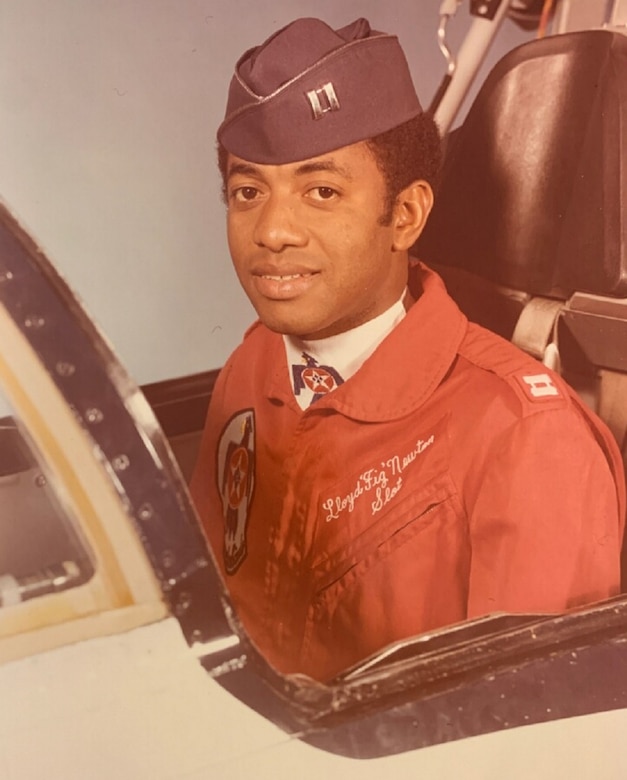
"What was really going through my mind, of course, was why should I be going to Vietnam to fight an enemy when I have an enemy right here in the United States," he said.
He distinctly remembered the oath he had taken to defend the U.S. against all enemies, foreign and domestic. He thought about the fact that he had orders to go to Vietnam and that he would be disobeying an order if he stayed home. After deep thought, Newton decided to go, as scheduled.
"It was best that I go. That was a critical decision, and I made the right decision," he said.
Newton piloted an F-4D Phantom on 269 combat missions, including 79 missions over North Vietnam from April 1968 to April 1969. He earned a Distinguished Flying Cross with an oak leaf cluster and the Air Medal with 16 oak leaf clusters. He became the first Black pilot selected to join the Air Force Aerial Demonstration Squadron, the Thunderbirds, in November 1974.
The South Carolina native retired from the Air Force in 2000 as a four-star general.
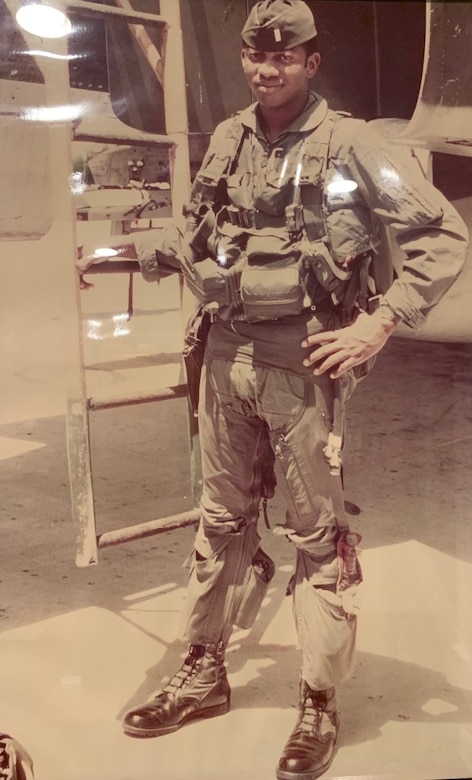
When he arrived at Danang Air Base in South Vietnam in April 1968, he joined the 480th Squadron of the 366th Tactical Fighter Wing. During his first week there, the unit lost five airplanes to enemy groundfire and only recovered one, two-man crew. So, of the 10 people who went down, only two pilots returned.
"You begin to calculate real quick: If we lost five airplanes in a week, there's a very good chance I could get shot down out here," Newton said. The criterion for going home was either flying 100 missions over North Vietnam or being in Vietnam for one year, whichever came first.
On his first bombing mission, Newton flew over North Vietnam with a pilot who was on his 95th mission. He saw the puffs of smoke from the 37 mm guns on the ground. "It was unbelievable," Newton said.
They would drop various bombs – 500 pounders, 750 pounders and, sometimes, 1,000 pounders – and also napalm and cluster bombs. Groundfire would come from 37 mm guns and 57 mm guns. Occasionally, the enemy would fire Soviet-made surface-to-air missiles, or SAMs.
Most of their missions over South Vietnam were to provide close air support for U.S. Army troops on the ground. They would fly at a lower altitude than they did over North Vietnam, sometimes 500 feet and below, and they were at risk of intense groundfire.
"Those missions were very rewarding because you knew you were helping your fellow Americans not to be overrun by the enemy, which would be North Vietnamese or Viet Cong," Newton said. During his yearlong tour, he flew five recovery missions to retrieve downed pilots.
The fighters typically flew one to two missions per day, sometimes at night, in various weather conditions. Usually, at least two aircraft flew together; sometimes, there were as many as four. Each fighter had a two-pilot crew. Newton was the weapons system operator in the back seat of his aircraft. "Let there be no doubt about it, there were times that I was really scared. And there was good reason to be scared," he said.
Asked what he most remembers from that year, he said, "Well, a couple of things. First of all, this was my first time outside the United States. I had never been outside the United States before. And so, particularly now, you're engaged in war. I came to realize very quickly even though we had a number of issues in the United States – racial tensions and folks marching against the war – it became very clear to me that the United States is the best country in the world. Because you could see how the people lived there and how difficult it was to be in a war zone. It became clear to me democracy was the best thing. I made up my mind I would come back to the U.S. to help right the wrongs that were here."
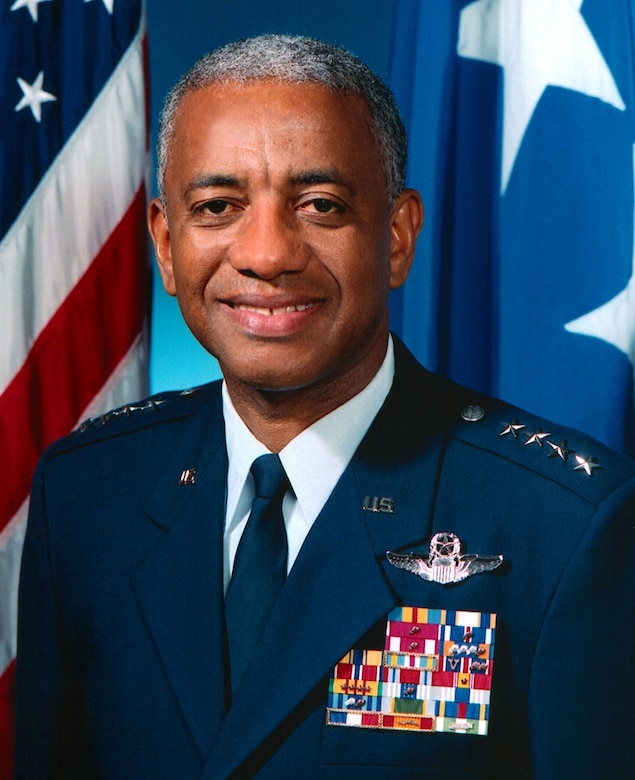
Newton grew up on a little farm in Ridgeland, South Carolina, and he entered Air Force ROTC at Tennessee State University where he was introduced to flying. He saw the Thunderbirds at an air show in 1964 and decided he wanted to join them someday. He received his commission as a distinguished graduate through ROTC in 1966.
Newton and his wife of 31 years, Elouise, have a blended family of three sons and two daughters, seven grandchildren and two great-grandchildren. They reside in Bluffton, South Carolina, about eight miles northwest of Hilton Head.
At 78, Newton enjoys playing golf and is a member of the Air Force Association and the Tuskegee Airmen Inc.
He shared his thoughts on this nation's commemoration of 50 years since the Vietnam War.
"Warfare certainly has changed very drastically from then until now. We would expect that. But our experiences in Vietnam certainly helped us be a much better military by the way of tactics, techniques and procedures than we were back then," he said. "And in that 50 years, if we need to engage in combat we've learned how to do that and at the same time significantly reduce the number of lives lost in combat. We as a nation have made significant progress in our relationships with each other. However there is still much work to be done."
Skip Vaughn is an editor at the Redstone Rocket at Redstone Arsenal in Alabama.
March 29, 2021 | , DOD News
In 2012, President Barack Obama signed a presidential proclamation, designating March 29 as the annual observance of Vietnam War Veterans Day.
The signing of the proclamation marked the 50th anniversary of the departure of the last American troops from Vietnam — March 29, 1973. Only U.S. embassy personnel and support staff remained in South Vietnam until the fall of Saigon on April 30, 1975.
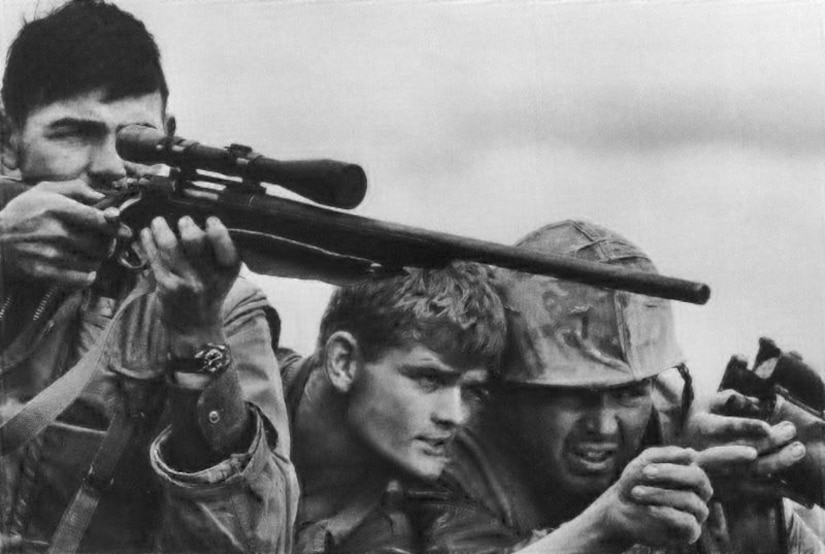
"The Vietnam War is a story of service members of different backgrounds, colors and creeds who came together to complete a daunting mission," the proclamation states. "It is a story of Americans from every corner of our nation who left the warmth of family to serve the country they loved. It is a story of patriots who braved the line of fire, who cast themselves into harm's way to save a friend, who fought hour after hour, day after day to preserve the liberties we hold dear."
More than 58,000 Americans were killed and many thousands more were wounded and injured or determined to be missing.
The proclamation also states: "In one of the war's most profound tragedies, many of these men and women came home to be shunned or neglected — to face treatment unbefitting their courage and a welcome unworthy of their example. We must never let this happen again."

Although U.S. military advisors had been in South Vietnam since 1955, the proclamation states that Jan. 12, 1962, was the starting point of the war. This is the date when America's first combat mission, Operation Chopper, was launched.
On that day, U.S. Army pilots airlifted more than 1,000 South Vietnamese soldiers to an area about 12 miles west of Saigon to capture a National Liberation Front stronghold. The NLF, also known as the Viet Cong, were communist fighters who were in South Vietnam.
The Battle of Ia Drang, which lasted from Nov. 14 -18, 1965, was the first major battle between the U.S. Army and the North Vietnamese Army. It took place in the Central Highlands of South Vietnam.
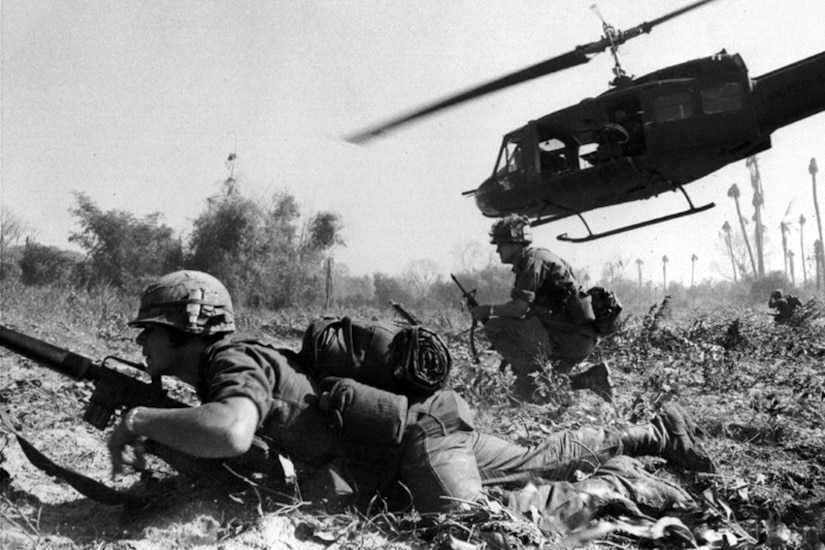
The battle saw the first use of a large scale helicopter air assault and Boeing B-52 Stratofortress strategic bombers being used in a tactical support role.
The Battle of Khe Sanh took place in northwestern Quảng Trị Province in South Vietnam, from Jan. 21 to July 9, 1968. The main U.S. forces defending Khe Sanh Combat Base from a much larger enemy force consisting of three NVA divisions were two U.S. Marine Corps regiments, supported by elements from the U.S. Army, U.S. Air Force and South Vietnamese soldiers.
The Battle of Huế occurred within that same time period, Jan. 31 to March 2, 1968.
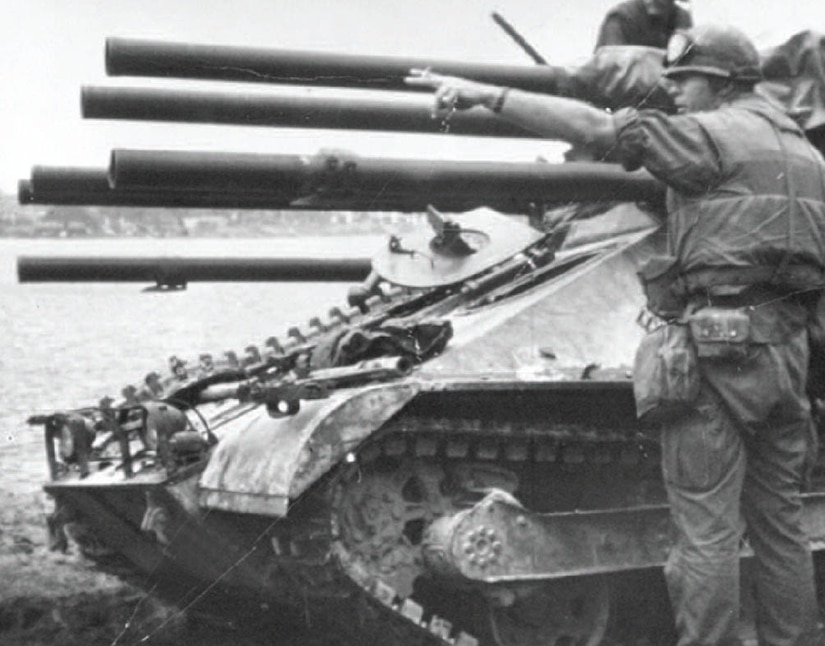
The battle was a major military engagement which was part of the larger Tết Offensive launched by the NVA and Viet Cong. After initially losing control of most of Huế, which was a major city in northern South Vietnam, the combined South Vietnamese and American forces gradually recaptured the city after more than a month of intense house-to-house fighting.
Besides ground campaigns, there were also air campaigns, with one of the most significant being Operation Rolling Thunder. The operation lasted from March 2, 1965, to Nov. 2, 1968, and involved a sustained aerial bombardment by U.S. and South Vietnamese air assets against targets in North Vietnam. The operation was designed to halt enemy supplies from reaching South Vietnam.
In 1972, another massive bombing campaign was conducted against North Vietnam, known as Operation Linebacker.
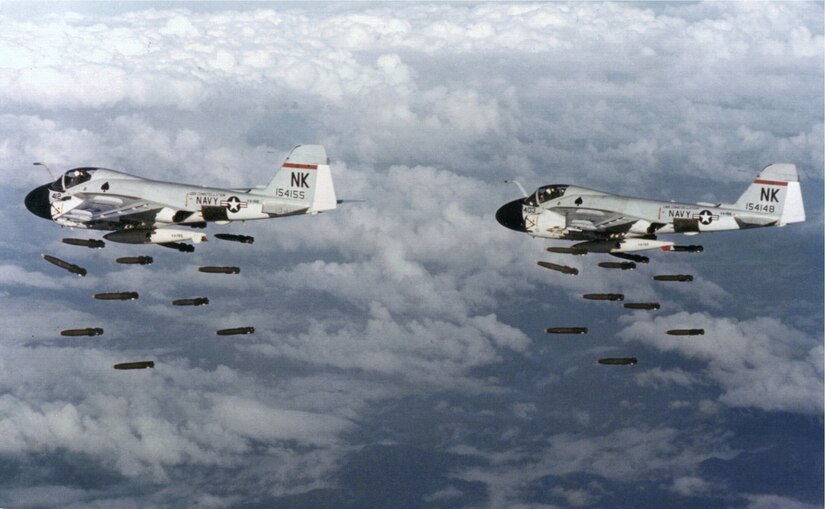
In addition to the presidential proclamation, there are also proclamations observing Vietnam War Veterans Day in all 50 states, the District of Columbia and all five U.S. territories.
Most of these proclamations list March 29 as Vietnam War Veterans Day, but some, like California, observe March 30 instead.
Besides the Defense Department, other federal, state and local agencies observe Vietnam War Veterans Day, including the Department of Veterans Affairs, the United States of America Vietnam War Commemoration and nonprofit veteran service organizations.
March 29, 2021 | , DOD News
Army Installation Management Command Army Lt. Gen. Douglas M. Gabram, Navy Installations Command Navy Vice Adm. Yancy B. Lindsey, Marine Corps Installations Command Marine Corps Maj. Gen. Edward D. Banta and Air Force Materiel Command Air Force Brig. Gen. John J. Allen Jr. testified March 26 at a House Armed Services Committee HASC Readiness subcommittee hearing on "Installation Resiliency: Lessons Learned from Winter Storm Uri and Beyond."
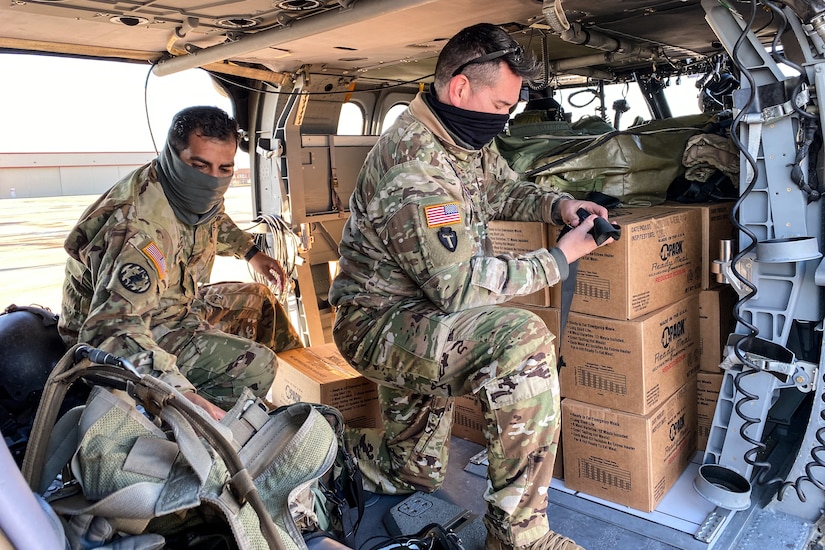
"I can assure you the Army takes very seriously the threats that climate change poses to our installations and facilities," said Gabram.
In February 2021, winter storms severely impacted Fort Hood, Fort Sill, Fort Polk and Fort Riley, he said, including damage to 1,366 privatized homes which had to be evacuated.
With exceptional assistance from privatized housing partners, those residents will all be able to return to their homes within the next two weeks, he said.
"Our planning and preventive measures saved time and money, protected our force and maintained mission readiness," he said
"We also validated that our aging facilities and systems failed first and suffered the most damage Over time, our infrastructure has felt the effects of high use, and limited funding," he noted.
Army senior leaders recognize this and are taking decisive steps to improve facilities, especially barracks.
With continued support from Congress, the Army will continue to modernize its facilities to increase resilience as outlined in the new Army Installation Strategy, which includes energy, water and the impacts of climate change and extreme weather.

Naval installations worldwide provide platforms to project power, said Lindsey.
"The capability and capacity of our installations to resist, adapt and recover from crisis or disaster whether natural or man-made is fundamental to the installation mission execution and support of the fleet, the warfighters and the community," he said.
The Navy is incorporating and executing resiliency into all aspects of installation operations in cooperation with state, county and local communities, including utility providers, he said.
"These partnerships are absolutely critical to the continued success of our resilience," he added.

The Marine Corps has made significant improvements to its facilities, which will ultimately result in more resilience, said Banta.
"Installation resiliency is fundamental to enabling the operational readiness and warfighting capability of our force," he said. "We know our installations are vulnerable targets for not only a growing host of sophisticated kinetic and non-kinetic threats, but also to environmental factors that threaten our ability to generate readiness."
The Marine Corps is taking a number of different steps and approaches to address these threats, he said.
Examples include building upon investments in smart grids and micro-grid technologies, incorporating the effects of climate change into all installation master plans, and planning and building new infrastructure to maximize energy.
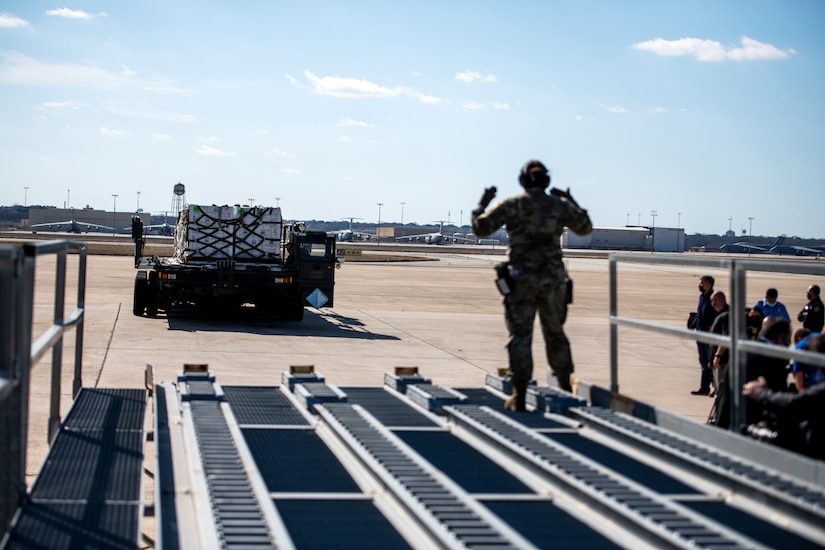
All Air Force and Space Force missions start and end on an installation. Just as importantly, they are home to thousands of airmen, guardians, and their families, Allen said. That's why it's important that all installations be resilient.
The Air Force has developed a severe weather and climate screening risk assessment playbook, which it uses to conduct initial assessments of exposure and risk in severe weather and climate hazards, at all major installations, he said.
The results will be used to develop installation resilience complaint plans to be included in each installation development plans, he said.
Additionally, the Air Force has completed installation energy plans for 24 installations and plans to have another 20 complete by the end of this fiscal year, he added.
March 27, 2021
The following is a joint statement of the Chiefs of Defense of Australia, Canada, Germany, Greece, Italy, Japan, the Kingdom of Denmark, the Kingdom of the Netherlands, New Zealand, the Republic of Korea, the United Kingdom, and the United States of America.
As Chiefs of Defense, we condemn the use of lethal force against unarmed people by the Myanmar Armed Forces and associated security services. A professional military follows international standards for conduct and is responsible for protecting – not harming – the people it serves. We urge the Myanmar Armed Forces to cease violence and work to restore respect and credibility with the people of Myanmar that it has lost through its actions.
March 27, 2021 | , DOD News
The chairman joined with chiefs of defense from Australia, Canada, Germany, Greece, Italy, Japan, the Kingdom of Denmark, the Kingdom of the Netherlands, New Zealand, the Republic of Korea and the United Kingdom in calling on the military junta in Burma — also called Myanmar — to follow international standards of military professionalism.
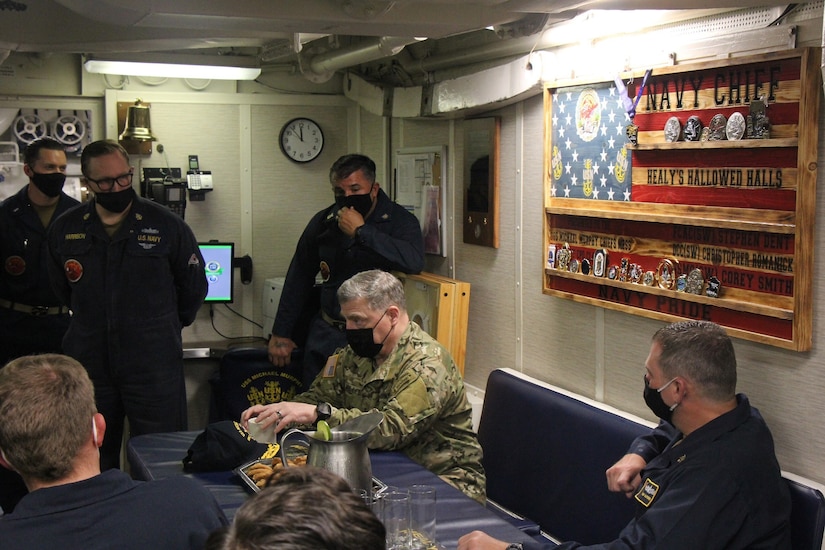
Navy Adm. Philip Davidson, the commander of the U.S. Indo-Pacific Command, also endorsed the statement.
"As Chiefs of Defense, we condemn the use of lethal force against unarmed people by the Myanmar Armed Forces and associated security services," the statement says. "A professional military follows international standards for conduct and is responsible for protecting — not harming — the people it serves. We urge the Myanmar Armed Forces to cease violence and work to restore respect and credibility with the people of Myanmar that it has lost through its actions."
The release of the joint statement follows concerns voiced by other countries in the region, including recent remarks made by military leaders in Singapore and Indonesia. The Joint Statement also echoes White House and U.S. State Department statements condemning the violence.
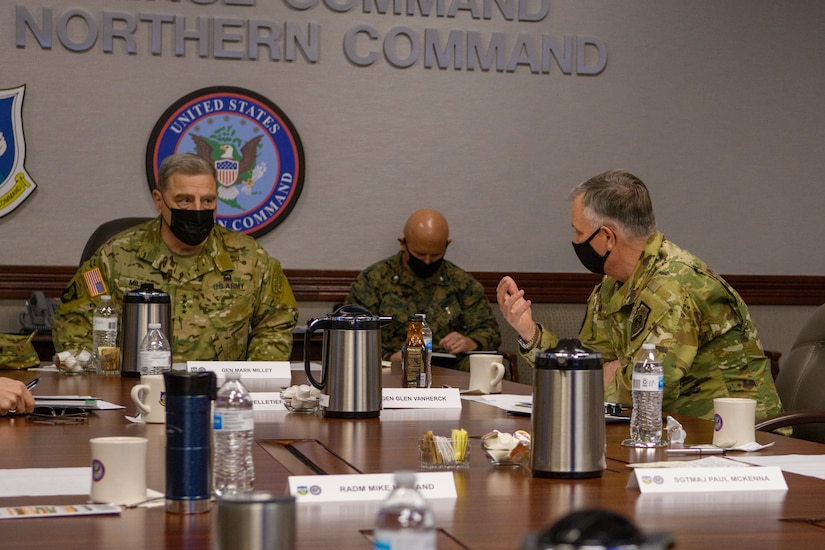
The military launched a coup d'etat in Burma on Feb. 1.The junta arrested the democratically elected government headed by State Counsellor Aung San Suu Kyi and President Win Myint. They also arrested the ministers, deputies and members of Parliament. The military proclaimed a year-long state of emergency and declared Commander-in-Chief of Defense Services Senior General Min Aung Hlang as the government leader.
News reports from the Southeast Asian country indicate that thousands have been arrested since Feb. 1. The military has violently put down protests against the coup, and reporting indicates that over 350 people have been killed, including more than 20 children. This includes reports this past week that Burmese security forces shot a one-year-old in the eye with a rubber bullet and shot and killed a seven-year-old girl in her family home.


 Posts
All Comments
Posts
All Comments
Posts
All Comments
Posts
All Comments