The New York Air National Guard's 109th Airlift Wing concluded its 38th year supporting American scientific research in Antarctica during the 2025–2026 Operation Deep Freeze season, March 11.
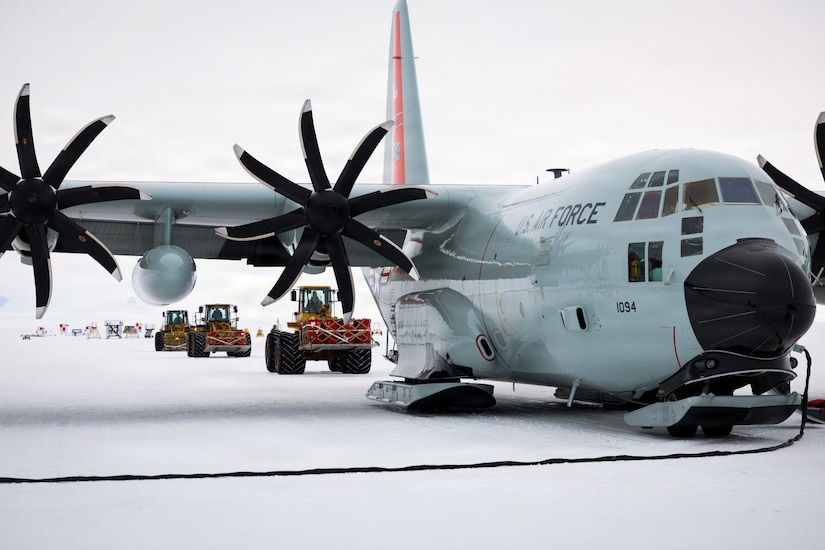
The airlift wing deployed roughly 200 airmen throughout the season in support of Operation Deep Freeze, the War Department's annual mission to sustain the U.S. Antarctic Program.
The wing operates the ski-equipped LC-130H Hercules, the largest aircraft in the world capable of landing on snow and ice using skis. This unique capability allows the 109th to deliver heavy airlift to remote locations across Antarctica.
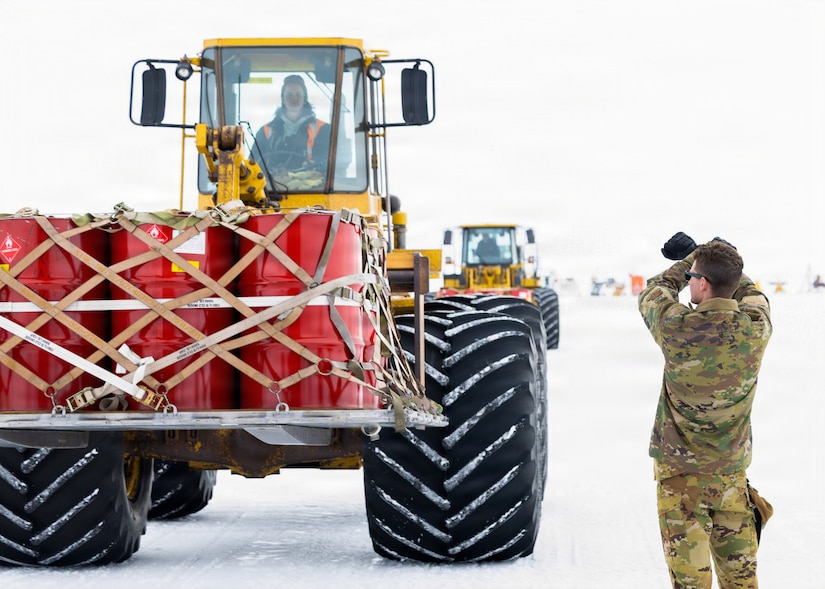
Aircrews and support personnel operated primarily from McMurdo Station, the largest of the U.S. year-round stations and the largest station on the continent. It is the central logistical hub for the U.S. Antarctic Program, supporting research on the continent and at the National Science Foundation's Amundsen-Scott South Pole Station. The station was established Dec. 18, 1955, and opened in 1956 as part of Operation Deep Freeze.
During the season, the wing flew 63 missions to Amundsen-Scott South Pole Station and 17 missions to the West Antarctic Ice Sheet Divide in support of continued scientific operations and camp drawdown activities. Aircrews also conducted nine aeromedical evacuation missions to Christchurch, New Zealand. No airdrop missions were conducted this season.
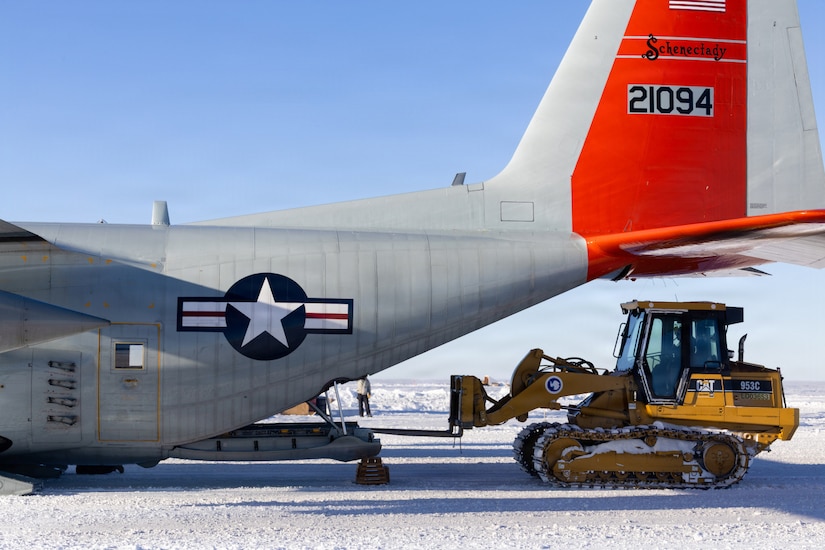
LC-130H aircraft flew over 900 hours on the continent, with an additional 130 hours supporting deployment and redeployment operations.
Throughout the season, the 109th transported 1,086 passengers, delivered 1 million pounds of fuel and moved 2.6 million pounds of cargo in support of the operation. Missions focused primarily on sustainment operations at the South Pole and the ice sheet divide camp drawdown.
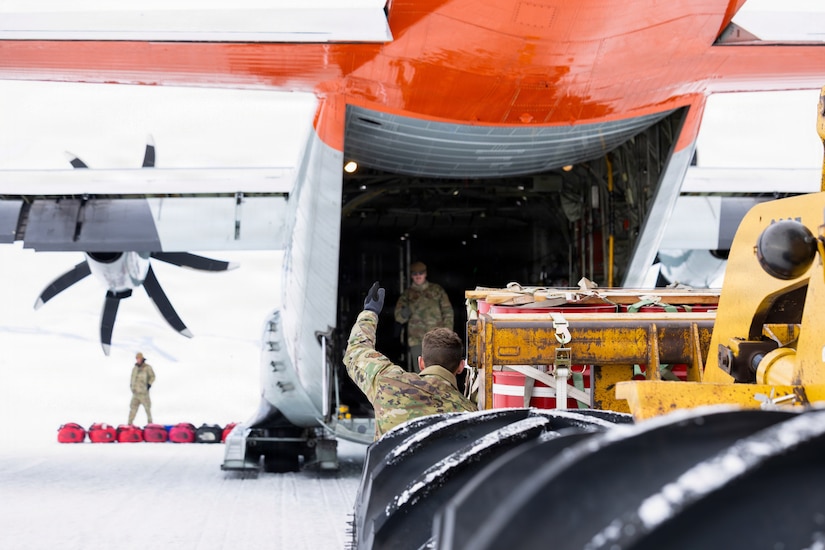
"The success of this season reflects the dedication and professionalism of our airmen,” said Air Force Col. Steven Slosek, commander of the 109th Airlift Wing. "Operating in one of the most challenging environments requires teamwork, precision and adaptability. Their efforts ensured the successful completion of this year's Operation Deep Freeze mission."
The operation remains one of the War Department's most demanding recurring missions. The airlift wing continues to provide the only heavy airlift capability in the world able to conduct tactical landings on snow and ice, enabling year-round scientific research operations throughout Antarctica.


 Posts
Posts


No comments:
Post a Comment