Monday, October 05, 2020

Esper's Africa Visit Aims to Encourage Stability, Interoperability

 Oct. 5, 2020 | BY Jim Garamone , DOD News

Defense Secretary Dr. Mark T. Esper's visit to Malta and North Africa reminded countries throughout Africa that the United States has interests throughout the continent and will work assiduously with like-minded nations to encourage peace and stability.

Esper visited Malta, Tunisia, Algeria and Morocco. He was the first defense secretary since Melvin Laird in 1971 to visit Malta, the first in Tunisia since Leon Panetta in 2012, and the first in Algeria since Donald Rumsfeld in 2005.
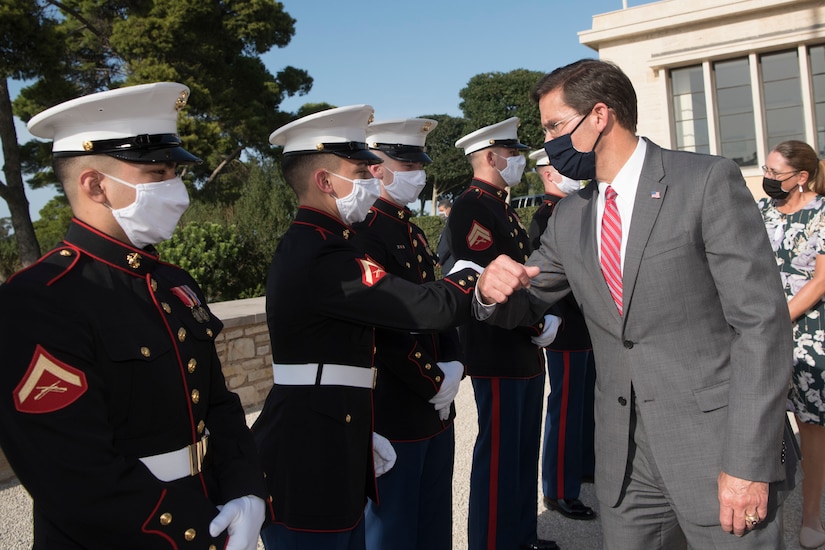
Man meets Marines

In Tunisia and Morocco, the secretary signed "roadmap" documents with leaders to chart bilateral cooperation between the militaries. Morocco, the first nation to recognize the nascent United States in 1777, has a long history of cooperation with America. Tunisia, the site of vicious fighting between Allied and Axis forces during World War II, would like to work closely with the United States to confront the problems that surround them.

Leaders in Algeria discussed ways the United States and Tunisia could work together more effectively to address the problems of the region.

And there are problems.

"Today, our strategic competitors China and Russia continue to intimidate and coerce their neighbors while expanding their authoritarian influence worldwide, including on this continent," Esper said during a speech in Tunisia. "At the same time, violent extremists continue to pose a threat not only to regional stability but also to our homeland. The United States' enduring partnership with like-minded countries — including here in North Africa — is key to addressing these challenges."
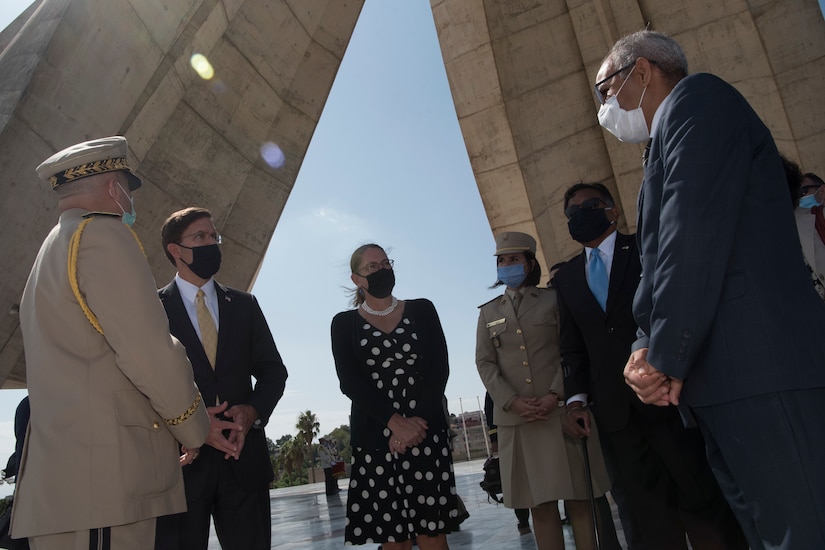
Men and women wearing face masks stand in a half circle while conversing.

While violence in Libya has abated, there is still a civil conflict going on. The Islamic State of Iraq and Syria looked to the disrupted state to plant cells and the areas around Sirte and Derna have some remnants of the group. The fear in the region is that ISIS could reconstitute if there isn't a political settlement in the nation.

Russia is looking to establish bases in Libya, and President Vladimir Putin has dispatched Russian units to the country.

Libya shares borders with Egypt, Tunisia, Algeria, Niger, Chad and Sudan, and they are porous. Ungoverned or "under governed" areas anywhere attract violent extremist groups and Libya could be a dangerous training area, staging ground and sanctuary.

The migrant crisis is also straining resources in these frontline states. Many of the migrants are fleeing violence in their lands, and many more are fleeing economic conditions. Hundreds of thousands of migrants have fled their lands and headed north hoping to get asylum somewhere safe. 
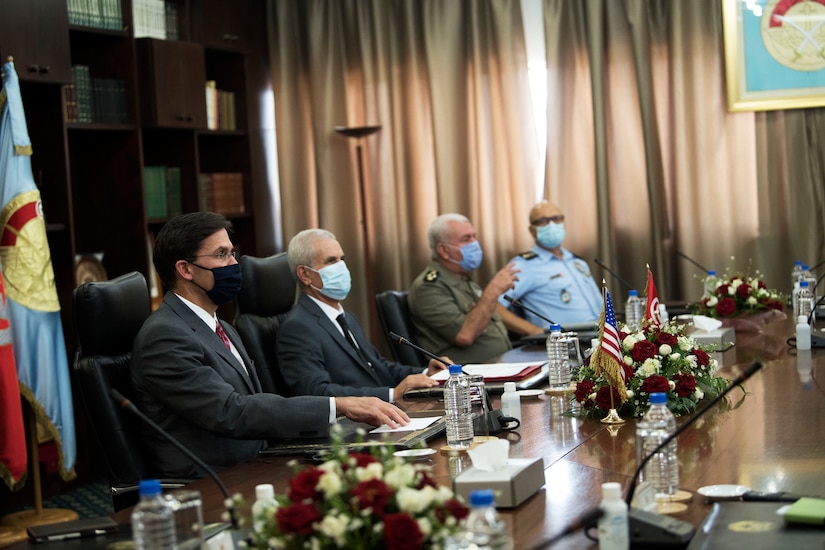
Men receive briefing at conference table

Other groups — like Boko Haram in West Africa and al Shabaab in Somalia — try to hide among the refugees to spread their pernicious philosophies and cause violence in new lands.

The United States wants to work with nations on the continent to create the stability that allows true security to emerge. Tunisia and Morocco are committed to the rules-based international order, human rights and the rule of law. The nations want to bring the type of security that allows economic progress. 

The DOD is just a part of the overall whole-of-government approach to these problems. But security makes possible the economic growth that ensures new jobs, new technologies and new opportunities for all.
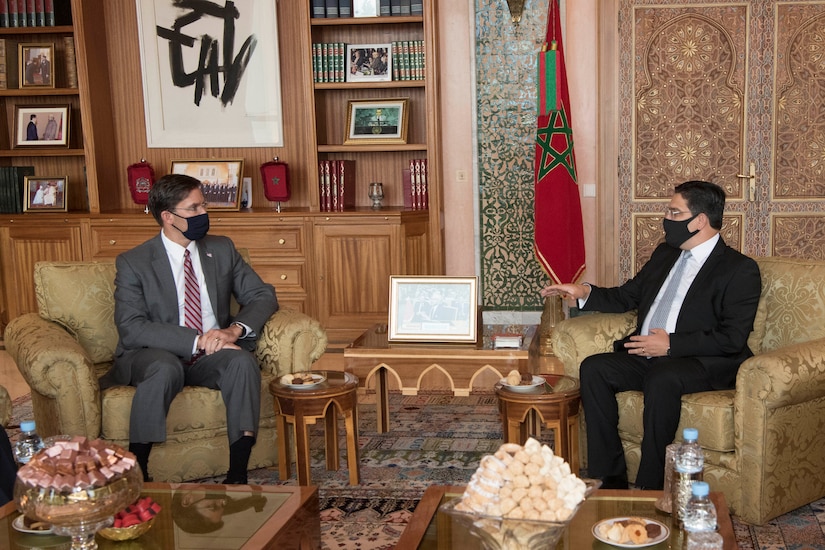
Two men wearing face masks, sitting in chairs, are turned to each other for a discussion.

Both Morocco and Tunisia signed 10-year roadmaps with Esper. The agreements look for better ways for the nations to work together to fill capability gaps and to improve interoperability with U.S. forces.

U.S. Africa Command will play a large part in this effort. U.S. forces, for example, participate in Exercise African Lion, held yearly and hosted by Morocco. The exercise brings together nations from across the region to work together and learn from each other.

This is important because the problems in the region are multinational in nature. The migrant problem comes from more than just one country. Terrorist groups do not recognize national boundaries. Intelligence must be shared among governments to do any good.

The Esper visit was one of more than 500 visits by U.S. defense personnel to the African continent in the last year, DOD officials said. All of these visits are steps along the path to greater stability and, ultimately, to peace.

Connecticut National Guard Helps Distribute Masks to Schools

 Oct. 5, 2020 | BY Air Force Staff Sgt. Steven Tucker

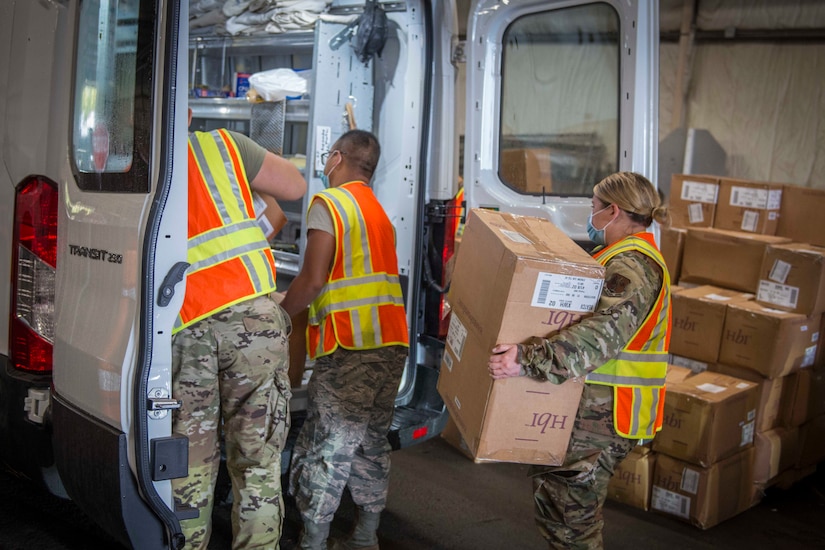
Airmen and soldiers from the Connecticut National Guard helped both the Connecticut State Department of Education and the Division of Emergency Management and Homeland Security distribute masks to school districts throughout the state as many students and teachers transition back to in-person or hybrid learning.

Connecticut Guardsmen helped distribute approximately 100,000 masks to local school districts at the West Hartford Department of Public Works garage, which has served as a personal protective equipment distribution site for the state throughout the COVID-19 pandemic.

Soldiers and airmen wearing protective equipment load boxes into a vehicle.

A total of 600,000 adult-sized masks for grades 7-12 were distributed between the five DEMHS regions from Sept. 28 through Oct. 2. This was the first of two major mask shipments the state is receiving from the Federal Emergency Management Agency; the second shipment will contain child-sized masks.

The guardsmen expressed gratitude in supporting this mission

"I have three kids that are in school now," said Air Force Senior Airman Corey Brennan, 103rd Logistics Readiness Squadron air transportation specialist. "Knowing that they'll be able to learn in a safe environment is important for me as a parent, and helping the state provide that safe environment for students and teachers is very rewarding to me and all the members helping this operation."

Airmen wearing face masks load boxes into a vehicle.

Many of the guardsmen supporting the distribution have been constantly engaged in domestic operations responses for over six months. They have helped distribute PPE to nursing homes and played a key role in delivering bottled water to towns without power following Tropical Storm Isaias.

"Going around the state and meeting people from different areas and different departments like Public Health and Emergency Management has been really fulfilling," Brennan said. "There's a sense of teamwork between us and the community; everyone is trying to come together to do the best we can in whatever we're tasked with."

(Air Force Staff Sgt. Steven Tucker is assigned to the 103rd Airlift Wing)

Army Reserve Medic Reflects on Federal COVID-19 Response Mobilization

 Oct. 5, 2020

"Being here has shown me the best in humanity, and I am proud to have been a part of this task force," said Army Spc. Okan Pekgil, sharing his experience serving with an urban augmentation medical task force.

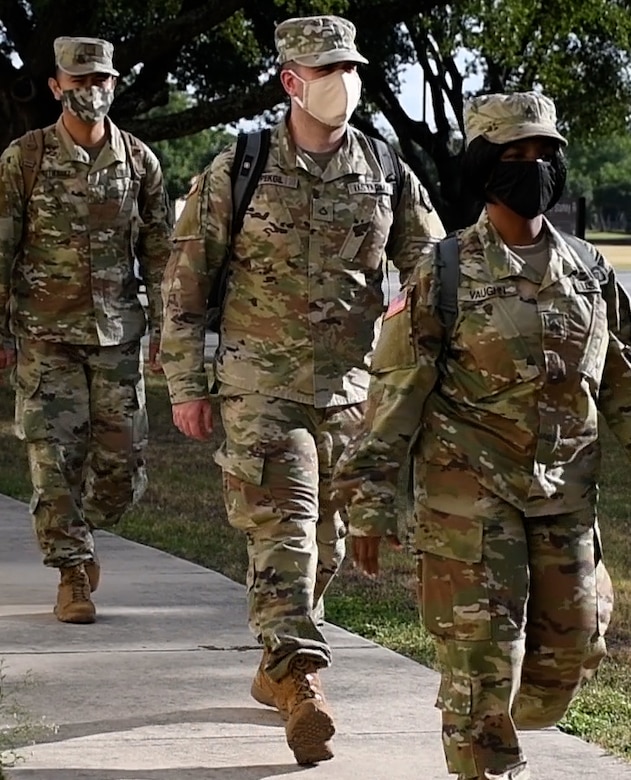
A combat medic, Pekgil was part of a team of 85 doctors, nurses, combat medics, respiratory therapists and ancillary personnel mobilized to South Texas. The unit was part of the Defense Department support of the Federal Emergency Management Agency's whole-of-America response to the COVID-19 pandemic.

Soldiers wearing face masks walk in a line.

Assigned to assist DHR Health in Edinburg, Texas, the team spent several weeks expanding the capacity of care at the Rio Grande Valley facility.

"This was my first time working in a COVID-19 environment, and the first shift had me on edge," Pekgil said. "But after the first shift, everything sort of fell into place. I realized I was meant to be here and overcame any worry I had about being in the thick of things."
Born and raised in San Francisco, this was Pekgil's first mobilization.

"Working with such ill people was emotionally challenging, but I took solace in the fact that we were helping them heal and providing comfort," Pekgil said. "They knew they were not alone in their time of need."

He enlisted in 2019 at the age of 31.

"I joined the Army to be a part of something bigger than myself," Pekgil continued. "I feel I joined at the right time in my life, and it has been one of the best decisions I have ever made."

Pekgil is a biology major at San Francisco State University when not serving in America's Army Reserve.

"I chose the reserve in order to finish my undergraduate degree and attend graduate school while I care for my mother," he explained. "Being a medic is a wonderful way to care for and protect people I work with and fellow citizens."

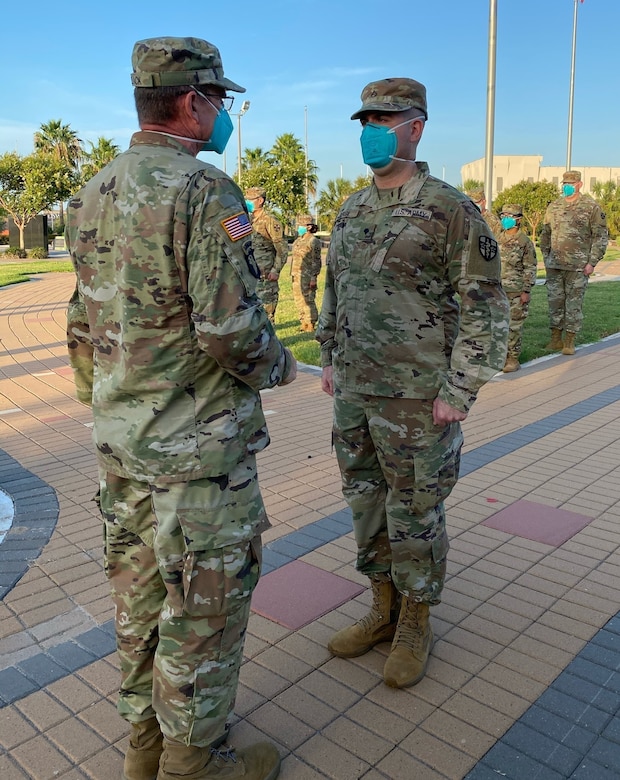
A soldier promotes another soldier during a ceremony.

Promoted to the rank of specialist on the mobilization, Pekgil explained that his family is very supportive of his service.
"I am the son of Turkish immigrants, and besides my mother, the rest of my family is in Turkey," he said, sharing that his father is now deceased. "They are all very proud of me and feel that I have made a great choice by joining the U.S. Army."

As he returns from Texas, Pekgil shares a final thought as he prepares to catch up on his studies in order to make his December graduation.

"It was the honor of a lifetime to work alongside such brave and hard-working people. I have learned so much about medicine and appreciate how much I have grown since joining. I am looking forward to the road ahead," he said.
(Army Courtesy Story from Army Reserve Medical Command)

Big Buoy


Navy Petty Officer 3rd Class Andrew Cuellar inspects a buoy in the Tinian Harbor in the Northern Mariana Islands, Oct. 1, 2020. Cuellar is assigned to Underwater Construction Team 2, which is conducting inspections as part of a maritime infrastructure assessment of the harbor and surrounding waterfront facilities.

Cleaning Crew


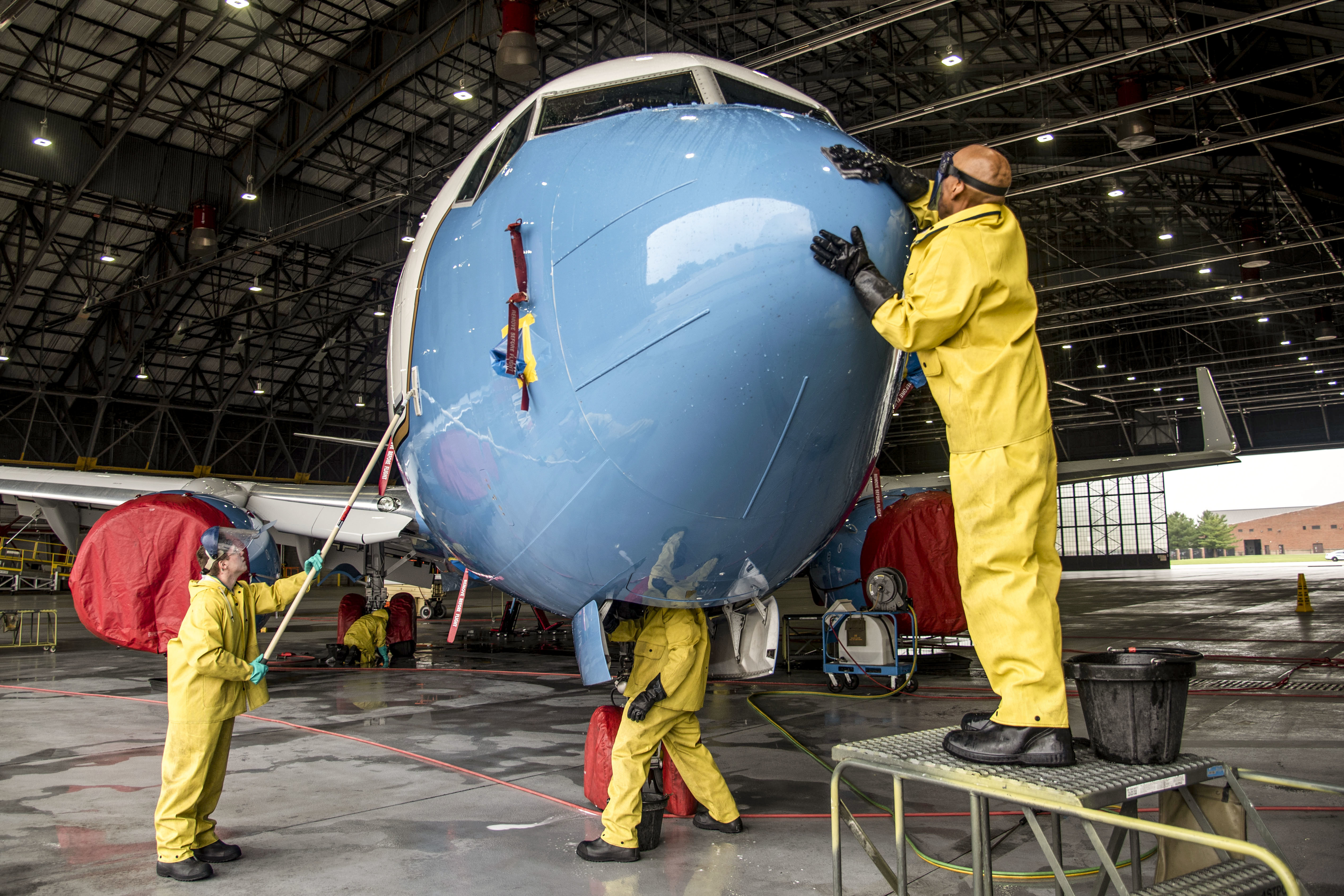
Airmen wash a C-40C at Scott Air Force Base, Illinois, Sept. 9, 2020, to meet mission readiness requirements.

Pacific Ops


Sailors prepare to recover a rigid-hulled inflatable boat in the well deck of the USS Gabrielle Giffords in the Pacific Ocean, Sept. 21, 2020.

Air Support


Air Force Capt. Charlene Sufficool sits in the cockpit of an A-10 Thunderbolt II at Davis-Monthan Air Force Base, Ariz., Sept. 17, 2020.

Lunch for Soldiers


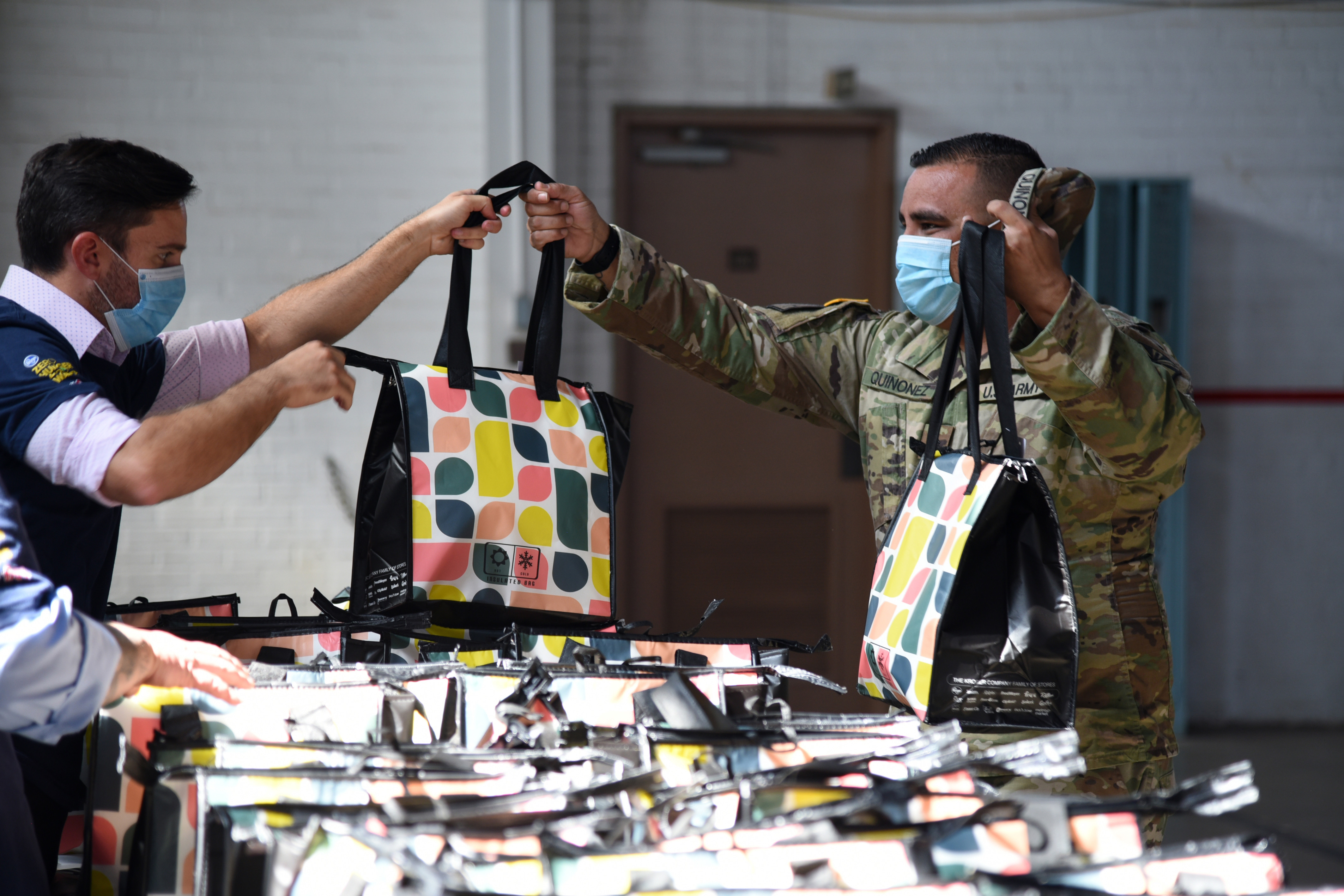
Staff members with the Arizona USO and a local grocery store provide lunch to soldiers and airmen at the Silverlake Armory in Tucson, Ariz., Oct. 2, 2020. The soldiers and airmen are supporting Arizona’s COVID-19 humanitarian response.

Rosy Outlook


A Navy F/A-18E Super Hornet takes off from the flight deck of the USS Dwight D. Eisenhower in the Atlantic Ocean, Oct. 1, 2020. The aircraft carrier is supporting naval operations to maintain maritime stability and security to ensure access, deter aggression and defend U.S., allied and partner interests.

Sunday, October 04, 2020

Proactivity, discipline is new norm for PT

Proactivity, discipline is new norm for PT (push-up)

Proud, inspired and confident is how I would describe myself after graduating Air Force Basic Training. I was an Airman who could physically perform any task without hesitation or worry of passing a Fitness Assessment (FA) test. In a COVID-19-ridden world gyms, parks and gathering places have been closed for public safety reasons. This is one reason why it is more difficult for Airmen to get back into fighting shape. Across the nation many of us are finding alternative resources, supporting each other, and creating new ways to overcome staying physically fit while having mental fortitude in this pandemic.

On March 15th, the 452nd Force Support Squadron followed suggested guidelines by taking proper precautions to close the March Fitness Center. In doing so, we were left without a suitable replacement.

With my impending November FA date approaching, and no fitness center open on base, I was worried that I would achieve base-line fitness scores, which meant that I would need to test again within six months. That was not my goal. I want to be in the top percentile of Airmen who earn a 90% or better score and, as a result, are only required to test once annually.

With my goal in mind, I calculated my Air Force PT scores at http://www.airforcefitnesscalculator.com, a resource for each of us to view what specific PT goals we need to reach.

Much to my relief, other Team March Airmen are going through similar struggles. Through a social media platform we started a private, online chat that, as Airmen who understand our PT challenges because of the gym closure, help us share each other’s unique workouts we do to stay deployment-ready. From yoga, to cycling, to weightlifting, and every fitness trend in-between, we Airmen are doing it all. We motivate each other even beyond the physical. We also exercise our mental health in support of each other as needed.

Our group chat also revealed that some of our Reserve Citizen Airmen are professional fitness trainers when not in military status. Two such members are Senior Airman James Keshavarz, 752nd Medical Squadron, and Tech. Sgt. Logan Frazier, 452nd Security Forces Squadron.

“Having a 24-hour sleep cycle  [,or circadian rhythm,] is key to maintaining resilience,” said Keshavarz. “Our serotonin and dopamine levels are restored during sleep which helps manage stress therefore, maintaining a sleep schedule, and exercising daily, will help regulate our hormones and promote mental health.”

The PT run is still one of the most heavily weighed portions of the PT test. Now is the opportune time to increase our cardio strength and endurance because no equipment is required.

Sit-ups and push-ups can be performed almost anywhere. However, if stepping outside to perform this portion of the test, be sure to take the proper COVID-19 precautions.

It is recommended that we record and keep an active record of our results for each area of the test so we can continue to track our progress.

Outdoor weightlifting equipment may or may not be available at each assigned location. Whatever our situation, readiness depends on our discipline. It is our responsibility to adapt and stay mission ready. As members of the Air Force, we must enhance our mental and physical abilities to answer our nation’s call at a moment’s notice if needed.

“A healthy body is only possible with a healthy mindset, so mental strength and endurance is equally important to train, as we would our muscles in a gym,” said Frazier. “We can work on our mental wellness by practicing mindfulness, setting goals for ourselves, reading, learning, choosing to create and surround ourselves with a positive atmosphere and peer group, and practicing balance between work and leisure.”

As the Air Force prepares to implement new norms due to COVID-19, Airmen we must adapt as we have always done. From yoga, to weightlifting, to cycling or running for our physical fitness needs, to getting the proper sleep or stepping outside for a break from stress for our mental health, we have the tools required to meet and even exceed our PT goals.

With my own PT test on the horizon, Airmen supporting one another through social media is how I learned extensively more about fitness, mentally and physically. I no longer rely on luck as I approach the track, but instead a familiar feeling of confidence and pride knowing that I am prepared to succeed.

Additional information for up-to-date fitness standards can be found on our mobile app at http://m360mobile.com/452mobilitywing/andriod/ or http://m360mobile.com/452mobilitywing/ios.

Editor’s notes:
The March Fitness Center has reopened for DoD employees, Active Duty, Guard and Reserve Airmen to use with a reservation. Visit https://marchfss.com/fun-recreation/fitness-sports/ to make a reservation.
“**DISCLAIMER: One reservation per guest, per day** Reservations are for one hour. This time includes your shower time. |Eligibility:| CAC Card Holders, No Guests, No Dependents, No Retirees. |Required:| CAC Card, Face Mask, Full Size Towel (Bath Towel) Clothing should cover the same amount of area as the PT uniform does. (No Tank Tops, Shorts must be mid-thigh or longer) *You are required to wipe down equipment before and after use. You must wipe the entire unit, not just the top as sweat droplets land anywhere.*”

Readout of Secretary of Defense Dr. Mark T. Esper’s Meeting With Qatari Deputy Prime Minister and Minister of State for Defense Affairs Dr. Khalid bin Muhammad Al-Attiyah

 Oct. 4, 2020


On October 3, 2020, Secretary of Defense Dr. Mark T. Esper met with Qatari Deputy Prime Minister and Minister of State for Defense Affairs Dr. Khalid bin Muhammad Al-Attiyah while in Qatar.

Secretary Esper expressed his gratitude for the Qatari Emir’s hospitality in hosting 8,000 U.S. service members and DoD civilians in Qatar. The two discussed the importance of the strong defense partnership and bolstering interoperability between the U.S. and Qatar.  

They also recognized the solemn circumstances of Secretary Esper’s visit to the region, the unfortunate passing of His Highness Sheikh Sabah Al-Ahmad Al-Jaber Al-Sabah, the late Amir of the State of Kuwait. The Secretary acknowledged the important role the Sheikh played in promoting cooperation through the Gulf region. 

Secretary Esper and Dr. Khalid expressed their interest in strengthening broader regional defense cooperation to ensure collective security and a unified response to threats. 

Secretary of Defense Dr. Mark T. Esper Leads Presidential Delegation in Kuwait City to Meet With His Highness Amir Nawaf Al-Ahmad al-Sabah

 Oct. 4, 2020


Secretary of Defense Dr. Mark T. Esper led the Presidential Delegation today in Kuwait City to meet with His Highness Amir Nawaf Al-Ahmad al-Sabah.

On behalf of President Trump and the United States of America, the Secretary offered condolences to HH Amir Nawaf on the passing of HH the late Amir Sheikh Sabah Al-Ahmad Al-JaberAl-Sabah, whose wise leadership we mourn today as we and the region work to build on his legacy for the future. 

The Secretary reflected with HH Amir Nawaf on the powerful example set by HH the late Amir. Truly the Sheikh of diplomats, HH Amir Sheikh Sabah set Kuwait upon a prosperous path to sustained peace and safety in cooperation with the Gulf Cooperation Council, with whom he was a tireless mediator capable of bridging insurmountable divides in pursuit regional stability and security. 

An extraordinary architect of Kuwait’s humanitarian contributions in the world, HH Amir Sheikh Sabah also personified the shared value that Kuwait and the United States place on our longstanding defense relationship. 

The Secretary had an opportunity to discuss with the Minister of Foreign Affairs Sheikh Dr. Ahmed Nasser al-Mohammed Al-Sabah our security cooperation and commitment to the advancement and modernization of Kuwait’s forces, a priority of HH the late Amir Sabah. 

The Secretary thanked HH the Amir and Minister Ahmed for their continued support of one of the largest U.S. military presences in the world. 

The Secretary expressed his thanks to HH Amir Nawaf, Minister Ahmed, and the Royal Family for their generous hospitality during this difficult time. The United States will continue to keep our friend and partner Kuwait in our thoughts during this period of mourning.

Friday, October 02, 2020

Operation Grace Delivery: Volunteers Deliver Food to Quarantined

 Oct. 2, 2020 | BY Air Force Airman 1st Class Daniel Sanchez

People have to eat, and right now there are many obstacles that can prevent people from getting a balanced meal — like long shifts, the reconstruction of the local dining facility and the ongoing COVID-19 pandemic.

For airmen and their families, the 86th Airlift Wing Chapel at Ramstein Air Base, Germany, tried to alleviate these challenges with Operation Grace Delivery, working hard to offer free meals for airmen, their families and those in quarantine as well.

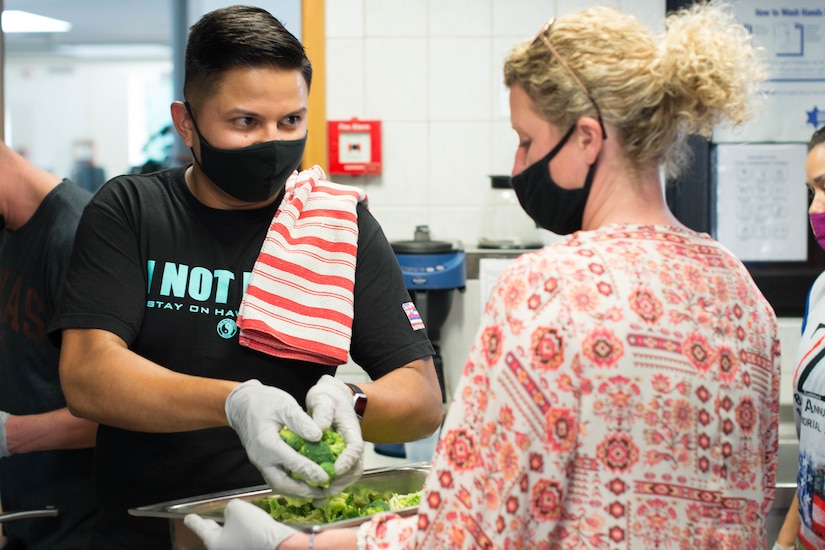
An airman wearing a face mask grabs a handful of broccoli.

"Our main goal is to provide spiritual support for our airmen," said Air Force Tech. Sgt. Gail Mones, 86th AW Chapel Plans and Programs noncommissioned officer in charge. "At the same time, we are here to provide whatever it is that our airmen need. Right now I think one way to reach people is to serve food."

There have been similar programs in the past, like Operation Connect, which involved onbase restaurants providing catered food; but this time, it is the volunteers who have arrived in overwhelming numbers to assist those in need.

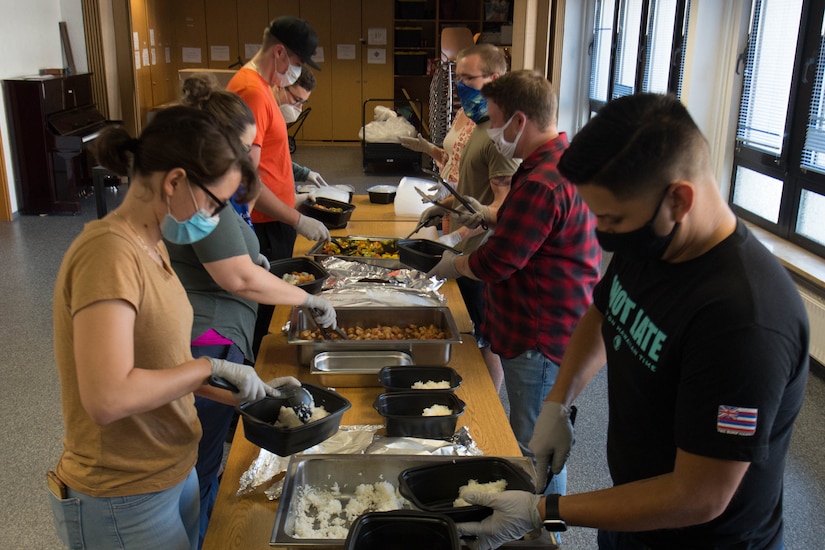
Volunteers assemble meals for delivery to those in need.

Once volunteers arrived at the Southside Chapel, they were briefed on food preparation, sanitation and safety. After the briefing, they began setting up their work area, assembling their cooking tools and preparing the food.

The Southside Chapel was full of volunteers cooking, laughing and getting to know each other as meals like lasagna, rice and shrimp and enchiladas were prepared during the last six weeks. Even in the casual environment, a lot of work was getting done.

"Today we will be delivering about 70 meals. During the program, we delivered about 380 meals," Mones said.

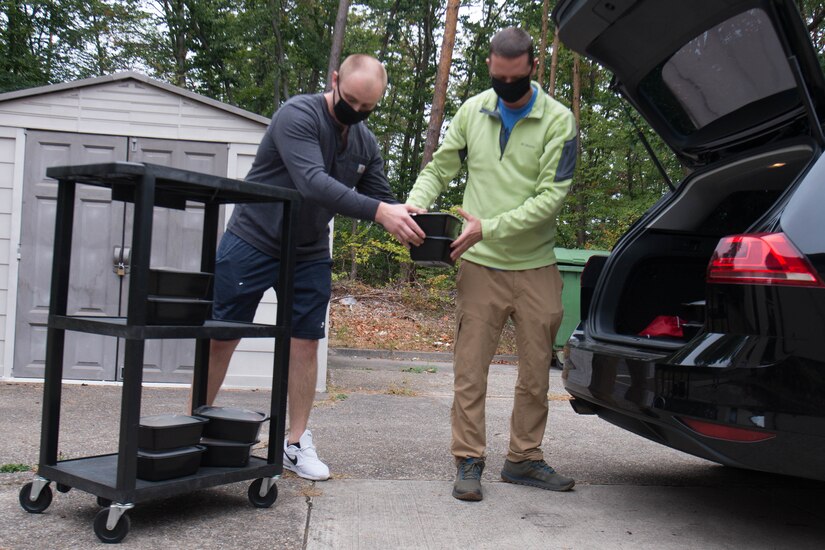
Volunteers loading prepared meals into the back of a vehicle.

Once the meals were prepared and packaged, the volunteers delivered them directly to those who requested them. This is pivotal to those who are in quarantine and can’t leave their homes.

With the reopening of Club 7 soon, the 86th AW Chapel team is halting the program to reevaluate how the program can best serve the community moving forward.

"The chapel would like to thank all the people who gave their time to help set up, cook and deliver the meals," Mones said.

(Air Force Airman 1st Class Daniel Sanchez is assigned to the 86th Airlift Wing)

Self Aid Buddy Care Classes Continue During COVID-19

 Oct. 2, 2020 | BY Air Force Courtesy , 375th Air Mobility Wing

"Is it safe for you to move them? Are they breathing? How do you stop the bleeding?" asks Air Force Master Sgt. Robert Radford, the Self Aid Buddy Care instructor during the most recent class on Scott Air Force Base, Illinois.

At his cue, several airmen who, working through COVID-19 restrictions, jumped into action to implement the skills they learned just moments before.

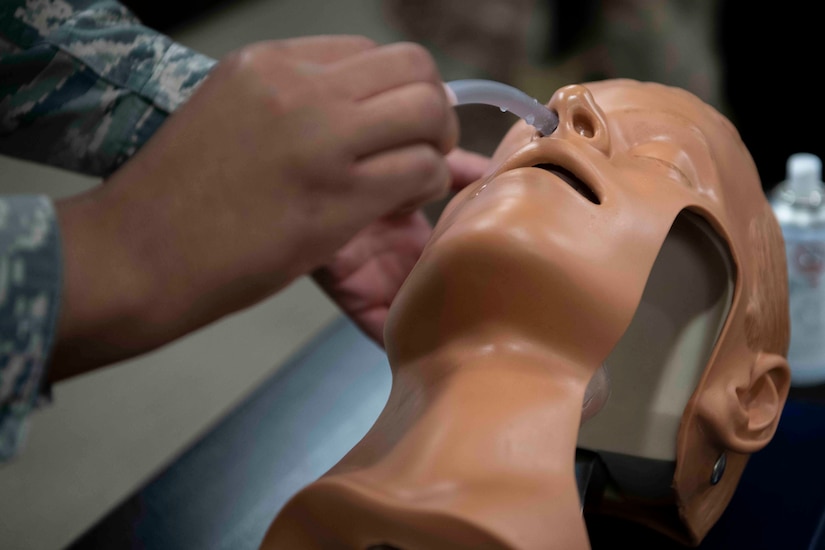
Airmen wearing face masks practice inserting a nasopharyngeal tube in a dummy.

Because military members can be deployed to hostile environments or respond to humanitarian missions, they need to be equipped with the skills to perform basic medical care in the field because it may save a life or limb.

They may also use those skills in their everyday lives, and that's why Radford said it's part of the reason he wanted to teach SABC. Earlier in his career, he knew of two other airmen who witnessed a horrible motorcycle accident and used their training to save the lives of the three people involved.

Now, as a 375th Air Mobility Wing safety superintendent, he said he takes pride in teaching these life-saving techniques.

"The purpose of SABC is to teach our members how they can either perform first aid on themselves or their buddy to preserve eyesight, limbs or life," Radford said.

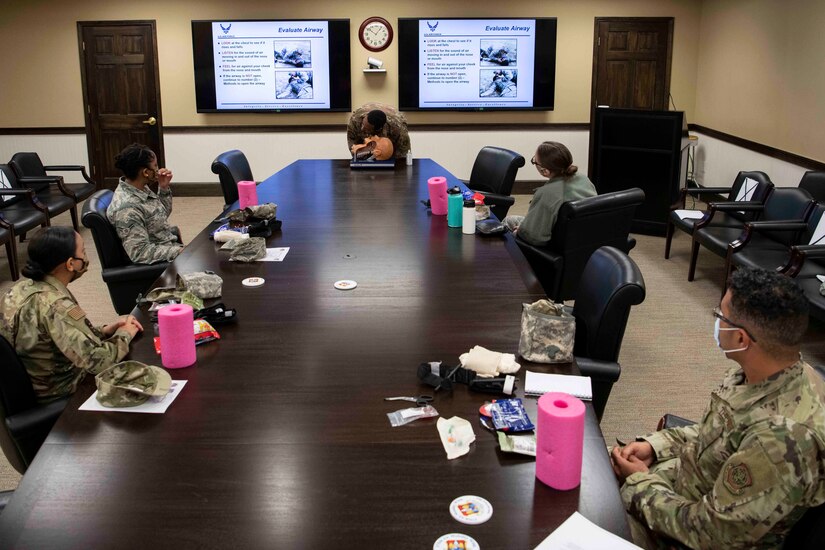
Students learn airway management, bleeding control, how to handle chest wounds and eye injuries, patient transport and documentation of patient care.

Airmen wearing face masks receive emergency medical training.

"Most of the time when we are put in those types of situations, it is like a light switch," he said. "So, you think you may have forgotten it, but it's locked away and becomes available when needed because you trained for that."

Although COVID-19 operating procedures have impacted the way the course is conducted, airmen are still able to practice using the life-saving materials, such as tourniquets, emergency bandages and nasopharyngeal tubes, on themselves and on an airway management trainer mannequin.

Airman 1st Class Kendra Zollicoffer, with the 375th Comptroller Squadron, said she was glad to understand the basics of SABC so she could respond appropriately if she needed to use the training while deployed.

Radford added, "The small part that we do hands-on is still important because, COVID [pandemic] or not, we are still deploying, and we still have to be ready to fill those spots."

U.S., Morocco Chart Defense Cooperation Through 2030


Oct. 2, 2020 | BY Jim Garamone , DOD News

Morocco and the United States renewed the alliance between the two nations as a foundation stone for peace in Africa.

Defense Secretary Dr. Mark T. Esper and Morocco's Minister of Foreign Affairs Nasser Bourita signed the defense cooperation road map in Rabat, Morocco. The road map charts cooperation between the two nations through 2030.

Morocco is one of America's oldest friends, recognizing the United States as it was still battling for independence in 1777. 

The country remains a critical partner on a range of security issues. "Now more than ever, our two nations are working closely to tackle the challenges of an increasingly complex security environment ranging from counterterrorism and other transnational threats to regional instability and broader strategic challenges," Esper said. "We do this together to promote the security, the stability and the prosperity of our shared goals and our peoples."

The goal is to continually reinforce America's long-standing, steadfast commitment to Morocco and, by extension, to Africa, the secretary said.

Morocco is a major non-NATO ally, and the country's strategic location makes it a gateway to Africa. "Morocco is a country we have been friends with for many, many years, and I am confident that we will remain friends and strategic partners for generations to come," Esper said.

The discussion with a range of Moroccan leaders touched on many issues, including regional problems, economic issues and more, Esper said. All of the progress made in other areas is enabled by security. "We cannot accomplish this unless we also continue to advance peace and stability and security across the continent," he said. "We must do so by strengthening our defense partnerships with African governments."

The road map will allow the United States and Morocco to improve defense cooperation, partnerships and interoperability. One specific was the importance of Exercise African Lion, which draws participants from across the continent. "It is a key training and exercise event for many, many years, not just between the United States and Morocco," Esper said.

Women in the Military Academies: 40 Years Later


 Oct. 2, 2020 | BY Terri Moon Cronk , DOD News

This year marks the 40th anniversary of the graduation of the first women admitted into the U.S. Air Force Academy, the U.S. Naval Academy and the U.S. Military Academy at West Point.

In 1975, then-President Gerald R. Ford signed Public Law 94-106 for women to be admitted to the all-male military colleges. The freshman class began in the summer of 1976 and graduated in spring 1980.

Four women pose for a photo.

Three of those graduates remember the atmosphere well – something that has improved since they were surrounded by male upperclassmen's views, many of whom did not favor the idea of women in their previously all-male school. In Washington for a quarterly meeting of the Defense Advisory Committee on Women In the Services on which all three women serve, they spoke with DOD News about their ground-breaking experiences at the academies 40 years ago.

Also known as DACOWITS, the organization is one of the oldest Defense Department federal advisory committees. The committee comprises civilian women and men appointed by the secretary of defense to provide advice and recommendations on matters and policies relating to the recruitment, retention, employment, integration, well-being and treatment of servicewomen in the armed forces.

Here are their stories:

Air Force Academy Janet C. Wolfenbarger

Bird Bath

An airmen uses a hose to spray water onto an aircraft.

 Air Force Tech. Sgt. Brian Pontes washes an A-10C Thunderbolt II at Davis-Monthan Air Force Base, Ariz., Sept. 29, 2020.

Readout of Acting Under Secretary of Defense for Policy Dr. James Anderson's Bilateral Engagement With Senegalese Minister of Armed Forces, Minister Sidiki Kaba

 Oct. 2, 2020


Acting Under Secretary of Defense for Policy Dr. James Anderson spoke with the Senegalese Minister of Armed Forces, Minister Sidiki Kaba, today by telephone. The two leaders expressed appreciation for each other’s security efforts and supported advancing the U.S.-Senegal defense relationship built on shared democratic values and mutual security interests.
 
Dr. Anderson emphasized the United States’ commitment to the partnership and to continued collaboration on shared priorities of countering violent extremism, advancing maritime security, and defending international norms.

A Soldier Goes to West Point

 Oct. 2, 2020 | BY Terri Moon Cronk , DOD News

The Army communications specialist had no idea what she was getting into when her battalion commander asked her if she wanted to go to the U.S. Military Academy in West Point, New York.

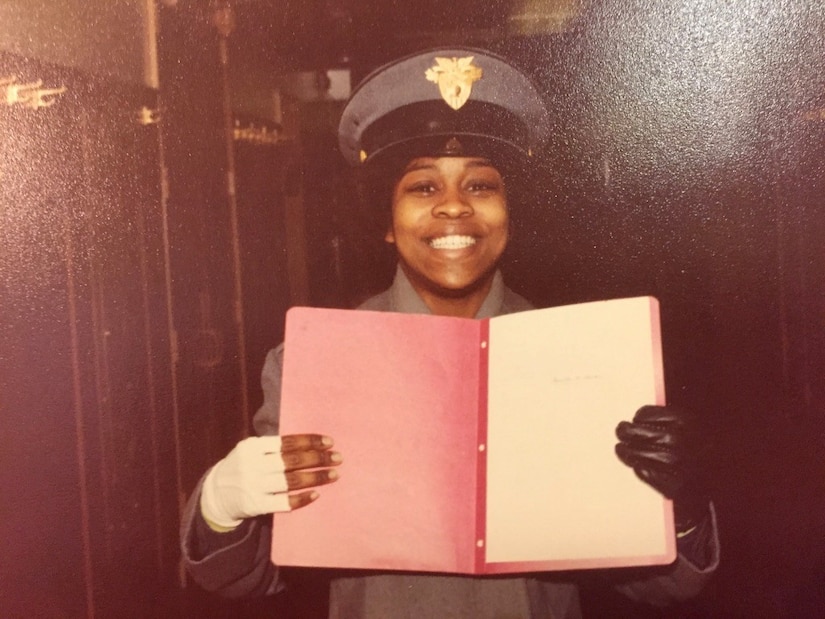
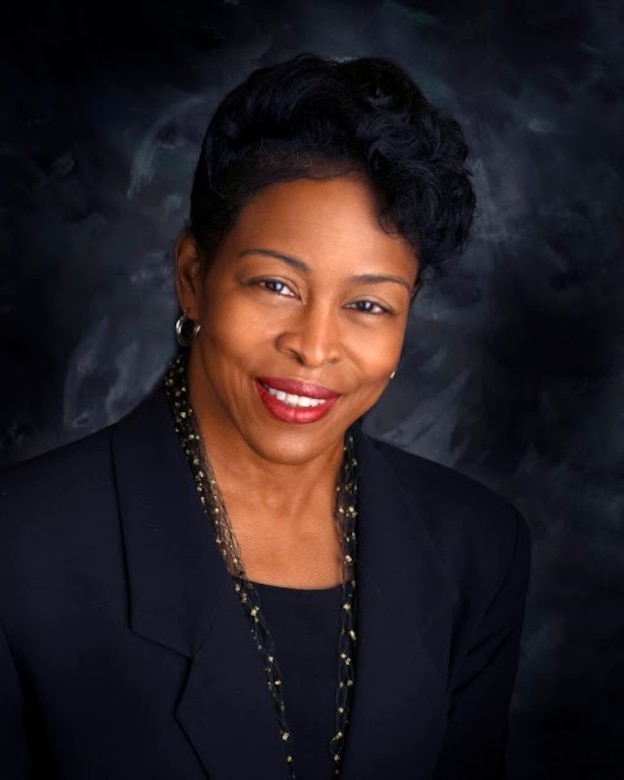
Stationed at Fort Polk, Louisiana, in 1976, now-retired Army Maj. Pat Locke had never heard of West Point, she said. But when she learned she could get a college degree, the Detroit-born woman packed her belongings in a duffel bag and drove to the school the following day.

A woman in military uniform holds up a notebook.

She laughs now, remembering when she told herself, '''How bad could it be?'''

Little did she know she would become a member of a college that separated people into ''males,'' and ''non-males.'' Her class started with 119 women, and 62 graduated.

Locke also became the first Black woman to become a Military Academy graduate by order of merit in her 1980 class. Today, graduates are listed alphabetically, rather than by merit, she explained.

I cherish the times I can tell people about the academy and what they're going to get from it. I think all the services are better because we have women in them.''
Retired Army Maj. Pat Locke

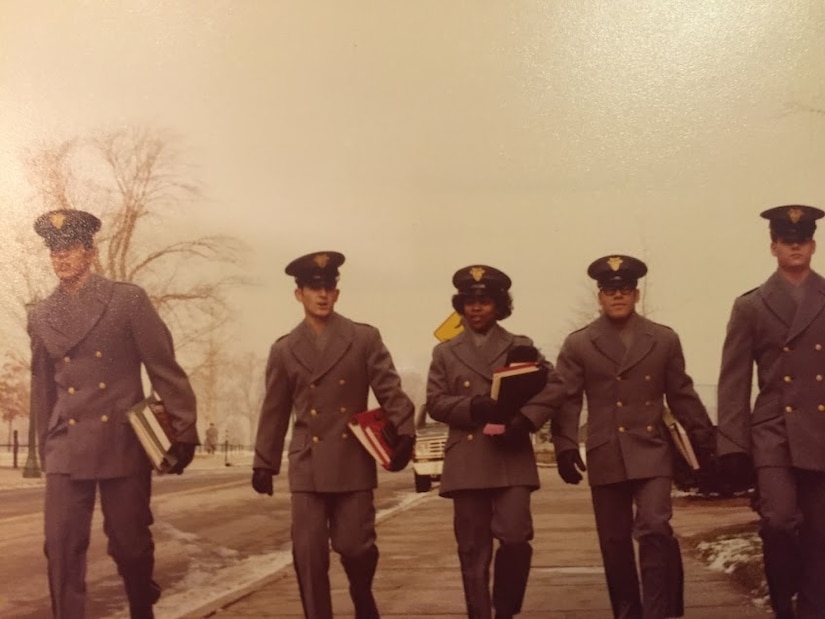
''It wasn't much different from being in the Army, but at Fort Polk, Louisiana, I was around a lot of people who looked like me. When I got to the academy, there were very few people who looked like me. That was the first rude awakening I had when I got there,'' Locke said.

She said that being from Detroit, she spoke differently and had to fight a language barrier. ''Very few people could understand what I was saying, so that was a problem for me,'' she said. ''That was the biggest thing I had to overcome.''

And being at what had been an all-white-male school, she had to make an adjustment check. ''I had to check my attitude because I said that no matter what, I'm not leaving,'' she said.

A group of 5 soldiers holding books walk together.

Locke said she was inspired to go to West Point by the battalion commander who first approached her about West Point, and that she probably would not have pursued a college degree otherwise.

In her second year at the academy, she got help from a tactical officer who was a native New Yorker, to whom she could relate, she said. ''That's when I got a little more confidence in myself and I'd learned to speak a little bit better,'' she recalled.

Locke joked about probably forgetting any math she'd learned in high school, and she said her math professors pushed her. ''I felt like I learned five years of math in one year,'' she said. ''I passed, and a lot of people were getting kicked out left and right.'' Today, she tutors math for high school students who aspire to go to the Military Academy and are preparing for their SAT and ACT exams.

But in addition to teaching math for college entrance exams, Locke shares her wealth of experience with other young women coming into the academy. She currently volunteers as a member of the Defense Advisory Committee on Women in the services, or DACOWITS, as well as recruits for the Military Academy as an admissions field representative.

A head shot of Pat Locke

''Most don't come [into the academy] as a fully-formed leader,'' she tells them. ''You come in with the raw materials of being a great leader, but you've got to shape it, pound it, knead it, bake it and sharpen it. And sometimes that hurts.''

A sense of patience is also required at the academy, she tells them. ''You are there to shape yourself into the best leader of character that you can be,'' she says. 

''Everybody has to learn ‘how to cooperate in order to graduate','' Locke said. ''That's what you learn at the academy, and you take that with you for the rest of your life. I cherish the times I can tell people about the academy and what they're going to get from it. I think all the services are better because we have women in them.''

Read the stories of other women who attended military academies

Teeth Check


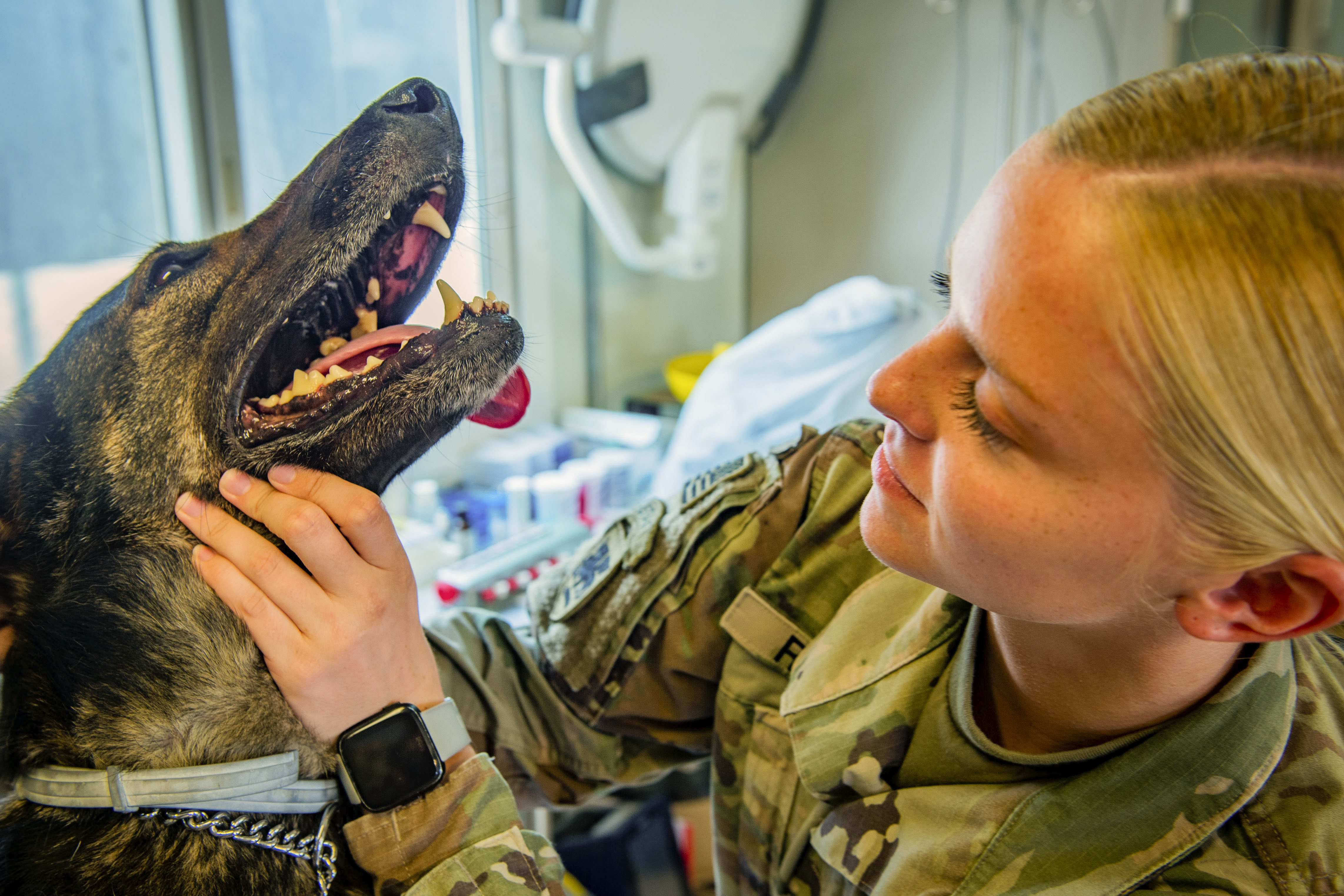
Gina, a military working dog, opens wide while Army Spc. Caitlin Rippin inspects her teeth at Camp Lemonnier, Djibouti, Sept. 26, 2020.

Fighting Flames


Airmen extinguish flames on a training aircraft during an exercise at Royal Air Force Lakenheath, England, Sept. 30, 2020.

Reaper at Rest


An MQ-9A Reaper carrying eight Hellfire missiles sits on the ramp at Creech Air Force Base, Nev., Sept. 10, 2020.

Eagle Exercise


Air Force F-15C Eagle aircraft perform a training exercise over Royal Air Force in Mildenhall, England, Sept. 30, 2020.

Swift Swim


Marine Corps Staff Sgt. Jonathan Cobb swims during training at Marine Corps Recruit Depot Parris Island, S.C., Sept. 17, 2020.

Distance Check


Navy Petty Officer 2nd Class Nicholas Baum performs a distance check during a combat search and rescue training exercise in Yona, Guam, Sept. 24, 2020.

Great Power Competition Can Involve Conflict Below Threshold of War

 Oct. 2, 2020 | BY DAVID VERGUN , DOD News

The U.S. Special Operations Command is preparing to meet the challenges of irregular warfare, which the Defense Department could face in the future from nations like Russia and China, the acting assistant secretary of defense for special operations and low-intensity conflict said.

Ezra Cohen spoke today at a virtual symposium sponsored by the National Defense Industrial Association, "2020 Virtual SO/LIC."

Last year, the department published the Irregular Warfare Annex to the National Defense Strategy

The IW Annex provides clear guidance and objectives for the Joint Force to adapt and apply its IW capabilities to counter near-peer adversaries' malign activities below the level of armed conflict, Cohen said, mentioning that the document has five core themes.

First, DOD cannot afford to discard IW knowledge developed as a result of 19 years of irregular conflict in Iraq and Afghanistan. "We must adapt and institutionalize those skills in ways that challenge our adversaries' strategies and shape the competitive landscape to our advantage," he said.

Over the past 75 years, the United States has been slow to recognize and accept the irregular character of the conflicts it enters, Cohen said. "Our doctrine, acquisition and training for conflict is excessively focused on maintaining deterrence or winning the high-end conventional war fight, when the simple reality is that modern warfare is not nearly that clear-cut."

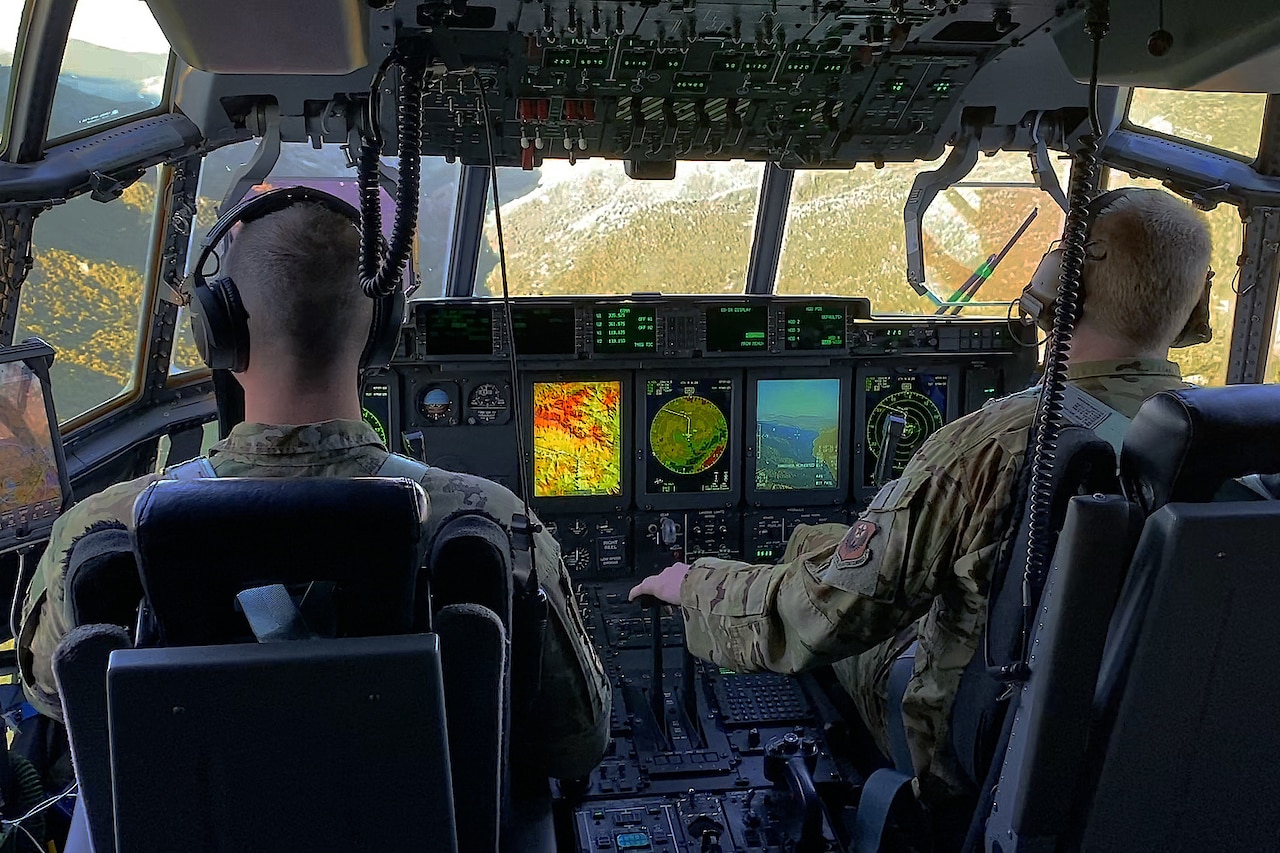
Inside a cockpit, two pilots view the control panel as they fly over rugged terrain.

When the United States has chosen to embrace IW, it has been prone to overextending itself through indefinite, direct action campaigns, nation building and other endeavors that call IW's value into doubt, he said, meaning that improvements in IW doctrine and capability must stem from those lessons learned.

Second, the department must prioritize IW innovation and increase readiness for IW conflicts, he said.

The U.S. Special Operations Command has historically served as a test bed for innovation, able to evaluate new technologies in the field or in warfare prior to integration across the conventional force. 

Great power competition elevates the requirement to innovate, as near-peer adversaries increasingly adapt their strategies to challenge the department's strengths, he said. "We must be aggressive in evaluating new technologies and techniques on the front lines before conflict forces us to field untested tactics, techniques and procedures."

For example, artificial intelligence and machine learning are important capability areas to hone as requirements continue to evolve, he said. To ensure an AI-ready workforce, U.S. Socom has enrolled a number of personnel in this year's AI program at DOD's Joint Artificial Intelligence Center. 

This year, the department streamlined its procurement processes and brought better business practices into the acquisition process, Cohen noted. "This benefits our partnerships with industry."

Third, the department must be more proactive in competition and not solely reactive to crises and hostile provocation.

"Indeed, our adversaries have proven that irregular activities can proactively shape the environment to their advantage, all below the threshold at which we are likely to respond with conventional force," he said.

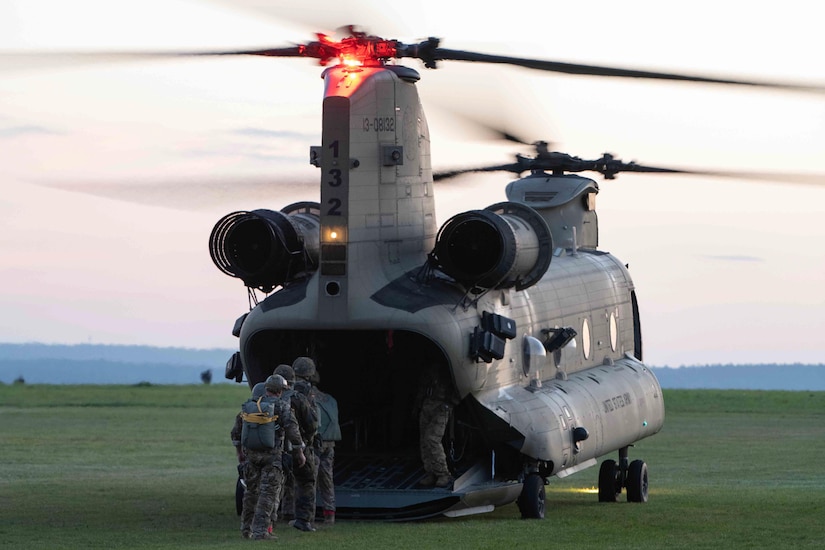
Three service members prepare to board a helicopter.
A man rides a snowmobile. A helicopter is behind him.

The IW Annex calls for the United States to embrace IW and employ a suite of tools to impose costs on malign activities, deter further aggression, shape the environment to maintain a favorable balance of power, and create dilemmas for adversaries — all well before armed conflict necessitates doing so at scale, Cohen said.

There is implied operational risk in this proactive approach, he noted. However, accepting some operational risk significantly buys down strategic risk and the risk of inaction. "By preparing for the extremes of all-out war or high-end deterrence alone, we risk missing the contest already underway and risk discovering that conditions are against us when crisis begins."

Fourth, the department must emphasize operations in the information environment, he said.

"Our adversaries have weaponized disinformation and propaganda to their advantage. They poison public discourse, undermine democratic processes, turn citizens against each other, and deflect blame for their malign activities," he said.

Adversaries embrace the anonymity of social media platforms and the viral nature of information flow as they employ information statecraft as an integral element of their approach to competition, he continued. 

State and non-state actors alike can create non-lethal military effects through the manipulation of the information space, he said. "To compete in the information environment, the United States must accept that influence is an integral aspect of modern warfare, not just a niche capability."

It requires a whole-of-government approach that integrates technical capabilities and institutional knowledge across civilian agencies, foreign partners and other entities, Cohen said. DOD also needs new information operations technology that will enable it to identify and isolate disinformation, as well as create and amplify fact-based narratives — and to do this at the speed of today's information environment. 

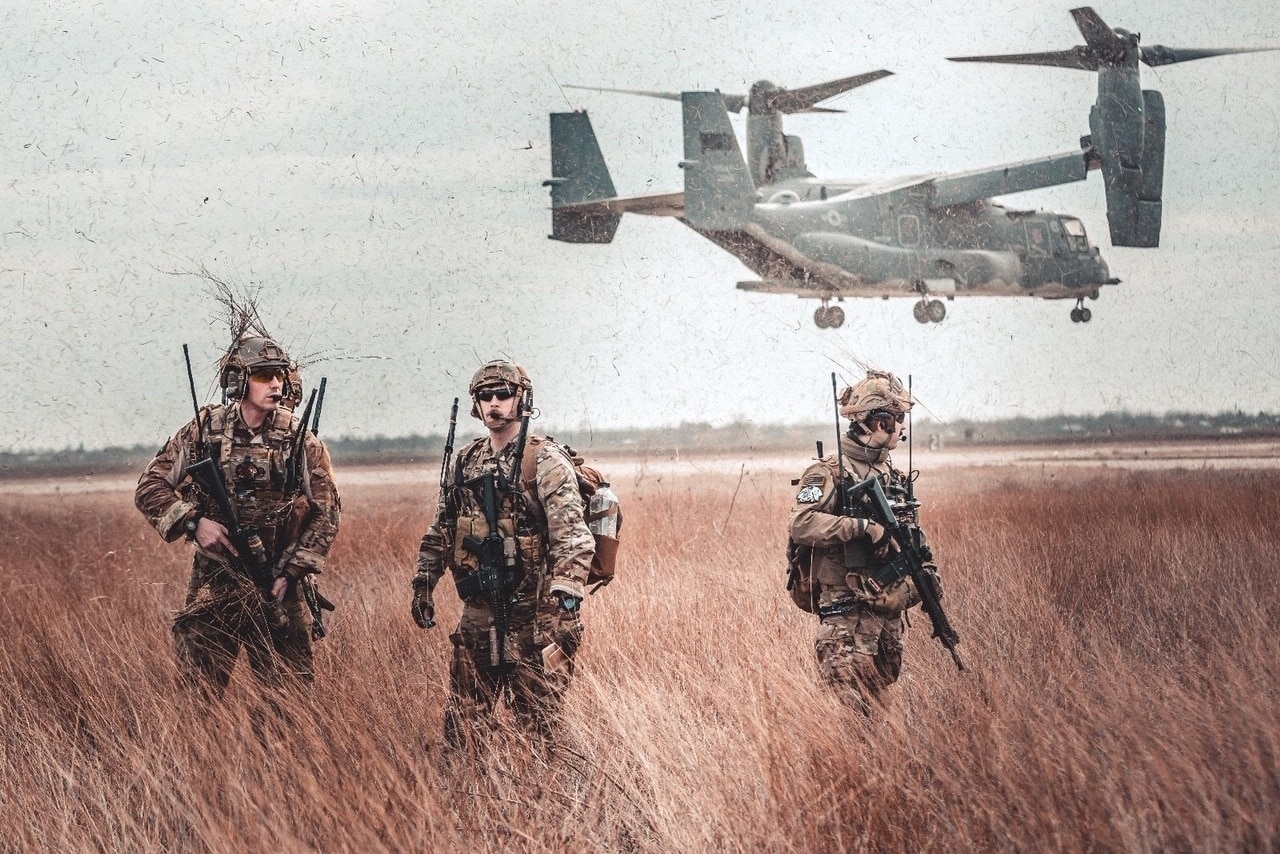
Three service members with weapons walk through a field as an aircraft hovers behind them.

Fifth, irregular warfare is inherently an interagency affair, and the department must foster its interagency partnerships, including with non-governmental organizations.

In recent years, DOD has had closer cooperation with diplomatic, law enforcement and intelligence partners for counterterrorism activities. The IW Annex calls for expanding that cooperation to address the requirements of great power competition, he said. 

Besides discussing the IW Annex, Cohen mentioned that on Sept. 10, he and U.S. Socom jointly signed a memo on diversity and inclusion in the organization. "As it stands today, the force is not reflective of our larger society — a fact that should give us all pause. Barriers exist that prevent us from accessing full population segments and their unique skills and perspectives — effectually leaving needed talent outside of our formations. 

"The contest for influence and legitimacy will require diverse perspectives and new ideas that resonate among relevant audiences. This is especially true as the department attempts to coordinate and integrate its operations in the information environment against foreign propaganda and disinformation," he said.

DOD Releases Annual Suicide Report for 2019

Oct. 2, 2020 | BY Terri Moon Cronk , DOD News

Every suicide is devastating and forever changes the lives of families and communities, the Defense Department's director of the defense suicide prevention office said today.

Dr. Karin A. Orvis released the Annual Suicide Report for calendar year 2019 in a Pentagon press briefing.

The director said the defense department has the responsibility of supporting and protecting those who defend the United States.

"Suicide is a national public health issue affecting people from all walks of life," she said. "It's a growing issue that affects all ages.

"The DOD has the responsibility of supporting and protecting those who defend our country," Orvis said, "and it is imperative that we do everything possible to prevent suicide in our military community."     

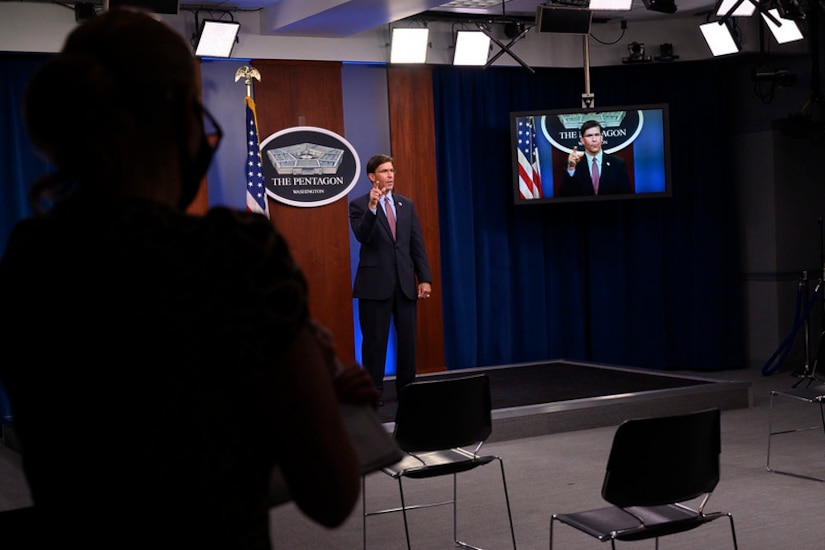
Defense Secretary Dr. Mark T. Esper records a video message for Suicide Prevention Month.

The 2019 ASR builds on existing reporting in the DOD Suicide Event Report Annual Report. The ASR gives researchers and suicide prevention practitioners earlier rates for service members and available data on suicide among military families, followed by the DODSER's detailed examinations of risks and contextual factors that are associated with suicide for that calendar year.  

This year's ASR continues the department's commitment to transparency and accountability on challenging issues such as the prevention of suicide. It is coordinated with the military services and DOD leadership to make sure all data and information are accurate.

The 2019 report stated that 498 service members died by suicide, she said, adding that young and enlisted service members are our military population of greatest concern. Orvis added that suicide is often a sudden and impulsive act.

The health, safety and well-being of the military community is essential to the readiness of the total force, the director noted, adding:

  • Suicide is a complex interaction of factors that vary among individuals. Because there is no one "fix," the DOD is committed to a comprehensive, multi-faceted approach to prevent suicide.
  • Suicide rates in civilian populations are rising; the military is not immune to the challenges of suicide.
  • After accounting for age and gender, military suicide rates are comparable or lower than the U.S. population. 

Orvis said since the release of last year's report, the department has worked to increase coping skills among young and enlisted members, enhanced access to resources for National Guard members, increased support to military families, furthered program evaluation efforts and has taken proactive steps to mitigate potential impacts from COVID-19.

What the Report Says

Compared to the past two years, the 2019 suicide rate for active duty service members is statistically comparable to 2017, while the reserves and National Guard rates are statistically lower than 2017, the director said.  

Long term, from 2014 to 2019, the active duty rate increased, while there is no statistical evidence of an increase or a decrease for the reserve and National Guard. The department found continued heightened risk for young and enlisted members, Orvis said.

Important strides have been made in the National Guard. The rates are now comparable to the U.S. population and statistically down from 2017.

The Army Resilience Directorate officially launched its new website Sept. 18 at ArmyResilience.army.mil.

"We are cautiously optimistic, focused on long-term, sustained improvement," Orvis said.

The most recent available data on military families is from 2018. Based on that data, 193 military family members died by suicide that year. The 2018 rates for family members are also consistent with the 2017 rates.

"[For] our data, … after adjusting for the age and sex differences across the military and civilian populations — with our military population being younger and comprising more males — the military has comparable or lower rates to the U.S. population," she said.

At this time, the director said, it is too early to determine whether suicide rates will increase for 2020.

"We will need to have the full year of data and investigations completed to determine [the] cause of death," she added.

Future Steps

Based on the findings from the report, the DOD must target its population of greatest concern and continue to support families. Efforts will focus on:

  • Young and enlisted members: Address perceived barriers to seeking help and encourage use of support resources, address common risk factors with an integrated violence prevention approach and support rollout of a new "988" crisis line number.
  • Military families — Teach influencers such as spouses, chaplains and students in DOD schools of risk factors for suicide, encourage help-seeking and promote safe storage of lethal means.
  • Measuring effectiveness: Continue to assess program effectiveness via the DOD-wide program evaluation framework and enhance research, data and evaluation capabilities.

The way people communicate about suicide influences perceptions, attitudes and behaviors, such as how people view or make decisions to seek help, Orvis said.

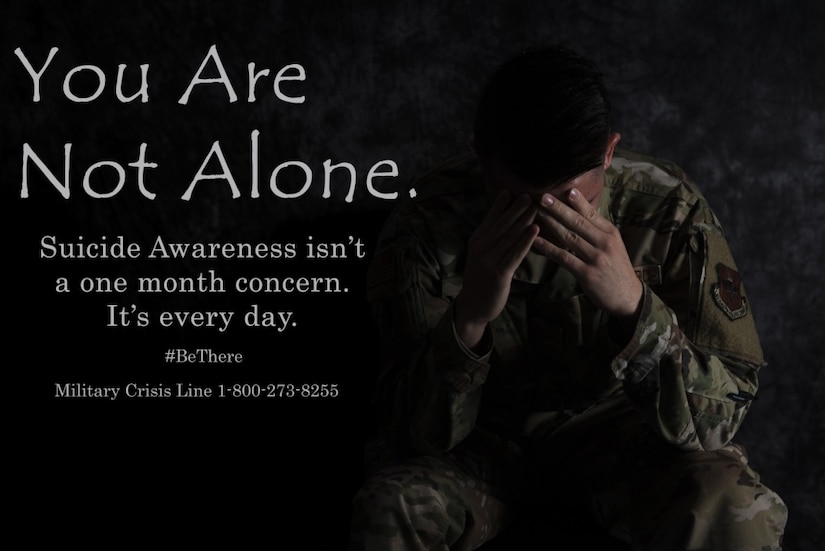
Suicide prevention poster.

"We encourage using resources at www.reportingonsuicide.org when communicating about the report's findings and other suicide-related communications."

The department cannot prevent suicide alone; it must continue to collaborate on research, data sharing, outreach and other key efforts with federal agencies, nonprofits and academia, she noted.

"Suicide is preventable," Orvis said. "We continue to do more, including targeting our initiatives to our young and enlisted members while continuing to support our military families. We will not relent in our efforts. We owe this to our service members and families defending our nation."

Door Detonation


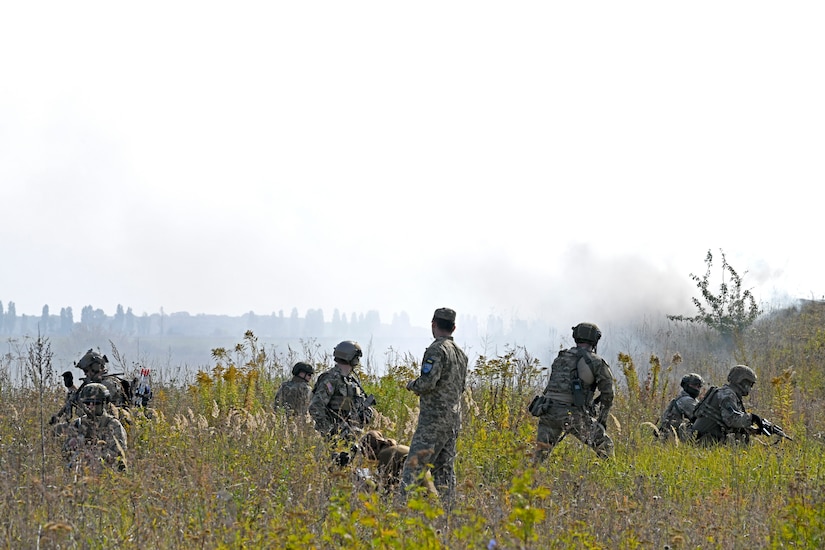
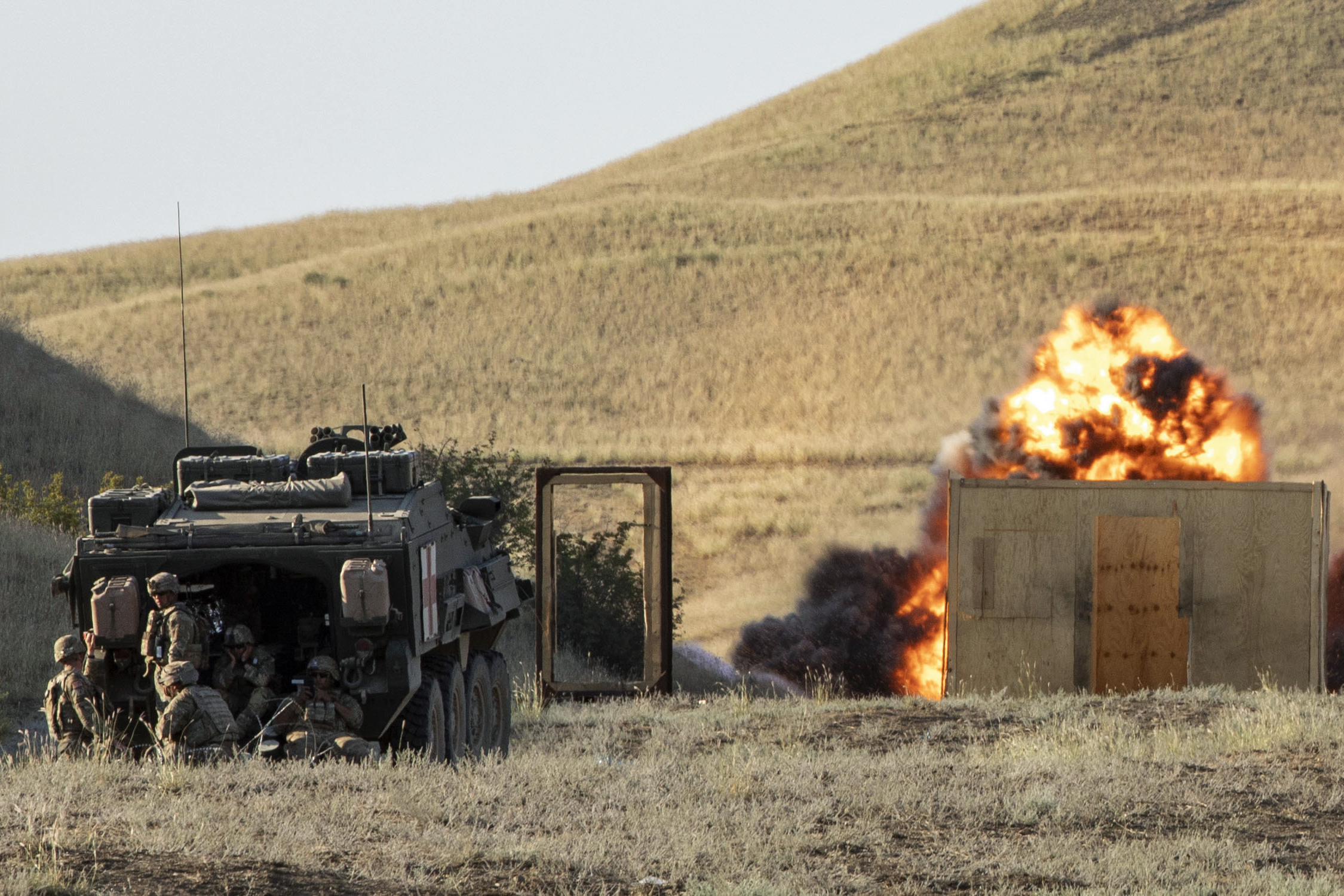
Soldiers detonate an explosive charge during Noble Partner at Vaziani Training Area, Ga., Sept. 12, 2020. The exercise is designed to enhance force readiness and interoperability.

Mule Mission


Marine Corps Lance Cpl. Lucas M. Kidder walks mules out of their pen during training at the Marine Corps Mountain Warfare Training Center, Calif., Oct. 1, 2020. The course teaches students to use mules to travel through difficult terrain with mission-essential gear.

Irregular Warfare Annex to National Defense Strategy Made Public

 Oct. 2, 2020 | BY David Vergun , DOD News

The Defense Department released the unclassified portion of the Irregular Warfare Annex to the 2018 National Defense Strategy today.

Soldiers prepare to parachute.

This unclassified summary of the IW Annex allows the department to communicate to interagency and industry partners, along with the American public, about the proactive efforts by the department to avoid crises, said Joe Francescon, deputy assistant secretary of defense for special operations and combatting terrorism. 

"Officials hope this summary reassures the American public, allies, partners and the international community of the department's strongest commitment to be proactive against the security challenges confronting the nation," he said.

Adversaries like Russia and China use IW tactics and techniques, which are below the threshold of conventional warfare, to influence populations. These tactics and techniques include activities such as using social media to erode the legitimacy of democratic values and institutions, he said.

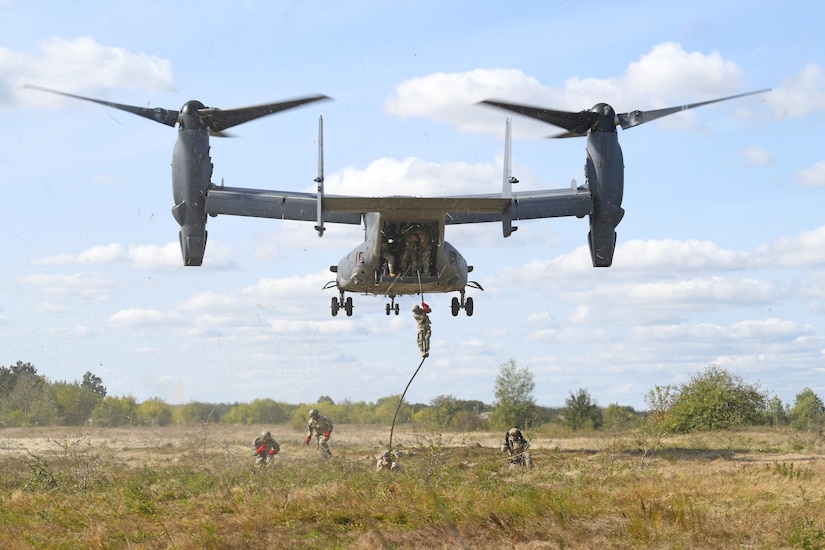
Military descend by rope from hovering aircraft.

China in particular, uses IW to steal intellectual property that's vital to national security, he said. Beijing also provides infrastructure loans to nations with the expectation that the money can be used to leverage its global military strategy.

The annex provides a strategy for dealing with these malign influences short of war. There is a vast array of non-kinetic options available to conventional and special forces to prevent war, and if deterrence fails, to shape war, he said.

Working with allies and partners is one of these options, Francescon  said. For example, if a U.S. aircraft carrier operated with an ally like Japan Self-Defense Forces in the South China Sea, that would send a message to Beijing that freedom of navigation is important and meddling in the affairs of nations in the region will not be tolerated, he said, meaning that partnerships send a stronger signal than acting unilaterally.

Two military personnel are parachuting.

Another example, he said, would be the U.S. and other Arctic nations collecting intelligence on Russian and Chinese economic and military activities in the area in order to better forecast and forestall bad behavior.

The DOD also works with allies and partners in the area of military information support operations, to counter propaganda and falsehoods from adversaries.

Cooperation with industry is also important in the IW effort, Francescon said.

For instance, industry could assist by building tools to help identify Chinese or Russian bots that spread misinformation, he pointed out.

Military personnel conduct field exercise.

Interagency cooperation is also an essential part of the IW Annex strategy, he said. For example, DOD supports the State Department's Global Engagement Center, to help counter misinformation campaigns by adversaries. The center coordinates this work with U.S. embassies throughout the world.

Lastly, the department has incorporated IW strategies in the curriculum at department training and education centers, he said. Included in that curriculum are ways adversaries use IW to their advantage, DOD countermeasures and incorporating the hard lessons learned from past IW efforts in Vietnam, Iraq and Afghanistan.

In short, the IW Annex is a road map for deterrence and provides off-ramps for the U.S. in options short of kinetic warfare. "That should be reassuring to the American public," he added.

Test Samples


Arizona National Guard service members prepare and collect COVID-19 test samples at the Arizona Department of Economic Security before transporting them to a state lab for testing in Prescott Valley, Ariz., Sept. 30, 2020. The testing ensures state employees, who work closely with the public, continue to provide essential services.

Airborne Ops


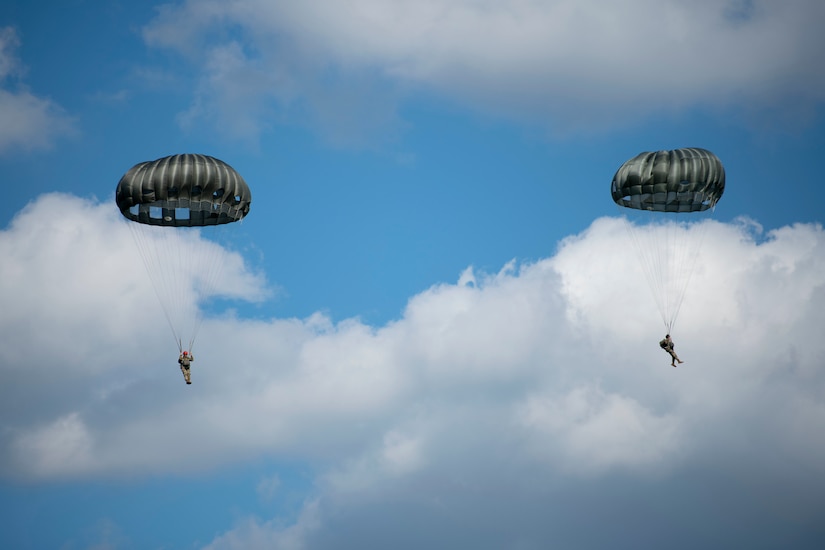
Soldiers freefall from an aircraft during airborne operations in Pordenone, Italy, Oct. 1, 2020.

Sunlit Sail

The guided-missile destroyer USS Sterett transits the Persian Gulf, Sept. 29, 2020.