Friday, June 26, 2020

New York National Guard Restructures COVID-19 Response

June 26, 2020 | BY Eric Durr , New York National Guard

When New York Gov. Andrew M. Cuomo announced that the number of COVID-19 cases in the state continues to decline, the New York National Guard began to shift the focus of its 2,959 personnel from response to steady-state operations.

After 100 days of operations, the six regional joint task forces established to provide maximum operational flexibility were consolidated into just two headquarters.

The response force has decreased in number from its 3,600 personnel on duty and is expected to continue to decline, as the New York National Guard focuses on supporting several core pandemic response missions, officials said.

The current force structure includes 2,459 soldiers; 353 airmen; 76 members of the New York Guard, the state's self-defense force; and 71 members of the New York Naval Militia.
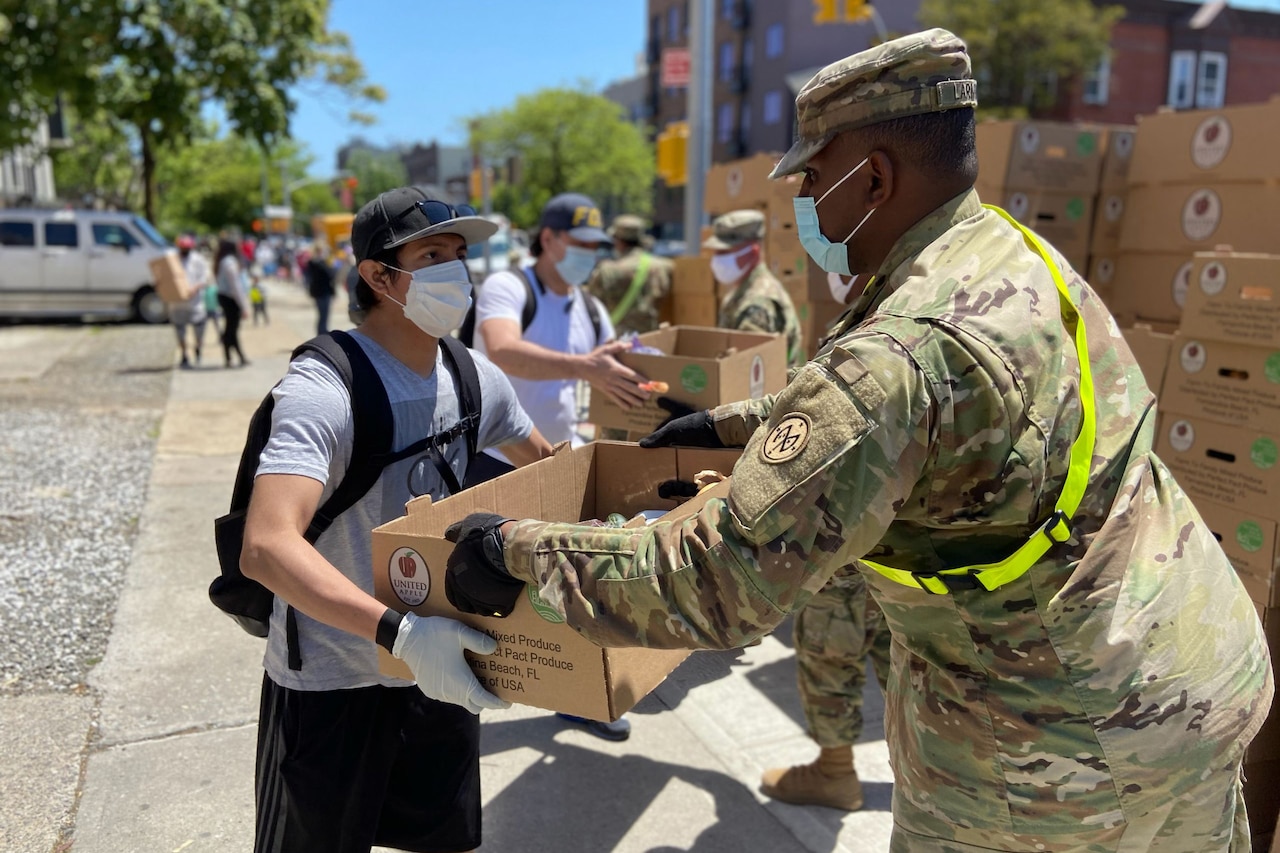
Soldier distributes boxes of produce.

The two new headquarters are Joint Task Force North, based at the Thompson Road Armory at Hancock Field Air National Guard Base in Syracuse and Joint Task Force South, operating from the Lexington Avenue Armory in Manhattan.

Joint Task Force South will handle missions and operations in New York City, Long Island and in the New York suburbs of the lower Hudson Valley. Joint Task Force North will be responsible for operations throughout the rest of the state.

The ongoing missions tasked to the Guard include assisting state-run medical testing sites; warehouse support and logistics missions; food distribution in New York City, Westchester County, and upstate areas as required; and call center support.

A major mission to assist the Office of the Chief Medical Examiner in removing remains of those in the city who died at home was phased out June 13. More than 400 New York National Guardsmen were involved in that mission and conducted the dignified recovery of 2,882 decedents.

Guardsmen also assisted Orange County and Westchester County with similar missions and assisted the medical examiner's office in reorganizing human remains in refrigerator trailers used for the overflown morgue space.

On June 16, Army Maj. Gen. Ray Shields, the New York adjutant general, announced an initiative in which the Walter Reed Army Institute of Research will work with soldiers and airmen who conducted those decedent recovery missions. The institute has developed a tool to assess service members at regular intervals to determine their psychological health, Shields said in an email to the force.

"The entire leadership team strongly encourages participation in this study," Shields said.
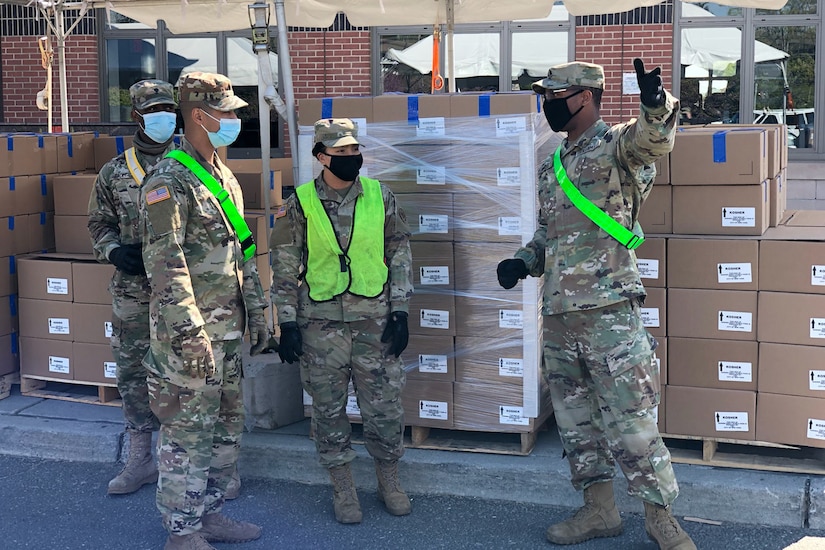
A soldier gestures as he gives guidance to other soldiers in front of stacks of cardboard boxes.

The New York National Guard will also work with the National Guard Bureau's Warrior Resilience Fitness Division to conduct studies of the personnel to assist their wellness and resilience after participating in the COVID-19 response mission. That assessment will evaluate stressors associated with deploying for the COVID-19 response, those members who did not deploy and the impacts of family and community stress in dealing with COVID-19.

Senior leaders will use the results of this study across the country to inform programs regarding resilience, Shields said. "Both of these efforts will help the total force and improve resilience programs," he added, "so I hope we get maximum participation."

New York guardsmen continue to assist state employees at 20 medical testing sites located across New York. Five of these are antibody testing sites, and 15 are drive-thru COVID-19 testing locations.

Since beginning these missions, the Guard has assisted in 13,649 antibody tests and 336,799 COVID-19 tests.

Since the beginning of the pandemic, testing has increased across New York, and about 50,000 people are being tested each day at various locations. In the past 109 days, 3.1 million New Yorkers have been tested for COVID-19, according to the governor, and 385,142 people have tested positive.

Expanded testing is critical to the safe and successful reopening of the state, Cuomo said.

The number of New Yorkers testing positive had fallen below 1%, Cuomo said on June 16. On that day, out of 59,341 tests conducted, there were only 517 positive results for COVID-19.

New York guardsmen continue conducting logistics missions, including warehousing and commodity distribution of medical supplies at five sites in the Hudson Valley-Albany area, Mohawk Valley and New York City.
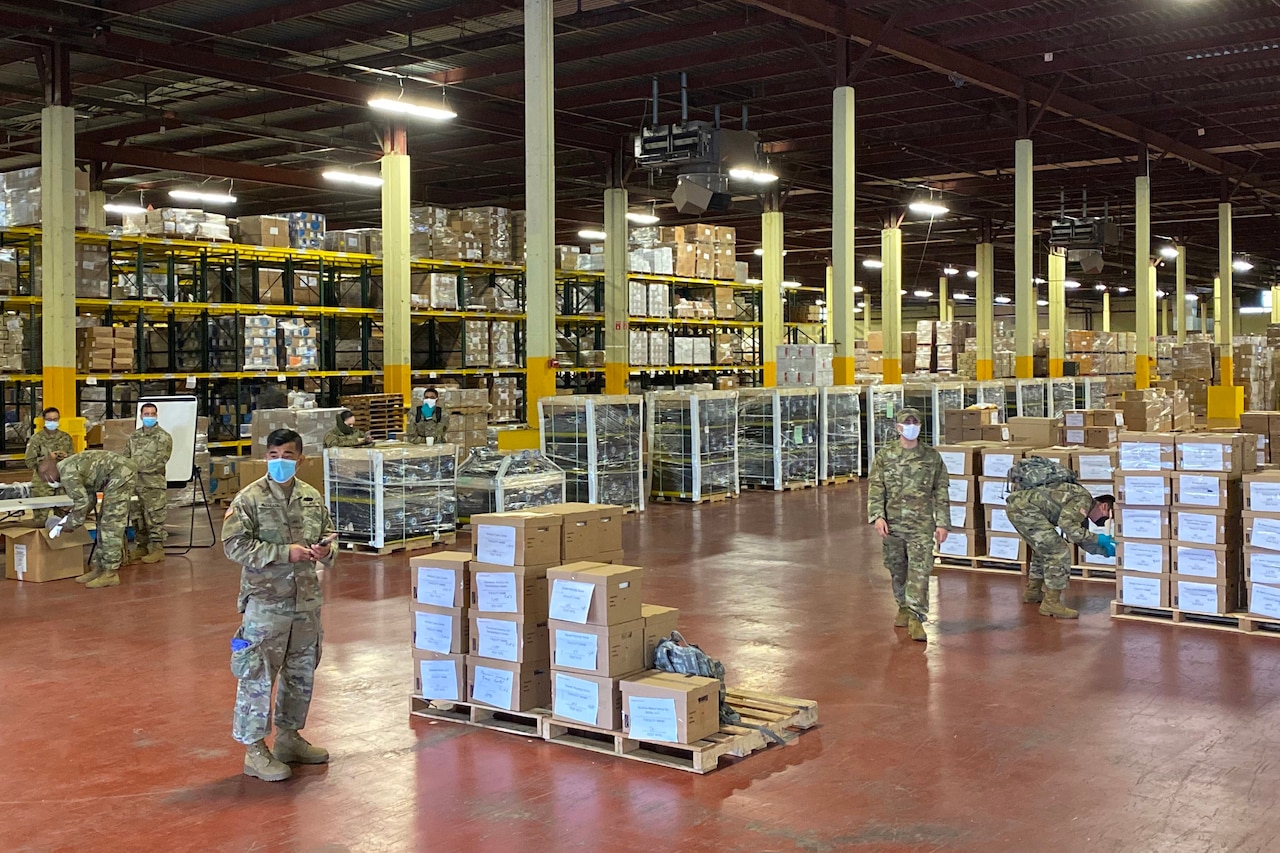
Soldiers work in a warehouse among many pallets bearing cardboard boxes.

A major part of that mission has been consolidating medical supplies from a warehouse in Oriskany and a hangar at Stewart Air National Guard Base in Newburgh to the Marcy Avenue Armory in New York City.

Soldiers have moved 714 pallets of personal protective equipment and 1,029 pallets of other equipment in conjunction with the New York State Department of Transportation.

They have delivered 360,000 masks to New York City locations and will receive and warehouse 845,000 medical gowns, 2.2 million protective masks, 4,000 oxygen cylinders and another 150 pallets of supplies at four other locations. In the lower Hudson Valley, 87,596 gallons of sanitizer have been distributed since the start of the mission.

Meanwhile, soldiers are working with state officials to ensure that all goods are properly accounted for.

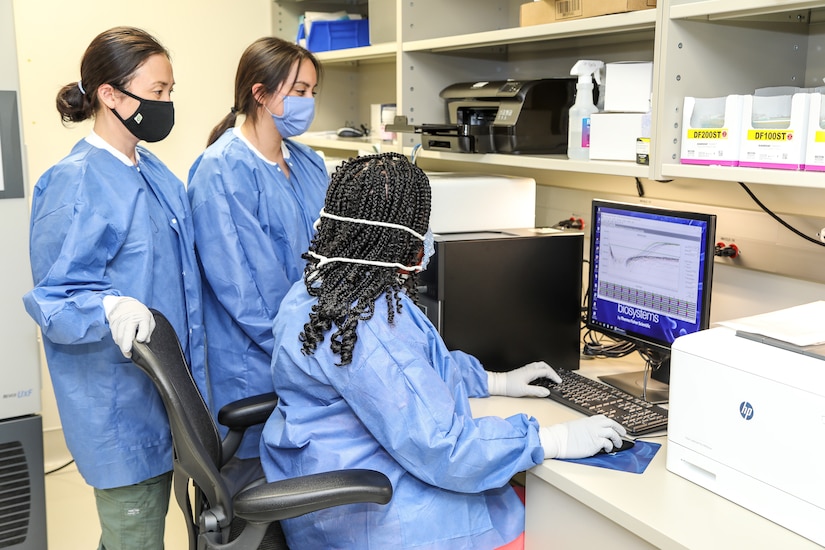
Finally, teams of guardsmen continue working with the New York State Department of Health's Wadsworth Laboratory in Albany to assemble COVID-19 test sets. A total of 2,038,426 test kits have been built since the start of the mission.

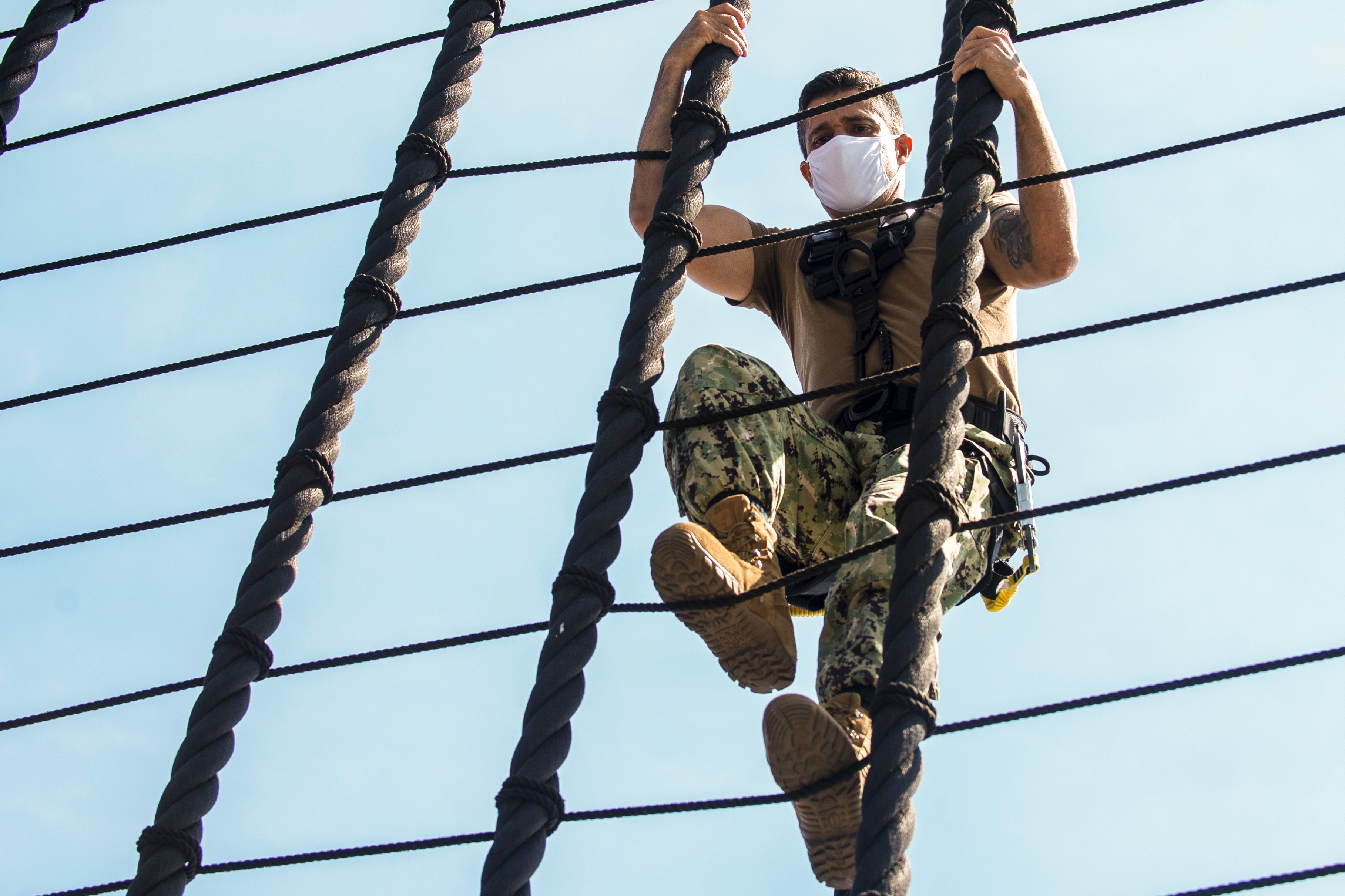
Sail Qualifier

Navy Senior Chief Petty Officer Jans Valdespou climbs the main mast of the USS Constitution during sail training qualification in Boston, June 23, 2020.

Soldier Line

Army paratroopers board an aircraft for an airborne operation at Aviano Air Base, Italy, June 24, 2020.

Trunk Load

Army Spc. Kwabena Anim-Appiah, a combat medic assigned to Delaware Army National Guard Medical Detachment, places food in a vehicle at a drive-thru mobile pantry in Dover, Del., June 24, 2020.

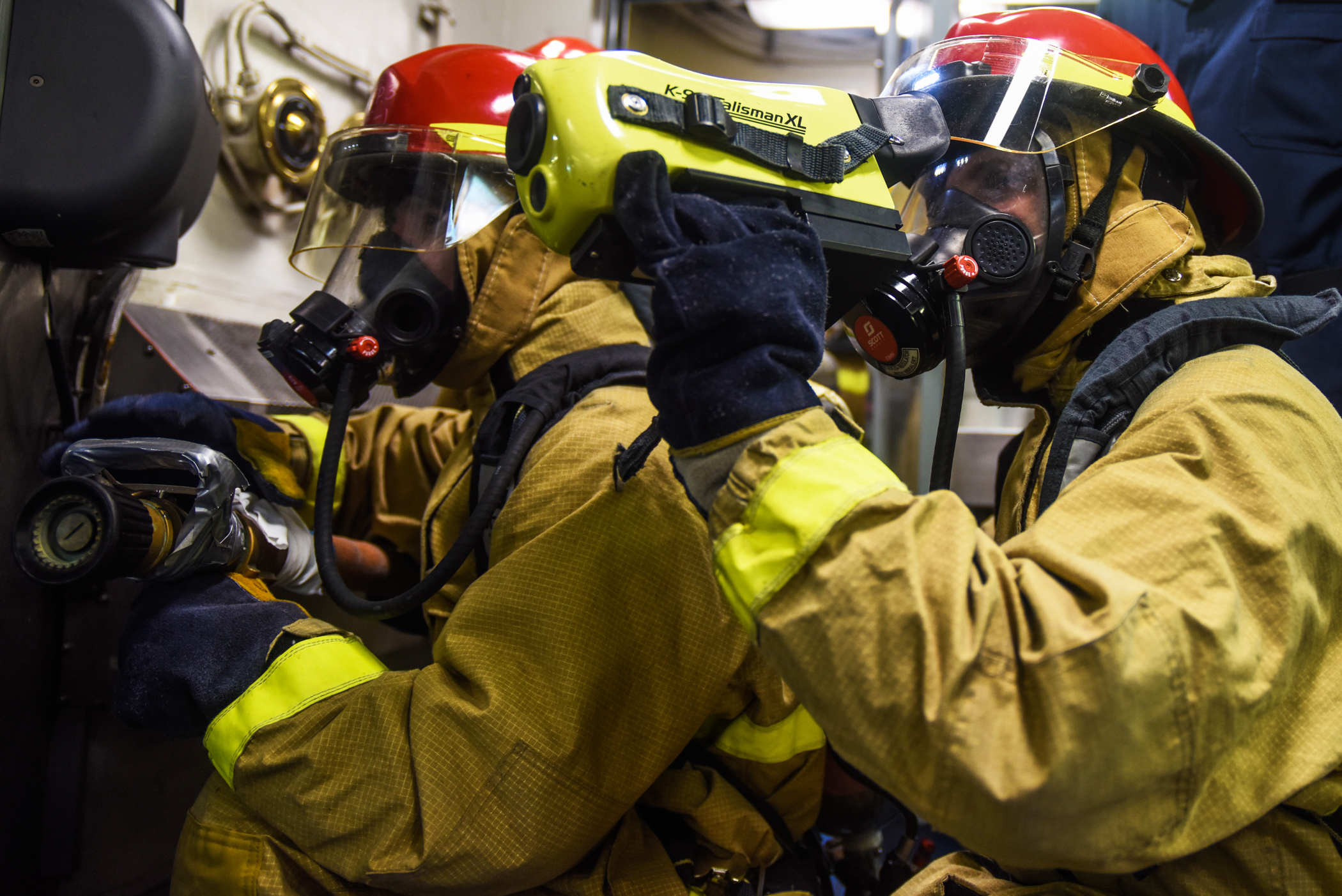
Thermal Imagers

Navy Petty Officer 3rd Class John Sunekaer, right, uses a firefighter’s thermal imager while Seaman Trevor Kingman combats a simulated fire during a drill aboard the USS Ronald Reagan in the Philippine Sea, June 22, 2020.

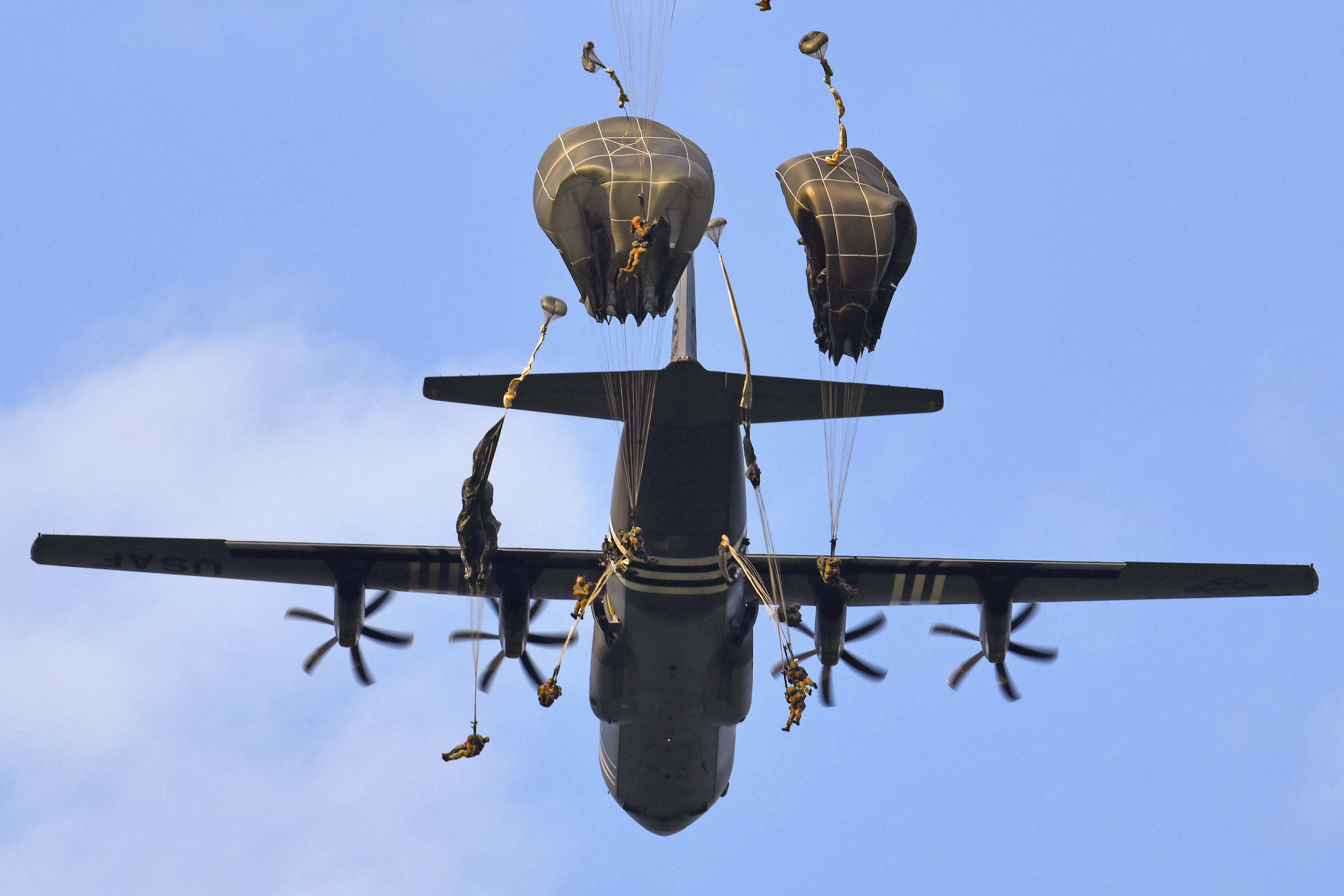
Airborne Ops

Army paratroopers exit an Air Force C-130 Hercules aircraft over Rivolto Italian Air Force Base, Italy, June 24, 2020.

Thursday, June 25, 2020

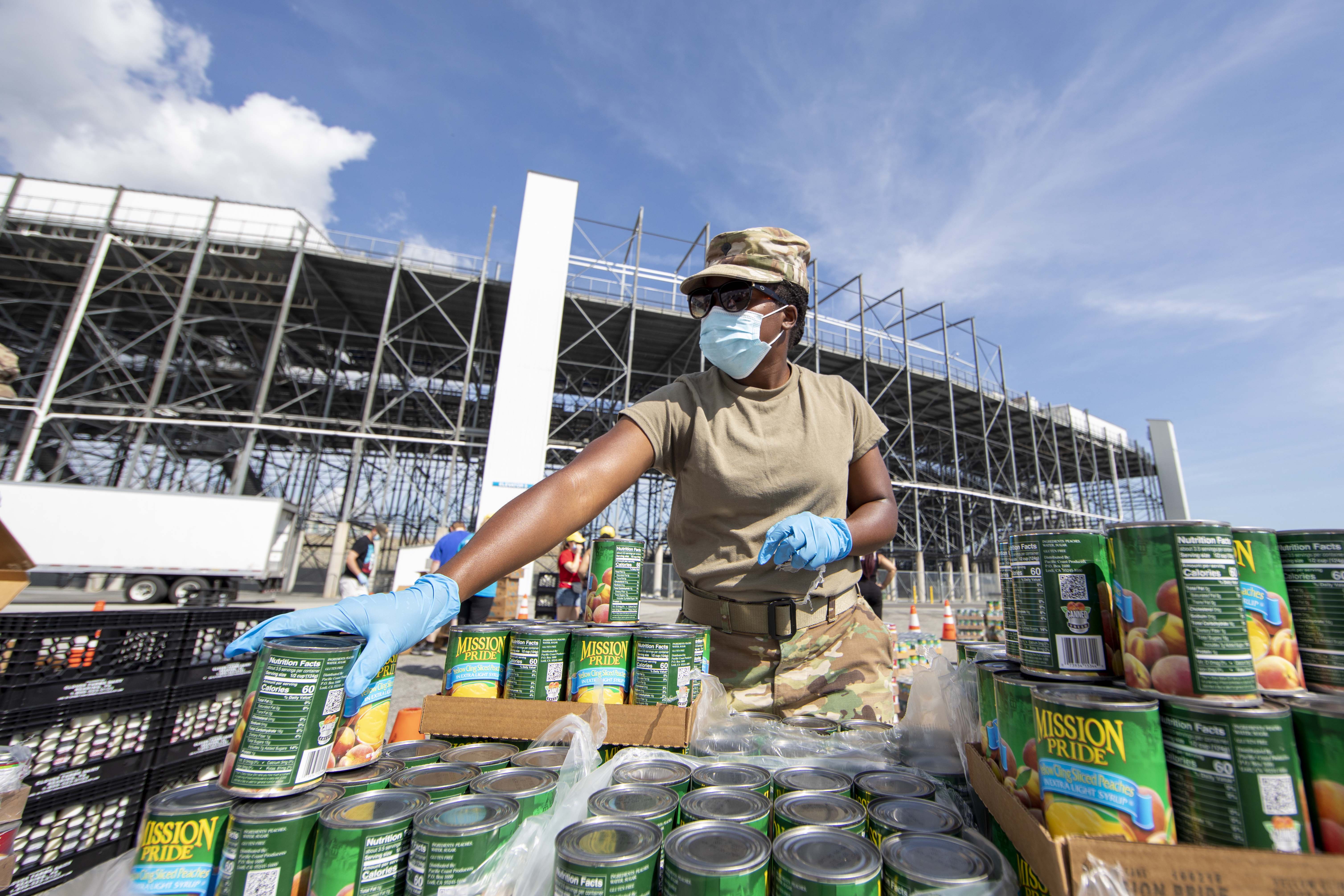
Dover Distribution

Delaware Army National Guardsman Spc. Ashley Jacobs organizes canned goods during a drive-thru food pantry on the grounds of the Dover International Speedway, Dover, Del., June 24, 2020. About 25 guardsmen joined volunteers with the Food Bank of Delaware to distribute items to address the increased demand for food assistance amid COVID-19.

Bull Run

Soldiers ride in a Stryker infantry carrier vehicle near Jaglowo, Poland, June 22, 2020, during Bull Run 12, an exercise that tests readiness and interoperability.

In Formation

The amphibious assault ship USS Bataan sails in formation ahead of the French frigate FS Guepratte and amphibious assault ship FS Mistral, and the Italian amphibious transport dock ship ITS San Giorgio during a maritime training exercise in the Mediterranean Sea, June 24, 2020.

Returning to Normal Operations on the Pentagon Reservation: Phase Two

June 25, 2020

DOD Chief Management Officer Lisa Hershman has approved the transition to Phase Two of the Pentagon Reservation Resilience Plan, which will move the Pentagon Reservation to Health Condition Bravo effective 5 a.m. EDT, Monday, June 29, 2020. Both Armed Forces Retirement Home campuses, in Washington, D.C, and Gulfport, Mississippi, will remain at Health Protection Condition Delta, the highest level of protection, due to the vulnerable residents and healthcare workers at our retirement homes.

The Secretary of Defense's number one priority during the COVID-19 pandemic is protecting our workforce. The decision to move to Phase Two took into account health data provided by state, district and local governments in the National Capital Region, as well as nearby military installations. The decision was based on:

  • No evidence of disease rebounding in the NCR.
  • 14-day downward trajectory of influenza-like illness and COVID-like symptoms within a 50-mile radius of the Pentagon.
  • 14-day downward trajectory in COVID cases and positive test results in the general population.
  • Adequate health care and robust testing capabilities in state and local health care systems and military medical treatment facilities within a 50-mile radius.
  • Mandatory stay-at-home orders within a 50-mile radius of the Pentagon are lifted.
  • Sufficient cleaning, disinfectants, and hygiene supplies are available.

Main differences that may be seen starting Monday are a greater increase of people in workspaces, more open concessions, and the reopening of the Corridor 9 pedestrian bridge pedestrian booth (Connector/Press Lot). Detailed information about Phase Two may be found at www.whs.mil/Re-entry/ and the posted Workplace Re-Entry Guide During COVID-19.

Key facets of the plan for Phase Two include:

  • Phase Two specifies supervisor-planned cohort or alternating schedules with no more than 80% of mission and non-mission essential employees in the office space.  Telework at 20% or more is encouraged, especially for vulnerable populations.  
  • Cloth face coverings are mandatory on the Pentagon Reservation where you cannot maintain 6 feet of social distancing.  Gatherings are limited to fewer than 50 people with adequate social distancing. 
  • Employees should take their temperatures before reporting for work each day. Employees should stay at home for 3 days and notify their supervisor if they have a 100.4 degrees Fahrenheit or higher temperature or are experiencing COVID-like symptoms, including loss of sense of taste or smell.
  • Personnel entering a DoD-managed office building will notice random temperature and question screening in place to protect the workforce.
  • Parking exceptions for COVID-19 are still in place.  General parking for COVID-19 Temporary Parking Clearances is based on a “first come, first served” basis.  If parking spaces become full, overflow parking is available at the Mark Center North Parking garage.  Permit holders should park in their designated areas. Please check www.whs.mil/Re-entry for the most recent Building Circular or the COVID-19 Parking Plan for details. 

OVID-19 Lab Technicians: Unsung Heroes During Pandemic

June 25, 2020 | BY Zaria Oates , Brooke Army Medical Center

Joint Base San Antonio-Fort Sam Houston is home to the busiest military hospital in the United States, Brooke Army Medical Center, where lab technicians have processed more than 10,000 COVID-19 tests.

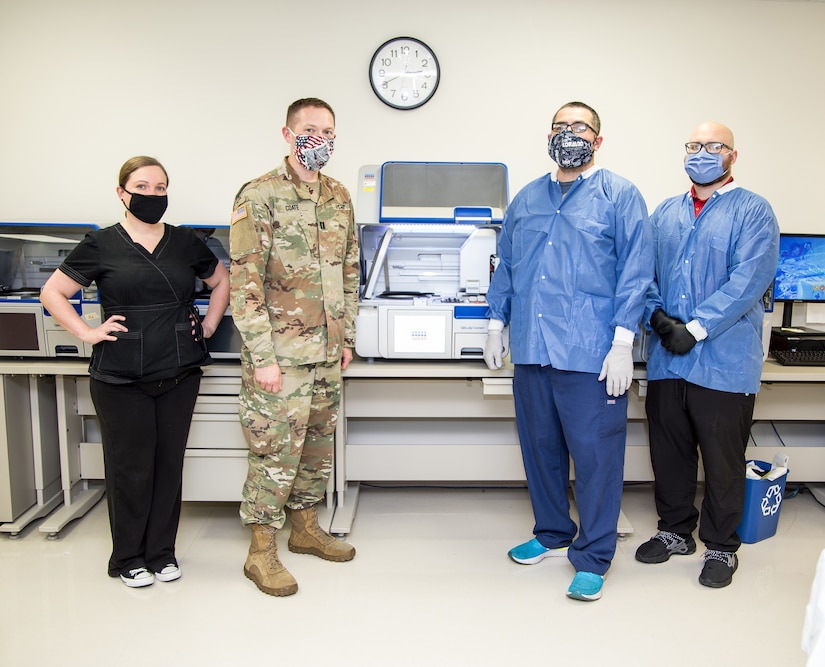
BAMC’s molecular team members load COVID-19 patient samples into an analyzer.

As one can imagine with a hospital as large as BAMC, COVID-19 has spurred a change in normal operations  in various areas. Nurses and doctors all over the world are doing a phenomenal job day in and day out, but the role of lab technicians can easily be overlooked

Though they may not be on the front line testing or caring for patients face to face, they have been working diligently in recent months, aiding the fight against the novel coronavirus.

"Since COVID started, we have added additional personnel to help with the large mission requirements that COVID has presented us," said Army Capt. Eric Coate, chief of Molecular Diagnostics and Immunology at BAMC.

Leslie Contreras, medical technologist, said routine tests have decreased in number, while COVID testing has become the main focus. "Some tests have been put on a hold and are being sent to a reference lab to accommodate the priority of COVID," Contreras added.

Coate said although the lab's hours are 5 a.m. to 10 p.m., the lab techs often run testing for 24 hours, when the number of samples collected necessitates around-the-clock operations. The workers wear the proper mandated personal protective equipment when working, which consists of a lab coat and gloves in their Biosafety Level 2 lab environment.

Civilians and military members from other sections of our laboratory and exterior DOD organizations with laboratorians stepping forward to be a part of the testing teams to assist us is a thing of true professional harmony."
Army Master Sgt. Jeffrey Thomas, Department of Pathology and Area Laboratory Services

The section that tests for COVID-19 is led by Army Lt. Col. Robert Cybulski, Jr. and supervised by Marisa Fernandez. Cybulski recognizes the help the lab has received in their efforts to combat the virus.  "Aside from our teammates within the Department of Pathology, we collaborate with the staff that is running the BAMC testing and screening operations, the staff of the Infectious Disease Service, and the staff of the Preventive Medicine Department," he said. "We have benefited from support provided by separate commands located on Fort Sam Houston [Public Health Laboratory] and retired Army officers who have been reactivated to support the COVID-19 response."

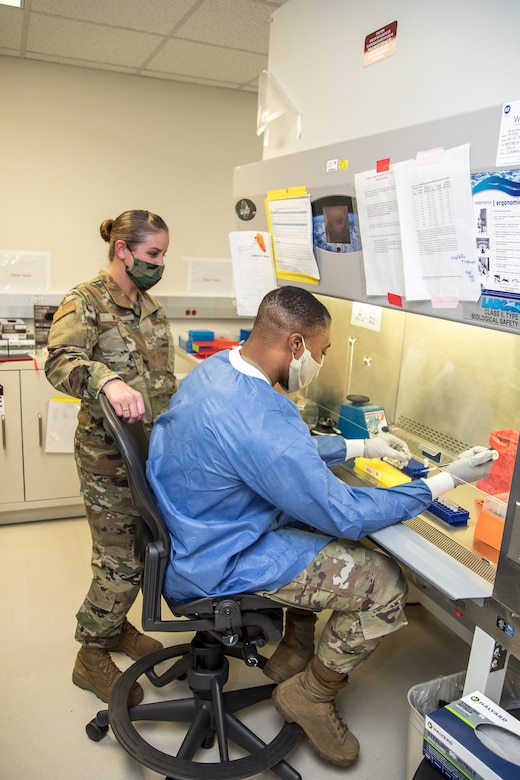
Airmen prepare patient samples for COVID-19 extraction.

Along with these departments, the Wilford Hall Ambulatory Surgical Center and Food Analysis and Diagnostics Laboratory technicians have volunteered their time and resources to assist the ongoing COVID-19 mission at BAMC. All of this assistance has aided the lab in conducting so many COVID-19 tests while still maintaining focus on their regular mission.

So what happens when a test comes back positive?

"Immediately after a positive result is generated in the lab and reviewed at the appropriate level, the results are reported to senior leadership in the hospital," Cybulski said. "Immediately after that, they are passed to a group of infectious disease physicians for appropriate clinical follow up."

"On a daily basis, the total list of positives generated during that time period is sent to infectious disease, as well as the Public Health personnel on Fort Sam Houston and Lackland Air Force Base, and select physicians within BAMC Family Medicine, to ensure that patient follow-up is completed and documented appropriately, and to facilitate additional reporting on the Public Health side," he said.

This chain of events allows for safe and proper acknowledgement for those infected to seek treatment and be able to quarantine, along with an effective follow-up of patients.

Air Force Lt. Col. Carolann Miller, laboratory manager, said she believes that at the beginning of the pandemic, there was increased anxiety due to the fear of the unknown as this is a new virus. However, over time and with proper guidance like wearing face masks, social distancing and the adjustment of work schedules, the anxiety has somewhat subsided, she said, while stressing the importance of ongoing vigilance.

Molecular team members at Brooke Army Medical Center demonstrate molecular ribonucleic acid extraction equipment.

"The lab's biggest impact on COVID-19 is laboratory and molecular section leadership being 100% engaged from the beginning and getting the testing for this virus in-house as soon as possible to serve our beneficiary population in the [Joint Base San Antonio] area," Miller said.

Air Force Col. Samantha Butler-Garcia, chief of the Department of Pathology and Area Laboratory Services, revealed that her favorite part about coming to work is providing safe and high quality health care for active duty and veteran personnel. "They have made sacrifices for their country in ways that are often unimaginable, so they deserve the best health care," she said.

The laboratory has shown amazing resilience as it has adapted to the evolutionary changes that have come from the [Centers for Disease Control, and Prevention, the Defense Department and other agencies regarding the understanding of COVID-19, said Army Master Sgt. Jeffrey Thomas, noncommissioned officer in charge of the Department of Pathology and Area Laboratory Services. The staff has shown a level of teamwork and camaraderie that he has experienced only under the most high-stress environments, he added.

"Civilians and military members from other sections of our laboratory and exterior DOD organizations with laboratorians stepping forward to be a part of the testing teams to assist us is a thing of true professional harmony," Thomas said.

(Zaria Oates is assigned to Brooke Army Medical Center.)

Kirtland Senior NCOs Coordinate Community Outreach During COVID-19

June 25, 2020 | BY Air Force Airman 1st Class Ireland Summers , 377th Air Base Wing

Senior noncommissioned officers and other airmen at Kirtland Air Force Base, New Mexico, participated in a community outreach event at the Roadrunner Food Bank to help local people affected by the COVID-19 pandemic.

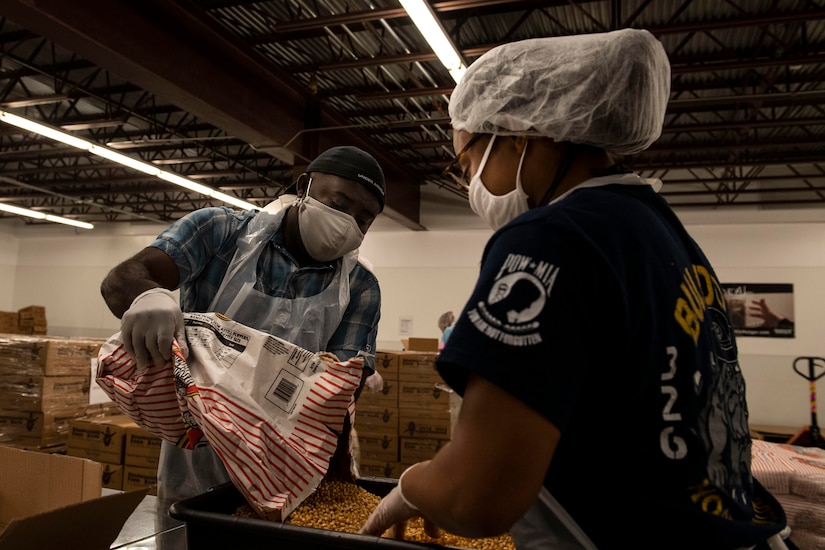
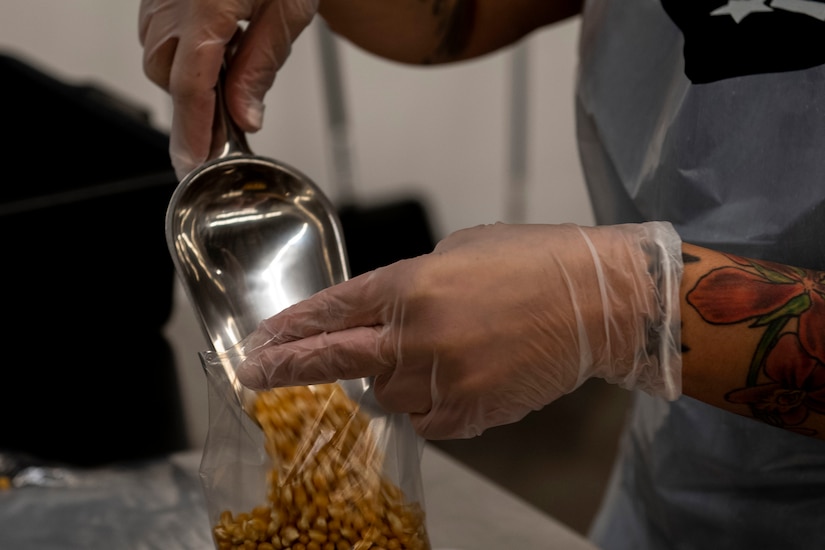
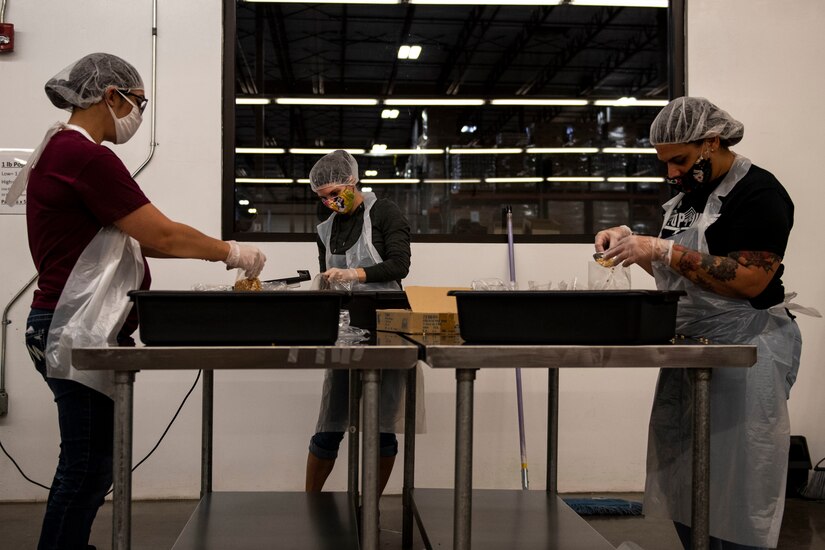
Airmen bag popcorn for community outreach.

The base's senior enlisted association, which calls itself TKT3 — short for Team Kirtland Top 3 — has been volunteering at Albuquerque food bank for almost two years. This June 19 event had 80 volunteers putting in 160 work hours across three shifts.

"The purpose of the event is to bring Team Kirtland together to show unity and support for our local community," Air Force Master Sgt. Matthew L. Coburn, munitions systems program manager for the Air Force Operational Test and Evaluation Center and TKT3 member, said. "By volunteering with Roadrunner Food Bank, Team Kirtland is able to provide critical support in this extremely vital time of need within the local community."

TKT3, composed of members of the top three enlisted ranks — master sergeant, senior master sergeant and chief master sergeant — participates in various events quarterly that allow airmen across the base to enhance their professional development while supporting the local community.

Airmen bag popcorn for community outreach.

Volunteer activities for this event included packaging food for delivery to local churches, schools, food pantries and more. Those duties involved sorting through fresh produce, bagging popcorn and providing support as needed in the factory.

"It feels good to help out," Air Force Staff Sgt. Sydney Y. Hulme, aircrew flight equipment journeyman with the 58th Operations Support Squadron, said. "It really shows the community that Team Kirtland is here for them and can give a helping hand when needed."

Texas National Guard Medics Conduct COVID-19 Antibody Testing

June 25, 2020 | BY AIR FORCE STAFF SGT. DEJON WILLIAMS

Service members who have taken part in Operation Guardian Support were tested for COVID-19 antibodies at the Weslaco Armory in Weslaco, Texas.

Operation Guardian Support medics, along with medics assigned to the Texas National Guard's COVID-19 Preparedness and Response Team, conducted the tests June 19.

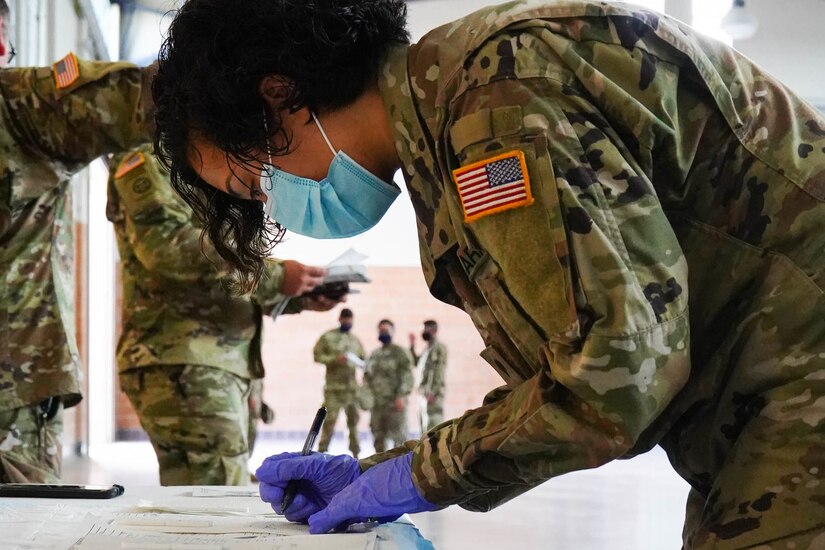
A soldier wearing a face mask and latex gloves leans at a table to write on a form.

Testing was conducted for service members with symptoms, potential symptoms or known exposure to someone being tested for COVID-19, officials said.

"Today we had roughly 30 service members who were waiting for COVID-19 testing out in the local facilities," Army Maj. Vicente Bautista said. "We had testing available, so we went ahead and did the testing ourselves. What we did was antibody testing, which gave us results in about 15 minutes."

The medics use the tests to track exposure, symptoms and personal data for record.

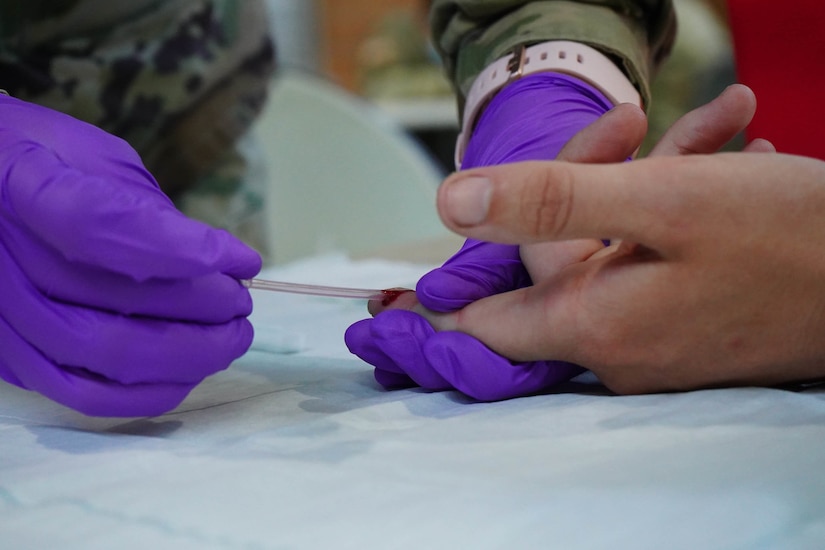
"The test itself is a finger prick with a lancet," Army Spc. Joshua Leonard, with the COVID-19 Preparedness and Response Team, said. "It just needs a few drops of blood from the fingertip. That is then placed into a prepared testing card. The blood is then mixed with a serum designed for this test. The two mix, and the reaction will show a line on the test if the antibodies are present."

A soldier wearing latex gloves takes a sample of blood from someone’s finger.

Once service members have completed their test, they wait 15 minutes for the results. They then speak with the Task Force physician assistant to discuss the results and get further instruction based on the results.

Should a service member's test results show positive, Leonard said, it does not necessarily mean they will be ill with COVID-19. It means they have been exposed to the virus and their body has formed a defense against it, he explained.

(Air Force Staff Sgt. DeJon Williams is assigned to the Texas Air National Guard.)

Wednesday, June 24, 2020

VA Resources for Alzheimer’s Disease

women supporting

Did you know that two-thirds of Americans with Alzheimer’s disease are women? Or that more than 60% of caregivers for those with dementia and Alzheimer’s disease are women? VA offers support and services for Veterans with dementia and their caregivers.

LEARN MORE 

VA's Whole Health Approach for Women Veterans

women flexing

Health care is more than treating an illness or symptom. VA’s Whole Health resources can help women Veterans take control of their health and well-being by providing skills and support to make lifestyle changes based on what is important to you. Explore self-care strategies and complementary therapies such as nutrition, exercise, meditation, and personal development, along with conventional medical care.

LEARN MORE