This year marks the nation's 250th birthday, celebrating the Declaration of Independence.
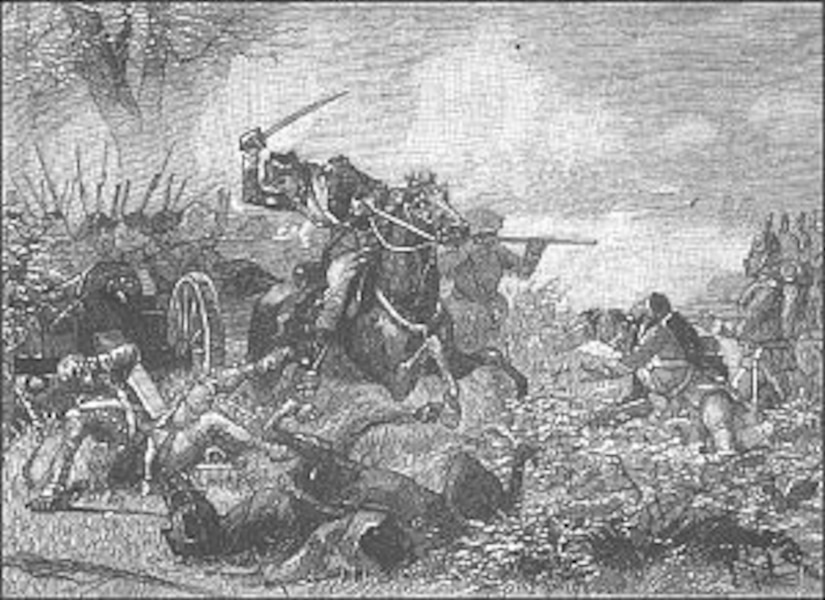
On July 4, 1776, things were not going well for the American military forces, which were retreating from New York City and Canada following battles with the British. A little more than a year later, a turning point occurred as British forces surrendered, following the Battles of Saratoga, Oct. 7, 1777.
The British planned to sever New England from the rest of the country by sending forces from Canada eastward down the Mohawk River, southward via Lake Champlain and northward up the Hudson River, where they planned to converge in Albany, New York.
The plan was strategically sound, but things went horribly wrong for the British.
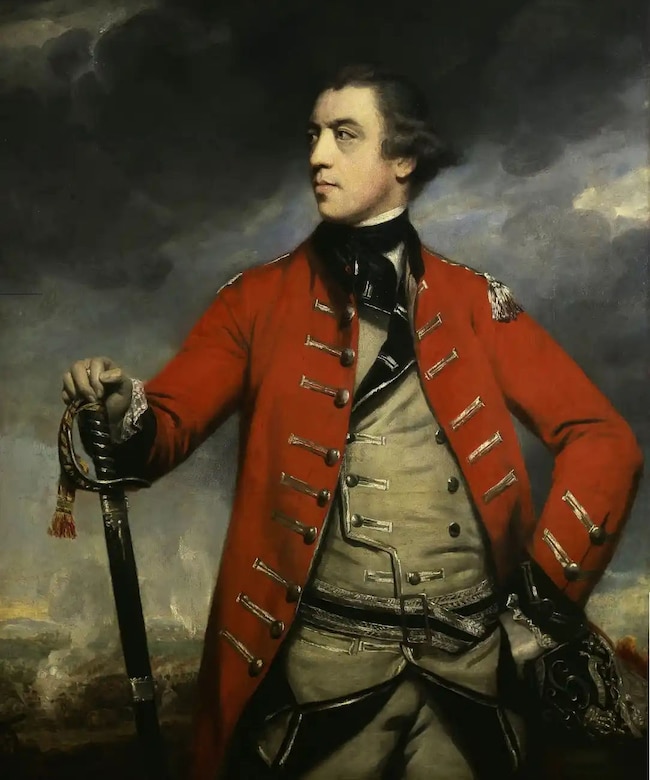
British Army Gen. William Howe never moved his forces north up the Hudson River, and British Army Brig. Gen. Barry St. Leger turned back his forces meant to arrive from Canada through the Mohawk Valley, leaving Burgoyne's entire force surrounded and outnumbered by the Americans in upstate New York.
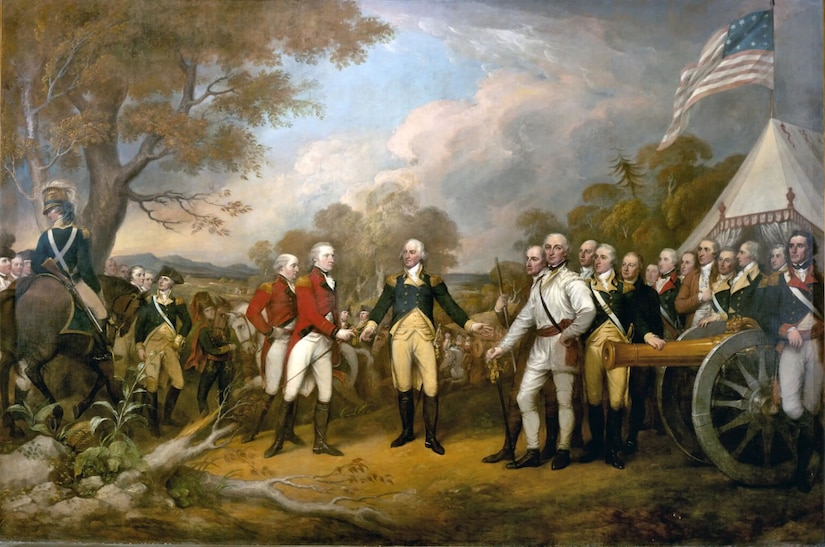
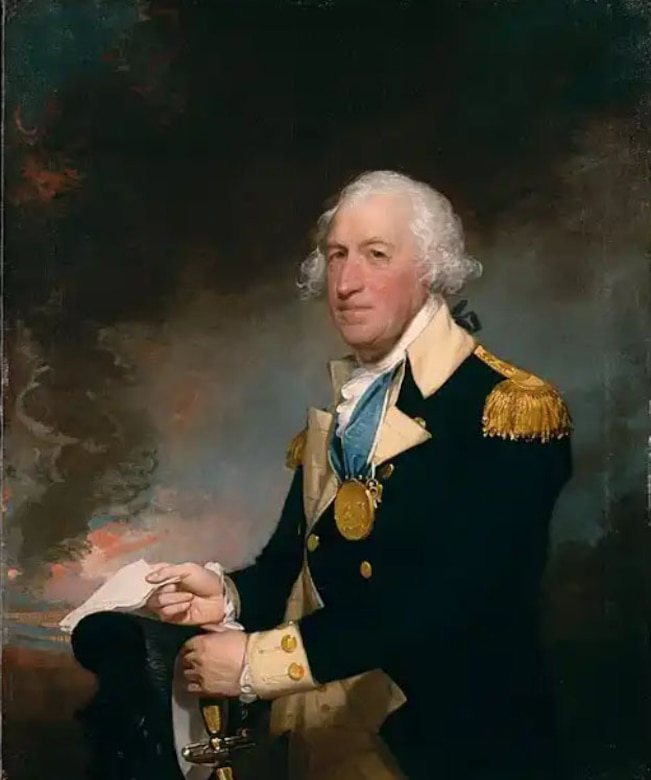
Burgoyne surrendered his entire force to Continental Army Maj. Gen. Horatio Gates.
The victory was so successful that France decided to ally itself with the United States, providing much-needed assistance with its military, supplies and equipment.
Later in the war, Spain and the Netherlands also provided assistance to the U.S.
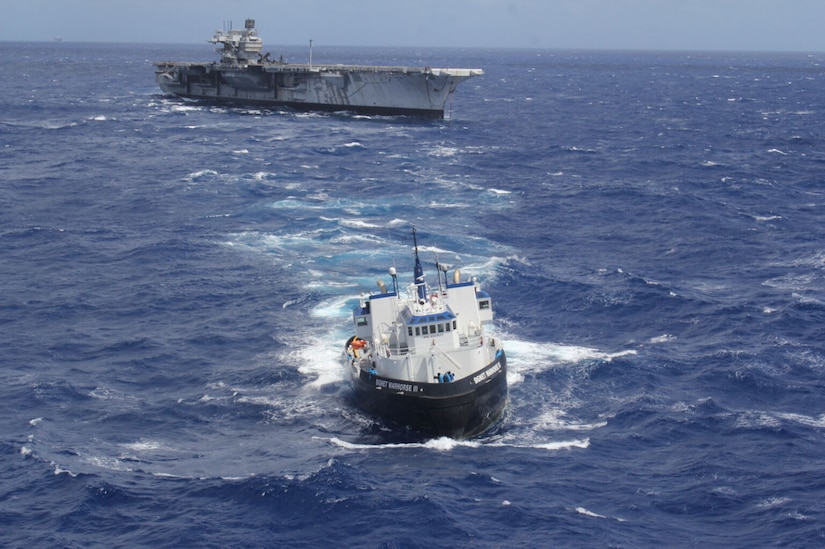
A number of Navy ships, including sailing vessels, cruisers and aircraft carriers, bore the name USS Saratoga in honor of that victory.
Today, the National Park Service maintains the site of the victory, which is now called Saratoga National Historical Park.


 Posts
Posts


No comments:
Post a Comment