Soldiers assigned to the 25th Infantry Division trained at the Schofield Barracks, Hawaii, in January on the Army's newest service rifle, the M7, with instructors from the U.S. Army Marksmanship Unit providing hands-on support focused on marksmanship fundamentals.
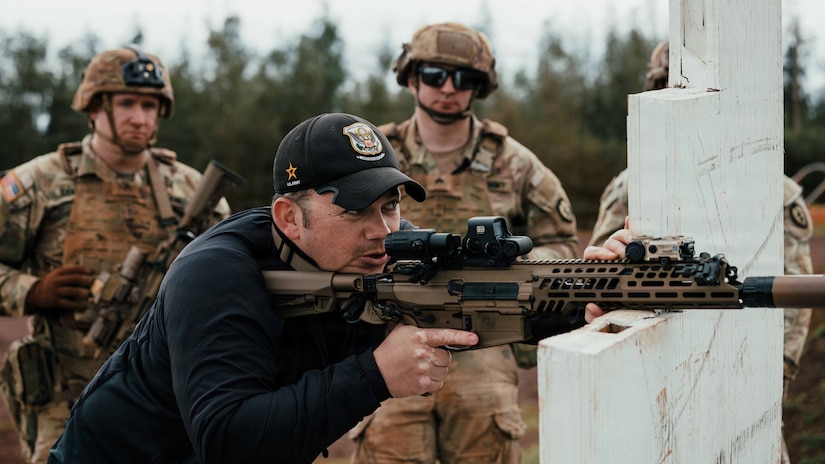
The instructors worked alongside soldiers to reinforce proven shooting techniques that apply across weapon systems and assisted with ongoing M7 fielding efforts alongside program partners.
"We are working with instructors from [the program executive office] and [the U.S. Army Tank-automotive and Armaments Command] to assist in the net fielding efforts and provide marksmanship instruction and guidance to both the students and instructors as they field the next generation squad weapon," said Army Sgt. 1st Class Alexander Deal, team chief for the U.S. Army Marksmanship Unit Service Rifle Team, adding fundamentals remain critical when soldiers transition to a new platform.
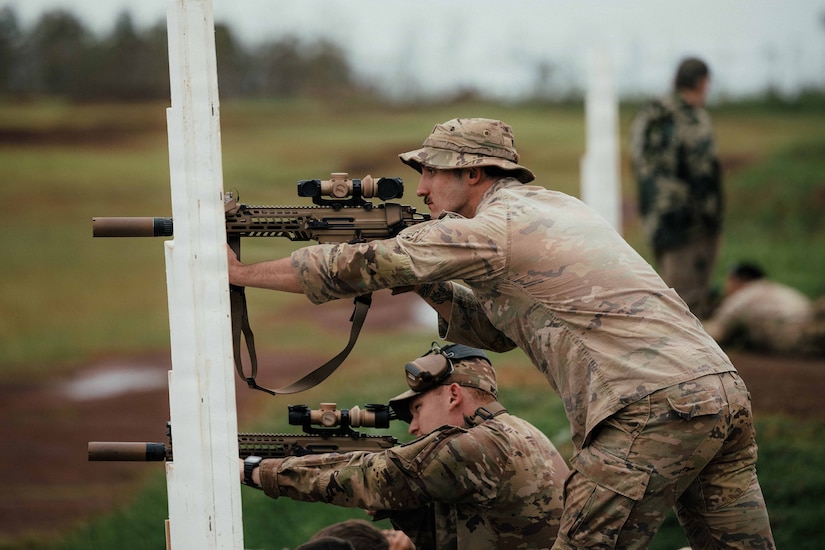
"It's hard to say what fundamentals matter the most. They're all equally important, but establishing a consistent and stable position, consistent head placement, proper sight alignment, and trigger control are going to make shooting a new weapon system a lot easier," Deal said.
According to Deal, competition-style training exposes shooters to stressful and unfamiliar scenarios that highlight their strengths and weaknesses.
"[It] can help soldiers' combat effectiveness by putting them into new scenarios they may not have been in before and putting them under the stress of time, speed or accuracy to assess their level of training and where there may be room for improvement," he said.
Deal emphasized that consistency must come before speed, especially for developing shooters.
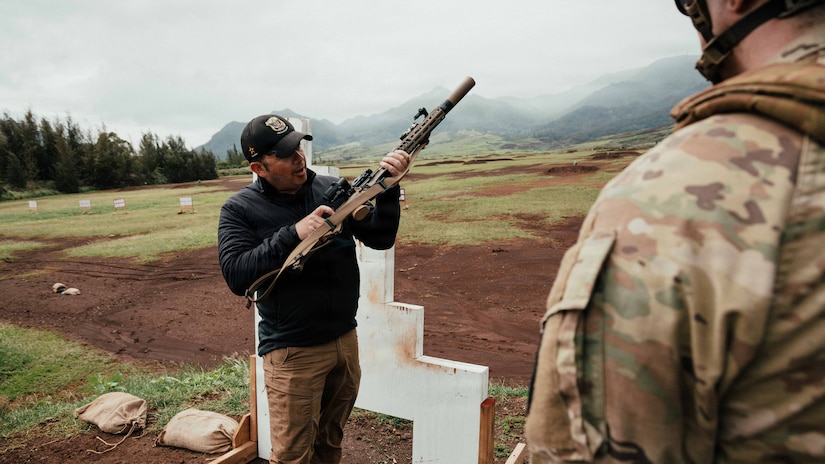
"It's hard to start fast and figure out what you're doing wrong versus slowing things down, assessing fundamentals and building up speed and distance [over time]," he said.
The training course is focused on noncommissioned officers returning to their units.
"The NCOs are getting familiarized with the weapon systems and optics so they can go back and train other NCOs, officers and their soldiers, and begin proper marksmanship training," Deal said, adding that the long-term goal is to sustain improvement across Army units.
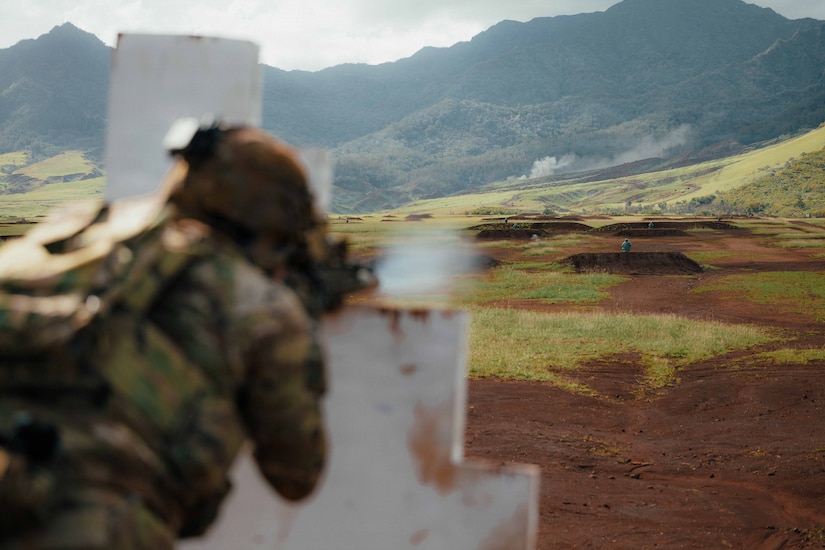
"They're going to transfer that knowledge to their soldiers and peers and hopefully make improvements to their marksmanship programs that carry over into better practices and increased lethality," he said.


 Posts
Posts


No comments:
Post a Comment