Once every 50 years, the United States holds milestone Independence Day celebrations. This year marks the nation's 250th birthday and fifth semicentennial celebration.
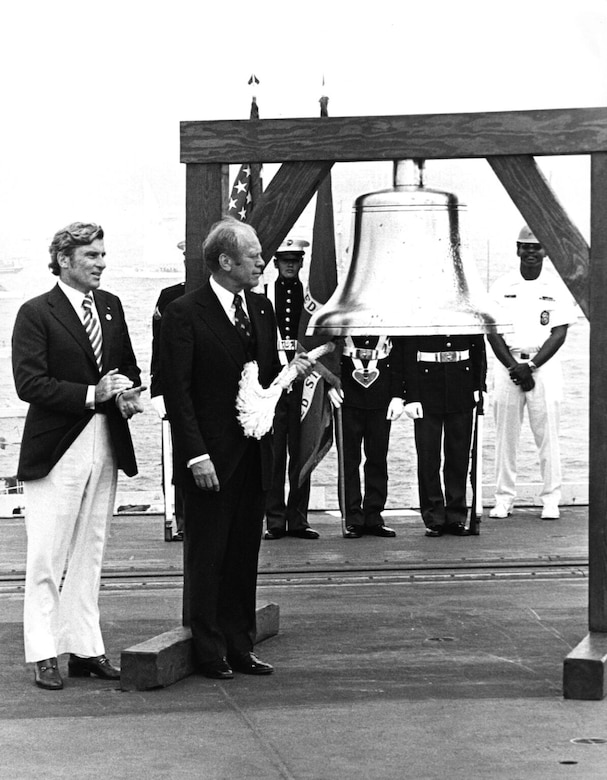
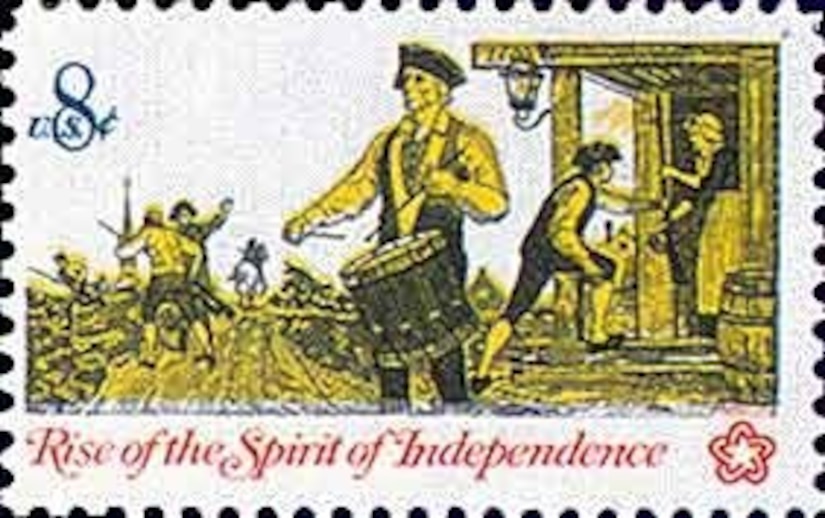
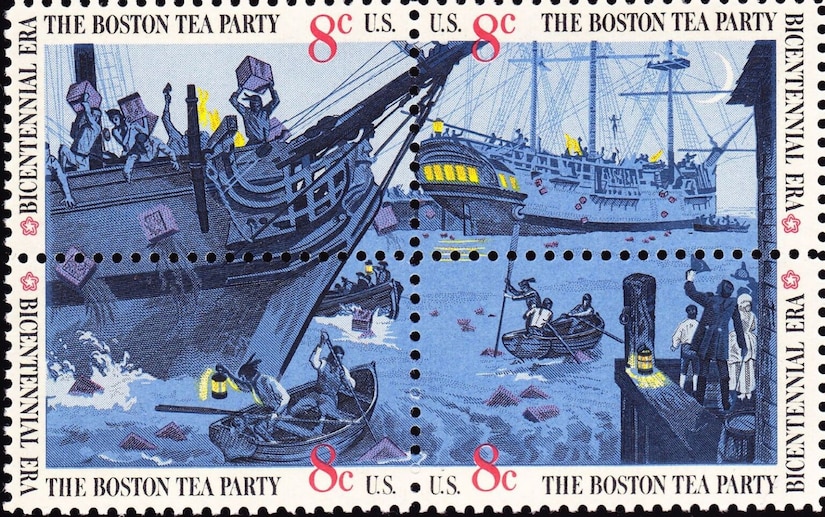
The bicentennial was celebrated nationwide, July 4, 1976. It was celebrated only a year after the last U.S. troops left South Vietnam during the fall of Saigon, April 30, 1975.
President Gerald R. Ford's administration stressed the themes of healing and rebirth, as well as nostalgia for the nation's founding. Ford was a World War II Navy officer, serving in the Pacific aboard the aircraft carrier USS Monterey.
New York City celebrated the bicentennial with a parade of ships that included dozens of historic and current ships. Operation Sail, as it was called, began in New York Harbor and moved up the Hudson River.
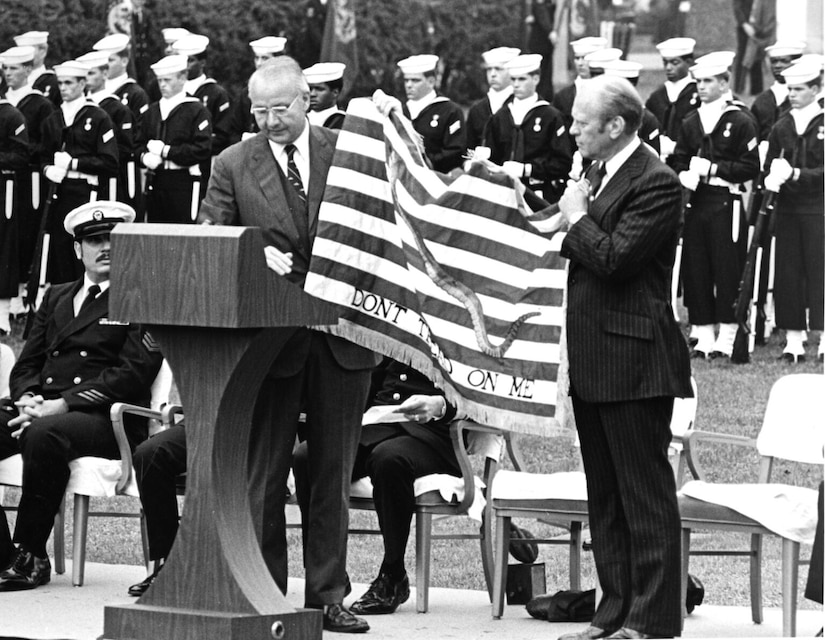
One of the ships, the aircraft carrier USS Forrestal, carried Ford, Vice President Nelson Rockefeller and State Secretary Henry Kissinger.
The event was also attended by 70 foreign ambassadors and chiefs of naval operations from 35 countries.
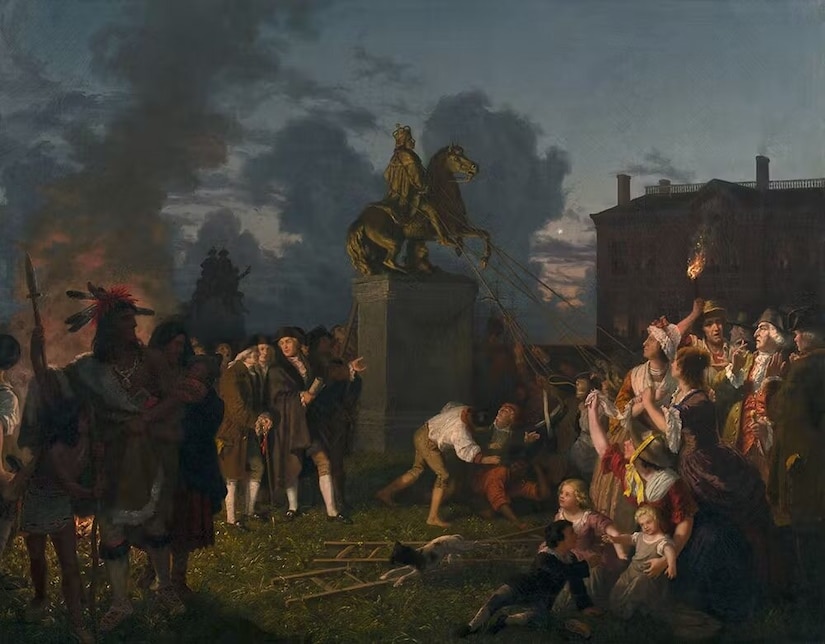
A statue of King George III was beheaded, reenacting when his statue was beheaded during the Revolutionary War and melted down to make bullets.
During the celebration in the city, bands and ceremonial units from all of the military services marched down Constitution Avenue.
In 1976, Donald Rumsfeld was the defense secretary; Martin Richard Hoffmann was the Army secretary; Gen. Frederick C. Weyand was the Army chief of staff, followed by Gen. Bernard W. Rogers in October of that year; J. William Middendorf II was the Navy secretary; Adm. James L. Holloway III was the chief of naval operations; Thomas C. Reed was the Air Force secretary; David C. Jones was the Air Force chief of staff; and, Gen. Louis Wilson was the Marine Corps commandant.
The military wasn't involved in any conflicts in 1976, the last being the Mayaguez incident in May 1975, in Kampuchea, now called Cambodia.
The U.S. was involved in the Cold War, which lasted from 1947 until the dissolution of the Soviet Union in 1991.
During this timeframe, the U.S. military maintained a large presence in West Germany, Japan and South Korea.
At Panmunjom, South Korea, Aug. 18, 1976, two U.S. soldiers were killed by North Korean soldiers while trying to chop down part of a tree in the Korean Demilitarized Zone, which had obscured their view of North Korea. Three days later, Operation Paul Bunyan took place with a show of force made up of dozens of U.S. and South Korean troops, who completed cutting down the rest of the tree.
On Nov. 2, 1976, Jimmy Carter, a former naval officer like Ford, was elected president.


 Posts
Posts


No comments:
Post a Comment