During World War II, Army Pfc. Dirk John Cornelius Vlug singlehandedly went up against five enemy tanks during the liberation of the Philippines, and miraculously, he won. The modest Midwesterner's brazen actions allowed his company to further its goal, and they made him the recipient of the nation's highest honor for valor.
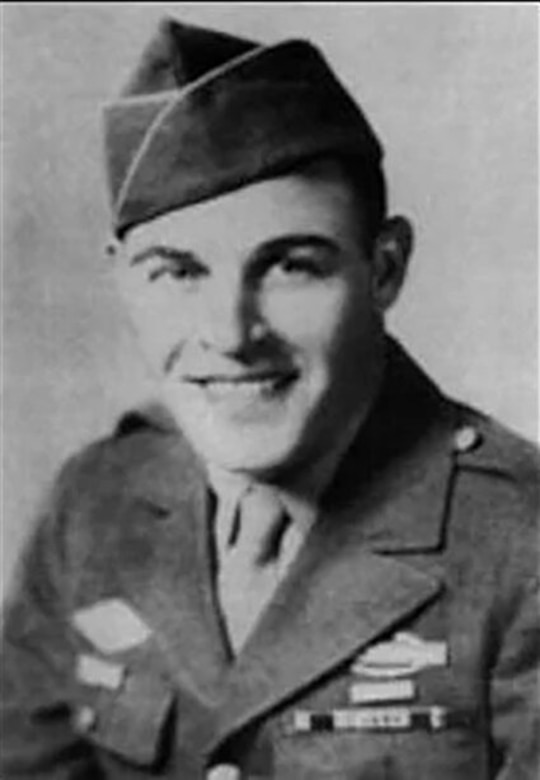
Vlug was born Aug. 20, 1916, in Maple Lake, Minnesota, to Dutch immigrants Isaac and Mina Vlug. He had four sisters and a brother.
When Vlug was 6, the family moved to Grand Rapids, Michigan, so his father could pursue better work opportunities. According to a 1987 Grand Rapids Press newspaper article, when the Great Depression hit, Vlug dropped out of high school and began working to help support the family.
By April 1941, Vlug was drafted into the Army as a cannoneer assigned to the 1st Battalion, 126th Infantry Regiment, 32nd Infantry Division. After the attacks on Pearl Harbor, the division was one of the first Army units sent to the Pacific theater in April 1942. The 32nd Infantry Division went on to spend more days in combat than any other division.
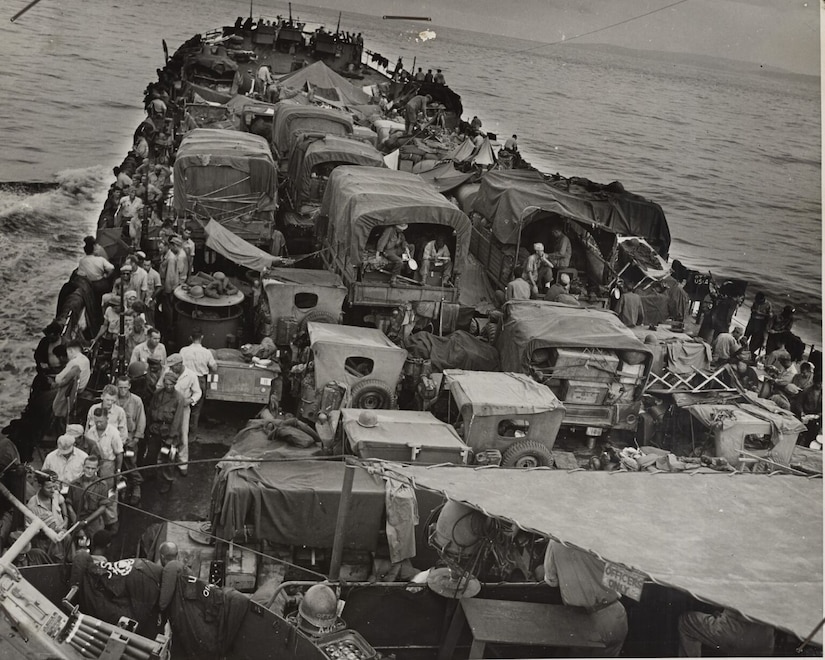
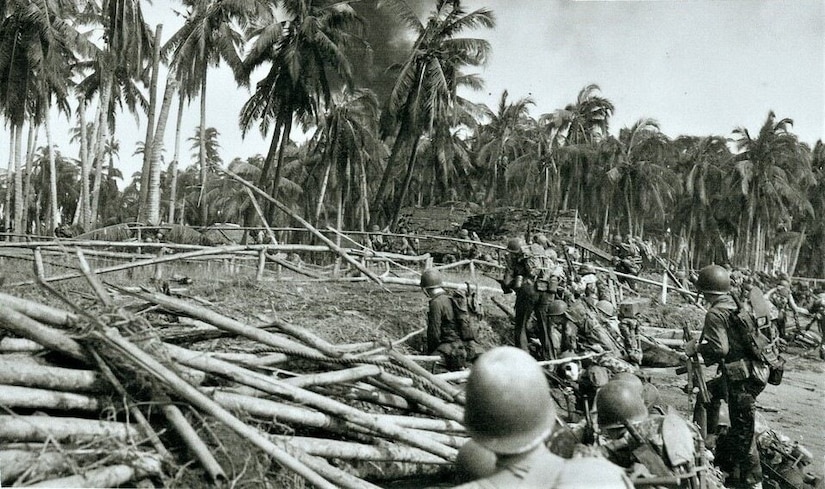
Vlug took part in several island-hopping campaigns across the Pacific. By autumn 1944, the 32nd Infantry had landed on Leyte Island in the Philippines as part of the campaign to liberate it from Japanese forces that had pushed the Allies out two years prior.
On Dec. 15, 1944, Vlug's Headquarters Company was defending an American roadblock near the village of Limon when they saw a group of enemy tanks moving toward them. Almost immediately, Vlug left the safety of his covered position and moved alone toward the tanks, despite the intense enemy machine gun and 37 mm fire directed his way. Armed with a rocket launcher and six rounds of ammunition, he took aim and fired, destroying the first tank and killing all its occupants with a single round.
As the crew of the second tank jumped off their vehicle to attack on foot, Vlug killed one of them with his pistol. The other attackers then ran back to their tank; however, once they were inside, Vlug proceeded to destroy it with a second rocket launcher round.
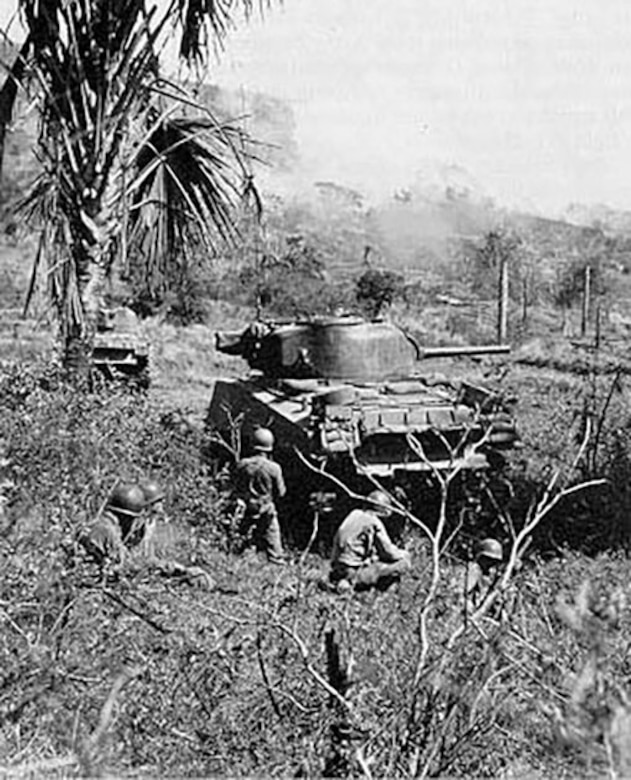
When three more enemy tanks moved up the road, Vlug flanked the first and took it out before pushing through a hail of enemy fire to destroy the second. He then used his last round of ammunition on the final tank, causing it to crash down a steep embankment.
Without any assistance, Vlug had destroyed five hostile tanks and killed numerous enemy soldiers. That heroism helped his company hold the blockade and later push forward toward liberation.
After being discharged from the Army in June 1945, Vlug returned to Grand Rapids and worked for the Department of Veterans Affairs for a short time before taking a job at a manufacturing plant where his brother also worked. He was on the job when he learned that he was to receive the Medal of Honor. It was an honor he remained modest about his whole life.
"I was no different than any other soldier. I saw a chance and took it," Vlug said of his actions during a Grand Rapids Press interview in 1980. "I guess, though, you have to be a keyed-up sort of guy to do what I did. You can't just sit back and let things happen."
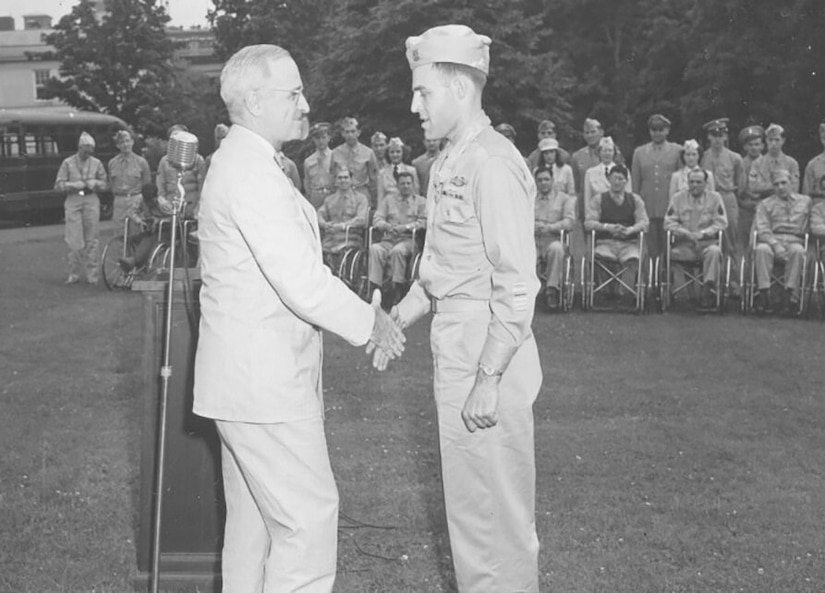
On June 7, 1946, Vlug received the nation's highest honor for valor from President Harry S. Truman during a White House ceremony that also honored three other soldiers and one Marine.
Later that year, Vlug married Angie Sikkema, whom he'd initially been introduced to during the war via mail and later met in person after returning to the States, newspapers reported. The couple went on to have three daughters.
Vlug continued his military service by serving for two years in the National Guard, rising to the rank of master sergeant. He took a job as a mail carrier in 1950 and held that position for 26 years before retiring.
In his later years, Vlug enjoyed golfing, bowling and building birdhouses, and he remained active among veterans' groups. According to his family and friends, his life was characterized by humility, and he rarely talked about his exploits during the war.
In 1992, Vlug received Michigan's highest military honor, the Distinguished Service Medal. Two years later, the 78-year-old was one of two Medal of Honor recipients invited to attend the 50th commemoration of the liberation of the Philippines. Vlug and his wife made the trek to the island nation, his first time setting foot there since the war.
Vlug died on June 25, 1996, at the age of 79. He is buried at Greenwood Cemetery in Grand Rapids.
His home state has not forgotten his heroics. In 1999, a section of the Veterans Memorial Parkway in Grand Rapids was renamed Dirk Vlug Way. His Medal of Honor is also on permanent display at the Michigan Heroes Museum in Frankenmuth, Michigan.


 Posts
Posts


No comments:
Post a Comment